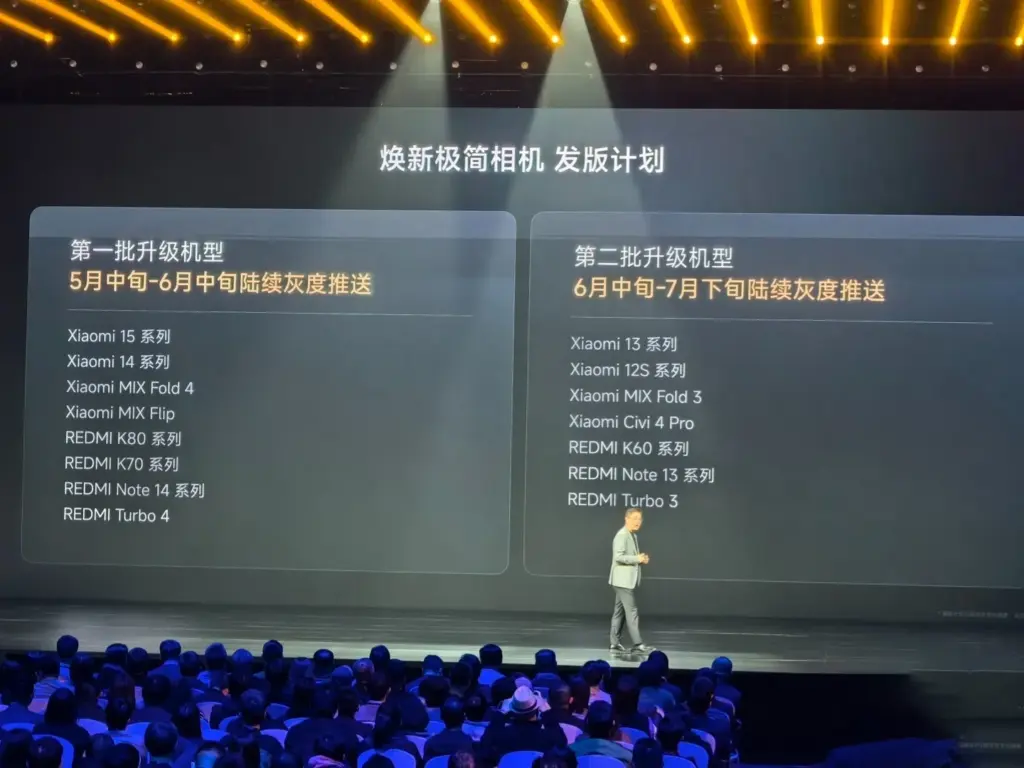
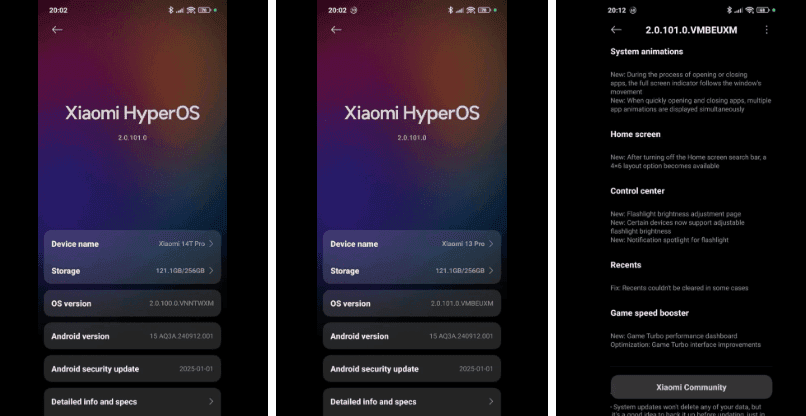
Although Xiaomi has been working on HyperOS 2.2 in the background, the release date may have been unintentionally disclosed. Xiaomi just released a description of how it plans to roll out its new, minimalist camera app, which debuted alongside the Xiaomi 15 Ultra. However, a closer examination of the camera update’s deployment schedule suggests that HyperOS 2.2 might be released earlier than anticipated.
HyperOS 2.2 development is underway
Based on Xiaomi’s standard rollout plan, the following can be expected:
This is in line with Xiaomi’s previous actions. For instance, the new Game Turbo capabilities were introduced with the REDMI K80 series and were available on all HyperOS 2.1-compatible devices. The new simple camera app, which will come pre-installed on HyperOS 2.2, will experience the same thing.
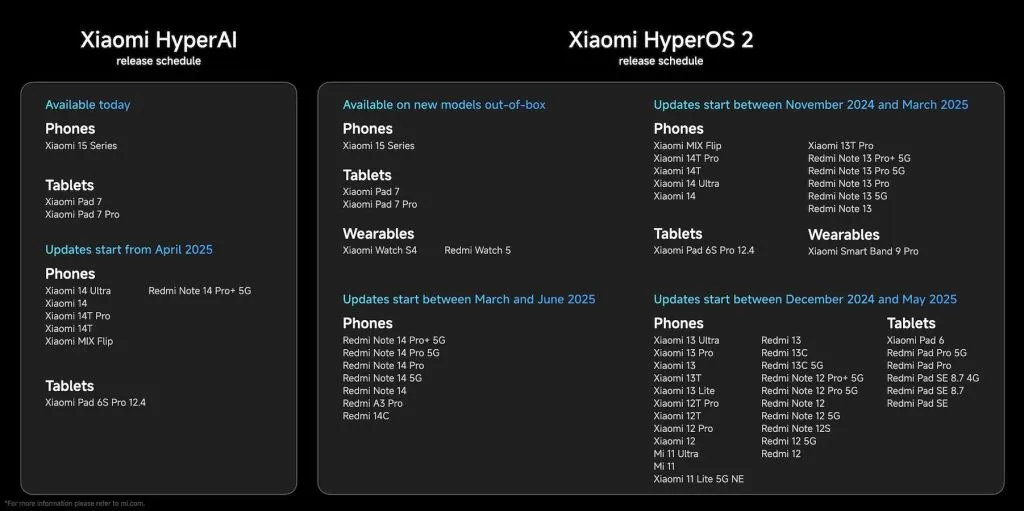
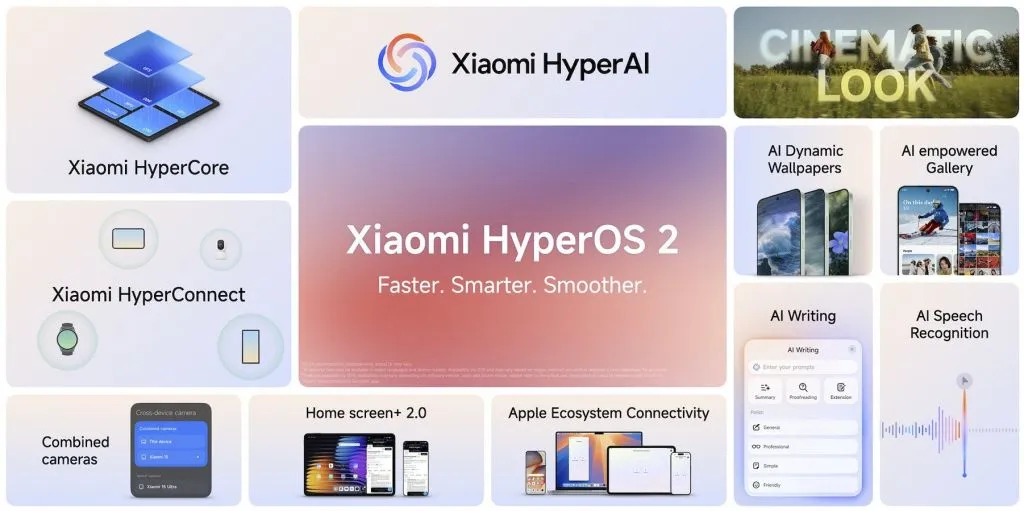
At the worldwide launch event for the Xiaomi 15 series, Xiaomi revealed the timeline for the release of Xiaomi HyperAI and HyperOS 2.0, which are based on Android 15. These changes offer a more seamless, integrated user experience along with AI-powered improvements. The official upgrade schedule and a list of the new software’s key features are provided below.
Xiaomi HyperOS 2.0 global update schedule for 2025
Time
Models
Available Today
Phones: Xiaomi 15 Series Tablets: Xiaomi Pad 7, Xiaomi Pad 7 Pro
A potent new system engine called Xiaomi HyperCore was created to improve efficiency and performance. With quicker app launches and longer battery life, it ensures a more seamless user experience by optimizing resource management.
All Xiaomi devices can connect seamlessly thanks to Xiaomi HyperConnect. It makes it easier for users to switch between smartphones, tablets, wearables, and other smart devices in the Xiaomi ecosystem by improving multi-device synchronization.
With Cinematic Look’s sophisticated image and video processing features, users may take pictures and films with a professional-caliber touch. This function produces visually spectacular content by improving lighting, sharpness, and color grading.
AI Dynamic Wallpapers & AI Gallery customizes the user experience by utilizing artificial intelligence. The AI Gallery cleverly classifies and arranges images for convenient access and administration, while AI-powered wallpapers constantly adjust to user preferences.
AI Speech Recognition and AI Writing offer more intelligent input techniques that improve communication. While AI Speech Recognition allows precise voice commands and real-time transcription, AI Writing assists with text summarizing, proofreading, and tone correction.
Cross-device Camera & Home Screen 2.0 enhances multitasking and ecosystem integration. With improved app categorization and interactive widgets, the new home screen layout improves usability, and users may use cameras from various devices interchangeably.
Better cross-platform compatibility is ensured by Apple Ecosystem Connectivity, which makes it possible for Xiaomi smartphones to function more effectively with Apple goods. Data exchange, notifications, and device synchronization across several operating systems are made easier by this functionality.
With a planned deployment strategy that guarantees a smooth transition between devices, Xiaomi HyperAI and HyperOS 2.0 want to provide customers with a quicker, smarter, and more seamless experience.
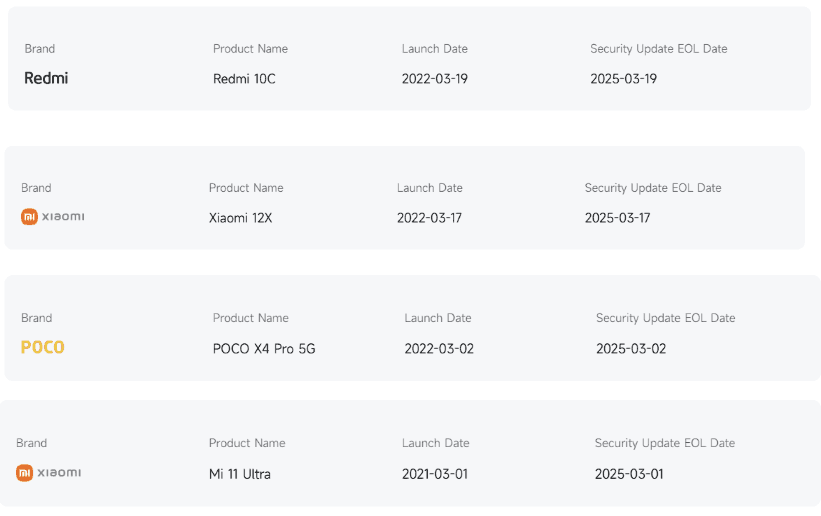
According to their Product Software Support Information page, Xiaomi has officially announced the end of security updates for some of its most popular products, marking a significant milestone for its fans throughout the world.
Although there is a strange silver lining for Xiaomi 11 Ultra customers, this move affects thousands of users who have been using these smartphones for their everyday digital demands. The decision represents the latest development in Xiaomi’s ongoing controversy surrounding its software support policy, which is ongoing despite the company’s success in maintaining older devices while giving priority to newer product lines.
Xiaomi devices reaching EOS
The Redmi 10C and Redmi 10 that have attained end-of-life (EOL) status running MIUI 14 based on Android 13 are among the devices on the list that would no longer receive security updates. For most users, that means they are no longer protected against recently found vulnerabilities, which may raise questions about long-term device security.
In a similar vein, HyperOS 1 based on Android 13 has reached the end of life (EOL) of the Redmi Note 11 Pro 5G, Redmi Note 11E Pro, Redmi Note 11 Pro+ 5G, and POCO X4 Pro 5G. Updates in the form of security patches will no longer be available for mid-range phones, which were highly popular when they were first released due to their great specifications at low costs.
The impact on Xiaomi 12X
The Xiaomi 12X, which was marketed as a lightweight flagship model, is now among the phones that will not be receiving any more security updates. The 12X ends its update cycle with HyperOS 1, which is based on Android 13, just as the previously mentioned Redmi Note 11 series. Despite being ready for an upgrade, the Xiaomi 12 Lite will not get the HyperOS 2 update.
Xiaomi 11 Ultra Receives HyperOS 2
However, Xiaomi has revealed that the Xiaomi 11 Ultra would receive HyperOS 2 even though it has stopped receiving regular security upgrades, which is a welcome surprise for the majority of Mi enthusiasts. With the impending Android 15, this 2021 flagship luxury device—which was praised for its superb camera setup and high-end specs—will receive an update based on Android 14, but not HyperOS 2.
The terms for Xiaomi’s update strategy are called into doubt by this special treatment of the 11 Ultra. The fact that the 11 Ultra comes with HyperOS 2 indicates that Xiaomi may be offering prolonged software support for its flagship premium phones, maybe to keep its premium user base happy, even though the majority of the devices on the list are mid-range or low-cost phones.
It is advised that users of the impacted devices take extra security precautions, include exercising more caution when downloading apps from unidentified sources and maintaining strict protection for sensitive data.
Xiaomi has widely distributed the HyperOS 2.1 worldwide update, which brings the newest features and enhancements to a wide variety of phones, including tablets, high-end flagships, and budget-friendly models. The update release is a significant step toward Xiaomi’s goal of offering consistent software updates across its range of devices worldwide.
Devices receiving HyperOS 2.1 update
The global update is now available on the following devices:
Xiaomi’s worldwide software strategy has advanced significantly with this deployment, which offers the newest HyperOS capabilities across a range of device categories and pricing points. The inclusion of both high-end and mid-range devices in the rollout demonstrates Xiaomi’s dedication to maintaining software parity throughout its whole product line.
Building on the basis established by the original HyperOS, this update 2.1 offers a number of enhancements on these products. Better UI elements, system animations, and enhanced system performance are in store for the users.
Lei Jun, the CEO of Xiaomi, just lately commended the upcoming Xiaomi 15 Ultra’s photographic capabilities. He has now released the Xiaomi 15 Ultra’s first official camera sample, which shows a nighttime picture with intricate lighting. The sample supports Xiaomi’s boasts of significant breakthroughs in mobile photography with its remarkable clarity, noise management, highlight suppression, and color correctness.
However, the watermark data is the most interesting detail. Instead of using the primary sensor, the new 200MP periscope telephoto camera was used to take the picture. With its f/2.6 aperture, 100mm focal length, and corresponding 4.3x optical zoom, the ISOCELL HP9 sensor offers notable gains in low-light and telephoto capabilities.
The Xiaomi 15 Ultra faces fierce competition when compared to rivals. A 200MP HP9 sensor with an 85mm focal length and an f/2.67 aperture is also used by the Vivo X200 Pro. The 200MP ISOCELL HP3 sensor in the Honor Magic7 RSR, on the other hand, has a brighter f/1.88 aperture and a 70mm focal length.
Lei Jun expressed great confidence in the Xiaomi 15 Ultra’s abilities during a recent live stream, emphasizing that it has made notable advancements in night photography. We will soon find out how effectively it fulfills these promises as its official launch is scheduled for the end of this month.
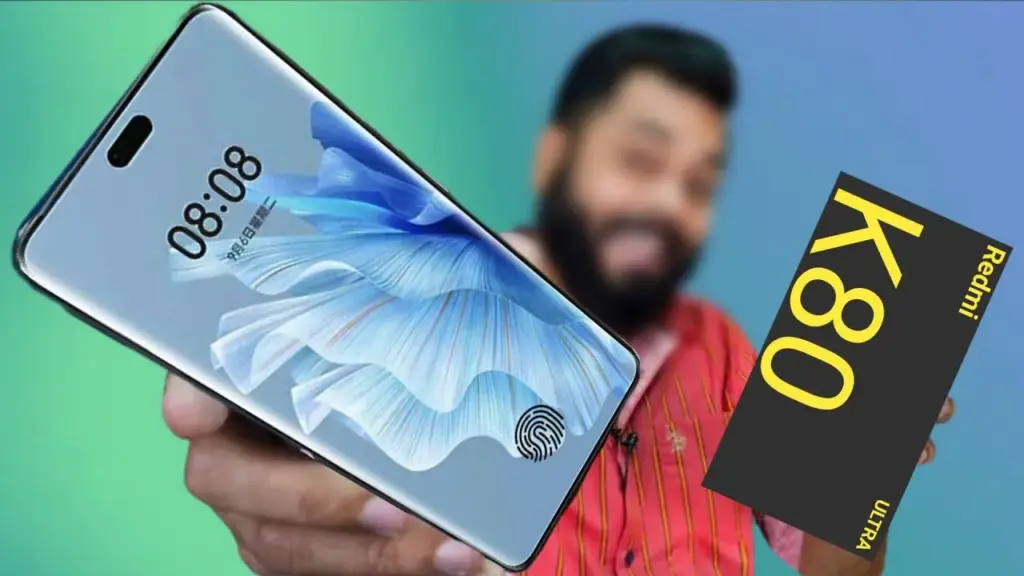
When we last heard about it, the Redmi K80 Ultra was expected to have a battery with a minimum capacity of 6,500 milliliters. However, it was back in January. We have a new rumor from China today that makes it much more specific. Without a doubt, the usage of Si/C technology will enable the K80 Ultra to have a 7,400 mAh or 7,500 mAh battery.
According to reports, the phone will be powered by MediaTek’s as-yet-unannounced Dimensity 9400+ SoC and have a 6.8-inch “1.5K” LTPS OLED flat screen with symmetrical bezels on all sides.
The round camera island will be positioned in the upper left corner of the back, and the frame will be made of metal. The Redmi K80 Ultra will enable 100W wired charging. An IP68 grade for water and dust resistance and an ultrasonic in-display fingerprint reader were also suggested in earlier speculations.
The formal introduction of the K80 Ultra may still be a long way off, considering it arrived in July of last year. Stay tuned since there will definitely be fresh rumors regarding it in the interim.
A few Redmi and POCO devices that Xiaomi has listed will no longer receive HyperOS updates. It is a typical change in the lives of Xiaomi smartphones. When some models reach the end of their existence, the corporation formally updates its EOL (end of life) list.
The Chinese OEM is well-known for delivering upgrades for HyperOS to a variety of smartphones. It uses a distinct approach for each model, such as POCO and Redmi.
In addition to four years of security fixes, Redmi and POCO phones are eligible for two or three major OS upgrades. The business then puts them on the EOL list.
The tech giant has currently stopped supporting HyperOS updates for a few Redmi and POCO smartphones. Major software updates, monthly security patch rollouts, and basic enhancement patches will no longer be available for these models. Look at the phones listed below:
Redmi Devices
Redmi Note 11 SE
Redmi Note 11S 5G
Redmi Note 11S
Redmi Note 11
Redmi Note 11 5G
Redmi 10C
Redmi 10 2022
POCO Devices
POCO M4 Pro
POCO X4 Pro 5G
As Xiaomi devices reach the end of their life cycle, software support is frequently discontinued. For customers that are already utilizing the EOL models, this procedure poses a problem. In this scenario, you can keep using the gadget without anticipating security upgrades or new features.
With long-term software support, users can even move to a different model. Searching for unofficial upgrades like LineageOS is the last resort.
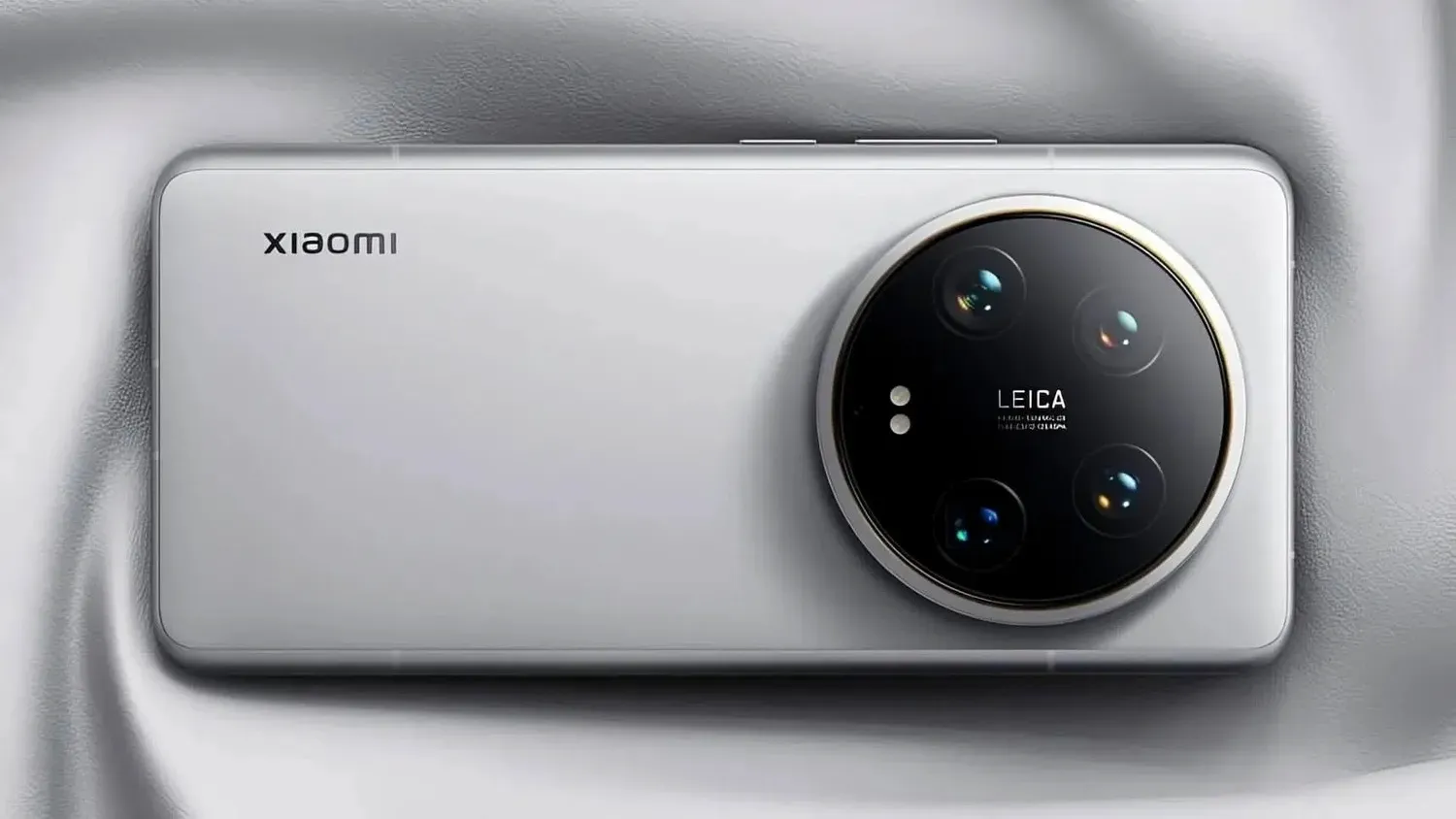
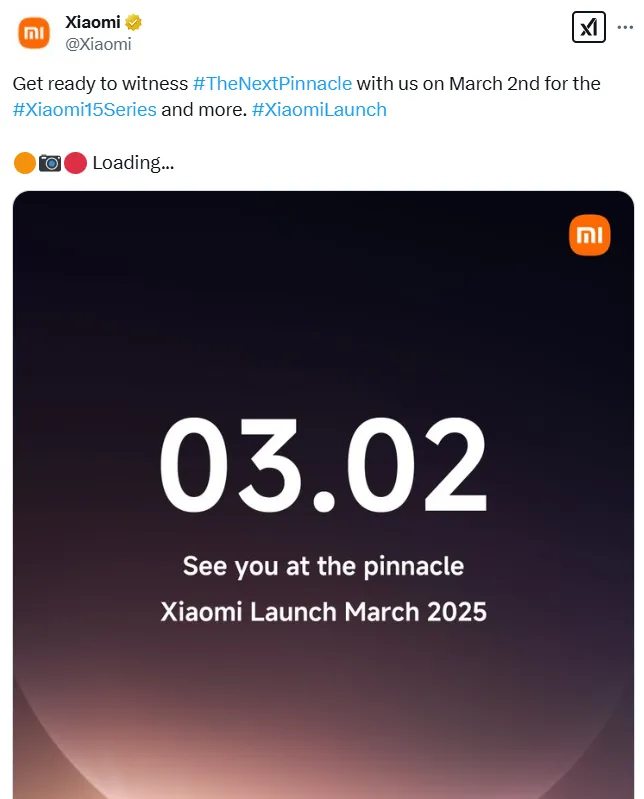
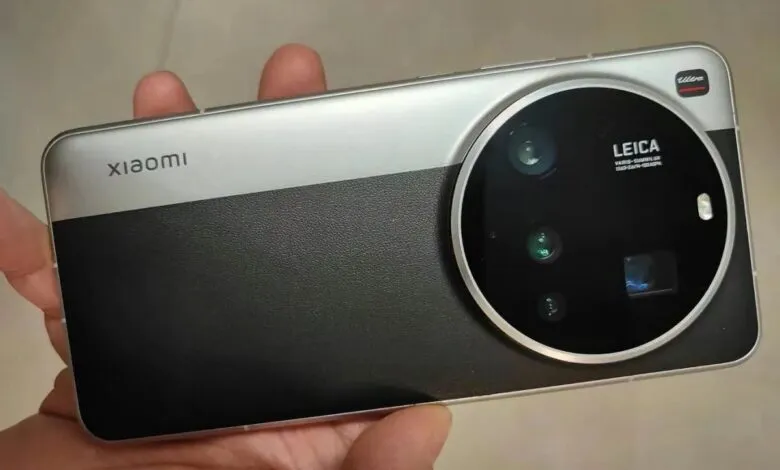
Xiaomi will create excitement at the Mobile World Congress (MWC) 2025 in Barcelona next month by revealing the eagerly awaited Xiaomi 15 Ultra on March 2. Viewed through detailed, high-resolution photos published by Android Headlines, the high-end smartphone features an innovative form factor that draws inspiration from Leica’s iconic designs. It also boasts best-in-class mobility advancements and an enhanced camera system.
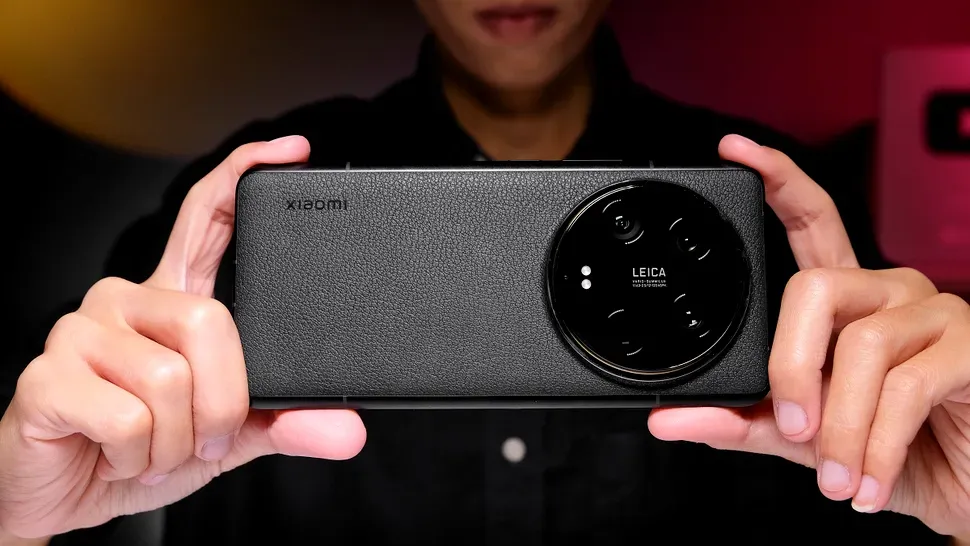
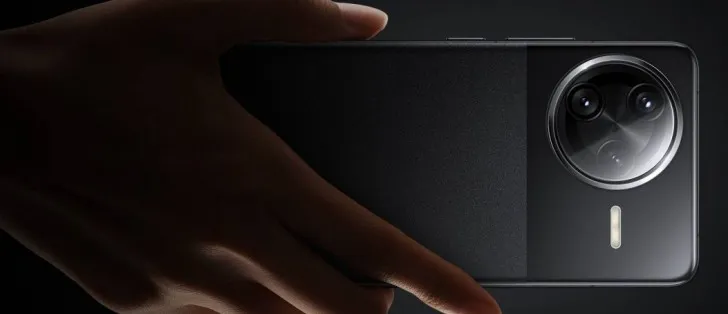
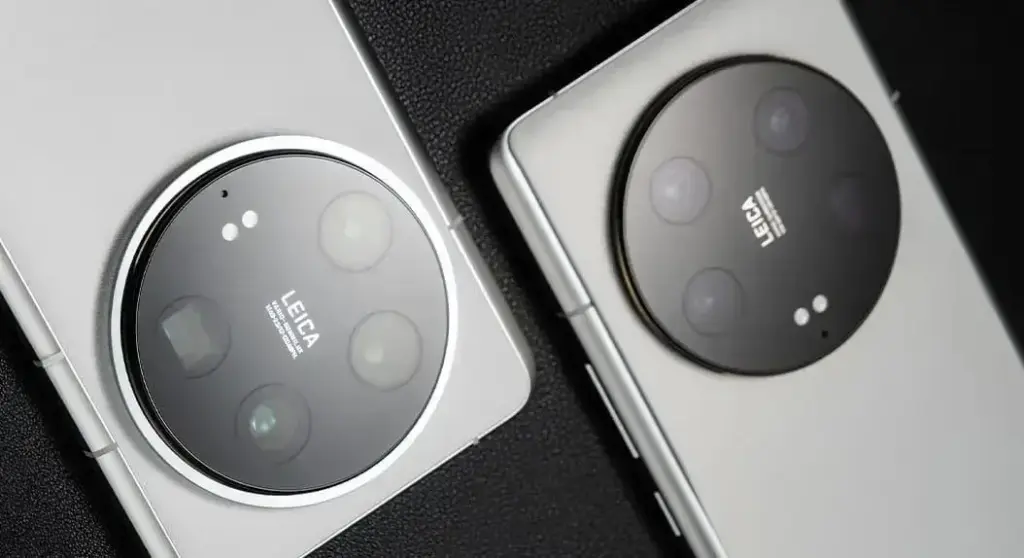
Inspired by vintage Leica cameras such as the SL2 Silver Edition, the Xiaomi 15 Ultra boasts an eye-catching two-toned finish with high-end glass and simple leather. The gadget retains Xiaomi’s recognizable circular camera module, but it now sports an upgraded quad-camera setup with Leica branding and an outward-facing periscope tele lens.
The device uses Xiaomi’s high-end four-curved micro-arc design, which has a discreetly arched front and rear glass and an unobtrusive display. Xiaomi Shield Glass 2.0 protects the 6.73-inch display panel, which has an exceptionally detailed resolution of 3200 x 1440 and variable refresh rate support from 1-120 Hz.
Cutting-Edge Camera System
The imaging capabilities of the Xiaomi 15 Ultra represent a significant upgrade, featuring:
A 50MP main camera with Sony LYT-900 one-inch sensor and OIS
A 50MP ultra-wide camera with the Samsung JN5 sensor
A 50MP tele lens with the Sony IMX858 sensor, 3x optical zoom
A first-in-industry 200MP periscope telephoto camera with Samsung HP9 sensor, together with an optical zoom of 4.3x – A 32 megapixel selfie camera for great selfies
Performance
The device’s core components are a Qualcomm Snapdragon 8 Elite CPU, 16GB of RAM, and up to 1TB of storage. Along with its massive 5410mAh battery, the gadget supports reverse wireless charging at 10W and wired charging via 90W HyperCharge. It also offers an 80W wireless HyperCharge system.
HyperOS 2, an Android 15 operating system, with enhanced security via under-screen ultrasonic fingerprints, is included with the Xiaomi 15 Ultra. The device has two speakers, USB 3.2 Gen 2 Type-C, and an IP68 degree of dust and water resistance. It weighs 229 grams and measures 161.3 x 75.3 x 9.48 mm, providing high-end performance without sacrificing usefulness.
The fact that the smartphone actually comes with a charger will be especially welcomed by European users, demonstrating Xiaomi’s dedication to simplicity.
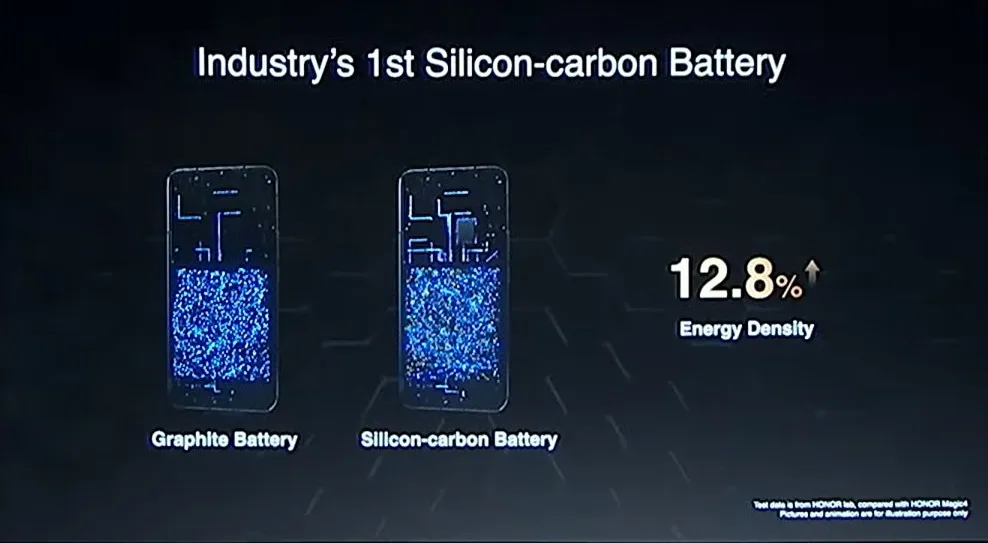
Silicon-carbon battery technology, which offers greater energy density, quicker charging times, and enhanced durability, is being quickly adopted by the smartphone industry. Silicon-carbon batteries, as opposed to conventional lithium-ion batteries, enable bigger capacities in smaller designs, guaranteeing longer battery life without adding bulk or weight to the phone.
This cutting-edge battery technology, which was introduced in a number of premium smartphones in late 2024 and early 2025, significantly improves charge cycles, heat management, and power efficiency. The top ten most recent smartphones using silicon-carbon batteries are examined in detail, along with the features that set them apart.
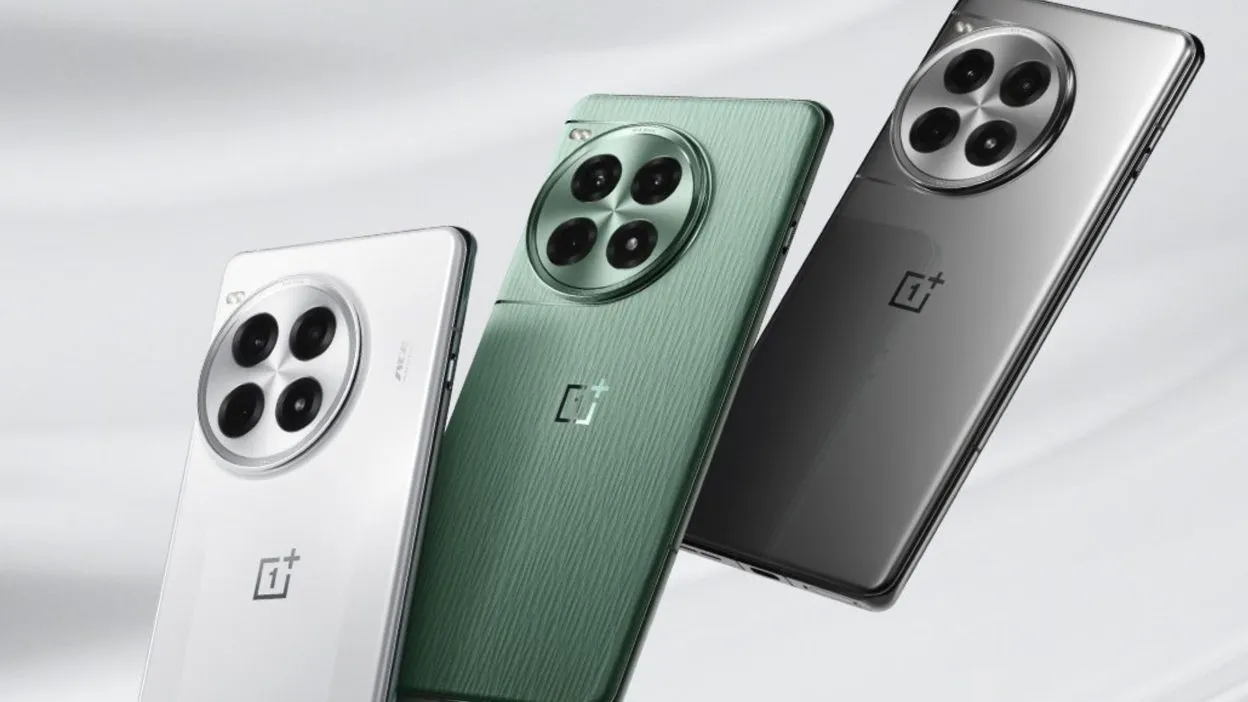
OnePlus 13
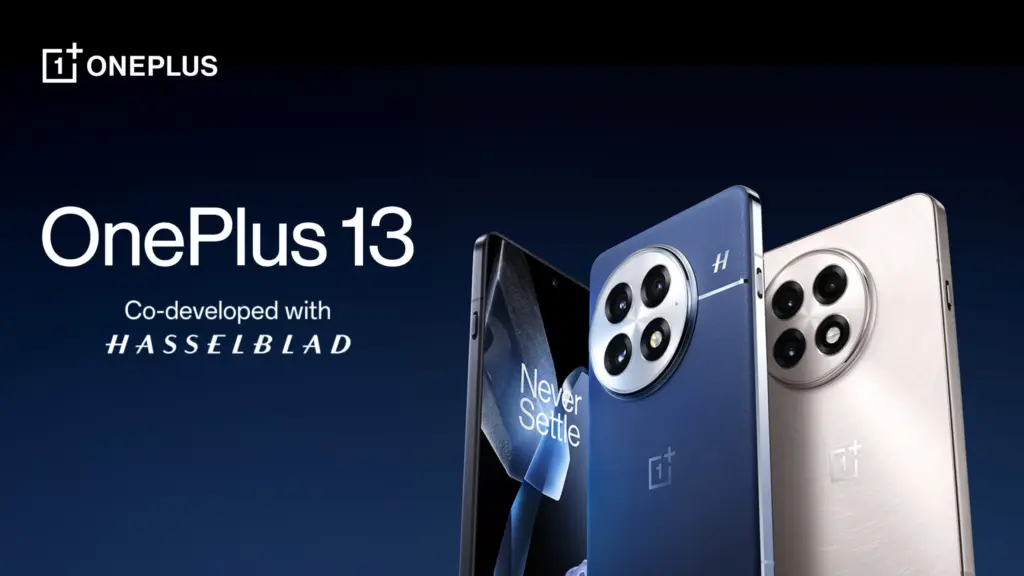
The OnePlus 13 boasts a 6000mAh dual-cell silicon-carbon battery with the highest dual-cell design energy density at 805Wh/L. This gives the phone more endurance while maintaining a small form factor. It supports 50W wireless flash charging, magnetic charging, and 100W SuperVOOC wired charging, which charges the phone from 0% to 100% in just 36 minutes.
In addition to the battery, the OnePlus 13 has a 6.82-inch BOE X2 2K+ AMOLED screen with DisplayMate A++ certification and a maximum brightness of 4500 nits. The Snapdragon 8 Elite SoC, up to 24GB LPDDR5X RAM, and 1TB UFS 4.0 storage power it. The phone still has a 50MP Sony LYT-808 primary camera, a 50MP ultra-wide camera, and a 50MP 3X periscope telephoto lens. Additionally rated IP68 and IP69, it has a high level of water and dust resistance.
OnePlus 13
OnePlus 13 has a 6.82-inch BOE X2 2K+ AMOLED screen with DisplayMate A++ certification
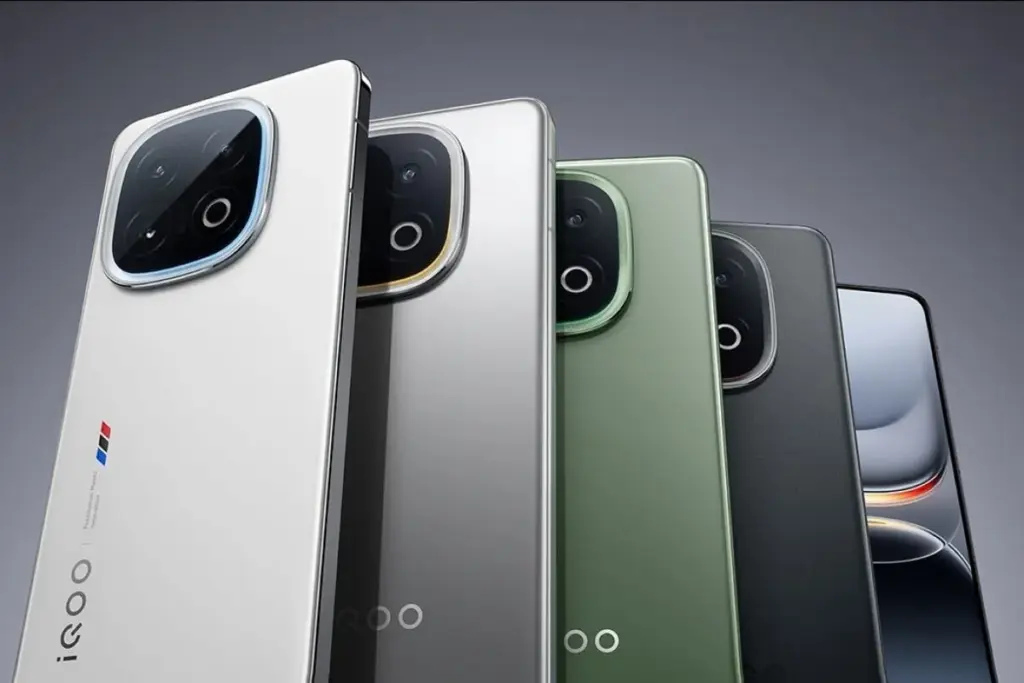
The third-generation silicon-carbon 6150mAh battery that powers the iQOO 13 can be charged with 120W wired fast charging in as little as 30 minutes. Its 44W UFCS and 100W PPS charging ensure a flexible and effective power management system, even though wireless charging is not an option. Additionally, a 360° surround antenna system is integrated within the phone to maximize network performance for mobile gaming.
The gadget has a 6.82-inch BOE Q10 2K+ AMOLED screen with a refresh rate of 144 Hz and a maximum brightness of 4500 nits. It has a Snapdragon 8 Elite SoC, 1TB UFS 4.0 storage, and up to 16GB LPDDR5X RAM. It features a 50MP Sony IMX921 primary sensor, a 50MP ultra-wide camera, and a 50MP 2x telephoto lens on the front of the camera.
Vivo X200 & X200 Pro
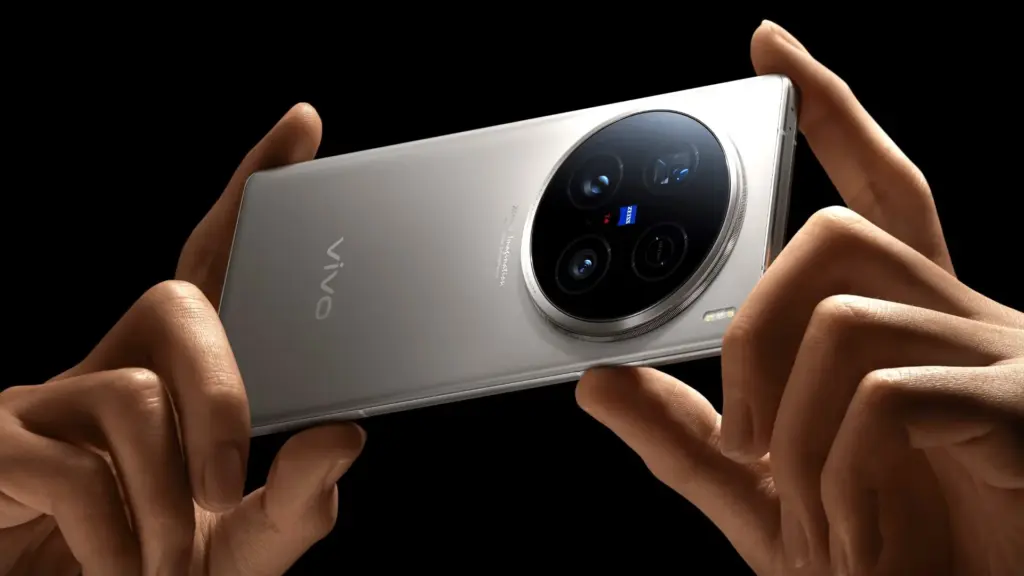
The Vivo X200 Pro has a 6000mAh battery that supports both 30W wireless and 90W wired charging, while the Vivo X200 has a 5800mAh silicon-carbon battery with 90W wired fast charging.
MediaTek’s Dimensity 9400 SoC powers both phones, which have up to 1TB of UFS 4.0 storage and up to 16GB LPDDR5X RAM. A 200MP Samsung HP9 periscope telephoto camera with Zeiss APO certification that offers 3.7x optical zoom and OIS is also included with the X200 Pro. The series is extremely durable due to its IP69+IP68 dust and water resistant ratings.
Redmi K80 & K80 Pro
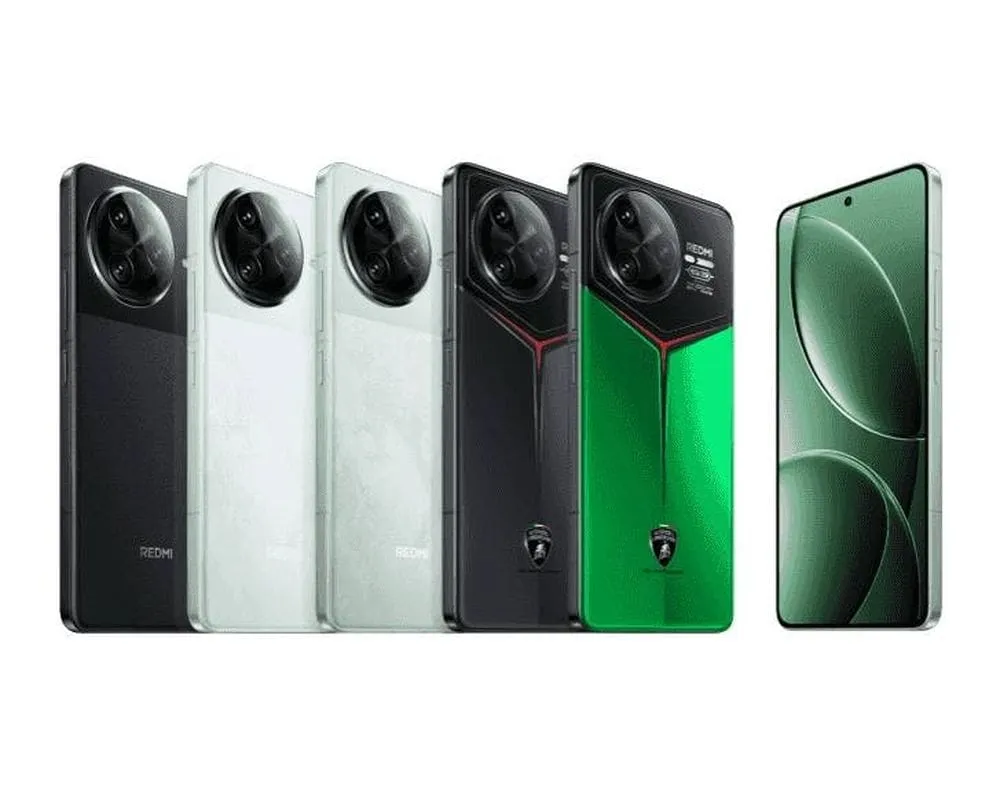
While the basic Redmi K80 has a 6550mAh battery with 90W fast charging but no wireless support, the Redmi K80 Pro has a 6000mAh silicon-carbon battery that supports 120W fast charging and 50W wireless charging. According to Xiaomi, the new silicon-carbon compound lowers heat generation during high-performance jobs and lengthens battery life.
The Snapdragon 8 Elite SoC powers the K80 Pro, while the Snapdragon 8 Gen 3 powers the K80. Both devices come with up to 16GB LPDDR5X RAM and 1TB UFS 4.0 storage. While the ordinary K80 replaces the telephoto lens with an 8MP ultra-wide camera, the Pro edition has a 50MP Light Fusion 800 primary sensor with OIS, a 50MP 2.5x telephoto camera, and a 32MP ultra-wide camera. Both phones are rated for water and dust resistance with IP68 and IP69.
Xiaomi 15 & 15 Pro
In contrast to the Xiaomi 15 Pro, which has a 6100mAh capacity and supports 90W wired and 50W wireless charging, the Xiaomi 15 is powered by a 5400mAh silicon-carbon battery. An ultra-high energy density of 850Wh/L is another feature of the Pro model’s battery that guarantees a longer lifespan and greater efficiency.
The Snapdragon 8 Elite SoC, up to 16GB LPDDR5X RAM, and up to 1TB UFS 4.0 storage are features of both devices. The Xiaomi 15 Pro has a 5X periscope telephoto lens, while the Xiaomi 15 has a 50MP Light Fusion 900 primary sensor, a 50MP ultra-wide lens, and a 50MP 2.6X telephoto camera. Both variants have IP68 water resistance and ultrasonic fingerprint scanners.
With its 6500mAh silicon-carbon battery and 120W rapid charging, the Realme GT 7 Pro can reach 50% charge in just 14 minutes. With the maximum 10% silicon content in the industry, it can prolong battery life for up to four years. It only has a 5800mAh battery in India, though.
The smartphone has a 6.78-inch 1.5K OLED display with a maximum brightness of 6000 nits and is powered by the Snapdragon 8 Elite SoC. It has a 50MP 3x periscope telephoto camera, an 8MP ultra-wide lens, and a 50MP primary camera.
Redmi Note 14 Pro+
With a 6200mAh silicon-carbon battery that has an energy density of 814Wh/L and 6% silicon content, the Redmi Note 14 Pro+ has a small form factor and a long lifespan. It has Surge G1 and Surge P2 battery management chips for increased power efficiency and enables 90W wired rapid charging.
The phone has 512GB of storage, up to 12GB of RAM, and a Snapdragon 7s Gen 3 processor. It has a 50MP primary camera, an 8MP ultra-wide sensor, a 50MP 2.5X telephoto lens, and a 6.67-inch 1.5K OLED screen. For increased durability, the device also has IP66, IP68, and IP69 classifications.
Xiaomi Redmi Note 14 Pro
6.67″ CrystalRes AMOLED displayResolution: 2712 x 1220 (1.5K resolution)Refresh rate: Up to 120HzTouch sampling rate: Up to 480HzBrightness: 3000nits peak brightness
With its 5300mAh silicon-carbon battery, the Honor 300 can facilitate 100W fast charging, reaching 59% in 15 minutes and 100% in 35 minutes. In addition to having 5300mAh silicon-carbon batteries, the Honor 300 Pro and Ultra models also have 80W wireless charging, which guarantees quick and effective power supply. Longer battery life and better power retention are made possible by the high-density silicon-carbon combination.
Snapdragon 7 Gen 3 (Standard) and Snapdragon 8 Gen 3 (Pro and Ultra) power the Honor 300 series. For eye protection, the gadgets include 6.7-inch and 6.78-inch OLED screens with a maximum brightness of 4000 nits and 3840Hz PWM dimming. A 50MP front camera, a 12MP ultra-wide lens, and a 50MP primary sensor make up the camera configuration. The Pro and Ultra variants also come with a 50MP 3x or 3.8X periscope telephoto lens. Additionally, they are IP65 dust and splash resistant.
Oppo Find X8 & X8 Pro
A 5630mAh silicon-carbon battery powers the Oppo Find X8, while a larger 5910mAh silicon-carbon battery powers the Find X8 Pro. Both devices enable 80W SuperVOOC wired charging, 50W wireless charging, and 10W reverse wireless charging. The ultra-high silicon content of the Find X8 Pro’s battery ensures longer endurance and improved heat management during rapid charging.
The MediaTek Dimensity 9400 SoC powers both devices, together with up to 16GB of LPDDR5X RAM and 1TB of UFS 4.0 storage. The Find X8 Pro has a 6.78-inch LTPO AMOLED screen with Dolby Vision support and a peak brightness of 4500 nits, while the Find X8 has a 6.59-inch AMOLED display. The X8 Pro adds a 50MP 6x periscope zoom lens to the camera system, which consists of a 50MP main sensor, a 50MP ultra-wide camera, and a 50MP 3x periscope telephoto lens. Both variants have water and dust resistance ratings of IP68 + IP69.
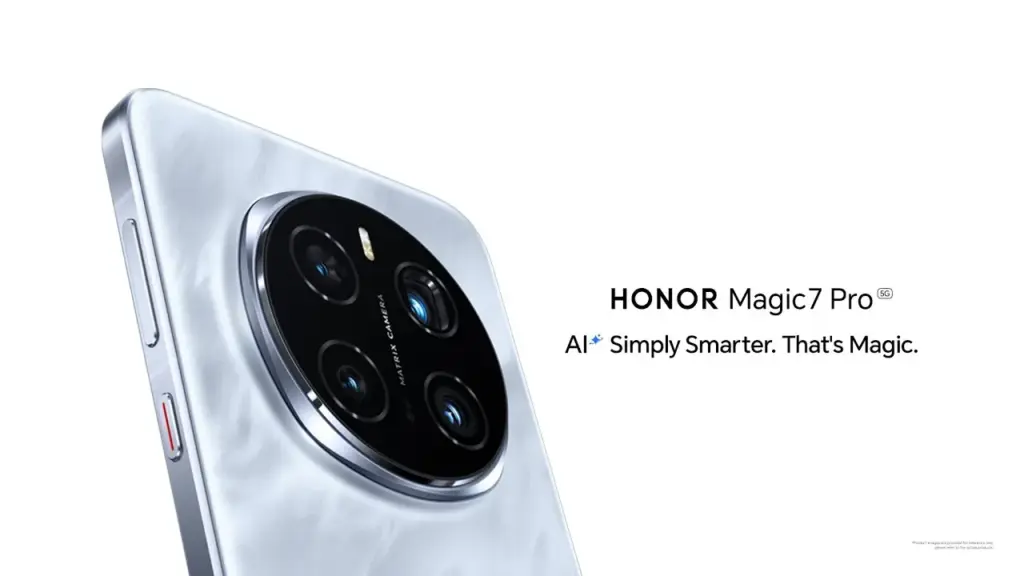
Honor Magic 7 & Magic 7 Pro
A 5650mAh silicon-carbon battery powers the Honor Magic 7, and a 5850mAh silicon-carbon battery powers the Magic 7 Pro. Both devices support 80W wireless charging and 100W cable fast charging. Longer runtimes are made possible by the improved energy density provided by silicon-carbon technology, which also preserves elegant designs. Advanced cooling technologies, including as graphite sheets and stainless steel VC cooling, complement the increased battery efficiency and guarantee peak performance even under demanding conditions.
The Snapdragon 8 Elite SoC powers both phones, together with up to 16GB of LPDDR5X RAM and 1TB of UFS 4.0 storage. The Magic 7 Pro sets itself apart with a 50MP primary sensor, an ultra-wide lens, and a 200MP periscope telephoto camera with 3x optical and 100x digital zoom. Although it lacks the sophisticated telephoto capabilities, the Magic 7 has a comparable camera arrangement. With its 1-120Hz LTPO OLED screens, IP68 and IP69 ratings, and Magic UI 9.0, the Honor Magic 7 Series combines state-of-the-art technology with exceptional endurance, securing its place as a flagship challenger in 2025.
Since the first HyperOS version was released, the HyperOS has already garnered media attention. We are already seeing HyperOS 2.1’s incredible features and enhancements. The Hyper OS 2.1 upgrade also includes some new animations and some intriguing AI enhancements.
It is anticipated that HyperOS 2.1 will be released in February. The Chinese New Year is relevant to this.
HyperOS 2.1 releaset timeline
Let’s check out the release date and the rollout timeline for this update:
Version
Release Date
HyperOS 1.0
Late 2023
HyperOS 2.0
Early 2024
HyperOS 2.1
March 2025 (Phase 1)
HyperOS 2.1
Mid-2025 (Phase 2)
HyperOS 2.1
Late 2025 (Phase 3)
HyperOS 3.0
Early 2026
HyperOS 2.1 eligible devices
The list of the first devices to get the HyperOS 2.1 update has been made public by Xiaomi. The majority of these are high-end models, but the update will probably be released for more devices in the future.
You will be among the first to test out HyperOS 2.1 if you own one of these phones. The update will be released later for more Xiaomi devices, such as the Xiaomi 14, Xiaomi 15, and Xiaomi 13 Ultra. After the Chinese New Year, Xiaomi is probably going to release a complete list of devices that qualify.
There are a ton of enhancements and new features in HyperOS 2.1. The highlights are as follows:
Better Photo Editing with AI
There are now more intelligent features in the gallery app to enhance and correct your photos. AI can be used to expand images, improve image quality, and eliminate undesired items.
New Torch Control
Inspired by iOS 18, Xiaomi has included a torch (flashlight) capability. It functions flawlessly and has a sleek appearance, particularly on premium phones.
Smoother Performance
Whether you are playing games or navigating between apps, the update makes your phone operate more smoothly and quickly.
Regular Updates
Xiaomi’s “1+3+8” plan guarantees that your phone receives upgrades on a regular basis. This entails enhancements, bug repairs, and new features all year round.
New Dynamic Wallpapers
The HyperOS 2.1 Update’s New Dynamic Wallpapers are now available for download from the Theme Store. With the aid of this upgrade, they add more customizations to the system. You must manually enable India ROM as a video background from the Gallery or File Manager if you are using it.
FAQ
1. What is HyperOS 2.1?
It’s Xiaomi’s latest software update with new features, AI tools, and performance improvements.
2. Which phones will get HyperOS 2.1 first?
The Xiaomi 14 Ultra, Xiaomi 13, and Xiaomi 13 Pro will get it first. More devices will follow later.
3. What are the new features?
You’ll get better photo editing, a new torch control, smoother performance, and regular updates.
4. When will HyperOS 2.1 launch?
It’s expected to roll out globally after the Chinese New Year, but the exact date isn’t confirmed yet.
For Xiaomi, HyperOS 2.1 is a significant advancement rather than merely a minor upgrade. Better performance, more intelligent AI tools, and features modeled after cutting-edge technology like iOS are all included. Xiaomi intends to provide the update for additional devices soon, albeit it begins with flagship phones.