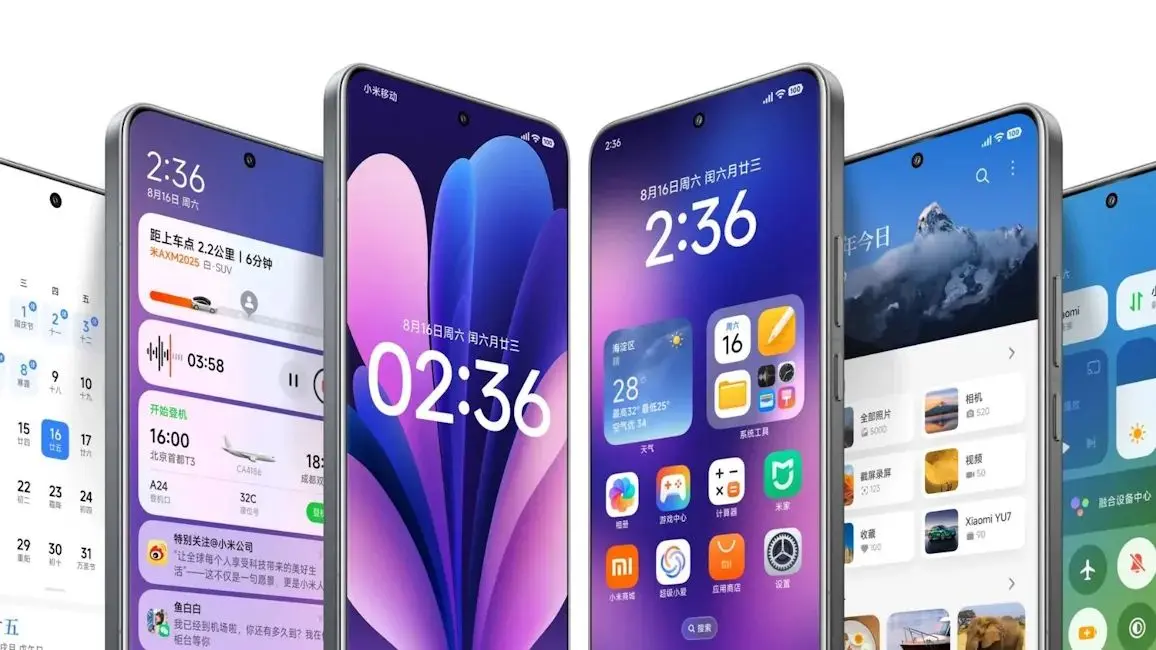
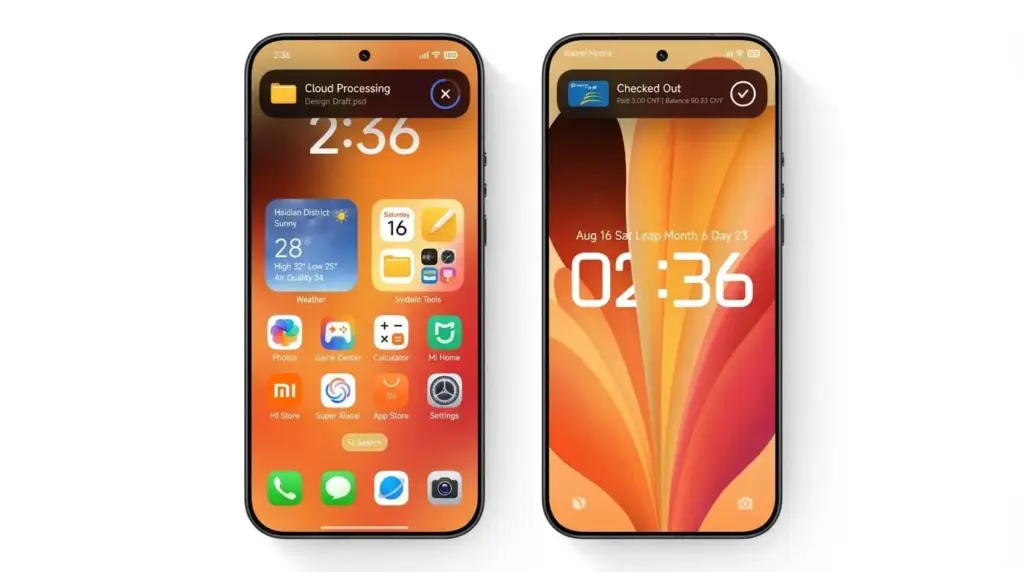
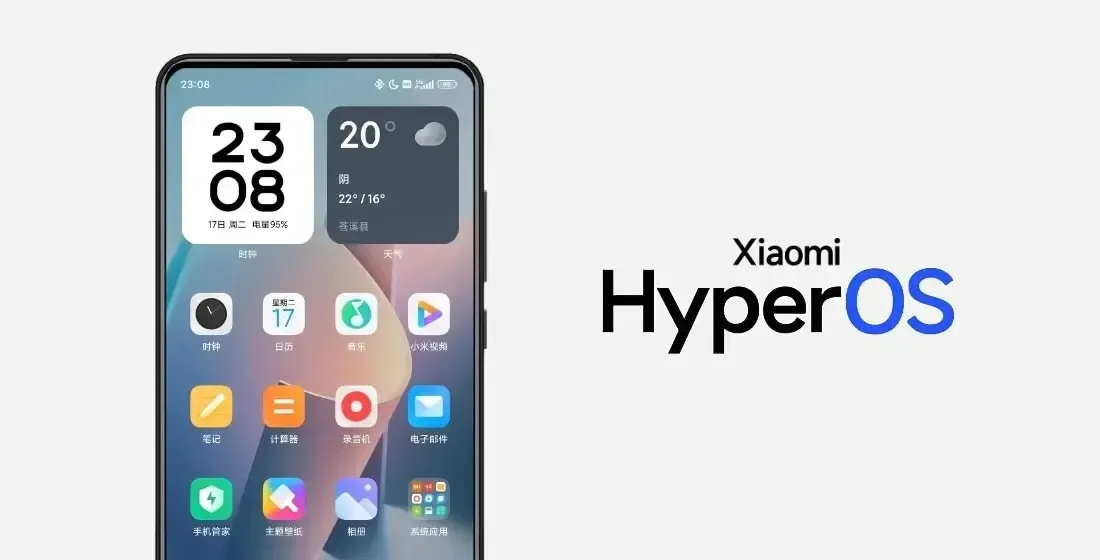
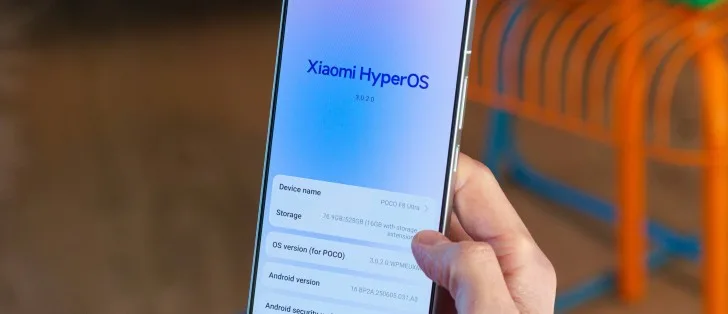
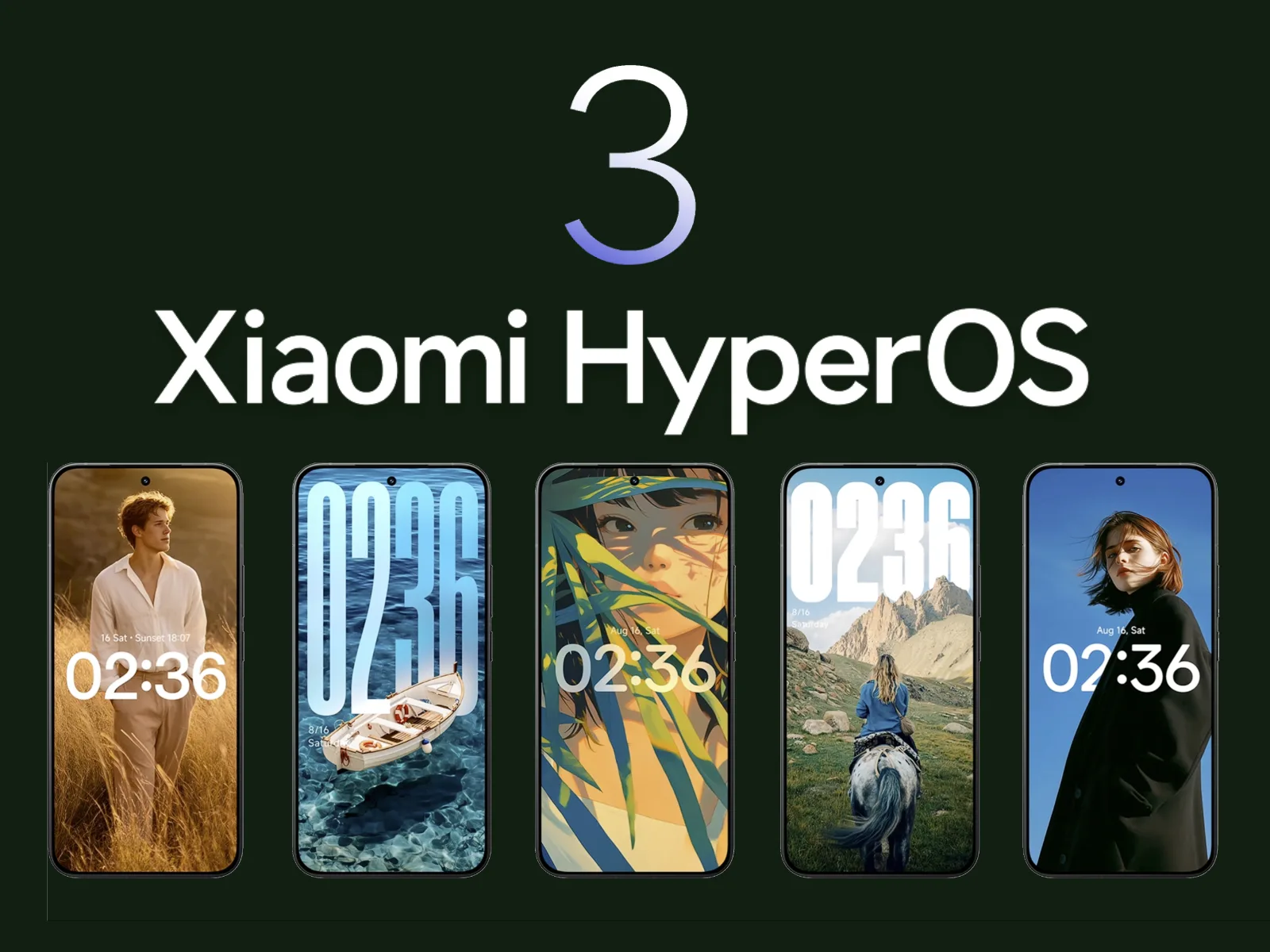
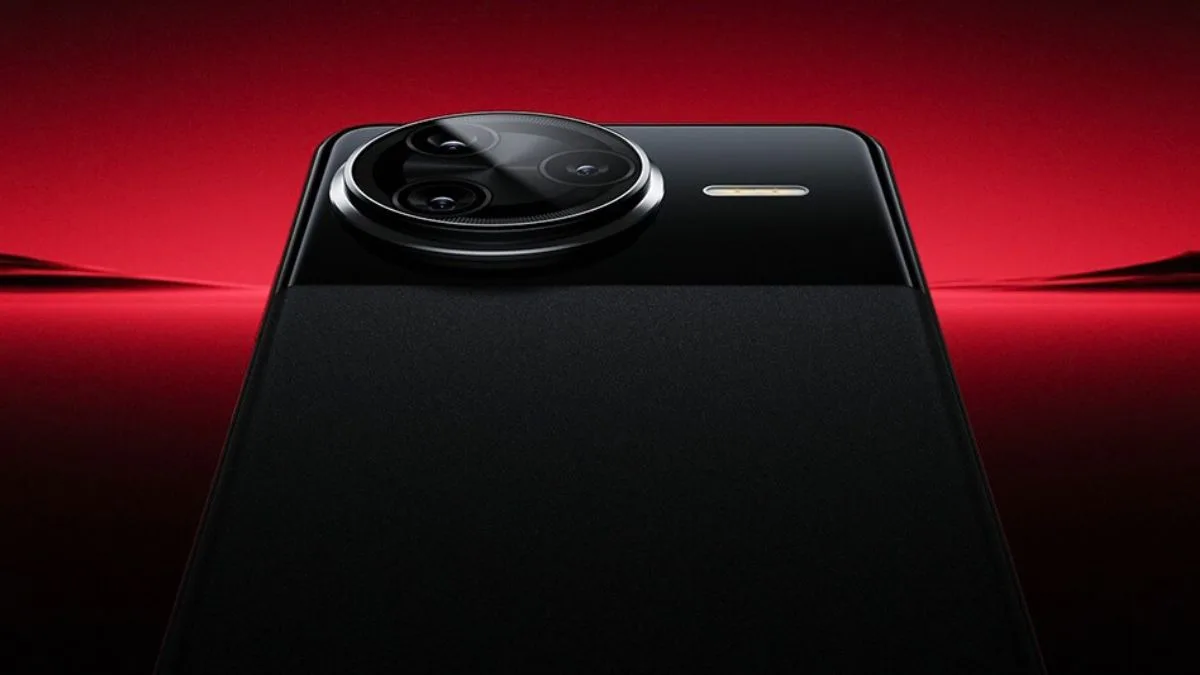
Xiaomi has hit a significant milestone in its software rollout, with HyperOS 3.1 distribution now surpassing 85% globally. Built on Android 16, the update has reached nearly all eligible devices across the Xiaomi, REDMI, and POCO lineups — making it one of the fastest deployment cycles the company has executed to date.
Every Android 16-capable Xiaomi device has received HyperOS 3.1, with only a handful of entry-level and mid-range models still in the queue. The speed of the rollout reflects Xiaomi’s broader push toward software consistency across its increasingly large device portfolio.
What HyperOS 3.1 Brings
This isn’t a minor maintenance update. HyperOS 3.1 delivers several system-level changes spanning the UI, connectivity, and multitasking experience.
Advanced HyperIsland Interface
The HyperIsland notification layer has been further developed, now supporting real-time activity tracking for calls, timers, and media playback. Animations and transitions have been refined, and third-party app compatibility has been expanded. The result is a more dynamic and interactive notification system that positions HyperIsland as Xiaomi’s take on the kind of live activity UI that competing ecosystems have popularized.
Enhanced Xiaomi HyperConnect
Cross-device functionality gets a meaningful upgrade in HyperOS 3.1. File transfers between devices are faster, latency in device syncing has been reduced, and multi-device control — covering phones, tablets, and wearables — is more responsive. For users invested in the Xiaomi ecosystem across multiple device categories, this update makes the connected experience noticeably more reliable.
iOS-Inspired Recent Apps Interface
The Recent Apps menu has been redesigned with a horizontal, card-based layout that draws clear inspiration from iOS. Gesture navigation is smoother, and memory management is more visually transparent. The change fits into Xiaomi’s ongoing UI modernization effort under the HyperOS platform.
Devices Still Waiting for HyperOS 3.1
Despite the broad rollout, the following devices have not yet received the update:
REDMI 14C
REDMI A3 Pro
REDMI 13
REDMI 13X
REDMI Note 14 Pro 4G
REDMI Pad 2 Pro 5G
REDMI Pad SE 4G
REDMI Pad 2
REDMI Note 14 4G
REDMI A4
POCO C75 5G
POCO M6
POCO C75
POCO Pad M1
POCO C85 4G
POCO M7 4G
REDMI Note 15 Pro 4G
These models are expected to receive HyperOS 3.1 in the final rollout phases. The delays are likely down to a combination of hardware optimization requirements, regional firmware certification timelines, and the additional tuning often needed for entry-level chipsets.
With HyperOS 4 already on the horizon, the pace and breadth of the HyperOS 3.1 rollout points to a clear strategic shift – Xiaomi is no longer treating software updates as a routine obligation, but as a core part of building a unified ecosystem across its entire device range.
Google’s Pixel smartphones offer one of the cleanest Android experiences available. Current-gen models ship with the latest version of Android, get updates before anyone else, and enjoy seven years of software support — a level of longevity that makes them a genuine alternative to the iPhone, which similarly prioritizes long-term support. For a direct comparison with Apple’s best, the Pixel 10 Pro is the model to consider if you’re chasing an experience comparable to the iPhone 17 Pro.
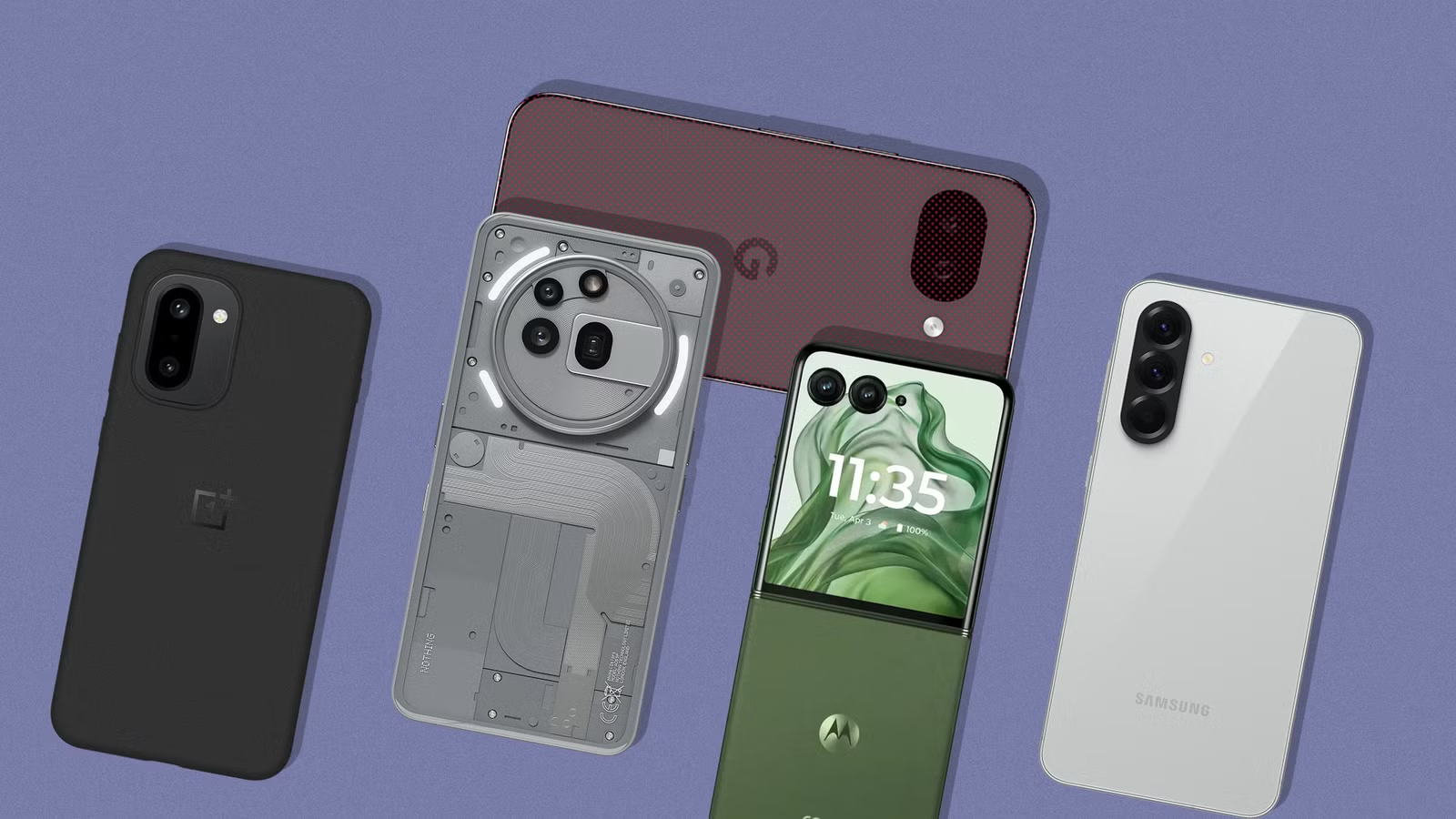
That said, Google also plays in the budget space, and its answer to the sub-$500 market is the Pixel 10a. Powered by last year’s Tensor G4 SoC with 8GB of RAM and a capable dual-camera system on the back — as explored in a full review of the Pixel 10a — it’s a reasonable choice for cost-conscious shoppers. But it does make compromises to hit that price, and raw performance is one of the more noticeable ones. There are several compelling alternatives that outpace it in that department. Five of them are highlighted below. A few of these picks aren’t officially sold in the U.S., and while importing through trusted channels is an option, carrier compatibility isn’t guaranteed.
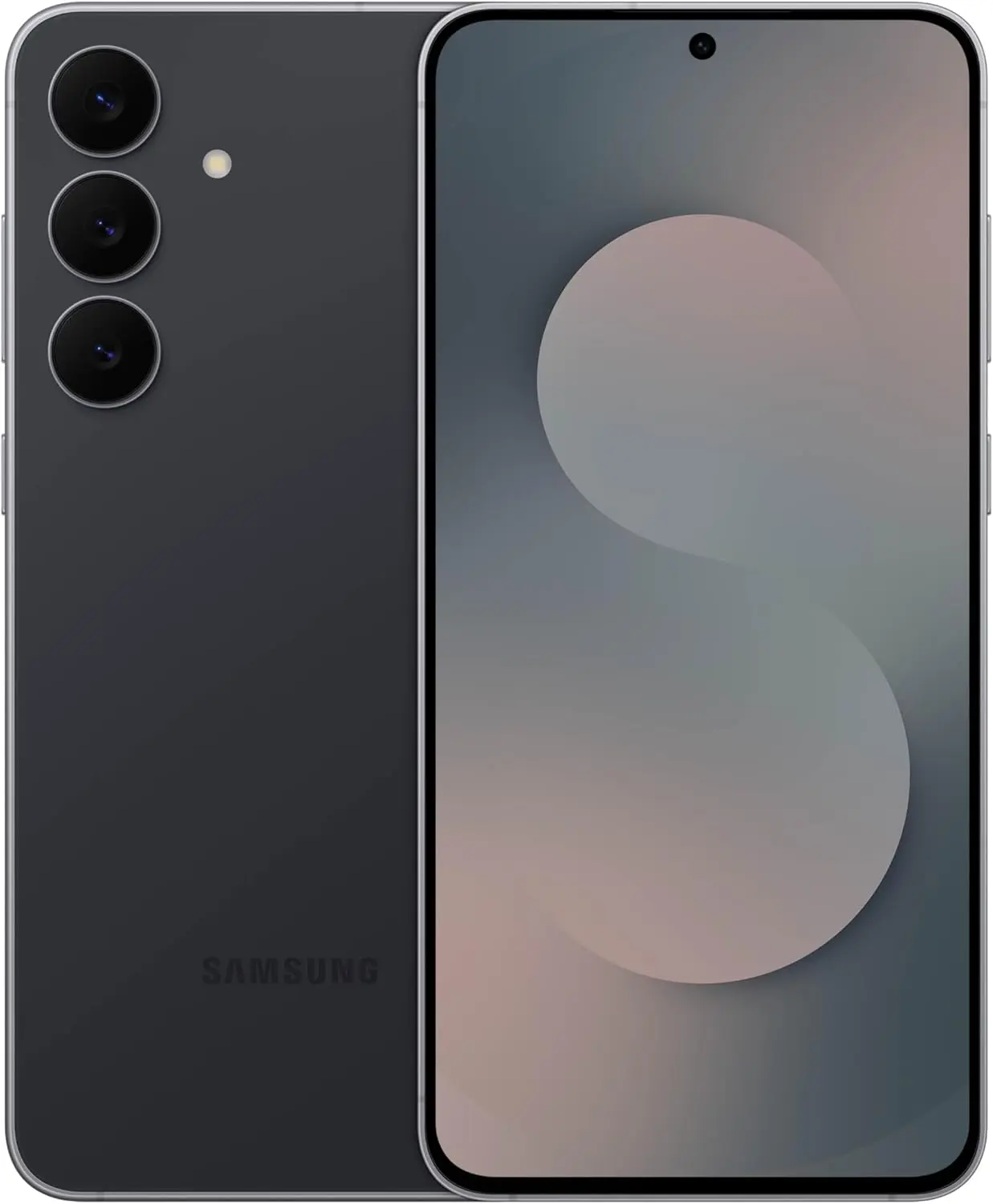
Samsung Galaxy S25 FE
Samsung Galaxy S25 FE
Enjoy every scroll, swipe and stream on a stunning 6.7” wide display that’s as smooth for scrolling as it is immersive.
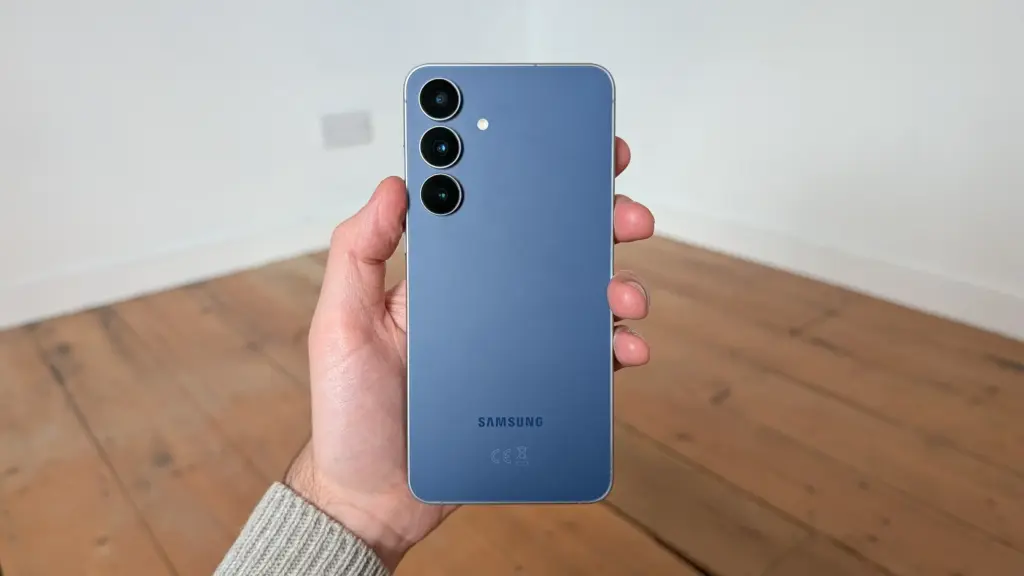
Samsung is the world’s largest Android manufacturer, and while the flagship Galaxy S series gets most of the spotlight, the company’s mid-range catalog is equally well-stocked. The Galaxy S25 FE sits in the upper mid-range tier, delivering a near-flagship experience by trimming a select few premium extras to land at a lower price point.
Under the hood is Samsung’s in-house Exynos 2400 SoC, which according to NanoReview offers noticeably better performance than the Tensor G4 inside the Pixel 10a. RAM is matched at 8GB, and the suite of AI features remains intact. One UI, which previously had a reputation for being bloated, has grown considerably leaner over the years and now runs without any real sluggishness. The display is a 6.7-inch LTPO AMOLED with a 120Hz refresh rate and up to 1,900 nits of peak brightness.
Samsung matches Google’s seven-year OS update promise on the S25 FE. The camera system includes a 50-megapixel wide, a 12-megapixel ultrawide, and an 8-megapixel 3x telephoto lens. Wired charging maxes out at 45W, which handles the 4,900mAh battery reasonably quickly. The base 128GB model retails at $650, though it can regularly be found under $600 through deals on Amazon and similar marketplaces.
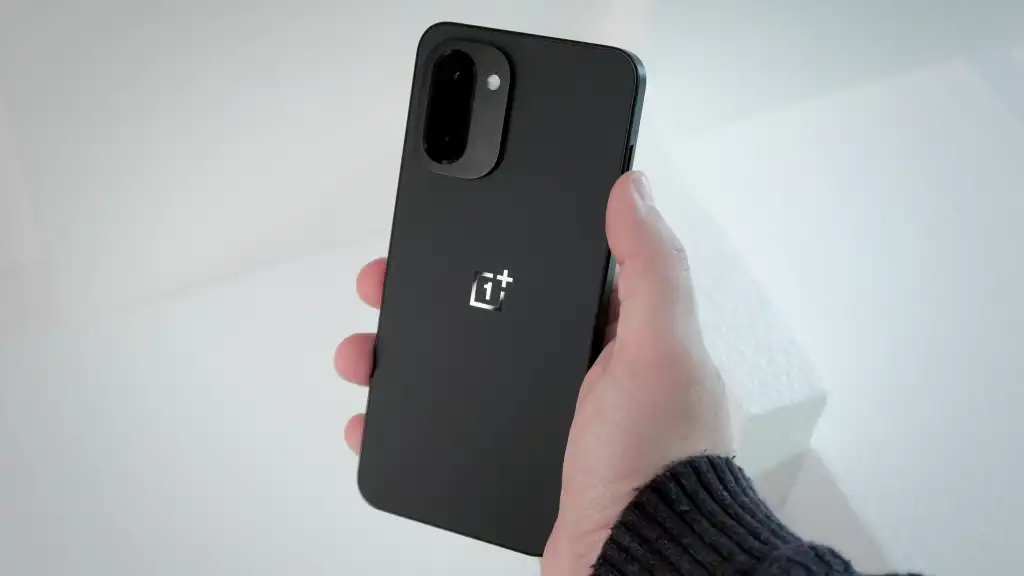
OnePlus 15R
OnePlus 15R
Powered by the Snapdragon 8 Gen 5, plus a custom Wi-Fi chip and dedicated Touch Response chip, you get lightning-fast speeds, stable connections, and ultra-responsive touch control.
At $700, the OnePlus 15R costs more than the 256GB Pixel 10a — but considering what it delivers, that $100 premium is hard to argue with. The phone runs on the Snapdragon 8 Gen 5, which sits just below the 8 Elite Gen 5 in Qualcomm’s hierarchy and comfortably outpaces the Tensor G4, a chip that was already trailing the competition at launch. The performance gap here is substantial.
RAM steps up to 12GB, which keeps more apps active in the background and handles AI-driven tasks more effectively over time. The screen is a 6.83-inch AMOLED panel with up to 165Hz in supported games and a peak brightness of 3,600 nits in HDR scenarios. Slimmer bezels and a smaller hole-punch cutout make for a noticeably better multimedia display than the Pixel 10a.
Battery life is where the OnePlus 15R really pulls ahead. Its 7,400mAh cell offers roughly 50% more capacity than mainstream flagships, and the review of the OnePlus 15R confirmed the exceptional endurance that capacity suggests. Charging tops out at 80W with the included adapter, so refueling is fast when needed.
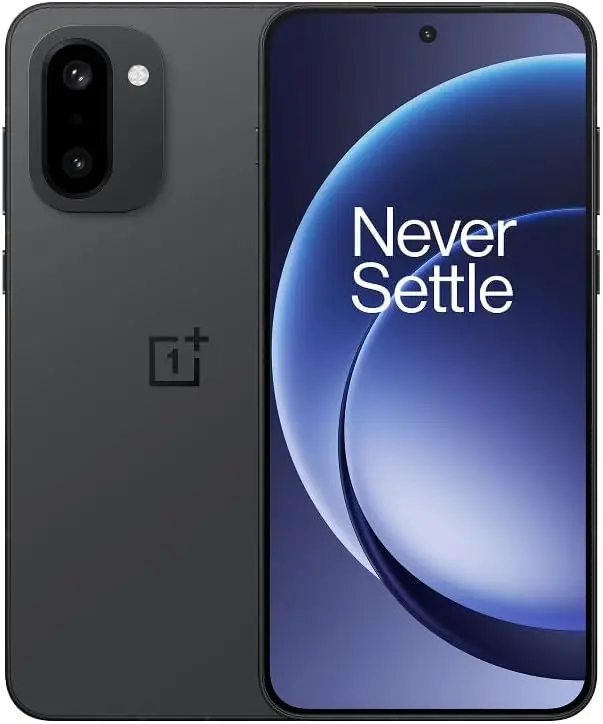
OnePlus Nord 6
OnePlus Nord 6
Flagship Performance with Snapdragon 8s Gen 4/: Couple this with the latest LPDDR5X RAM and UFS 4.1 ROM storage, Nord 6 is engineered to outperform nearly every flagship, allowing unprecedented ‘Gaming PC-level’ 165 FPS BGMI, CODM and Free Fire MAX steady-smooth gaming, and relentless everyday speed for the next 6 years.
Despite recent speculation about market exits and a potential global pullback, OnePlus has continued shipping competitive hardware. The Nord 6 is the latest from the brand’s budget-focused lineup, and it brings serious performance for the price. The Snapdragon 8s Gen 4 SoC comfortably outperforms the Tensor G4 across the board, and configurations go up to 12GB of RAM with 256GB of UFS 4.1 storage.
Gaming is clearly a core target for the Nord 6. Its 6.78-inch AMOLED display supports refresh rates up to 165Hz in compatible titles — similar to what the OnePlus 15 offers — and a 3,840Hz touch sampling rate makes on-screen input feel exceptionally sharp. The dual rear camera covers wide and ultrawide angles, but the real talking point is the 9,000mAh silicon carbon battery with 80W wired charging support, which is a remarkable combination at this price.
OxygenOS handles the software side, with OnePlus committing to four years of OS updates. Pricing converts to roughly $415 for the 8GB RAM variant. The catch: the Nord 6 is an India-exclusive. In China, the same device is sold under the OnePlus Turbo 6 name. U.S. buyers would need to import it, with carrier compatibility being a potential sticking point.
RedMagic 11 Air
For those specifically after a gaming phone that’s actually available in the U.S., RedMagic is the go-to. The RedMagic 11 Air matches the Pixel 10a’s $500 price tag but packs considerably more horsepower. The Snapdragon 8 Elite SoC powering it is, on paper, more than twice as fast as the Tensor G4. Even as a generation-old chip at this point, it handles any modern mobile title at maxed settings with high frame rates without breaking a sweat.
A few hardware touches set it apart from the standard mid-range crowd. Capacitive shoulder triggers on the frame offer additional physical controls in supported games. The 6.8-inch 144Hz AMOLED display is completely notch-free, providing an uninterrupted viewing surface — a trade-off that costs the phone a front camera, which may or may not matter depending on priorities. Active cooling via a built-in fan and vapor chamber keeps thermals in check during extended sessions.
RAM comes in at 12GB, and storage doubles what the Pixel 10a offers in its base configuration. The 7,000mAh silicon carbon battery earned a multi-day usage assessment from TechRadar’s review under moderate conditions, and an 80W adapter is included in the box. An 80W adapter is also included. Stepping up to 16GB of RAM and 512GB of storage adds just $100 to the asking price, and the RedMagic 11 Air’s distinctive design language makes it one of the more visually interesting options on this list.
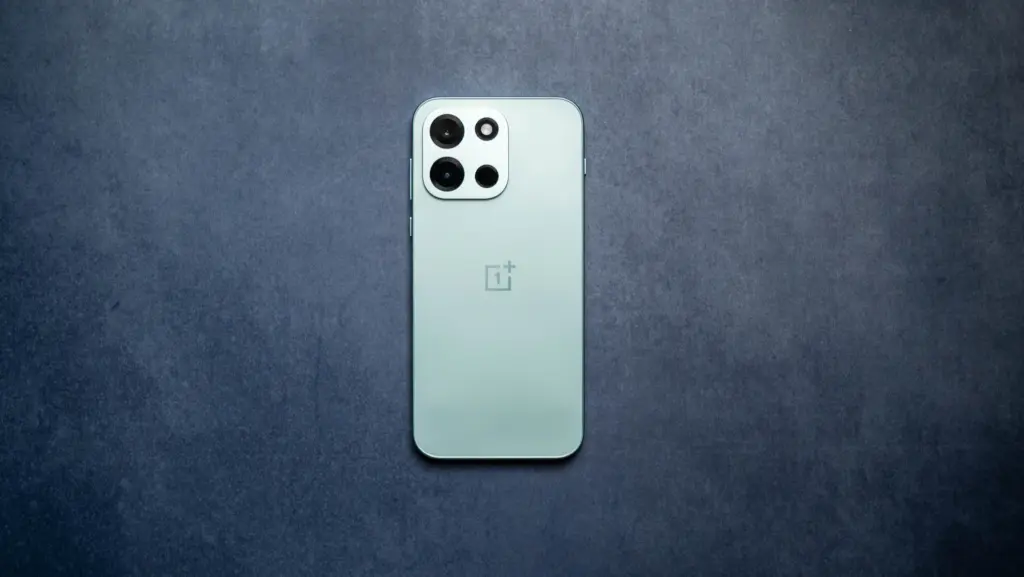
Poco X7 Pro
Poco X7
Full speed ahead Powerful Dimensity 7300-Ultra CrystalRes 1.5K 120Hz AMOLED curved display 50MP main camera with OIS IP68 dust and water resistance 5110mAh (typ) large battery
Xiaomi has built a reputation for delivering strong value in the flagship space, and its Poco sub-brand attacks the mid-range segment with the same aggression. The Poco X7 Pro is a gaming-focused device powered by the MediaTek Dimensity 8400 Ultra SoC, posting AnTuTu benchmark scores roughly 40% higher than the Tensor G4.
The display is a 6.67-inch AMOLED panel with a 120Hz refresh rate and an impressive 1,920Hz touch sampling rate. Camera hardware consists of a 50-megapixel wide and an 8-megapixel ultrawide – GSMArena described the imaging output as “mostly mediocre,” though the same review awarded the phone 4.2 stars overall and called it the most powerful device in its price category. The global variant carries a 6,000mAh silicon carbon battery with 90W wired charging.
Software is HyperOS, Xiaomi’s customized take on Android 15, with at least three major OS updates and four years of security patches promised. At $410, the phone ships with 12GB of RAM and 256GB of storage. While Xiaomi’s retail presence in the U.S. is limited, the Poco X7 Pro is available through Amazon. Carrier support exists for select networks, but verifying band compatibility with a specific provider before purchasing is strongly recommended.
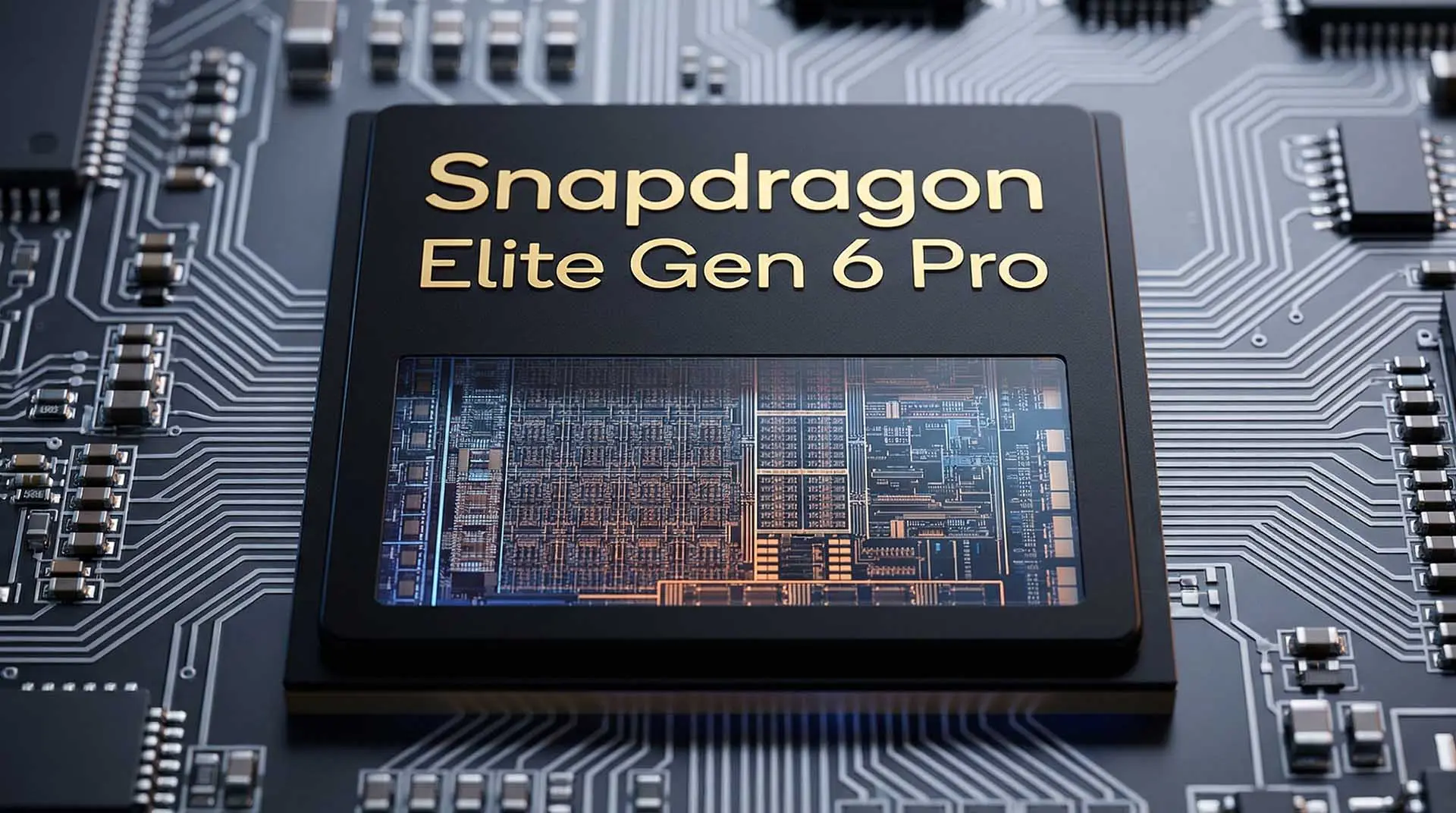
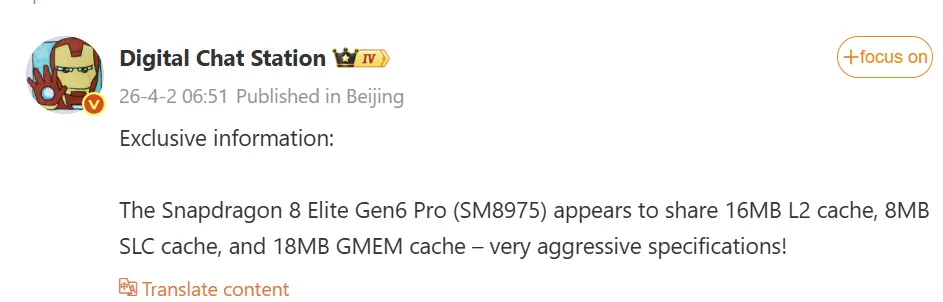
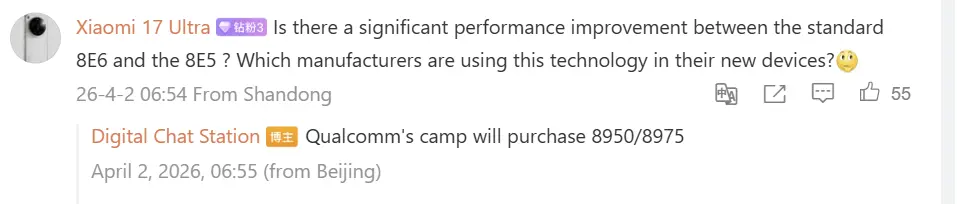
Before September 2026, the mobile tech scene is getting hotter. The aggressive specs of Qualcomm’s upcoming flagship CPU, the Snapdragon 8 Elite Gen6 Pro (SM8975), have been revealed by reputable source @DigitalChatStation. As expected, Xiaomi is set to unveil this powerhouse with the eagerly awaited Xiaomi 18 series, making it the first company to do so. Additionally, the future REDMI K90 Pro Max in the domestic market will be built around this silicon beast. Please take note that this device will be released worldwide under the POCO brand as the POCO F9 Ultra.
Inside the architecture redefining modern silicon
Now let’s explore the technological specifics. It appears that the Snapdragon 8 Elite Gen6 Pro will be an architectural monster. An enormous shared 16MB L2 cache, 8MB of SLC (System Level Cache), and an amazing 18MB of GMEM (Graphics Memory) are confirmed by leaked customs manifests and insider accounts. This configuration, when paired with an improved Adreno 850 GPU, is built to handle demanding workloads and intense gaming sessions.
Two super cores, three performance cores, and three efficiency cores make up the CPU’s unusual 2+3+3 cluster architecture. The SM8975 efficiently breaks existing memory bandwidth limitations by supporting next-generation LPDDR6 memory up to 16GB to fuel this demanding processor.
The system changes that are moving markets right now
Hardware doesn’t tell the whole story. Xiaomi HyperOS 4 will launch on these new flagship devices. HyperOS 4, which was designed from the ground up to be a very effective Android skin, will make full use of the new Snapdragon chip’s optimized 2+3+3 architecture and enormous L2 cache. Unprecedented battery life and excellent thermal control are anticipated as a result of this combination. HyperOS 4’s background task handlers will be able to maintain your most popular apps in memory without depleting the battery thanks to the aggressive cache architecture, guaranteeing that the user interface will stay instantly responsive even under high loads.
Xiaomi gives owners fantastic news to start 2026. For several models, the company offers up to five years of HyperOS support. POCO, Redmi, and Xiaomi tablets and phones get longer updates. For years, gadgets remain safe and continue to receive updates.
Strong software support is currently available from Xiaomi. Updates for flagship phones will be available until 2031. Budget and mid-range gadgets come next. Tablets are also added to the list.
The most recent HyperOS versions are longer enjoyed by users. AI tools, longer battery life, and security updates are added to phones. This aligns with Google’s and Samsung’s policies. People tend to keep gadgets longer. It benefits the environment and saves money.
Launch date determines the duration of support. More years are awarded to newer models. Extra months are given to the elderly.
HyperOS Eligible Devices – Support End Dates
Updates until 2031: Xiaomi 15T / 15T Pro, Xiaomi 15 Ultra, Xiaomi Pad 7, Redmi 15 / 15 5G / 13C, Redmi Note 14, POCO F8 Ultra / F8 Pro, POCO F7 / F7 Pro / F7 Ultra, POCO M7 / C85
Updates until 2029: Xiaomi 14T / 14T Pro, Xiaomi 14 Ultra, Xiaomi MIX Flip, Xiaomi Pad 7 Pro, Redmi A5, Redmi Pad 2 / 2 Pro / 2 Pro 5G series, POCO M7 Pro 5G, POCO Pad M1
Shorter support: Xiaomi 13 Lite (until 2027), older Xiaomi 12T / 12 series and some Redmi 12 models (extra months only)
Updates are released progressively per area. To find the most recent version, check the settings on your phone. This list of devices that are compatible with HyperOS brings significant value. Xiaomi phones are becoming more intelligent purchases.
The extended assistance is adored by fans. The action strengthens Xiaomi.
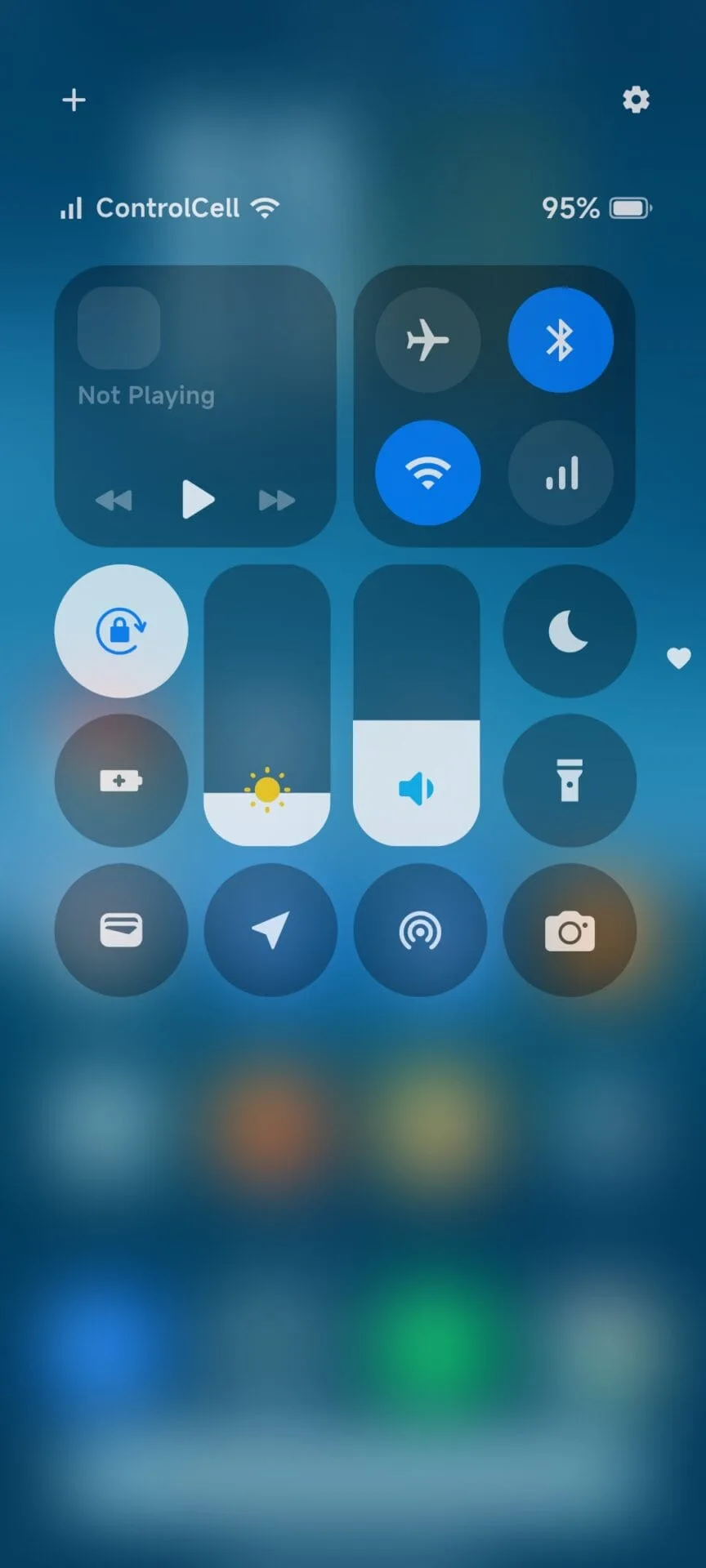
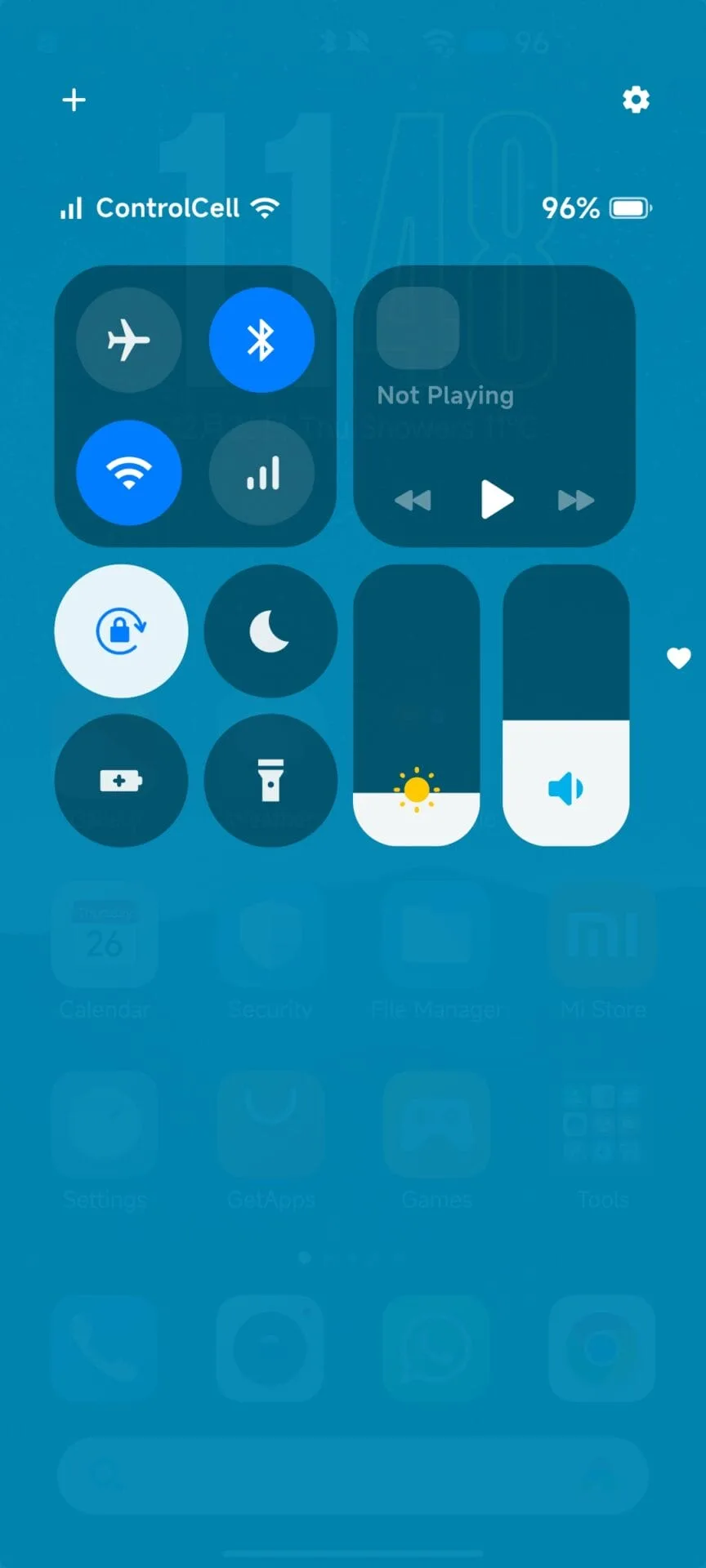
Many affordable Xiaomi phones, such the Redmi 15, Redmi 14C, and Redmi 13X, continue to use the conventional Android-style control panel rather than the contemporary iOS-inspired Control Center found on high-end phones running HyperOS. The main cause of this limitation is hardware and performance issues, which make it difficult to execute sophisticated animations and transitions smoothly.
Users of Xiaomi do not have to give up the new features and design in spite of this. It can be set up to mimic the new Control Center appearance on the majority of Redmi and POCO phones with the aid of third-party modification applications like Control Center 18.
Announced alongside HyperOS 1.0, Xiaomi’s new Control Center features an iOS 18-like interface, smoother animations, and adjustable brightness adjustments. But not every gadget satisfies the necessary performance requirements. Xiaomi limits the new UI to mid-range and flagship smartphones since entry-level handsets with low GPU and memory capacity can encounter lag or frame drops.
Xiaomi’s software framework is still adaptable, though. You may still improve the visual experience using third-party solutions like Control Center 18, which essentially replicates the look and functionality of the HyperOS Control Center, even if your phone doesn’t support the most recent control center natively.
Get the New Control Center with Control Center 18
You can simply duplicate the new Control Center with Control Center 18 app if your Redmi or Xiaomi phone does not have it natively loaded. With smooth animations, toggleable toggles, and quick access to your most commonly used options, this layout is almost exact.
Xiaomi has quietly stopped supporting software updates for the Redmi 12C and its international counterpart, the POCO C55. No new firmware, including HyperOS 2, has been released in the last two months, and the devices were last updated with the October 2025 security patch. These devices are anticipated to become officially EOL in February 2026, according to Xiaomi’s internal software roadmap.
Why these devices eeached EOL
For its entry-level series, Xiaomi has clear updating policies. The POCO C55 and Redmi 12C were marketed as reasonably priced smartphones designed for everyday use, typically with shorter support cycles.
Each device finished its usual update window with HyperOS maintenance releases and Android fixes prior to hitting EOL. This change is intended to allow Xiaomi to focus attention on more recent models and maintain system stability throughout the ecosystem.
Users can still improve device stability by updating compatible system apps even after system firmware updates have ceased. Xiaomi smartphone owners have two reliable options:
Recommended Update Channels
HyperOSUpdates.com: provides direct links to Xiaomi system app packages.
MemeOS Enhancer app on Google Play – allows users to update system apps, enable hidden features of Xiaomi, and manage interface components smoothly.
EOL does not automatically affect device functionality, and users may still experience adequate performance for daily tasks.
With smartphones that offer increasingly better performance and longer support cycles, Xiaomi continues to broaden its selection of reasonably priced products. As part of the broader shift to the enhanced environment offered by HyperOS and more efficient update delivery, devices like the Redmi 12C and POCO C55 are being retired organically. A more explicit software policy is anticipated in upcoming budget releases.
Xiaomi is closing out the year with fresh Poco flagships and a huge HyperOS 3.0 update based on Android 16. From new phones to a revised UI, here’s what’s rolling out and when you can expect it on your smartphone.
Xiaomi has more phones to release this year. The worldwide versions of the Poco F8 Pro and F8 Ultra were just released. The company has revised the HyperOS 3.0 deployment schedule, which is now expected to reach over a dozen Poco phones and tablets, in tandem with the surge of new hardware.
The new Poco F8 Pro and Poco F8 Ultra flagships ship with Android 16 out of the box. Other models will be released on a staggered schedule.
Which Poco devices are confirmed to get HyperOS 3.0
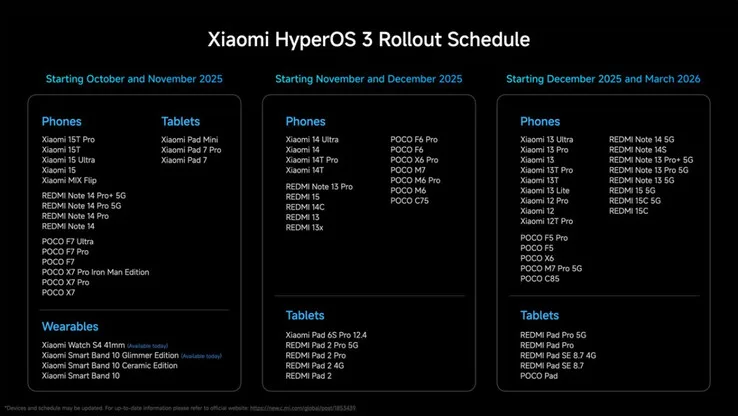
For the initial group of Poco devices, the deployment started in October and will last until the end of November. The Poco F7 and X7 series from the previous year, including its Ultra variants, are at the top of the list. Some users outside China have already reported receiving the software. However, it’s not uncommon for other devices to only receive notifications in the upcoming days, depending on variations.
The Poco F6 (Pro), Poco X6 Pro, Poco M7, Poco M6 (Pro), and Poco C75 will lead the following batch in December.
Between December 2025 and March 2026, a broader release that includes the Poco F5 (Pro), Poco X6, Poco M7 Pro, and Poco C85 is scheduled. Poco’s Android tablets, such as the Poco Pad, Poco Pad X1, and Poco Pad M1, will join these. Regretfully, Xiaomi has not disclosed the timing for every device.
What’s new in HyperOS 3.0?
HyperOS 3.0 is built on Android 16, which adds its own set of new features and customizations. Xiaomi’s version offers a substantial user interface overhaul, increased security, and superior optimization for longer battery life and smoother performance.
The most noteworthy graphic modification is Super Island, inspired by iOS’s Dynamic Island. As a native feature of Android 16, it is integrated into the punch-hole camera region and shows live updates and dynamic widgets.
The main UI has also been overhauled with transparent parts, blurred backgrounds, and redesigned app icons. Users receive new styles on the lock screen, like as live effects and AI-generated wallpapers.
Additionally, Xiaomi promises enhanced usability and performance. Multitasking and app switching are stated to be snappier, while overall responsiveness is quicker.
Permission limits and improved data protection have improved security. In other areas, HyperOS 3.0 provides closer connection with Xiaomi’s wider range of products.
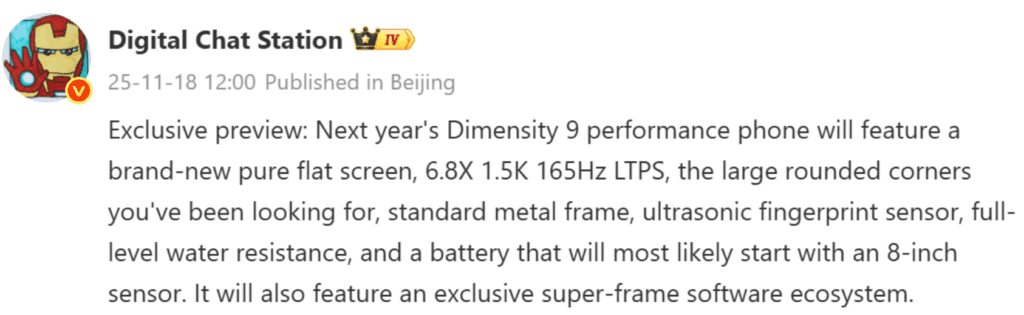
The Redmi K90 Ultra, which will probably arrive in China in a few months, is already being discussed in the rumor mill after Redmi unveiled the K90 and K90 Pro Max in October. Digital Chat Station‘s early information suggests significant improvements over the current models, providing a first glimpse of Xiaomi’s potential lineup expansion. The information provides a first look, and as launch draws near, more clarity is probably in store.
Redmi K90 Ultra key specs
The Redmi K90 Ultra is anticipated to include a 6.8-inch LTPS OLED display with a 1.5K resolution and a quick refresh rate of 165 Hz, according to the leak. The device may include a metal central frame for increased durability, and the screen is rumored to feature rounded corners.
Strong water protection is also anticipated, which is consistent with the stronger resistance ratings of more recent high-end models. An improved audio system and an ultrasonic in-display fingerprint scanner are two more anticipated enhancements.
Battery capacity appears to be one of the most notable features. According to rumors, the phone would have a battery of about 8,000 mAh, which is a significant improvement over the K90 Pro Max and earlier Ultra models. Additionally, a specialized high frame rate software layer that could improve the overall performance profile—particularly for gaming—is hinted at by the tipster.
According to reports, the MediaTek Dimensity 9 series chipset powers the Redmi K90 Ultra. This might be the Dimensity 9500 Plus, which is expected to be released in 2026. The leak characterizes the Ultra as a performance-focused model, implying that photography may continue to be at a respectable but not flagship-leading level, even though camera details have not been disclosed.
The K80 Ultra’s June 2025 release cycle is anticipated to be followed by the K90 Ultra. The K90 Ultra might make its Chinese debut around the middle of 2026 if Xiaomi sticks to this schedule. It’s possible that a modified K90 Ultra may go on sale as a Xiaomi flagship worldwide.
Based on both Android 15 and Android 16, Xiaomi is preparing for the release of HyperOS 3. This will be the final update for many of its older smartphones that receive HyperOS 3, which is based on Android 15. There won’t be any more HyperOS 3.1 updates. In an effort to deploy the newest operating system on a large number of devices, Xiaomi is currently internally testing the HyperOS 3 version based on Android 15 on a few smartphones. This is a significant step in the company’s software development process.
On certain of their smartphones, Xiaomi has already begun testing Hyper OS 3, which is based on Android 15. For some smartphones, this release will be the final significant update, so users should be prepared for some limitations in subsequent updates. The list of devices that are believed to be in the first wave of updates, according to the testing process, first batch include the REDMI Note 13 5G, the POCO F5 Pro, and the Xiaomi 13 Lite, which may be receiving the update to the HyperOS 3 on the Android 15 platform firstly.
Initial Worldwide Rollout of Android 15-based HyperOS 3
The Redmi Note 13 5G is among the first smartphones to get the global upgrade for Android 15-based HyperOS 3, according to data from the Mi community testing logs. The following smartphones will also get the update:
Xiaomi 13 Lite / Civi 2 (EEA – OS3.0.0.1.VLLEUXM)
POCO F5 Pro / Redmi K60 (China – OS3.0.0.4.VMNCNXM | Global – OS3.0.0.1.VMNMIXM)
POCO X6 Neo / Redmi Note 13 5G / Redmi Note 13R Pro (China – OS3.0.0.4.VNQCNXM | Turkey – OS3.0.0.2.VNQTRXM | Global – OS3.0.0.2.VNQMIXM | EEA – OS3.0.0.2.VNQEUXM)
Based on preliminary testing schedules, the Redmi Note 13 5G seems to be the front-runner for the Android 15-based HyperOS 3 Global update. Our list indicates that Xiaomi has yet to begin testing HyperOS 3, which is based on Android 15, on these devices:
Xiaomi 12S
Xiaomi 12S Pro
POCO F5 5G
POCO M6 Pro
Redmi Note 12 Turbo
Xiaomi 12T
HyperOS 3 based on Android 15 is not anticipated to be released on any devices other than those specified above.
With the release of the HyperOS 3, consumers of the Xiaomi lineup with compatible phones will have access to an even more feature-rich interface thanks to Android 15’s optimization. Customers will be happy to hear that some older versions will also receive updates, but they will stop after that. Users are advised to stay informed about the updates to make sure their phones will be among those receiving the most recent versions due to Xiaomi’s ongoing commitment to deliver the most recent changes.
Xiaomi has now turned its attention to the Poco devices after releasing the stable HyperOS 3 update for the initial batch of phones sold worldwide. As it happens, the F7 Ultra is the first model in the lineup to get the Android 16 update.
October 2025 marked the beginning of Xiaomi’s stable HyperOS 3 distribution for devices worldwide. The Android 16 update has so far been applied to the Xiaomi 15 and Xiaomi 15T phones, but it appears that the company is now concentrating on the Poco handsets. More precisely, the global firmware for the F7 Ultra has just been upgraded.
HyperOS 3 global update
As an example, the Poco F7 Ultra was one of the first phones worldwide to get the HyperOS 3 update in November 2025. The following are the other smartphones with the Poco brand that were included in the list:
Poco F7
Poco F7 Pro
Poco X7 Pro
Poco X7 Pro Iron Man Edition
Poco X7
The Android 16 update may begin to go out to the other Poco phones in the first part of November 2025. Xiaomi has previously stated that HyperOS 3 will soon be accessible on a few tablets as well. Specifically, the upgraded software is scheduled to be released before December 2025 for the Pad Mini, Pad 7, and Pad 7 Pro.
Returning to the just announced Poco F7 Ultra update, XiaomiTime reports that it is OS3.0.3.0.WOMEUXM. Although it can fluctuate, the file size is more over 7 GB. Before the end of November 2025, a few Redmi smartphones should also get the Android 16 upgrade. To find out more, see the rollout timeline that is included below.