Tag: poco

  • 7 new devices will receive HyperOS next month

    7 new devices will receive HyperOS next month

    Here are seven devices that might miss out on this opportunity and get their final upgrade next month while Xiaomi is busy testing the new HyperOS 2.2 version for the flagship models. Examine the list and determine whether your phone is included in this group.

    Upgrades to HyperOS include a number of sophisticated, AI-powered capabilities that aren’t compatible with all models. In order to concentrate on the most efficient smartphones, Xiaomi used to remove some devices and mark them as EOL (End Of Life).

    The company has officially revealed the EOL devices for June 2025 and identified seven Xiaomi models that will receive their final HyperOS upgrade, according to XiaomiTime.

    hyperos update

    The majority of the phones on the list are Redmi and POCO models that might soon stop supporting security rollouts, feature patches, and new HyperOS updates.

    These 7 Xiaomi devices may get their last HyperOS update in June:

    • Redmi Note 11T Pro
    • Redmi Note 11T Pro+
    • Redmi K50i
    • POCO X4 GT
    • POCO C40
    • Redmi K40S
    • POCO F4

    According to inputs, the POCO C40’s final HyperOS update is scheduled for June 17. In February 2024, it received the most recent significant update, MIUI 13, which was based on Android 11.

    poco C40 eol

    It should be noted that these models will not receive any system optimizations, new features, or security fixes that address problems or issues that currently exist.

    Therefore, we advise switching to a new device as soon as possible to take advantage of the most recent camera improvements, AI capabilities, and HyperOS 2.2 features.

  • HyperOS 2.2 getting closer every day – non-flagship release date

    HyperOS 2.2 getting closer every day – non-flagship release date

    Since official release dates for a number of flagship models have been revealed, brand fans who have been eagerly awaiting the debut of HyperOS 2.2 can now relax. This significant upgrade adds new AI functions, interface adjustments, and other performance enhancements to Xiaomi’s premium lineup. The information was taken directly from the Xiaomi community forums, where an odd story about how community input influenced the rollout was told. This is one of the most well-planned rollouts the company has ever witnessed, with multiple device series distributing the update around one another.

    hyperos 2.2 update

    Schedule updated

    The timelines for HyperOS 2.2 have been confirmed for three significant device families:

    • REDMI K80 Series: May 12th, Monday
    • REDMI K70 Series: May 13th, Tuesday
    • Xiaomi 13 Series: Thursday, May 15th

    According to DaWangLe, a reliable source from the Xiaomi community, the first goal was to highlight the K80 and K70 series. However, the company changed its approach and eventually released upgrades for all three device lines consecutively as a result of enthusiastic voting and feedback from Xiaomi 13 consumers.

    These first 200 beta versions have undergone an exceptionally rigorous testing procedure that has required additional time and resources. In order to synchronize with internal testing and have the updates ready for public release, the Xiaomi team reportedly worked through the weekend.

    Beta recruitment

    For customers willing to use the new update, the process will function as:

    • REDMI K80/Pro users can begin applying for beta recruitment from next Monday
    • Upon approval, the selected individuals will get the update immediately Redmi K70/Pro consumers will have direct availability from Tuesday
    • The owners of the Xiaomi 13 series will get their update this Thursday

    It’s worth noting that these update dates are applicable only to devices in China. Schedules for international rollouts have not yet been released but are usually several weeks behind the China release.

    Update available for more devices

    Besides the principal release timeline, two additional flagship devices already have update bundles in place:

    hyperos 2.2 update for devices

    These models are slated to become part of the update lineup soon, although there are no confirmed release dates.

  • HyperOS 3 update: eligible devices

    HyperOS 3 update: eligible devices

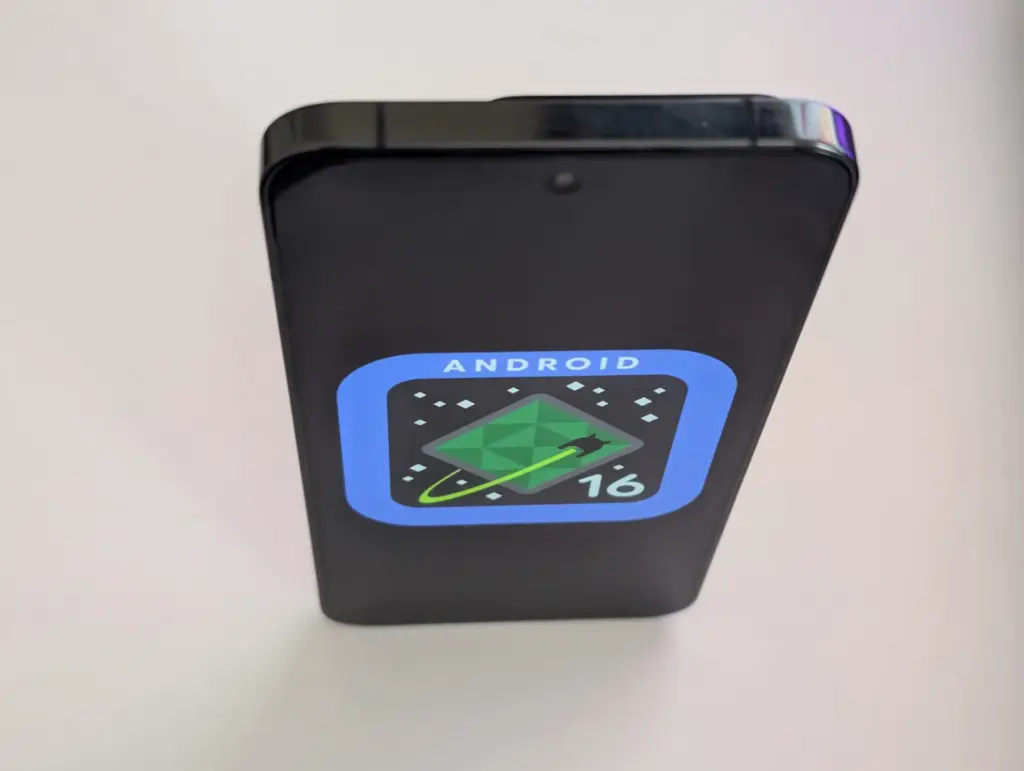
    Xiaomi is still updating a variety of devices with the HyperOS 2.1 upgrade, which is based on Android 15. However, all eyes are now on HyperOS 3, which is based on Android 16, the upcoming major release. This one will come with enormous improvements in terms of performance, features, and design.

    Xiaomi to roll out HyperOS 3 update based on Android 16

    Android 16 1

    A recent article from XiaomiTime states that the release of HyperOS 3 is anticipated to be in July 2025. Although Xiaomi has not yet released an official announcement regarding the complete list of devices, the report offers us a good idea of which models should be updated. Xiaomi, Redmi, and POCO devices will be included in the upgrade, demonstrating the company’s dedication to providing long-term software support.

    What to Expect in HyperOS 3

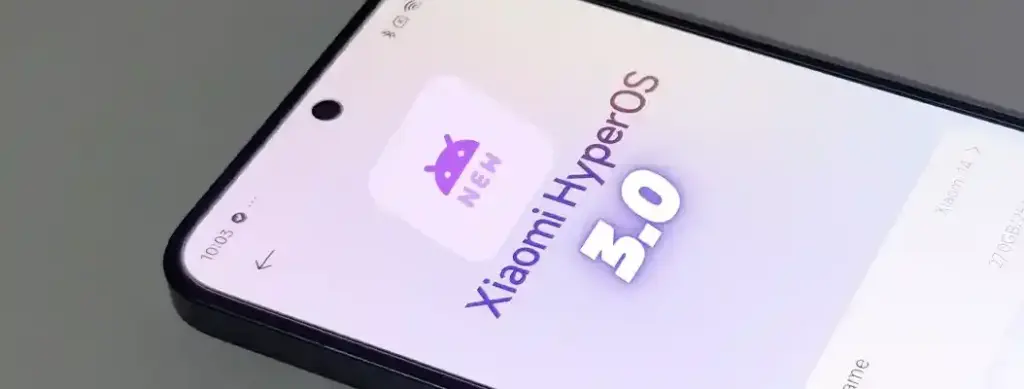
    HyperOS 3.0 e1745555193567

    Improved multitasking, improved battery life optimization, more intelligent AI-based capabilities, and a redesigned user interface are just a few of the many new features that HyperOS 3 is said to offer. It is anticipated that a primary focus will be on improving device integration and performance, particularly with regard to tablets and foldables.

    xiaomi 15 silicon carbon battery

    Xiaomi 15 5G

    Snapdragon 8 Elite Mobile Platform3nm manufacturing processCPU2 x Prime Core, up to 4.32GHz6 x Performance Core, up to 3.53GHzGPUAdreno GPUAIQualcomm AI engine.

    Leica Summilux optical lensLEICA VARIO-SUMMILUX 1:1.62-2.2/14-60 ASPHLeica main camera50MPLight Fusion 900 image sensor2.4μm 4-in-1 Super Pixelf/1.62OIS23mm equivalent focal lengthLeica 60mm floating telephoto50MPf/2.0OIS60mm equivalent focal lengthLeica ultra-wide camera50MPf/2.214mm equivalent focal length115°. 32MP FRONT CAMERA

    $947.50$900.00Amazon

    Expected Devices to Receive HyperOS 3

    Xiaomi Devices:

    • Xiaomi 15, 14, 13, and 12 series
    • MIX Flip, Flip 2
    • MIX FOLD 2, 3, and 4
    • Xiaomi Pad 6 Pro, 6S Pro, 7, and 7 Pro

    Redmi Devices:

    • Redmi Note 12, 13, and 14 series (4G, Turbo, and Pro models)
    • Redmi 12, 13, and 14 series (C and A models)
    • Redmi K50, K60, K70, and K80 series
    • Redmi Pad SE, Pad SE 8.7, Pad Pro, and Pad Pro 5G

    POCO Devices:

    • POCO F5, F5 Pro, F6, F6 Pro, F7, F7 Pro, and F7 Ultra
    • POCO X6 5G, X6 Pro 5G, X7, X7 Pro, and X7 Pro Iron Man Edition special edition
    • POCO M6 (4G, 5G, and Pro versions), M7, and M7 Pro 5G
    • POCO C65, C75, and C75 5G

    With a wider rollout, Xiaomi will gradually introduce the most recent Android experience across a diverse range of devices. It is likely that HyperOS 3 will improve on everything you do on a flagship, mid-range, or low-cost phone. Xiaomi is going to make the announcement, so keep a look out!

  • HyperOS 2.1 update rolled out to seven Xiaomi devices

    HyperOS 2.1 update rolled out to seven Xiaomi devices

    Xiaomi keeps updating more of its devices to HyperOS 2.1 in an effort to reach a larger audience with the newest features and enhancements. The Chinese company just released an update for seven Xiaomi devices.

    The latest recipients of HyperOS 2.1 include some high-end Xiaomi phones, a Xiaomi tablet, and affordable Poco phones. Here’s the list:

    • Xiaomi 14 Ultra
    • Xiaomi 14T Pro
    • Xiaomi 13 Pro
    • Xiaomi Pad 6S Pro 12.4
    • POCO X6 Pro 5G
    • Poco F6
    • Xiaomi 13 Ultra

    You may be able to install the HyperOS 2.1 upgrade if you own any of these Xiaomi devices. Open the Settings app, select About Phone, and then hit the HyperOS logo to see whether there is a new update available. To find out if your device has an update available, click Check for updates.

    A number of internal improvements have been made in the latest HyperOS 2.1 software to enhance the user experience and animations. Voice chats without an internet connection are also possible with the new Networkless mode. In places with inadequate connectivity, this function enables users to converse efficiently.

    Xiaomi’s device connect prompts have been improved. Additionally, the file transfer function has been enhanced to provide a smooth experience. Better night vision is one of the camera enhancements brought about by the HyperOS 2.1 software. Additionally, the update enhances imaging performance in a range of lighting settings and snapshot capabilities.

    The update also brings a redesigned album layout and new album display columns. The search functions have also been improved. Xiaomi has also made improvements to the image recognition capabilities for the circle to search feature. The Gaming Toolbox now has a performance dashboard and offers an enhanced gaming experience.

  • Xiaomi stops providing security updates for some devices.

    Xiaomi stops providing security updates for some devices.

    According to their Product Software Support Information page, Xiaomi has officially announced the end of security updates for some of its most popular products, marking a significant milestone for its fans throughout the world.

    Although there is a strange silver lining for Xiaomi 11 Ultra customers, this move affects thousands of users who have been using these smartphones for their everyday digital demands. The decision represents the latest development in Xiaomi’s ongoing controversy surrounding its software support policy, which is ongoing despite the company’s success in maintaining older devices while giving priority to newer product lines.

    Xiaomi devices reaching EOS

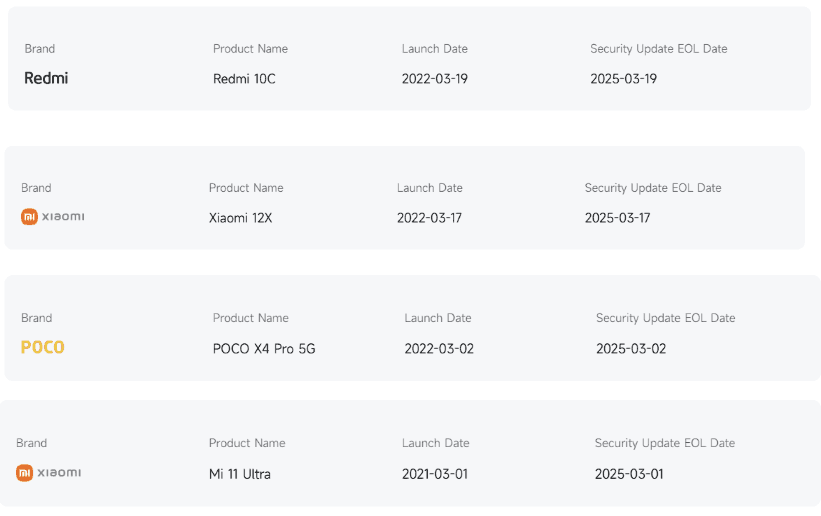
    The Redmi 10C and Redmi 10 that have attained end-of-life (EOL) status running MIUI 14 based on Android 13 are among the devices on the list that would no longer receive security updates. For most users, that means they are no longer protected against recently found vulnerabilities, which may raise questions about long-term device security.

    In a similar vein, HyperOS 1 based on Android 13 has reached the end of life (EOL) of the Redmi Note 11 Pro 5G, Redmi Note 11E Pro, Redmi Note 11 Pro+ 5G, and POCO X4 Pro 5G. Updates in the form of security patches will no longer be available for mid-range phones, which were highly popular when they were first released due to their great specifications at low costs.

    image

    The impact on Xiaomi 12X

    The Xiaomi 12X, which was marketed as a lightweight flagship model, is now among the phones that will not be receiving any more security updates. The 12X ends its update cycle with HyperOS 1, which is based on Android 13, just as the previously mentioned Redmi Note 11 series. Despite being ready for an upgrade, the Xiaomi 12 Lite will not get the HyperOS 2 update.

    Xiaomi 11 Ultra Receives HyperOS 2

    However, Xiaomi has revealed that the Xiaomi 11 Ultra would receive HyperOS 2 even though it has stopped receiving regular security upgrades, which is a welcome surprise for the majority of Mi enthusiasts. With the impending Android 15, this 2021 flagship luxury device—which was praised for its superb camera setup and high-end specs—will receive an update based on Android 14, but not HyperOS 2.

    The terms for Xiaomi’s update strategy are called into doubt by this special treatment of the 11 Ultra. The fact that the 11 Ultra comes with HyperOS 2 indicates that Xiaomi may be offering prolonged software support for its flagship premium phones, maybe to keep its premium user base happy, even though the majority of the devices on the list are mid-range or low-cost phones.

    It is advised that users of the impacted devices take extra security precautions, include exercising more caution when downloading apps from unidentified sources and maintaining strict protection for sensitive data.

  • Redmi and Poco devices that will no longer receive HyperOS updates

    Redmi and Poco devices that will no longer receive HyperOS updates

    A few Redmi and POCO devices that Xiaomi has listed will no longer receive HyperOS updates. It is a typical change in the lives of Xiaomi smartphones. When some models reach the end of their existence, the corporation formally updates its EOL (end of life) list.

    The Chinese OEM is well-known for delivering upgrades for HyperOS to a variety of smartphones. It uses a distinct approach for each model, such as POCO and Redmi.

    In addition to four years of security fixes, Redmi and POCO phones are eligible for two or three major OS upgrades. The business then puts them on the EOL list.

    xiaomi redmi and poco devices hyperos

    The tech giant has currently stopped supporting HyperOS updates for a few Redmi and POCO smartphones. Major software updates, monthly security patch rollouts, and basic enhancement patches will no longer be available for these models. Look at the phones listed below:

    Redmi Devices

    • Redmi Note 11 SE
    • Redmi Note 11S 5G
    • Redmi Note 11S
    • Redmi Note 11
    • Redmi Note 11 5G
    • Redmi 10C
    • Redmi 10 2022

    POCO Devices

    • POCO M4 Pro
    • POCO X4 Pro 5G

    As Xiaomi devices reach the end of their life cycle, software support is frequently discontinued. For customers that are already utilizing the EOL models, this procedure poses a problem. In this scenario, you can keep using the gadget without anticipating security upgrades or new features.

    With long-term software support, users can even move to a different model. Searching for unofficial upgrades like LineageOS is the last resort.

  • HyperOS 2.1 device list and what you need to know

    HyperOS 2.1 device list and what you need to know

    Since the first HyperOS version was released, the HyperOS has already garnered media attention. We are already seeing HyperOS 2.1’s incredible features and enhancements. The Hyper OS 2.1 upgrade also includes some new animations and some intriguing AI enhancements.

    It is anticipated that HyperOS 2.1 will be released in February. The Chinese New Year is relevant to this.

    HyperOS 2.1 release date

    HyperOS 2.1 releaset timeline

    Let’s check out the release date and the rollout timeline for this update:

    VersionRelease Date
    HyperOS 1.0Late 2023
    HyperOS 2.0Early 2024
    HyperOS 2.1March 2025 (Phase 1)
    HyperOS 2.1Mid-2025 (Phase 2)
    HyperOS 2.1Late 2025 (Phase 3)
    HyperOS 3.0Early 2026

    HyperOS 2.1 eligible devices

    The list of the first devices to get the HyperOS 2.1 update has been made public by Xiaomi. The majority of these are high-end models, but the update will probably be released for more devices in the future.

    Device NameUpdate StatusNotes
    Xiaomi 14 UltraFirst BatchWill receive the update first.
    Xiaomi 13First BatchWill receive the update first.
    Xiaomi 13 ProFirst BatchWill receive the update first.
    Xiaomi 14Coming SoonExpected in later phases.
    Xiaomi 15Coming SoonExpected in later phases.
    Xiaomi 13 UltraComing SoonExpected in later phases.
    Redmi K80UnconfirmedLikely to receive the update later.
    Redmi K80 ProUnconfirmedLikely to receive the update later.
    Redmi K70 UltraUnconfirmedLikely to receive the update later.

    You will be among the first to test out HyperOS 2.1 if you own one of these phones. The update will be released later for more Xiaomi devices, such as the Xiaomi 14, Xiaomi 15, and Xiaomi 13 Ultra. After the Chinese New Year, Xiaomi is probably going to release a complete list of devices that qualify.

    There are a ton of enhancements and new features in HyperOS 2.1. The highlights are as follows:

    Better Photo Editing with AI

    There are now more intelligent features in the gallery app to enhance and correct your photos. AI can be used to expand images, improve image quality, and eliminate undesired items.

    New Torch Control

    Inspired by iOS 18, Xiaomi has included a torch (flashlight) capability. It functions flawlessly and has a sleek appearance, particularly on premium phones.

    Smoother Performance

    Whether you are playing games or navigating between apps, the update makes your phone operate more smoothly and quickly.

    Regular Updates

    Xiaomi’s “1+3+8” plan guarantees that your phone receives upgrades on a regular basis. This entails enhancements, bug repairs, and new features all year round.

    New Dynamic Wallpapers

    The HyperOS 2.1 Update’s New Dynamic Wallpapers are now available for download from the Theme Store. With the aid of this upgrade, they add more customizations to the system. You must manually enable India ROM as a video background from the Gallery or File Manager if you are using it.

    FAQ

    1. What is HyperOS 2.1?

    It’s Xiaomi’s latest software update with new features, AI tools, and performance improvements.

    2. Which phones will get HyperOS 2.1 first?

    The Xiaomi 14 Ultra, Xiaomi 13, and Xiaomi 13 Pro will get it first. More devices will follow later.

    3. What are the new features?

    You’ll get better photo editing, a new torch control, smoother performance, and regular updates.

    4. When will HyperOS 2.1 launch?

    It’s expected to roll out globally after the Chinese New Year, but the exact date isn’t confirmed yet.

    For Xiaomi, HyperOS 2.1 is a significant advancement rather than merely a minor upgrade. Better performance, more intelligent AI tools, and features modeled after cutting-edge technology like iOS are all included. Xiaomi intends to provide the update for additional devices soon, albeit it begins with flagship phones.

  • Week 25’s top ten trending phones

    Week 25’s top ten trending phones

    The Redmi Note 10 Pro is back on top of our trending chart at the conclusion of week 25, but the second-placed phone is sure to raise a few eyebrows.

    The newly released Tecno Phantom X has reached levels of popularity that the company has never seen before, indicating that it could be a big winner. The Redmi Note 10 is still in third place, ahead of the Poco X3 Pro, while the Mi 11 Lite has climbed four spots to fifth place.

    We have listed down the top 10 devices trending and provided a brief review of each. Read on to find out more.

    1. Xiaomi Redmi Note 10 Pro (Max)

     Xiaomi Redmi Note 10 Pro trending phone

    The Redmi Note 10 Pro is the first of the next generation of inexpensive mid-rangers, and it includes one of the most popular features among fans: a 120Hz OLED display. It has a superior HRR OLED screen but is powered by the less powerful Snapdragon 732G CPU rather than the more expensive Snapdragon 750G 5G. The rest of the phone is almost unchanged from its predecessors: camera, speakers, battery, and rapid charging.

    2. Tecno Phantom X

      Tecno Phantom X

    To be reviewed.

    3. Xiaomi Redmi Note 10

    Xiaomi Redmi Note 10

    The Super AMOLED screen with high peak brightness, the decent camera system, the large, fast-charging battery, and the dual loudspeakers are the key attractions of the non-5G version of the Redmi Note 10. The Redmi Note 10 5G, on the other hand, makes do with an IPS display and foregoes quick charging and stereo speakers.

    4. Xiaomi Poco X3 Pro

    poco x3

    The Poco X3 Pro is based on the Poco X3 NFC, and they both have the same design. The Pro version, on the other hand, has far superior hardware: it’s the first phone to operate on the Snapdragon 860 SoC, which is a repackaged version of Qualcomm’s once-flagship Snapdragon 855+ CPU.

    5. Xiaomi Mi 11 Lite

     Xiaomi Mi 11 Lite

    The Mi 11 Lite, like the Mi 11 Lite 5G, is based on the Mi 11 flagship and emphasizes similar features such as an HRR OLED screen, good camera quality, extended battery life, quick charging, and a smooth UI experience.

    6. Samsung Galaxy S21 Ultra 5G

    Samsung Galaxy S21 Ultra 5G

    It has a big 1440p screen with 120Hz native support, which is adaptive. It also includes two dedicated telephoto cameras, one with a 3x optical zoom and the other with a 10x optical zoom. It does include focusing on its ultrawide camera, which is useful for macro photographs. The new Ultra also includes compatibility for ultrawide-band and, surprise, surprise, S-Pen.

    7. Samsung Galaxy A52

     Samsung Galaxy A52

    The Galaxy A32, as well as the recently released Galaxy A72 and A52 duo, all provide excellent value, they are able to carry put complex tasks such as SMS backup. This year, though, it’s the plain Galaxy A52 model that shines the brightest and goes above and above.

    8. Poco F3

    Poco F3

    Starting with its stunning glass shell with a robust plastic frame, the Poco F3 is jam-packed with top-notch features. The F3 features a 6.67-inch AMOLED screen with 120Hz refresh, one of today’s fastest platforms – the Snapdragon 870 5G chip, loud stereo speakers with Dolby Atmos, a configurable triple-camera configuration, and a huge battery with quick charging.

    9. OnePlus Nord CE 5G

    OnePlus Nord CE 5G

    The OnePlus Nord CE 5G is the next mid-range killer, at least according to OnePlus’ marketing. And it’s probably quite close to the truth. The Nord CE isn’t a replacement for the original Nord, but rather a toned-down version of it, hence the CE moniker. The phone retains elements of the original Nord’s fundamental specifications, notably the design.

    10. Samsung Galaxy A32

    Samsung Galaxy A32

    For starters, the displays are completely different between the variants, and the 4G’s is far superior – a 90Hz 1080p AMOLED vs. the 5G’s 60Hz 720p LCD. With high-resolution main and selfie cameras, the LTE variant also takes a couple of points in the camera category. The A32 5G counters with a chipset that is capable of 5G but also more powerful because to its latest cores.
  • Eligible Devices for MIUI 12.5 Update – new features and more

    Eligible Devices for MIUI 12.5 Update – new features and more

    MIUI, one of the world’s most common mobile operating systems, is Xiaomi’s favorite. Although the news about MIUI 13 has recently been published, MIUI 12 has not been forgotten. Xiaomi is creating MIUI 12.5 pursuant to the announcement made today. This update contains big developments and optimizations and prepares MIUI 13 for Xiaomi users.

    (adsbygoogle = window.adsbygoogle || []).push({});

    Tests for MIUI 12.5 commenced today, according to the announcement made by Xiaomi. The closed Beta version will be suspended for a time starting from 12.14 in order for engineers to better concentrate on this update.

    New features in MIUI 12.5

    Approximate location

    MIUI 12.5 will protect your location privacy better. With the new feature added, you can notify the application of your approximate location, not your exact location. In this way, the application cannot follow you.

    miui 12.5 approximate location
    (adsbygoogle = window.adsbygoogle || []).push({});

    Redesigned volume controller and power menu

    MIUI 12.5 would give the volume controller, which has not changed for a long time, a much more elegant look. It hasn’t introduced a new feature, but it has new animations and a new look.

    At power menu there are no new functions or features, the design has been improved.

    miui 12.5 volume redesign

    New animations

    The animation when folder and extracting the app has been improved.

    (adsbygoogle = window.adsbygoogle || []).push({});

    Convert photo to PDF

    You can quickly convert any photo to PDF in your gallery.

    miui 12.5 convert to pdf

    New recents

    The latest app style that changed with MIUI 10 is now customizable with MIUI 12.5! With the new update, you can revert to MIUI 9 style. With this feature, the foundation of a structure that allows you to fully interfere with MIUI was laid. With MIUI 12.5, you can use recent apps horizontally.

    miui 12.5 recents
    (adsbygoogle = window.adsbygoogle || []).push({});

    New camera interface

    Is the camera application with new features added every day getting complicated? With MIUI 12.5, this complexity has been replaced by a plain interface.

    new camera interface

    Cleaner interface

    The cleaner app’s interface got a little more serious.

    miui 12.5 clean interface
    (adsbygoogle = window.adsbygoogle || []).push({});

    New notification center design

    With MIUI 12.5, the notification window has been brought closer to the Android 11 view. Notifications, messages and silent notifications are parsed.

    miui 12.5 notification design

    Others

    • New Fingerprint Animations
    • Bubble notification support (Android 11)
    • Super resolution
    • Voice control
    • New QR Code interface
    • New Icon styles
    • And More!

    The MIUI 12.5 update will likely be released in February. After the MIUI 12.5 update, MIUI 13 and MI 11 will be introduced. One of the first devices to use MIUI 12.5 might be the MI 11.

    (adsbygoogle = window.adsbygoogle || []).push({});

    MIUI 12.5 Eligible Devices

    • Redmi 7A
    • Redmi 8A
    • Redmi 8A Dual / Pro
    • Redmi 8
    • Redmi 9A
    • Redmi 9AT
    • Redmi 9i
    • Redmi 9C
    • Redmi 9C NFC
    • Redmi 9
    • Redmi 9 (India)
    • Redmi 9 Prime
    • Redmi 10X 4G
    • Redmi 10X 5G
    • Redmi 10X Pro
    • Redmi Note 7
    • Redmi Note 7S
    • Redmi Note 7 Pro
    • Redmi Note 8
    • Redmi Note 8T
    • Redmi Note 8 Pro
    • Redmi Note 9
    • Redmi Note 9S
    • Redmi Note 9 Pro (India)
    • Redmi Note 9 Pro (Global)
    • Redmi Note 9 Pro Max
    • Redmi Note 9 4G (CN)
    • Redmi Note 9 5G
    • Redmi Note 9 Ultra
    • Redmi K20
    • Redmi K20 Pro
    • Redmi K20 Pro Premium Edition
    • Redmi K30
    • Redmi K30 5G
    • Redmi K30 5G Racing Edition
    • Redmi K30i 5G
    • Redmi K30 Pro
    • Redmi K30 Pro Zoom Edition
    • Redmi K30 Ultra
    • Redmi K30S Ultra
    • POCO F1
    • POCO F2 Pro
    • POCO X2
    • POCO X3
    • POCO X3 NFC
    • POCO M2 Pro
    • POCO M2
    • POCO C3
    • POCO M3
    • Mi 8
    • Mi 8 Pro
    • Mi 8 Under Display Edition
    • Mi 8 Explorer Edition
    • Mi 8 SE
    • Mi 8 Lite
    • Mi 9
    • Mi 9 Pro
    • Mi 9 Pro 5G
    • Mi 9 Explorer Edition
    • Mi 9 Lite
    • Mi 9 SE
    • Mi 10
    • Mi 10 Pro
    • Mi 10 Ultra
    • Mi 10 Lite
    • Mi 10 Youth Edition
    • Mi Note 10
    • Mi Note 10 Pro
    • Mi Note 10 Lite
    • Mi CC9e
    • Mi CC9
    • Mi CC9 Pro
    • Mi 9T
    • Mi 9T Pro
    • Mi 10T
    • Mi 10T Pro
    • Mi 10T Lite
    • Mi Mix 2S
    • Mi Mix 3
    • Blackshark 2
    • Blackshark 2 Pro
    • Blackshark 3
    • Blackshark 3 Pro
    • Blackshark 3S

    Stay updated, join us @droidtool

  • Android 11 on MIUI 12: when your Xiaomi, Redmi, or POCO phone will get it

    Android 11 on MIUI 12: when your Xiaomi, Redmi, or POCO phone will get it

    Earlier this year, MIUI 12 made its debut, and Xiaomi has completed rolling out the stable update to most devices in its portfolio. The new skin of Xiaomi offers a variety of new features, including an enhanced dark device-wide mode, AI-assisted calling features, Interactive Always-on Display, new visual interface, system animation tweaks, and much-needed privacy updates.

    miui 12

    Xiaomi is shifting its focus to the update to Android 11 now. MIUI 12 based on Android 11 is beginning to roll out, with the stable upgrade now rolling out to the Redmi Note 9 Pro and Mi 10. Some of the best cheap Android phones are produced by Xiaomi, and it is good to see the manufacturer carrying out the update to Android 11 earlier than normal.

    Android 11 on MIUI 12 update: rolling out to Redmi Note 9 and Mi 10

    The stable MIUI 12-based Android 11 update is now rolling out in India for the Mi 10 and Redmi Note 9. Once we have more info on an update timeline, we’ll update the story, but now with the stable build for the Redmi Note 9 series, it shouldn’t be too long before Xiaomi starts delivering Android 11 to its older smartphones.

    For now, these are the Xiaomi, POCO, and Redmi phones that are slated to pick up the MIUI 12 update based on Android 11:

    • Xiaomi Mi 10
    • Xiaomi Mi 10 Pro
    • Xiaomi Mi 10 Youth Edition
    • Xiaomi Mi Note 10
    • Xiaomi Mi Note 10 Pro
    • Xiaomi Mi Note 10 Lite
    • Xiaomi Mi 9
    • Xiaomi Mi 9 Pro 5G
    • Xiaomi Mi 9 SE
    • Xiaomi Mi 9 Lite
    • Xiaomi Mi 9T
    • Xiaomi Mi 9T Pro
    • Xiaomi Mi A3
    • Redmi K30 Pro
    • Redmi K30
    • Redmi K30 5G
    • Redmi K30i 5G
    • Redmi K20 Pro
    • Redmi K20
    • Redmi Note 9
    • Redmi Note 9 Pro
    • Redmi Note 9 Pro Max
    • Redmi 10X Pro
    • Redmi 10X 5G
    • Redmi 9
    • Redmi 9C
    • Redmi 9A
    • POCO F2 Pro
    • POCO X2
    • POCO M2 Pro

    These phones are already on MIUI 12

    Xiaomi has finished rolling out the MIUI 12 update to most of the phones in the list below. So if you are using any of the devices in the list, head to your phone’s settings to manually download MIUI 12:

    • Xiaomi Mi 10 Pro
    • Xiaomi Mi 10
    • Xiaomi Mi Note 10 Lite
    • Xiaomi Mi 9
    • Xiaomi Mi 9 Pro 5G
    • Xiaomi Mi 9T
    • Xiaomi Mi 9T Pro
    • Redmi K30
    • Redmi K30 5G
    • Redmi K30 Pro
    • Redmi K20
    • Redmi K20 Pro
    • Redmi Note 9
    • Redmi Note 8 Pro
    • POCO F2 Pro
    • POCO X2
    • Xiaomi Mi Mix 3
    • Xiaomi Mi Mix 2S
    • Xiaomi Mi 9 SE
    • Xiaomi Mi 8 Explorer Edition
    • Xiaomi Mi 8
    • Xiaomi Mi 8 UD
    • Xiaomi Mi CC9
    • Xiaomi Mi CC9 Pro
    • Xiaomi Mi CC9 Meitu Edition
    • Redmi Note 8 Pro
    • Redmi Note 7 Pro
    • Redmi Note 7
    • Redmi 10X Pro 5G
    • Redmi 10X 5G
    • Redmi 10X 4G

    MIUI 12 global update: Full list of eligible phones

    For devices sold outside of China or India, Xiaomi has a standalone ROM, and these global units have their own release timetable. As of now there is no indication of when these phones will begin receiving the Android 11 update, but Xiaomi has finished rolling out the Android 10-based MIUI 12 release to all of these devices:

    • Xiaomi Mi 9
    • Xiaomi Mi 9T
    • Xiaomi Mi 9T Pro
    • Redmi K20
    • Redmi K20 Pro
    • Xiaomi Mi 10 Pro
    • Xiaomi Mi 10
    • Xiaomi Mi 10 Lite
    • Xiaomi Mi Note 10
    • Xiaomi Mi Note 10 Lite
    • Xiaomi Mi Note 3
    • Xiaomi Mi 8
    • Xiaomi Mi 8 Pro
    • Xiaomi Mi 9 SE
    • Xiaomi Mi 9 Lite
    • Xiaomi Mi 8 Lite
    • Xiaomi Mi Mix 3
    • Xiaomi Mi Mix 2S
    • Xiaomi Mi Mix 2
    • Xiaomi Mi Max 3
    • POCO F1
    • POCO X2
    • POCO F2 Pro
    • Redmi Note 9 Pro
    • Redmi Note 9 Pro Max
    • Redmi Note 9
    • Redmi Note 9s
    • Redmi Note 8 Pro
    • Redmi Note 8
    • Redmi Note 8T
    • Redmi Note 7
    • Redmi Note 7 Pro
    • Redmi Note 7S
    • Redmi Note 6 Pro
    • Redmi Note 5
    • Redmi Note 5 Pro
    • Redmi 8
    • Redmi 8A
    • Redmi 8A Dual
    • Redmi 7
    • Redmi 7A
    • Redmi 6 Pro
    • Redmi 6A
    • Redmi 6
    • Redmi Y3
    • Redmi Y2
    • Redmi S2

    MIUI 12 comes with a lot of interesting features, so while you’re waiting for the OTA to download on your phone, be sure to take a look at all the new additions in our feature breakdown.