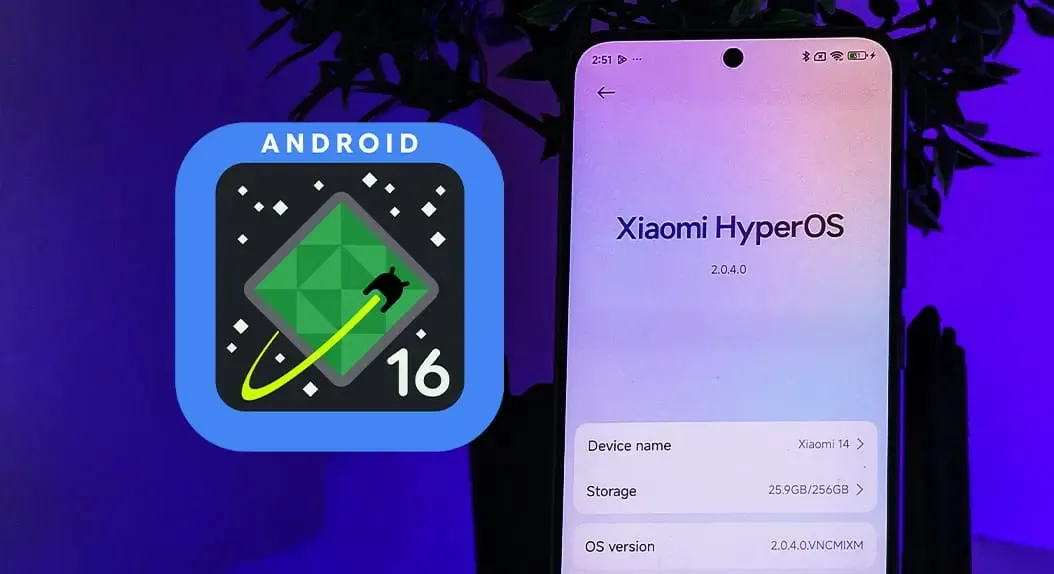
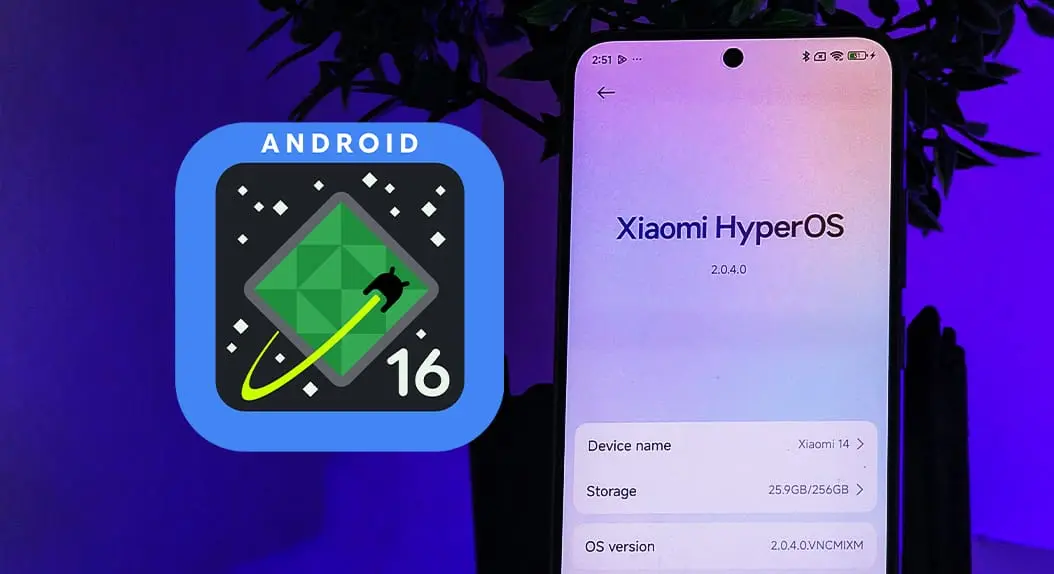
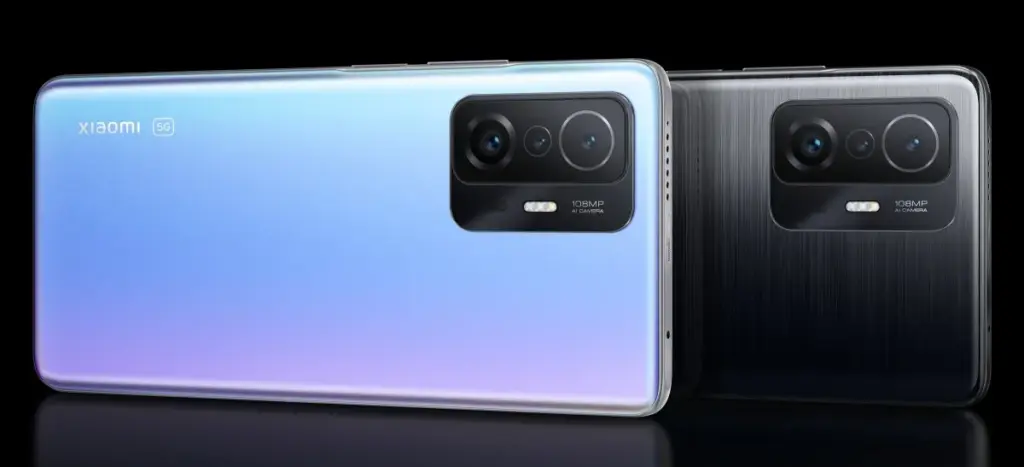
For owners of some well-known models, Xiaomi’s upgrade timeline is not good news. Android 16 will not be available for thirty-one Xiaomi, Redmi, and POCO phones. Rather, the last significant update for these smartphones will be HyperOS 3, which is based on Android 15. Support will then be restricted to minor fixes and security patches.
In the universe of Android, this is not uncommon. Major updates are typically offered by brands for two to three years, with newer flagships receiving longer support. The similar pattern applies to Xiaomi’s choice, which focuses on enhancing HyperOS for the devices that are still eligible.
For these phones, HyperOS 3 will be the last major software release.
Redmi phones stopping at HyperOS 3
Numerous models in the Redmi series also stop supporting Android 15. The Redmi K lineup, low-cost gadgets, and even several Note series favorites are included in the list:
This marks the end of updates for several phones that were popular in markets like India and Southeast Asia.
Xiaomi flagships are nearing the limit of updates.
Not even expensive gadgets are exempt. Android 16 will not be available for a number of Xiaomi 12 series phones, such as the 12 Pro, 12S Ultra, and 12T Pro. This is also where the Civi 3 and MIX Fold 2 complete their lifetime.
Full flagship list:
Xiaomi 12, 12 Pro, 12S, 12S Pro, 12S Ultra
Xiaomi 12T, 12T Pro
Xiaomi Civi 3
Xiaomi MIX Fold 2
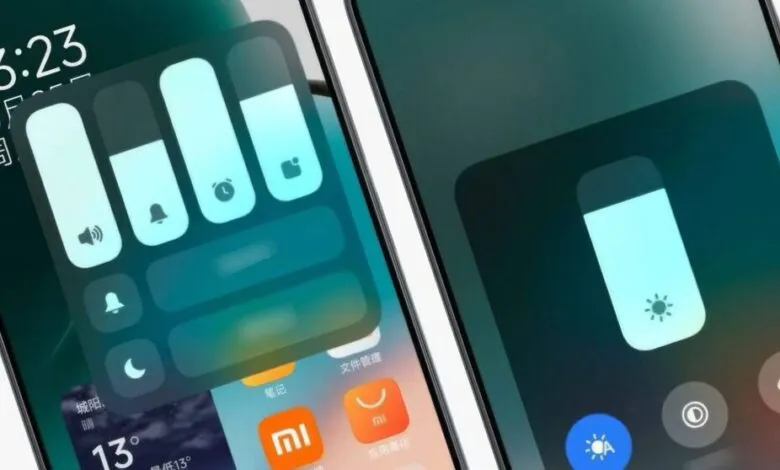
Android 15 is not the end of the story for these devices. It is anticipated that HyperOS 3 would come with a new interface that is modeled after Apple’s renowned “liquid glass” design. Users should anticipate improved system speed, additional customization choices, and a redesigned control center editor.
Although it’s the final significant update for these phones, the distribution is scheduled to start in September 2025 and provides them a more upscale appearance before updates formally cease.
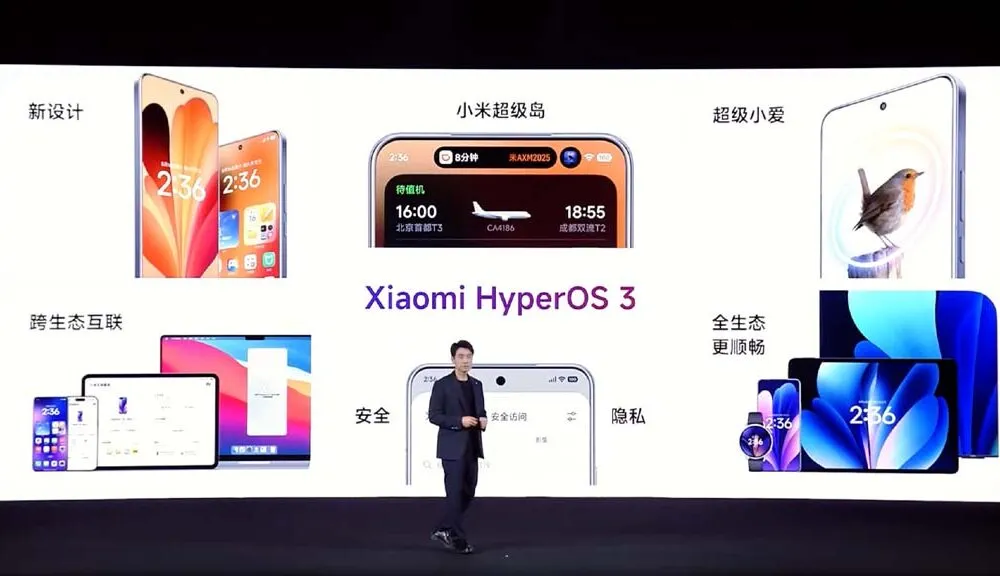
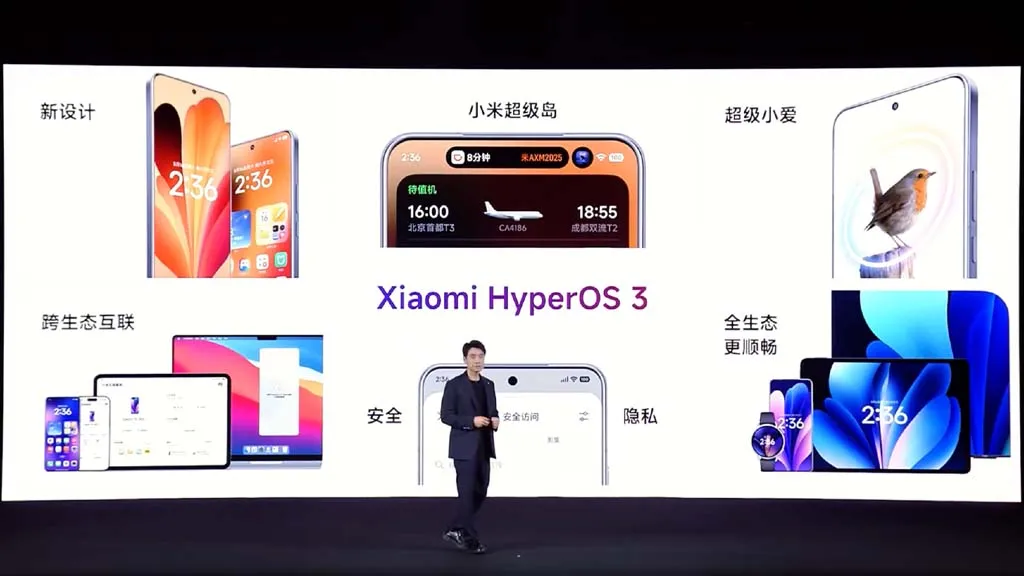
Based on Android 16, Xiaomi has shown HyperOS 3, its upcoming significant software update. Along with a list of compatible devices, the brand has revealed new features and enhancements, and the rollout is soon to start. All of the HyperOS 3 features that will be available for Xiaomi, Redmi, and Poco devices are listed here.
Design update
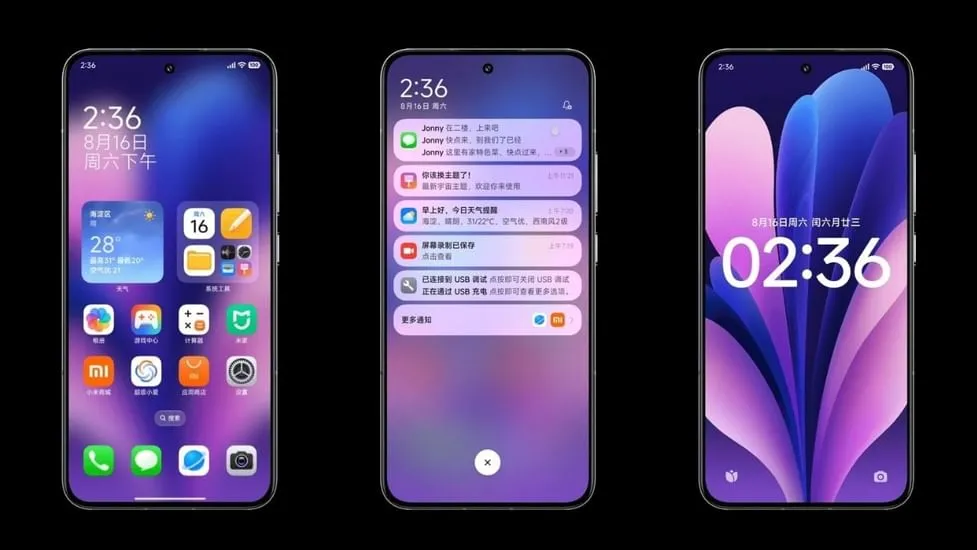
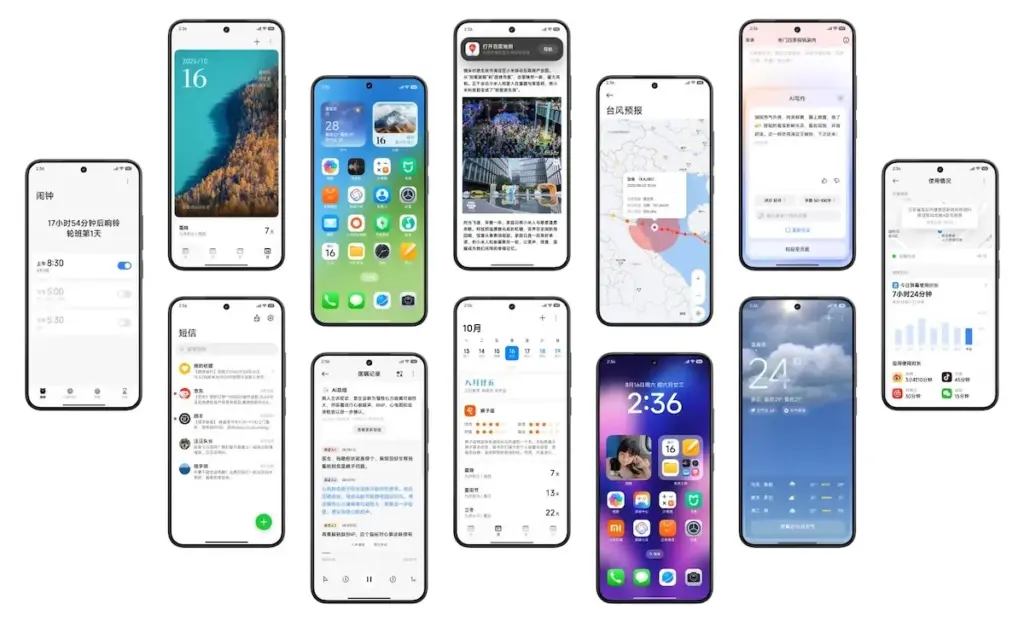
Starting with the home screen, HyperOS 3 icons have a slightly increased contrast and a more 3D appearance. Clearer and more readable icons have also been added to the bottom bar. The improvement won’t be that noticeable to regular users.
Additionally, Xiaomi finally changed the HyperOS 3 status bar icons. With slightly more dispersed pieces and the battery % inside the battery indicator, the company’s strategy is comparable to Material 3 Expressive in stock Android.
In order to provide HyperOS 3 a more unified and professional appearance, the home screen layout has been somewhat altered to be more uniform with tighter gaps between the widgets.
Lockscreen customisations
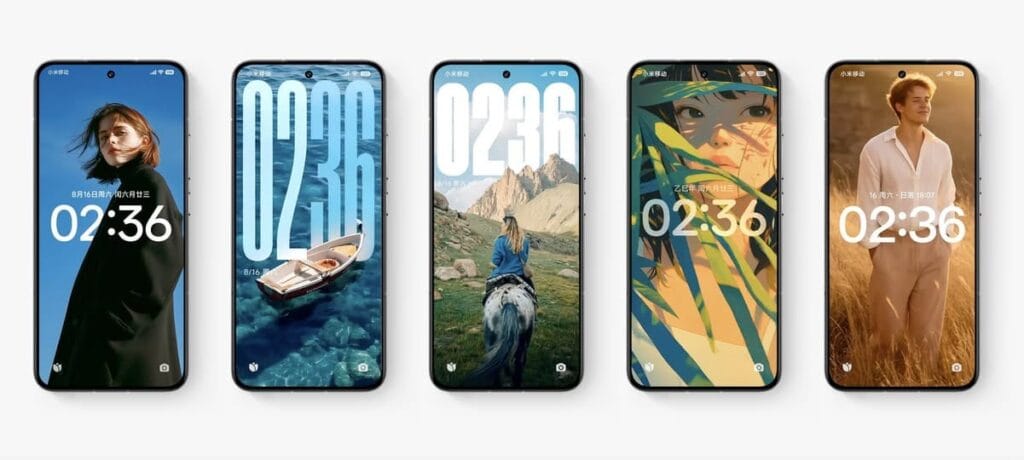
HyperOS 3 introduces new lockscreen customizations and effects, as well as smoother unlock animations, in keeping with the immersive lockscreen user interface trend. Motion can be added to still images, and then the lock screen clock can be given Cinematic Depth. This is comparable to iOS 26’s new Spatial Scene feature, which gives lock screen backgrounds a 3D appearance.
This feature is known by Xiaomi as “Movie lock screen,” according to our translation from Chinese to English. This function will assist in applying AI styles to images, enabling you to Ghibli-fy, dreamscape-fy, or Disney-fy your photos. Additionally, there is a library of community-made and shared custom lock screens available if you don’t want to invest the time in such artistic endeavors.
Finally, users can now relocate the lock screen to the center in HyperOS 3. This is on top of the plethora of clock typefaces that can all be customized to fit the themes of your wallpapers. Users will find these settings in a single menu under the Wallpaper customization section, similar to OxygenOS or iOS.
Super Island
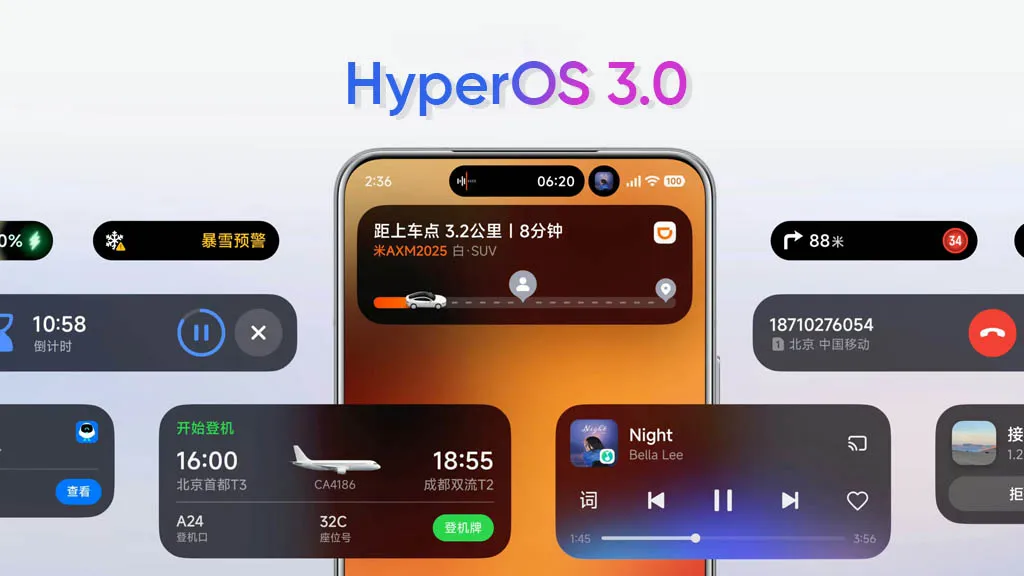
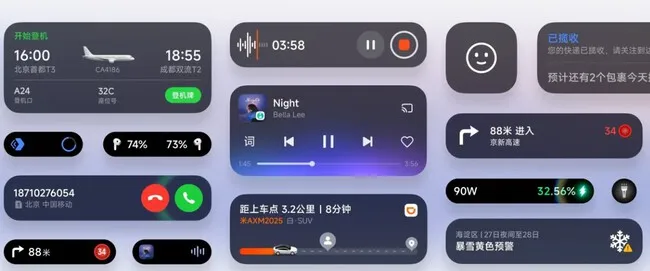
Xiaomi is utilizing Xiaomi Super Island in HyperOS 3 to leverage live upgrades, one of the greatest aspects of Android 16. The functionality can display up to three live events simultaneously, and its implementation is eerily similar to Dynamic Island on iPhones.
Around the selfie camera, you’ll notice a Super Island. After that, you can open a floating window for the current activity by swiping down on the pill to activate the feature. Two additional activities are displayed beside the floating window, one as a pill and the other as a circular icon. You can easily switch between these, and you may open the app by dragging them to the center of the screen.
By dragging and dropping material straight from the Super Island to an app, HyperOS 3 will also make sharing simple. More than 70 apps are presently supported, according to Xiaomi, and support for more well-known apps will be added soon.
NameDrop
Similar to NameDrop, HyperOS 3 allows for the easy exchange of Wi-Fi passwords as well as images and videos. According to the firm, media may be moved quickly and without loss. It bridges the ecosystem divide by supporting both iPhones and Xiaomi devices.
It’s important to note that the feature was briefly shown on stage and using HyperOS 3’s default Gallery app, which receives a number of enhancements of its own (more on that later). Even though Xiaomi didn’t go into detail, we can guess that it connects using NFC.
Updated system apps and features
Xiaomi is enhancing the HyperOS 3 app experience for a number of system programs, but its Gallery app is getting the most love. To begin with, users will now be able to quickly locate photographs according to their search preferences. In order to transition between layouts organized by date and continuous tiling, it offers photo view and photo sorting.
AI advancements are enhancing the image search capabilities. For faster search results, the app’s image search has been optimized for over 30,000 keywords and 10 categories.
Additionally, Xiaomi has included an algorithm that facilitates pet photo searches. The brand aggregates its photographs using pet body traits, just like it does with facial recognition.
In addition, HyperOS 3 offers design enhancements for a number of its China-only apps, including the calendar, Xiaomi Shelf, voice recorder, weather, clock, and others.
More AI features
Xiaomi is also improving its in-house Xiaoai with HyperOS 3 to provide suggestions more quickly and effectively. Google’s Circle to Search is comparable to the new Circle Screen functionality, which is driven by Xiao AI. This function allows you to circle a portion of the screen to obtain information about it.
The agentic AI integration in HyperOS 3, which employs LLMs to carry out a number of activities for users, is by far the most fascinating innovation. For instance, it can initiate navigation to a location you wish to visit or place food orders from restaurants. By the end of September 2025, Xiaomi says its new AI agent-like capability will work with more than 80 apps.
Xiaomi Watches will also get a number of new features with HyperOS 3. Similar to the Smart Boost option that shows your heart rate on a HyperOS-powered automobile, supported watches will allow you to transmit real-time workout data to your phone. Along with syncing music to smart speakers while working out, the watch and automobile will also sync navigation instructions.
HyperOS 3 enhances split-screen multitasking, latency, and other aspects of tablets. Additionally, it has an enhanced PC-like browser and better app layouts for wide screens.
HyperOS 3 supported devices and rollout calendar
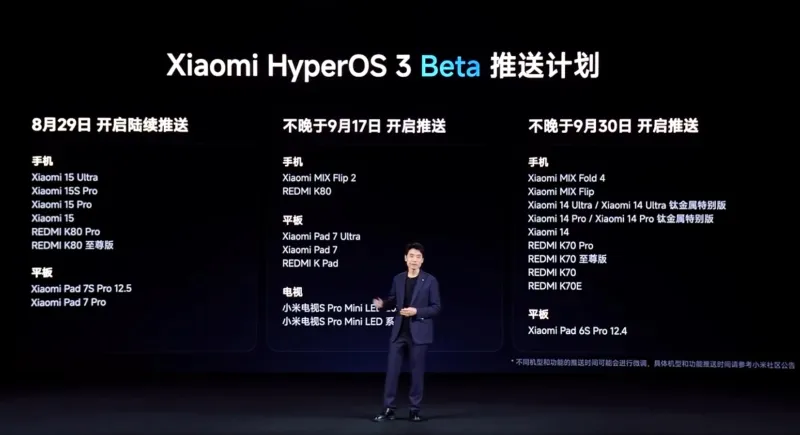
Xiaomi has confirmed that a limited number of devices in China will begin receiving the HyperOS 3 Beta on August 29, 2025. Although the distribution is now limited to China, we have compiled a lengthy list of HyperOS 3 devices that are eligible for the upgrade in India and around the world.
When Xiaomi releases a comprehensive list of devices that will receive the HyperOS 3 stable update, we will update the list and timeline of rollouts. By the end of 2025, we anticipate the stable update.
The Xiaomi 15 and Redmi K80 series will be the first to receive the HyperOS 3 Beta. On September 17, 2025, the Mi Mix Flip 2 will take its place. On September 30, 2025, the Redmi K70 series, Xiaomi 14 series, and Mi Mix Fold 4 will be available for beta testing.
All of those are the new HyperOS 3 features that Xiaomi has disclosed. The layout of the home screen and lock screen in particular has been optimized in this release. Xiaomi adds that games should benefit from 1% lower frame rates and lower battery usage, and that latency has been lowered by 21%.
For Indian lovers of Xiaomi, Redmi, and Poco, this is an all-around great update. To find out more about the HyperOS 3 upgrade rollout in India and around the world, keep checking back and bookmarking this site.
Many computer fans are surprised by Google’s recent statement that it will release two Android SDK updates per year. Thus, Android 16 can be released much in advance of this cycle, before June 2025. All devices are currently receiving Android 15 upgrades, but Xioami is preparing for the next major step—integrating Android 16 capabilities into their next HyperOS.
The complete list of Xiaomi, Redmi, and POCO devices that could receive the update to HyperOS, an Android 16-based operating system, is provided below. It is easily grouped for your review.
Current Android 16 released Devices
Android 16 is currently released based on HyperOS 2.3.
Xiaomi 15
Xiaomi 14T Pro
REDMI K70 Ultra
Xiaomi Flagship Devices
Currently, high-end models with great performance and features are taking center stage in Xiaomi’s update plans:
Xiaomi 13 (fuxi)
Xiaomi 13 Lite (ziyi)
Xiaomi 13 Pro (nuwa)
Xiaomi 13 Ultra (ishtar)
Xiaomi 13T (aristotle)
Xiaomi 13T Pro (corot)
Xiaomi 14 (houji)
Xiaomi 14 CIVI (chenfeng)
Xiaomi 14 Pro (shennong)
Xiaomi 14 Ultra (aurora)
Xiaomi 14T (degas)
Xiaomi 14T Pro (rothko)
Xiaomi 15 (dada)
Xiaomi 15 Pro (haotian)
Xiaomi 15 Ultra (xuanyuan)
Xiaomi 15S Pro (dijun)
Xiaomi CIVI 5 Pro (luming)
Xiaomi Civi 2 (ziyi)
Xiaomi Civi 4 Pro (chenfeng)
Xiaomi MIX FLIP (ruyi)
Xiaomi MIX FLIP 2 (bixi)
Xiaomi MIX FOLD 4 (goku)
Xiaomi Mix Fold 3 (babylon)
Xiaomi Pad 6 Max 14 (yudi)
Xiaomi Pad 6 Pro (liuqin)
Xiaomi Pad 6S Pro 12.4 (sheng)
Xiaomi Pad 7 (uke)
Xiaomi Pad 7 Pro (muyu)
Xiaomi Pad 7 Ultra (jinghu)
Xiaomi Pad 7S Pro 12.5 (violin)
Redmi Devices
Known for good-level performance at competitive prices
REDMI K Pad (turner)
REDMI K80 (zorn)
REDMI K80 Pro (miro)
REDMI K80 Ultra (dali)
REDMI Pad 2 (taiko)
REDMI Pad 2 4G (koto)
REDMI Turbo 4 (rodin)
REDMI Turbo 4 Pro (onyx)
Redmi 13 (moon)
Redmi 13 5G (breeze)
Redmi 13X (moon)
Redmi 14C (lake)
Redmi A3 Pro (lake)
Redmi A4 (warm)
Redmi K60 Pro (socrates)
Redmi K60 Ultra (corot)
Redmi K70 (vermeer)
Redmi K70 Pro (manet)
Redmi K70 Ultra (rothko)
Redmi K70E (duchamp)
Redmi Note 13 Pro (garnet)
Redmi Note 13 Pro+ (zircon)
Redmi Note 13R (breeze)
Redmi Note 14 (beryl)
Redmi Note 14 4G (tanzanite)
Redmi Note 14 Pro (malachite)
Redmi Note 14 Pro 4G (obsidian)
Redmi Note 14 Pro+ (amethyst)
Redmi Note 14S (emerald_r)
Redmi Pad Pro (dizi)
Redmi Pad Pro 5G (ruan)
Redmi Pad SE 8.7 Wi-Fi (flare)
Redmi Turbo 3 (peridot)
Xiaomi Redmi Pad (yunluo)
POCO Devices
POCO C75 (lake)
POCO C75 5G (warm)
POCO F6 (peridot)
POCO F6 Pro (vermeer)
POCO F7 (onyx)
POCO F7 Pro (zorn)
POCO F7 Ultra (miro)
POCO M6 (moon)
POCO M6 Plus 5G (breeze)
POCO M7 Pro 5G (beryl)
POCO Pad (dizi)
POCO X6 5G (garnet)
POCO X6 Pro (duchamp)
POCO X7 (malachite)
POCO X7 Pro (rodin)
What to expect from Android 16:
With HyperOS’s integration of Android 16, we can expect:
Xiaomi makes sure that its devices remain competitive and feature-rich with regular Android updates as it keeps innovating. When Android 16 is released before the middle of 2024, the Xiaomi, Redmi, and POCO devices on the list will have access to the most advanced features of the most recent Android SDK. Once Xiaomi begins to push out the HyperOS improvements to these devices, more information will be released.
As it prepares to release the HyperOS 3, Xiaomi is officially discontinuing a new generation of devices. The retailer has added a number of additional models to its end-of-life (EOL) list with its most recent internal update, which means that the company will no longer formally support these devices. Let’s have a look.
These Xiaomi Phones That Won’t Get Future Updates
The Chinese IT behemoth is anticipated to be focusing on HyperOS 3, its proprietary Android 16 skin, now that Google has begun releasing Android 16. For the worldwide versions of the Xiaomi 15 and Xiaomi 14T Pro, the company has already made the Android 16 update available with HyperOS 2.3. Xiaomi has updated its list of devices that are nearing their “end-of-line,” while other eligible models will receive the significant software update.
This covers a variety of models, such as Redmi phones, Xiaomi-branded gadgets, and even POCO models. Here are all the phones for which official support is being discontinued:
Xiaomi 11T Pro
Xiaomi 11T
Xiaomi 11 Lite LE
Xiaomi 11 Lite 5G NE
Redmi 11 Prime 4G
Redmi A1+
Redmi A1
POCO M5
POCO C50
It’s important to remember that security updates for these recently added devices will continue until September 2025. For these older phones, Xiaomi does not intend to release any official upgrades. Models that did not even receive the HyperOS 2 update are included in the list that was previously shared. Xiaomi is currently working on Android 16, but they have not yet released an official roadmap for the HyperOS 3 rollout. So stay tuned for more.
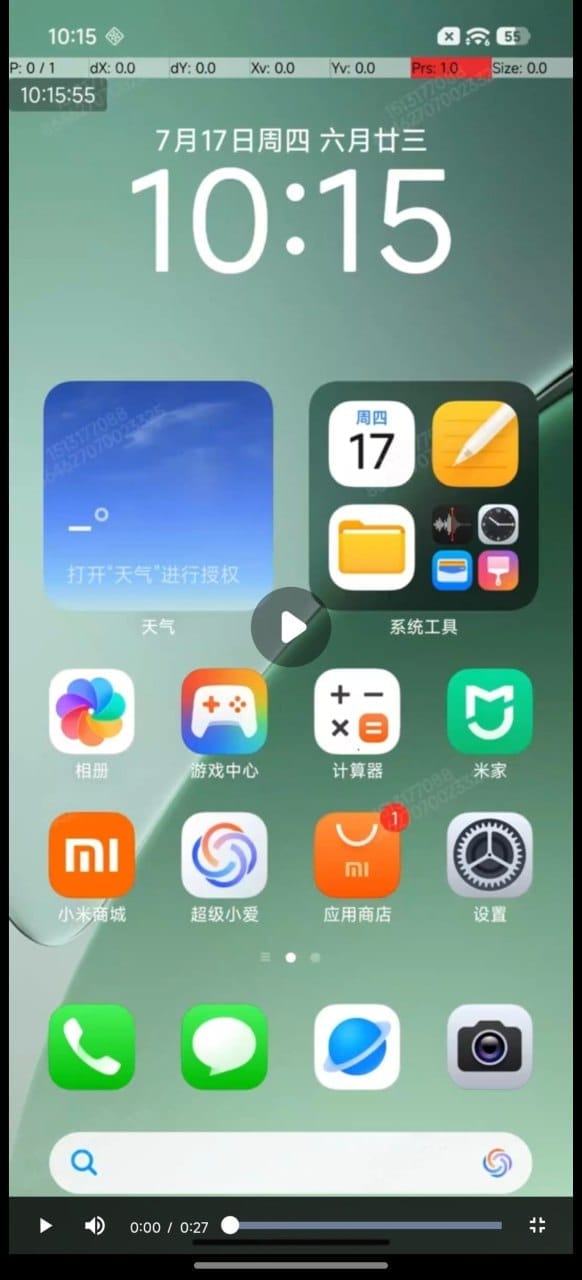
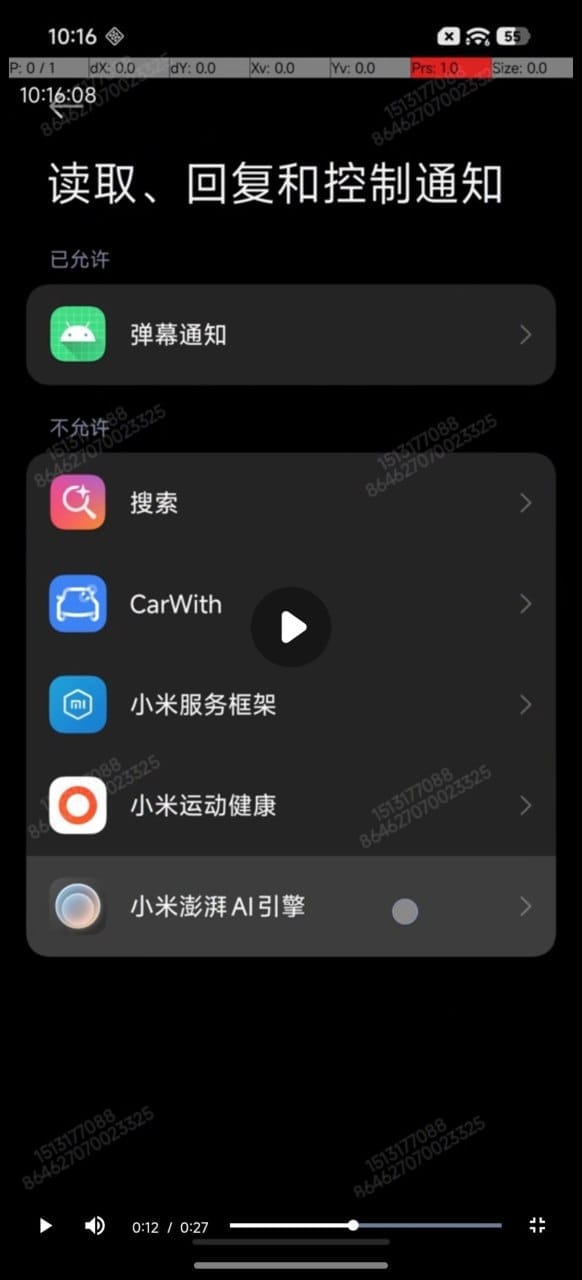
Thanks to X user @satanzhiruo, significant leaks about Xiaomi’s upcoming HyperOS 3 have surfaced. Early photos show a dramatic style devoid of “liquid glass”—think depth, transparency, and a contemporary, high-end edge that fits in with current market trends. The screenshots display an updated settings menu, home screen, and card-based structure that is evocative of Android 16. This indicates a significant improvement in the user experience and is not only cosmetic.
HyperOS 3 will come with both andoid 15 and 16
HyperOS 3 will be released by Xiaomi on Android 15 and 16. Wider compatibility is ensured by this dual strategy, which allows flagship smartphones to fully benefit from Android 16’s performance improvements while older hardware benefits from the update. It’s a sensible strategy that maximizes reach without compromising creativity.
Major software updates from Xiaomi are usually released in the fall. HyperOS 3 should be formally revealed between September and October 2025, if the current leaks are accurate.
The advantages of the HyperOS build, which is based on Android 16, will soon be available on Xiaomi handsets, however at least 31 models might not receive them. There are some benefits, but a new piece of information shows how many devices will not get the next big software update.
According to XiaomiTime, the Android 16 (HyperOS) distribution schedule would not include 31 Xiaomi devices. Redmi, POCO, and flagship phones are on the list.
For flagship phones, the Chinese phone manufacturer provides three or four years of major operating system updates and three or four years of security updates. Redmi models receive security fixes for three to six years and two to four significant Android OS upgrades. POCO receives three years of security patches and two years of OS.
These findings indicate that the major OS upgrade cycle for some devices appears to be coming to an end. Here’s some good news, though. These phones will benefit from HyperOS 3, which is based on the Android 15 version, even if they do not receive Android 16.
Indeed, HyperOS 3 will be the last update for smartphones now running Android 15. As a result, you can still use your phone for a year.
Indeed, HyperOS 3 will be the last update for smartphones now running Android 15. As a result, you can still use your phone for a year.
XiaomiTime claims that since HyperOS 3 will still be available, “missing out on Android 16 shouldn’t cause anxiety.” In addition, compared to previous software releases, the next OS has few innovations and just minor UI changes.
Conversely, HyperOS 3.0 will enable your device to have new features and minor adjustments. We don’t yet know the precise features. Check on the models until then:
These 31 Xiaomi devices will not get Android 16 but they will get HyperOS 3:
Xiaomi phones
Xiaomi 12
Xiaomi 12 Pro
Xiaomi 12S
Xiaomi 12S Pro
Xiaomi 12S Ultra
Xiaomi 12T
Xiaomi 12T Pro
Xiaomi Civi 3
Xiaomi MIX Fold 2
Redmi Devices
Redmi 12
Redmi 12 5G
Redmi 13C
Redmi 13C 5G
Redmi 13R
Redmi K50 Ultra
Redmi K60
Redmi Note 12 4G
Redmi 12 NFC 4G
Redmi Note 12R
Redmi Note 12S
Redmi Note 12T Pro
Redmi Note 12 Turbo
Redmi Note 13 4G
Redmi Note 13 4G NFC
Redmi Note 13 5G
Redmi Note 13R Pro
POCO Models
POCO C65
POCO F5 5G
POCO F5 Pro
POCO M6 Pro
POCO X6 Neo
Stay connected with the latest from Droid Tools—follow us on X @droid_tools, like our page on Facebook, check out our updates on Instagram, and follow us on Google News for real-time news, device tips, and mobile tech insights.
Three launch color options for the Poco F7 have now been announced by Xiaomi. The Poco F7 Limited Edition has provided a preview of what to expect from the third and probably least expensive edition in the Poco F7 series, even if the firm has not yet disclosed any specifications.
The Poco F7 has been revealed by Xiaomi in advance of its June 24 full release. The corporation has pledged to sell the device both in India and internationally, as we have discussed separately. By the way, Geekbench has now shown proof of the former.
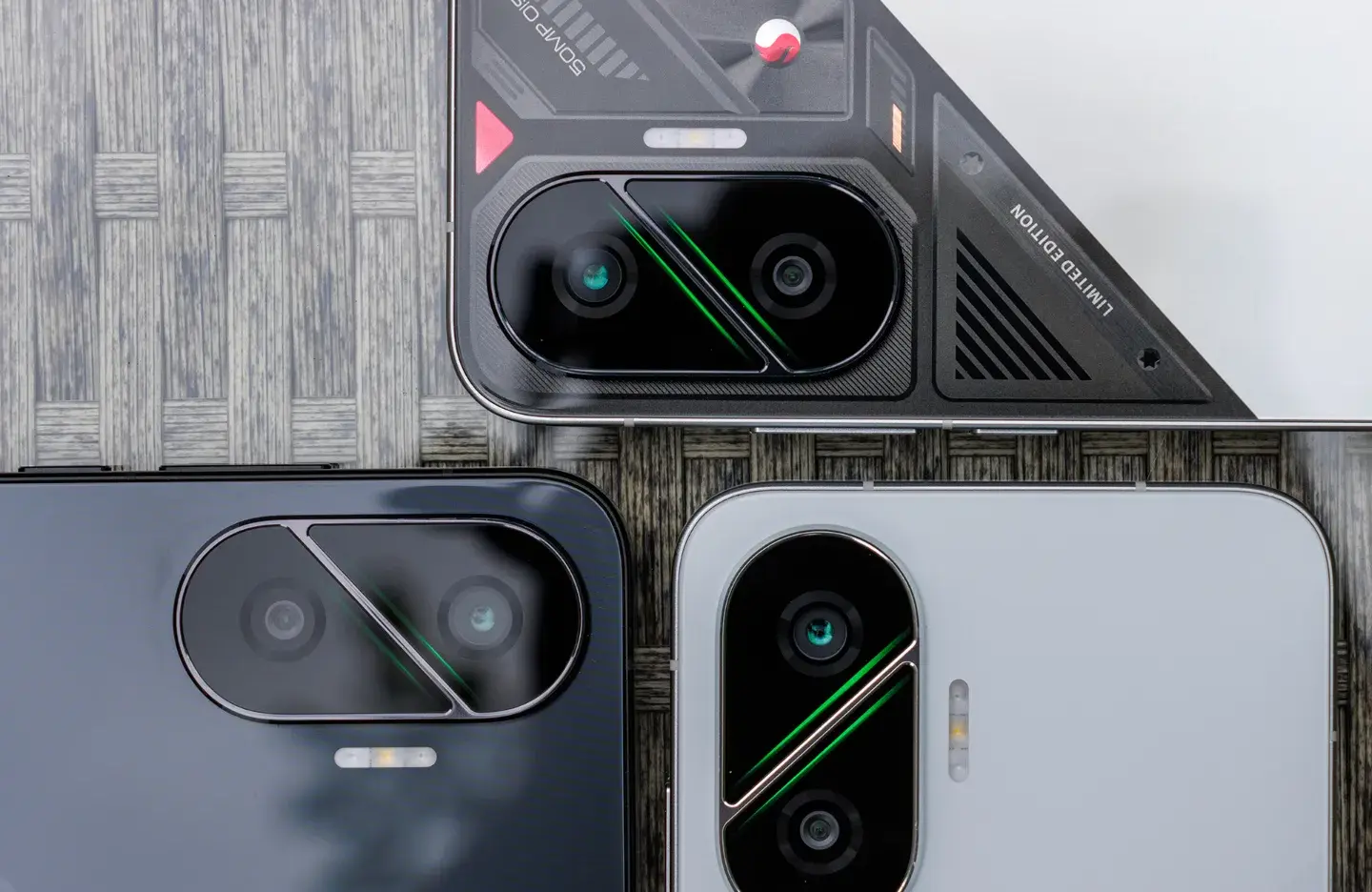
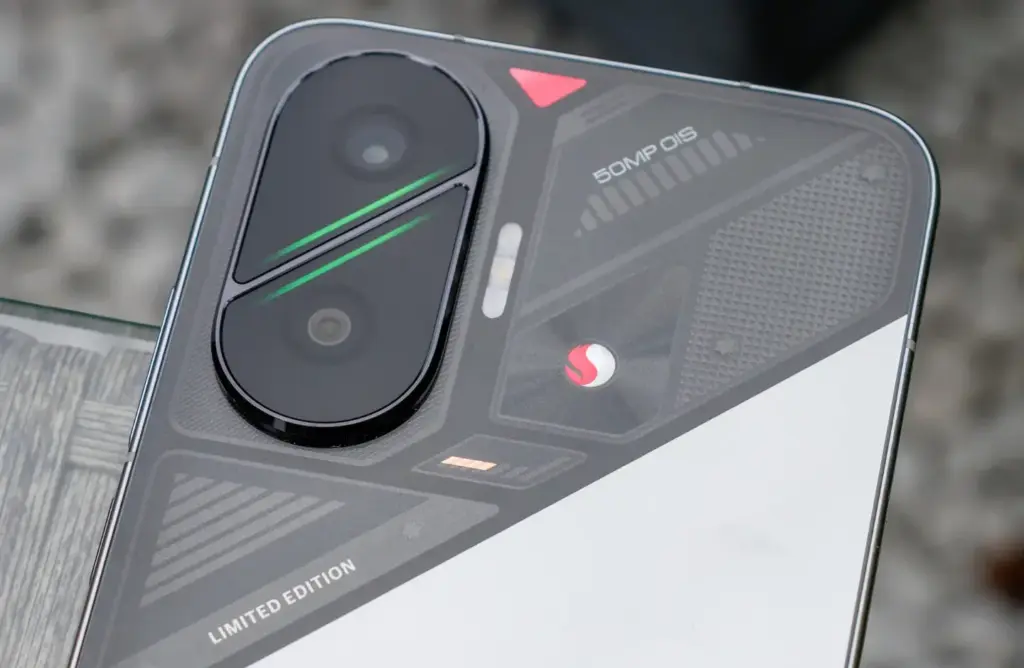
Xiaomi has given us permission to release images of the Poco F7 in all three launch colors before next week. These allow us to verify that the gadget has a visually appealing camera housing and a metal frame with matching buttons. The green flashes on each lens are just cosmetic and not active LEDs, despite appearances.
Even the Limited Edition edition appears to be scheduled for a worldwide distribution in the interim. With a quasi-translucent finish, the Limited Edition model also shows that, like the Poco F7 Pro before it, the Poco F7 will come with a Qualcomm Snapdragon processor and a 50 MP primary camera with OIS. Unfortunately, at this time, we are unable to disclose any additional specifications. For additional information prior to the launch event on Tuesday, please watch the TechTablets video below.
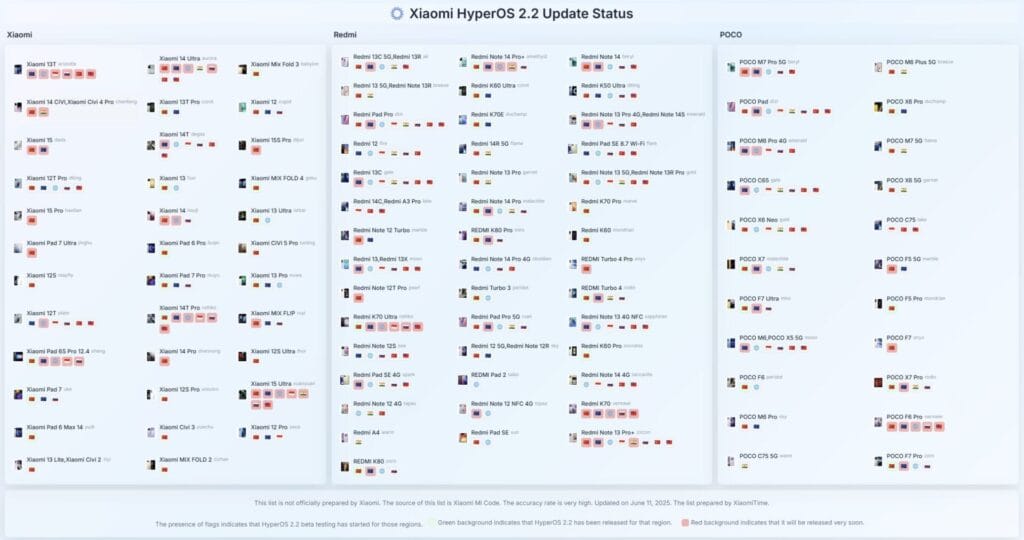
The second round of internal testing for HyperOS 2.2 has officially ended, and it now covers more than 130 devices from the Xiaomi, Redmi, and POCO portfolios. This upgrade is quite extensive, encompassing both premium smartphones and tablets as well as entry-level products. Many users will get the update at the same time when the worldwide public release starts. It is evident that Xiaomi is giving top priority to a seamless, well-organized updating procedure for all of its products.
While waiting for the official HyperOS 2.2 release, users can access the MemeOS Enhancer app through the Play Store to unlock more Xiaomi features and system improvements.
More than 130 items are currently included in Xiaomi’s internal testing program, guaranteeing extensive coverage across all significant price points and markets. Included are gadgets from Taiwan, Indonesia, Russia, China, Europe, India, and more. The update is appropriately customized for every user base thanks to this geographical attention.
Flagship and Premium Device Readiness
Xiaomi’s Flagship Lineup
All leading Xiaomi models have completed internal testing, including:
From the K series (K50 Ultra through K80 Pro) and Note series (Note 12 through Note 14 and all variations) to the Turbo lineup and more reasonably priced models like the Redmi 12–14R 5G, Redmi’s full spectrum is covered.
POCO’s gaming and performance-focused models are included as well. The F series (F5, F6, F7, including Pro and Ultra variants), X series (X6, X7, Pro, Neo), and the M and C series for budget users are all part of the rollout.
The HyperOS 2.2 internal rollout also covers:
Xiaomi Pad 6 and 7 series (including Pro, Ultra, Max, and S Pro models)
Redmi Pad Pro, Pad 2, and SE variants
POCO Pad
In conclusion, one of the biggest coordinated Android update rollouts in Xiaomi’s history is about to happen. With the launch of every major product line, millions of customers worldwide can anticipate improved performance and new features.
Xiaomi has started the release of the HyperOS 2.2 stable upgrade for its second batch of devices sooner than originally planned. Some devices have already received the update, rather than the previously announced June 20th start date. Camera 6.0 improvements, improved system animations, sophisticated lock screen customization choices, and system-level efficiency optimizations that take user feedback and changing usage patterns into account are all included in this update. The update strengthens the brand’s user experience across product lines and marks a significant leap in Xiaomi’s software architecture.
Devices that already received HyperOS 2.2
The following devices have successfully received the HyperOS 2.2 stable update:
REDMI Turbo 4 Pro
REDMI Turbo 4
REDMI Note 14 5G
REDMI Note 14 Pro 5G
REDMI Note 14 Pro+ 5G
These models now operate with the full HyperOS 2.2 feature set, including all integrated improvements and interface updates.
In the upcoming weeks, the update is planned for further high-end models:
Flagship Smartphones:
Xiaomi 13 Ultra
Xiaomi 13 Pro
Xiaomi 13
Xiaomi MIX FOLD 3
Xiaomi CIVI 4 Pro
Tablet Devices:
Xiaomi Pad 6 Max 14
Xiaomi Pad 6 Pro
Performance Series:
REDMI K60 Ultra
REDMI K60 Pro
REDMI K60
REDMI Turbo 3
Key features we found in HyperOS 2.2
Camera 6.0, which offers better computational photography and increased image capabilities, is introduced in HyperOS 2.2. Updated lock screen customization options offer a more adaptable user interface, and system animations have been further improved for greater fluidity. Additional system-wide improvements help to boost battery efficiency and overall performance.
Stay connected with the latest from Droid Tools—follow us on X @droid_tools, like our page on Facebook, check out our updates on Instagram, and follow us on Google News for real-time news, device tips, and mobile tech insights.
Following last week’s successful launch in China, Xiaomi is continuing its aggressive worldwide rollout strategy for HyperOS 2.2, with four major products now ready for immediate release. The server-side preparations indicate an immediate deployment timeframe for the planned updates, which include builds for the Xiaomi 14T, Xiaomi 14 CIVI, Xiaomi 13T, and Redmi Note 14S.
Xiaomi’s dedication to providing cutting-edge software experiences in multiple international regions at the same time is demonstrated by their well-coordinated worldwide expansion. An important turning point in Xiaomi’s software development has been reached with the HyperOS 2.2 update, which brings cutting-edge features and improved performance improvements that were previously only available in China. Users across the world can anticipate that these updates will start to trickle out a few days after server verification is finished, in keeping with the custom of China-first releases.
Prepared Device Updates
In order to guarantee thorough worldwide coverage for the HyperOS 2.2 experience, Xiaomi has finished developing four essential device variations for several regional markets. The ready-made builds show how Xiaomi deploys software globally in a logical manner.
Updates that are ready for:
Xiaomi 14T: OS2.0.201.0.VNEEUXM (EEA region)
Xiaomi 14 CIVI: OS2.0.201.0.VNJINXM (India)
Xiaomi 13T: OS2.0.201.0.VMFMIXM (Global)
Redmi Note 14S: OS2.0.202.0.VFOMIXM (Global)
Better camera functionalities
Building on versions 2.0 and 2.1, HyperOS 2.2 offers enhanced camera functionality, AI, and system performance. One of the most notable features is the Xiaomi Camera 6.0, which revolutionizes photography with its entirely new interface and smooth animations.
The Camera 6.0 upgrade improves workflows for both novice and professional photographers by introducing contemporary user interface features with simple controls and seamless switching between shooting modes.
HyperOS 2.2 will deliver more performance
Better navigation, enhanced customisation, and smoother animations are all features of the upgrade. A more responsive user interface that feels elegant and high-end throughout all device interactions is produced by these improvements.
In order to ensure optimal performance across various hardware configurations, system-level optimizations concentrate on lowering resource usage while preserving advanced functionality.
The MemeOS Enhancer software, which offers screen-based update management, system app updates, and access to secret Xiaomi features, may be downloaded from the Play Store to improve users’ HyperOS 2.2 experience.
Stay connected with the latest from Droid Tools—follow us on X @droid_tools, like our page on Facebook, check out our updates on Instagram, and follow us on Google News for real-time news, device tips, and mobile tech insights.