Tag: redmi

  • Xiaomi HyperOS 3.1 Rollout Tops 85% Globally – Which Devices Are Still Waiting?

    Xiaomi HyperOS 3.1 Rollout Tops 85% Globally – Which Devices Are Still Waiting?

    Xiaomi has hit a significant milestone in its software rollout, with HyperOS 3.1 distribution now surpassing 85% globally. Built on Android 16, the update has reached nearly all eligible devices across the Xiaomi, REDMI, and POCO lineups — making it one of the fastest deployment cycles the company has executed to date.

    Every Android 16-capable Xiaomi device has received HyperOS 3.1, with only a handful of entry-level and mid-range models still in the queue. The speed of the rollout reflects Xiaomi’s broader push toward software consistency across its increasingly large device portfolio.

    What HyperOS 3.1 Brings

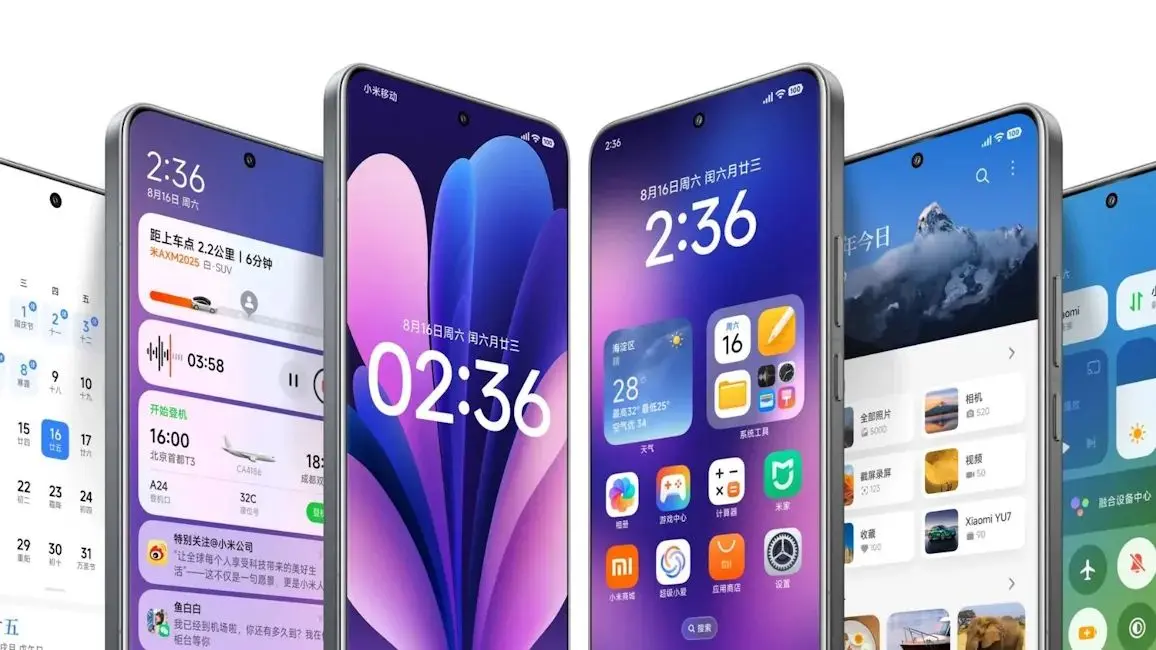
    This isn’t a minor maintenance update. HyperOS 3.1 delivers several system-level changes spanning the UI, connectivity, and multitasking experience.
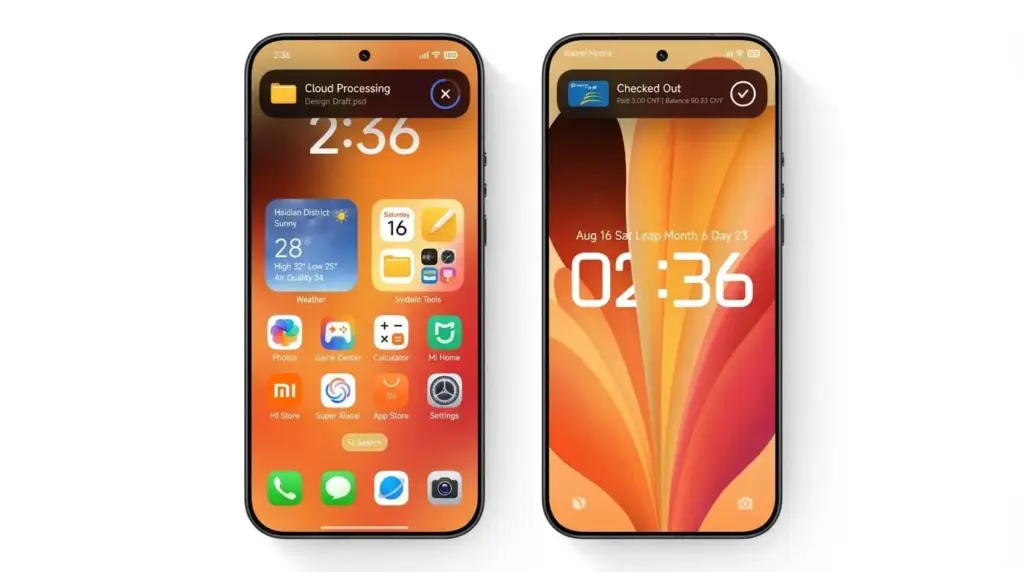
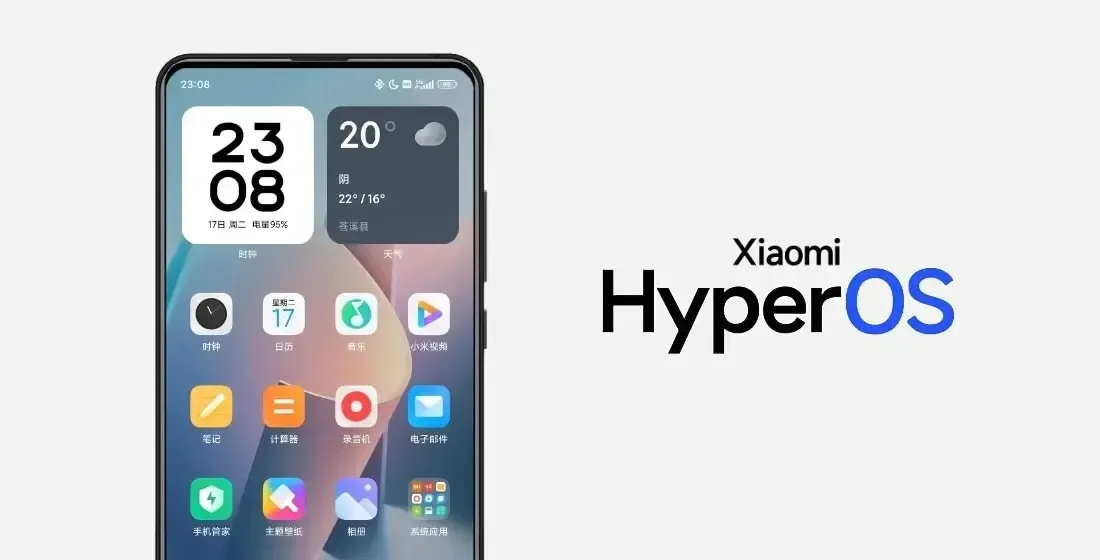
    HyperOS 3.1 visual changes

    Advanced HyperIsland Interface

    The HyperIsland notification layer has been further developed, now supporting real-time activity tracking for calls, timers, and media playback. Animations and transitions have been refined, and third-party app compatibility has been expanded. The result is a more dynamic and interactive notification system that positions HyperIsland as Xiaomi’s take on the kind of live activity UI that competing ecosystems have popularized.

    Enhanced Xiaomi HyperConnect

    Cross-device functionality gets a meaningful upgrade in HyperOS 3.1. File transfers between devices are faster, latency in device syncing has been reduced, and multi-device control — covering phones, tablets, and wearables — is more responsive. For users invested in the Xiaomi ecosystem across multiple device categories, this update makes the connected experience noticeably more reliable.

    iOS-Inspired Recent Apps Interface

    The Recent Apps menu has been redesigned with a horizontal, card-based layout that draws clear inspiration from iOS. Gesture navigation is smoother, and memory management is more visually transparent. The change fits into Xiaomi’s ongoing UI modernization effort under the HyperOS platform.

    Devices Still Waiting for HyperOS 3.1

    Despite the broad rollout, the following devices have not yet received the update:

    • REDMI 14C
    • REDMI A3 Pro
    • REDMI 13
    • REDMI 13X
    • REDMI Note 14 Pro 4G
    • REDMI Pad 2 Pro 5G
    • REDMI Pad SE 4G
    • REDMI Pad 2
    • REDMI Note 14 4G
    • REDMI A4
    • POCO C75 5G
    • POCO M6
    • POCO C75
    • POCO Pad M1
    • POCO C85 4G
    • POCO M7 4G
    • REDMI Note 15 Pro 4G

    These models are expected to receive HyperOS 3.1 in the final rollout phases. The delays are likely down to a combination of hardware optimization requirements, regional firmware certification timelines, and the additional tuning often needed for entry-level chipsets.

    With HyperOS 4 already on the horizon, the pace and breadth of the HyperOS 3.1 rollout points to a clear strategic shift – Xiaomi is no longer treating software updates as a routine obligation, but as a core part of building a unified ecosystem across its entire device range.
  • Xiaomi Reveals Android 17 HyperOS Rollout Timeline – Stable Builds Expected This Summer

    Xiaomi Reveals Android 17 HyperOS Rollout Timeline – Stable Builds Expected This Summer

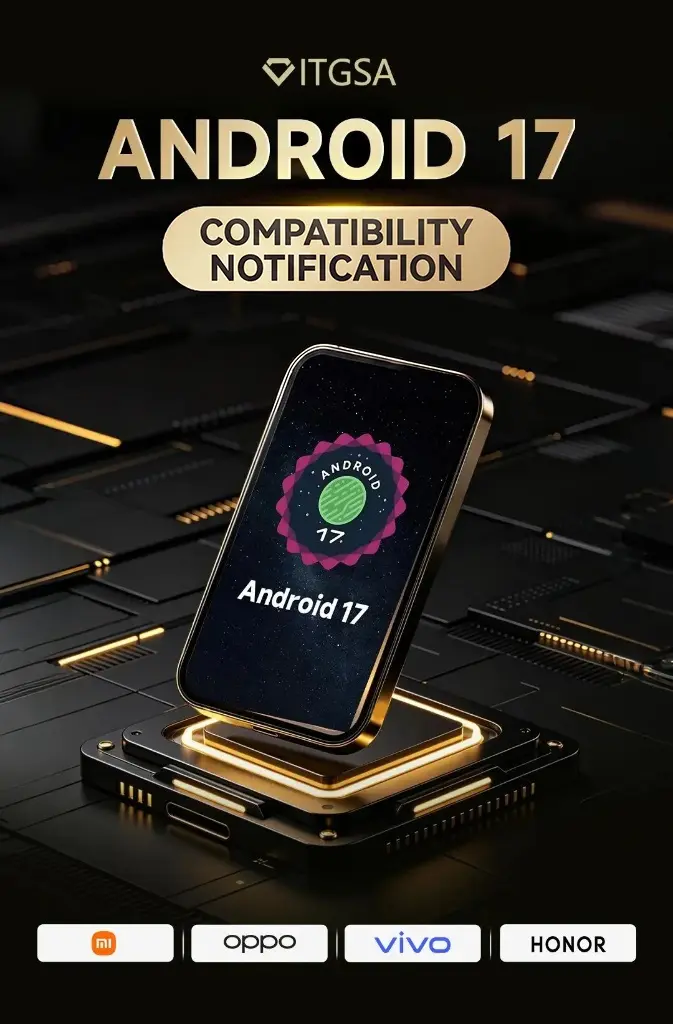
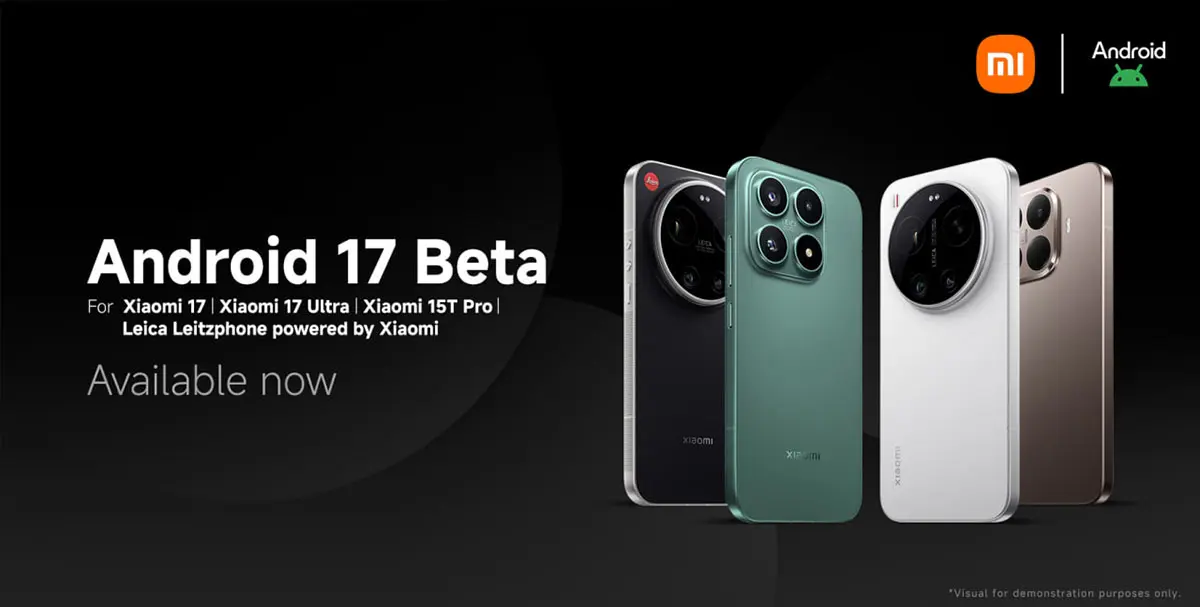
    Xiaomi has officially stepped up its Android 17 transition after publishing a developer adaptation announcement that appears to have indirectly revealed the company’s rollout roadmap. The notice urges developers to wrap up Android 17 compatibility work before July 1, 2026 — a deadline that strongly implies stable Xiaomi HyperOS builds based on Android 17 are arriving much sooner than most anticipated. The move puts Xiaomi alongside OPPO, vivo, and Honor as one of the most aggressive Android manufacturers in preparing their ecosystems for the new platform.

    hyperos android 17 update

    Xiaomi already testing Android 17 Beta 2 on the Xiaomi 17 series

    According to Xiaomi’s official developer notice, developers with access to the Xiaomi 17 Ultra, Xiaomi 17 Ultra Leica Edition, and Xiaomi 17 can now install Xiaomi HyperOS 3.3 Developer Preview firmware based on Android 17 Beta 2. This is one of the clearest signals yet that Xiaomi’s Android 17 development has moved into an advanced stage. The company is pushing application developers to complete adaptation work before July 1, 2026, to ensure full compatibility with upcoming HyperOS builds.

    What the July 1 deadline says about Xiaomi’s roadmap

    Xiaomi hasn’t formally announced a stable Android 17 release date, but the adaptation deadline paints a fairly clear picture of what’s coming and when. Based on the company’s previous software release patterns, the likely Android 17 roadmap looks something like this:

    Expected Xiaomi Android 17 Timeline

    • May–June 2026 — Android 17 Beta testing phase, developer adaptation period, and internal HyperOS optimization
    • July 2026 — Final application compatibility verification, system stability improvements, and carrier and ecosystem preparation
    • Mid-July to August 2026 — First stable Xiaomi HyperOS 3.3 or 4 Android 17 builds, with an initial rollout targeting flagship Xiaomi devices
    • Q3–Q4 2026 — Wider rollout across Xiaomi, REDMI, and POCO devices globally

    The timeline makes clear that Xiaomi intends to keep HyperOS among the fastest-updated Android platforms in the industry.

    Xiaomi HyperOS Android 17 rollout expected to start with the Xiaomi 17 series

    The Xiaomi 17 lineup is shaping up to be the first stable Android 17 HyperOS platform. With Android 17 Beta 2 developer firmware already being distributed for these devices, the series is effectively serving as Xiaomi’s primary validation hardware for the new Android version. This mirrors Google’s own Pixel beta rollout strategy, where new flagship devices act as the initial optimization platform before broader expansion begins.

    Android 17 brings significant system-level changes

    The urgency behind the developer adaptation push also suggests Android 17 introduces platform behavior changes substantial enough to require early preparation. The likely changes include stricter background activity limitations, enhanced permission management, improved battery optimization, new security sandboxing features, updated notification behavior, advanced AI framework integration, and better optimization for large-screen and foldable devices.

    Apps that don’t adapt in time risk crashes, background execution failures, notification delays, or UI instability on Android 17 hardware. That’s precisely why Xiaomi and other major manufacturers are pressing developers to act well ahead of stable releases.

    android 17 compatibility

    OPPO, vivo, and Honor join the Android 17 adaptation push

    The ecosystem preparation extends well beyond Xiaomi. OPPO, vivo, and Honor have each published official Android 17 adaptation notices with the same July 1, 2026 deadline for developers. OPPO has gone furthest in spelling out the consequences, warning developers that apps failing to meet adaptation requirements could face search warning labels, device compatibility restrictions, and potential removal from app stores. That’s a strong signal of how seriously Android manufacturers are treating ecosystem stability ahead of what promises to be one of the more significant Android platform transitions in recent years.

    Via

  • Redmi K100 Series: Specs, Chipset & Launch Leaks

    Redmi K100 Series: Specs, Chipset & Launch Leaks

    Xiaomi’s Redmi K-series has operated on a reliable schedule for years – debut in China around October, then resurface internationally under the Poco brand shortly after. The Redmi K100 series appears to be following that same playbook, with two distinct devices now showing up across multiple leak sources. The standard K100 and the K100 Pro Max aren’t simply different sizes of the same phone. They’re targeting separate chipsets, different price brackets, and based on what’s leaked so far, different priorities entirely.

    Summary

    Two models have been confirmed: the Redmi K100 (codename “Athens,” model Q11) and the Redmi K100 Pro Max (codename “Songyuan,” model Q11X), each built around a distinct chipset. The standard K100 is expected to use the Snapdragon 8 Elite Gen 5, continuing the K-series tradition of pairing the previous generation’s top chip with a more accessible price tag. The Pro Max, meanwhile, is tipped to run the Snapdragon 8 Elite Gen 6 Pro (SM8975) — a 2nm chip with LPDDR6 RAM support, making it the higher-tier variant rather than the standard Gen 6.

    On the camera side, tipster Digital Chat Station has leaked a 200MP main sensor in a 1/1.28-inch format for the Pro Max, alongside a 50MP periscope telephoto. Both phones are expected to launch in China in October 2026, with global versions anticipated as the Poco F9 Pro (Redmi K100) and Poco F9 Ultra (K100 Pro Max) sometime in Q1 2027.

    redmi k100 china leak

    The Standard K100: Snapdragon 8 Elite Gen 5 and a Proven Formula

    The Redmi K100, internally codenamed “Athens,” is tipped to ship with the Snapdragon 8 Elite Gen 5 — the same chip inside the current Redmi K90 Pro Max and a growing number of 2026 Chinese flagships. That’s not a weakness. The K-series standard model has always been positioned as a high-value performance device rather than a spec-ceiling chaser, and this generation looks no different. Any meaningful differentiation from the K90 line will likely come through display and battery upgrades, though neither has been specifically detailed in leaks yet. Xiaomi hasn’t officially confirmed anything about the Redmi K100 beyond its codename and model number.

    redmi k100 images and specs leak

    The K100 Pro Max: The Real Generational Leap

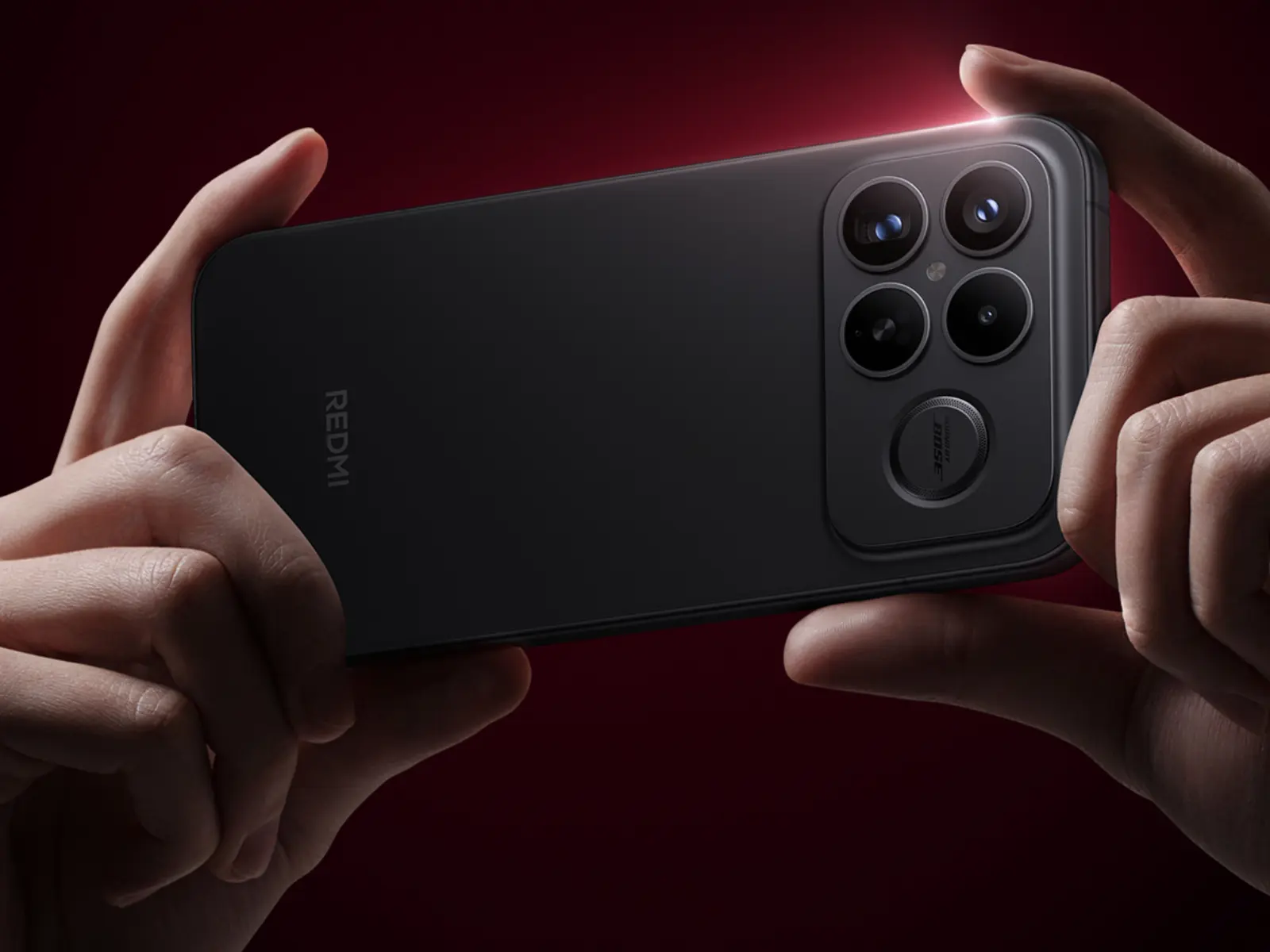
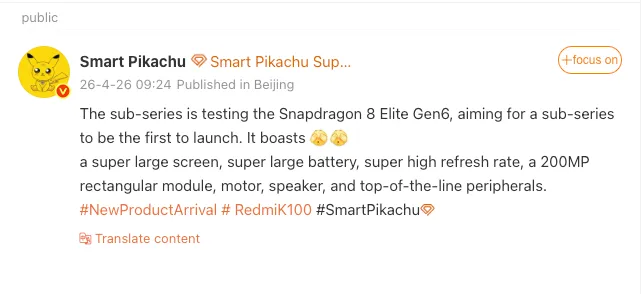
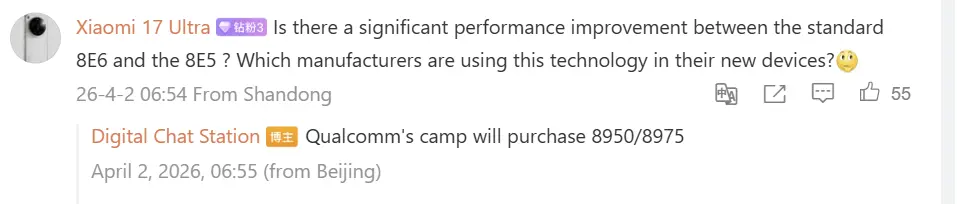
    The Pro Max is the headliner. Tipster Digital Chat Station posted a Weibo leak confirming that a Xiaomi sub-brand device — identified across multiple sources as the K100 Pro Max — is currently in testing with the Snapdragon 8 Elite Gen 6 Pro (SM8975). The distinction between the Pro and standard Gen 6 is worth understanding: the Pro variant is the only 2026 Qualcomm flagship chip confirmed to support LPDDR6 RAM, which delivers roughly double the peak memory bandwidth of LPDDR5X. Paired with up to 1TB of UFS 5.0 storage, the memory subsystem alone marks a clear step forward from anything in the current generation.

    Interestingly, Digital Chat Station noted that camera performance isn’t expected to be the headline story here — the emphasis is described as “core performance and upgraded display experience” rather than imaging. That said, an earlier separate leak from the same source pointed to a triple camera system led by a 200MP main sensor on a 1/1.28-inch format, accompanied by a 50MP ultra-wide and a 50MP periscope telephoto. These two leaks aren’t necessarily in conflict — saying the camera isn’t a major upgrade relative to dedicated imaging flagships doesn’t rule out the presence of a 200MP sensor.

    Pricing and the Global Rebrand Path

    A price leak from the same Chinese source puts the K100 Pro Max starting at roughly CNY 5,000, which works out to around $725 at current exchange rates. That’s a noticeable step up from the K90 Pro Max, reflecting the premium silicon under the hood. Internationally, past K-series rebranding patterns suggest the K100 will arrive as the Poco F9 Pro, while the K100 Pro Max becomes the Poco F9 Ultra, with a Q1 2027 launch window for global markets.

    What Remains Unknown

    Display size, battery capacity, charging speeds, refresh rate, and software versions are all still unconfirmed for both models. The Snapdragon 8 Elite Gen 6 and Gen 6 Pro haven’t been officially announced by Qualcomm — both designations remain leak-based placeholders for now. Official confirmation from either Qualcomm or Xiaomi isn’t expected until the Xiaomi 18 series launch in September, which will likely serve as the public debut for the Gen 6 platform.

  • Critical Snapdragon Exploit Takes Over Devices in Just 5 Minutes – What You Need to Know

    Critical Snapdragon Exploit Takes Over Devices in Just 5 Minutes – What You Need to Know

    Kaspersky ICS CERT has publicly detailed a critical hardware vulnerability hitting a wide array of Qualcomm Snapdragon chipsets. The exploit, presented at Black Hat Asia 2026 on April 23 and tracked as CVE-2026-25262, has rattled the security community. First confirmed by Qualcomm in April 2025, full technical details are now available, exposing a backdoor capable of total device takeover and data destruction.

    snapdragon exploit takes over device

    The Sahara Protocol and BootROM Flaw

    The issue lies deep in the BootROM, the silicon-hardcoded firmware that runs first when a device powers up. Because this code is etched into the hardware itself, standard OTA software updates can’t touch it, making patches nearly impossible.

    Researchers uncovered a major weakness in Qualcomm‘s Sahara protocol handling. For those who work with device flashing, Sahara manages low-level communication in Emergency Download (EDL) mode to load critical software before the main OS starts.

    With just a few minutes of physical access, attackers can exploit this to sidestep the entire secure boot chain. Once inside the application processor, they gain the ability to:

    • Install persistent backdoors that survive reboots.
    • Pull sensitive data like passwords, files, contacts, and real-time location.
    • Take over device sensors for covert camera and microphone access.

    The malware even fakes a system reboot to throw off users. Clearing the infection often requires draining the battery completely to wipe volatile memory, and detection remains extremely challenging.

    Affected Chipsets and Devices

    While newer flagships like Snapdragon 8 Elite have stronger defenses, this flaw hits many older and mid-range chips still in widespread use.

    Vulnerable Qualcomm Chipsets:

    • MSM8916 (Snapdragon 410) (Xiaomi REDMI 2)
    • SDX50 (Xiaomi Mi MIX 3 5G and Mi 9 Pro 5G)
    • MDM9x07
    • MDM9x45 (Xiaomi Mi 5, Mi 5s, Mi 5s Plus, Mi Note 2, Mi MIX)
    • MDM9x65
    • MSM8909
    • MSM8952

    Real-World Impact

    Physical access requirements limit mass remote attacks, but the risk to supply chains, repair shops, and targeted users remains severe. Compromised devices turn into perfect surveillance tools. With hardware deployed across consumer REDMI phones to industrial IoT systems, the potential fallout spans far beyond typical mobile threats.

    Source: Kaspersky

  • Redmi Buds 8 Debut With 50dB ANC, LHDC Audio, and 44-Hour Battery Life

    Redmi Buds 8 Debut With 50dB ANC, LHDC Audio, and 44-Hour Battery Life

    Redmi Buds 8 have officially launched in China, bringing a mix of premium audio features and long battery life to the company’s latest true wireless stereo (TWS) lineup. The earbuds support active noise cancellation (ANC) of up to 50dB, feature 11mm dynamic drivers, and use Bluetooth 5.4 for connectivity. They also support the LHDC audio codec and carry Hi-Res Audio Wireless certification. Additional highlights include multi-device pairing and AI-powered call noise reduction. The launch comes alongside several upcoming Redmi products, including the Redmi K90 Max, Redmi K Pad 2, and Redmi Book Pro 2026, which are scheduled to debut in China later today.

    Redmi Buds 8 Price, Colour Options

    The Redmi Buds 8 are priced at CNY 229. Buyers can choose from three colour options: Cyan, Dusk Black, and White. The earbuds are currently listed on the official Xiaomi China website.

    Redmi Buds 8 color variants

    Redmi Buds 8 Features, Specifications

    The earbuds are built around 11mm dynamic drivers and support a wide frequency response range from 20Hz to 40kHz. With Hi-Res Audio Wireless certification and support for LHDC alongside SBC and AAC codecs, the Buds 8 are designed to deliver higher-quality wireless sound across compatible devices.

    For noise control, Redmi integrates up to 50dB active noise cancellation. The earbuds use a three-microphone system with AI-backed call noise reduction, helping reduce wind interference at speeds of up to 12m/s for clearer voice calls. Users can switch between multiple ANC modes, including depth, balanced, light, and an adaptive option that adjusts automatically. There are also three transparency modes available: standard, vocal enhancement, and environmental enhancement.

    Connectivity is handled via Bluetooth 5.4, with a claimed range of up to 10 metres in open spaces. The earbuds support dual-device pairing, allowing them to stay connected to two devices simultaneously, along with audio sharing and smooth switching between connected devices. Redmi also includes support for the Xiaomi Headphones app, enabling customisation and controls, as well as gesture-based functions such as one-tap photo capture.

    Redmi Buds 8 anc

    Battery performance is another key focus. Each earbud houses a 54mAh battery, while the charging case packs a 475mAh unit. Redmi claims up to 11 hours of playback on a single charge without ANC, extending to a total of 44 hours with the charging case. With ANC enabled, the earbuds are rated for up to 6.5 hours per charge and up to 28 hours in total with the case. Charging is handled via a USB Type-C port.

    In terms of durability and design, the Redmi Buds 8 come with an IP54 rating for dust and splash resistance. Each earbud weighs around 5g, and the total weight including the charging case is approximately 44.5g.A/B seamless updates will be mandatory for Android 11 devicesA/B seamless updates will be mandatory for Android 11 devices

  • Redmi K90 Max Goes All-In on Power – Massive Battery and Fan Cooling Revealed

    Redmi K90 Max Goes All-In on Power – Massive Battery and Fan Cooling Revealed

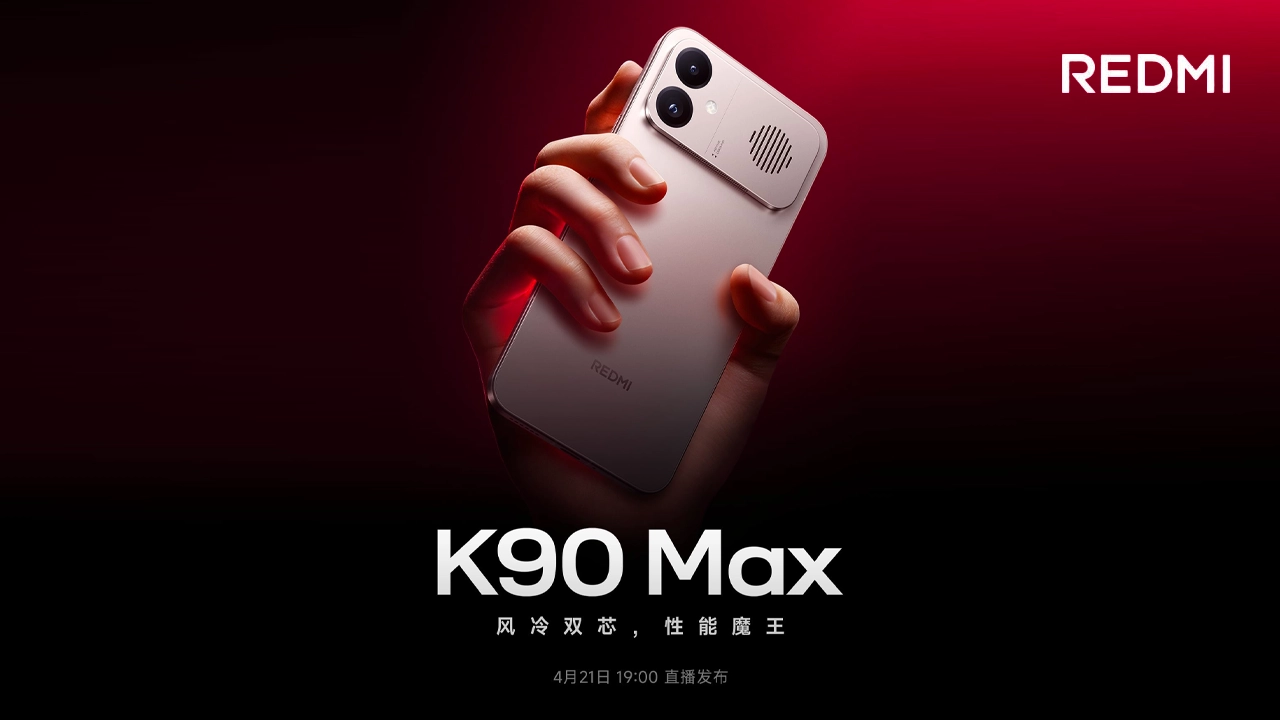
    Redmi has launched the K90 Max in China, adding it to the growing K90 lineup alongside the Redmi K90 and K90 Pro Max. The new phone brings a 6.83-inch display with a 165Hz refresh rate, an 8,550mAh battery with 100W wired fast charging, and a MediaTek Dimensity 9500 SoC with up to 16GB of RAM. Other highlights include a Bose-tuned speaker system and a dual rear camera setup led by a 50-megapixel primary sensor.

    Redmi K90 Max color variants

    Redmi K90 Max Price and Availability

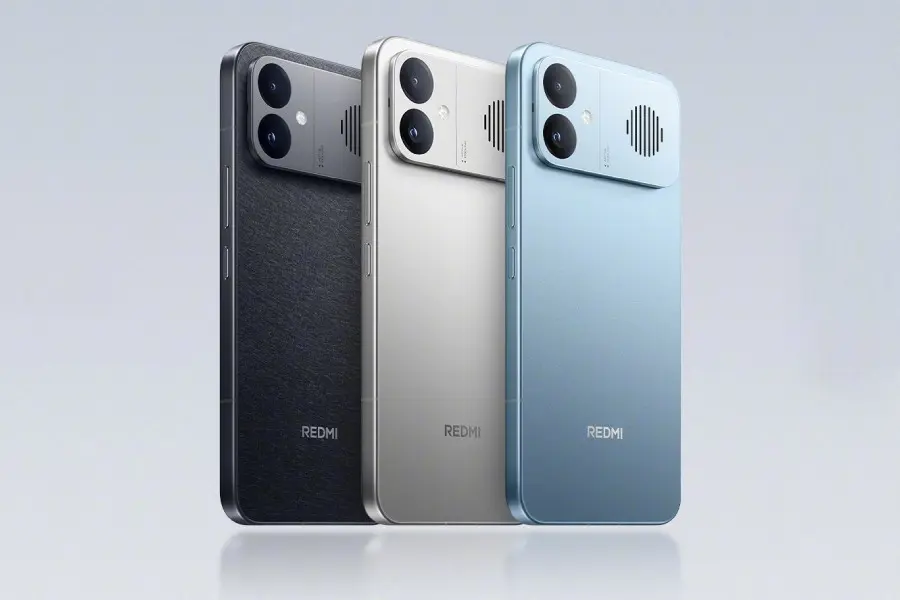
    The Redmi K90 Max starts at CNY 2,999 for the 12GB RAM + 256GB storage configuration. Both the 12GB + 512GB and 16GB + 256GB variants are priced at CNY 3,499. Moving up, the 16GB + 512GB model costs CNY 3,999, while the top-tier 16GB + 1TB variant is priced at CNY 4,699. The phone comes in three colour options: Space Silver, Shadow Black, and Sky Blue (translated from Chinese).

    Redmi K90 Max Specifications and Features

    The dual-SIM Redmi K90 Max runs Android 16-based HyperOS 3. Its 6.83-inch 1.5K (1,280 x 2,772 pixels) M10 display supports up to 165Hz refresh rate, a 480Hz touch sampling rate, 3,500Hz instantaneous touch sampling, 480Hz multi-finger touch sampling, and peaks at 3,500 nits brightness. The panel also carries HDR10+ and Dolby Vision certification.

    Under the hood sits a MediaTek Dimensity 9500 chipset, paired with up to 16GB of LPDDR5x RAM and up to 1TB of UFS 4 storage. A dedicated D2 display chip handles gaming-focused processing. Thermal management is taken seriously here — the phone features a 6,000 sq mm ice-sealed circulating cooling pump and over 12,000 sq mm of graphite coverage, plus an active cooling fan that Redmi claims can bring temperatures down by around 10°C in just 100 seconds.

    Xiaomi Redmi K90 Max

    The rear camera system consists of two sensors: a 50-megapixel main camera with OIS and an f/1.68 aperture, backed by an 8-megapixel secondary shooter. On the front, a 20-megapixel camera covers selfies and video calls. Audio is handled by a 1115x symmetrical stereo dual-speaker setup, co-tuned with Bose.

    Connectivity is comprehensive, covering 5G, Wi-Fi 7, Bluetooth 4, NavIC, GPS/AGPS, Galileo, GLONASS, BeiDou, NFC, OTG, and USB Type-C. The phone carries IP66, IP68, and IP69 ratings for dust and water resistance. Security is managed by a 3D ultrasonic in-display fingerprint sensor, and the onboard sensor array includes an accelerometer, ambient colour temperature sensor, electronic compass, gyroscope, IR remote control, flicker sensor, and an X-axis linear motor.

    Powering everything is the 8,550mAh battery, which supports 100W wired fast charging and 22.5W reverse wired charging for topping up other devices on the go.

  • Snapdragon 8 Elite Gen 6 Pro leak reveals massive 16MB L2 cache

    Snapdragon 8 Elite Gen 6 Pro leak reveals massive 16MB L2 cache

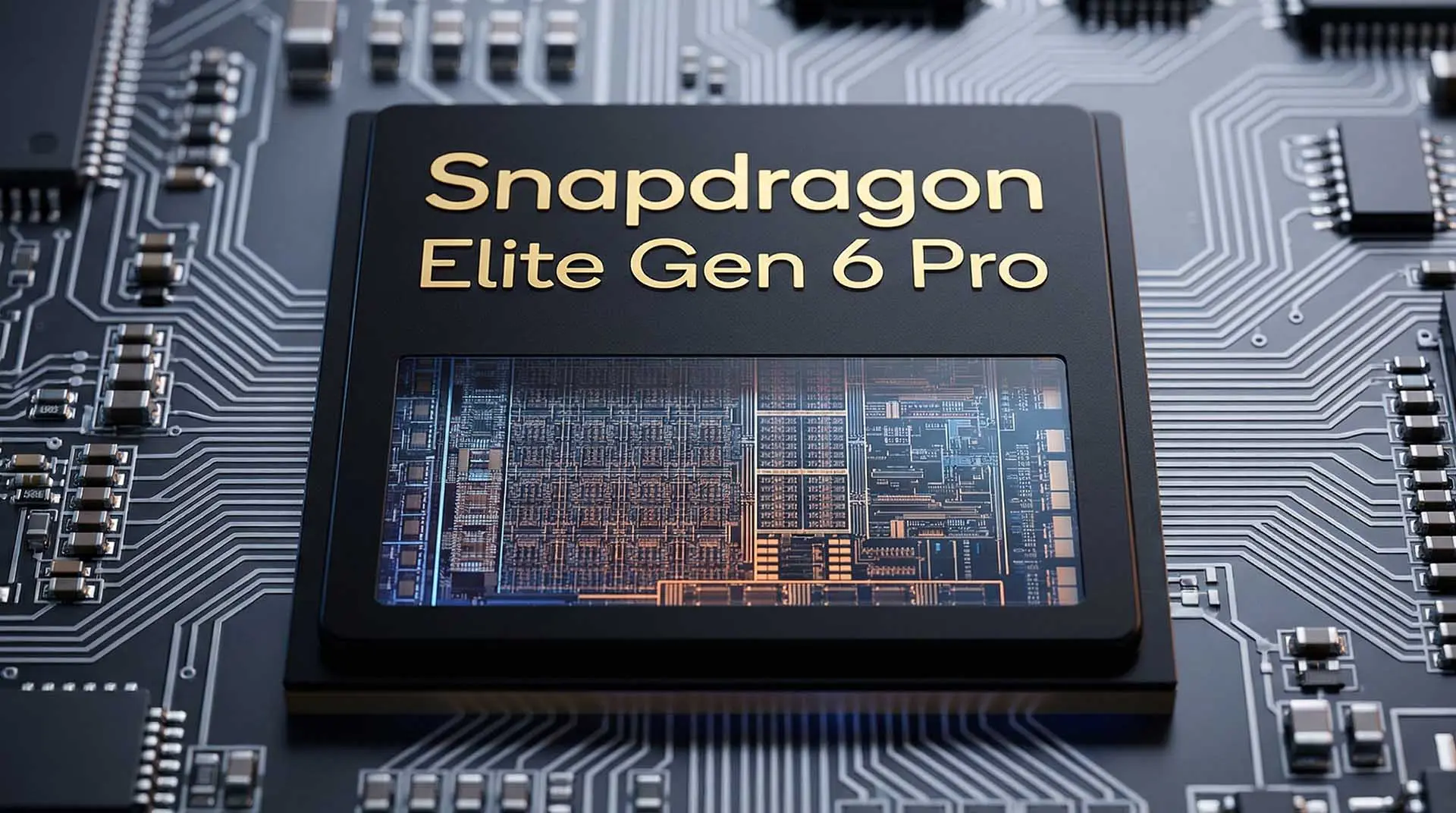
    Before September 2026, the mobile tech scene is getting hotter. The aggressive specs of Qualcomm’s upcoming flagship CPU, the Snapdragon 8 Elite Gen6 Pro (SM8975), have been revealed by reputable source @DigitalChatStation. As expected, Xiaomi is set to unveil this powerhouse with the eagerly awaited Xiaomi 18 series, making it the first company to do so. Additionally, the future REDMI K90 Pro Max in the domestic market will be built around this silicon beast. Please take note that this device will be released worldwide under the POCO brand as the POCO F9 Ultra.

    Inside the architecture redefining modern silicon

    Snapdragon 8 Gen6 Pro 2

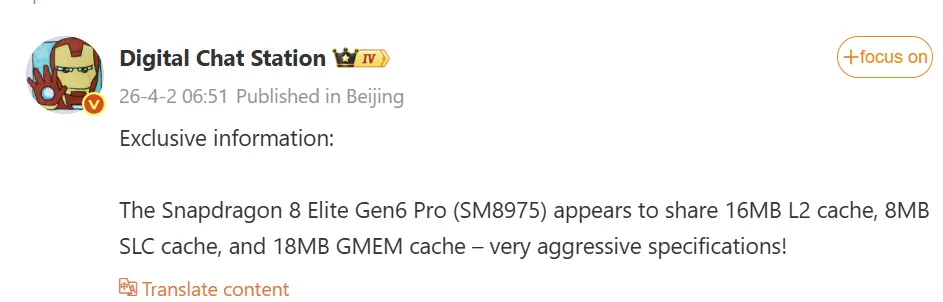
    Now let’s explore the technological specifics. It appears that the Snapdragon 8 Elite Gen6 Pro will be an architectural monster. An enormous shared 16MB L2 cache, 8MB of SLC (System Level Cache), and an amazing 18MB of GMEM (Graphics Memory) are confirmed by leaked customs manifests and insider accounts. This configuration, when paired with an improved Adreno 850 GPU, is built to handle demanding workloads and intense gaming sessions.

    Snapdragon 8 Gen6 Pro 1

    Two super cores, three performance cores, and three efficiency cores make up the CPU’s unusual 2+3+3 cluster architecture. The SM8975 efficiently breaks existing memory bandwidth limitations by supporting next-generation LPDDR6 memory up to 16GB to fuel this demanding processor.

    The system changes that are moving markets right now

    Hardware doesn’t tell the whole story. Xiaomi HyperOS 4 will launch on these new flagship devices. HyperOS 4, which was designed from the ground up to be a very effective Android skin, will make full use of the new Snapdragon chip’s optimized 2+3+3 architecture and enormous L2 cache. Unprecedented battery life and excellent thermal control are anticipated as a result of this combination. HyperOS 4’s background task handlers will be able to maintain your most popular apps in memory without depleting the battery thanks to the aggressive cache architecture, guaranteeing that the user interface will stay instantly responsive even under high loads.

  • 12 Xiaomi phones begin receiving the HyperOS 3.1 beta update

    12 Xiaomi phones begin receiving the HyperOS 3.1 beta update

    Xiaomi has begun releasing the latest testing release for these 12 models after launching a new HyperOS 3.1 Beta Program for the second batch of its smartphones. To improve the user experience, the most recent version includes a few improvements.

    The latest beta, which includes features like Live Updates and Stacked Recent Apps Menu, has already been sent to the first batch of smartphones by the Chinese tech giant.

    The HyperOS 3.1 beta upgrade is now being extended for 12 additional Xiaomi devices by the company. It will take some time for the version to reach every unit because it is arriving in groups.

    Hyperos 3.1

    As the OEM has begun distributing the latest testing release to more devices, HyperOS 3.1 beta is becoming more stable. This implies that Xiaomi will soon start rolling out the HyperOS 3.1 beta update to phones and tablets from earlier generations.

    The 12 devices that are getting the new beta build are mentioned below. With the testing version listed next to it, you can determine the update for your device.

    HyperOS 3.1 beta available for the following devices

    1. Xiaomi 15: HyperOS 3.0.300.5 Beta
    2. Xiaomi 15 Pro: HyperOS 3.0.300.4 Beta
    3. Xiaomi 15S Pro: HyperOS 3.0.300.5 Beta
    4. Xiaomi 15 Ultra: HyperOS 3.0.300.4 Beta
    5. Xiaomi 14: HyperOS 3.0.300.3 Beta
    6. Xiaomi 14 Pro: HyperOS 3.0.300.4 Beta
    7. Xiaomi 14 Ultra: HyperOS 3.0.300.3 Beta
    8. Redmi K80: HyperOS 3.0.3003 Beta
    9. Redmi K80 Pro: HyperOS 3.0.300.3 Beta
    10. Redmi K80 Ultra: HyperOS 3.0.300.3 Beta
    11. Xiaomi MIX Flip 2: HyperOS 3.0.300.6 Beta
    12. Xiaomi Pad 7 Ultra: HyperOS 3.0.300.2 Beta

    Before starting the installation, make sure your phone or tablet has enough storage space. Since it’s a beta version, the data on your device might be erased. Therefore, make a backup in advance.

  • These Xiaomi, Redmi & POCO phones qualify for HyperOS 5-year update support

    These Xiaomi, Redmi & POCO phones qualify for HyperOS 5-year update support

    Xiaomi gives owners fantastic news to start 2026. For several models, the company offers up to five years of HyperOS support. POCO, Redmi, and Xiaomi tablets and phones get longer updates. For years, gadgets remain safe and continue to receive updates.

    Strong software support is currently available from Xiaomi. Updates for flagship phones will be available until 2031. Budget and mid-range gadgets come next. Tablets are also added to the list.

    The most recent HyperOS versions are longer enjoyed by users. AI tools, longer battery life, and security updates are added to phones. This aligns with Google’s and Samsung’s policies. People tend to keep gadgets longer. It benefits the environment and saves money.

    hyperosOS update support

    Launch date determines the duration of support. More years are awarded to newer models. Extra months are given to the elderly.

    HyperOS Eligible Devices – Support End Dates

    • Updates until 2031: Xiaomi 15T / 15T Pro, Xiaomi 15 Ultra, Xiaomi Pad 7, Redmi 15 / 15 5G / 13C, Redmi Note 14, POCO F8 Ultra / F8 Pro, POCO F7 / F7 Pro / F7 Ultra, POCO M7 / C85
    • Updates until 2029: Xiaomi 14T / 14T Pro, Xiaomi 14 Ultra, Xiaomi MIX Flip, Xiaomi Pad 7 Pro, Redmi A5, Redmi Pad 2 / 2 Pro / 2 Pro 5G series, POCO M7 Pro 5G, POCO Pad M1
    • Updates until 2028: Xiaomi 13T / 13T Pro, Xiaomi 13 / 13 Ultra, Redmi 14C, Redmi Note 13 series, POCO C75
    • Shorter support: Xiaomi 13 Lite (until 2027), older Xiaomi 12T / 12 series and some Redmi 12 models (extra months only)

    Updates are released progressively per area. To find the most recent version, check the settings on your phone. This list of devices that are compatible with HyperOS brings significant value. Xiaomi phones are becoming more intelligent purchases.

    The extended assistance is adored by fans. The action strengthens Xiaomi.

  • How to get Xiaomi’s new control center on unsupported Redmi and POCO phones

    How to get Xiaomi’s new control center on unsupported Redmi and POCO phones

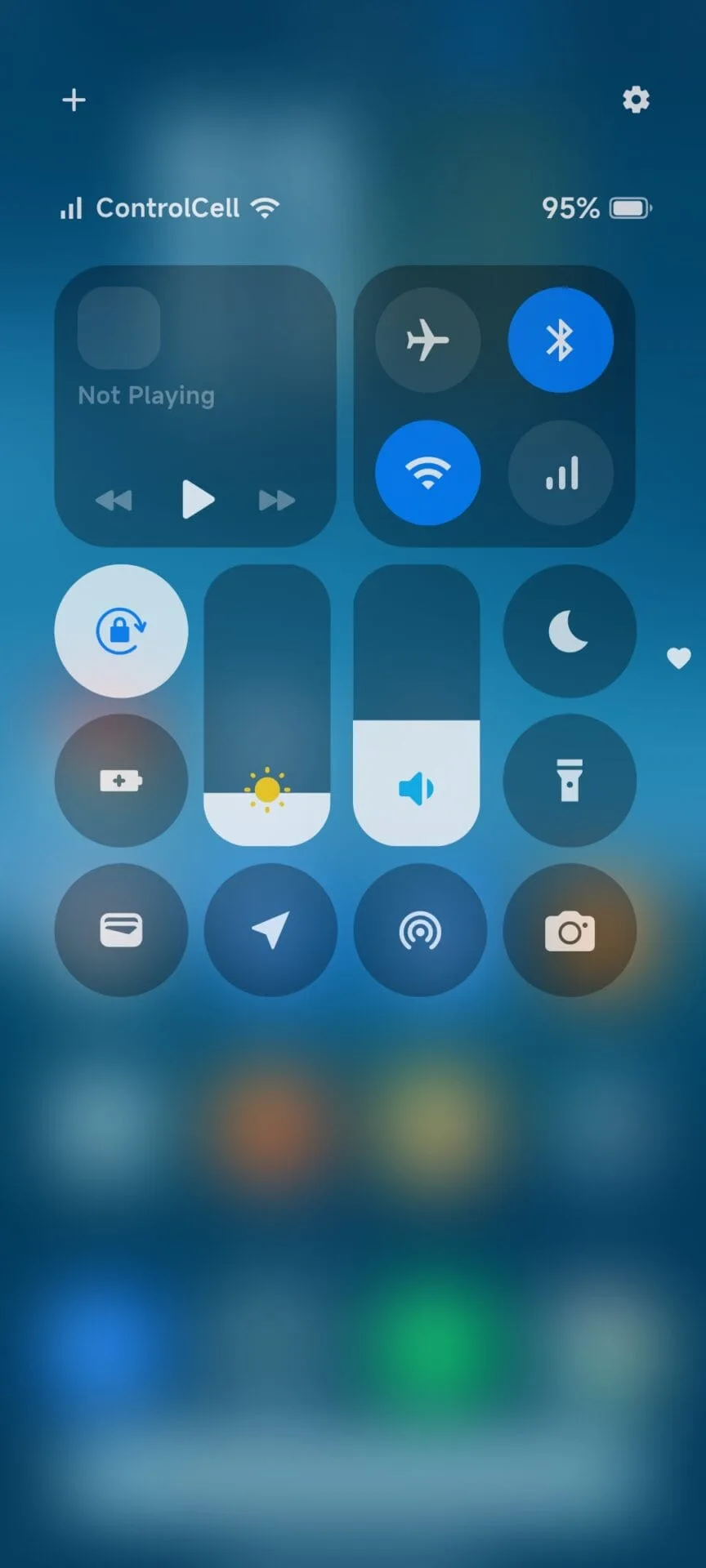
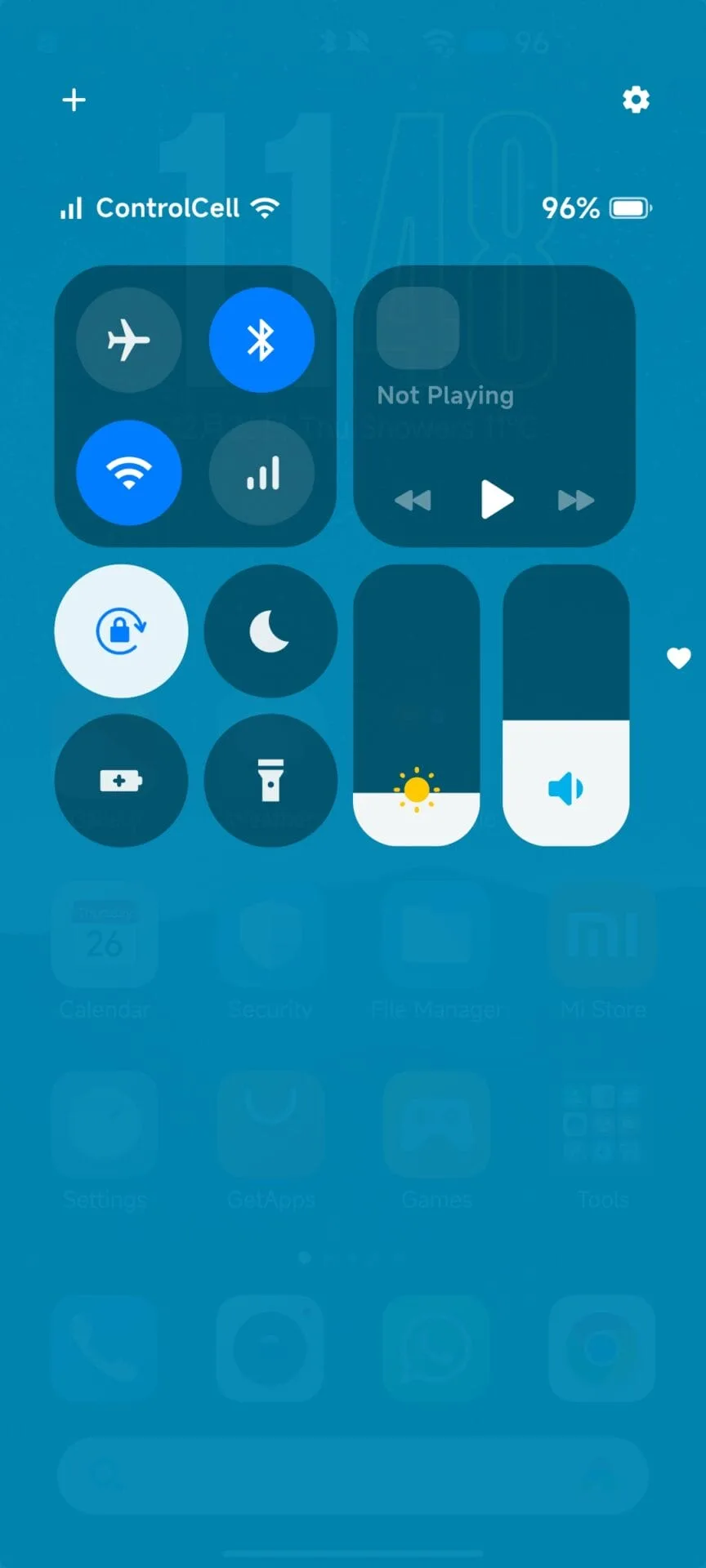
    Many affordable Xiaomi phones, such the Redmi 15, Redmi 14C, and Redmi 13X, continue to use the conventional Android-style control panel rather than the contemporary iOS-inspired Control Center found on high-end phones running HyperOS. The main cause of this limitation is hardware and performance issues, which make it difficult to execute sophisticated animations and transitions smoothly.

    Users of Xiaomi do not have to give up the new features and design in spite of this. It can be set up to mimic the new Control Center appearance on the majority of Redmi and POCO phones with the aid of third-party modification applications like Control Center 18.

    Control Center iOS 18 9

    Announced alongside HyperOS 1.0, Xiaomi’s new Control Center features an iOS 18-like interface, smoother animations, and adjustable brightness adjustments. But not every gadget satisfies the necessary performance requirements. Xiaomi limits the new UI to mid-range and flagship smartphones since entry-level handsets with low GPU and memory capacity can encounter lag or frame drops.

    Xiaomi’s software framework is still adaptable, though. You may still improve the visual experience using third-party solutions like Control Center 18, which essentially replicates the look and functionality of the HyperOS Control Center, even if your phone doesn’t support the most recent control center natively.

    Get the New Control Center with Control Center 18

    You can simply duplicate the new Control Center with Control Center 18 app if your Redmi or Xiaomi phone does not have it natively loaded. With smooth animations, toggleable toggles, and quick access to your most commonly used options, this layout is almost exact.

    Control Center iOS 18 7 2