Tag: redmi

  • Xiaomi silently discontinues software updates for two models

    Xiaomi silently discontinues software updates for two models

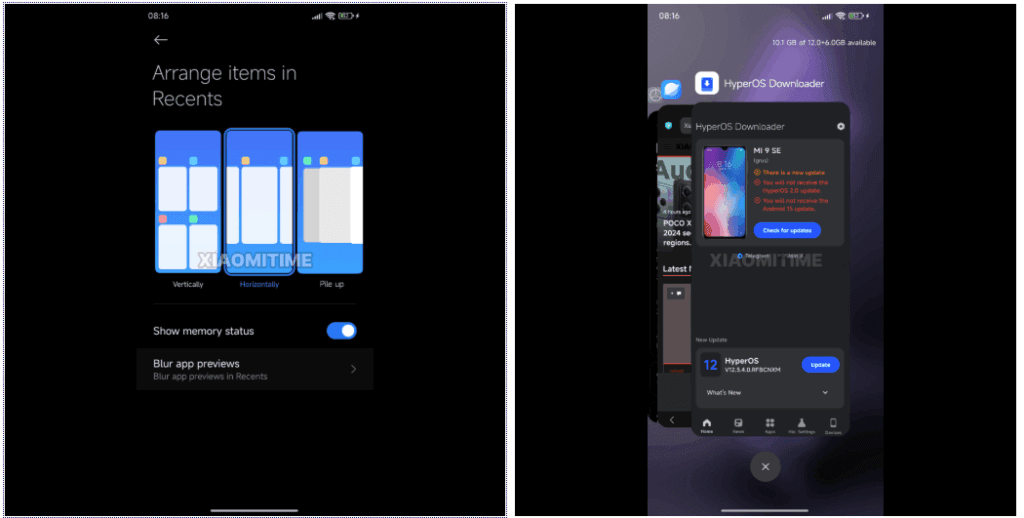
    Xiaomi has quietly stopped supporting software updates for the Redmi 12C and its international counterpart, the POCO C55. No new firmware, including HyperOS 2, has been released in the last two months, and the devices were last updated with the October 2025 security patch. These devices are anticipated to become officially EOL in February 2026, according to Xiaomi’s internal software roadmap.

    Redmi 12C and POCO C55 are being retired organically

    Why these devices eeached EOL

    For its entry-level series, Xiaomi has clear updating policies. The POCO C55 and Redmi 12C were marketed as reasonably priced smartphones designed for everyday use, typically with shorter support cycles.

    Each device finished its usual update window with HyperOS maintenance releases and Android fixes prior to hitting EOL. This change is intended to allow Xiaomi to focus attention on more recent models and maintain system stability throughout the ecosystem.

    Expected End of Life Timeline

    • Last update: October 2025 security patch
    • No updates released: November–December 2025
    • Official EOL: Scheduled for February 2026
    • Affected models:
      • Redmi 12C (China)
      • POCO C55 (Global)

    What you can do if you device reached EOL

    Users can still improve device stability by updating compatible system apps even after system firmware updates have ceased. Xiaomi smartphone owners have two reliable options:

    Recommended Update Channels

    • HyperOSUpdates.com: provides direct links to Xiaomi system app packages.
    • MemeOS Enhancer app on Google Play – allows users to update system apps, enable hidden features of Xiaomi, and manage interface components smoothly.

    EOL does not automatically affect device functionality, and users may still experience adequate performance for daily tasks.

    With smartphones that offer increasingly better performance and longer support cycles, Xiaomi continues to broaden its selection of reasonably priced products. As part of the broader shift to the enhanced environment offered by HyperOS and more efficient update delivery, devices like the Redmi 12C and POCO C55 are being retired organically. A more explicit software policy is anticipated in upcoming budget releases.
  • Redmi K90 Ultra set for big upgrades, including a 165Hz screen and 8000mAh battery

    Redmi K90 Ultra set for big upgrades, including a 165Hz screen and 8000mAh battery

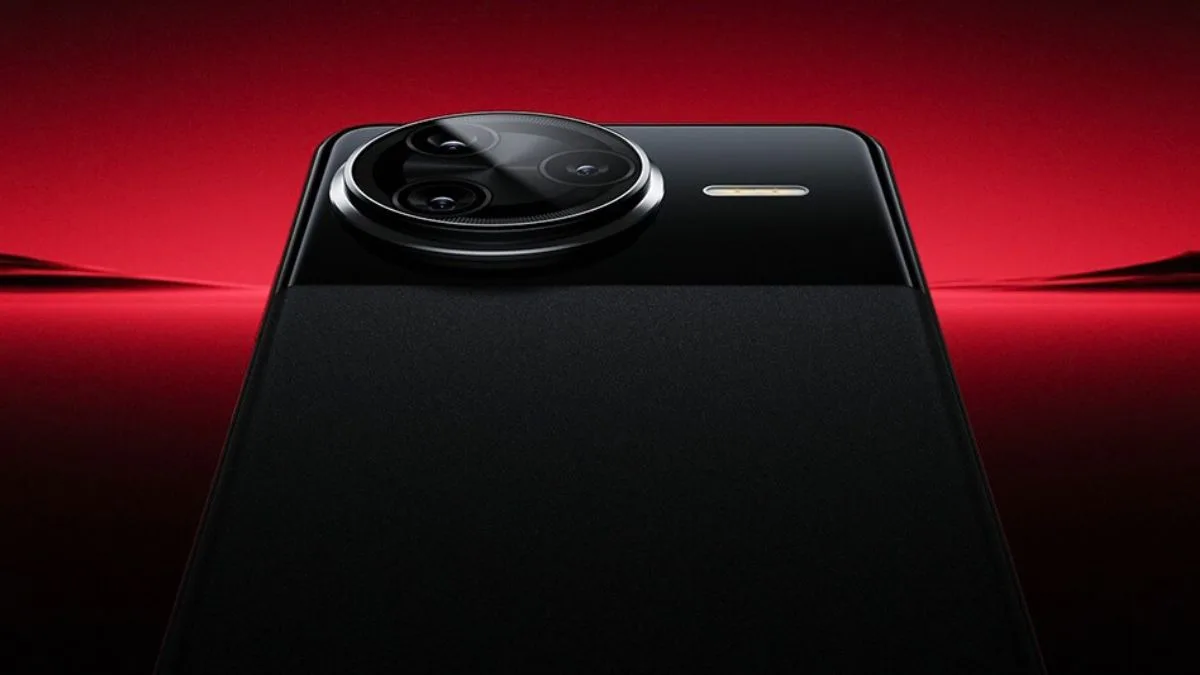
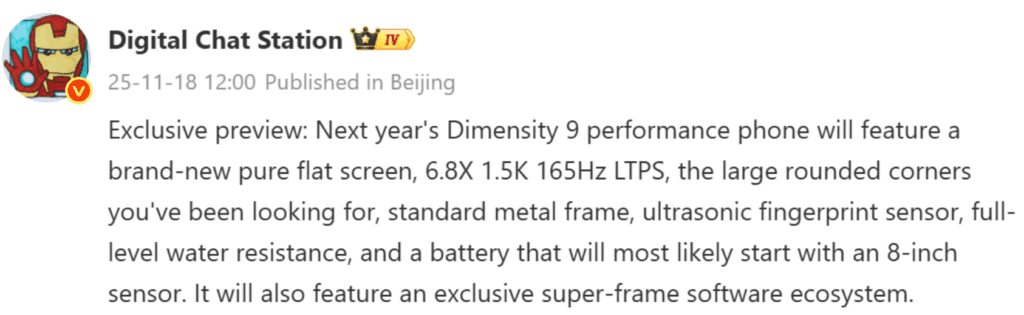
    The Redmi K90 Ultra, which will probably arrive in China in a few months, is already being discussed in the rumor mill after Redmi unveiled the K90 and K90 Pro Max in October. Digital Chat Station‘s early information suggests significant improvements over the current models, providing a first glimpse of Xiaomi’s potential lineup expansion. The information provides a first look, and as launch draws near, more clarity is probably in store.

    Redmi K90 Ultra key specs

    The Redmi K90 Ultra is anticipated to include a 6.8-inch LTPS OLED display with a 1.5K resolution and a quick refresh rate of 165 Hz, according to the leak. The device may include a metal central frame for increased durability, and the screen is rumored to feature rounded corners.

    Strong water protection is also anticipated, which is consistent with the stronger resistance ratings of more recent high-end models. An improved audio system and an ultrasonic in-display fingerprint scanner are two more anticipated enhancements.

    redmi k90 leak

    Battery capacity appears to be one of the most notable features. According to rumors, the phone would have a battery of about 8,000 mAh, which is a significant improvement over the K90 Pro Max and earlier Ultra models. Additionally, a specialized high frame rate software layer that could improve the overall performance profile—particularly for gaming—is hinted at by the tipster.

    According to reports, the MediaTek Dimensity 9 series chipset powers the Redmi K90 Ultra. This might be the Dimensity 9500 Plus, which is expected to be released in 2026. The leak characterizes the Ultra as a performance-focused model, implying that photography may continue to be at a respectable but not flagship-leading level, even though camera details have not been disclosed.

    The K80 Ultra’s June 2025 release cycle is anticipated to be followed by the K90 Ultra. The K90 Ultra might make its Chinese debut around the middle of 2026 if Xiaomi sticks to this schedule. It’s possible that a modified K90 Ultra may go on sale as a Xiaomi flagship worldwide.

  • Redmi is testing smartphone with massive 10,000mAh battery

    Redmi is testing smartphone with massive 10,000mAh battery

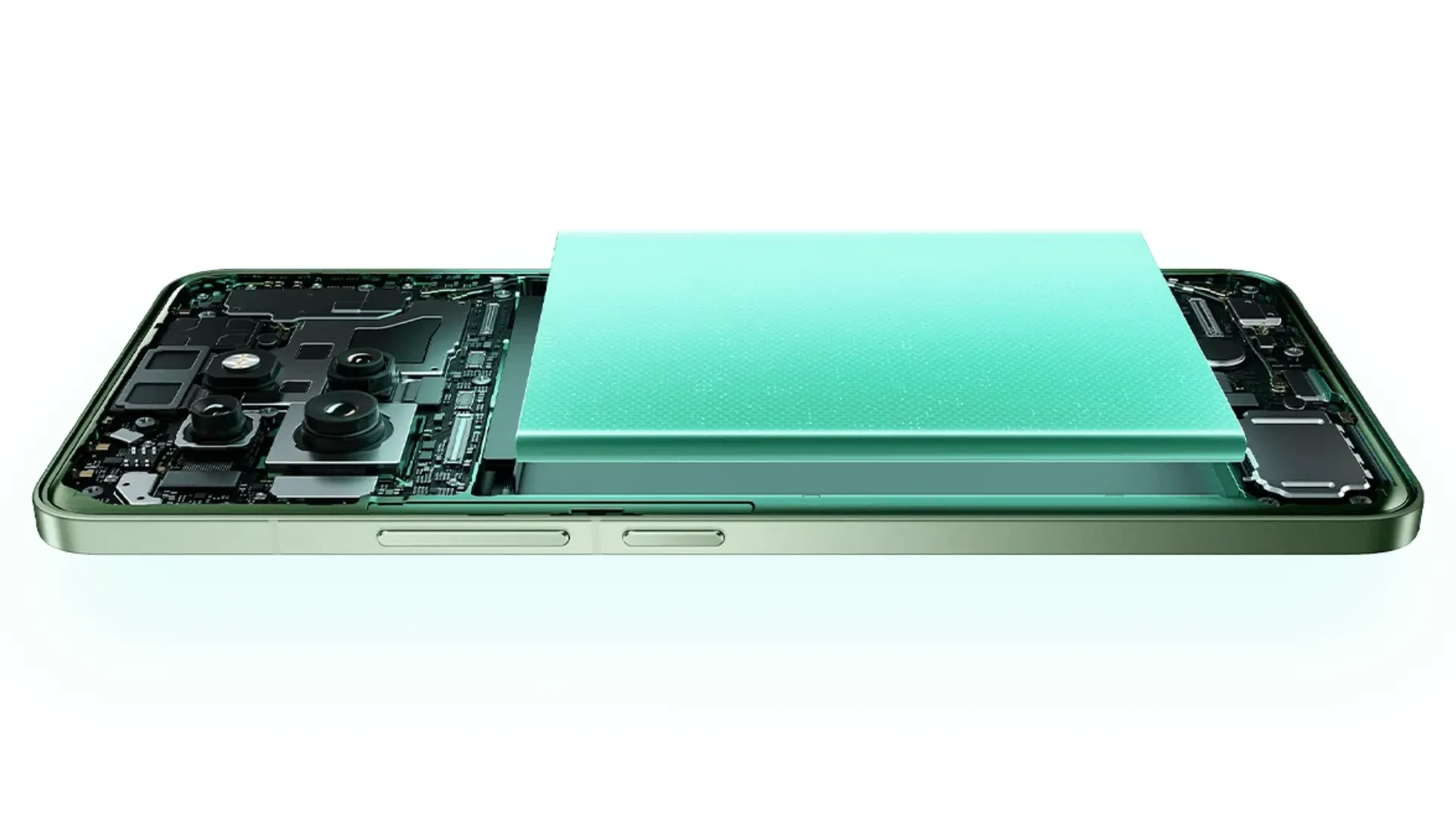
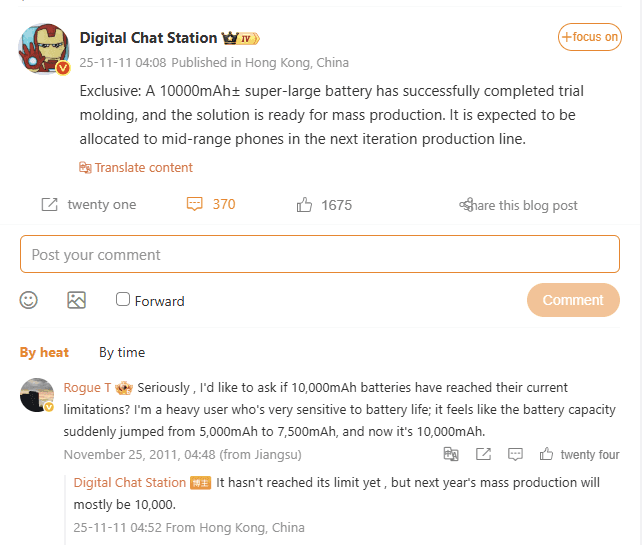
    Xiaomi May Rethink Mid-Range Battery RegulationsChinese manufacturers are working to overcome the barrier beyond 7,000mAh and 8,000mAh batteries as smartphone battery technology continues to advance. According to reputable industry sources and well-known leakster @DigitalChatStation, the trial molding process has been completed, and the new 10,000mAh± battery is about to go into mass production. Xiaomi and Redmi are probably going to include this innovative battery into one of their upcoming mid-range phones.

    In its products, Xiaomi has always placed a strong emphasis on battery life and energy efficiency. Therefore, the creation of a 10,000mAh-class battery is a significant step toward the realization of smartphones with longer battery lives, which is one feature that consumers are very excited to see improved in smartphones. It is expected that a Redmi device will use the technology.

    10,000mAh battery leak redmi

    Since fitting a battery with a 10,000mAh capacity is technically difficult in terms of weight and thermals, this development demonstrates Xiaomi’s determination to balance capacity and design usability.

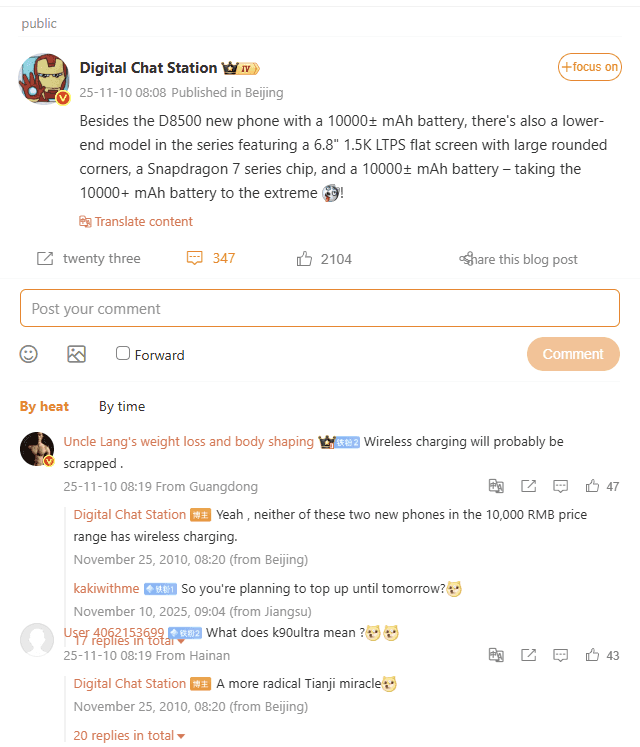
    Two smartphones will have 10,000mAh± batteries, according to DigitalChatStation. One of the devices has a Dimensity 8500 processor, while another has a 6.8-inch 1.5K LTPS flat display with a Snapdragon 7 series processor. Although these models have not yet been confirmed, it has been speculated that one may be from Xiaomi’s Redmi series because it may be intended to be a “Ultra Battery” variant.

    Surprisingly, though, neither gadget will support wireless charging. This guarantees that the devices’ long battery life and reasonable cost will maintain their success in the mid-range market.

    10,000mAh battery lead redmi device

    A significant shift in the industry began with the release of smartphones with five-digit battery capacities. In the past, only rugged cellphones and power banks have such capabilities. With Xiaomi’s arrival into this market, battery capacity with such proportions may become more common, providing the business with yet another reason to rank among the top in terms of battery life. Xiaomi will undoubtedly have a significant advantage over its rivals because to this technology.

    Additionally, users would be able to benefit from unparalleled standby times and all-day intensive use without recharging because to HyperOS’s optimization of background operations and hardware resources.

  • 12 Xiaomi phones now testing HyperOS 3 based on Android 15

    12 Xiaomi phones now testing HyperOS 3 based on Android 15

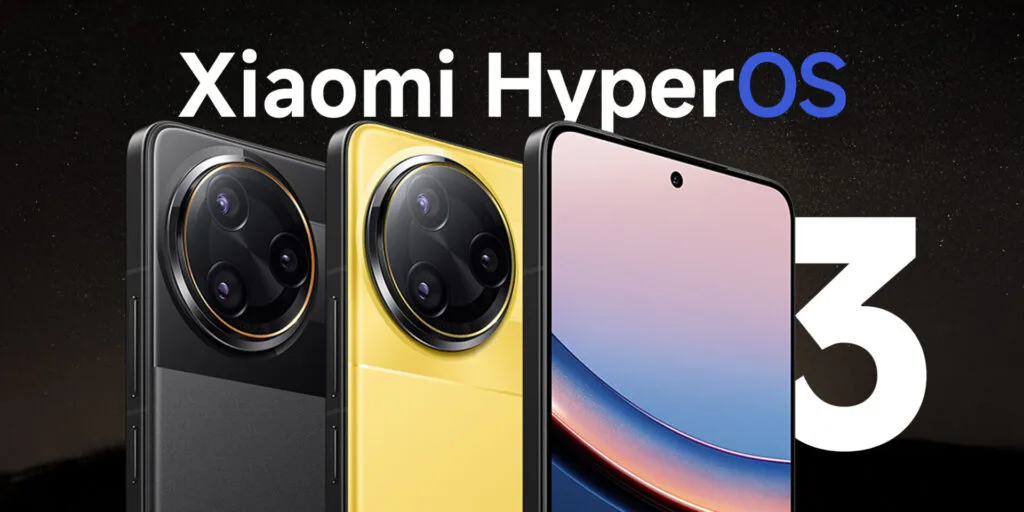
    Based on both Android 15 and Android 16, Xiaomi is preparing for the release of HyperOS 3. This will be the final update for many of its older smartphones that receive HyperOS 3, which is based on Android 15. There won’t be any more HyperOS 3.1 updates. In an effort to deploy the newest operating system on a large number of devices, Xiaomi is currently internally testing the HyperOS 3 version based on Android 15 on a few smartphones. This is a significant step in the company’s software development process.

    On certain of their smartphones, Xiaomi has already begun testing Hyper OS 3, which is based on Android 15. For some smartphones, this release will be the final significant update, so users should be prepared for some limitations in subsequent updates. The list of devices that are believed to be in the first wave of updates, according to the testing process, first batch include the REDMI Note 13 5G, the POCO F5 Pro, and the Xiaomi 13 Lite, which may be receiving the update to the HyperOS 3 on the Android 15 platform firstly.

    hyperos 3 based on Android 15

    Initial Worldwide Rollout of Android 15-based HyperOS 3

    The Redmi Note 13 5G is among the first smartphones to get the global upgrade for Android 15-based HyperOS 3, according to data from the Mi community testing logs. The following smartphones will also get the update:

    • Xiaomi 13 Lite / Civi 2 (EEA – OS3.0.0.1.VLLEUXM)
    • POCO F5 Pro / Redmi K60 (China – OS3.0.0.4.VMNCNXM | Global – OS3.0.0.1.VMNMIXM)
    • POCO X6 Neo / Redmi Note 13 5G / Redmi Note 13R Pro (China – OS3.0.0.4.VNQCNXM | Turkey – OS3.0.0.2.VNQTRXM | Global – OS3.0.0.2.VNQMIXM | EEA – OS3.0.0.2.VNQEUXM)
    • Xiaomi MIX FOLD 2 (China – OS3.0.0.1.VLRCNXM)
    • Redmi Note 12T Pro (China – OS3.0.0.1.VLHCNXM)
    • Xiaomi Pad 6 Pro (China – OS3.0.0.2.VMYCNXM)
    • Xiaomi 12T Pro / Redmi K50 Ultra (China – OS3.0.0.1.VLFCNXM)
    • Xiaomi Civi 3 (China – OS3.0.0.2.VMICNXM)
    • Xiaomi 12 Pro (China – OS3.0.0.1.VLBCNXM)
    • Xiaomi 12S Ultra (China – OS3.0.0.1.VLACNXM)
    • Xiaomi 12 (China – OS3.0.0.1.VLCCNXM)
    • Redmi K60 Pro (China – OS3.0.0.2.VMKCNXM)

    Based on preliminary testing schedules, the Redmi Note 13 5G seems to be the front-runner for the Android 15-based HyperOS 3 Global update. Our list indicates that Xiaomi has yet to begin testing HyperOS 3, which is based on Android 15, on these devices:

    • Xiaomi 12S
    • Xiaomi 12S Pro
    • POCO F5 5G
    • POCO M6 Pro
    • Redmi Note 12 Turbo
    • Xiaomi 12T

    HyperOS 3 based on Android 15 is not anticipated to be released on any devices other than those specified above.

    With the release of the HyperOS 3, consumers of the Xiaomi lineup with compatible phones will have access to an even more feature-rich interface thanks to Android 15’s optimization. Customers will be happy to hear that some older versions will also receive updates, but they will stop after that. Users are advised to stay informed about the updates to make sure their phones will be among those receiving the most recent versions due to Xiaomi’s ongoing commitment to deliver the most recent changes.

  • Stable HyperOS 3 global update now rolling out to Poco devices

    Stable HyperOS 3 global update now rolling out to Poco devices

    Xiaomi has now turned its attention to the Poco devices after releasing the stable HyperOS 3 update for the initial batch of phones sold worldwide. As it happens, the F7 Ultra is the first model in the lineup to get the Android 16 update.

    October 2025 marked the beginning of Xiaomi’s stable HyperOS 3 distribution for devices worldwide. The Android 16 update has so far been applied to the Xiaomi 15 and Xiaomi 15T phones, but it appears that the company is now concentrating on the Poco handsets. More precisely, the global firmware for the F7 Ultra has just been upgraded.

    HyperOS 3 global update

    As an example, the Poco F7 Ultra was one of the first phones worldwide to get the HyperOS 3 update in November 2025. The following are the other smartphones with the Poco brand that were included in the list:

    • Poco F7
    • Poco F7 Pro
    • Poco X7 Pro
    • Poco X7 Pro Iron Man Edition
    • Poco X7

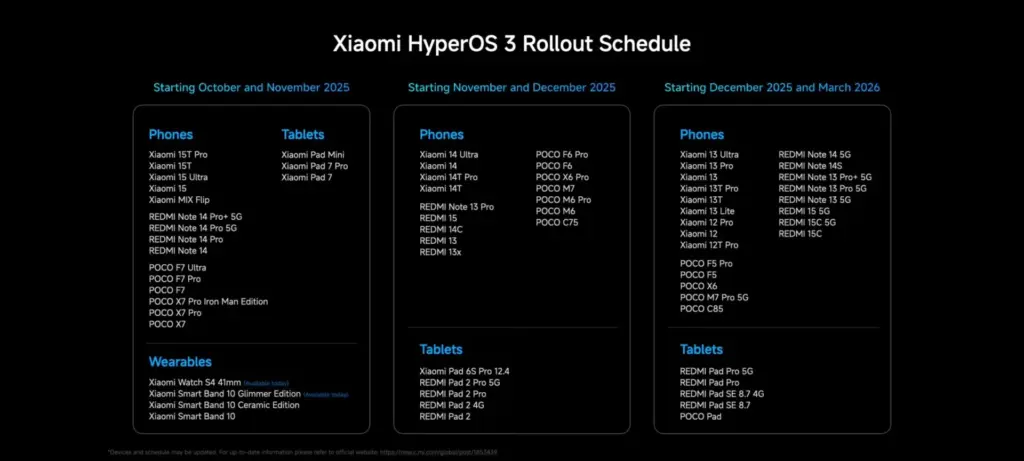
    The Android 16 update may begin to go out to the other Poco phones in the first part of November 2025. Xiaomi has previously stated that HyperOS 3 will soon be accessible on a few tablets as well. Specifically, the upgraded software is scheduled to be released before December 2025 for the Pad Mini, Pad 7, and Pad 7 Pro.

    hyperos 3 update for poco phones

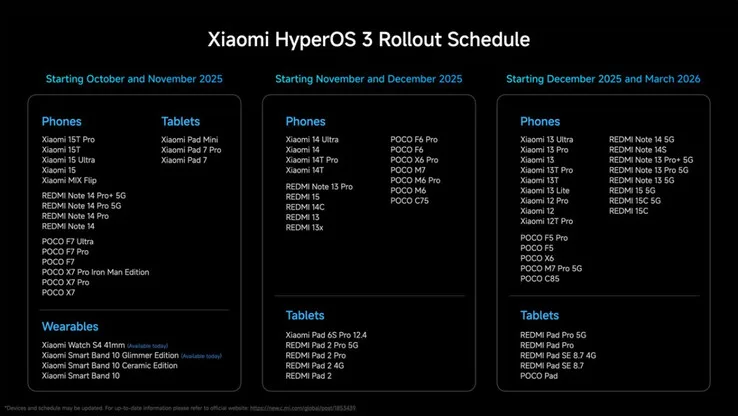
    Returning to the just announced Poco F7 Ultra update, XiaomiTime reports that it is OS3.0.3.0.WOMEUXM. Although it can fluctuate, the file size is more over 7 GB. Before the end of November 2025, a few Redmi smartphones should also get the Android 16 upgrade. To find out more, see the rollout timeline that is included below.

  • Will Xiaomi’s RGB OLED phones redefine the future of smartphone technology?

    Will Xiaomi’s RGB OLED phones redefine the future of smartphone technology?

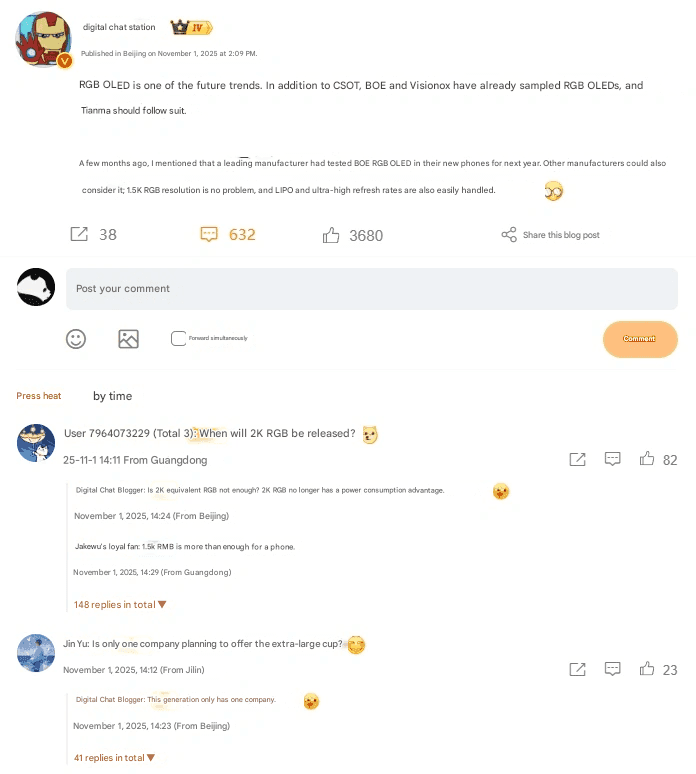
    Also, Xiaomi is setting the standard for mobile display technology in the future. “RGB is clearly the trend of the display,” Redmi Product Manager Sun Cun stated in an official statement, citing IT Home. This happened in reaction to well-known leaker @DigitalChatStation, who claimed that major panel makers like CSOT, BOE, and Visionox were developing RGB OLED displays and that Tianma would shortly follow.

    Compared to other OLED displays, RGB OLED offers crisper visuals, more accurate colors, and reduced power usage by displaying subpixels in the hues red, green, and blue. According to DigitalChatStation, a number of companies have begun **sampling 1.5K RGB OLED panels that can handle LIPO backplanes and high refresh rates, with 2025 smartphones being the target goods.

    rgb oled leak news

    RGB OLED technology

    Leading the way in this progression will be Xiaomi’s upcoming Xiaomi 17 Pro and Xiaomi 17 Pro Max. TCL CSOT display panels, such as the Pro Max with a Real RGB panel using Super Pixel Alignment technology, are included with these devices. In addition to providing crisper visuals than 2K resolution, this enhancement reduces energy usage by 26%, which is ideal for flagships.

    RGB OLED Technology

    Lei Jun, CEO of Xiaomi, also highlighted “unparalleled screen clarity and battery savings” when discussing another innovation made possible by the Xiaomi 17 Pro Max, which uses Super Pixel display technology.

    With Sun Cun’s confirmation, there is now concrete proof that Xiaomi’s Redmi and Xiaomi brands will soon have flagship models with RGB OLED screens in a number of product lines and series, including the Xiaomi Pad series, Xiaomi 17 series, and upcoming Redmi K Ultra models. This is undoubtedly a significant step toward more **accurate, energy-efficient, and long-lasting display offerings.

  • Xiaomi HyperOS 3 global update ready for 10 devices starting November 2, 2025

    Xiaomi HyperOS 3 global update ready for 10 devices starting November 2, 2025

    It’s almost here—the moment we’ve all been waiting for! The first worldwide versions of Xiaomi’s eagerly awaited HyperOS 3 are predicted to be accessible in the next few days. With a number of potent AI improvements, substantial UI redesigns, and extensive performance optimizations, this is not merely a small update but rather a huge advancement.

    This is the most thrilling news of the year for those who keep up with the most recent advancements in HyperOS. A larger selection of well-known phones and tablets are expected to get this update during the first week of November. The initial wave of devices has been confirmed. Prepare to enjoy a more intelligent, quicker, and user-friendly version of Xiaomi’s ground-breaking operating system.

    HyperOS 3 update is first released on these devices.

    hyperos 3 update for devies

    HyperOS 3 Global versions for ten models have been produced by Xiaomi, suggesting that the global debut is near. These gadgets will be the first to demonstrate HyperOS 3’s capabilities to a global audience.

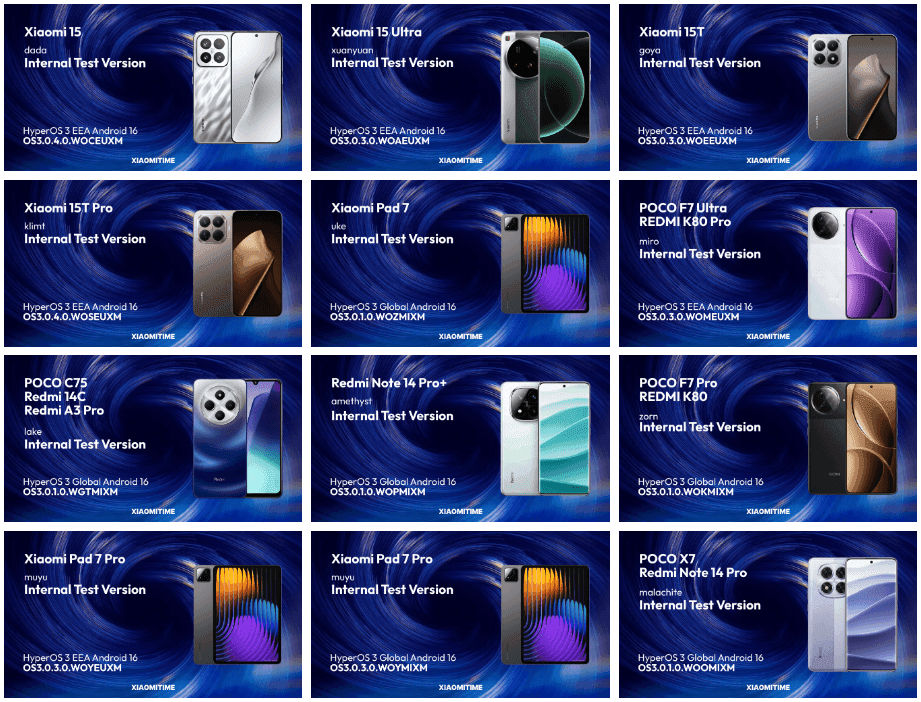
    • Xiaomi 15 Ultra: OS3.0.3.0.WOAEUXM
    • Xiaomi Pad 7 Pro: OS3.0.3.0.WOYMIXM and OS3.0.3.0.WOYEUXM
    • POCO C75 – Redmi 14C – Redmi A3 Pro: OS3.0.1.0.WGTMIXM
    • Redmi Note 14 Pro+ 5G: OS3.0.1.0.WOPMIXM
    • POCO F7 Pro: OS3.0.1.0.WOKMIXM
    • Redmi Note 14 Pro 5G, POCO X7: OS3.0.1.0.WOOMIXM
    • Redmi Note 14 Pro 4G: OS3.0.1.0.WOFMIXM
    • Redmi Note 14 4G: OS3.0.1.0.WOGMIXM
    • POCO M6 Plus 5G, Redmi 13 5G, Redmi Note 13ROS3.0.2.0.WNUINXM
    • POCO F7: OS3.0.2.0.WOLMIXM, OS3.0.1.0.WOLINXM
    • POCO X7 Pro: OS3.0.1.0.WOJEUXM
    • Xiaomi Pad Mini: OS3.0.1.1.WAOMIXM
    • POCO M7 4G, REDMI 15 4G: OS3.0.1.0.WBOMIXM

    Released

    • Xiaomi 15: OS3.0.4.0.WOCEUXM
    • Xiaomi 15T: OS3.0.3.0.WOEEUXM
    • Xiaomi 15T Pro: OS3.0.4.0.WOSEUXM
    • POCO F7 Ultra: OS3.0.3.0.WOMEUXM
    hyperos 3 update schedule

    In October and November, Xiaomi intends to extend its HyperOS 3 Global program to a far greater variety of devices. Watch for the update message if you have any of the following!

    • Xiaomi 15 – Released
    • Xiaomi 15 Ultra
    • Xiaomi 15T Pro – Released
    • Xiaomi 15T – Released
    • Xiaomi MIX Flip
    • REDMI Note 14 Pro+ 5G
    • REDMI Note 14 Pro 5G
    • REDMI Note 14 Pro
    • REDMI Note 14
    • POCO F7 Ultra – Released
    • POCO F7 Pro
    • POCO F7
    • POCO X7 Pro
    • POCO X7
    • Xiaomi Pad Mini
    • Xiaomi Pad 7
    • Xiaomi Pad 7 Pro

    What’s new in HyperOS 3 update?

    New features arrived for HyperOS 3.

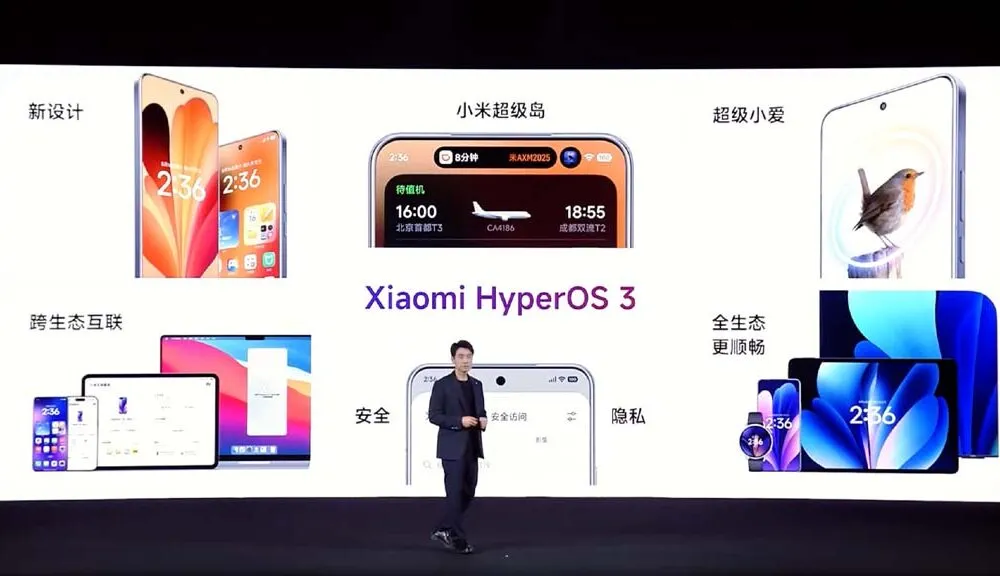
    • A Fresh New Look and Feel
    • Introducing “Hyper Island” and Seamless Connectivity
    • The Power of AI Unleashed
    • AI-powered notes: Automatically organize and summarize your thoughts.
    • AI Describe: Get descriptions for images and on-screen content.
    • AI Voice Translation: Real-time translation during calls and conversations.
    • AI Noise Reduction: Crystal-clear voice recordings by filtering out background noise.
    • AI Search: A more intuitive and powerful system-wide search.
    • AI Gallery Search: Find photos by describing what’s in them.
    • AI Dynamic Wallpapers: Now available globally, this feature turns your photos into stunning, animated video wallpapers.
  • HyperOS 3 Beta update lifts restrictions, making Hyper Island available for all users

    HyperOS 3 Beta update lifts restrictions, making Hyper Island available for all users

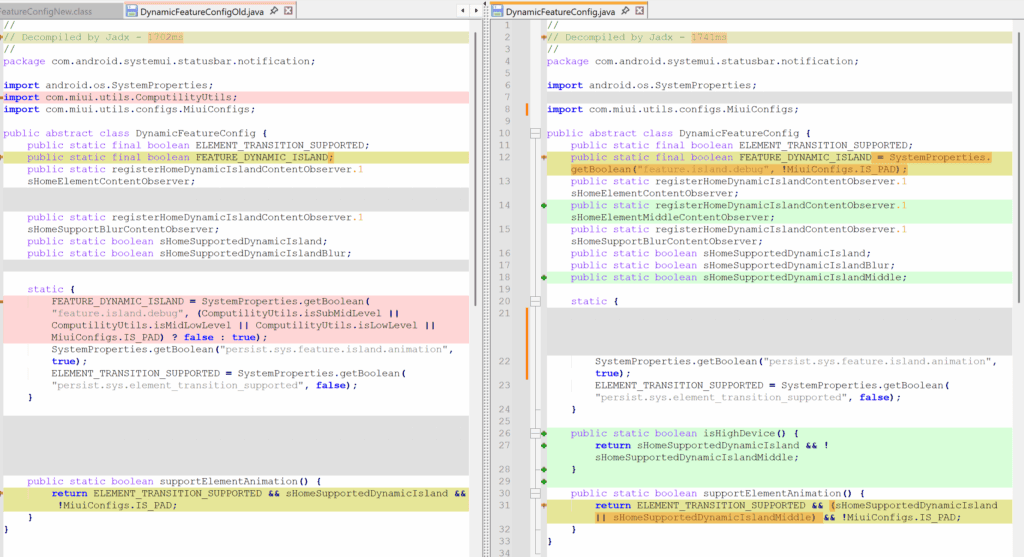
    By removing internal limitations in the most recent HyperOS 3 Beta version, Xiaomi has expanded access to its “Hyper Island” feature, which was previously only available for flagship models. All Xiaomi, Redmi, and POCO devices—including tablets and entry-level smartphones – can now use Hyper Island thanks to this upgrade. In an effort to be more inclusive throughout its product line, the business removed device-specific tags (such IS_PAD and isLowLevel) that had previously restricted interoperability.

    xiaomi Hyper Island is now for Everyone

    What is Xiaomi Hyper Island?

    Xiaomi‘s integrated notification and background activity control interface, Hyper Island, is located at the top of the screen and was inspired by Apple’s Dynamic Island. Although the functionality was initially designed for high-performance devices, recent advancements have made it possible for it to function properly on devices with less powerful hardware.

    This change is in line with Xiaomi’s overarching plan to encourage uniformity and feature parity throughout its network of devices. Xiaomi hopes to improve customer satisfaction and device durability inside the HyperConnect ecosystem by offering flagship-level user interface experiences on more reasonably priced products.

    However, the Island can function without animations on certain devices.

    Hyper Island with the most recent update will be immediately sent to those that take part in the HyperOS 3 Beta program.

    Xiaomi’s continued dedication to providing a consistent and all-encompassing user experience across all device categories is in line with this progress.

  • Stable HyperOS 3 update now available for 6 Xiaomi phones

    Stable HyperOS 3 update now available for 6 Xiaomi phones

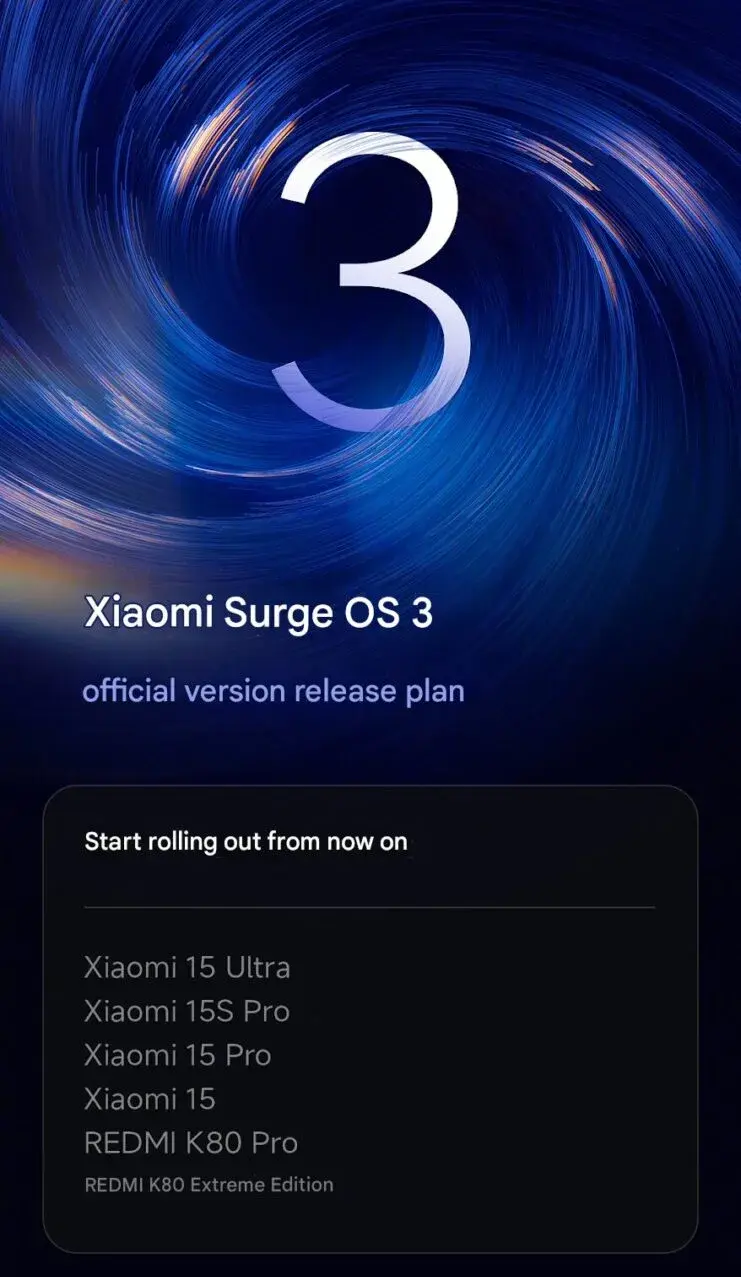
    Following the initial beta release on August 25, 2025, Xiaomi has released the stable HyperOS 3 for six of its flagship devices in China. Better AI features, more fluid animation, and greater device unity across the Xiaomi platform are all included in the current upgrade, which represents the most recent advancement in Xiaomi’s system development. new week, the upgrade is anticipated to roll out globally in the models, marking the beginning of Xiaomi’s new generation of user interfaces.

    he HyperOS 3 stable rollout’s initial roll out happens with the following devices in China:

    • Xiaomi 15 — OS3.0.2.0.WOCCNXM
    • Xiaomi 15 Pro — OS3.0.3.0.WOBCNXM
    • Xiaomi 15S Pro — OS3.0.4.0.WODCNXM
    • Xiaomi 15 Ultra — OS3.0.2.0.WOACNXM
    • REDMI K80 Pro — OS3.0.2.0.WOMCNXM
    • REDMI K80 Ultra — OS3.0.2.0.WONCNXM

    The Xiaomi 15 series will soon be available globally, and these structures are currently housed in Xiaomi’s Chinese OTA server stores.

    hyperos 3 update

    What’s New in HyperOS 3

    In order to make the Xiaomi ecosystem more intelligent and connected, HyperOS 3 delivers a sophisticated UI along with a number of clever AI-enabled capabilities.

    • New look and new feel: new color scheme, fresh look and feel throughout the UI.
    • Hyper Island: Xiaomi’s interpretation of the Dynamic Island, providing smoother animation and better multitasking choices.
    • Cross-device synergy: effortless call, message, and screen-sharing integration between Xiomi smartphones, tablets, and laptops.
    • AirDrop-like file transfer: seamlessly exchange files just by bringing the Xiaomi devices nearer.
    • Better performance: 30% faster and more stable system tuning.
    • Improved AI capability

    In the coming week, customers worldwide will begin receiving the upgrade, even though the initial rollout was restricted to Chinese versions. With this extension, Xiaomi has reaffirmed its commitment to offering coordinated worldwide update rollout dates that align with its ambitions for the whole HyperConnect ecosystem.

  • Xiaomi’s HyperOS 3.1 update introduces iOS-like recent apps view

    Xiaomi’s HyperOS 3.1 update introduces iOS-like recent apps view

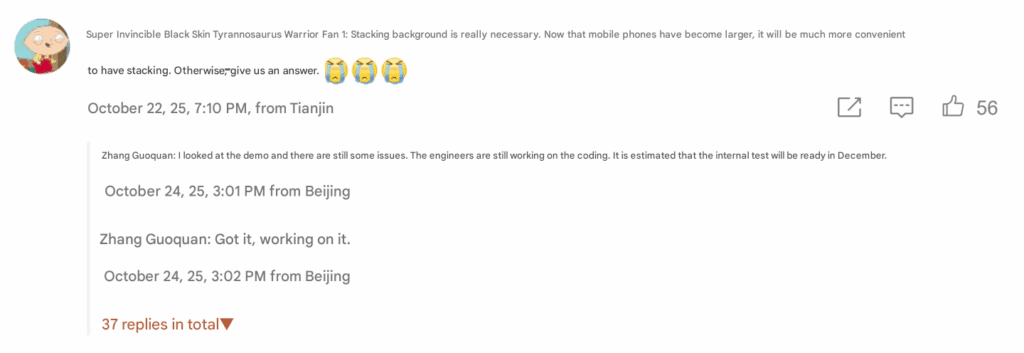
    Zhang Guoquan, the director of mobile software for Xiaomi, has stated that the business will start testing the layered background interface in HyperOS internally in December. This impending update will improve Xiaomi phones’ multitasking capabilities by providing a more user-friendly and aesthetically pleasing background management experience. Through Zhang’s interactions with Weibo users, the functionality was made public, demonstrating Xiaomi’s ongoing dedication to enhancing the real-world user experience using HyperOS, the company’s unified operating system.

    A Xiaomi devotee responded in a Weibo debate by calling for the inclusion of a stacked background interface, particularly given the larger screens of modern smartphones that necessitate more fluid multitasking capabilities. Zhang Guoquan replied, “Received, working on it,” to the comment. He then added that the functionality is currently in the demonstration stage but still undergoing optimization. The code is now being finished by programmers, and internal testing is expected to start in December.

    translated image en 16

    Stacked Background Interface?

    Users can see running apps as a deck of cards arranged on top of each other, from largest to smallest, depending on which card is accessed first thanks to the stacked background interface. Similar to the multitasking interfaces found in webOS (2009) and later in Apple’s iOS 9, users can swipe up to close apps or left or right to navigate between them.

    In place of conventional grid-patterned task lists, this structure provides an interactive and spatial method of managing applications. It makes it possible to maximize screen real estate, which is particularly helpful on devices with large screens like the Xiaomi 15 Pro and Xiaomi Pad 7.

    xiaomi hyperos 3.1 stacked recent interface

    Originally developed in webOS, stacked multitasking was first used on phones like the Palm Pre, which also popularized features like wireless charging and gesture navigation, which are now commonplace on the majority of contemporary smartphones. This kind of multi-application management became popular once Apple adopted the UI in iOS 9.

    With HyperOS, Xiaomi appears to be bringing back these antiquated ideas while modernizing them with fluid animations, AI enhancements, and improved performance scaling.

    It is anticipated that the stacking interface will be included in HyperOS’s 2025 upgrades, maybe in the feature package that comes after HyperOS 3.1. When public testing starts, Xiaomi customers should anticipate smoother animations, more fluid multitasking, and better use of display real estate. These features are in line with Xiaomi’s overarching goal of using Xiaomi HyperConnect to build an intelligent, connected user ecosystem.