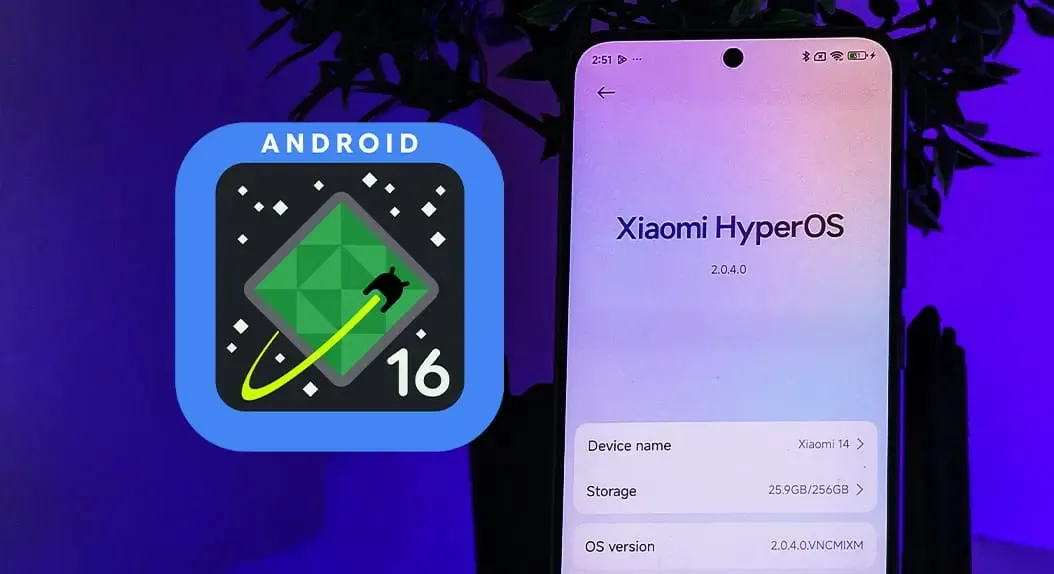
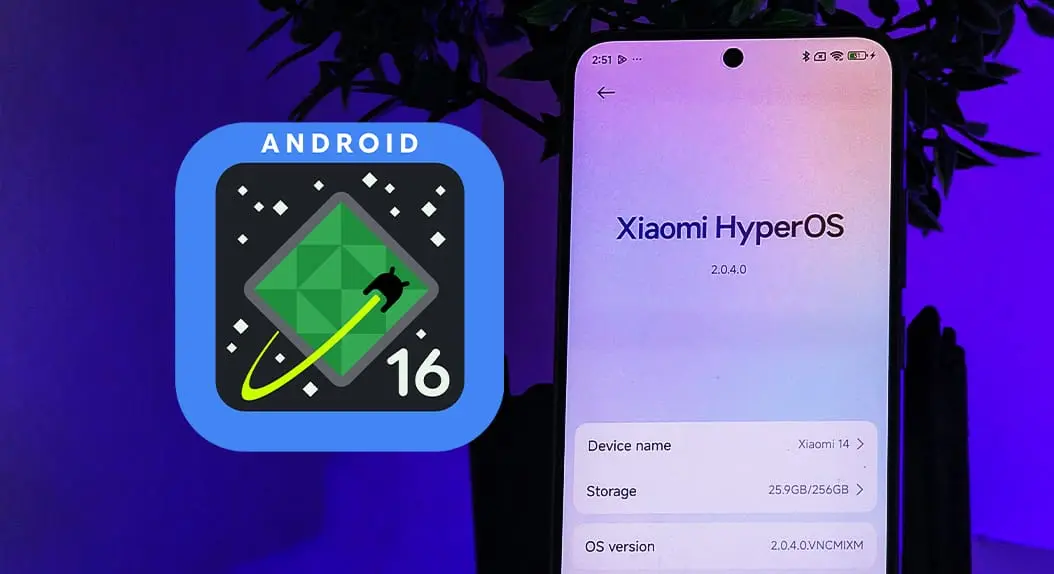
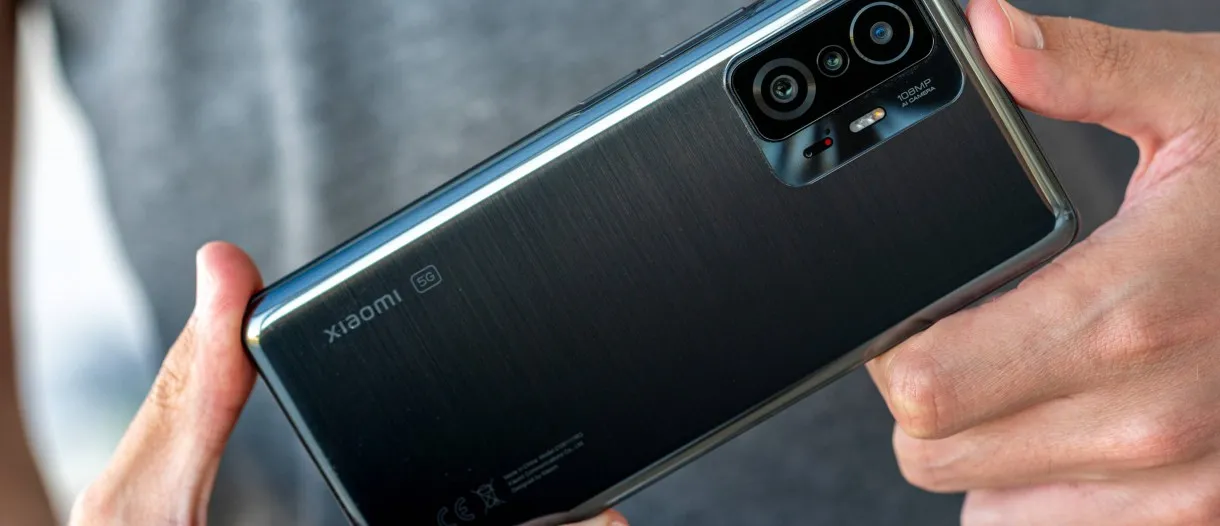
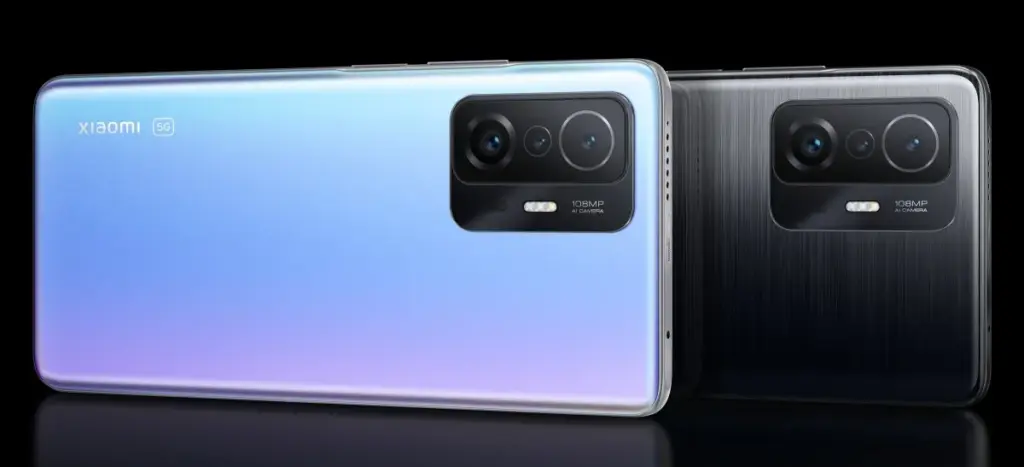
For owners of some well-known models, Xiaomi’s upgrade timeline is not good news. Android 16 will not be available for thirty-one Xiaomi, Redmi, and POCO phones. Rather, the last significant update for these smartphones will be HyperOS 3, which is based on Android 15. Support will then be restricted to minor fixes and security patches.
In the universe of Android, this is not uncommon. Major updates are typically offered by brands for two to three years, with newer flagships receiving longer support. The similar pattern applies to Xiaomi’s choice, which focuses on enhancing HyperOS for the devices that are still eligible.
For these phones, HyperOS 3 will be the last major software release.
Redmi phones stopping at HyperOS 3
Numerous models in the Redmi series also stop supporting Android 15. The Redmi K lineup, low-cost gadgets, and even several Note series favorites are included in the list:
This marks the end of updates for several phones that were popular in markets like India and Southeast Asia.
Xiaomi flagships are nearing the limit of updates.
Not even expensive gadgets are exempt. Android 16 will not be available for a number of Xiaomi 12 series phones, such as the 12 Pro, 12S Ultra, and 12T Pro. This is also where the Civi 3 and MIX Fold 2 complete their lifetime.
Full flagship list:
Xiaomi 12, 12 Pro, 12S, 12S Pro, 12S Ultra
Xiaomi 12T, 12T Pro
Xiaomi Civi 3
Xiaomi MIX Fold 2
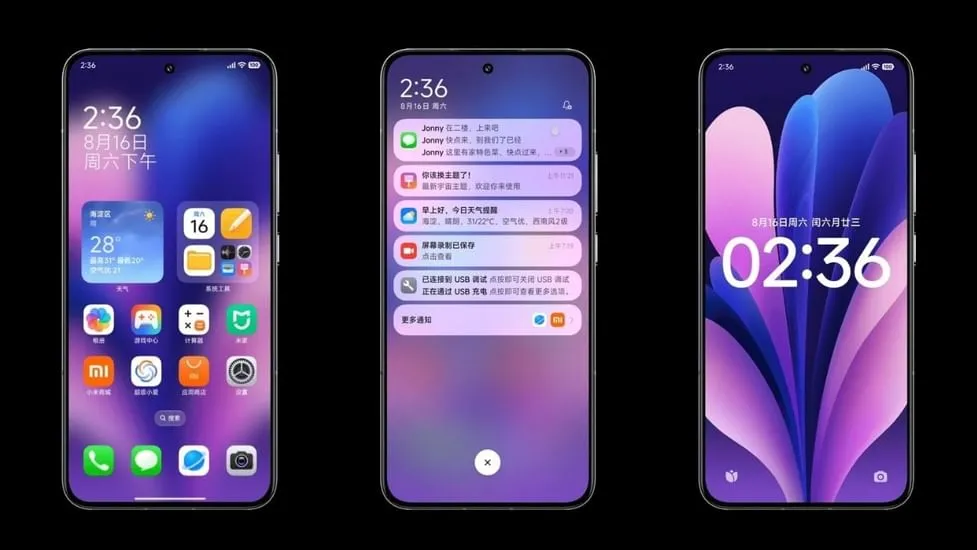
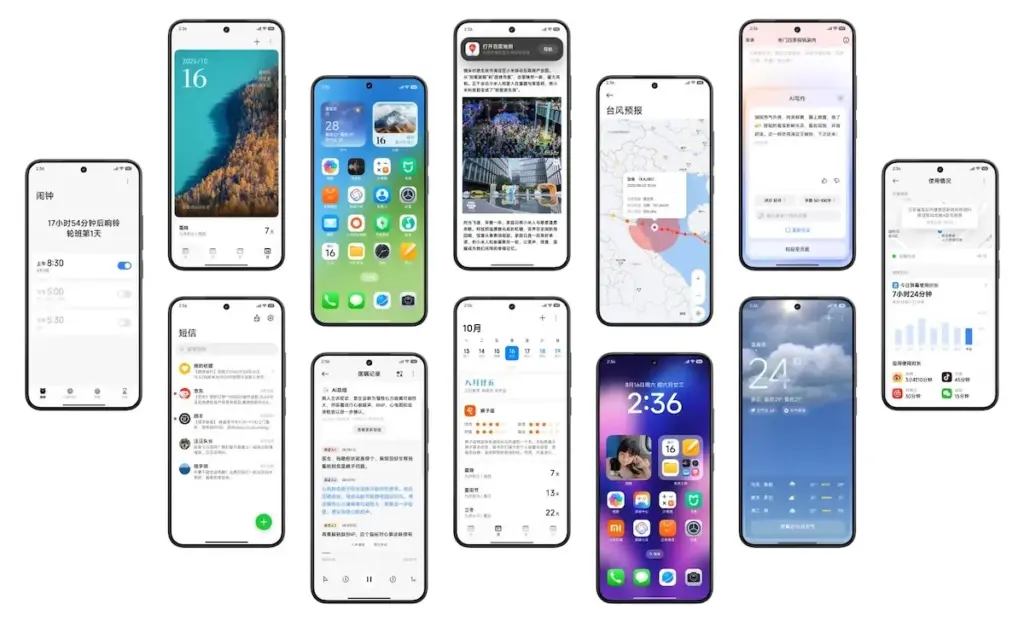
Android 15 is not the end of the story for these devices. It is anticipated that HyperOS 3 would come with a new interface that is modeled after Apple’s renowned “liquid glass” design. Users should anticipate improved system speed, additional customization choices, and a redesigned control center editor.
Although it’s the final significant update for these phones, the distribution is scheduled to start in September 2025 and provides them a more upscale appearance before updates formally cease.
Xiaomi unveiled HyperOS 3.0, the company’s most recent overlay built on the Android 16 operating system, last week. It goes without saying that the skin has a lot of new features and modifications. The business has released a HyperOS 3.0 beta deployment plan after outlining the list of improvements, and you’ll be happy to hear that a large number of phones are qualified to get the much-anticipated software update this month.
The list of Xiaomi smartphones, tablets, and smart TVs that will get the HyperOS 3.0 beta upgrade in September 2025 is available here.
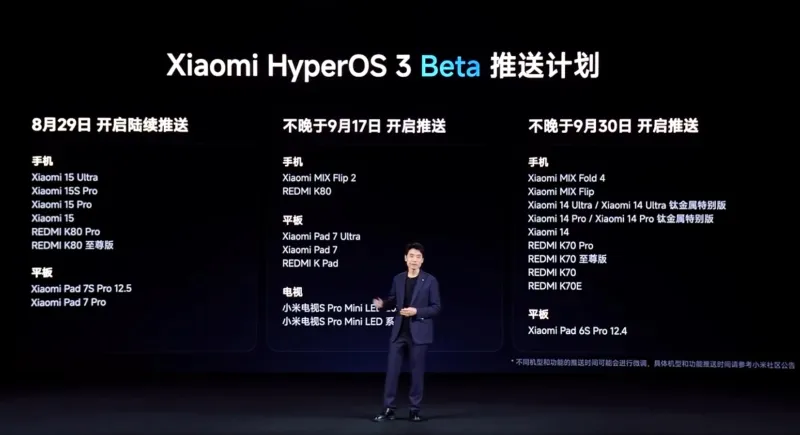
The restricted beta program for a number of Xiaomi devices, including the Xiaomi 15 series, Redmi K80 Pro series, and Xiaomi Pad 7/7s Pro, was launched by Xiaomi on August 29. The HyperOS 3.0 beta, which is focused on Android 16, is currently available for testing on any of these devices.
Let’s move on to the list of gadgets that can get the September HyperOS 3.0 beta. The full list of devices eligible to receive a beta update this month is provided here. Xiaomi is now expanding the beta program to smart TVs.
Xiaomi 14 Ultra / Xiaomi 14 Ultra Titanium Special Edition
Xiaomi 14 Pro / Xiaomi 14 Pro Titanium Special Edition
Xiaomi 14
Redmi K70 Pro
Redmi K70 Extreme Edition
Redmi K70
Redmi K70E
Xiaomi Pad 6S Pro 12.4
It goes without saying that the beta program will launch in mainland China before being extended to other countries.
You can just sign up for the beta program when it launches if your device is compatible with HyperOS 3.0. Installing the Mi Community app, selecting Global as the region, and then enrolling in the beta program will allow you to participate in the Mi Pilot testing program.
Regarding the stable release, it is anticipated to be made available a month or two following the beta program.
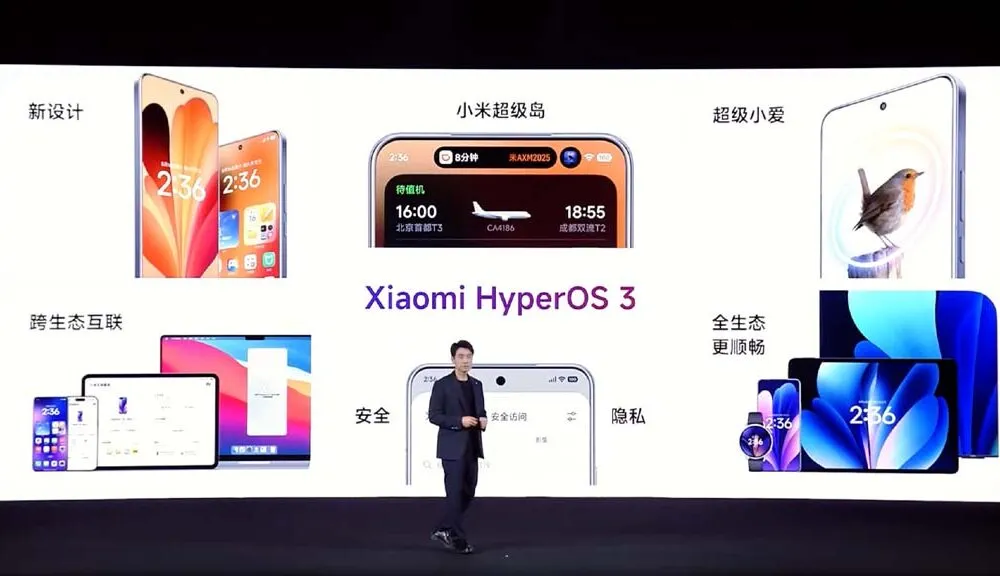
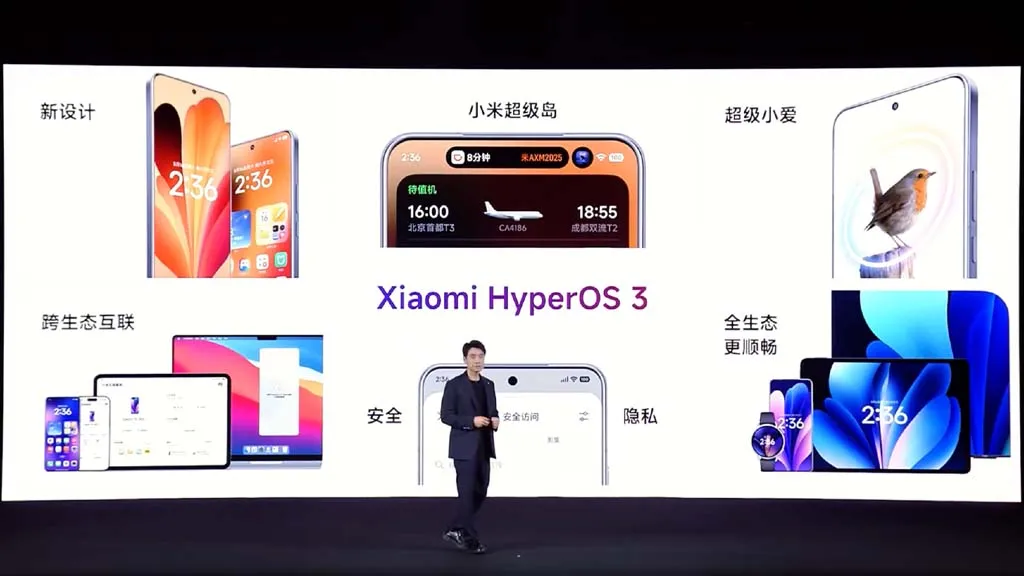
Based on Android 16, Xiaomi has shown HyperOS 3, its upcoming significant software update. Along with a list of compatible devices, the brand has revealed new features and enhancements, and the rollout is soon to start. All of the HyperOS 3 features that will be available for Xiaomi, Redmi, and Poco devices are listed here.
Design update
Starting with the home screen, HyperOS 3 icons have a slightly increased contrast and a more 3D appearance. Clearer and more readable icons have also been added to the bottom bar. The improvement won’t be that noticeable to regular users.
Additionally, Xiaomi finally changed the HyperOS 3 status bar icons. With slightly more dispersed pieces and the battery % inside the battery indicator, the company’s strategy is comparable to Material 3 Expressive in stock Android.
In order to provide HyperOS 3 a more unified and professional appearance, the home screen layout has been somewhat altered to be more uniform with tighter gaps between the widgets.
Lockscreen customisations
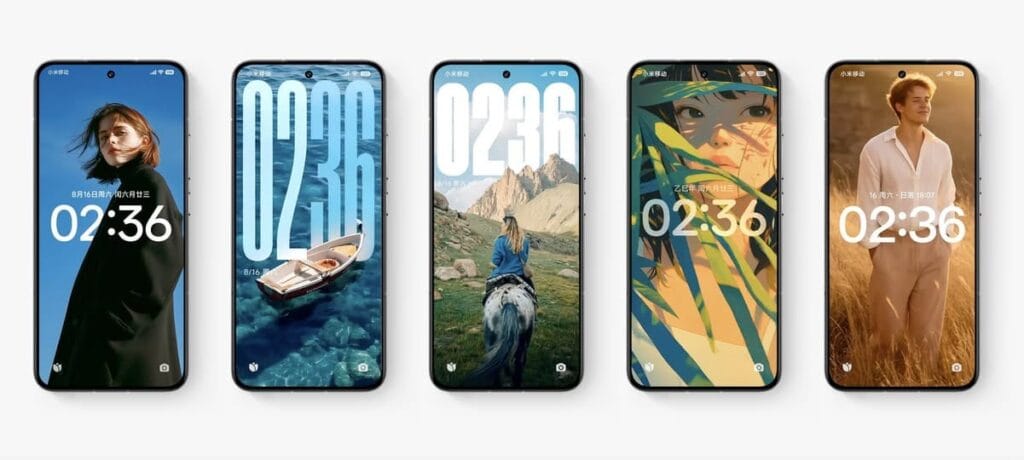
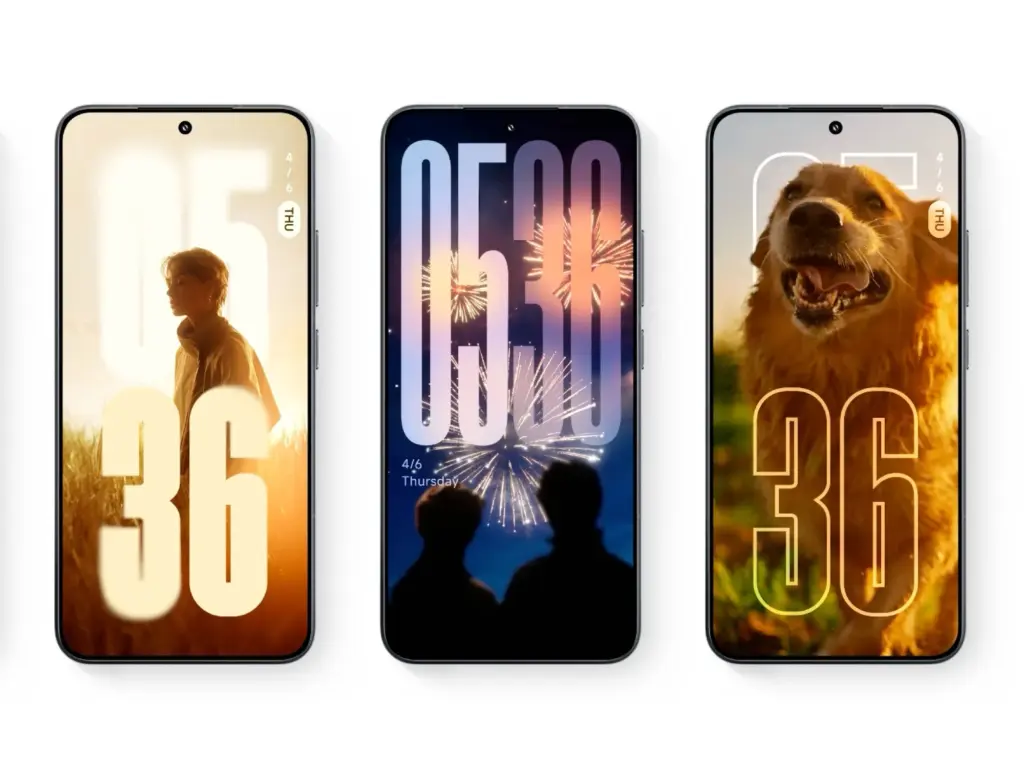
HyperOS 3 introduces new lockscreen customizations and effects, as well as smoother unlock animations, in keeping with the immersive lockscreen user interface trend. Motion can be added to still images, and then the lock screen clock can be given Cinematic Depth. This is comparable to iOS 26’s new Spatial Scene feature, which gives lock screen backgrounds a 3D appearance.
This feature is known by Xiaomi as “Movie lock screen,” according to our translation from Chinese to English. This function will assist in applying AI styles to images, enabling you to Ghibli-fy, dreamscape-fy, or Disney-fy your photos. Additionally, there is a library of community-made and shared custom lock screens available if you don’t want to invest the time in such artistic endeavors.
Finally, users can now relocate the lock screen to the center in HyperOS 3. This is on top of the plethora of clock typefaces that can all be customized to fit the themes of your wallpapers. Users will find these settings in a single menu under the Wallpaper customization section, similar to OxygenOS or iOS.
Super Island
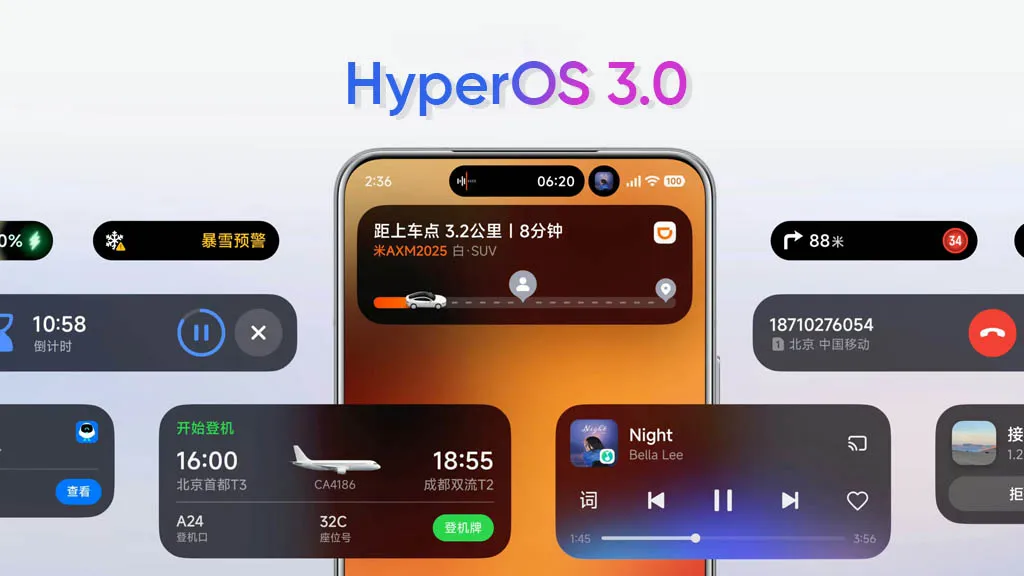
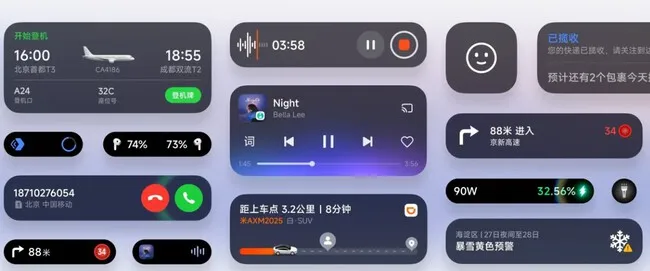
Xiaomi is utilizing Xiaomi Super Island in HyperOS 3 to leverage live upgrades, one of the greatest aspects of Android 16. The functionality can display up to three live events simultaneously, and its implementation is eerily similar to Dynamic Island on iPhones.
Around the selfie camera, you’ll notice a Super Island. After that, you can open a floating window for the current activity by swiping down on the pill to activate the feature. Two additional activities are displayed beside the floating window, one as a pill and the other as a circular icon. You can easily switch between these, and you may open the app by dragging them to the center of the screen.
By dragging and dropping material straight from the Super Island to an app, HyperOS 3 will also make sharing simple. More than 70 apps are presently supported, according to Xiaomi, and support for more well-known apps will be added soon.
NameDrop
Similar to NameDrop, HyperOS 3 allows for the easy exchange of Wi-Fi passwords as well as images and videos. According to the firm, media may be moved quickly and without loss. It bridges the ecosystem divide by supporting both iPhones and Xiaomi devices.
It’s important to note that the feature was briefly shown on stage and using HyperOS 3’s default Gallery app, which receives a number of enhancements of its own (more on that later). Even though Xiaomi didn’t go into detail, we can guess that it connects using NFC.
Updated system apps and features
Xiaomi is enhancing the HyperOS 3 app experience for a number of system programs, but its Gallery app is getting the most love. To begin with, users will now be able to quickly locate photographs according to their search preferences. In order to transition between layouts organized by date and continuous tiling, it offers photo view and photo sorting.
AI advancements are enhancing the image search capabilities. For faster search results, the app’s image search has been optimized for over 30,000 keywords and 10 categories.
Additionally, Xiaomi has included an algorithm that facilitates pet photo searches. The brand aggregates its photographs using pet body traits, just like it does with facial recognition.
In addition, HyperOS 3 offers design enhancements for a number of its China-only apps, including the calendar, Xiaomi Shelf, voice recorder, weather, clock, and others.
More AI features
Xiaomi is also improving its in-house Xiaoai with HyperOS 3 to provide suggestions more quickly and effectively. Google’s Circle to Search is comparable to the new Circle Screen functionality, which is driven by Xiao AI. This function allows you to circle a portion of the screen to obtain information about it.
The agentic AI integration in HyperOS 3, which employs LLMs to carry out a number of activities for users, is by far the most fascinating innovation. For instance, it can initiate navigation to a location you wish to visit or place food orders from restaurants. By the end of September 2025, Xiaomi says its new AI agent-like capability will work with more than 80 apps.
Xiaomi Watches will also get a number of new features with HyperOS 3. Similar to the Smart Boost option that shows your heart rate on a HyperOS-powered automobile, supported watches will allow you to transmit real-time workout data to your phone. Along with syncing music to smart speakers while working out, the watch and automobile will also sync navigation instructions.
HyperOS 3 enhances split-screen multitasking, latency, and other aspects of tablets. Additionally, it has an enhanced PC-like browser and better app layouts for wide screens.
HyperOS 3 supported devices and rollout calendar
Xiaomi has confirmed that a limited number of devices in China will begin receiving the HyperOS 3 Beta on August 29, 2025. Although the distribution is now limited to China, we have compiled a lengthy list of HyperOS 3 devices that are eligible for the upgrade in India and around the world.
When Xiaomi releases a comprehensive list of devices that will receive the HyperOS 3 stable update, we will update the list and timeline of rollouts. By the end of 2025, we anticipate the stable update.
The Xiaomi 15 and Redmi K80 series will be the first to receive the HyperOS 3 Beta. On September 17, 2025, the Mi Mix Flip 2 will take its place. On September 30, 2025, the Redmi K70 series, Xiaomi 14 series, and Mi Mix Fold 4 will be available for beta testing.
All of those are the new HyperOS 3 features that Xiaomi has disclosed. The layout of the home screen and lock screen in particular has been optimized in this release. Xiaomi adds that games should benefit from 1% lower frame rates and lower battery usage, and that latency has been lowered by 21%.
For Indian lovers of Xiaomi, Redmi, and Poco, this is an all-around great update. To find out more about the HyperOS 3 upgrade rollout in India and around the world, keep checking back and bookmarking this site.
The silicon-carbon phones that are officially available for purchase in the West are examined in depth here, along with their significance.
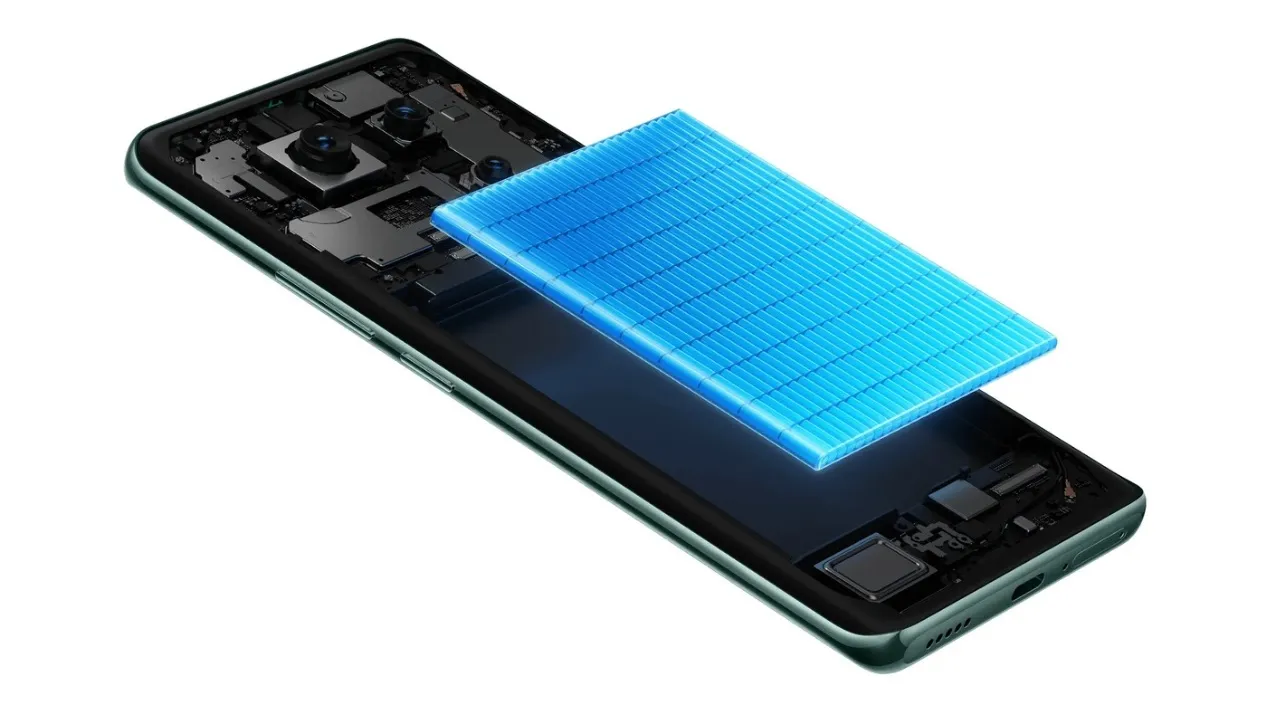
The competition for smartphones in 2025 will involve more than simply megapixels, AI capabilities, and display brightness. It’s also about the battery, especially, which is located beneath the hood. Silently revolutionizing endurance and charging speeds, silicon-carbon battery technology is no longer just available in domestic Chinese markets.
In Western countries, a number of prominent companies have begun to provide silicon-carbon smartphones, giving customers in North America and Europe access to a new level of battery performance.
OnePlus 13
The OnePlus 13’s 6000mAh dual-cell silicon-carbon battery, the largest in a OnePlus flagship to yet, further advances the company’s leadership in battery advancements. With one of the highest energy densities for a dual-cell configuration (805Wh/L), it keeps the device relatively small while significantly increasing battery life.
Additionally, charging is not neglected. In addition to 50W wireless charging and 100W SuperVOOC wired charging, the phone now offers magnetic wireless charging—a first for OnePlus. A Snapdragon 8 Elite chipset, a gorgeous 2K BOE X2 LTPO AMOLED screen with a peak brightness of 4500 nits, and a triple 50MP camera configuration with a new tri-prism periscope lens are all included to match this power.
OnePlus 13
Lightning-Fast Snapdragon 8 Elite Processor: Powered by the latest Qualcomm Snapdragon 8 Elite chipset, enjoy exceptional speed, efficiency, and performance for gaming, multitasking, and productivity.
With a 5850mAh cell and 100W wired and 80W wireless charging, the Honor Magic 7 Pro goes all out rather than relying solely on silicon-carbon batteries. The battery easily outlasts the majority of other flagships in its class, and it represents a significant improvement over the standard 5000mAh configurations.
The Magic 7 Pro boasts an impressive array of specifications, including a variable aperture primary sensor, a Snapdragon 8 Elite chip, a 200MP periscope telephoto with 100x magnification, and up to 1TB of UFS 4.0 storage. The top-tier devices also include satellite messaging, which is another feature that looks forward for customers in the West.
Xiaomi 15 and Xiaomi 15 Ultra
Although more subdued, Xiaomi’s silicon-carbon implementation is just as stunning. The Xiaomi 15‘s body is only 8.08 mm thick, and it houses a 5240mAh battery. With Xiaomi’s Surge P3 and G1 chips controlling heat and power supply, it enables both 50W wireless and 90W cable charging.
But the Xiaomi 15 Ultra is the tipping point. It incorporates a 200MP Leica periscope telephoto, a 1-inch primary sensor, a 5410mAh battery with the same charging configuration, and support for cutting-edge videography features like 10-bit log capture for all four rear cameras.
Xiaomi 15
Dual SIM (nano SIM + nano SIM or nano SIM + eSIM, eSIM + eSIM). 6.36″ 3200 nits ultra-bright displayCrystalRes AMOLEDAlways-active DisplayResolution: 2670 x 1200, 460 ppiRefresh rate: 1-120HzTouch sampling rate: Up to 300Hz*Touch sampling rate may vary according to the content on your display.Color gamut: DCI-P3Color depth: 68 billion colorsPeak brightness: 3200 nits covering 25% display areaDimming: DC dimmingOriginal color ProPro HDRWet touch technologyHDR10, HDR10+, Dolby VisionTÜV Rheinland Low Blue Light (Hardware Solution) CertifiedTÜV Rheinland Flicker Free CertifiedTÜV Rheinland Circadian Friendly Certified
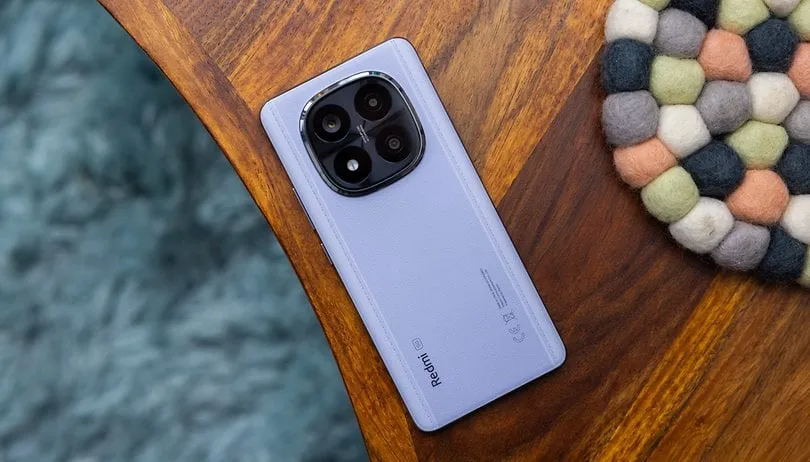
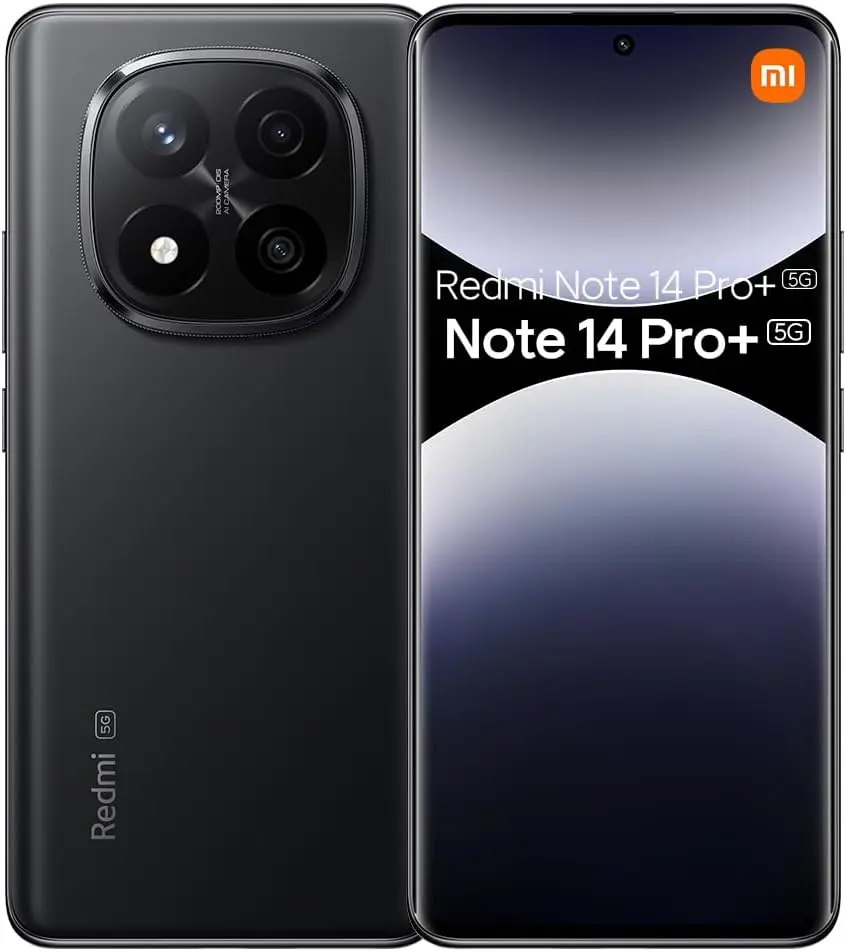
Perhaps the most reasonably priced entry point into the world of silicon-carbon smartphones is the Redmi Note 14 Pro+. Supported by Xiaomi’s Surge P2 and G1 CPUs, it has a 6200mAh battery, one of the biggest in any popular phone this year. Despite its enormous capacity, the phone can be charged in less than 40 minutes using a 90W fast charging method.
It’s not only a matter of endurance. The phone also features a 50MP triple-camera configuration with a 2.5X telephoto lens, a 1.5K OLED display with a maximum brightness of 3000 nits, and a Snapdragon 7s Gen 3 processor. It also has a stylish Victus 2 glass design and complete IP69 protection.
6.67″ CrystalRes AMOLED displayResolution: 2712 x 1220 (1.5K resolution)Refresh rate: Up to 120HzTouch sampling rate: Up to 480HzBrightness: 3000nits peak brightnessColor depth
The Find X8 Pro from Oppo is a prime illustration of how flagship-tier features and silicon-carbon batteries can coexist without sacrificing style. 80W wired, 50W wireless, and 10W reverse wireless charging are all supported by the 5910mAh battery. One of the most durable flagships Oppo has ever produced, the endurance advantage is evident.
Its internal components include a strong quad 50MP camera system with dual periscope lenses that provide up to 6x optical zoom, a powerful Dimensity 9400 processor, and compatibility for up to 1TB of UFS 4.0 storage. In addition, the phone has an industry-leading AMOLED panel with a maximum brightness of 4500 nits and IP69 certification.
Silicon–carbon batteries are quickly becoming the next big leap in smartphone power technology, and the OnePlus 13, Honor Magic 7 Pro, Xiaomi 15, and Redmi 14 Pro Plus are just the beginning. With higher energy density, faster charging, and improved longevity compared to traditional lithium-ion cells, these devices showcase how the industry is evolving to meet our growing performance demands. As more manufacturers adopt silicon–carbon solutions, we can expect even slimmer designs, longer battery life, and fewer compromises — signaling an exciting new era for mobile technology.
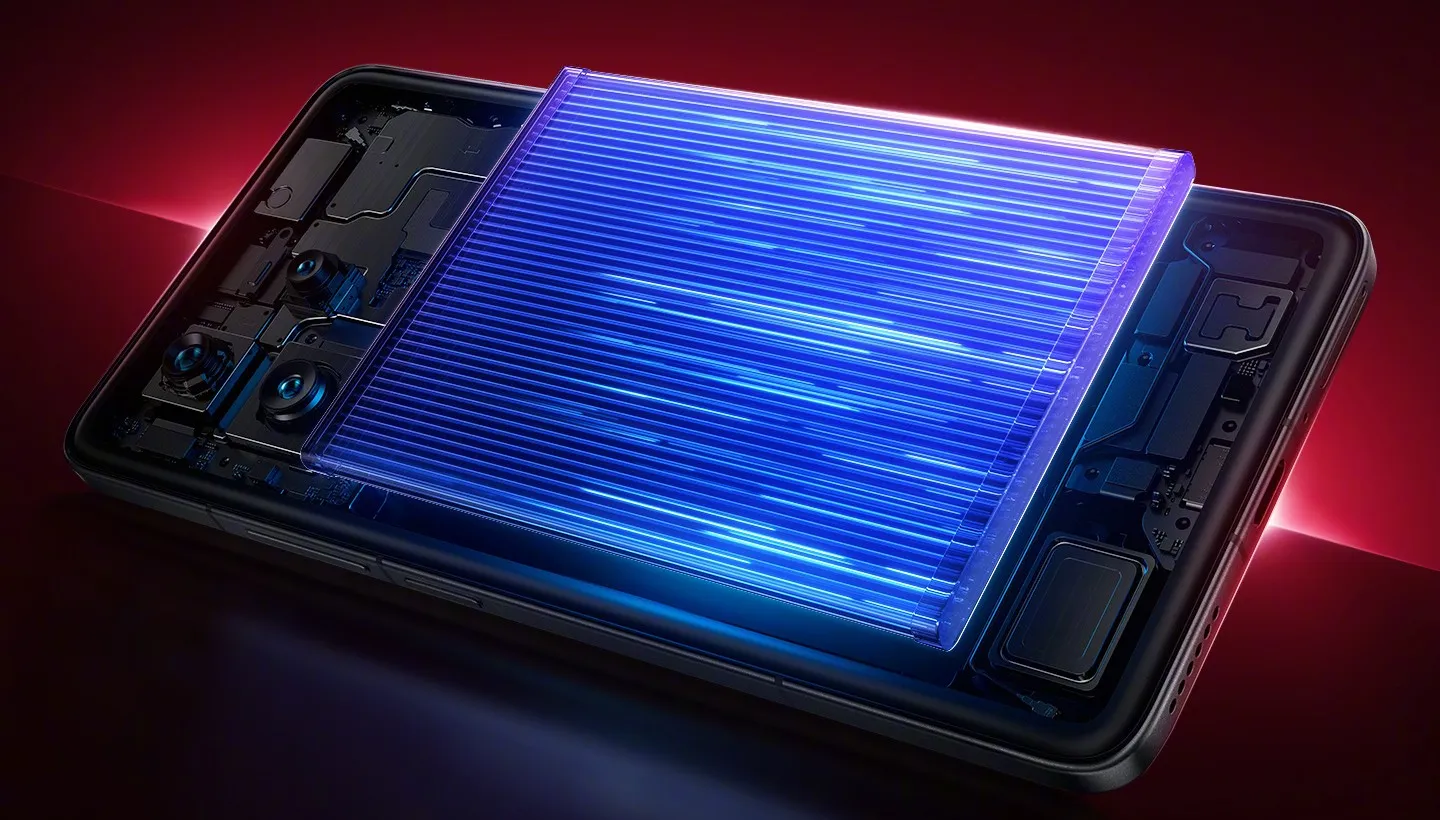
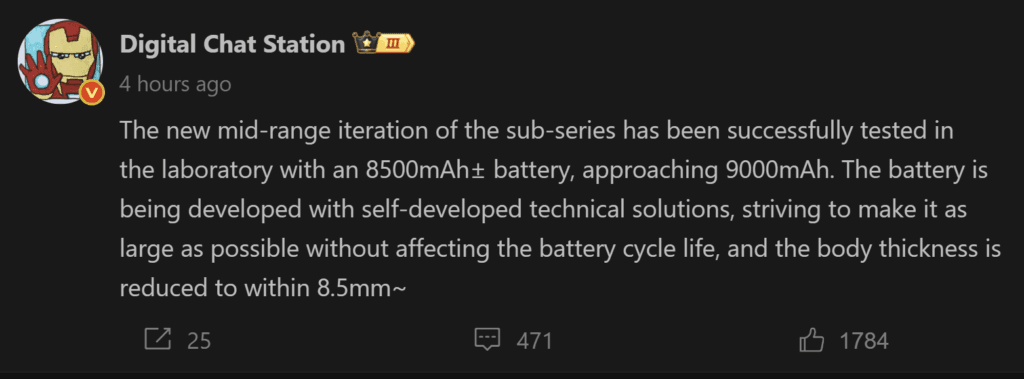
Industry insiders are paying attention to Redmi’s aggressive strides in the smartphone battery market. The business is secretly testing a new phone with an 8500mAh battery, which is a big improvement that might establish a new benchmark for mid-range phones. According to preliminary lab data, they may even be pushing the boundaries of 9000mAh. In terms of power capacity, this will place Redmi far ahead of the competition if it is successful.
Redmi’s engineers are accomplishing these figures without sacrificing design, which is astounding. The goal is to create a device that is less than 8.5 mm thick while keeping a thin profile and guaranteeing long-term battery life. For professionals and business users, that means spending more time being productive and less time worrying about charging.
Bringing first high capacity battery to a smartphone
Technically, Redmi’s R&D team has successfully developed an 8500mAh single-cell battery, and they have 9000mAh in the works. Today’s flagship phones often have 5000–6000mAh, thus this innovation gives them a big competitive edge.
The emphasis is not solely on higher numbers. To ensure long-term dependability, the patented technology strikes a balance between power density, device form factor, and cycle longevity. In other words, companies can anticipate improved device lifespans, less downtime, and longer operational intervals between charges.
How this shapes the smartphone market?
Consider the Redmi Turbo 4 Pro. It is already a powerful device thanks to its 7550mAh battery, quick 90W wired charging, and thin 7.98mm aluminum frame. Nevertheless, the 8500mAh battery of the upcoming generation would revolutionize the market by surpassing existing leaders like the K80 (with its 6550mAh battery) and establishing a new standard.
According to leaks, the next Redmi Turbo 5 may have an OLED screen, a battery that is more than 7000mAh, and a Dimensity 8500 processor. These anticipations would be exceeded with the release of the 8500mAh model, providing Redmi with a significant competitive advantage over high-end rivals while preserving affordability, which is essential for enterprise adoption.
Redmi is still dedicated to making cutting-edge technology affordable while maintaining high-end features. This development is worth keeping a careful eye on for anyone in need of dependable, all-day power, including managers of mobile workforces.
Many computer fans are surprised by Google’s recent statement that it will release two Android SDK updates per year. Thus, Android 16 can be released much in advance of this cycle, before June 2025. All devices are currently receiving Android 15 upgrades, but Xioami is preparing for the next major step—integrating Android 16 capabilities into their next HyperOS.
The complete list of Xiaomi, Redmi, and POCO devices that could receive the update to HyperOS, an Android 16-based operating system, is provided below. It is easily grouped for your review.
Current Android 16 released Devices
Android 16 is currently released based on HyperOS 2.3.
Xiaomi 15
Xiaomi 14T Pro
REDMI K70 Ultra
Xiaomi Flagship Devices
Currently, high-end models with great performance and features are taking center stage in Xiaomi’s update plans:
Xiaomi 13 (fuxi)
Xiaomi 13 Lite (ziyi)
Xiaomi 13 Pro (nuwa)
Xiaomi 13 Ultra (ishtar)
Xiaomi 13T (aristotle)
Xiaomi 13T Pro (corot)
Xiaomi 14 (houji)
Xiaomi 14 CIVI (chenfeng)
Xiaomi 14 Pro (shennong)
Xiaomi 14 Ultra (aurora)
Xiaomi 14T (degas)
Xiaomi 14T Pro (rothko)
Xiaomi 15 (dada)
Xiaomi 15 Pro (haotian)
Xiaomi 15 Ultra (xuanyuan)
Xiaomi 15S Pro (dijun)
Xiaomi CIVI 5 Pro (luming)
Xiaomi Civi 2 (ziyi)
Xiaomi Civi 4 Pro (chenfeng)
Xiaomi MIX FLIP (ruyi)
Xiaomi MIX FLIP 2 (bixi)
Xiaomi MIX FOLD 4 (goku)
Xiaomi Mix Fold 3 (babylon)
Xiaomi Pad 6 Max 14 (yudi)
Xiaomi Pad 6 Pro (liuqin)
Xiaomi Pad 6S Pro 12.4 (sheng)
Xiaomi Pad 7 (uke)
Xiaomi Pad 7 Pro (muyu)
Xiaomi Pad 7 Ultra (jinghu)
Xiaomi Pad 7S Pro 12.5 (violin)
Redmi Devices
Known for good-level performance at competitive prices
REDMI K Pad (turner)
REDMI K80 (zorn)
REDMI K80 Pro (miro)
REDMI K80 Ultra (dali)
REDMI Pad 2 (taiko)
REDMI Pad 2 4G (koto)
REDMI Turbo 4 (rodin)
REDMI Turbo 4 Pro (onyx)
Redmi 13 (moon)
Redmi 13 5G (breeze)
Redmi 13X (moon)
Redmi 14C (lake)
Redmi A3 Pro (lake)
Redmi A4 (warm)
Redmi K60 Pro (socrates)
Redmi K60 Ultra (corot)
Redmi K70 (vermeer)
Redmi K70 Pro (manet)
Redmi K70 Ultra (rothko)
Redmi K70E (duchamp)
Redmi Note 13 Pro (garnet)
Redmi Note 13 Pro+ (zircon)
Redmi Note 13R (breeze)
Redmi Note 14 (beryl)
Redmi Note 14 4G (tanzanite)
Redmi Note 14 Pro (malachite)
Redmi Note 14 Pro 4G (obsidian)
Redmi Note 14 Pro+ (amethyst)
Redmi Note 14S (emerald_r)
Redmi Pad Pro (dizi)
Redmi Pad Pro 5G (ruan)
Redmi Pad SE 8.7 Wi-Fi (flare)
Redmi Turbo 3 (peridot)
Xiaomi Redmi Pad (yunluo)
POCO Devices
POCO C75 (lake)
POCO C75 5G (warm)
POCO F6 (peridot)
POCO F6 Pro (vermeer)
POCO F7 (onyx)
POCO F7 Pro (zorn)
POCO F7 Ultra (miro)
POCO M6 (moon)
POCO M6 Plus 5G (breeze)
POCO M7 Pro 5G (beryl)
POCO Pad (dizi)
POCO X6 5G (garnet)
POCO X6 Pro (duchamp)
POCO X7 (malachite)
POCO X7 Pro (rodin)
What to expect from Android 16:
With HyperOS’s integration of Android 16, we can expect:
Xiaomi makes sure that its devices remain competitive and feature-rich with regular Android updates as it keeps innovating. When Android 16 is released before the middle of 2024, the Xiaomi, Redmi, and POCO devices on the list will have access to the most advanced features of the most recent Android SDK. Once Xiaomi begins to push out the HyperOS improvements to these devices, more information will be released.
As it prepares to release the HyperOS 3, Xiaomi is officially discontinuing a new generation of devices. The retailer has added a number of additional models to its end-of-life (EOL) list with its most recent internal update, which means that the company will no longer formally support these devices. Let’s have a look.
These Xiaomi Phones That Won’t Get Future Updates
The Chinese IT behemoth is anticipated to be focusing on HyperOS 3, its proprietary Android 16 skin, now that Google has begun releasing Android 16. For the worldwide versions of the Xiaomi 15 and Xiaomi 14T Pro, the company has already made the Android 16 update available with HyperOS 2.3. Xiaomi has updated its list of devices that are nearing their “end-of-line,” while other eligible models will receive the significant software update.
This covers a variety of models, such as Redmi phones, Xiaomi-branded gadgets, and even POCO models. Here are all the phones for which official support is being discontinued:
Xiaomi 11T Pro
Xiaomi 11T
Xiaomi 11 Lite LE
Xiaomi 11 Lite 5G NE
Redmi 11 Prime 4G
Redmi A1+
Redmi A1
POCO M5
POCO C50
It’s important to remember that security updates for these recently added devices will continue until September 2025. For these older phones, Xiaomi does not intend to release any official upgrades. Models that did not even receive the HyperOS 2 update are included in the list that was previously shared. Xiaomi is currently working on Android 16, but they have not yet released an official roadmap for the HyperOS 3 rollout. So stay tuned for more.
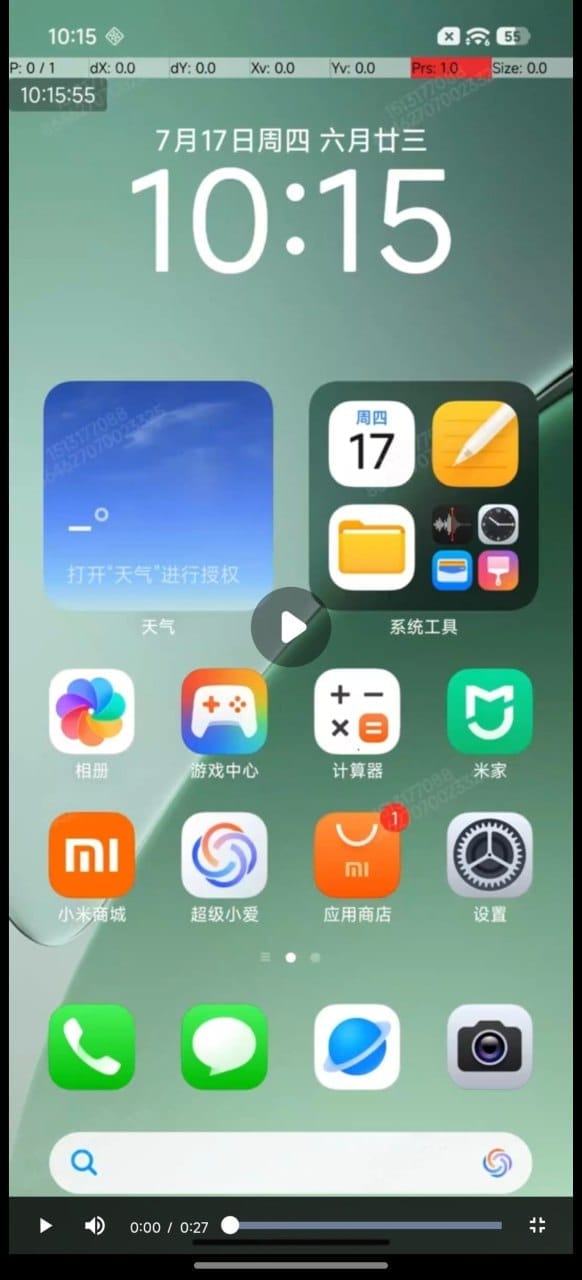
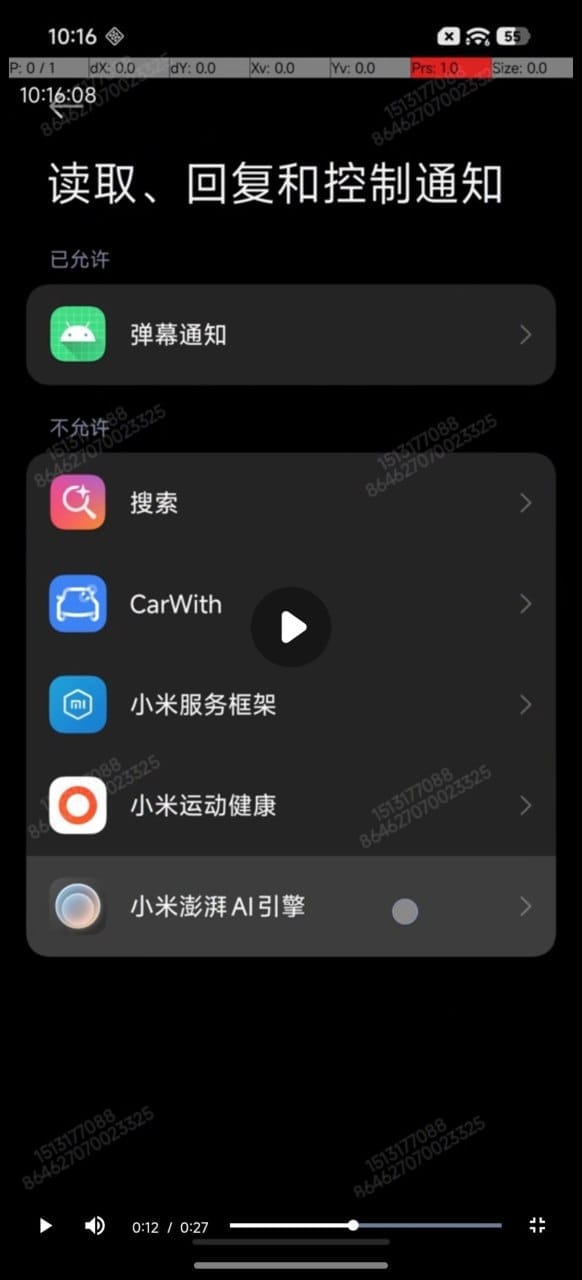
Thanks to X user @satanzhiruo, significant leaks about Xiaomi’s upcoming HyperOS 3 have surfaced. Early photos show a dramatic style devoid of “liquid glass”—think depth, transparency, and a contemporary, high-end edge that fits in with current market trends. The screenshots display an updated settings menu, home screen, and card-based structure that is evocative of Android 16. This indicates a significant improvement in the user experience and is not only cosmetic.
HyperOS 3 will come with both andoid 15 and 16
HyperOS 3 will be released by Xiaomi on Android 15 and 16. Wider compatibility is ensured by this dual strategy, which allows flagship smartphones to fully benefit from Android 16’s performance improvements while older hardware benefits from the update. It’s a sensible strategy that maximizes reach without compromising creativity.
Major software updates from Xiaomi are usually released in the fall. HyperOS 3 should be formally revealed between September and October 2025, if the current leaks are accurate.
The advantages of the HyperOS build, which is based on Android 16, will soon be available on Xiaomi handsets, however at least 31 models might not receive them. There are some benefits, but a new piece of information shows how many devices will not get the next big software update.
According to XiaomiTime, the Android 16 (HyperOS) distribution schedule would not include 31 Xiaomi devices. Redmi, POCO, and flagship phones are on the list.
For flagship phones, the Chinese phone manufacturer provides three or four years of major operating system updates and three or four years of security updates. Redmi models receive security fixes for three to six years and two to four significant Android OS upgrades. POCO receives three years of security patches and two years of OS.
These findings indicate that the major OS upgrade cycle for some devices appears to be coming to an end. Here’s some good news, though. These phones will benefit from HyperOS 3, which is based on the Android 15 version, even if they do not receive Android 16.
Indeed, HyperOS 3 will be the last update for smartphones now running Android 15. As a result, you can still use your phone for a year.
Indeed, HyperOS 3 will be the last update for smartphones now running Android 15. As a result, you can still use your phone for a year.
XiaomiTime claims that since HyperOS 3 will still be available, “missing out on Android 16 shouldn’t cause anxiety.” In addition, compared to previous software releases, the next OS has few innovations and just minor UI changes.
Conversely, HyperOS 3.0 will enable your device to have new features and minor adjustments. We don’t yet know the precise features. Check on the models until then:
These 31 Xiaomi devices will not get Android 16 but they will get HyperOS 3:
Xiaomi phones
Xiaomi 12
Xiaomi 12 Pro
Xiaomi 12S
Xiaomi 12S Pro
Xiaomi 12S Ultra
Xiaomi 12T
Xiaomi 12T Pro
Xiaomi Civi 3
Xiaomi MIX Fold 2
Redmi Devices
Redmi 12
Redmi 12 5G
Redmi 13C
Redmi 13C 5G
Redmi 13R
Redmi K50 Ultra
Redmi K60
Redmi Note 12 4G
Redmi 12 NFC 4G
Redmi Note 12R
Redmi Note 12S
Redmi Note 12T Pro
Redmi Note 12 Turbo
Redmi Note 13 4G
Redmi Note 13 4G NFC
Redmi Note 13 5G
Redmi Note 13R Pro
POCO Models
POCO C65
POCO F5 5G
POCO F5 Pro
POCO M6 Pro
POCO X6 Neo
Stay connected with the latest from Droid Tools—follow us on X @droid_tools, like our page on Facebook, check out our updates on Instagram, and follow us on Google News for real-time news, device tips, and mobile tech insights.
Thanks to its inclusion in Mi Code, Xiaomi’s impending HyperOS 3 update has now been formally announced, offering verifiable proof that the eagerly awaited software update is proceeding according to schedule. Xiaomi has decided to stick with its current number practice, despite previous industry rumors that suggested a switch to year-based naming (e.g., HyperOS 26). This strategic choice is consistent with market recognition and proven brand continuity.
The first HyperOS 3 rollout in China is scheduled for September 2025, according to Xiaomi. Based on past release trends, markets in Europe, Southeast Asia, and India are anticipated to follow in October or November. Given the early release of Android 16, some devices might get HyperOS 3 as early as September 2025, which would speed up time-to-market for Xiaomi’s user base worldwide.
The first formal confirmation from Xiaomi that HyperOS 3 is present in Mi Code confirms earlier predictions made by industry observers. With a September–October 2025 timetable that aligns with previous corporate release cycles, this development phase indicates that Xiaomi is on pace.
HyperOS 3 will have dual Android version compatibility
Xiaomi’s dual-platform strategy is a noteworthy feature of HyperOS 3. The upgrade will increase compatibility across Xiaomi’s wide range of devices by supporting both Android 15 and Android 16. This approach guarantees that the improved features and performance improvements of HyperOS 3 are available to both flagship and older devices.
Although Xiaomi has not revealed every feature, it is anticipated that the upgrade would bring about notable enhancements in performance, a revamped user interface, and new features that are intended to elevate the user experience throughout the brand’s ecosystem. Strong internal progress and preparedness for the next launch window are indicated by the Mi Code confirmation.
Stay connected with the latest from Droid Tools—follow us on X @droid_tools, like our page on Facebook, check out our updates on Instagram, and follow us on Google News for real-time news, device tips, and mobile tech insights.