Blog

  • Google Rolls Out Android 17 Beta 4 With Crucial Fixes Before Stable Release

    Google Rolls Out Android 17 Beta 4 With Crucial Fixes Before Stable Release

    Android 17 Beta 4 is now rolling out to Pixel devices, and Google says it is the “last scheduled beta of this release cycle.” After the larger Beta 3 update brought new features and platform stability, this release appears focused on final refinements ahead of a stable launch later this quarter.

    To install Android 17 Beta 4, Pixel users can enroll through the Android Beta program and wait for the over-the-air update. Those who prefer the manual route can also flash a factory image or OTA file.

    android 17 beta update

    The latest build details are below:

    Release date: April 16, 2026
    Build: CP21.260330.008
    Emulator support: x86 (64-bit), ARM (v8-A)
    Security patch level: 2026-04-05
    Google Play services: 26.11.36

    Android 17 Beta 4 supports Pixel devices back to the Pixel 6 lineup.

    Developer changes

    One of the main additions in Android 17 Beta 4 is conservative app memory limits, which are meant to improve system stability. If an app is killed because of these limits, ApplicationExitInfo.getDescription will return “MemoryLimiter.” Developers can also use trigger-based profiling with TRIGGER_TYPE_ANOMALY to capture heap dumps when the limits are reached.

    Google has also tightened background audio rules. Starting in Android 17, the audio framework restricts background interactions such as audio playback, audio focus requests, and volume change APIs. Some changes were made after feedback from beta 2, including targetSDK gating for while-in-use FGS enforcement and exemptions for alarm audio.

    Bug fixes

    Android 17 Beta 4 also includes a long list of bug fixes:

    • An issue where webpage URLs were automatically included when sharing screenshots from the capture preview, causing unwanted links to be shared with image files. (Issue #444631269)
    • An accessibility issue caused the device to become completely unresponsive and unusable. (Issue #484755628)
    • An issue where the media control widget could disappear or fail to navigate between multiple active media sessions. (Issue #457008153, Issue #466760800, Issue #497131275, Issue #499041878)
    • An issue where dream services failed to correctly process key events, trigger keyguard bouncer prompts, or execute service lifecycle callbacks. (Issue #485661973)
    • An issue that prevented users from successfully downloading and applying cinematic or local weather wallpaper effects. (Issue #475924636)
    • An issue where the device would freeze and spontaneously restart while typing in messaging applications. (Issue #478417840)
    • A critical system instability issue that causes the device to hang and crash during normal usage. (Issue #427436873, Issue #428838049)
    • An issue causing devices to experience significantly reduced charging speeds when approaching the 80% battery limit, resulting in long delays before the device reaches its target charge and enters bypass mode. (Issue #485148344, Issue #490178498)
    • A rendering issue that caused multicolored horizontal lines to randomly obscure the device display. (Issue #478953060, Issue #478177624, Issue #483765859, Issue #487263076)
    • Pulling down the notification drawer while a feedback report is in progress can cause a System UI crash and device freeze. (Issue #488920581)
    • Critical system components including Pixel Launcher and navigation may crash or become unresponsive for several minutes after a device reboot. (Issue #317282987, Issue #316689583, Issue #316188779)
    • An accessibility issue that prevents users from properly interacting with apps after minimizing and returning to a split-screen view. (Issue #490735259)
    • An issue that prevented Bluetooth from being re-enabled after it was turned off via the system settings or quick settings panel. (Issue #498320401)
    • Notifications marked with setSilent(true) may unexpectedly play alert sounds on Android 16 when multiple notifications are present in the shade. (Issue #467164528)
    • Wi-Fi analyzer applications fail to detect any available Wi-Fi signals, preventing network scanning and signal monitoring.

    Source: Google

  • Amazfit Cheetah 2 Pro Launches Globally with 3,000-Nit AMOLED and Up to 20 Days Battery Life

    Amazfit Cheetah 2 Pro Launches Globally with 3,000-Nit AMOLED and Up to 20 Days Battery Life

    Amazfit Cheetah 2 Pro release NDA mid

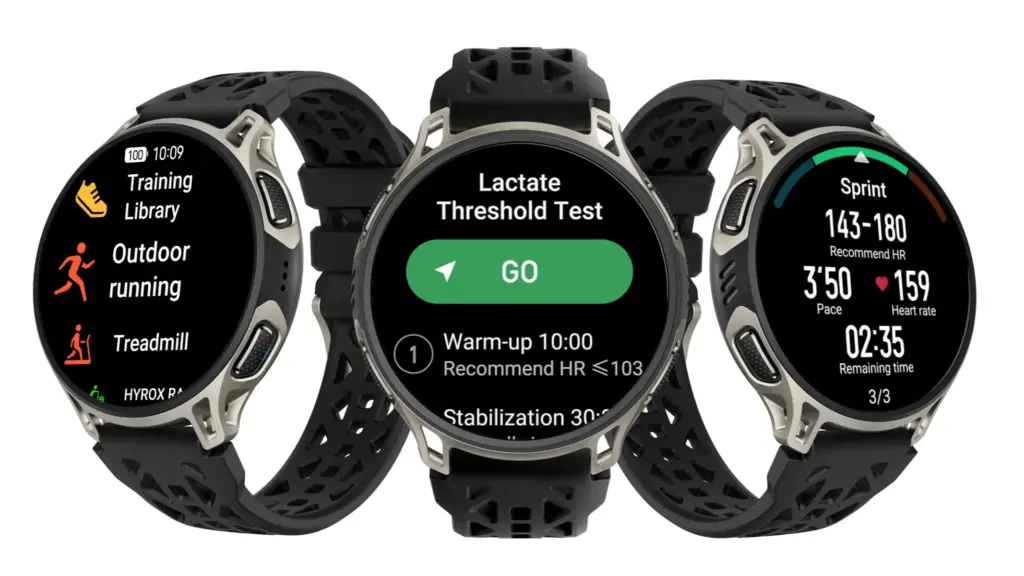
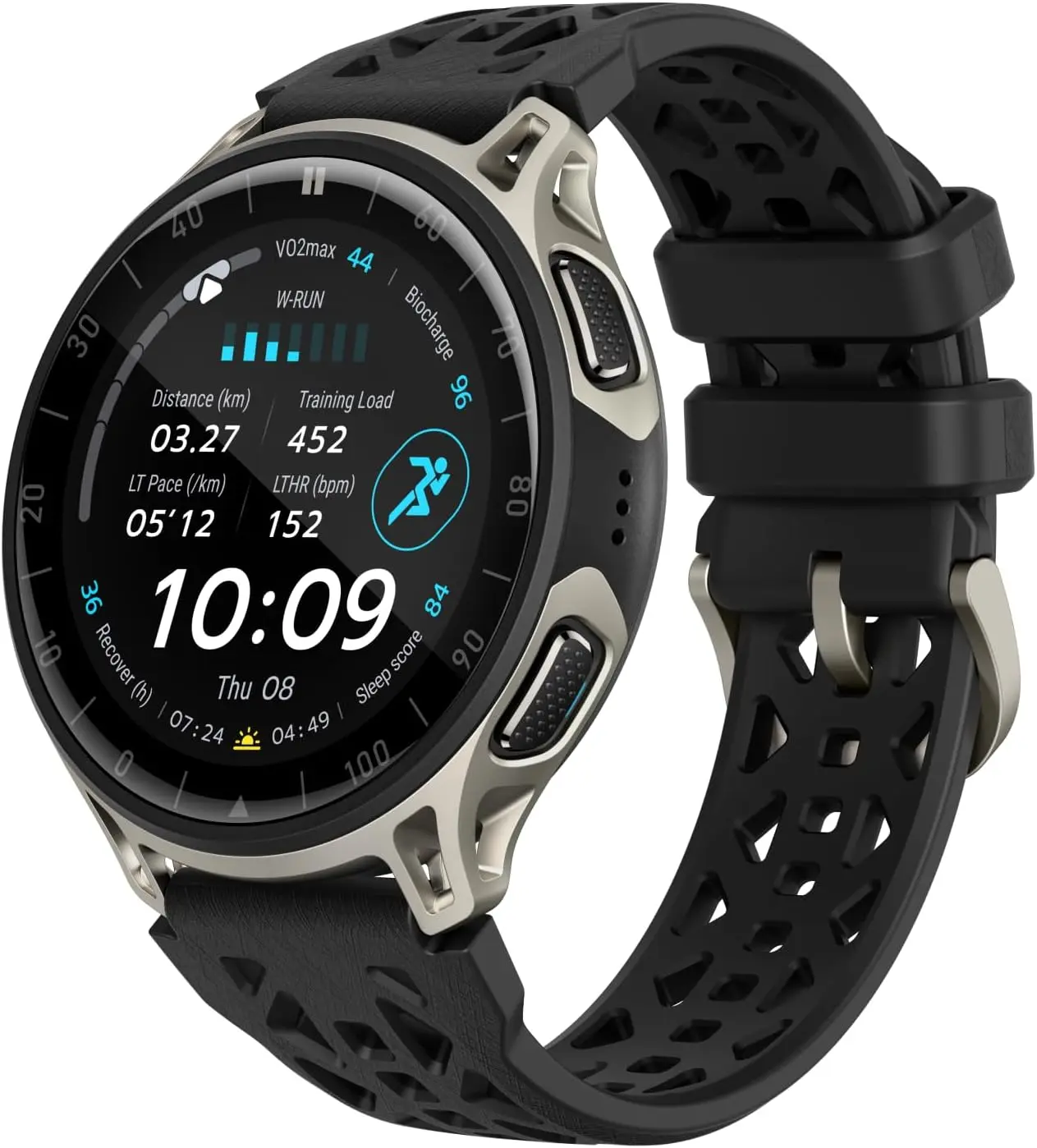
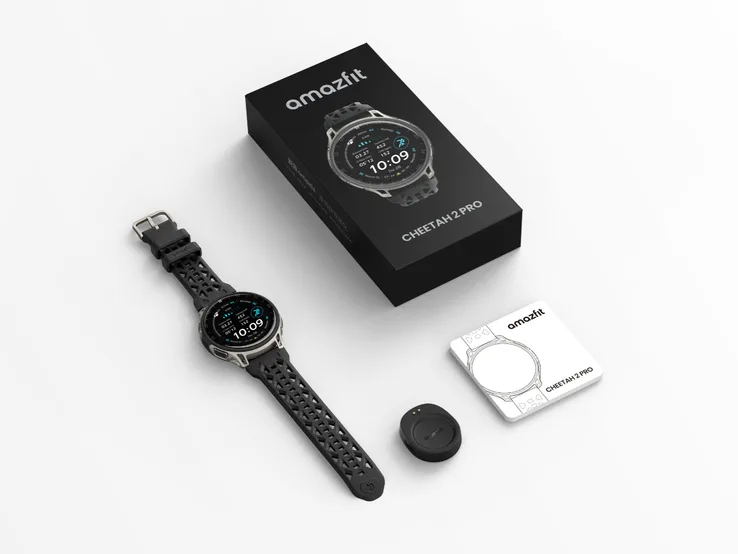
    Amazfit has officially introduced the Cheetah 2 Pro to the global market, marking the debut of its new Cheetah 2 series. The launch follows a wave of recent leaks and brings a high-end smartwatch with a focus on endurance and outdoor tracking.

    The Cheetah 2 Pro features a 1.32-inch AMOLED display housed in a 48 mm case, while still supporting relatively slim 20 mm straps. The screen reaches up to 3,000 nits of peak brightness and offers a resolution of 466 × 466 pixels, resulting in a pixel density of 353 PPI.

    amazfit Cheetah 2 Pro black

    Amazfit Cheetah 2 Pro

    Built with extraordinary durability for high-mileage runs, the grade 5 titanium case and scratch-resistant sapphire glass protect a vibrant 1.32″ AMOLED display. Unnecessary material is removed while rigidity and precision are preserved.

    $449.99Amazon
    Amazfit Cheetah 2 Pro release NDA bottom q82 w738 h

    Battery life is a key highlight. The smartwatch packs a 540 mAh battery, with Amazfit claiming up to 29 hours of use with GPS enabled, 7 days in standard smartwatch mode, and up to 20 days under “moderate activity” conditions.

    On the hardware side, the device includes Amazfit’s in-house 5PD PPG heart rate sensor and an Airoha Technology AG3353 GNSS module for positioning. It also features a built-in speaker, a digital microphone, and a LED flashlight—similar to what’s found on devices like the Garmin Forerunner 970 and Venu 4. The watch weighs 46 grams, supports 5 ATM water resistance, and uses sapphire glass for display protection.

    The Amazfit Cheetah 2 Pro is now available across the Eurozone at €449 including taxes, slightly under earlier expectations of €459. In the US, it is priced at $449.

    amazfit Cheetah 2 Pro black

    Amazfit Cheetah 2 Pro

    Built with extraordinary durability for high-mileage runs, the grade 5 titanium case and scratch-resistant sapphire glass protect a vibrant 1.32″ AMOLED display. Unnecessary material is removed while rigidity and precision are preserved.

    $449.99Amazon

    This positions it notably higher than the original Cheetah Pro, which launched in mid-2023 at a significantly lower price and has since dropped to around $179.99 on Amazon. For more details, Amazfit directs users to its official website.

  • Honor Magic 7 Gets Powerful New YOYO AI Tools — Here’s What’s New

    Honor Magic 7 Gets Powerful New YOYO AI Tools — Here’s What’s New

    Honor is rolling out a new MagicOS 10 update to the Magic 7 series, introducing a range of YOYO AI features alongside broader system improvements. The April 2026 update is now being pushed to devices, with the Magic 7 lineup among the first to receive the firmware.

    This release focuses heavily on AI enhancements while also refining the Honor Connect app. Honor has made changes across multiple parts of the system, including the Magic Capsule, home screen, and lock screen. The update also improves overall system stability and strengthens device security.

    A key highlight is the expanded YOYO AI functionality. In the Magic Capsule, Honor has added a new “meal pickup code” tool that notifies users when it’s time to collect an order and displays the associated delivery code.

    The update also introduces an “Ask YOYO” option within the screenshot interface. Users can upload a screenshot and ask questions about its content, making it easier to extract information directly from images.

    honor yoyo ai

    Another addition allows users to convert images into documents in just a few steps, further extending the assistant’s practical capabilities.

    The update is arriving as MagicOS version 10.0.0.150 for the Honor Magic 7 series.

    YOYO AI Features

    • YOYO Suggestions & Smart Capsule now support meal pickup code reminders, providing users with a smart and convenient meal pickup experience.
    • Turn on Meal Pickup Code Reminder and Automatic Meal Pickup Code Recognition.
    • YOYO now features a new wake-up screen with a Q&A feature, supporting fingertip selection of screen content for Q&A, text selection for copying and translation, and AI image recognition and interpretation, enhancing your ease of use and usability.
    • The screenshot feature now includes an “Ask YOYO” feature, allowing users to wake up YOYO with a single click and upload a screenshot for easy content recognition, Q&A, and other operations.
    • Added YOYO’s photo-to-document feature, allowing users to convert images into editable Word, Excel, and PPT documents with a single click. It highly preserves the accuracy and structural integrity of the original text, achieving a “what you see is what you get” experience, making mobile office work more convenient and efficient.
    • Added YOYO Helper, supporting simultaneous audio and text recording during online/offline meetings. It can assist with Q&A and provide intelligent reminders during the meeting, and intelligently generate meeting minutes afterward.

    System smooth

    • Added a customizable app transition animation feature, offering three levels of smoothness: gentle, stable, and efficient, allowing you to customize the smooth experience to your liking.
    • Optimized the real-time blur effect when launching and exiting desktop applications, making your user experience smoother and more fluid.

    Home Screen

    • Added an auto-align icon feature for a neater layout. Access it via: Settings > Desktop & Personalization > Desktop Settings > Auto-align Icons
    • Added support for one-click folder creation across multiple applications; long-pressing a folder on the desktop allows for one-click unpacking, making folder organization more convenient.
    • Added support for batch removal and uninstallation of applications, making desktop management more efficient.

    Theme

    • Added a new status bar skinning feature, allowing you to freely change the status bar icon style and personalize your phone’s interface.

    Lock screen

    • Added support for customizable lock screen widgets, providing one-click access to frequently used functions for both convenience and personalization.
    • Added support for custom fingerprint styles, allowing you to freely combine the lock screen fingerprint icon and fingerprint animation to create your own personalized unlocking experience.
    • Several new AI services have been added, supporting features such as song recognition, AI subtitles, Honor Any Door, and YOYO Notes, making your daily operations more convenient and efficient.

    Honor Connect

    • Added cross-device file management for Mac, allowing you to easily browse, download, and manage pictures, videos, and other files from your phone on your Mac. Say goodbye to cumbersome transfers and enjoy efficiency and convenience.
    • Added a new iPhone hotspot feature. After connecting your Honor phone and iPhone, you can easily connect to your phone’s personal hotspot from your iPhone, eliminating cumbersome setup and making internet access more convenient.

    Enjoy the bass

    • Added support for multiple apps, including 29 apps such as Red Fruit Free Short Drama, CCTV News, and Valorant.

    Honor Smart Space

    • Added support for creating and managing multiple pet health records, and supports 24-hour AI-powered pet consultation, providing pet health reports and treatment suggestions to protect your pet’s health.

    Power consumption

    • Optimize power consumption in certain scenarios.

    Stability

    • Improved system stability and optimized some third-party app crashes and unresponsiveness issues, making your phone run more stably.

    Security Patch

    • Includes the Android March 2026 security patch to enhance system security.

  • iPhone 17e vs OnePlus 15R: Premium Feel Meets a Surprisingly Better Deal

    iPhone 17e vs OnePlus 15R: Premium Feel Meets a Surprisingly Better Deal

    Let me be clear: the iPhone 17e is a genuinely good phone. MagSafe, 256GB storage as standard, and deep integration with the Apple ecosystem — it’s everything last year’s iPhone 16e should have been, and it makes total sense if your family, your friends, and your life are already Apple-shaped.

    But I review phones for a living. I’m also, for better or worse, an Apple obsessive. And after a week with the OnePlus 15R, I’d be doing you a disservice if I didn’t tell you what your money can actually buy right now.

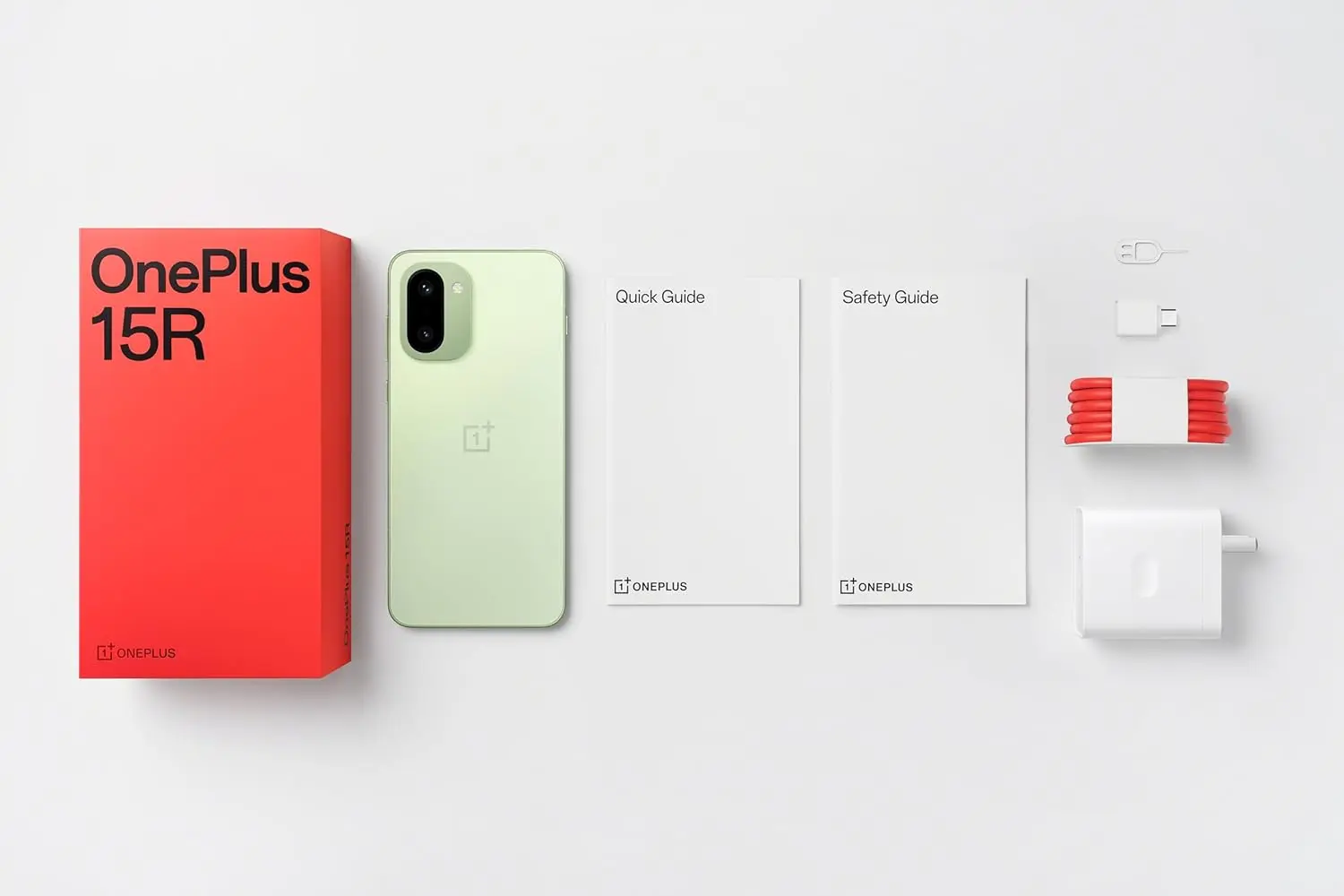
    OnePlus 15R black

    The OnePlus 15R makes the battery debate embarrassing

    The OnePlus 15R costs $699. It has a 7,400mAh battery. I’ve been getting two full days of use before reaching for a charger.

    61Xcw6JVu1L. AC SL1500

    OnePlus 15R

    Powered by the Snapdragon 8 Gen 5, plus a custom Wi-Fi chip and dedicated Touch Response chip, you get lightning-fast speeds, stable connections, and ultra-responsive touch control.

    $799.99Amazon

    I’ve spent years automatically toggling Low Power Mode on my iPhone 16 during heavy days — it’s just become muscle memory. Using the OnePlus 15R reminded me that this is not a universal smartphone experience. It’s an Apple-specific compromise I’d stopped questioning.

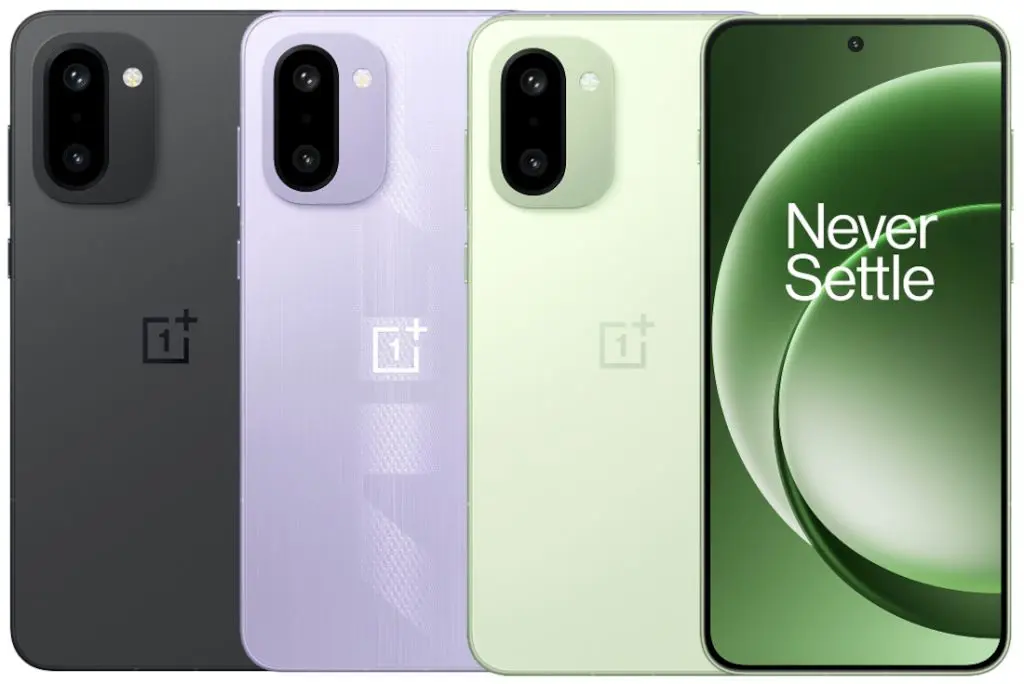
    Battery life aside, the OnePlus 15R earns its price in other ways: a 165Hz display, a 6.83-inch screen, the Snapdragon 8 Gen 5 chipset, and OxygenOS that’s as clean and intuitive as Android gets. Side-by-side multitasking, heavy app switching, gaming — no hesitation, no hiccups. Oh, and the Mint Green colorway is so good I refuse to put a case on it. With IP66, IP68, IP69, and IP69K certifications, it doesn’t need one anyway.

    It’s not just OnePlus

    The OnePlus 15R is the most dramatic example, but it’s not alone.

    The Samsung Galaxy S25 FE surprised me. Built on the same Exynos 2400 chipset that powered the once-flagship Galaxy S24, it delivered a full day’s battery without concern and a 6.7-inch display vivid enough to make Netflix feel like an event. Not a compromise phone — a capable one.

    Then there’s the Nothing Phone (4a) Pro, which I tested before launch and came away genuinely impressed. Its design makes most flagship phones look conservative, and Nothing’s OS is as considered as its hardware. It has a triple-camera array including a 3x telephoto lens. It costs $100 less than the iPhone 17e, which ships with a single rear camera.

    Let that sit for a moment.

    OnePlus 15R color variants

    The honest truth

    If you’re standing at the crossroads of a mid-range upgrade and you haven’t looked at what Android offers in 2026 – you’re making a decision without the full picture.

    The iPhone 17e is a great iPhone. Whether it’s a great phone for the money is a different question entirely.

    61Xcw6JVu1L. AC SL1500

    OnePlus 15R

    Powered by the Snapdragon 8 Gen 5, plus a custom Wi-Fi chip and dedicated Touch Response chip, you get lightning-fast speeds, stable connections, and ultra-responsive touch control.

    $799.99Amazon
  • RedMagic Gaming Tablet 5 Pro Leak Reveals 185Hz OLED and Massive 24GB RAM

    RedMagic Gaming Tablet 5 Pro Leak Reveals 185Hz OLED and Massive 24GB RAM

    A new contender is emerging in portable gaming, as high-performance tablets begin to draw attention away from traditional handheld consoles. Devices like the Game Boy, PSP, Nintendo Switch, and Steam Deck have long defined the category, but a new esports-focused tablet from Red Magic could push things in a different direction.

    A Shifting Portable Gaming Market

    The broader market is expanding quickly. Industry forecasts estimate the global mobile and tablet gaming segment will reach $119.9 billion in 2026, up from $101.25 billion in 2025—an 18.4% increase. At the same time, newer hardware like the Nintendo Switch 2 and Steam Deck OLED reflects growing demand for portable systems that can handle more demanding games.

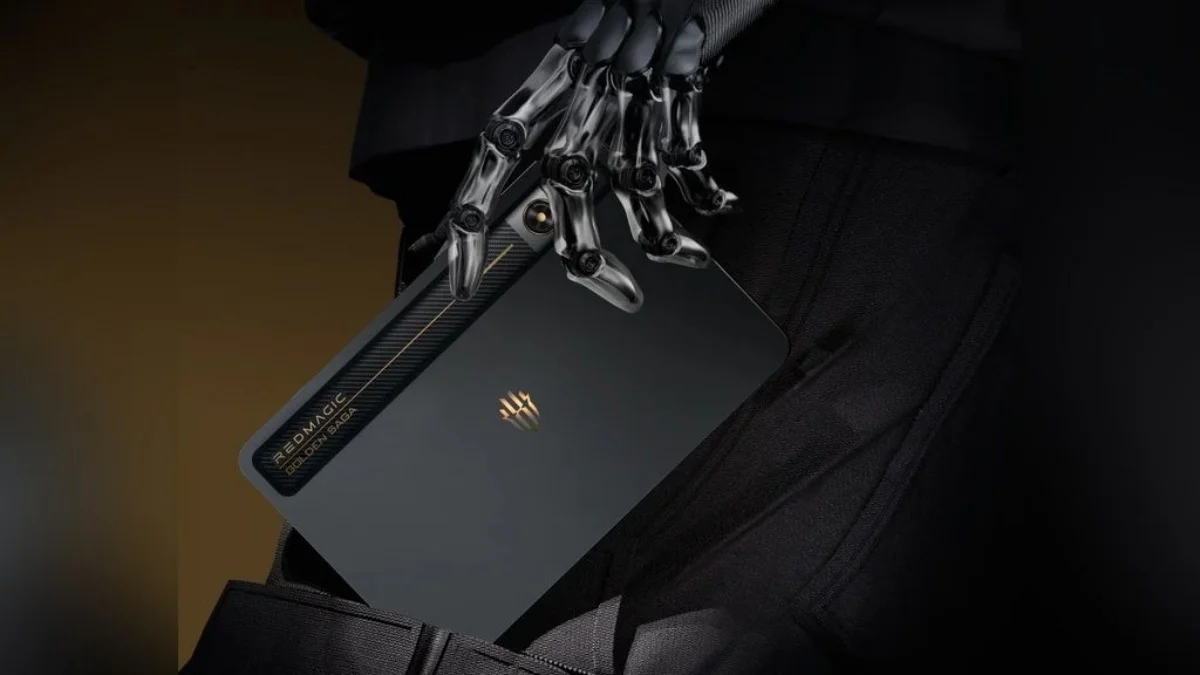
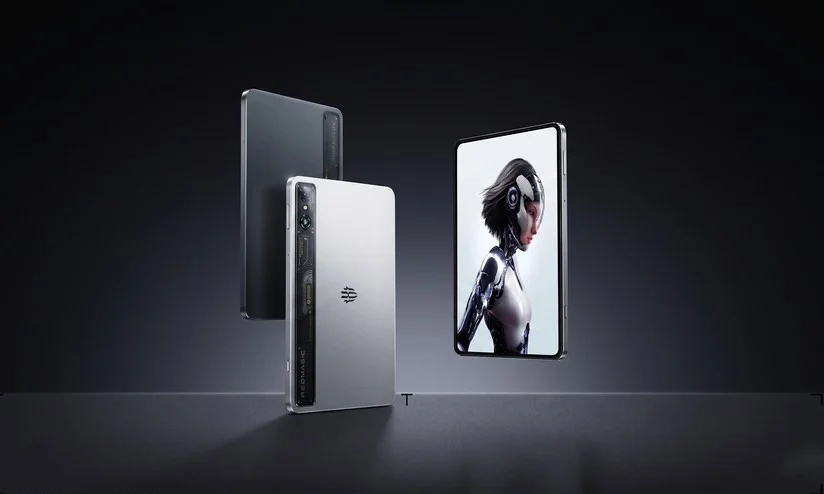
    RedMagic Gaming Tablet 5 Pro

    Each of those devices still comes with trade-offs. The Switch 2 reportedly offers around 3–6 hours of battery life, while the 640g Steam Deck can be cumbersome for extended use. Smartphones, on the other hand, are easier to carry but limited by smaller screens and less comfortable controls. Red Magic appears to be targeting this gap with what it calls a “9-inch golden size.”

    Leaked Specs and Design Details

    Based on leaked engineering unit specifications, the Red Magic Gaming Tablet 5 Pro focuses on pushing performance and usability across several areas.

    The display is a 9-inch OLED panel with a 2400×1504 resolution, paired with a 185Hz refresh rate and a 1200Hz touch sampling rate. That puts it ahead of the Switch 2’s 120Hz and the Steam Deck OLED’s 90Hz, at least on paper—particularly for fast-paced games. The design is fully flat, with the camera module integrated into the body to avoid protrusions that can interfere with gameplay in landscape mode.

    Under the hood, the tablet is said to run on Qualcomm’s Snapdragon 8 Elite Gen5 chip, built on a third-generation Oryon CPU architecture with improved NPU performance. Cooling is handled by what’s described as the first tablet liquid-cooling circulation system, combining a liquid-metal vapor chamber with an 18,000 RPM fan. The company claims this setup can lower temperatures by 5–8°C during heavy gaming, helping reduce thermal throttling.

    Memory and storage configurations are expected to go up to 24GB of RAM and 1TB of storage. The device will also integrate ByteDance’s Doubao large language model, marking its first deep integration into a gaming tablet. While details are still unclear, possible uses include real-time gameplay assistance, voice controls, and post-match analysis.

    redmagic gaming tablet 5 pro 1

    Design, Battery, and Charging

    The tablet is expected in three finishes: Tritium Transparent Silver Wing, Tritium Transparent Dark Night, and Zenith Gold Legend. It also features a customizable RGB light strip on the back.

    Battery capacity is listed at around 8,300mAh, with support for 80W fast charging. It also includes bypass charging, which powers the motherboard directly instead of the battery during gameplay, helping manage heat when plugged in.

    Pricing and Positioning

    The previous Red Magic Esports Tablet 3 Pro launched at 3,999 RMB. Despite rising component costs, industry estimates suggest the 12GB + 256GB version of the Gaming Tablet 5 Pro could start at the same price, with potential subsidies bringing it closer to 3,500 RMB.

    That would place it between the Lenovo Y700 (around 3,000 RMB) and the iPad Pro (around 6,000 RMB), positioning it as a performance-focused option aimed at mobile esports players.

    Three Paths for Portable Gaming

    Portable gaming hardware is increasingly splitting into distinct categories. Nintendo’s Switch line emphasizes exclusive titles and hybrid home use. Valve’s Steam Deck focuses on bringing PC game libraries into a portable format. Red Magic, meanwhile, appears to be targeting maximum performance within the mobile gaming ecosystem.

    Red Magic Gaming Phone Product General Manager Jiang Chao has indicated the tablet could launch in China between April and May 2026. Final details, including pricing and availability, are expected to be confirmed closer to release.

    For players focused on titles like Genshin Impact, Honkai: Star Rail, and Peacekeeper Elite, this device is shaping up as one to watch.

  • Huawei Pura X Max Spotted Ahead of Launch – Massive Design Shift Exposed

    Huawei Pura X Max Spotted Ahead of Launch – Massive Design Shift Exposed

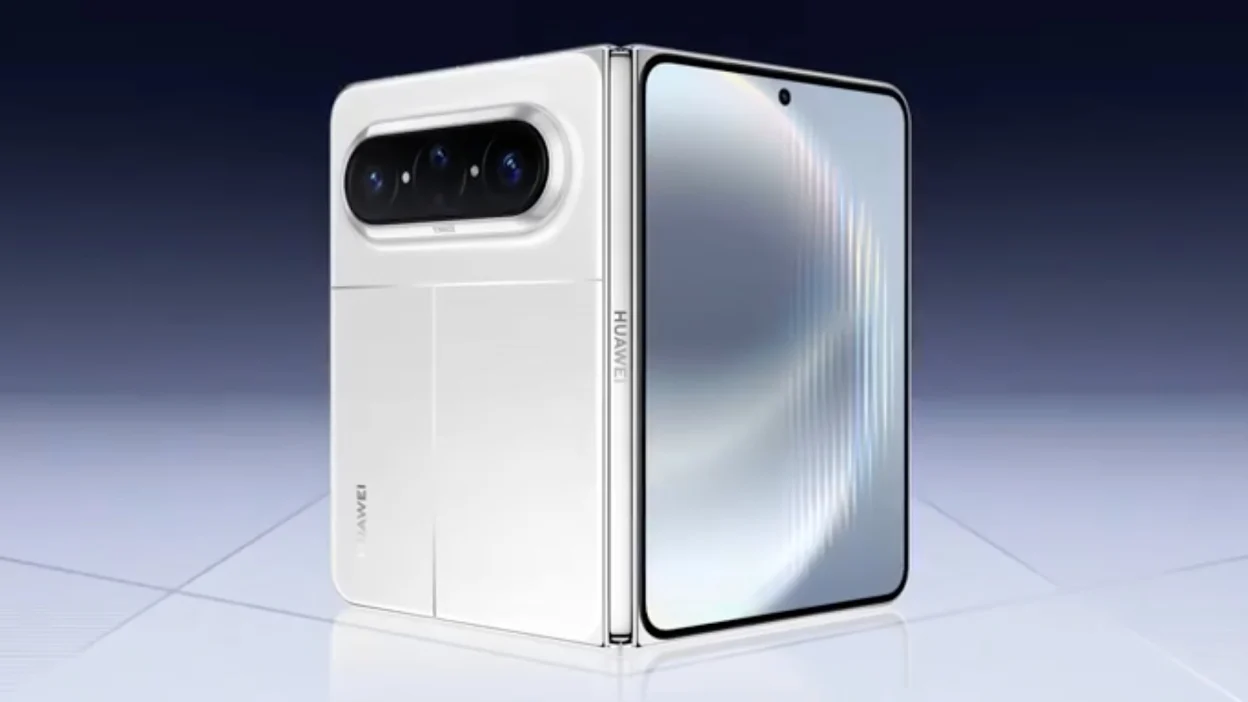
    Days before Huawei’s April 20 launch event, live images of the Pura X Max have surfaced online — and the wide-folding phone looks every bit as ambitious in person as it did on paper.

    A design that makes a statement

    Huawei Pura X Max white

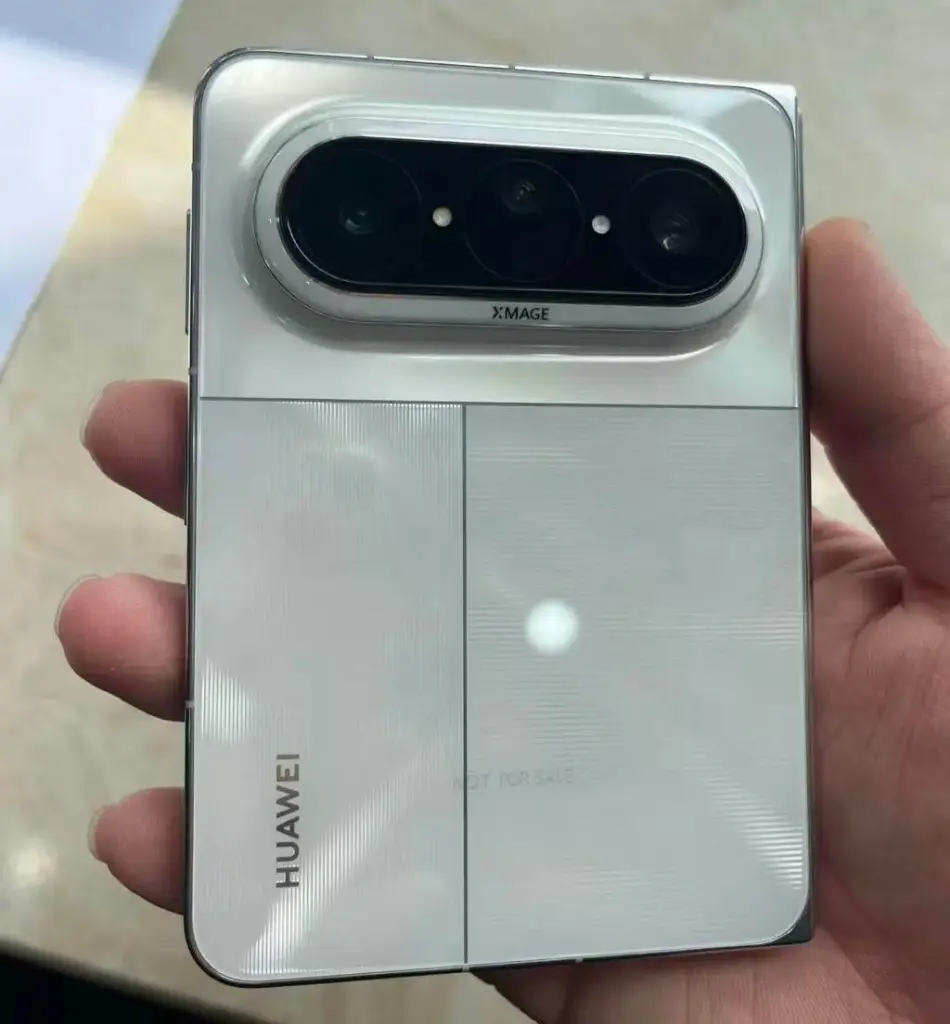
    The leaked shots show the Pura X Max in glossy white, and the back panel is where things get interesting. Rather than a conventional camera island, Huawei has divided the rear into three distinct zones — a bold camera section at the top, flanked below by two panels: one with vertical lines, one with horizontal. It’s a geometric approach that gives the device a visual identity you won’t mistake for anything else.

    The camera housing itself is a large pill-shaped module carrying three lens rings — an upgrade over the first-generation model. The center ring holds two lenses, with LED flashes positioned on either side. Notably, the entire camera section takes up roughly a third of the back panel, making it the clear focal point of the design.

    HUAWEI branding sits on the vertical-line panel, while a small XMAGE logo is embedded just beneath the camera pill — subtle, but present. The frame appears to be metal throughout.

    Pocket-sized power, tablet-sized screen

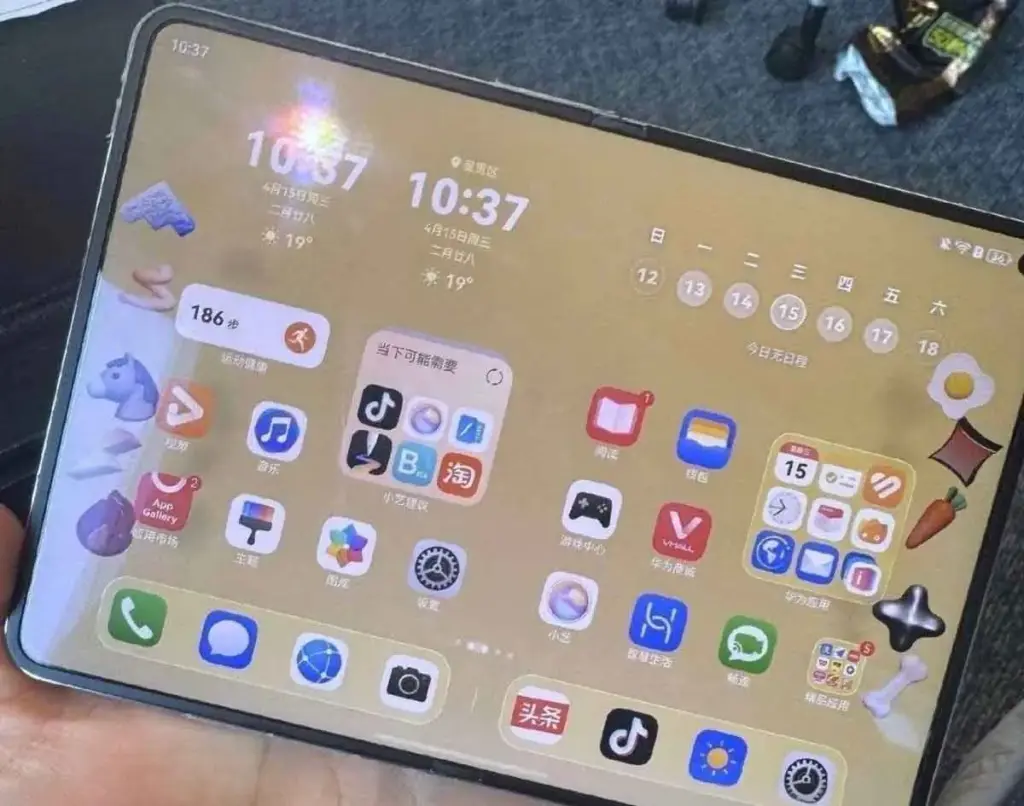
    Huawei Pura X Max open in tablet mode

    Folded, the Pura X Max fits comfortably in one hand. Open it up, and you’re looking at something closer to a mini tablet — with a clean, clutter-free home screen on both the main display and the cover panel. No visual noise, just usable space.

    What we know so far

    The Pura X Max is already listed for pre-sale on Huawei’s VMall with five color options and four RAM and storage configurations. The full reveal is just days away on April 20.

    Based on these first real-world photos, Huawei appears to have built something that holds up outside of a studio shoot. We’ll know everything else very soon.

  • TSMC Breaks 5GHz Barrier on Mobile Chips

    TSMC Breaks 5GHz Barrier on Mobile Chips

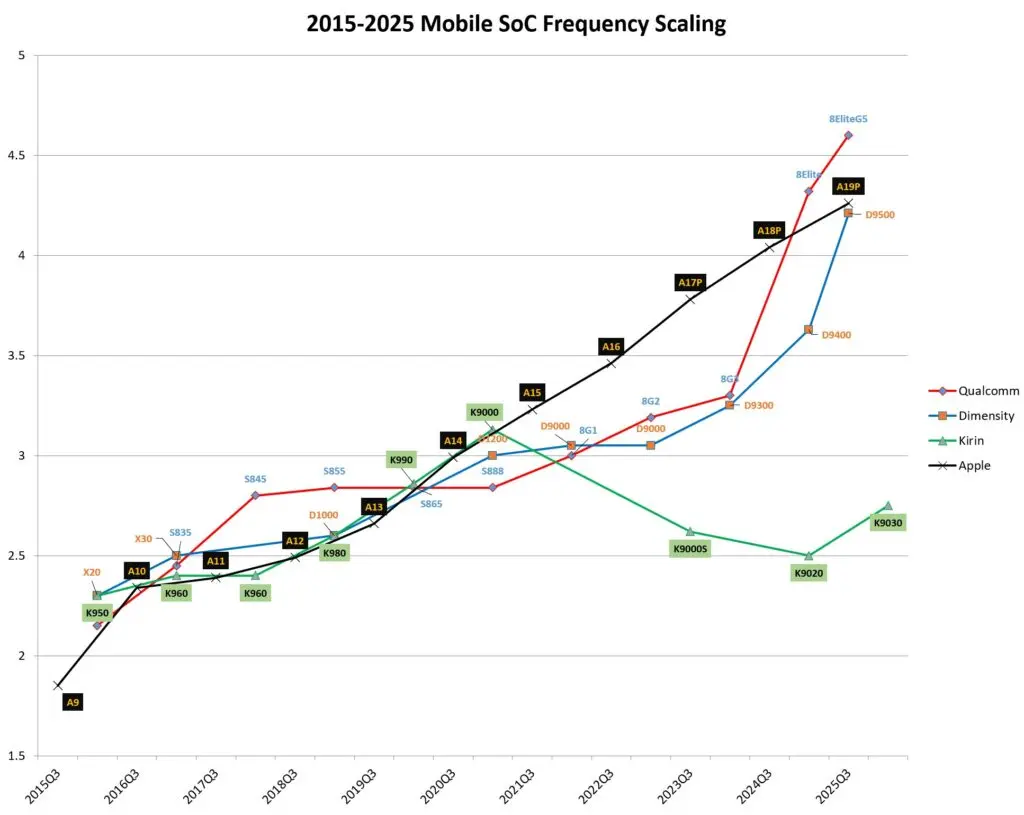
    With its advanced nodes enabling smartphone chipsets to achieve clock speeds of up to 5GHz, TSMC would achieve yet another significant milestone this year. TSMC’s cutting-edge technology have already tremendously benefited companies like Qualcomm, MediaTek, and Apple. Later this year, new chips will achieve peak clock rates of up to 5GHz for the first time in history, which will make it harder for Huawei to compete.

    TSMC has been at the core of Qualcomm, MediaTek, and Apple’s rapid growth over the years to provide potent chips with outstanding performance and economy. The graph below, which was provided by Kurnal, illustrates how these businesses have progressively raised peak clock speeds and are currently aiming for 5.0GHz.

    TSMC Breaks 5GHz Barrier on Mobile Chips

    The coming Snapdragon 8 Elite Gen 6 Pro is expected to hit 5.0GHz, whereas Qualcomm’s most recent flagship, the Snapdragon 8 Elite Gen 5, can already reach a peak speed of 4.61GHz. Following the 4.21GHz peak clock speed of the Dimensity 9500, MediaTek’s Dimensity 9600 Pro is expected to accomplish a similar accomplishment. This boost enables SoCs to offer considerable benefits in both single-threaded and multi-threaded workloads.

    However, the performance and efficiency provided by Qualcomm, MediaTek, and Apple are far superior to those of Huawei’s Kirin chipsets. The U.S. trade sanctions that prohibited the company from doing business with TSMC are the reason for its decline on the graph above. China’s SMIC factory, which is still decades behind TSMC, was Huawei’s only choice. Because it cannot use the most sophisticated EUV (Extreme Ultraviolet) lithography machines, SMIC is still bound to the 5nm process.

    The Kirin 9030 Pro, Huawei’s most recent chip, is still operating at 3.0GHz. As of right now, Qualcomm, MediaTek, and Apple are still too far ahead of Huawei to even compete with them; the difference is a foundry partner.

  • First Look at Huawei Watch Fit 5 Pro – Sleeker Design and Larger Display Spotted

    First Look at Huawei Watch Fit 5 Pro – Sleeker Design and Larger Display Spotted

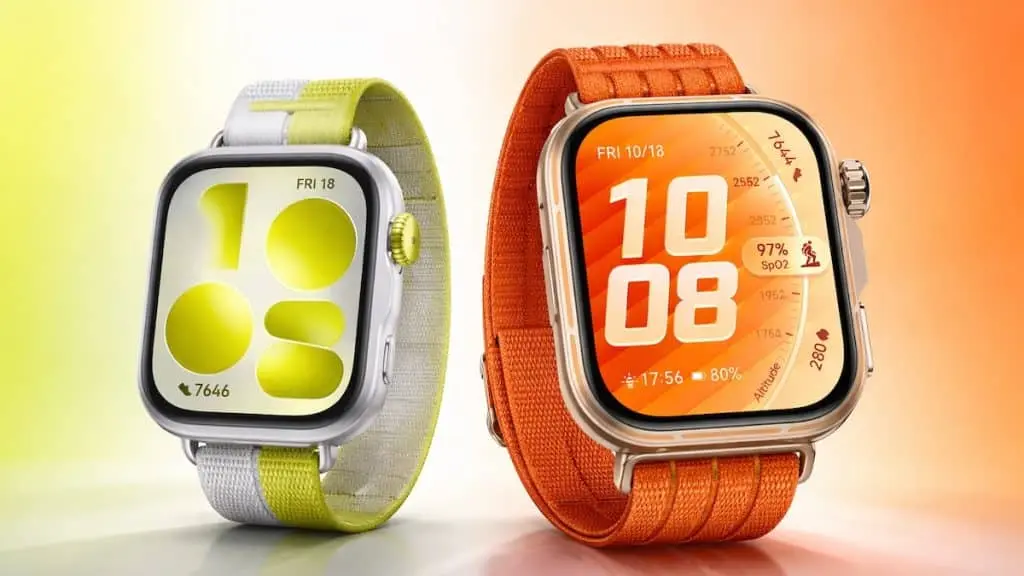
    Huawei appears to be planning a revamp of its Watch Fit series shortly, and a new round of leaks has already provided us with an early glimpse at what to expect. The Huawei Watch Fit 5 Pro has appeared in real-world pictures, indicating a design that is familiar yet refined this time around.

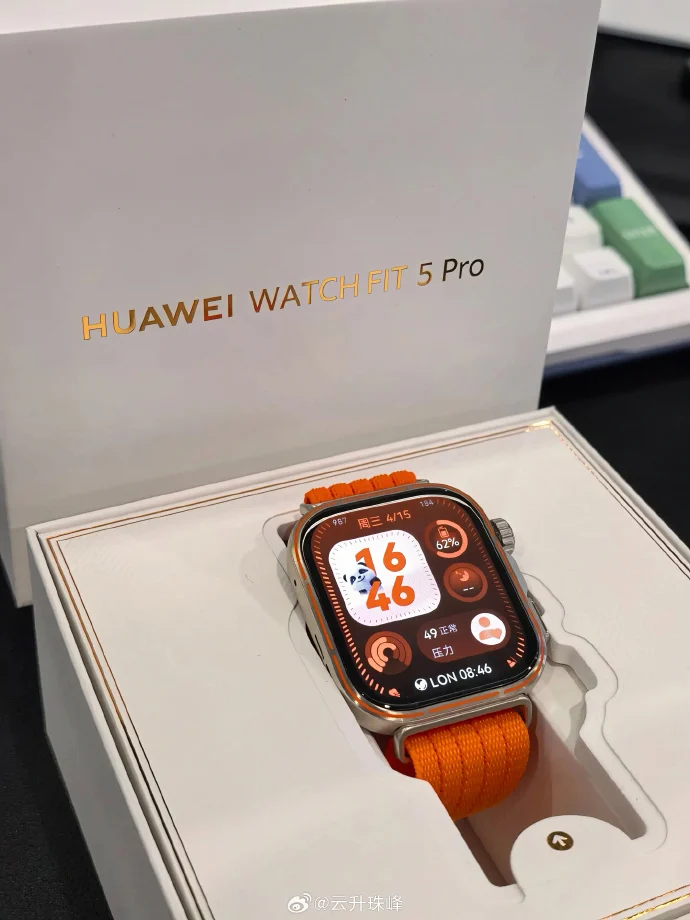
    The leaked pictures, which were posted on Chinese social media platform Weibo, show the watch within its retail box. At first sight, it appears to follow the same square design language, yet there are a few significant differences. The model pictured has vivid orange highlights around the frame and a matching woven strap, which is consistent with Huawei’s recent stylistic choices. The metal body appears to have been maintained, along with the crown on the right and a secondary button just below it.

    First Look at Huawei Watch Fit 5 Pro - Sleeker Design and Larger Display Spotted

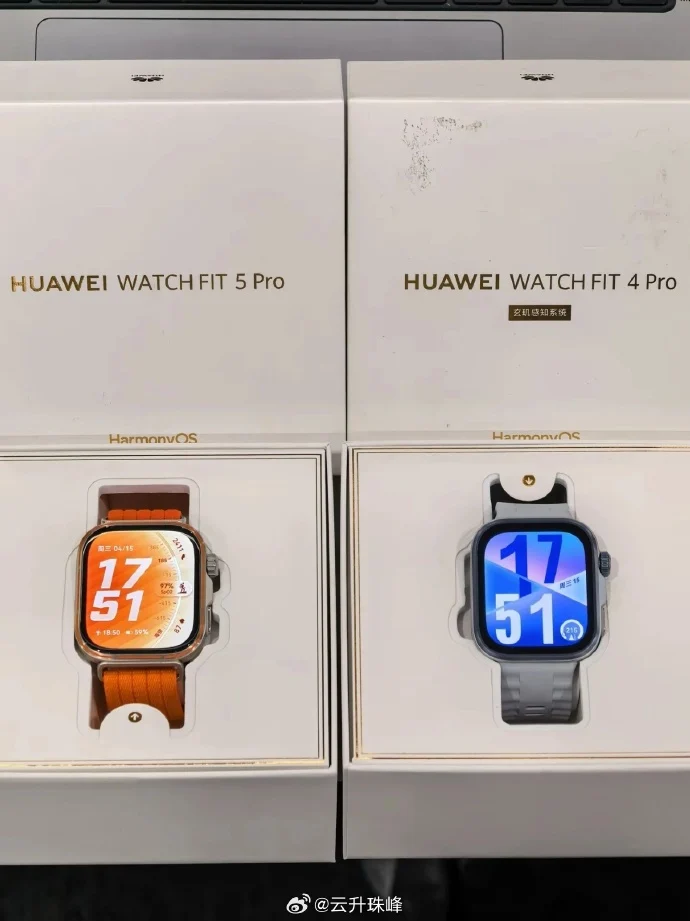
    Where things become interesting is with the display. Side-by-side photographs with the Watch Fit 4 Pro indicate that Huawei has significantly reduced the bezels. The difference is significant enough to make the newer model appear cleaner and more modern. There’s also a switch to 2.5D curved glass, removing the previous generation’s flat panel, which should make swipes feel smoother and the watch seem more premium in hand.

    First Look at Huawei Watch Fit 5 Pro compared to huawei fit 4 pro

    Some early Weibo discussion suggests a 1.92-inch AMOLED panel, up from the 1.82-inch screen on the Fit 4 Pro. However, there is still much we do not know. The leaks don’t go into detail about internals yet, thus battery life, sensors, and new health features are all still unknown for the time being.

    However, the date is consistent with Huawei’s regular pattern. The Watch Fit 4 series debuted in May of last year, so a similar release timeframe for the Watch Fit 5 lineup would not be odd.

    The Watch Fit series has generally performed well by remaining lightweight and reasonably priced while also providing reliable fitness tracking. So far, the Fit 5 Pro appears to have a more “premium look” to it.

  • TSMC’s 2nm Shortage Hits Hard – Flagship Phones Get Priority as DRAM Crisis Grows

    TSMC’s 2nm Shortage Hits Hard – Flagship Phones Get Priority as DRAM Crisis Grows

    The industry’s most advanced and cutting-edge node is the 2nm process node, and TSMC leads the next generation of powerful chips. The Taiwanese chip giant has succeeded in achieving yields that are advantageous for mass-producing 2nm wafers, but sadly, this is insufficient to fulfill the demand for mobile SoCs and AI processors, forcing smartphone manufacturers to choose silicon downgrades later this year.

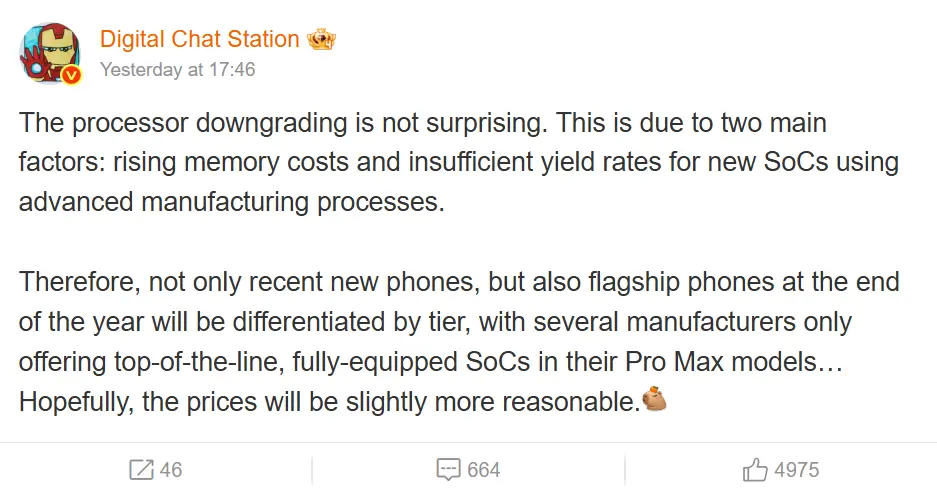
    A trustworthy Chinese tipster, Digital Chat Station, claims that due to the chip crisis and growing memory costs, several smartphone manufacturers would only provide fully equipped SoCs in their premium “Ultra” or “Pro Max” versions. It doesn’t take long to figure out where the fingers are pointing, even though the tipster doesn’t specifically state “TSMC.”

    Digital Chat Station announce TSMC’s 2nm Shortage

    AI and mobile are vying for the same advanced nodes, making the supply shortage even worse, even though the Taiwanese chip maker faces significant challenges in mass-producing advanced wafers on a wider scale. Industry reports state that Apple, Qualcomm, Nvidia, and AMD have locked up significant allocations, effectively selling out most of the N2 capacity through 2026. According to reports, Apple alone has more than half of the original N2 capacity.

    The most well-known substitute for TSMC is Samsung, but it is having even more difficulty increasing its 2nm GAA yields. As a result, smartphone manufacturers have a limited supply, therefore it wouldn’t be shocking if premium processors were only used in high-end devices. This explains why Qualcomm’s dual-chip launch strategy is said to include the Snapdragon 8 Elite Gen 6 and Snapdragon 8 Elite Gen 6 Pro. With the A20 and A20 Pro, Apple is reportedly using a similar strategy.

    According to reports, MediaTek, which offers the Dimensity 9600 and Dimensity 9600 Pro, is also using the same approach. The more expensive silicon will be saved for high-end phones, while the less expensive SoC will be available for less expensive phones. The DRAM problem is one of the primary causes of the anticipated increase in smartphone prices.

  • Google May Bring Back One of Android’s Most Missed Features With the Pixel 11 – Pixel Glow

    Google May Bring Back One of Android’s Most Missed Features With the Pixel 11 – Pixel Glow

    Pixel Glow Is a Real Thing, and It’s Coming

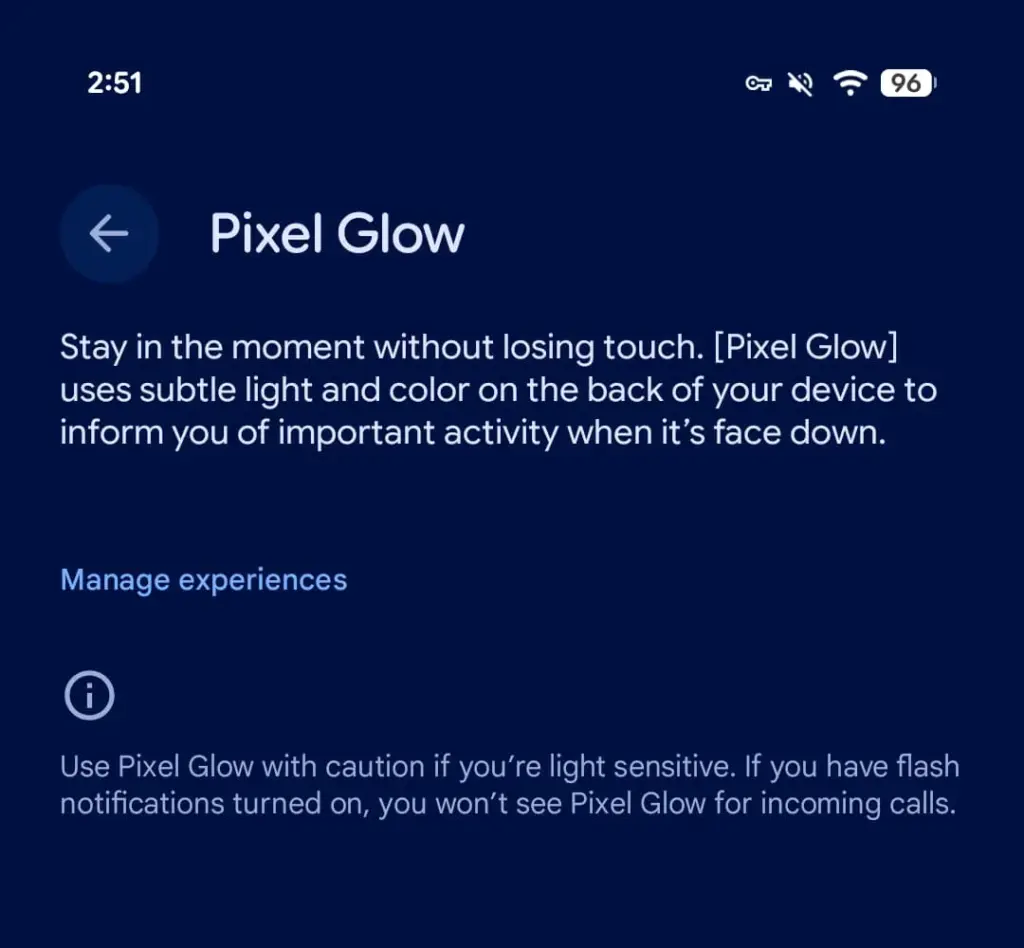
    Android 17 Beta 4, released today, contains explicit references to a new hardware feature called Pixel Glow. The description is straightforward: subtle light and color on the back panel of the device, designed to notify users of important activity when the phone is face down.

    This isn’t a software animation or an always-on display trick. Pixel Glow appears to be dedicated hardware — which strongly suggests it’s headed to at least some Pixel 11 models later this year.

    pixel glow feature

    More Than Just a Notification Light

    Google isn’t positioning this as a simple LED revival. According to a description spotted by 9to5Google, Pixel Glow is being developed as part of the Digital Wellbeing suite, with a specific goal: helping users “stay in the moment without losing touch.”

    In practice, that means:

    • Incoming calls from favorite contacts will trigger the light — but only if flash notifications are turned off
    • Gemini integration — the lights will activate during AI interactions and may enable hands-free, visual-feedback-driven conversations
    • Individual controls — each use case can be enabled or disabled separately from Settings

    Where Would the Light Actually Go?

    Here’s the interesting part: the leaked renders of the Pixel 11 lineup don’t show any obvious cutout or housing for Pixel Glow. That leaves two realistic options.

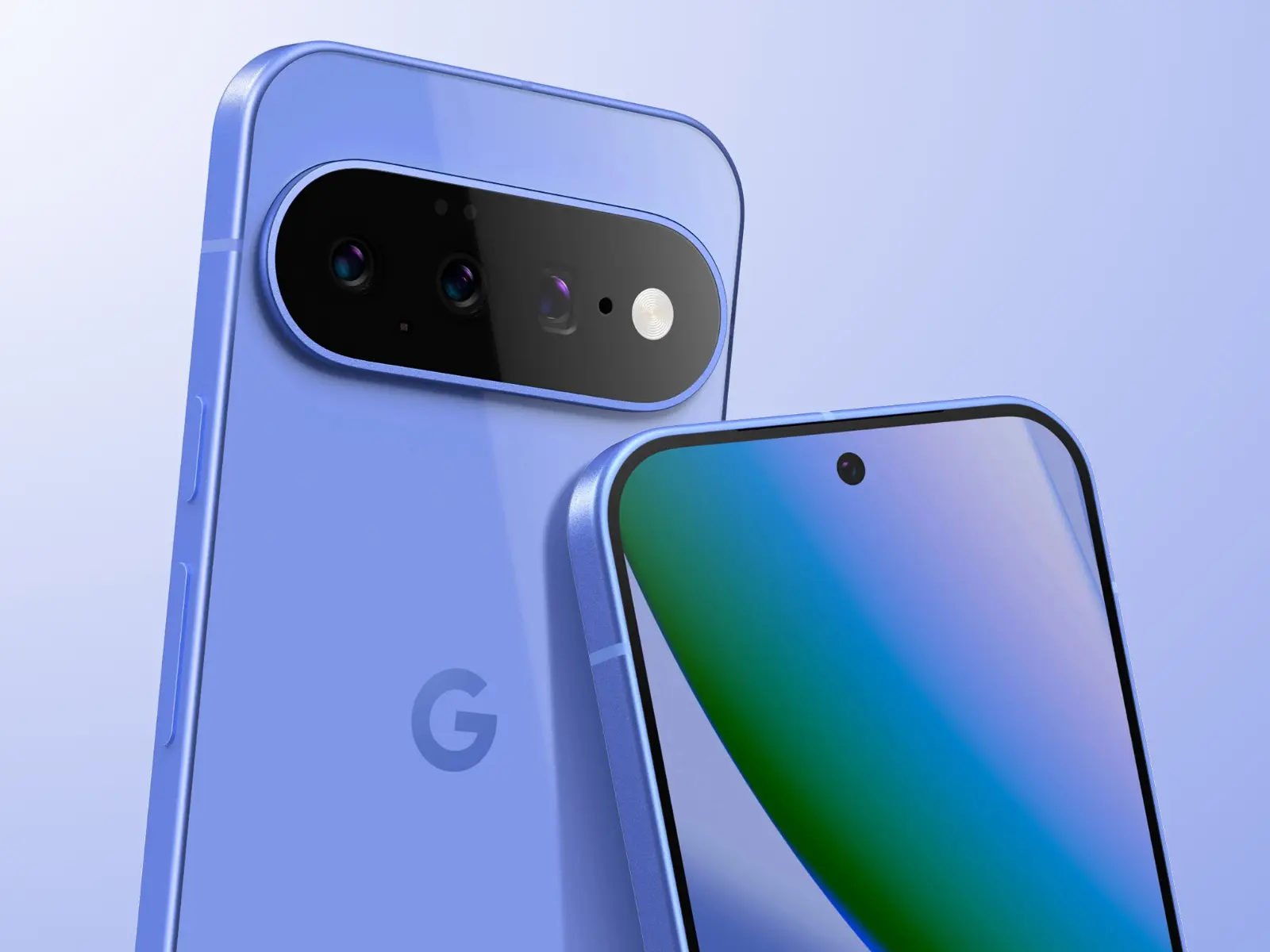
    The first is the Camera Bar — the redesigned horizontal strip on the back. A Pixel 11 Camera Bar with built-in ambient lighting would make Google’s signature design element genuinely functional, not just aesthetic.

    The second option is the Google logo on the back panel. A glowing “G” would immediately draw comparisons to the iconic backlit Apple logo on older MacBooks — which, depending on who you ask, is either a great or a terrible thing.

    The Notification LED Is Back — Sort Of

    Let’s call this what it is. Around 2019, the industry-wide race to ultra-thin bezels killed off the notification LED — a small, power-efficient light that millions of Android users relied on daily to check notifications without touching their phones. Manufacturers quietly dropped it, and nobody really asked for that.

    Pixel Glow looks like Google’s answer to the void that’s been there ever since. It’s smarter, more context-aware, and integrated with AI — but the core idea is the same: a light on your phone that tells you something important is happening, without demanding your full attention.

    Always-on displays have never fully replaced that. For many users, Pixel Glow could.