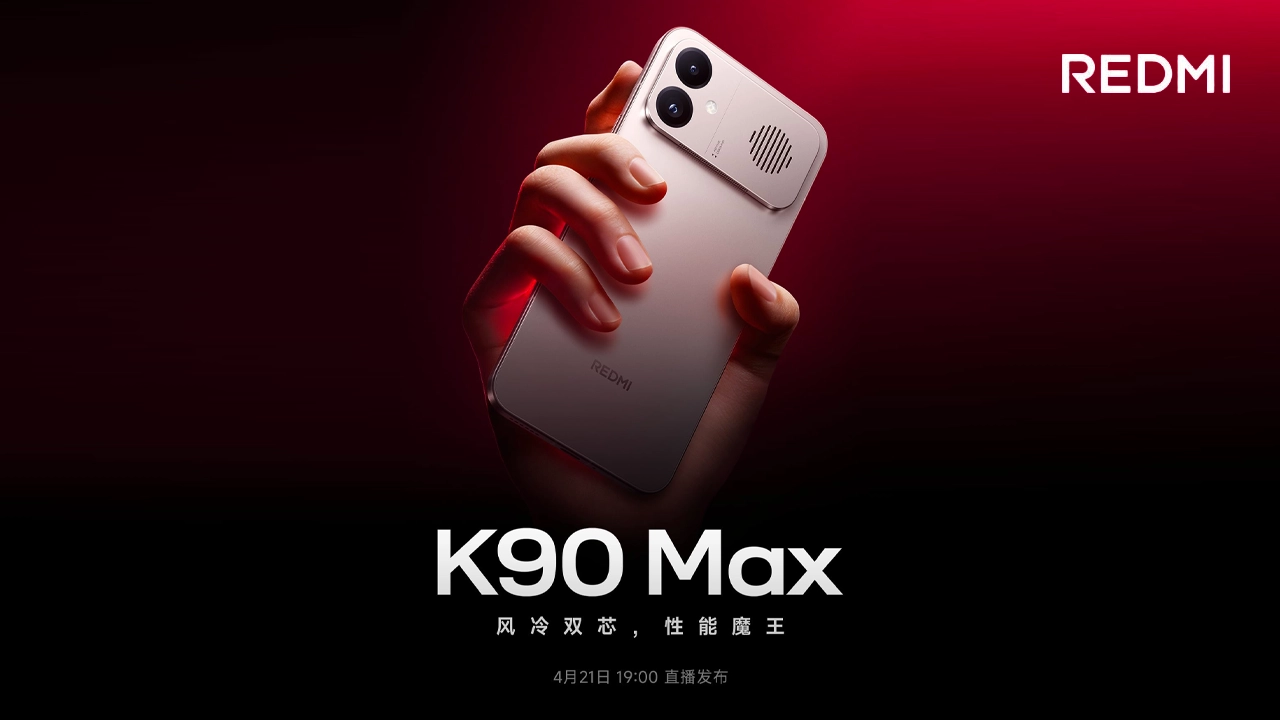
Redmi has launched the K90 Max in China, adding it to the growing K90 lineup alongside the Redmi K90 and K90 Pro Max. The new phone brings a 6.83-inch display with a 165Hz refresh rate, an 8,550mAh battery with 100W wired fast charging, and a MediaTek Dimensity 9500 SoC with up to 16GB of RAM. Other highlights include a Bose-tuned speaker system and a dual rear camera setup led by a 50-megapixel primary sensor.
Redmi K90 Max Price and Availability
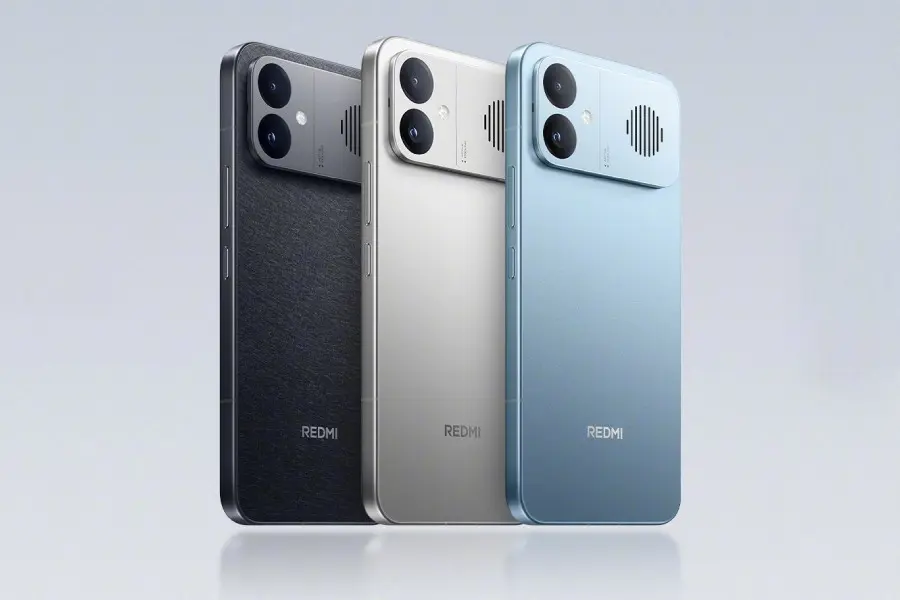
The Redmi K90 Max starts at CNY 2,999 for the 12GB RAM + 256GB storage configuration. Both the 12GB + 512GB and 16GB + 256GB variants are priced at CNY 3,499. Moving up, the 16GB + 512GB model costs CNY 3,999, while the top-tier 16GB + 1TB variant is priced at CNY 4,699. The phone comes in three colour options: Space Silver, Shadow Black, and Sky Blue (translated from Chinese).
Redmi K90 Max Specifications and Features
The dual-SIM Redmi K90 Max runs Android 16-based HyperOS 3. Its 6.83-inch 1.5K (1,280 x 2,772 pixels) M10 display supports up to 165Hz refresh rate, a 480Hz touch sampling rate, 3,500Hz instantaneous touch sampling, 480Hz multi-finger touch sampling, and peaks at 3,500 nits brightness. The panel also carries HDR10+ and Dolby Vision certification.
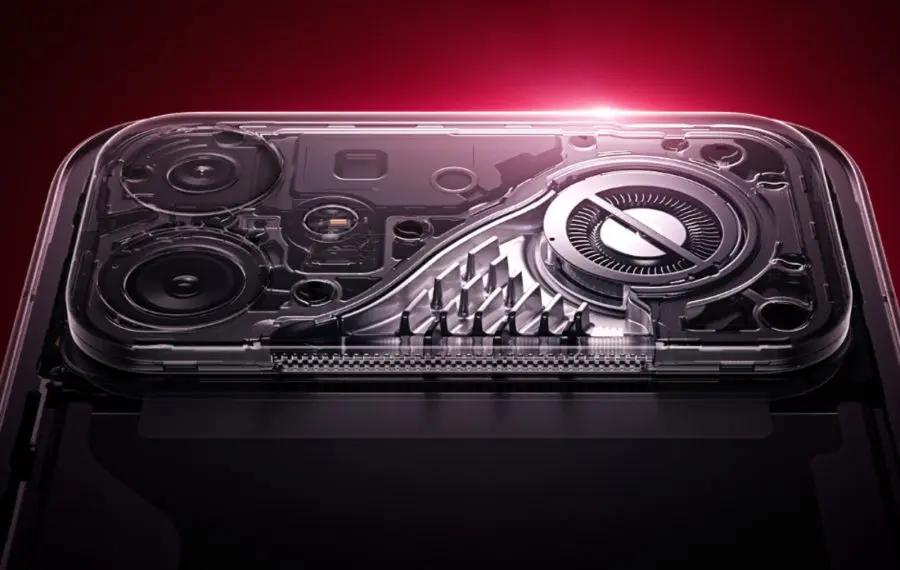
Under the hood sits a MediaTek Dimensity 9500 chipset, paired with up to 16GB of LPDDR5x RAM and up to 1TB of UFS 4 storage. A dedicated D2 display chip handles gaming-focused processing. Thermal management is taken seriously here — the phone features a 6,000 sq mm ice-sealed circulating cooling pump and over 12,000 sq mm of graphite coverage, plus an active cooling fan that Redmi claims can bring temperatures down by around 10°C in just 100 seconds.
The rear camera system consists of two sensors: a 50-megapixel main camera with OIS and an f/1.68 aperture, backed by an 8-megapixel secondary shooter. On the front, a 20-megapixel camera covers selfies and video calls. Audio is handled by a 1115x symmetrical stereo dual-speaker setup, co-tuned with Bose.
Connectivity is comprehensive, covering 5G, Wi-Fi 7, Bluetooth 4, NavIC, GPS/AGPS, Galileo, GLONASS, BeiDou, NFC, OTG, and USB Type-C. The phone carries IP66, IP68, and IP69 ratings for dust and water resistance. Security is managed by a 3D ultrasonic in-display fingerprint sensor, and the onboard sensor array includes an accelerometer, ambient colour temperature sensor, electronic compass, gyroscope, IR remote control, flicker sensor, and an X-axis linear motor.
Powering everything is the 8,550mAh battery, which supports 100W wired fast charging and 22.5W reverse wired charging for topping up other devices on the go.
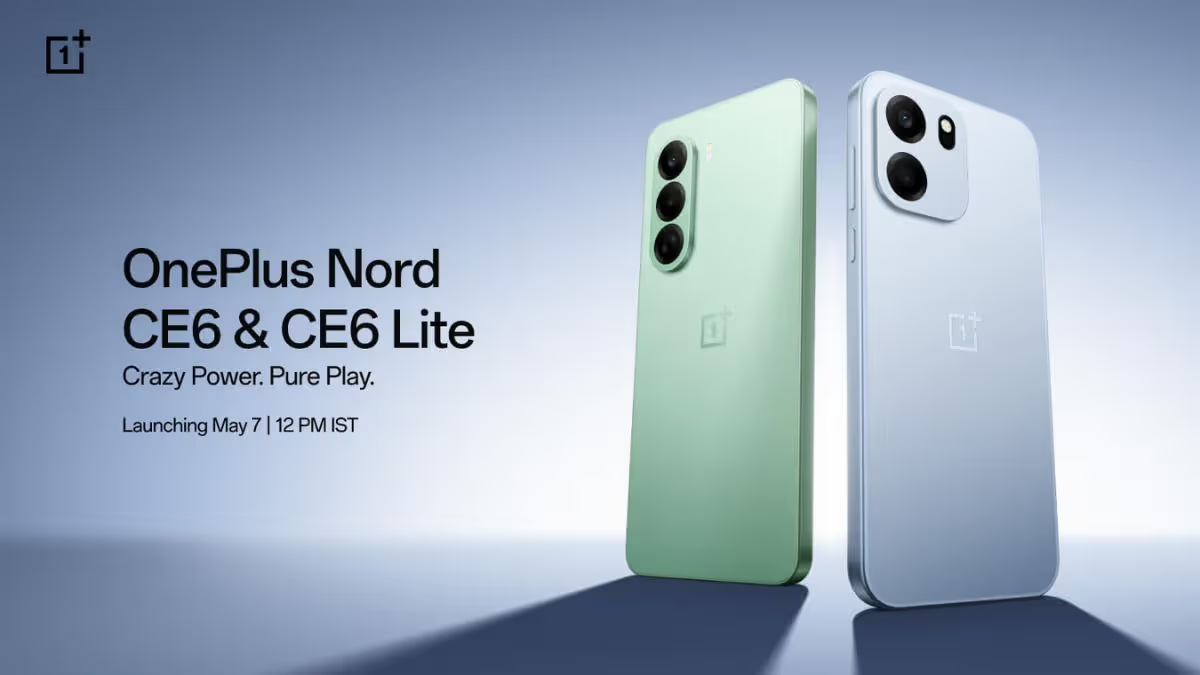
OnePlus has been busy reshaping its Android lineup lately. The company launched the OnePlus Nord 6 earlier this month as a follow-up to the Nord 5, and it’s now reportedly working on two more additions to round out the series at lower price points — the Nord CE6 and Nord CE6 Lite. A new OnePlus device, carrying the model number CPH2943 and widely believed to be the Nord CE 6 Lite, has now surfaced on the Geekbench benchmarking platform.
Mysterious CPH2943 could be the Nord CE 6 Lite
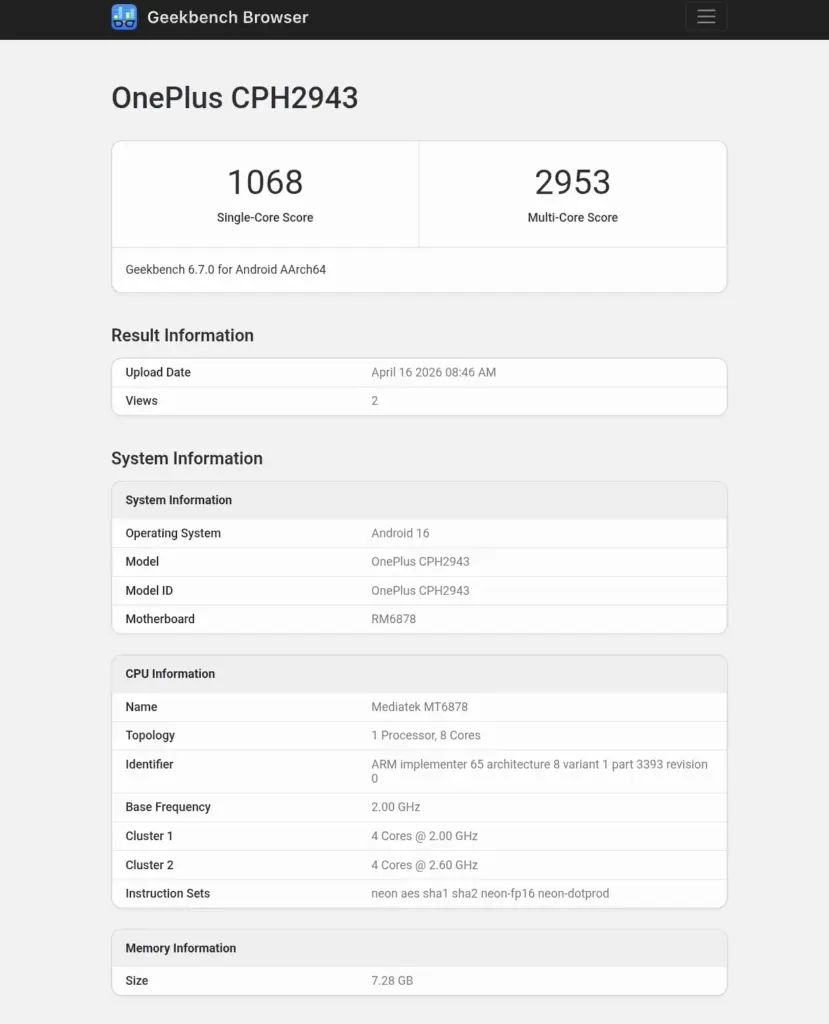
The Geekbench listing doesn’t name the device outright, but tipster Abhishek Yadav has identified it on X as the OnePlus Nord CE 6 Lite. On the performance front, the phone posted a single-core score of 1,068 and a multi-core score of 2,953. The listing also reveals a handful of key specs: the device runs Android 16, which will almost certainly ship with OxygenOS 16 on top, and it comes with 8GB of RAM — though additional memory configurations could be available at launch.
The benchmark points to a MediaTek Dimensity 7400 SoC paired with a Mali-G615 MC2 GPU under the hood. That said, Abhishek Yadav notes that the final chipset branding may differ slightly — possibly Dimensity 7400 Max, Extreme, or Pro — though the underlying silicon will remain the same regardless of what OnePlus ends up calling it. The core configuration listed shows four cores running at 2.0GHz and four performance cores clocked at 2.60GHz.
May launch expected in India
Since the marketing name isn’t confirmed in the listing, there’s a slim possibility this could turn out to be the standard Nord CE 6 rather than the Lite variant. Nothing is set in stone at this point. Either way, current rumors suggest both the Nord CE 6 and Nord CE 6 Lite are headed to India sometime in May.
Separately, OnePlus has a more immediate launch on the calendar. The OnePlus Pad 4 is set to debut in India on April 30th, and it’s shaping up to be a powerhouse tablet. It’s powered by the Snapdragon 8 Elite Gen 5 chip and houses a massive 13,380mAh battery. The display is expected to measure 13.2 inches with a 3.4K resolution and a 144Hz refresh rate, while charging is handled by 80W fast charging. The tablet may also support an external smart keyboard and stylus accessory.
With its advanced nodes enabling smartphone chipsets to achieve clock speeds of up to 5GHz, TSMC would achieve yet another significant milestone this year. TSMC’s cutting-edge technology have already tremendously benefited companies like Qualcomm, MediaTek, and Apple. Later this year, new chips will achieve peak clock rates of up to 5GHz for the first time in history, which will make it harder for Huawei to compete.
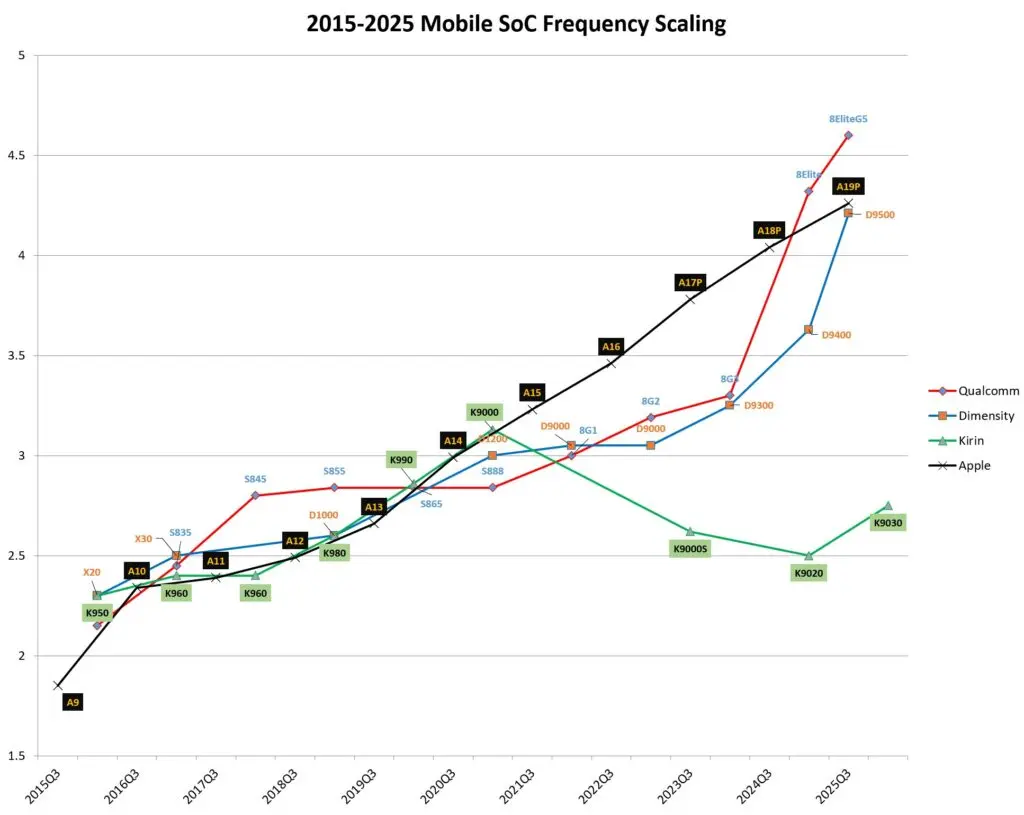
TSMC has been at the core of Qualcomm, MediaTek, and Apple’s rapid growth over the years to provide potent chips with outstanding performance and economy. The graph below, which was provided by Kurnal, illustrates how these businesses have progressively raised peak clock speeds and are currently aiming for 5.0GHz.
The coming Snapdragon 8 Elite Gen 6 Pro is expected to hit 5.0GHz, whereas Qualcomm’s most recent flagship, the Snapdragon 8 Elite Gen 5, can already reach a peak speed of 4.61GHz. Following the 4.21GHz peak clock speed of the Dimensity 9500, MediaTek’s Dimensity 9600 Pro is expected to accomplish a similar accomplishment. This boost enables SoCs to offer considerable benefits in both single-threaded and multi-threaded workloads.
However, the performance and efficiency provided by Qualcomm, MediaTek, and Apple are far superior to those of Huawei’s Kirin chipsets. The U.S. trade sanctions that prohibited the company from doing business with TSMC are the reason for its decline on the graph above. China’s SMIC factory, which is still decades behind TSMC, was Huawei’s only choice. Because it cannot use the most sophisticated EUV (Extreme Ultraviolet) lithography machines, SMIC is still bound to the 5nm process.
The Kirin 9030 Pro, Huawei’s most recent chip, is still operating at 3.0GHz. As of right now, Qualcomm, MediaTek, and Apple are still too far ahead of Huawei to even compete with them; the difference is a foundry partner.
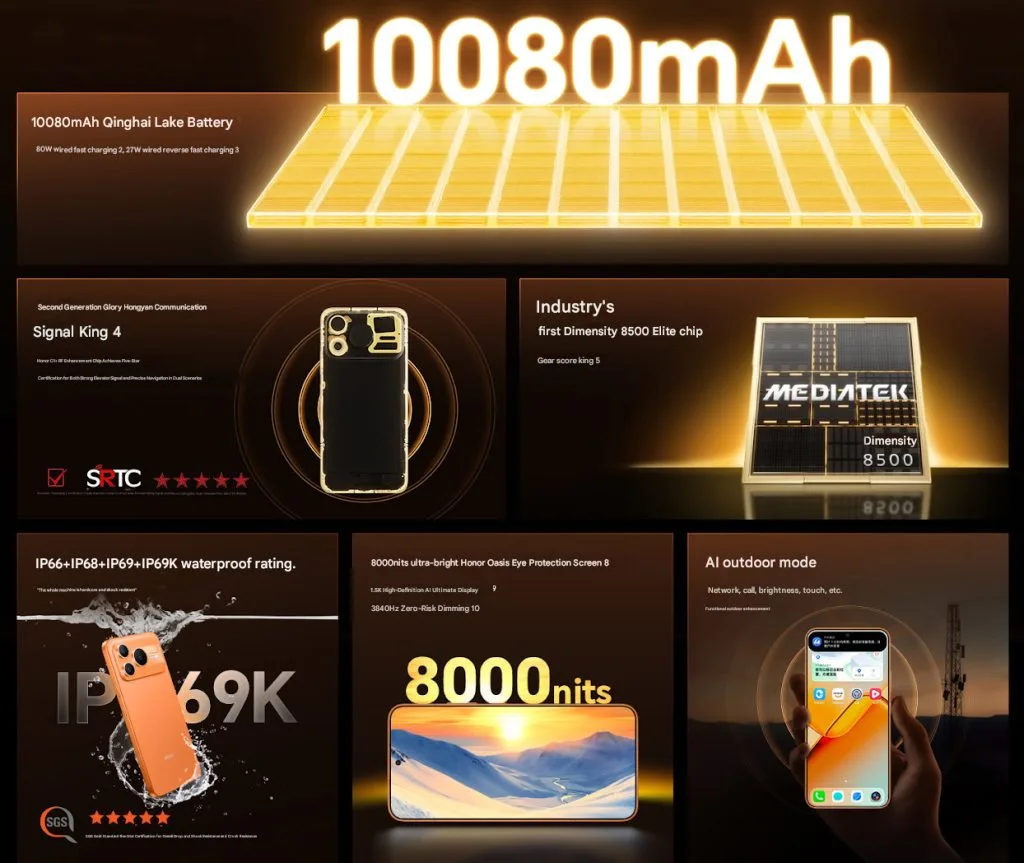
Recently, Honor has been quite focused about batteries. The company’s new Win series phones, which have remarkably big 10,000mAh batteries, may be familiar to you if you’ve been keeping up with recent releases. These are high-end smartphones featuring Snapdragon 8-series processors.
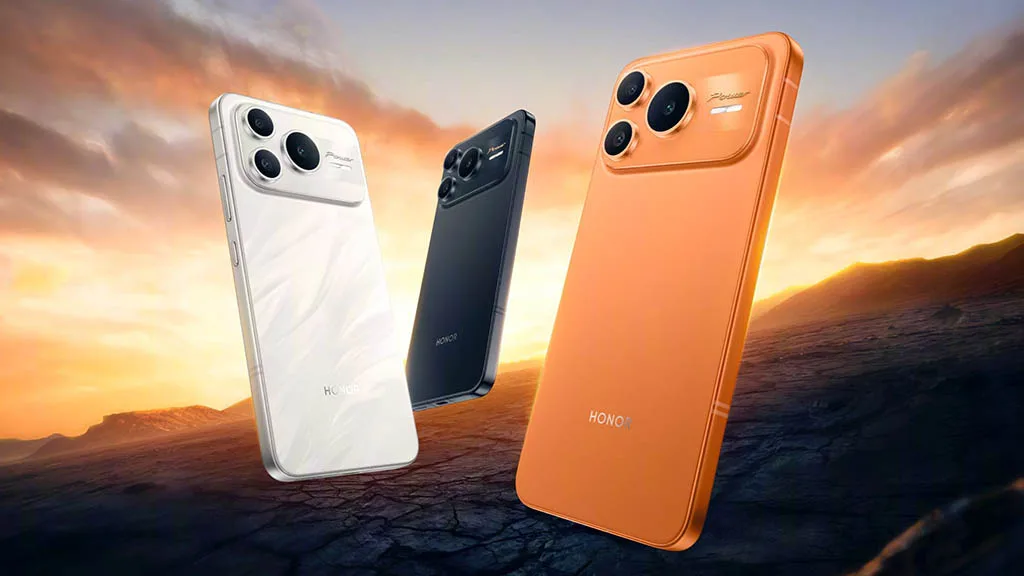
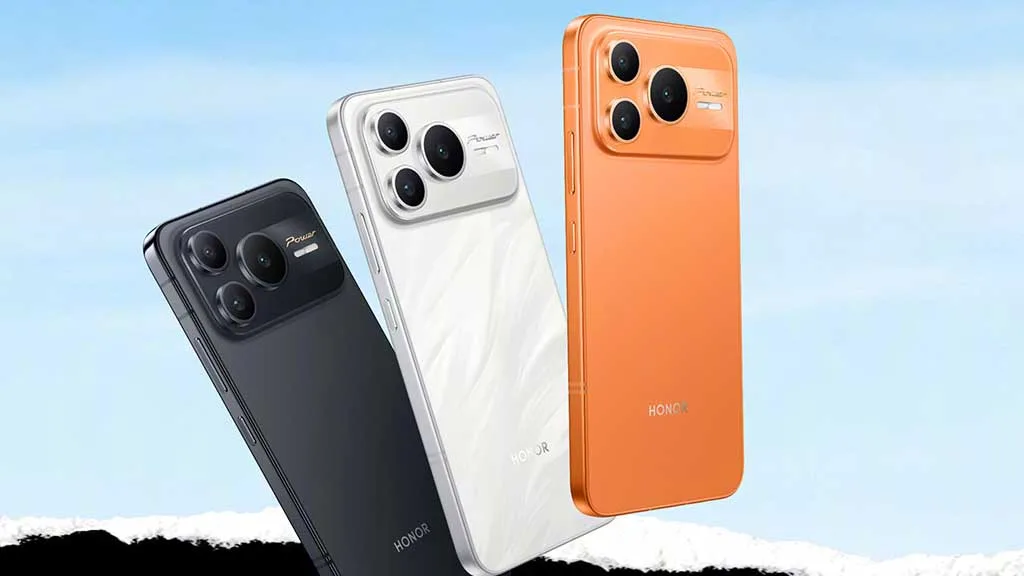
With its new mid-range phone, Power 2, the business is adopting a similar strategy. Unexpectedly, it also has an even larger battery.
The Power 2’s casing is only 7.98mm thick and contains a slightly larger 10,080mAh battery. In contrast, the iPhone 17 Pro is 8.8mm and does not even have a 5,000mAh battery. At just 216 grams, it is also not very hefty.
In addition to supporting 80W wired charge, the battery also provides 27W reverse charging.
Honor Power 2 Specifications
The phone’s big 6.79-inch OLED LTPS flat display, which has a 1.5K resolution of 2600 x 1200 pixels, is located up front. Additionally, the screen’s 3,840Hz PWM dimming and maximum brightness of 8,000 nits are advertised.
The gadget is powered by MediaTek’s Dimensity 8500 Elite processor, which is combined with UFS 4.1 storage and LPDDR5x RAM. Honor says that the Dimensity 8500, a new mobile processor, has more than 2.4 million AnTuTu points.
Additionally, the Power 2 receives a respectable pair of camera configurations. A 5MP ultra-wide camera and a 50MP primary sensor with OIS are located on the back. On the other hand, the front has a 16MP camera. The Power 2’s operating system is Android 16 with a layer of MagicOS 10.
A metal frame, two speakers, an in-display fingerprint scanner, and an exceptionally thorough durability rating with IP66, IP68, IP69, and IP69K certifications are further highlights. Wi-Fi 6, Bluetooth 6.0, IR blaster compatibility, and sophisticated satellite location are among the connectivity possibilities.
The Honor Power 2’s 12GB RAM and 256GB storage model costs 2,699 CNY (about $385), while the 512GB model costs 2,999 CNY (around $430). Phantom Black, Snowfield White, and Rising Sun Orange are the possible colors for the phone.
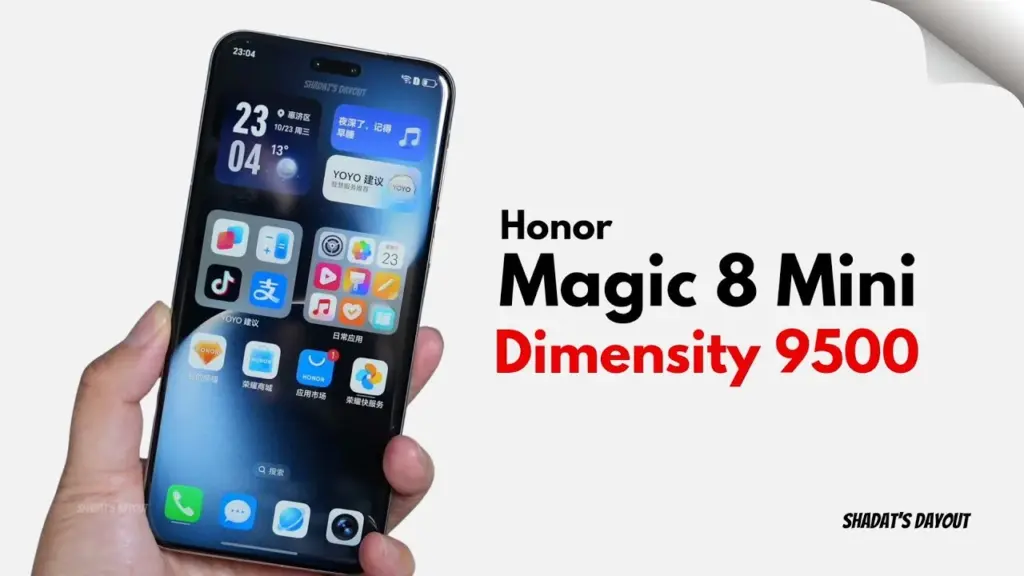
Honor might be gearing up to revive something Android fans haven’t seen in a long time: a genuinely compact flagship, Magic 8 Mini, that isn’t a watered-down version of the “real” model. A fresh leak suggests the company is working on what’s reportedly called the Magic 8 Mini, and if the details hold up, it could end up being one of the thinnest and lightest compact phones of the year.
Only in October did the standard Magic 8 and Magic 8 Pro arrive, extending Honor’s dominance in the high-end market. However, rumors about a smaller “Mini” variant began to circulate almost immediately. A pre-production unit is already making the rounds, according to Weibo tipster Digital Chat Station. It is remarkably tiny, measuring between 5 and 6 mm. That would clearly place it in the “ultra-thin” category among gadgets like Apple’s iPhone Air and Samsung’s Galaxy S25 Edge. However, the combination—not just slim, but truly compact—is what sets this one apart. It is a combination of two trends that hardly ever coincide these days.
Honor Magic 8 Mini specs
The Magic 8 Mini is rumored to have a 6.31-inch display up front, which is essentially the new benchmark for phones labeled as small.
The camera situation is still unclear. Honor is apparently testing a 200MP primary sensor, but a 50MP 1/1.5 sensor is being discussed. The speculated telephoto lens is the more intriguing aspect. Since very few phones smaller than 6.5 inches have significant zoom capabilities (the 6.32-inch OnePlus 13T, for example, only has a modest 1/2.75″, 2x telephoto), if Honor does incorporate one here, it will probably employ a smaller sensor but still give the Mini an advantage in terms of adaptability.
The Dimensity 9500 chip from MediaTek, which powers Vivo’s X300 and X300 Pro, is anticipated to power the phone. Battery life is the only possible issue. There are rumors of a 5,500mAh cell, which is amazing considering the form factor but not nearly as big as the 6,260mAh pack of the 8.2mm-thick OnePlus 13T.
Honor hasn’t made any announcements yet, and it’s unclear if the Magic 8 Mini will share the stage or stay under wraps for a little while longer given that the Honor 500 series will debut in China on November 24. Nevertheless, this might be one of Honor’s more innovative phones if the reports turn out to be true. An “ultra-thin small-screen” gadget could be just what some of us have been waiting for in a market where flagship devices seem to be getting bigger and heavier.
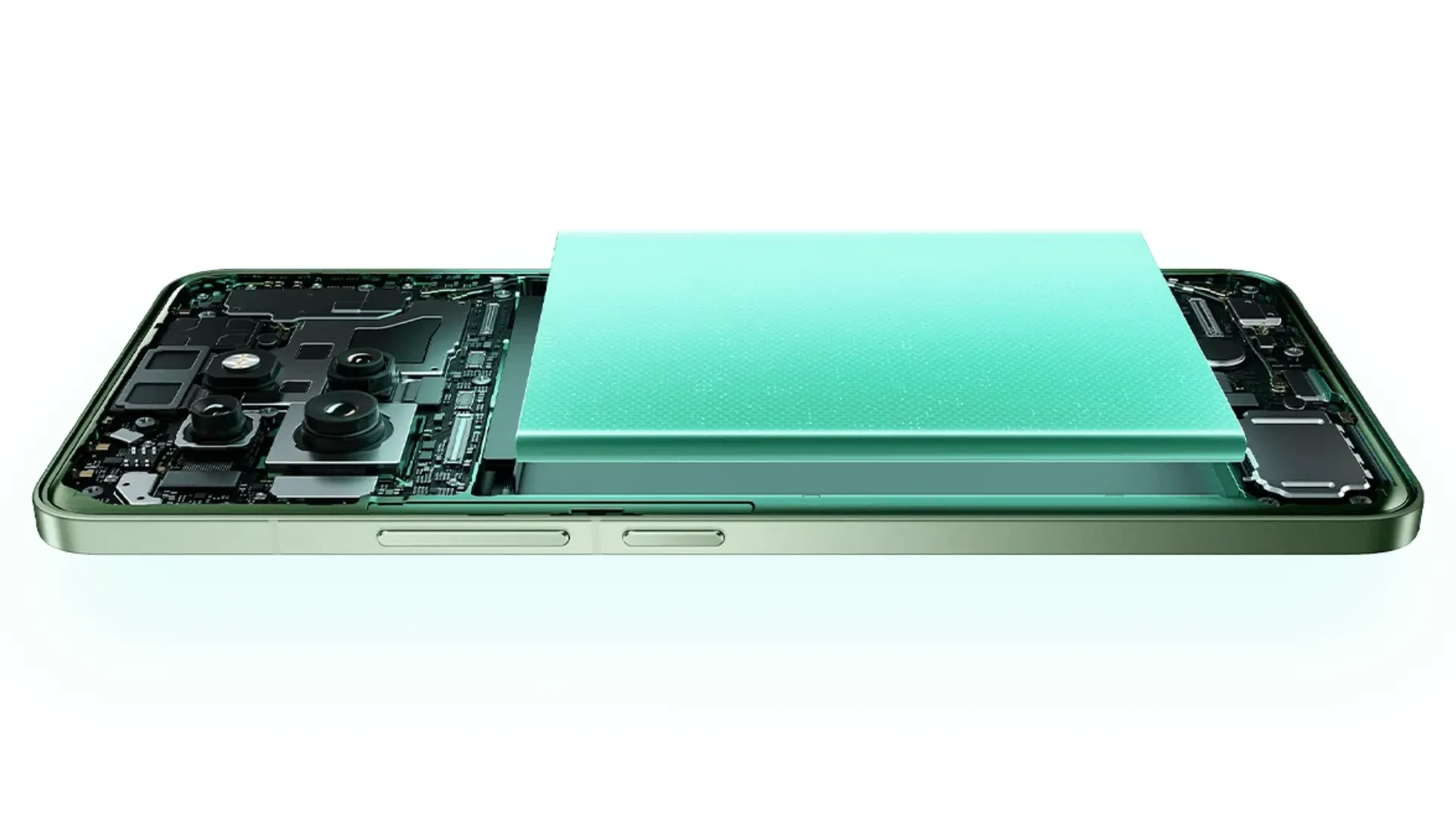
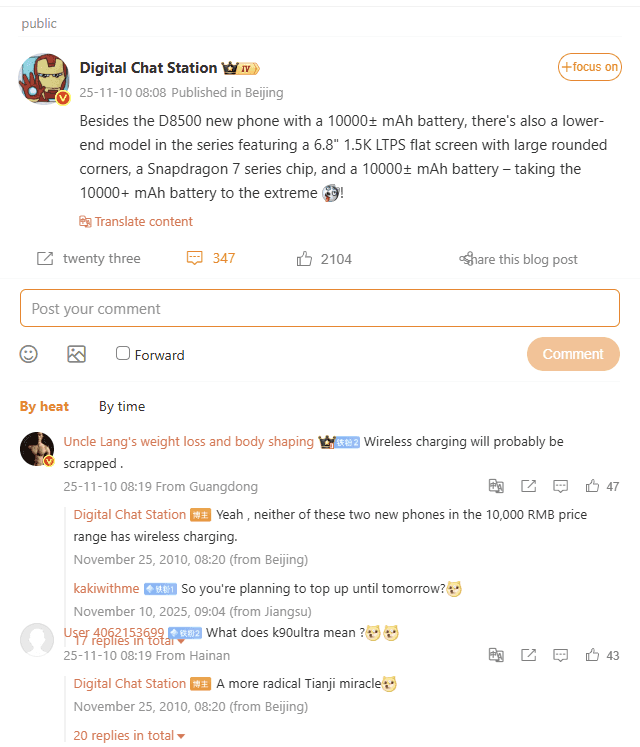
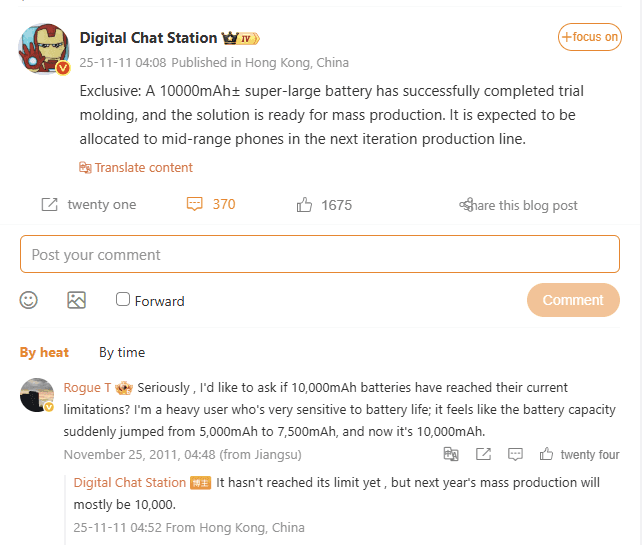
Xiaomi May Rethink Mid-Range Battery RegulationsChinese manufacturers are working to overcome the barrier beyond 7,000mAh and 8,000mAh batteries as smartphone battery technology continues to advance. According to reputable industry sources and well-known leakster @DigitalChatStation, the trial molding process has been completed, and the new 10,000mAh± battery is about to go into mass production. Xiaomi and Redmi are probably going to include this innovative battery into one of their upcoming mid-range phones.
In its products, Xiaomi has always placed a strong emphasis on battery life and energy efficiency. Therefore, the creation of a 10,000mAh-class battery is a significant step toward the realization of smartphones with longer battery lives, which is one feature that consumers are very excited to see improved in smartphones. It is expected that a Redmi device will use the technology.
Since fitting a battery with a 10,000mAh capacity is technically difficult in terms of weight and thermals, this development demonstrates Xiaomi’s determination to balance capacity and design usability.
Two smartphones will have 10,000mAh± batteries, according to DigitalChatStation. One of the devices has a Dimensity 8500 processor, while another has a 6.8-inch 1.5K LTPS flat display with a Snapdragon 7 series processor. Although these models have not yet been confirmed, it has been speculated that one may be from Xiaomi’s Redmi series because it may be intended to be a “Ultra Battery” variant.
A significant shift in the industry began with the release of smartphones with five-digit battery capacities. In the past, only rugged cellphones and power banks have such capabilities. With Xiaomi’s arrival into this market, battery capacity with such proportions may become more common, providing the business with yet another reason to rank among the top in terms of battery life. Xiaomi will undoubtedly have a significant advantage over its rivals because to this technology.
Additionally, users would be able to benefit from unparalleled standby times and all-day intensive use without recharging because to HyperOS’s optimization of background operations and hardware resources.
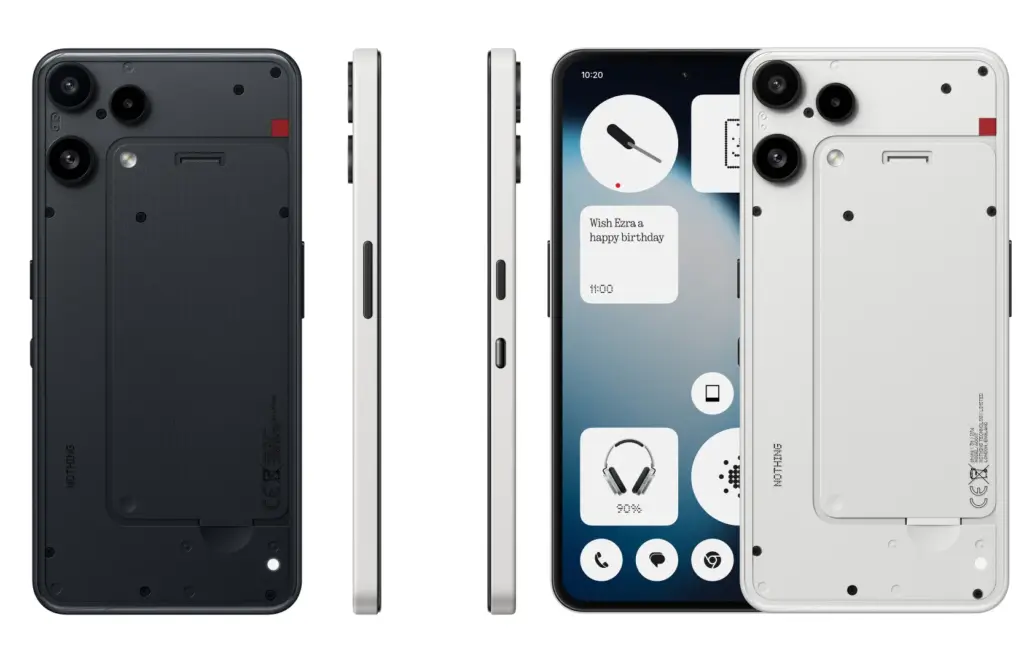
If you were a fan of Nothing, you would know that the release of the Nothing Phone (3a) Lite wasn’t news, yet it was. On the one hand, you are ready for the surprises these gadgets deliver. Conversely, the Nothing Phone (3a) Lite is unique. The brand’s sole entry-level phone will go on sale in October.
You adore phones with translucent designs and glowing glyph lights, and the Nothing Phone series perfectly captures that feel. This phone is unique! Prepare for the Nothing Phone (3a) Lite, the most daring low-cost option to yet. We will discuss the launch, the cost, what to anticipate, and everything in between.
Nothing Phone (3a) Lite announced
Nothing recently revealed that the Phone (3a) Lite would go on sale worldwide on October 29, 2025. That is 1:00 pm GMT, or 6:30 pm IST if you’re in India. YouTube and Nothing’s website both provide live streaming of the event. The launch schedule as a whole aligns perfectly with the Phone 3 lineup. It comes after the March 2025 Nothing Phone (3a).
It’s their first real entry-level phone. It is also intended to be less expensive than their CMF lineup. This launch calls out to you if you prefer daring over basic. With its useful pro features, this phone might be your next reasonably priced upgrade. We now go on to the following part.
Features and design
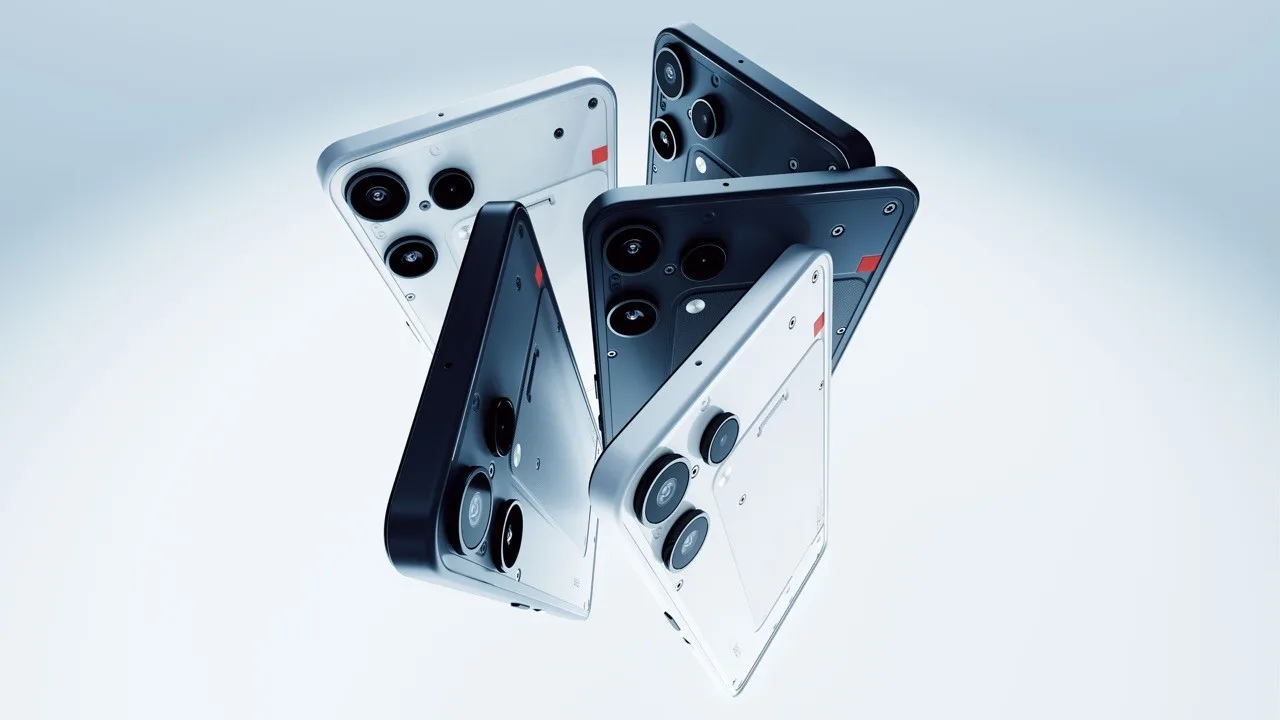
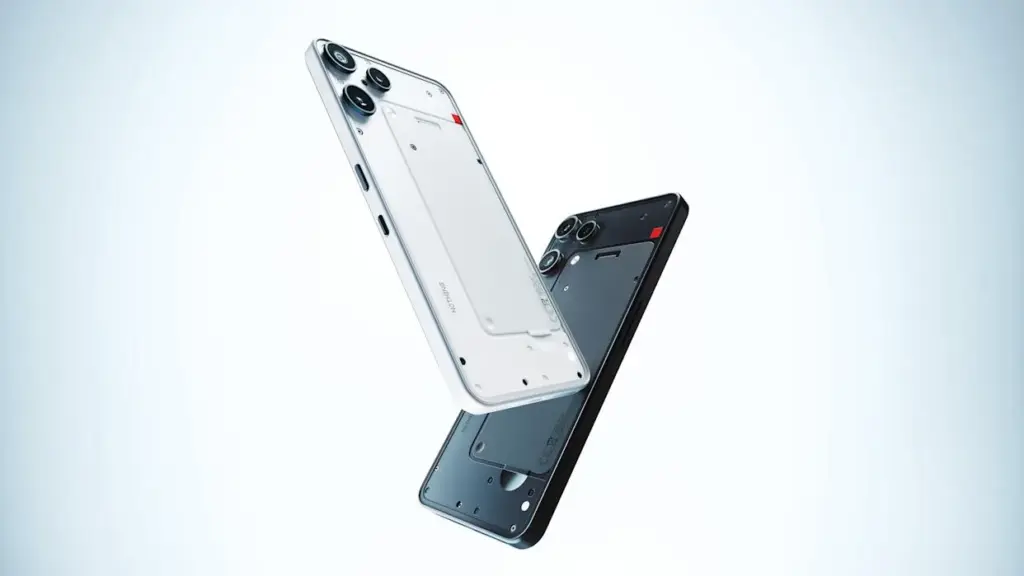
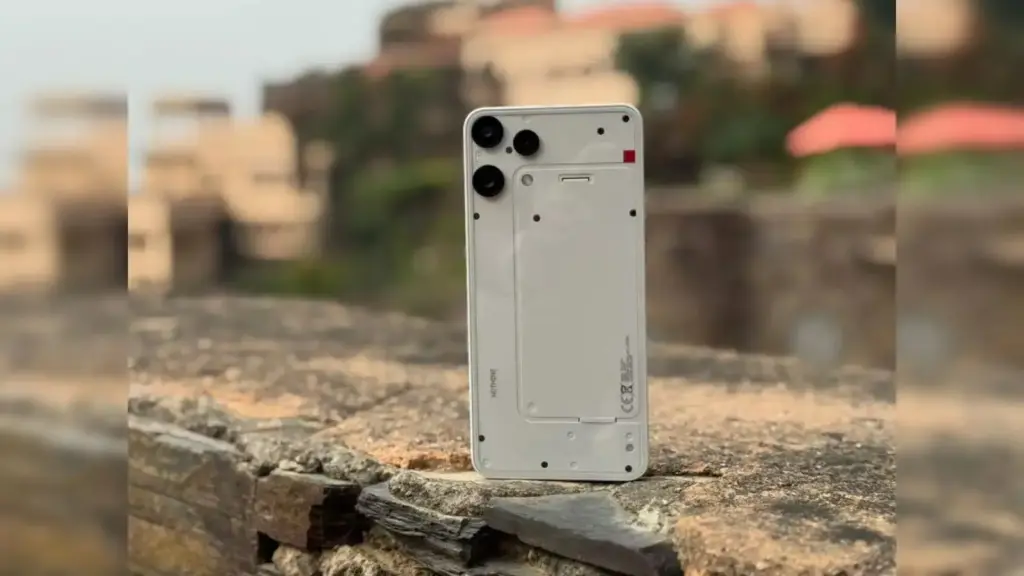
Nothing perfectly captures the eccentric style, yet it doesn’t even appear strange. The Nothing Phone (3a) Lite, which comes in black and white, has a sleek design. A rear LED flashlight is shown in teasers. It also serves as a ping for notifications. However, it now appears lot simpler. This is not a full light show. It lights just enough to draw attention, though.
It comes pre-installed with Android 15. Nothing about OS remains tidy. Widgets look stunning. The gestures are fluid. You get that feeling of transparency without the clutter.
We are aware that the Nothing Phone (3a) Lite will have a 6.77-inch full-HD+ AMOLED screen before it is released. All flagship and respectable 30k-range phones on the market have it at 120 Hz. There are 1.07 billion shades of color. ideal for playing games, watching movies, and other media.
Budget phones typically use the MediaTek Dimensity 7300 processor. Another item on the list is the Nothing Phone 3a Lite. This phone’s apps seamlessly multitask because to its 8GB RAM. 128GB of storage. Extend if necessary.
Regarding the battery, it happily keeps the large 5000mAh cell that lasts all day. At 33W wired, charging is quick. 5W reverse charging. It’s sufficient to sustain earbuds.
One of Nothing Phones’ best features is its cameras, which are not being downsized either. We have an 8-megapixel ultrawide, a 50-megapixel telephoto for zoom, and a 50-megapixel primary camera on the back. An incredible 16-megapixel selfie lens is located on the front. Rear camera daylight photos are particularly striking. The performance in low light is the sole drawback. It’s good, but not at the pro level.
Nothing Phone (3a) Lite price
As far as we are aware, this version was released to compete with more reasonably priced phones. With the lite edition, nothing keeps entry-level real. At the very least, we should anticipate a 5–6k price reduction from the original model. With 8GB RAM and 128GB storage, the Phone (3a) Lite is priced at Rs. 17,990. A great deal for fans of Glyph. Sales begin shortly after introduction, most likely on the website of Nothing or Flipkart.
How does it compare, though? This is a brief table of competitors priced between Rs. 15,000 and Rs. 20,000. The software, features, and performance of these packs are comparable.
Phone Model
Price (Rs.)
Key Highlights
Nothing Phone (3a) Lite
17,990
Dimensity 7300, Glyph LED, 120Hz AMOLED
Moto G85 5G
17,999
Snapdragon 6s Gen3, 50MP OIS cam, 5500mAh
Realme Narzo 70 Pro
18,999
Dimensity 7050, 50MP main, 67W charge
Samsung Galaxy A16 5G
18,499
Exynos 1330, 50MP triple cam, 5000mAh
Poco X6 5G
19,999
Snapdragon 7s Gen2, 64MP OIS, 5100mAh
Nothing Phone (3a) Lite vs Nothing Phone (3a)
We are tempted by the Lite because it is reasonably priced. However, if you can afford to spend a little extra, the complete Phone (3a) entices you more. Since the 3a isn’t too old, the most recent software upgrades are comparable to those of the light. The price is Rs. 22,500. This table may help you make a decision if you are unsure about how the Lite version differs from 3a. Let’s do a table comparison.
Feature
Nothing Phone (3a) Lite
Nothing Phone (3a)
Price (Rs.)
17,990
22,500
Processor
Dimensity 7300
Snapdragon 7s Gen3
Display
6.77″ FHD+ AMOLED, 120Hz, 1.07B colors
6.7″ FHD+ AMOLED, 120Hz, 1B colors
Rear Camera
50MP + 50MP tele + 8MP UW (no OIS)
50MP OIS + 50MP tele + 8MP UW
Front Camera
16MP
32MP
Battery & Charging
5000mAh, 33W wired, 5W reverse
5000mAh, 50W wired, 7.5W reverse
In terms of speed and shots, the 3a prevails. In games, Snapdragon outperforms Dimensity. OIS stabilizes videos. 32-megapixel selfies are crisper. At 50W, charging is incredibly quick. In twenty minutes, that will be half full.
But Lite is resilient. identical battery life. The screen pop is similar. Hold on to Lite if the budget is tight and you can do without a few slightly less expensive features. Eighty percent of the magic is delivered by it. Only if you are using a previous series should you upgrade after the Nothing Phone (3a) Lite launch.
The Nothing Phone (3a) Lite demonstrates a bold look that isn’t appropriate for everyone. However, many people can afford it. This phone is especially suitable for young people who are in college, are students, or are starting their first job. Additionally, the Nothing phone 3a lite can be your calling if you swap phones every two to three years in search of the newest features.
How do you feel about the release of the Nothing Phone (3a) Lite? Would you purchase it? Leave a comment with your ideas!
Similar to its predecessors, the MediaTek Dimensity 9500 maintains its competitiveness and occasionally even surpasses Qualcomm’s Snapdragon 8 Elite Gen 5. At least if the Xiaomi 17 Pro Max and Vivo X300 Pro’s recent benchmarks are any indication.
Earlier this week, Vivo introduced the Vivo X300 series, the company’s first phones to use MediaTek‘s top Dimensity 9500 processor. Early benchmarks of the SoC on MediaTek’s test device revealed a modest inferiority to Qualcomm’s, but more recent ones suggest the situation is more nuanced.
Vivo X300 Pro vs Xiaomi 17 Pro Max AnTuTu benchmark
The Vivo X300 Pro and the Snapdragon 8 Elite Gen 5-powered Xiaomi 17 Pro Max have now been tested side by side under nearly comparable settings, and their AnTuTu benchmark results have appeared online. Unexpectedly, the Vivo gadget outperforms the Xiaomi, scoring 3,956,885 overall compared to 3,731,077 for the Xiaomi. In actuality, the latter score is higher than what that phone achieves on the current AnTuTu list.
Though not significantly, the Vivo X300 Pro also performed better on the CPU, GPU, and memory tests. Additionally, even though the Vivo’s battery is much smaller, both phones’ battery life decreased by 5%. But the Xiaomi 17 Pro Max remained colder.
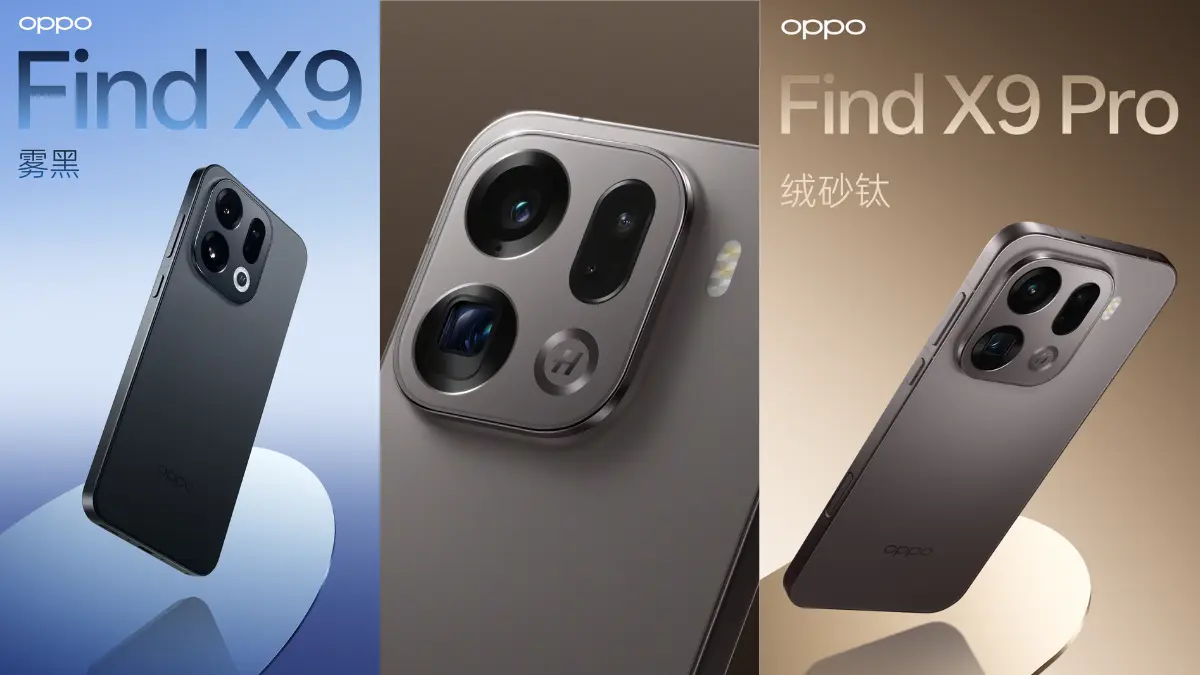
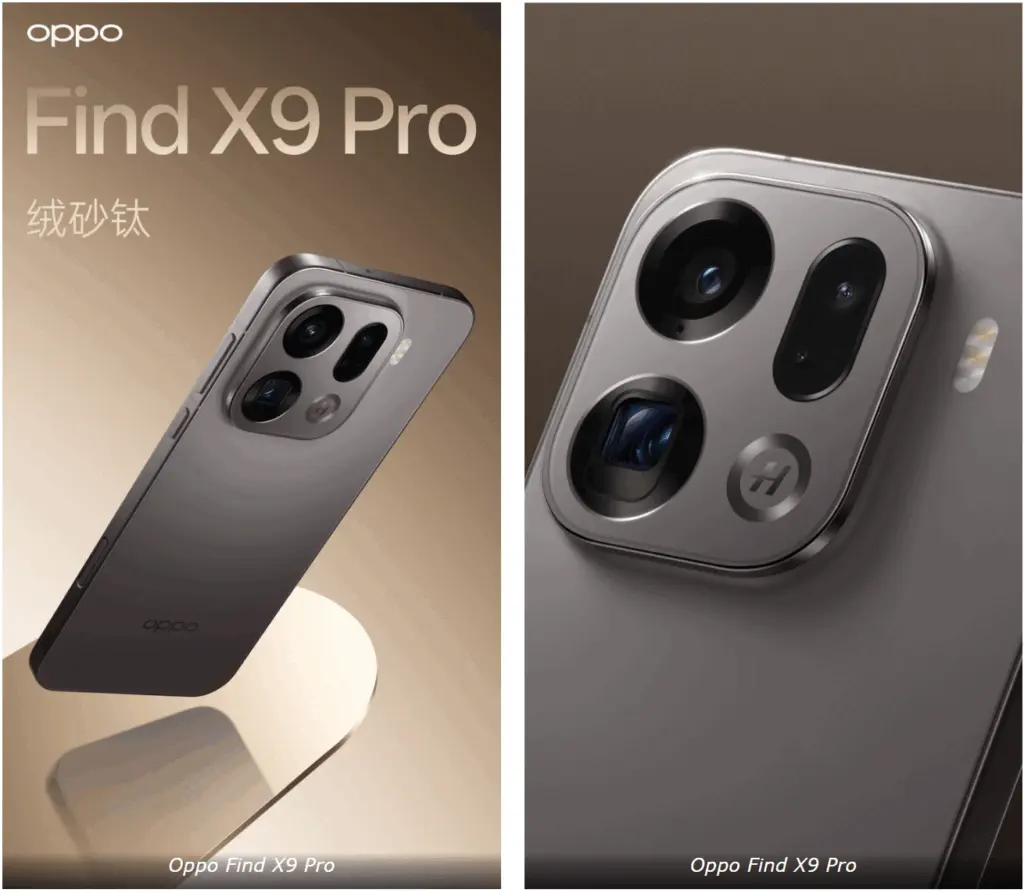
Oppo officially announced that its Find X9 series will ship on October 16. Redesigned design elements, improved imaging, and notable battery improvements are all part of the new flagship lineup, which comprises the Find X9 and X9 Pro, according to information released on the company’s official channels.
Find X9 series key details revealed by Oppo ahead of launch
For comfortable handling, the Find X9 and Find X9 Pro come in 6.59-inch and 6.78-inch sizes with flat screens and symmetrical bezels that are incredibly thin. The rear panel of both smartphones has a sophisticated feel and a smooth grip thanks to its velvet sand finish.
The lens module and the back have been completely merged using cold carving technique, which minimizes any obvious connection lines. The display itself offers 3840Hz high-frequency PWM dimming for improved visual comfort in addition to a full-scene 1nit eye-care mode that is compatible with all apps.
The rear design of the Find X9 series has been made public for the first time in the brand’s latest pictures. The following shades will be offered for the series: Frost White, Mist Black, Velvet Sand Titanium, and Velvet Light Titanium, the manufacturer stated.
Regarding imaging, the series incorporates a Hasselblad quad camera system, which is housed in a small, square housing that lets in more light without adding bulk. The series is powered by MediaTek‘s Dimensity 9500 platform, which is based on a 3nm technology and has an Imagiq 1190 image processor, G1-Ultra GPU, and a revamped CPU.
In order to maximize performance and efficiency across all usage circumstances, Oppo has also unveiled a new Tidal Engine software layer. It has been verified that the Find X9 and X9 Pro have 7,025mAh and 7,500mAh batteries, respectively. Both phones will enable 50W wireless and 80W wired charging.
Additionally, Oppo has stated that the Find X9 and the Pro will shortly make their global debut. According to a recent source, the global launch ceremony is scheduled for October 28.
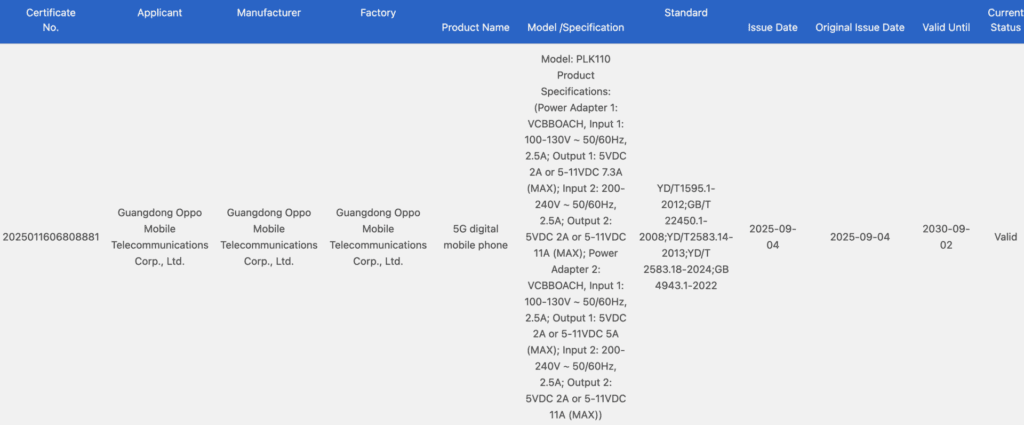
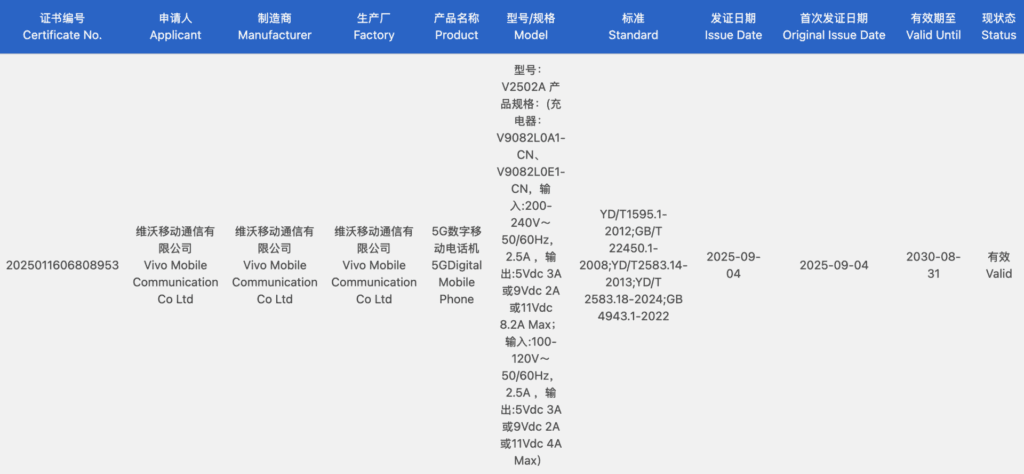
While manufacturers like OnePlus, Oppo, and Vivo are ready to release their next-generation smartphones, the Snapdragon 8 Elite 2 and Dimensity 9500 chipsets are on the horizon. Future gadgets, purportedly the Vivo X300 Pro, Oppo Find X9, and OnePlus 15, have now obtained 3C approval in China.
Two new flagship chipsets, the Qualcomm Snapdragon 8 Elite 2 and the MediaTek Dimensity 9500, are anticipated to be released later this month (September 2025). It is anticipated that Chinese manufacturers such as Xiaomi, Oppo, Vivo, and OnePlus will be among the first to produce smartphones with the new chipsets. In China, three of these flagship gadgets have already been certified 3C.
The smartphones that gained 3C certification include apparently the OnePlus 15, Vivo X300 Pro, and Oppo Find X9. It is anticipated that the Snapdragon 8 Elite 2 chipset would power the OnePlus 15. It has surfaced on the 3C certification site with model number PLK110, and shows that it will ship with a 120W charger.
In the meantime, the MediaTek Dimensity 9500 processor is anticipated to power the Vivo X300 Pro and Oppo Find X9. The devices, which have model codes V2502A and PLJ110, respectively, have been certified on the 3C certification portal. A 90W charger might be included with the Vivo X300 Pro, and an 80W charger might be included with the Oppo Find X9.
It is anticipated that Chinese smartphone manufacturers would introduce the new flagship chipsets in October after MediaTek and Qualcomm announced them in late September. Global launches, however, might—and probably will—occur weeks or months later.