Blog

  • Honor 600 Review: Why Skip the Pro and Save Big on This Mid-Ranger

    Honor 600 Review: Why Skip the Pro and Save Big on This Mid-Ranger

    Hands-on testing of the Honor 600 over a full week raises questions about dropping thousands on flagships. This year’s Honor 600 lineup includes both standard and Pro models, but availability tilts heavily toward the base Honor 600 over the pricier Pro variant in most markets. Practical experience suggests sticking with the cheaper option makes sense for many buyers.

    The Honor 600 shares the Pro’s slim-bezel 8,000-nit OLED screen, oversized battery, and rugged design with IP69K rating for drop and crush resistance. With electronics prices climbing sharply, holding onto older phones feels tempting, yet the Honor 600 stands out as a mid-range contender that could change minds. Testing shows it matches or beats rivals in build and certain specs.

    Honor 600 Specs

    CategoryHonor 600
    Operating SystemMagic OS 10 (Android 16). 6 years of OS updates
    Display6.57-inch AMOLED, 1264×2728, 120Hz, 8000 nits peak brightness
    Eye comfort settingsDC dimming, 3840Hz PWM dimming, AI defocus, motion sickness relief, ultra dark mode, low blue light, personalized contrast
    ProcessorSnapdragon 7 Gen 4
    RAM8GB, 12GB
    Storage256GB, 512GB
    Rear Cameras200MP (wide) + 12MP (ultra-wide + macro), color temperature sensor
    Front Camera50MP
    Battery6,800mAh global (7,000mAh China only)
    Charging80W wired, 27W reverse wired, no wireless charging
    BuildMatte metal frame, composite fiber back
    IP RatingIP68, IP69, IP69K
    Weight185g
    Dimensions156 × 74.7 × 7.8 mm
    ColorsBlack, Golden White (our review unit), Orange

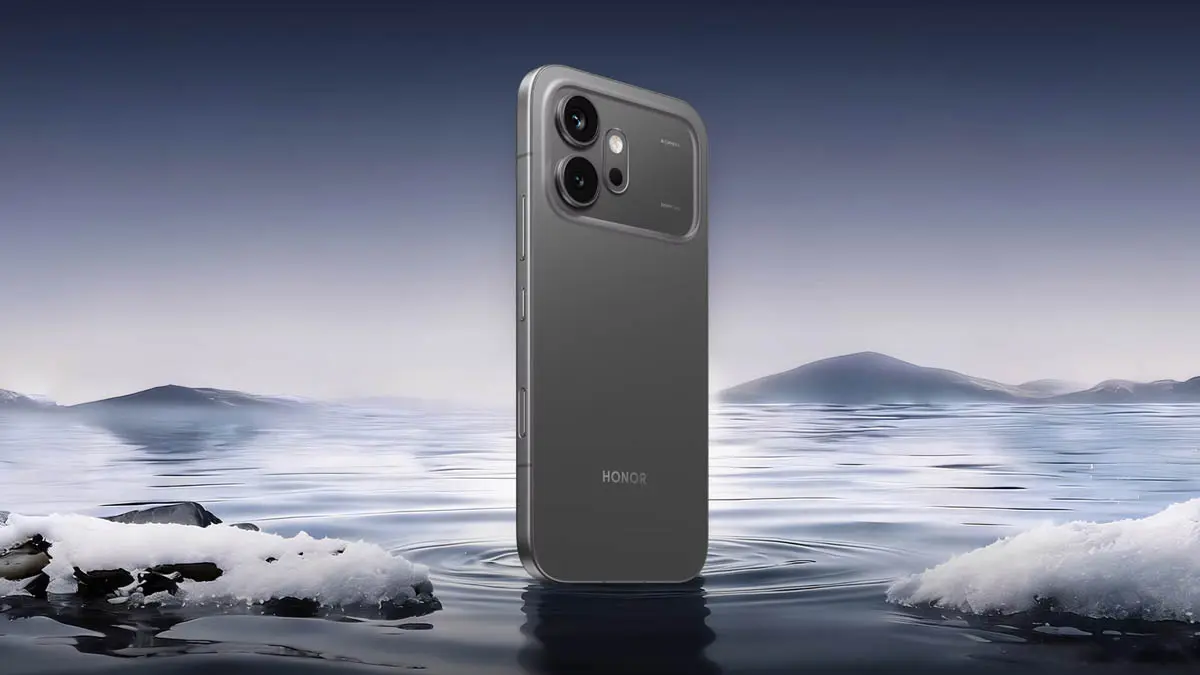
    The IP69K construction ensures durability while keeping a polished appearance over time. An AI button sits below the power key on the right edge, doubling as a customizable camera shutter. The aesthetic echoes the iPhone 17 but swaps Apple’s stark finish for refined elegance. The camera bump uses a distinct composite with a pearlescent, semi-transparent glow against the matte rear panel. Flat edges feel off, though the brushed aluminum texture redeems them. At a compact size and 190g weight, the phone took adjustment but proved refreshing.
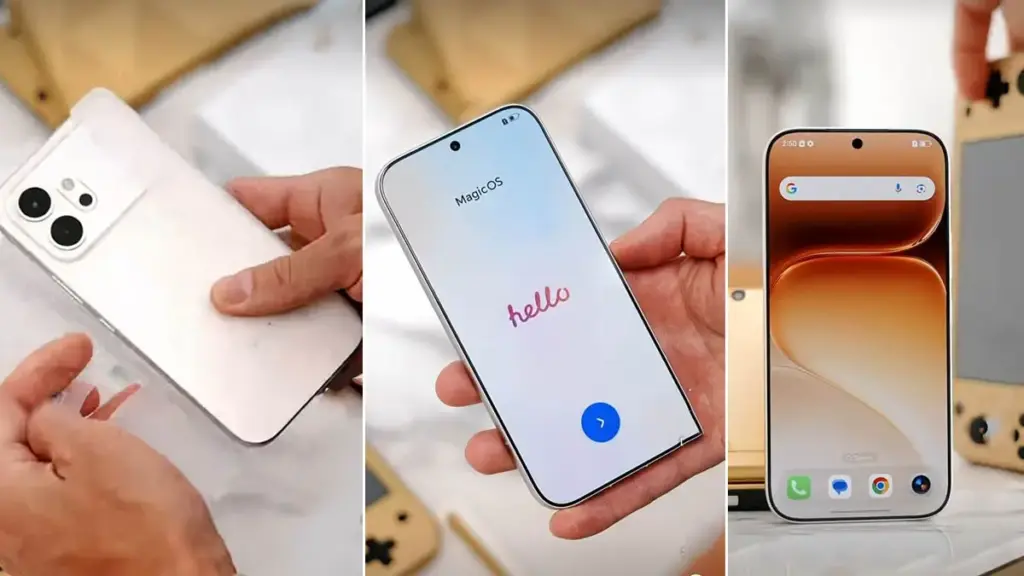
    honor 600 review

    The standout element remains the near-bezelless display with the industry’s first sub-1mm bezel at a uniform 0.98mm all around. A mid-ranger claiming this milestone feels unexpected. The true 10-bit panel avoids dithering and packs eye-care tools like DC dimming, 3840Hz PWM, motion sickness reduction, defocus mode, and personalized contrast checks. Full color tweaks cover saturation, contrast, and more options often skipped by others.

    Honor rates peak brightness at 8,000 nits in a limited area. HDR tests hit around 3,000 nits routinely, outshining even Samsung flagships at 2,600 nits. Performance jumps 40 percent over the Honor 400 in Geekbench and 3DMark benchmarks.

    Despite its slim profile and light 190g build, a 6,800mAh battery (7,000mAh in China) delivers multi-day endurance. Charging at 60W adds convenience. Haptics disappoint as usual for Honor—weak enough to disable entirely, though this remains the main drawback.
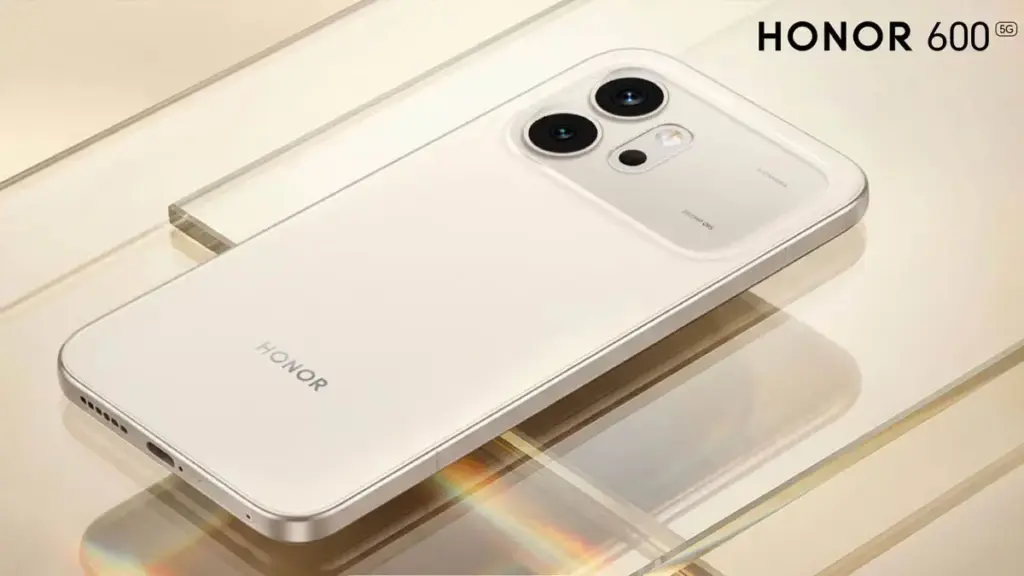
    honor 600 in white

    Honor pushes AI hard via the side key, which triggers contextual tools on long press for screen-specific actions like screenshot-to-notes in AI memories. Gallery upgrades include AI Photo to Video V2.0, turning up to three images plus a prompt into 3-8 second clips.

    Such gimmicks entertain but rarely prove essential—authenticity in photos and videos holds more appeal, even if execution impresses. Moving Photo Eraser refines object removal while preserving motion in photos, matching top magic eraser tools. Moving Photo Breakout Collage blends stills and motion shots into shareable layouts that shine on social media.

    The 200MP main sensor produces sharp images with solid dynamic range and true-to-life colors. Zoom lacks detail natively, but AI kicks in past 6x to sharpen results effectively, filling gaps left by absent telephoto lenses. Availability proves inconsistent, with no toggle option—users can disable it outright if needed. Motion handling ranks high for the segment, trailing only Honor flagships.

    The Honor 600 builds smartly on the 400 series and holds strong value barring post-launch hikes. It leads mid-rangers in screen, durability, and stamina while challenging flagships selectively. Google, Nothing, and Samsung compete closely, yet Honor edges them on core elements. Rivals promise extra software years, but at this tier, Honor’s reliable updates, battery prowess, fast charging, tough build, and screen comfort tip the scales.


  • Redmi Buds 8 Debut With 50dB ANC, LHDC Audio, and 44-Hour Battery Life

    Redmi Buds 8 Debut With 50dB ANC, LHDC Audio, and 44-Hour Battery Life

    Redmi Buds 8 have officially launched in China, bringing a mix of premium audio features and long battery life to the company’s latest true wireless stereo (TWS) lineup. The earbuds support active noise cancellation (ANC) of up to 50dB, feature 11mm dynamic drivers, and use Bluetooth 5.4 for connectivity. They also support the LHDC audio codec and carry Hi-Res Audio Wireless certification. Additional highlights include multi-device pairing and AI-powered call noise reduction. The launch comes alongside several upcoming Redmi products, including the Redmi K90 Max, Redmi K Pad 2, and Redmi Book Pro 2026, which are scheduled to debut in China later today.

    Redmi Buds 8 Price, Colour Options

    The Redmi Buds 8 are priced at CNY 229. Buyers can choose from three colour options: Cyan, Dusk Black, and White. The earbuds are currently listed on the official Xiaomi China website.

    Redmi Buds 8 color variants

    Redmi Buds 8 Features, Specifications

    The earbuds are built around 11mm dynamic drivers and support a wide frequency response range from 20Hz to 40kHz. With Hi-Res Audio Wireless certification and support for LHDC alongside SBC and AAC codecs, the Buds 8 are designed to deliver higher-quality wireless sound across compatible devices.

    For noise control, Redmi integrates up to 50dB active noise cancellation. The earbuds use a three-microphone system with AI-backed call noise reduction, helping reduce wind interference at speeds of up to 12m/s for clearer voice calls. Users can switch between multiple ANC modes, including depth, balanced, light, and an adaptive option that adjusts automatically. There are also three transparency modes available: standard, vocal enhancement, and environmental enhancement.

    Connectivity is handled via Bluetooth 5.4, with a claimed range of up to 10 metres in open spaces. The earbuds support dual-device pairing, allowing them to stay connected to two devices simultaneously, along with audio sharing and smooth switching between connected devices. Redmi also includes support for the Xiaomi Headphones app, enabling customisation and controls, as well as gesture-based functions such as one-tap photo capture.

    Redmi Buds 8 anc

    Battery performance is another key focus. Each earbud houses a 54mAh battery, while the charging case packs a 475mAh unit. Redmi claims up to 11 hours of playback on a single charge without ANC, extending to a total of 44 hours with the charging case. With ANC enabled, the earbuds are rated for up to 6.5 hours per charge and up to 28 hours in total with the case. Charging is handled via a USB Type-C port.

    In terms of durability and design, the Redmi Buds 8 come with an IP54 rating for dust and splash resistance. Each earbud weighs around 5g, and the total weight including the charging case is approximately 44.5g.A/B seamless updates will be mandatory for Android 11 devicesA/B seamless updates will be mandatory for Android 11 devices

  • Redmi K90 Max Goes All-In on Power – Massive Battery and Fan Cooling Revealed

    Redmi K90 Max Goes All-In on Power – Massive Battery and Fan Cooling Revealed

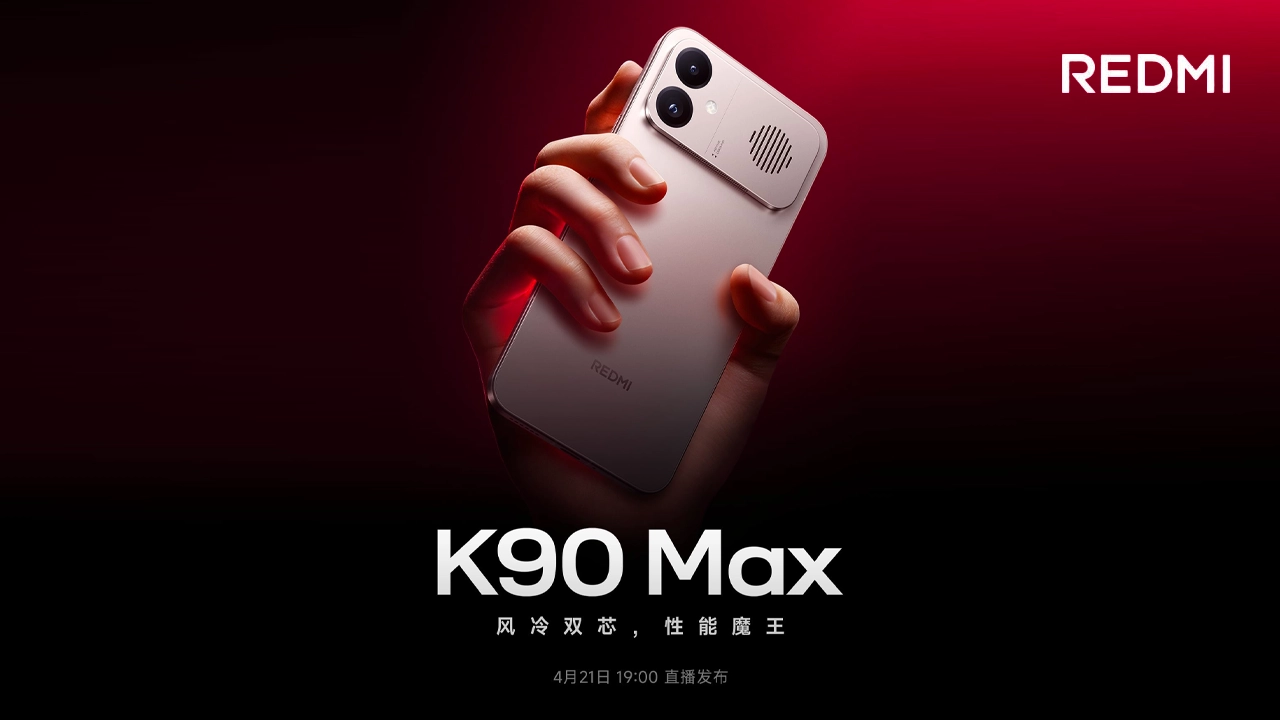
    Redmi has launched the K90 Max in China, adding it to the growing K90 lineup alongside the Redmi K90 and K90 Pro Max. The new phone brings a 6.83-inch display with a 165Hz refresh rate, an 8,550mAh battery with 100W wired fast charging, and a MediaTek Dimensity 9500 SoC with up to 16GB of RAM. Other highlights include a Bose-tuned speaker system and a dual rear camera setup led by a 50-megapixel primary sensor.

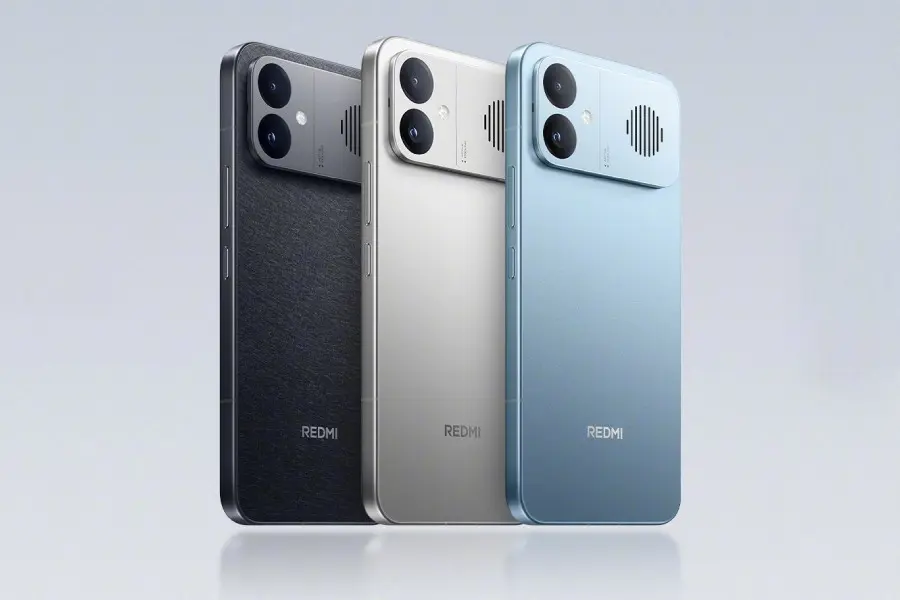
    Redmi K90 Max color variants

    Redmi K90 Max Price and Availability

    The Redmi K90 Max starts at CNY 2,999 for the 12GB RAM + 256GB storage configuration. Both the 12GB + 512GB and 16GB + 256GB variants are priced at CNY 3,499. Moving up, the 16GB + 512GB model costs CNY 3,999, while the top-tier 16GB + 1TB variant is priced at CNY 4,699. The phone comes in three colour options: Space Silver, Shadow Black, and Sky Blue (translated from Chinese).

    Redmi K90 Max Specifications and Features

    The dual-SIM Redmi K90 Max runs Android 16-based HyperOS 3. Its 6.83-inch 1.5K (1,280 x 2,772 pixels) M10 display supports up to 165Hz refresh rate, a 480Hz touch sampling rate, 3,500Hz instantaneous touch sampling, 480Hz multi-finger touch sampling, and peaks at 3,500 nits brightness. The panel also carries HDR10+ and Dolby Vision certification.

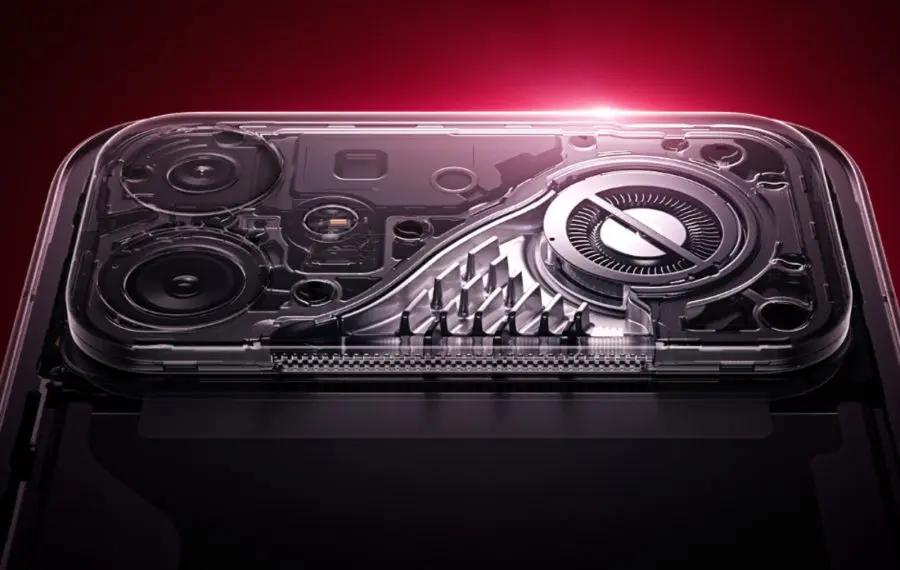
    Under the hood sits a MediaTek Dimensity 9500 chipset, paired with up to 16GB of LPDDR5x RAM and up to 1TB of UFS 4 storage. A dedicated D2 display chip handles gaming-focused processing. Thermal management is taken seriously here — the phone features a 6,000 sq mm ice-sealed circulating cooling pump and over 12,000 sq mm of graphite coverage, plus an active cooling fan that Redmi claims can bring temperatures down by around 10°C in just 100 seconds.

    Xiaomi Redmi K90 Max

    The rear camera system consists of two sensors: a 50-megapixel main camera with OIS and an f/1.68 aperture, backed by an 8-megapixel secondary shooter. On the front, a 20-megapixel camera covers selfies and video calls. Audio is handled by a 1115x symmetrical stereo dual-speaker setup, co-tuned with Bose.

    Connectivity is comprehensive, covering 5G, Wi-Fi 7, Bluetooth 4, NavIC, GPS/AGPS, Galileo, GLONASS, BeiDou, NFC, OTG, and USB Type-C. The phone carries IP66, IP68, and IP69 ratings for dust and water resistance. Security is managed by a 3D ultrasonic in-display fingerprint sensor, and the onboard sensor array includes an accelerometer, ambient colour temperature sensor, electronic compass, gyroscope, IR remote control, flicker sensor, and an X-axis linear motor.

    Powering everything is the 8,550mAh battery, which supports 100W wired fast charging and 22.5W reverse wired charging for topping up other devices on the go.

  • OnePlus Smartwatch Leaks Early – Premium Design Revealed Before Launch

    OnePlus Smartwatch Leaks Early – Premium Design Revealed Before Launch

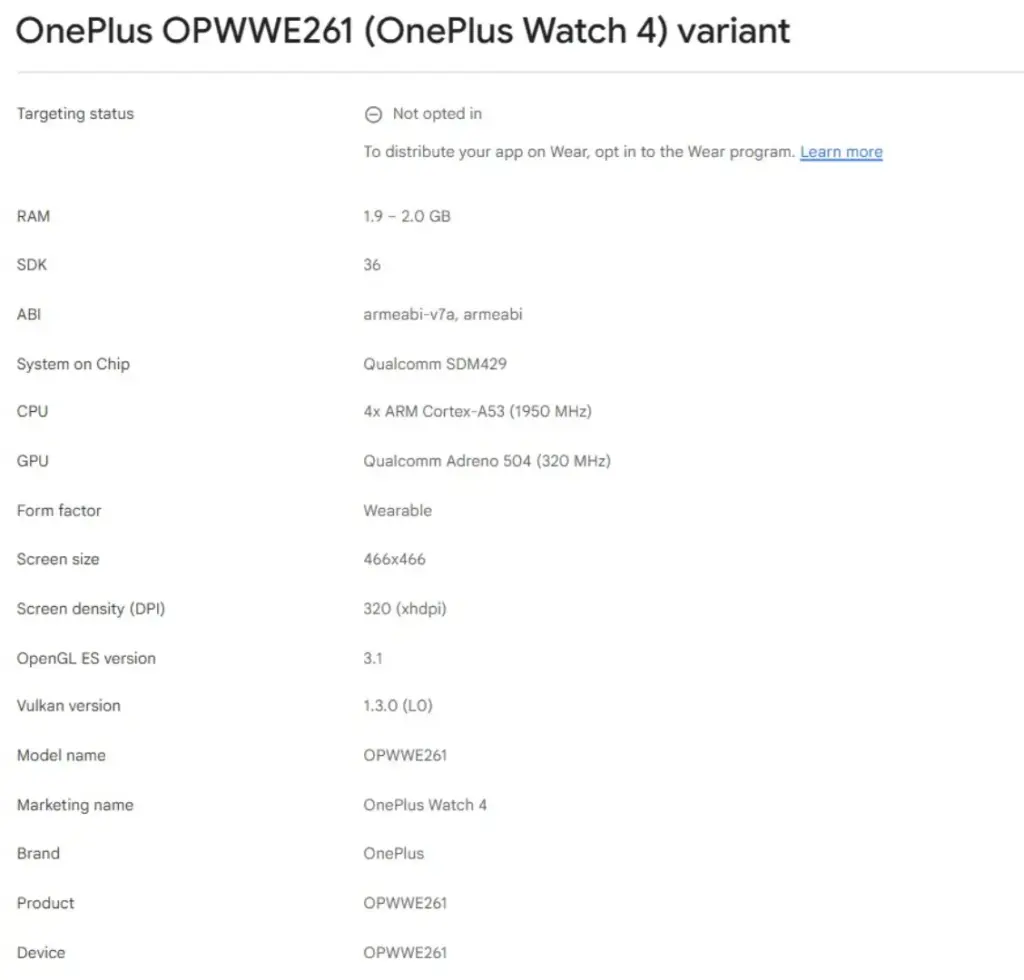
    A new OnePlus smartwatch has cleared Google certification ahead of its official debut. The OnePlus Watch 4 is expected to launch soon and will come in two colour options — though owners of the Watch 3 may find the hardware underneath very familiar.

    OnePlus spent last week teasing the Pad 4 tablet, a high-end release confirmed for India so far. Around the same time, early details about the company’s next smartwatch began circulating on X. Now, that same device has shown up on the Google Play Console, carrying the identical model number and retail name from last week’s leak. The listing doesn’t pin down a release date, but it does shed light on several key specifications before any official announcement.

    The news isn’t particularly exciting for Watch 3 owners hoping for a hardware leap. As earlier rumors suggested, OnePlus appears to have carried over the internal components largely unchanged. The Google Play Console listing confirms the Watch 4 pairs 2GB of RAM with Qualcomm’s Snapdragon W5 Gen 1 chipset — not the newer Snapdragon Wear Elite that some had hoped to see.

    oneplus watch 4 google play console bottom

    The display situation follows the same pattern. The Watch 4 is listed with a 466 x 466-pixel resolution at 320 DPI, matching the Watch 3’s screen specs exactly, which points to a 1.5-inch panel once again. Taken together, the Watch 4 is shaping up to look a lot like a rebranded Oppo Watch X3 — a device Oppo is set to launch in the Eurozone on April 21 for €379 (approximately $449). The OnePlus Watch 3, for reference, is currently available on Amazon for $249.99, so it’ll be interesting to see where OnePlus prices its successor given the minimal spec changes.

  • Google Wallet Just Became a Must-Have Travel Tool With This Smart New Feature

    Google Wallet Just Became a Must-Have Travel Tool With This Smart New Feature

    Google Wallet has grown into one of the most versatile digital wallet solutions available. Beyond storing credit and debit cards, it handles state IDs, passports, event tickets, transit passes, digital car keys, and plenty more – effectively everything you’d normally carry in a physical wallet. Over time, Google has steadily expanded its capabilities, adding features that feel obvious in hindsight but weren’t on anyone’s radar beforehand. One of those is Live Updates, which surfaces real-time data for transit and events directly within the app.

    Live flight information, right on your lock screen

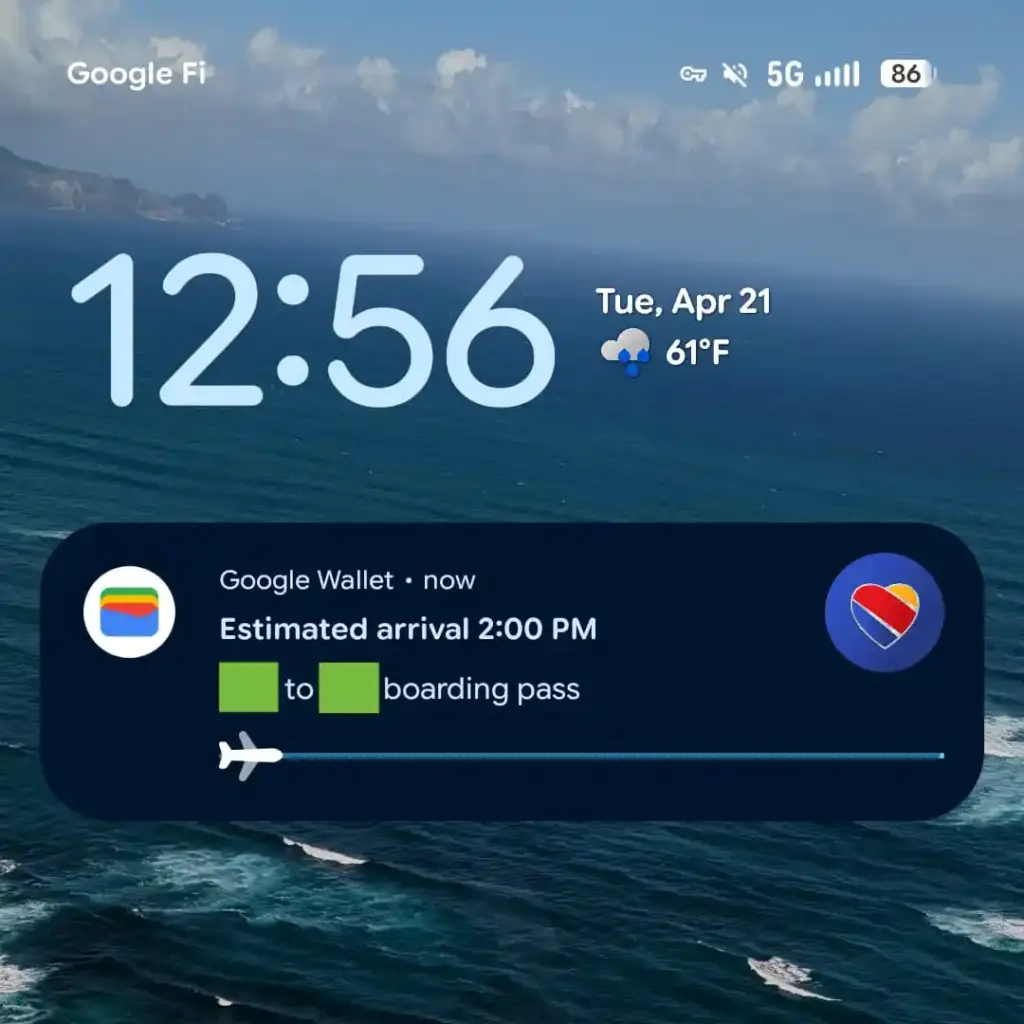
    For those unfamiliar with Live Updates, the feature delivers current information about your transit method or upcoming events without requiring you to open a separate app, dig through emails, or hunt down the information yourself. With the latest Google Wallet update, that same convenience now extends to flights, as noted by 9to5Google.

    Google Wallet live update on lockscreen

    From the moment a flight is booked, Wallet is ready to track it and display the latest status. It also generates an easily accessible QR code for scanning at the gate when the time comes. On devices running Android 16 or later, Wallet will display takeoff time, total flight duration, and an estimated arrival time. All of this appears on the lock screen or always-on display, if that feature is enabled.

    That kind of at-a-glance access becomes especially valuable on hectic travel days. The usual routine — checking in hours early, clearing security, settling in at the boarding gate – tends to go smoothly, but flights don’t always cooperate. Delays happen for all sorts of reasons, gates get reassigned, and cancellations aren’t unheard of. Rather than bouncing between airline apps, notification panels, and departure boards, having the key details visible the moment the screen lights up keeps things a lot simpler. It’s also easier to keep travel companions informed without constantly having to look things up.

    To get Live Updates for flights working, Android 16 users will need to update Google Wallet along with any associated services. The timing works out well, with the rollout landing just ahead of what’s typically one of the busiest travel periods of the year.

  • Google Photos Adds AI Touch-Ups That Fix Your Selfies Without Looking Fake

    Google Photos Adds AI Touch-Ups That Fix Your Selfies Without Looking Fake

    Google Photos has been on a steady update streak lately, picking up long-requested features alongside smaller quality-of-life improvements. The app isn’t slowing down either – Google is now rolling out another update that brings a set of touch-up tools directly into the built-in image editor. The company is framing the addition around the idea that “your photos should capture how you feel in the moment.”

    New touch-up tools land in Google Photos’ image editor

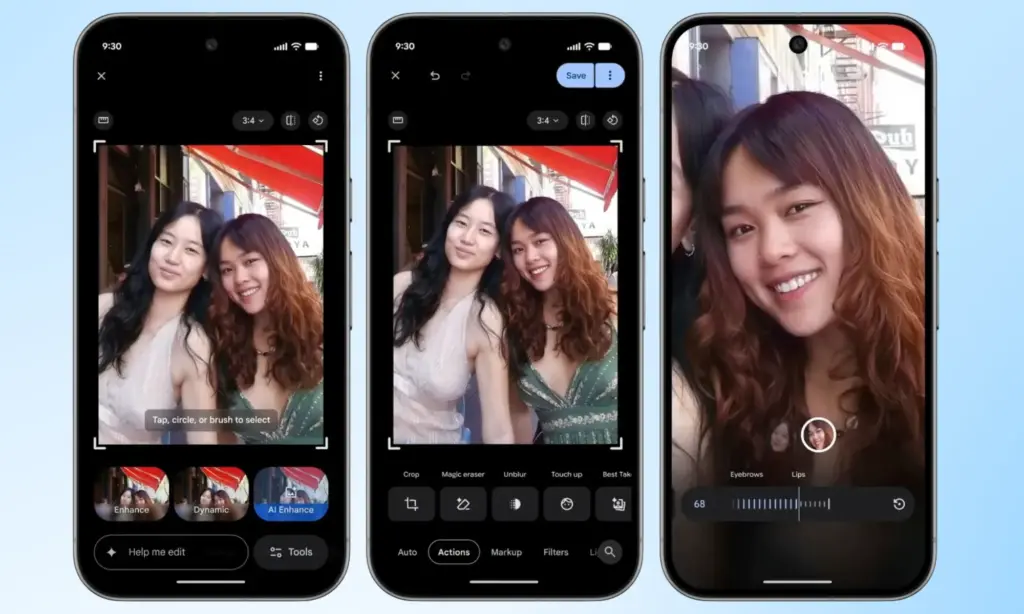
    The new tools are designed to apply subtle, targeted enhancements to portrait shots. According to Google, they let users refine skin texture, remove blemishes, brighten eyes, and whiten teeth – all within seconds. The workflow is straightforward: select a face in the photo, then pick from a set of options including heal, smooth, under eyes, irises, teeth, eyebrows, or lips. From there, a slider lets you dial in the intensity of each effect.

    Google Photos Touch Up feature in action

    Everything renders in real time, so adjustments are visible as they’re made, making it easy to fine-tune before saving. It’s worth noting that many third-party photo editing apps have offered similar tools for years, but Google Photos users now get these capabilities natively, without needing to reach for a separate app.

    Rolling out gradually to Android devices with 4GB RAM or more

    Google Photos Adds AI Touch-Ups

    This feature has had a long road to release. Code strings hinting at its existence were first discovered inside Google Photos back in October last year, but it’s taken until now for Google to push it live. It’s a welcome addition for anyone who likes to put a little polish on their photos before sharing, though those who prefer keeping images untouched can simply skip it entirely.

    Google has confirmed the touch-up tools are rolling out gradually on a global basis through the Photos app, targeting Android devices running Android 9.0 or higher with at least 4GB of RAM. Given that the rollout is just getting started, it may take a few days before the update reaches all eligible devices.

  • Oppo Unveils Find X9 Ultra – Powerful Chip and Insane 200MP Periscope Camera

    Oppo Unveils Find X9 Ultra – Powerful Chip and Insane 200MP Periscope Camera

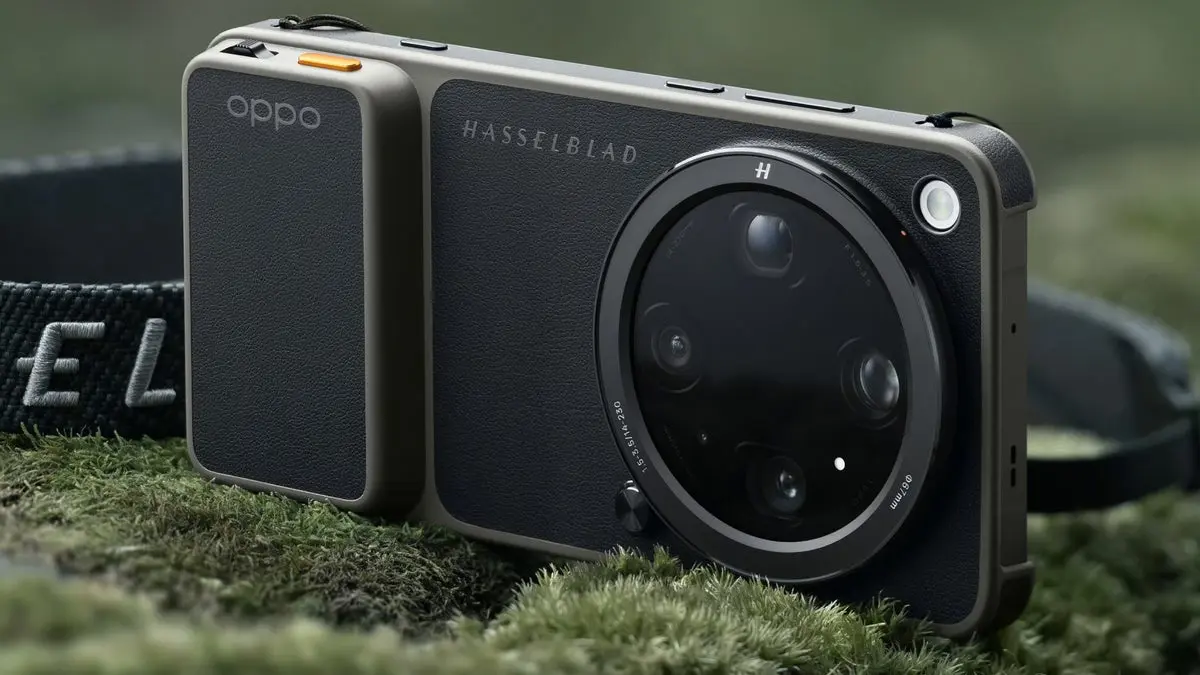
    Oppo officially launched the Find X9 Ultra in China on Tuesday, slotting it in as the flagship of the Find X9 family alongside the standard Find X9 and Find X9 Pro. The device runs on Qualcomm’s Snapdragon 8 Elite Gen 5 chipset paired with up to 16GB of RAM, features a 2K display with a 144Hz refresh rate, and houses a 7,050mAh silicon-carbon battery with 100W wired fast charging support.

    Oppo Unveils Find X9 Ultra

    Oppo Find X9 Ultra Price and Availability

    Pricing in China starts at CNY 7,499 (roughly Rs. 1,03,000) for the base 12GB + 256GB configuration. The 12GB + 512GB variant comes in at CNY 7,999 (roughly Rs. 1,10,000), while stepping up to 16GB + 512GB costs CNY 8,499 (roughly Rs. 1,17,000). Those wanting more storage can opt for the 16GB + 1TB model at CNY 9,299 (roughly Rs. 1,27,000), with a special edition variant rounding things out at CNY 9,499 (roughly Rs. 1,30,000).

    The phone is available in three colour options – Polar Glaciers, Rongsha Canyon, and Tundra (translated from Chinese) – and goes on sale in China from April 24. Global rollout details haven’t been confirmed yet, though Oppo has already announced an India launch for May. Pricing and full regional details are expected to follow closer to that date.

    Oppo Find X9 Ultra Specifications and Features

    The dual-SIM device (nano + nano/eSIM) runs ColorOS 16 built on Android 16. Up front, there’s a 6.82-inch QHD+ flexible AMOLED panel with a resolution of 1,440 x 3,168 pixels, a 120Hz refresh rate, up to 1,800 nits peak brightness, and 10-bit colour depth. The Snapdragon 8 Elite Gen 5 handles processing duties, backed by an Adreno 840 GPU, up to 16GB of LPDDR5x RAM, and up to 1TB of UFS 4.1 storage.

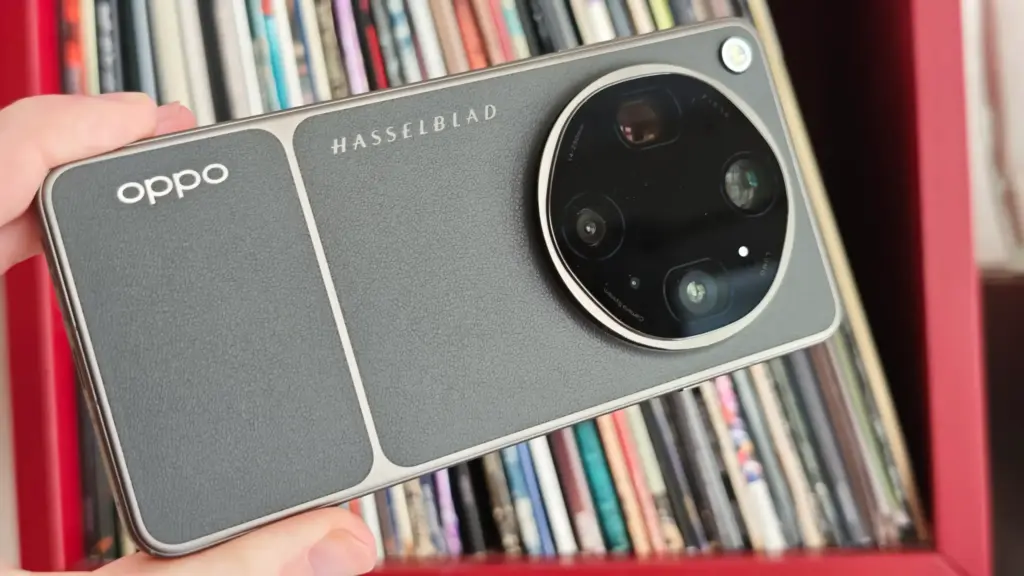
    Oppo Unveils Find X9 Ultra in hand

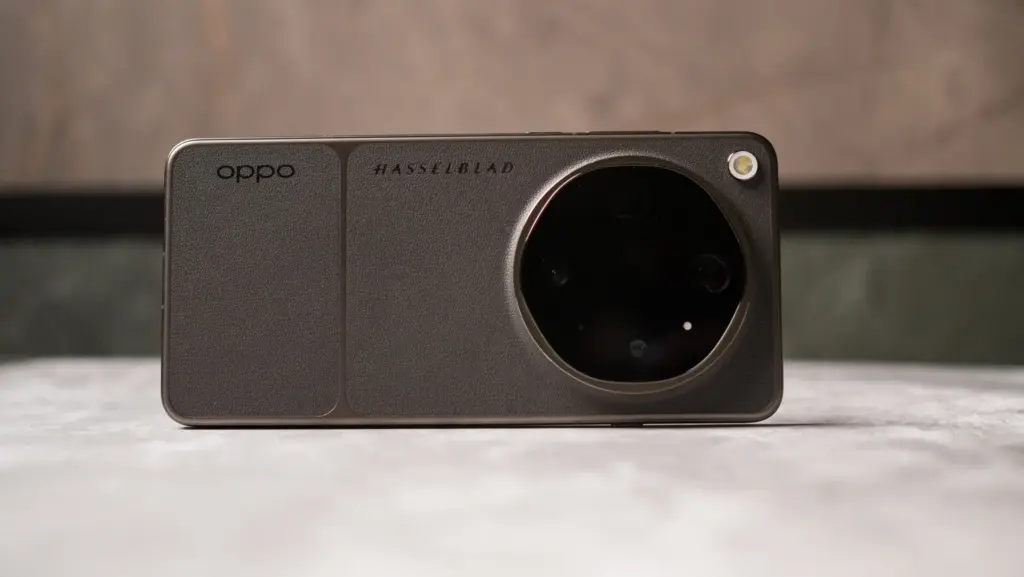
    Photography is where the Find X9 Ultra really pushes boundaries. The quad rear camera system leads with a 200-megapixel primary sensor featuring OIS, joined by a 50-megapixel ultra-wide shooter, a 200-megapixel periscope telephoto lens, and a 50-megapixel ultra-telephoto camera capable of 10x optical zoom and up to 120x digital zoom. A dedicated colour reproduction lens rounds out the rear setup, while a 50-megapixel camera handles selfies from the front.

    Video capabilities are equally impressive, with support for 8K recording at 30fps, 4K at up to 120fps, and Dolby Vision capture. The camera system also integrates Hasselblad imaging, an XPAN shooting mode, and a suite of professional video tools.

    Oppo Unveils Find X9 Ultra

    On the connectivity side, the phone covers Wi-Fi 7, Bluetooth, NFC, GPS, GLONASS, Beidou, Galileo, QZSS, and USB Type-C. Select variants additionally support Tiantong satellite communication (translated from Chinese) and Beidou satellite messaging. Security is handled by a 3D ultrasonic in-display fingerprint sensor.

    The 7,050mAh silicon-carbon battery supports both 100W wired and 50W wireless fast charging. The handset measures approximately 163.16 x 76.97 x 8.65mm depending on the colourway chosen and weighs around 235g.

  • OnePlus Nord CE 6 Lite Spotted on Geekbench with MediaTek Dimensity 7400 Chipset

    OnePlus Nord CE 6 Lite Spotted on Geekbench with MediaTek Dimensity 7400 Chipset

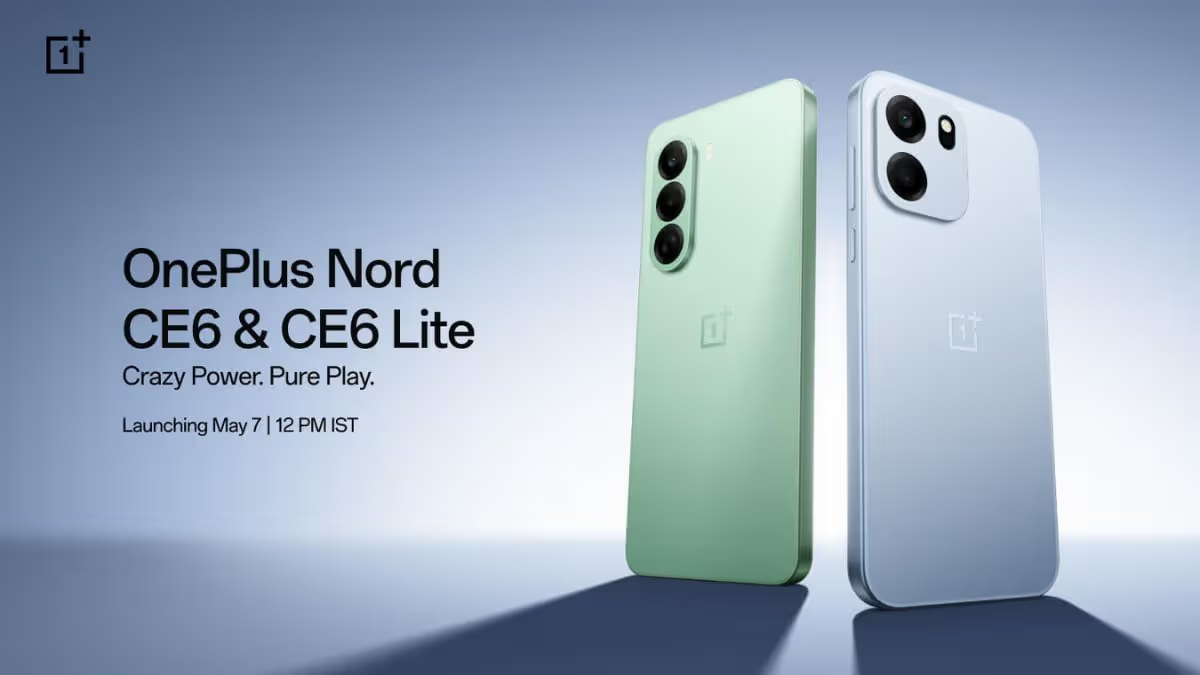
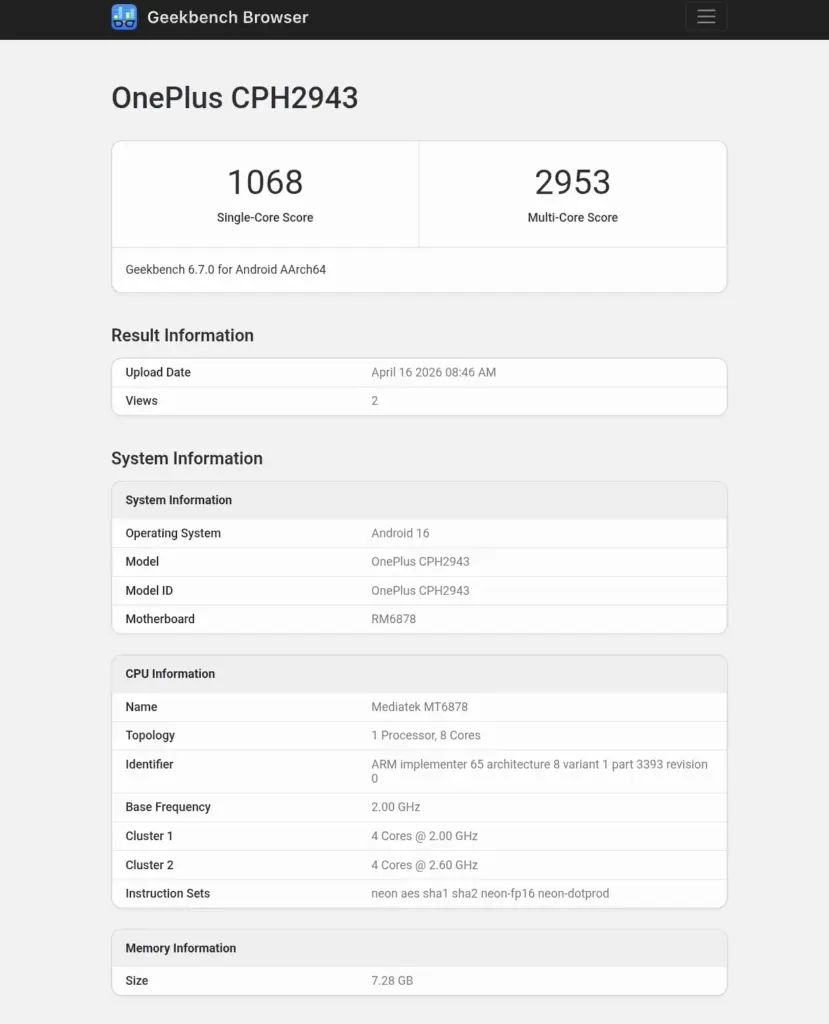
    OnePlus has been busy reshaping its Android lineup lately. The company launched the OnePlus Nord 6 earlier this month as a follow-up to the Nord 5, and it’s now reportedly working on two more additions to round out the series at lower price points — the Nord CE6 and Nord CE6 Lite. A new OnePlus device, carrying the model number CPH2943 and widely believed to be the Nord CE 6 Lite, has now surfaced on the Geekbench benchmarking platform.

    Mysterious CPH2943 could be the Nord CE 6 Lite

    The Geekbench listing doesn’t name the device outright, but tipster Abhishek Yadav has identified it on X as the OnePlus Nord CE 6 Lite. On the performance front, the phone posted a single-core score of 1,068 and a multi-core score of 2,953. The listing also reveals a handful of key specs: the device runs Android 16, which will almost certainly ship with OxygenOS 16 on top, and it comes with 8GB of RAM — though additional memory configurations could be available at launch.

    The benchmark points to a MediaTek Dimensity 7400 SoC paired with a Mali-G615 MC2 GPU under the hood. That said, Abhishek Yadav notes that the final chipset branding may differ slightly — possibly Dimensity 7400 Max, Extreme, or Pro — though the underlying silicon will remain the same regardless of what OnePlus ends up calling it. The core configuration listed shows four cores running at 2.0GHz and four performance cores clocked at 2.60GHz.

    OnePlus Nord CE 6 Lite Spotted on Geekbench with MediaTek Dimensity 7400 Chipset

    May launch expected in India

    Since the marketing name isn’t confirmed in the listing, there’s a slim possibility this could turn out to be the standard Nord CE 6 rather than the Lite variant. Nothing is set in stone at this point. Either way, current rumors suggest both the Nord CE 6 and Nord CE 6 Lite are headed to India sometime in May.

    Separately, OnePlus has a more immediate launch on the calendar. The OnePlus Pad 4 is set to debut in India on April 30th, and it’s shaping up to be a powerhouse tablet. It’s powered by the Snapdragon 8 Elite Gen 5 chip and houses a massive 13,380mAh battery. The display is expected to measure 13.2 inches with a 3.4K resolution and a 144Hz refresh rate, while charging is handled by 80W fast charging. The tablet may also support an external smart keyboard and stylus accessory.

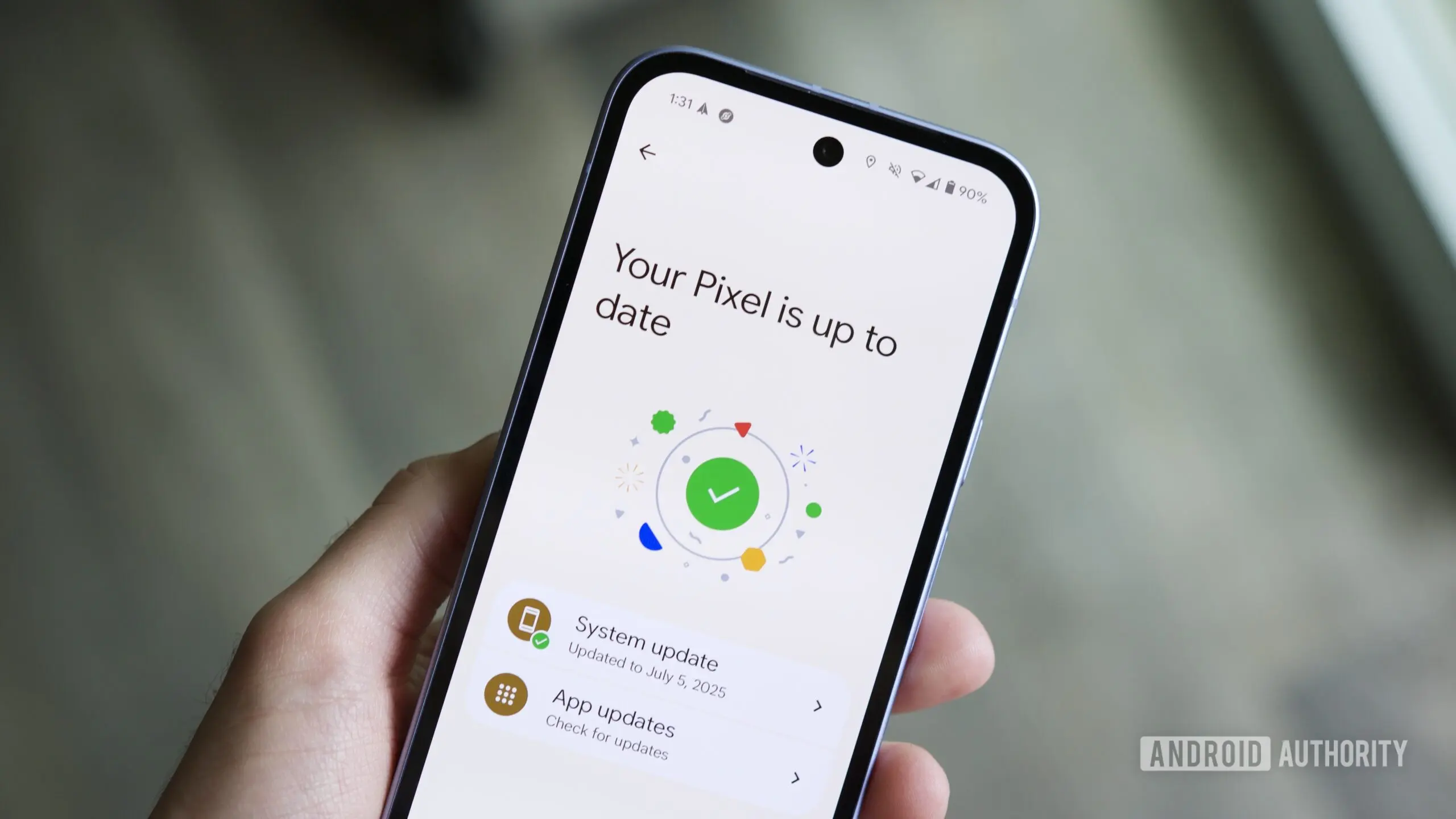
  • Google’s Latest System Update Improves Android in Subtle Ways You’ll Notice

    Google’s Latest System Update Improves Android in Subtle Ways You’ll Notice

    The Play services, Play Store, and Play system update for Android phones and tablets, Wear OS, Google/Android TV, Auto, and PC are the main topics covered in the monthly “Google System Release Notes.” While certain features are intended for developers, others are applicable to end users.

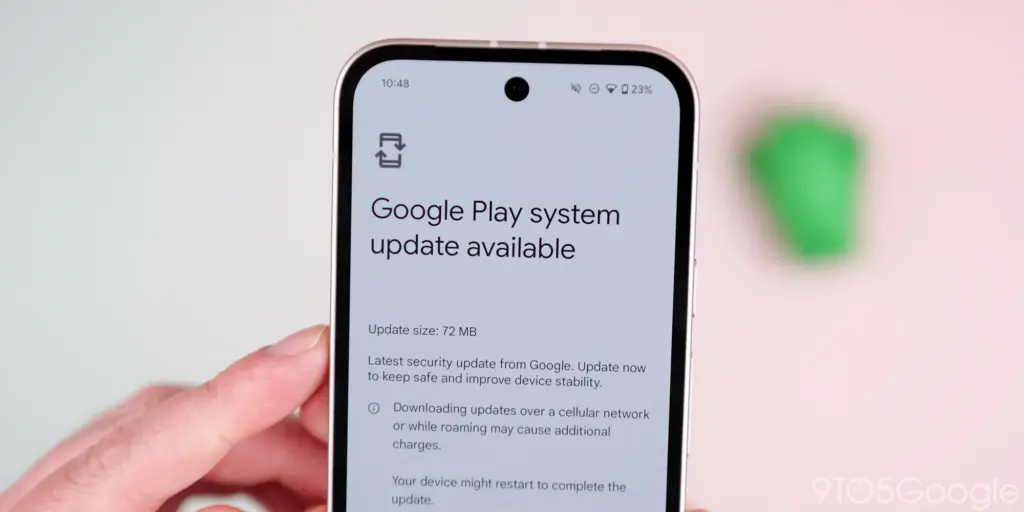
    Google Play System update 3

    The “Google System” is made up of the following third-party apps:

    To update, launch the Settings app, press your name at the top of the “Google services” page, then select All services > Privacy & security > System services.

    A feature is not necessarily publicly accessible just because it appears in the changelog. The full launch of some capabilities takes months.

    Google Play services v26.15 (2026-04-20)

    Device Connectivity

    • [Auto, Phone, Wear] Bug fixes for Device Connections and System Management & Diagnostics related services.

    Location & Context

    • [Phone] Bug fixes for Location Services related services.

    Wallet

    • [Phone] With this update, a message at the bottom of the screen tells the user how to add a card to Wallet.
    • [Phone] With this update, you’ll get a new entry point for MyCommute.

    Android System Intelligence B.24 (2026-04-16)

    • [Phone] Maintenance changes.

    Google Play services v26.14 (2026-04-13)

    Account Management

    • [Phone] With this update, you’ll get a faster way to set up your device when you transfer accounts and settings from an existing device.

    System Management

    • [Auto, PC, Phone, TV, Wear] You can now find open source licenses for Android Pulse in GMS Core.

    Wallet

    • [Phone] You can now control how private passes in Wallet work with other Google services like Autofill through new per-pass privacy settings.
    • [Phone] You can now use a redesigned Wallet interface for quick access, search, and discovery.

    Google Play Store v51.0 (2026-04-13)

    • [Phone] You can now provide feedback on AI-generated summaries of user reviews.
    • [Phone] You can now create a Gamer Profile directly from You tab.
    • [Phone] You can now play some games on the You tab with no install required.

    Google Play services v26.13 (2026-04-06)

    Account Management

    • [Auto] When a user signs in to their Google account on Android Automotive devices via QR code, the sign-in confirmation displays the requesting device’s name.

    Device Connectivity

    • [Phone] New developer features for Google and third party app developers to support Device Connectivity related processes in their apps.

    Location & Context

    • [Phone] With this update, Location Sharing APIs are refined and new location requests are introduced.
    • [Phone] With this update, On-Device Location History Store Visits processes more frequently.

    System Management

    • [Auto, PC, Phone, TV, Wear] Updates to system management services that improve Security and Stability.

    Wallet

    • [Phone] Bug fixes for Wallet related services.

    Google Play Store v50.9 (2026-04-06)

    • [Phone] This update adds download numbers to some app and game ads to help you make informed choices.
    • [Phone] You can now join and compete in Play Games Leagues directly from the You tab.
  • Nothing Phone (4a) Pro Review: Aluminum Unibody Makes a Comeback

    Nothing Phone (4a) Pro Review: Aluminum Unibody Makes a Comeback

    Nothing looks set to deliver another strong midrange contender. The Phone (4a) Pro delivers on the brand’s signature appeal—distinctive, quirky, and unmistakably Nothing.

    The price has edged up from the Phone (3a) Pro to $499 or €479. Pre-orders through Nothing’s site offer discounts in some regions, potentially matching the predecessor’s cost.

    At half the price of the flagship Phone (3) ($799), it remains a budget-friendly option. Nothing has noted the “a” series’ strong reception and its role in building the brand. The question is whether the Phone (4a) Pro keeps that momentum going.

    Design and Display

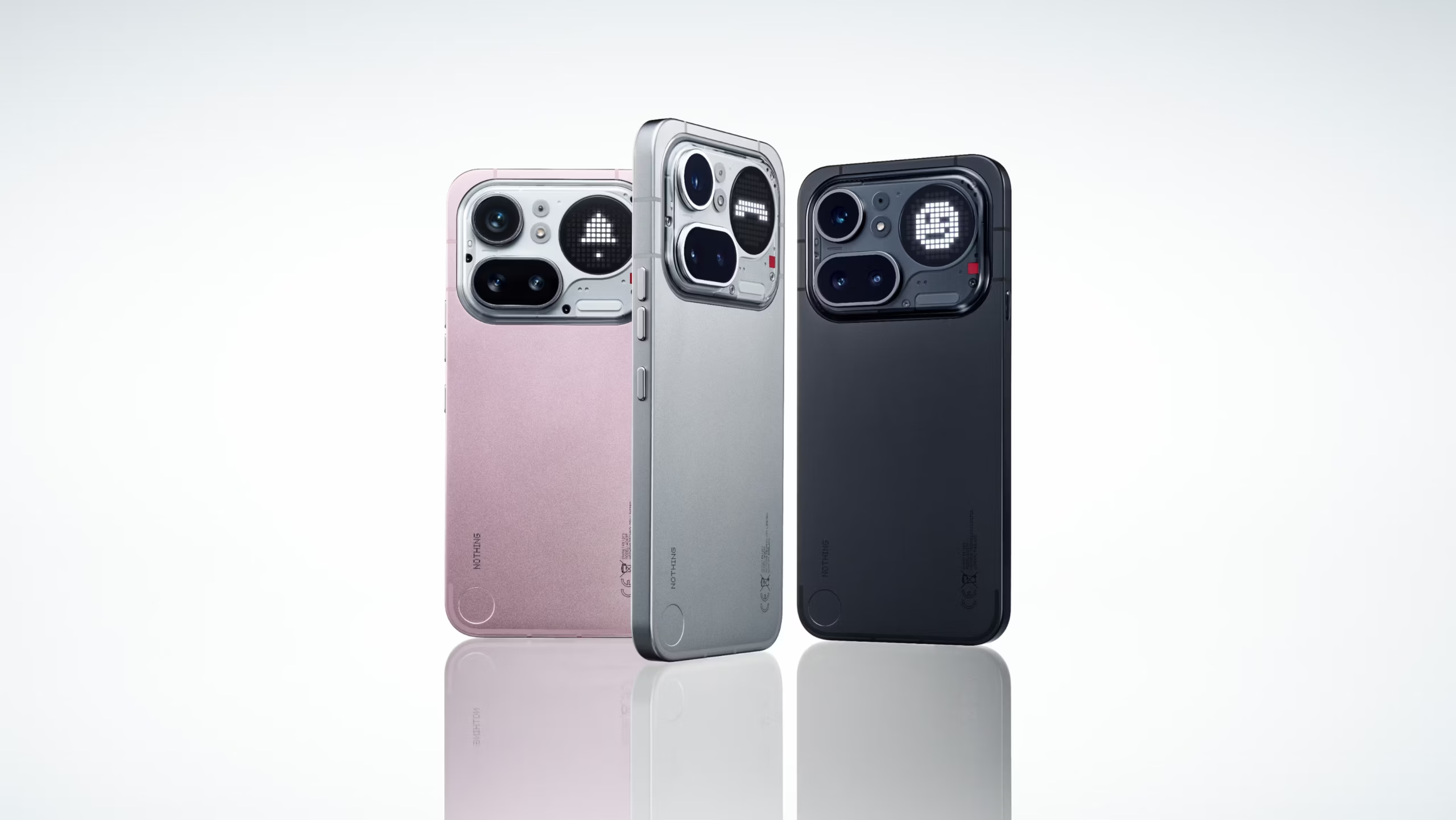
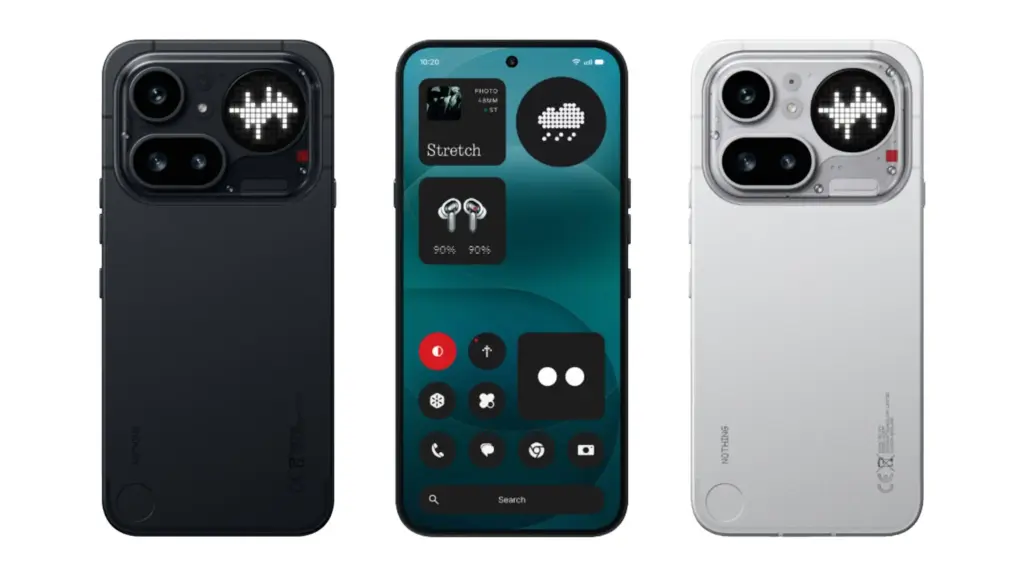
    The Phone (4a) Pro stands out from previous “a” models with its full aluminum unibody construction. Wireless charging is off the table as a result, but the solid metal build feels premium and long-missed in recent years. It stays light and well-balanced for comfortable handling.

    Nothing Phone (4a) Pro design and colors

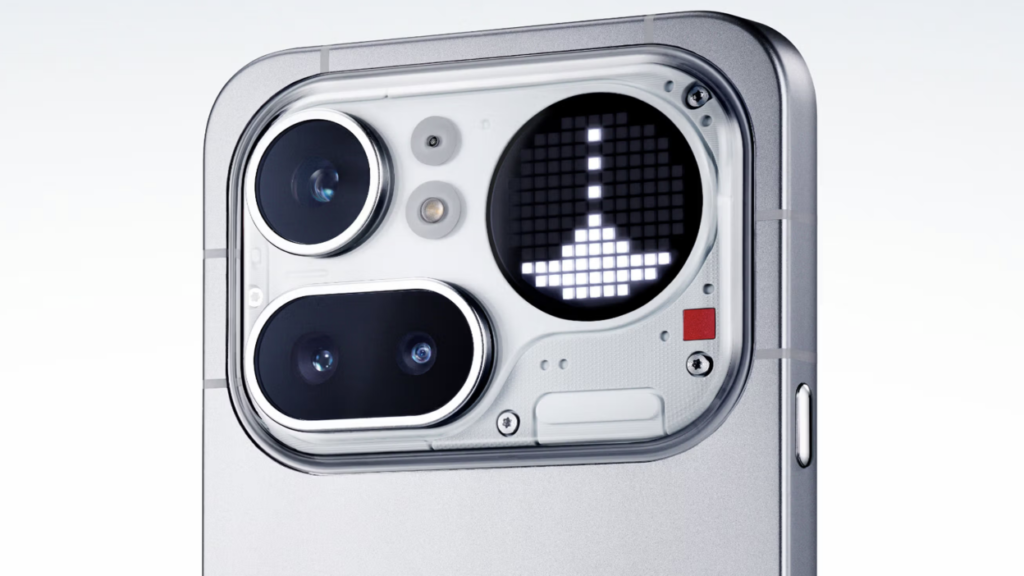
    A transparent section remains on the back, limited to the acrylic-covered camera island. The overall feel is solid, though the scaled-back transparency suggests a shift toward convention. The plastic camera bump may attract scratches over time.

    Despite the 6.9-inch screen, the phone qualifies as thin and manageable, aided by smart weight distribution.

    The Essential button returns, tying into Essential Space—Nothing’s lightweight AI tool for organizing screenshots, photos, and voice notes. On-device AI tags content for easy retrieval, much like an enhanced version of Google’s Screenshots app. The button provides quick access to the library or new captures, serving as a distinctive Nothing touch.

    Volume and power buttons offer satisfying clicks—firm without being loose.

    The traditional Glyph LED strips are gone, as on the Phone (3). The new circular low-res Glyph Matrix sits on the camera island, a more appealing placement than on the Phone (3).

    Functions are simplified compared to the Phone (3)’s Glyph Toys. It displays time, timers, calendar progress, notification icons, or volume levels—no games like spin the bottle or 8-ball.

    The box includes the phone, a transparent case, and a standard USB-C cable, ditching the old transparent styling for a blockier design.

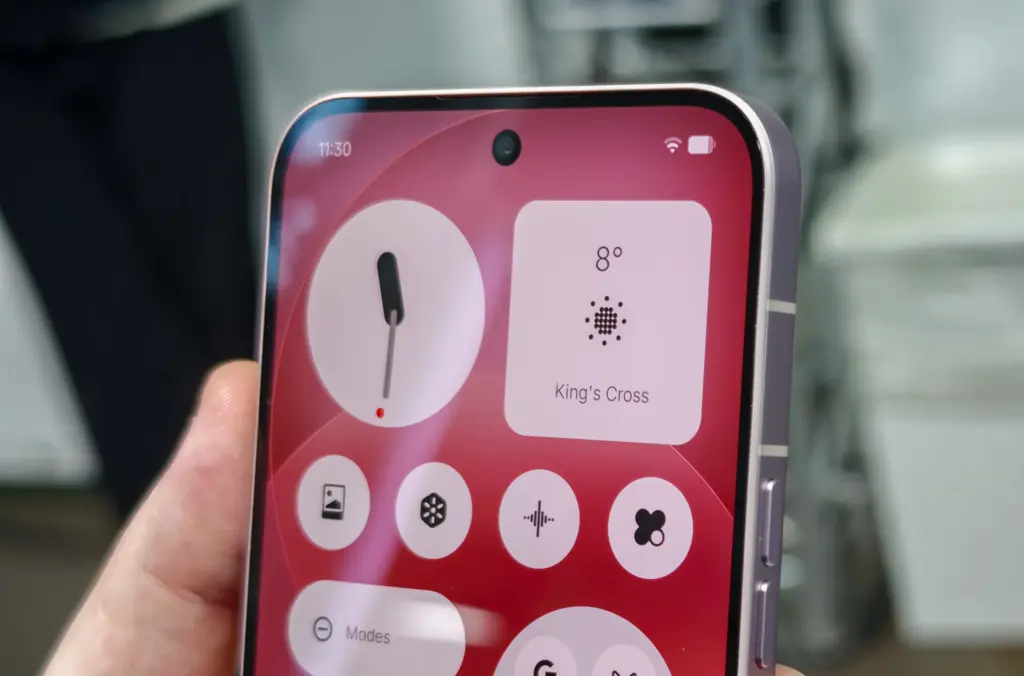
    Nothing Phone (4a) Pro display

    The 6.9-inch AMOLED display packs a 1260 x 2800 resolution (440 PPI), 144Hz refresh rate—higher than the Phone (3)’s 120Hz—and 5,000 nits peak brightness. It delivers sharp, vibrant visuals, with a natural color profile for a less intense look.

    Day-to-day brightness hits around 1,500 nits across the full screen, performing well outdoors despite lacking anti-reflective coating.

    An optical in-display fingerprint scanner works quickly and reliably. Face Unlock relies on the selfie camera, limiting it to well-lit conditions and lower security.

    nothing phone (4a) pro

    Nothing Phone (4a) Pro

    Capture every detail from a distance with the advanced triple camera system. Nothing Phone 4a Pro Features a 50MP Sony main sensor with OIS, a 50MP periscope telephoto lens supporting 3.5x optical up to 140x ultra zoom, and an 8MP ultra-wide lens.

    A good choice
    $599Amazon

    Camera

    Nothing Phone 4a Pro camera

    Smartphone cameras continue to chase natural-looking results, but the Phone (4a) Pro as a midranger falls short. Dynamic range is limited, color matching across the main, ultrawide, and 3.5x zoom lenses is inconsistent, and processing introduces oversharpening and noise artifacts.

    Reds can oversaturate in some shots, while others suffer from incorrect exposure or blue casts. It works for casual snapshots but struggles with standout photography. The 3.5x zoom holds up for portraits before details fade beyond that.

    Predictability is the real issue for a good midrange camera. For better results, a Pixel 9a might suit photography-focused buyers.

    Videos appear overexposed and oversaturated. A bug prevents autofocus when zooming during recording after lens switches, though Nothing typically addresses such issues through software updates.

    Performance

    Power comes from the Qualcomm Snapdragon 7 Gen 4, a midrange chip below the flagship Snapdragon 8 series. Its CPU matches a late-2022 Snapdragon 8 Gen 1 level, with the GPU a bit stronger.

    Paired with Nothing’s efficient software, it handles modern Android smoothly without excess power for demanding tasks.

    In CPU tests against $500 rivals, it holds its own. An iPhone 17e with the Apple A19 would dominate, even with fewer GPU cores. GPU performance beats the Exynos in the Galaxy A56, appealing to mobile gamers.

    Storage choices are 128GB/8GB RAM or 256GB/12GB RAM, with the upgrade adding $100 and edging into iPhone 17e pricing.

    nothing phone (4a) pro

    Nothing Phone (4a) Pro

    Capture every detail from a distance with the advanced triple camera system. Nothing Phone 4a Pro Features a 50MP Sony main sensor with OIS, a 50MP periscope telephoto lens supporting 3.5x optical up to 140x ultra zoom, and an 8MP ultra-wide lens.

    A good choice
    $599Amazon

    Software

    nothing os 40

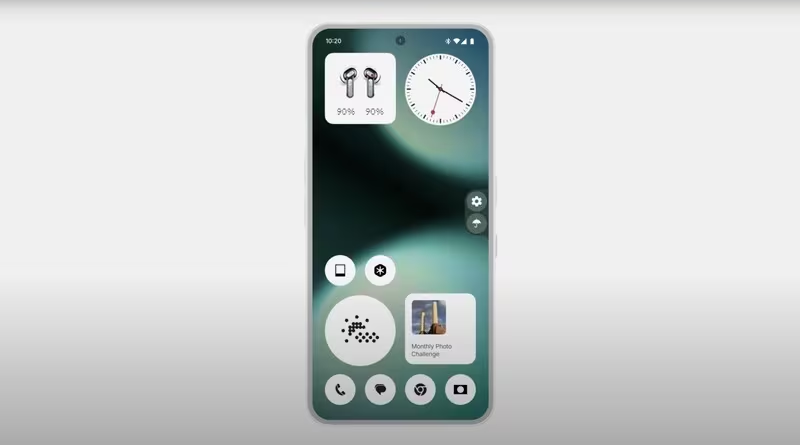
    Nothing OS 4.1 runs on Android 16 out of the box. The clean, flat interface feels responsive, with monochrome icons offering a minimalist vibe.

    Support includes three major Android updates and four years of security patches, potentially carrying the phone through to 2030.

    Battery

    A 5,080 mAh battery and efficient Snapdragon 7 Gen 4 yield solid endurance: 16 hours of browsing and 12 hours of video playback.

    Gaming drops results to around 6 hours, trailing some rivals but acceptable for the price and segment.

    50W charging hits 67% from empty in 30 minutes using Nothing or compatible third-party chargers. No wireless charging due to the aluminum body.

    Audio and Haptics

    Stereo speakers are loud with decent tuning for system sounds and videos, though they sound tinny for music. No 3.5mm jack.

    Haptics stand out, delivering precise feedback that complements the interface.

    Verdict

    The Nothing Phone (4a) Pro stands as a bold statement phone for those avoiding generic Galaxies or iPhones. Its handling, display, and performance match $500 peers, while the UI brings thoughtful, unique touches.

    Cameras remain the weak spot. Buyers who can overlook that will find a compelling package; others may want to wait for software tweaks or consider alternatives.

    nothing phone (4a) pro

    Nothing Phone (4a) Pro

    Capture every detail from a distance with the advanced triple camera system. Nothing Phone 4a Pro Features a 50MP Sony main sensor with OIS, a 50MP periscope telephoto lens supporting 3.5x optical up to 140x ultra zoom, and an 8MP ultra-wide lens.

    A good choice
    $599Amazon