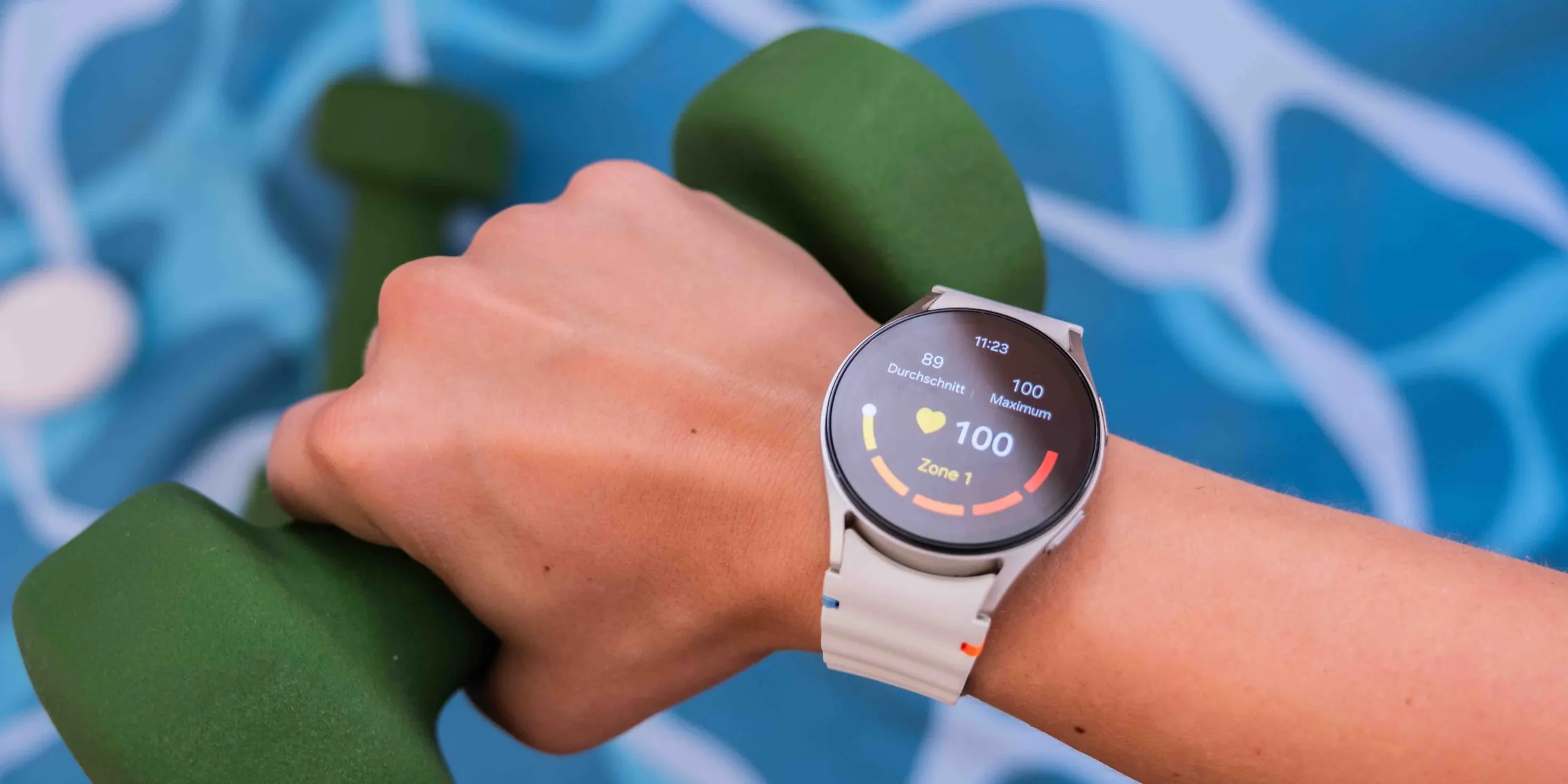
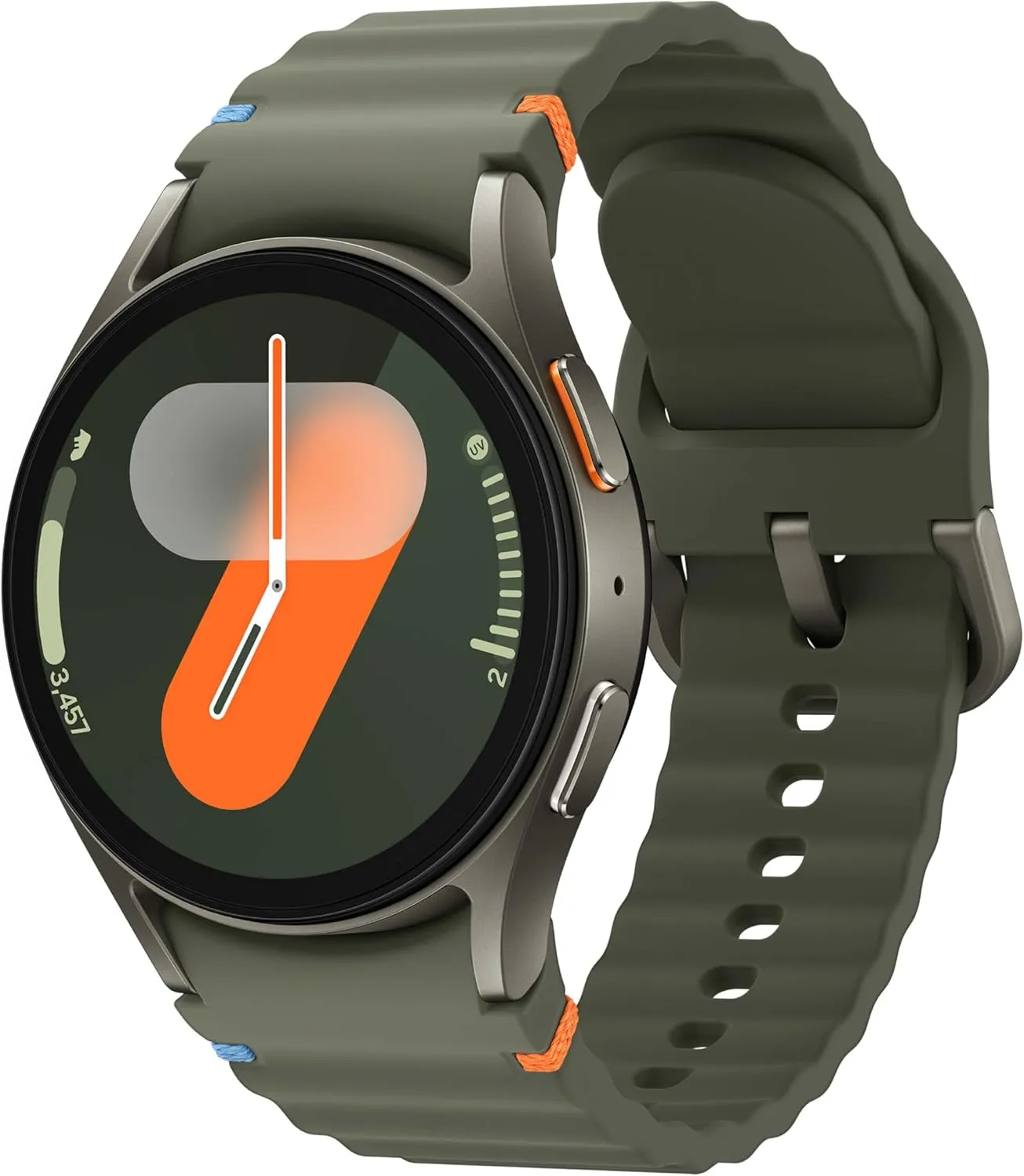
Now is a good time to concentrate on enhancing your well-being as spring approaches. A smartwatch is a fantastic addition to your fitness and health toolset for tracking your workouts and recuperation. You can save $80 or 27% right now when Samsung’s Galaxy Watch 7 with AI capabilities returns to its lowest price of $219 on Amazon, down from $299.
This deal is valid for the 40 mm Wi-Fi-only model in the green colorway. The 44 mm in Green is also $80 off, lowering its price from $329 to $249 if you would rather have a larger model.
Samsung Galaxy Watch 7 40 mm Wi-Fi
Looking for a great way to bring out your personal best every day? Challenge yourself to excel on your next run or bike ride using tracking with Galaxy AI¹ that lets you compare your current performance to your last one
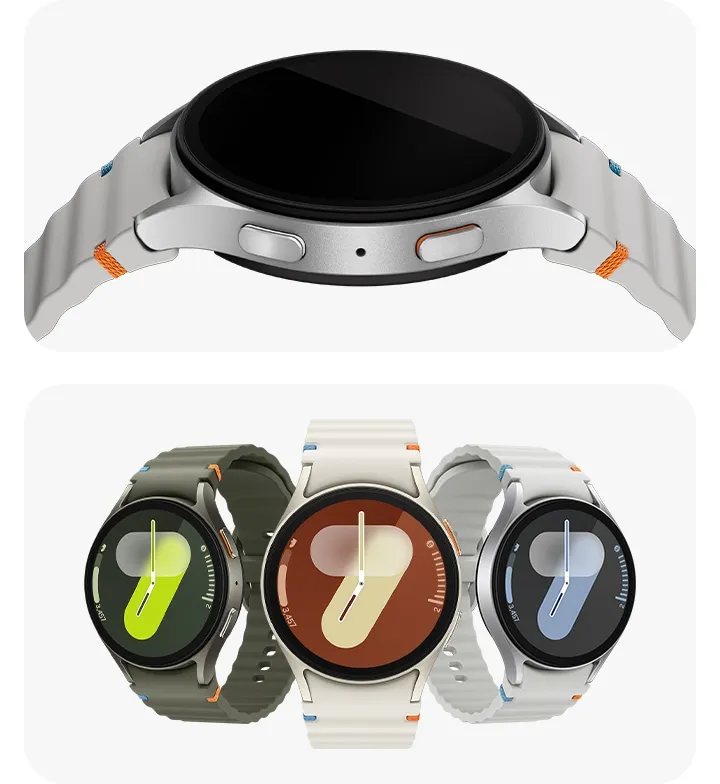
In the second half of last year, Samsung unveiled the Galaxy Watch 7 and Galaxy Watch Ultra. The standard model has both minor and major improvements under the hood, despite having a fairly identical appearance to its predecessor.
Along with military-grade durability and an IP68 rating with 5 ATM water resistance, the wristwatch maintains its brilliant and colorful AMOLED display, making it appropriate for outdoor sports like swimming and snorkeling.
It has a better BioActive sensor with additional LED lights inside. As a result, blood oxygen saturation, heart rate, and other parameters like stress and sleep are measured more precisely. The Exynos W1000 processor, which boosts the CPU’s speed and efficiency by three cores to five, powers the smartwatch. Overall performance should be faster and more consistent.
New AI-powered tracking features like improved AI insights, sleep apnea detection, AGEs index, and Energy Score are also included in the Galaxy Watch 7. You may also mix and match different elements and objectives to make your workouts unique.
Depending on your preferences, the Galaxy Watch 7’s battery can last anywhere from a few days to three days. This is better than what the Apple Watch Series can usually do. Additionally, charging is considerably faster than before.
Samsung Galaxy Watch 7 40 mm Wi-Fi
Looking for a great way to bring out your personal best every day? Challenge yourself to excel on your next run or bike ride using tracking with Galaxy AI¹ that lets you compare your current performance to your last one
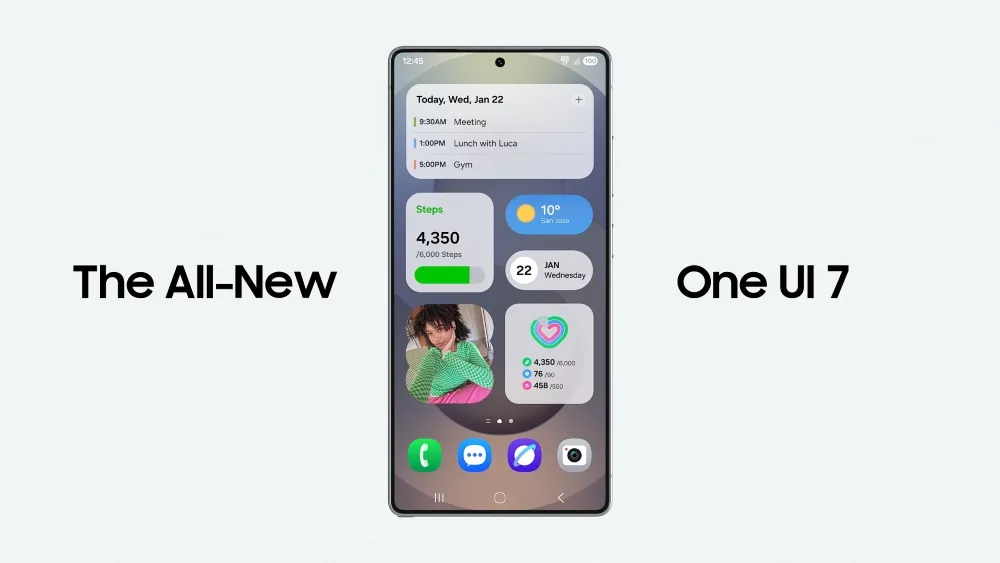
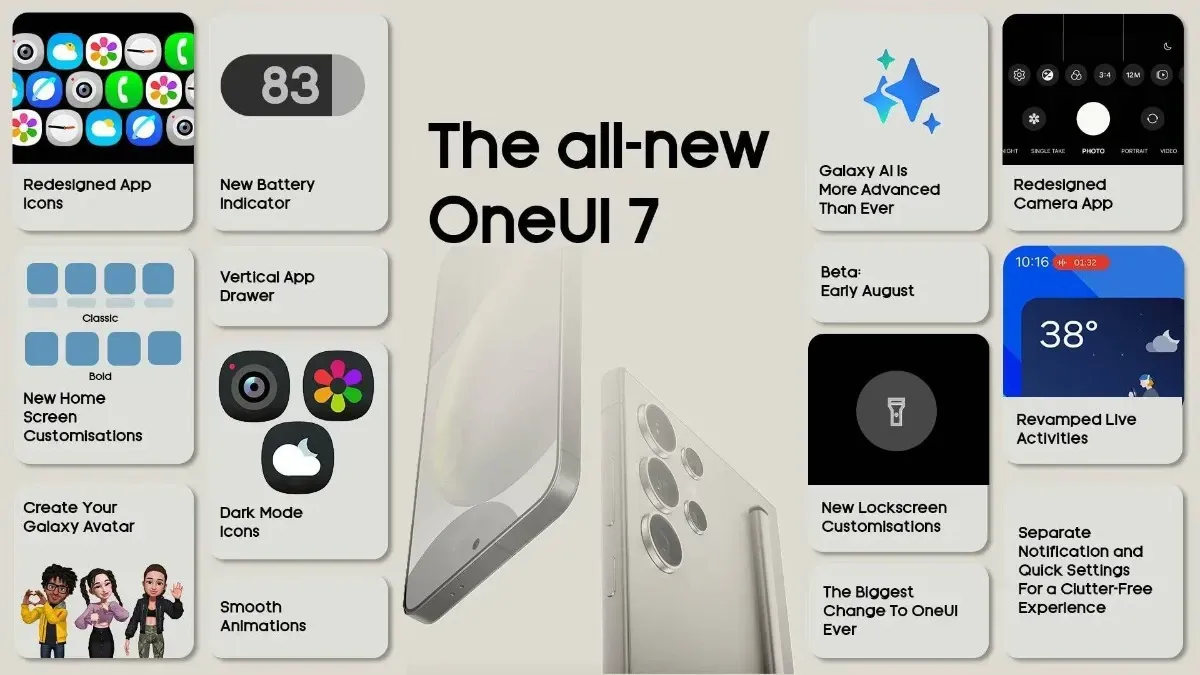
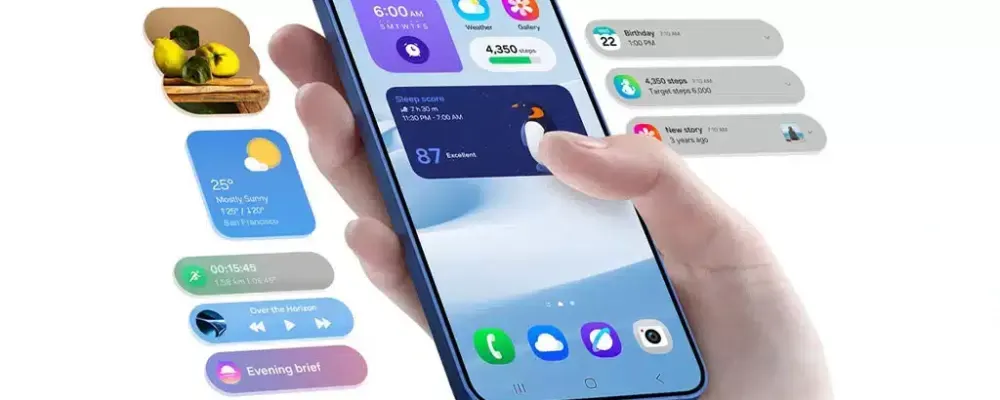
There is no sugarcoating it. Samsung botched the deployment of One UI 7 on the top Galaxy phones. Still, it is one of the most significant redesigns in One UI history, adding an unmatched level of polish to the company’s appearance. You have surely heard about the Now Bar and the huge Galaxy AI improvements in One UI 7, but here are several tiny, underappreciated updates you might have overlooked.
Double-tap playback controls in AOD
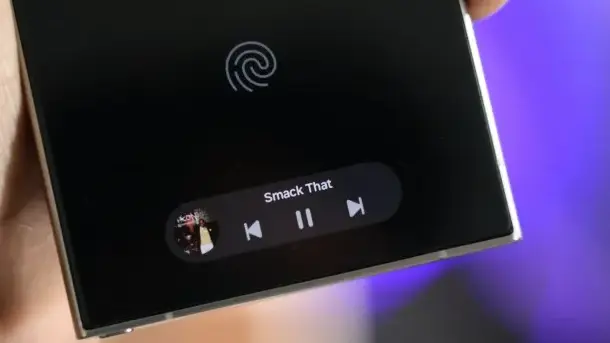
Now Bar is one of the significant new features in One UI 7, promising to provide relevant information at the right time. It also works with Always-on Display, displaying softly at the bottom. This is not the only way Samsung enhanced the Always-on Display with One UI 7. You may now control media playback via the Always On Display (AOD).
If you lock your Galaxy phone running One UI 7 while media is playing, the playback controls show at the bottom of the Now Bar. A single tap does nothing, but double tapping the playback controls will play, pause, or skip the current song or movie.
When you double-tap the album art, an expanded view of the media player appears, complete with larger controls and the ability to adjust media output.
Vertical app drawer
One UI 7 introduces a vertical app drawer to the One UI launcher. The option was included in One UI 5 and earlier releases, however it was deleted with Samsung’s Android 14-based One UI 5 update. The business promised to bring back the vertical app drawer with One UI 6.1.1, however this never happened.
If you have hundreds of apps installed on your Galaxy phone, a vertical app drawer will help you to easily swipe through them. In true Samsung form, there is an anomaly in how the feature was implemented.
Samsung does not specifically refer to it as a vertical app drawer. Instead, open the app drawer, hit the overflow menu button in the lower-left corner of the search bar, and choose Sort, then Alphabetical order. This converts the app drawer to a vertical style and organizes apps by name. You cannot move apps in this view, but you may position them within folders. Folders are located at the top, followed by applications and games.
A useful feature of the vertical app drawer is the addition of a fast-scroll bar on the right, which allows you to swiftly skim through and jump to any portion of your app list. The Home Up Good Lock module, which was updated with One UI 7, allows for more customisation of the home screen and app drawer.
Quick switch between the notification panel and Quick Settings
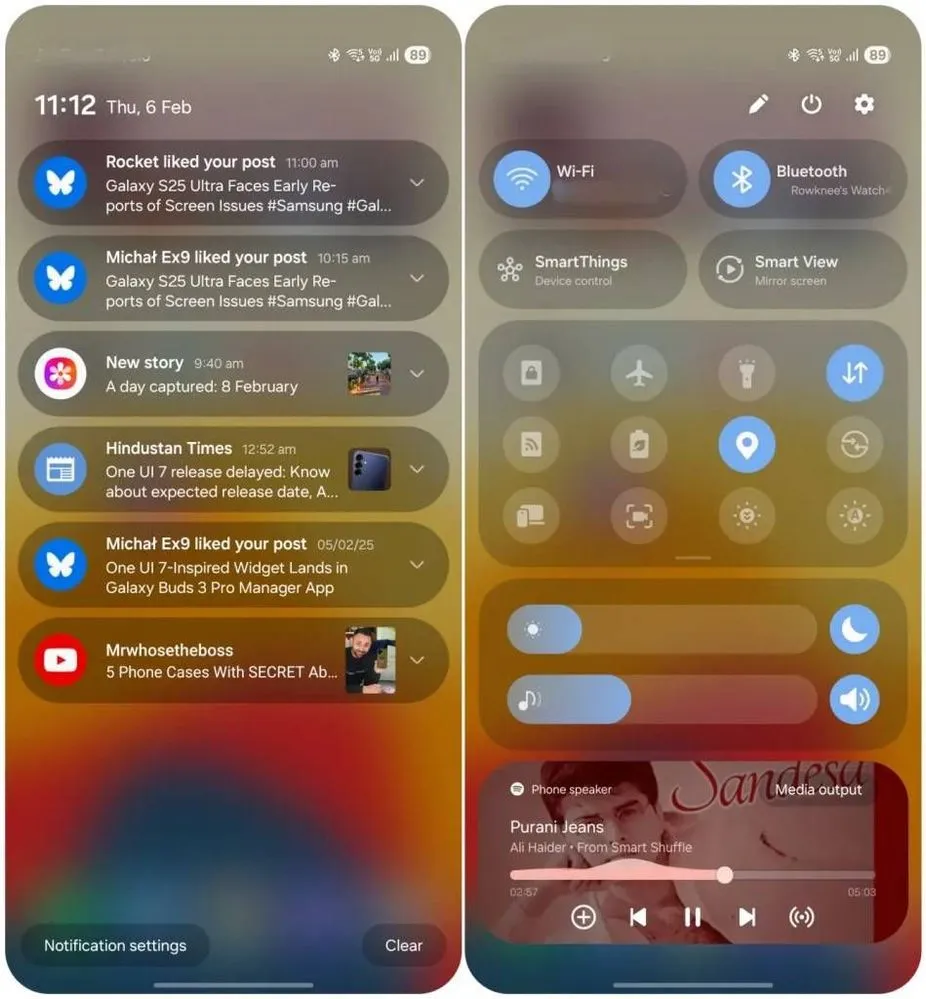
Samsung used an iOS-like approach with One UI 7, separating the notification panel and Quick Settings into two sections. You can return to the former One UI 6-like layout, but sample this adjustment for a few days before making a decision.
Compared to Apple’s distinct Quick Settings and notification panel design, Samsung’s method has one significant advantage. Swiping between the Quick Settings panel and the notification shade allows you to rapidly move between them. The same is true for phones from Xiaomi, Oppo, and OnePlus, all of which have long used separate Quick Settings and notification panels.
Although Samsung was not the first to market with the idea, it made care to include a helpful change in One UI 7.
Minimized pop-up apps group together
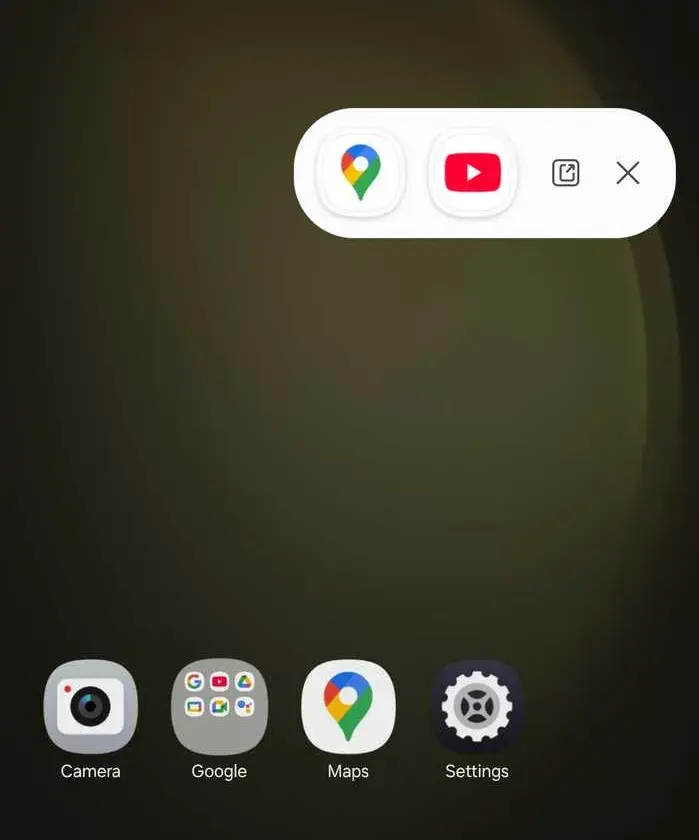
Samsung’s Android skin includes a variety of useful multitasking capabilities, including the option to run programs in a pop-up view. This allows you to run many programs simultaneously and minimize them into a floating shortcut. When you minimize numerous apps in pop-up mode, your Galaxy phone’s display may appear cluttered.
One UI 7 solves this problem by grouping the floating shortcuts of all minimized programs. Even better, there is a shortcut for launching all minimized apps at once. If you do not frequently utilize pop-up view multitasking on your Galaxy phone, you may disregard this as a minor modification. If you rely significantly on it, you will benefit from this modification.
New charging animation
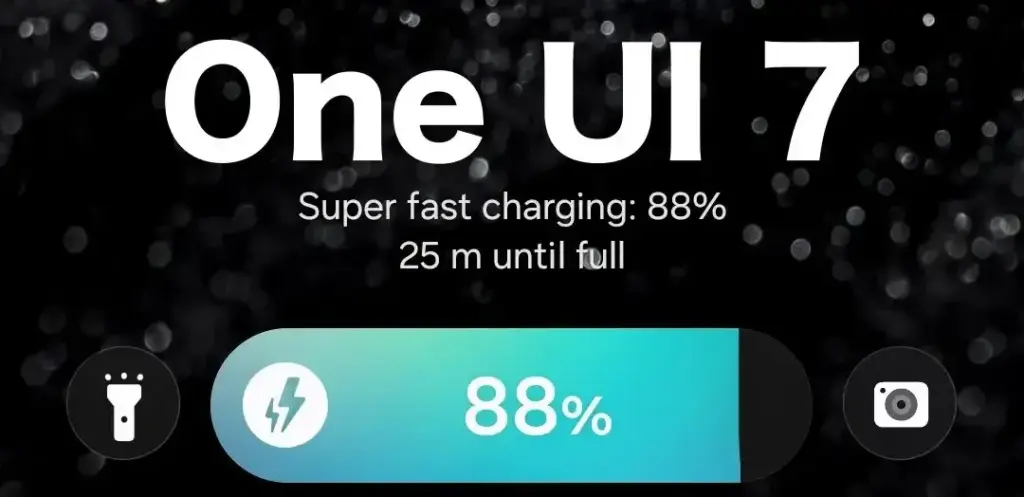
Samsung’s work with One UI 7 is evident, from the smooth system animations to the general fluidity. The experience rivals iOS in polish and feels substantially better than other Android skins. You will not encounter sporadic lags or stutters. The new charging animation demonstrates Samsung’s attention to detail in One UI 7.
If you put in your Galaxy phone to charge when the display is turned off, a charging pill with a slick animation appears at the bottom, where the Now Bar resides. It does not appear in extreme brightness, but rather in a dimmed state. When you are in a dark room, the phone automatically adjusts the brightness to make it even darker. The charging information can be displayed even when the screen is turned off.
One UI 7 is really improved
Samsung’s Android skin offers a feature-rich experience, including useful multitasking options. Still, it felt like One UI lacked the polish and attention to detail that Pixel UI and iOS possessed.
With One UI 7, Samsung steps up, demonstrating that when it wants to, it can create a professional and well-rounded Android experience while correcting some of its long-standing faults. So it is sad that the focus on One UI 7 is primarily on its rollout delays, rather than the polish and enhancements it delivers.
Screenshots are quite useful. Most Android users save receipts, share humorous memes, and capture bugs to report on a daily basis. However, not all Android phones employ the same approach for taking screenshots.
In this guide, you will learn how to take a screenshot on any Android device, including Samsung, Google Pixel, Xiaomi, OnePlus, and others. We will also show you how to take screenshots without using physical buttons, which are sometimes damaged or inconvenient.
✅ Common Methods to Take a Screenshot on Android
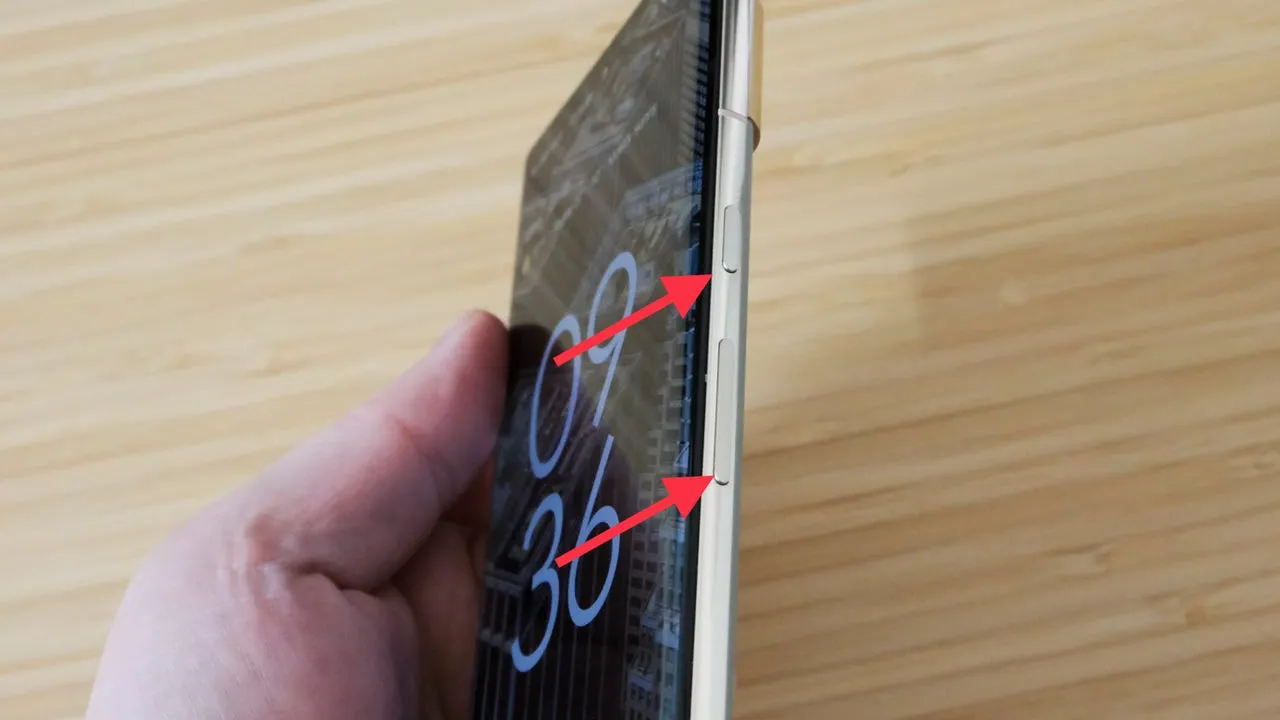
📱 1. The Universal Button Combo: Power + Volume Down
This method works on 99% of Android devices:
Press and hold the Power button and Volume Down at the same time
Hold for about 1 second until the screen flashes or you hear a shutter sound
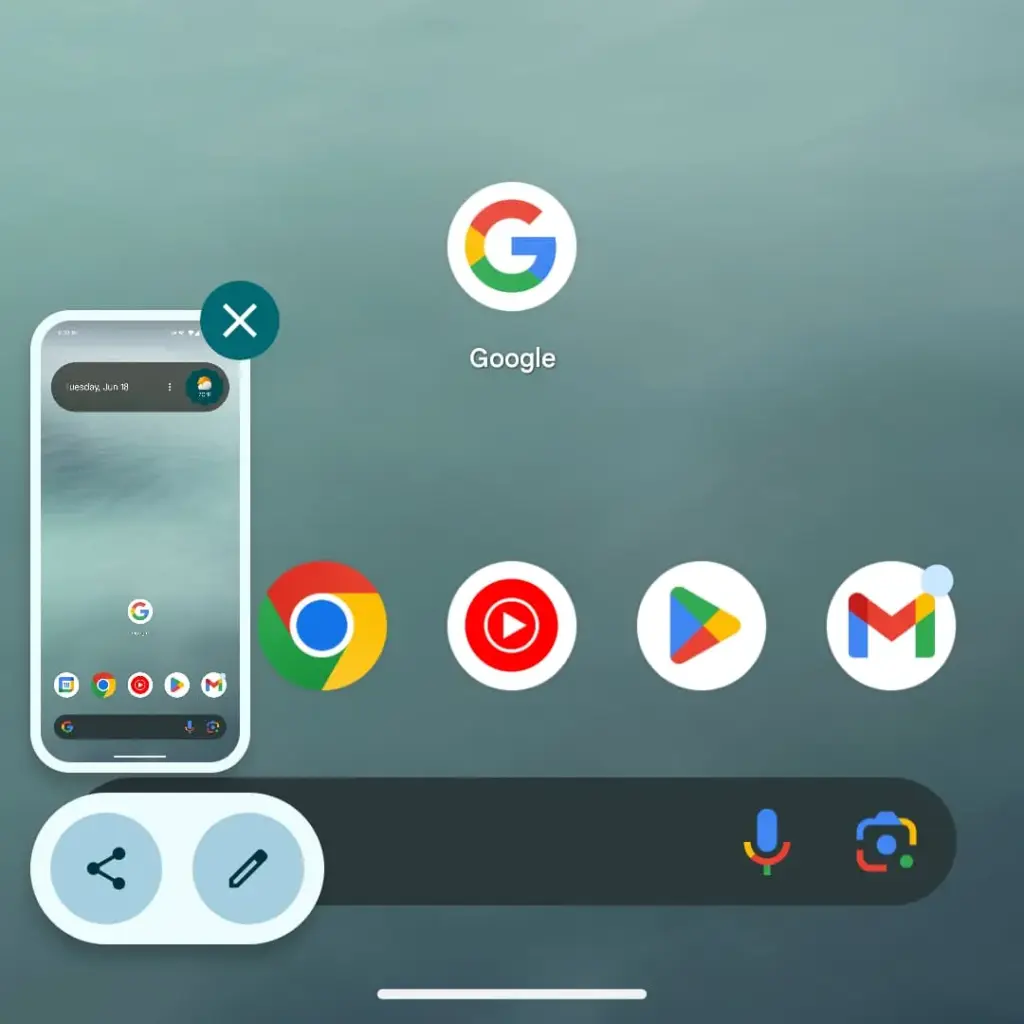
A preview of the screenshot will appear with options to Edit, Share, or Delete
📝 Works on: Samsung, Pixel, OnePlus, Xiaomi, Motorola, Realme, and most others.
📸 Recommended image here: A screenshot showing fingers pressing Power + Volume Down on a phone.
📲 Brand-Specific Methods (With Enhancements)
📱 Samsung Galaxy Devices
Samsung offers multiple screenshot options beyond the button combo:
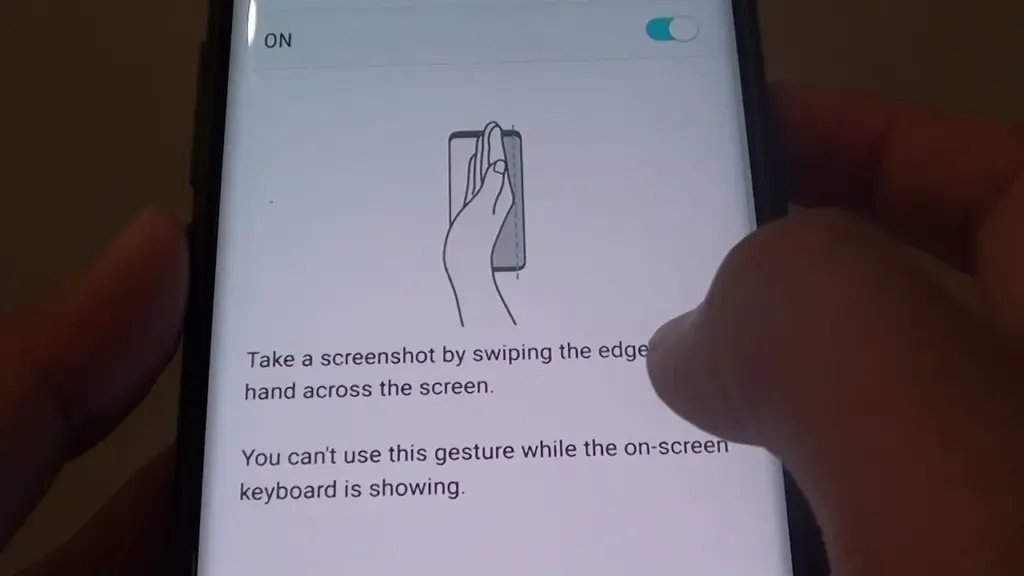
✋ Palm Swipe Gesture
Go to Settings > Advanced Features > Motions and Gestures
Toggle on Palm swipe to capture
Swipe your palm horizontally across the screen (left to right or vice versa)
✨ Smart Capture (Scroll Capture)
After taking a screenshot, tap the scroll icon in the preview to capture an entire page (e.g., a long webpage)
🧠 Tip: Scroll Capture is perfect for saving full chats, articles, or receipts.
📷 Google Pixel Devices
Google Pixel sticks to simplicity:
Power + Volume Down is the main method
On Android 13+, when you open the Recent Apps view, there’s a Screenshot button under each app window
🔒 Screenshots are disabled for secure apps like banking apps or Netflix (for DRM protection)
⚙️ Xiaomi, Redmi, and POCO (MIUI)
Xiaomi devices give you gesture and quick-access methods:
Power + Volume Down (standard)
Swipe three fingers downward on the screen for a quick snap
Use the Quick Ball feature:
Enable via Settings > Additional Settings > Quick Ball
Tap it, and choose Screenshot from the floating menu
🔴 OnePlus (OxygenOS)
Power + Volume Down
Three-finger swipe down also works (enable in Settings > Buttons & Gestures)
Long screenshot (scrolling) is available on preview pop-up
🧑💻 How to Take a Screenshot Without Buttons
If your power or volume buttons are broken, don’t worry—you can still capture the screen using these workarounds:
🧠 1. Use Google Assistant or Voice Command
Just say:
“Hey Google, take a screenshot.”
The Assistant will snap the screen and save it to your gallery.
🔒 Note: Google Assistant cannot take screenshots in some secure apps or during voice calls.
🧮 2. Enable On-Screen Screenshot Shortcut
Some phones let you add a screenshot shortcut to the navigation bar or status shade:
Samsung: Add “Screenshot” to the Edge Panel or Quick Settings
Xiaomi: Enable Quick Ball or Button Shortcuts
OnePlus: Add Screenshot to the Navigation gestures
♿ 3. Use Accessibility Menu (for all Android phones)
If you’re on Android 9 or later:
Go to Settings > Accessibility > Accessibility Menu
Enable it
You’ll see a little person icon at the bottom right
Tap it > Tap Screenshot
This is a great method for users with limited mobility or hardware button issues.
💡 4. Use Third-Party Apps (Optional)
If built-in methods don’t work for you, apps like:
Screenshot Easy
Screen Master
Assistive Touch for Android
…can provide floating buttons, auto scroll, and editing tools. But these aren’t always needed if your Android version is recent.
🖼️ Where Are Screenshots Saved?
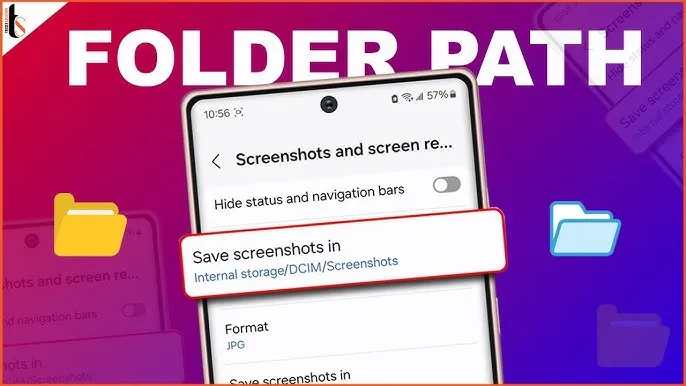
After taking a screenshot, your phone automatically saves it in a specific folder based on the manufacturer, Android version, and any file management settings.
Here’s how to find them on most Android phones.
DCIM > Screenshots This is the most common location for screenshots. “DCIM” stands for Digital Camera Images, and it’s where the system stores photos taken with your camera and screenshots.
Pictures > Screenshots On some devices or third-party camera apps, screenshots go here instead of DCIM. This is especially true for older Android versions or modified versions like MIUI (Xiaomi) or ColorOS (OPPO/Realme).
🧭 To manually browse:
Navigate to DCIM > Screenshots or Pictures > Screenshots
Open your File Manager or My Files app
Tap Internal Storage
You can also find them in the Google Photos app under the “Screenshots” section.
✂️ How to Edit or Share a Screenshot Instantly
After taking a screenshot:
Tap the preview popup before it disappears
You can:
Crop or annotate the image
Share via WhatsApp, Gmail, social media
Delete if it was a mistake
Some phones even allow adding text, shapes, or blur effects directly in the screenshot editor.
🧼 Screenshot Tips & Tricks
✔️ Tip 1: Use Scroll Capture for Long Pages
Don’t take 5 screenshots for a single chat—use the scrolling option instead.
✔️ Tip 2: Organize Your Screenshots
Create folders like Receipts, Meme folder, Work notes in your file manager.
✔️ Tip 3: Don’t Rely on Screenshots for Sensitive Info
Avoid screenshotting 2FA codes, passwords, or anything too personal. Use a secure note app instead.
🔚 Wrapping Up
Taking a screenshot on Android is easier than ever, with different options based on your phone and preferences. Whether you like buttons, gestures, or voice commands, Android has a technique for you.
Now that you know how to screenshot on any Android phone, try each approach and discover which one works best for you. Also, remember to wipe up old screenshots every now and then – those memes add up quickly!
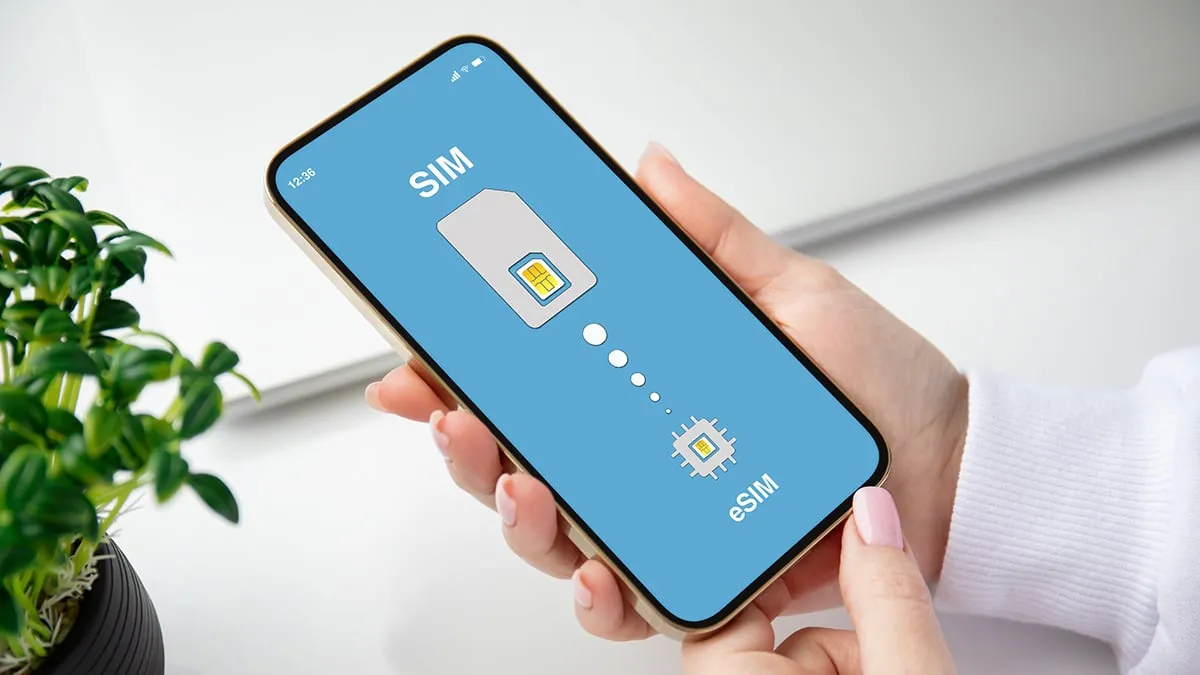
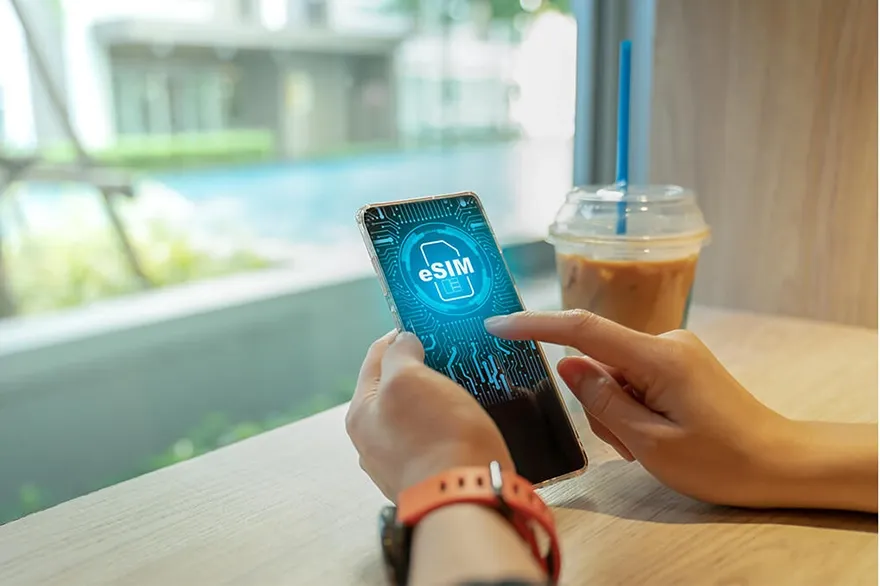
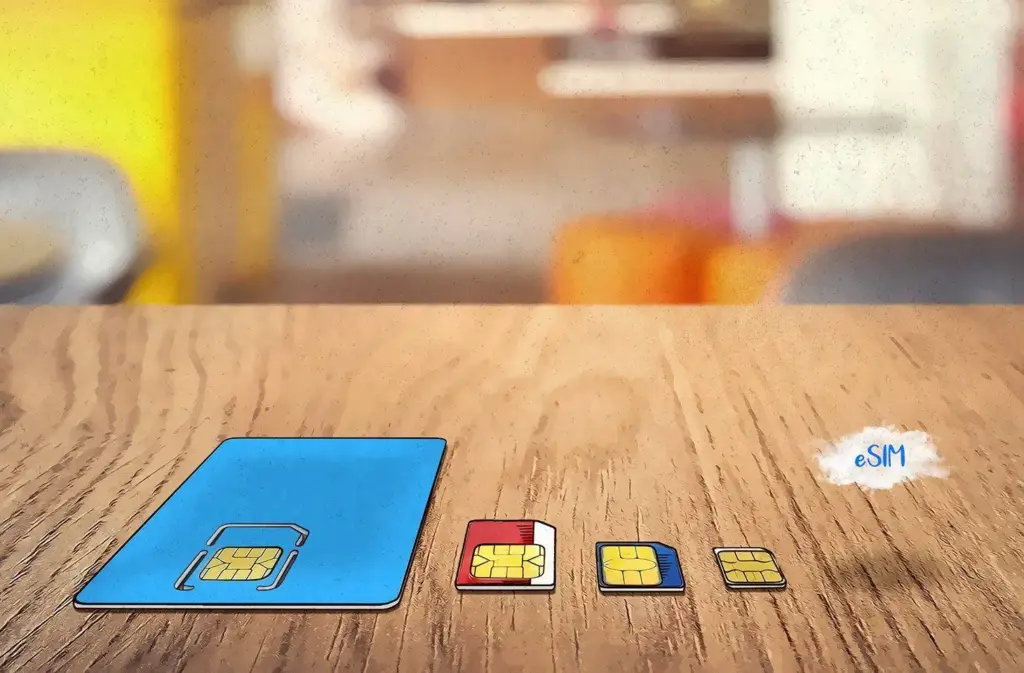
The SIM card, a small chip in your phone that links it to your chosen cell phone provider, is probably already obvious to you. For many years, this chip was located on a physical card that you could replace by removing your phone’s SIM card tray. However, the majority of contemporary phones also support eSIMs. eSIMs are integrated into the phone’s hardware in place of a physical card, and software is used to remotely program the carrier information.
A few conveniences are made possible by this, like the ability to test out service on a different carrier without having to pick up an actual SIM card in person or over the mail.
Converting an existing physical SIM card to an eSIM presents a challenge. If you want to load many eSIMs into a single device or if a new phone is eSIM-only, you might want to do this. Or maybe you simply do not want to go through the trouble of constantly changing actual cards between machines. Thankfully, the process of switching a physical SIM to an eSIM is not too difficult.
Make sure your new phone is compatible with eSIMs before you begin. The majority of contemporary phones do, as we already stated. In the US, the iPhone 14 and later are eSIM-only, however all iPhones since the iPhone XS and XR support eSIM. The majority of Android phones—including the Google Pixel 6 and later, as well as the Samsung Galaxy S21 and later—also support eSIM.
eSIM on an Android phone
Depending on the manufacturer, there may be differences in how to convert a physical SIM to an eSIM on Android. Telling your carrier that you are moving to an eSIM is the most reliable method to accomplish this. After that, they will either send you a QR code or manually lead you through the procedure. Here’s how to add a QR code to your phone if they do send one.
Go to Settings. Then tap either Connections or Network &Internet.
Select Sim Manager or SIMS.
Tap Add mobile plan or Download SIM card or Add SIM.
Then follow the on-screen instructions and scan the QR code when prompted.
However, the procedure is a bit simpler if you own a Samsung handset. To do it on a Samsung, follow these steps.
Launch Settings. Then tap Connections.
Select SIM card manager.
Choose your SIM (If you only have a physical SIM, it’ll just be the only one listed).
Tap Convert to eSIM.
Follow the on-screen instructions and then you’re done.
eSIM on an iPhone
Converting a physical SIM to an eSIM on an iPhone can be done in a few different ways.
If you want to change a physical SIM to an eSIM on the same iPhone (which requires the phone to support both), here’s how to accomplish it.
Open Settings, then select Cellular.
Then, if your carrier allows it, you’ll see an option that says Convert to eSIM. If you don’t see it, then your carrier likely does not support this action.
Tap Convert Cellular Plan.
Tap Convert to eSIM. Your eSIM will now activate.
If, on the other hand, your transferring a physical SIM to an eSIM on a completely different iPhone, here’s how to do it.
On your new iPhone, go to Settings, then choose Cellular.
Scroll down until you see Add eSIM. Select it.
Then you have two choices. One is Transfer From a Nearby Phone, which requires both handsets to have iOS 16 or newer. If you select that, you’ll follow the instructions on your previous iPhone. You can then select Transfer to confirm and then enter a verification code. Obviously this only works if both phones are iPhones.
Another option is to Use a QR Code. This is what you would use if a QR Code is provided by your carrier, or if your previous phone was a non-Apple handset. To scan the code, you open up the Camera app and point it at the QR Code. Tap the Cellular Plan Detected notification. If using an iPhone with iOS 17.4 or later, you can touch and hold the QR code and then tap Add eSIM.
Go ahead and follow the on-screen instructions, hit Continue and tap Add Cellular Plan.
If your carrier supplied the eSIM information, you may also opt to manually enter it. You can choose Settings, Cellular, Add Cellular Plan, and then Enter Details Manually if you wish to accomplish so.
It should be understood that inserting a new eSIM to your device may be done differently by different carriers. Please get in touch with them directly if you have any issues. Additionally, you will need to receive help from your carrier to make the switch if you are switching from an iPhone to an Android phone or vice versa.
Take a look to our eSIM guide, which goes into greater detail on the benefits and drawbacks of each, if you would like to understand more about eSIMs and if they are superior than physical cards.
So far, this month has been somewhat turbulent for the tech sector. In addition to a standard 10% tariff on all nations, US President Donald Trump placed sweeping tariffs on the majority of significant production hubs. Samsung may have to drastically increase the cost of its Galaxy phones and other items in the US as a result of this.
With his announcement of tariff exclusions for important consumer electronics products including laptops, smartphones, memory products, and more, the president seems to have changed his mind before the weekend.
For the moment, Samsung is not compelled to increase pricing.
Samsung phones are manufactured in Vietnam and shipped to the US. Samsung would have to pay a 46% surcharge over the import value when it brought such phones into the US because the nation was slammed with a 46% tax.
Samsung’s alternative was to ship phones to the US via its manufacturing plants in India. Despite being high, India’s 26% tariff rate was still much lower than Vietnam’s. In any case, Samsung would have to lower its profit margins or increase consumer prices.
In talks with the administration, a number of significant tech companies have pointed out that if the tariff structure remained the same, consumer electronics prices would increase to unaffordable levels.
Given that the US is its largest market and that 90% of all iPhones are made in China, which has the highest tariff rate at 145%, Apple was most likely the driving force behind this. According to some estimations, this might have caused the iPhone 16 Pro Max’s price to go from $1,199 to $2,937.
As long as the government does not alter the tariff system again, Samsung and other companies can continue operating as usual because smartphones, computers, memory chips, and other storage products are now exempt from the 10% global baseline tariff.
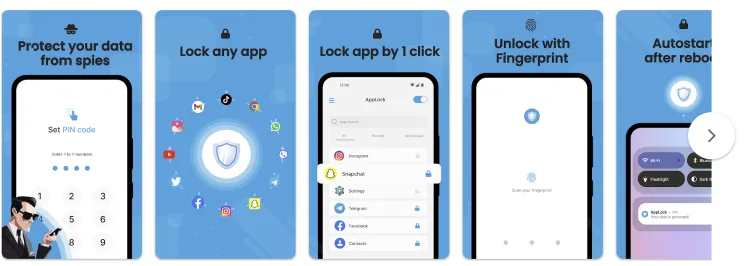
Want to lock apps without downloading extra software? Learn how to use built-in tools on Samsung, Xiaomi, OnePlus, and other Android phones to secure your apps with passwords or biometrics – no third-party apps required.
Why Lock Apps on Android?
Your smartphone contains plenty of personal information, including images, bank accounts, social network profiles, and private messages. Locking specific apps provides an additional layer of security, particularly when sharing your device or preventing unintentional snooping.
Most people jump straight to third-party app lockers. But these:
May ask for invasive permissions
Show ads or collect data
Drain battery and storage
That’s why using built-in features is often the smarter, safer move.
Samsung Devices (One UI) – Use Secure Folder
Samsung includes a powerful privacy tool called Secure Folder, protected by Samsung Knox.
How to use:
Open Settings
Tap Biometrics and security
Select Secure Folder and sign in with your Samsung account
Set up a lock type (PIN, password, fingerprint, etc.)
Add apps or files to your Secure Folder
Bonus Tip: You can also hide the Secure Folder icon from the app drawer to keep it totally invisible.
Xiaomi / Redmi / POCO Devices (MIUI) – Use App Lock
MIUI has a built-in App Lock feature that is super easy to set up.
Steps:
Open Settings
Go to Apps > App Lock
Set a privacy password (or use your existing phone lock)
Choose which apps to lock
Optionally enable fingerprint unlock for convenience
This works for apps like WhatsApp, Facebook, Instagram, Gmail, and more.
OnePlus Devices (OxygenOS) – Use App Locker
OnePlus provides App Locker, a native feature that locks your apps and hides their notifications.
How to enable:
Open Settings
Scroll to Utilities > App Locker
Tap Add Apps and select the apps you want to lock
Enable Fingerprint Unlock for fast access
Toggle Hide Notification Content to prevent preview leaks
App Locker can even keep apps locked in the background, offering persistent protection.
Realme / Oppo Devices (ColorOS) – Use App Lock
These brands offer similar features under the Privacy menu.
Steps:
Go to Settings > Privacy > App Lock
Set a privacy password (separate from your phone unlock)
Select apps you want to lock
Enable Face or Fingerprint Unlock
You’ll be asked for verification each time the app is opened.
Huawei / Honor Devices (EMUI) – Use App Lock
Huawei’s App Lock is baked into the EMUI interface.
To set it up:
Open Settings
Tap Security & Privacy > App Lock
Set a password
Select apps to protect
This feature integrates well with fingerprint unlock, so you won’t have to type the password every time.
Your phone does not have App Lock?
If your phone’s Android version or manufacturer doesn’t include app locking, here are a few alternatives:
Screen Pinning: Locks your phone to one app.
Settings > Security > Screen Pinning
Useful for letting kids watch YouTube without leaving the app
Multiple Users / Guest Mode:
Settings > System > Multiple Users
Create a guest profile for others using your phone
✅ Be cautious about sharing your device or leaving it unlocked
Locking apps without third-party apps is easier, more effective, and safer than you might expect. Whether you utilize Samsung’s Secure Folder, Xiaomi’s App Lock, or OnePlus’ App Locker, you can protect your important data with a few touches.
So, before you download another app, check your phone’s settings as you may already have all you need to keep your digital life private and secure.
Samsung released the release schedule (via Tarun) for numerous other devices that qualify for the upgrade shortly after beginning the deployment of the official One UI 7 update for the Galaxy S24 series, the Galaxy Z Fold 6, the Fold SE, and the Flip 6.
Our dread has been realized: the April update will only be available for flagship devices released within the last two years. In May and June, the update will be released for other devices.
The complete list of devices and the month they will get the update is as follows:
April: Galaxy S24/S24+/S24 Ultra, Z Fold 6, Z Flip 6, Z Fold Special Edition, Galaxy Z Fold 5, Z Flip 5, Tab S10+/S10 Ultra, S23/S23+/S23 Ultra, S24 FE
May: Galaxy Z Fold 4, Z Flip 4, Tab S9/S9+/S9 Ultra, S23 FE, Z Fold 3, Z Flip 3, A34, A35, S22/S22+/S22 Ultra, Tab S8/S8+/S8 Ultra, S21/S21+/S21 Ultra, Galaxy A16, Galaxy Quantum 5, Galaxy Quantum 4
Although the Korean market was the focus of this plan, most smartphones in other countries should receive the update at roughly the same time. Notably, some devices, such as the Galaxy S21 FE and the Galaxy A73, are not on the list because they were not released in Korea, and we are unable to predict when they will receive the update until Samsung releases the release timetable for other nations.
Although we will have to wait and see if the firm can truly do that, we are crossing our fingers that Samsung will finish the rollout for all eligible devices by the end of June. Working on One UI 8, which will be preloaded on the Galaxy Z Fold 7 and Galaxy Z Flip 7, may be Samsung’s only option.
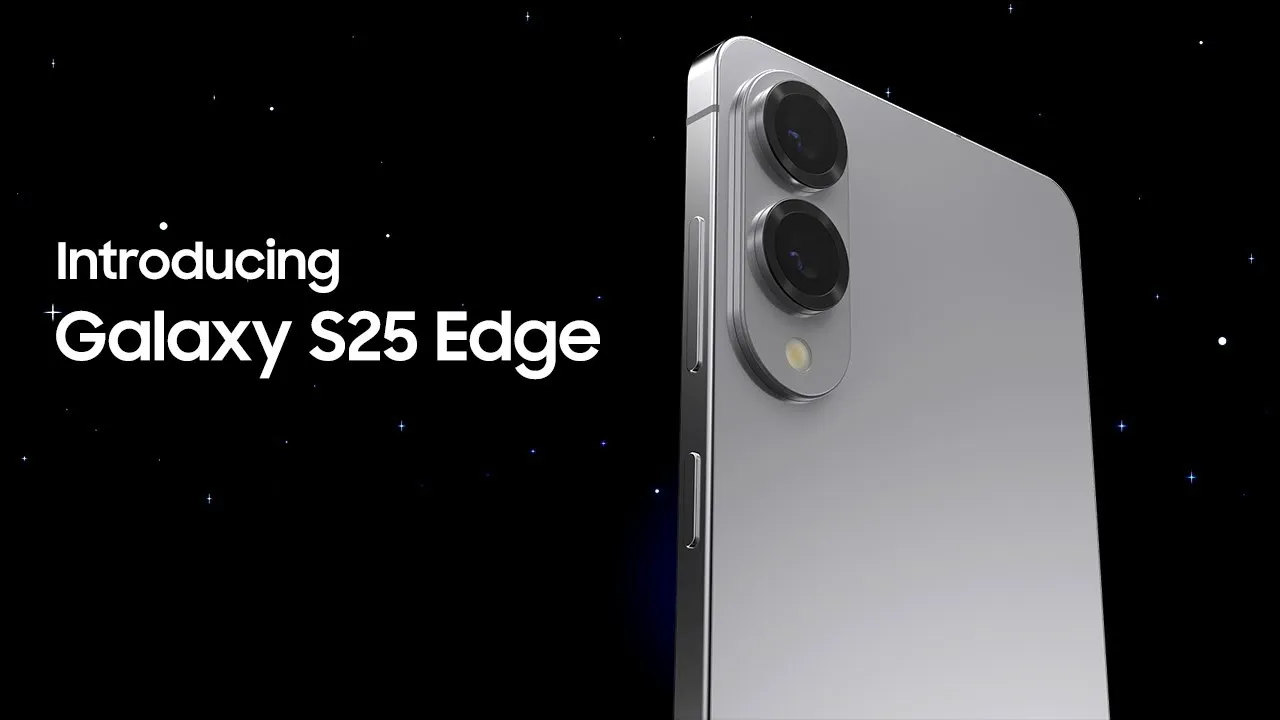
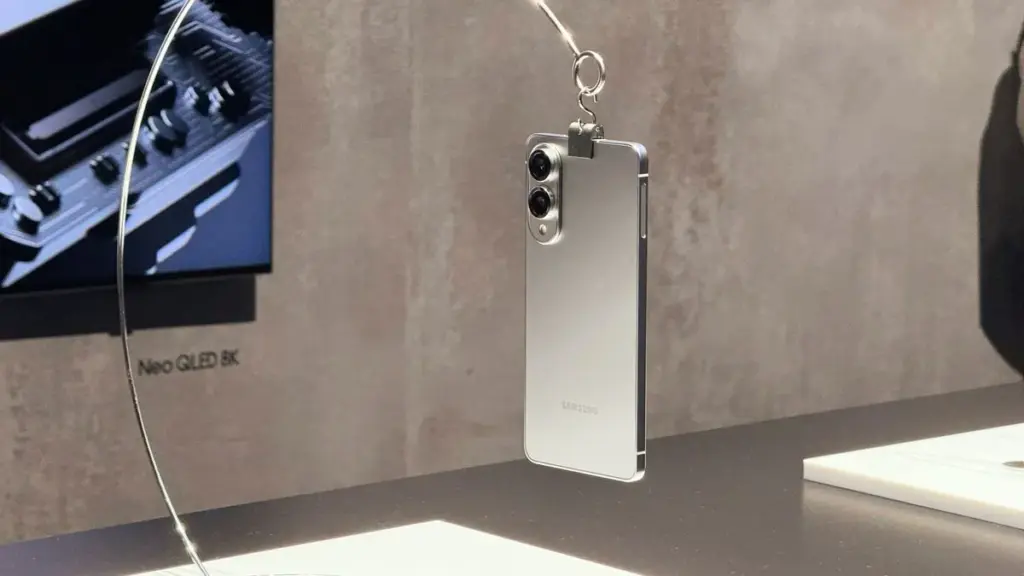
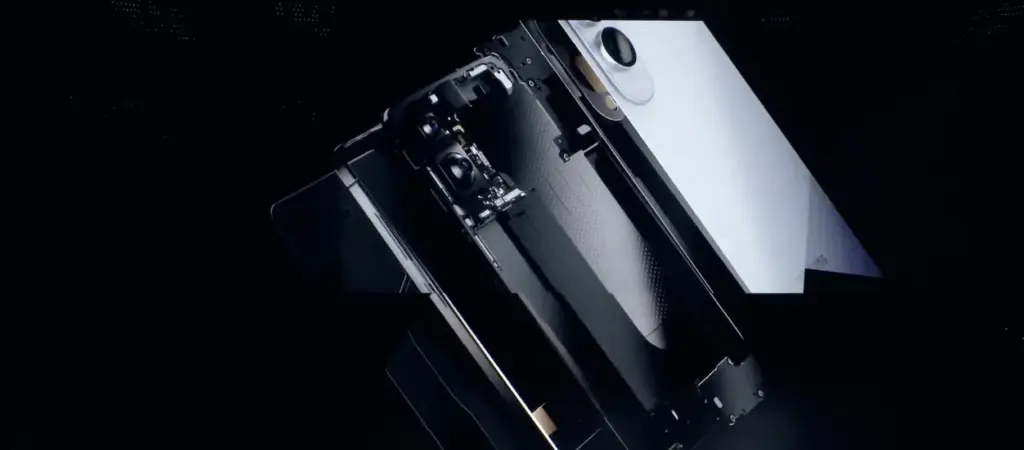
The Galaxy S25 Edge, Samsung’s most anticipated smartphone in the new S series, has been making headlines practically daily in recent days. Following earlier rumors pointing to an April 15 debut date, new information has emerged claiming that the business has postponed its ultra-thin flagship smartphone.
The reasons for the delayed release of the Samsung Galaxy S25 Edge remain undisclosed. According to reports, it could be the result of recent leadership changes following the death of Samsung DX head Jong-Hee Han, rather than any quality difficulties with the handset.
The Samsung Galaxy S25 Edge will be launched in May.
Meanwhile, according to our sources, Samsung has set a new date for the announcement of the Galaxy S25 Edge. According to our sources, the smartphone will now be released on Tuesday, May 13, 2025. This would indicate that Samsung has simply delayed the gadget by one month.
Rather than staging a large Unpacked event in January with the regular S25 lineup, the South Korean business will introduce the S25 Edge in a smaller online-only presentation, though this may vary by country. It is unknown whether the phone would be available in stores during the same month.
The Samsung Galaxy S25 Edge is said to have a 6.7-inch display, identical to the Galaxy S25+. The Qualcomm Snapdragon 8 Elite will power the handset. It will have 12 GB of RAM and either 256 or 512 GB of storage. Recent leaks indicate that the smartphone will be available in at least three colors: Titanium Silver, Titanium Jetblack, and Titanium Icyblue.
Though we do not know the exact availability specifics, the S25 Edge could cost around 1,249 euros. That is a modest rise over the similarly sized Galaxy S25+, which costs 1,149 euros. It remains to be seen how well the Galaxy S25 Edge sells. Samsung is apparently intending to produce up to 3 million devices.
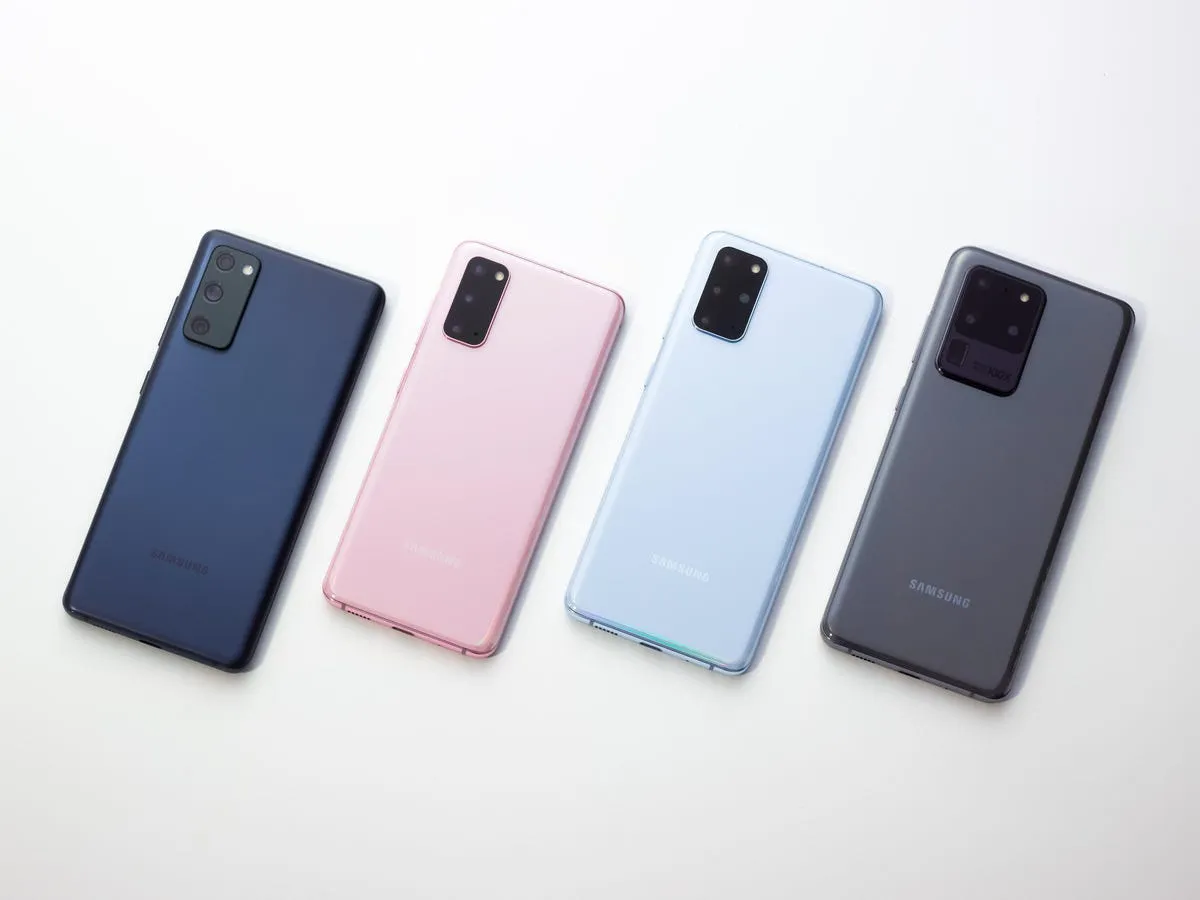
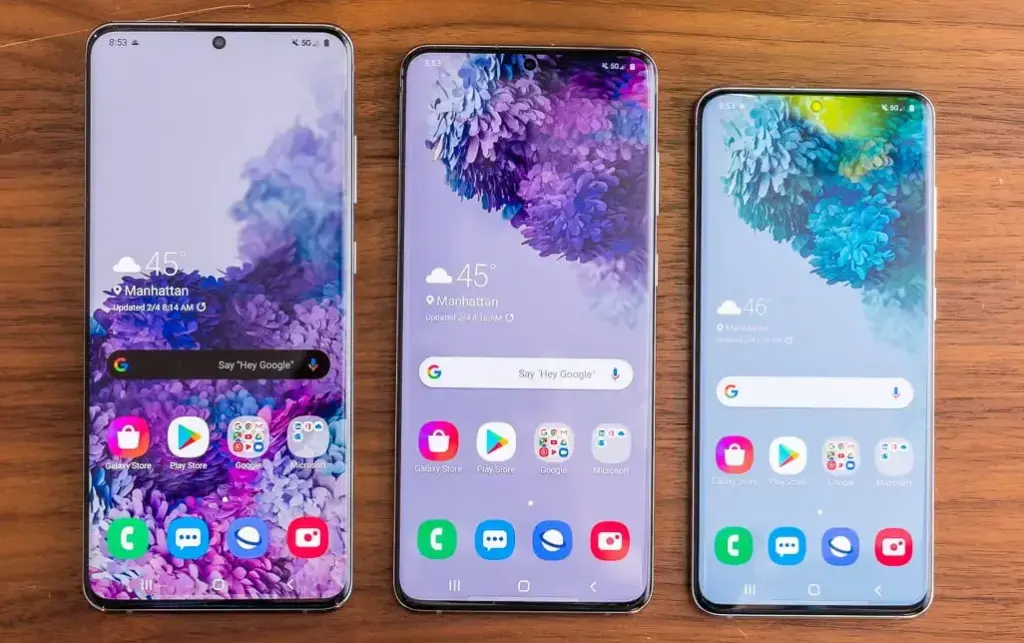
This month delivers bad news to the owners of various vintage Galaxy cellphones. The Galaxy S20, Galaxy S20+, and Galaxy S20 Ultra, Samsung’s first game-changing flagships, will no longer receive software updates going forward.
The Galaxy A52 5G and Galaxy A72, two additional game-changing Galaxy smartphones, will also no longer receive software updates. These were among the first mid-range devices to provide flagship-level features such as high refresh rate displays, dual speakers, 5G connectivity, and faster charging at a lower cost.
Samsung has discontinued support for the Galaxy A52 5G Enterprise Edition. The normal edition, as well as the Galaxy A52 and Galaxy A52s, stopped receiving updates quite some time ago. The Galaxy A52 and A52s enterprise variants will still receive upgrades.
In addition to the Galaxy S20, S20+, S20 Ultra, A52 5G, and A72, Samsung will no longer provide updates for the Galaxy A32. Support for the S20 series will terminate after five years, and for mid-range devices after four years.
Samsung may provide an update that was already in the works for these devices before support ended, but if you possess one of them, you should upgrade if you want to continue receiving software updates.
Upgrade now
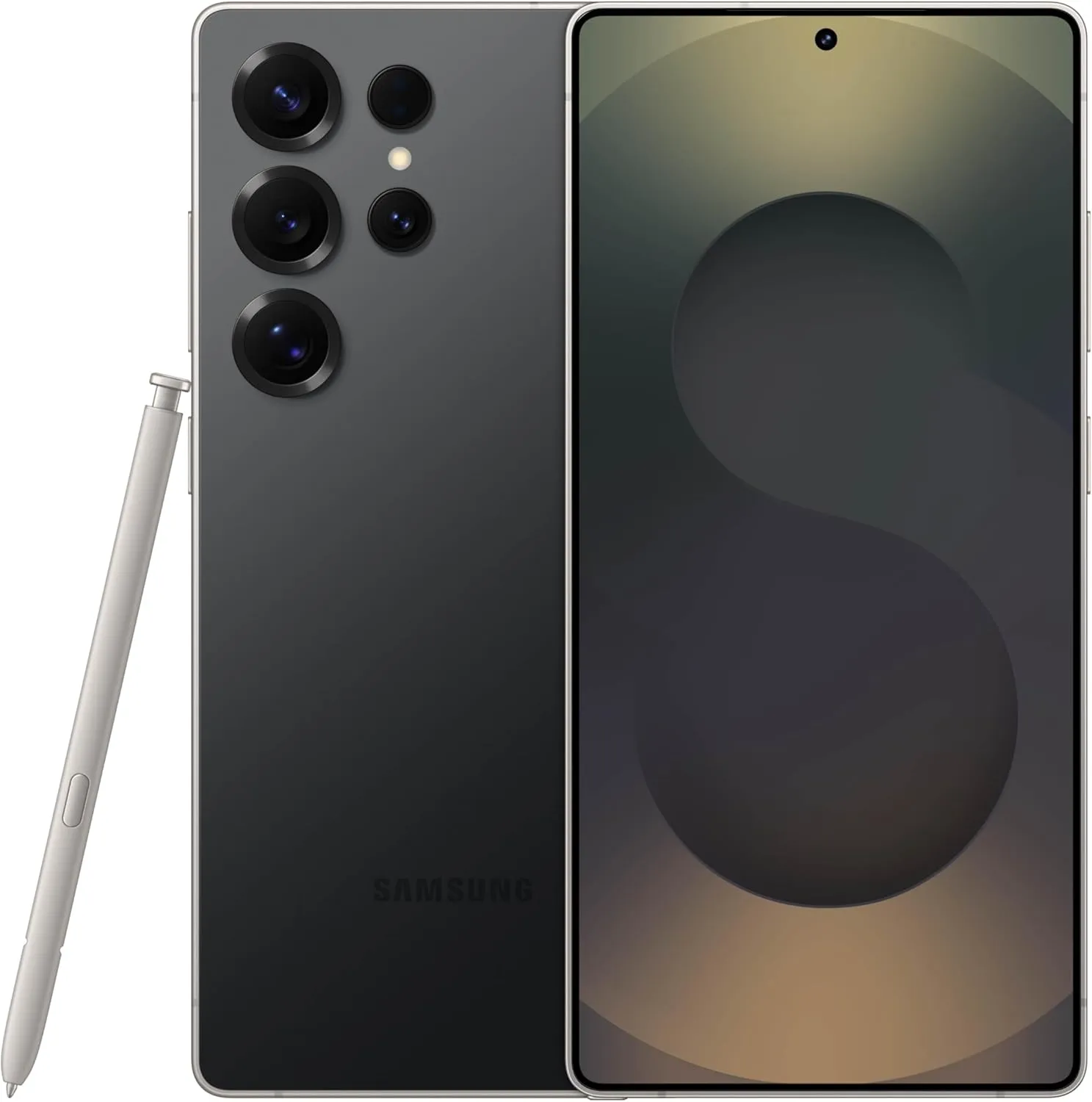
SAMSUNG Galaxy S25 Ultra
Streamline your day with an assistant that gets you. Ask it to Google search for a pet-friendly vegan restaurant nearby and text it to your friend— your Galaxy S25 Ultra handles multiple tasks with a single ask.
In 2025, the budget smartphone market is more competitive than ever, offering impressive features, solid performance, and sleek designs at wallet-friendly prices. Whether you’re a student, a casual user, or just someone who loves getting the best value for money, there’s a perfect device out there for you. In this guide, we’ve rounded up the best budget smartphones you can buy in 2025 — all under $400 — that deliver big on performance without the premium price tag.
This is a thorough guide to the top smartphones under $400, which include features like outstanding cameras, slick 120 Hz screens, and potent gaming-ready SoCs with 5G.
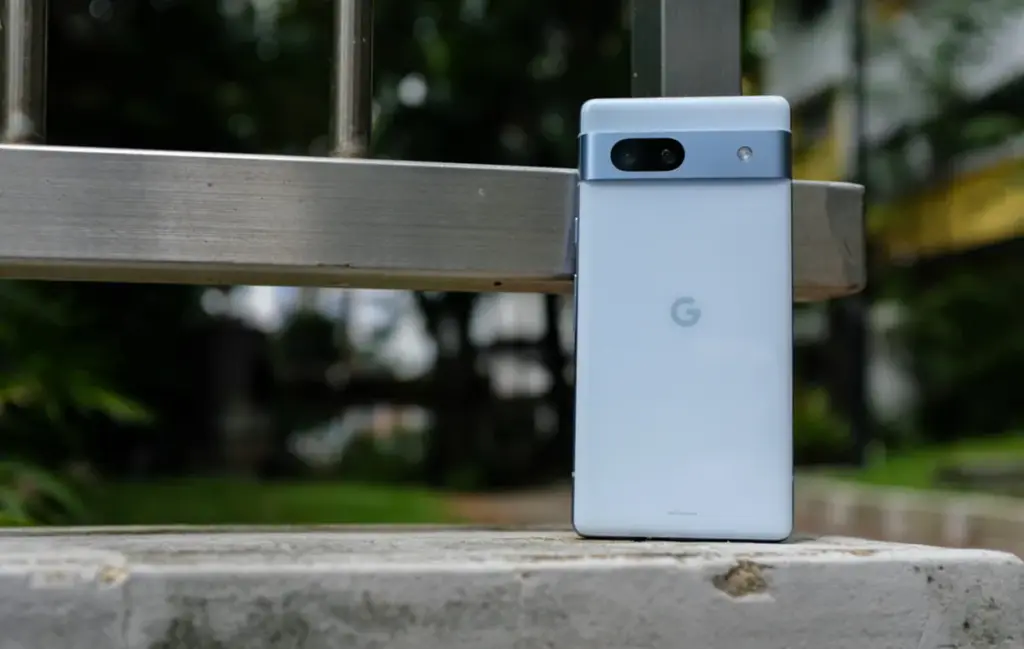
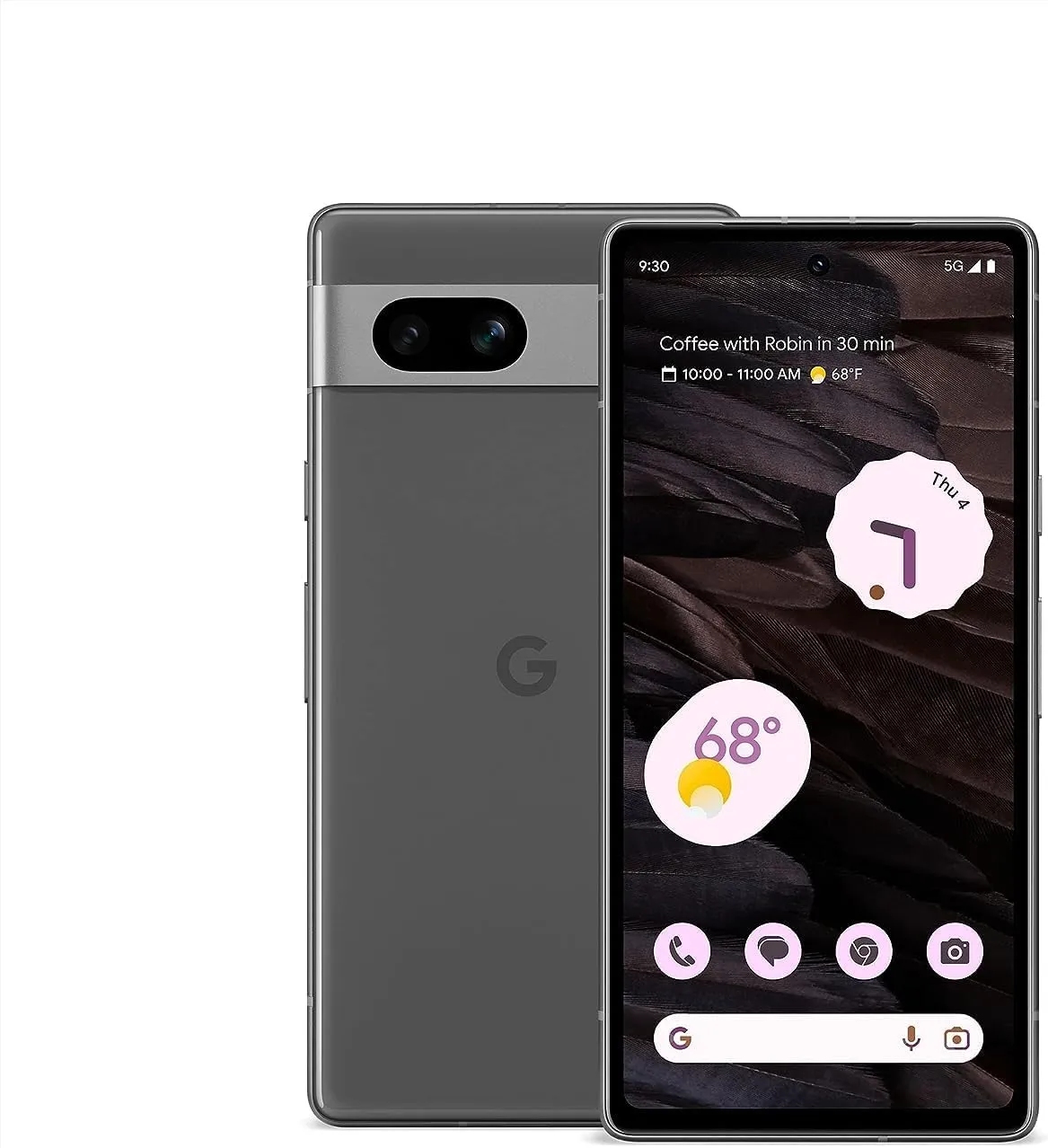
Google Pixel 7a – great camera, good battery life and updates
With 128 GB of storage, the Google Pixel 7a, which was released on May 10, 2023, costs less than $400 on Amazon. Its Tensor G2 processor, which Google has included, improves the performance of machine learning-based features, making it a great option for anyone looking for a small Google phone in 2025.
Among smartphones under $400, the Pixel 7a stood out with a 5-star rating in our assessment. It is the most affordable model in the Pixel 7 series, with features including wireless charging, 8 GB of RAM, and a refresh rate of 90 Hz.
With a 64 MP primary camera, a 13 MP ultra-wide lens, and a 13 MP selfie camera, the camera system has been much improved over its predecessor. Google’s sophisticated camera software guarantees that images captured with the Pixel 7a uphold the Pixel series’ excellent quality standards.
Google Pixel 7a
Pixel 7a has a 24-hour battery life and supports fast charging up to 72 hours with Extreme Battery Saver turned on.
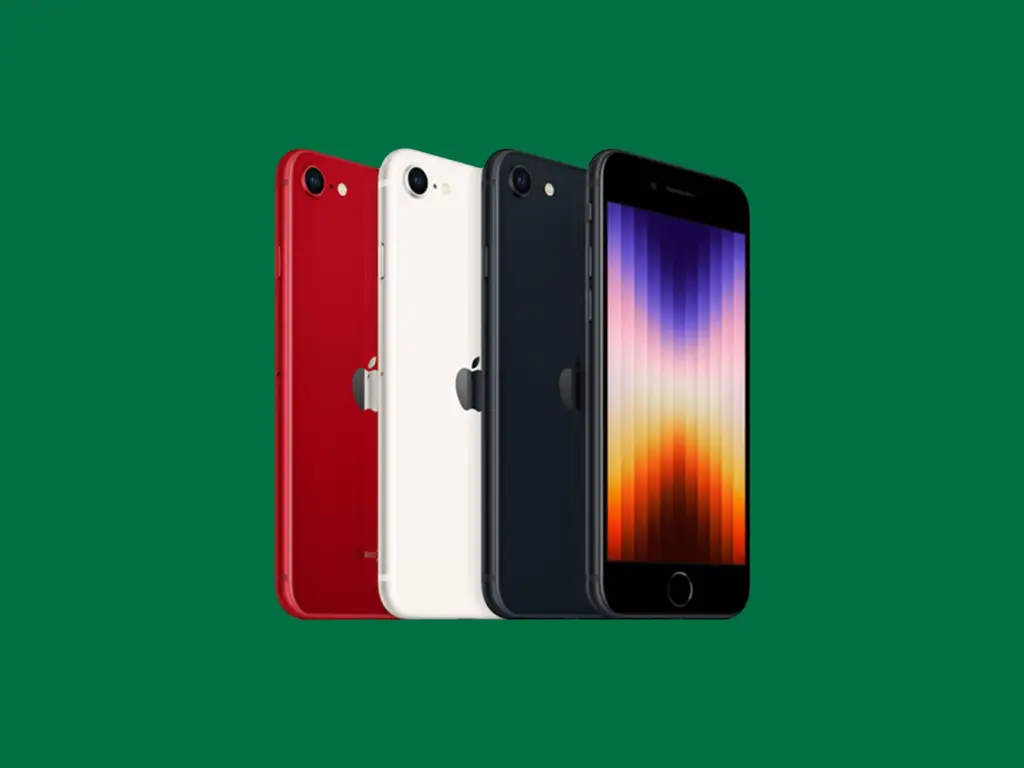
Apple iPhone SE (2022) – if you are in the Apple ecosystem
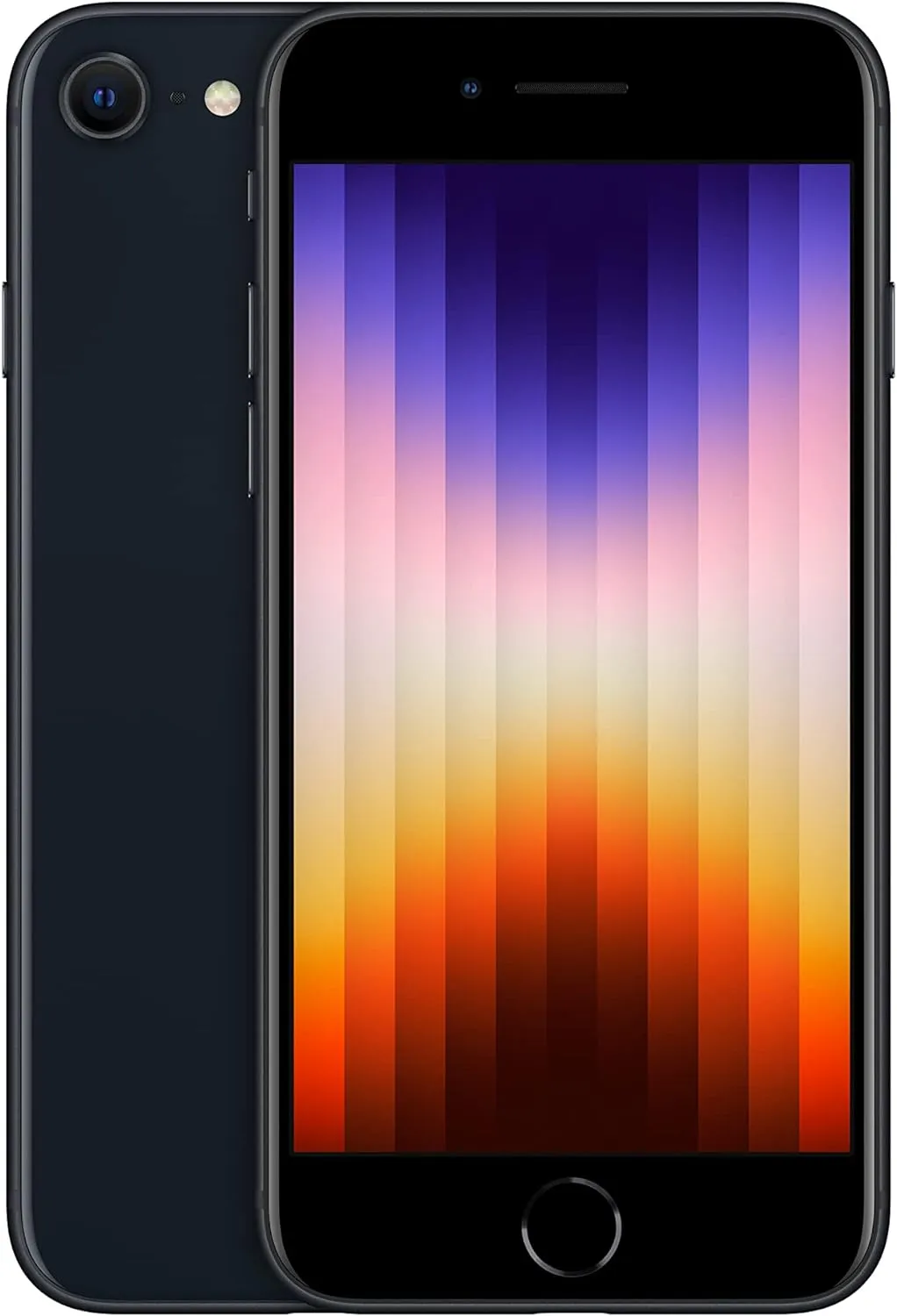
It is difficult to choose an Apple product under $400, but we firmly believe that the iPhone SE (2022) is the best option. Apple essentially discontinued the SE range in 2025 with the release of the iPhone 16e (review). Apple’s entry-level model is now the 16e, the company’s first new name since the 2020 “mini.”
Currently, the iPhone SE (2022) is only available through online retailers like Amazon. This budget iPhone features the powerful A15 Bionic chip, although it brings minimal upgrades compared to its predecessor. It offers a 12MP camera within a casing nearly identical to the iPhone SE (2020)—which itself resembles older models like the iPhone 8, 7, and 6s—and includes IP67 water resistance.
The most notable enhancement is 5G connectivity, which puts the iPhone SE (2022) on par with other smartphones under $400 on this list, aside from the improved SoC and more RAM (4 GB). After testing, we discovered that, despite certain issues, the gadget is still a great option for iPhone purchasers on a tight price.
Software support for the iPhone SE (2022), including complete iOS updates and security fixes, should last until roughly 2027 or 2028, according to Apple’s past trends. However, based on Apple’s future choices, precise timetables might change.
2022 Apple iPhone SE
Advanced single-camera system with 12MP Wide camera; Smart HDR 4, Photographic Styles, Portrait mode, and 4K video up to 60 fps
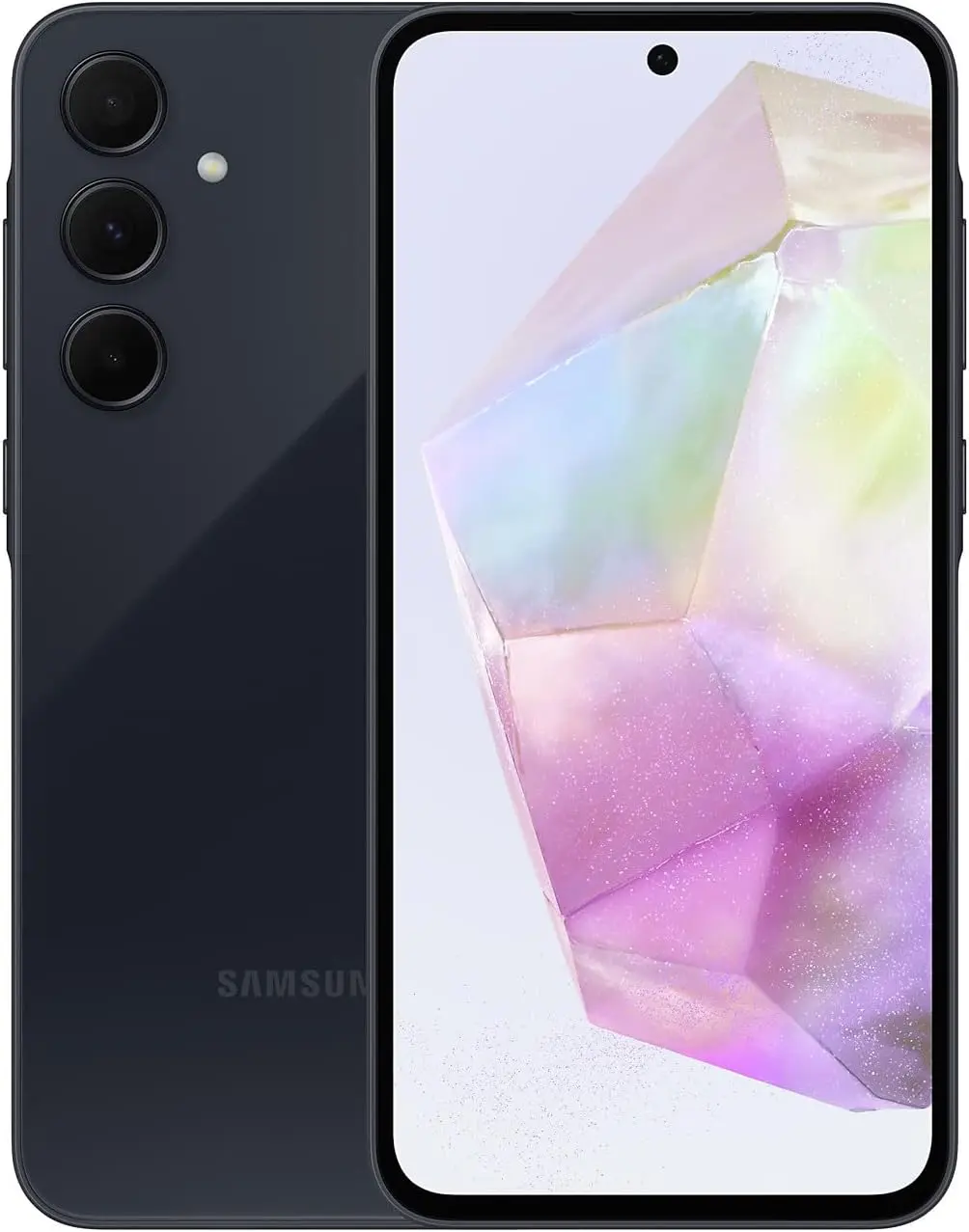
Surprisingly, Samsung chose not to distribute its well-liked Galaxy A55 in the US in 2024. As a mid-range substitute, the company instead unveiled the less expensive Galaxy A35.
In actuality, both models offer balanced camera capabilities, dependable battery life, and comprehensive software support, making them very comparable in terms of performance and specifications. The Exynos 1380 processor, which was used in the previous Galaxy A54 model, ensures seamless performance for daily use and light gaming on the A35.
Samsung has committed to providing software upgrades for the Galaxy A35 through 2029, making it the phone with the longest security support on this list. Although some more recent models provide even longer support, none of them now live up to this promise at this price point.
Samsung Galaxy A35 5G
6.6” FHD+ Super AMOLED w/Corning Gorilla Glass Victus+ – Resolution 1080 x 2340 pixels 256GB 8GB RAM – MicroSD up to 1TB
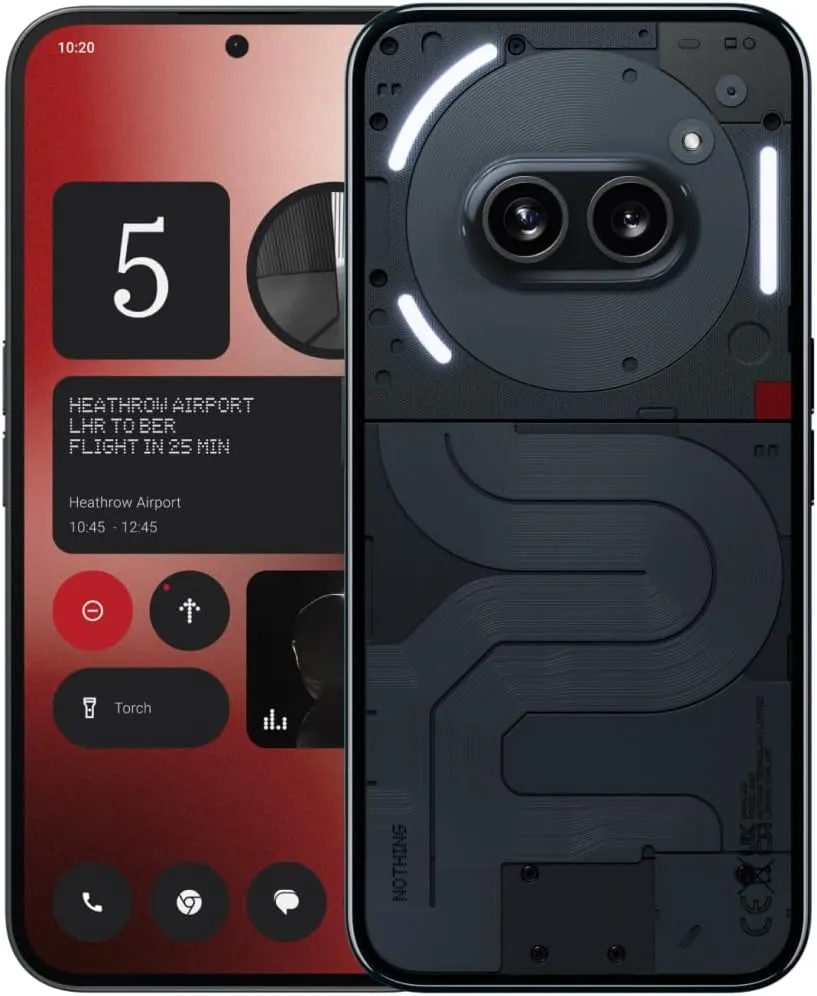
Nothing’s newest low-cost smartphone, the Phone (2a), has a great design and well-balanced specs, making it one of the most attractive mid-range phones.
It delivers endurance with four years of security patches and three guaranteed Android updates, together with a positive user experience with Nothing OS. Although the most recent Snapdragon chipset is not included, performance remains dependable.
The Phone (2a) has the longest battery life in its pricing range thanks to its large 5000 mAh battery that supports 45W rapid charging. The remarkable 17 hours and 2 minutes of runtime that our battery testing revealed allowed for comfortable two days of use between charges and comparatively quick recharging.
The primary compromise is the camera’s poor quality, especially in dimly lit areas. With its appealing screen, reliable performance, and very long battery life, the Nothing Phone (2a) is a well-rounded mid-range choice.
Nothing Phone (2a)
Nothing phone (2a) boasts Co-engineered with MediaTek,the custom Dimensity 7200 Pro processor delivers the best performance with optimal power consumption. NOTE:Only these carriers’ 5G network bands are supported,please check the bands before buying: T-Mobile n41,n66; AT&T n5,n66; Google Fi n41; Verizon Wireless n5,n38,n66; Cricket Wireless n5.
Our crew has carefully tested the top picks for our list of the best smartphones under $400, and we have added extra mentions to help you make an informed choice. Although this guide focuses on key aspects, I strongly advise reading our in-depth reviews before making a purchase.
We mainly took into account regular consumers looking for a balance between cost and usefulness while making this budget-friendly choice. To make sure you are selecting the greatest smartphone, I advise you to look over our larger list of top smartphones if flagship-level features or cutting-edge performance are important to you.
User Experience (UX). Smartphones priced around $400 often provide reliable performance for daily work, multimedia consumption, and casual gaming. Expect CPUs from the Qualcomm Snapdragon 7 series or MediaTek Dimensity range, which offer outstanding value even though they are not the most recent generation.
Battery life and display quality are also important. We selected smartphones with batteries ranging from 4,500 to 5,000 mAh, which can last a full day. While charging speeds in this price range are moderate, often between 10W and 15W in the United States, these devices provide adequate endurance. Display technology is constantly advancing, with many devices offering Full HD+ resolutions and refresh rates of up to 120 Hz, including the increasingly popular OLED screens.
Although the camera’s performance is suitable for most daily uses, there are certain limits to consider. Higher-megapixel sensors are common, although their quality differs greatly from flagship models. We suggest care when using multi-camera systems, as extra lenses such as macro or depth sensors may have limited practical applications.
Software and carrier compatibility are other important issues. Smartphones in this category often receive fewer software updates—one to two major Android versions after launch—so double-check the device’s update policy before purchase. Additionally, check compatibility with your carrier, especially if purchasing unlocked smartphones.