Being a Pixel owner outside the United States has always come with a catch: a long list of AI features that simply aren’t available in your region. Google has gradually extended some of these to international markets, but the majority remain US-only. That gap may be getting a little smaller, as the company appears to be preparing another Pixel feature for a broader global rollout.
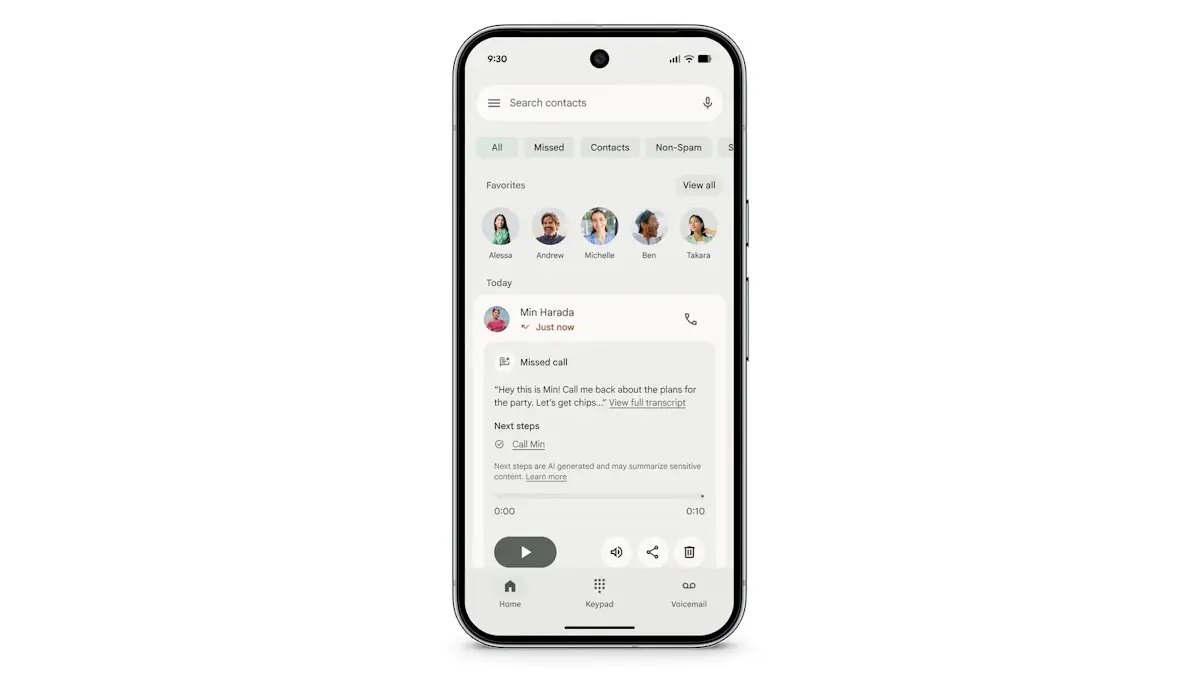
Introduced alongside the Pixel 10 series in 2025, “Take a Message” functions like a smarter take on traditional voicemail. When someone calls and the user can’t pick up, the feature answers on their behalf, takes a message, and displays a real-time transcription as it happens. It’s supported on all eligible Pixels from the Pixel 6 through to the Pixel 10, but availability has been restricted to the US, Australia, Canada, Ireland, and the UK. According to Android Authority, that’s about to change.
Code found in the latest Phone app beta suggests Google is working on a significantly wider rollout. Take a Message could reach a range of Asian and European markets including Austria, Belgium, Finland, Malaysia, Hungary, Latvia, the Netherlands, Norway, Poland, Singapore, Sweden, and Taiwan. Germany, Spain, France, Italy, and Japan may receive the feature with transcription support included. India also appears to be in scope, with country-specific code strings discovered in the same beta build.
Beyond geographic expansion, the report indicates Google is also planning to bring Take a Message to non-Pixel devices – though seemingly without transcription support in that case.
A useful feature that deserves wider reach
Take a Message doesn’t get as much attention as Call Screening or some of Google’s more prominent AI calling tools, but it’s a genuinely practical addition. One of its stronger selling points is that all transcription happens on-device, which makes it a privacy-conscious alternative to cloud-based voicemail systems. For anyone who finds their carrier’s default voicemail setup clunky or impersonal, it offers a noticeably cleaner experience directly from the phone.
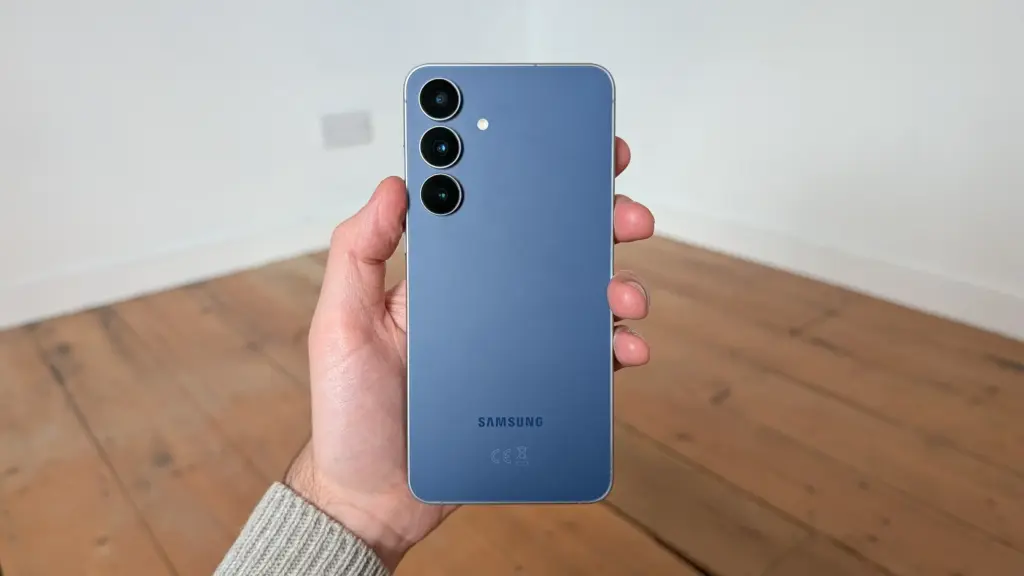
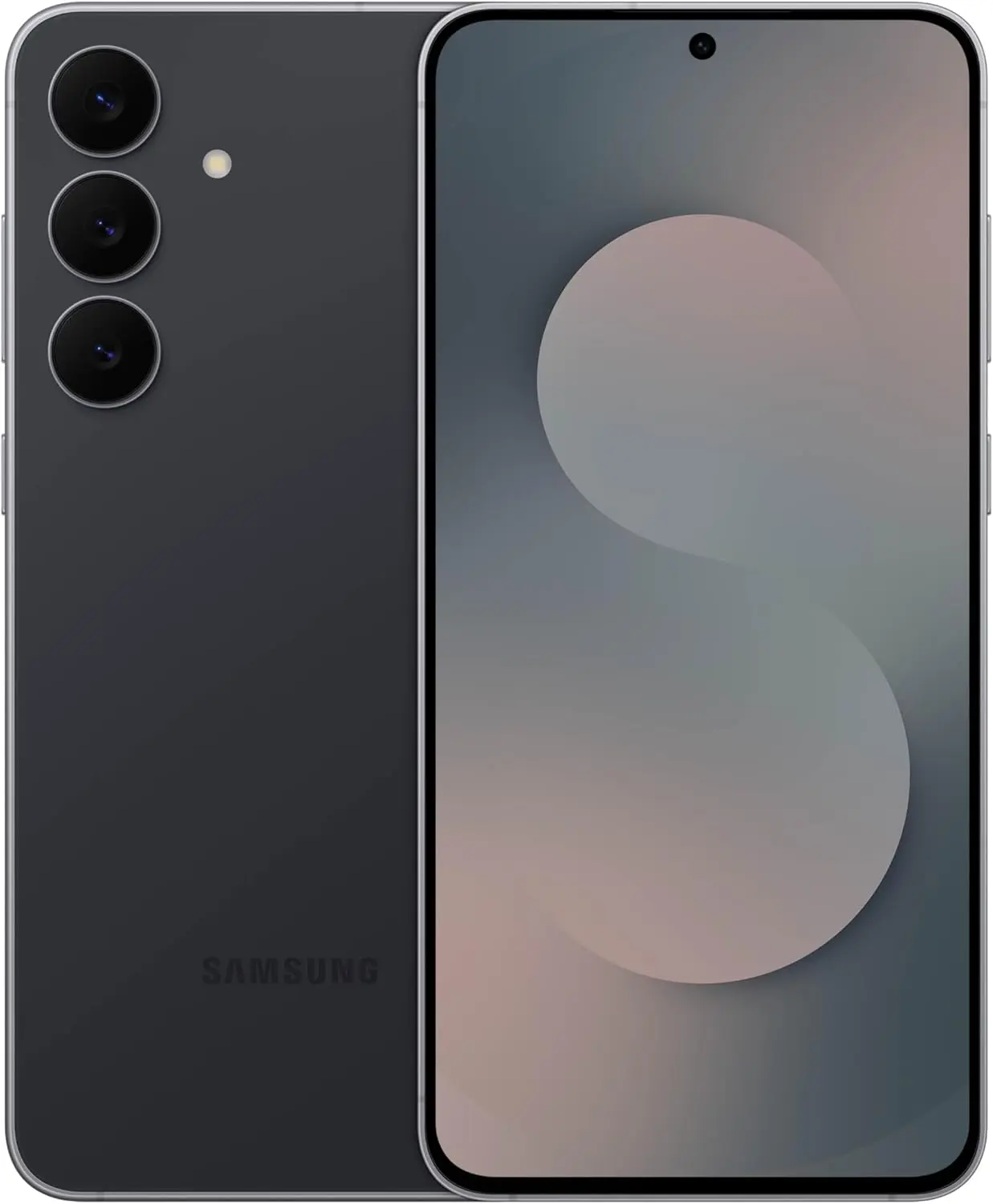
The expansion follows a pattern Google has already started exploring. Earlier this year, the company brought Scam Detection – previously a Pixel-exclusive feature – to the Samsung Galaxy S26 series, marking one of the first times a major Pixel AI calling feature landed on a competing Android flagship. A similar rollout strategy seems likely for Take a Message, potentially starting with non-Pixel flagships before spreading to a wider device pool.
Google’s Pixel smartphones offer one of the cleanest Android experiences available. Current-gen models ship with the latest version of Android, get updates before anyone else, and enjoy seven years of software support — a level of longevity that makes them a genuine alternative to the iPhone, which similarly prioritizes long-term support. For a direct comparison with Apple’s best, the Pixel 10 Pro is the model to consider if you’re chasing an experience comparable to the iPhone 17 Pro.
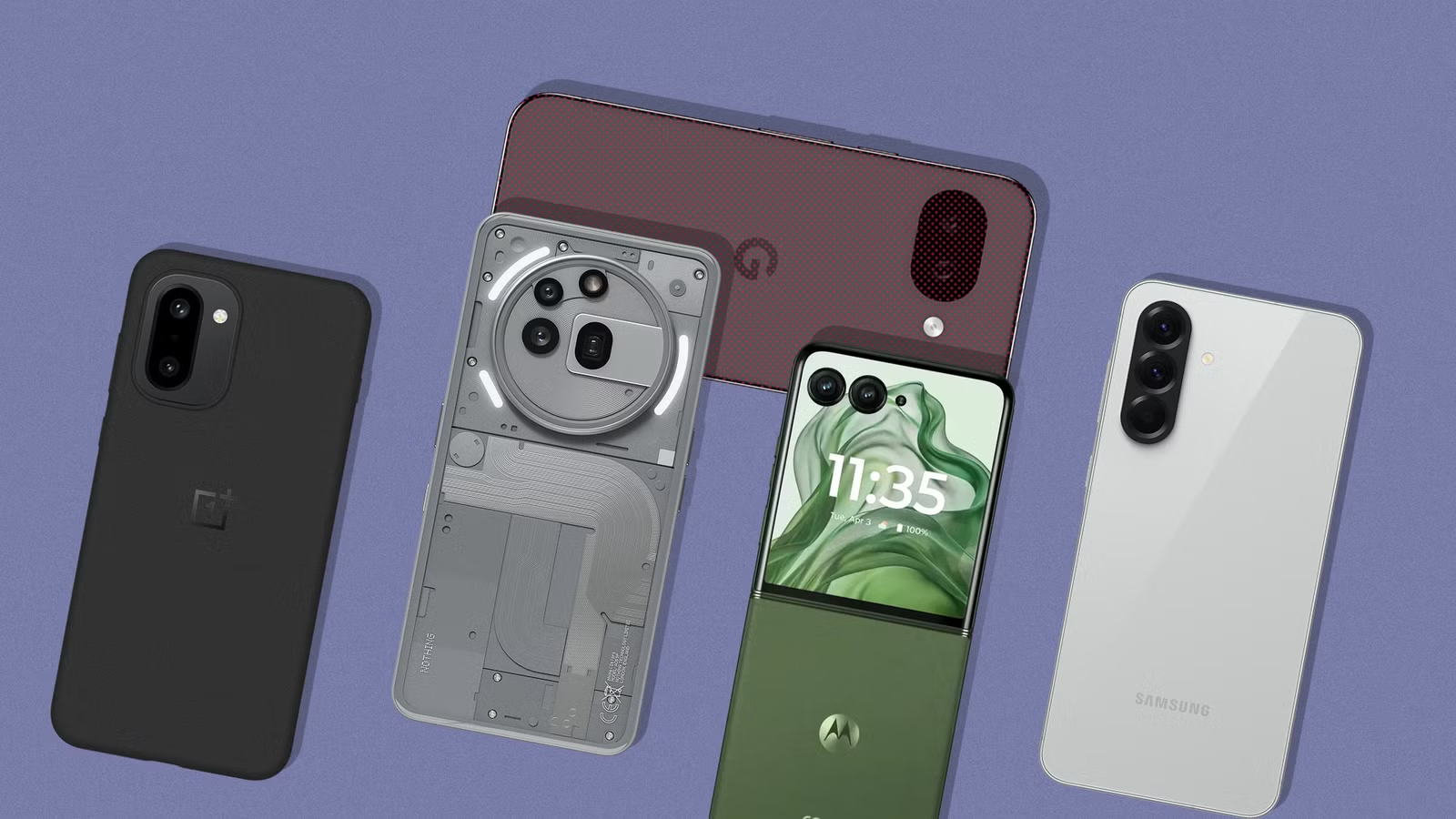
That said, Google also plays in the budget space, and its answer to the sub-$500 market is the Pixel 10a. Powered by last year’s Tensor G4 SoC with 8GB of RAM and a capable dual-camera system on the back — as explored in a full review of the Pixel 10a — it’s a reasonable choice for cost-conscious shoppers. But it does make compromises to hit that price, and raw performance is one of the more noticeable ones. There are several compelling alternatives that outpace it in that department. Five of them are highlighted below. A few of these picks aren’t officially sold in the U.S., and while importing through trusted channels is an option, carrier compatibility isn’t guaranteed.
Samsung Galaxy S25 FE
Samsung Galaxy S25 FE
Enjoy every scroll, swipe and stream on a stunning 6.7” wide display that’s as smooth for scrolling as it is immersive.
Samsung is the world’s largest Android manufacturer, and while the flagship Galaxy S series gets most of the spotlight, the company’s mid-range catalog is equally well-stocked. The Galaxy S25 FE sits in the upper mid-range tier, delivering a near-flagship experience by trimming a select few premium extras to land at a lower price point.
Under the hood is Samsung’s in-house Exynos 2400 SoC, which according to NanoReview offers noticeably better performance than the Tensor G4 inside the Pixel 10a. RAM is matched at 8GB, and the suite of AI features remains intact. One UI, which previously had a reputation for being bloated, has grown considerably leaner over the years and now runs without any real sluggishness. The display is a 6.7-inch LTPO AMOLED with a 120Hz refresh rate and up to 1,900 nits of peak brightness.
Samsung matches Google’s seven-year OS update promise on the S25 FE. The camera system includes a 50-megapixel wide, a 12-megapixel ultrawide, and an 8-megapixel 3x telephoto lens. Wired charging maxes out at 45W, which handles the 4,900mAh battery reasonably quickly. The base 128GB model retails at $650, though it can regularly be found under $600 through deals on Amazon and similar marketplaces.
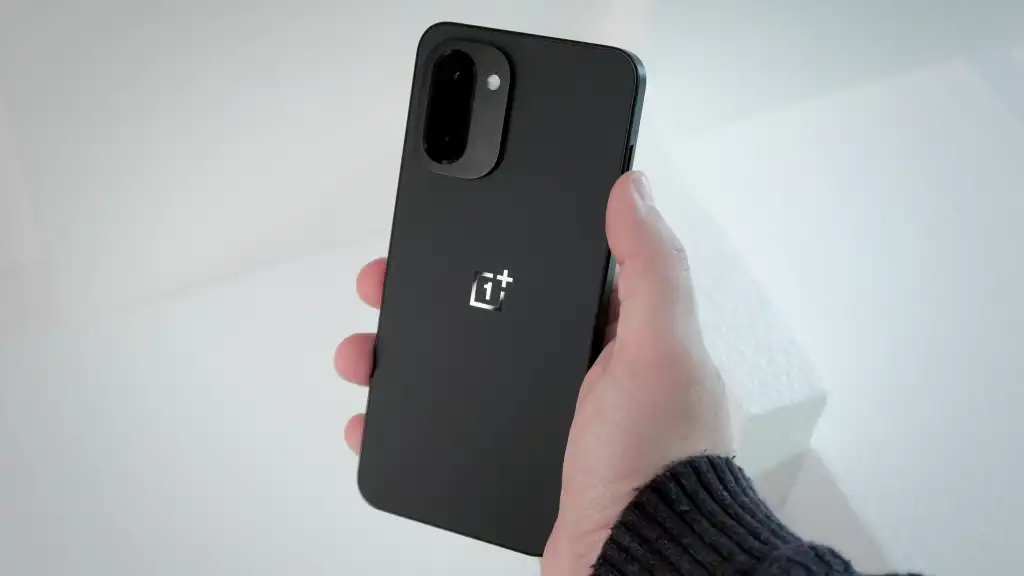
OnePlus 15R
OnePlus 15R
Powered by the Snapdragon 8 Gen 5, plus a custom Wi-Fi chip and dedicated Touch Response chip, you get lightning-fast speeds, stable connections, and ultra-responsive touch control.
At $700, the OnePlus 15R costs more than the 256GB Pixel 10a — but considering what it delivers, that $100 premium is hard to argue with. The phone runs on the Snapdragon 8 Gen 5, which sits just below the 8 Elite Gen 5 in Qualcomm’s hierarchy and comfortably outpaces the Tensor G4, a chip that was already trailing the competition at launch. The performance gap here is substantial.
RAM steps up to 12GB, which keeps more apps active in the background and handles AI-driven tasks more effectively over time. The screen is a 6.83-inch AMOLED panel with up to 165Hz in supported games and a peak brightness of 3,600 nits in HDR scenarios. Slimmer bezels and a smaller hole-punch cutout make for a noticeably better multimedia display than the Pixel 10a.
Battery life is where the OnePlus 15R really pulls ahead. Its 7,400mAh cell offers roughly 50% more capacity than mainstream flagships, and the review of the OnePlus 15R confirmed the exceptional endurance that capacity suggests. Charging tops out at 80W with the included adapter, so refueling is fast when needed.
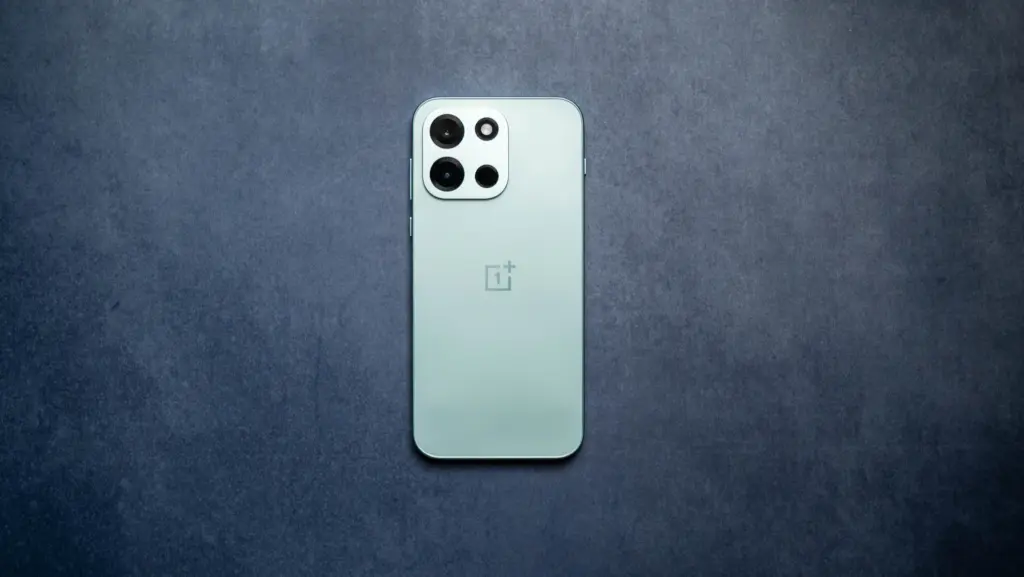
OnePlus Nord 6
OnePlus Nord 6
Flagship Performance with Snapdragon 8s Gen 4/: Couple this with the latest LPDDR5X RAM and UFS 4.1 ROM storage, Nord 6 is engineered to outperform nearly every flagship, allowing unprecedented ‘Gaming PC-level’ 165 FPS BGMI, CODM and Free Fire MAX steady-smooth gaming, and relentless everyday speed for the next 6 years.
Despite recent speculation about market exits and a potential global pullback, OnePlus has continued shipping competitive hardware. The Nord 6 is the latest from the brand’s budget-focused lineup, and it brings serious performance for the price. The Snapdragon 8s Gen 4 SoC comfortably outperforms the Tensor G4 across the board, and configurations go up to 12GB of RAM with 256GB of UFS 4.1 storage.
Gaming is clearly a core target for the Nord 6. Its 6.78-inch AMOLED display supports refresh rates up to 165Hz in compatible titles — similar to what the OnePlus 15 offers — and a 3,840Hz touch sampling rate makes on-screen input feel exceptionally sharp. The dual rear camera covers wide and ultrawide angles, but the real talking point is the 9,000mAh silicon carbon battery with 80W wired charging support, which is a remarkable combination at this price.
OxygenOS handles the software side, with OnePlus committing to four years of OS updates. Pricing converts to roughly $415 for the 8GB RAM variant. The catch: the Nord 6 is an India-exclusive. In China, the same device is sold under the OnePlus Turbo 6 name. U.S. buyers would need to import it, with carrier compatibility being a potential sticking point.
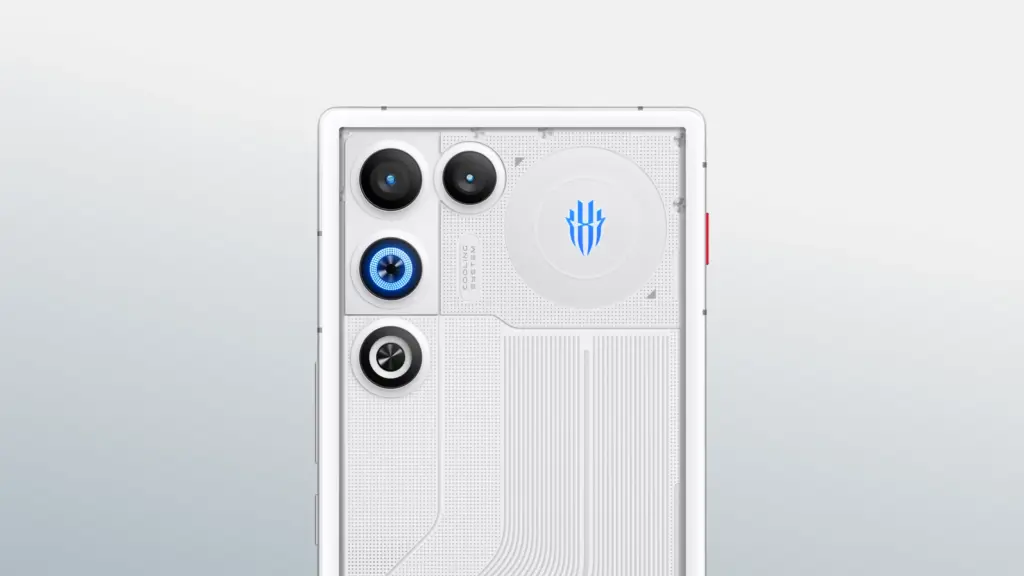
RedMagic 11 Air
For those specifically after a gaming phone that’s actually available in the U.S., RedMagic is the go-to. The RedMagic 11 Air matches the Pixel 10a’s $500 price tag but packs considerably more horsepower. The Snapdragon 8 Elite SoC powering it is, on paper, more than twice as fast as the Tensor G4. Even as a generation-old chip at this point, it handles any modern mobile title at maxed settings with high frame rates without breaking a sweat.
A few hardware touches set it apart from the standard mid-range crowd. Capacitive shoulder triggers on the frame offer additional physical controls in supported games. The 6.8-inch 144Hz AMOLED display is completely notch-free, providing an uninterrupted viewing surface — a trade-off that costs the phone a front camera, which may or may not matter depending on priorities. Active cooling via a built-in fan and vapor chamber keeps thermals in check during extended sessions.
RAM comes in at 12GB, and storage doubles what the Pixel 10a offers in its base configuration. The 7,000mAh silicon carbon battery earned a multi-day usage assessment from TechRadar’s review under moderate conditions, and an 80W adapter is included in the box. An 80W adapter is also included. Stepping up to 16GB of RAM and 512GB of storage adds just $100 to the asking price, and the RedMagic 11 Air’s distinctive design language makes it one of the more visually interesting options on this list.
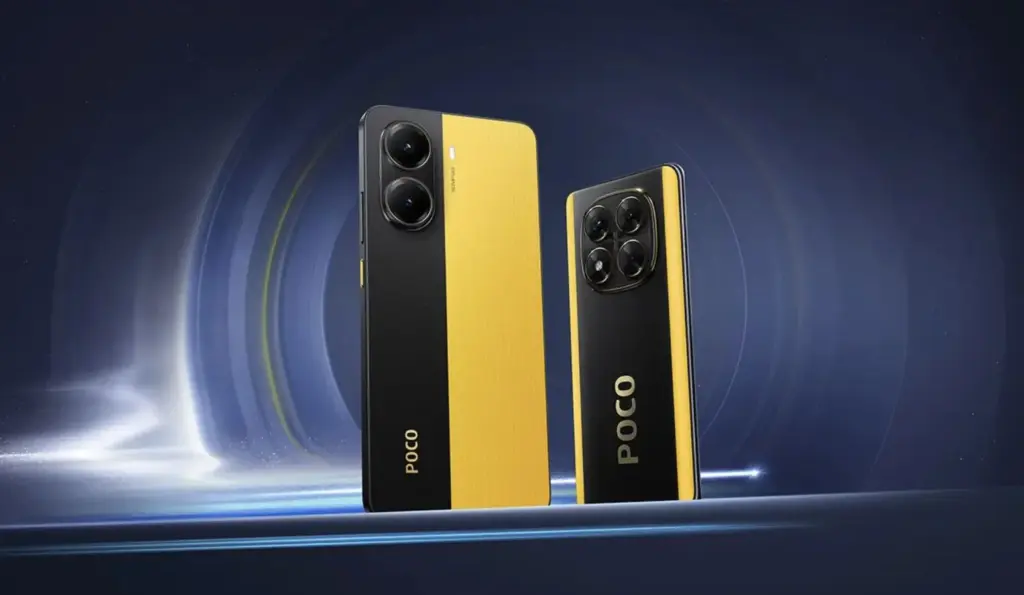
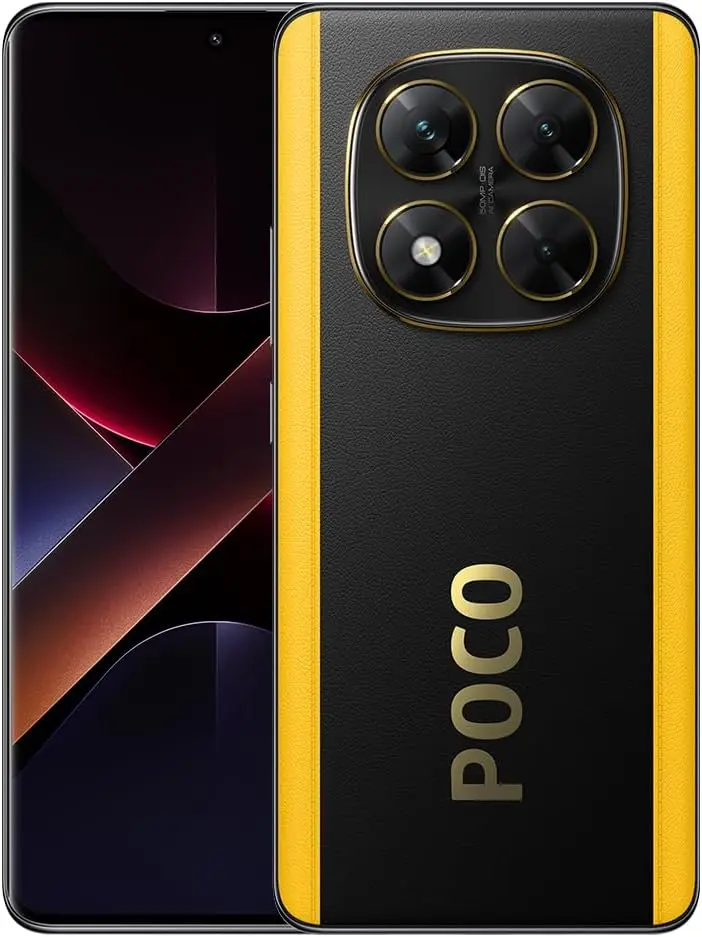
Poco X7 Pro
Poco X7
Full speed ahead Powerful Dimensity 7300-Ultra CrystalRes 1.5K 120Hz AMOLED curved display 50MP main camera with OIS IP68 dust and water resistance 5110mAh (typ) large battery
Xiaomi has built a reputation for delivering strong value in the flagship space, and its Poco sub-brand attacks the mid-range segment with the same aggression. The Poco X7 Pro is a gaming-focused device powered by the MediaTek Dimensity 8400 Ultra SoC, posting AnTuTu benchmark scores roughly 40% higher than the Tensor G4.
The display is a 6.67-inch AMOLED panel with a 120Hz refresh rate and an impressive 1,920Hz touch sampling rate. Camera hardware consists of a 50-megapixel wide and an 8-megapixel ultrawide – GSMArena described the imaging output as “mostly mediocre,” though the same review awarded the phone 4.2 stars overall and called it the most powerful device in its price category. The global variant carries a 6,000mAh silicon carbon battery with 90W wired charging.
Software is HyperOS, Xiaomi’s customized take on Android 15, with at least three major OS updates and four years of security patches promised. At $410, the phone ships with 12GB of RAM and 256GB of storage. While Xiaomi’s retail presence in the U.S. is limited, the Poco X7 Pro is available through Amazon. Carrier support exists for select networks, but verifying band compatibility with a specific provider before purchasing is strongly recommended.
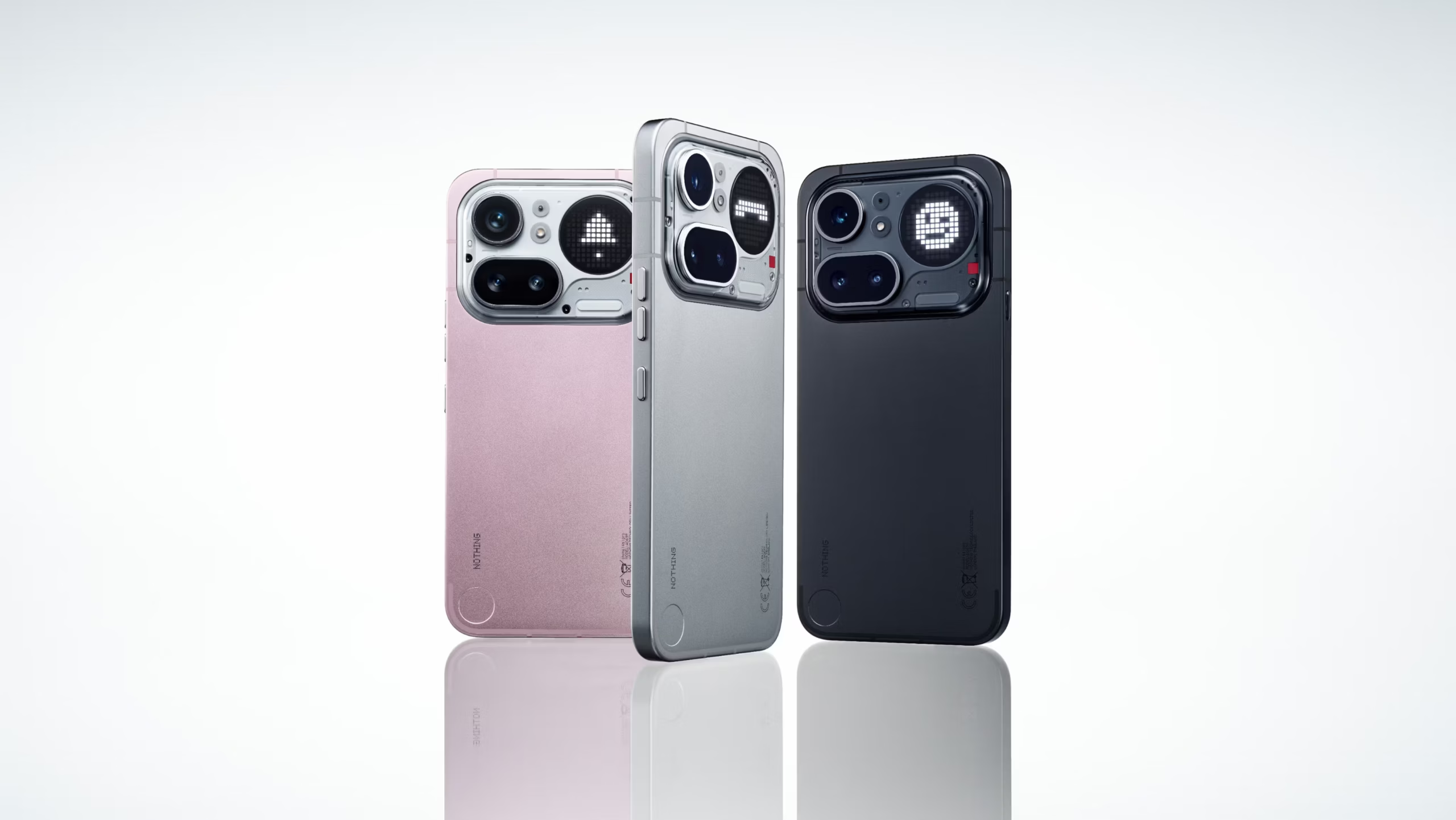
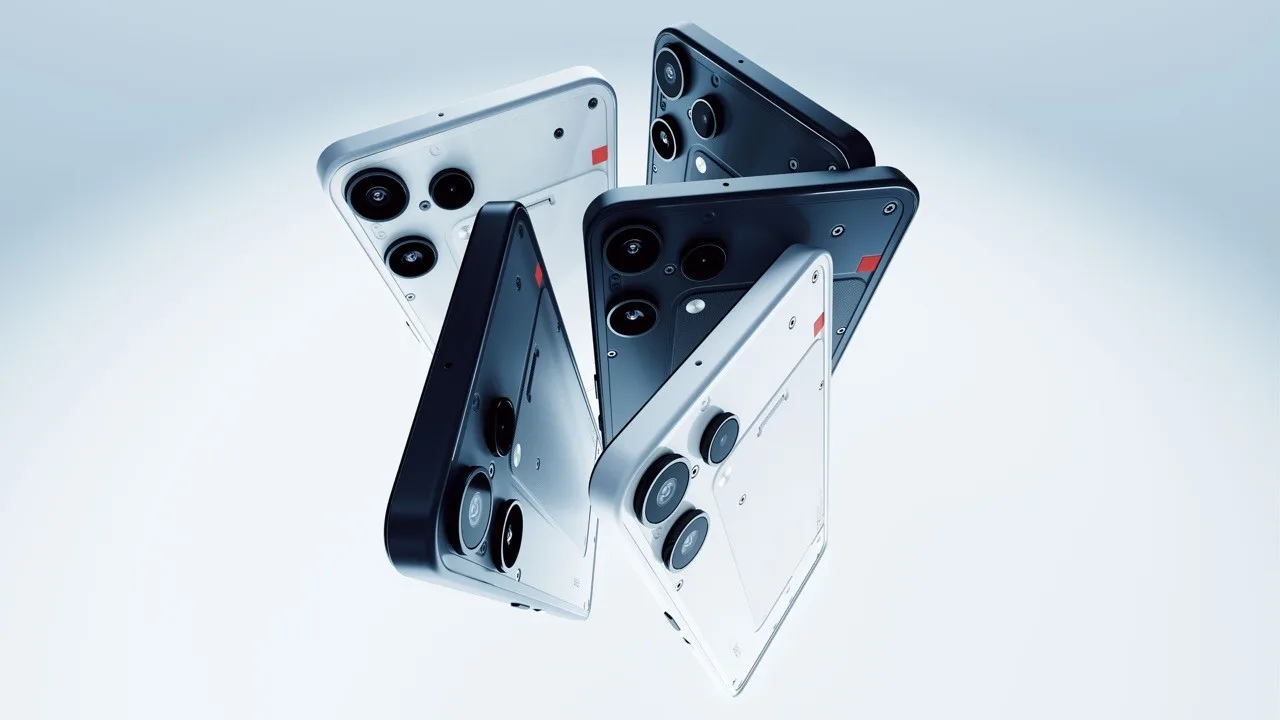
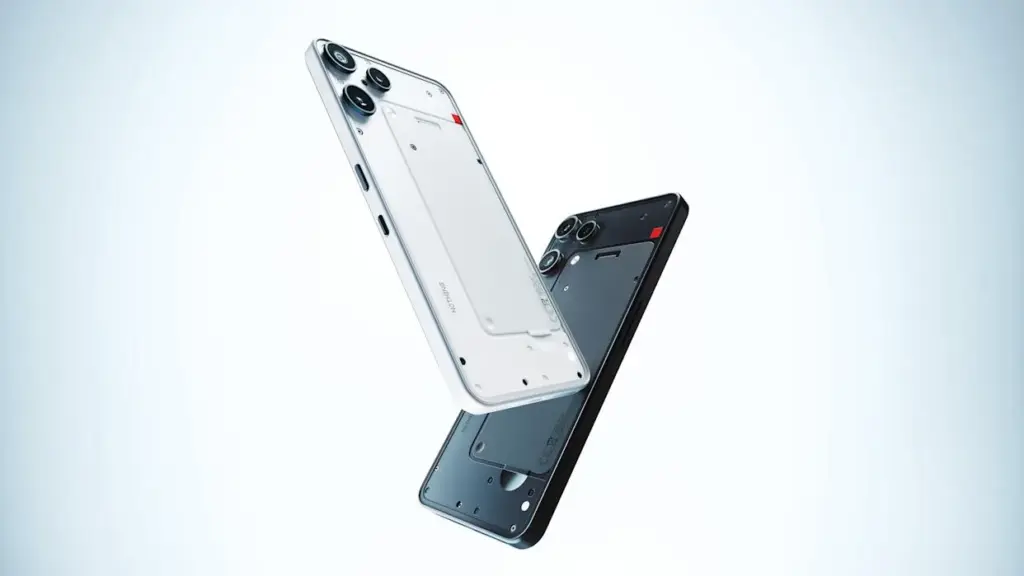
Nothing looks set to deliver another strong midrange contender. The Phone (4a) Pro delivers on the brand’s signature appeal—distinctive, quirky, and unmistakably Nothing.
The price has edged up from the Phone (3a) Pro to $499 or €479. Pre-orders through Nothing’s site offer discounts in some regions, potentially matching the predecessor’s cost.
At half the price of the flagship Phone (3) ($799), it remains a budget-friendly option. Nothing has noted the “a” series’ strong reception and its role in building the brand. The question is whether the Phone (4a) Pro keeps that momentum going.
Design and Display
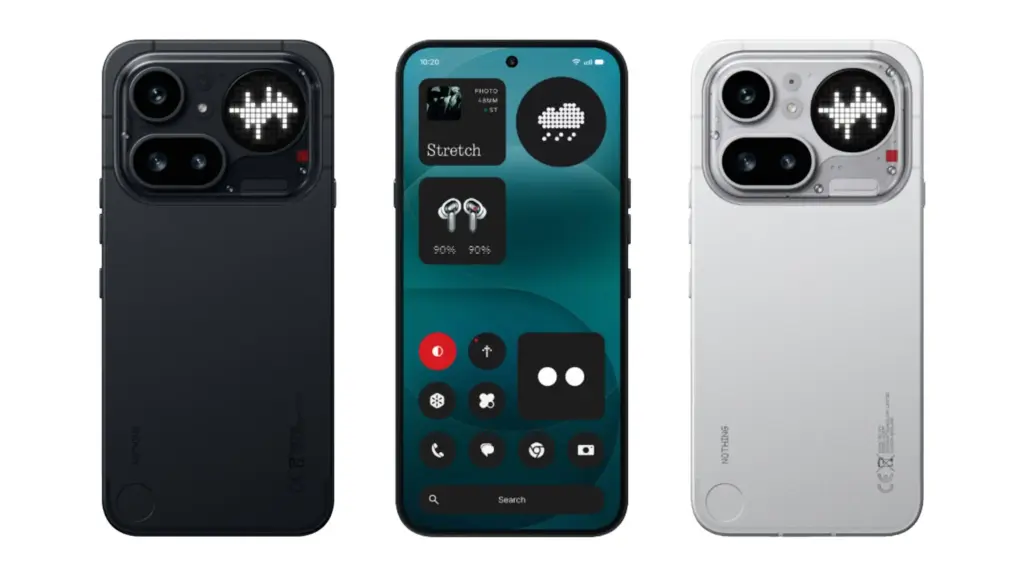
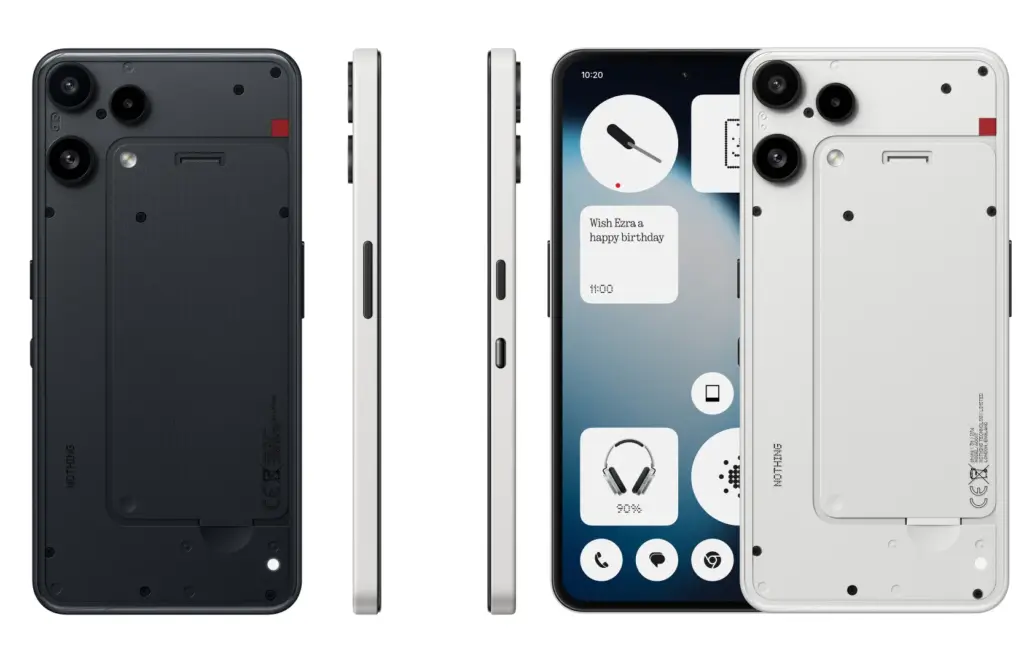
The Phone (4a) Pro stands out from previous “a” models with its full aluminum unibody construction. Wireless charging is off the table as a result, but the solid metal build feels premium and long-missed in recent years. It stays light and well-balanced for comfortable handling.
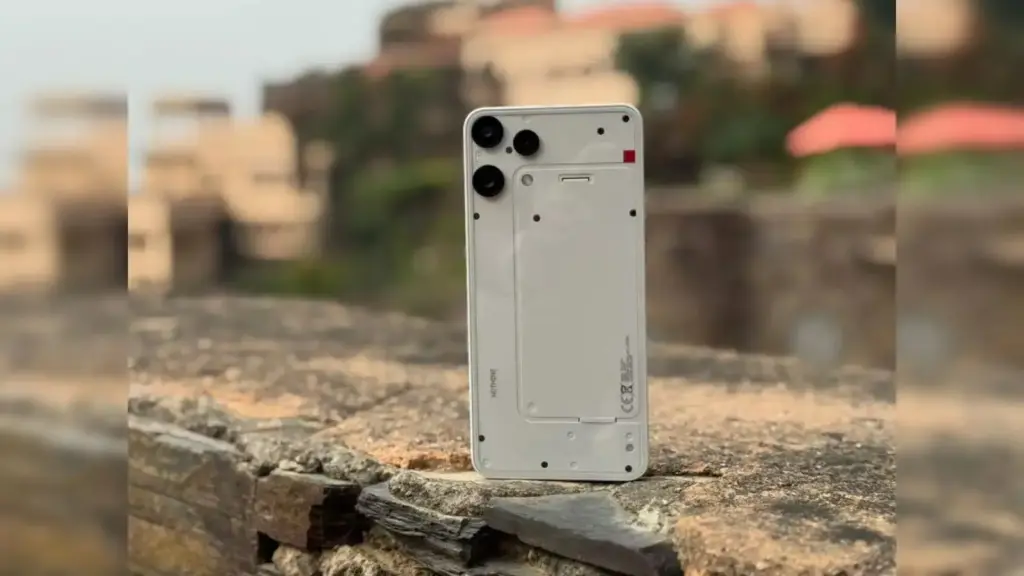
A transparent section remains on the back, limited to the acrylic-covered camera island. The overall feel is solid, though the scaled-back transparency suggests a shift toward convention. The plastic camera bump may attract scratches over time.
Despite the 6.9-inch screen, the phone qualifies as thin and manageable, aided by smart weight distribution.
The Essential button returns, tying into Essential Space—Nothing’s lightweight AI tool for organizing screenshots, photos, and voice notes. On-device AI tags content for easy retrieval, much like an enhanced version of Google’s Screenshots app. The button provides quick access to the library or new captures, serving as a distinctive Nothing touch.
Volume and power buttons offer satisfying clicks—firm without being loose.
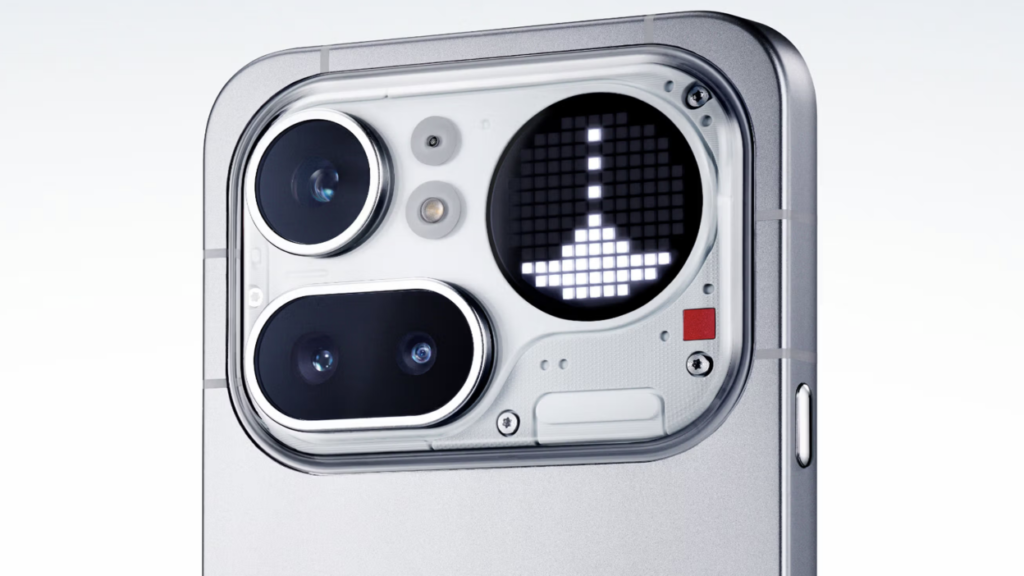
The traditional Glyph LED strips are gone, as on the Phone (3). The new circular low-res Glyph Matrix sits on the camera island, a more appealing placement than on the Phone (3).
Functions are simplified compared to the Phone (3)’s Glyph Toys. It displays time, timers, calendar progress, notification icons, or volume levels—no games like spin the bottle or 8-ball.
The box includes the phone, a transparent case, and a standard USB-C cable, ditching the old transparent styling for a blockier design.
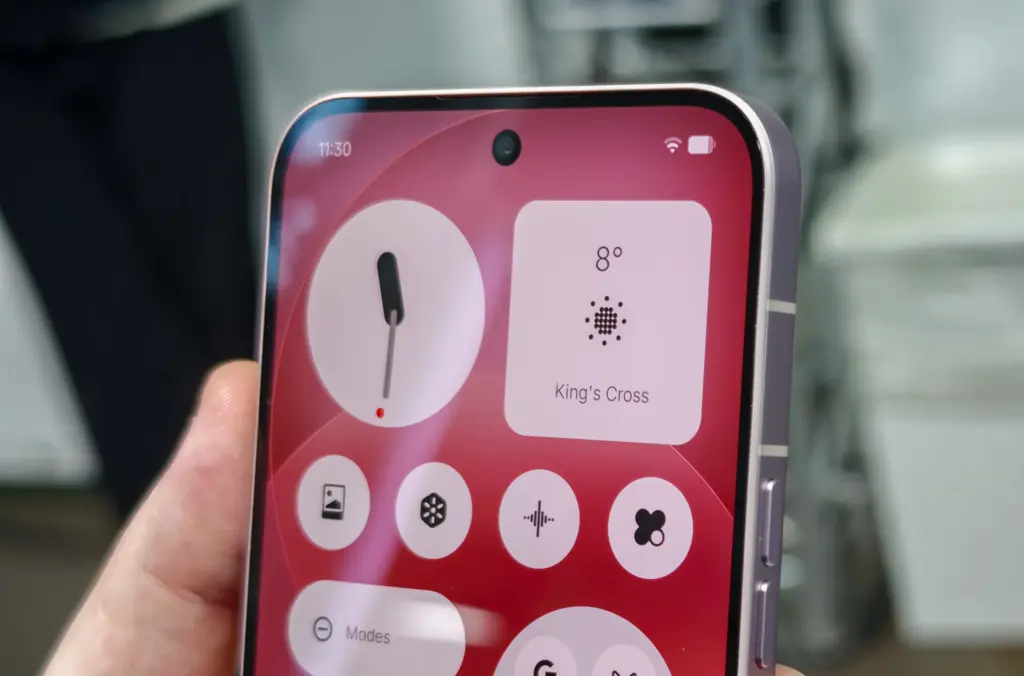
The 6.9-inch AMOLED display packs a 1260 x 2800 resolution (440 PPI), 144Hz refresh rate—higher than the Phone (3)’s 120Hz—and 5,000 nits peak brightness. It delivers sharp, vibrant visuals, with a natural color profile for a less intense look.
Day-to-day brightness hits around 1,500 nits across the full screen, performing well outdoors despite lacking anti-reflective coating.
An optical in-display fingerprint scanner works quickly and reliably. Face Unlock relies on the selfie camera, limiting it to well-lit conditions and lower security.
Nothing Phone (4a) Pro
Capture every detail from a distance with the advanced triple camera system. Nothing Phone 4a Pro Features a 50MP Sony main sensor with OIS, a 50MP periscope telephoto lens supporting 3.5x optical up to 140x ultra zoom, and an 8MP ultra-wide lens.
Smartphone cameras continue to chase natural-looking results, but the Phone (4a) Pro as a midranger falls short. Dynamic range is limited, color matching across the main, ultrawide, and 3.5x zoom lenses is inconsistent, and processing introduces oversharpening and noise artifacts.
Reds can oversaturate in some shots, while others suffer from incorrect exposure or blue casts. It works for casual snapshots but struggles with standout photography. The 3.5x zoom holds up for portraits before details fade beyond that.
Predictability is the real issue for a good midrange camera. For better results, a Pixel 9a might suit photography-focused buyers.
Videos appear overexposed and oversaturated. A bug prevents autofocus when zooming during recording after lens switches, though Nothing typically addresses such issues through software updates.
Performance
Power comes from the Qualcomm Snapdragon 7 Gen 4, a midrange chip below the flagship Snapdragon 8 series. Its CPU matches a late-2022 Snapdragon 8 Gen 1 level, with the GPU a bit stronger.
Paired with Nothing’s efficient software, it handles modern Android smoothly without excess power for demanding tasks.
In CPU tests against $500 rivals, it holds its own. An iPhone 17e with the Apple A19 would dominate, even with fewer GPU cores. GPU performance beats the Exynos in the Galaxy A56, appealing to mobile gamers.
Storage choices are 128GB/8GB RAM or 256GB/12GB RAM, with the upgrade adding $100 and edging into iPhone 17e pricing.
Nothing Phone (4a) Pro
Capture every detail from a distance with the advanced triple camera system. Nothing Phone 4a Pro Features a 50MP Sony main sensor with OIS, a 50MP periscope telephoto lens supporting 3.5x optical up to 140x ultra zoom, and an 8MP ultra-wide lens.
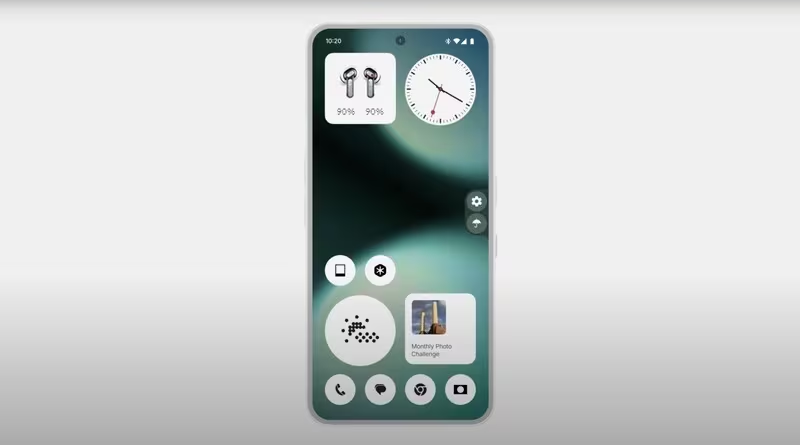
Nothing OS 4.1 runs on Android 16 out of the box. The clean, flat interface feels responsive, with monochrome icons offering a minimalist vibe.
Support includes three major Android updates and four years of security patches, potentially carrying the phone through to 2030.
Battery
A 5,080 mAh battery and efficient Snapdragon 7 Gen 4 yield solid endurance: 16 hours of browsing and 12 hours of video playback.
Gaming drops results to around 6 hours, trailing some rivals but acceptable for the price and segment.
50W charging hits 67% from empty in 30 minutes using Nothing or compatible third-party chargers. No wireless charging due to the aluminum body.
Audio and Haptics
Stereo speakers are loud with decent tuning for system sounds and videos, though they sound tinny for music. No 3.5mm jack.
Haptics stand out, delivering precise feedback that complements the interface.
Verdict
The Nothing Phone (4a) Pro stands as a bold statement phone for those avoiding generic Galaxies or iPhones. Its handling, display, and performance match $500 peers, while the UI brings thoughtful, unique touches.
Cameras remain the weak spot. Buyers who can overlook that will find a compelling package; others may want to wait for software tweaks or consider alternatives.
Nothing Phone (4a) Pro
Capture every detail from a distance with the advanced triple camera system. Nothing Phone 4a Pro Features a 50MP Sony main sensor with OIS, a 50MP periscope telephoto lens supporting 3.5x optical up to 140x ultra zoom, and an 8MP ultra-wide lens.
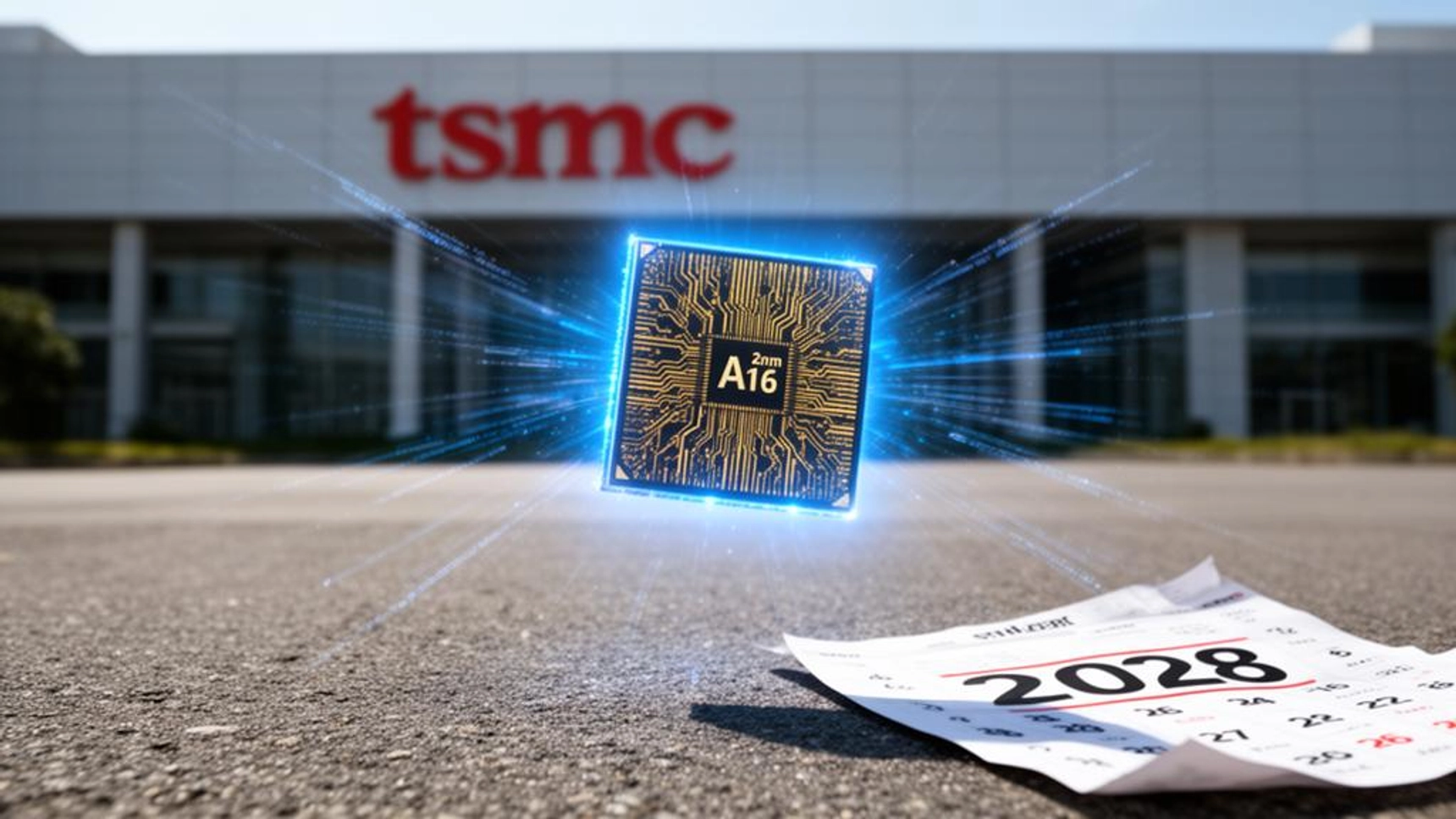
The industry’s most advanced and cutting-edge node is the 2nm process node, and TSMC leads the next generation of powerful chips. The Taiwanese chip giant has succeeded in achieving yields that are advantageous for mass-producing 2nm wafers, but sadly, this is insufficient to fulfill the demand for mobile SoCs and AI processors, forcing smartphone manufacturers to choose silicon downgrades later this year.
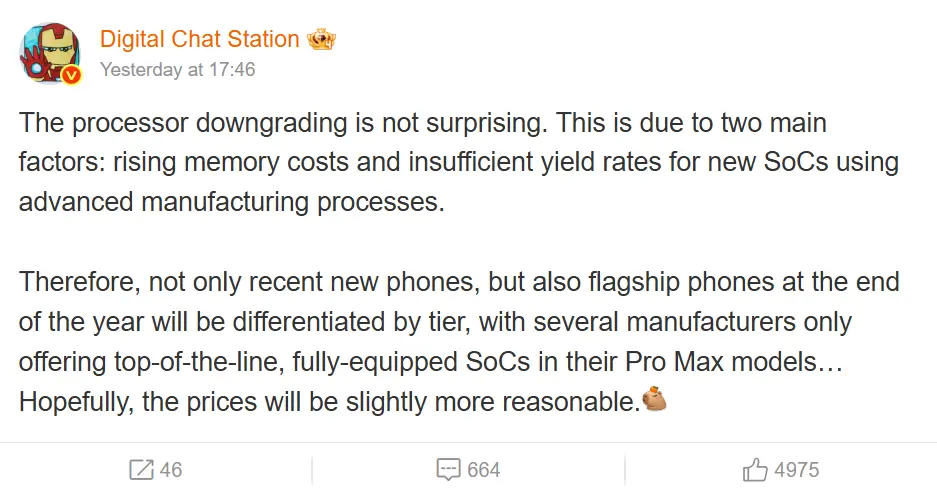
A trustworthy Chinese tipster, Digital Chat Station, claims that due to the chip crisis and growing memory costs, several smartphone manufacturers would only provide fully equipped SoCs in their premium “Ultra” or “Pro Max” versions. It doesn’t take long to figure out where the fingers are pointing, even though the tipster doesn’t specifically state “TSMC.”
AI and mobile are vying for the same advanced nodes, making the supply shortage even worse, even though the Taiwanese chip maker faces significant challenges in mass-producing advanced wafers on a wider scale. Industry reports state that Apple, Qualcomm, Nvidia, and AMD have locked up significant allocations, effectively selling out most of the N2 capacity through 2026. According to reports, Apple alone has more than half of the original N2 capacity.
The most well-known substitute for TSMC is Samsung, but it is having even more difficulty increasing its 2nm GAA yields. As a result, smartphone manufacturers have a limited supply, therefore it wouldn’t be shocking if premium processors were only used in high-end devices. This explains why Qualcomm’s dual-chip launch strategy is said to include the Snapdragon 8 Elite Gen 6 and Snapdragon 8 Elite Gen 6 Pro. With the A20 and A20 Pro, Apple is reportedly using a similar strategy.
According to reports, MediaTek, which offers the Dimensity 9600 and Dimensity 9600 Pro, is also using the same approach. The more expensive silicon will be saved for high-end phones, while the less expensive SoC will be available for less expensive phones. The DRAM problem is one of the primary causes of the anticipated increase in smartphone prices.
There are now reports regarding the successor of Nothing’s Phone 3a series, which debuted in the first few months of 2025.
According to a post made early this morning (January 26) by X tipster Anvin, the Nothing Phone 4a has appeared in a significant database (via GSMArena). The tipster’s information is light, but if it’s accurate, that’s probably intentional because the Phone 4a has supposedly received international certification. According to their post, the gadget was found in the TDRA database of the United Arab Emirates. The model’s codename, A069, is mentioned in the listing.
The people at GSMArena draw attention to a prior finding that stated this device’s Pro version was identified as A069P.
9to5Google once highlighted a Telegram tipster, but this database entry didn’t reveal much information (they don’t often). Nothing could compete with Qualcomm’s more mid-range/affordable Snapdragon 7s series CPUs, according to that article, which also claimed that a Phone 4a and 4a Pro were on the horizon. The 4a and 4a Pro could cost between $475 and $540, respectively. According to the rumors, eSIM may only be available on the Pro model.
Once more, the tipster stated that the two might make their debut in March 2026, coinciding with Nothing’s last serie
The Nothing Phone 4a series is coming
Last year, the Nothing Phone 3a transformed that mid-range market for consumers. The business was promoting its move from MediaTek CPUs to Qualcomm chips at the time, giving its smartphones the Snapdragon 7s Gen 3. It was an inexpensive semiconductor that had been enhanced to provide more powerful AI capabilities and improved performance. In gaming and graphical scenarios, the 3a was found to be lower than the 2a in some testing.
Given that the Phone 4a and 4a Pro may include the more recent Snapdragon 7s Gen 4, it is unclear what these devices will offer. Perhaps the gadget can aim higher this year because that chip put a lot of effort into providing flagship-quality gaming capabilities and support. Nothing has confirmed that phone prices will increase in 2026 as a result of increased DRAM and NAND costs, therefore pricing is a problem.
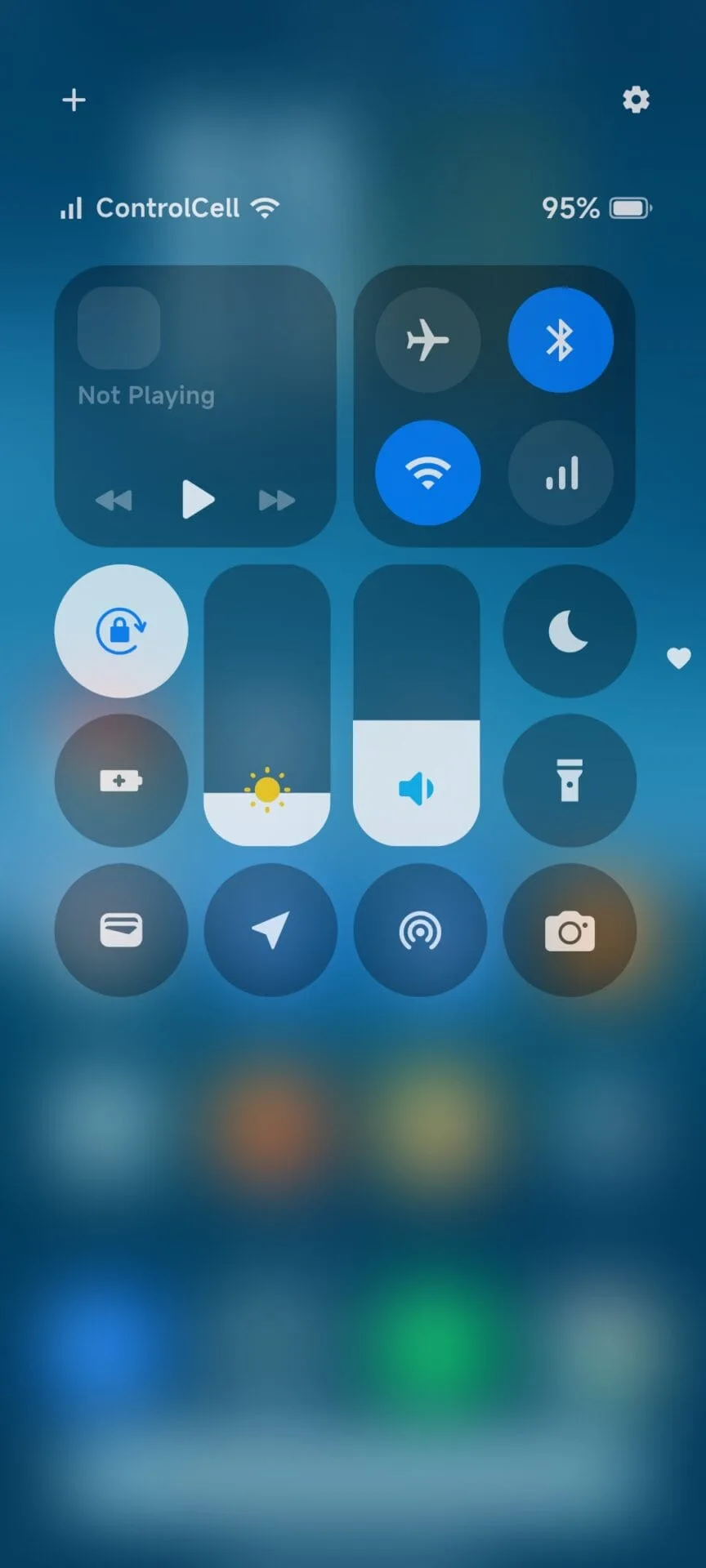
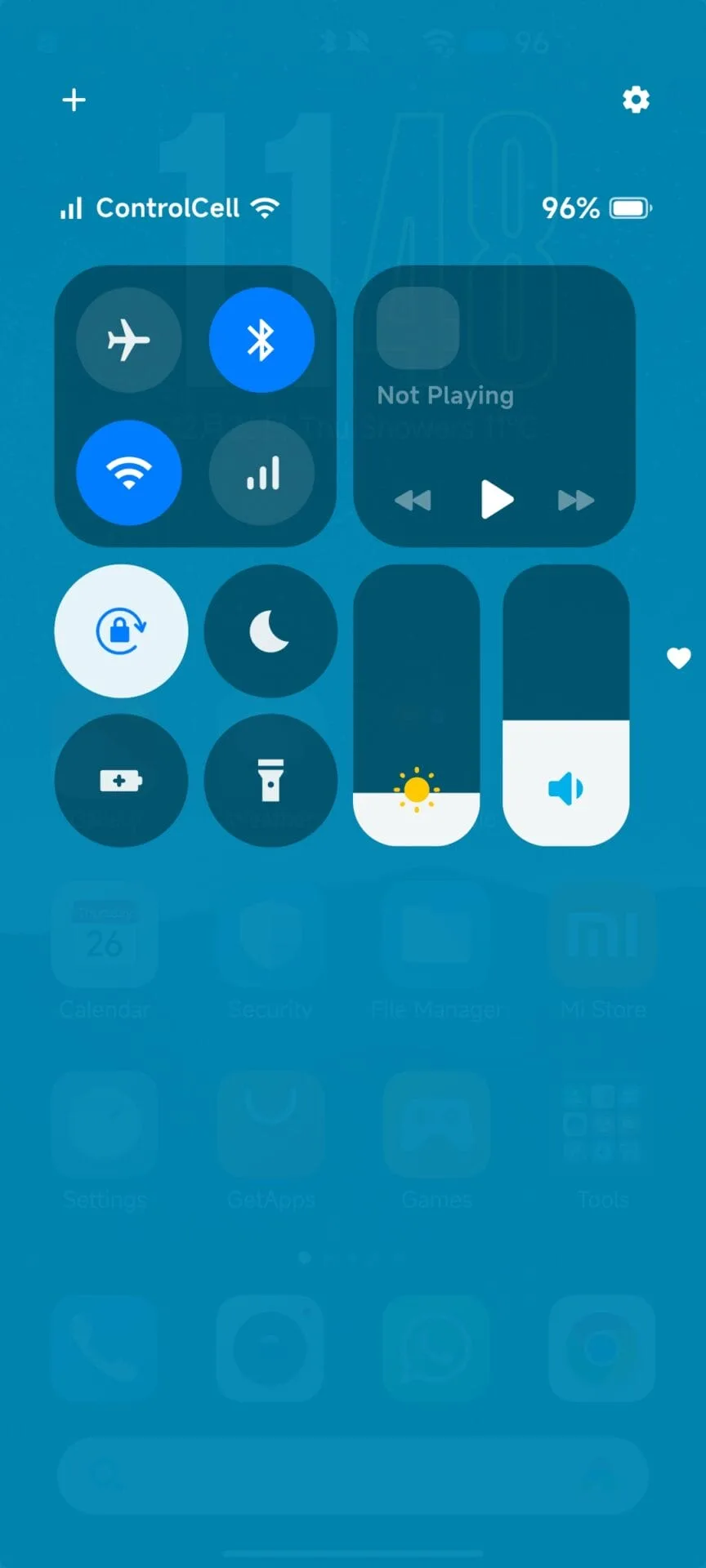
Many affordable Xiaomi phones, such the Redmi 15, Redmi 14C, and Redmi 13X, continue to use the conventional Android-style control panel rather than the contemporary iOS-inspired Control Center found on high-end phones running HyperOS. The main cause of this limitation is hardware and performance issues, which make it difficult to execute sophisticated animations and transitions smoothly.
Users of Xiaomi do not have to give up the new features and design in spite of this. It can be set up to mimic the new Control Center appearance on the majority of Redmi and POCO phones with the aid of third-party modification applications like Control Center 18.
Announced alongside HyperOS 1.0, Xiaomi’s new Control Center features an iOS 18-like interface, smoother animations, and adjustable brightness adjustments. But not every gadget satisfies the necessary performance requirements. Xiaomi limits the new UI to mid-range and flagship smartphones since entry-level handsets with low GPU and memory capacity can encounter lag or frame drops.
Xiaomi’s software framework is still adaptable, though. You may still improve the visual experience using third-party solutions like Control Center 18, which essentially replicates the look and functionality of the HyperOS Control Center, even if your phone doesn’t support the most recent control center natively.
Get the New Control Center with Control Center 18
You can simply duplicate the new Control Center with Control Center 18 app if your Redmi or Xiaomi phone does not have it natively loaded. With smooth animations, toggleable toggles, and quick access to your most commonly used options, this layout is almost exact.
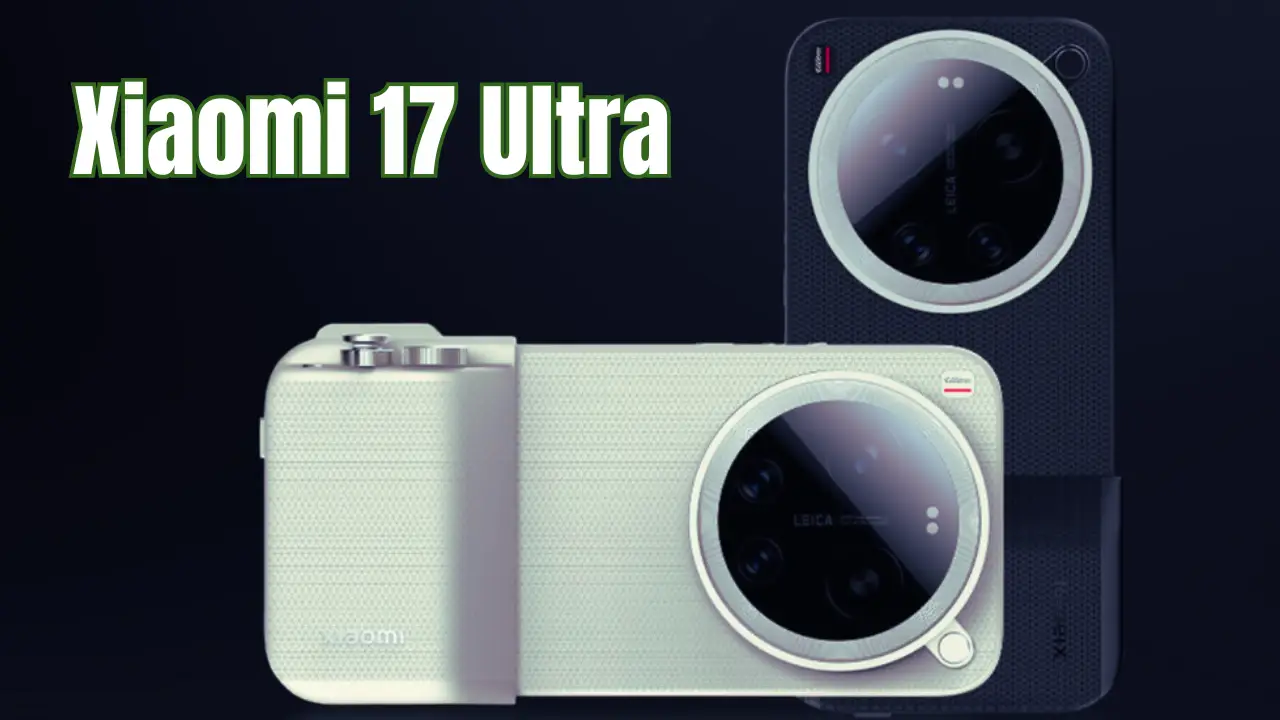
Xiaomi seems to be advancing its long-standing collaboration with German optics behemoth Leica as the battle for flagship smartphones with cameras gets more intense every day. A fresh item found in the IMEI database indicates that the company is working on a far more ambitious project, despite the fact that leaks on the basic version of the Xiaomi 17 Ultra have recently dominated tech news. Known as the “Leica Leitzphone powered by Xiaomi,” this new model distinguishes out as a limited edition designed to combine performance and luxury in mobile photography.
Xiaomi 17 Ultra comes in 2 variants
Recently, the first specific details about the Xiaomi 17 Ultra series surfaced. The first variation was identified as having the product number “2512BPNDAG,” and it was found that this device’s internal codename is “P1.” It is anticipated that this model will be made available as the series’ standard “Ultra” model. The really intriguing change, though, was the addition of a second variation with a whole new naming structure to the IMEI database.
The model number of the recently discovered record is “25128PNA1G,” and the device’s internal codename is “P1S.” Here, the “S” suffix is believed to stand for terms like “Special.” The marketing name for this model is specifically stated as “Leica Leitzphone powered by Xiaomi” in the GSMA records. This suggests that Xiaomi may use the more prestigious “Xiaomi 17 Ultra Leica Leitzphone Edition” or “Xiaomi 17 Ultra Leica Edition” to launch this device.
This naming has a long history. Ernst Leitz, the man who founded the Leica brand, is the source of the name “Leitz.” Perfectionism in optical engineering is exemplified by the Leitz family, a legend in the field of photography. A global “Leitzphone” initiative with Xiaomi might be Leica’s largest step in the mainstream flagship market, even though the company already produces a “Leitz Phone” series (the most recent being the Leitz Phone 3) carrying its own brand in the Japanese market through a partnership with Sharp. Combining Leica’s optical history with Xiaomi’s manufacturing prowess could produce a gadget that revolutionizes smartphone photography.
New camera setup
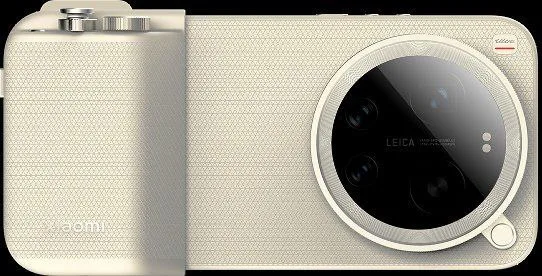
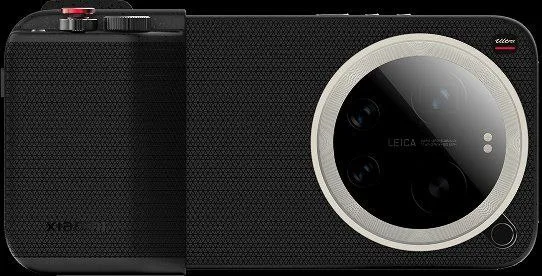
The back camera arrangement of the device is clearly visible in leaked photos of the “Photography Kit,” dispelling earlier reports of a “quad-camera” configuration. The pictures show that the Xiaomi 17 Ultra will have three cameras rather than four. It is noted that where the fourth lens would normally be, a unique sensor region or space has been left in the module design.
This suggests that Xiaomi is concentrating on improving the quality and sensor sizes of the current lenses rather than producing more lenses. The following is a list of the sensor setups evaluated under the codename “Nezha”:
Main Camera: 50MP OVX10500U (also known as OV50X) sensor.
The switch to a triple camera arrangement is thought to have been an engineering decision made especially to accommodate the larger primary sensor and the enormous 200MP telephoto sensor. A special grip and filter adaptor that converts the device’s ergonomics to that of a DSLR camera also seems to be included in the leaked photography package.
Other expected specs
Hardware-wise, the Snapdragon 8 Elite Gen 5 mobile platform is anticipated to power the Xiaomi 17 Ultra and its exclusive Leitzphone variant. Leica-only image processing techniques and sophisticated AI features will be included in the gadget, which will come pre-installed with the HyperOS 3 operating system. Information also indicates that satellite communication will be supported by the worldwide version.
The goal of the Xiaomi 17 Ultra series is to be a pocket-sized professional camera in addition to a smartphone. Based on the model number “2512,” these two gadgets, codenamed “P1” and “P1S,” are anticipated to be released in the final quarter of 2025 (December 2025), and they are projected to completely change the landscape of mobile photography.
If you were a fan of Nothing, you would know that the release of the Nothing Phone (3a) Lite wasn’t news, yet it was. On the one hand, you are ready for the surprises these gadgets deliver. Conversely, the Nothing Phone (3a) Lite is unique. The brand’s sole entry-level phone will go on sale in October.
You adore phones with translucent designs and glowing glyph lights, and the Nothing Phone series perfectly captures that feel. This phone is unique! Prepare for the Nothing Phone (3a) Lite, the most daring low-cost option to yet. We will discuss the launch, the cost, what to anticipate, and everything in between.
Nothing Phone (3a) Lite announced
Nothing recently revealed that the Phone (3a) Lite would go on sale worldwide on October 29, 2025. That is 1:00 pm GMT, or 6:30 pm IST if you’re in India. YouTube and Nothing’s website both provide live streaming of the event. The launch schedule as a whole aligns perfectly with the Phone 3 lineup. It comes after the March 2025 Nothing Phone (3a).
It’s their first real entry-level phone. It is also intended to be less expensive than their CMF lineup. This launch calls out to you if you prefer daring over basic. With its useful pro features, this phone might be your next reasonably priced upgrade. We now go on to the following part.
Features and design
Nothing perfectly captures the eccentric style, yet it doesn’t even appear strange. The Nothing Phone (3a) Lite, which comes in black and white, has a sleek design. A rear LED flashlight is shown in teasers. It also serves as a ping for notifications. However, it now appears lot simpler. This is not a full light show. It lights just enough to draw attention, though.
It comes pre-installed with Android 15. Nothing about OS remains tidy. Widgets look stunning. The gestures are fluid. You get that feeling of transparency without the clutter.
We are aware that the Nothing Phone (3a) Lite will have a 6.77-inch full-HD+ AMOLED screen before it is released. All flagship and respectable 30k-range phones on the market have it at 120 Hz. There are 1.07 billion shades of color. ideal for playing games, watching movies, and other media.
Budget phones typically use the MediaTek Dimensity 7300 processor. Another item on the list is the Nothing Phone 3a Lite. This phone’s apps seamlessly multitask because to its 8GB RAM. 128GB of storage. Extend if necessary.
Regarding the battery, it happily keeps the large 5000mAh cell that lasts all day. At 33W wired, charging is quick. 5W reverse charging. It’s sufficient to sustain earbuds.
One of Nothing Phones’ best features is its cameras, which are not being downsized either. We have an 8-megapixel ultrawide, a 50-megapixel telephoto for zoom, and a 50-megapixel primary camera on the back. An incredible 16-megapixel selfie lens is located on the front. Rear camera daylight photos are particularly striking. The performance in low light is the sole drawback. It’s good, but not at the pro level.
Nothing Phone (3a) Lite price
As far as we are aware, this version was released to compete with more reasonably priced phones. With the lite edition, nothing keeps entry-level real. At the very least, we should anticipate a 5–6k price reduction from the original model. With 8GB RAM and 128GB storage, the Phone (3a) Lite is priced at Rs. 17,990. A great deal for fans of Glyph. Sales begin shortly after introduction, most likely on the website of Nothing or Flipkart.
How does it compare, though? This is a brief table of competitors priced between Rs. 15,000 and Rs. 20,000. The software, features, and performance of these packs are comparable.
Phone Model
Price (Rs.)
Key Highlights
Nothing Phone (3a) Lite
17,990
Dimensity 7300, Glyph LED, 120Hz AMOLED
Moto G85 5G
17,999
Snapdragon 6s Gen3, 50MP OIS cam, 5500mAh
Realme Narzo 70 Pro
18,999
Dimensity 7050, 50MP main, 67W charge
Samsung Galaxy A16 5G
18,499
Exynos 1330, 50MP triple cam, 5000mAh
Poco X6 5G
19,999
Snapdragon 7s Gen2, 64MP OIS, 5100mAh
Nothing Phone (3a) Lite vs Nothing Phone (3a)
We are tempted by the Lite because it is reasonably priced. However, if you can afford to spend a little extra, the complete Phone (3a) entices you more. Since the 3a isn’t too old, the most recent software upgrades are comparable to those of the light. The price is Rs. 22,500. This table may help you make a decision if you are unsure about how the Lite version differs from 3a. Let’s do a table comparison.
Feature
Nothing Phone (3a) Lite
Nothing Phone (3a)
Price (Rs.)
17,990
22,500
Processor
Dimensity 7300
Snapdragon 7s Gen3
Display
6.77″ FHD+ AMOLED, 120Hz, 1.07B colors
6.7″ FHD+ AMOLED, 120Hz, 1B colors
Rear Camera
50MP + 50MP tele + 8MP UW (no OIS)
50MP OIS + 50MP tele + 8MP UW
Front Camera
16MP
32MP
Battery & Charging
5000mAh, 33W wired, 5W reverse
5000mAh, 50W wired, 7.5W reverse
In terms of speed and shots, the 3a prevails. In games, Snapdragon outperforms Dimensity. OIS stabilizes videos. 32-megapixel selfies are crisper. At 50W, charging is incredibly quick. In twenty minutes, that will be half full.
But Lite is resilient. identical battery life. The screen pop is similar. Hold on to Lite if the budget is tight and you can do without a few slightly less expensive features. Eighty percent of the magic is delivered by it. Only if you are using a previous series should you upgrade after the Nothing Phone (3a) Lite launch.
The Nothing Phone (3a) Lite demonstrates a bold look that isn’t appropriate for everyone. However, many people can afford it. This phone is especially suitable for young people who are in college, are students, or are starting their first job. Additionally, the Nothing phone 3a lite can be your calling if you swap phones every two to three years in search of the newest features.
How do you feel about the release of the Nothing Phone (3a) Lite? Would you purchase it? Leave a comment with your ideas!
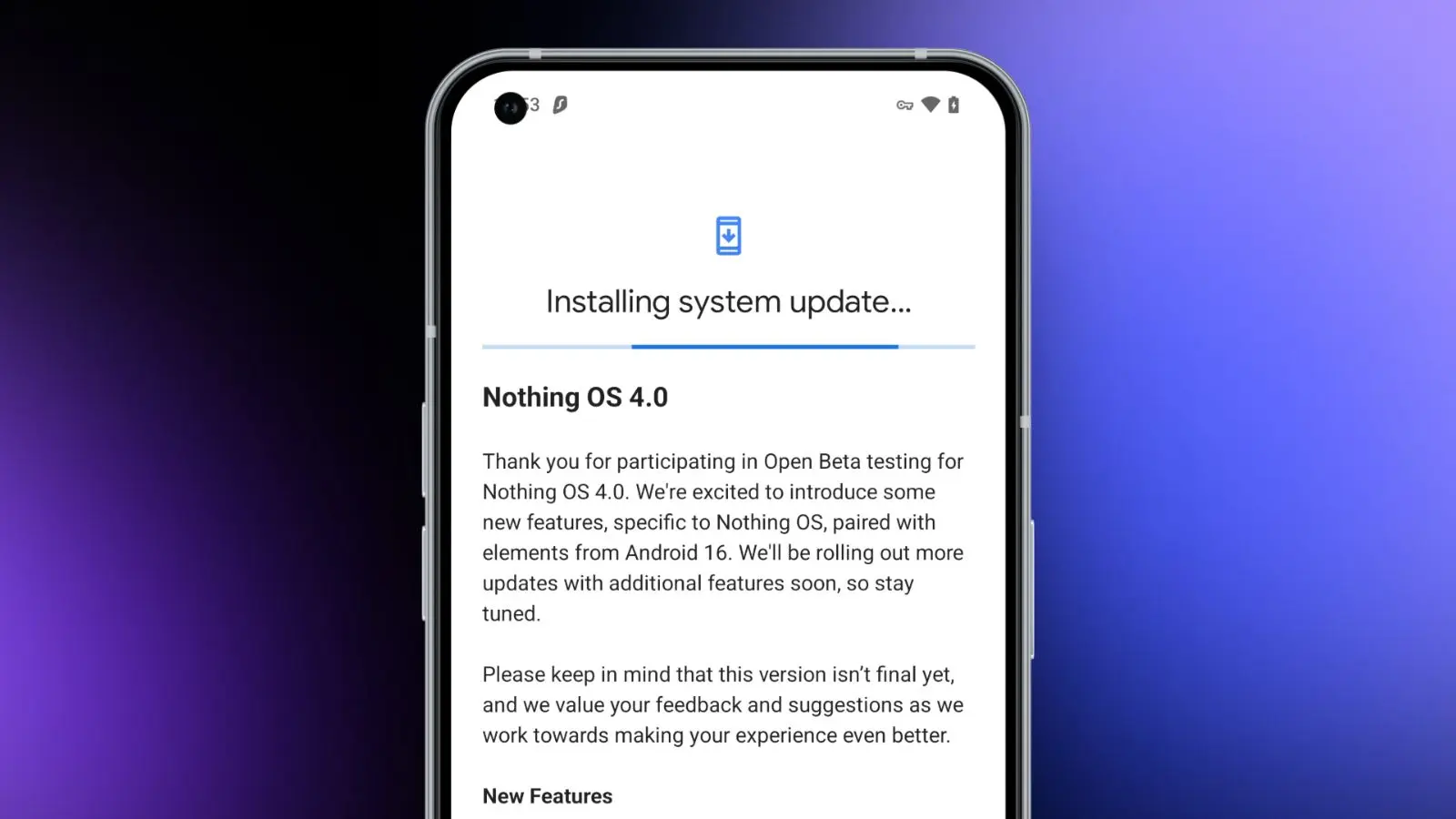
Today, we need to discuss a few significant news from Nothing. First, for those who own a Nothing phone and would like to try out Android 16 before it becomes stable, Nothing has made the Nothing OS 4.0 Open Beta (Android 16) available. The other news relates to that since it presents the Playground and Essential Apps, both of which require additional explanation. In summary, Nothing came up with a really great idea.
Download the Nothing OS 4.0 Open Beta:
Let’s start with Nothing OS 4.0, which is now in beta testing. To obtain this, you must have a Phone 3 or any of the Phone 2 and 2a versions. You might be out of luck right now if you own a Phone 3a device, as they haven’t mentioned them yet.
There are a number of changes in the Nothing OS 4.0 beta, all of which we’ve detailed in this post. It includes “generic” enhancements like a more sophisticated design, an additional dark mode, enhanced app optimization, and a better photography experience. Nothing also mentioned two new lock screen clock faces, a new Pop-up View, and support for 2×2 Quick Settings tiles in today’s announcement.
Installing the Nothing Beta Updates app, joining the beta through it, and then installing the beta software are the largely straightforward steps to begin, providing you enjoy testing beta software.
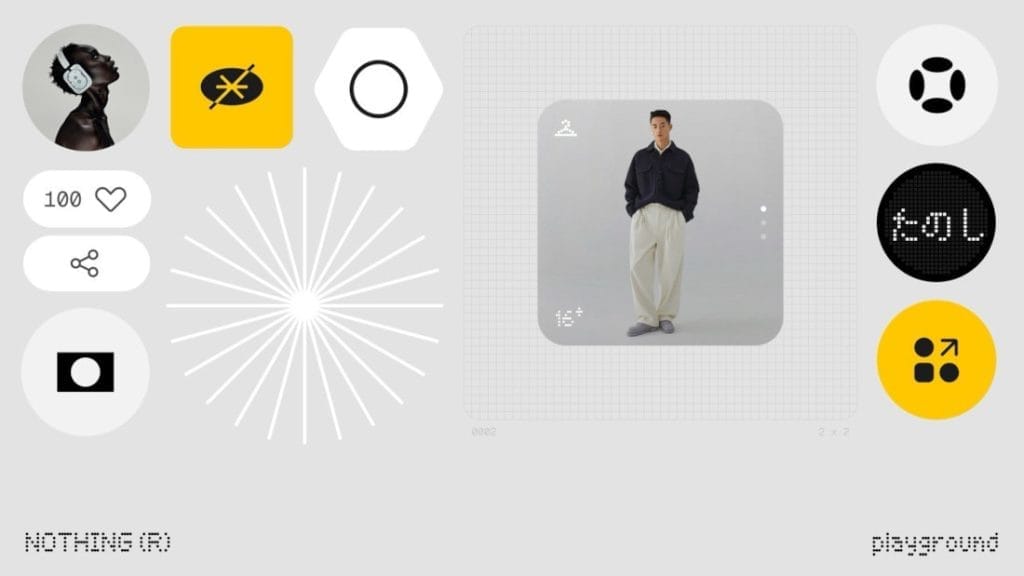
Nothing Essential Apps and Playground: In other exciting news, Nothing has introduced the Playground and Essential Apps that are housed within it since we enjoy fresh concepts. If your Nothing device is running Nothing OS 4.0, you can install programs, Glyph Toys, camera settings, and EQ profiles from the Playground, which is effectively a community storefront. Even while you might not find that concept particularly novel or intriguing, the apps and their origins may be.
Nothing has developed a web gateway that lets you make your own programs that your Nothing phone may install as widgets. You go to the Nothing Playground website (here) and try to explain a phone app you want. To put it another way, you would be describing a widget that isn’t currently on your device but may be a helpful program or action. This Playground site’s AI will install it on your device if it is capable of doing so.
You only need an idea that you can clearly express in a prompt that AI could grasp and then develop from, as this is all happening from AI prompts. You don’t need to know how to code to accomplish this. But in case you were curious, you can see the code it spits out. All of this is a sort of early “alpha” with some obvious restrictions. There has been no indication that it will grow and incorporate agents, APIs, and integrations in the future, which should make this something really amazing.
A Tic Tac Toe app, an F1 timetable, a water intake tracker, a flight reminder, a solar clock, a small calculator, and a breathing tracker are a some of the apps that are now available on the Playground. You may already have some of those features from other apps, but the idea is that you may think of something useful at the time and instruct the Playground to create it. In only a few minutes, that might be on your home screen and be usable. That is a significant idea.
You will be able to download other members’ apps and share your own publicly on the Playground to completely increase the number of apps and ideas available.
Google formally announced the Pixel Phone app’s wider worldwide availability today, along with a few new and planned features.
Google is formally introducing “basic Call Recording to all countries where Pixel is supported,” acknowledging that it is a fundamentally valuable tool even in the absence of AI transcription or summaries. Over the remainder of the year, the “extension to other countries will roll out.”
In particular: “Call recording will be accessible on Pixel 6 and later smartphones, which are unable to implement more sophisticated Call Notes features.” A disclaimer to “respect the other caller’s privacy” will be included.
In the meanwhile, Android Auto will allow you to view the Call Screen. You will be able to turn on Call Notes from your vehicle later this year.
Scam Detection is expanding to Australia, Canada, Great Britain, India, and Ireland
Call Notes will roll out to additional countries this year to Australia, Canada, India, and Ireland “as a beta preview”
Call Screen is coming to Australia, Canada, and Ireland. In India (starting with English and Hindi), Pixel 10 users will soon get a beta version of Manual Call Screen.
Lastly, Google’s post today summarized the Pixel 10’s Magic Cue, Voice Translate, and Take a Message features. Material 3 Expressive is advantageous to all Pixel Phone app users; according to Google, it “creates a more intuitive and easier experience, more than a visual upgrade.”
The Home tab’s Favorites carousel, which also features a “simplified recent calls list,” is meant to eliminate the need for you to switch between screens. Next are the “single-tap and horizontal swipe options for answering and refusing calls.”