Tag: phone

  • Simple tips to extend your phone’s lifespan

    Simple tips to extend your phone’s lifespan

    The Samsung Galaxy S25 Ultra and iPhone 17 Pro are two of the greatest phones available right now because of their incredible cameras and powerful processors. Even though these high-end flagships could be the best mobile devices available right now, getting them will cost you a fortune. Even phones that are affordable, like the Google Pixel 9A, are still expensive, and since people’s budgets are getting tighter everywhere, it’s more crucial than ever to get the most out of your purchases. Instead of updating more frequently, the simplest approach to achieve that is to just stay using your phone longer, spreading out that expensive purchase across the years.

    Not only is it better for your wallet, but it’s also much better for the environment. If you upgrade your phone less frequently, fewer phones will be made and distributed, and fewer old phones will wind up in landfills. The good news is that manufacturers such as Apple, Google, Samsung, and others are extending the support period for their phones’ software updates, so the phone you purchase today will continue to be safe to use for many years to come.

    You are responsible for the remainder. It takes some work, a lot of attention, and a few crucial tactics to keep your phone in good operating order for the seven or eight years of software support it may receive.

    Therefore, these are the best ways to extend the life of your phone.

    Update the software

    Avoid using a phone that isn’t receiving security upgrades since it’s just not safe. Phones like the Google Pixel 9 series now come with seven years of software support, whereas before it was typical for many Android manufacturers to support new phones for only two to three years. Unfortunately, some less expensive phones, such as the recently released OnePlus Nord CE4 Lite, only get upgrades for a few years. When purchasing a new phone, be sure to inquire about its support duration since this will provide you with greater value during the phone’s lifetime.
    best brands for android updates

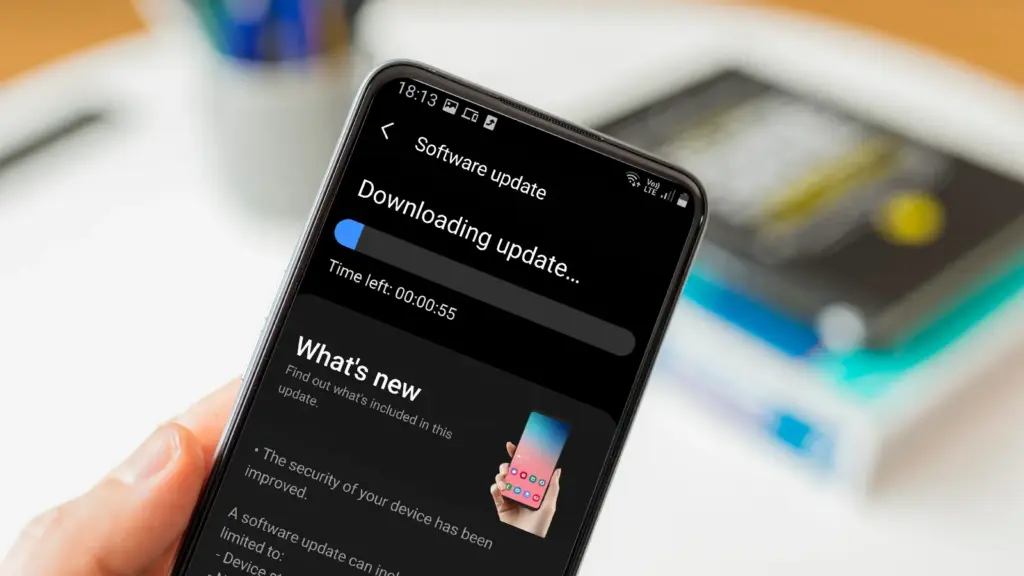
    Keeping your phone up to date with the most recent security update will help prevent hackers and remove any dangerous software that might infiltrate and cause your phone to lag. If you have an older phone, go to the settings menu, scroll down to Software Update, and click to see if there is an update available. Most phones will automatically ask you to install the most recent upgrades, and you sh

    This also applies to your apps, which must be updated to stay compatible with the iOS or Android version you’re using. Allowing apps to update automatically in the background is a good idea, but if you don’t, make sure you’re running the most recent versions by going into your preferred app store.

    Protect it with a case

    If you recently purchased a brand-new iPhone, installing a case right away is the best way to preserve it physically. In addition to protecting it in the event that you drop it, it will also assist prevent it from absorbing tiny scratches from your pocket’s coins or keys.
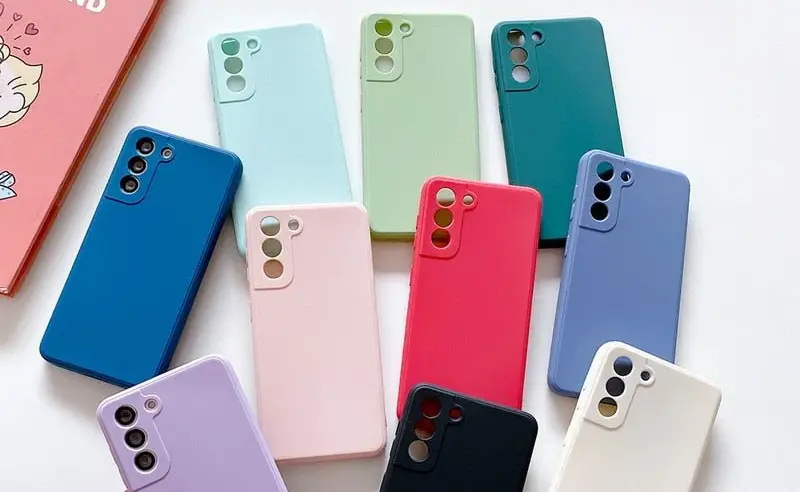
    matte silicone samsung galaxy a series phone case 521848 e1758974780610

    Since there isn’t much you can do to repair your phone’s screen after it becomes damaged, a screen protector is also a smart option. You can easily change a screen protector if it gets a severe scratch, keeping the phone itself looking brand new for many years to come. When it’s time to update, keeping your phone looking new could help you sell it for more money on the used market, even if you don’t intend to keep it for many years.

    Replace the battery

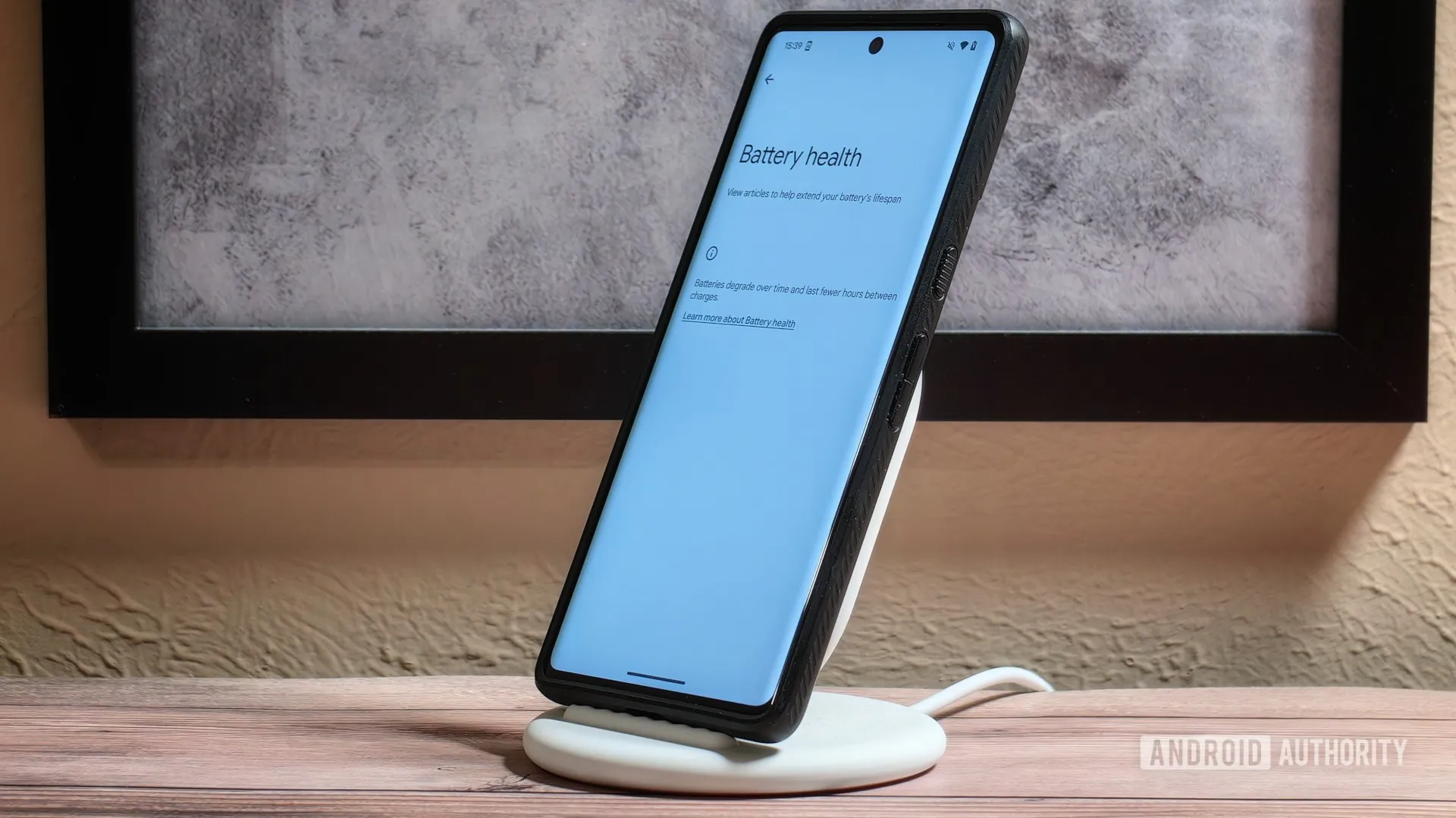
    Over time, the battery in your phone will progressively degrade, giving it less life between charges than it did when it was brand-new. All phones are like this. Batteries in certain older phones might only provide 50% of their previous capacity. Your phone may even alert you when it senses that your battery isn’t providing enough power, in which case it may limit your processor to make up for it.
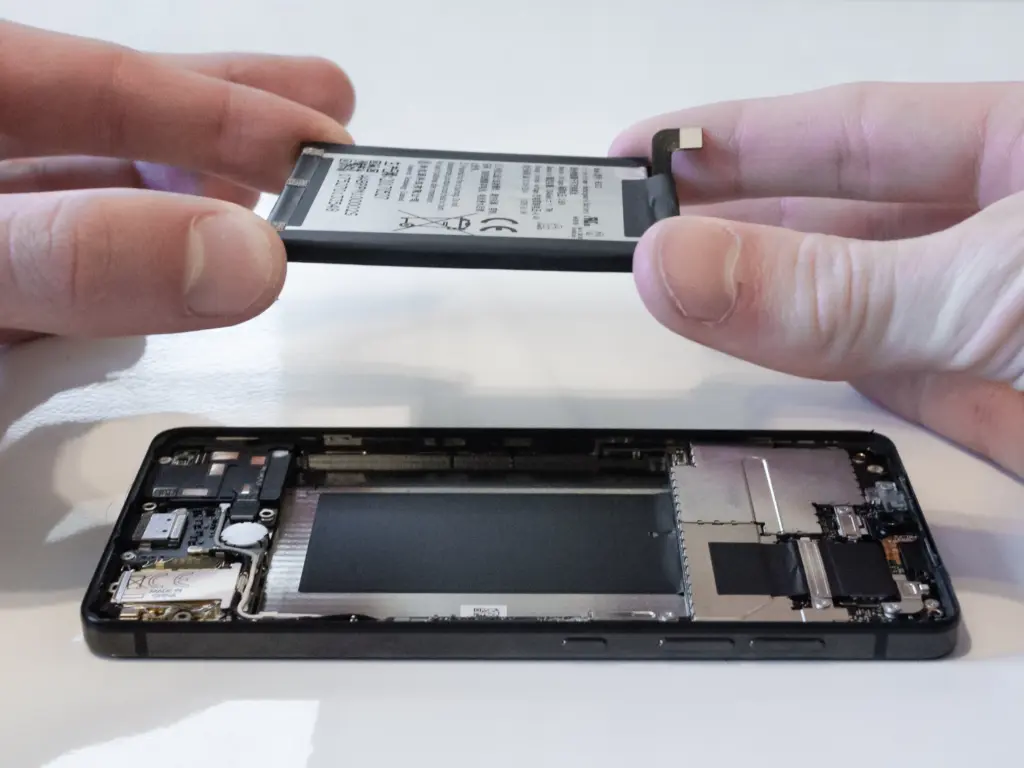
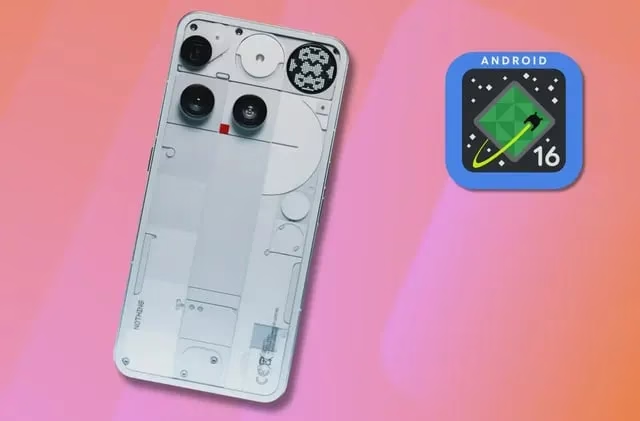
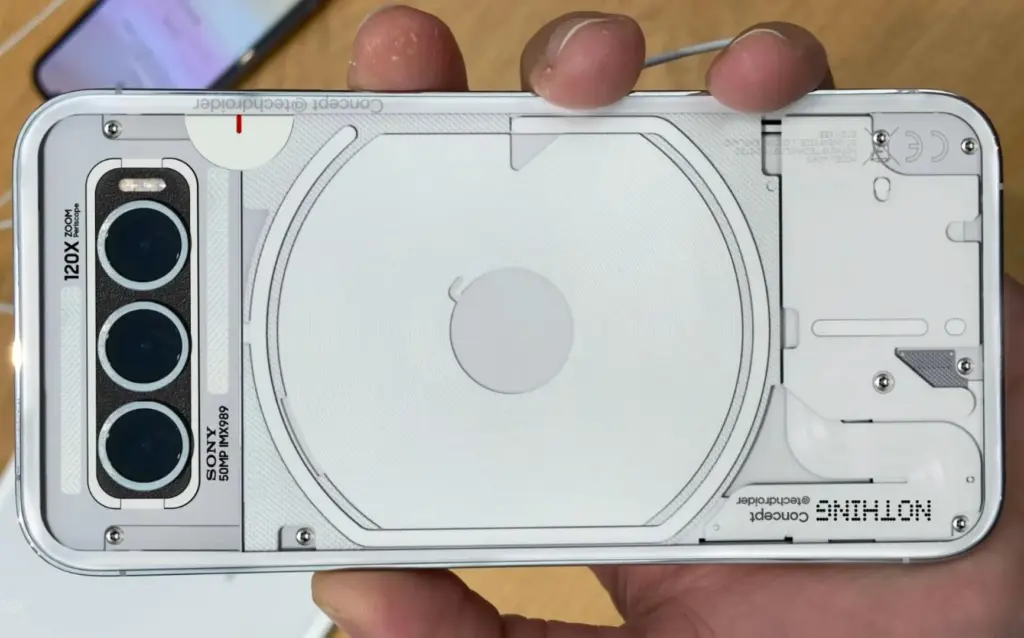
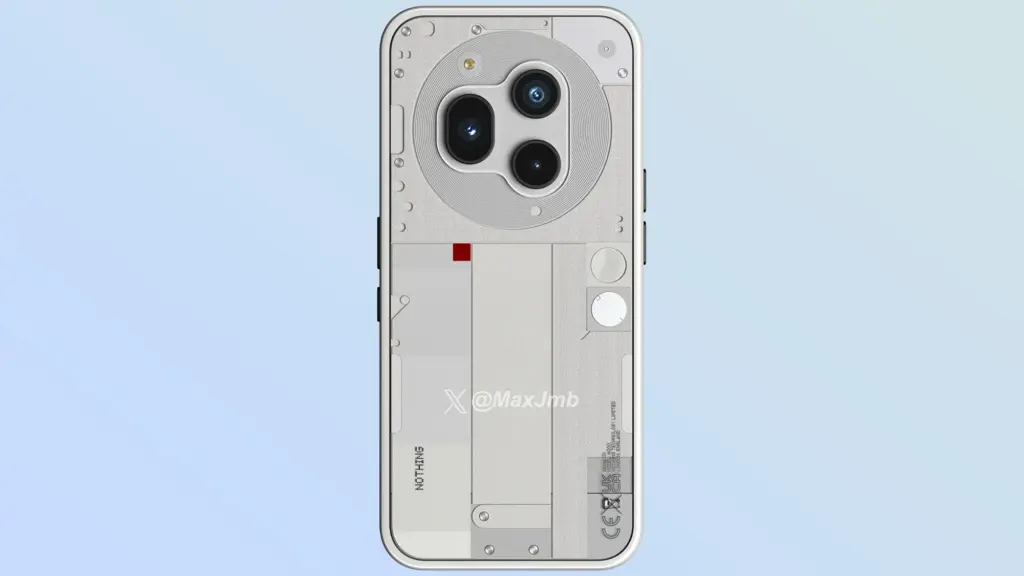
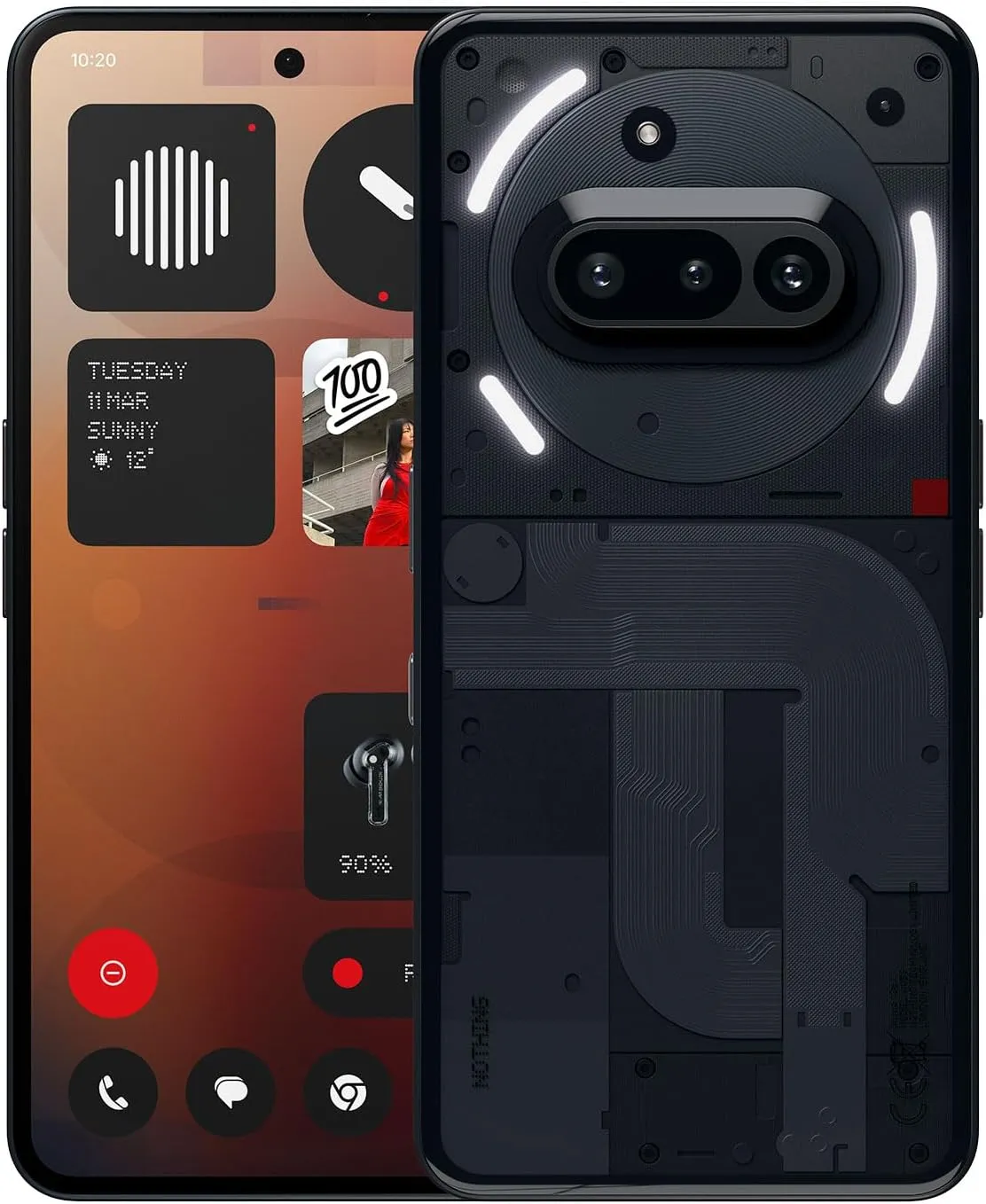
    replace battery on a nothing phone

    Don’t worry; most phones have a battery that is rather simple to change on your own to give it a fresh lease on life. If your battery is about to die, it could be worth trying to repair it yourself. iFixit offers a wide range of kits and third-party replacement batteries to fit a large number of phones.

    If you’re not very confident with your screwdriver skills, this might be a nice alternative to think about. There are a number of places you can take your phone to have your battery replaced, or even other components like a broken screen. However, not all of them are really legitimate.

    Remove old apps that you are not using anymore

    Your phone is probably cluttered with thousands of pictures of your friends, pets, or the plates of food you’ve consumed over the years if you’ve owned it for a long time. You probably have a number of outdated apps and games that you downloaded on the spur of the moment, played for a few bus rides, and then switched to the newest mobile gaming craze.
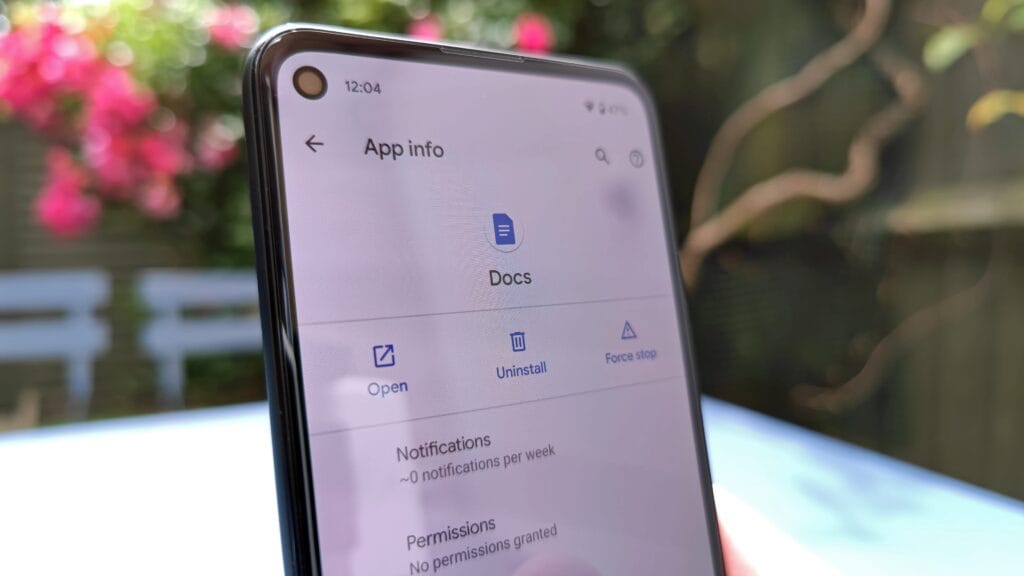
    remove old apps on Android phone

    In addition to negatively impacting your phone’s general performance, a shortage of storage may also make it more difficult to install important software updates. It’s worthwhile to look through your archives, remove anything from your phone that is wasting space, and backup any pictures and movies you wish to store to the cloud.

    It might even be worth backing up all of your crucial data and performing a complete factory reset, starting over, and only installing the necessary apps if your phone has been slow for a long period.

    Clean out your ports

    Last but not least, cleaning your phone can offer unexpected benefits. Your phone may suffer greatly from pocket fluff, especially when it comes to the charging connector, which frequently becomes clogged with bits of junk. As a result, your phone won’t charge when you plug in your charger because it can’t connect completely.
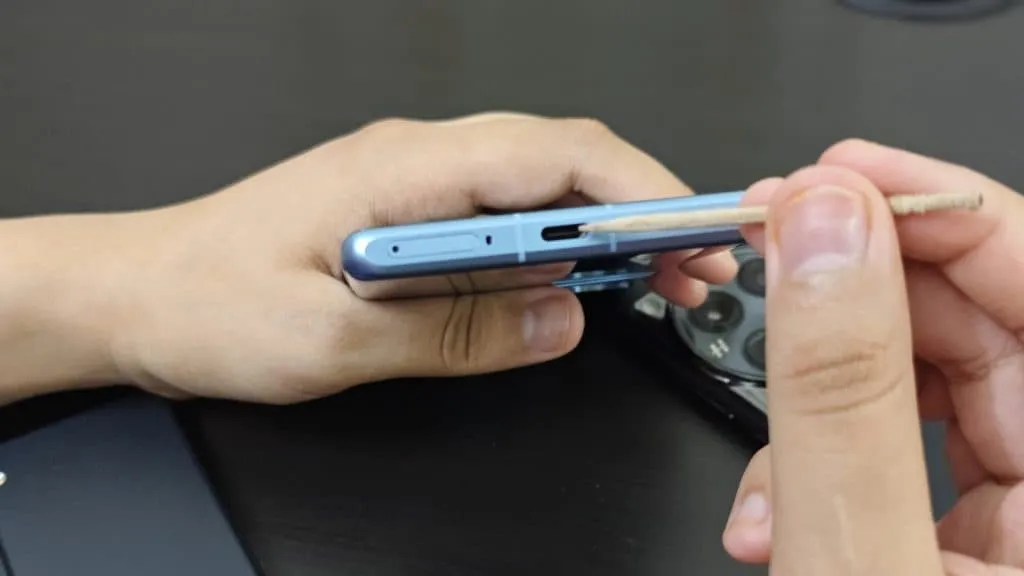
    cleaning charging port

    It’s tempting to assume that something has broken, like the cable or the charging port itself, but it could just be that the port is overflowing with lint. To make sure your charger fits without requiring forceful wriggling, occasionally insert a wooden toothpick into the area and try to ease out any dirt or debris you notice.

    To make sure you can clearly hear—and be heard—during your phone calls, it’s also worthwhile to carefully brush away any debris you may discover near the speakers and microphones with an old toothbrush that has been cleaned and dried.
  • Nothing highlights Android 16 update: new design, ‘Extra Dark’ mode, smarter AI

    Nothing highlights Android 16 update: new design, ‘Extra Dark’ mode, smarter AI

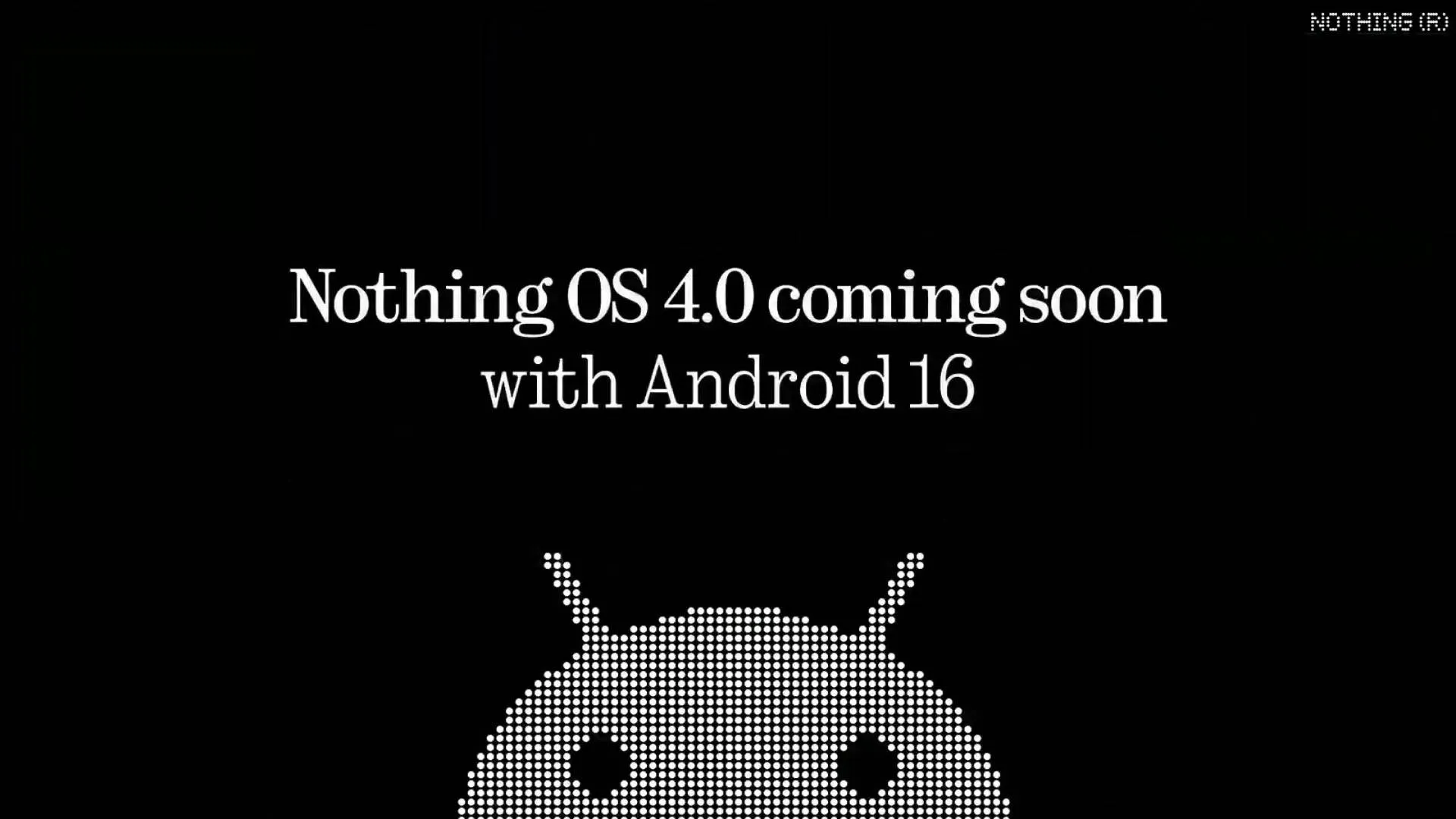
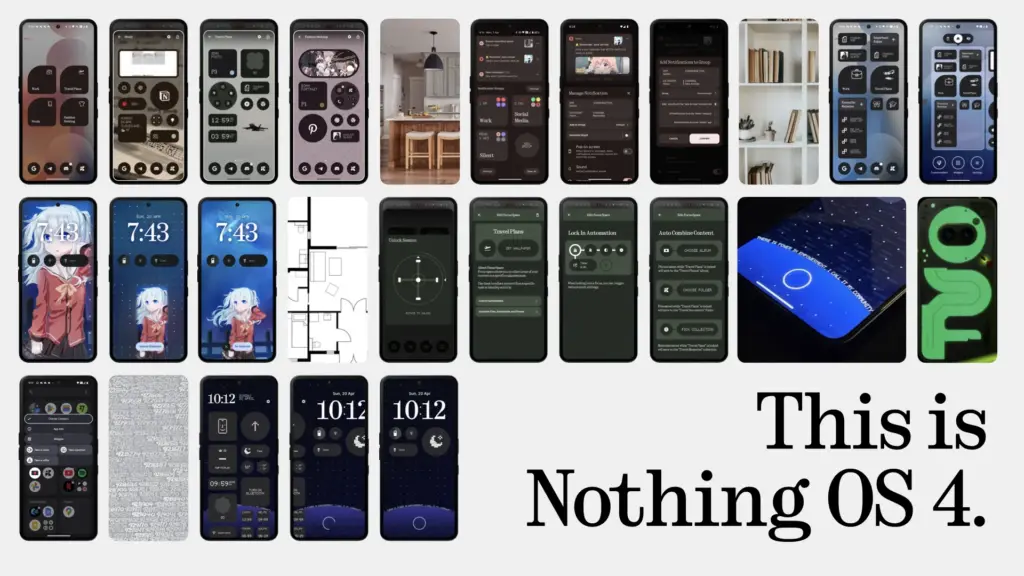
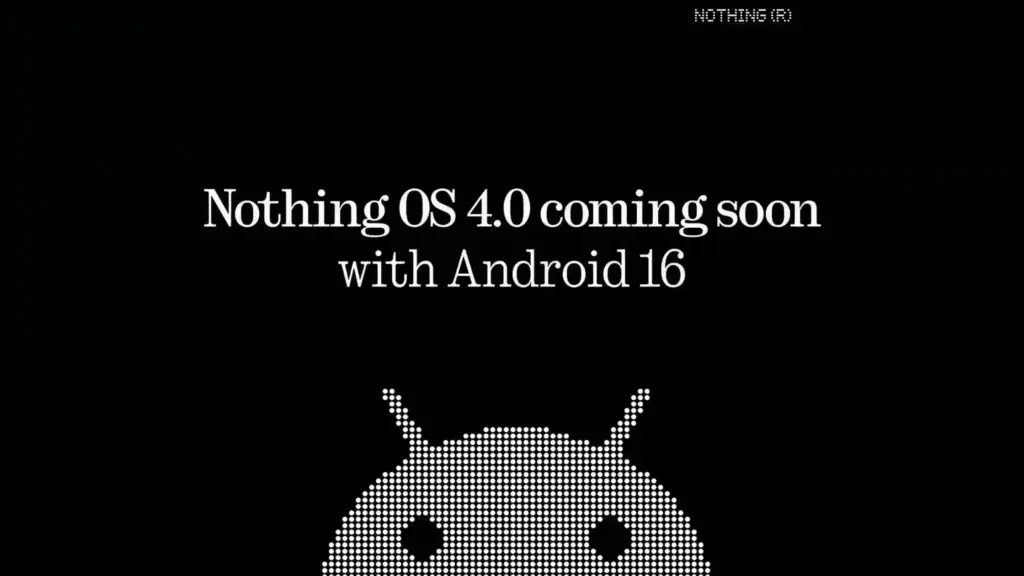
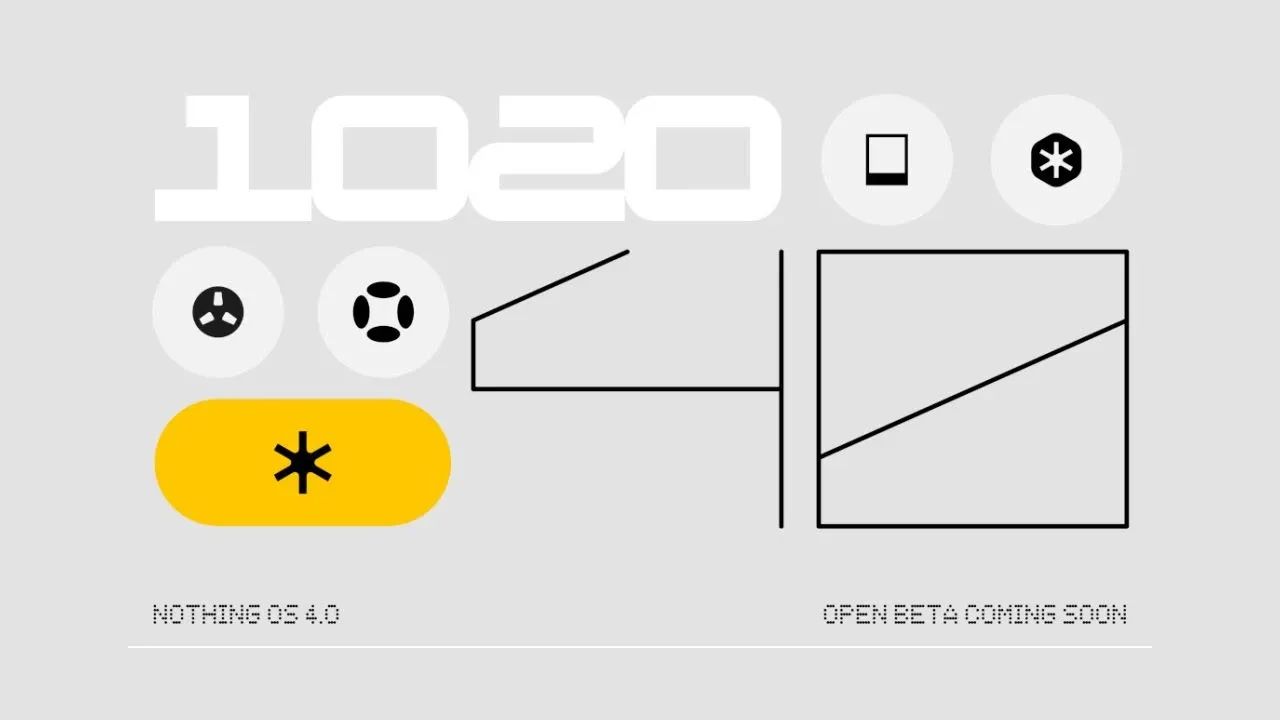
    Nothing is showcasing its Android 16 update, Nothing OS 4.0, as well as its new features and designs, ahead of its open beta launch that is “coming soon.”

    Earlier this year, the Phone (3) and Nothing OS 4.0 were announced, although the design hasn’t been revealed yet. However, nothing explains the new features of its Android 16 version in a recent post and video.

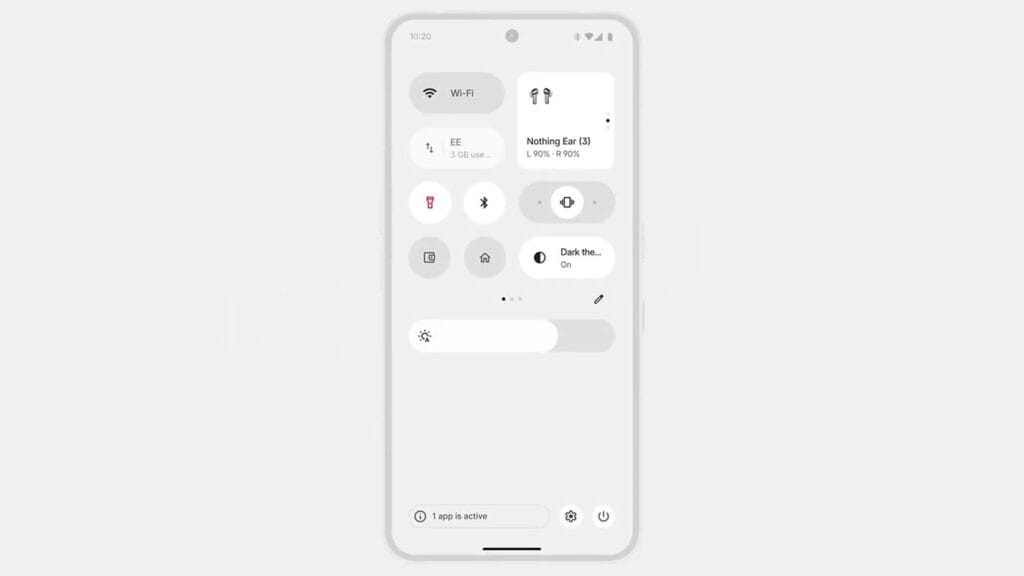
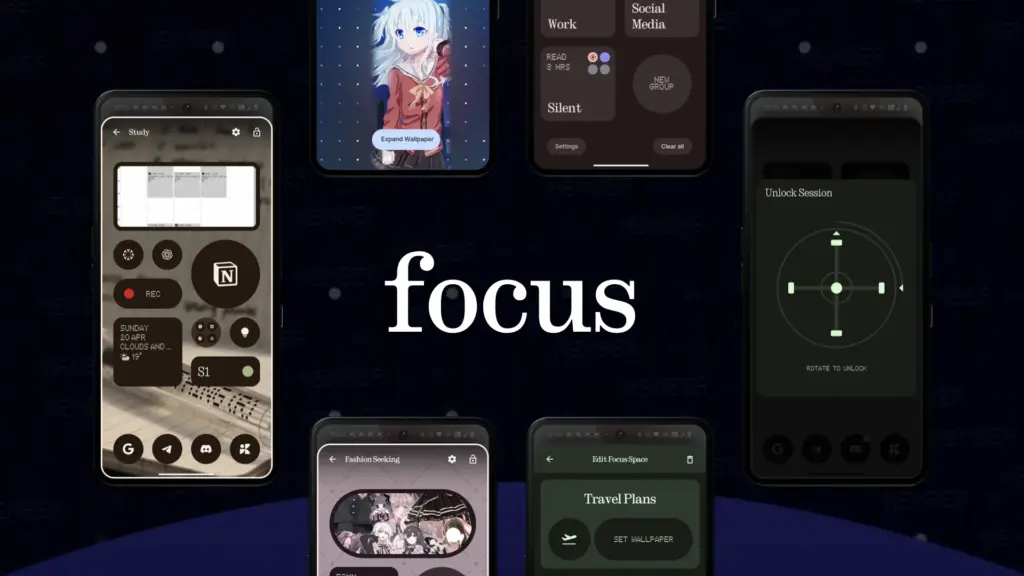
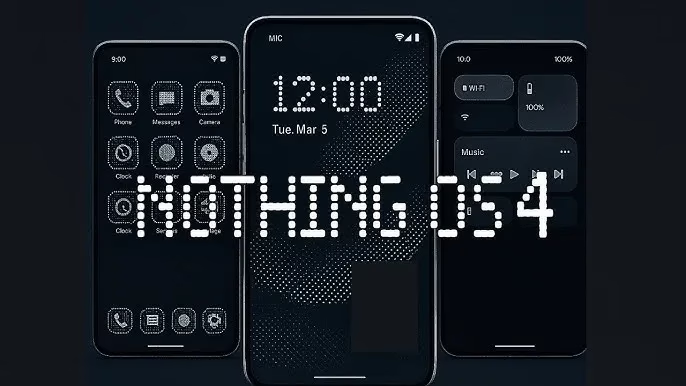
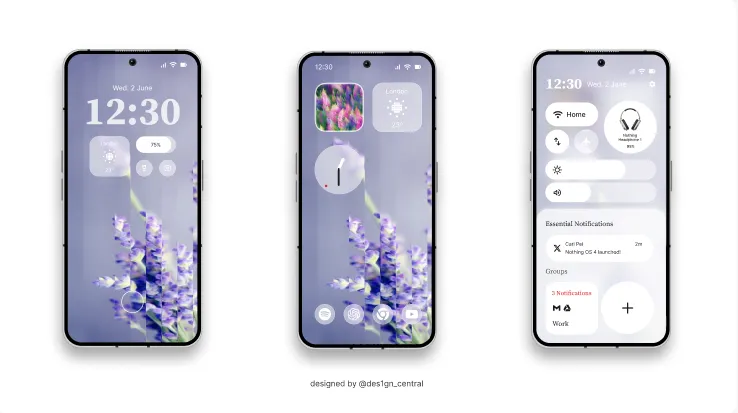
    The primary visual upgrade of Nothing OS 4.0 is a “sharper, more deliberate design across every layer.” Specifically mentions an improved Quick Settings panel, new lock screen clocks, and other changes across Nothing’s apps.

    nothing os 4 android 16 ipdate
    nothing os 4 quick settings

    In contrast to Android’s usual dark grey theme, there is a new “Extra Dark” theme that is completely black.

    The floating app icons improve multitasking, yet nothing indicates that the camera or overall performance would be improved—the latter due to the “TrueLens Engine.

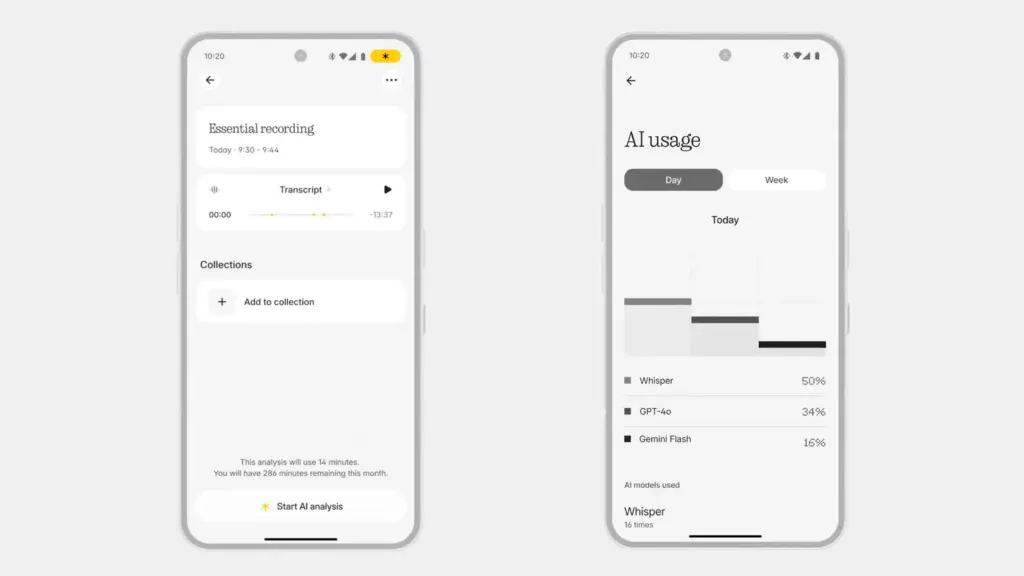
    Lastly, a brand-new AI dashboard that analyzes your usage of Nothing’s AI capabilities has been introduced. In particular, it deconstructs the AI models that Nothing’s AI features—such as Whisper, GPT-4o, and Gemini Flash—use.

    nothing os 14 ai

    The release date for OS 4.0 is not specified, but it is stated that it will happen “soon.” According to Nothing’s existing support promises, the update will eventually reach Phone (2), Phone (2a), Phone (3a), and CMF phones, though it is likely to begin on Phone (3).

    Youtube video
  • Nothing OS 4.0 – release date, features and eligible devices

    Nothing OS 4.0 – release date, features and eligible devices

    Nothing is a name that people eagerly anticipate when it comes to an operating system that may provide you with a clean Android experience! It was Carl Pei who founded the Nothing brand. The Nothing OS 4.0 is about to be released. Android 16 serves as its foundation. When the Nothing Phone (3) was released in July 2025, the Nothing 4.0 update was first shown off.

    Like its predecessor, Nothing OS 4.0 will have a basic and clean design. New features and enhanced performance are to be expected. The release date and new features of Nothing 4.0 will be discussed in this post. You’ll also be aware that phones will receive the update.

    Nothing OS 4.0 - release date, features and eligible devices

    Release date and rollout

    The Nothing OS 4.0 update will be available from September 2025 to November 2025. This was disclosed by Carl Pei at the Nothing Phone 3’s debut. The precise date is still unknown. The Nothing OS 4.0 beta version will be released first. Early September 2025 is when this beta deployment will begin. The whole version should be available in a few weeks. The first phone to receive this will be the Nothing Phone 3.

    Android 16 arrived sooner than expected. It appears that nothing is doing much to keep current.

    Nothing 4.0 eligible devices

    Nothing has stated that many of its phones will be able to run Nothing OS 4.0. However, this update will not be available for the Nothing Phone 1. This is due to the fact that three significant Android updates have already been applied to the original phone. Android 12 has been replaced with Android 15.

    The following phones will receive Nothing OS 4.0:

    DeviceUpdate Information
    Nothing Phone (3)First phone to get the beta and full update of Nothing OS 4.0
    Nothing Phone (3a) and (3a) ProWill get the update soon after Phone (3)
    CMF Phone 2 ProWill get the update after the Phone (3a) phones
    Nothing Phone (2a) and (2a) PlusThese will get update based on when they came out
    Nothing Phone (2)Will get Nothing OS 4.0 as the last big update. It will get security updates for a few more years
    CMF Phone 1Will get Nothing OS 4.0 as the last big update. Security updates will continue

    Nothing OS 4.0 features

    Not all of Nothing OS 4.0’s features have been shared by Nothing. However, we can get a good indication from various Android 16 leaks and news. The latest upgrade will combine the sleek appearance of Nothing with the new functionality of Android 16.

    People are anticipating the following key features:

    Better Notifications

    Android 16 makes it easier to manage notifications. If you get many messages from the same app, they’ll be grouped. This way, your screen won’t get messy. You won’t get too many alerts all at once. Nothing OS 4.0 will likely use these features with dot-matrix-style animations.

    Improved Built-In Apps

    With Nothing OS 4.0, the main apps that come with the phone are getting upgrades! This includes the Gallery, Weather app, and Camera app.

    The Nothing Gallery already opens 25 per cent faster than Google Photos. In OS 4.0, it might get even smarter with AI.

    The Weather app could also get fun updates. You can see dot-matrix-style animations that show live weather.

    Live Delivery & Ride Updates

    With the Nothing OS 4.0 update, you’ll be able to see live updates. These updates like food delivery or ride status. You will see them right on your lock screen or notification panel. It means you don’t have to open the app every time to check the order status.

    New Look with Material 3

    Android 16 brings a new design called Material 3 Expressive. It has smoother animations and lets you change how things look on your screen. Nothing OS 4.0 is expected to use some of the animations. But it will still keep its simple black-and-white style.

    Better AI Tools

    Nothing has been testing AI features like Essential Space and Essential Search in older versions. In OS 4.0, they might bring in even smarter tools. There will be suggestions based on how you use your phone. We can also expect better app organisation. It may also work with Google’s Gemini AI to help you search easily.

    Better Security With Android Protection

    There will be a new system called Android Protection. It will keep your phone safe from bad apps, scam calls, and suspicious websites. Nothing OS 4.0 will likely include this too. This will be done with its own special privacy settings.

    Glyph Matrix Upgrades

    nothing os 4.0 1

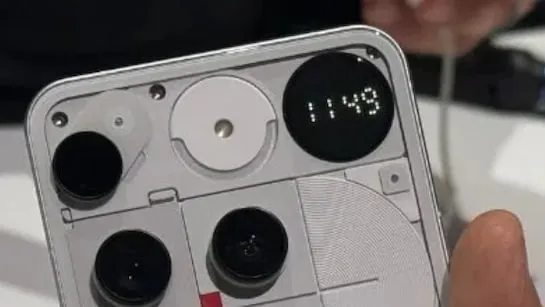
    The Glyph Matrix is a special feature on the Nothing Phone (3). It’s an advanced version of the older Glyph Interface.

    With Nothing OS 4.0, the Glyph Matrix is getting even better! There will be a new tool called the Glyph Matrix API. This will let developers create fun mini-games, useful widgets, and cool notifications.

    The Glyph Matrix might work with Android 16 live alerts. You will see delivery progress or incoming calls with lights. You can see what’s happening without looking at your screen.

    This new feature is only for the Nothing Phone (3). But older phones with Glyph lights might still get some small updates.

    FeatureWhat’s New
    Lock Screen & Home Screen– New widgets
    – cool clock styles
    – more space to add stuff
    – more control over app icons
    Quick Settings Panel– Smaller, better-looking buttons
    – smarter brightness slider
    – nice colour effects when playing music
    Interactive Dot Animation– More apps and widgets will use dot-style animations
    Private Space Integration– Lets you hide, lock, and even clone apps
    Cross-Device Integration– Easier and faster connection to Nothing headphones
    – Better control of Tesla features from your phone
    1745367503 805601 nos004

    Ultimately, I can say that your phone will see some awesome upgrades with Nothing OS 4.0. It will be straightforward and uncomplicated, yet efficient and effective. It will be even more intelligent with AI features. The transparent design, dot matrix animations, and black and white icon pack will all be included in this version. Please share your thoughts about this update in the space provided for comments below.

  • Do you plan to purchase a phone that uses a silicon-carbon battery? The catch is this:

    Do you plan to purchase a phone that uses a silicon-carbon battery? The catch is this:

    We can never have enough battery life. The older generation still longs for the days when a single charge was sufficient to power your feature phone through a hectic week, even if the majority of smartphones from the last few years will easily last you a day or perhaps even two.

    Many of the top flagship smartphones of today come with innovative silicon carbon batteries thanks to the efforts of battery engineers. Because of this, they may promise even greater battery capacities without having a larger or thicker chassis. What a huge victory.

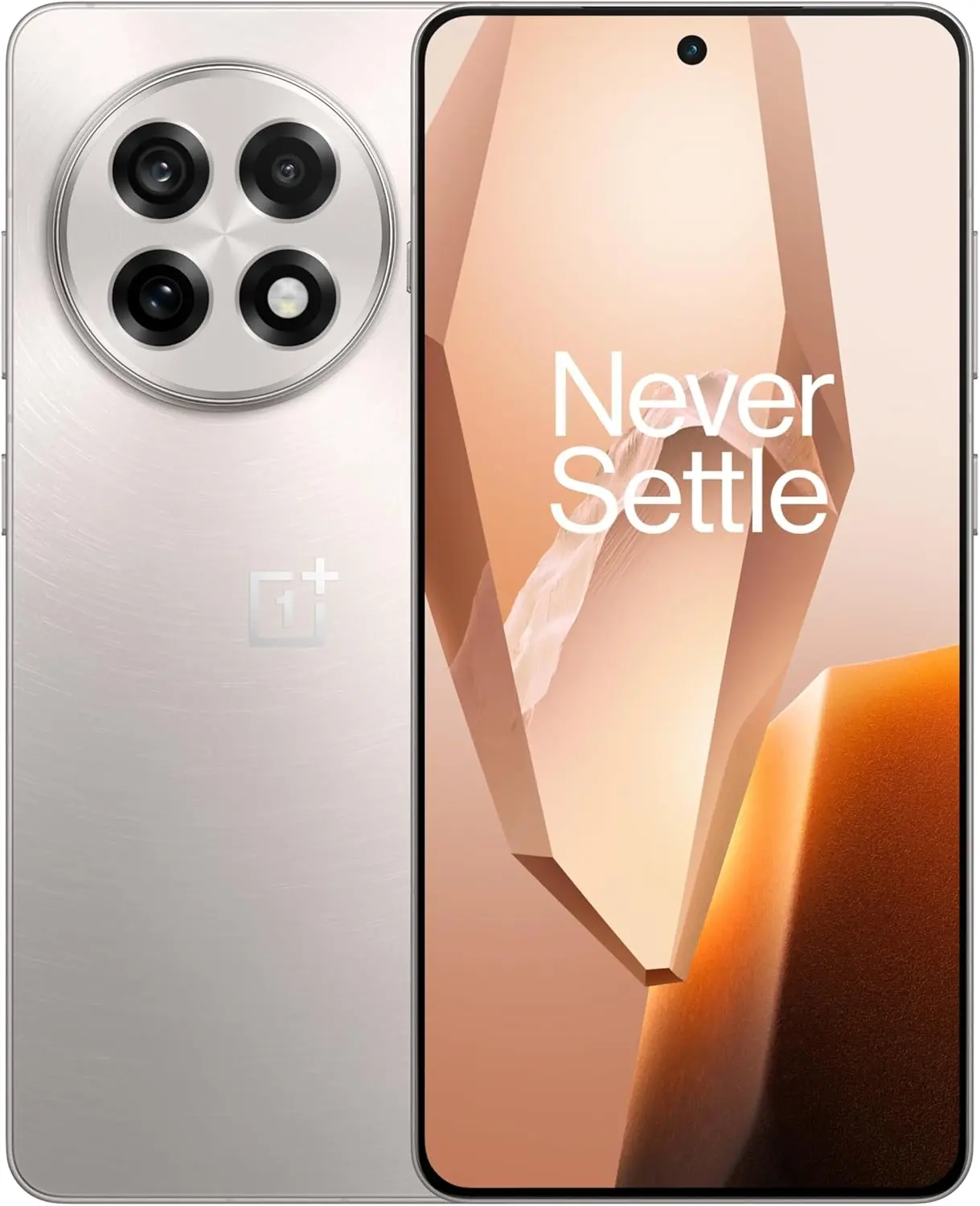
    For instance, the OnePlus 13 has a 6,000mAh silicon-carbon battery, which is more than the 5,400mAh cell from the previous year. In China, the Xiaomi 15 Ultra has a massive 6,000mAh battery capacity, up from 5,400mAh the year before (and a still respectable 5,400mAh for worldwide markets, up from 5,000mAh). The smaller variants also enjoy comparable improvements. The vivo X200 series, OPPO Find X8, and Honor Magic 7 Pro are all brand-new flagship devices with silicon power cells. The technology has here in full force already.

    Unfortunately, silicon-carbon battery technology hasn’t yet been included into the newest devices from Apple, Google, or Samsung. Maybe by 2026, we’ll see these brands go on board. However, is it better to remain with the more recognizable Lithium-ion models or to jump right in and purchase a phone with a silicon carbon battery?

    silicon-carbon battery

    What differentiates Li-ion batteries from silicon carbon batteries?

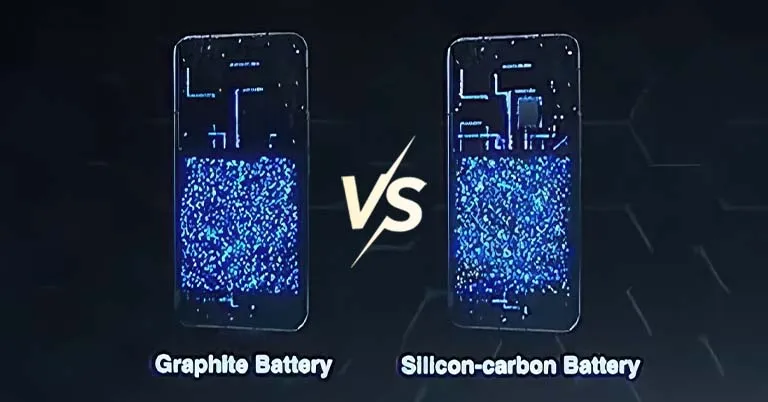
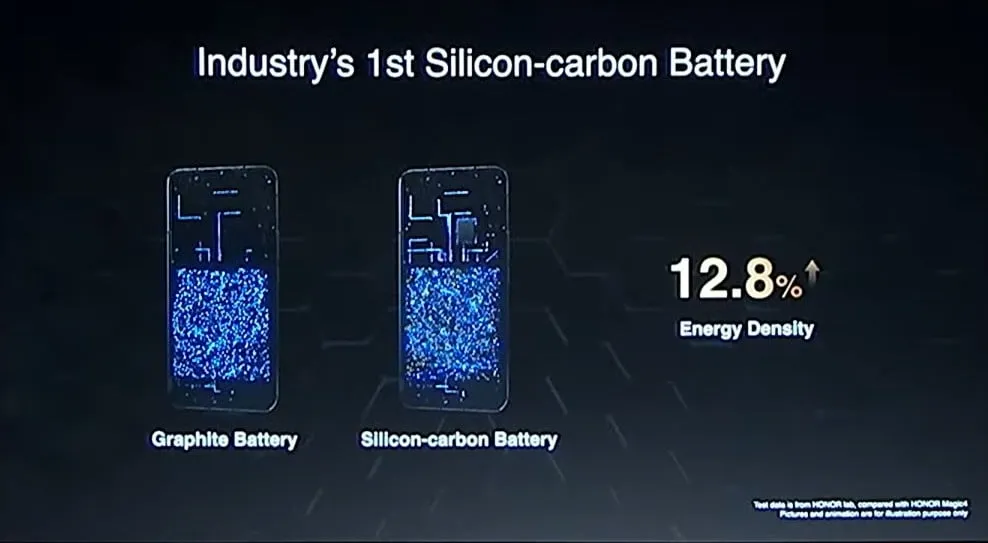
    Rather of being a completely novel idea, today’s silicon-carbon (Si/C) Li-Ion batteries are essentially an advancement of conventional lithium-ion technology. By adding silicon, which has a substantially higher energy storage capacity than graphite (372 mAh/g compared to about 4200 mAh/g for pure silicon), they alter the traditional graphite anode. Because of this, silicon has long been a promising material for increasing battery capacity.

    Pure silicon anodes, however, face many difficulties. Extreme expansion is the most troublesome; when fully charged, the structure can inflate by up to 300%. The battery experiences extreme mechanical stress as a result, shortening its lifespan and leading to structural breakdown.

    Over time, lithium loss and decreased capacity result from silicon’s strong reaction with the electrolyte, which breaks and reforms the Solid Electrolyte Interphase (SEI) layer with each cycle. The aggressive expansion exacerbates this. Another drawback for battery longevity is that silicon has lesser electrical conductivity than graphite, which can reduce charge and discharge rates and increase losses from internal resistance. This can lead to increased heat.

    To address these problems, a silicon-carbon (Si/C) composite is utilized rather than pure silicon. The SEI layer is stabilized and its expansion is lessened by the structural support that carbon offers. Depending on its silicon concentration, a well-designed Si/C battery may restrict swelling to just 10–20% during charge cycles, whereas conventional graphite anodes only increase by about 10%. Additionally, carbon increases electrical conductivity, which guarantees better lithium-ion flow and higher efficiency.

    The trade-off is that Si/C anodes are unable to fully realize the 10x capacity improvement of pure silicon. Rather, depending on the silicon percentage, they provide a very modest energy density increase of 10–20%. Si/C batteries are an engineering problem since higher Si content enhances capacity but also causes swelling and complicates manufacture. There are restrictions and trade-offs associated with Si/C batteries, but there is no such thing as a free lunch.

    The benefits and cons of batteries made on silicon carbon

    battery 1600x900 1

    Any increase in smartphone battery capacity is obviously beneficial, and Si/C batteries are a godsend for power users who want devices that can endure much longer than a single day of intensive usage. It should come as no surprise that so many of the most potent flagship phones available this year have the technology.

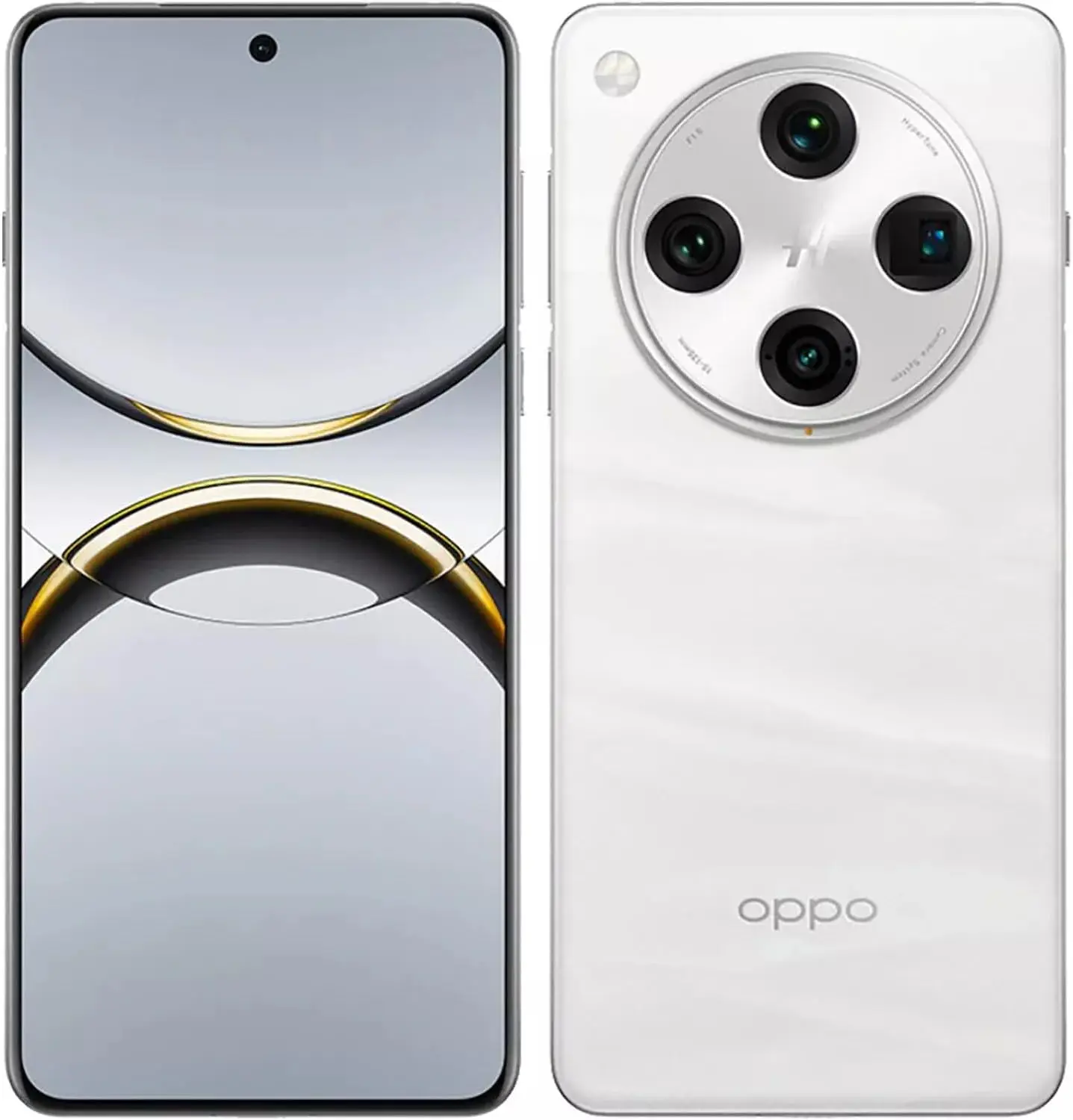
    After more than a month of everyday use, I can vouch for the OPPO Find X8 Pro’s 5,910mAh Si/C Li-ion battery’s exceptional longevity. I frequently get two days of moderate use out of a single charge, have plenty of fuel left over after a day of chasing the kids, and in lighter weeks, I’ve occasionally gone far into 48 hours without needing a charger.

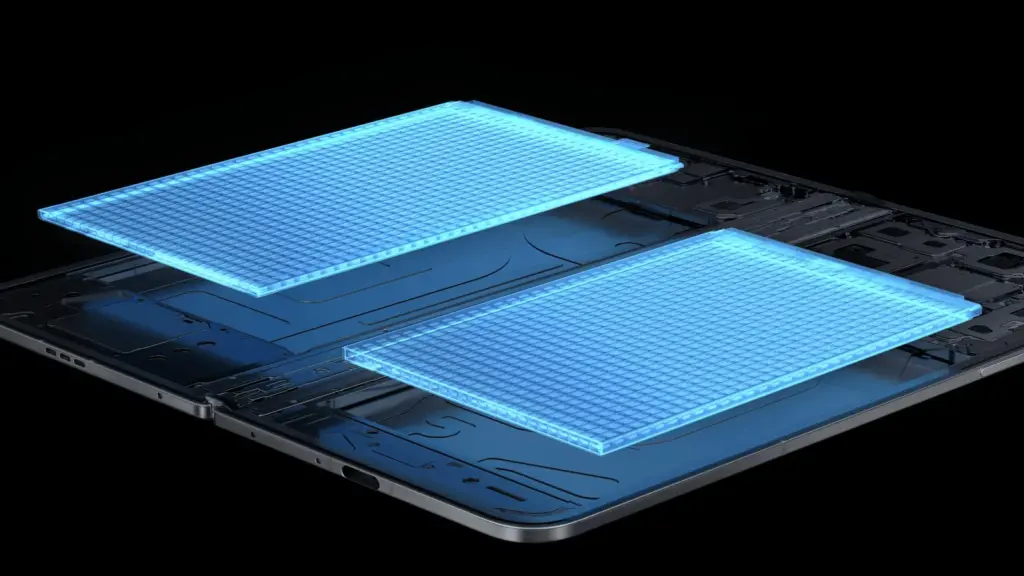
    On the other hand, Si/C is advantageous for thinner gadgets, such lightweight and foldable phones. Thin or small smartphones could surely benefit from this new battery type to maintain decent capacities in more constrained form factors, even though the Galaxy S25 Edge might not be Samsung’s first Si/C smartphone. The technology has already been used to fit a sizable 5,700mAh battery into a 5.2mm folding design in the Vivo X Fold 3 Pro. Despite being 5.6 mm thick, Samsung’s Z Fold 6 only contains a standard 4,400mA battery. This trend toward higher capacities has also been embraced by the latest Chinese clamshell phones.

    Whether silicon-carbon batteries will outlast their more conventional lithium equivalents is the main question that remains. It is evident from the foregoing trade-offs that Si/C will not outlast the most robust graphite-based Li-ion cells now available on the market. Lower silicon concentration can nonetheless provide batteries with a marginally larger capacity that have a comparable lifespan to conventional Li-ion cells. With only a slight but welcome increase in capacity to control the silicon content, this appears to be what we’re seeing in today’s most advanced smartphones.

    Because Si/C batteries are pushing the limits of energy density and charge rates, smartphone manufacturers may also be becoming more cautious when it comes to fast-charging temperatures in an effort to prolong battery lifespans. In other words, manufacturers are merely attempting to make sure their phones can withstand the promised updates for the next five or more years.

    However, because of its increased capacity, stronger diffusivity of lithium, and decreased chance of plating the anode, Si/C is actually a godsend for faster charging. Additionally, bigger capacities make it easier to follow the 80% charge guideline without worrying about running out of juice in the middle of the day. If you want to keep your phone for many years to come, silicon need not be a negative thing.

    Do you want to purchase a phone that uses a silicon-carbon battery?

    The newest smartphones will undoubtedly benefit from Si/C Li-ion batteries, which will also likely extend the battery life of your wearables, tablets, laptops, and even electric cars. The most cutting-edge phones of today already heavily rely on silicon cells, which allow for even greater capacities or slimmer form factors without sacrificing battery life.

    But at the moment, you’ll need to look around at Chinese companies to find one, like the OnePlus 13, which is really amazing. Apple, Google, and Samsung, three US giants, have not yet embraced this new battery technology. We may have to wait until their 2026 flagships or even later before they join the celebration, as they might not even get around to it this year.

    However, if you intend to retain your smartphone for more than five years, it might be wise to wait and see how the longevity issue develops. Any long-term purchase will eventually require battery replacements, but Si/C Li-ion cells may require more frequent replacements, particularly when fast charging is used. This can turn out to be an unwanted extra expense for early adopters because they are more costly to make. We will need to wait and find out.

    Similarly, if you’re on a tighter budget, it might not be worth it to buy a phone just because it contains a Si/C Li-ion battery. The technology is mostly limited to premium smartphones and innovative form factors due to its trickier production process, and it may take a few years before it makes its way into the mid-range market. Although silicon carbon batteries provide advantages, a 12% increase in capacity is not always worth the extra $100.

    Stay connected with the latest from Droid Tools—follow us on X @droid_tools, like our page on Facebook, check out our updates on Instagram, and follow us on Google News for real-time news, device tips, and mobile tech insights.

    OnePlus 13 – 512GB
    $999.99$929.99Amazon
    OPPO Find X8 Pro Dual
    $1,579.00Amazon

  • Phone app getting the new Material 3 Expressive

    Phone app getting the new Material 3 Expressive

    Android 16 wasn’t expected to be a huge event, but Material 3 Expressive altered that and made many excited about the upcoming Android release. Google is making the required adjustments to truly streamline the experience overall, in addition to giving you the option to personalize the appearance and feel of your device.

    The Google Phone app is one area that is receiving a lot of unexpected attention. Late last month, Google said that it will be making modifications to the Phone app, and now it is beginning to push out those changes to users. This UI update is presently only available to beta users, so it won’t be available to everyone this time around, according to 9to5Google.

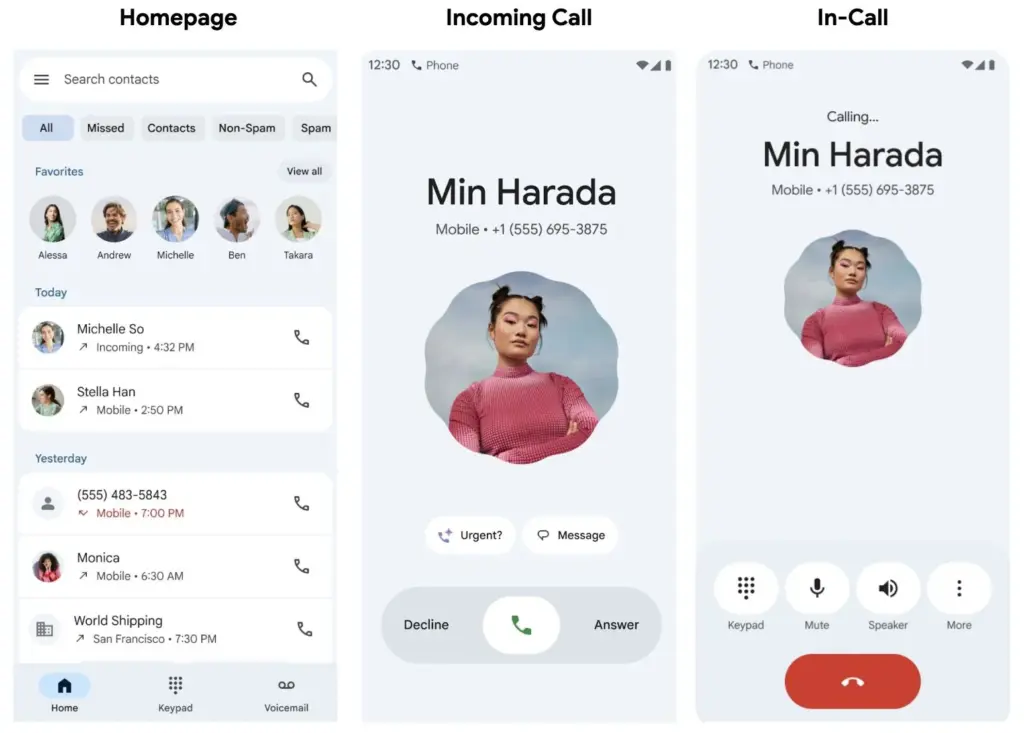
    Google Phone app redesign with Material 3 Expressive

    google phone app redesign with Material 3 Expressive

    Going ahead, beta users should anticipate a much more straightforward interface with only three menu options—Home, Keypad, and Voicemail—to select from on the bottom bar. The Home page now has a plethora of data, including recent calls and preferred contacts, further deepening the alterations. You can manually make calls or view some recommended contacts by going to the Keypad area. Additionally, any voicemails you may have will be stored in the Voicemail section, as you might anticipate. Users should now have access to the gesture controls in addition to the previously mentioned features.

    You may now accept and reject calls with a simple tap or horizontal swipe thanks to the recent update. It’s a lovely addition that gives the user interface a more contemporary feel, even though it’s not a significant improvement. With Material 3 Expressive touches appearing on numerous other well-known Google apps, additional modifications will undoubtedly emerge over the year.

    Even though the modifications are gradual, more areas of Android and other Google apps are gradually incorporating them. We’ll have to wait and see how far Google takes this. With the Pixel 10 expected to be released in a few months, hopefully there will be more intriguing additions to this.

    Stay connected with the latest from Droid Tools—follow us on X @droid_tools, like our page on Facebook, check out our updates on Instagram, and follow us on Google News for real-time news, device tips, and mobile tech insights.

  • Best Budget Phone In 2025 – Moto G96 Vs Edge 50 Fusion

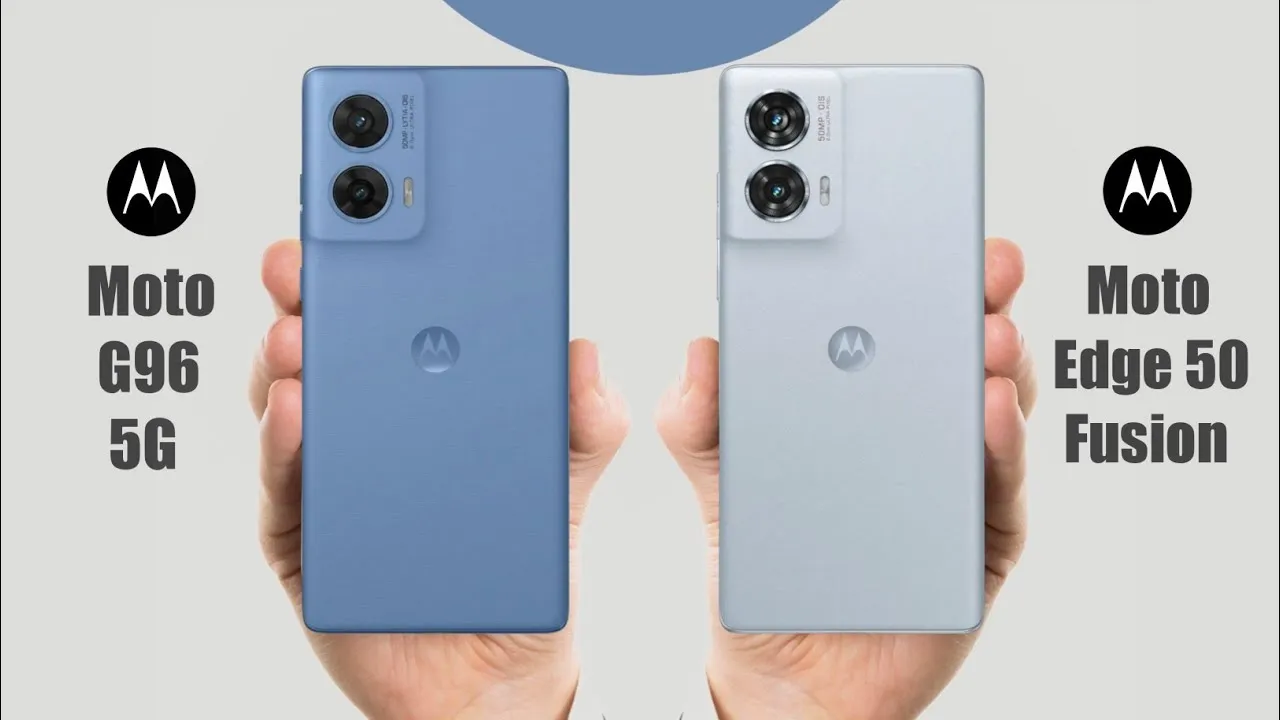
    Best Budget Phone In 2025 – Moto G96 Vs Edge 50 Fusion

    Budget phones in 2025 are more powerful, stylish, and feature-packed than ever before. No longer just basic devices for calls and texts, today’s affordable smartphones offer high-refresh-rate displays, capable cameras, long-lasting batteries, and 5G connectivity—all at a fraction of flagship prices. Whether you’re looking for a reliable daily driver or a backup device that doesn’t break the bank, the 2025 budget phone market delivers impressive options that punch well above their price point.

    Motorola is renowned for producing high-quality, reasonably priced, mid-range phones with a ton of features. The Motorola Moto G96 and Moto Edge 50 Fusion are two of its most well-liked competitors in 2025. For consumers searching for affordable options, both phones are great options. Let’s see which one really sticks out in 2025 in this blog.

    Specs

    Before delving into the features of the Motorola Moto G96 and Moto Edge 50 Fusion, let’s take a quick glance at the specifications:

    SpecsMoto G96Moto Edge 50 Fusion
    Display6.67-inch Full HD+ Display6.7-inch Full HD+ Display
    ProcessorSnapdragon 7s Gen 2Snapdragon 7s Gen 2
    Battery5500mAh5000mAh
    Storage Variants8GB/ 128GB; 8GB/ 256GB8GB/ 128GB; 12GB/ 256GB
    Rear Camera50MP + 8MP50MP + 13MP
    Front Camera32MP32MP
    Starting Pricearound $210around $220

    Design

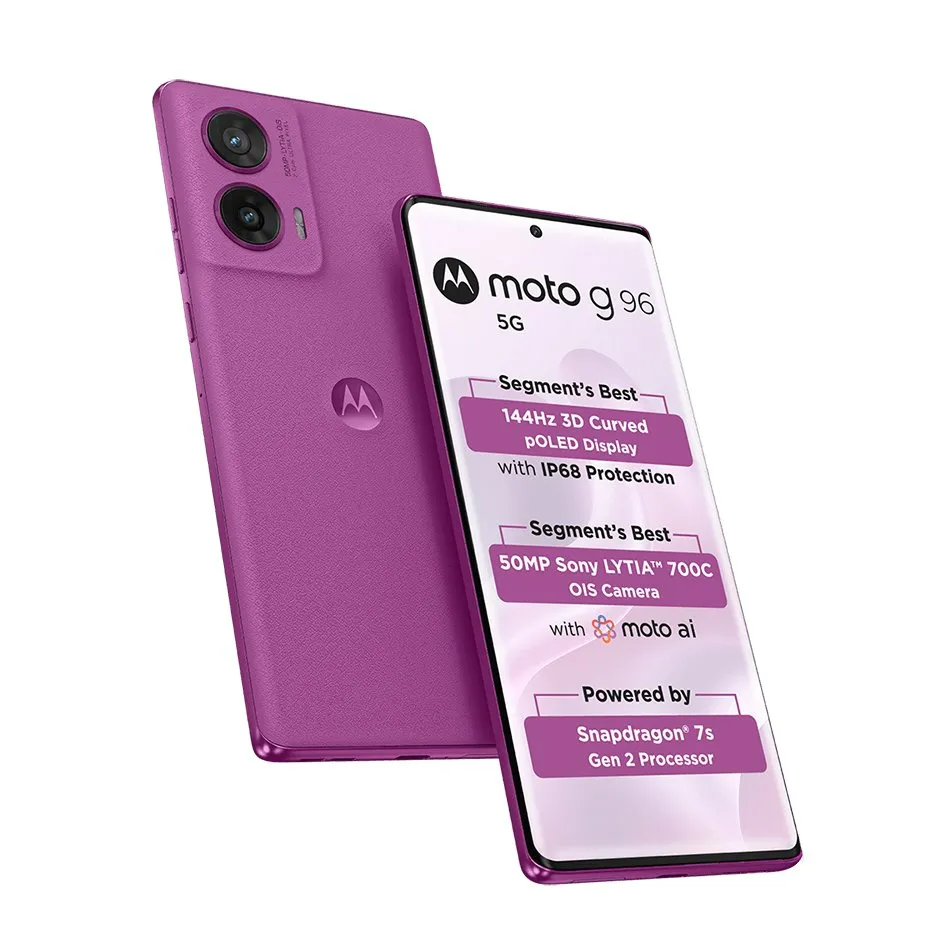
    Budget Phone moto g96

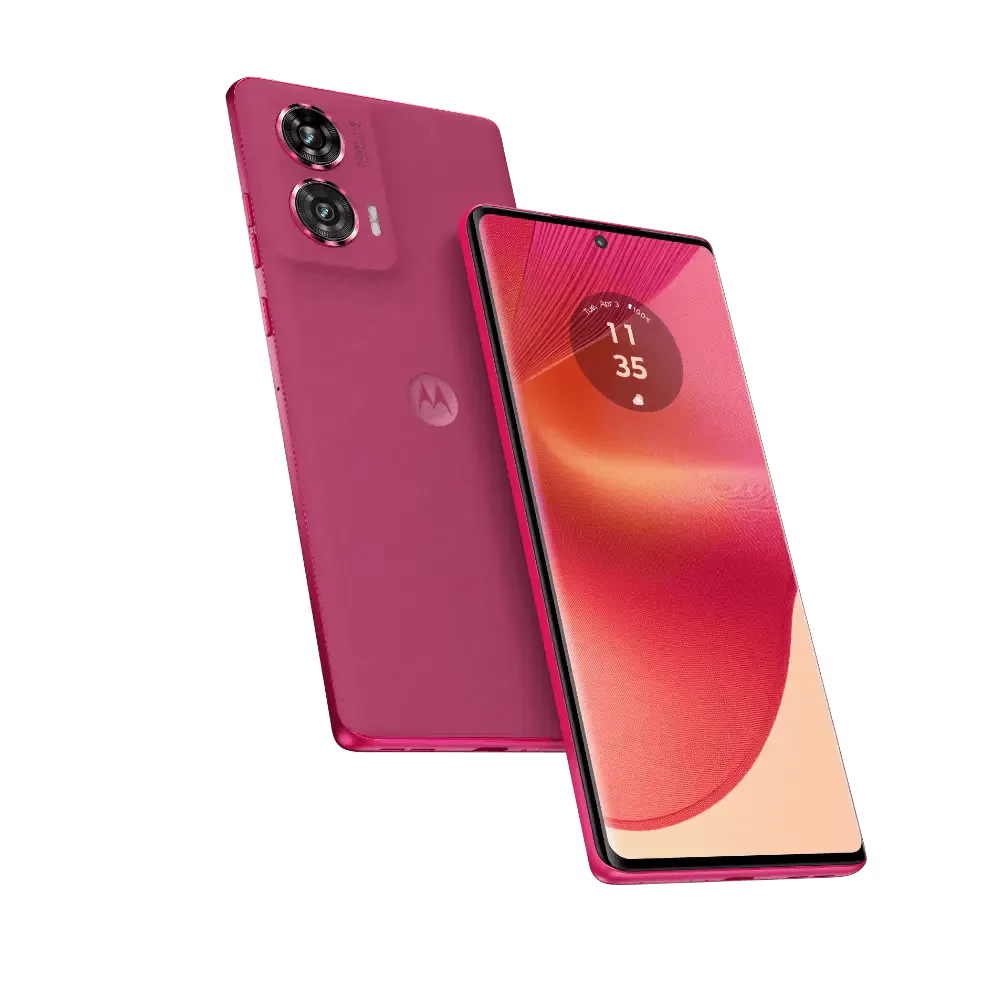
    With their sleek shapes, curved screens, and bright OLED panels, the Motorola Moto G96 and Moto Edge 50 Fusion both have high-end finishes and looks. A 6.67-inch Full HD+ curved pOLED screen with a refresh rate of 144 Hz and HDR10+ for vibrant images is a feature of the Motorola Moto G96. A slightly larger 6.7-inch Full HD+ pOLED screen with a refresh rate of 144 Hz is featured on the Moto Edge 50 Fusion. Both are vibrant, sharp, and perfect for streaming or gaming. The Moto G96 has a minor advantage if you like a somewhat more contemporary, curved design.

    edge 50 fusion budget phone

    Performance

    Regarding the processor, the Snapdragon 7s Gen 2 is found in both the Motorola Moto G96 and the Moto Edge 50 Fusion. However, the Moto Edge 50 Fusion comes with Android 14, while the Moto G96 comes with Android 15.

    With the newest Android and extended software support, the Moto G96 has the advantage of being more recent. Both are adept at handling everyday chores, gaming, and multitasking.

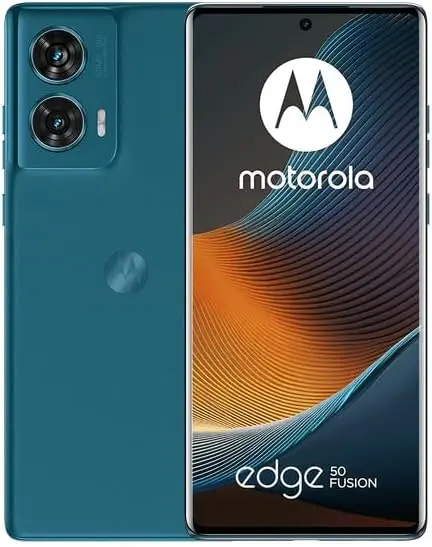
    motorola edge 50 fusion

    Motorola Moto Edge 50 Fusion

    Expansive Display: 6.7 inches P-OLED, 1B colors, 120Hz

    Good budget option
    $279.89Get It Now

    Battery

    The Moto G96 has a huge 5500mAh battery that supports 68W rapid charging. Despite having a somewhat lower 5000mAh battery, the Moto Edge 50 Fusion has a 68W rapid charging capability.

    Therefore, choose the Moto G96 if you want the longest battery life.

    Camera

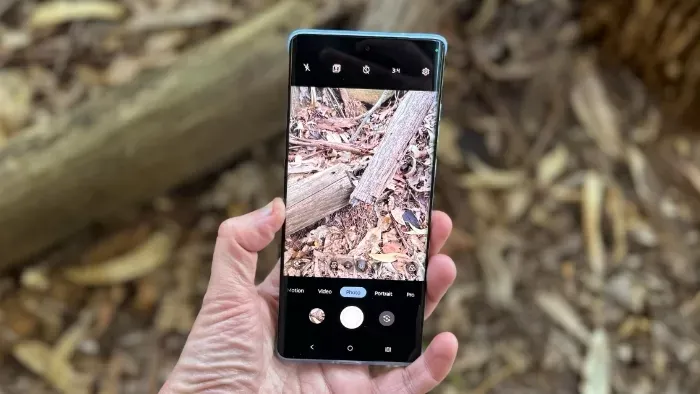
    MotorolaEdge50Fusion 8 jpg

    The 50-megapixel rear camera with OIS on the Motorola Moto G96 and Moto Edge 50 Fusion ensures steady and sharp images. Speaking of another lens, the Moto Edge 50 Fusion has a somewhat superior 13-megapixel camera than the G96, which has an 8-megapixel one. Both phones include a 32-megapixel camera on the front. The Edge 50 Fusion is superior for people who value wide-angle photography and a little more versatility.

    Price

    The Moto G96 and Moto Edge 50 Fusion are priced at $210 and $220, respectively, at launch. In terms of specifications, the Edge 50 Fusion has slightly more RAM and better cameras, while the G96 has a little superior battery and software at a lesser cost.

    Which one should I buy?

    That concludes the comparison of the Motorola Moto G96 and Moto Edge 50 Fusion. Both phones are fantastic, reasonably priced devices with good features. In any case, you’re getting a wonderful low-cost phone in 2025 that offers excellent value and performance. However, the Moto G96 is a better choice when looking at total features.

    FeatureBest Pick
    Design & DisplayMoto G96 (for curved look)
    Performance & SoftwareMoto G96 (newer Android)
    Battery & ChargingMoto G96 (bigger battery)
    CamerasEdge 50 Fusion
    Value for MoneyMoto G96

    Stay connected with the latest from Droid Tools—follow us on X @droid_tools, like our page on Facebook, check out our updates on Instagram, and follow us on Google News for real-time news, device tips, and mobile tech insights.

    motorola edge 50 fusion

    Motorola Moto Edge 50 Fusion

    Expansive Display: 6.7 inches P-OLED, 1B colors, 120Hz

    Good budget option
    $279.89Get It Now
  • Date of release, features, and supported devices for Nothing OS 4.0

    Date of release, features, and supported devices for Nothing OS 4.0

    Android 16 for Pixel devices was launched about a month ago, while non-Pixel devices have not yet received the update. Since Google released Android 16 around three months ahead of schedule this year, other businesses could need some time to adapt to the new schedule.

    The recently revealed Nothing OS 4.0, which is based on Android 16, will soon be accessible for Nothing phones. Here is everything you need to know about Nothing OS 4.0, including its features, release date, and compatible devices, in case you’re excitedly awaiting Android 16 on your Nothing Phone.

    Nothing also alluded to its upcoming operating system release, Nothing OS 4.0, with the unveiling of its first full flagship phone, Nothing Phone 3. During the event, no additional information was revealed beyond the tease and hint at the release date. Nevertheless, we have compiled a number of leaks and anticipated features, which we will go over in this post. First, let’s talk about the release date.

    Nothing OS 4.0 Release Date

    Carl Pei, the inventor of Nothing, stated at the unveiling that Nothing OS 4.0 will be available by the end of Q3 and this autumn, however the precise release date has not yet been revealed. This suggests that September may see the release of the stable Nothing OS 4.0, which is based on Android 16.

    The Nothing Phone 3 will be the first to get the Nothing OS 3 update in September since it is the company’s first and most recent true flagship phone. Later, other Android 16-eligible Nothing phones will receive the update.

    What about the beta release? This was about the stable release. Through the closed beta and open beta programs, Nothing phone owners will have the opportunity to test out Nothing OS 4.0 later this month or next month. It’s crucial to remember that early builds could have little or even serious issues. Therefore, when the Nothing OS 4.0 beta is released, be sure to wait for feedback before downloading it.

    Nothing OS 4.0

    Eligible Devices

    There is currently no official list of phones that support Android 16. However, we can quickly determine which devices are guaranteed to receive Nothing OS 4.0 because of the open update policy. The full list of Android 16 compatible Nothing phones is as follows:

    • Nothing Phone (3)
    • Nothing Phone (2)
    • Nothing Phone (2a)
    • Nothing Phone (2a) Plus
    • Nothing Phone (3a)
    • Nothing Phone (3a) Pro
    • CMF Phone 1
    • CMF Phone 2 Pro

    The Android 16 upgrade is not compatible with the original Nothing Phone. With the exception of the most recent Nothing Phone 3, which is eligible for five years of OS upgrades, the majority of Nothing Phones are eligible for three years of updates.

    Nothing OS 4.0 expected features

    Very little information is available regarding the characteristics of Nothing OS 4.0. But as it will be built on top of Android 16, it will also have some of the most recent Android features.

    Changes to stock apps

    You can expect changes and even new features to stock apps available on Nothing OS. This could include icon modification, performance boost, smoother animations, and more.

    Live updates

    Notification management to get interesting. Android 16 adds support for live, up to date notifications in real time. This feature could be particularly useful for apps like Uber Eats, delivery services, as it allows users to track their deliveries and receive real-time updates on their arrival time.

    Grouped Notification

    1745367506 985634 nos010

    If there are multiple notifications from the same app, they’ll be grouped together under a single notification. This will help deal with the clutter that comes with daily life.

    Security Enhancements

    Just like every Android release, you can expect Android 16 and Nothing OS 4.0 to either bring new security features or overall improvements in security and privacy.

    New Customization Options

    You can expect more customization options in the home screen and lock screen. This includes options like new widgets, new clock style, and more.

    nothing os 4 0

    We must wait until the information is released because Nothing OS 4.0 features are now being leaked. The features listed above are from Android 16 and may also appear in Nothing OS 4.0.

    This concludes the information that is currently available for the Nothing OS 4.0, including its features, compatible devices, and release date. Please leave a remark if you would like to add anything.

    Stay connected with the latest from Droid Tools—follow us on X @droid_tools, like our page on Facebook, check out our updates on Instagram, and follow us on Google News for real-time news, device tips, and mobile tech insights.

  • When to expect Android 16-based Nothing OS 4.0

    When to expect Android 16-based Nothing OS 4.0

    As its first real flagship, Nothing announced the Nothing Phone (3) yesterday, promising seven years of security patches and five years of operating system upgrades. However, the Nothing Phone (3) runs Nothing OS 3.5, which is based on Android 15, even though Google has released Android 16 in a stable version. Nothing has disclosed the timeline for the distribution of Android 16 for its handsets, but it has not given a precise release date.

    Carl Pei, the founder and CEO of Nothing, stated during yesterday’s unveiling that Nothing OS 4.0, which is built on top of Android 16, will be available “later this autumn.” It’s safe to assume that the Nothing Phone (3) will get Nothing OS 4.0 first, with earlier variants receiving the update later.

    nothing os android 16

    Pre-orders for the Nothing Phone (3) will open on July 4 and sales will commence on July 15. The Snapdragon 8s Gen 4 SoC, a 6.67″ 120Hz 1,260p OLED screen, four 50MP cameras, and a 5,150 mAh battery (or 5,500 mAh in India) are the main features of the Phone (3).

    Stay connected with the latest from Droid Tools—follow us on X @droid_tools, like our page on Facebook, check out our updates on Instagram, and follow us on Google News for real-time news, device tips, and mobile tech insights.

  • Nothing Phone 3 specs leaks suggest an AI powerhouse

    Nothing Phone 3 specs leaks suggest an AI powerhouse

    A mid-range gaming PC used to boast about having sixteen gigabytes, but a common sale slip now attributes that amount to a rectangular glass slab that fits in your pocket. A pre-Independence Day fireworks show for spec hunters, Walmart’s business section quickly revealed details about Nothing’s next Phone 3, including 16 GB of LPDDR5X, 512 GB of UFS 4.0, and a July first street date. This is also the first time Nothing is formally bringing its phone to the US borders.

    Nothing Phone 3 price and specs

    The price of that top-tier configuration is anticipated to be $899, whereas a 12 GB/256 GB device costs about $799. Finally, AT&T and T-Mobile 5G capability is available to North American customers, removing the import-phone issues that plagued previous versions. This high pricing betrays Nothing’s confidence that, if the focus switches from camera count to brain horsepower, hardware alone may overtake established titans.

    nothing phone 3 leaks v0 02tux0g

    According to reports, Qualcomm’s next Snapdragon 8 Elite has 60 TOPS of on-chip AI grunt, but if Android continues to remove tensor weights, the hungry silicon will still lag. While you doom-scroll, translate, and sketch-to-image simultaneously, a seven-billion-parameter language model is residing in sixteen terabytes. When the Gemini Nano failed to load on 8 GB Pixels, Google realized the limit; it would be better to go overboard than to subsequently apologize.

    AI is coming to Nothing

    AI-generated wallpapers, offline transcription, and a ChatGPT-lite that never spills a byte outside of your SIM are all features you can expect to see at the keynote. The true magic will be subtle: frame buffers, tensor cues, and next-step suggestions finally coexisting in memory, resulting in perceptual haptics that feel instantaneous and predictive caching. RAM will be the new battery in 2025; consumers won’t feel any pain until it runs out.

    However, realistic theater and performance theater must share the focus. Its recognizable Glyph light bars have not been given a death certificate. In dim subway trains, two generations of Morse-code strips became cult favorites, but improvement necessitates development. The Glyph Matrix is a transparent rear plate with a dotted halo of individually programmable LEDs that can scroll text and trace icons and emoticons.

    We don’t know for sure, but it appears that the wireless charging coil has also been removed in the ultimate bear hug due to the Glyph Interface’s demise. Rumor has it that the new Glyph Matrix occupies the space that was previously occupied by the wireless charging coil, which essentially became a crucial component of the flagship phone’s iconic design. The matrix seems to be the ideal location for the circular light grid, but there is no reliable way to tell if it actually replaces the Qi2 coil.

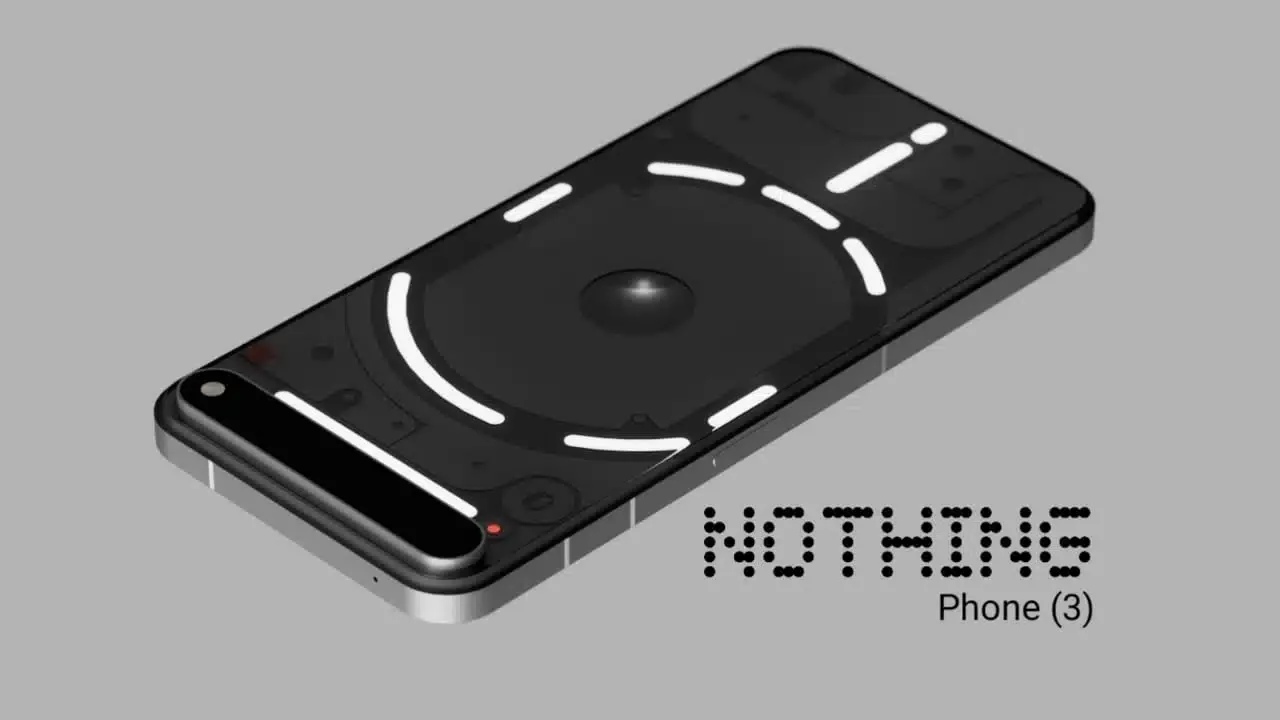
    Nothing Phone 3 leak design

    Mischief ensues when that canvas is combined with on-device AI inference. The LEDs may turn into a silent progress bar as diffusion models create an illustration, pulse in harmonic waves that reflect the mood of your playlist, or remain inactive until a predictive engine determines the alert is actually worth looking at. At last, hardware transforms from a ringtone to ambient UX.

    Ambition rarely moves by itself. Whatever watt-hour benefits come with the anticipated 5,000 mAh battery could be erased by more than two hundred LEDs using power in addition to a more demanding NPU. Moving the coil could result in reduced wireless charging speed or the complete elimination of reverse charging. While you wait for an AI recipe recommendation, your pocket might serve as a hand warmer if the temperature calculations are incorrect.

    The arc is still pointing ahead. Smartphones used to compete on the basis of megapixels, then refresh rates; in 2025, neural FLOPS and programmable lumens will choose the winners. Phone 3 outlines a future in which the interface and hardware literally light up one another by fusing 16 GB of breathing room with a light-spewing, AI-aware rear panel. The concept pushes the industry toward gadgets that think more deeply, glow more intelligently, and feel distinctly alive, even if the first Matrix flickers.

    Stay connected with the latest from Droid Tools—follow us on X @droid_tools, like our page on Facebook, check out our updates on Instagram, and follow us on Google News for real-time news, device tips, and mobile tech insights.

  • Nothing Phone 3: something new?

    Nothing Phone 3: something new?

    Only a few weeks remain until Nothing’s third significant smartphone release, and as anticipated, the pre-launch storyline includes equal parts carefully planned confusion and controlled leaks.

    The form, functionality, and placement of Nothing Phone 3 remain unclear despite the device’s July 1 introduction date. It’s either the brand’s first attempt at a real flagship or a continuance of its affordable-premium recipe, depending on whatever official teaser or leak you read.

    In any case, this is more than just specs. In 2025, design, interface minimalism, and possibly artificial intelligence will be the main topics of discussion in classic Nothing fashion. Here is everything we currently know about Nothing Phone (3).

    No more Glyph interface

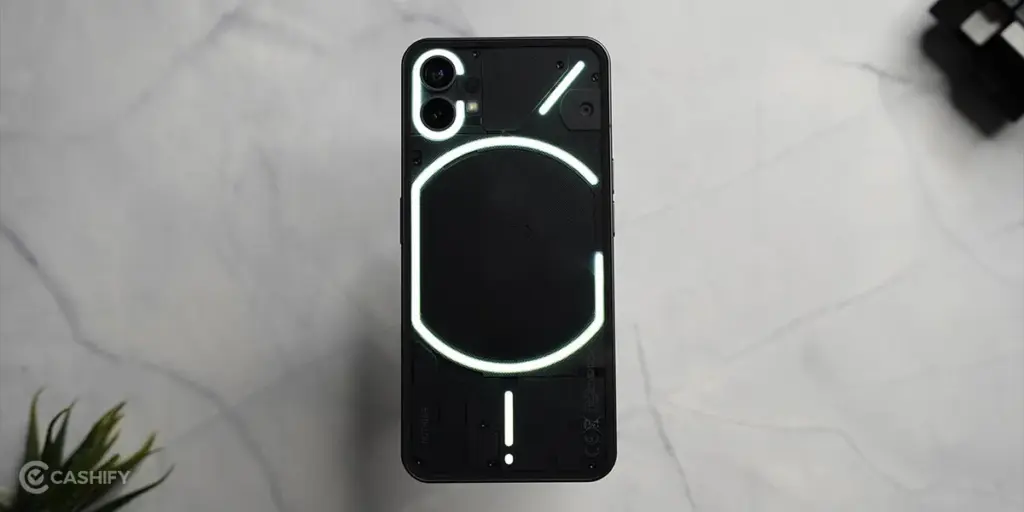
    For a brand that has leaned so heavily on design for differentiation, it was surprising when Nothing publicly claimed it has “killed” the Glyph interface

     Nothing Phone 3 glyph

    Together with a transparent back panel, these distinctive LED lighting strips have come to represent the brand. Additionally, they served as camera fill illumination, charging status lights, and notification indications.

    The Glyph interface has turned into a more specialized function than a common one, though, and nothing seems to have recognized this. The company’s recent public confirmation that it is discontinuing the Glyph interface for the Phone 3 is probably due to this.

    As with the Asus ROG Phone 9, the gadget might instead include a more customisable LED panel. Recent teases suggest that this could feature animations and icons in addition to simple glyph-like warnings.

    Design

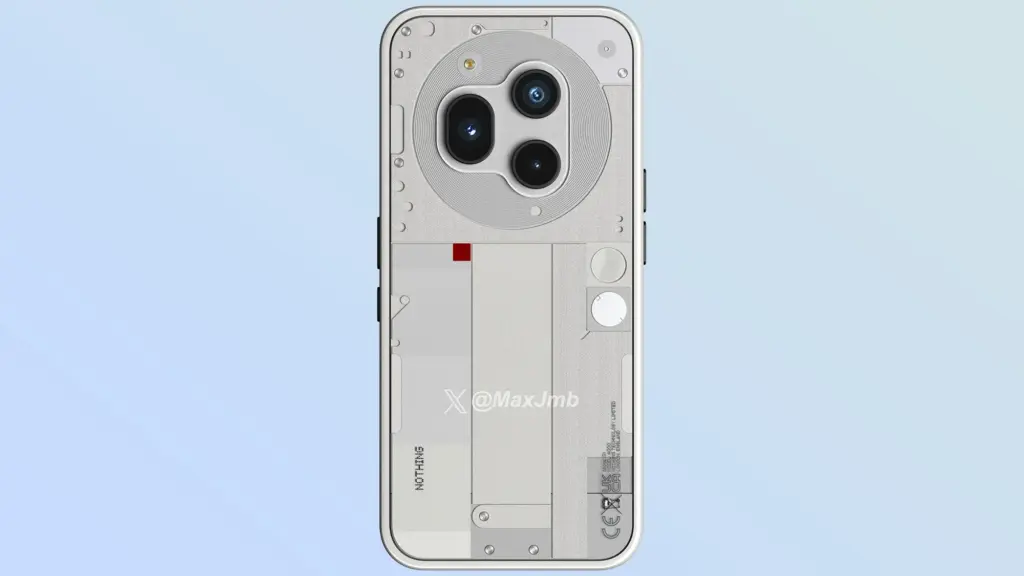
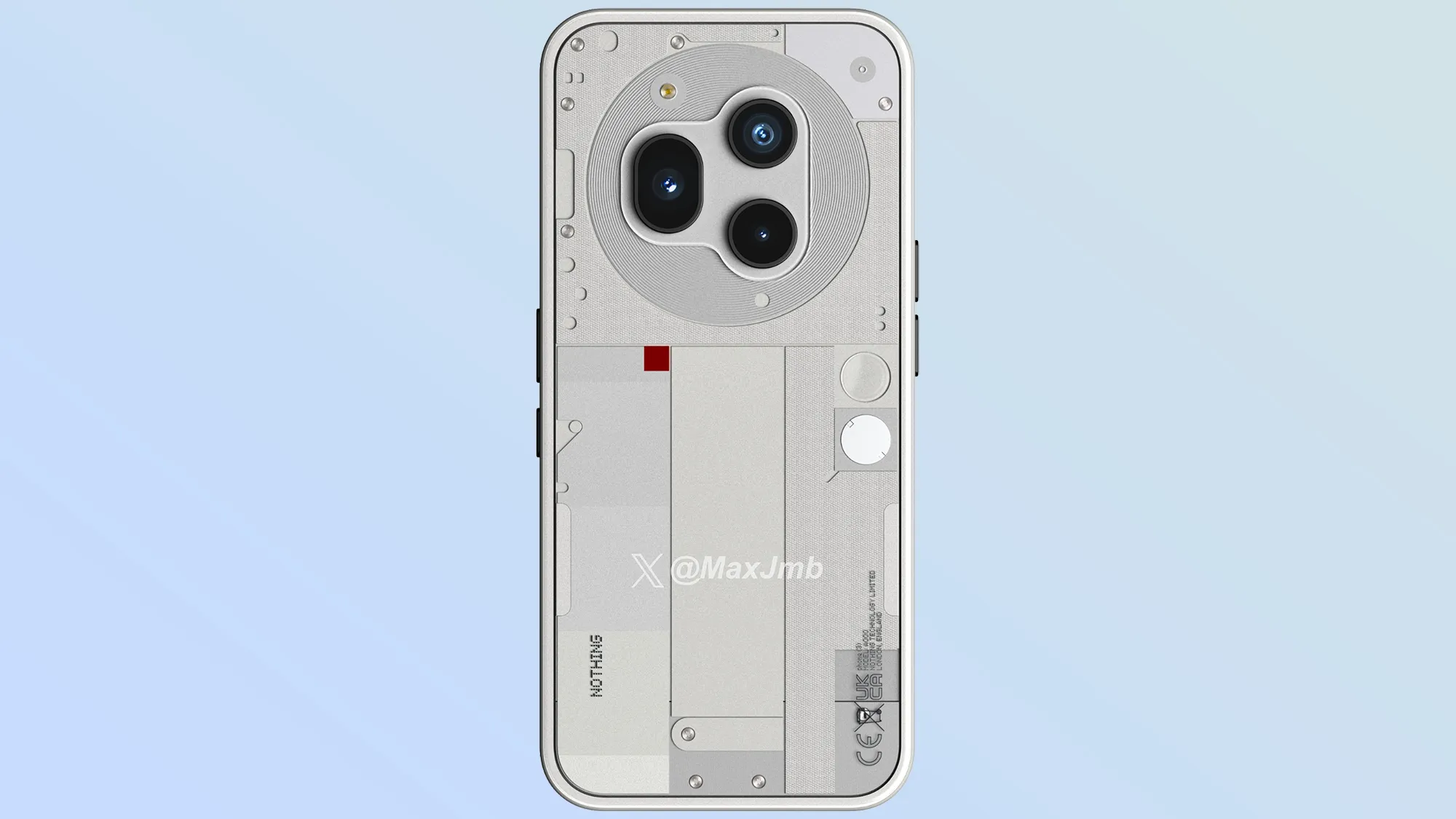
    The Nothing Phone 3 differs significantly from its predecessor in terms of design. Recently, a leak revealed the entire design, which had the anticipated translucent appearance. However, it appears that there are more differences than commonalities.

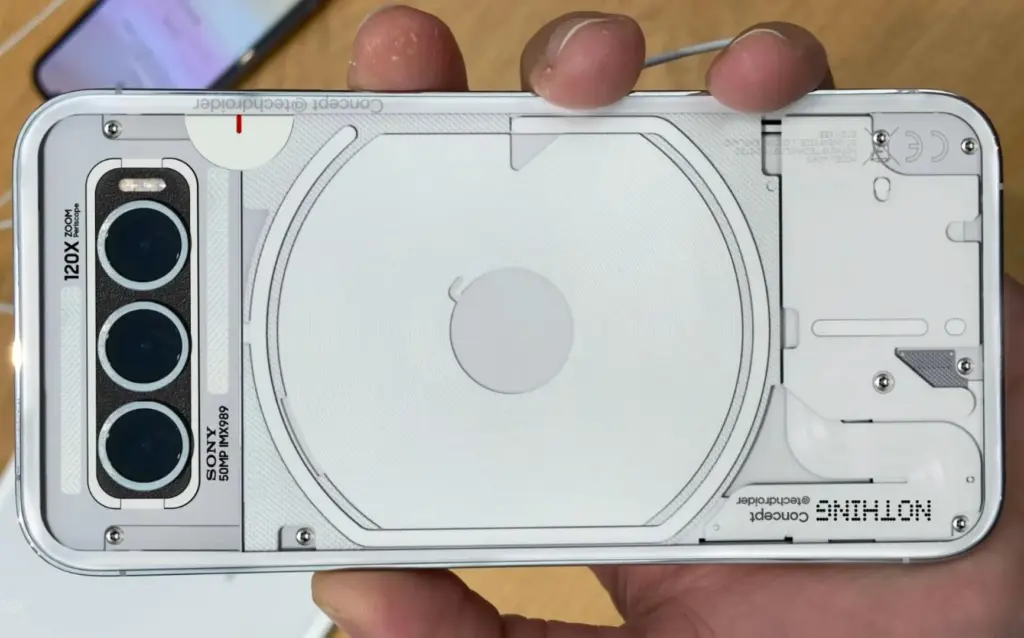
     Nothing Phone 3 design

    Notably, there is no Glyph interface, and three cameras have been added to the back in an unusual configuration. At first appearance, it’s a daring and divisive look, but whether or not users would accept it is a different matter.

    Specs

    According to reports, the Nothing Phone 3 would have a 6.7-inch LTPO AMOLED screen with a refresh rate of 120 Hz. According to reports, the camera configuration consists of a 50MP primary sensor in addition to telephoto and ultrawide lenses.

    The next device’s performance is arguably its most contentious feature. Since Nothing CEO Carl Pei has already said that the Nothing Phone 3 will be a flagship product, it is reasonable to anticipate a processor from the Snapdragon 8 series or perhaps even a MediaTek Dimensity chip.

    It’s noteworthy to note that nothing has ever put delivering consistent performance ahead of aiming for the best specifications. Therefore, it wouldn’t surprise us if the Nothing Phone 3 ran on a flagship chip from a prior generation instead of the newest one.

    A 5,000mAh battery, an improvement over the Phone’s 4,700mAh unit, is reportedly going to power all of this (2). It is anticipated that 20W wireless and 50W wired charging would be available.

    Essential Key and Android 15

    Depending on when the final build is released, the device is anticipated to come with Android 15 overlaid with either Nothing OS 3.0 or 3.2. According to Pei, this OS update will have a “cleaner” appearance and include AI into the user interface.

    Nothing’s AI vision is dubbed “Essential Space,” a system-level interface that facilitates context-aware tasks, recordings, and snapshot management. With integrations like ChatGPT, the firm is already experimenting with AI in its earbuds to offer voice-activated assistants.

    However, as with a lot of what Nothing promises, it’s still uncertain how useful AI will be in real life. It’s difficult to predict if this will be truly beneficial or merely superficial branding until we see it in action.

    Is Nothing Phone 3 going to be a flagship?

    Nothing Phone 3

    The Nothing Phone 3 will adhere to the company’s basic principles of utilitarian aesthetics, minimalist design, and a purposefully simplified software experience, if the initial indications are any indication. However, it’s unclear how the business plans to define “flagship.”

    Competition is intense at the upper end of the market, and factors like camera performance, AI integration, display quality, and long-term software support are becoming more and more important.

    The lack of verified high-end capabilities like a telephoto lens, variable refresh rates above 120Hz, or real-time AI picture processing could keep it one step behind true flagships from Samsung, OnePlus, or Apple, even though Nothing’s design is unique.

    Availability and pricing

    On July 1, 2025, the Phone (3) will make its debut, right before Samsung’s summer Galaxy Unpacked presentation. According to reports, the cheapest edition of the Phone (3) with 12GB RAM and 256GB storage costs $799, or roughly Rs 68,320.

    In comparison to the same model of the Nothing Phone 2, this is essentially a $100 (about Rs 5,560) price increase. In contrast, the more expensive 16/512GB variant will set you back $899, or around Rs 77,500. Finally, there will be two color options for the Phone (3): Black and White.

    nothing phone 3a

    Nothing Phone (3a)

    The Nothing Phone (3a) features a high-performance Snapdragon 7s Gen3 processor built on a 4nm TSMC process, 8-core, up to 2.5 GHz, and is equipped with WiFi 6, Bluetooth 5.4, GPS/Glonass/Galileo positioning.

    $385.00Amazon