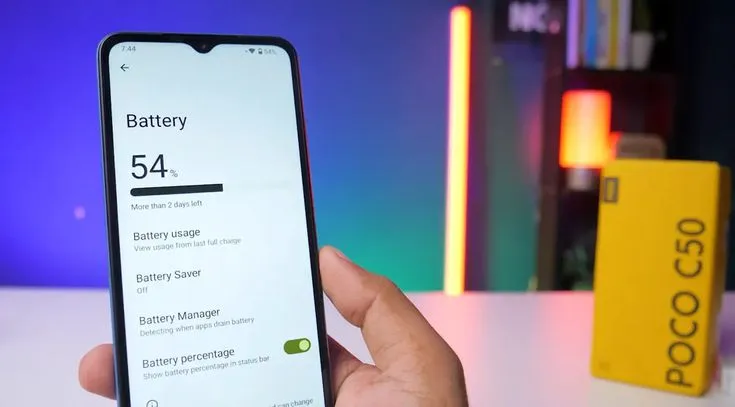
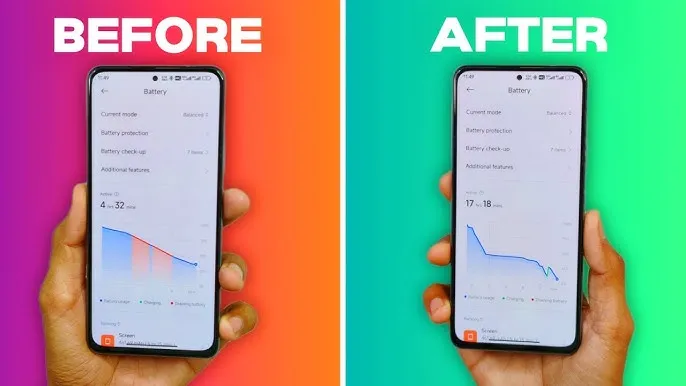
Google announced an amazing beta feature that addresses one of Android’s most long-standing issues: battery drain. The innovation is significant for Xiaomi consumers who prioritize battery performance in their daily smartphone usage. The functionality works by tracking “excessive wake locks” in Android’s Vitals panel, assisting developers in identifying and correcting programs that secretly waste battery power in the background.
For those who do not aware, “wake locks” are system-level capabilities that allow applications to keep your phone awake when in background operations. Although valid in some applications, such as music or navigation, overuse can severely deplete your Xiaomi device’s battery without providing any value in terms of how you view your experience.
How Does Google’s New Tool Work?
This approach is specifically designed for applications with active foreground processes that are running in the background. If such programs maintain a “wake lock” for more than three hours in a single 24-hour cycle, regulators consider them harmful. This accurate identification enables developers to address battery usage issues before they reach a large number of consumers.
This methodology provides app developers with more realistic views of how their applications function in real-world circumstances rather than laboratory-like test scenarios.
Partnership with Key Manufacturers
Google is not operating alone in this initiative. The internet behemoth is working with key smartphone manufacturers like Samsung to define “good” performance in a more consistent manner across the Android platform.
This collaboration aims to help developers create more optimized applications that run as easily as possible across a wide range of phone models from all brands, from Xiaomi’s large array of cheap options in Redmi to premium flagships in Mi.
Android Future Plan for Optimisation
This battery monitoring tool is just the beginning of Google’s multi-year strategy to provide developers with deeper insights into real-world app performance. Looking ahead, Google plans to:
Roll out more metrics for performance optimization
Develop and launch new battery life measurement tools.
Potentially release an updated Play Store to promote highly optimized apps
For Xiaomi users who consider battery life to be an important feature, these innovations hold out hope for an era when third-party applications are more efficient to use under HyperOS and other Android-based platforms.
What It Means for Xiaomi Users
Xiaomi has continually focused energy optimization in its devices, including larger batteries and advanced power management in HyperOS. Google’s new developer tools support these efforts by addressing the software side of the problem, potentially improving Xiaomi phones’ outstanding battery life.
The “excessive wake lock” monitoring tool is currently in the testing phase, with Google actively seeking developer feedback to improve its capabilities before a wider release.
Google released the Pixel Watch 3 alongside the Pixel 9 series in mid-August 2024, with a design that was not too different from its predecessor. There was a modest reduction in bezel size, an increase in brightness, and an additional size option, but it appeared substantially unchanged.
The wristwatch was revealed earlier than usual, as Google typically announces new products in October, which could change with the Pixel Watch 4. Even if Google sticks with August and a September release, the next-generation device will be accessible several months later.
That has not stopped suspicions from spreading, with the most recent revealing full renders of the supposed forthcoming smartwatch.
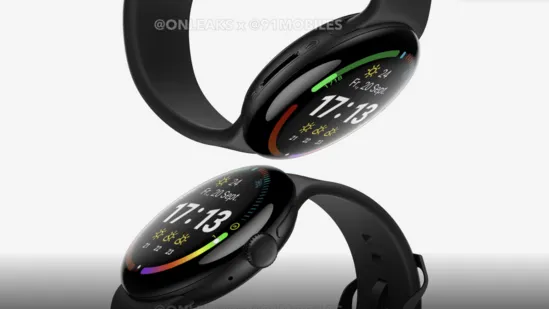
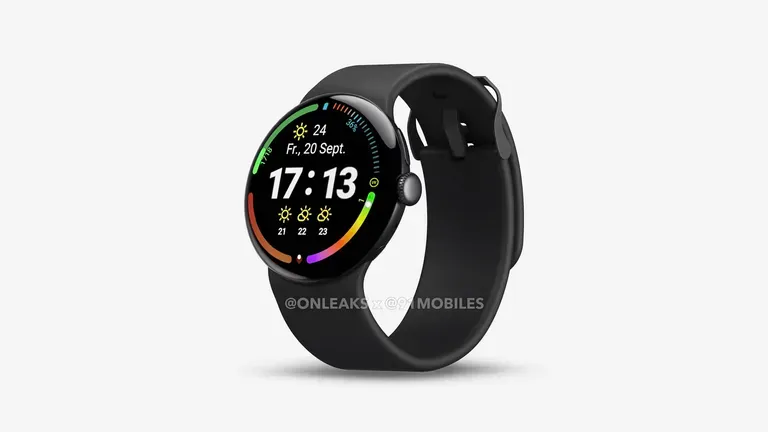
The renders were shared by 91Mobiles in collaboration with Steve Hemmerstoffer, also known as OnLeaks.
There is also a video of the gadget from all angles, giving us a fair idea of how the Pixel Watch 4 would look, as well as some distinct 5K renders.
What features might be available on the Pixel Watch 4?
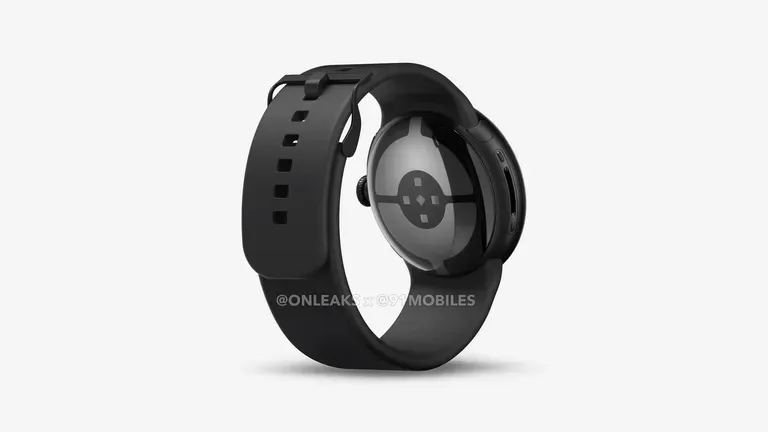
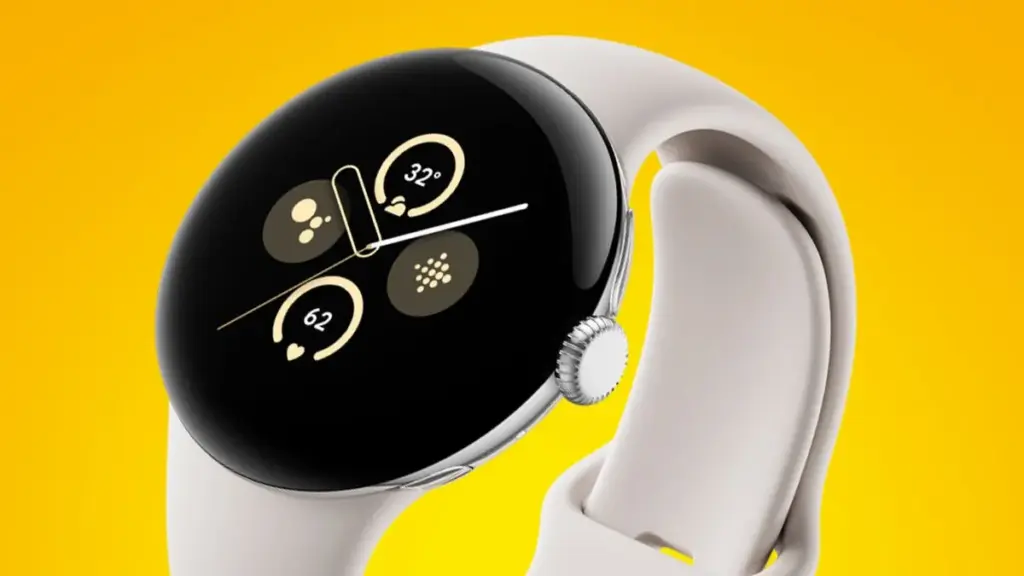
Based on the renders, it appears that the Pixel Watch 4 will resemble the Pixel Watch 3. The circular design continues, with the crown centered on the right edge and a separate button above it.
(Image credit: OnLeaks / 91Mobiles)
According to 91Mobiles, the bezels may be slightly thinner, but this is difficult to confirm, and the smartphone does not appear to have charging ports on the underneath. That could suggest that the Pixel Watch 3 enables wireless charging, however this has yet to be confirmed.
(Image credit: OnLeaks / 91Mobiles)
In addition, the Pixel Watch 4 is expected to be thicker than its predecessor, measuring 14.3mm instead of 12.3mm. This could be owing to a larger battery, although the same two sizes (41mm and 45mm) are also planned.
The video also reveals the strap mechanism, which does not appear to be changing anytime soon.
For the time being, nothing about the Pixel Watch 4 has been officially confirmed, but we would not be shocked if rumors about it spread in the coming months.
A number of leaks have already surfaced on the Pixel 10, Pixel 10 Pro, and Pixel 10 Pro Fold, all of which are expected to be released concurrently with the Pixel Watch 4, so keep an eye on this space.
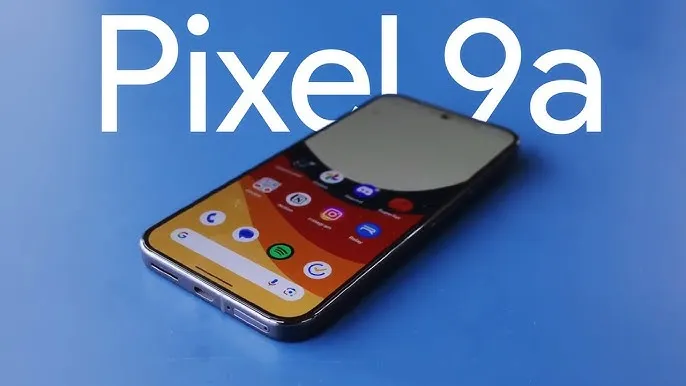
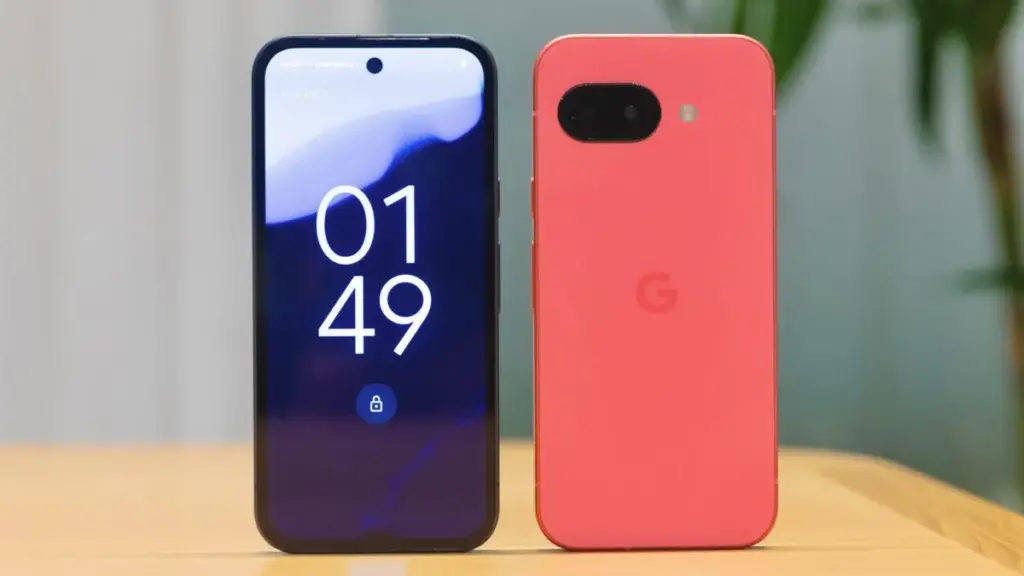
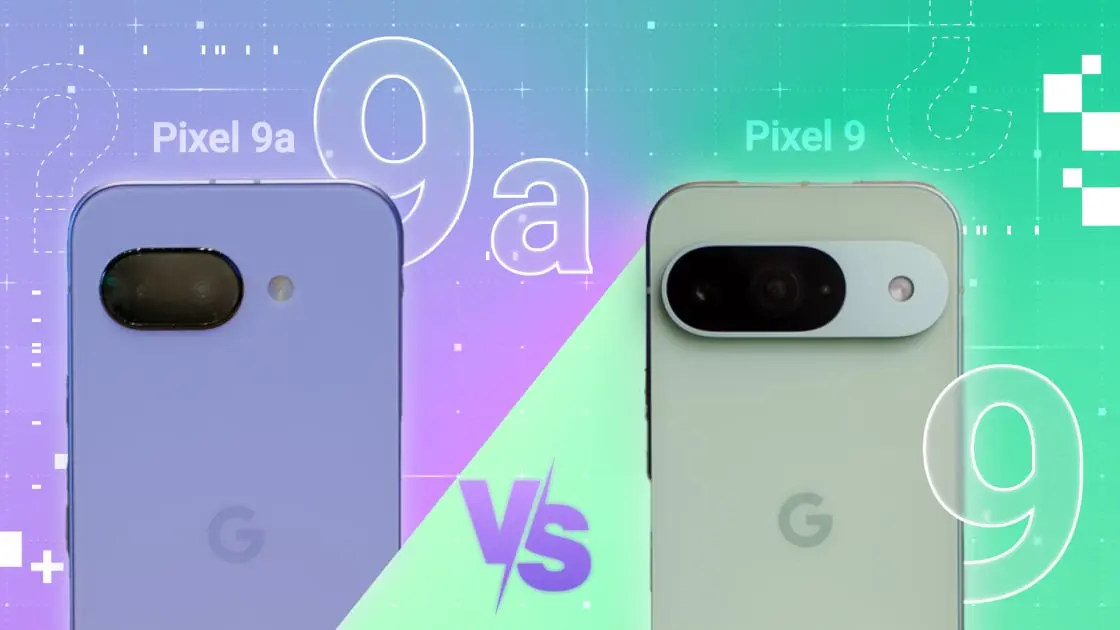
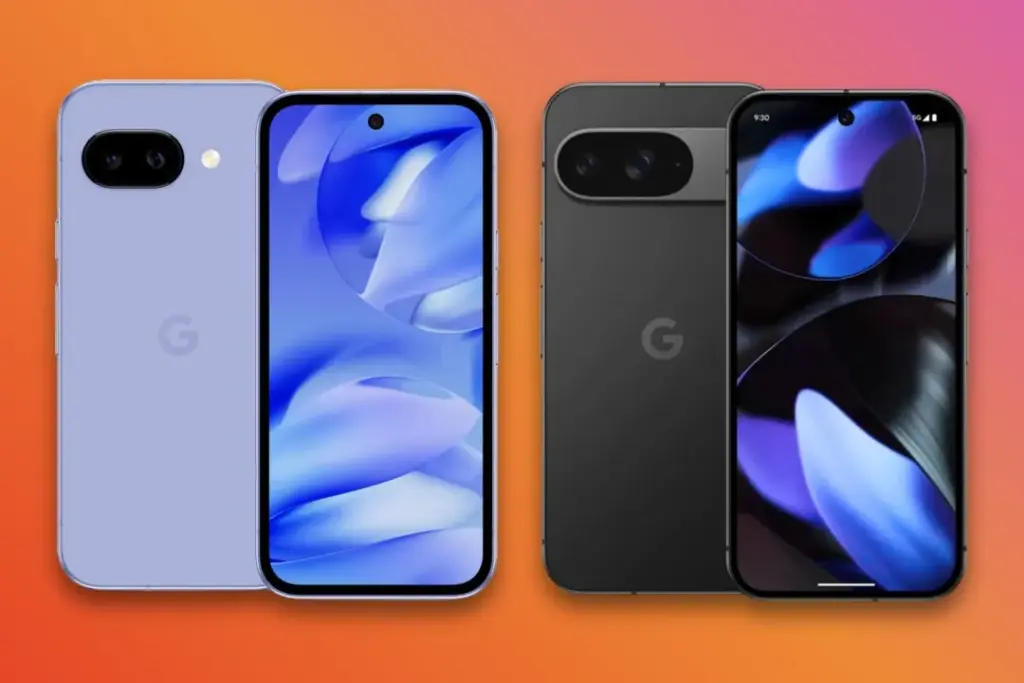
Google’s Pixel 9a will hit shop shelves in the United States this week. Google’s new midranger appears to be yet another reasonably priced flagship alternative in a long series of such options. To achieve a lower price point, it makes some changes to the Pixel 9 formula, such as less RAM and inferior cameras. However, on paper, the $500 Pixel 9a has several significant advantages over the $800 Pixel 9. Here’s five.
Google Pixel 9a with Gemini – 256GB
Google Pixel 9a is engineered by Google with more than you expect, for less than you think; like Gemini, your built-in AI assistant, the incredible Pixel Camera, and an all-day battery and durable design.
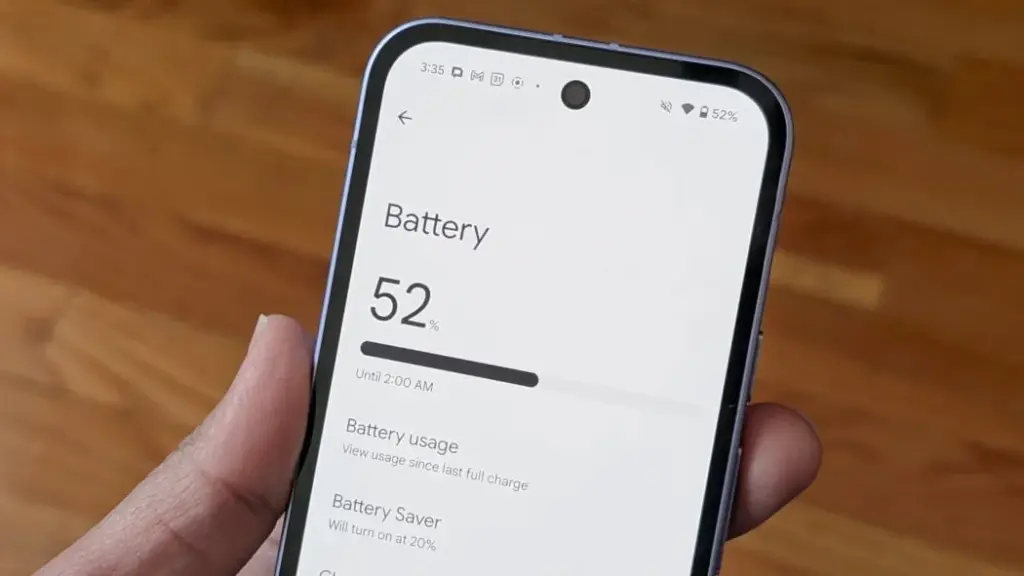
Speaking of bigger batteries, the Pixel 9a has the largest battery ever utilized in a Pixel phone, with a rated capacity of 5,100 mAh. That just slightly edges out the Pixel 9 Pro XL’s 5,060 mAh battery.
Given that the Pixel 9a is a relatively small phone with a 6.3-inch display, the large battery will deliver long battery life. The Google Store listing for the 9a boasts “30+ hour battery life,” whereas the Pixel 9’s battery life is “24+ hours.” If Google’s estimations are correct, the 9a’s battery will last 25% longer.
A good price
Let us start with the obvious: the $500 Pixel 9a costs significantly less than the $800 Pixel 9. Google has managed to keep its A-series phones at $500 for three years in a row as its flagships have become more costly, making the 9a an even better value than previous generations.
A solid construction
The basic Pixel 9 and Pixel 9 Pro feature normal flagship phone build, with scratch-resistant glass back panels and stainless steel side rails. It creates a high-end look and feel, but the usage of glass has a significant drawback: it is prone to cracking if your phone is dropped.
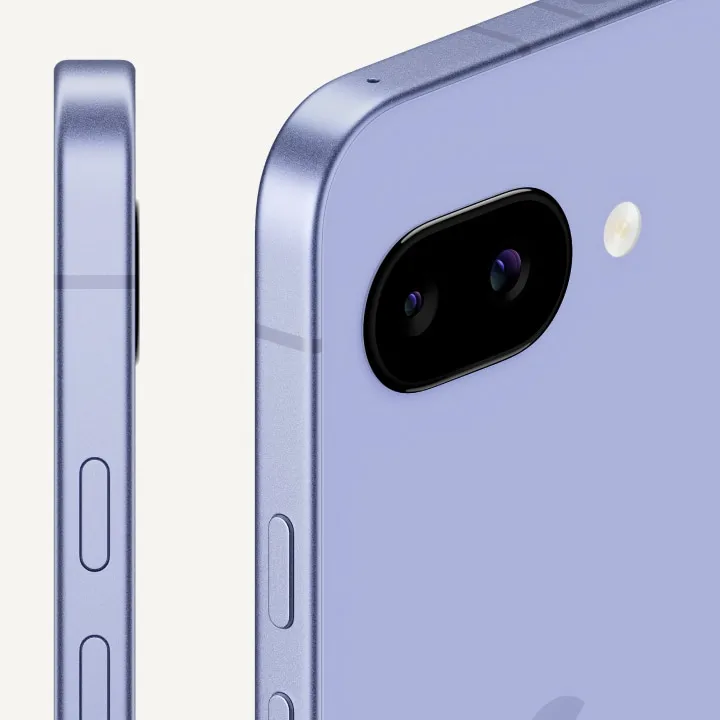
The Pixel 9a, on the other hand, has a polycarbonate back panel with aluminum side rails. That makes the phone more resistant to shattering than its more expensive counterparts. Plastic and aluminum are also less dense than glass and stainless steel, so the Pixel 9a is slightly lighter than the Pixel 9 — though only by a fraction of an ounce.
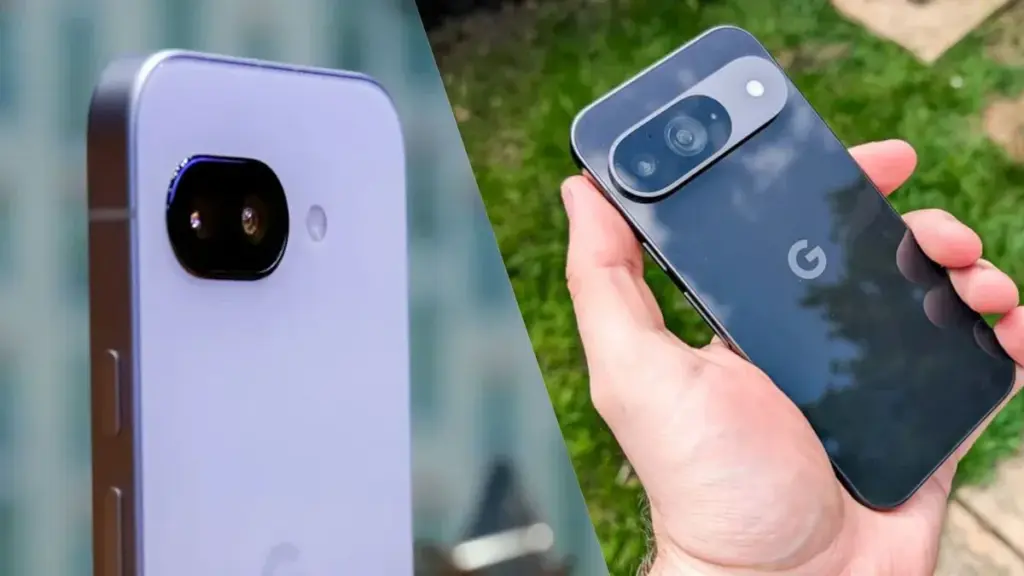
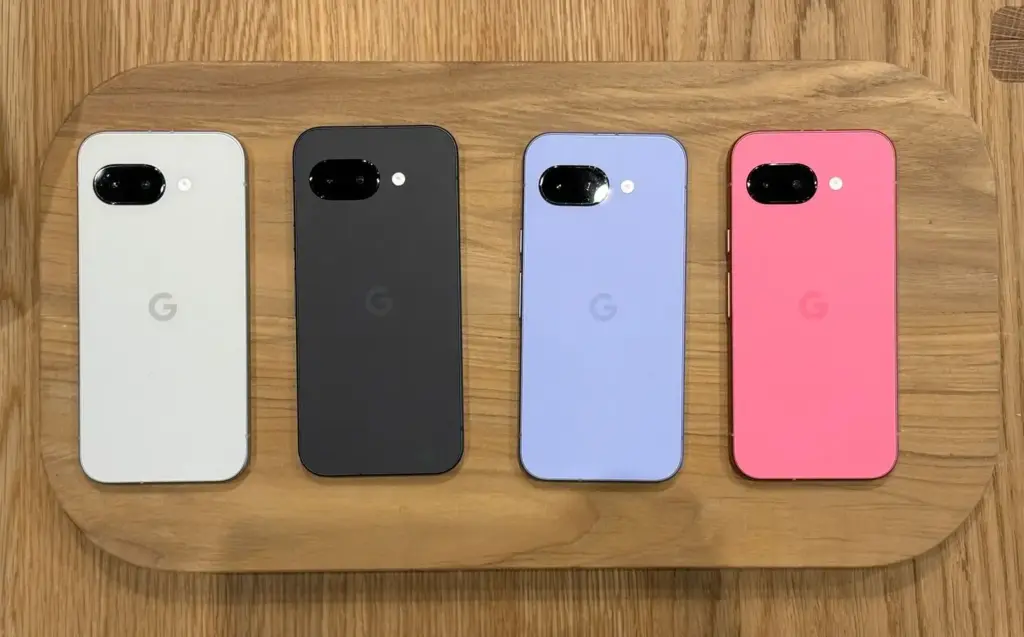
Pixel 9A has no camera bump
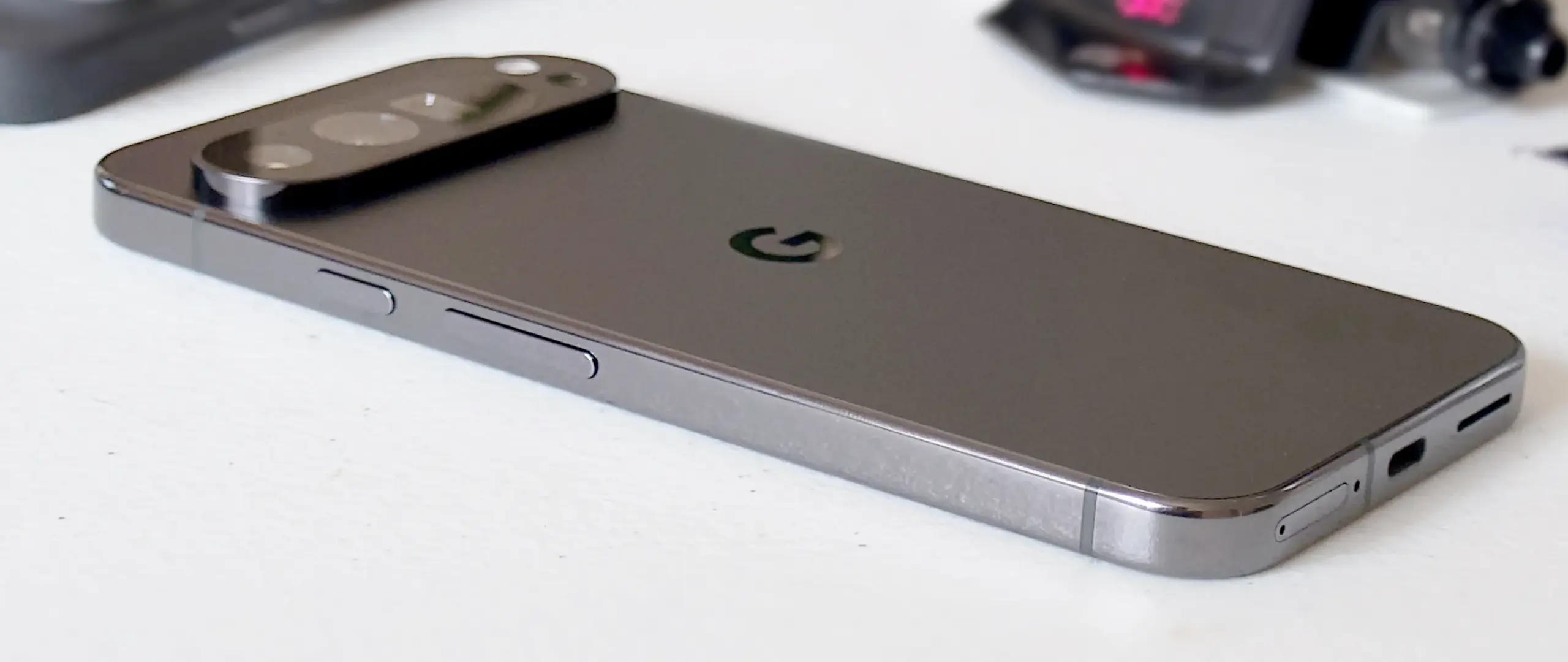
The Pixel 9 and Pixel 9 Pro feature some of the best cameras available in a smartphone today, but this image brilliance is accompanied by positively massive camera bumps. Based on Pixel 10 leaks, the pill-shaped protrusions appear to have become part of the Pixel’s brand identity. However, there is no getting around the bulk: the Pixel 9 and 9 Pro cameras protrude 3.5 mm from the back panel.
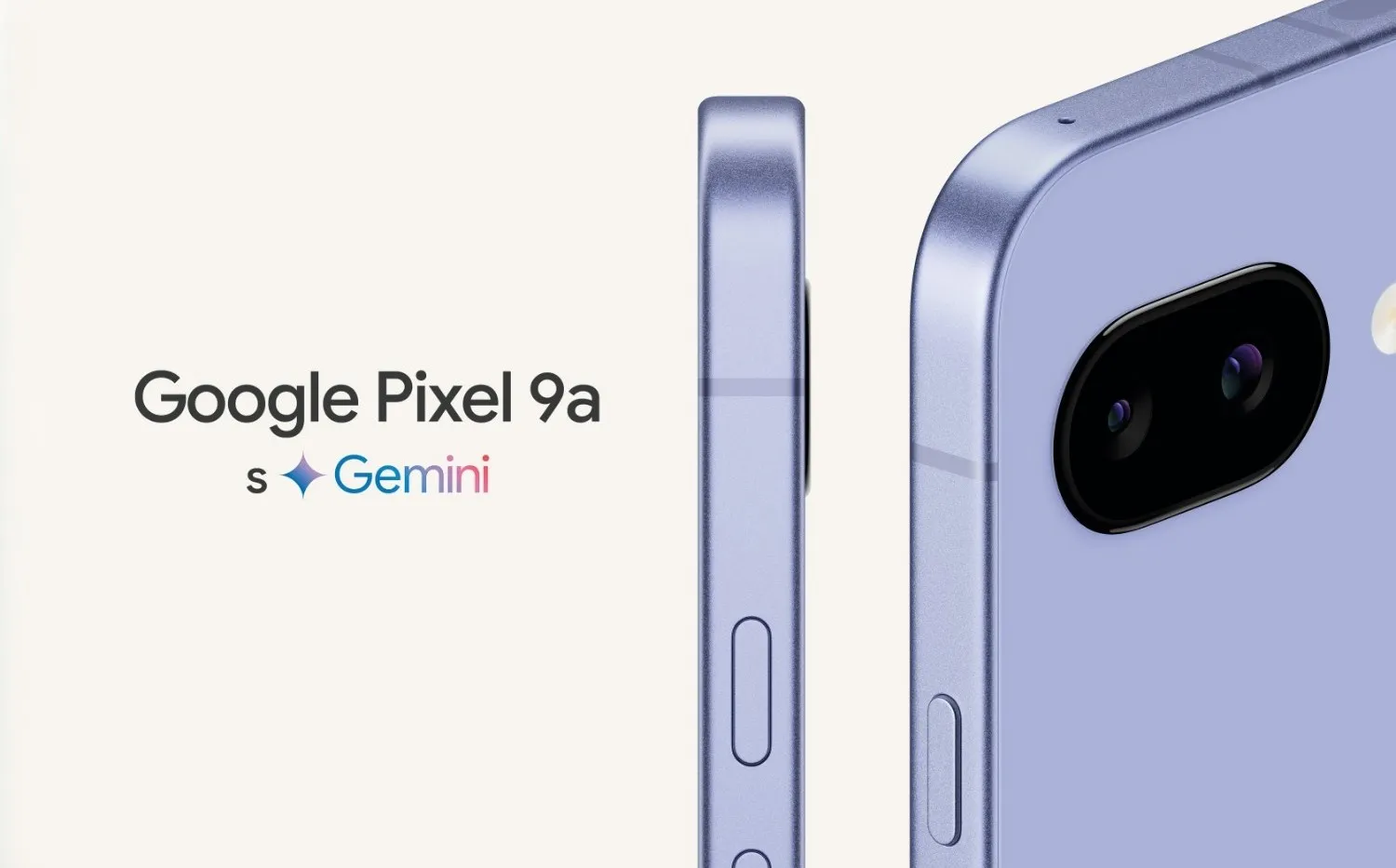
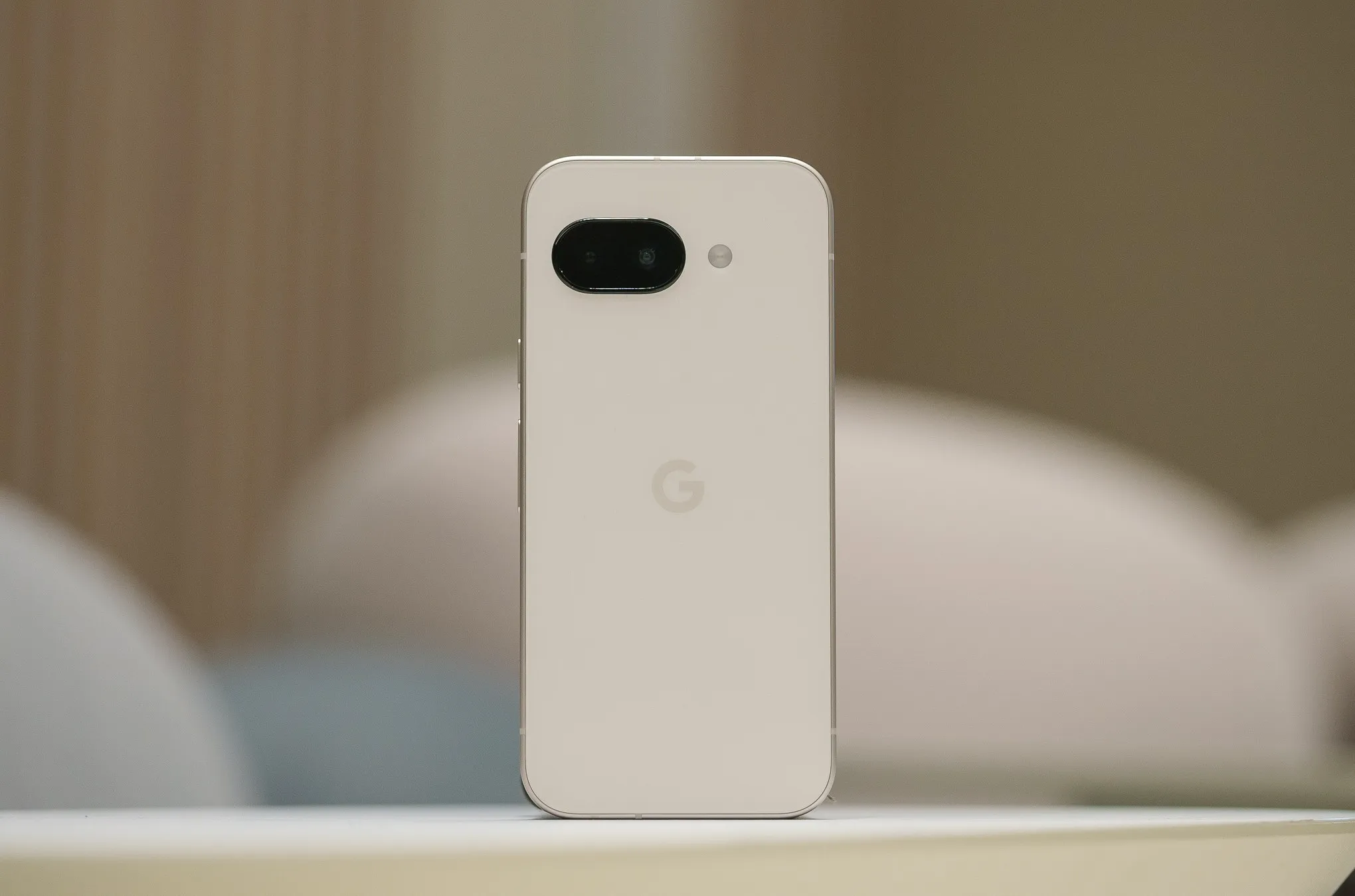
The Pixel 9a, on the other hand, has almost no camera hump at all, with a pill-shaped glass cutout for the primary and ultrawide cameras that is nearly flat with the rest of the rear panel. Again, this will make little difference to those that use cases. However, given that a strong contingent of smartphone customers has been calling for thicker phones with larger batteries and fewer camera bumps for some time, the 9a is a clear winner.
Matte finish
There is no objectively proper finish for a smartphone, and most smartphone users will put a case on whatever they buy regardless. But personally, I prefer the all-matte appearance. Glossy surfaces are more likely to gather up fingerprints than matte surfaces, and nicks and scratches are more visible on shiny surfaces.
The standard Pixel 9 has a glossy glass back and matte side rails; the Pixel 9 Pro reverses this, with matte glass on the back and matte steel side rails. The Pixel 9a has a matte finish all around. Glossy metal accents may seem elegant, but I hope future Pixel generations follow Google’s A-series phone’s lead and adopt the same all-matte appearance.
However, based on our early hands-on observations, Google’s experience with midrange products, and the information Google has released about the 9a thus far, it appears to be a solid device—and in some respects, even better than the more expensive Pixel 9.
Google is now implementing Loss of Pulse Detection in the US after yesterday’s April 2025 OTA update and Scam Detection.
Google is officially launching Loss of Pulse Detection in the US after receiving FDA approval, which was initially anticipated at the end of March. Last year, it became available throughout Europe.
Make sure your Pixel Watch 3’s Personal Safety Wear OS software is up to date before turning it on. 2025.03.19.x is the most recent version that is available on the Play Store.
Afterwards, go to the Pixel Watch companion app on your phone (version 3.4+) > Safety & emergency > Loss of Pulse Detection to start the set-up process.
Google tells us that it’s beginning to roll out today and will be fully available over the coming weeks.
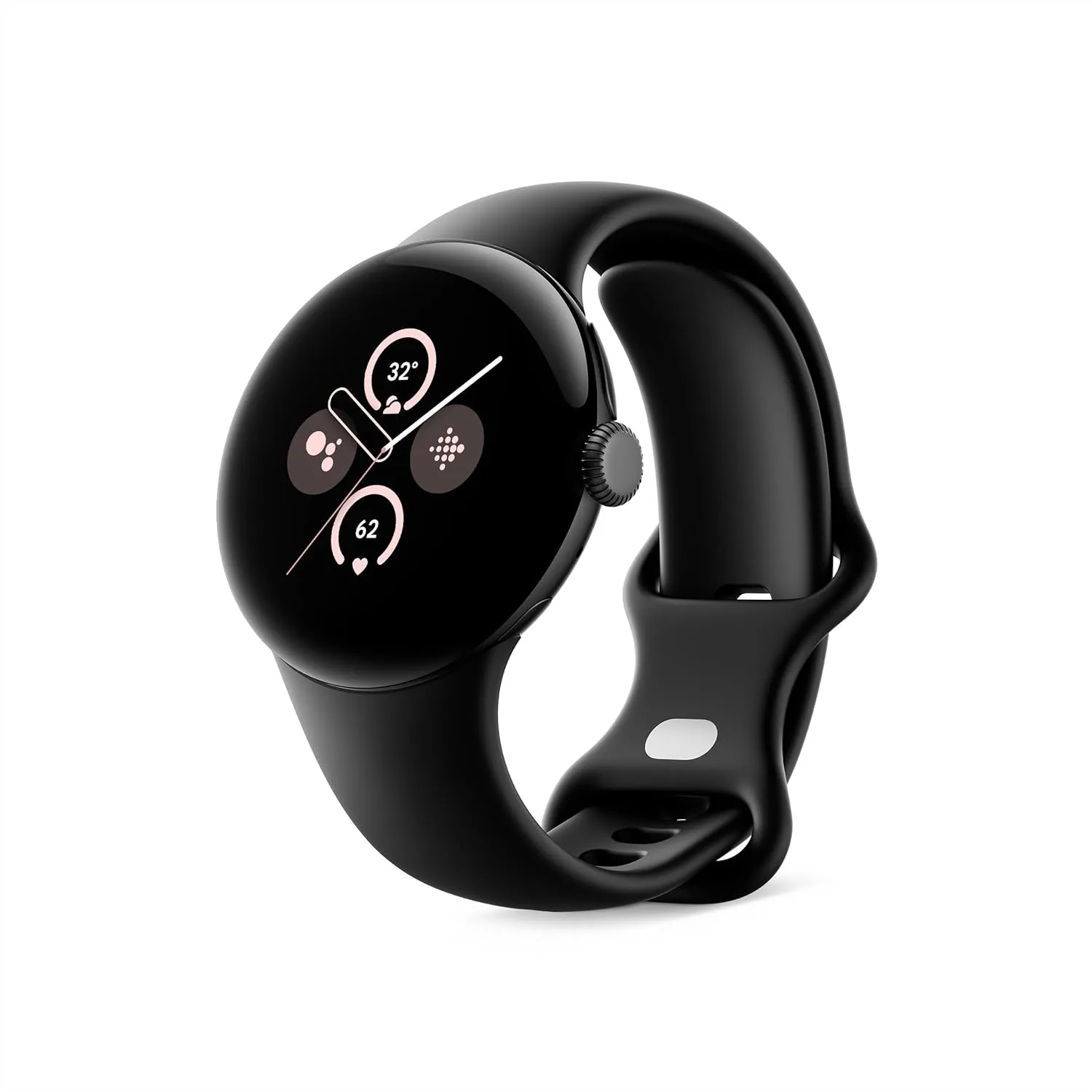
Google Pixel Watch 3 (45mm)
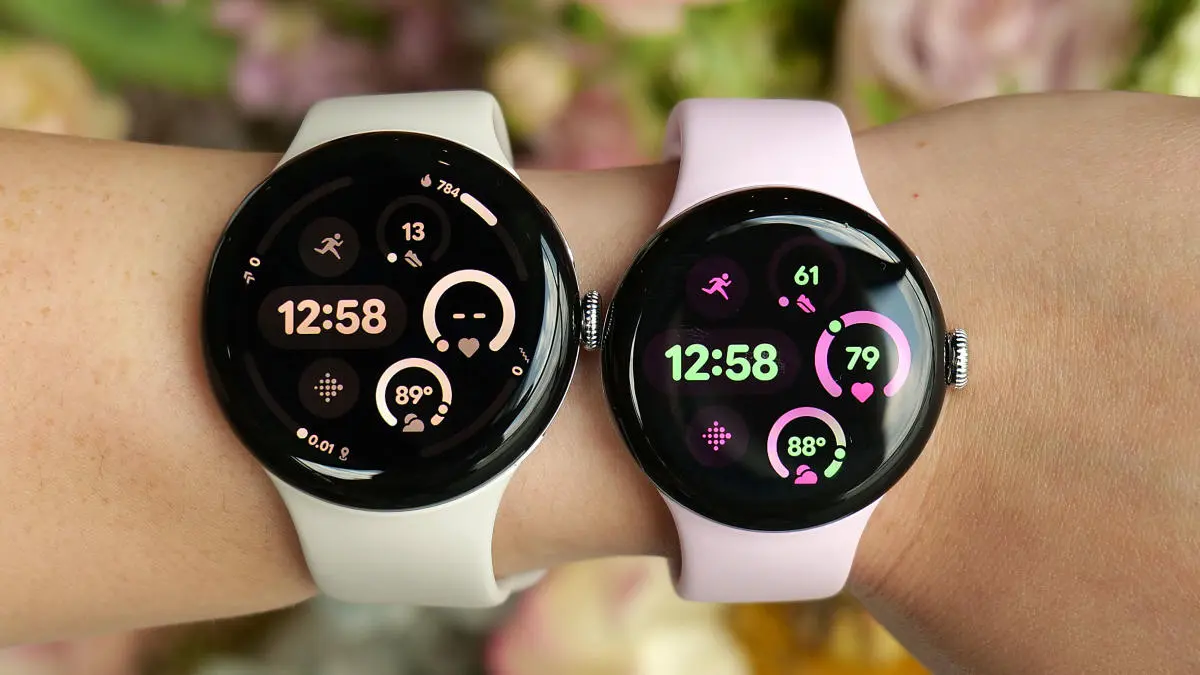
The Google Pixel Watch 3 is designed for performance, with advanced fitness from Fitbit; the 41mm screen is twice as bright and 10% larger than before, making it easier to see your stats and info[
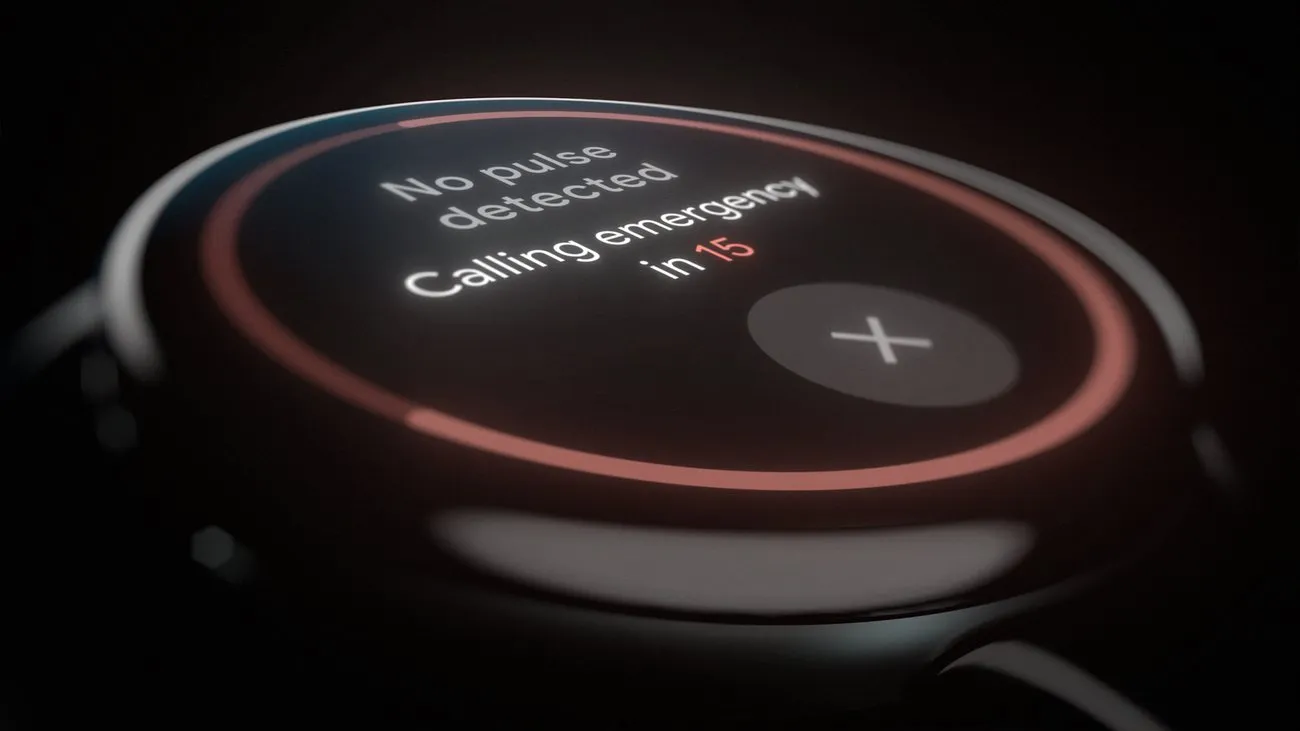
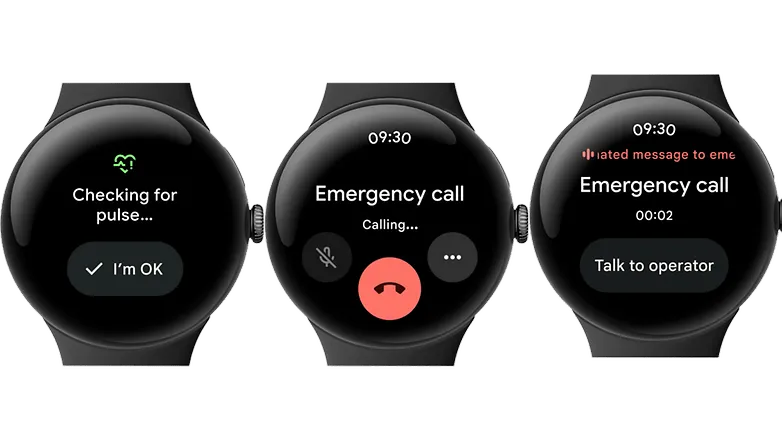
A loss-of-pulse event is when your heart stops beating, which can happen during a cardiac arrest, respiratory or circulatory failure, overdose, or poisoning. Similar to Fall and Car Crash Detection, the Pixel Watch 3 will ask users to certify their safety when it detects something.
In the event that there is no reaction (or movement), the wearable will notify emergency personnel, give your location, and provide information about what is going on. The Pixel Watch 3‘s multipath heart rate monitor, additional sensors, and a “multi-check, AI-based algorithm” are all used by Loss of Pulse Detection.
According to the official statement, “Loss of Pulse Detection may not detect every instance of a loss of pulse and is not intended for users who require cardiac monitoring or who have pre-existing heart conditions.” It does not offer follow-up care or diagnose or treat any medical conditions.
Google Pixel Watch 3 (45mm)
The Google Pixel Watch 3 is designed for performance, with advanced fitness from Fitbit; the 41mm screen is twice as bright and 10% larger than before, making it easier to see your stats and info[
In 2025, the budget smartphone market is more competitive than ever, offering impressive features, solid performance, and sleek designs at wallet-friendly prices. Whether you’re a student, a casual user, or just someone who loves getting the best value for money, there’s a perfect device out there for you. In this guide, we’ve rounded up the best budget smartphones you can buy in 2025 — all under $400 — that deliver big on performance without the premium price tag.
This is a thorough guide to the top smartphones under $400, which include features like outstanding cameras, slick 120 Hz screens, and potent gaming-ready SoCs with 5G.
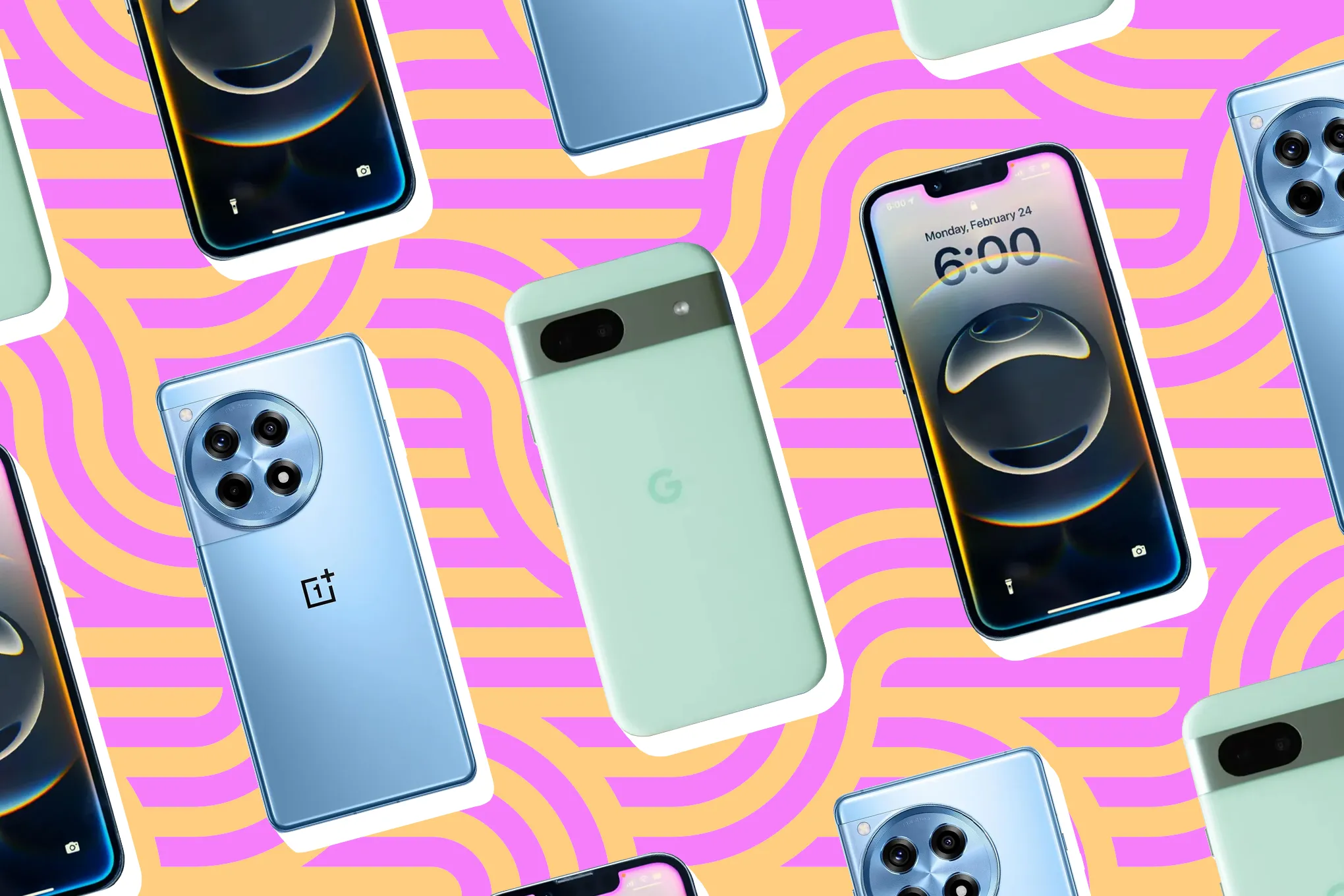
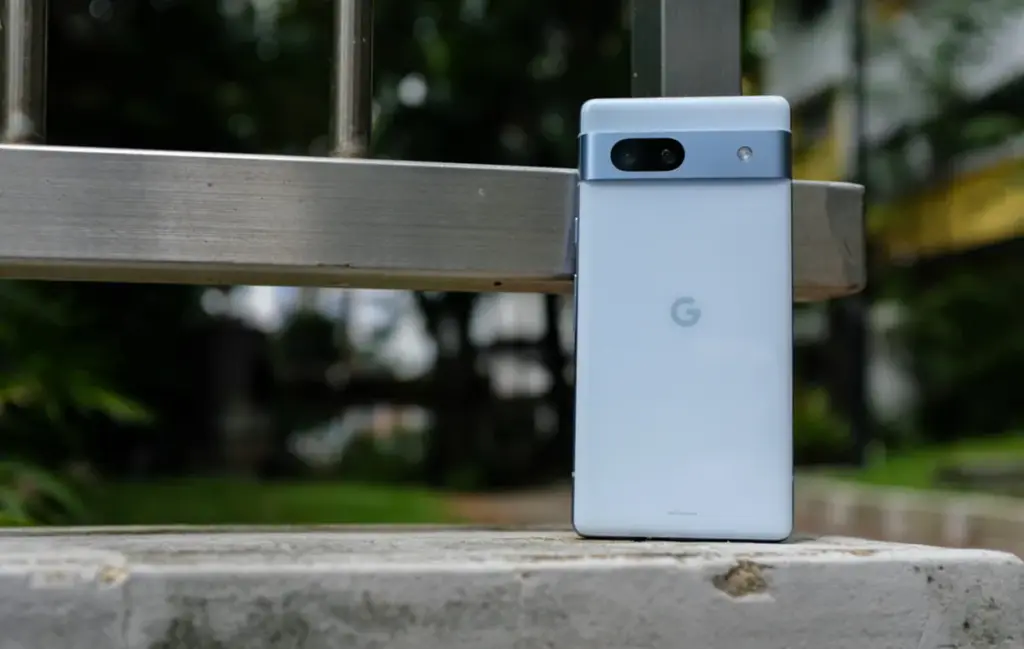
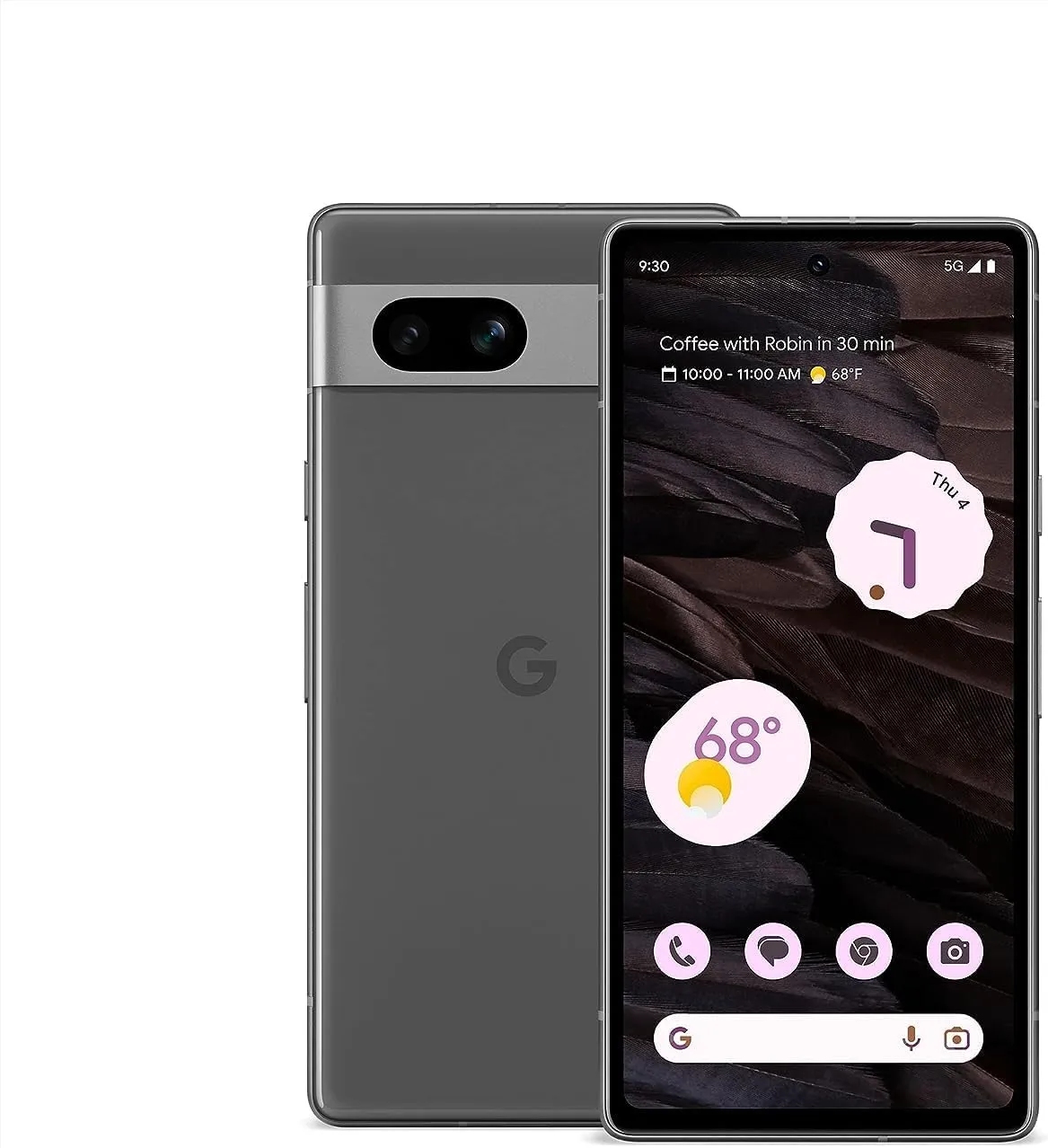
Google Pixel 7a – great camera, good battery life and updates
With 128 GB of storage, the Google Pixel 7a, which was released on May 10, 2023, costs less than $400 on Amazon. Its Tensor G2 processor, which Google has included, improves the performance of machine learning-based features, making it a great option for anyone looking for a small Google phone in 2025.
Among smartphones under $400, the Pixel 7a stood out with a 5-star rating in our assessment. It is the most affordable model in the Pixel 7 series, with features including wireless charging, 8 GB of RAM, and a refresh rate of 90 Hz.
With a 64 MP primary camera, a 13 MP ultra-wide lens, and a 13 MP selfie camera, the camera system has been much improved over its predecessor. Google’s sophisticated camera software guarantees that images captured with the Pixel 7a uphold the Pixel series’ excellent quality standards.
Google Pixel 7a
Pixel 7a has a 24-hour battery life and supports fast charging up to 72 hours with Extreme Battery Saver turned on.
Apple iPhone SE (2022) – if you are in the Apple ecosystem
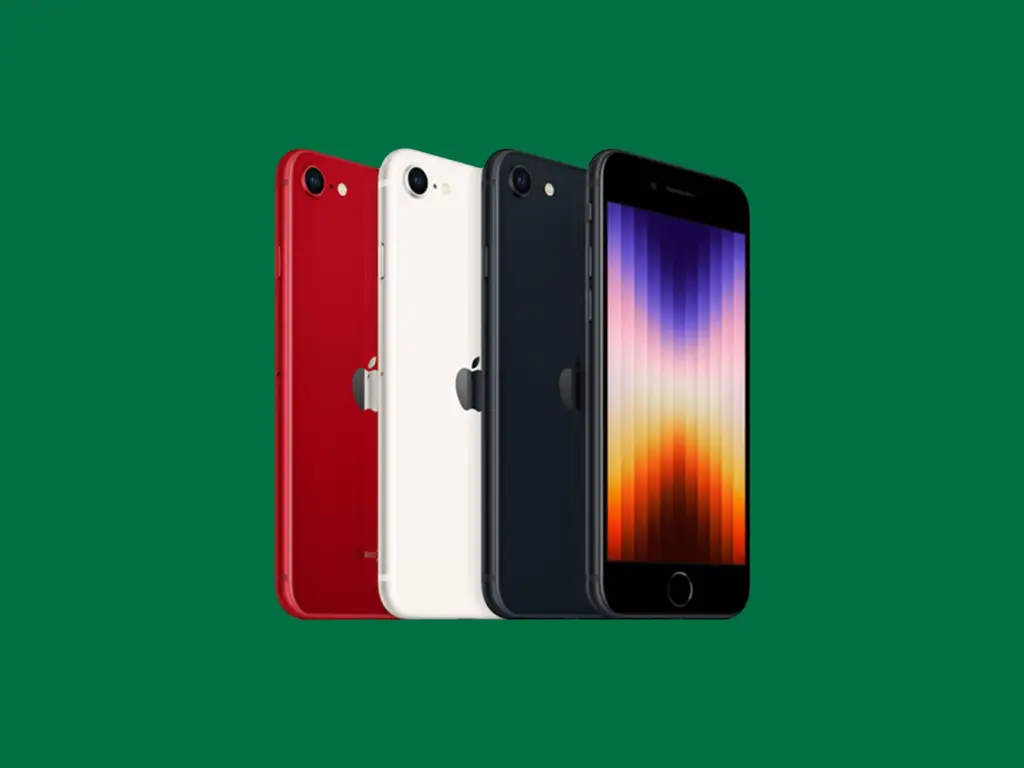
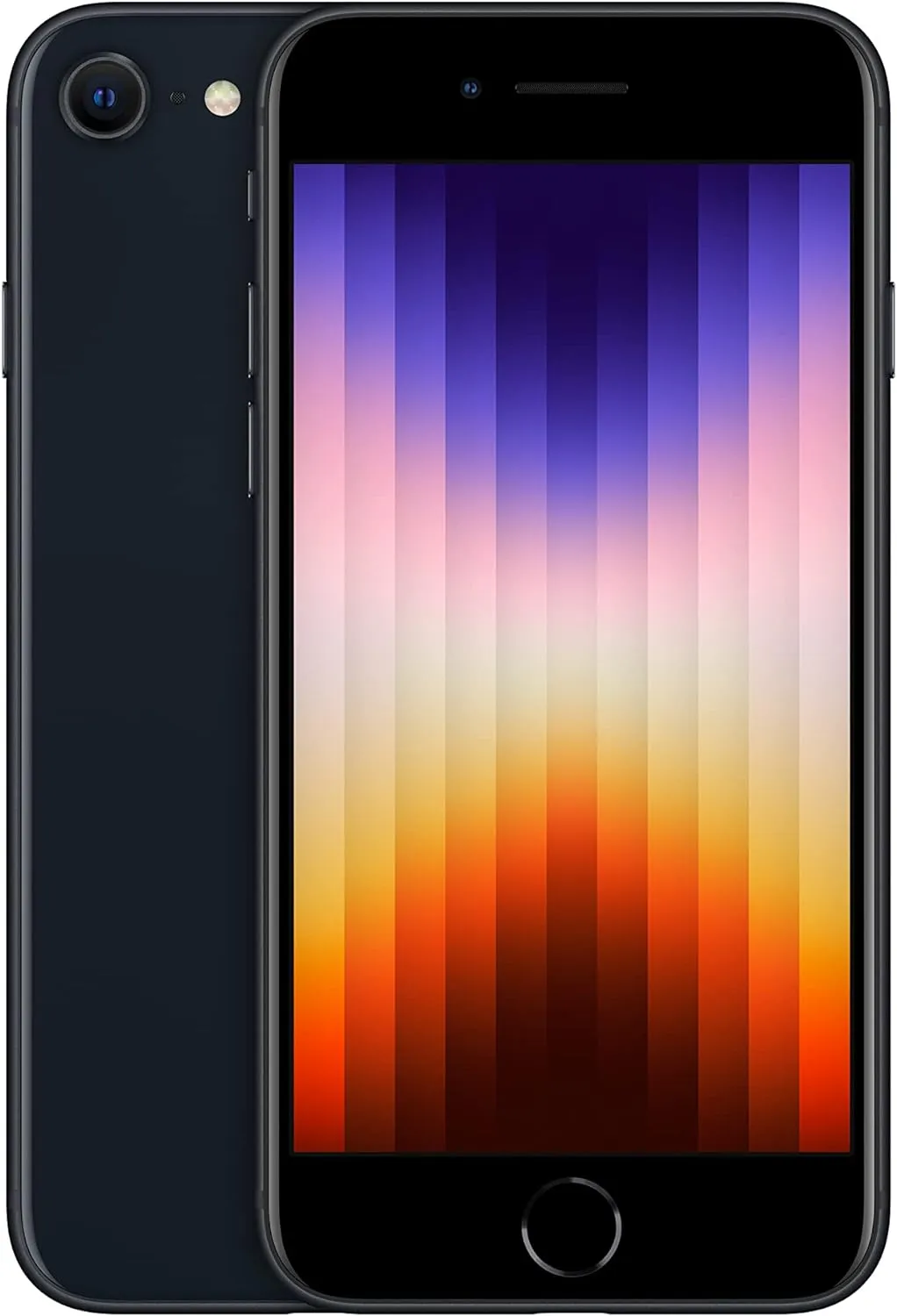
It is difficult to choose an Apple product under $400, but we firmly believe that the iPhone SE (2022) is the best option. Apple essentially discontinued the SE range in 2025 with the release of the iPhone 16e (review). Apple’s entry-level model is now the 16e, the company’s first new name since the 2020 “mini.”
Currently, the iPhone SE (2022) is only available through online retailers like Amazon. This budget iPhone features the powerful A15 Bionic chip, although it brings minimal upgrades compared to its predecessor. It offers a 12MP camera within a casing nearly identical to the iPhone SE (2020)—which itself resembles older models like the iPhone 8, 7, and 6s—and includes IP67 water resistance.
The most notable enhancement is 5G connectivity, which puts the iPhone SE (2022) on par with other smartphones under $400 on this list, aside from the improved SoC and more RAM (4 GB). After testing, we discovered that, despite certain issues, the gadget is still a great option for iPhone purchasers on a tight price.
Software support for the iPhone SE (2022), including complete iOS updates and security fixes, should last until roughly 2027 or 2028, according to Apple’s past trends. However, based on Apple’s future choices, precise timetables might change.
2022 Apple iPhone SE
Advanced single-camera system with 12MP Wide camera; Smart HDR 4, Photographic Styles, Portrait mode, and 4K video up to 60 fps
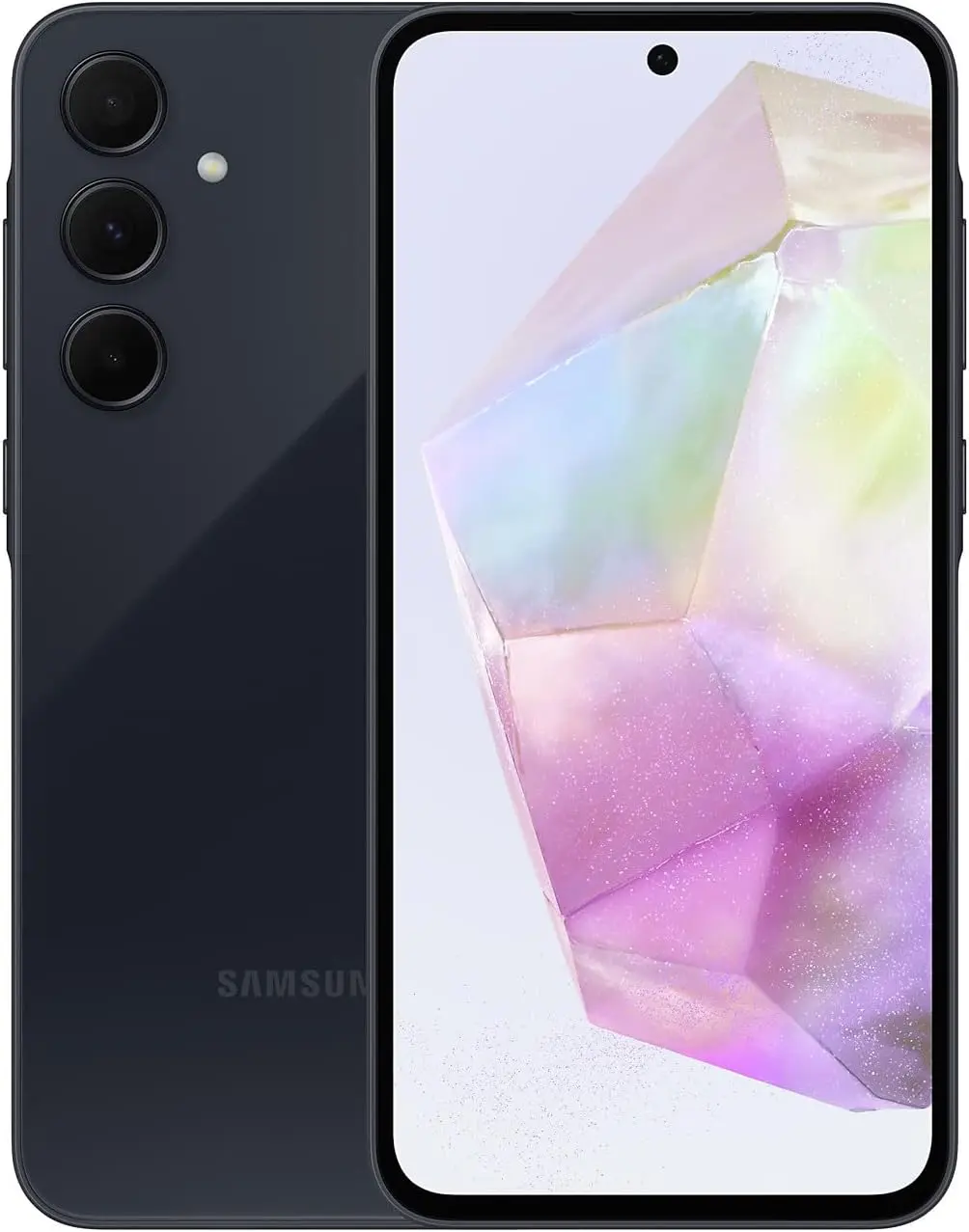
Surprisingly, Samsung chose not to distribute its well-liked Galaxy A55 in the US in 2024. As a mid-range substitute, the company instead unveiled the less expensive Galaxy A35.
In actuality, both models offer balanced camera capabilities, dependable battery life, and comprehensive software support, making them very comparable in terms of performance and specifications. The Exynos 1380 processor, which was used in the previous Galaxy A54 model, ensures seamless performance for daily use and light gaming on the A35.
Samsung has committed to providing software upgrades for the Galaxy A35 through 2029, making it the phone with the longest security support on this list. Although some more recent models provide even longer support, none of them now live up to this promise at this price point.
Samsung Galaxy A35 5G
6.6” FHD+ Super AMOLED w/Corning Gorilla Glass Victus+ – Resolution 1080 x 2340 pixels 256GB 8GB RAM – MicroSD up to 1TB
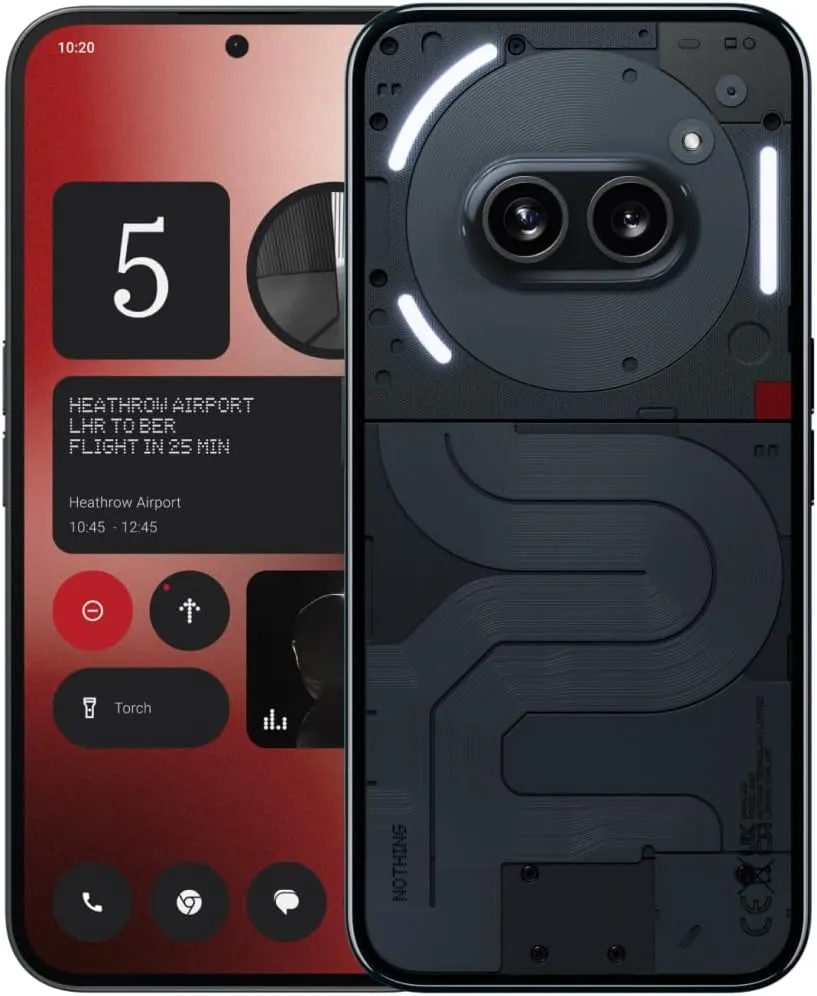
Nothing’s newest low-cost smartphone, the Phone (2a), has a great design and well-balanced specs, making it one of the most attractive mid-range phones.
It delivers endurance with four years of security patches and three guaranteed Android updates, together with a positive user experience with Nothing OS. Although the most recent Snapdragon chipset is not included, performance remains dependable.
The Phone (2a) has the longest battery life in its pricing range thanks to its large 5000 mAh battery that supports 45W rapid charging. The remarkable 17 hours and 2 minutes of runtime that our battery testing revealed allowed for comfortable two days of use between charges and comparatively quick recharging.
The primary compromise is the camera’s poor quality, especially in dimly lit areas. With its appealing screen, reliable performance, and very long battery life, the Nothing Phone (2a) is a well-rounded mid-range choice.
Nothing Phone (2a)
Nothing phone (2a) boasts Co-engineered with MediaTek,the custom Dimensity 7200 Pro processor delivers the best performance with optimal power consumption. NOTE:Only these carriers’ 5G network bands are supported,please check the bands before buying: T-Mobile n41,n66; AT&T n5,n66; Google Fi n41; Verizon Wireless n5,n38,n66; Cricket Wireless n5.
Our crew has carefully tested the top picks for our list of the best smartphones under $400, and we have added extra mentions to help you make an informed choice. Although this guide focuses on key aspects, I strongly advise reading our in-depth reviews before making a purchase.
We mainly took into account regular consumers looking for a balance between cost and usefulness while making this budget-friendly choice. To make sure you are selecting the greatest smartphone, I advise you to look over our larger list of top smartphones if flagship-level features or cutting-edge performance are important to you.
User Experience (UX). Smartphones priced around $400 often provide reliable performance for daily work, multimedia consumption, and casual gaming. Expect CPUs from the Qualcomm Snapdragon 7 series or MediaTek Dimensity range, which offer outstanding value even though they are not the most recent generation.
Battery life and display quality are also important. We selected smartphones with batteries ranging from 4,500 to 5,000 mAh, which can last a full day. While charging speeds in this price range are moderate, often between 10W and 15W in the United States, these devices provide adequate endurance. Display technology is constantly advancing, with many devices offering Full HD+ resolutions and refresh rates of up to 120 Hz, including the increasingly popular OLED screens.
Although the camera’s performance is suitable for most daily uses, there are certain limits to consider. Higher-megapixel sensors are common, although their quality differs greatly from flagship models. We suggest care when using multi-camera systems, as extra lenses such as macro or depth sensors may have limited practical applications.
Software and carrier compatibility are other important issues. Smartphones in this category often receive fewer software updates—one to two major Android versions after launch—so double-check the device’s update policy before purchase. Additionally, check compatibility with your carrier, especially if purchasing unlocked smartphones.
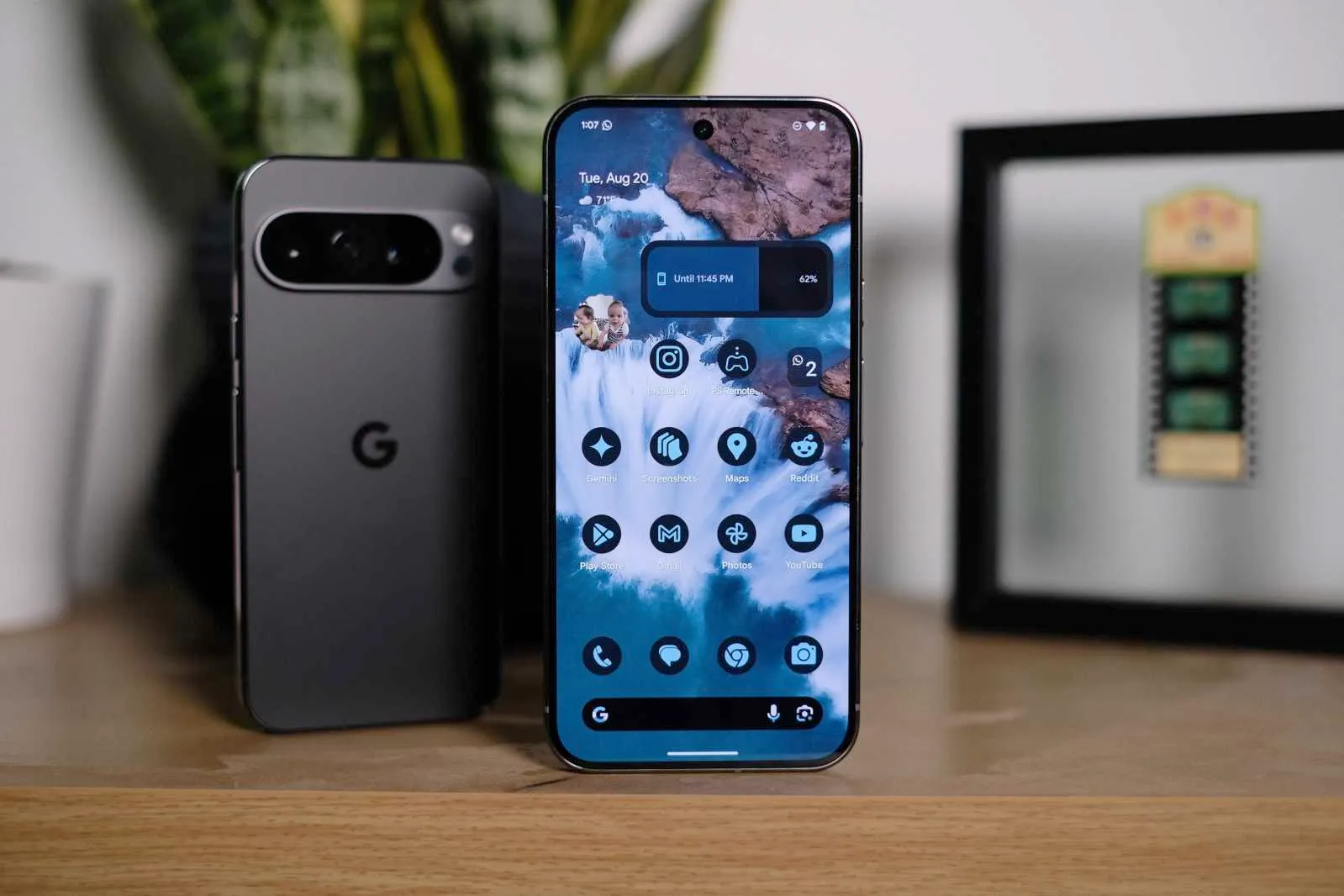
The home screen of your smartphone serves as the entryway to your digital life, and you may personalize it to improve its usability, functionality, and aesthetic appeal. This article explains how to customize your home screen for a genuinely one-of-a-kind experience, from altering the background to adding widgets and arranging apps.
Change wallpaper
The aesthetic tone of your smartphone is established by your wallpaper. Changing your wallpaper is easy, regardless of your preference for abstract art, beautiful landscapes, or intimate portraits.
On Android:
Long-press an empty space on the home screen.
Select Wallpaper or Wallpaper & style from the pop-up menu.
Choose a pre-installed wallpaper or select an image from your gallery.
Decide whether to apply it to the Home screen, Lock screen, or both
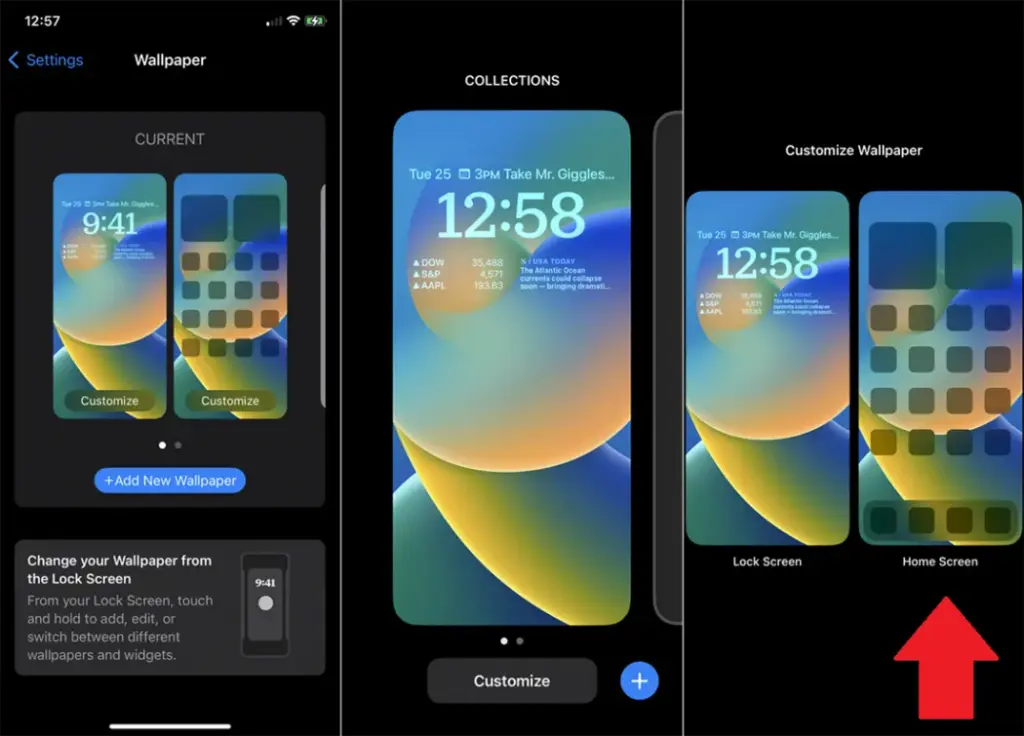
On iOS:
Open Settings > Wallpaper > Choose a New Wallpaper.
Select an image from Apple’s preloaded options or your photo library.
Adjust and tap Set to apply it to the Home screen, Lock screen, or both9
Add widgets for quick access
Without opening apps, widgets offer functionality and information at a glance.
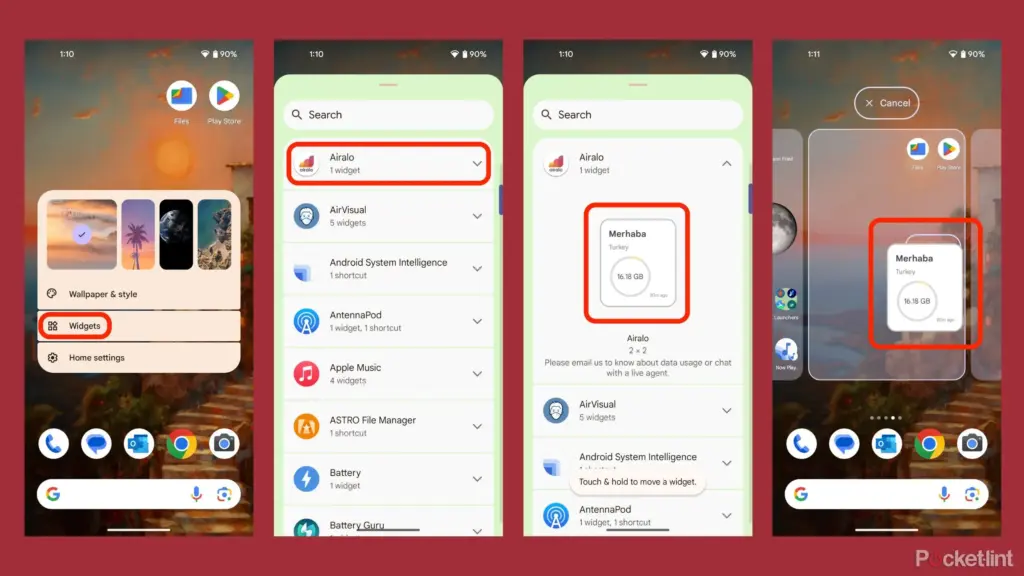
On Android:
Long-press an empty area on the home screen and tap Widgets.
Browse through available widgets (e.g., clock, weather, calendar).
Select a widget and drag it to your desired location on the screen.
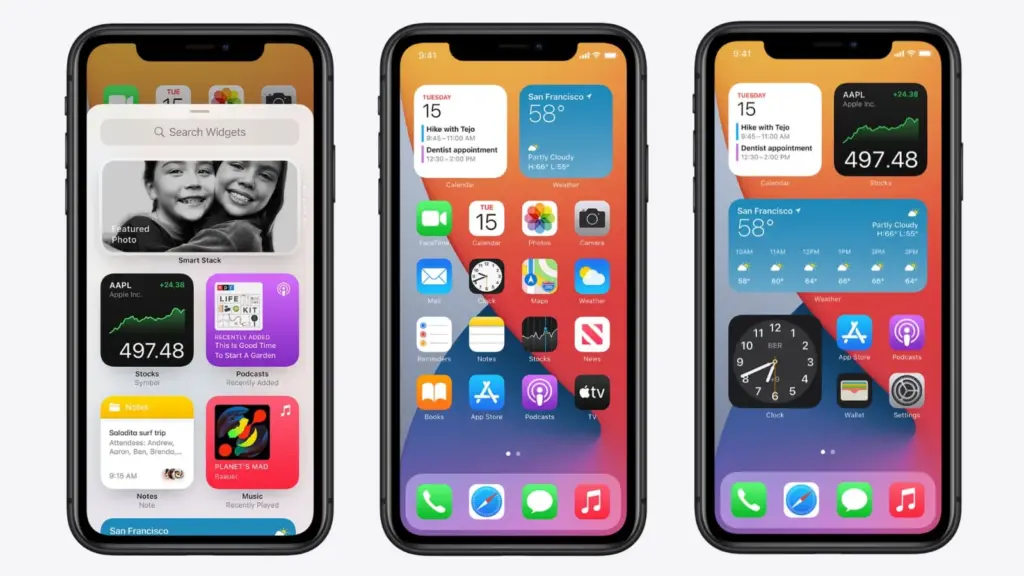
On iOS:
Touch and hold the Home Screen background until apps jiggle.
Tap the “+” icon in the upper-left corner.
Choose a widget from the list and select its size (small, medium, large).
Tap Add Widget, then drag it into place
Organize apps
A clutter-free home screen improves usability and makes navigation faster.
Create Folders:
Drag one app icon onto another to create a folder.
Add more apps by dragging them into the folder.
Rename folders by tapping on them and selecting the name field.
Arrange Apps:
Move frequently used apps to the first page of your home screen for quick access.
Drag icons to different pages or positions by holding and moving them.
Advanced Organization Tips:
Use themed rows (e.g., “Work,” “Social,” “Entertainment”).
Sort apps by frequency of use or color coding for visual appeal.
Use customization apps
Download specialized home screen customization programs like WidgetClub or Nova Launcher for more sophisticated customization choices including unique icons, fonts, and themes.
Benefits:
Access all-in-one themes that include wallpapers, widgets, and icons.
Customize grid layouts for app placement flexibility
Google’s upcoming midrange smartphone, the Pixel 9a, has finally been shown. It seems like a great deal on paper: you get a Tensor G4 chipset, a sizable 5,100 mAh battery, and a high-quality aluminum and plastic construction for $500.
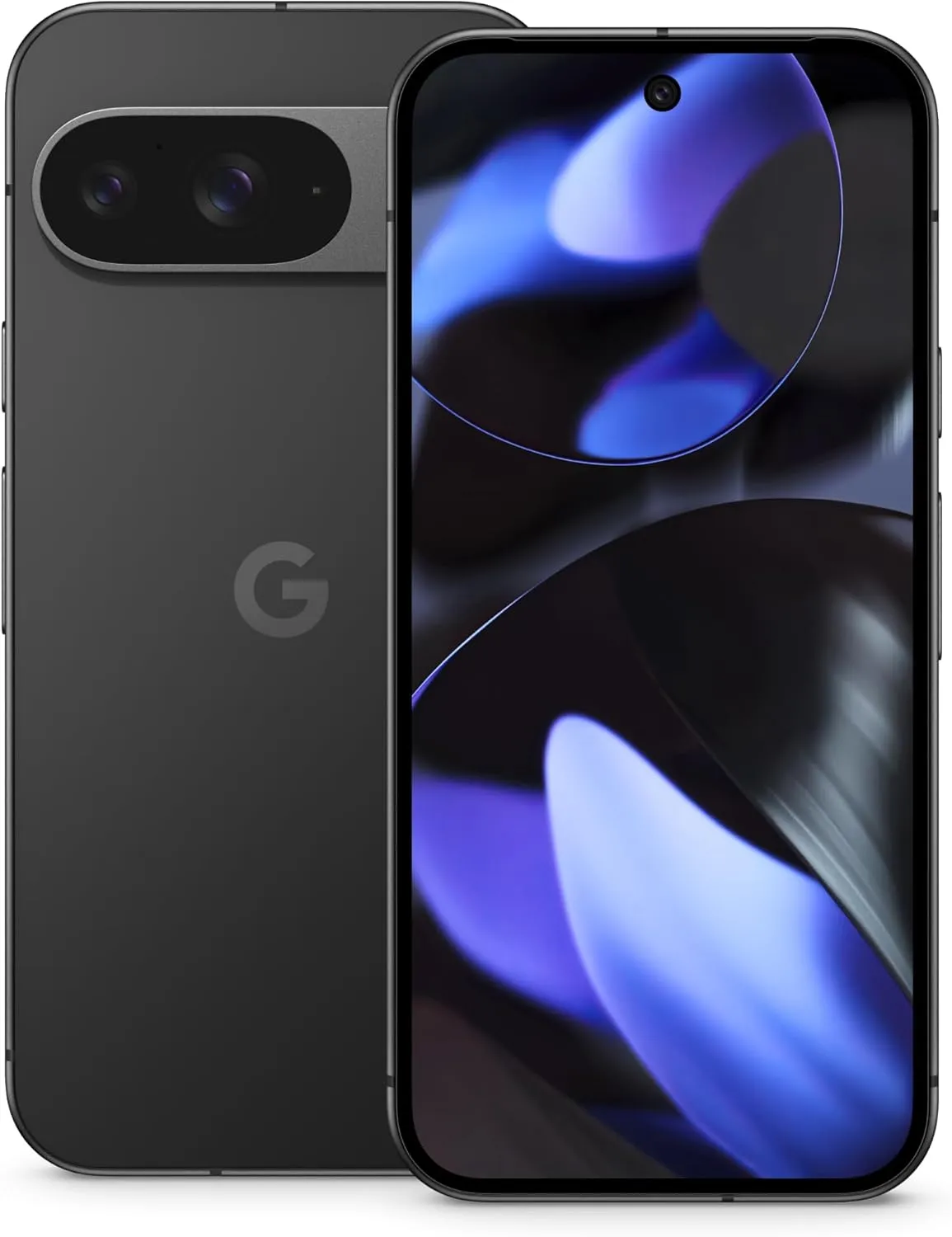
You may be asking why you would pay $300 more for the basic Pixel 9 when the 9a has so many advantages. However, a lot of capabilities that are unavailable on the 9a are still available on Google’s 2024 flagships. The Pixel 9 has the following five features, while the 9a does not.
Quality build materials
With the Pixel 9a, Google is continuing its tradition of using plastic for its midrange Pixel phones. While the standard Pixel 9 has a glossy glass back and stainless steel side rails, the 9a has a plastic back panel with aluminum side rails.
However, that is not necessarily a bad thing for the 9a. Google’s new midranger feels good, according to AP’s Stephen Radochia, who also noted that the phone has a frosted texture on the plastic rear, giving it “a premium look and feel.”
Nevertheless, the standard Pixel 9 has a more upscale structure than the new Pixel 9a, thanks to its glass and stainless steel construction. The standard Pixel 9 has a little more personality than the 9a because it also has the recognizable pill-shaped camera bump.
Better cameras
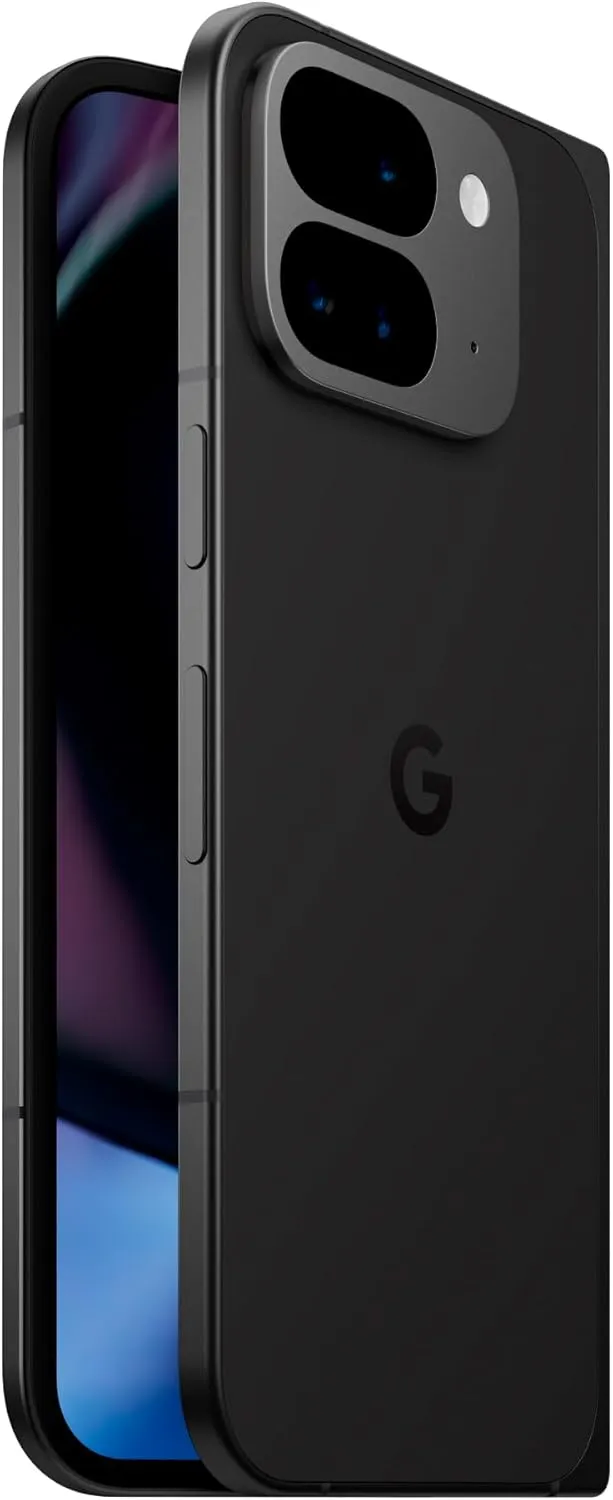
The cameras are the primary visible distinction between the Pixel 9 and Pixel 9a. Whereas the cameras on the Pixel 9a are nearly flat with the phone’s rear, the Pixel 9 boasts a large, thick, pill-shaped camera bar. Better cameras are housed in the 9’s large camera bar than in the 9a.
The Pixel 9 features a 48 MP f/1.7 ultrawide camera in addition to a 50 MP f/1.7 primary camera. The new Pixel 9a features a 13 MP f/2.2 ultrawide and a 48 MP f/1.7 primary camera. The standard Pixel 9 will undoubtedly have the advantage, but those figures do not fully capture the situation. We will have to wait to test the 9a’s cameras to see how they perform.
More RAM
After four generations of Pixel phones with eight gigabytes of RAM, the Pixel 9 features 12 gigabytes. In contrast, the Pixel 9a continues to use 8 GB. For most users, that will still be more than enough, although the ordinary Pixel 9 has far more RAM than the 9a.
This memory disparity also affects on-device AI capabilities. Instead of using the Gemini Nano XS model seen on the regular Pixel 9, the Pixel 9a will use the Gemini Nano XXS variant. While the 9a’s Gemini Nano XXS model can only interpret text input, the Pixel 9’s more powerful on-device AI can handle multimodal inputs.
Faster charging
In comparison to other Android flagships, none of Google’s phones charge very quickly; nevertheless, the ordinary Pixel 9 outperforms the Pixel 9a in this regard. Depending on the charger you are using, the Pixel 9 can be charged wirelessly up to 15 watts and tethered up to 27 watts. In contrast, the Pixel 9a has a maximum wired charging capacity of 23 watts and a maximum wireless charging rate of 7.5 watts.
Ultrasonic fingerprint reader
Ultrasonic fingerprint scanners on the Pixel 9 and Pixel 9 Pro use sound waves to detect the surface of your fingertip. The Pixel 9a has an optical fingerprint sensor that uses light to optically scan the surface of your fingertip. Ultrasonic sensors are quicker and more precise than optical ones, but pixel phones’ optical sensors have always been fine. Even though it is a minor benefit, the basic Pixel 9’s ultrasonic sensor nonetheless gives it an edge over the Pixel 9a.
Buy Google Pixel 9
Google Pixel 9 with Gemini gets the best of Google AI first, so you can take amazing photos, make edits like magic, and get things done even easier
In many important aspects, the Pixel 9 and Pixel 9a appear to be fairly similar on paper, and the 9a even has several advantages over the standard 9. Naturally, there are a few features that the more costly 9 has that the 9a does not. It is too early to tell how much these improvements will matter to most users because we have not had a chance to test the 9a. In the coming weeks, we will have more to say on the comparison between the 9 and 9a.
After a period of delay, silence, and technical challenges, Google has finally announced the launch date for the new Pixel 9a. The phone will go on sale on April 10 in the United States, Canada, and the United Kingdom.
Following those nations, the Pixel 9a will be released on April 14 in Germany, Spain, Italy, Ireland, France, Norway, Denmark, Sweden, the Netherlands, Belgium, Austria, Portugal, Switzerland, Poland, Czechia, Romania, Hungary, Slovenia, Slovakia, Lithuania, Estonia, Latvia, and Finland.
Finally, on April 16, the Pixel 9a will become available in Australia, India, Singapore, Taiwan, and Malaysia. The phone will ultimately be available in Japan, although there is currently no announced launch date.
The Pixel 9a was first unveiled earlier this month, with a starting price of $499 and no solid dates beyond a vague April availability frame. Since then, we have discovered that the firm encountered a component quality issue with the gadget, prompting it to push back the release window and review embargoes. This was done as a precaution, even though the problem appeared to affect just a limited number of units.
A potentially life-saving capability is being added to the Pixel Watch 3 for the first time. Google said in a blog post that the FDA had approved its Loss of Pulse Detection feature.
Your heartbeat is tracked by the feature. Your watch will immediately switch on more precise infrared LEDs and search for motion data if your heart stops beating, which could be caused by cardiac arrest, respiratory or circulatory failure, overdose, or poisoning.
The Watch 3 will initiate an audio alarm and countdown if it detects that you are not responding. If you do not react, the watch will use your phone or LTE connection to summon emergency services, let them know you do not have a pulse, and provide your position.
According to Google, the watch will be able to distinguish between a real cardiac event and the user taking it off. Although safety features like crash and fall detection are not new, they are not as good as this one, which is why the FDA had to approve it first.
Heartbeats are tracked by other watches, although they do so far less frequently than the Pixel Watch 3. For instance, the Apple Watch automatically measures heart rate every three to seven minutes.
Google collaborated with cardiologists.
Speaking to The Verge in August, Sandeep Waraich, senior director of product management for Pixel wearables, explained that pulse detection is a combination of pulse, heartbeat, contact with skin, and “a bunch of other things like motion.”
Google collaborated with cardiologists to develop the feature by learning what a pulse loss on watch insights looks like. An AI system was developed using that data and tested on hundreds of thousands of hours of real-world user data from a wide range of individuals. Google next replicated the kinds of falls that would mirror someone abruptly losing their pulse by using stunt actors wearing tourniquets, which would artificially generate a loss of pulse.
Google is releasing Gemini 2.5, another major AI update, just months after releasing the Gemini 2.0 Flash Thinking model. Gemini 2.5 Pro Experimental, the first model based on this new technology, is currently accessible to Gemini AI Studio and Advanced users.
Infused with reasoning
Google describes version 2.5 as its “most intelligent” AI model to date in a news release. It is the second of its kind and falls into the same category as Gemini 2.0 Flash Thinking, which is a thinking model. Gemini 2.5 differs from previous models in that it can use contextual intelligence, draw well-reasoned conclusions, and make educated decisions, going beyond the conventional “classification and prediction” method used by non-thinking models.
The Gemini 2.5 model, which was created as an improved version of Gemini 2.0 Flash Thinking, has a better base and more sophisticated post-training. Additionally, Google has shown ambitions to integrate Gemini 2.5’s reasoning capabilities into its non-thinking models.
New benchmark in AI reasoning
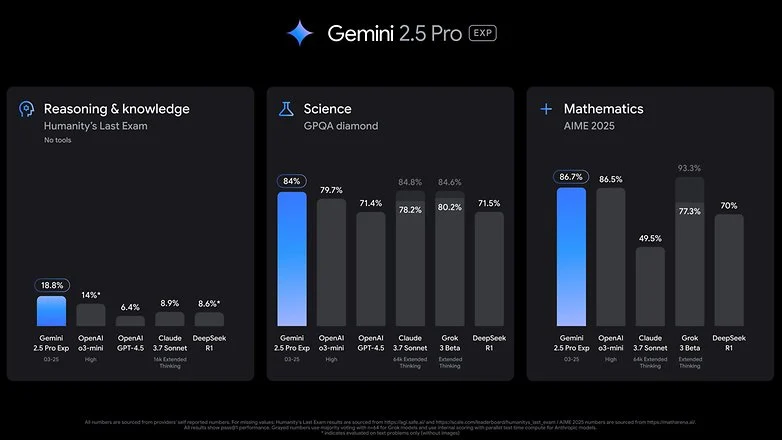
Gemini 2.5 Pro Experimental, the first product to use 2.5 version, is offered as a model option within Google’s AI services. Google claims that in the Humanity’s Last Exam test, which is a standard for AI knowledge and reasoning, The2.5 Pro Experimental has fared better than top reasoning models like OpenAI’s o3-mini and Claude 3.5 Sonnet. Furthermore, Gemini 2.5 Pro outperformed rivals like OpenAI’s GPT-4.5 and X’s Grok 3 Beta in math and science benchmarks.
With Gemini 2.5 Pro, Google also highlights improvements in software creation and coding. Coders, editors, and developers can use the concept to create “agentic applications and web apps.” It demonstrated its capabilities by creating a game from a single line of prompt in a demonstration video.
Currently, business and educational plans, as well as Advanced subscribers under One AI Premium, can access Gemini 2.5 Pro. Additionally, it can be accessed through Gemini Studio, and Vertex AI will soon be available as well. Google has said that it will shortly reveal the cost of extended access, even though usage is still restricted.
The release of 2.5 comes after Google opened up the Gemini 2.0 Flash and Deep Research models, as well as Gemini Live screen sharing, which was previously only available to subscribers. It is probable that the AI may soon be widely available due to this tendency.