Category: OS

In‑depth coverage of any OS, new features, privacy tools and ecosystem changes to keep your devices current and secure.

  • Android 15 update releases after US vacation for Pixel devices

    Android 15 update releases after US vacation for Pixel devices

    It has been rumored that the Google Pixel phones will receive the Android 15 upgrade on the 15th of next month. The upgrade, which is expected to be the final OS update for Pixel 6 phones, will launch the day following Columbus Day in the United States.

    While other phone makers can currently utilize Android 15, the Pixel series is expected to carry on the tradition of using “stock Android.” For the Google Pixel 9, which debuted with Android 14, this is the first OS upgrade. The Pixel 9 is guaranteed seven years of service, and updates will be coming out until Android 21.

    Although the Pixel 6 phones will still receive security upgrades for the next two years, Android 15 is probably the last version for them. You really should upgrade if your Pixel 5 or below. Google concurs as the Pixel 5 and previous Pixel phones will not receive the Android 15 update.
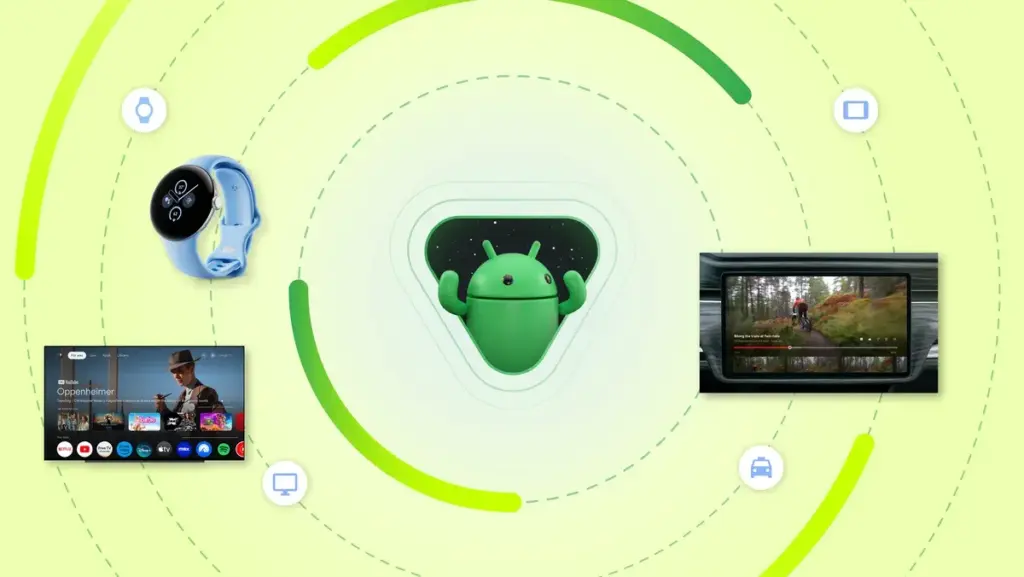
    android 15 update

    Ironically, the Pixel 5 would have received upgrades for an additional three years if it had also received seven years of support. Google has been promoting its newest phones for something else, even if Android 15 is huge news. You guessed it: artificial intelligence.

    Going back to the subject at hand, though, Android 15 will include a ton of new features. Allowing developers to use larger page file sizes is another really nice development coming from Google. To put it another way, Android is going to see a major speed increase.

    Hopefully, Android 15’s release will go more smoothly than whatever Apple has been doing this year. Following the release of visionOS 2 without some functionality and iOS 18 without Apple Intelligence, Apple was forced to stop updating the software since iPadOS 18 was bricking M4 iPad units. Not a nice appearance at all, in fact.

    Next year’s Galaxy S25 phones should be much better after Android 15 is released. We will also have some of the greatest phones available for both main operating systems if Apple fixes its issue.

    In addition, the Pixel 9 Pro Fold recently received a high repairability test score, so clearly Google is doing something right.
  • Native HarmonyOS is a tremendously inventive platform: Huawei

    Native HarmonyOS is a tremendously inventive platform: Huawei

    On the third day of Huawei Connect 2024, the OEM showcased the revolutionary capabilities of the native HarmonyOS. In terms of the user experience, efficiency, and self-developed software system, it also shares a few other accomplishments.

    According to Zhu Yonggang, President of Huawei Mobile Cloud, users will receive a fresh and inventive experience at their doorstep with the native HarmonyOS NEXT.

    The newest system architecture serves as the foundation for the new HarmonyOS, which is powered by distributed soft buses, native intelligence, and Star Shield protection. Together with ensuring an amazing appearance, these parts also guarantee quicker, more seamless, and safer device operation.

    HarmonyOS NEXT does away with all conventional foreign components. Compared to Linux, it is three times more efficient thanks to its pioneering microkernel. Because of its high level of security, this kernel has been certified at several higher industry levels.

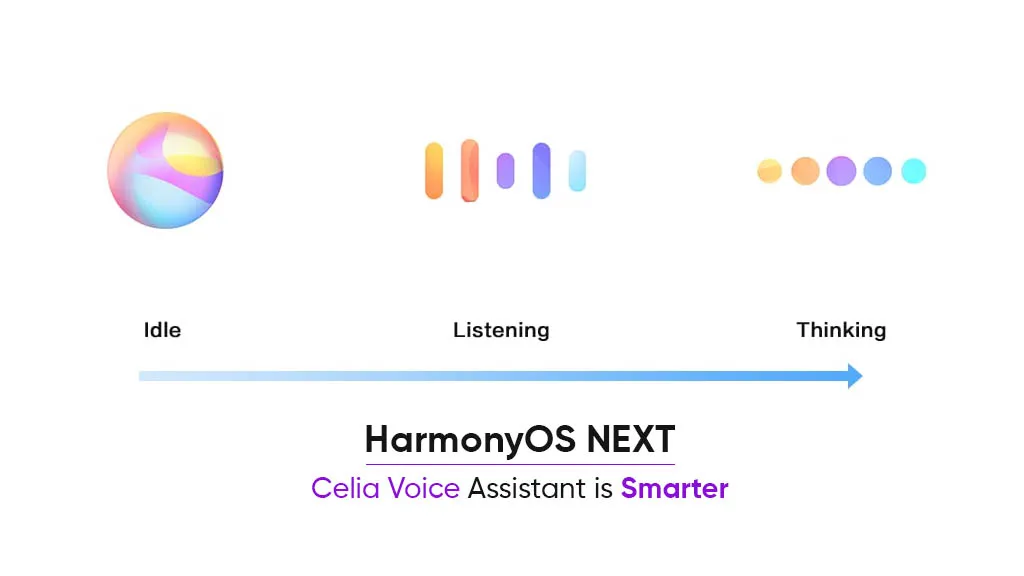
    The new self-developed OS’s intrinsic intelligence is another important component. To get the best and most complete intelligence for system apps, the company has reformed AI-centered intelligence. Celia is an excellent illustration of this element.

    The Assistant

    celia harmonyos

    Celia has reached a higher level. It has a ton of useful services and intriguing features. It links third-party apps to the HarmonyOS native app ecosystem and empowers the expansive Pangu AI model to oversee them. A new and more intelligent virtual assistant developed by Huawei is also ready and is built on the high-level interaction of large models.

    This helper is capable of thought, planning, artistic expression, and more organic user involvement. It provides a simple understanding so that users may more easily enjoy taking notes, asking inquiries, obtaining document intelligence, and recognizing dialogue on screen.

    Easier multi-device collaboration

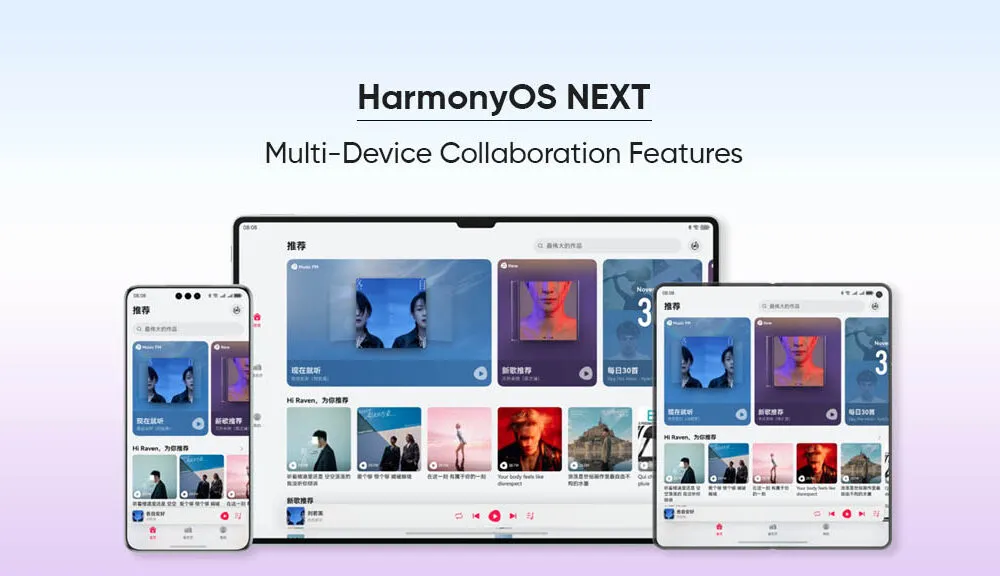
    Multi Device harmonyos

    According to Zhu, the HarmonyOS NEXT provides a smooth service flow and sharing encounter. Additionally, app continuation is supported. To seamlessly carry out one device’s task on another, just bring the two devices close together and click the pop-up icon.

    These gadgets might include laptops, smartphones, tablets, and even smart automobiles. Right now, the best instances of app continuation are Amap, DingTalk, and WPS. They even offer features like a copy-and-paste tool for the gallery that works across devices.

    The President goes on to say that HarmonyOS NEXT’s new Star Shield Security architecture makes it the most potent OS to date in terms of security and privacy. It oversees full-process purity, system security, and kernel security.

    The Huawei representative claims that HarmonyOS NEXT operates on a “one system, one ecosystem” basis. For this reason, it seeks to bring many objects and circumstances under the purview of interaction. The corporation makes an annual investment of about 6 billion yuan to support innovation inside the HarmonyOS ecosystem.

    Following the release of the HarmonyOS NEXT beta, the company released more than six versions. Additionally, it got more than a million comments and ideas.

    Perhaps the stable HarmonyOS NEXT version would be an extremely better software system for Huawei device owners.

  • On October 17, ColorOS 15 will be released, with an emphasis on AI.

    On October 17, ColorOS 15 will be released, with an emphasis on AI.

    The date of Oppo’s annual Oppo Developer Conference (ODC) has been announced as October 17, which is around one month away. The unveiling of ColorOS 15 will be the event’s high point.

    You can also infer what the new features will be about from the subject, “AI, One Step Closer.” Oppo will be exhibiting cutting-edge AI applications, technological innovation, novel approaches to enhancing user gaming experiences, insights into the future of transportation, and more during the ODC.

    ColorOS 15 will include a new feature called AI note assistant, which can arrange your notes intelligently and make any necessary edits with only one click.

    coloros 15 release date ai

    The OS and AI will be deeply integrated, and it appears that the main goals will be to enhance usability and performance. Based on Android 15, ColorOS 15 will include new features like enhanced multitasking on wide screens, private spaces, and device syncing of alerts.

    Mid-October is when Android 15 (AOSP) is anticipated to be ready; ColorOS 15’s release schedule will be revealed during ODC.

    While older models will be updated, the Oppo Find X8 series will be the perfect vehicle for ColorOS 15. It will have Oppo’s take on a Camera Control button, a Dynamic Island-type UI and a magnetic charging system, to complete the Apple-inspired trifecta.

  • What is the Enhanced Edition of Xiaomi HyperOS?

    What is the Enhanced Edition of Xiaomi HyperOS?

    Xiaomi revealed the HyperOS Enhanced Edition beta version of the operating system, which will act as a testing ground for many system-level improvements and core experience optimizations. The new HyperOS Enhanced Edition is a separate subset of Xiaomi’s HyperOS operating system that will now act as a testbed for novel technical solutions at the kernel level, or innovations that are eventually incorporated into Xiaomi’s core operating system following extensive testing and improvement.

    The main goal with HyperOS Enhanced is to release a HyperOS based on Android 15.

    hyperos

    Primary Features of Xiaomi HyperOS Enhanced Edition Beta

    • Optimized Core Experience: HyperOS Enhanced puts much effort into refining system performance and optimizing user experience to perfect the bottom level of technical aspects in an operating system.
    • Android 15 Based: The Enhanced Edition will be sitting on Android 15 and serve as a bridge towards the adaptation of the upgraded version before the full changeover to HyperOS 2.0. Just like how some devices last year received MIUI 14.1, which was based on Android 14, here Xiaomi is doing exactly the same thing with Enhanced Edition.
    • Hardware Compatibility: The Beta release is targeted at working on a narrow range of devices only:
      • Xiaomi 14
      • Redmi K60 Extreme Edition
      • Xiaomi Pad 6S Pro 12.4

    Overview of Beta Recruitment and Registration Process

    The Xiaomi HyperOS Enhanced Edition beta recruitment period is set to begin on September 13, 2024, and end on September 17, 2024. To join up in vain, open the Xiaomi Community App, navigate to the “Experience Enhanced Beta” section, and then follow the prompts on the screen. By the end of September 2024, eligible customers will receive a notification with instructions on how to install the beta update.

    By working together, developers and tech enthusiasts will be able to contribute to the improvement of the Xiaomi HyperOS by increasing its performance and user experience. The Xiaomi HyperOS Enhanced Edition is not a beta; rather, it is more of a test drive for a future Xiaomi operating system, giving users a firsthand look at what is in store long before HyperOS 2.0 is released. This beta discusses one of the main tenets of Xiaomi’s approach to incorporating community feedback into its main software releases.

  • Popular custom Android ROM Pixel Experience is shutting down

    Popular custom Android ROM Pixel Experience is shutting down

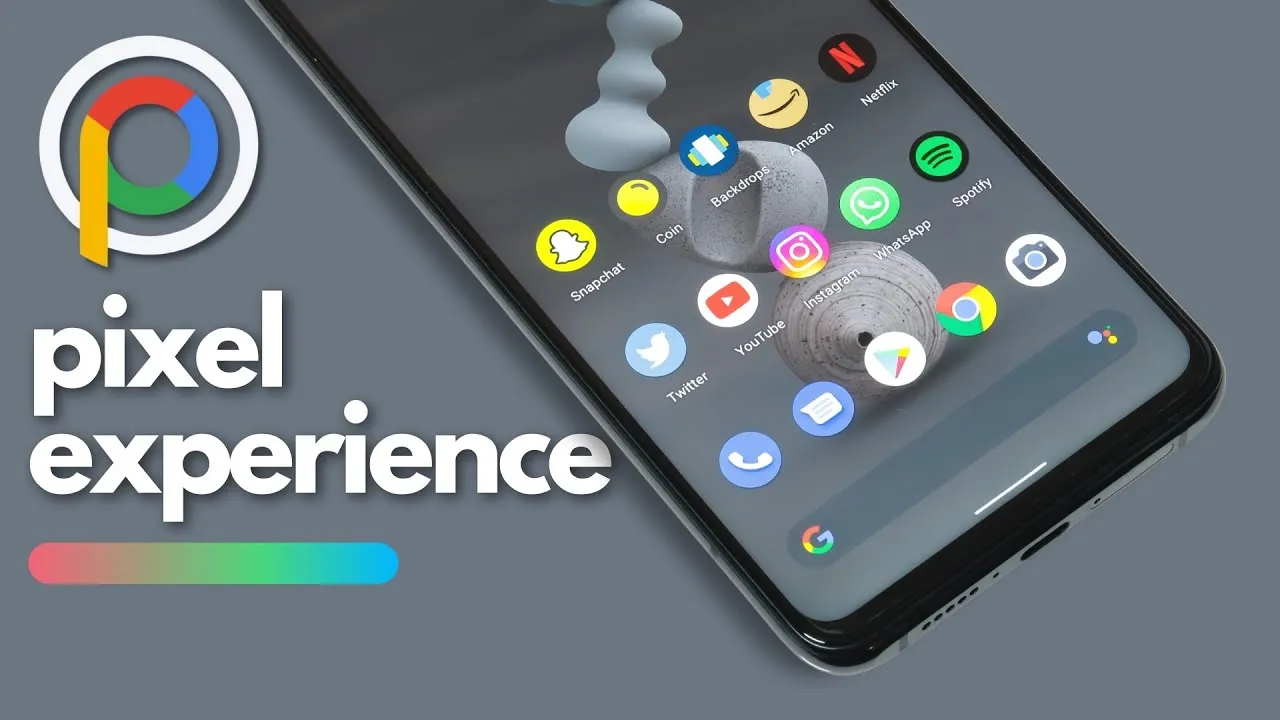
    What happens if you like the Google Pixel phone’s software but not the hardware? Using a modified Android ROM to give other OEM phones the Pixel experience is the best method to get around this problem.

    Precisely what the Pixel Experience ROM accomplished. Regretfully, however, the project’s lead developer declared today that he is ending the work. He clarified in a short blog post that while he will not be making any further builds, prior versions of the ROM will still be accessible.

    José Henrique wrote in the post, “I share crucial information with you today with a feeling of thankfulness.” “After giving it some thought, I decided to finish developing Pixel Experience.

    It is interesting that Henrique chose not to directly address why he chose to end things. It is probable he does not have the time because he is too busy with other initiatives. Another possibility is that he is not as excited about the idea as he once was. It is odd that he does not explain the sudden decision—if only partially.

    In any case, it is feasible that a different developer will take up the project or start a new one with comparable objectives. Although the community for custom ROMs has dwindled over the last ten years, people who want to flash alternate builds on their Android smartphones will always exist.

    Check Web Design Tralee if you need a nice design for your website.

  • Android 14 confirmed on following Motorola devices

    Android 14 confirmed on following Motorola devices

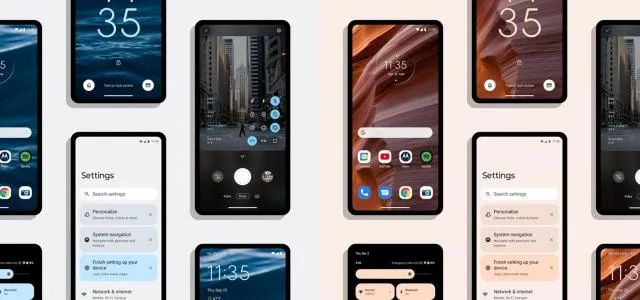
    Although manufacturers do not coordinate release dates and some choose not to disclose software update release dates at all, consumers always want to ensure they have the most recent software to get the most out of their devices. As Motorola and its smartphones gain popularity, the company is taking advantage of its opportunity to gain a competitive edge — and extending the availability of Android 14 to do so. Android 14 has been available since October, but its launch has been staggered across eligible devices.

    As spotted on Motorola’s support page, the company is beginning to roll out the Android 14 update to more of its devices (via Phone Arena). Of the Razr line, the 40; 40 Ultra; Razr+ (2023); Razr (2023); and Razr (2022) will receive the software update.

    android 14 motorola

    From the Edge series, those who have the Edge+ (2023); Edge (2023); Edge+ (2022); Edge (2022); Edge+ 5G UW (2022); Edge 40 Pro; Edge 40 Neo; Edge 40; Edge 30 Ultra; Edge 30 Pro; Edge 30 Neo; Edge 30 Fusion; and Edge 30 will get the update. Finally, G Series device owners won’t be left out — those who have the 5G (2023); Stylus 5G (2023); Stylus (2023); Power 5G (2023); G84 5G; G54; G73 5G; G53 5G; G23; and G14 will get Android 14, too.

    Motorola has confirmed that its Lenovo ThinkPhone will receive Android 14 as a part of the rollout, but generally speaking, no dates or timelines have been publicized.

    The tech giant has been slow to release Android 14, but as more people start using its phones, its popularity is growing. In part, this is because Motorola has continued to explore the possibilities of foldable designs, even as other companies release touchscreen devices with flat displays.

    For example, the Razr series has maintained its foldable look, and excitement is building for the 2024 series. Rumor has it that, in contrast to last year, Verizon may carry the Razr+ 2024. It is also speculated that the device may sport the Snapdragon 8 Gen 3 SoC, which would be a welcome upgrade from the Snapdragon 8+ Gen 1 SoC used in its predecessor.

    You are not alone if you have not given Motorola devices much thought lately; the company’s rivals have made it harder for the Lenovo-owned behemoth to keep up its reputation as a household name.

    But, as Motorola starts a fresh campaign to regain ground, it might be worthwhile to give their products another look; they might not be as eye-catching as other flagship devices, but the company seems determined to improve its reputation.

  • Sony updates their array of smartphones for 2022 with Android 14.

    Sony updates their array of smartphones for 2022 with Android 14.

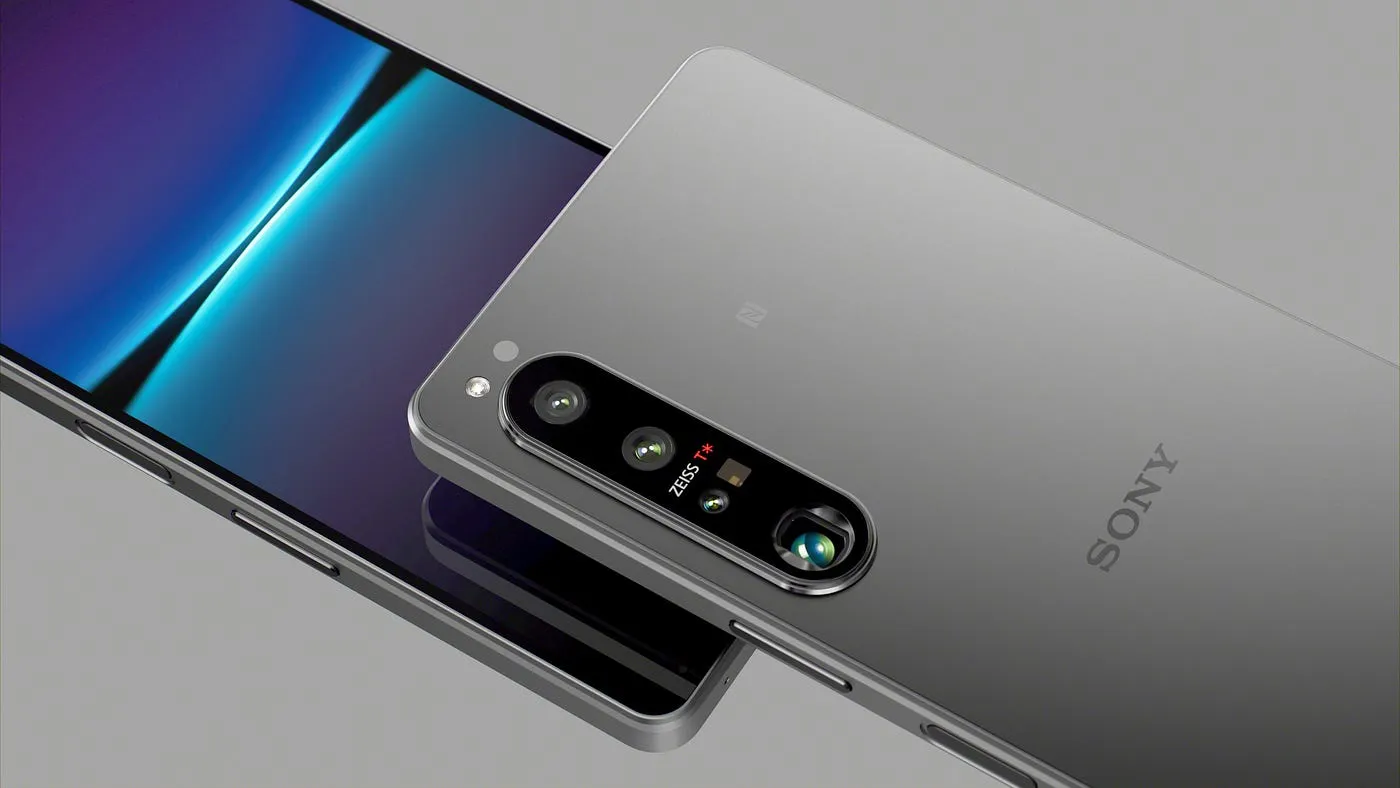
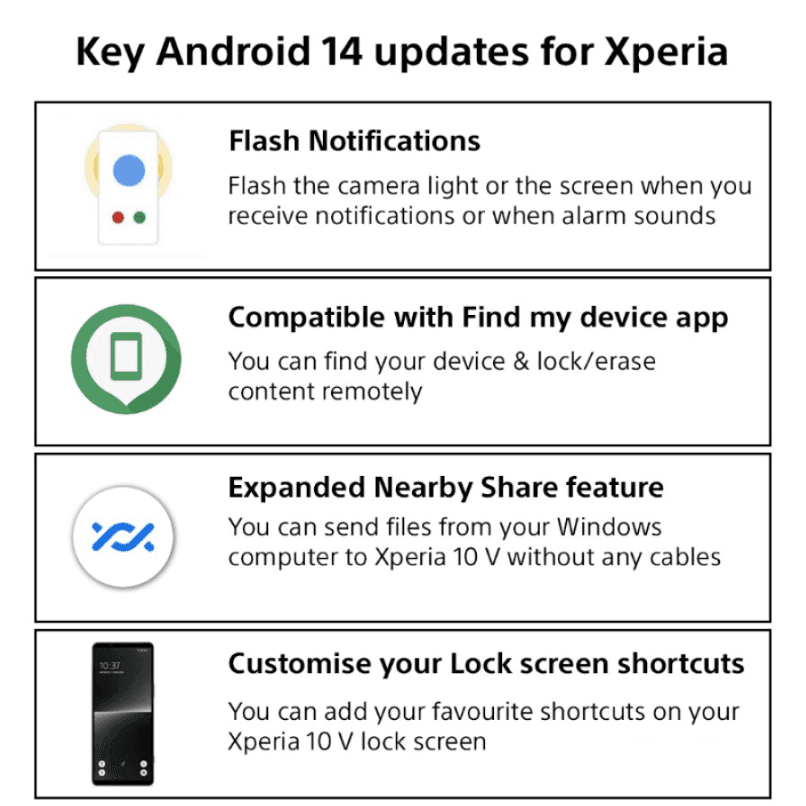
    The Xperia 1 IV, Xperia 5 IV, and Xperia 10 IV are among the smartphones in Sony‘s 2022 portfolio that are now receiving the Android 14 update. These devices receive all of Android 14’s customization and security features in addition to some additional, exclusive customizations.

    sony update android 14

    The updates will likely follow a scheduled release meaning some regions will get the update quicker than others.

    Source (post on X.com)

  • HyperOS Global is set to launch on 11 smartphones from Xiaomi, Redmi, and POCO.

    HyperOS Global is set to launch on 11 smartphones from Xiaomi, Redmi, and POCO.

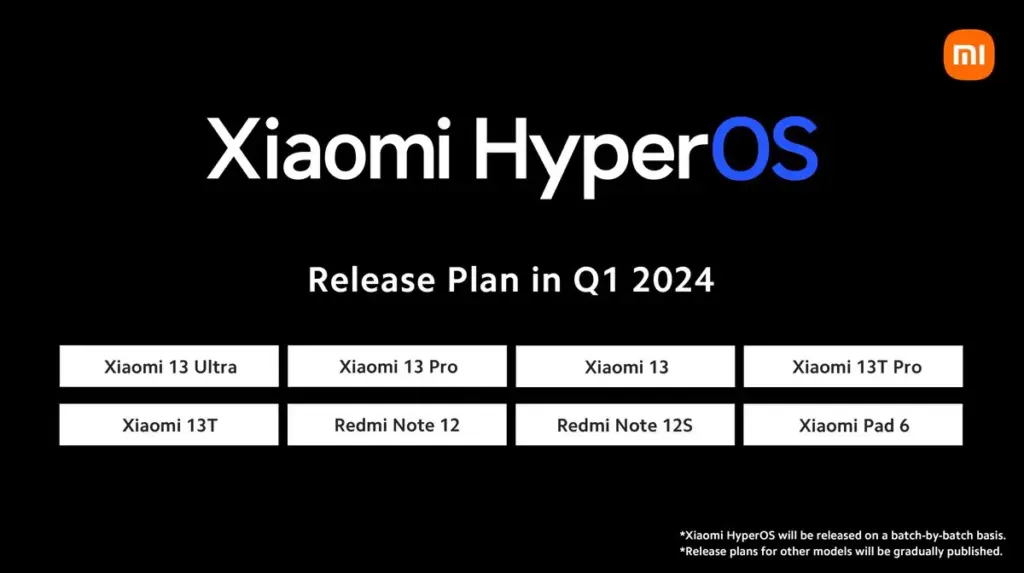
    With the official launch of HyperOS, Xiaomi created quite a stir. Many are curious about when the HyperOS update will become available globally. The smartphone maker has been working on the HyperOS Global update for 11 models, which indicates that the update will arrive soon and millions of people will be able to experience HyperOS immediately.

    HyperOS Global Coming Soon

    What sets Xiaomi apart from the competition is its optimization of HyperOS. With this new interface, which enhances system animations and reworks the interface among other things, HyperOS Global will have all of these features. Xiaomi is currently testing HyperOS Global and is prepared to roll out new updates.

    HyperOS Global will be available for 11 smartphones on the Xiaomi server.

    HyperOS Global Launch

    Which smartphones will be the first to receive this new update?

    Here are the 11 smartphones that will get HyperOS Global! This information is taken from the Official Xiaomi server, so it is reliable. HyperOS Global update has been confirmed by Xiaomiui. These builds are expected to start rolling out to users very soon. Millions of people are asking when HyperOS Global will be released and are impatiently waiting for the new update to come to their devices.

    Based on Android 14, HyperOS is a user interface that will bring a major Android update to smartphones. The HyperOS Global update will be released to users in the HyperOS Pilot Tester Program first, and we have leaked the HyperOS Global Changelog to give you an idea of what to expect when HyperOS Global is released globally.

    Official HyperOS Global Changelog

    • Global aesthetics draw inspiration from life itself and change the way your device looks and feels
    • New animation language makes interactions with your device wholesome and intuitive
    • Natural colors bring vibrancy and vitality to every corner of your device
    • Our all-new system font supports multiple writing systems
    • Redesigned Weather app not only gives you important information, but also shows you how it feels outside
    • Notifications are focused on important information, presenting it to you in the most efficient way
    • Every photo can look like an art poster on your Lock screen, enhanced by multiple effects and dynamic rendering
    • New Home screen icons refresh familiar items with new shapes and colors
    • Our in-house multi-rendering technology makes visuals delicate and comfortable across the whole system
    • Multitasking is now even more straightforward and convenient with an upgraded multi-window interface

    Many smartphone models are scheduled to receive an update to the state-of-the-art HyperOS Global. Stay tuned for the most recent information on HyperOS Global developments. The details as of right now are as follows. To view a detailed list of devices that qualify for the HyperOS update—which Xiaomi, Redmi, and POCO models are included—visit our special article titled “HyperOS Update Eligible Devices List: Which Xiaomi, Redmi, and POCO Models Will Receive HyperOS?” We look forward to hearing your thoughts on the upcoming HyperOS Global update; please feel free to leave a comment.

  • Pixel smartphones with Google Tensor chips are receiving a unique kernel update.

    Pixel smartphones with Google Tensor chips are receiving a unique kernel update.

    As noted by Mishaal Rahman on Twitter/X, Google appears to be working on updating the Linux kernel on all Tensor-powered Pixels. Specifically, the evidence presented suggests an update to version 6.1, which was released in December 2022 and is the second-to-newest version of the kernel, with 6.6 having been released in October 2023.

    Release of new software updates on a regular basis is one of the biggest selling points of a Pixel device, and it appears that Tensor-powered Pixels are about to receive a rare software update that updates the kernel used in the background.

    While there’s no word on what a kernel upgrade might change, this is notable for a couple of reasons.

    Google Tensor Image

    One of the comments mentions that “some Pixel devices” will be released with version 5.15 on “Android V,” which is Android 15. That also suggests that the timeline at play here is not in the immediate future but rather sometime after Android 15’s release. The 5.10 kernel version will see its end-of-life date in December 2026, so it most likely will not be too long after. For starters, this update would put all Tensor-powered Pixels on the same kernel. Pixel 6 and forward all ran on version 5.10 until the launch of Pixel 8, with 8 and 8 Pro running version 5.15.

    Updates to the kernel typically do not affect the user experience much, but they can have a significant impact on how your device functions. This includes performance and battery life. Custom kernels were a fairly common feature back when Android modding was more common.

  • HarmonyOS NEXT is growing to be a totally independent O.S.

    HarmonyOS NEXT is growing to be a totally independent O.S.

    Huawei is scheduled to release HarmonyOS NEXT on January 18, which represents a significant advancement in the company’s software goals. Unlike HarmonyOS 4, which was built on the Android Open Source Project (AOSP) as its foundation, HarmonyOS NEXT is entirely based on Huawei‘s proprietary Harmony kernel, which means that it does not support Android compatibility or the direct execution of existing Android apps (APKs).

    HarmonyOS Next breaks free from Android

    This bold move presents a unique opportunity for Chinese developers: since native apps are now the only language supported by HarmonyOS NEXT, there will be a huge demand for programmers who understand its architecture. As a result, more than 400 software companies from a variety of industries, including games, finance, travel, and navigation, have already jumped on board and developed applications specifically for HarmonyOS NEXT.

    HarmonyOS Next breaks free from Android

    Furthermore, research firm TechInsights projects that by 2024, HarmonyOS will have overtaken iOS as the second most popular mobile operating system in China as a result of this calculated move, which could pose a serious threat to Android’s hegemony in the nation.

    Though the potential is evident, there are still obstacles to overcome. Establishing an app ecosystem from the ground up is no easy task, and gaining widespread app adoption—especially from international players—will be essential to long-term success. That being said, NEXT marks a significant turning point in the company’s journey towards software independence and opens the door for a potentially competitive alternative in the mobile market.

    HarmonyOS NEXT: future

    • Independence achieved: Huawei’s latest OS, HarmonyOS NEXT, ditches its Android roots and relies entirely on its own Harmony kernel.
    • No legacy baggage: Existing Android apps (APKs) won’t run on NEXT, demanding native app development.
    • Developer boom: 400+ Chinese companies are already building apps for this new platform, creating job opportunities.
    • Market ambitions: Predictions suggest HarmonyOS NEXT could become China’s #2 mobile OS by 2024, potentially surpassing iOS.
    • Challenges ahead: Attracting global app developers and building a robust app ecosystem remain crucial hurdles.
    • A turning point. This marks a significant step towards Huawei’s software independence and opens doors for a new competitor in the mobile landscape.