The world’s flagship phone owners can prepare for rollouts beginning early next year, with the newest models receiving priority. Xiaomi has unveiled its exciting HyperOS update, a stable release built on Android 14 for its top-of-the-line devices. However, there is a twist: not all Xiaomi devices will unlock the full spectrum of HyperOS features.
Xiaomi has decided to tailor the update based on different Android versions. Some lucky phones will jump straight to the Android 14-powered HyperOS, while others will receive a version tailored for Android 13.
The selected devices set to experience the Android 14-based HyperOS include Xiaomi Mi Mix Fold 2, 12X, Mi 11X, 11i / Hypercharge, Pad 5, Mi 10S, Redmi K40, Note 11 Pro 5G, Note 11 Pro+ 5G, Note 11 NFC, Redmi Note 11S, Redmi 10 / Prime, Redmi 10C / 10 Power, Poco X3 GT, Poco X4 Pro, Poco M4 Pro 5G, Poco M4 Pro 4G, Poco F4, Poco F3, and Poco F3 GT. This strategic approach ensures that users of specific devices will receive an optimized HyperOS experience tailored to the capabilities of their device and the Android version it operates on.
Xiaomi HyperOS global rollout in early 2024
Xiaomi recently began to roll out HyperOS 1.0, a stable update based on Android 14. This is a major software innovation step forward, bringing a plethora of new features and optimizations. While the initial release of HyperOS was restricted to five particular Xiaomi models in China, the global rollout is scheduled for mid-2024, with a primary focus on the newest flagship devices.
But not every Xiaomi device will go to HyperOS goodies. Xiaomi decided to divide the update according to Android versions, so some devices will get the Android 14-based HyperOS, while others will only get the Android 13 version. This separation is because some HyperOS features require the more sophisticated features that Android 14 brings.
These are the Xiaomi devices that will miss out on HyperOS
Here is a brief overview of the Xiaomi devices deemed worthy of the Android 14-based HyperOS:
Xiaomi Mi Mix Fold 2
Xiaomi 12X
Mi 11X
Xiaomi 11i/Hypercharge
Xiaomi 11i 5G
Xiaomi Pad 5
Xiaomi Pad 5 Pro 5G
Mi 10S
Redmi K40
Redmi K40S
Redmi Note 11 Pro 5G
Redmi Note 11 Pro+ 5G
Redmi Note 11
Redmi Note 11 NFC
Redmi Note 11S
Redmi 10/Prime
Redmi 10C/10 Power
Poco X3 GT
Poco X4 Pro
Poco M4 Pro 5G
Poco M4 Pro 4G
Poco F4
Poco F3
Poco F3 GT
Android13 was a challenge
Good news for owners of older Xiaomi devices: the company plans to release an update called HyperOS, which is based on Android 13, for these devices sometime in the second quarter of 2024. However, if your device receives this version, it will not have all the features that come with the full HyperOS package.
Nevertheless, while some devices will enjoy the full Android 14-based HyperOS experience, others will have to settle for a slightly scaled-down version. Despite the excitement surrounding the future of smartphone technology, not everyone will get to experience it in its entirety.
Hopefully, Xiaomi continues to push boundaries, ensuring that future updates are inclusive, bringing innovation to all corners of their extensive user base. Fans of Xiaomi are eagerly awaiting the HyperOS update, but the split based on Android versions adds some complexity to the situation.
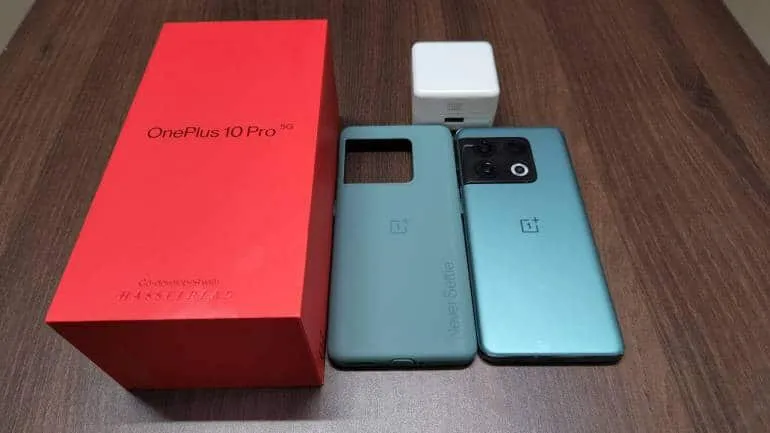
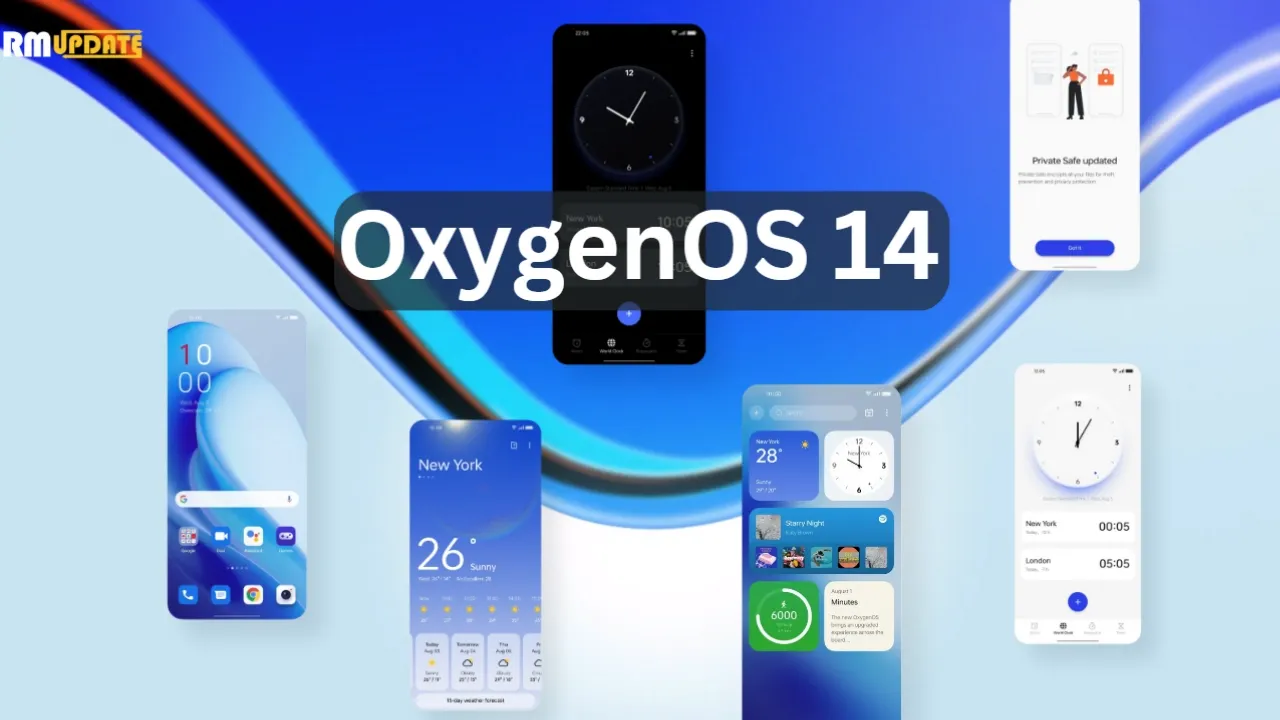
The OxygenOS 14 update, which is based on Android 14, is being rolled out by OnePlus on a number of models. The most recent model to receive this update is the OnePlus 10 Pro, which is currently only available to users in India. It is anticipated that this update will soon be made available to other regions.
As per the official announcement, users who participated in the open and closed beta builds will be the first to receive the stable update, with other users following suit. The build number for the current rollout is NE2211_14.0.0.202(EX01), and the update size is roughly 789 MB.
Keep an eye out for the update in your area as OnePlus keeps spreading OxygenOS 14‘s availability across its devices.
Here is the complete changelog of this new update:
Pantanal Service
• Adds Fluid Cloud, a way of interaction with morphing forms that allows you to view up-to-date information at a glance.
Smart efficiency
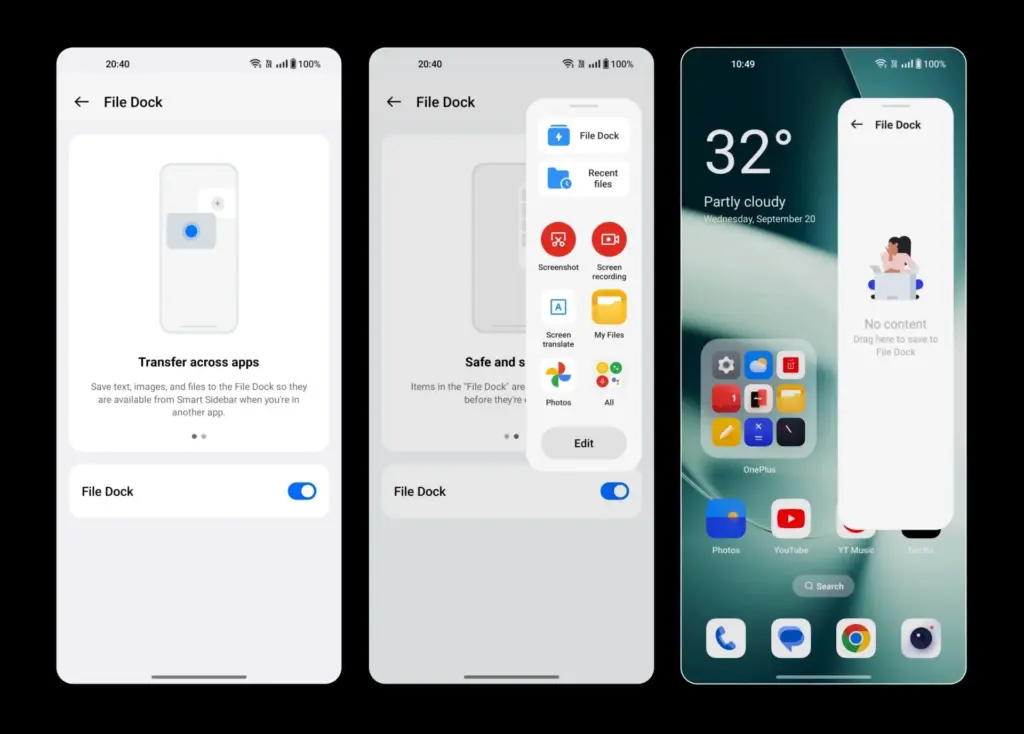
• Adds File Dock, where you can drag and drop to transfer content between apps and devices.
• Adds Content Extraction, a feature that can recognize and extract text and images from the screen with one tap.
• Adds Smart Cutout, a feature that can separate multiple subjects in a photo from the background for copying or sharing.
Cross-device connectivity
• Improves Shelf by adding more widget recommendations.
With the goal of increase user experiences across all of Xiaomi’s products, the company is preparing the release of its much awaited HyperOS 1.0, a cutting-edge integrated system based on Google’s Android 14. This new operating system is meant to accommodate the growing Internet of Things (IoT) ecosystem, seamlessly connecting various devices for enhanced performance and interconnectivity. HyperOS is built on Linux and leverages Xiaomi’s Vela system for enhanced efficiency and resource management. Moreover, Xiaomi is encouraging open-source development by utilizing Xiaomi Vela to create a human-centric ecosystem connecting personal devices, automobiles, and smart home technology.
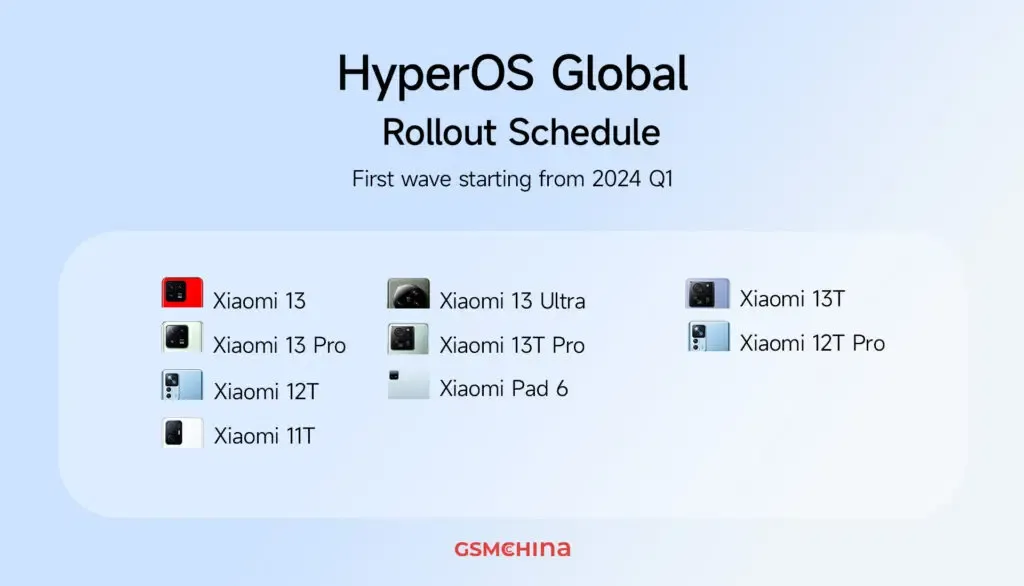
The first wave of updates to HyperOS 1.0 will cover nine devices, including different models from the Xiaomi 13 and 12 series as well as the Xiaomi Pad 6. GSMChina reported that Xiaomi has already published its update roadmap for Chinese models, but for the global audience, the rollout of updates is scheduled to begin in the first quarter of 2024.
Here’s the complete list of nine global devices that are set to receive the HyperOS 1.0
Xiaomi 13 Ultra
Xiaomi 13 Pro
Xiaomi 13
Xiaomi 13T Pro
Xiaomi 13T
Xiaomi 12T Pro
Xiaomi 12T
Xiaomi 11T
Xiaomi Pad 6
The official Xiaomi server has verified these updates, according to GSMChina. Devices that were not included in the initial release should expect updates in later HyperOS 1.0 releases. Xiaomi is currently in the final testing stage, collaborating with its engineering team to make sure HyperOS 1.0 is ready for daily use upon launch. The initial HyperOS domestic release is planned for December 2023 in China, accompanied by a wide array of devices, including smartphones such as the Xiaomi 14 (which comes pre-installed) and Redmi K60 Ultra, the Xiaomi Pad 6 Max 14-inch tablet, the Xiaomi TV S Pro series, the Xiaomi Watch S3, the Xiaomi Sound speaker, and the Xiaomi Smart Camera 3 Pro.
Today, OnePlus officially unveiled OxygenOS 14, the latest iteration of its Android 14 skin. Although OxygenOS 14 isn’t officially available yet, at least not in a stable state, OnePlus wants you to be prepared for it when it does. For the time being, it’s accessible as a second beta for the OnePlus 11 that includes all of the new features.
What new features are those? Truthfully, I’m not sure. Although OnePlus was gracious enough to invite us to a briefing on OxygenOS 14, it was challenging for me to learn much because the verbal word salad used to describe what this skin aims to do is more than my brain can process. This stuff is filled with laughable buzzwords and talking points. I’m fairly certain that it was created by a set of algorithms powered by artificial intelligence (AI) and a microchip inserted into the brain.
I’ll do my best to sum-up what OxygenOS will offer your OnePlus phone.
The Trinity Engine! I have no idea what this is, but OnePlus describes it as a combination of CPU, ROM, and RAM Vitalization, as well as the attachment of the capitalized word HYPER to rendering, touch, and boost. All you need to know is that they are powered by an algorithm…and they should make your phone feel faster and smoother for years to come.
OnePlus Cloud now integrates with Google Photos for backups. Cool.
File Dock “enables collection, analysis, and sharing of global information through the Dock or other applications simply by making gestures.” What? I think that means you have a system-level copy-paste-clipboard feature that works across your phone and tablet and PC. Maybe?
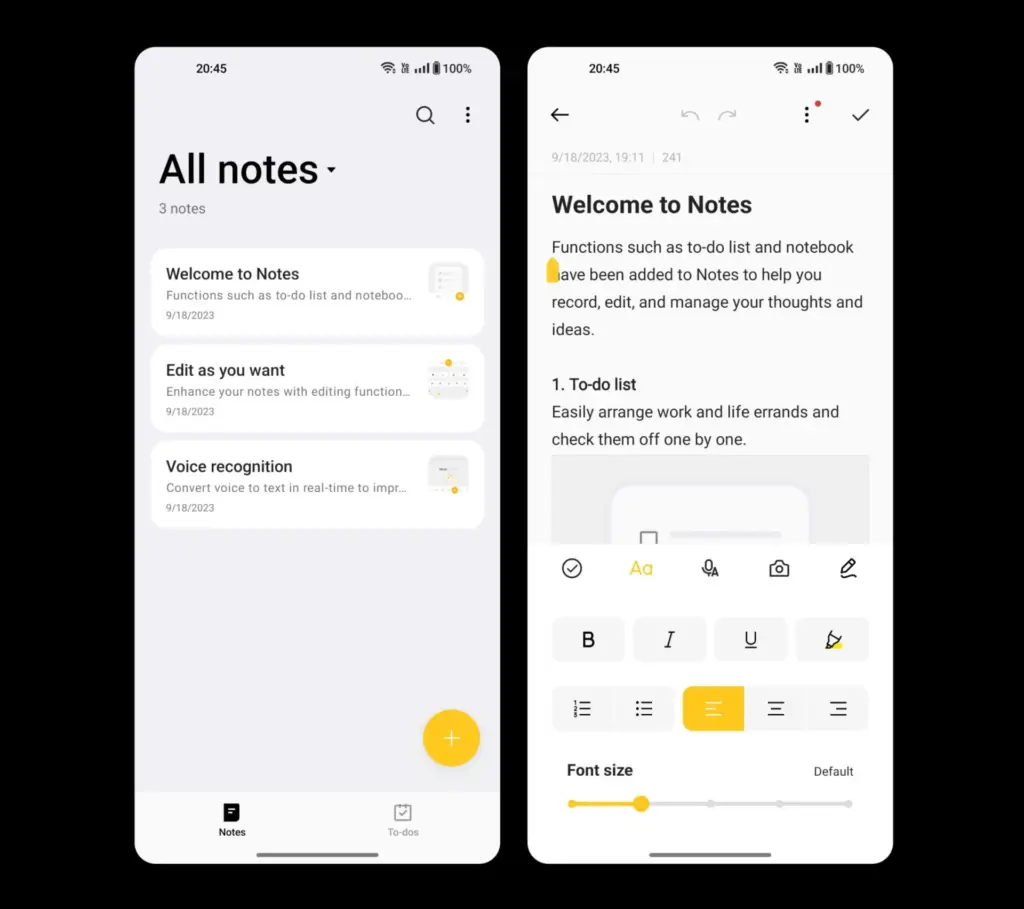
Notes app is more robust with a “touch of personality” that includes color, a creative font, and different sized text or images. You’ll also find note editing using underlines, strikethrough, and split lines, as well as categorization.
Smart Cutout allows you to long-press any person or pet in a full-size image (or on a paused video) to crop them out and then play with them as a wallpaper or poster. In OxygenOS 14, you can now identify up to 3 objects in a single photo.
Multi-Screen Connect 2.0 connects your OnePlus phones running OS 14 with a “faster and more stable” connection.
Clone Phone 2.0 lets you setup a new phone to quickly syncrhonize your network, account, and other basic settings.
Security Center from Android 14 is here, because this is Android 14.
Auto Pixelate 2.0 can now “intelligently detect formats like receipts, screenshots from social apps, car license plates, ID documents, boarding passes and more” to pixelate that sensitive info.
Fluid Cloud is apparently not a cloud service and is instead a new design on information presented through notifications and the status bar. It’s like water and liquid, or something, because it expands on OnePlus’ Aquamorphic Design. I just hope they fixed the way notifications work on the lock screen and in the pulldown.
Sounds from nature have taken over with new ringtones and notification sounds.
Go Green AOD is a new take on the always-on display that tracks your steps as you walk throughout the day to then let you know that you are reducing CO2 in the air because you didn’t drive a car.
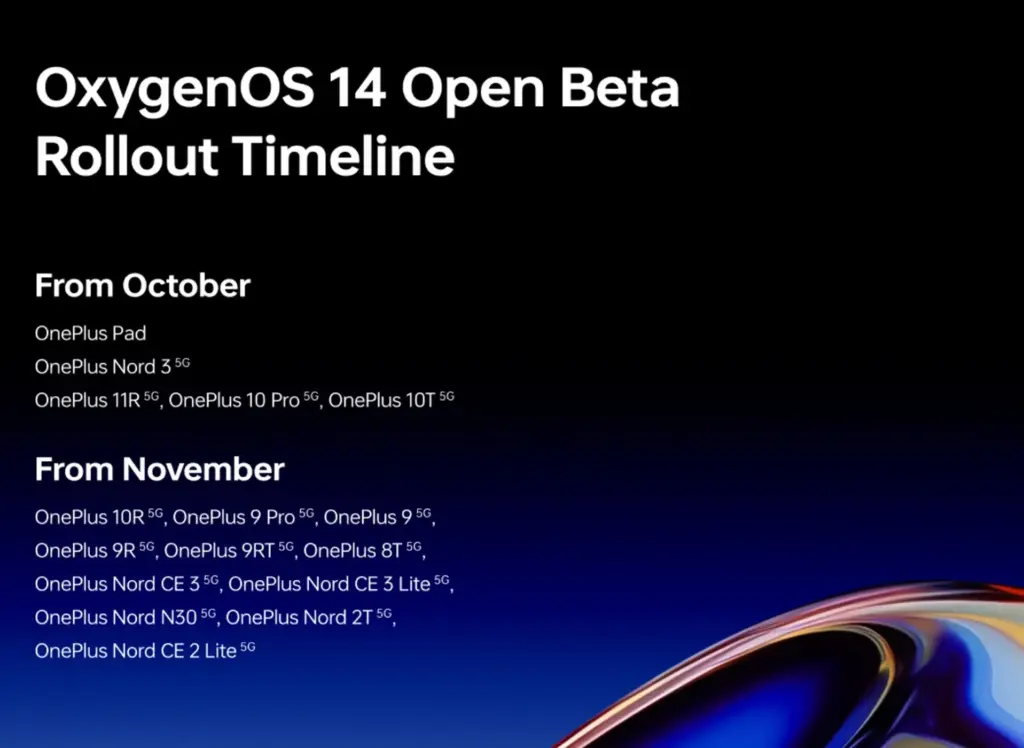
Once more, OxygenOS 14 Beta 2 is now available to OnePlus 11 users. There is no information yet on when it will become stable. You may expect beta builds for devices including the OnePlus Pad, Nord 3, OnePlus 11R, 10 Pro, and 10T in October. In November, beta builds will be released for yet another set of hardware. Below is a list of everything on it.
Although MIUI 15 has been planned for development and release by Xiaomi for a number of years, it is still in the alpha testing phase. Yet this marks the first time that MIUI 15 has been reported to have appeared on MIUI.com without the words “alpha” or “test” next to it. Sadly, this time only a text string was discovered in a webpage’s HTML code; there was no beta test version released into the open. Yet, its release represents a significant turning point in the development of MIUI 15.
Although MIUI 15 has been planned for development and release by Xiaomi for a number of years, it is still in the alpha testing phase. Yet this marks the first time that MIUI 15 has been reported to have appeared on MIUI.com without the words “alpha” or “test” next to it. Sadly, this time only a text string was discovered in a webpage’s HTML code; there was no beta test version released into the open. Yet, its release represents a significant turning point in the development of MIUI 15.
Many Xiaomi consumers are still awaiting the MIUI 14 upgrade for their devices even though MIUI 15 is still a few months away. It is yet unknown whether all eligible devices will be updated before the launch of MIUI 15, as delayed upgrades are never helpful for a tablet or smartphone manufacturer’s reputation.
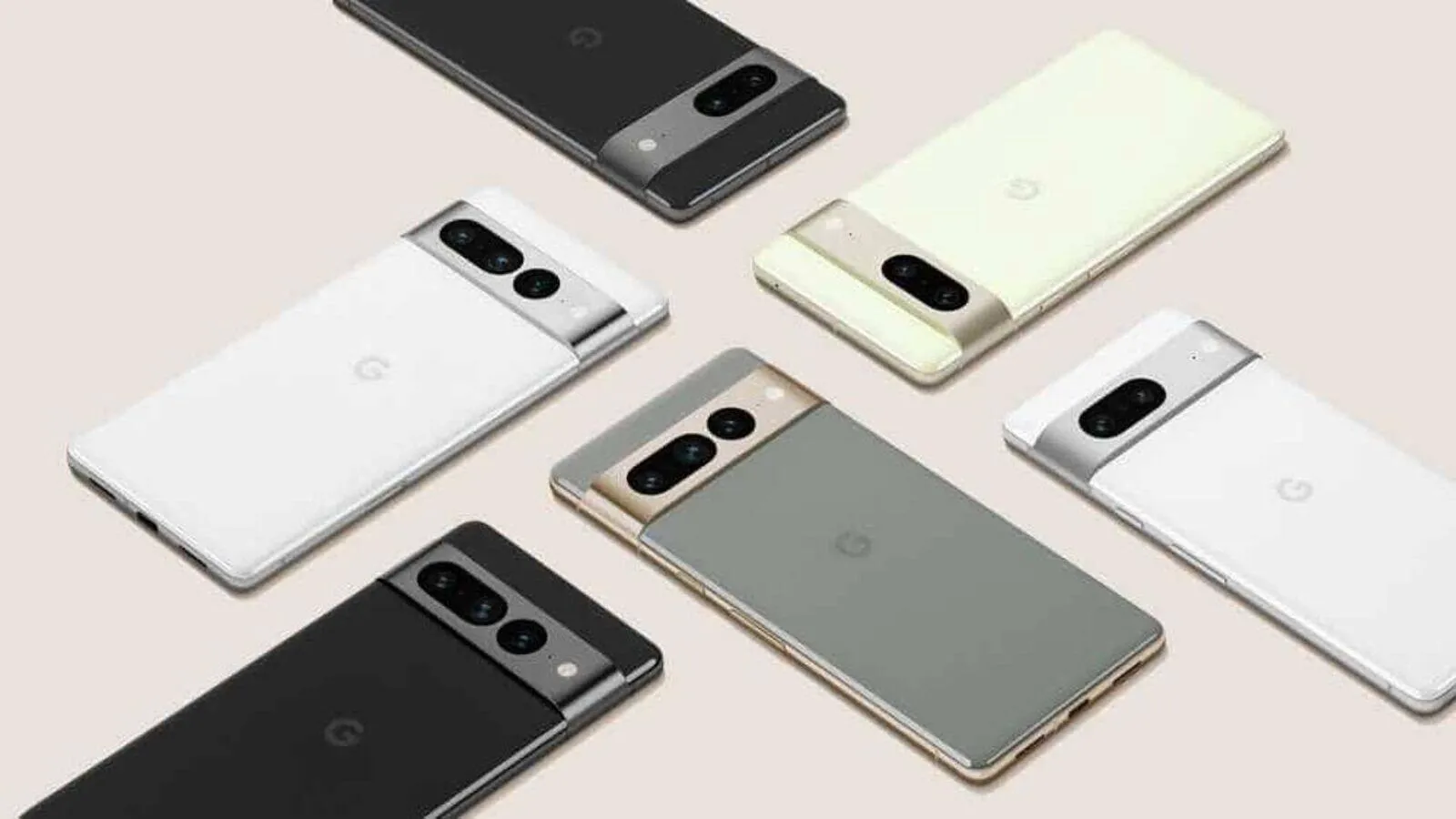
The July Pixel update is now available as one of the final Android 13 updates, following the June release of a big quarterly platform update and Pixel Feature Drop that included new functionality and numerous bug fixes. It is anticipated to be somewhat less significant than last month’s and ought to prepare us well for the next Android 14 release.
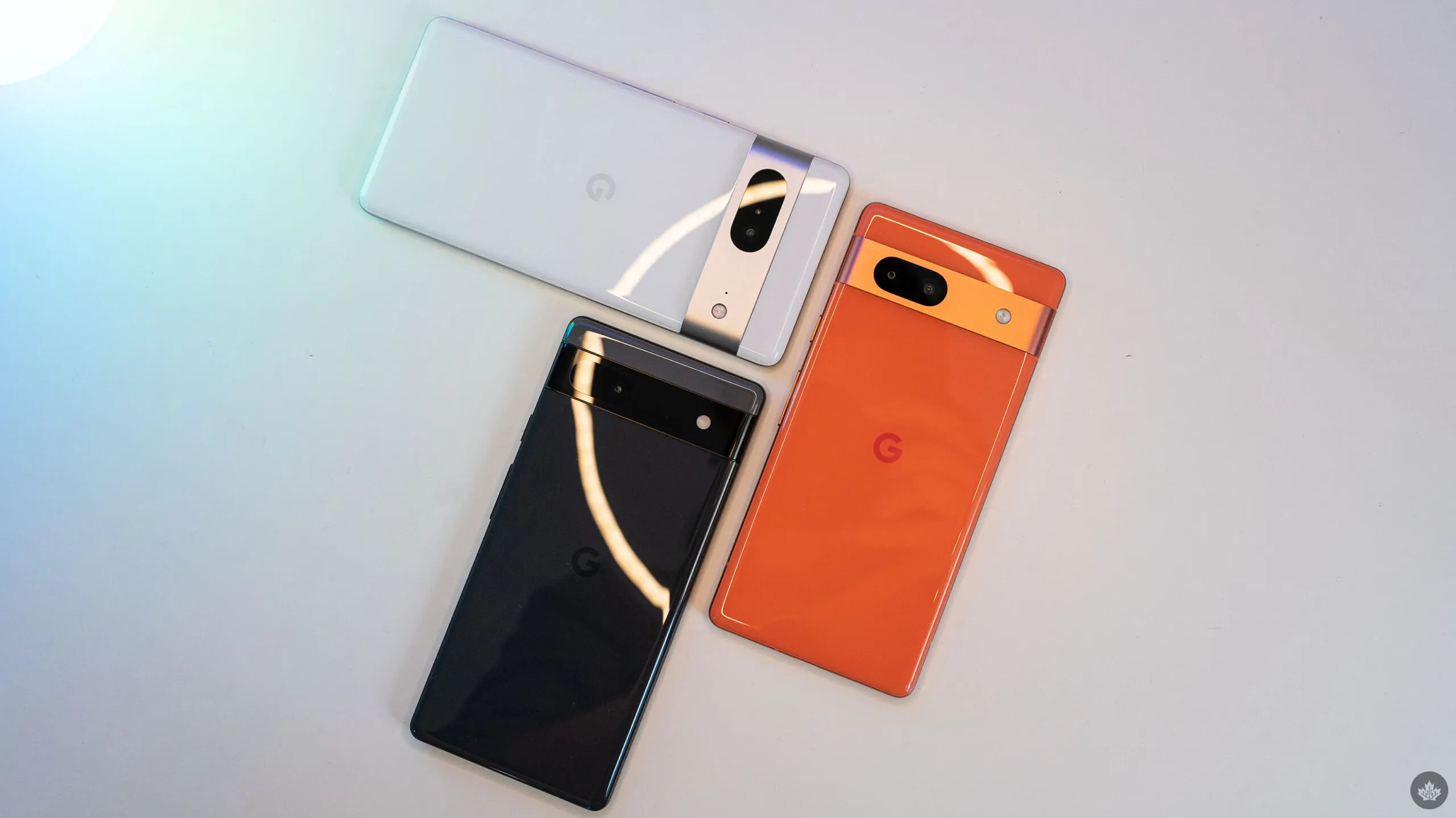
Prepare your Pixel 4a, Pixel 7 Pro, and Pixel 7a for an update right away. The initial updates for your Pixel Fold or Pixel Tablet should also be available. The fact that new Pixel smartphones are receiving upgrades is huge news, even if it’s just a tiny update. As I type this, a 23.27MB update is downloading to my Pixel Tablet. It is also visible to others who have Pixel phones.
For those in the Android Beta Program, you are not likely to receive an update. When you are in that program, you are on a different software track.
July Google Pixel update builds
Global
Pixel 4a: TQ3A.230705.001
Pixel 4a (5G): TQ3A.230705.001
Pixel 5: TQ3A.230705.001
Pixel 5a (5G): TQ3A.230705.001
Pixel 6: TQ3A.230705.001
Pixel 6 Pro: TQ3A.230705.001
Pixel 6a: TQ3A.230705.001
Pixel 7: TQ3A.230705.001
Pixel 7 Pro: TQ3A.230705.001
Pixel 7a: TQ3A.230705.001
Pixel Fold: TQ3C.230705.001.C1
Pixel Tablet: TQ3A.230705.001.B4
Pixel Watch: RWDC.230705.001
Verizon
Pixel 7: TQ3A.230705.001.A1
Pixel 7 Pro: TQ3A.230705.001.A1
Pixel 7a: TQ3A.230705.001.A1
Pixel Fold: TQ3C.230705.001.B1
T-Mobile
Pixel 6: TQ3A.230705.001.A1
Pixel 6 Pro: TQ3A.230705.001.A1
Pixel 6a: TQ3A.230705.001.A1
Japan
Pixel Fold: TQ3C.230705.001.C2
July Google Pixel update bug fixes
No major bug fixes to report on any device outside of the Pixel Tablet. For Google’s biggest screen, they list the following:
Battery & Charging: General improvements for charging, battery usage or thermal performance in certain conditions
User Interface: Fix for issue occasionally causing lock screen notification text to display behind unlock UI elements
Again, Google should begin pushing these updates shortly over-the-air (Settings>System>System update), but if you don’t want to wait for Google and prefer to update manually, you will find each factory image or OTA file at the links below. For instructions on how to flash a factory image, here you go. For instructions on how to flash an OTA .zip file, here you go.
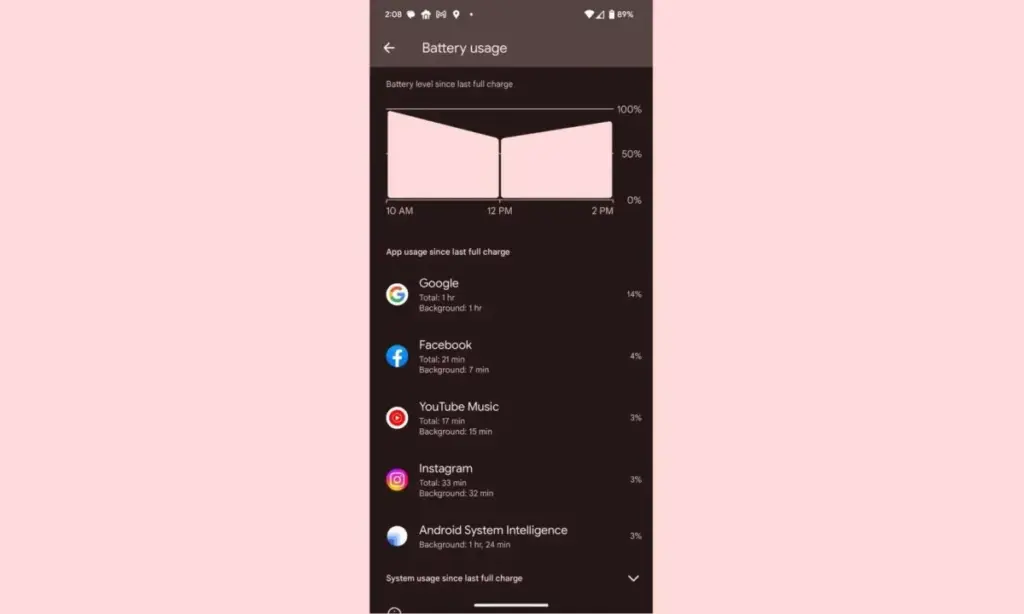
Despite not being the best Android smartphones available, Pixel devices are nonetheless good. Most of the time, hardware limitations of Pixels are overcome by their superior software, which Google delivers together with cutting-edge features that are exclusive to its products. While feature drops and upgrades are regular and often bring exciting improvements, they can occasionally also lead to unanticipated issues. This appears to be the case with the June update, as several customers report that their Pixel devices are depleting their batteries faster than usual.
Many users have commented on Reddit about the June update’s poor battery life, which was picked up by the staff at 9to5Google. Some users report noticing only a slight change, while others report that they now need to charge their cellphones at least twice daily. Others have reported connectivity problems, including short-lived batteries and erratic mobile data signals.
It appears that a variety of Pixel devices are included in the list of affected ones, however upon fast reading through the thread, it is clear that many Pixel 7 and Pixel 6 series smartphones are affected. Even while there are reports of the phones heating up much more than before, which is rather frightening, increasing battery consumption is still a major problem.
While those who are impacted by this are in a lot of suffering, there are some remedies. Some people claim that the issue is resolved by deleting the most recent update for Android System Intelligence in the Reddit thread. Some assert that restarting the device also resolves the problem. Even if some of these fixes might be effective, Google will probably need to release an update. We’ve been in touch with Google in an effort to clarify these matters. We anticipate that the business is aware of the issue and will include a fix in the upcoming version.
Modified versions of the Android operating system known as “custom ROMs” are produced by independent developers or communities. Beyond what is offered by the software from the original manufacturer, these ROMs provide a distinctive and personalized user experience.
What is a custom ROM
Custom ROMs are frequently used by users to enhance performance, unlock new features, or prolong the life of their devices.
The ability to alter a device’s design and functionality is one of the main reasons people prefer custom ROMs. Themes, user interfaces, and the installation of custom kernels and changes to improve performance and battery life are all examples of customization possibilities. These ROMs frequently provide more device control, enabling users to customize their experiences to suit their preferences.
The flexibility custom ROMs offer in terms of software upgrades is another important benefit. Official updates for older or less well-liked devices are occasionally delayed or completely abandoned by manufacturers and carriers.
On the other side, custom ROM developers keep supporting these devices, giving customers the most recent versions of Android long after the official support stops. Users can now take advantage of new features and security updates that they wouldn’t otherwise have access to.
Evolution X
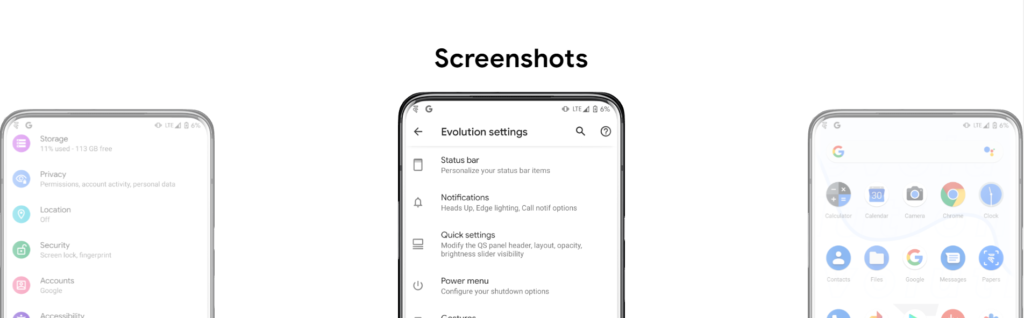
Popular custom ROM Evolution X, which is based on the Android operating system, strives to offer a distinctive and feature-rich user experience. Evolution X, created by a passionate community of enthusiasts, offers a wide range of customization options, performance upgrades, and an easy-to-use interface, all while adhering to the fundamental values of stability and dependability.
Evolution X is fundamentally based on the most recent Android releases, featuring Google’s most recent features and security updates. By doing this, customers are guaranteed access to the most recent features and security measures provided by the Android ecosystem. Even if official manufacturer updates are no longer available, customers can still benefit from a new operating system on their compatible devices with Evolution X.
Another trait of Evolution X is performance optimizations. The ROM includes a number of adjustments and improvements meant to increase the device’s responsiveness, speed, and battery life. Users can fine-tune the performance of their device to suit their preferences by using sophisticated performance settings like undervolting or overclocking. Additionally, Evolution X makes the most of system resources to guarantee fluid animations and seamless multitasking.
Evolution X also places a strong emphasis on privacy and security. The ROM includes built-in privacy features, such as advanced permission controls and privacy settings, to give users more control over their data and app permissions. Furthermore, Evolution X incorporates the latest security patches and updates to protect users from potential vulnerabilities and ensure a secure browsing and app experience.
Features lists
Themes

- Theming Settings (Style, Color Source, Accent Color, Accent Background, Background Color, Luminance, Chroma, Tint Background)
- Custom Themes (Black, Clear, Vivid, Paint In The Snow, Espresso)
- Dark Theme Schedules
- Lock screen Clock Fonts (16 Fonts)
- Headline/Body Fonts (53 Fonts)
- SB Icon Packs (10 Styles)
- SB Signal Icon Packs (14 Styles)
- SB WiFi Icon Packs (10 Styles)
- System Icon Shape Packs (16 Styles)
- 3 Button Navbar Styles (10 Styles)

Status bar

- Status Bar Lyrics
- Clock Styles (Right, Center, Left)
- Clock & Date Configs (Auto Hide, Hide Duration, Show Duration, Seconds, AM/PM, Font Size, Date Position/Case/Format)
- SB Logo Pack (20 Styles, Right/Left)
- Network Traffic Indicators
- Battery Icon Styles (19 Styles)
- Battery Percent (Hidden, Inside Icon, Next To Icon)
- Battery Bar (Thickness, Alignment, Blend Colors, Reverse Direction, Colors, Animation)
- System SB UI Tuner
- Data Disabled Icon (On/Off)
- Old Style Mobile Data
- 4G Instead Of LTE
- Roaming Indicator
- WiFi Type Icon
- Colored Icons
- Notification Count
- Bluetooth Battery Status
- Mic/Camera Privacy Indicator
- Location Privacy Indicator
- Media Projection Privacy Indicator

Notifications

- ReTicker
- App Colored Background For Reticker
- Heads Up (Time Out, Importance Threshold, Less Boring, Stoplist/BlockList)
- Force Expand Notifications
- Notification Sound If Active
- Kill App Button
- Blink Flashlight For Incoming Call (When Ringing, When Silent, When Entierly Silent, Always)
- Blink Flashlight For Notifications
- In-Call-Vibrations (Connect, Waiting, Disconnect)

Quick Settings

- Clock
- Clock Font Size
- Date
- Battery Style (15 Styles)
- Battery Percent Location (Hidden, Inside Icon, Next To Icon)
- Battery Estimates
- Secure QS Tiles Requires Unlocking
- Quick QS Pulldown (Disabled, Right, Left, Always)
- Brightness Slider (Never, Expanded, Always)
- Brightness Slider Position (Top, Bottom)
- Auto Brightness Icon
- Hide Labels
- Label Text Size
- Smart Pulldown
- Vertical Layout
- Columns In Portrait (2-5)
- Columns In Landscape (2-6)
- QS Tile Animation Style (3 Styles)
- QS Tile Animation Druations (3 Speeds)
- QS Tile Animation Interpolator (8 Styles)
- Vibration On Touch
- Vibration On Touch Duration
- QS Footer Warnings
- Show Data Usage
- User Account Icon
- Edit Icon
- Power Menu Shortcut
- Running Services Shortcut
- Settings Shortcut
- Clear All Button (10 Styles, 5 Backgrounds)

Power Menu

- System Settings (Hold PWR Assistant + Hold Duration)
- Disable Power Menu On LS
- Power
- Restart
- Advanced Reboot Options
- Screenshot
- On-The-Go Mode
- Settings
- Lock Down
- Emergency
- Device Controls
- Users
- Logout
- Bug Report

Gestures

- System Settings
- Quick Tap
- Volume Button Playback Control
- Swipe To Screenshot
- Brightness Control
- PWR Button Torch
- Double Tap To Sleep Status Bar
- Double Tap To Sleep Lock screen
- AOSP Gestures
- Pill Length
- Pill Radius
- Hide IME Button Space
- Back Gesture Animation

Lock screen

- Edge Light
- Always On Fingerprint
- UDFPS Icon Picker (55 Styles)
- UDFPS Animation Picker (38 Styles)
- Lock screen Charging Info
- Hide Status Bar
- Hide QS During Secure Lock screen
- Media Cover Art (5 Filters)
- Ripple Effect
- Fingerprint Authentication Vibration
- Fingerprint Error Vibration

Buttons

- Navigation Bar
- Compact Layout
- Invert Layout
- Show Vol Panel On Left
- Per App Vol Control
- On-Screen NavBar
- Reorient Volume
- Volume Rocker Wake
- Keyboard Cursor Control
- Alert Slider Notifications
- Alert Slider Pulse
- Block Alert Slider In Pocket Mode
- Click To Partial Screenshot

Animations

- Screen Off Animation (3 Styles)
- Power Menu Animations (11 Styles)
- Android P Animation Style

Miscellaneous

- AOD Display Schedule
- Google Services
- Game Space
- Smart Pixels
- App Lock
- Launch Music App On Headset Connection
- Unlimited Photos Storage
- Unlock Higher FPS In Games
- Netflix Spoof
- Pulse Music Visualizer (Navbar, LS, Ambient)
- Volume Panel Timeout
- Jitter Test
- Ignore Secure Window Flags
- Show CPU Info
- Toast App Icon
- Sensor Block Per Package
- Wakelock Blocker
- Alarm Blocker
- Default USB Configuration
- Radio Info
First Time Install
1. Download vendor_boot & rom for your device from here
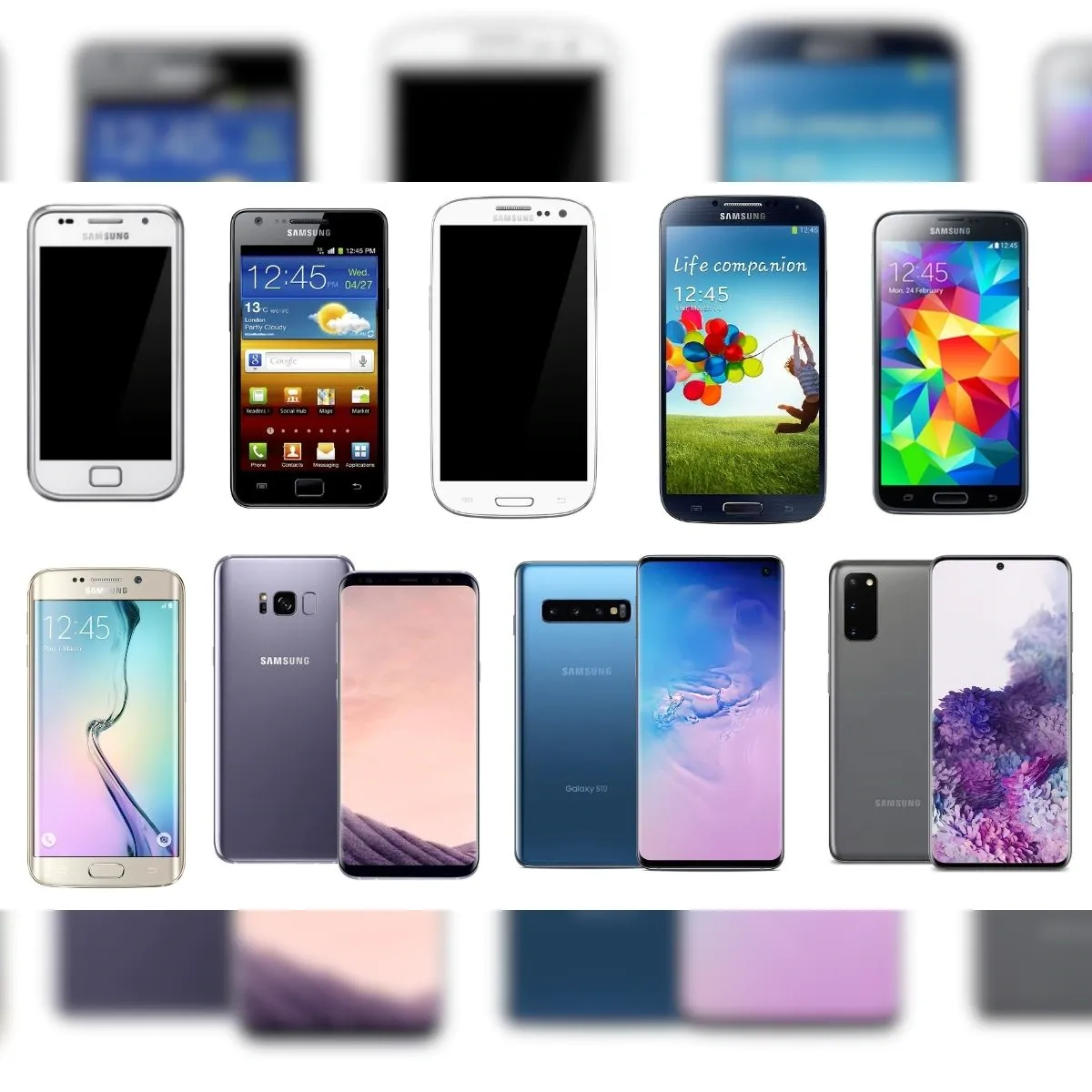
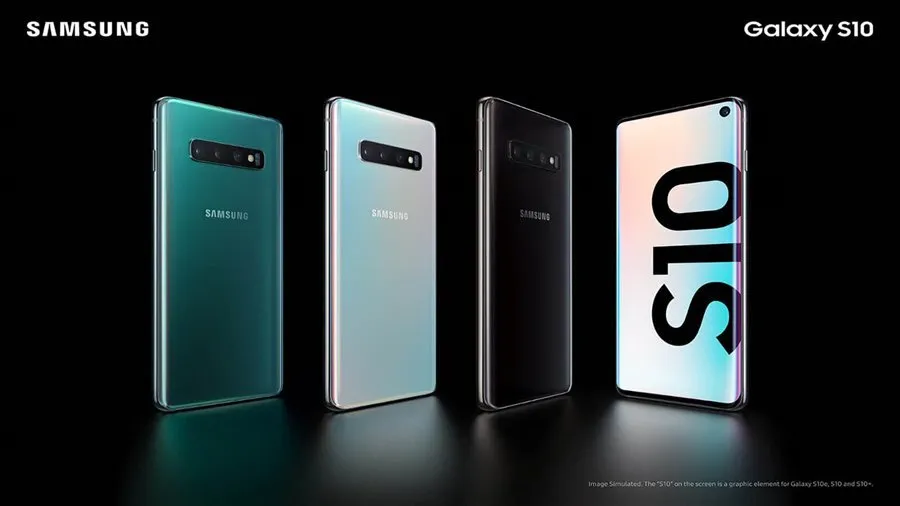
The Samsung S10 series has run out of options. Together with a few other 2019 products, Samsung has discontinued the S10 series.
Samsung has removed several of its older handsets from its public security update page, as 9to5Google has discovered. The Galaxy S10 series, Galaxy A30, and Galaxy A50 were among the gadgets taken out. The Galaxy S10 5G and Galaxy S10 Lite, on the other hand, have not been dropped. They haven’t been discontinued because those devices came out later, which is why.
This development happens as Samsung starts to put its new update strategy into practice. The business declared last year that it would extend its policy by a year, offering its phones five years of security upgrades and four years of significant OS changes. Nevertheless, the Galaxy S21 series and later were the only models covered by this regulation, leaving older models out.
The security update from March 2023 was the last one that the Galaxy S10 and other discontinued phones were supposed to receive. This update just recently went live. This upgrade is crucial following the disclosure of a serious vulnerability in Samsung’s Exynos chip by Google’s Project Zero team. The Galaxy S10 series was not, however, mentioned as being impacted by this issue.
Along with this information, it appears that the Galaxy Z Flip is no longer receiving monthly upgrades. It now only receives updates once every three months.
Six different Xiaomi, Redmi, and POCO devices will no longer receive official support, according to a new announcement from Xiaomi. Since these devices have been available for two years, MIUI and Android upgrades will no longer be provided for them. The MIUIs telegram channel shared the information, including the precise models that Xiaomi would stop supporting as of April 21, 2023.
The original model and all of its variants are on the list of devices that will no longer receive updates. Also, each model’s internal name is included to aid in identification. Despite the fact that some of the listed devices have just been on the market for two years. They won’t get any further official help from the business.
The six devices that will no longer receive updates:
The development of the beta version of the Chinese MIUI ROM for these models will stop. Which means that they will reach the end of their support period. However, Xiaomi has clarified that the stable versions of these models will continue to receive updates until all the features planned for the current version have been implemented, and all the bugs present in the current version have been fixed. So, users of these devices will still receive updates and bug fixes until the stable version has reached its final update.
It is important to note that several of these models have existed under many names in various parts of the world. As a result, both the original model and its several variations are included in the list. Moreover, each model’s internal name. so that consumers may more easily recognize their gadgets.
In conclusion, Xiaomi has revised its list of products that the company will stop supporting. The stable versions of MIUI and Android will continue to receive updates until they have all the features that are in the works and a fix for all the bugs that are present in the current version, even if the devices will no longer receive MIUI and Android updates.