Tag: sony

  • Android 15: when you should expect to get the update?

    Android 15: when you should expect to get the update?

    Surprisingly, Android 15 was not made available on Pixel phones. Chinese company Vivo outperformed the whole Android ecosystem by releasing a solid Android 15 update first, following the stable AOSP release without a Pixel OTA update. Check to see if your phone is set to receive Android 15 if you do not already own the pioneering (and specialized) Vivo X Fold 3 Pro.

    The developer versions of Android 15 could be tested on a few phones even before Google declared it had achieved “platform stability.” In order to choose which phones should receive the upgrade first, brands like Honor, Nothing, OnePlus, Oppo, Xiaomi, and others established their own official test programs.
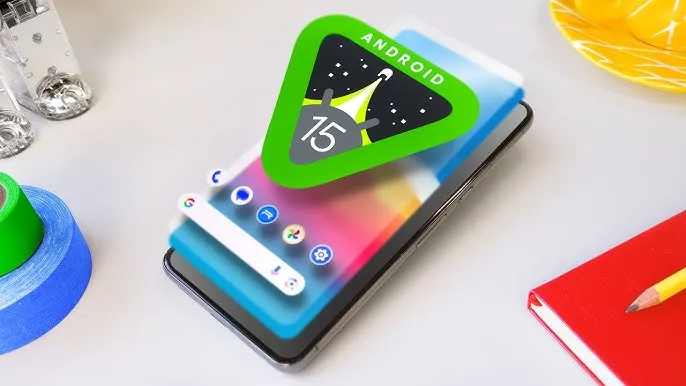
    android 15 update list

    Google

    The Pixel phones will be the first to get the upgrade because they are the flagship model for the Android operating system. Additionally, there are more Google phones eligible for the upcoming Android update this time around because the Pixel 9 phones were released prior to the 2024 release of Android 15.

    • Google Pixel 6
    • Google Pixel 6 Pro
    • Google Pixel 6a
    • Google Pixel 7
    • Google Pixel 7 Pro
    • Google Pixel 7a
    • Google Pixel 8
    • Google Pixel 8 Pro
    • Google Pixel Fold
    • Google Pixel 9
    • Google Pixel 9 Pro
    • Google Pixel 9 Pro Fold
    • Google Pixel 9 Pro XL
    81Mya dPIOL. AC SL1500

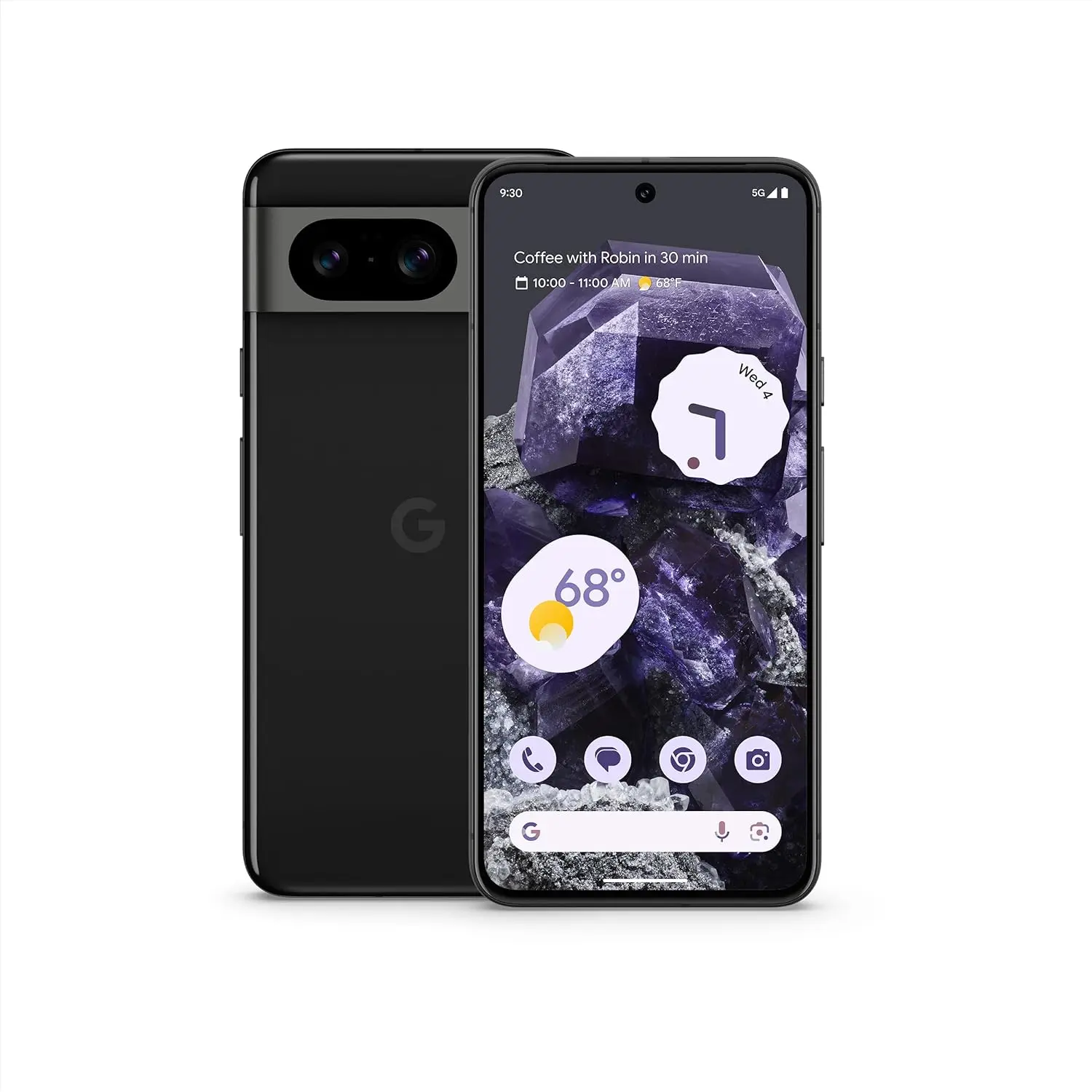
    Google Pixel 8 Pro

    Unlocked Android Smartphone with Telephoto Lens and Super Actua Display

    Best deal
    $999.00$719.00See It

    Samsung

    After many years of poor updates, Samsung has started fulfilling its pledge to improve phone support. Customers may now know how long their phones will be updated to protect them from security dangers according to the South Korean company’s transparent software strategy.

    At SDC 2024, Samsung did, however, declare that the One UI 7, which is based on Android 15, would not be made available to the general public until early 2025. However, the Koreans also mentioned that by the end of 2024, the One UI 7 beta will be accessible for public testing by developers and testers.

    Galaxy phones promised to receive Android 15:

    • Samsung Galaxy A05
    • Samsung Galaxy A05s
    • Samsung Galaxy A14
    • Samsung Galaxy A14 5G
    • Samsung Galaxy A15
    • Samsung Galaxy A15 5G
    • Samsung Galaxy A24
    • Samsung Galaxy A25
    • Samsung Galaxy A33
    • Samsung Galaxy A34
    • Samsung Galaxy A35
    • Samsung Galaxy A53
    • Samsung Galaxy A54
    • Samsung Galaxy A55
    • Samsung Galaxy A73
    • Samsung Galaxy S21
    • Samsung Galaxy S21+
    • Samsung Galaxy S21 Ultra
    • Samsung Galaxy S21 FE
    • Samsung Galaxy S22
    • Samsung Galaxy S22+
    • Samsung Galaxy S22 Ultra
    • Samsung Galaxy S23
    • Samsung Galaxy S23+
    • Samsung Galaxy S23 FE
    • Samsung Galaxy S23 Ultra
    • Samsung Galaxy S24
    • Samsung Galaxy S24+
    • Samsung Galaxy S24 Ultra
    • Samsung Galaxy S24 FE
    • Samsung Galaxy XCover 6 Pro
    • Samsung Galaxy XCover 7
    • Samsung Galaxy Z Flip 3
    • Samsung Galaxy Z Flip 4
    • Samsung Galaxy Z Flip 5
    • Samsung Galaxy Z Flip 6
    • Samsung Galaxy Z Fold 3
    • Samsung Galaxy Z Fold 4
    • Samsung Galaxy Z Fold 5
    • Samsung Galaxy Z Fold 6
    71 EnPs uQL. AC SL1500

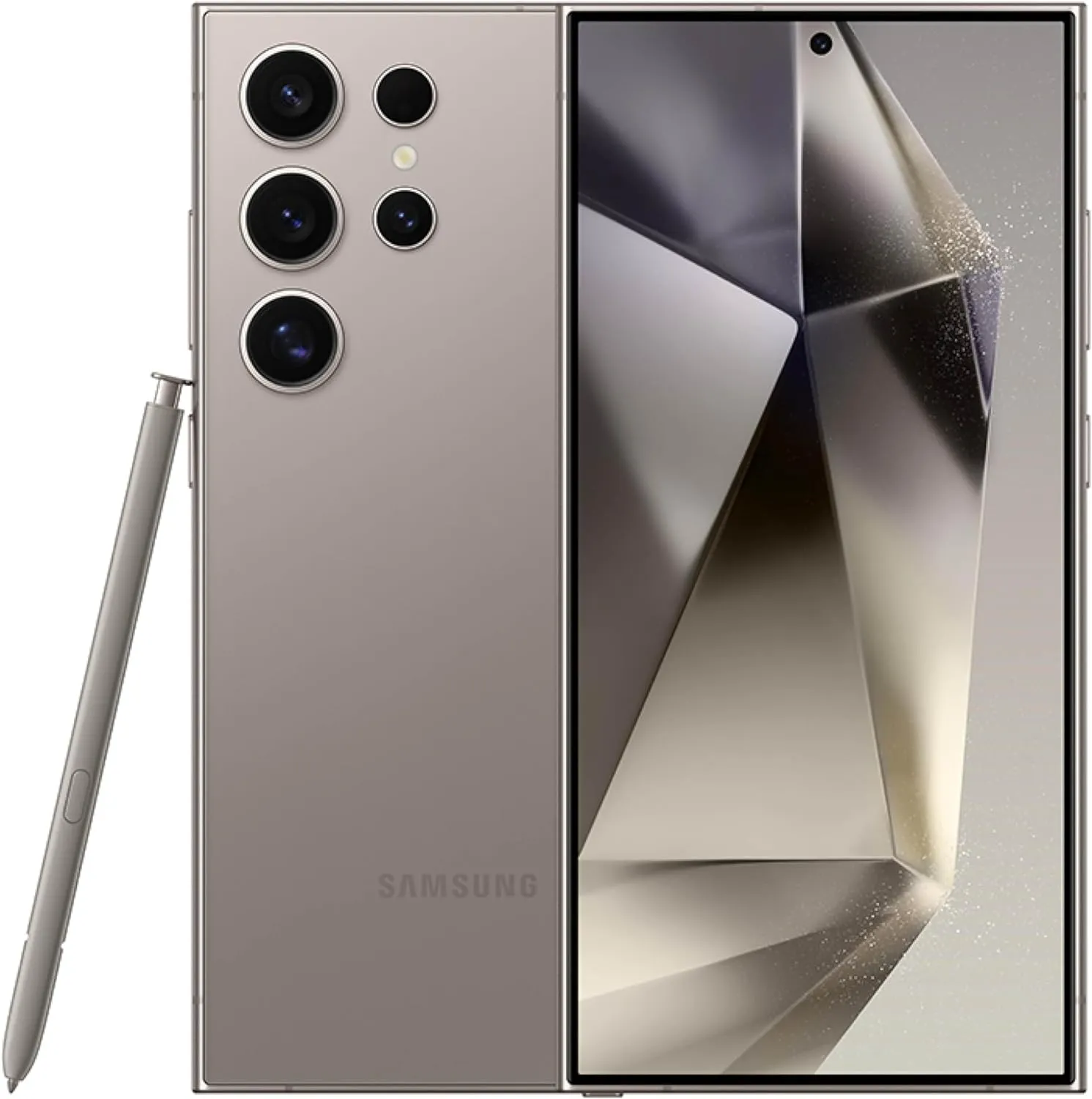
    SAMSUNG Galaxy S24

    256GB AI Smartphone, Unlocked Android, 50MP Zoom Camera, Long Battery Life, S Pen

    $1,299.99$1,032.50See It

    Xiaomi

    We expect that Xiaomi will further enhance its update program to meet (or surpass) Samsung’s, but only time will tell as the Chinese behemoth is presently switching from MIUI to HyperOS.

    To find out which phones are promised the Android 15 upgrade, we may currently rely on the company’s official list of security updates. Furthermore, we highlighted in italics Xiaomi models that are not included in the Android Enterprise program but are promised the Android 15 update.

    • Xiaomi phones in the Android 15 beta test:
    • Xiaomi 13T Pro
    • Xiaomi 14

    Xiaomi devices promised to be updated to Android 15:

    • Poco F5
    • Poco F5 Pro
    • Poco F6
    • Poco F6 Pro
    • Poco M6 Pro 5G
    • Poco X6
    • Poco X6 Pro 5G
    • Xiaomi 12
    • Xiaomi 12 Pro
    • Xiaomi 12 Ultra
    • Xiaomi 12T
    • Xiaomi 12T Pro
    • Xiaomi 13
    • Xiaomi 13 Lite
    • Xiaomi 13 Pro
    • Xiaomi 13 Ultra
    • Xiaomi 13T
    • Xiaomi 14 Pro
    • Xiaomi 14 Ultra
    • Xiaomi 14T
    • Xiaomi 14T Pro
    • Xiaomi Redmi 12
    • Xiaomi Redmi 12 5G
    • Xiaomi Redmi 13C
    • Xiaomi Redmi Note 12
    • Xiaomi Redmi Note 12 Pro
    • Xiaomi Redmi Note 12 Pro+
    • Xiaomi Redmi Note 13
    • Xiaomi Redmi Note 13 5G
    • Xiaomi Redmi Note 13 Pro
    • Xiaomi Redmi Note 13 Pro 5G
    • Xiaomi Redmi Note 13 Pro+ 5G
    • Xiaomi Pad 6

    OnePlus

    By introducing really intriguing phones in 2023, like the OnePlus Open, OnePlus was able to quiet its detractors and equal Samsung’s flagship software update program.

    While we are very confident which flagship OnePlus devices will get Android 15, the same cannot be said for the Nord mid-range versions.

    OnePlus phones in the Android 15 beta test:

    • OnePlus 12
    • OnePlus Open

    Android 15 is anticipated for OnePlus phones:

    • OnePlus 9
    • OnePlus 9 Pro
    • OnePlus 9R
    • OnePlus 9RT
    • OnePlus 10R
    • OnePlus 10 Pro
    • OnePlus 10T
    • OnePlus 11
    • OnePlus 11R
    • OnePlus 12R
    • OnePlus Nord 3
    • OnePlus Nord CE 3
    • OnePlus Nord CE 3 Lite / Nord N30
    • OnePlus Nord CE4
    71slFjJerBL. AC SL1500

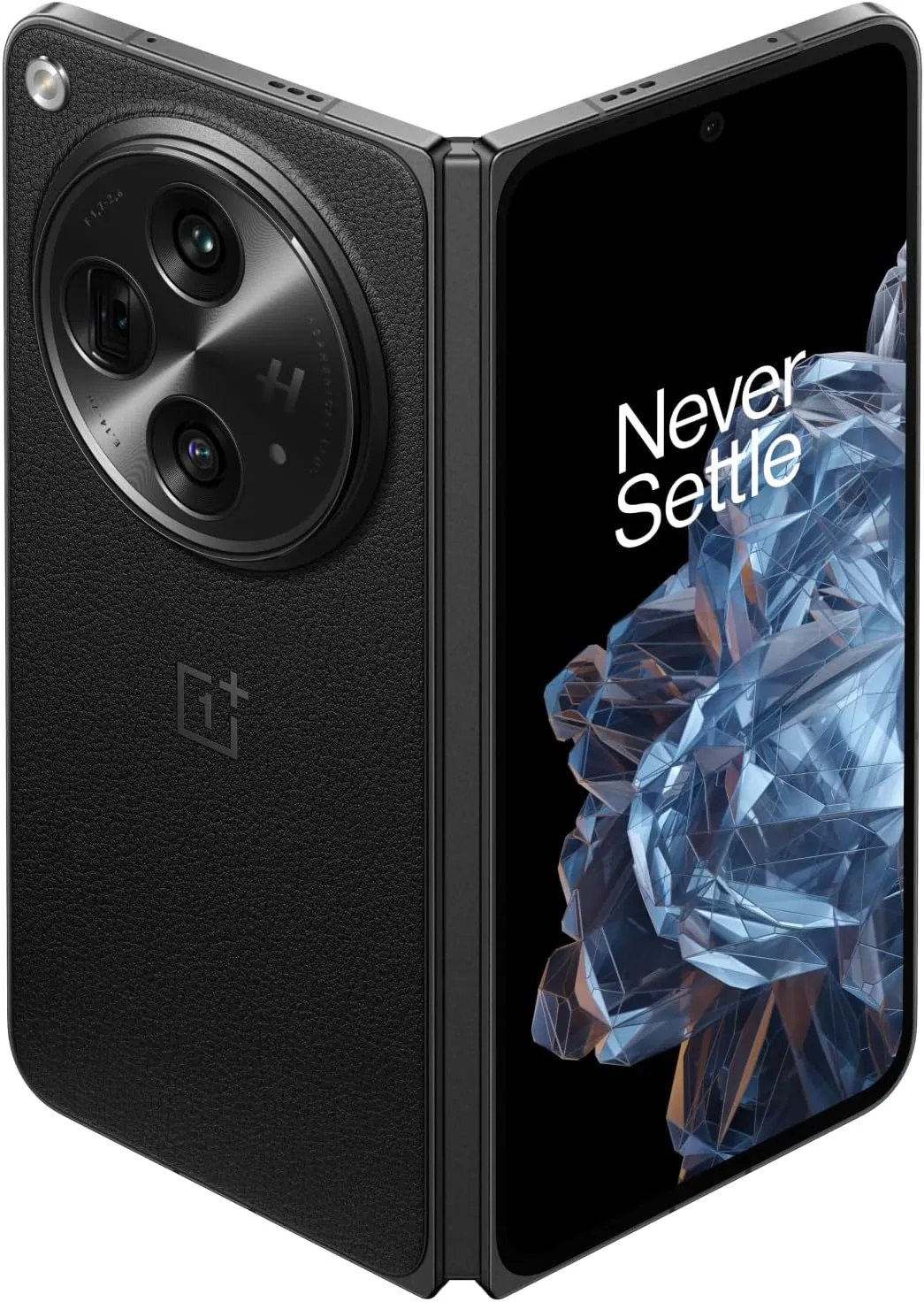
    OnePlus Open

    6GB RAM+512GB, Dual-SIM, Voyager Black, US Factory Unlocked Android Smartphone, 4805 mAh Battery, 67W Fast Charging, Hasselblad Camera, 120Hz Fluid Display

    $1,699.99$1,299.99See It

    Sony

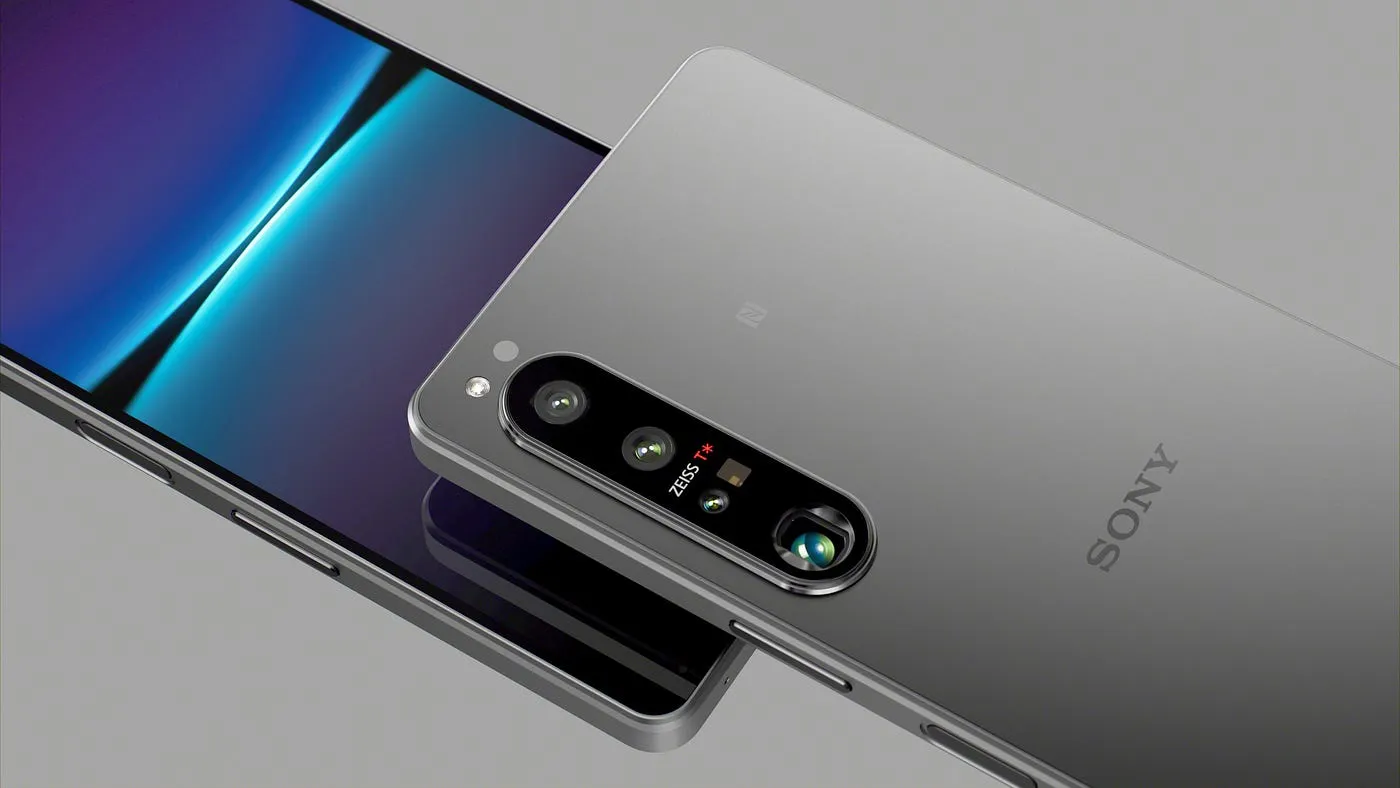
    Even though the Japanese manufacturer has not actually committed to an official update program, Sony has been very reliable when it comes to Android updates despite having a limited phone range. The Xperia phones listed below are anticipated to get the Android 15 update:

    • Sony Xperia 1 IV
    • Sony Xperia 1 V
    • Sony Xperia 1 VI
    • Sony Xperia 5 IV
    • Sony Xperia 5 V
    • Sony Xperia 10 V
    • Sony Xperia 10 VI
    • Sony Xperia Pro-I

    Asus

    In 2023, the Taiwanese company’s dedication to Android was momentarily called into question, and Asus swiftly refuted reports that the Zenfone line may be discontinued. The list of Zenfone and ROG phones that will receive the Android 15 update is extremely limited due to its small flagship lineup and short update strategy, which typically only includes two Android upgrades:

    • Asus ROG Phone 7
    • Asus ROG Phone 7 Ultimate
    • Asus ROG Phone 8
    • Asus ROG Phone 8 Pro
    • Asus Zenfone 10
    • Asus Zenfone 11 Ultra

    Motorola

    An outlet was able to search through Motorola’s website for the potential candidates after the company revealed the complete list of its handsets that will receive the Android 15 update. This contains the most recent Motorola foldable smartphones as well as a number of Moto G mid-range variants.

    • Moto G Power 5G (2024)
    • Moto G 5G (2024)
    • Moto G Stylus 5G (2024)
    • Moto G34 (5G)
    • Moto G35
    • Moto G45
    • Moto G55
    • Moto G75
    • Moto G85
    • Motorola Edge (2023)
    • Motorola Edge+ (2023)
    • Motorola Edge (2024)
    • Motorola Edge 40 Pro
    • Motorola Edge 50
    • Motorola Edge 50 Fusion
    • Motorola Edge 50 Neo
    • Motorola Edge 50 Pro
    • Motorola Edge 50 Ultra
    • Motorola Razr (2023) in the US / Razr 40
    • Motorola Razr+ (2023) in the US / Razr 40 Ultra
    • Motorola Razr (2024) in the US/ Razr 50
    • Motorola Razr+ (2024) in the US / Razr 50 Ultra

    Nothing

    Nothing, a startup brand, has started its Android 15 beta program. Nothing OS 3.0 is the version of the upgrade. It was revealed that Android 15 will be available for all Nothing Phone variants, including the CMF Phone 1.

    • Nothing Phone (2)
    • Nothing Phone (2a)
    • Nothing Phone (2a) Plus
    • Nothing Phone (1)

    Other brands

    In addition to the models above, these brands are also taking part in the Android 15 public beta test:

    Honor

    • Honor Magic 6 Pro
    • Honor Magic V2

    Vivo

    Vivo managed to beat not only Samsung but also Google at its own game. The Chinese brand released the stable Android 15 update before other brands to its Vivo X Fold 3 Pro smartphone, with its FuntouchOS 15 release. The next phones should be the ones that were in the beta program:

    • iQOO 12
    • Vivo X100 (Pro)
    • Vivo X90, X90s, X90 Pro, X90 Pro+

    Vivo phones expected to receive Android 15:

    Other brands and devices

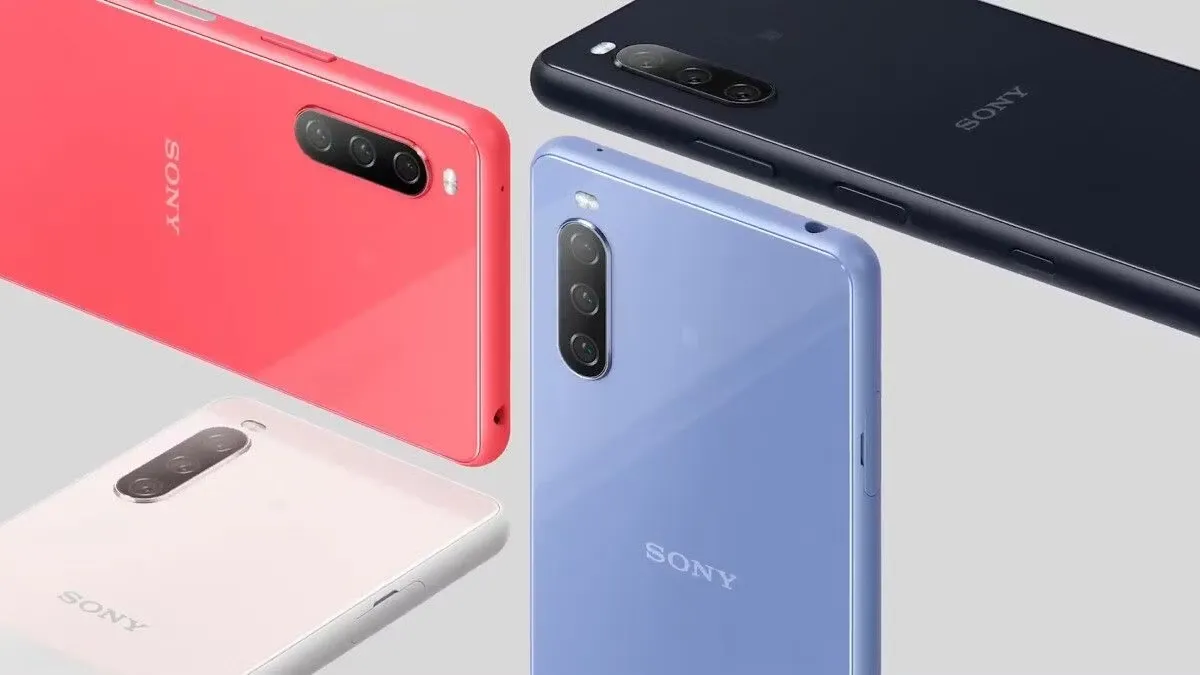
  • Sony updates their array of smartphones for 2022 with Android 14.

    Sony updates their array of smartphones for 2022 with Android 14.

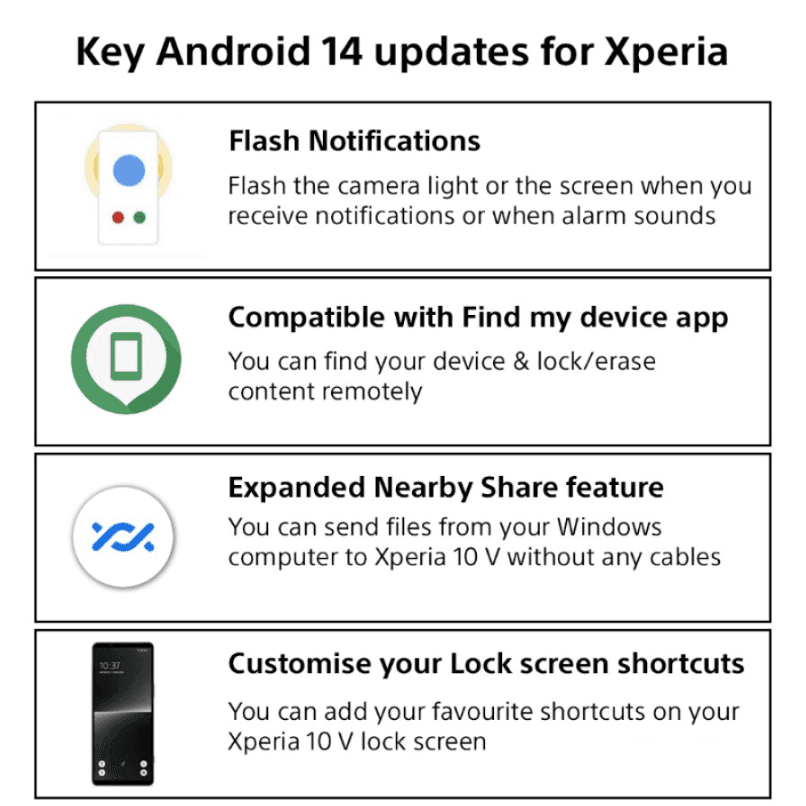
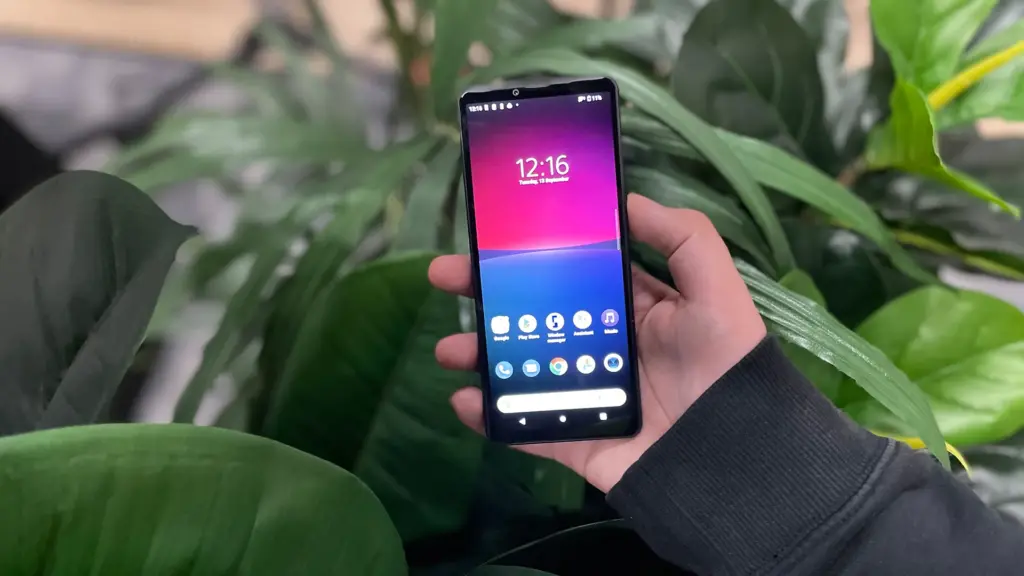
    The Xperia 1 IV, Xperia 5 IV, and Xperia 10 IV are among the smartphones in Sony‘s 2022 portfolio that are now receiving the Android 14 update. These devices receive all of Android 14’s customization and security features in addition to some additional, exclusive customizations.

    sony update android 14

    The updates will likely follow a scheduled release meaning some regions will get the update quicker than others.

    Source (post on X.com)

  • Top 5 Android smartphones with the best display

    Top 5 Android smartphones with the best display

    Over the last fifteen years, smartphones display have grown in size exponentially. It is funny how, while six inches was once considered the definition of a phablet, these days we can call a six-inch device compact. Along with larger screens come improvements in color fidelity, resolution, refresh rate, and other technical marvels that enhance the smartphone experience.

    Over the last fifteen years, smartphones have grown in size exponentially. It is funny how, while six inches was once considered the definition of a phablet, these days we can call a six-inch device compact. Along with larger screens come improvements in color fidelity, resolution, refresh rate, and other technical marvels that enhance the smartphone experience.

    When buying a new smartphone, it is important to consider the display specifications because people are consuming more and more content on their phones, whether it is through watching HDR movies and shows or binge-watching your favorite TikToks. Innovations have made it possible for displays to take on new forms, such as edge-to-edge, curved, and OLED, and competition has made these phones more affordable than ever.

    Here are five Android phones with some of the best screens in the market, ranging from incredibly clear 4K panels to the really fluid displays found in foldable smartphones. However, there are always a select handful at the top with the most advanced display technologies.

    Samsung Galaxy S23 Ultra

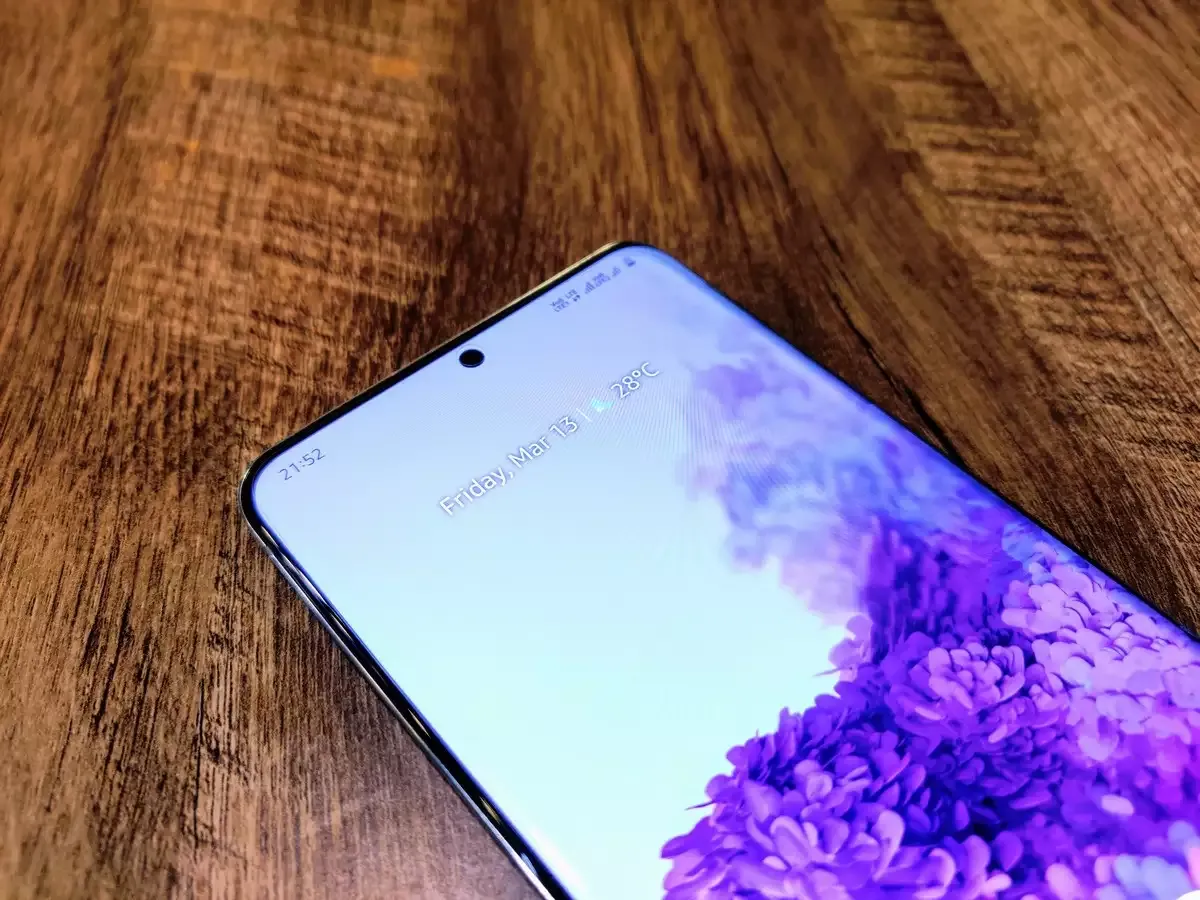
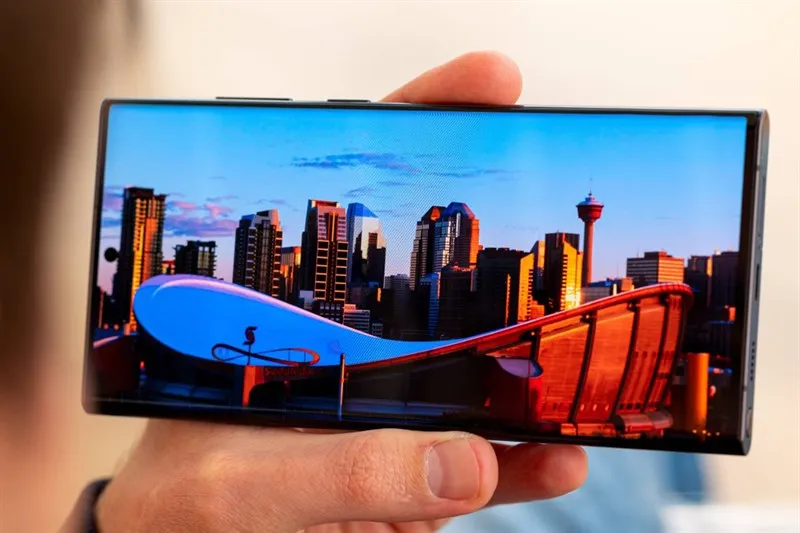
    s23ultra brightness 3 1280x853 8

    With its Ultra-series of phones, Samsung has polished the recipe with its many design advancements, such as folding panels or the overflowing edge displays in its previous flagships. Samsung has been the undisputed ruler in display technologies, and not just in its smartphones.

    With its tried-and-true build and design, the Galaxy S23 Ultra certainly plays it safe, but that does not mean it shys away from what may be the best all-around smartphone display: a massive 6.8-inch 2K AMOLED display that refreshes at 120 Hz and boasts great outdoor visibility thanks to its 1,750 nits of peak brightness. The nearly bezel-less, edge-to-edge panel with a centrally aligned hole-punch camera is just one of the many features that combine to create an immersive experience.

    With its robust specifications and S Pen, the S23 Ultra is an incredible phone—especially considering how well users have rated its battery life. It also boasts one of the best camera setups, with a 200-megapixel camera that can record 8K video and a dedicated periscope lens that can zoom up to 100 times.

    Samsung’s good track record with quick software updates and long-term support further make this phone a solid recommendation. As expected, all of this comes at a hefty price of $1,200, but there really isn’t anything like the Galaxy S23 Ultra in the market.

    Sony Xperia 1 V

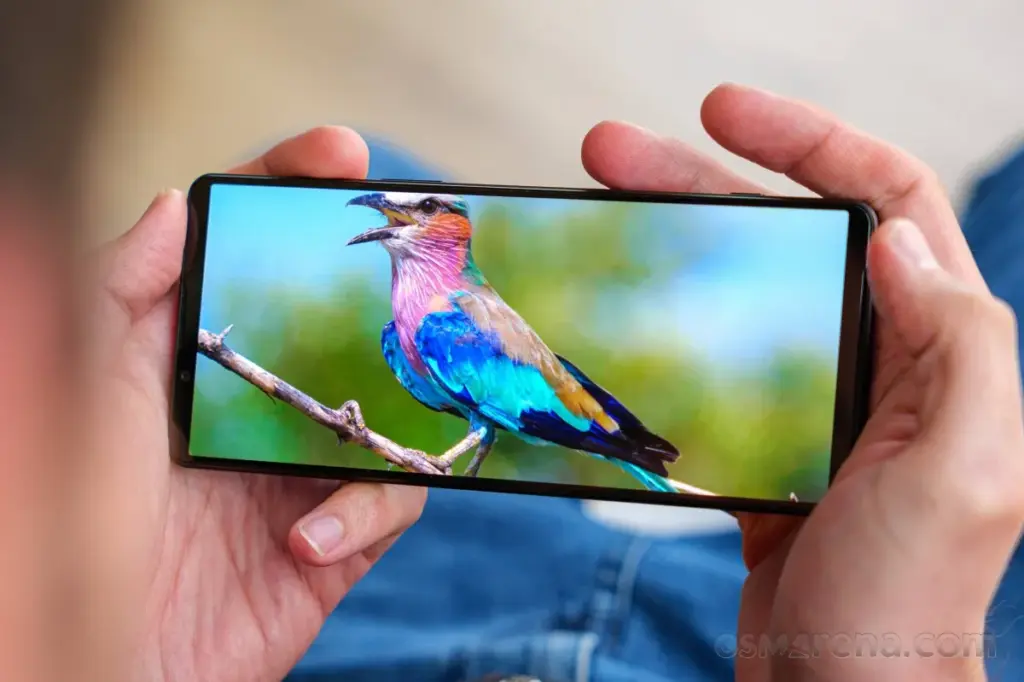
    sony 1 v display

    The Sony Xperia 1 V boasts a 6.5-inch 4K OLED display with a 120 Hz refresh rate and a 21:9 refresh rate, making it one of the only smartphones available with such an absurdly crisp resolution of 643 ppi. The display is typically slimmer and taller than most phones, making it perfect for scrolling through vertical videos or watching widescreen HDR content. Yes, Sony is still making smartphones in 2024, even though it is marketed towards a niche audience of display and camera enthusiasts.

    With a triple camera setup that uses Zeiss optics and Sony’s proprietary S-Cinetone video look, the Xperia 1 V runs on the Snapdragon 8 Gen 2 chipset and has 12GB of RAM and 256GB of storage that can be expanded further using the microSD card slot. All three cameras can record in 4K HDR at 120 frames per second and have the same autofocus technology as Sony’s professional cameras.

    The Xperia 1 V, touted as the ideal media powerhouse, boasts front-facing stereo speakers, a 3.5mm headphone jack that supports Dolby Atmos and LDAC for wireless earphones, and a sleek yet robust in-hand feel thanks to Corning’s Gorilla Glass Victus protection up front. However, the phone’s steep $1,200 price tag must be justified by its impressive display and camera features.

    Google Pixel 8 Pro

    pixel 8 pro display

    The improved display is one of the Google Pixel 8 Pro’s main selling points this time around, as the device still manages to be a great value for $1,000 even after a price increase from last year’s model. The Pixel 8 Pro boasts one of the brightest smartphone displays ever, peaking at 2,400 nits at maximum output thanks to the adoption of an OLED panel. When you combine that with its flat 6.7-inch 120 Hz display, you have yourself a winner.

    The Pixel 8 Pro offers a respectable movie-watching experience even without Dolby Vision thanks to its LTPO technology, which enables the phone to lower its refresh rate to as low as 1 Hz. This helps greatly preserve battery life, especially when using the always-on display. Android 14’s Material You design loves splashing colors throughout the user interface, and they do reflect really well on the HDR10+ certified panel.

    Though not the most powerful, the Tensor G3 chipset powering the phone is efficient and offers a seamless user experience because it has been designed specifically for Pixel devices. Pixels have always been known for their cameras and software, and the 8 Pro takes both of these aspects to new heights. Google’s computational photography has seen even more improvements thanks to the addition of software features. Exclusive Pixel-only goodies include AI-generated wallpapers, background noise remover, and a one-tap magic editor.

    OnePlus Open

    OnePlus Open 1

    Although OnePlus is primarily recognized for its flagship smartphones that offer a good balance between price and performance, its debut in the foldable smartphone market shows just how high-end the brand can go. The $1,500 OnePlus Open, the company’s most expensive phone to date, is still fairly competitive when measured against other phones in the same market.

    Both the 2K displays refresh at 120 Hz and have a ridiculously bright peak brightness of 2,800 nits. The cover display is a 6.31-inch 20:9 panel that can go as low as 10 Hz to save battery. When unfolded, the massive 7.82-inch nearly square display is immersive and surprisingly has the least visible crease in any foldable smartphone. Both panels are Dolby Vision compatible and provide a fantastic HDR viewing experience.

    The OnePlus Open’s fluid display, combined with OxygenOS’s smooth and fluid experience, makes for an unparalleled experience. The phone, in typical OnePlus fashion, is powered by flagship-grade internals, including the Snapdragon 8 Gen 2, 16GB of RAM, and 512GB of UFS 4.0 storage.

    The triple camera setup, optimized in collaboration with Hasselblad, makes the Open an excellent shooter as well. Being foldable unlocks unconventional use cases, such as multitasking with split-screen apps and floating windows.

    Asus ROG Phone 7

    asus rog phone 7 ultimate gaming

    With its ROG series of phones pushing the limits in terms of raw performance, Asus has been at the forefront of the smartphone gaming space. The ROG Phone 7 is no different, sporting one of the fastest displays on any smartphone along with a powerful Snapdragon 8 Gen 2 chip and up to 16GB of RAM. The phone’s robust internals are expected considering its gaming-focused design.

    You can set specific refresh rates for individual games, bypassing any default capped limits. The 6.78-inch 165 Hz AMOLED panel with support for HDR10+ and an impressive peak brightness of up to 1,500 nits provides an experience like no other handset when gaming. Pairing a touch sampling rate of 720 Hz with Asus’ rather bloat-free and stock Android user interface, this phone has perhaps the most fluid experience.

    Unlike most modern slabs of glass and metal, the ROG Phone 7 has a noticeable forehead and chin, preventing mistouches while gaming. This also leaves space for a dual front-facing stereo speaker configuration, allowing for an immersive multimedia experience. The ROG Phone 7’s cooler accessory not only promises better thermal performance but also has a subwoofer, a 3.5mm audio jack, another type-C port, and four tactile remappable buttons. 

    Asus has always placed a high priority on long battery life, and the ROG Phone 7’s 6,000 mAh battery offers remarkable endurance. Passthrough charging is supported, which allows the battery to power the phone without the need for additional charge.

  • #leak camera specs for the Google Pixel 8 series

    #leak camera specs for the Google Pixel 8 series

    Because to early investments in computational photography, Google Pixels have earned a reputation for being top-notch camera phones. The hardware of subsequent Pixel generations plateaued after Google continued to use the same primary camera sensor for four years in a row, but this was a great decision that kept them competitive. Even the Pixel 6a from a year ago, which used the same Sony IMX363 image sensor, was praised by us and other experts in the field of cameras.

    After the Pixel 3, Google’s first significant camera hardware advancements debuted in the Pixel 6 series. The entire camera system was improved, but most notably the old primary sensor was changed for a Samsung ISOCELL GN1. The Google Pixel 7 series added a few more small upgrades to this setup, such as a new selfie camera, an improved telephoto lens, and macro capability on the Pro model. We have a lot of information on the camera specifications and features of the upcoming Google Pixel 8 series thanks to a source inside Google. So let’s get into the specifics.

    pixel 8 and pixel 8 pro camera l 1

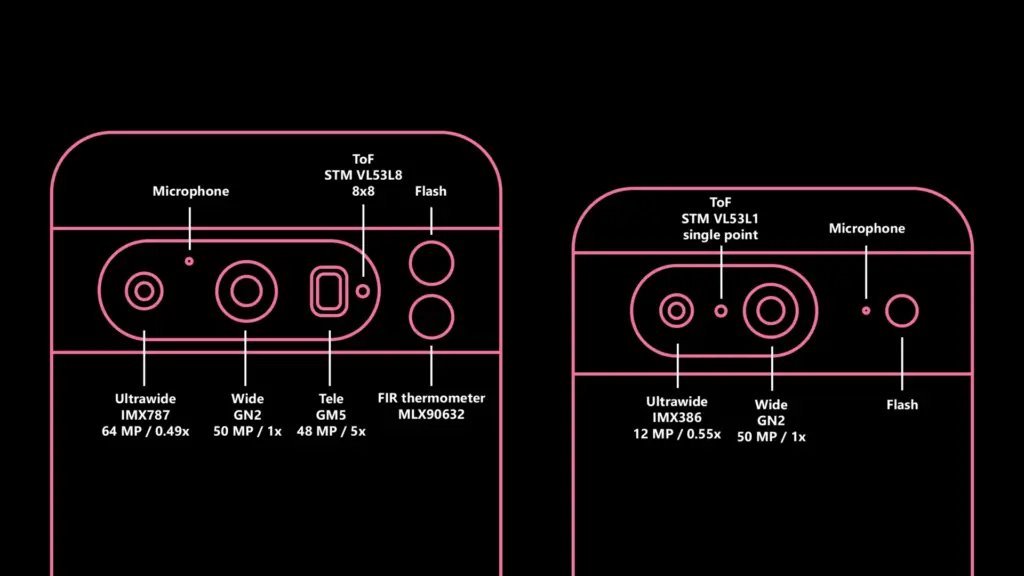
    Pixel 8 and Pixel 8 Pro camera specs – a big upgrade

    Both Pixel 8 versions will receive the ISOCELL GN2 sensor as the primary update to the camera hardware this year, replacing the Samsung ISOCELL GN1 sensor. The sensor is bigger and should capture roughly 35% more light than its predecessor for brighter low-light shots and faster shutter speeds to lessen blur. These are the first enhancements.

    The Tensor G3 CPU and the sensor both support the capture of 8K/30fps video. This might not reach users, though, as the Pixel 8’s GCam does not presently enable it, and older Pixel models already run quite warm at 4K/60 frames per second. The final improvement is the previously revealed Staggered HDR support. This shortens the time between HDR capture frames, which lessens ghosting and expedites the capture process. The innovation might enable quicker, more dependable photos by enhancing Google’s HDR+ capabilities.

    The ultrawide camera on the Google Pixel 8 Pro is also getting a much-needed boost. The 64MP Sony IMX787, which is the same sensor as the main camera featured on the Pixel 7a, has replaced the outdated 12MP Sony IMX386. The sensor is almost two times larger, which is a significant improvement for the ultrawide camera. The lens has also been slightly widened by Google. The field of vision (FoV) has been increased from a 0.56x zoom ratio to 0.49x, but I am unsure of the precise value. Unexpectedly, there’s a possibility that the macro mode introduced with the Pixel 7 series won’t be present this year. At now, the Pixel 8 Pro doesn’t have the capability enabled. Afterwards, the feature might be activated again.

    The vanilla Google Pixel 8’s ultrawide camera is also upgraded, although more modestly. While the camera sensor is the same Sony IMX386 found in the Pixel 6 series, Google has made it slightly wider this year. Pixel 7 had a 0.67x zoom ratio, which is now 0.55x in the Pixel 8.

    The telephoto camera on Pixel 8 Pro appears to remain the same 5x module as the Pixel 7 Pro. The same goes for the 11MP selfie camera from the Pixel 7 series. Here’s the full rundown:

    Pixel 7Pixel 8Pixel 7 ProPixel 8 Pro
    WideSamsung GN1 (50 MP)Samsung GN2 (50 MP)Samsung GN2 (50 MP)Samsung GN1 (50 MP)
    UltrawideSony IMX386 (12MP) – 0.67x zoom ratioSony IMX386 (12MP) – 0.55x zoom ratioSony IMX787 (64 MP) – 0.49x zoom ratioSony IMX386 (12MP) – 0.56x zoom ratio
    TelephotoSamsung GM5 (48 MP) – 5x zoom ratioSamsung GM5 (48 MP) – 5x zoom ratio
    SelfieSamsung 3J1 (11 MP)Samsung 3J1 (11 MP)Samsung 3J1 (11 MP)Samsung 3J1 (11 MP)

    It’s intriguing to see Google further distinguish between the normal Pixels and their Pro counterparts. Although each generation’s previous Pixels had distinct distinctions (such as the addition of telephoto cameras on the Pro versions), it never felt as though the standard devices were a significant downgrade; rather, they just featured less features. This is altering with this generation. Now, purchasing the normal Pixel 8 over the Pixel 8 Pro will result in a lower-quality ultrawide experience and a lesser zoom.

    Improved time-of-flight is coming to the Pixel 8

    The STMicroelectronics VL53L1 single-point time-of-flight (ToF) sensor has been used in all Pixel phones since the Pixel 6 (apart from the Pixel A series), which is a little-known fact. This sensor helps the autofocus. It is depicted in the picture up top.

    Finally, the Pixel 8 Pro get something more practical. It has a brand-new 88 ToF VL53L8 sensor. The new sensor in the Pixel 8 Pro is still a huge improvement, and it should, at the very least, make the autofocus much more dependable. Having a true LiDAR camera sensor, like the 0.3MP IMX590 in the iPhone 14 Pro, is obviously far more adaptable.

    The ToF sensor upgrade isn’t coming to the regular Pixel 8; it retains the old VL53L1.

    The Pixel 8 thermometer is just a thermometer

    An FIR temperature sensor is yet another Pixel 8 Pro feature that has already surfaced online. Let me set the record straight: it is not a full thermal camera that can also be used for photography as some have suggested.

    It is a Melexis MLX90632 sensor, which is primarily suggested for highly accurate non-contact temperature measurements, such as measuring body temperature. It is just capable of sensing temperature; it is neither a camera nor anything else. Simply said, and not for the first time, Google decided to incorporate a very pricey gimmick in its product (hello, Motion Sense).

    google pixel camera

    Software updates for the Pixel 8 camera are coming

    While the camera software on Pixel 8 is obviously in fairly early stages of development and mainly focuses on making the new hardware work, we have spotted some new low-level feature enhancements.

    “Adaptive torch” is a new feature that dynamically adjusts the flash intensity based on the scene and other inputs (e.g. which capture mode is used). This should prevent overexposed shots and make low-light photography even better if you use the flash.

    “Segmentation AWB” is another new feature. As the name implies, the scene will be divided into many segments using AI, and then certain portions of the image will be processed differently. This idea is not new; Qualcomm previously unveiled a feature of a similar nature for the Snapdragon 8 Gen 2. How Google integrates this into its current processing processes will be interesting to observe.

    Google might also add a video bokeh blur level selection for the phone’s cinematic mode, which was first introduced on the Google Pixel 7 series.

  • Sony Xperia 10 III is getting upgraded to Android 13

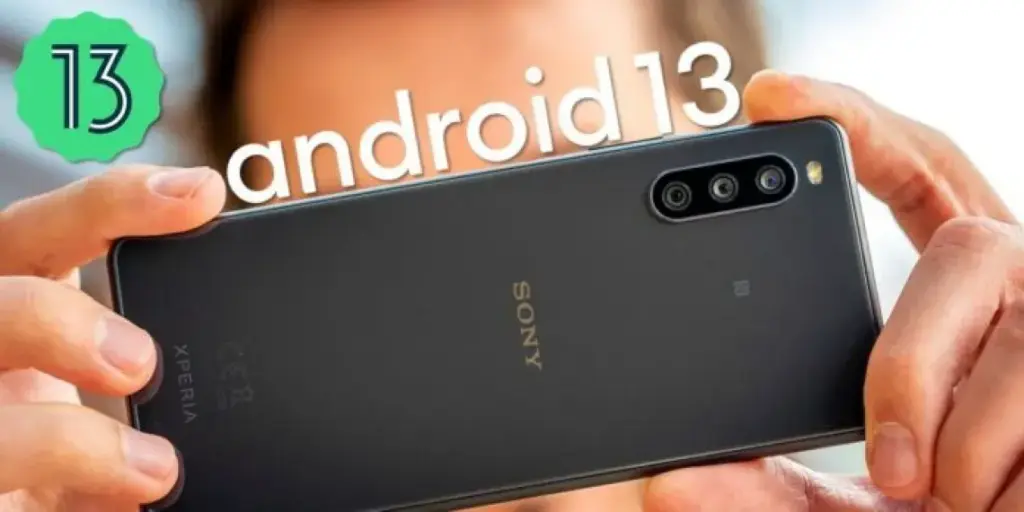
    Sony Xperia 10 III is getting upgraded to Android 13

    The Japanese giant Sony may have decreased its expectations for its mobile business, but that doesn’t imply it has ceased making new devices. We’re getting fewer phones every year because Sony had to reduce its mobile division in response to the strong competition on the smartphone market.

    Positively, it should make it possible for Sony to deliver Android OS updates considerably more quickly than in the past. Sadly, that doesn’t always happen, but at least devoted followers continue to receive updates on occasion.

    Sony has made some work on updating all of its eligible phones to Android 13, although some devices are still awaiting the upgrade. Up until recently, one of those gadgets was the Xperia 10 III. According to XDA Developers, the Sony Xperia 10 III is currently receiving an upgrade with firmware version 62.2.A.0.367 in a few European and Asian nations.

    Sony Xperia 10 III android 13

    The global dual-SIM (XQ-BT52) is eligible for this update, although release dates in various areas might vary. There are a lot more updates coming to the phone, but the changelog verifies that the upgrade includes the January 2023 security patch.

    For instance, Sony Xperia 10 III devices will soon have a new lock screen, a brand-new Quick setting panel, and various improvements to the Camera app. Be sure to read Sony’s summary of some of the changes included in the Android 13 release.

    The Xperia 10 III’s excellent 6-inch OLED display, which supports HDR and 1B colors, makes it one of the most intriguing mid-range smartphones on the market. The Xperia 10 III, which was first released in 2021, is quite likely to get one more significant Android OS update before Sony stops supporting the device.

    If you plan to upgrade your Xperia 10 III to Android 13, keep in mind that your user data shouldn’t be affected by the software update. However, going back to a previous software version after upgrading to Android 13 will no longer be possible, at least not through official means.

  • Sony Xperia 10 IV – familiar design and improvements

    Sony Xperia 10 IV – familiar design and improvements

    For as big as Sony is, it’s never been a giant in the world of smartphones. That hasn’t stopped it from releasing new devices for its audience of devoted fans. A week after spotting renders showing off the Sony Xperia 1 IV, we’re getting a new look at another phone on its way from the company, in all its bezel-ful glory.

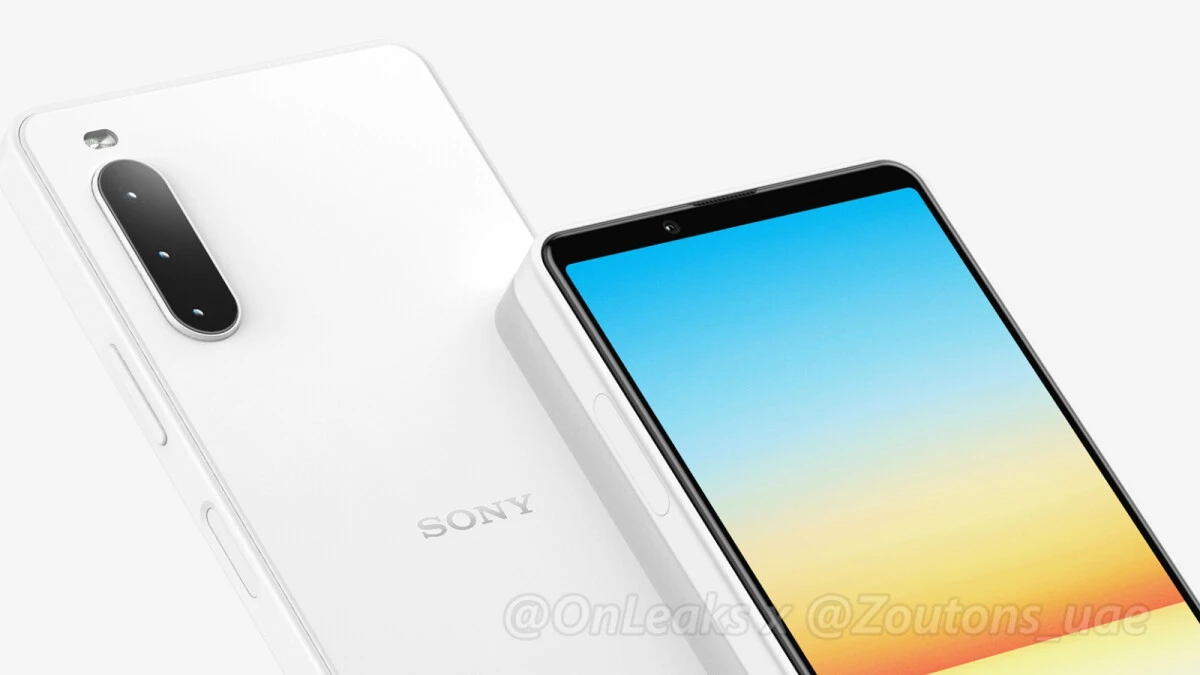
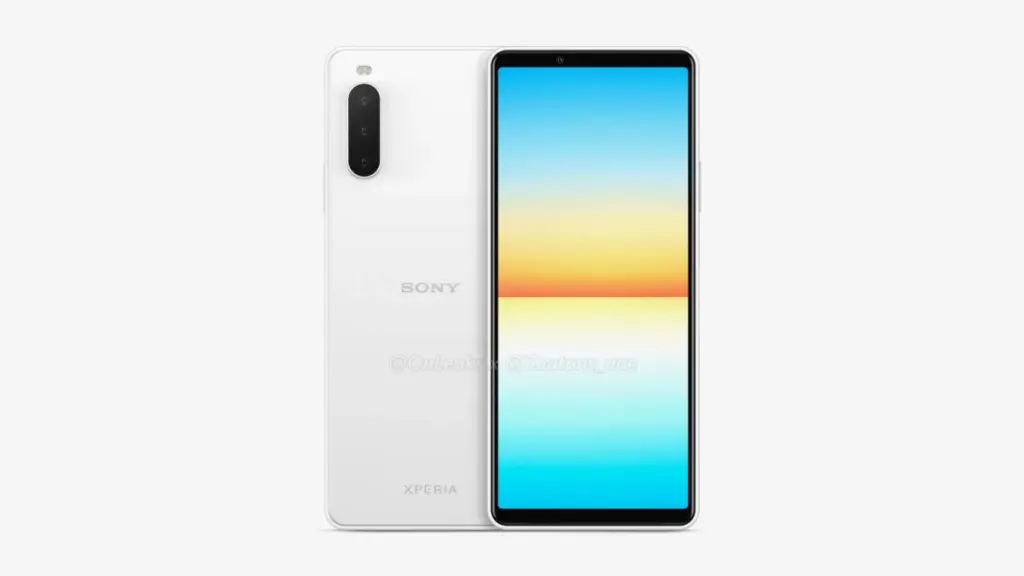
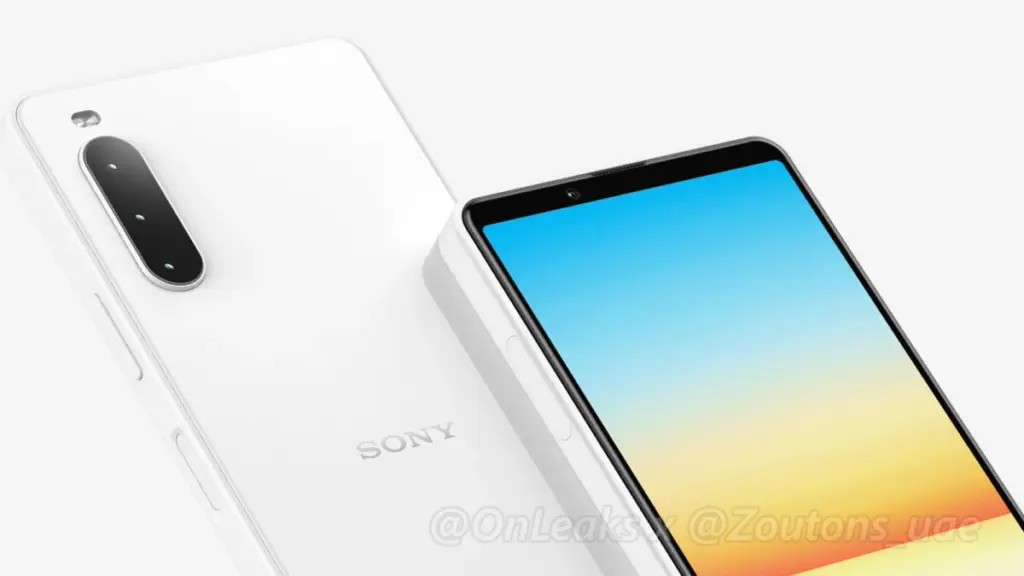
    These renders, courtesy of OnLeaks and Zoutons, show the future Xperia 10 IV with a familiar appearance. With a tall and thin 6-inch flat OLED display and those nostalgia-inducing bezels on the chin and forehead, the new phone looks a lot like the Xperia 10 III before it. Although they aren’t as large as they once were, they are still a far cry from the elegant, fullscreen displays found on handsets like the Galaxy S22 Ultra.

    The phone’s back is quite plain, featuring a triple camera array, an LED flash, and the Sony Xperia branding. It also has a fingerprint sensor on the side, a 3.5mm headphone connection on the top — rejoice, wired headphones fans — and a USB-C port on the bottom. There are two front-firing speakers.

    Despite its numerous similarities to the Xperia 10 III, the Xperia 10 IV has a few exterior differences. There’s no distinct Google Assistant button, for example – barely a miss, given that there are so many methods to access Assistant these days that a physical control feels extraneous. However, a shutter button, similar to the one found on the Xperia 1 series, would have been a great substitute. When it comes to differences, the frame is likely the most evident. Sony appears to be following the lead of Samsung and Apple, since the Xperia 10 IV has flat edges rather than rounded ones.

    Sony’s upcoming Xperia 10 IV will likely have a Qualcomm Snapdragon 690 chipset under the hood, paired with 6GB of RAM and 128GB of internal storage on the base model. It’ll be powered by a 4000mAh cell and come in Black, White, Mint Green, and Berry Blue colors. Pricing and launch info are still up in the air, but the new smartphone is expected to hit the markets in mid-2022.

  • Sony releases Android 12 stable for Xperia 1 III and Xperia 5 III

    Sony releases Android 12 stable for Xperia 1 III and Xperia 5 III

    Samsung, Xiaomi, Oppo, OnePlus, and Motorola, among others, have already revealed their Android 12 rollout plans, with Samsung in particular updating its massive smartphone array across geographies at a breakneck speed. Sony has entered the party with their own schedule (if you can call it that), albeit without any precise device timelines. Regardless, the stable Android 12 release for the Xperia 1 III and Xperia 5 III flagships is now available.

    Sony releases Android 12 stable for Xperia 1 III and Xperia 5 III

    The Sony Xperia 1 III and Xperia 5 III are among the most recent devices to receive Android 12, with build version 61.1.A.1.149 and the December 2021 security patch instead of the one for this month (per XDA-Developers). According to reports, the update is presently being given out in Russia, but only to Asian dual-SIM editions of the Xperia 1 III and Xperia 5 III with version numbers XQ-BC72 and XQ-BQ72, respectively.

    We’ll have to wait and watch when other regions get the upgraded firmware because Sony failed to release a thorough global distribution strategy. The update does not yet have a device-specific changelog, but you can reasonably assume that it includes all of the new features listed on the company’s rather generic Android 12 support page.

    ezgif.com gif maker 7

    For those unfamiliar, Sony’s version of Android is minimal and only makes a few tweaks to the AOSP build Google distributes to Android OEMs. The company does, however, improve the experience by using a unique 21:9 aspect ratio.

    If you have an Xperia 1 III or Xperia 5 III and haven’t received the OTA update yet, go to Settings > Software update to manually check for it. Long screenshots, one-hand mode, increased privacy and security, and, of course, Material You should all be available after you upgrade your handset to Android 12.

    Source: Sony

  • 16 new devices get Lineage 18.1 ROMs

    16 new devices get Lineage 18.1 ROMs

    lineage os rom

    Lineage OS is the premier custom Android ROM, and one of its best features is that it is constantly evolving. The distributed team has added sixteen new phones and tablets from a few vendors in the last few weeks.

    Here are the phones that have been added to the list, or jumped from Lineage 17.1 to 18.1, based on Android 11. Some :

    To install Lineage, you’ll need to unlock the bootloader on your phone, install a custom recovery like TWRP, then load up the custom ROM file. Most users will also want to flash Gapps at the same time to get access to the Play Store and other Google services. Take note, while Lineage is great and its interface is fast and smooth, almost all builds are classified as “nightlies,” so a few bugs are to be expected.

  • Sony Xperia firmware tool – download

    Sony Xperia firmware tool – download

    Xperifirm Tool is a tiny yet efficient tool that enables users to update firmware for all forms of Sony Xperia tablets, smartphones or other gadgets. When you read on, it will be really useful, because you will discover lots of stuff about the Xperia download device. You’ll hear about the new version of the Xperifirm Tool including the latest update.

    sony xperia firware tool

    1. Tiny portable device: It is very lovely to know that Xperifirm is made as a little mobile app. You don’t have to install the application on your computer before using it; all you have to do is launch the device and get ready to make use of the tool.
     
    2. Download firmware: With the application (Xperifirm) you will freely download the stock firmware for all your Sony Xperia gadgets, not excluding the previous and latest version of it.
     
    3. Downloading alternatives: The application (Xperifirm) allows users to alter the settings of the download. You are free to choose the location where you want the firmware to be downloaded and can as well ask questions like “where should I download my firmware” or “where firmware should be downloaded.”
     
    4. Downloading utilizing proxy: Once you have this app, you will have free entry to the proxy. Xperifirm lets its users use proxy any Xperia firmware downloading. Just make sure that the proxy is set correctly, and then you enter the proxy information once you are done with the details voila! You are set to download firmware from the proxy.