Category: News

Up‑to‑date Android news, smartphone launches, software updates and industry trends, written in a clean, editorial style for informed readers.

  • 3D-Printed Titanium Hinge and Industry-Leading Thinness – OPPO Find N5

    3D-Printed Titanium Hinge and Industry-Leading Thinness – OPPO Find N5

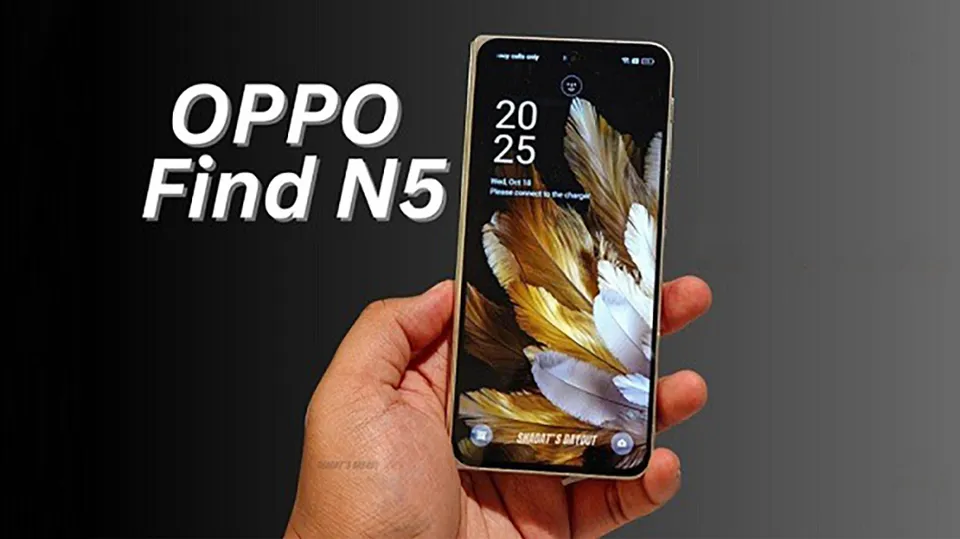
    OPPO is preparing to release its newest foldable, the Find N5, in February at a time when several smartphone makers are reducing their manufacturing of foldable handsets. With the Find N5 positioned as a revolutionary addition to the foldable industry, leaked information and promotional materials have created a lot of buzz. This excitement is not merely speculative; it stems from the potential innovations that OPPO is bringing to the table, which could redefine user expectations for foldable devices. As we anticipate this release, let’s delve deeper into what makes the Find N5 a standout in a crowded market.

    In conclusion, the OPPO Find N5 is not just another foldable smartphone; it represents a shift in how we view mobile technology. With its high-end materials, cutting-edge features, and potential for redefining user experiences, it is poised to make a significant impact in the smartphone market. As we await its official release, the excitement surrounding the Find N5 is a testament to the innovative spirit driving the next generation of mobile devices.

    Furthermore, the rise of 5G connectivity and advancements in mobile applications open new avenues for foldable smartphones. The Find N5 is expected to leverage high-speed internet capabilities to provide seamless streaming, gaming, and productivity features. As remote work and content consumption continue to grow, a device that can effortlessly switch between tasks and provide an immersive experience will resonate with users. The interplay of hardware and software will be crucial, ensuring that users have a cohesive experience across all applications.

    As the foldable smartphone market evolves, competition intensifies among manufacturers. Brands like Samsung and Huawei are also investing heavily in foldable technology, which raises the stakes for OPPO. The ongoing advancements in flexible display technology and hinge mechanisms will likely foster innovation across the sector. Users can expect improvements not just in thinner designs, but also in durability and multi-functionality. In this dynamic landscape, the Find N5’s success may hinge on its ability to meet consumer expectations while also pushing the envelope on what a foldable device can achieve.
    oppo find n5

    With titanium metal integrated into its design for the first time, the OPPO Find N5 is expected to be the thinnest foldable phone in the world. This innovative integration of titanium not only contributes to the device’s reduced weight and size but also enhances its durability, making it a more reliable option for everyday use. The premium feel of titanium, often associated with luxury items, elevates the overall aesthetic of the phone, catering to users who appreciate both functionality and style. Additionally, the use of titanium signifies OPPO’s commitment to utilizing advanced materials to push the boundaries of smartphone design, a trend that is likely to influence future models across the industry.

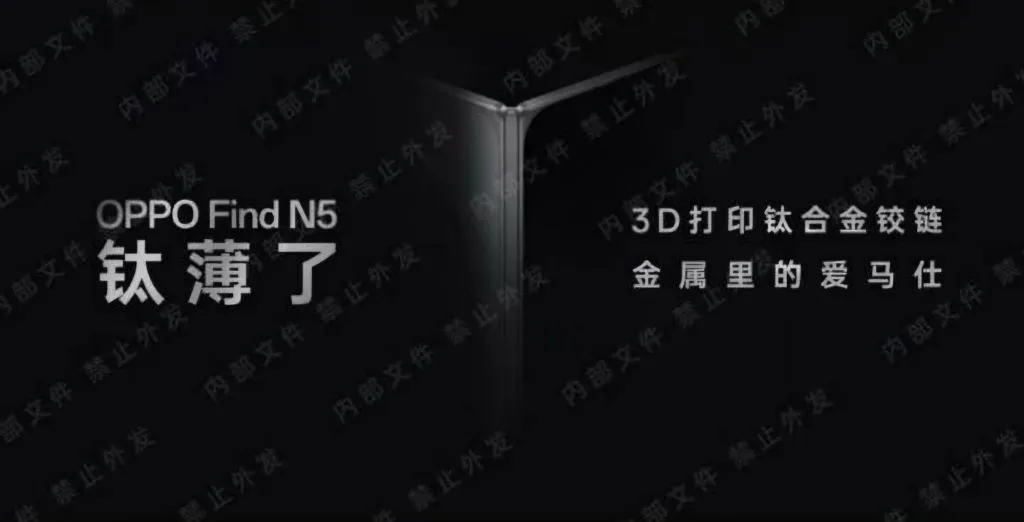
    The brand’s emphasis on luxury and cutting-edge engineering is highlighted in the leaked graphic with prominent features including a 3D-printed titanium alloy hinge and the tagline “The Hermes of metals.” This tagline not only showcases the premium materials but also positions the Find N5 as a fashion statement in the tech world. The 3D-printed hinge represents a significant advancement in manufacturing technology, allowing for intricate designs that improve both functionality and aesthetic appeal. Such innovations are often seen in high-end automotive design or luxury watchmaking, suggesting that OPPO is aiming to place its products in a similar echelon of craftsmanship and desirability.

    By giving firsthand observations, prominent insider DCS increased the excitement even more: “I got my hands on the Find N5, the next-generation huge foldable from the Green Factory (OPPO).” The anticipation surrounding this device is palpable, as it seems to encapsulate a new era of foldable technology. Even titanium is used in the world’s thinnest body, which is a remarkable feat in engineering. Users are eager to experience firsthand how these advancements translate into everyday use, including the phone’s performance, battery life, and overall user experience. The excitement is not just about the specs; it’s about the potential transformation of how users interact with their devices.

    Very impressive! The Honor Magic V3, which measures 9.2mm when folded, is now the thinnest foldable in the industry. According to the information that is now available, the Find N5 is anticipated to take this even farther, possibly matching conventional straight-screen phones in terms of thickness. This comparison is crucial as it challenges the preconceived notions about foldable devices, which have traditionally been viewed as bulkier alternatives. By achieving a similar form factor to standard smartphones, OPPO is opening doors for wider acceptance of foldable technology, making it more appealing to a broader audience as says New Zealand Business News.

    The Find N5 has many high-end features in addition to its remarkable form factor. It boasts a periscope telephoto lens, a back triple-camera array with a 50-megapixel main sensor, and a 2K high-resolution display. Such specifications are designed to cater to photography enthusiasts who demand quality and versatility from their mobile devices. The camera module’s recognizable circular form is back, hinting at a design language that resonates with existing OPPO users while appealing to newcomers. The device also integrates a powerful 5600mAh battery and IPX8 water protection, making it reliable for daily usage in various environments. In order to improve connectivity, the Find N5’s high-end model will further use Tiantong satellite communication, a feature that enhances its functionality in areas with poor cellular coverage, ensuring that users remain connected no matter where they are.

  • Pre-order and store availability of the Samsung Galaxy S25 Ultra

    Pre-order and store availability of the Samsung Galaxy S25 Ultra

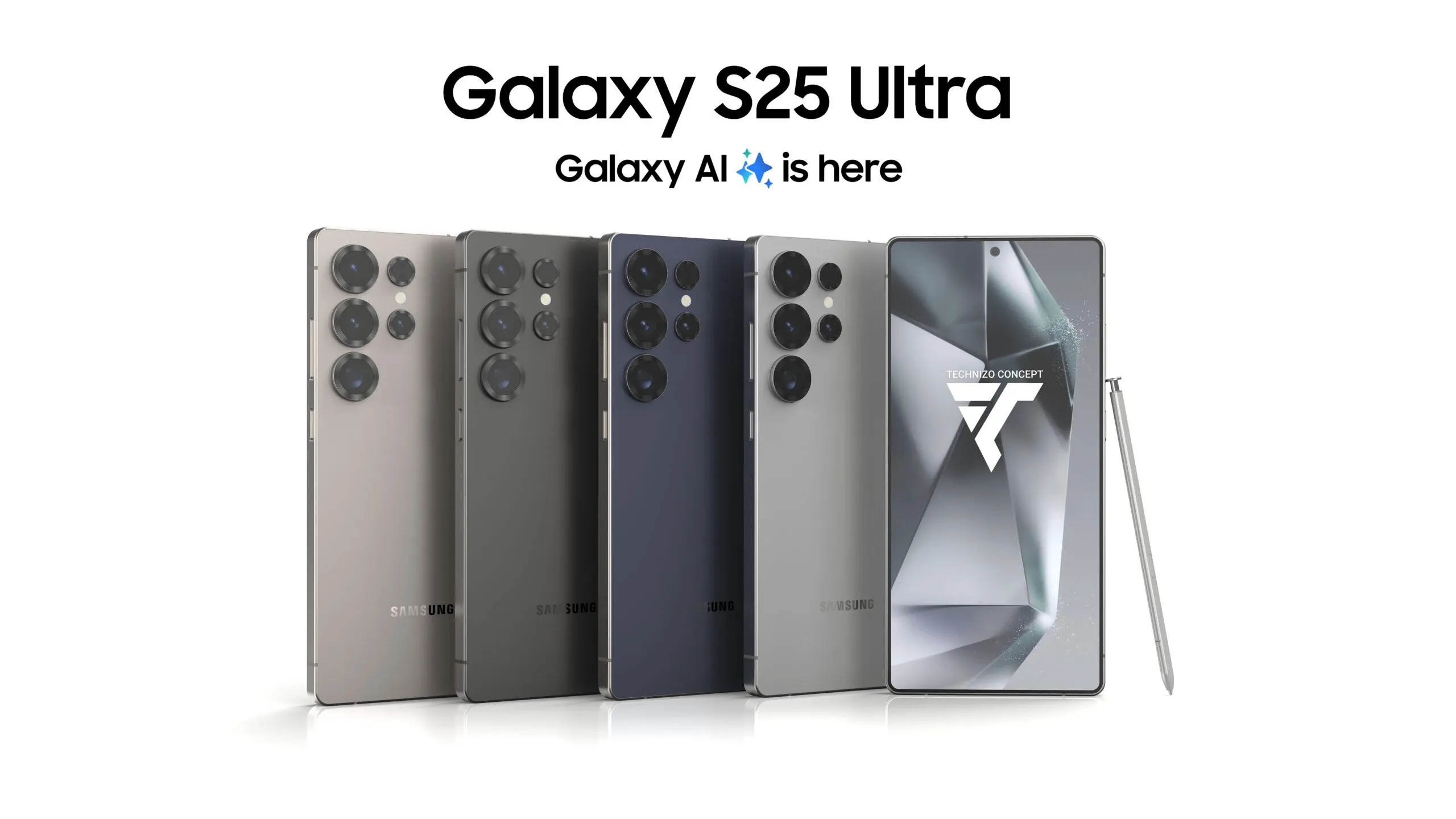
    The next Galaxy Unpacked event is scheduled for later this month, according to Samsung. The second generation of Galaxy AI and a variety of linked peripherals will undoubtedly be the subject of significant attention. However, the new Galaxy S25, Galaxy S25+, and Galaxy S25 Ultra will be the focus of the community’s attention.

    There are a few dates to be mindful of if you want to buy any of the new phones, including the flagship Galaxy S25 Ultra, in order to receive the device as soon as possible and at a reasonable price.

    Galaxy S25 Ultra preorder

    Registering for Galaxy Unpacked

    For those who are interested, Samsung has already begun the procedure. Customers can now express their interest in the Galaxy S25 Ultra and Galaxy AI through a new program that offers a $50 gift card for “additional qualified products.” Additionally, a questionnaire including a $50 offer was sent to Samsung registered users via email.

    However, those who express interest must do so before January 21st, the day before Galaxy Unpacked.

    When will Galaxy S25 Ultra pre-orders open?

    In the past, Samsung opened pre-orders at the conclusion of Galaxy Unpacked events that included phone debuts. Pre-orders are anticipated to open an hour or two after the Galaxy Unpacked event begins on January 22 at 1300 Eastern/1000 Pacific.

    In contrast to other years, there has been talk of Samsung moving the pre-order system’s opening from the Wednesday event to the morning of Friday, January 24. Regardless of the start date, pre-orders are probably going to end on Tuesday, February 4.

    There is another reason why the pre-order period will be significant. Samsung usually gives customers who buy a new Galaxy during the pre-order phase some of its finest discounts. A free upgrade to the next storage tier (so those purchasing the Galaxy S25 Ultra priced for the 512 GB model would receive the 1 TB storage model), a number of exclusive colors that were only available on Samsung.com, and generous trade-ins on a variety of smartphones from Samsung and other manufacturers, such as Google and Apple, were all features of last year.

    Retail availability

    Delivery of the Galaxy S25 Ultra will coincide with its retail availability after you have registered your interest, seen the Galaxy Unpacked premiere, and placed your pre-order. Deliveries to customers who placed preorders are anticipated to begin on Friday, February 7.

  • Google Pixel Watch 3 – great #deal on Amazon, less than $300

    Google Pixel Watch 3 – great #deal on Amazon, less than $300

    One of the greatest Android smartwatches on the market at the moment is Google’s newest flagship device, the Pixel Watch 3. Take advantage of the Pixel Watch 3 on Amazon for $299.99 (was $349.99) if you want the newest smartwatch technology from the company.

    Pixel Watch 3 on amazon

    Google Pixel Watch 3

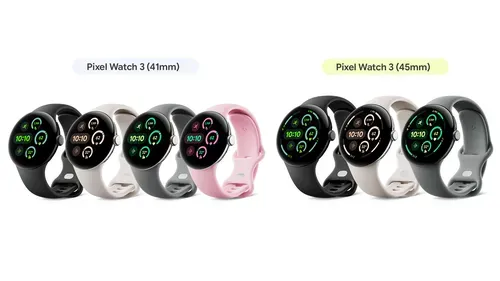
    Save $50 off the 41mm Pixel Watch 3, which is now only $299.99, $20 more than it was on Black Friday. It has a 24-hour battery life, sleep monitoring, heart rate and exercise tracking, and Wear OS 5 compatibility. It comes in all four colors. Take advantage of this offer now before it is too late if you missed it before Christmas.

    Best choice
    $349.99299.99Buy on Amazon

    Even though it costs $20 more than the Black Friday pricing, this is still a great bargain. Along with a ton of amazing features for staying in shape, the watch has the most recent version of the Android Wear OS.

    pixel watch 3

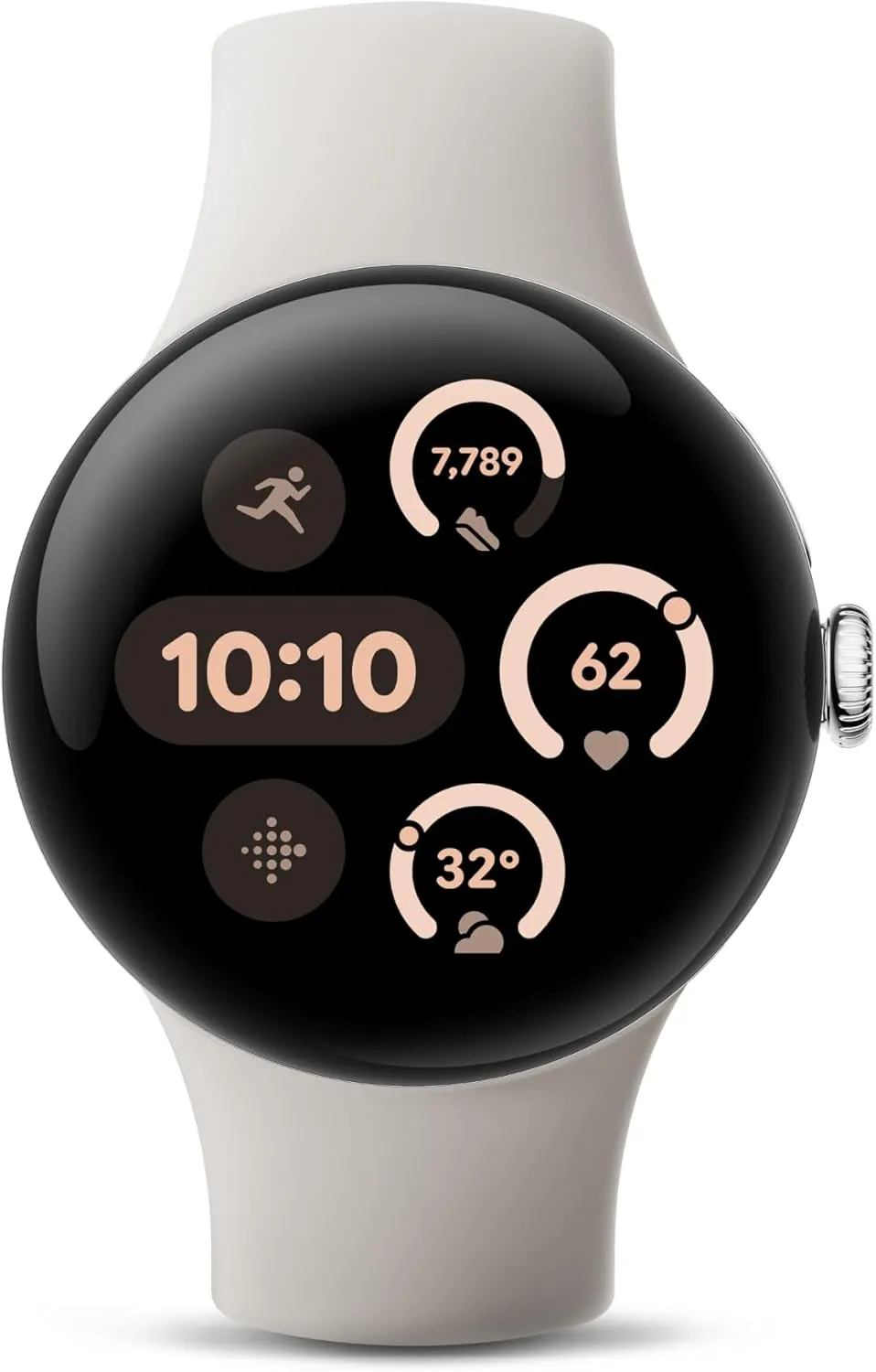
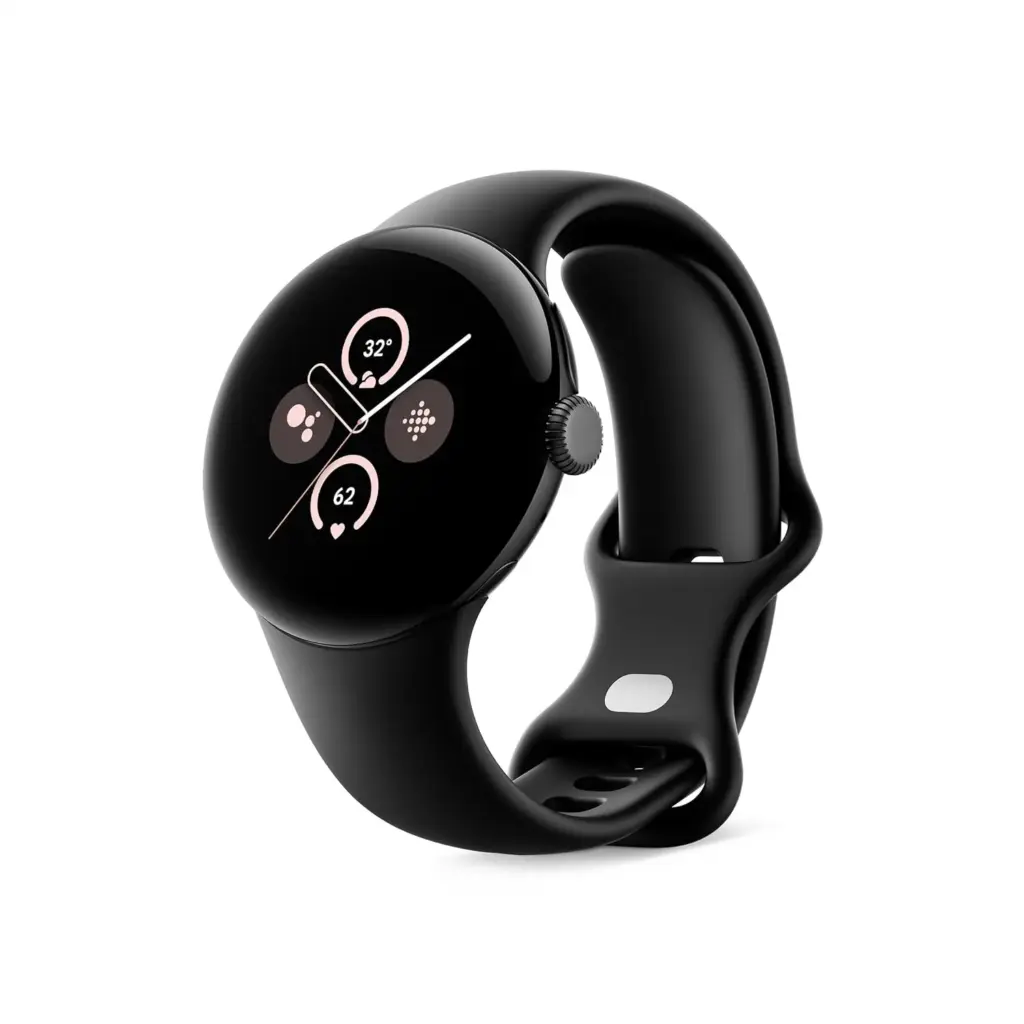
    We appreciated the significant overhaul and its focus on health in our review of the Google Pixel Watch 3. Google has made significant improvements to Wear OS that make it a true pleasure to use, without losing the popular formula or the iconic teardrop design.

    It comes pre-installed with a clean version of WearOS 5 and a stack of stylish sensors that provide several benefits. It features heart rate monitoring, blood oxygen or Sp02 tracking, sleep tracking, daily activity and training tracking, and the ability to obtain an ECG whenever needed.

    It is a more sophisticated running watch than it was previously because it now enables the setup of multiple routines with unique metrics. With tracking that genuinely helps you decide whether to push your performance today or not, Fitbit is Morning Brief looks extra great.

    Pixel Watch 3 on amazon

    Google Pixel Watch 2

    Save $50 off the 41mm Pixel Watch 3, which is now only $299.99, $20 more than it was on Black Friday. It has a 24-hour battery life, sleep monitoring, heart rate and exercise tracking, and Wear OS 5 compatibility. It comes in all four colors. Take advantage of this offer now before it is too late if you missed it before Christmas.

    Best choice
    $249.99$199.99Buy on Amazon
  • Android widgets to boost productivity

    Android widgets to boost productivity

    There is a widget for everyone, and depending on the apps you have loaded on your Android device, you will most likely find one or two in this post to assist make your day more effective.

    So, what are widgets?

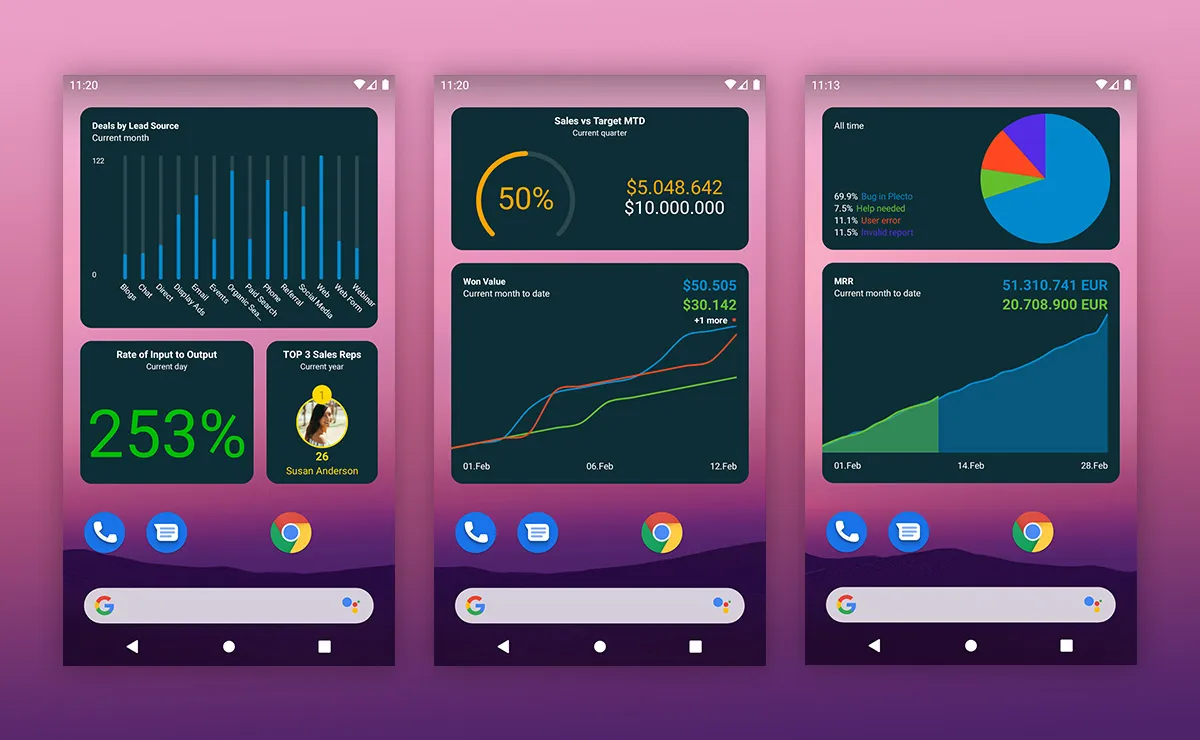
    Simply defined, they are enhancements to your Android home screen that provide rapid access to information from apps, the apps themselves, or the services you rely upon. With the correct widgets, you can create an at-a-glance home screen that keeps you up to date without having to open any apps.

    Gmail

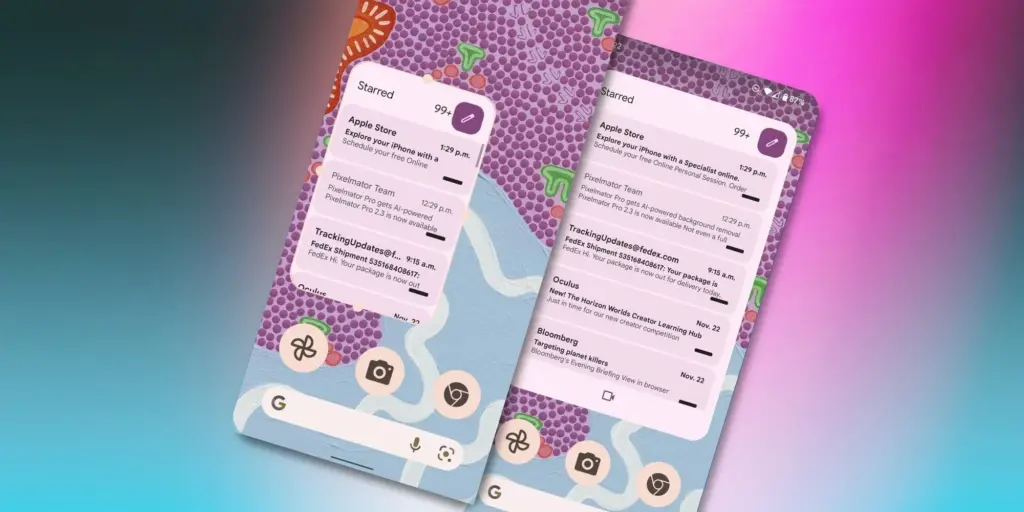
    Adding the widget to your default email app allows you to quickly see what is in your inbox and easily access the app’s email compose window.

    Tap the pencil icon on the Gmail widget to access the Gmail compose window and type an email. I enjoy this widget since it allows me to send a fast email without opening the email program.

    If you rely on email to stay connected and up to date, this widget should be deemed essential.

    gmail widgets on android home screen

    Battery widget

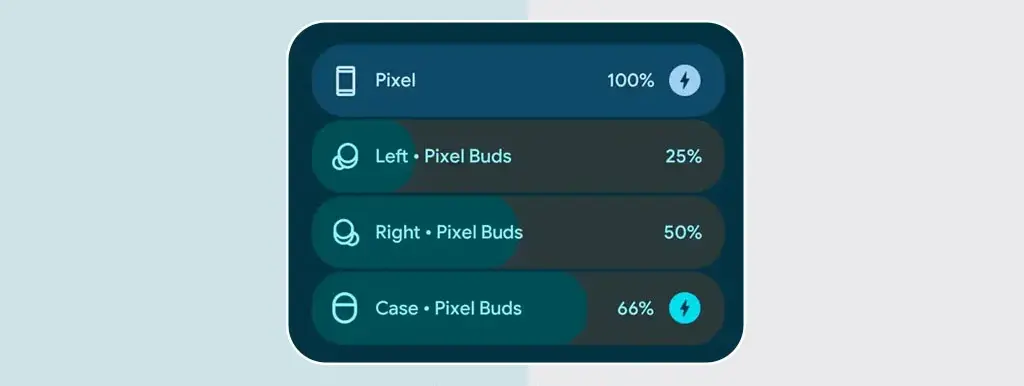
    Yes, there is a battery indicator near the top of your phone’s display. However, the indicator does not provide any information about the charge levels of the linked devices.

    Add the battery widget to your home screen to monitor the charge levels of your devices, including your Pixel Watch and headphones. If you want to see how much battery life your device has left, the Android Battery widget is a terrific addition.

    pixel Battery Widgets

    Google Calendar

    If you use Google Calendar on a daily basis and rely on it to help you manage your hectic schedule. Because I frequently check my Google Calendar, I find the widget really useful.

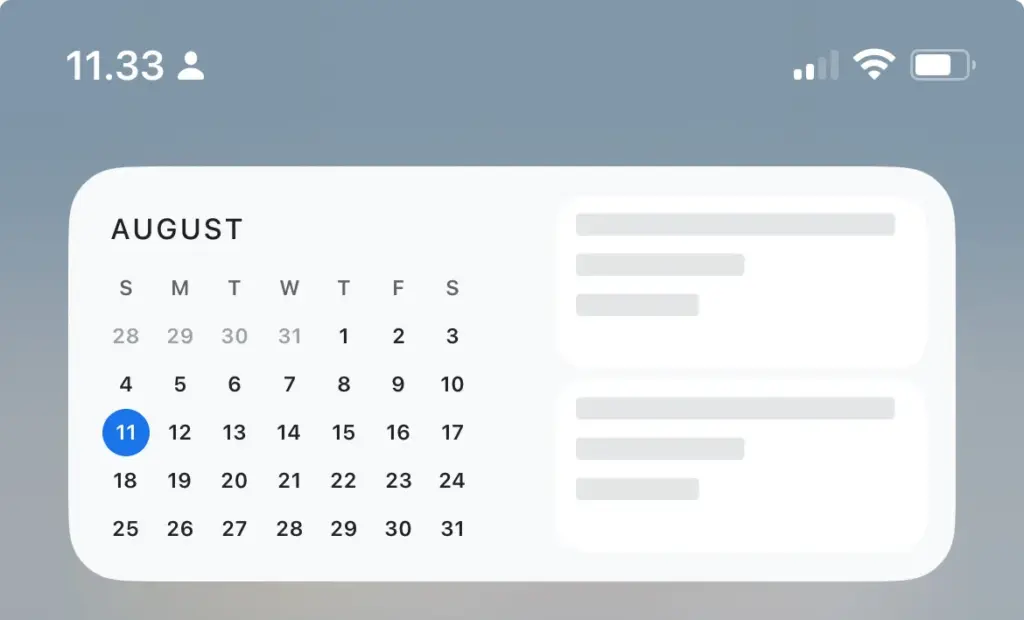
    You can add a widget that displays the complete month or a daily widget. You may view events from either widget and add them to your calendar by tapping the Add button.

    Keep in mind that if you use multiple calendars in Gmail, you will need to build a widget for each one. I prefer the day view since it provides an overview of my day at a glance, allowing me to anticipate what will happen next.

    Google Calendar widgets

    Pixel Weather

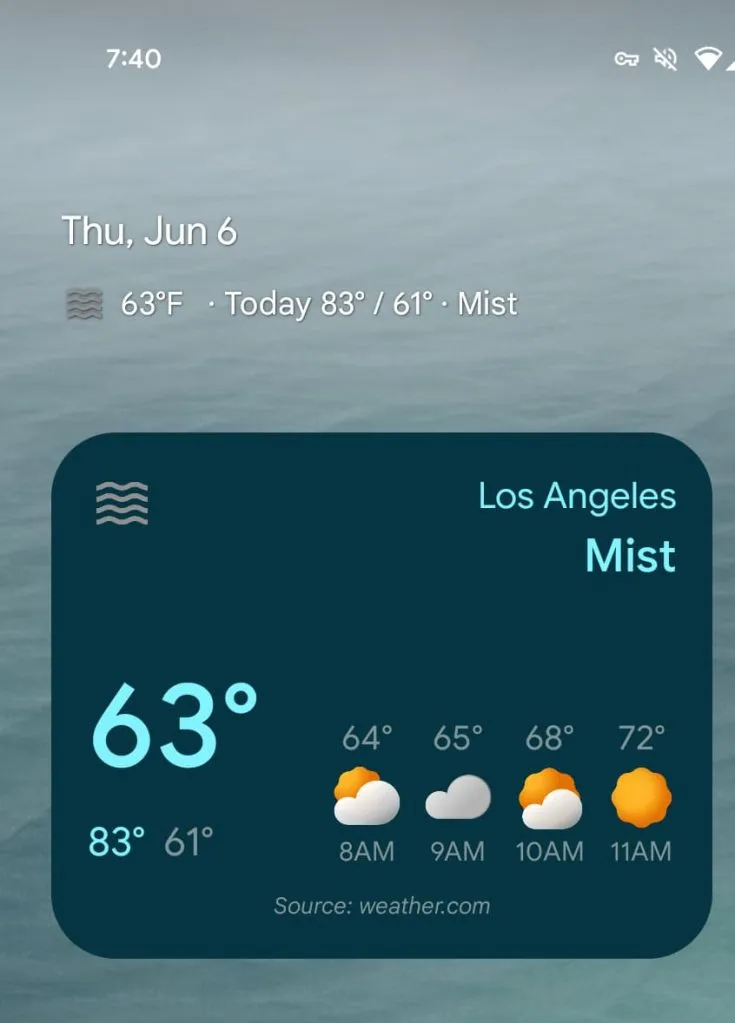
    The Android at-a-glance function displays the current temperature, which you may tap to launch the weather app. However, it is not always intuitive to utilize. It is typically a toss-up between opening the Weather app or the Calendar app.

    To minimize misunderstanding, we included the Pixel Weather widget. Yes, this is a Pixel-only feature, but it is far superior to attempting to read the tiny text of the at-a-glance weather choice. When I do not wear my spectacles, the Weather widget is always available to assist me.

    pixel weather widgets

    How to add a widgets to you screen?

    This part is simple. All you have to do is long-press a blank area on your home screen, select Widgets, find the widget you want to add in the resultant window, and drag it onto your home screen. You can then resize and position the widget as needed.

  • Temporarily free Android and IOS apps

    Temporarily free Android and IOS apps

    Get ready to upgrade your mobile experience without spending a dime! Every week, numerous premium apps on both Android and iOS platforms temporarily drop their price tags to zero, giving savvy users a chance to grab high-quality apps for free.

    In this article, we’ve curated a fresh selection of temporarily free apps that you won’t want to miss. From powerful productivity tools to entertaining games and creative suites, these limited-time offers provide an excellent opportunity to enhance your smartphone or tablet with premium software – but you’ll need to act fast, as these deals typically only last for a few days.

    android and ios apps

    Let me guide you through this week’s most exciting free app offers and help you decide which ones are worth your time and storage space. We’ll explore each app’s key features, regular pricing, and potential use cases to help you make informed decisions about which apps to download.

    Download and install any apps you find that you would want to have but do not require right now. It would be seen as “purchased,” and even if you immediately remove it from your smartphone, it will always remain in your app library.

    Android apps and games that are free for a limited time

    Android apps for productivity and lifestyle

    • Cutout Premium ($2.99): Resize, cut, remove backgrounds, and spice up your profile pictures.
    • Stick – Remote Control Pro ($2.99): Use your phone as a universal TV remote for the main brands.
    • Countdown Widget ($0.99): Create simple, handy widgets to remind you of upcoming events.
    • Business Card Maker ($4.99): Design real or virtual business cards, with handy features such as a QR Code generator.

    Free Android games

    • Defense Zone 2 HD ($2.99): Pass the time with this HD take on the classic tower defense genre.
    • The Lonely Hacker ($2.99): Master the art of hacking in this thriller with (allegedly) realistic cyber attacks.
    • Shadow of Death: Dark Knight ($3.99): Fill your screen with gorgeous visual effects and the bodies of your dead enemies in this hack-and-slash action game.
    • Sky Wings VIP ($0.99): Prepare your nostalgia for this voxel-like 3D shmup. Take down the enemy aircraft in this old-school-style arcade shooter.

    iOS apps that are free for a short time

    iOS apps for productivity and lifestyle

    • Screen Mirroring ($69.99): Mirror your iPhone or iPad screen to a nearby smart TV, even if it doesn’t support AirPlay.
    • Cutout Premium ($2.99): Resize, cut, remove backgrounds, and spice up your profile pictures.
    • Stick – Remote Control Pro ($2.99): Use your phone as a universal TV remote for the main brands.

    Free games for the iPhone and iPad

    • Adventure Bike Trials ($0.99): Miss the good old days of Trials? Take your bike and face the off-road tracks in this physics-based casual racer.
    • Trials of Dragons ($0.99): Strategy RPGs may not be as hot as they used to be. This is a good excuse to check this turn-based mobile offering.
    • Mage Mania (0$.99): Find your way through a monster-ridden dungeon on this 16-bit style adventure game.
    • Raider ($1.99): Navigate tight caverns with your ship while killing the invading enemy drones to protect the galaxy, no pressure.

    As of the date of publication, the deals were active. Please share any expired deals you come across in the comments section below. We advise you to review the app’s details in the Play Store or App Store before downloading any of the aforementioned apps. This is crucial since some of these free apps can have unique features or drawbacks of their own.

    Why, after all, would a simple alarm clock require access to your contacts or camera? Furthermore, why would a flashlight app need to know your precise location?

    You may successfully protect your personal information from prying eyes by choosing which permissions to provide with caution. With the knowledge that your data is safe and secure, you may explore the wide selection of free apps that are available for download on your iOS or Android device.

    A bond value calculator is a useful financial tool that helps investors determine the current worth of a bond based on its face value, interest rate, time to maturity, and market interest rates. By inputting these variables, users can quickly assess whether a bond is priced fairly or if it’s a good investment opportunity. This calculator is especially valuable for comparing different fixed-income securities and making informed decisions in a fluctuating interest rate environment.

  • True variable refresh rate support for Android 15 is here

    True variable refresh rate support for Android 15 is here

    These days, swift screens are not limited to the the greatest Android phones. The majority of premium and mid-range Android phones, as well as many low-cost phones, have displays with refresh rates higher than 60 Hz.

    However, because their displays do not support variable refresh rate (VRR) technology, the majority of these phones only refresh at a few set speeds, such as 60Hz, 90Hz, or 120Hz. As it turns out, Android has not had real VRR support up until now, although certain phones do feature VRR-capable screens.

    Google claims that Android 15 is the first version of the Android operating system to feature adaptive refresh rate (ARR), also known as variable refresh rate. The operating system allowed for multiple refresh rates with refresh rate switching prior to Android 15. In essence, the OS would instruct the screen to alternate between the many display modes that it supported, like 1080p@60Hz and 1080p@90Hz.

    Therefore, it would track the type of view that is displayed in an attempt to do this intelligently, but it was never really adaptive. Nevertheless, Android 15 introduced adaptive refresh rate, which allows the refresh rate to alter within a single display mode in addition to adapting to the content frame rate.

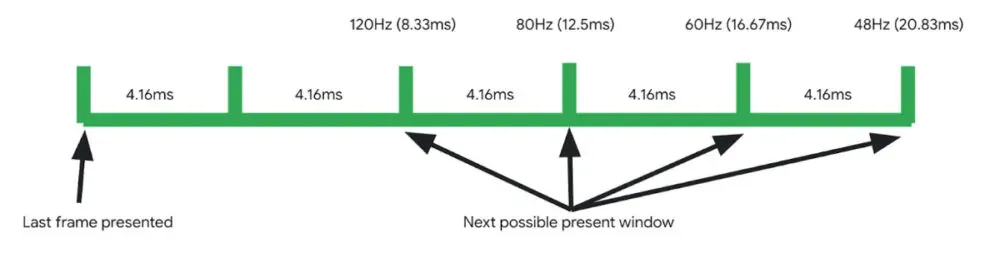
    According to Google, there are two main advantages to Android 15’s adaptive refresh rate functionality. By allowing devices to “function at rates lower than their maximum refresh rates, switching to higher rates only when critical for the user experience, which eliminates wasteful power consumption,” it first lowers power usage. Second, by removing the need to switch between display modes—which Google claims is a “known cause for jank”—ARR enhances performance.

    android 15 variable refresh rate

    Many of you are probably asking if this adaptive refresh rate feature is indeed new. What gives, considering that smartphone manufacturers have been promoting variable refresh rate as a key feature made possible by the advent of LTPO screens for years? Although I am not very knowledgeable about display technology, from what I gather, even these gadgets have never offered full VRR on Android, unlike PC players. For instance, unlike many PCs, Android smartphones with LTPO OLED screens are unable to synchronize their display refresh rates with games.

    Many of you are probably asking if this adaptive refresh rate feature is indeed new. What gives, considering that smartphone manufacturers have been promoting variable refresh rate as a key feature made possible by the advent of LTPO screens for years?

    While We aren’t very knowledgeable about display technology, from what I gather, even these gadgets have never offered full VRR on Android, unlike PC players. For instance, unlike many PCs, Android smartphones with LTPO OLED screens are unable to synchronize their display refresh rates with games.

    Rather, the introduction of LTPO backplanes to OLED screens just improved the power efficiency of operating those screens at lower refresh rates. This expanded the range of available refresh rates by enabling Android devices with LTPO OLED displays to operate at 1Hz or even 10Hz when necessary.

    These refresh rates were still connected to distinct display modes, though, and Android controlled them by calling lower-level display software through the Hardware Composer (HWC) hardware abstraction layer (HAL). As a result, the Android OS would alter the refresh rate by switching the display mode even on devices having a real VRR/ARR panel.

    Some Android devices already have the ability to switch refresh rates inside the same display mode, but their OEMs had to add kernel-level support for this, according to display expert Dylan Raga.

    The drawback of this strategy is that every OEM would have to create their own logic for determining when to reduce the refresh rate. This is difficult not only because Android requires a generic kernel image, but also because the kernel does not know as well as the OS does what content is displayed.

    Because it offers a uniform method of reducing the refresh rate using data and cues that are more easily accessible to the OS, Android 15’s implementation of appropriate support for VRR/ARR at the HAL level is crucial. However, OEMs must implement version 3 of the HWC HAL APIs in addition to supporting the necessary kernel and system updates on Android 15 or later devices in order to allow VRR/ARR.

    It is hoped that more apps would utilize lower refresh rates once Android devices have this adaptive refresh rate capability enabled. Dylan Raga cited the fact that most Android phones now run at 60 Hz when a movie is playing rather than 30 or 24 Hz, which this feature may correct.

    Yet, according to Google’s documentation, this functionality only permits the panel to operate at refresh rates that are “divisors of the panel’s tearing effect (TE),” therefore it is unlikely to bring PC-like game refresh rate syncing to Android. It is long overdue that Google disclose more information about this function and whether it is available on any of its current Pixel smartphones.

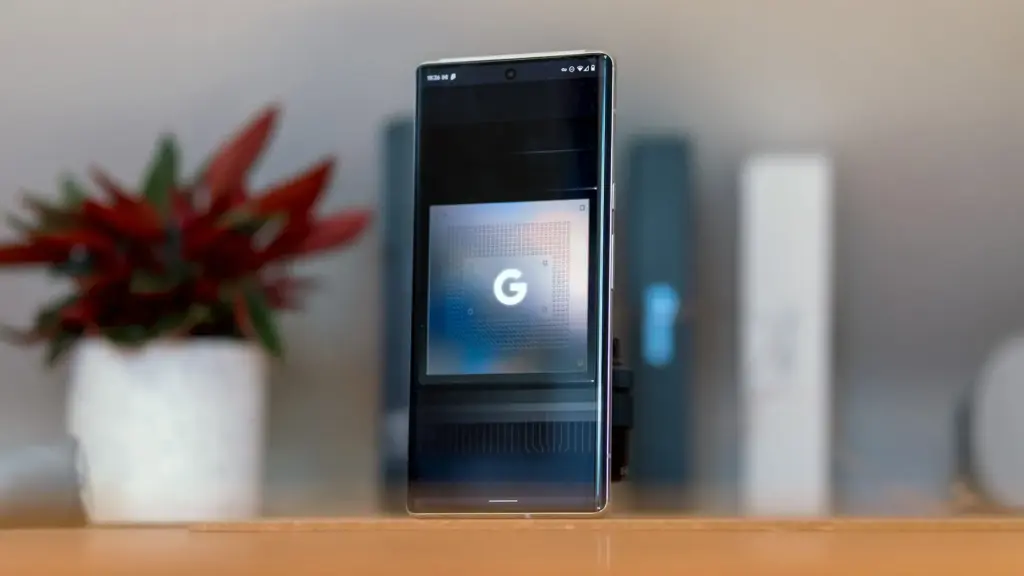
  • 36 hours of battery on Tensor G6, possible?

    36 hours of battery on Tensor G6, possible?

    Google discusses issues consumers have faced with previous generations when creating the Tensor G6 for the Pixel 11 series, and battery life is predictably a factor. Google discusses how less than 86% of Pixel 6/7 users survived the day in Tensor G6 design/planning docs that Android Authority was able to view (original text: “Pixel 6/7 generation < 86% MITTD”).

    “Battery life is always at the top of conjoint research,” the statement reads. Along with the notion that “Good battery life attracts user & drives loyalty with increased satisfaction,” none of that is really shocking.

    Of note is a line about how “Users expect 36 hrs of battery life.” In context, that’s presumably what Google found after surveying users. 

    It is unclear if Google intends to fulfill that expectation with Tensor G6 and Pixel in the future or if it is merely something they are considering. Google boasts “24+ hour battery life” on the specs list for the Pixel 9 series, yet the Pixel 6 Pro-8 Pro has “Beyond 24-hour battery life.

    Tensor G6 and Pixel

    The Extreme Battery Saver life has increased each time, reaching up to 100 hours this year after reaching up to 48 hours on the 6 Pro and 72 hours on the 7/8 Pro.

    If a user forgets to charge their phone overnight, the 36-hour battery life may allow them to continue with their day. Accidents do occur, but most people are now conditioned to plug in at the end of the day. The remainder of the paper discusses the necessity of lowering the chip’s price since “Tensor based Pixel applications have not accomplished our financial targets.” In particular, “~$65 to make this business viable” is the goal.

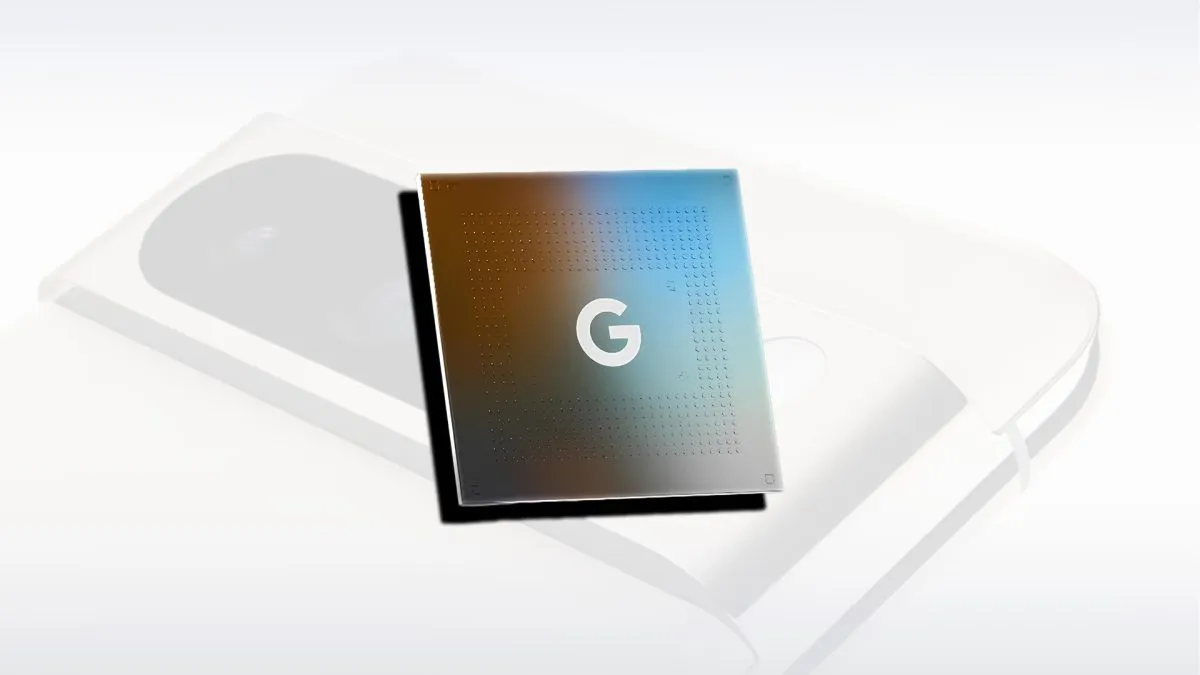
    To achieve that, the aim is to make Tensor G6 physically smaller than the G5 (121 mm² to 105 mm²), and removing various components. For example, the GPU will drop ray tracing support after introducing it a generation earlier. Other examples include removing cores and reducing caches across the chip. Of course, none of this is finalized yet. 

  • The OnePlus 13’s personalized Snapdragon chip appears to be more efficient than the Apple A18 Pro.

    The OnePlus 13’s personalized Snapdragon chip appears to be more efficient than the Apple A18 Pro.

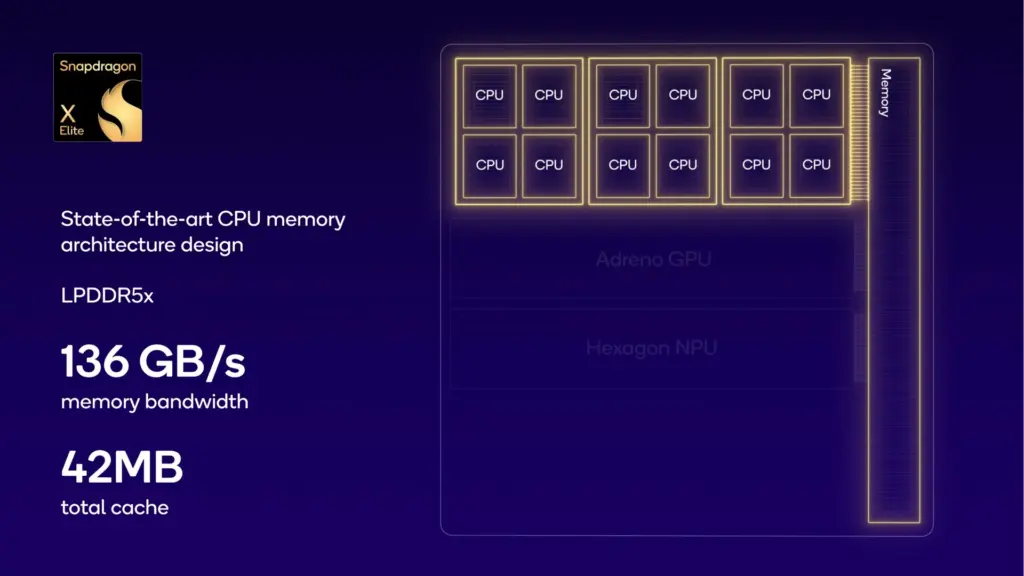
    With the next-generation Snapdragon flagship CPU around the corner, the OnePlus 13 is anticipated to come soon. According to a OnePlus employee, the modified version of the SoC can outperform the Apple A18 Pro in terms of efficiency, even though the chipset’s name is still unknown.

    At the Snapdragon Summit, Qualcomm will formally unveil its next-generation flagship smartphone SoC. The OnePlus 13 is anticipated to be one of the first smartphones to use the technology, though it is still unknown if it will be called Snapdragon 8 Gen 4, Snapdragon 8 Extreme Edition, or something else.

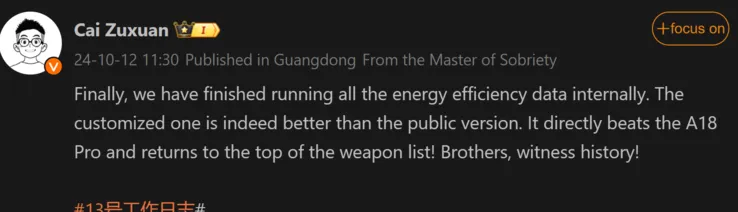
    Although OnePlus has not given away many details regarding its next flagship phone, Cai Zuxuan, an employee, hinted on Weibo that it will use a modified Snapdragon chip. The employee’s assertion that the customized SoC will provide better energy efficiency is more intriguing.

    Snapdragon x elite oneplus 13

    More precisely, the employee asserts that the custom Snapdragon SoC can outperform the Apple A18 Pro in terms of power efficiency, citing internal statistics from OnePlus. According to Cai Zuxuan, this would force Qualcomm to take the top slot once again.

    Additionally, a “public version,” which is allegedly inferior than the custom SoC, is mentioned in Cai Zuxuan’s Weibo post. There have been previous mentions of two distinct iterations of what is allegedly the Snapdragon 8 Extreme Edition. In August, a SoC datasheet that appeared legitimate was released, mentioning the SM8750 and SM8750P versions.

    The SM8750P was thought to be a more expensive model among them; the letter “P” was presumably an acronym for “Performance.” Qualcomm has been using its previous flagship SoCs in a similar manner. Consider the Snapdragon 8 Gen 3 for the Galaxy. The normal SoC is significantly overclocked in this version. Later, Nubia smartphones came with the same overclocked processor, which now leads the AnTuTu benchmark.

    csm Cai Zuxuans post on the cust

    Cai Zuxuan, however, indicates that this time, efficiency will be given a lot of weight in addition to performance. The good news is that October 21, which is not too far away, is when Qualcomm’s Snapdragon Summit will begin. In order to find out how Qualcomm’s 3 nm smartphone chip stacks up against the competition, you do not have to wait.

  • Officially, these seven Motorola phones will get Android 15.

    Officially, these seven Motorola phones will get Android 15.

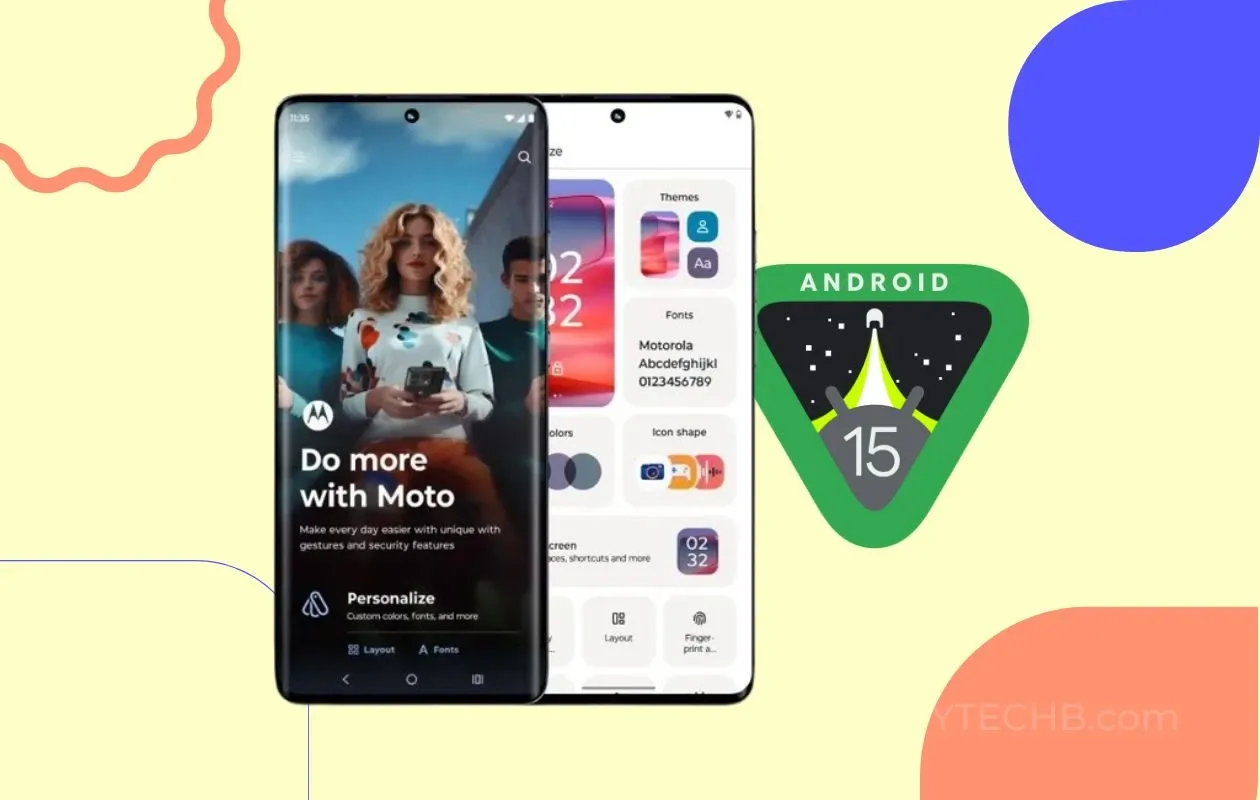
    There has been a lot of interest in determining which firms would be the first to update their phones to the latest version of Android, as well as which phones will be included, since the official release of Android 15 on October 15. Motorola most recently stated that the Android 15 update will be applied to a few more devices.

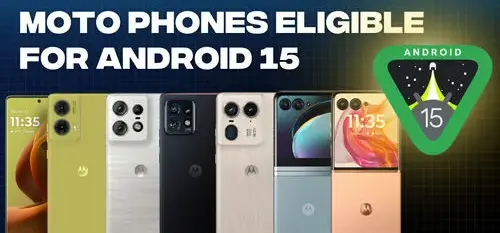
    Moto Phones Eligible for Android e1732466828543

    Motorola has started updating support pages for its devices and verifying Android 15 upgrades in this manner, despite the fact that the company has not made any official pronouncements about its plans for Android 15. Motorola has now announced that the following handsets will receive Android 15 as part of this most recent batch of updates:

    It is heartening to see Motorola continuing to expand its network of Android 15 updates, even though only one of those phones—the Edge 2023—is accessible in the United States. Updates for Android 15 were confirmed for a far wider range of other Motorola phones, such as the Razr (2024), Razr Plus (2024), Edge (2024), and others, this past October. Motorola began its upgrade process by releasing the Android 15 beta to the Edge 50 Fusion shortly after the first list was found.

    motorola android 15 update

    There is a lingering asterisk, even if more Motorola phones are receiving Android 15. When Android 15 will be formally available on any of Motorola’s smartphones is yet unknown. Furthermore, Motorola has a reputation for being among the slowest firms to offer timely Android upgrades. Therefore, even though Android 15 for other Moto phones is fantastic, it can take some time for your device to receive the update.

  • NFC mobile payments are abused in the new Ghost Tap exploit to steal money.

    NFC mobile payments are abused in the new Ghost Tap exploit to steal money.

    Cybercriminals have created a brand-new technique called “Ghost Tap,” which transmits NFC card information to money mules all around the world, to profit from stolen credit card information connected to mobile payment systems like Apple Pay and Google Pay.

    The strategy expands on techniques used by mobile viruses such as NGate, which were reported by ESET in August and involved using payment card Near Field Communication (NFC) signals. Ghost Tap employs money mules at several remote places connecting with Point of Sale (PoS) terminals, is more obfuscated and difficult to detect, and does not require the victim’s mobile or card. It also does not require constant victim interchange.

    121d article 220614 ghost touch

    Ghost Tap was found by mobile security company Threat Fabric, which cautions about the growing potential and adoption of the novel method. Threat Fabric told Droid Tools that it has recently observed an increase in the use of Ghost Tap in the field.

    An overview of Ghost Tap and a comparison with NGate

    The attack starts by stealing payment card information and intercepting the one-time passwords (OTP) required to register for a virtual wallet on Google Pay and Apple Pay. Payment card information can be stolen via phishing websites, keylogging, or banking malware that shows overlays that seem like digital payment apps.

    Malware that tracks text messages or social engineering are two ways that OTPs can be stolen. Previously, NGate-based assaults required the use of specialist software to mislead the victim into scanning their card via the NFC mechanism on their device.

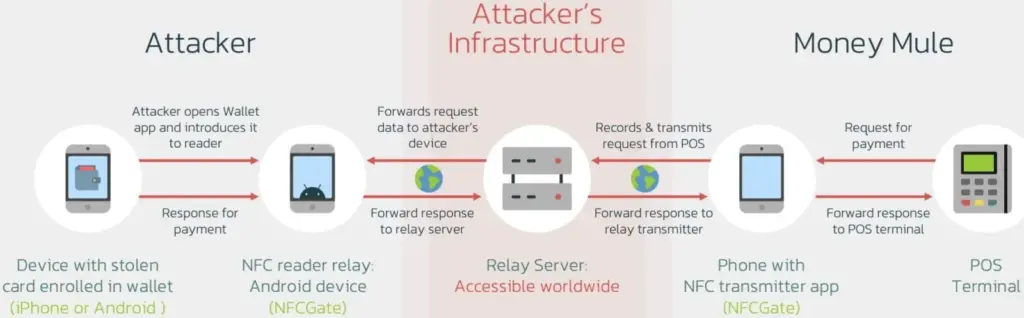
    Payment card information is still transmitted using the NFCGate tool. But in the interim, a relay server is set up to transmit the information to a vast network of money mules while hiding their true locations. Using the NFC chip on their cellphone, the mules then make large-scale, multi-location retail purchases, making it challenging to identify the main attacker or map the fraud network.

    Threat actors were restricted to making minor contactless payments and ATM withdrawals during the NGate attacks, which jeopardized their identity and occasionally resulted in arrests.

    The threat actors have stopped making ATM withdrawals as a result of the new Ghost Taps operation. Rather, they merely carry out cash outs at the time of sale and distribute them around a vast global network of mules. This just endangers the mules by obscuring the path to the primary perpetrators of the nefarious conduct.

    diagram

    Defending Against Ghost Tap

    Threat Fabric cautions that because the transactions seem authentic and take place across several locations, the new strategy is difficult for financial institutions to identify and halt.

    The researchers claim that although many banks’ anti-fraud systems identify purchases made in odd places, as when visiting another nation, the many tiny payments might evade these detections.

    “The new tactic for cash-outs poses a challenge for financial organisations: the ability of cybercriminals to scale the fraudulent offline purchases, making multiple small payments in different places, might not trigger the anti-fraud mechanisms and might allow cybercriminals to successfully buy goods that can be further re-sold (like gift cards),” explains ThreatFabric.

    If the attack is used widely, the total amount lost might be substantial even though all of these tiny transactions seem to have originated from the same device (connected to the same Apple Pay or Google Pay account). The mules switched their handsets to “airplane mode,” which still permits the NFC system to operate normally, in order to avoid being tracked.

    Banks may only prevent Ghost Tap by flagging transactions made using the same card at locations that are physically impossible to visit in between charges. For instance, carrying out a fraudulent transaction in Cyprus 10 minutes after completing one in New York.

    From the standpoint of the customer, keeping an eye out for fraudulent transactions and promptly reporting them to your bank is essential for freezing the card and reducing losses.