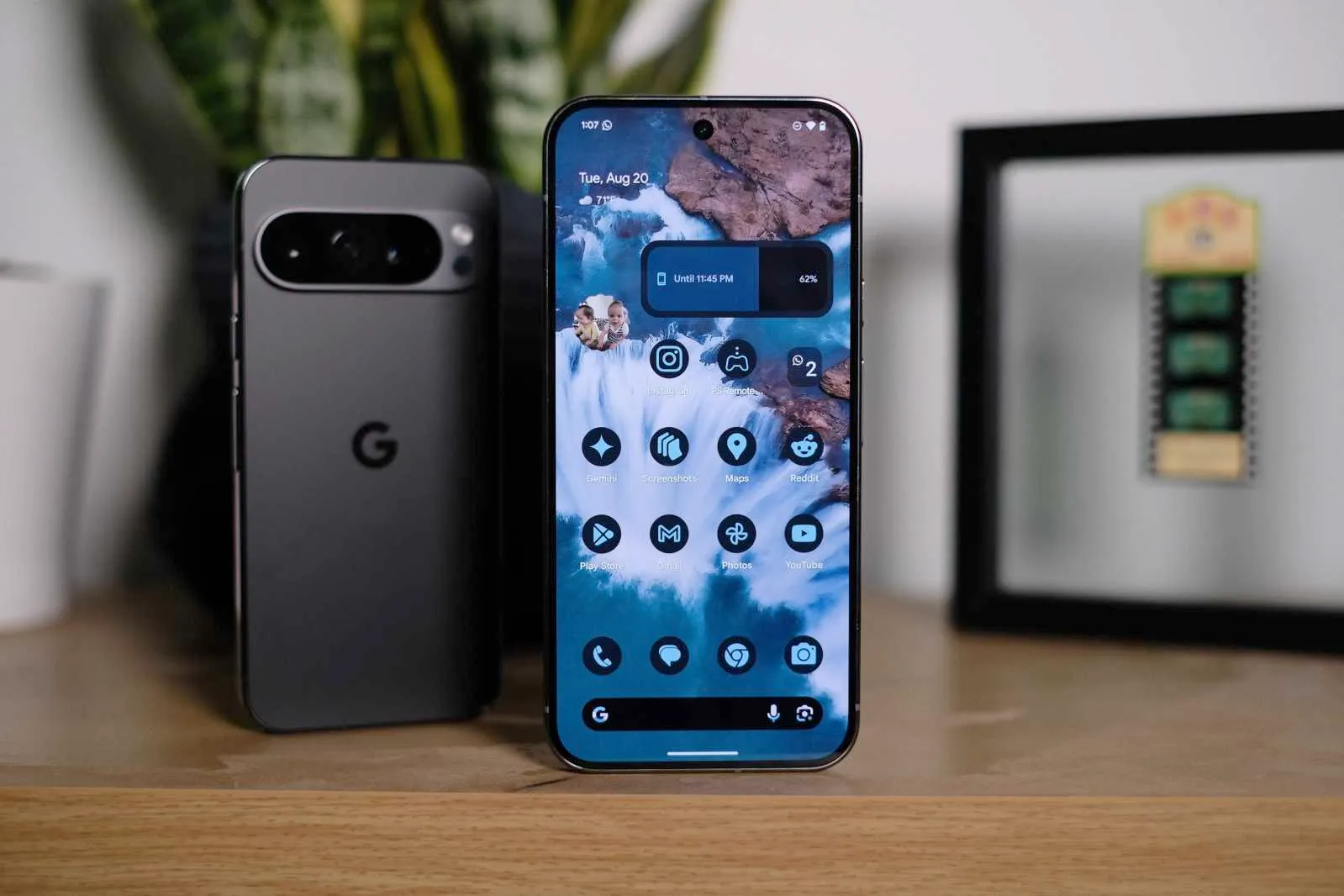
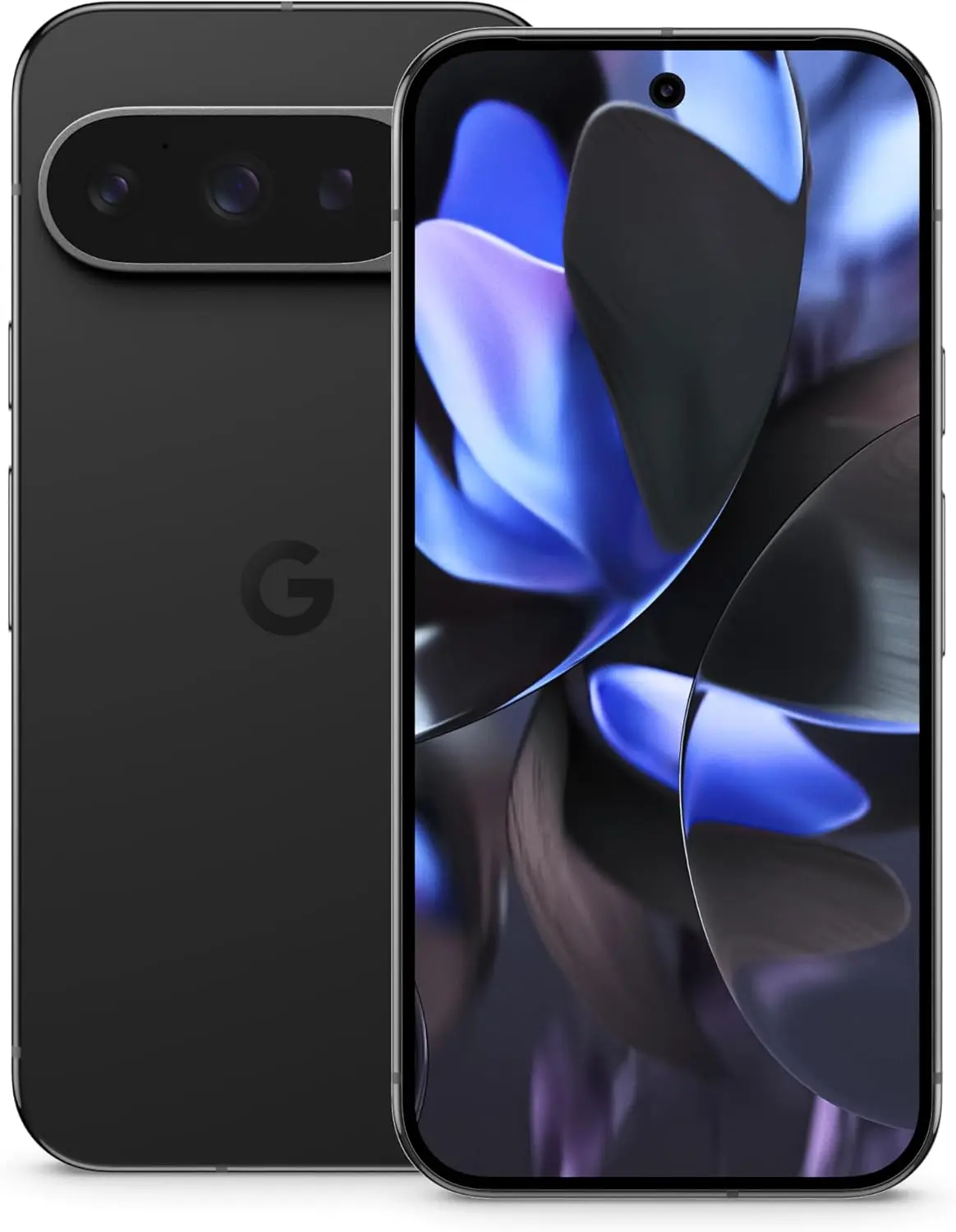
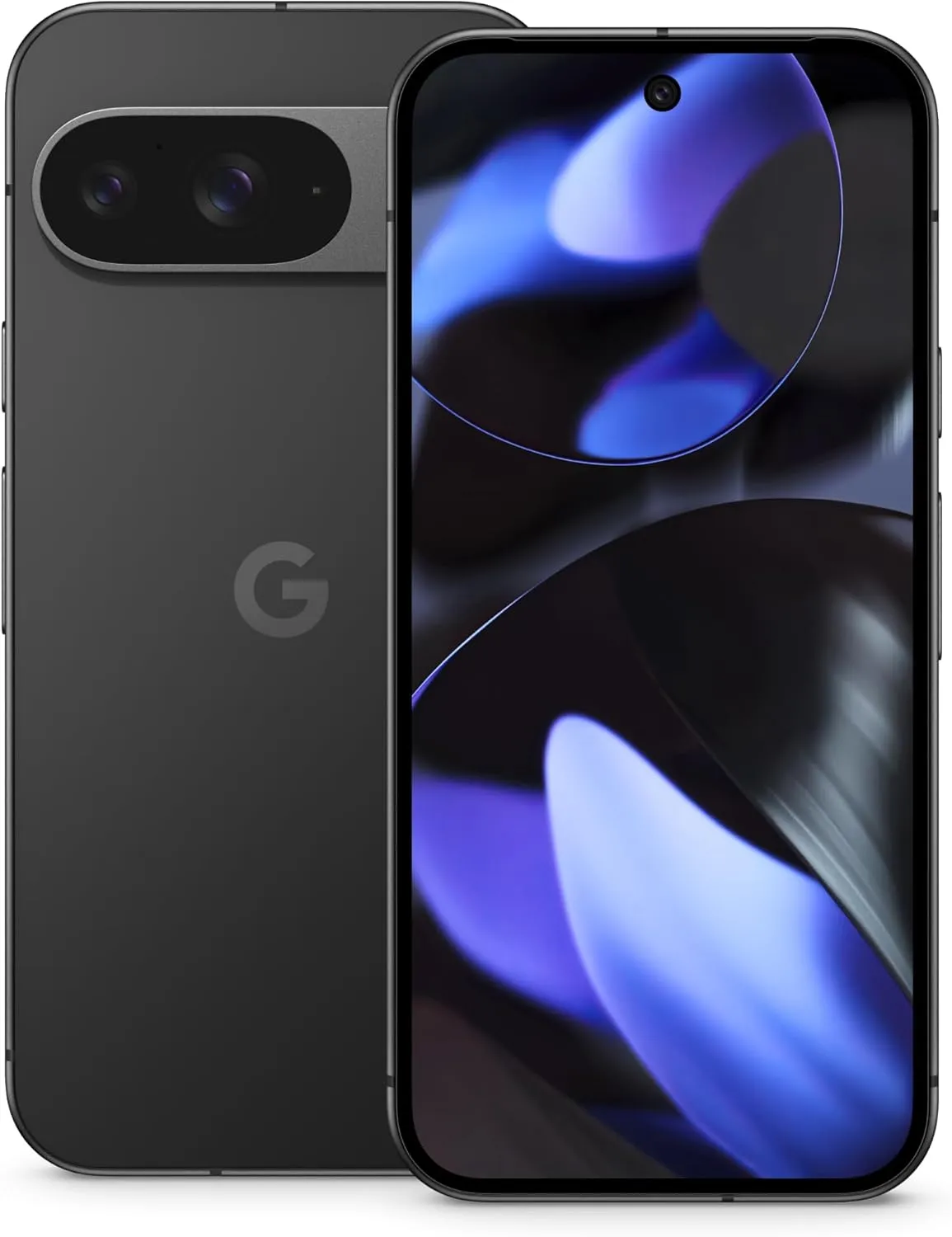
This weekend, the Pixel 9 Pro and 9 Pro XL went on sale for some of the lowest prices we have ever seen. Amazon and Best Buy are attempting to outdo Google with their own $250-off promotions, but Google launched another $200-off promotion through its own store.
The Obsidian 256GB version of the Pixel 9 Pro and 9 Pro XL is available for $250 less on Amazon and Best Buy, but we have included links to them all below if you want the best deal. With that discount, you can purchase a 9 Pro for $849 or a 9 Pro XL for $949, both of which have enough capacity to last you several years.
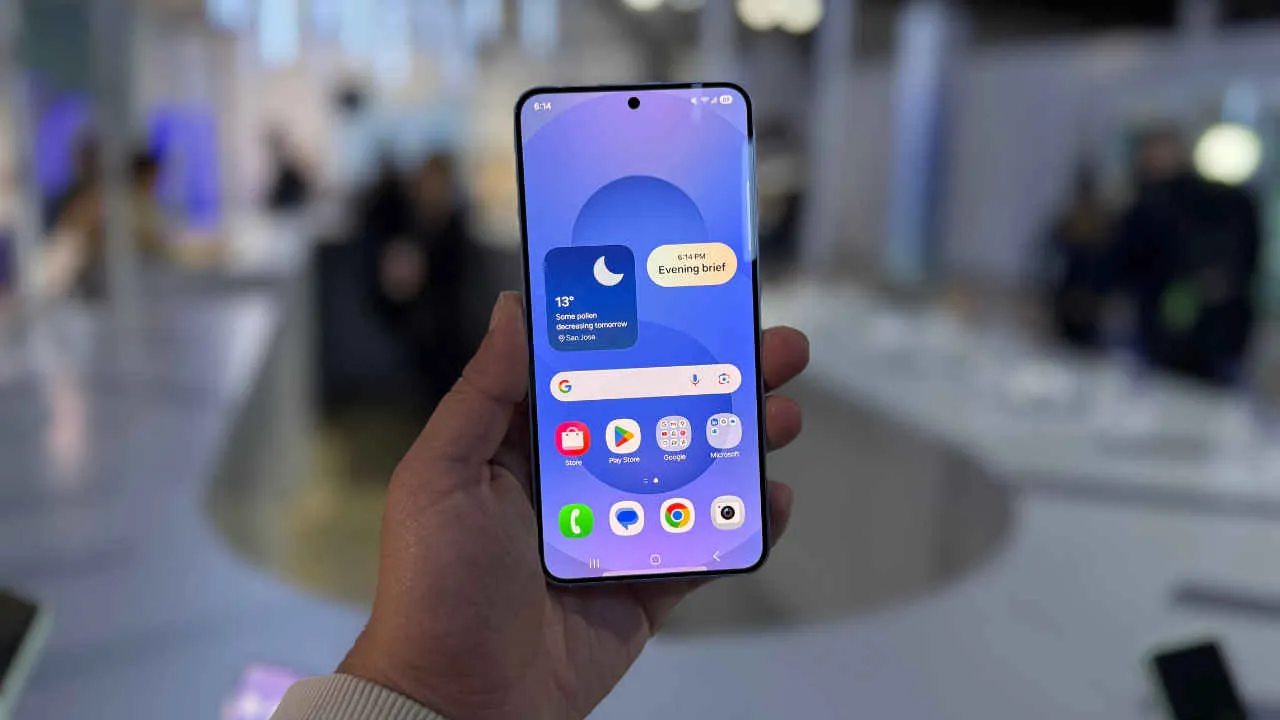
The price is still excellent even though all other models, colors, and storage options are roughly $200 off. That Obsidian colorway, though, ought to catch your eye. Additionally, the Obsidian (black) color of the Pixel 9 Pro series may be the nicest of them, as seen in the image above.
Google Pixel 9 Pro
Pixel 9 Pro with Gemini is the most powerful Pixel yet, and now comes in two sizes; it has a pro-level camera and it’s engineered by Google, so it gets the best of Google AI first
Together with Google, Trend Micro, The Shadowserver Foundation, and other partners, researchers from HUMAN’s Satori Threat Intelligence team were able to take down BadBox 2.0, the biggest network of compromised connected TV sets.
The BadBox malware typically comes pre-installed on TV streaming boxes, smart TVs, tablets, digital projectors, or smartphones, and it infects a botnet of off-brand Android devices. As a backup backdoor distribution method, threat actors in this instance also ran hundreds of versions of well-known programs. Thankfully, 24 malicious “evil twin” apps that were distributing this virus were found and taken down from the Google Play Store by HUMAN’s researchers.
They were successful in sink-holing communications to the malicious domains used by the hackers behind this effort, disrupting the botnet on more than 500,000 Android devices in total. In order to stop the compromised devices from contacting the command-and-control (C2) servers that the hackers have set up, the researchers have taken control of thousands of these BadBox 2.0 domains. This allows them to keep an eye on the connections and collect information on the botnet.
What is BadBox 2.0?
BadBox 2.0 is a malware-based botnet that commits fraud and other criminal activities using less expensive, off-brand Android handsets. In October 2023, the original BadBox virus was disabled or rendered dormant, having infected 74,000 devices.
This new version, BadBox 2.0, has infected more than 1 million devices according to HUMAN. The majority of the infections appear to be focused on Brazil (37.6%), followed by the U.S. (18.2%), Mexico (6.3%) and Argentina (5.3%).
The compromised devices, which include, among other things, video projectors, smartphones, tablets, smart TVs, and Android TV streaming boxes, frequently come with malware pre-installed by the manufacturer. Alternatively, malicious “evil twin” software or firmware downloads infect them and add them to the botnet. “The infected devices are Android Open Source Project devices, not Android TV OS devices or Play Protect certified Android devices,” HUMAN said in a blog post.
How to protect yourself from BadBox 2.0
Google has already established a Play Protect enforcement rule to alert users and prevent the installation of apps linked to BadBox 2.0 on any certified Android devices, as well as deleted the dangerous apps found by HUMAN’s researchers from the Play Store.
BadBox cannot be completely removed, though, because the search engine behemoth is unable to disinfect Android devices that are not Play Protect. The very bottom of Human’s report, which is mentioned above, has a list of devices that are known to be impacted by the current version of BadBox. It is unlikely that you will be able to upgrade your gadget with clean firmware if it is on that list. Disconnecting that gadget from the internet or, better yet, switching it out for a certified device from a reliable manufacturer is your safest course of action.
“If a device isn’t Play Protect certified, Google doesn’t have a record of security and compatibility test results.” a Google spokesperson explained in a statement to BleepingComputer. “Play Protect certified Android devices undergo extensive testing to ensure quality and user safety. Users should ensure Google Play Protect, Android’s malware protection that is one by default on devices with Google Play Services, is enabled.”
Avoid purchasing AOSP-based Android devices, such as off-brand TV boxes, that do not officially support Google Play Services if you want to be safe. Additionally, on whatever top streaming device you are using right now, always be sure to keep your firmware updated and apply the most recent security updates as soon as they are released.
Additionally, you should only use apps from the Google Play Store and other official app shops and refrain from sideloading them. Similarly, while not in use, Android TV devices can be made offline by disabling their remote access functions. If your devices have unintentionally joined a botnet, this might offer an additional layer of protection to safeguard your data and equipment.
Investing in one of the top mesh Wi-Fi systems with integrated security software or one of the best Wi-Fi routers may also be worthwhile.
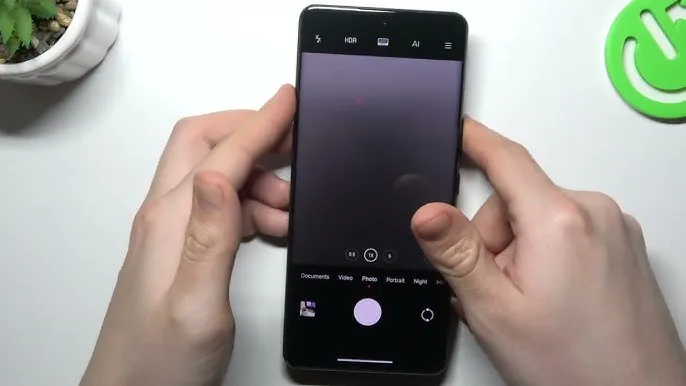
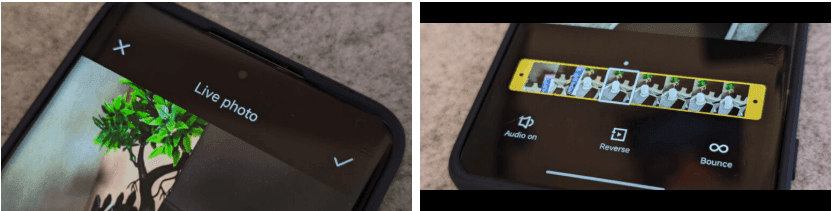
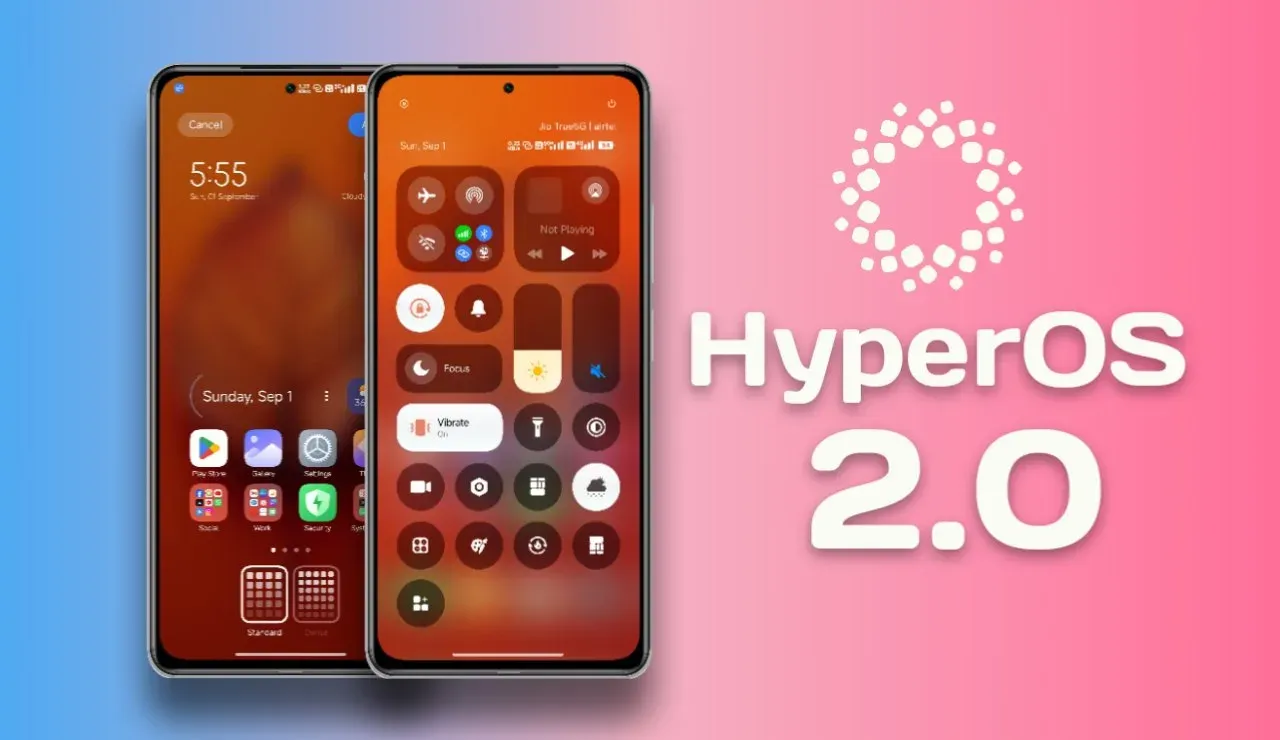
The cross-ecosystem LivePhoto transmission compatibility of HyperOS 2 was formally revealed by Xiaomi, enabling smooth live photo sharing between Xiaomi phones, Xiaomi Pads, iPhones, and iPads. Grayscale mode is supported, and the feature is progressively being made available in batches.
The enhancement is one of the actions Xiaomi is taking to create a comprehensive ecosystem that will provide a more seamless experience across devices. For optimal compatibility, users who are interested in the functionality should update their smartphones to the most recent versions of Xiaomi Photo Album and Xiaomi Share.Xiaomi HyperOS is always evolving, providing consumers with fresh and creative features to enhance their convenience.
LivePhoto Cross-Ecosystem Support Details
Sharing dynamic pics in the LivePhoto format while maintaining their motion effects is now possible with Xiaomi HyperOS 2. Users can now share and enjoy LivePhotos on both Xiaomi and Apple devices with ease thanks to the latest update, which was revealed in the official Q&A (Episode 8) for Xiaomi HyperOS on March 7.
How to use live photo transfer
For successful transmission of LivePhotos, users must meet the following requirements:
Both devices must be on the same wireless LAN – The sending and receiving devices need to be on the same wireless local area network.
The applications must be upgraded to certain versions – Apple and Xiaomi devices must have the latest software upgrades to be able to support this.
The Xiaomi ecosystem is greatly improved by this function, which allows users to find and share LivePhotos on several platforms without compromising motion effects. It is easier than ever to switch between devices and share memories with pals via an iPhone. In the days ahead, customers may anticipate even more cross-platform interoperability capabilities as Xiaomi develops HyperOS 2. Keep an eye out for additional information regarding Xiaomi HyperOS 2 and its ongoing feature additions.
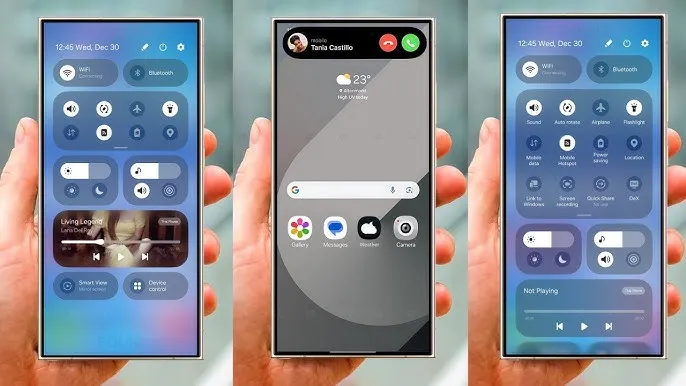
The big One UI 7 upgrade, which is based on Android 15, is keenly anticipated by Samsung Galaxy customers. Samsung, one of the largest companies in the Android ecosystem, is lagging behind as Google and other manufacturers have already released the most recent OS.
This year, Samsung’s upgrade procedure has not gone smoothly. In late 2024, the business first launched a One UI 7 beta program. Samsung now plans to release a stable upgrade beginning in April 2025 after experiencing setbacks. Here is what we currently know about the schedule and what to anticipate.
One UI 7 Beta Rollout Timeline:
Beta Launch: Starting with the Galaxy S24 series (S24, S24+, and S24 Ultra) in a few countries, including the US, UK, Germany, South Korea, Poland, and India, the One UI 7 beta program got underway on December 5, 2024. This was the initial wave, which qualified users may access through the Samsung Members app.
Beta Expansion: (March 2025): On March 5, 2025, Samsung officially expanded the beta program to additional devices. The Galaxy Z Fold6 and Z Flip6 joined the beta in countries like India, Korea, the UK, and the US starting that week. Later in March 2025, the beta will be extended to the Galaxy S23 series (S23, S23+, S23 Ultra), Galaxy Tab S10 series, and Galaxy A55.
There are several beta builds available for the Galaxy S24 series: The company published other betas following the initial one on December 5th; see below for details.
Beta 2: December 16, 2024
Beta 3: January 6, 2025
Beta 4: February 19, 2025 (followed by a hotfix on February 21, 2025)
The beta period, which will last from December 2024 to at least March 2025, has been noticeably extended as Samsung fixes faults and refines the update, which includes major UI improvements.
One UI 7 Stable Rollout Timeline:
Initial Stable Release: The stable version of One UI 7 debuted with the Galaxy S25 series (S25, S25+, S25 Ultra) on January 22, 2025, unveiled at the Galaxy Unpacked event. These devices shipped with One UI 7 pre-installed, marking the official launch.
Stable Rollout Start: Samsung confirmed on March 5, 2025, that the stable One UI 7 rollout for existing devices will begin in April 2025. No exact date was specified, but April is the official starting point.
First Wave (April 2025): The Galaxy S24 series is expected to be the first to receive a stable update in April 2025, given its extensive beta testing (four builds by February 2025). The Galaxy Z Fold6 and Z Flip6 are also likely candidates for early April, following their beta inclusion.
Second Wave (May 2025): The Galaxy S23 series, Galaxy Tab S10 series, and Galaxy A55, which joined the beta in March, are slated for a stable update shortly after the S24 series, likely in early May 2025.
Broader Rollout: Older flagships (e.g., Galaxy S22, S21 series, Z Fold5, Z Flip5, and eligible foldable) and additional mid-range devices (e.g., Galaxy A54, A34) are anticipated to receive the stable update gradually through Q2 2025 (May–June), though exact dates remain unconfirmed. Budget models may extend into Q3 2025.
A leaked timeline from a Samsung Romania workshop added to the above schedule by speculating on specific dates such as April 18 for the S24 series and May 23 for the S21 series. It is speculative, though, as Samsung has not formally verified (refuted by the official moderator).
The end is finally in sight for Samsung Galaxy users who have been patient—or not so patient—waiting for One UI 7. Samsung’s major Android 15 update is expected to give millions of devices a smooth, updated experience as beta testing comes to an end and the stable distribution begins in April 2025. Although the delays have caused Samsung to lag behind rivals such as Google, the additional time may result in a One UI 7 that is more feature-rich and seamless.
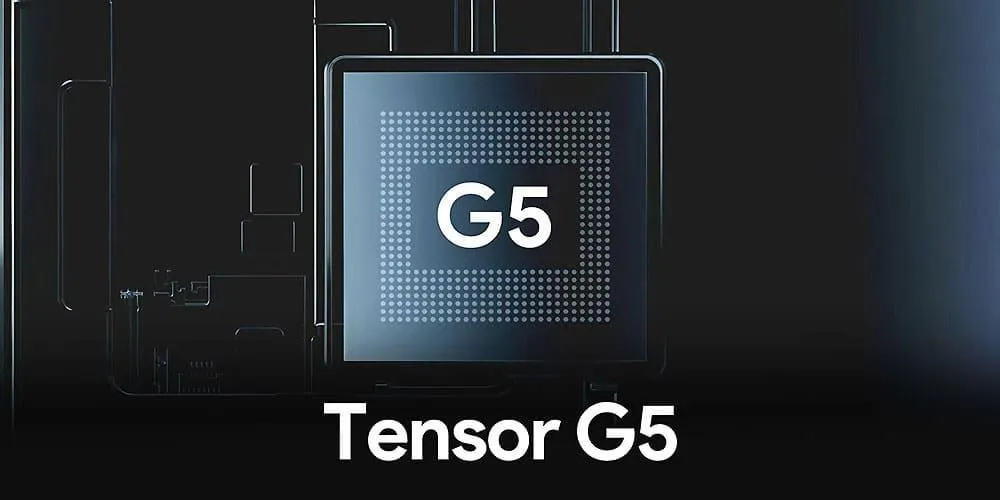
Later this year, Google plans to release the Pixel 10 series. The Tensor G5, the first chipset in the range to be manufactured by TSMC rather than Samsung, will power the phones. Although some would anticipate significant performance improvements, rumors suggest otherwise.
The designs of Google’s next flagship phones are now visible thanks to the leak of renders of the Pixel 10, Pixel 10 Pro, and Pixel 10 Pro XL. Although Google’s next-generation Tensor G5 is one of the anticipated advancements for the Pixel 10 series, it now looks like the chipset could not be much of an improvement in practice.
Following four generations of Tensor chipsets made by Samsung, Google has reportedly hired TSMC to produce the Tensor G5 on its 3nm node. Although that would typically give rise to expectations of much better performance from the G5, the next-generation chipset is currently predicted to be exactly the same as the SoC from the previous year. According to leaker Chunvn8888, fans of the Pixel series can anticipate that the Tensor G5 will function similarly to the Tensor G4, with the sole distinction being a transition to TSMC’s methodology.
The claim is also not unfounded—last year, purported Tensor G5 benchmarks appeared with scores comparable to those of the Tensor G4. Even though such tests were probably conducted on an early prototype, it does not seem likely that the finished product would have much more power. It is rumored that the Tensor G5 would only support UFS 3.1 storage, even outside of benchmarks. This is surprising because even the Snapdragon 8 Gen 3 from 2023 already provided compatibility for UFS 4.0.
In any case, as Google markets the range for its real-world performance, fans of the series are unlikely to worry much that the G5 is the most recent model to lag considerably behind the competition. Customers of the Pixel 10 series may appreciate efficiency and long-term performance more now that TSMC’s 3nm node is being used.
Google Pixel 9 Pro
Pixel 9 Pro with Gemini is the most powerful Pixel yet, and now comes in two sizes; it has a pro-level camera and it’s engineered by Google, so it gets the best of Google AI first
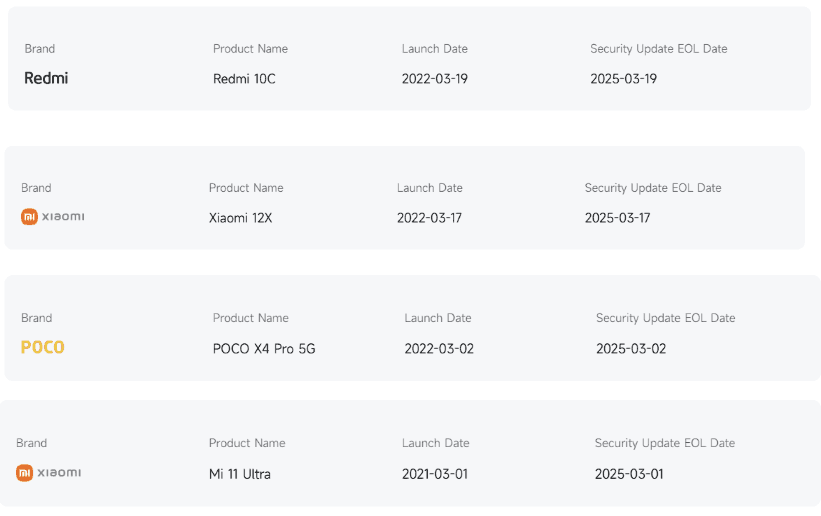
According to their Product Software Support Information page, Xiaomi has officially announced the end of security updates for some of its most popular products, marking a significant milestone for its fans throughout the world.
Although there is a strange silver lining for Xiaomi 11 Ultra customers, this move affects thousands of users who have been using these smartphones for their everyday digital demands. The decision represents the latest development in Xiaomi’s ongoing controversy surrounding its software support policy, which is ongoing despite the company’s success in maintaining older devices while giving priority to newer product lines.
Xiaomi devices reaching EOS
The Redmi 10C and Redmi 10 that have attained end-of-life (EOL) status running MIUI 14 based on Android 13 are among the devices on the list that would no longer receive security updates. For most users, that means they are no longer protected against recently found vulnerabilities, which may raise questions about long-term device security.
In a similar vein, HyperOS 1 based on Android 13 has reached the end of life (EOL) of the Redmi Note 11 Pro 5G, Redmi Note 11E Pro, Redmi Note 11 Pro+ 5G, and POCO X4 Pro 5G. Updates in the form of security patches will no longer be available for mid-range phones, which were highly popular when they were first released due to their great specifications at low costs.
The impact on Xiaomi 12X
The Xiaomi 12X, which was marketed as a lightweight flagship model, is now among the phones that will not be receiving any more security updates. The 12X ends its update cycle with HyperOS 1, which is based on Android 13, just as the previously mentioned Redmi Note 11 series. Despite being ready for an upgrade, the Xiaomi 12 Lite will not get the HyperOS 2 update.
Xiaomi 11 Ultra Receives HyperOS 2
However, Xiaomi has revealed that the Xiaomi 11 Ultra would receive HyperOS 2 even though it has stopped receiving regular security upgrades, which is a welcome surprise for the majority of Mi enthusiasts. With the impending Android 15, this 2021 flagship luxury device—which was praised for its superb camera setup and high-end specs—will receive an update based on Android 14, but not HyperOS 2.
The terms for Xiaomi’s update strategy are called into doubt by this special treatment of the 11 Ultra. The fact that the 11 Ultra comes with HyperOS 2 indicates that Xiaomi may be offering prolonged software support for its flagship premium phones, maybe to keep its premium user base happy, even though the majority of the devices on the list are mid-range or low-cost phones.
It is advised that users of the impacted devices take extra security precautions, include exercising more caution when downloading apps from unidentified sources and maintaining strict protection for sensitive data.
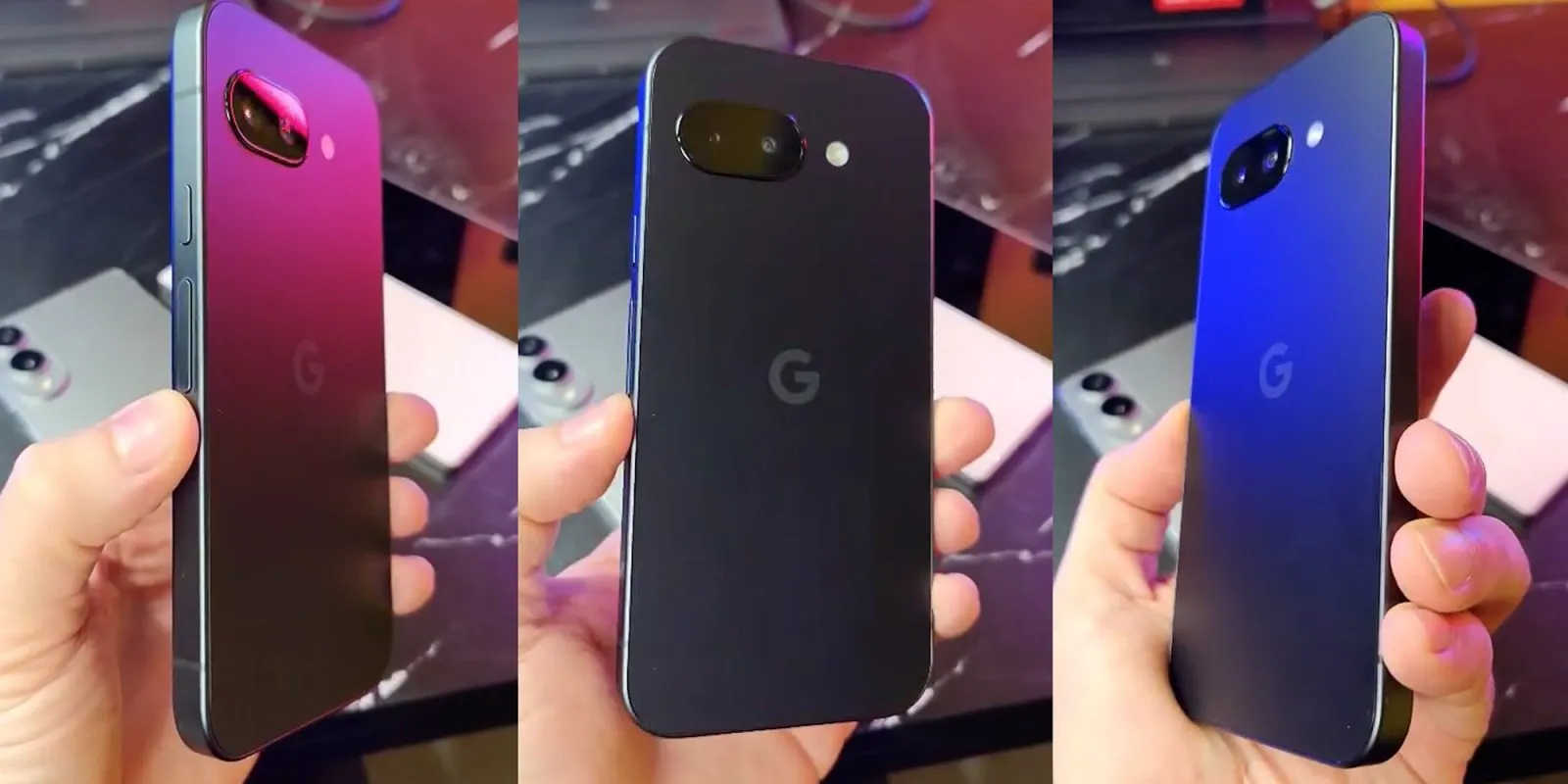
In the lead-up to its anticipated release next month, Google’s Pixel 9a is just leaking. We have a brief hands-on video today that demonstrates its absence of a camera bump.
Here, we can see the phone in its Obsidian color scheme, which is simply black to those of us who are not Google users. The Pixel 9a’s extremely small camera bump—we mean, so minuscule in thickness—is also readily apparent, which means that it will not be the thinnest phone on the market by any means and that it will not contain high-end camera sensors, which call for considerably larger camera humps.
According to rumors, the Pixel 9a will be launched on March 19 and go on sale on March 26. With 128GB of storage, it will start at $499, while 256GB will cost $599. 8GB of RAM, a 6.28-inch OLED screen with a maximum brightness of 2,700 nit, the Tensor G4 SoC at the center, a 48 MP primary camera, a 13 MP ultrawide, and a 5,100 mAh battery are all included in both models. It will come pre-installed with Android 15 and be available in Porcelain, Iris, and Peony in addition to Obsidian.
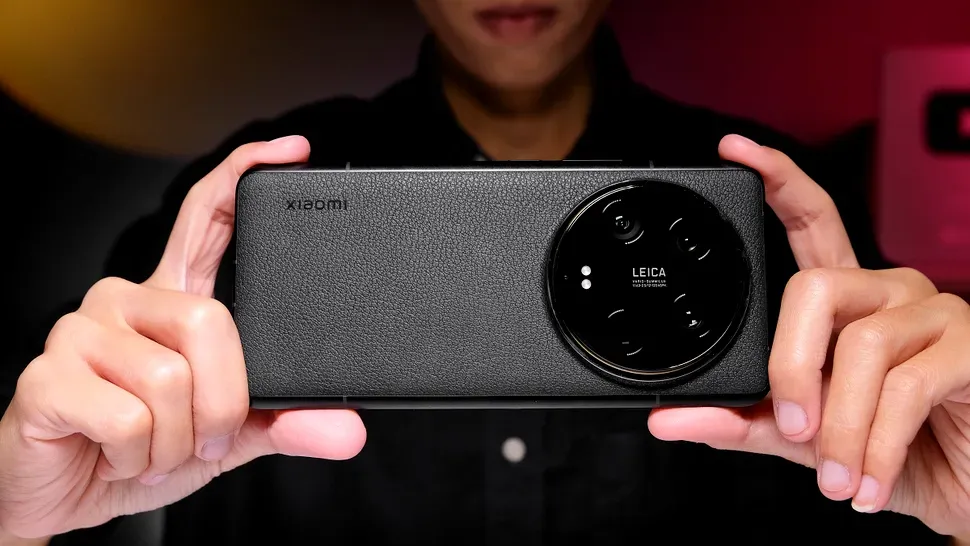
Lei Jun, the CEO of Xiaomi, just lately commended the upcoming Xiaomi 15 Ultra’s photographic capabilities. He has now released the Xiaomi 15 Ultra’s first official camera sample, which shows a nighttime picture with intricate lighting. The sample supports Xiaomi’s boasts of significant breakthroughs in mobile photography with its remarkable clarity, noise management, highlight suppression, and color correctness.
However, the watermark data is the most interesting detail. Instead of using the primary sensor, the new 200MP periscope telephoto camera was used to take the picture. With its f/2.6 aperture, 100mm focal length, and corresponding 4.3x optical zoom, the ISOCELL HP9 sensor offers notable gains in low-light and telephoto capabilities.
The Xiaomi 15 Ultra faces fierce competition when compared to rivals. A 200MP HP9 sensor with an 85mm focal length and an f/2.67 aperture is also used by the Vivo X200 Pro. The 200MP ISOCELL HP3 sensor in the Honor Magic7 RSR, on the other hand, has a brighter f/1.88 aperture and a 70mm focal length.
Lei Jun expressed great confidence in the Xiaomi 15 Ultra’s abilities during a recent live stream, emphasizing that it has made notable advancements in night photography. We will soon find out how effectively it fulfills these promises as its official launch is scheduled for the end of this month.
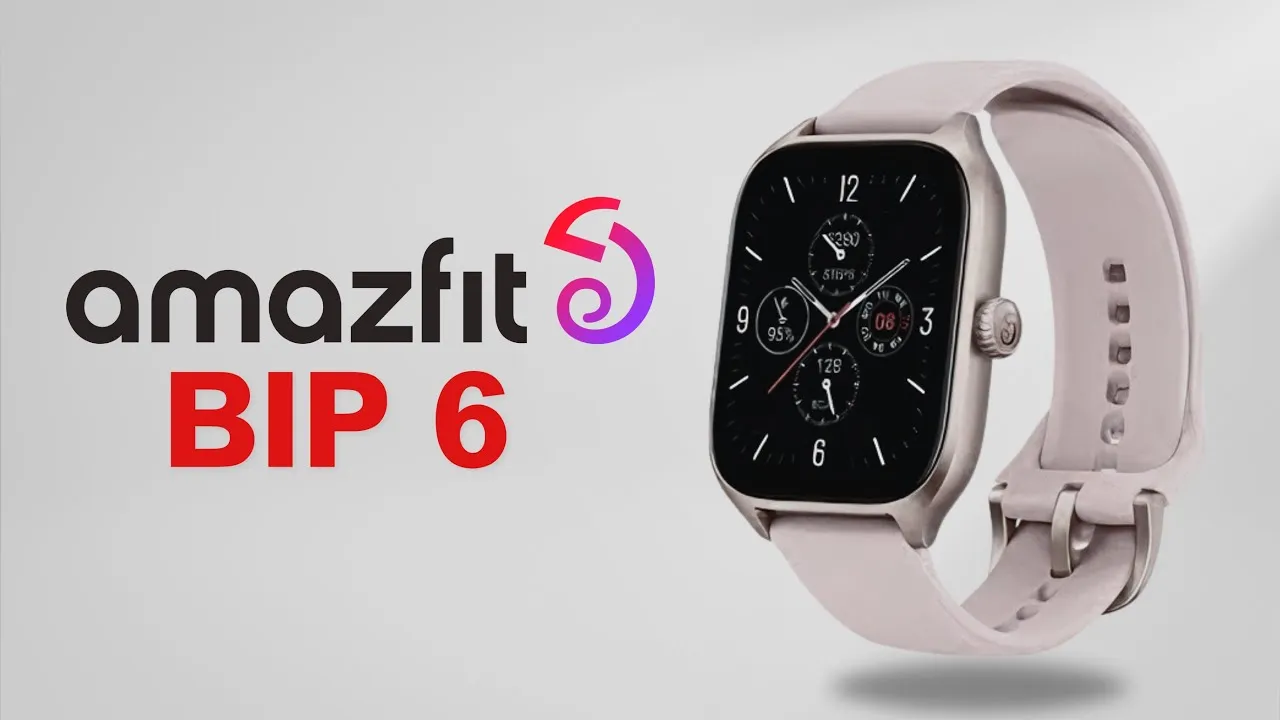
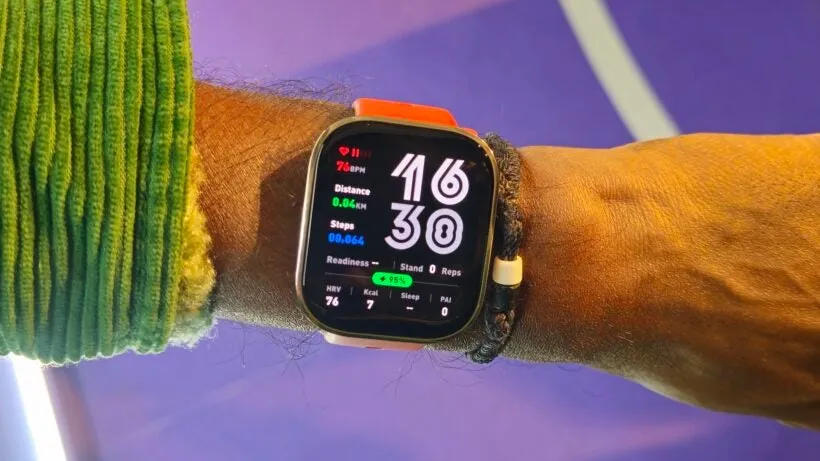
The Amazfit Bip 6 is a new smartwatch that Amazfit has unveiled. With a bigger AMOLED display and offline maps, this wearable is an improvement over the Bip 5. Additionally, the business claims to have increased the precision of monitored health indicators including heart rate.
At a recent European launch event for the Active 2 smartwatch, the Amazfit Bip 6 was revealed. Previous leaks were believed to indicate a GTS 4 replacement. It has recently been shown, nevertheless, that this was the Bip 6 wearable.
Amazfit Bip 6
With this fitness tracker watch, monitor your fitness journey through automatic detection in walking, running, and more, across 120+ sports modes for comprehensive activity insights
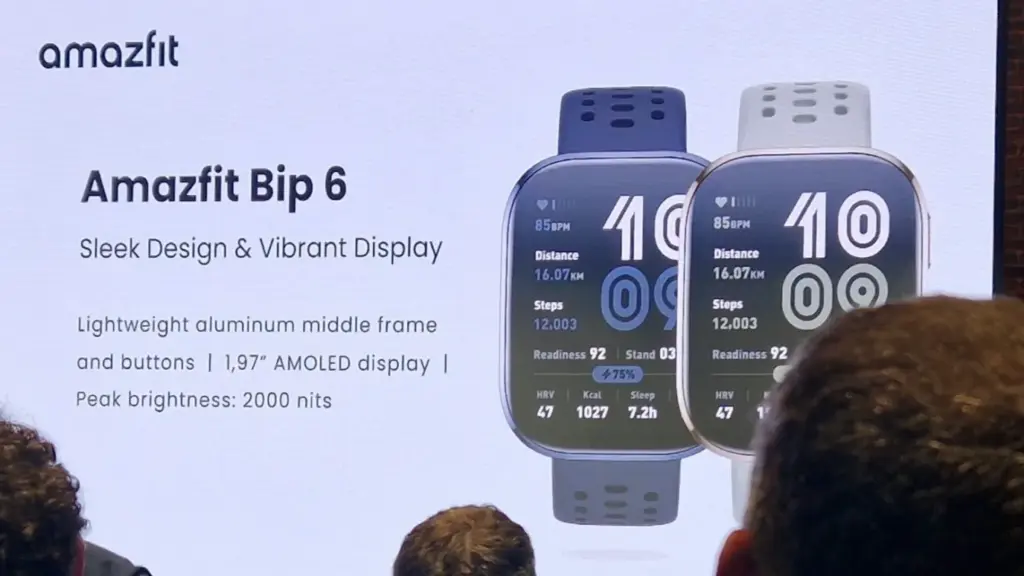
According to reports, the Bip 6 has a number of improvements over the Bip 5, its predecessor. A bigger 1.97-inch AMOLED display with a resolution of 380 x 450 pixels and a brightness of up to 2,000 nits is one of these. This takes the place of the previous model’s 1.91-inch TFT-LD display. The new watch is square in shape, weighs less than 30 g, and has a little larger body (46.3 mm).
Amazfit claims that the Bip 6 can operate for up to two weeks with normal use because to the battery’s increased capacity from 300 mAh to 340 mAh. The aluminum alloy frame has also been changed for a more upscale appearance. The watch comes in four colors—black, charcoal, stone, and red—and is five ATM waterproof.
Amazfit claims that the Bip 6’s BioTracker Dual-Light 5PD heart rate sensor provides more precise health metric tracking. You may monitor the quality of your sleep as well as your heart rate, stress, HRV, and SpO₂ level. There are 140 workout options, such as HYROX race, swimming, running, and cycling, as well as personalized AI-generated fitness regimens that include a strength training option.
In addition to having GPS, the smartwatch also offers offline navigation capability. It is important to note, nevertheless, that dual-band GNSS is not available. The Zepp Flow voice assistant has now been included, allowing you to respond to communications. Calendar reminders, Bluetooth calling, smart notifications, and remote audio controls are further features. Additionally, iPhone owners can manage their cameras remotely.
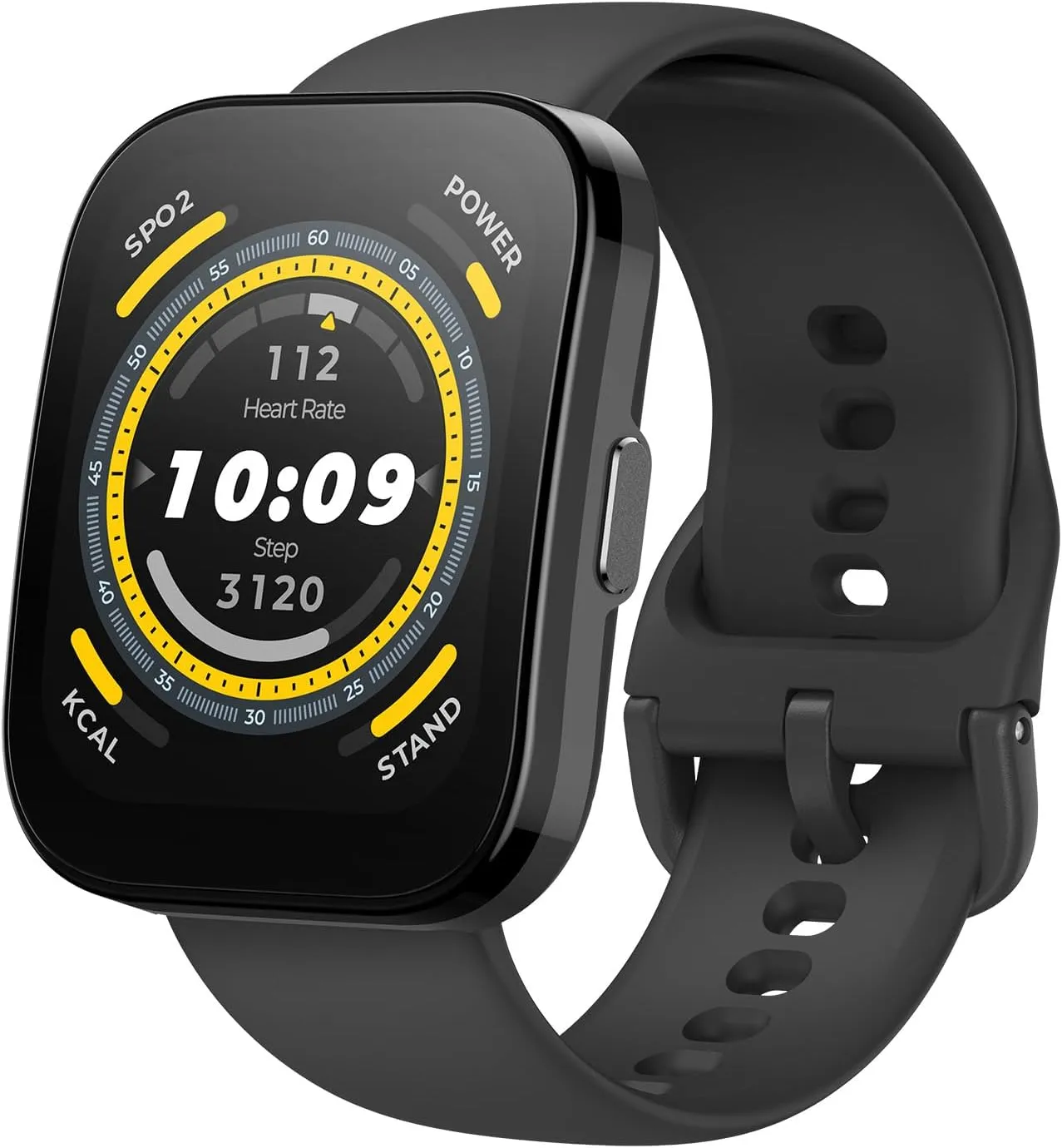
It is anticipated that the Amazfit Bip 6 smartwatch will be available in Europe in March. The wearable’s price and any plans to introduce it to the US have not yet been disclosed by the business. The earlier Amazfit Bip 5 retails at $89.99/£69.99/€89.99 (now $59.99 on Amazon) as a ballpark estimate.
Amazfit Bip 6
With this fitness tracker watch, monitor your fitness journey through automatic detection in walking, running, and more, across 120+ sports modes for comprehensive activity insights
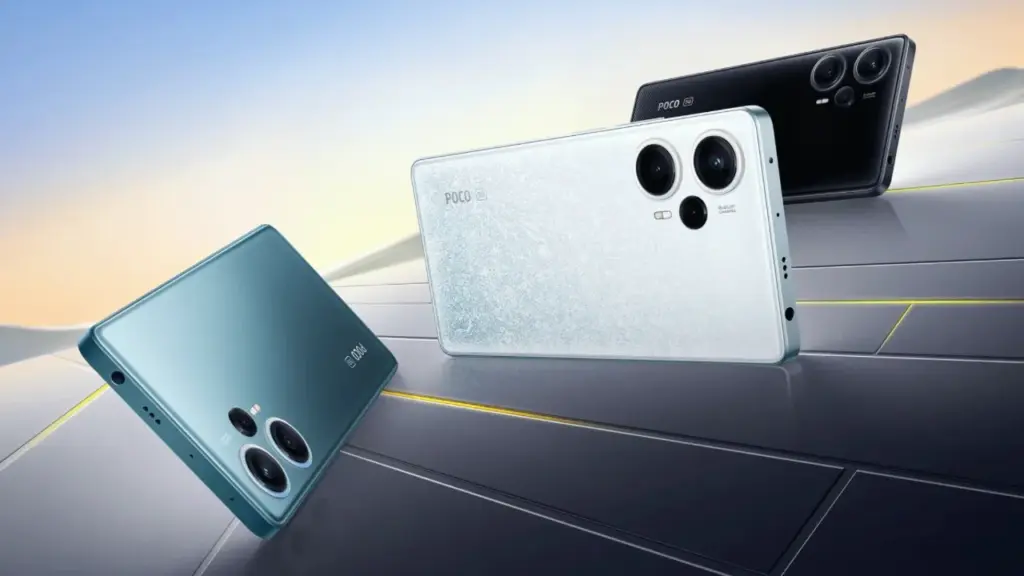
A few Redmi and POCO devices that Xiaomi has listed will no longer receive HyperOS updates. It is a typical change in the lives of Xiaomi smartphones. When some models reach the end of their existence, the corporation formally updates its EOL (end of life) list.
The Chinese Manufacturer is well-known for delivering upgrades for HyperOS to a variety of smartphones. It uses a distinct approach for each model, such as POCO and Redmi.
In addition to four years of security fixes, Redmi and POCO phones are eligible for two or three major OS upgrades. The business then puts them on the EOL list. The tech giant has currently stopped supporting HyperOS updates for a few Redmi and POCO smartphones.
Major software updates, monthly security patch rollouts, and basic enhancement patches will no longer be available for these models.
Redmi Devices
Redmi Note 11 SE
Redmi Note 11S 5G
Redmi Note 11S
Redmi Note 11
Redmi Note 11 5G
Redmi 10C
Redmi 10 2022
POCO Devices
POCO M4 Pro
POCO X4 Pro 5G
As Xiaomi devices reach the end of their life cycle, software support is frequently discontinued. For customers who are already utilizing the EOL models, this procedure poses a problem.
In this scenario, you can keep using the gadget without anticipating security upgrades or new features. With long-term software support, users can even move to a different model. Searching for unofficial upgrades like LineageOS is the last resort.