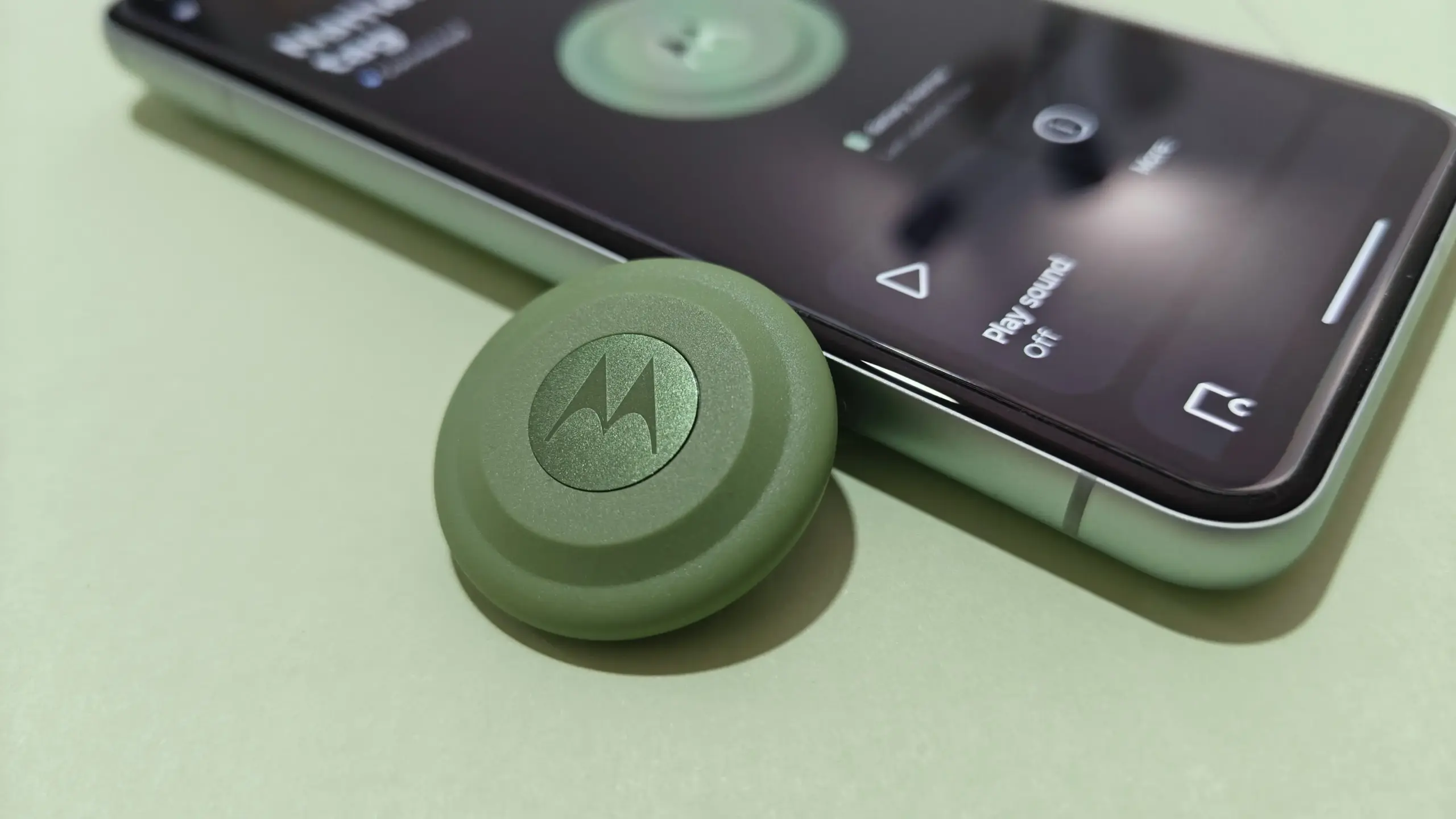
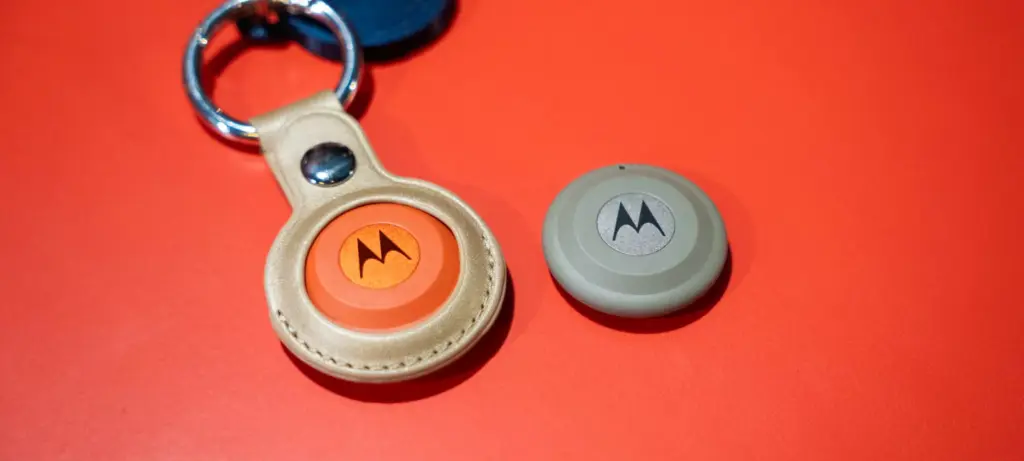
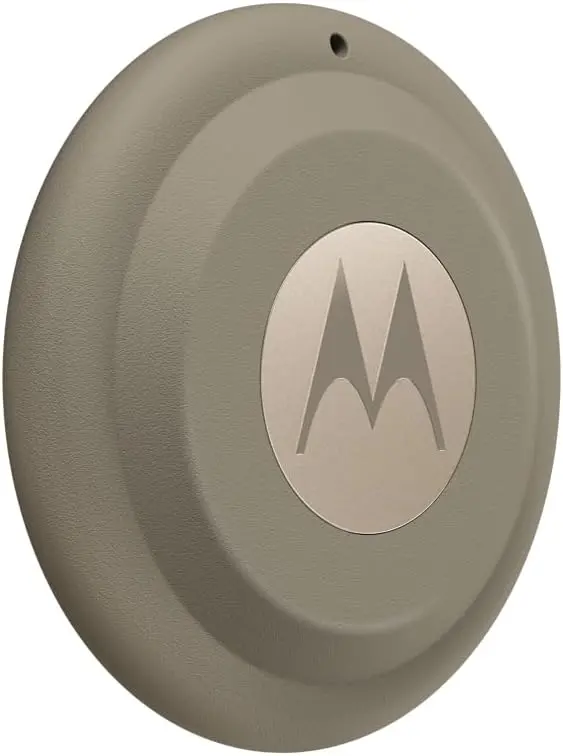
Announced earlier this year, the Moto Tag 2 has quietly gone on sale in select regions, bringing UWB-powered precise tracking to Android Find Hub along with a significantly improved battery life.
The Android Find Hub tracker market is well-stocked at this point, with plenty of options to choose from. What set the original Moto Tag apart from the crowd — and what carries over to the sequel — is UWB support for precise, directional tracking. That capability remains rare among Find Hub trackers, with virtually no competing options offering it.
That said, UWB was already available on the original Tag, which raises a fair question: what actually makes the Moto Tag 2 worth upgrading to?
Motorola Moto Tag 2
Easy to set up and locate on any Android phone: Just attach moto tag to your belongings, and use your Android phone to locate anything with pinpoint precision, anywhere in the world.
Beyond a new orange colorway, the headline improvement is battery life. Motorola is touting “over 600 days on a single battery” using a standard CR2032 cell — a substantial leap over its predecessor and a strong practical argument for the newer model.
Motorola has opened sales in select markets over the past few weeks. In the UK, the Moto Tag 2 is available for £29.99, while German buyers can pick one up for €40. The US launch hasn’t been officially announced yet, but the tracker is already appearing on Amazon through third-party sellers at $119.99 for a 4-pack — which works out to roughly $29 per unit, consistent with standard retail pricing. Early buyers have confirmed these are genuine products, and the listings don’t raise any obvious concerns — all are fulfilled by Amazon.
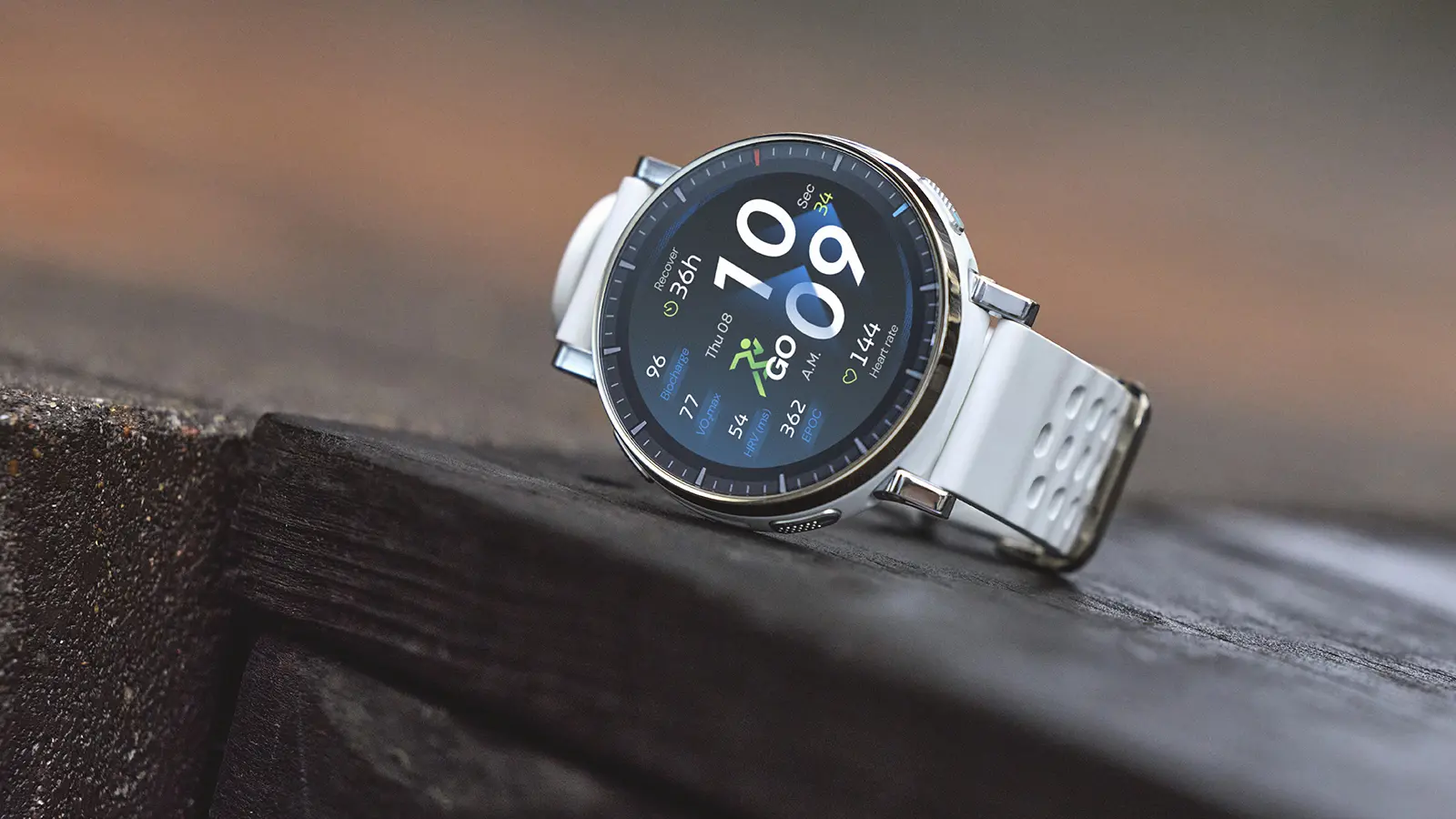
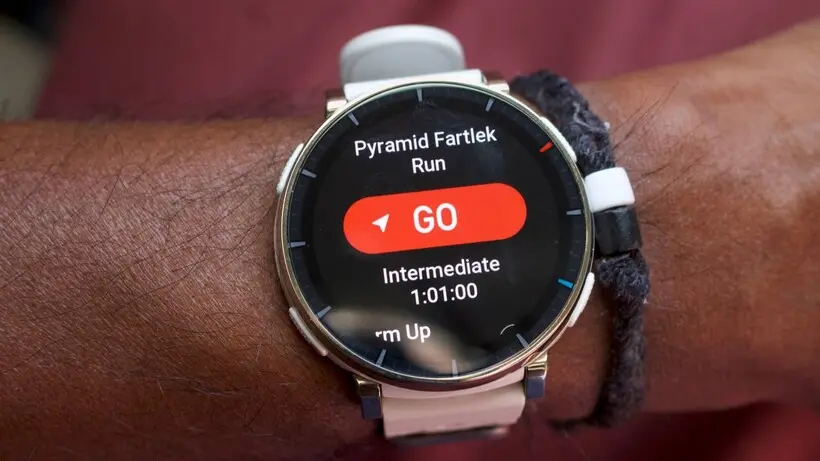
When most people picture a serious running watch, brands like Garmin and Coros tend to come to mind. Amazfit, not so much. That perception may be shifting, though. The Chinese brand’s latest release — the Amazfit Active 3 Premium — is sleek, solidly built, and loaded with tracking features, all for $169.99.
This is a budget fitness tracker, and it doesn’t pretend otherwise. According to Amazfit, the Active 3 Premium was designed primarily for fitness beginners and casual exercisers “working towards their first clear goal.” That means it’s built around simple, actionable insights rather than the dense, data-heavy analysis that defines Garmin’s ecosystem and other high-end platforms. That said, it brings enough to the table — including offline maps and up to 12 days of battery life — to hold its own against wearables that cost two or three times as much. With that in mind, it was put through a thorough review.
Design
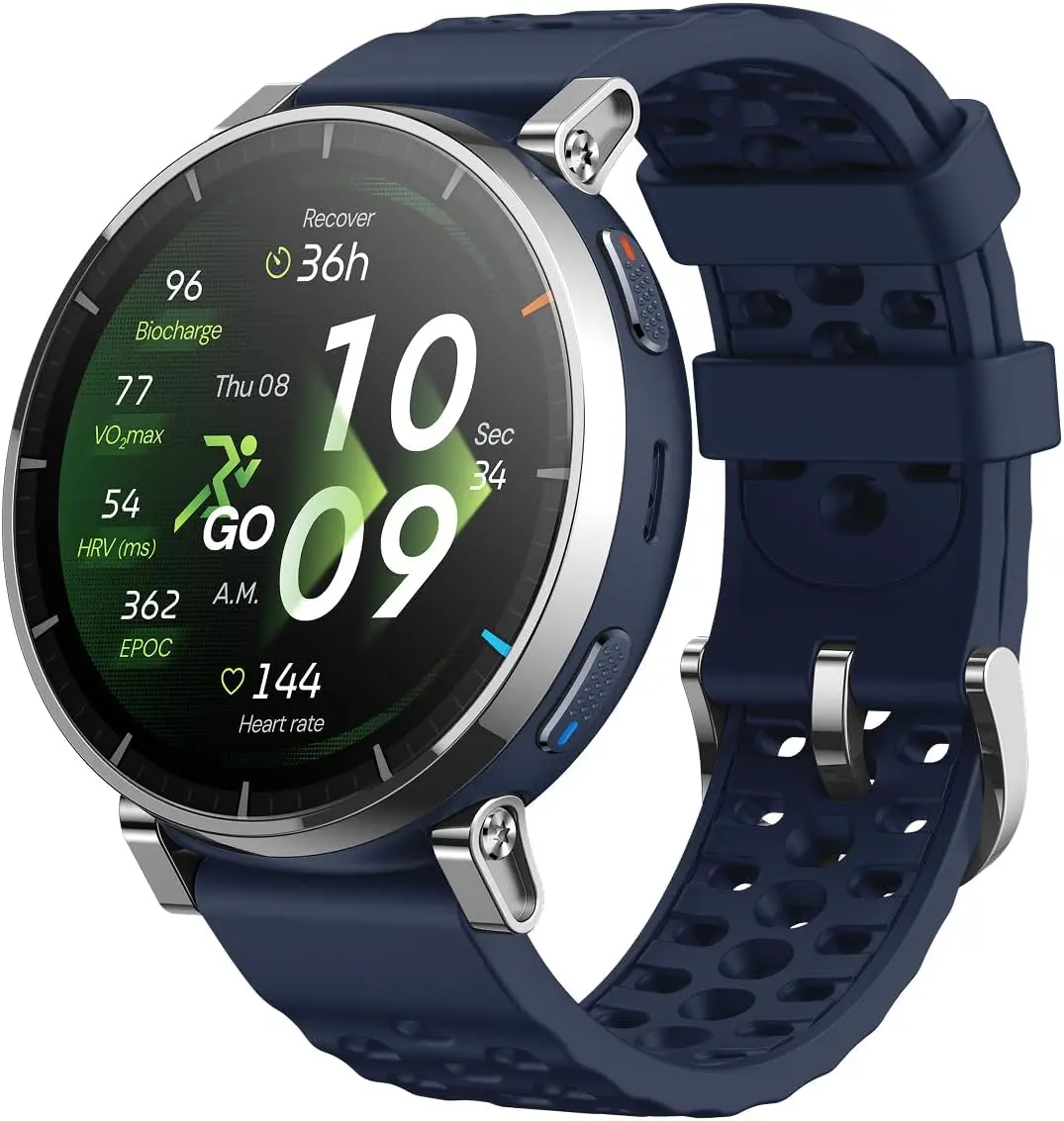
At first glance, the Amazfit Active 3 Premium bears a strong resemblance to the Amazfit Active Max tested a couple of months ago. Both are compact and unobtrusive, look sharp on the wrist, and share detachable silicone straps alongside engraved-style tick markers on a round bezel. Look closer, though, and the differences become clear.
The Active 3 Premium carries a slightly smaller AMOLED display than the Active Max – 1.32 inches versus 1.5 inches – which gives it a sleeker, more everyday-watch appearance. It also has four side buttons compared to the Active Max’s two, a practical design choice that makes mid-workout control far easier when hands are sweaty or gloved.
Durability is another area where the Active 3 Premium pulls ahead. Its bezel is stainless steel rather than aluminium alloy, offering better resistance to shocks, corrosion, and heat. The screen is protected by scratch-resistant Sapphire glass, while the Active Max has no display protection at all. Both share a 5 ATM waterproof rating, meaning they can handle surface-level swimming and shallow-water activities but aren’t rated for deep dives or high-pressure water exposure.
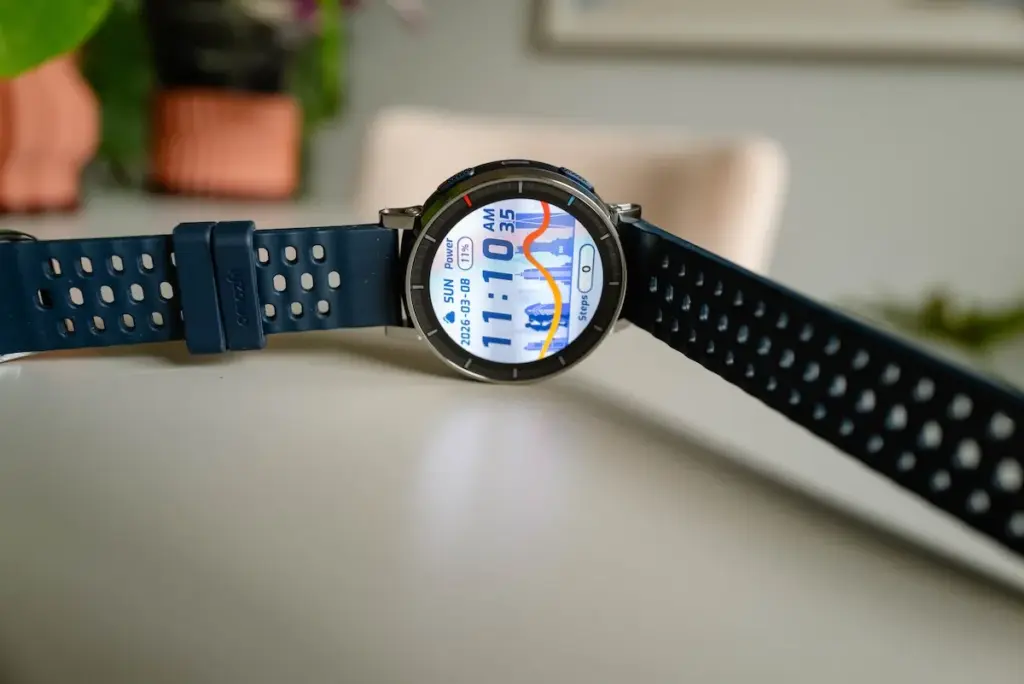
Wearing the Amazfit Active 3 Premium was a genuinely pleasant experience. It’s light, comfortable, and easy to forget about entirely – and it transitions well between activewear and casual clothing without looking out of place. Anyone fatigued by bulky, rugged-looking fitness wearables will find it a refreshing alternative. One caveat: the compact size won’t suit everyone’s taste, and those who prefer a larger watch face may find it a touch too small.
The display held up well throughout testing – bright, vibrant, and readable in direct sunlight, with no lag or freezing during demanding tasks. The one minor gripe is fingerprint smudging, which accumulates more visibly than on other running watches tested at this price point. It’s not a serious issue, particularly since the watch can be fully operated using the physical buttons, but it’s worth mentioning.
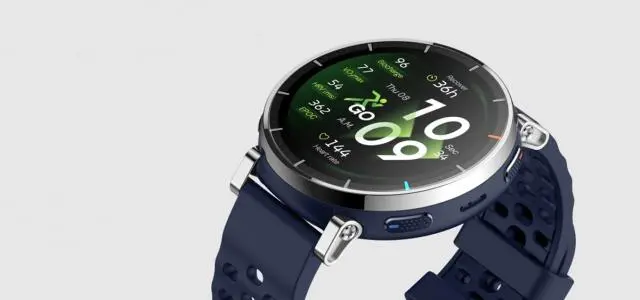
Amazfit Active 3 Premium
Built for Runners. Features a durable stainless steel frame, sapphire glass, and a lightweight build. The vibrant 1.32″ AMOLED display ensures your data and maps are easy to read, even under bright sunlight.
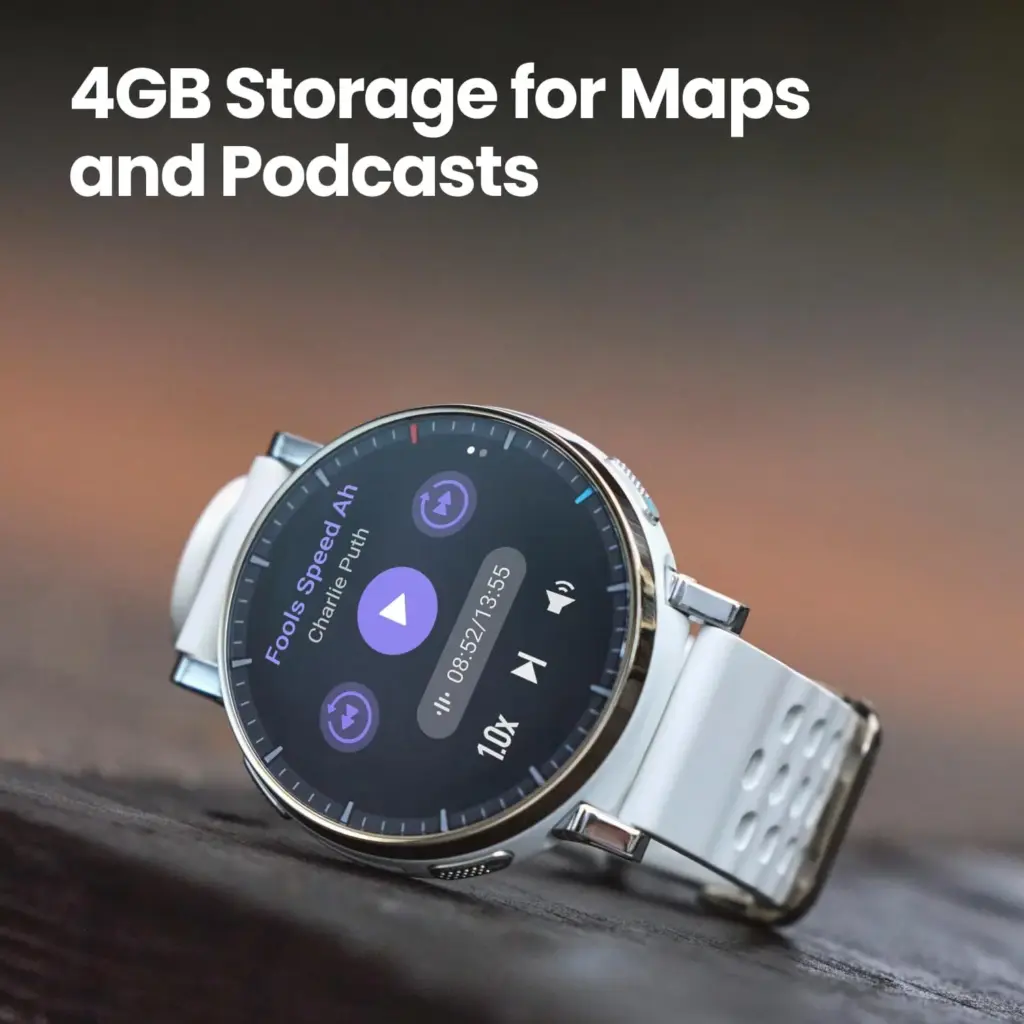
The Amazfit Active 3 Premium is built around fitness tracking, and that focus shows. Smartwatch features are present – Bluetooth calls, music control, NFC payments via Zepp Pay, and calendar notifications all make the cut – but the emphasis is firmly on workout measurement and analysis rather than general lifestyle functions. The result is an interface that feels purposeful rather than cluttered with widgets nobody uses.
The watch supports more than 170 activities but is clearly optimized for runners and race walkers. The running metrics on offer are notably advanced for the price bracket, including posture monitoring (detecting overstriding, hunching, or improper head position), lactate threshold assessment, ground contact balance tracking (measuring symmetry between left and right foot contact time), and running rhythm analysis that evaluates whether breathing, foot strikes, and body movements are properly synchronized. These are the kinds of data points typically reserved for premium athletic wearables.
Despite that depth, the Active 3 Premium remains approachable for beginners. It offers a range of structured running workouts and adaptive training plans, presented without overwhelming jargon or an excessive focus on constant progress metrics – a criticism frequently leveled at Garmin’s platforms. The overall effect is something like a compact running coach: providing feedback to improve form, reduce injury risk, and share achievements with others.
GPS is built in, with offline maps, turn-by-turn navigation, automatic rerouting, and point-to-point route planning. These features don’t match the depth and precision of what Garmin or Suunto deliver, but they’re more than adequate for basic navigation and phone-free outdoor sessions.
Amazfit Active 3 Premium
Built for Runners. Features a durable stainless steel frame, sapphire glass, and a lightweight build. The vibrant 1.32″ AMOLED display ensures your data and maps are easy to read, even under bright sunlight.
Amazfit rates the Active 3 Premium at up to 12 days of battery life under typical use, dropping to around 7 days with heavy use and 24 hours in continuous GPS mode. Real-world testing – wearing the watch day and night, tracking at least four workouts per week, and using GPS during outdoor sessions – landed around 10 days per charge, which aligns closely with those claims.
Outdoor tracking performed reasonably well. Testing across two full-day hikes through dense Welsh woodland and regular park runs produced location estimates accurate enough to serve as a reliable workout companion. That said, the Active 3 Premium uses single-band GPS rather than dual-band, which can limit signal strength in more complex, obstructed environments. Professional trail runners or those venturing into demanding terrain may find the GPS less dependable than they’d like.
Heart rate data was compared against readings from the Whoop MG screenless tracker, the Oura Ring Gen 4 smart ring, and the Polar H9 chest strap heart rate monitor. The results accurately reflected workout intensity and training load across most conditions. Accuracy dropped slightly during high-intensity efforts above 150 bpm, though that’s a common limitation across budget fitness trackers rather than a specific failing of this watch. Sleep and stress tracking both performed well.
Step counting and upper-body movement tracking were less reliable. The watch tended to underestimate steps and consistently struggled with exercises like indoor rowing, where stroke rate detection was noticeably off. Strength training tracking also left something to be desired. These shortcomings didn’t significantly affect the overall experience, and at this price point, they’re largely expected trade-offs rather than dealbreakers.
Should You Buy the Amazfit Active 3 Premium?
The Amazfit Active 3 Premium earns its place as one of the better budget smartwatches available for novice runners and casual exercisers. It’s durable, comfortable, reasonably accurate, and packs a genuinely impressive set of workout-tracking tools alongside beginner-friendly training guidance. The design holds up well across contexts, and the battery life is hard to fault. GPS and mapping fall short of premium standards, and the screen smudges faster than it should – but neither is a realistic expectation at $169.99.
✅ Buy it if: You’re a beginner or casual runner looking for a sleek, reliable smartwatch without spending a fortune.
❌ Don’t buy it if: You’re an experienced runner who needs advanced GPS accuracy and detailed mapping capabilities from a premium wearable.
Amazfit Active 3 Premium
Built for Runners. Features a durable stainless steel frame, sapphire glass, and a lightweight build. The vibrant 1.32″ AMOLED display ensures your data and maps are easy to read, even under bright sunlight.
Google’s Pixel smartphones offer one of the cleanest Android experiences available. Current-gen models ship with the latest version of Android, get updates before anyone else, and enjoy seven years of software support — a level of longevity that makes them a genuine alternative to the iPhone, which similarly prioritizes long-term support. For a direct comparison with Apple’s best, the Pixel 10 Pro is the model to consider if you’re chasing an experience comparable to the iPhone 17 Pro.
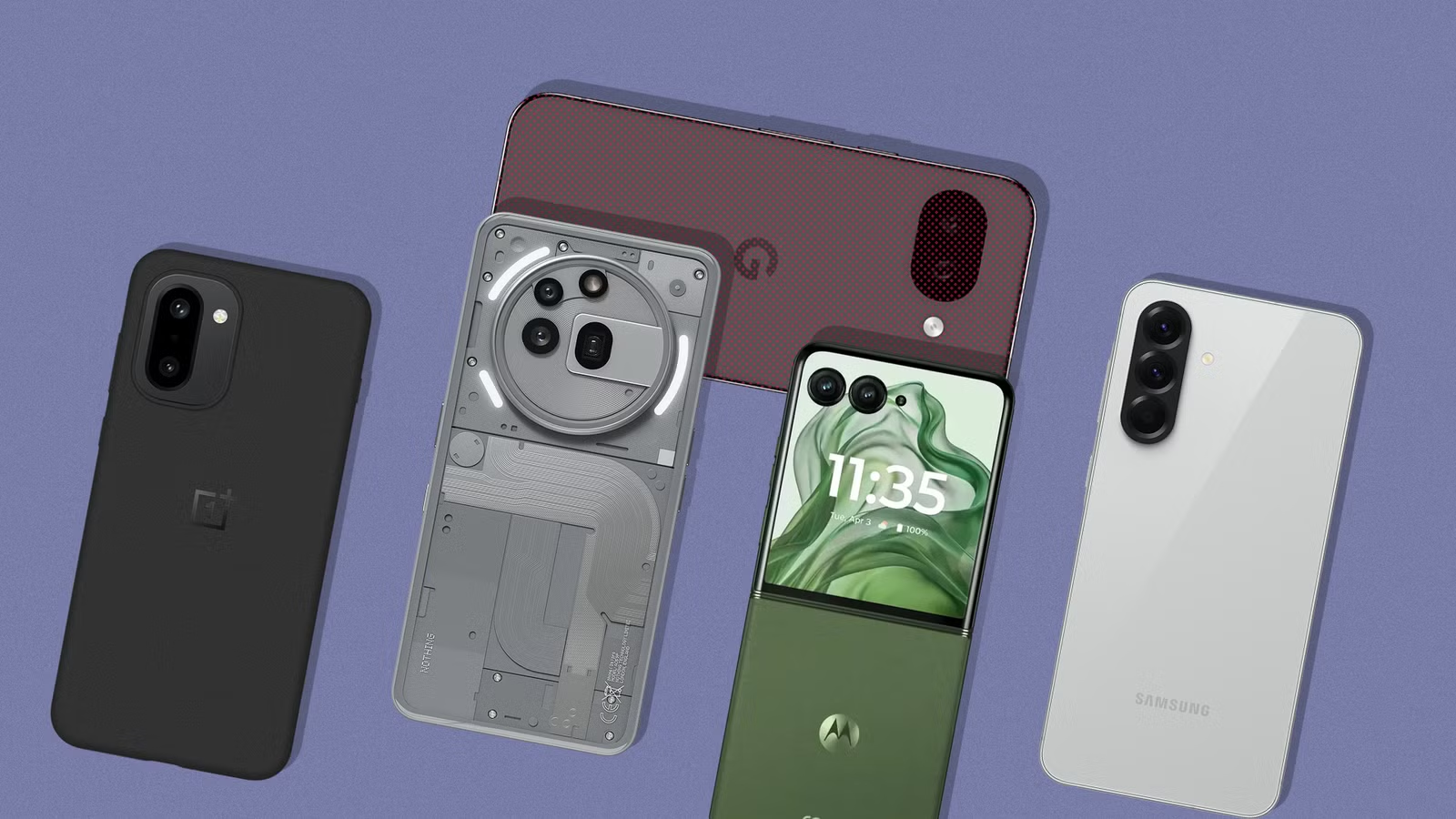
That said, Google also plays in the budget space, and its answer to the sub-$500 market is the Pixel 10a. Powered by last year’s Tensor G4 SoC with 8GB of RAM and a capable dual-camera system on the back — as explored in a full review of the Pixel 10a — it’s a reasonable choice for cost-conscious shoppers. But it does make compromises to hit that price, and raw performance is one of the more noticeable ones. There are several compelling alternatives that outpace it in that department. Five of them are highlighted below. A few of these picks aren’t officially sold in the U.S., and while importing through trusted channels is an option, carrier compatibility isn’t guaranteed.
Samsung Galaxy S25 FE
Samsung Galaxy S25 FE
Enjoy every scroll, swipe and stream on a stunning 6.7” wide display that’s as smooth for scrolling as it is immersive.
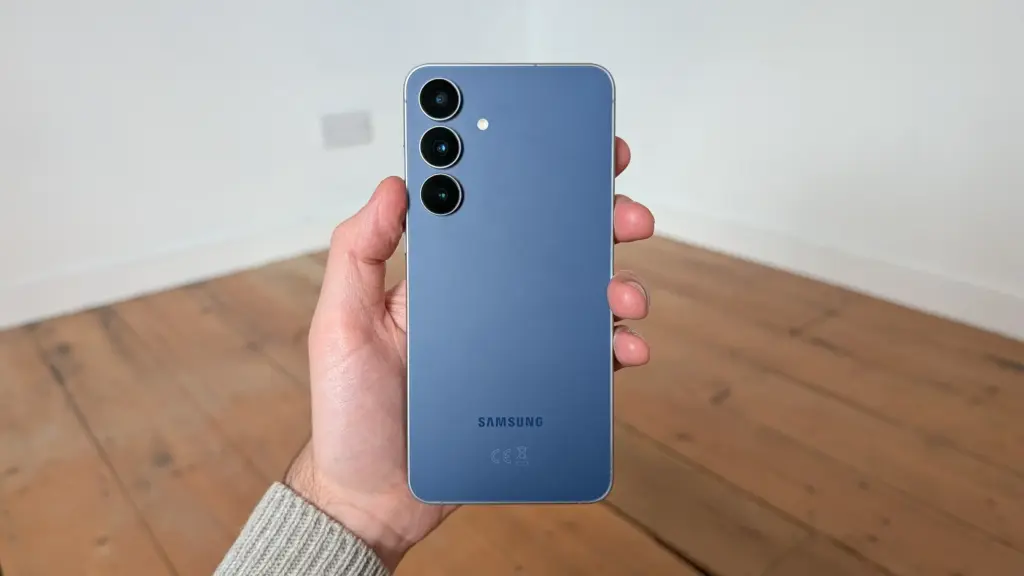
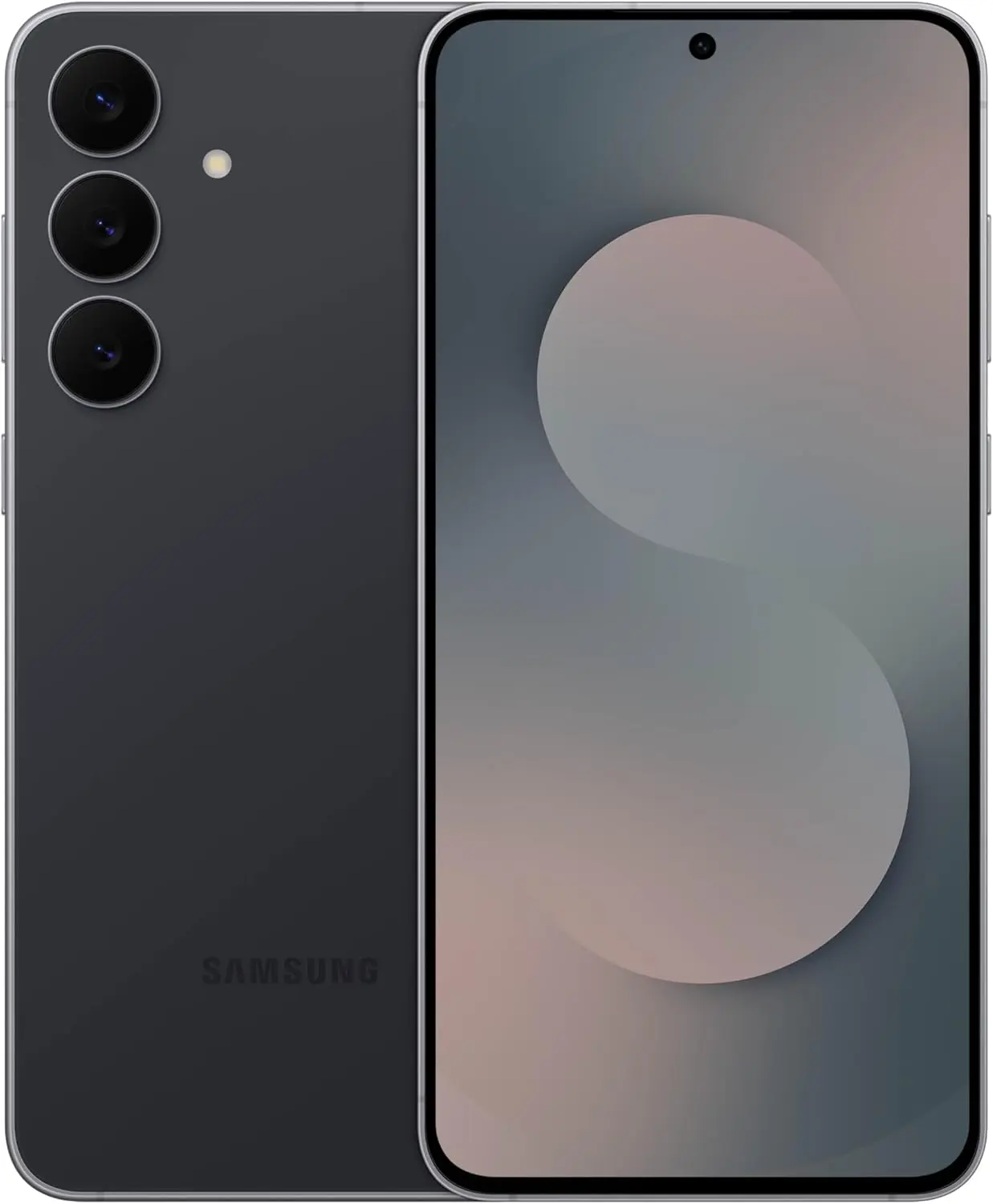
Samsung is the world’s largest Android manufacturer, and while the flagship Galaxy S series gets most of the spotlight, the company’s mid-range catalog is equally well-stocked. The Galaxy S25 FE sits in the upper mid-range tier, delivering a near-flagship experience by trimming a select few premium extras to land at a lower price point.
Under the hood is Samsung’s in-house Exynos 2400 SoC, which according to NanoReview offers noticeably better performance than the Tensor G4 inside the Pixel 10a. RAM is matched at 8GB, and the suite of AI features remains intact. One UI, which previously had a reputation for being bloated, has grown considerably leaner over the years and now runs without any real sluggishness. The display is a 6.7-inch LTPO AMOLED with a 120Hz refresh rate and up to 1,900 nits of peak brightness.
Samsung matches Google’s seven-year OS update promise on the S25 FE. The camera system includes a 50-megapixel wide, a 12-megapixel ultrawide, and an 8-megapixel 3x telephoto lens. Wired charging maxes out at 45W, which handles the 4,900mAh battery reasonably quickly. The base 128GB model retails at $650, though it can regularly be found under $600 through deals on Amazon and similar marketplaces.
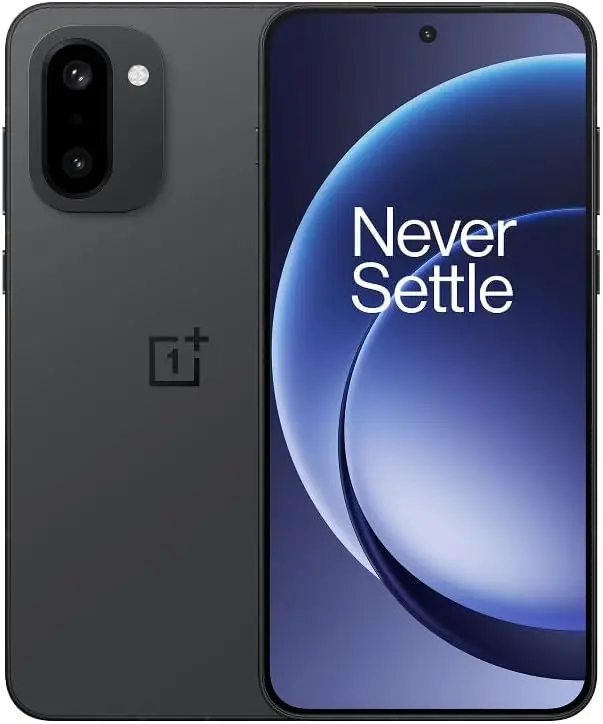
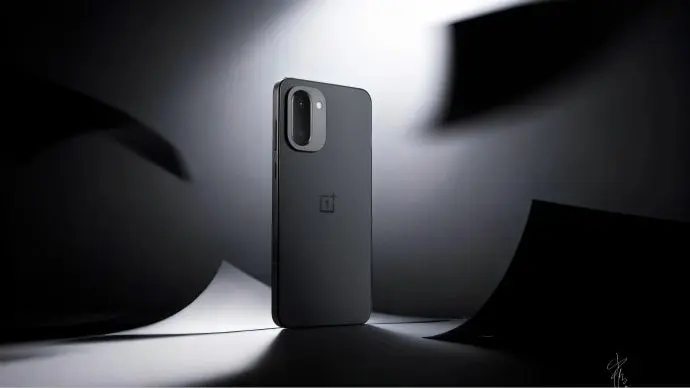
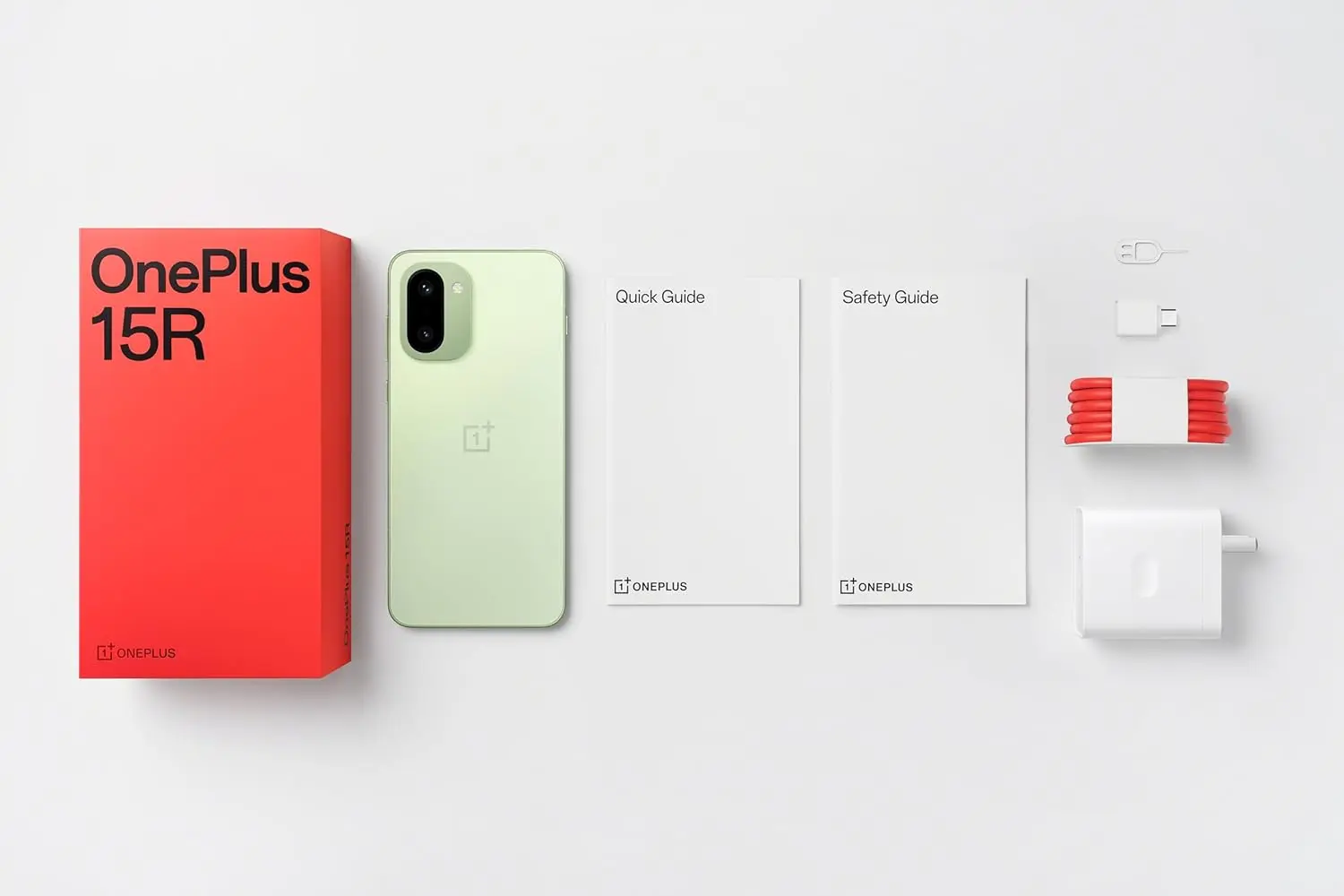
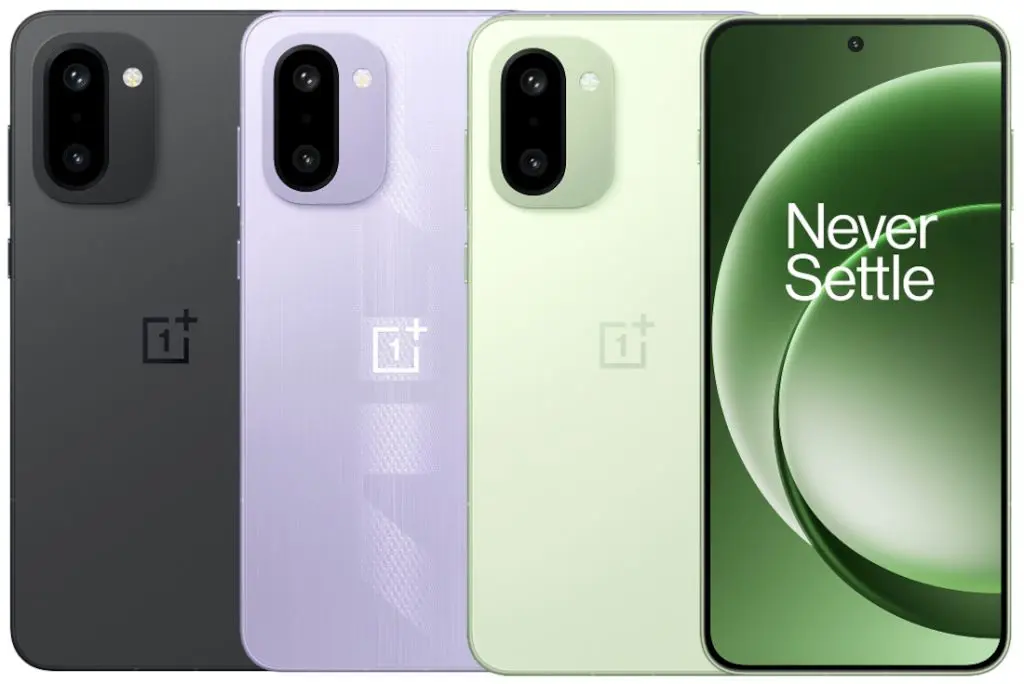
OnePlus 15R
OnePlus 15R
Powered by the Snapdragon 8 Gen 5, plus a custom Wi-Fi chip and dedicated Touch Response chip, you get lightning-fast speeds, stable connections, and ultra-responsive touch control.
At $700, the OnePlus 15R costs more than the 256GB Pixel 10a — but considering what it delivers, that $100 premium is hard to argue with. The phone runs on the Snapdragon 8 Gen 5, which sits just below the 8 Elite Gen 5 in Qualcomm’s hierarchy and comfortably outpaces the Tensor G4, a chip that was already trailing the competition at launch. The performance gap here is substantial.
RAM steps up to 12GB, which keeps more apps active in the background and handles AI-driven tasks more effectively over time. The screen is a 6.83-inch AMOLED panel with up to 165Hz in supported games and a peak brightness of 3,600 nits in HDR scenarios. Slimmer bezels and a smaller hole-punch cutout make for a noticeably better multimedia display than the Pixel 10a.
Battery life is where the OnePlus 15R really pulls ahead. Its 7,400mAh cell offers roughly 50% more capacity than mainstream flagships, and the review of the OnePlus 15R confirmed the exceptional endurance that capacity suggests. Charging tops out at 80W with the included adapter, so refueling is fast when needed.
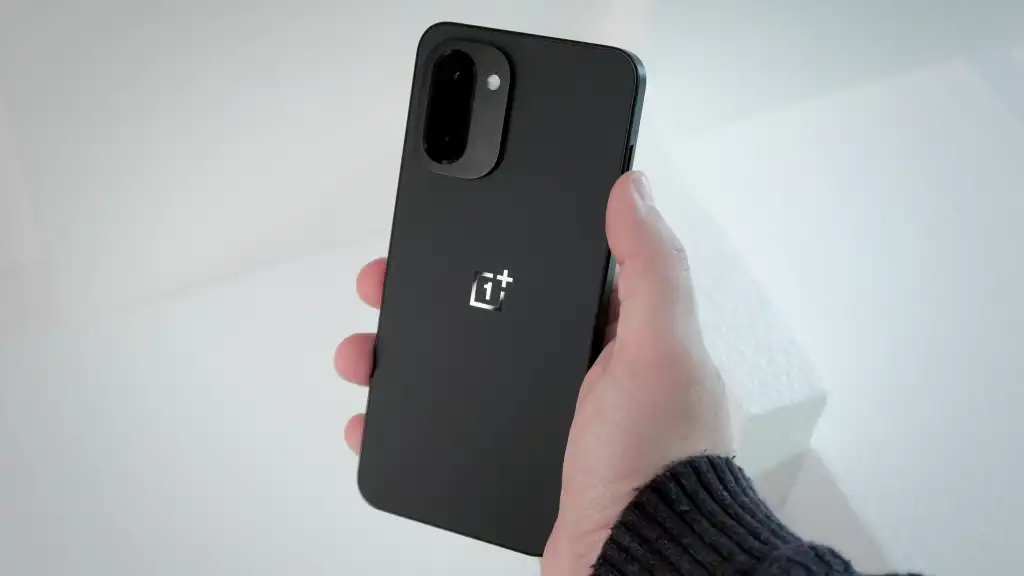
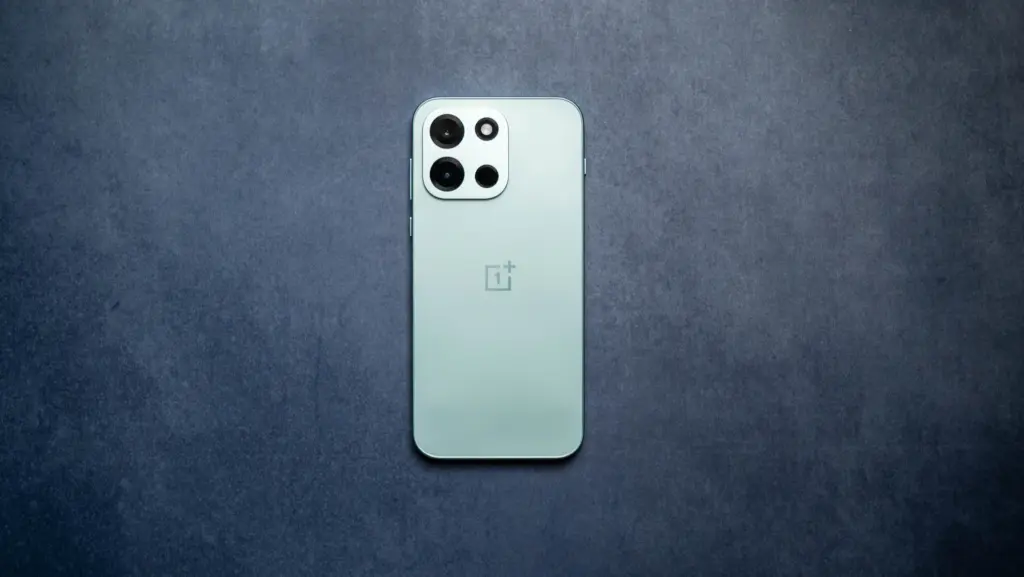
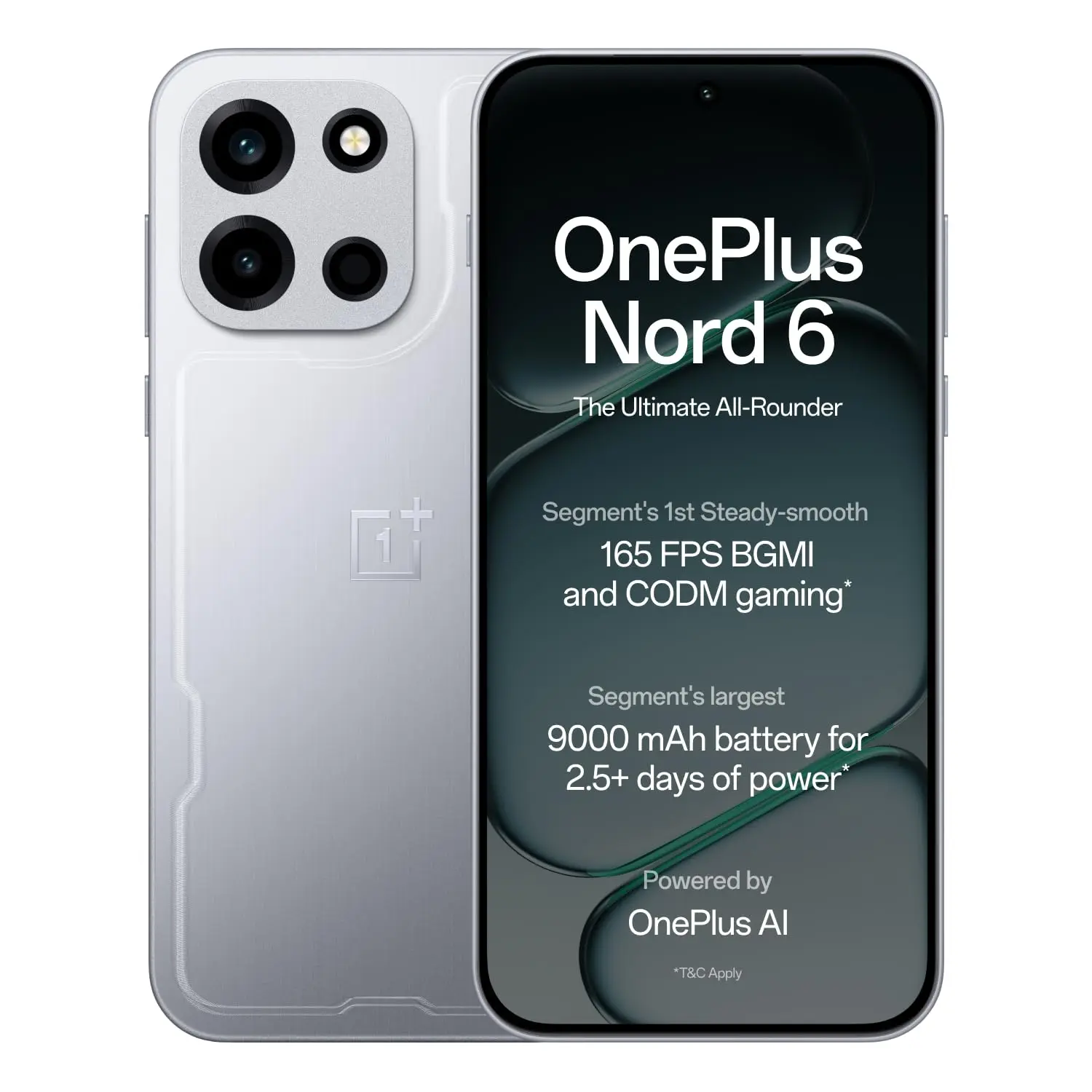
OnePlus Nord 6
OnePlus Nord 6
Flagship Performance with Snapdragon 8s Gen 4/: Couple this with the latest LPDDR5X RAM and UFS 4.1 ROM storage, Nord 6 is engineered to outperform nearly every flagship, allowing unprecedented ‘Gaming PC-level’ 165 FPS BGMI, CODM and Free Fire MAX steady-smooth gaming, and relentless everyday speed for the next 6 years.
Despite recent speculation about market exits and a potential global pullback, OnePlus has continued shipping competitive hardware. The Nord 6 is the latest from the brand’s budget-focused lineup, and it brings serious performance for the price. The Snapdragon 8s Gen 4 SoC comfortably outperforms the Tensor G4 across the board, and configurations go up to 12GB of RAM with 256GB of UFS 4.1 storage.
Gaming is clearly a core target for the Nord 6. Its 6.78-inch AMOLED display supports refresh rates up to 165Hz in compatible titles — similar to what the OnePlus 15 offers — and a 3,840Hz touch sampling rate makes on-screen input feel exceptionally sharp. The dual rear camera covers wide and ultrawide angles, but the real talking point is the 9,000mAh silicon carbon battery with 80W wired charging support, which is a remarkable combination at this price.
OxygenOS handles the software side, with OnePlus committing to four years of OS updates. Pricing converts to roughly $415 for the 8GB RAM variant. The catch: the Nord 6 is an India-exclusive. In China, the same device is sold under the OnePlus Turbo 6 name. U.S. buyers would need to import it, with carrier compatibility being a potential sticking point.
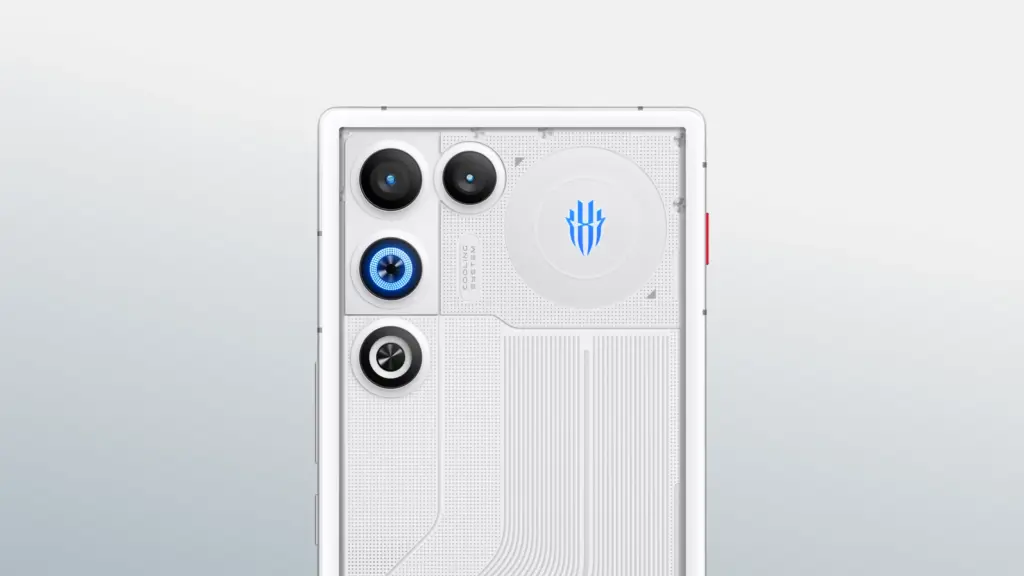
RedMagic 11 Air
For those specifically after a gaming phone that’s actually available in the U.S., RedMagic is the go-to. The RedMagic 11 Air matches the Pixel 10a’s $500 price tag but packs considerably more horsepower. The Snapdragon 8 Elite SoC powering it is, on paper, more than twice as fast as the Tensor G4. Even as a generation-old chip at this point, it handles any modern mobile title at maxed settings with high frame rates without breaking a sweat.
A few hardware touches set it apart from the standard mid-range crowd. Capacitive shoulder triggers on the frame offer additional physical controls in supported games. The 6.8-inch 144Hz AMOLED display is completely notch-free, providing an uninterrupted viewing surface — a trade-off that costs the phone a front camera, which may or may not matter depending on priorities. Active cooling via a built-in fan and vapor chamber keeps thermals in check during extended sessions.
RAM comes in at 12GB, and storage doubles what the Pixel 10a offers in its base configuration. The 7,000mAh silicon carbon battery earned a multi-day usage assessment from TechRadar’s review under moderate conditions, and an 80W adapter is included in the box. An 80W adapter is also included. Stepping up to 16GB of RAM and 512GB of storage adds just $100 to the asking price, and the RedMagic 11 Air’s distinctive design language makes it one of the more visually interesting options on this list.
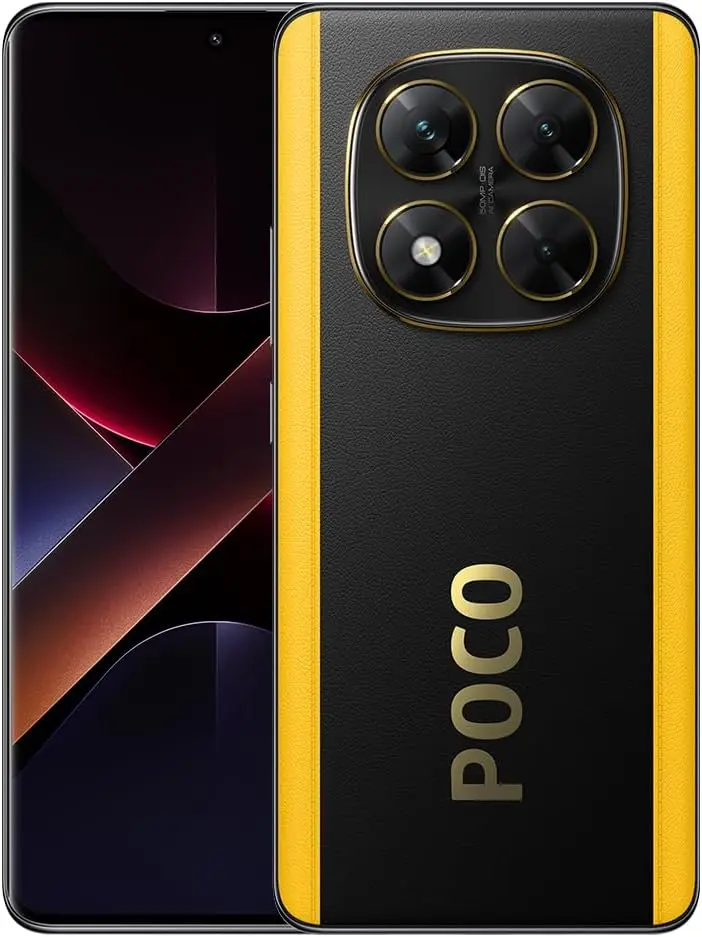
Poco X7 Pro
Poco X7
Full speed ahead Powerful Dimensity 7300-Ultra CrystalRes 1.5K 120Hz AMOLED curved display 50MP main camera with OIS IP68 dust and water resistance 5110mAh (typ) large battery
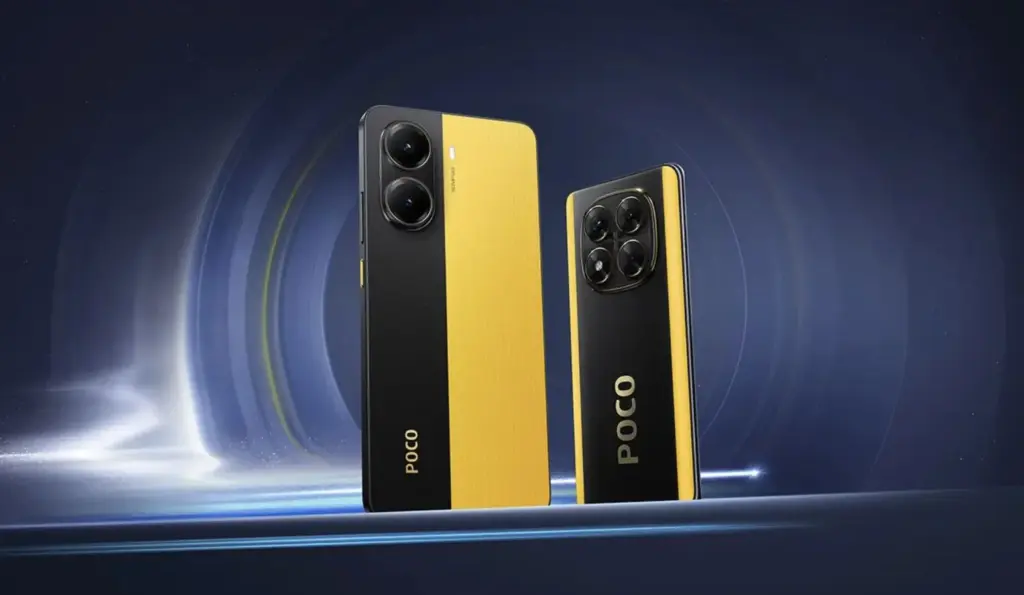
Xiaomi has built a reputation for delivering strong value in the flagship space, and its Poco sub-brand attacks the mid-range segment with the same aggression. The Poco X7 Pro is a gaming-focused device powered by the MediaTek Dimensity 8400 Ultra SoC, posting AnTuTu benchmark scores roughly 40% higher than the Tensor G4.
The display is a 6.67-inch AMOLED panel with a 120Hz refresh rate and an impressive 1,920Hz touch sampling rate. Camera hardware consists of a 50-megapixel wide and an 8-megapixel ultrawide – GSMArena described the imaging output as “mostly mediocre,” though the same review awarded the phone 4.2 stars overall and called it the most powerful device in its price category. The global variant carries a 6,000mAh silicon carbon battery with 90W wired charging.
Software is HyperOS, Xiaomi’s customized take on Android 15, with at least three major OS updates and four years of security patches promised. At $410, the phone ships with 12GB of RAM and 256GB of storage. While Xiaomi’s retail presence in the U.S. is limited, the Poco X7 Pro is available through Amazon. Carrier support exists for select networks, but verifying band compatibility with a specific provider before purchasing is strongly recommended.
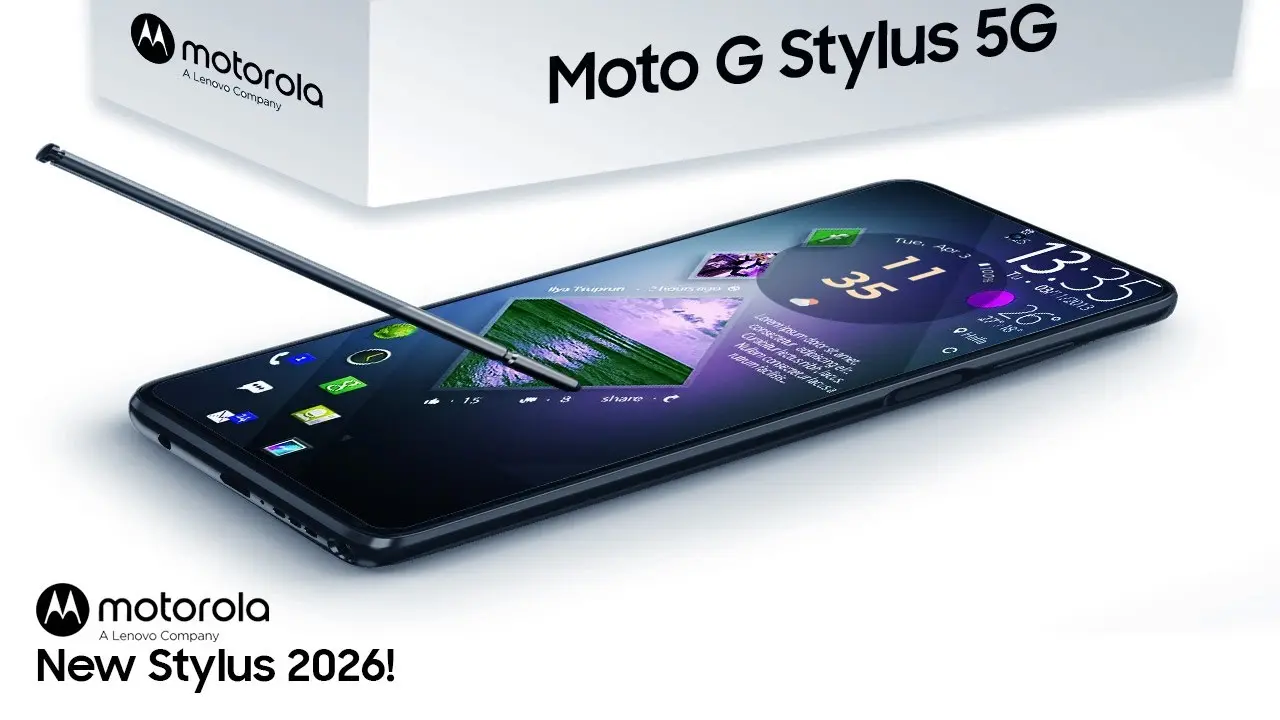
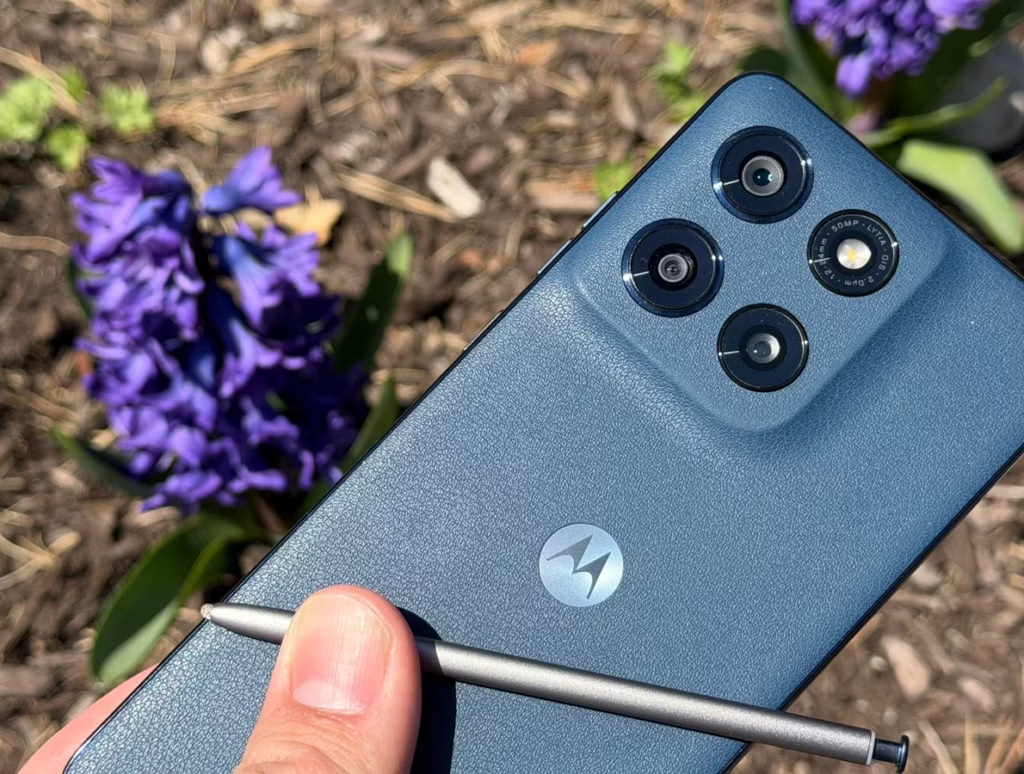
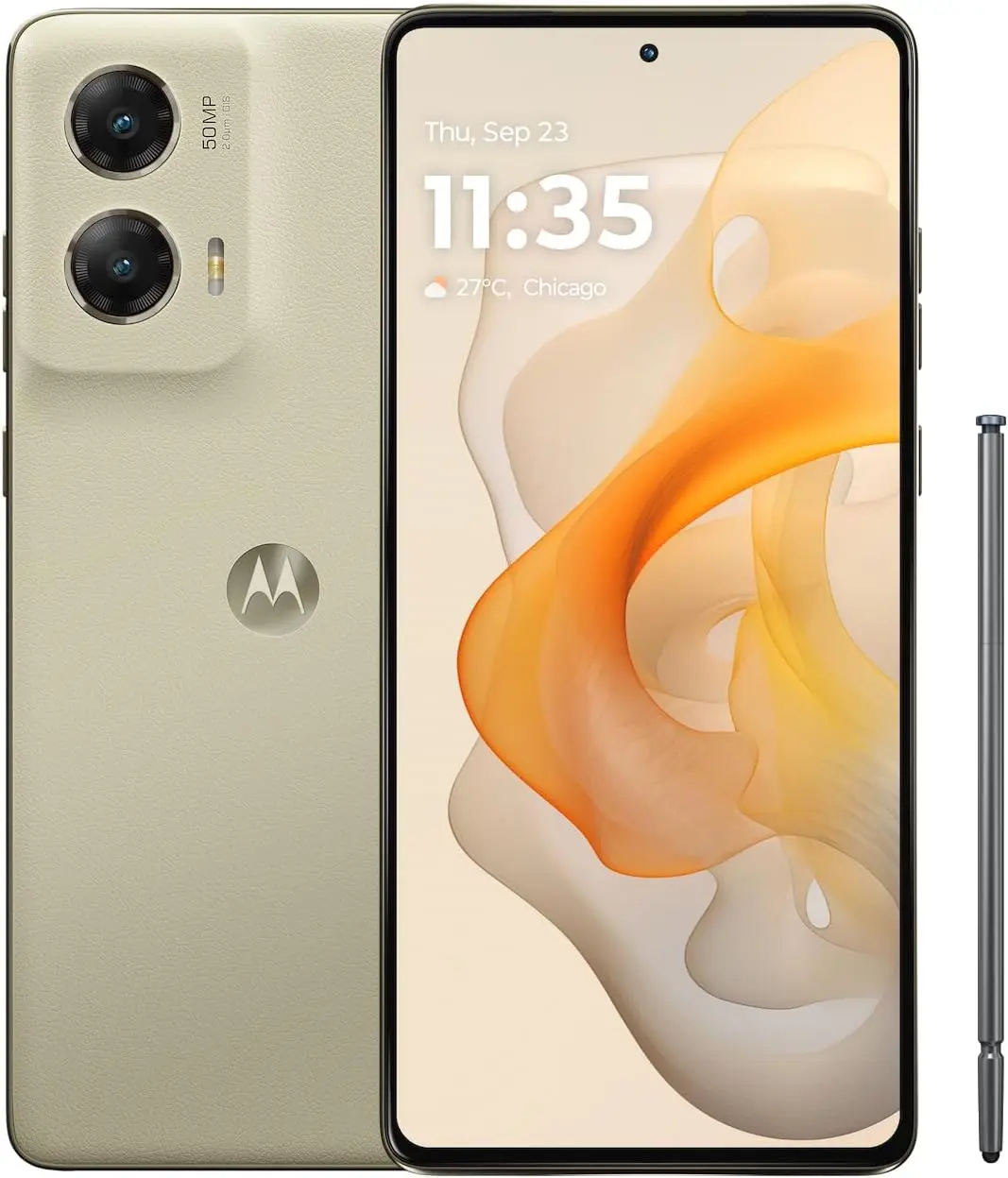
Motorola is sweetening the deal on its latest stylus-equipped mid-ranger with a limited-time bundle that’s hard to ignore. A few days back, the company paired the Moto G Stylus (2026) with Moto Buds+ and a four-pack of Moto Tags — a combo valued at $300 — and that promotion is still live.
But shoppers who need more storage have an even better reason to look at the 256GB variant right now. That configuration currently ships with three bonus items totaling $480 in value:
With Mother’s Day approaching, several of these extras double as thoughtful gift ideas on their own. The phone itself is also a strong pick for tech-savvy moms. Motorola didn’t swap in a more powerful processor this time around, but the focus was clearly on refining the stylus experience rather than raw specs.
The Moto G Stylus (2026) picks up several smart features that close the gap with the Galaxy S26 Ultra. AI can convert rough sketches into polished visuals, the stylus handles complex math problems, and quick access to Gemini and Circle to Search is built right in.
Beyond the smart tools, Motorola has also worked on how the stylus physically feels. The pen-to-paper sensation is more natural than before, and improved tilt sensitivity lets users add realistic shading to drawings — a welcome upgrade for anyone who uses the stylus creatively.
The rest of the package holds up well too. The Moto G Stylus (2026) carries an IP68 and IP69 rating for water and dust resistance, and its 6.7-inch OLED display reaches higher peak brightness than last year’s model. Battery capacity sits at 5,200mAh with 68W wired charging support, which keeps all-day use well within reach.
Running Android 16 from day one and offering a well-rounded experience across the board, this is among the strongest Motorola phones available right now. Throw in $480 worth of extras, and it becomes one of the more compelling mid-range deals on the market at the moment.
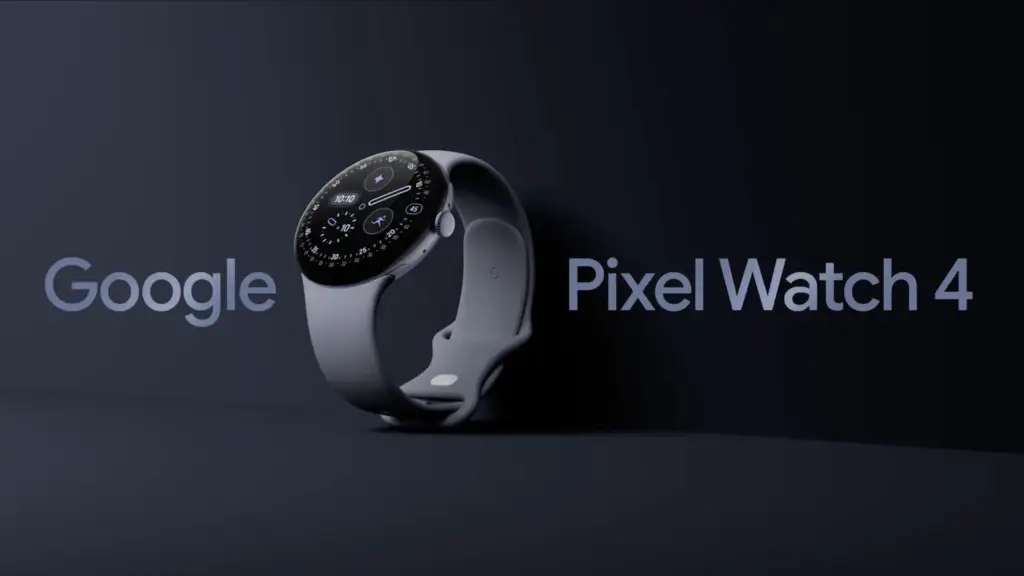
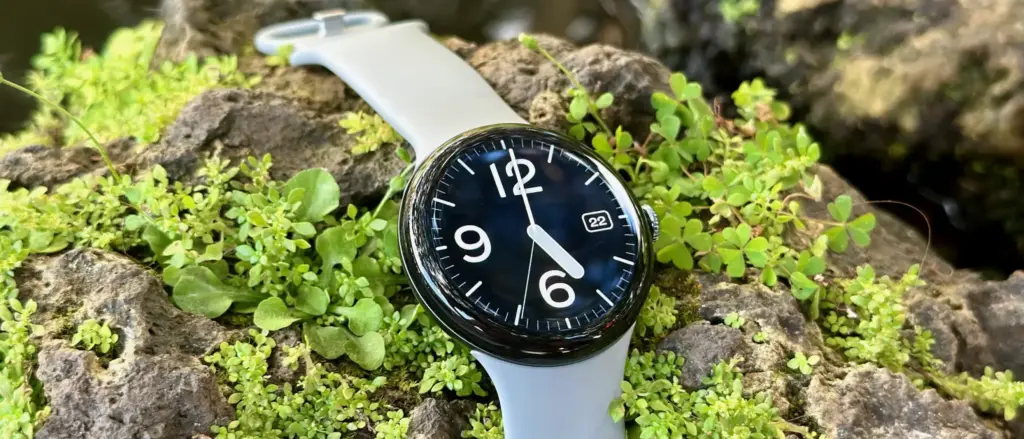
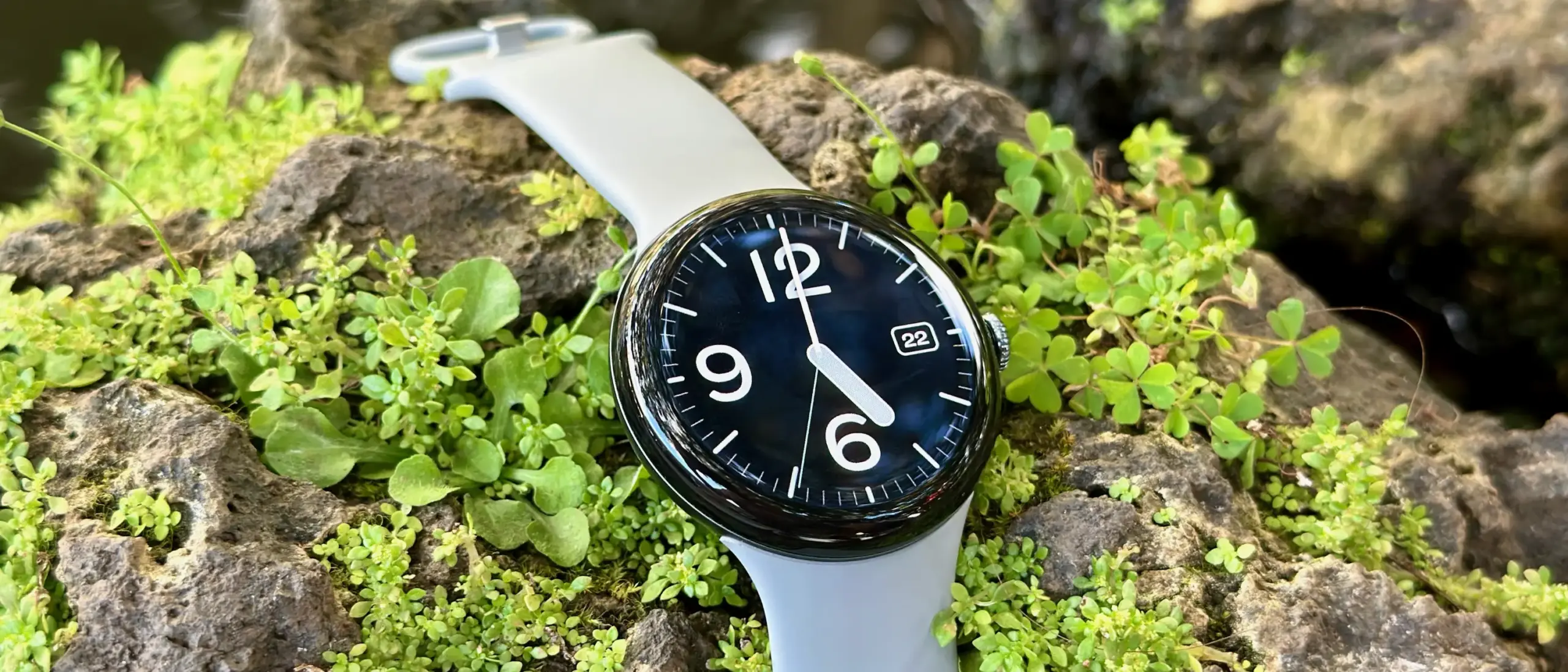
It rarely makes sense to pay full price for Google’s flagship Pixel Watch 4, since the smartwatch goes on sale often. This is one of those moments. It is not at its lowest-ever price, but the Pixel Watch 4 is currently $40 below its MSRP, and buyers can choose from several band color options, including Lemongrass, Iris, Obsidian, and Porcelain.
Google Pixel Watch 4 (41mm, Wi-Fi) is 11% Off
The Google Pixel Watch 4 (41mm, Wi-Fi) is currently discounted to $309.99 at Amazon, which works out to 11% off and a $40 savings. Price tracking on CamelCamelCamel shows that this is still above the all-time low, as the wearable dropped to $289.99 during much of March and early April. It remains to be seen whether it will fall back to that level again.
Even so, this is still a strong offer. The Pixel Watch 4 features a 1.4-inch Actua 360 AMOLED display with a 456×456 resolution and 3,000 nits of brightness, all protected by Gorilla Glass 5. Inside, it runs on a Qualcomm Snapdragaon W5 Gen 2 (4nm) processor, paired with 2GB of RAM and 32GB of built-in storage. Google says the watch can last up to 30 hours with the always-on display enabled, or up to 48 hours when Battery Saver mode is turned on.
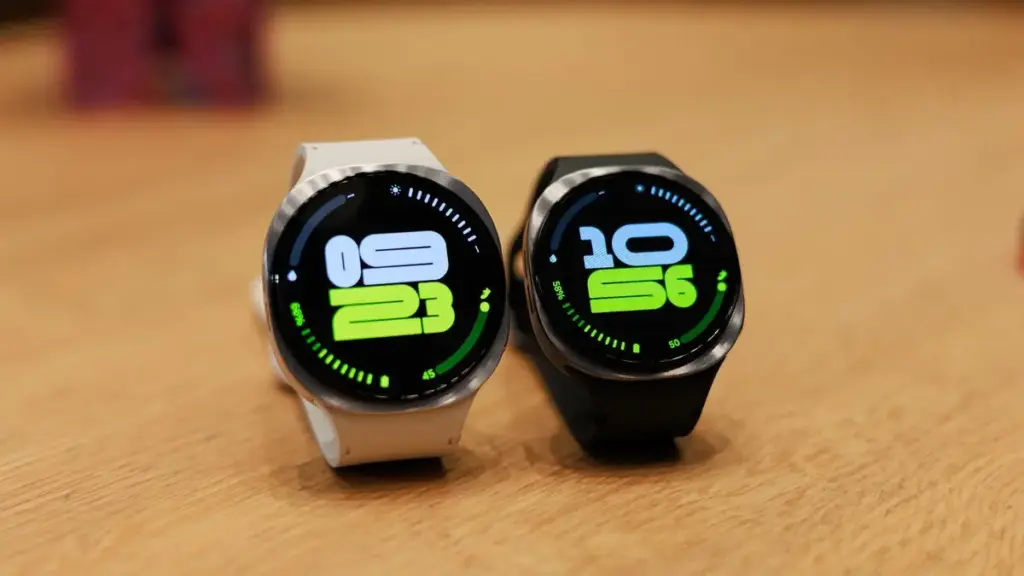
Samsung’s Galaxy Watch 8 (46mm, Wi-Fi) is also discounted, with Amazon listing it at $369.99, or 26% off, for a much larger savings compared with its regular price. This model is also above its all-time low, though only slightly; it briefly reached $349.99 a couple of times since last December.
The Galaxy Watch 8 is thinner, lighter, and brighter than the previous generation. It also introduces a new cushion shape and Dynamic Lug bands, along with a larger battery — 325mAh versus 300mAh — that delivers up to 30 hours of battery life. Google Gemini support is included as well.
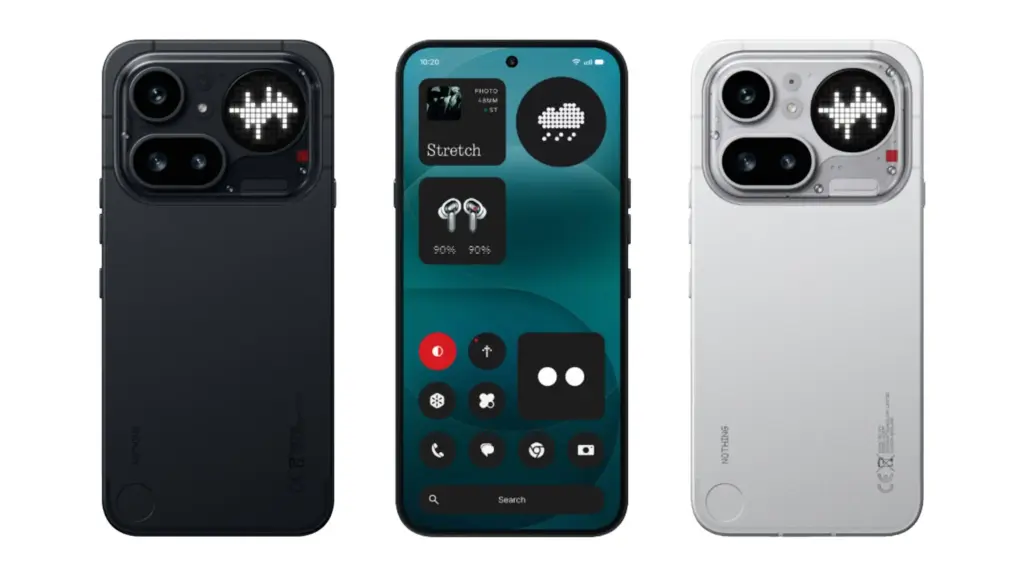
Nothing looks set to deliver another strong midrange contender. The Phone (4a) Pro delivers on the brand’s signature appeal—distinctive, quirky, and unmistakably Nothing.
The price has edged up from the Phone (3a) Pro to $499 or €479. Pre-orders through Nothing’s site offer discounts in some regions, potentially matching the predecessor’s cost.
At half the price of the flagship Phone (3) ($799), it remains a budget-friendly option. Nothing has noted the “a” series’ strong reception and its role in building the brand. The question is whether the Phone (4a) Pro keeps that momentum going.
Design and Display
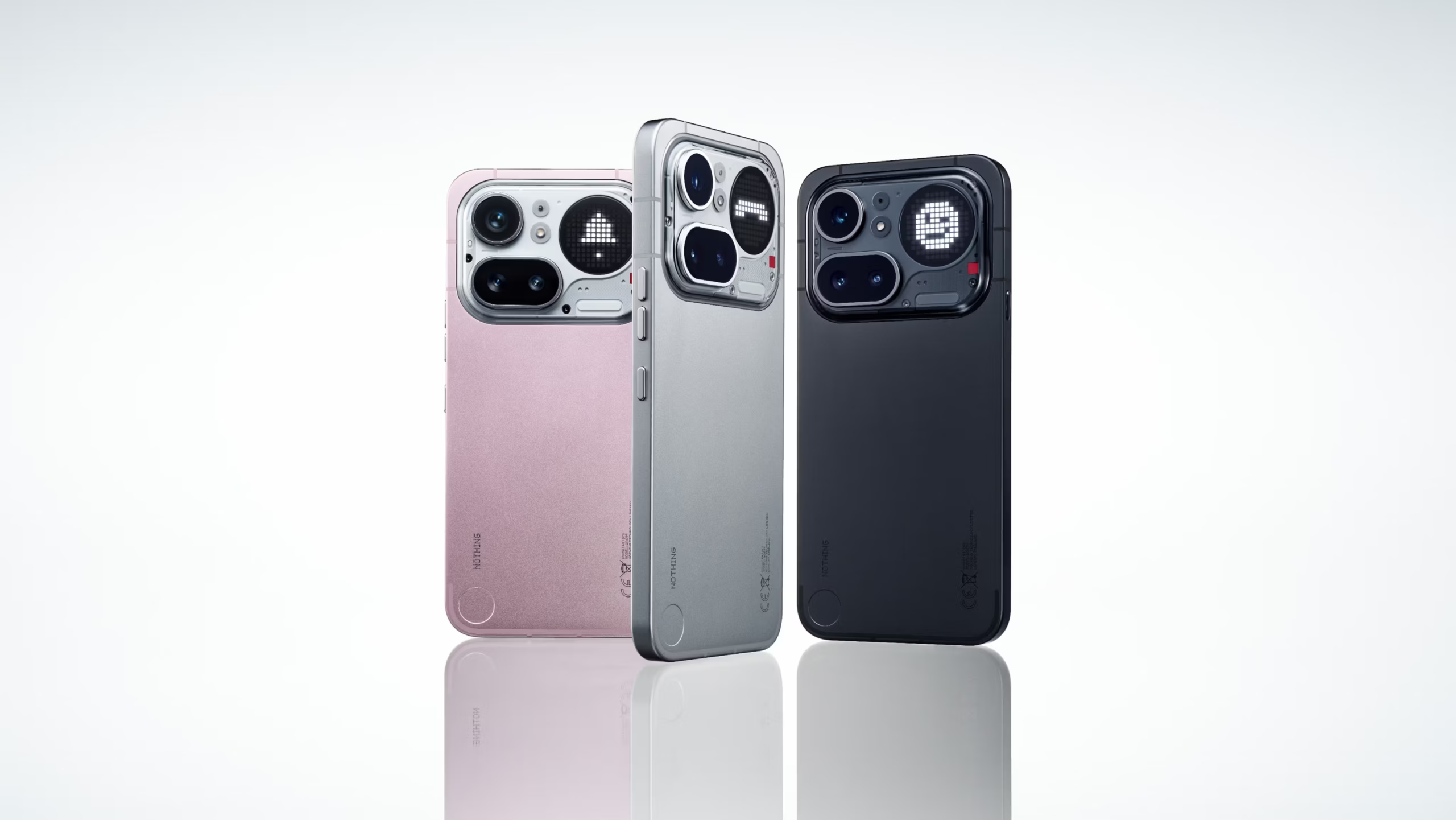
The Phone (4a) Pro stands out from previous “a” models with its full aluminum unibody construction. Wireless charging is off the table as a result, but the solid metal build feels premium and long-missed in recent years. It stays light and well-balanced for comfortable handling.
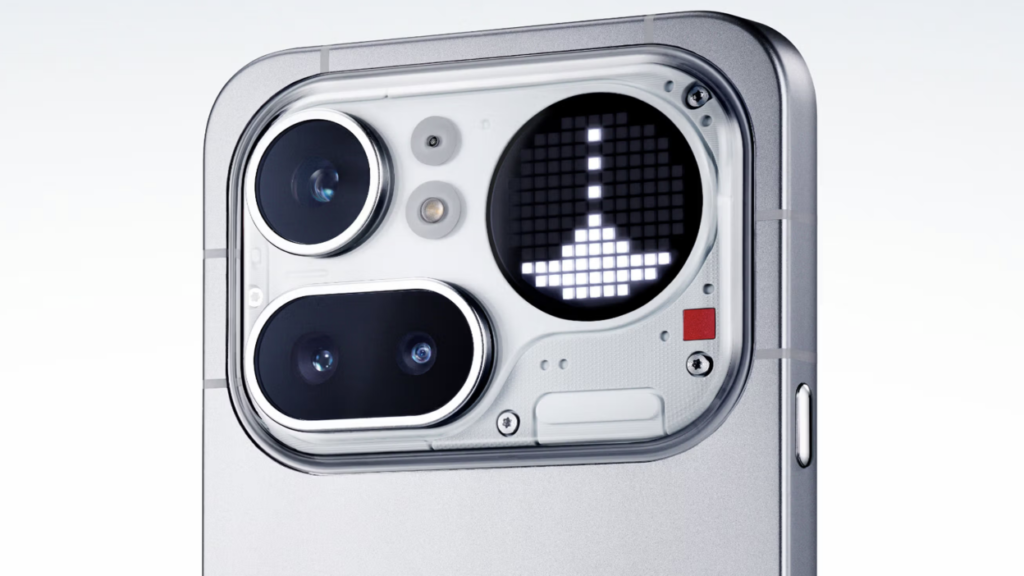
A transparent section remains on the back, limited to the acrylic-covered camera island. The overall feel is solid, though the scaled-back transparency suggests a shift toward convention. The plastic camera bump may attract scratches over time.
Despite the 6.9-inch screen, the phone qualifies as thin and manageable, aided by smart weight distribution.
The Essential button returns, tying into Essential Space—Nothing’s lightweight AI tool for organizing screenshots, photos, and voice notes. On-device AI tags content for easy retrieval, much like an enhanced version of Google’s Screenshots app. The button provides quick access to the library or new captures, serving as a distinctive Nothing touch.
Volume and power buttons offer satisfying clicks—firm without being loose.
The traditional Glyph LED strips are gone, as on the Phone (3). The new circular low-res Glyph Matrix sits on the camera island, a more appealing placement than on the Phone (3).
Functions are simplified compared to the Phone (3)’s Glyph Toys. It displays time, timers, calendar progress, notification icons, or volume levels—no games like spin the bottle or 8-ball.
The box includes the phone, a transparent case, and a standard USB-C cable, ditching the old transparent styling for a blockier design.
The 6.9-inch AMOLED display packs a 1260 x 2800 resolution (440 PPI), 144Hz refresh rate—higher than the Phone (3)’s 120Hz—and 5,000 nits peak brightness. It delivers sharp, vibrant visuals, with a natural color profile for a less intense look.
Day-to-day brightness hits around 1,500 nits across the full screen, performing well outdoors despite lacking anti-reflective coating.
An optical in-display fingerprint scanner works quickly and reliably. Face Unlock relies on the selfie camera, limiting it to well-lit conditions and lower security.
Nothing Phone (4a) Pro
Capture every detail from a distance with the advanced triple camera system. Nothing Phone 4a Pro Features a 50MP Sony main sensor with OIS, a 50MP periscope telephoto lens supporting 3.5x optical up to 140x ultra zoom, and an 8MP ultra-wide lens.
Smartphone cameras continue to chase natural-looking results, but the Phone (4a) Pro as a midranger falls short. Dynamic range is limited, color matching across the main, ultrawide, and 3.5x zoom lenses is inconsistent, and processing introduces oversharpening and noise artifacts.
Reds can oversaturate in some shots, while others suffer from incorrect exposure or blue casts. It works for casual snapshots but struggles with standout photography. The 3.5x zoom holds up for portraits before details fade beyond that.
Predictability is the real issue for a good midrange camera. For better results, a Pixel 9a might suit photography-focused buyers.
Videos appear overexposed and oversaturated. A bug prevents autofocus when zooming during recording after lens switches, though Nothing typically addresses such issues through software updates.
Performance
Power comes from the Qualcomm Snapdragon 7 Gen 4, a midrange chip below the flagship Snapdragon 8 series. Its CPU matches a late-2022 Snapdragon 8 Gen 1 level, with the GPU a bit stronger.
Paired with Nothing’s efficient software, it handles modern Android smoothly without excess power for demanding tasks.
In CPU tests against $500 rivals, it holds its own. An iPhone 17e with the Apple A19 would dominate, even with fewer GPU cores. GPU performance beats the Exynos in the Galaxy A56, appealing to mobile gamers.
Storage choices are 128GB/8GB RAM or 256GB/12GB RAM, with the upgrade adding $100 and edging into iPhone 17e pricing.
Nothing Phone (4a) Pro
Capture every detail from a distance with the advanced triple camera system. Nothing Phone 4a Pro Features a 50MP Sony main sensor with OIS, a 50MP periscope telephoto lens supporting 3.5x optical up to 140x ultra zoom, and an 8MP ultra-wide lens.
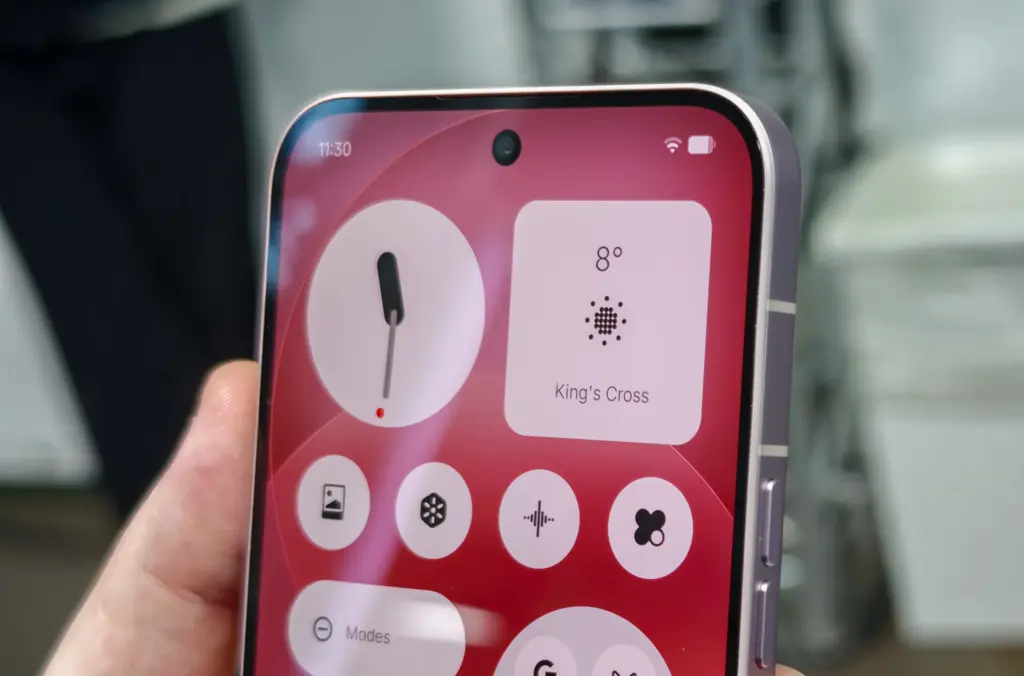
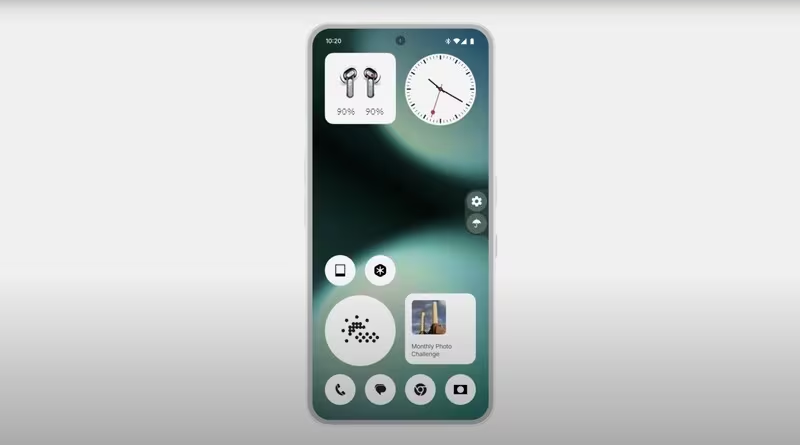
Nothing OS 4.1 runs on Android 16 out of the box. The clean, flat interface feels responsive, with monochrome icons offering a minimalist vibe.
Support includes three major Android updates and four years of security patches, potentially carrying the phone through to 2030.
Battery
A 5,080 mAh battery and efficient Snapdragon 7 Gen 4 yield solid endurance: 16 hours of browsing and 12 hours of video playback.
Gaming drops results to around 6 hours, trailing some rivals but acceptable for the price and segment.
50W charging hits 67% from empty in 30 minutes using Nothing or compatible third-party chargers. No wireless charging due to the aluminum body.
Audio and Haptics
Stereo speakers are loud with decent tuning for system sounds and videos, though they sound tinny for music. No 3.5mm jack.
Haptics stand out, delivering precise feedback that complements the interface.
Verdict
The Nothing Phone (4a) Pro stands as a bold statement phone for those avoiding generic Galaxies or iPhones. Its handling, display, and performance match $500 peers, while the UI brings thoughtful, unique touches.
Cameras remain the weak spot. Buyers who can overlook that will find a compelling package; others may want to wait for software tweaks or consider alternatives.
Nothing Phone (4a) Pro
Capture every detail from a distance with the advanced triple camera system. Nothing Phone 4a Pro Features a 50MP Sony main sensor with OIS, a 50MP periscope telephoto lens supporting 3.5x optical up to 140x ultra zoom, and an 8MP ultra-wide lens.
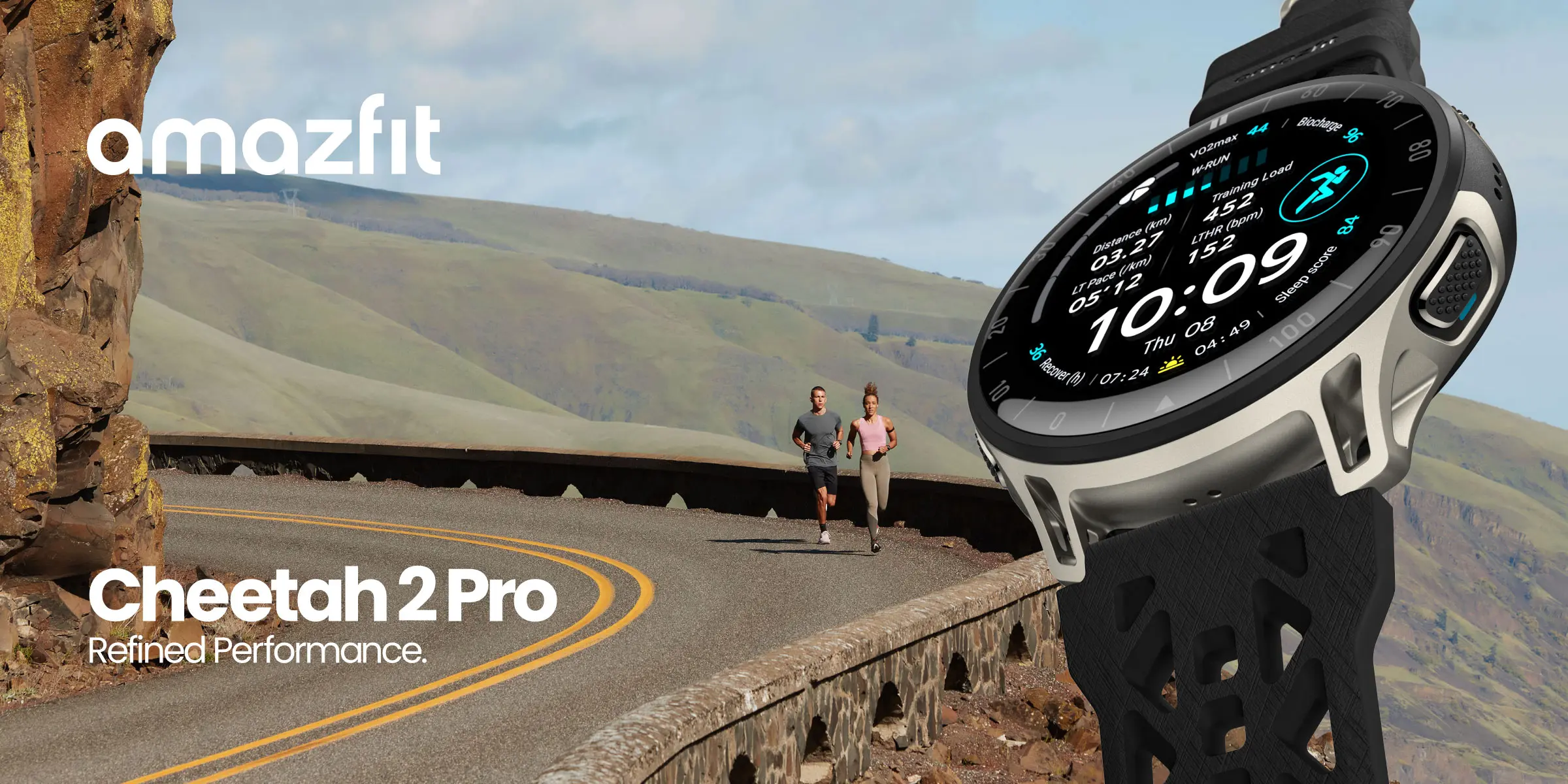
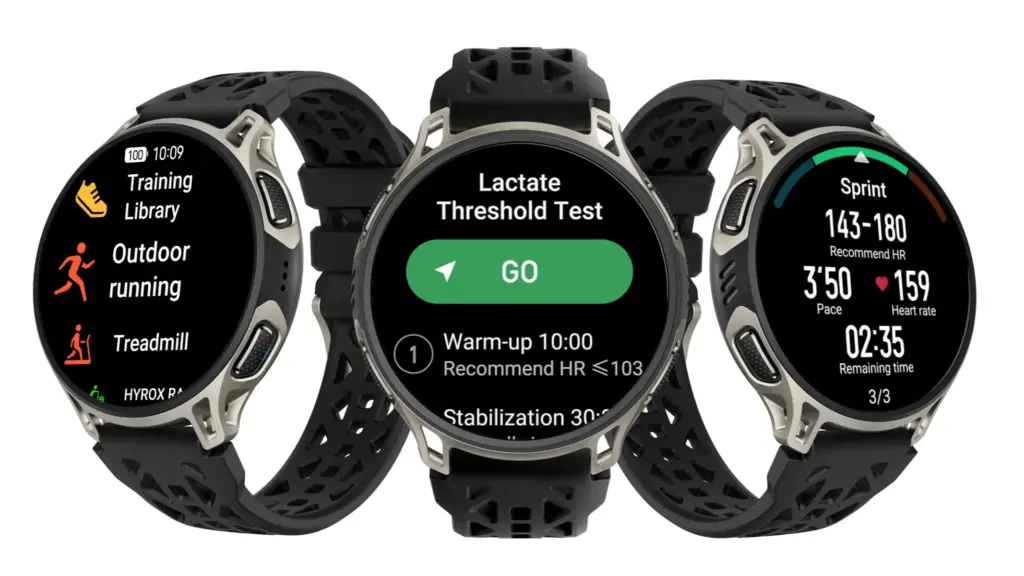
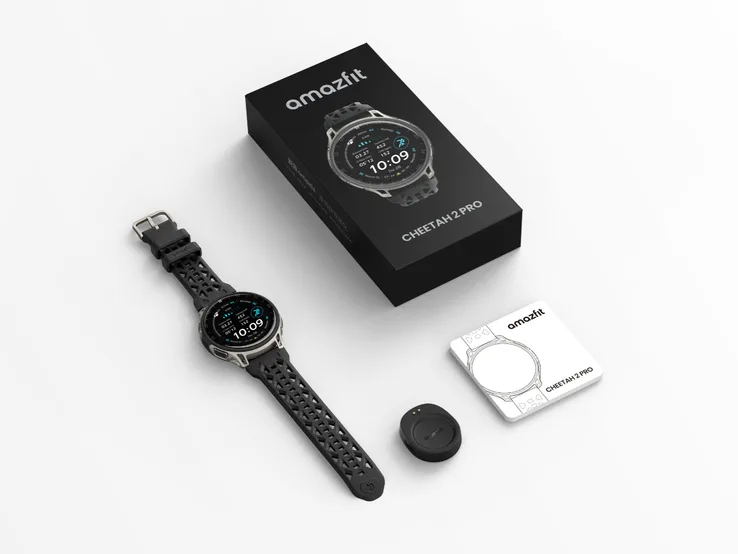
Amazfit has officially introduced the Cheetah 2 Pro to the global market, marking the debut of its new Cheetah 2 series. The launch follows a wave of recent leaks and brings a high-end smartwatch with a focus on endurance and outdoor tracking.
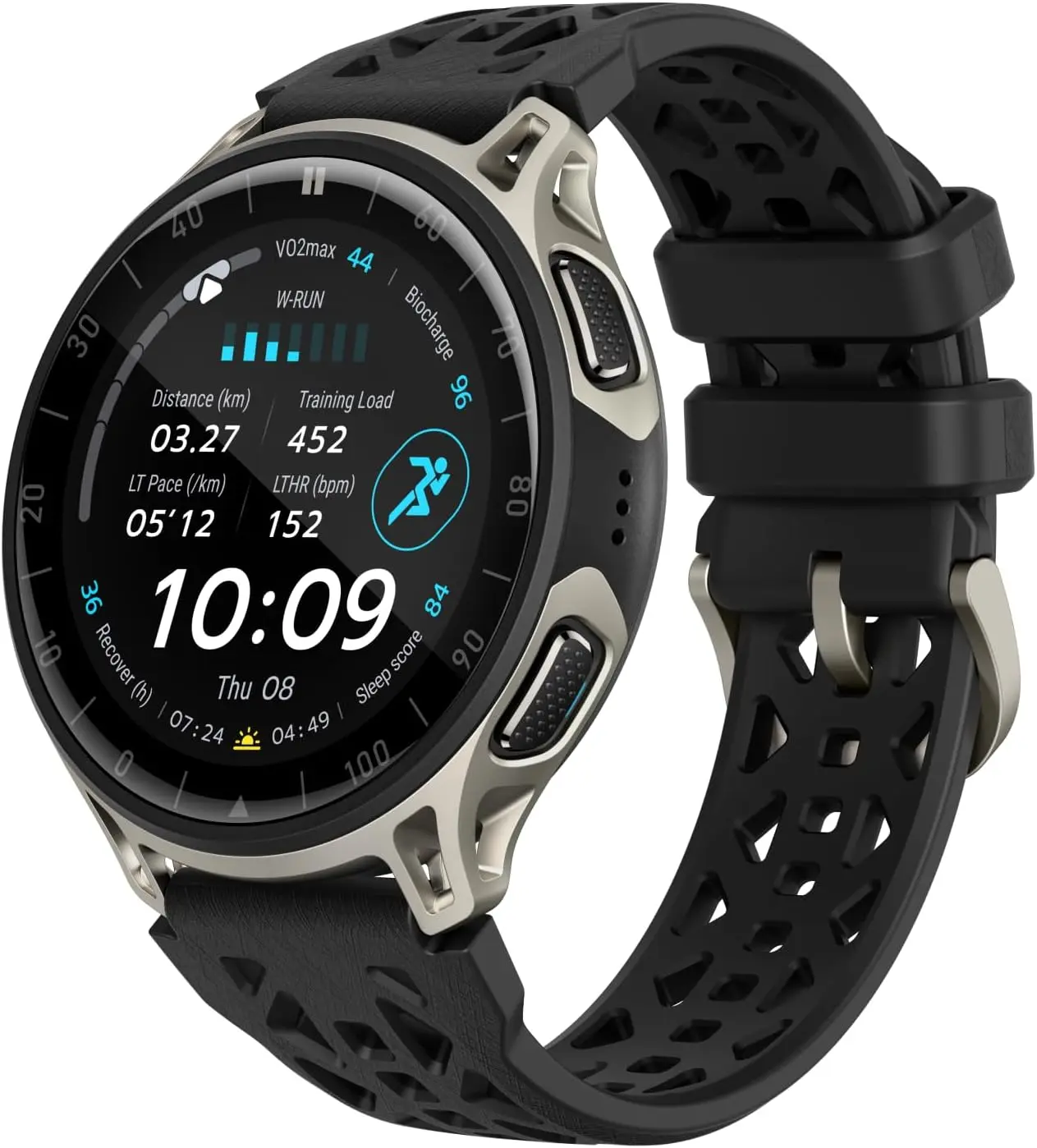
The Cheetah 2 Pro features a 1.32-inch AMOLED display housed in a 48 mm case, while still supporting relatively slim 20 mm straps. The screen reaches up to 3,000 nits of peak brightness and offers a resolution of 466 × 466 pixels, resulting in a pixel density of 353 PPI.
Amazfit Cheetah 2 Pro
Built with extraordinary durability for high-mileage runs, the grade 5 titanium case and scratch-resistant sapphire glass protect a vibrant 1.32″ AMOLED display. Unnecessary material is removed while rigidity and precision are preserved.
Battery life is a key highlight. The smartwatch packs a 540 mAh battery, with Amazfit claiming up to 29 hours of use with GPS enabled, 7 days in standard smartwatch mode, and up to 20 days under “moderate activity” conditions.
On the hardware side, the device includes Amazfit’s in-house 5PD PPG heart rate sensor and an Airoha Technology AG3353 GNSS module for positioning. It also features a built-in speaker, a digital microphone, and a LED flashlight—similar to what’s found on devices like the Garmin Forerunner 970 and Venu 4. The watch weighs 46 grams, supports 5 ATM water resistance, and uses sapphire glass for display protection.
Built with extraordinary durability for high-mileage runs, the grade 5 titanium case and scratch-resistant sapphire glass protect a vibrant 1.32″ AMOLED display. Unnecessary material is removed while rigidity and precision are preserved.
This positions it notably higher than the original Cheetah Pro, which launched in mid-2023 at a significantly lower price and has since dropped to around $179.99 on Amazon. For more details, Amazfit directs users to its official website.
Let me be clear: the iPhone 17e is a genuinely good phone. MagSafe, 256GB storage as standard, and deep integration with the Apple ecosystem — it’s everything last year’s iPhone 16e should have been, and it makes total sense if your family, your friends, and your life are already Apple-shaped.
But I review phones for a living. I’m also, for better or worse, an Apple obsessive. And after a week with the OnePlus 15R, I’d be doing you a disservice if I didn’t tell you what your money can actually buy right now.
The OnePlus 15R makes the battery debate embarrassing
The OnePlus 15R costs $699. It has a 7,400mAh battery. I’ve been getting two full days of use before reaching for a charger.
OnePlus 15R
Powered by the Snapdragon 8 Gen 5, plus a custom Wi-Fi chip and dedicated Touch Response chip, you get lightning-fast speeds, stable connections, and ultra-responsive touch control.
I’ve spent years automatically toggling Low Power Mode on my iPhone 16 during heavy days — it’s just become muscle memory. Using the OnePlus 15R reminded me that this is not a universal smartphone experience. It’s an Apple-specific compromise I’d stopped questioning.
Battery life aside, the OnePlus 15R earns its price in other ways: a 165Hz display, a 6.83-inch screen, the Snapdragon 8 Gen 5 chipset, and OxygenOS that’s as clean and intuitive as Android gets. Side-by-side multitasking, heavy app switching, gaming — no hesitation, no hiccups. Oh, and the Mint Green colorway is so good I refuse to put a case on it. With IP66, IP68, IP69, and IP69K certifications, it doesn’t need one anyway.
It’s not just OnePlus
The OnePlus 15R is the most dramatic example, but it’s not alone.
The Samsung Galaxy S25 FE surprised me. Built on the same Exynos 2400 chipset that powered the once-flagship Galaxy S24, it delivered a full day’s battery without concern and a 6.7-inch display vivid enough to make Netflix feel like an event. Not a compromise phone — a capable one.
Then there’s the Nothing Phone (4a) Pro, which I tested before launch and came away genuinely impressed. Its design makes most flagship phones look conservative, and Nothing’s OS is as considered as its hardware. It has a triple-camera array including a 3x telephoto lens. It costs $100 less than the iPhone 17e, which ships with a single rear camera.
Let that sit for a moment.
The honest truth
If you’re standing at the crossroads of a mid-range upgrade and you haven’t looked at what Android offers in 2026 – you’re making a decision without the full picture.
The iPhone 17e is a great iPhone. Whether it’s a great phone for the money is a different question entirely.
OnePlus 15R
Powered by the Snapdragon 8 Gen 5, plus a custom Wi-Fi chip and dedicated Touch Response chip, you get lightning-fast speeds, stable connections, and ultra-responsive touch control.
Google already cut the Pixel Watch 3 LTE starting price from $350 to $250 to keep it competitive alongside the newer Pixel Watch 4. That was a solid deal. This is not that.
Right now on Amazon, the 45mm Pixel Watch 3 with LTE — originally $399.99 — is available for $159.99 in Matte Black with an Obsidian band. That’s $240 off, no coupon required. It’s the deepest discount any major US retailer has ever offered on this watch, and stock won’t last.
Google Pixel Watch 3 LTE
The Google Pixel Watch 3 is designed for performance, with advanced fitness from Fitbit; the 45mm screen is twice as bright and 40% larger than before, making it easier to see your stats and info
The Pixel Watch 3 isn’t new. It launched 18 months ago and was superseded by a faster, brighter Pixel Watch 4 last fall. But at this price, the age gap stops mattering.
You still get a capable Wear OS smartwatch with standalone cellular connectivity, solid fitness tracking, and Google’s long-term software support — which, for what it’s worth, is among the best in the Android wearables space. Google tends to fix the things that break, and it keeps supporting its devices well after competitors would have moved on.
One honest caveat
Our full Pixel Watch 3 review flagged occasional software bugs as a genuine frustration at launch. If stability is non-negotiable for you, the Samsung Galaxy Watch 8 is worth a look instead.
But if you can live with the odd hiccup — or trust that Google patches them — this is hard to beat for the price.
The bottom line
The Pixel Watch 4 has better battery life. It’s also significantly more expensive. At $160 for an LTE smartwatch from Google, the Pixel Watch 3 becomes a straightforward decision for anyone who’s been sitting on the fence.
Place the Amazon order now. This kind of discount doesn’t stick around.
Google Pixel Watch 3 LTE
The Google Pixel Watch 3 is designed for performance, with advanced fitness from Fitbit; the 45mm screen is twice as bright and 40% larger than before, making it easier to see your stats and info
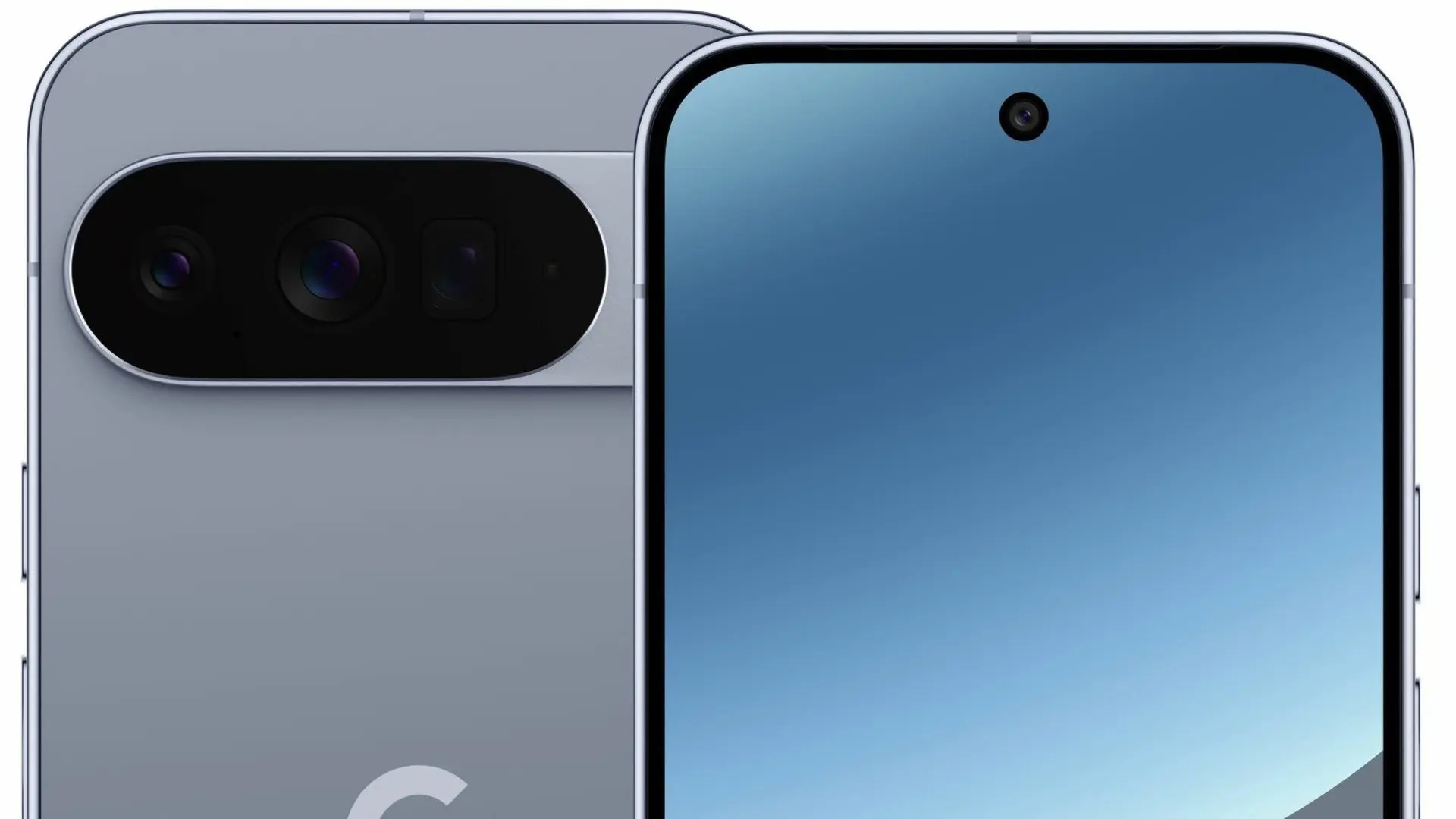
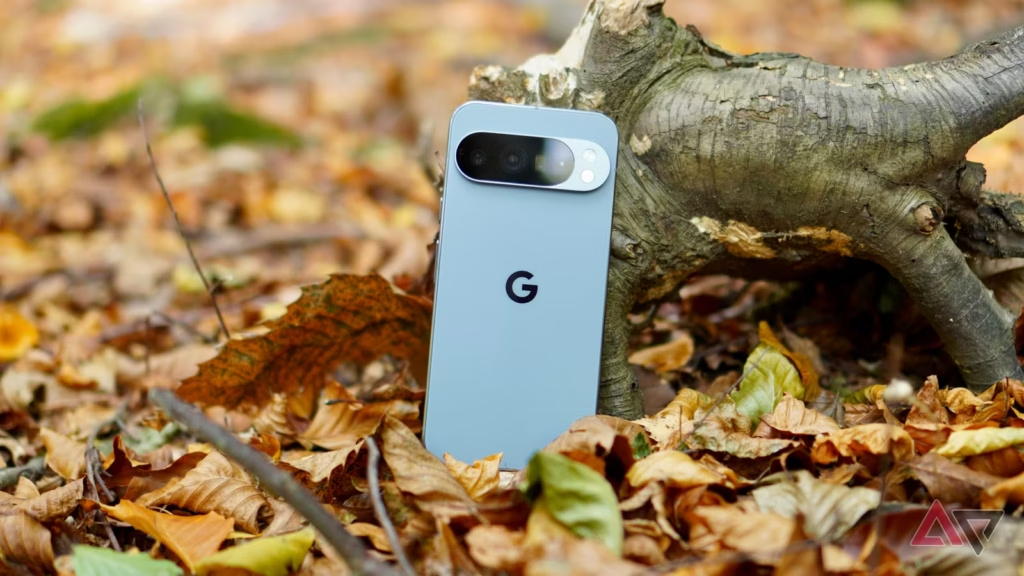
In our opinion, the Google Pixel 10 Pro XL is one of the best phone currently available. In addition to offering an amazing hardware and software experience, it has a clean, contemporary, and distinctive appearance. Additionally, Google has committed to supporting the phone for seven years, so as time goes on, the software will only get better.
Although this phone is worth the original retail price, we usually advise getting it while it’s on sale. Even though there were some really good offers during the holidays, if you’re prepared to get one from US Mobile, the price has dropped significantly. The Pixel 10 Pro XL is currently on sale for just $349 from the carrier, which offers some of the finest prepaid service in the US.
A good price for one of the best smartphone on the market
Although not everyone will benefit from this promotion, we believe it will be worthwhile to look into if you’ve been considering changing carriers or simply need new phone service in general. Therefore, you can now purchase the Pixel 10 Pro XL for just $349 if you want to sign up with US Mobile.
There is no long-term commitment with US Mobile because it is a prepaid carrier, and you can stop using the service after 30 days. But for the entire year, the phone will be locked. Therefore, using the service with the phone is the ideal way to benefit from this promotion. The good news is that the full-year plan costs start at just $119.
You read correctly—a full year of US Mobile service is available for as little as $119. Additionally, an advanced plan is available for $149 each year. Unlimited talk, text, and data are included in both plans. Depending on the plan, you also receive additional benefits like hotspot and international data, among other things. Those who intend to get one without a new plan will pay $449, which is slightly more.
All things considered, if you need a new phone with service, you can’t really go wrong here. Of course, you have a chance to get one for free if you join up with a postpaid carrier. However, you must dedicate yourself to the carrier for a minimum of 24 months. It truly depends on your circumstances. However, the US Mobile promotion is currently active.