Tag: snapdragon

  • Redmi K100 Series: Specs, Chipset & Launch Leaks

    Redmi K100 Series: Specs, Chipset & Launch Leaks

    Xiaomi’s Redmi K-series has operated on a reliable schedule for years – debut in China around October, then resurface internationally under the Poco brand shortly after. The Redmi K100 series appears to be following that same playbook, with two distinct devices now showing up across multiple leak sources. The standard K100 and the K100 Pro Max aren’t simply different sizes of the same phone. They’re targeting separate chipsets, different price brackets, and based on what’s leaked so far, different priorities entirely.

    Summary

    Two models have been confirmed: the Redmi K100 (codename “Athens,” model Q11) and the Redmi K100 Pro Max (codename “Songyuan,” model Q11X), each built around a distinct chipset. The standard K100 is expected to use the Snapdragon 8 Elite Gen 5, continuing the K-series tradition of pairing the previous generation’s top chip with a more accessible price tag. The Pro Max, meanwhile, is tipped to run the Snapdragon 8 Elite Gen 6 Pro (SM8975) — a 2nm chip with LPDDR6 RAM support, making it the higher-tier variant rather than the standard Gen 6.

    On the camera side, tipster Digital Chat Station has leaked a 200MP main sensor in a 1/1.28-inch format for the Pro Max, alongside a 50MP periscope telephoto. Both phones are expected to launch in China in October 2026, with global versions anticipated as the Poco F9 Pro (Redmi K100) and Poco F9 Ultra (K100 Pro Max) sometime in Q1 2027.

    redmi k100 china leak

    The Standard K100: Snapdragon 8 Elite Gen 5 and a Proven Formula

    The Redmi K100, internally codenamed “Athens,” is tipped to ship with the Snapdragon 8 Elite Gen 5 — the same chip inside the current Redmi K90 Pro Max and a growing number of 2026 Chinese flagships. That’s not a weakness. The K-series standard model has always been positioned as a high-value performance device rather than a spec-ceiling chaser, and this generation looks no different. Any meaningful differentiation from the K90 line will likely come through display and battery upgrades, though neither has been specifically detailed in leaks yet. Xiaomi hasn’t officially confirmed anything about the Redmi K100 beyond its codename and model number.

    redmi k100 images and specs leak

    The K100 Pro Max: The Real Generational Leap

    The Pro Max is the headliner. Tipster Digital Chat Station posted a Weibo leak confirming that a Xiaomi sub-brand device — identified across multiple sources as the K100 Pro Max — is currently in testing with the Snapdragon 8 Elite Gen 6 Pro (SM8975). The distinction between the Pro and standard Gen 6 is worth understanding: the Pro variant is the only 2026 Qualcomm flagship chip confirmed to support LPDDR6 RAM, which delivers roughly double the peak memory bandwidth of LPDDR5X. Paired with up to 1TB of UFS 5.0 storage, the memory subsystem alone marks a clear step forward from anything in the current generation.

    Interestingly, Digital Chat Station noted that camera performance isn’t expected to be the headline story here — the emphasis is described as “core performance and upgraded display experience” rather than imaging. That said, an earlier separate leak from the same source pointed to a triple camera system led by a 200MP main sensor on a 1/1.28-inch format, accompanied by a 50MP ultra-wide and a 50MP periscope telephoto. These two leaks aren’t necessarily in conflict — saying the camera isn’t a major upgrade relative to dedicated imaging flagships doesn’t rule out the presence of a 200MP sensor.

    Pricing and the Global Rebrand Path

    A price leak from the same Chinese source puts the K100 Pro Max starting at roughly CNY 5,000, which works out to around $725 at current exchange rates. That’s a noticeable step up from the K90 Pro Max, reflecting the premium silicon under the hood. Internationally, past K-series rebranding patterns suggest the K100 will arrive as the Poco F9 Pro, while the K100 Pro Max becomes the Poco F9 Ultra, with a Q1 2027 launch window for global markets.

    What Remains Unknown

    Display size, battery capacity, charging speeds, refresh rate, and software versions are all still unconfirmed for both models. The Snapdragon 8 Elite Gen 6 and Gen 6 Pro haven’t been officially announced by Qualcomm — both designations remain leak-based placeholders for now. Official confirmation from either Qualcomm or Xiaomi isn’t expected until the Xiaomi 18 series launch in September, which will likely serve as the public debut for the Gen 6 platform.


  • Critical Snapdragon Exploit Takes Over Devices in Just 5 Minutes – What You Need to Know

    Critical Snapdragon Exploit Takes Over Devices in Just 5 Minutes – What You Need to Know

    Kaspersky ICS CERT has publicly detailed a critical hardware vulnerability hitting a wide array of Qualcomm Snapdragon chipsets. The exploit, presented at Black Hat Asia 2026 on April 23 and tracked as CVE-2026-25262, has rattled the security community. First confirmed by Qualcomm in April 2025, full technical details are now available, exposing a backdoor capable of total device takeover and data destruction.

    snapdragon exploit takes over device

    The Sahara Protocol and BootROM Flaw

    The issue lies deep in the BootROM, the silicon-hardcoded firmware that runs first when a device powers up. Because this code is etched into the hardware itself, standard OTA software updates can’t touch it, making patches nearly impossible.

    Researchers uncovered a major weakness in Qualcomm‘s Sahara protocol handling. For those who work with device flashing, Sahara manages low-level communication in Emergency Download (EDL) mode to load critical software before the main OS starts.

    With just a few minutes of physical access, attackers can exploit this to sidestep the entire secure boot chain. Once inside the application processor, they gain the ability to:

    • Install persistent backdoors that survive reboots.
    • Pull sensitive data like passwords, files, contacts, and real-time location.
    • Take over device sensors for covert camera and microphone access.

    The malware even fakes a system reboot to throw off users. Clearing the infection often requires draining the battery completely to wipe volatile memory, and detection remains extremely challenging.

    Affected Chipsets and Devices

    While newer flagships like Snapdragon 8 Elite have stronger defenses, this flaw hits many older and mid-range chips still in widespread use.

    Vulnerable Qualcomm Chipsets:

    • MSM8916 (Snapdragon 410) (Xiaomi REDMI 2)
    • SDX50 (Xiaomi Mi MIX 3 5G and Mi 9 Pro 5G)
    • MDM9x07
    • MDM9x45 (Xiaomi Mi 5, Mi 5s, Mi 5s Plus, Mi Note 2, Mi MIX)
    • MDM9x65
    • MSM8909
    • MSM8952

    Real-World Impact

    Physical access requirements limit mass remote attacks, but the risk to supply chains, repair shops, and targeted users remains severe. Compromised devices turn into perfect surveillance tools. With hardware deployed across consumer REDMI phones to industrial IoT systems, the potential fallout spans far beyond typical mobile threats.

    Source: Kaspersky

  • Honor 600 Review: Why Skip the Pro and Save Big on This Mid-Ranger

    Honor 600 Review: Why Skip the Pro and Save Big on This Mid-Ranger

    Hands-on testing of the Honor 600 over a full week raises questions about dropping thousands on flagships. This year’s Honor 600 lineup includes both standard and Pro models, but availability tilts heavily toward the base Honor 600 over the pricier Pro variant in most markets. Practical experience suggests sticking with the cheaper option makes sense for many buyers.

    The Honor 600 shares the Pro’s slim-bezel 8,000-nit OLED screen, oversized battery, and rugged design with IP69K rating for drop and crush resistance. With electronics prices climbing sharply, holding onto older phones feels tempting, yet the Honor 600 stands out as a mid-range contender that could change minds. Testing shows it matches or beats rivals in build and certain specs.

    Honor 600 Specs

    CategoryHonor 600
    Operating SystemMagic OS 10 (Android 16). 6 years of OS updates
    Display6.57-inch AMOLED, 1264×2728, 120Hz, 8000 nits peak brightness
    Eye comfort settingsDC dimming, 3840Hz PWM dimming, AI defocus, motion sickness relief, ultra dark mode, low blue light, personalized contrast
    ProcessorSnapdragon 7 Gen 4
    RAM8GB, 12GB
    Storage256GB, 512GB
    Rear Cameras200MP (wide) + 12MP (ultra-wide + macro), color temperature sensor
    Front Camera50MP
    Battery6,800mAh global (7,000mAh China only)
    Charging80W wired, 27W reverse wired, no wireless charging
    BuildMatte metal frame, composite fiber back
    IP RatingIP68, IP69, IP69K
    Weight185g
    Dimensions156 × 74.7 × 7.8 mm
    ColorsBlack, Golden White (our review unit), Orange

    The IP69K construction ensures durability while keeping a polished appearance over time. An AI button sits below the power key on the right edge, doubling as a customizable camera shutter. The aesthetic echoes the iPhone 17 but swaps Apple’s stark finish for refined elegance. The camera bump uses a distinct composite with a pearlescent, semi-transparent glow against the matte rear panel. Flat edges feel off, though the brushed aluminum texture redeems them. At a compact size and 190g weight, the phone took adjustment but proved refreshing.

    honor 600 review

    The standout element remains the near-bezelless display with the industry’s first sub-1mm bezel at a uniform 0.98mm all around. A mid-ranger claiming this milestone feels unexpected. The true 10-bit panel avoids dithering and packs eye-care tools like DC dimming, 3840Hz PWM, motion sickness reduction, defocus mode, and personalized contrast checks. Full color tweaks cover saturation, contrast, and more options often skipped by others.

    Honor rates peak brightness at 8,000 nits in a limited area. HDR tests hit around 3,000 nits routinely, outshining even Samsung flagships at 2,600 nits. Performance jumps 40 percent over the Honor 400 in Geekbench and 3DMark benchmarks.

    Despite its slim profile and light 190g build, a 6,800mAh battery (7,000mAh in China) delivers multi-day endurance. Charging at 60W adds convenience. Haptics disappoint as usual for Honor—weak enough to disable entirely, though this remains the main drawback.

    honor 600 in white

    Honor pushes AI hard via the side key, which triggers contextual tools on long press for screen-specific actions like screenshot-to-notes in AI memories. Gallery upgrades include AI Photo to Video V2.0, turning up to three images plus a prompt into 3-8 second clips.

    Such gimmicks entertain but rarely prove essential—authenticity in photos and videos holds more appeal, even if execution impresses. Moving Photo Eraser refines object removal while preserving motion in photos, matching top magic eraser tools. Moving Photo Breakout Collage blends stills and motion shots into shareable layouts that shine on social media.

    The 200MP main sensor produces sharp images with solid dynamic range and true-to-life colors. Zoom lacks detail natively, but AI kicks in past 6x to sharpen results effectively, filling gaps left by absent telephoto lenses. Availability proves inconsistent, with no toggle option—users can disable it outright if needed. Motion handling ranks high for the segment, trailing only Honor flagships.

    The Honor 600 builds smartly on the 400 series and holds strong value barring post-launch hikes. It leads mid-rangers in screen, durability, and stamina while challenging flagships selectively. Google, Nothing, and Samsung compete closely, yet Honor edges them on core elements. Rivals promise extra software years, but at this tier, Honor’s reliable updates, battery prowess, fast charging, tough build, and screen comfort tip the scales.

  • Oppo Unveils Find X9 Ultra – Powerful Chip and Insane 200MP Periscope Camera

    Oppo Unveils Find X9 Ultra – Powerful Chip and Insane 200MP Periscope Camera

    Oppo officially launched the Find X9 Ultra in China on Tuesday, slotting it in as the flagship of the Find X9 family alongside the standard Find X9 and Find X9 Pro. The device runs on Qualcomm’s Snapdragon 8 Elite Gen 5 chipset paired with up to 16GB of RAM, features a 2K display with a 144Hz refresh rate, and houses a 7,050mAh silicon-carbon battery with 100W wired fast charging support.

    Oppo Unveils Find X9 Ultra

    Oppo Find X9 Ultra Price and Availability

    Pricing in China starts at CNY 7,499 (roughly Rs. 1,03,000) for the base 12GB + 256GB configuration. The 12GB + 512GB variant comes in at CNY 7,999 (roughly Rs. 1,10,000), while stepping up to 16GB + 512GB costs CNY 8,499 (roughly Rs. 1,17,000). Those wanting more storage can opt for the 16GB + 1TB model at CNY 9,299 (roughly Rs. 1,27,000), with a special edition variant rounding things out at CNY 9,499 (roughly Rs. 1,30,000).

    The phone is available in three colour options – Polar Glaciers, Rongsha Canyon, and Tundra (translated from Chinese) – and goes on sale in China from April 24. Global rollout details haven’t been confirmed yet, though Oppo has already announced an India launch for May. Pricing and full regional details are expected to follow closer to that date.

    Oppo Find X9 Ultra Specifications and Features

    The dual-SIM device (nano + nano/eSIM) runs ColorOS 16 built on Android 16. Up front, there’s a 6.82-inch QHD+ flexible AMOLED panel with a resolution of 1,440 x 3,168 pixels, a 120Hz refresh rate, up to 1,800 nits peak brightness, and 10-bit colour depth. The Snapdragon 8 Elite Gen 5 handles processing duties, backed by an Adreno 840 GPU, up to 16GB of LPDDR5x RAM, and up to 1TB of UFS 4.1 storage.

    Oppo Unveils Find X9 Ultra in hand

    Photography is where the Find X9 Ultra really pushes boundaries. The quad rear camera system leads with a 200-megapixel primary sensor featuring OIS, joined by a 50-megapixel ultra-wide shooter, a 200-megapixel periscope telephoto lens, and a 50-megapixel ultra-telephoto camera capable of 10x optical zoom and up to 120x digital zoom. A dedicated colour reproduction lens rounds out the rear setup, while a 50-megapixel camera handles selfies from the front.

    Video capabilities are equally impressive, with support for 8K recording at 30fps, 4K at up to 120fps, and Dolby Vision capture. The camera system also integrates Hasselblad imaging, an XPAN shooting mode, and a suite of professional video tools.

    Oppo Unveils Find X9 Ultra

    On the connectivity side, the phone covers Wi-Fi 7, Bluetooth, NFC, GPS, GLONASS, Beidou, Galileo, QZSS, and USB Type-C. Select variants additionally support Tiantong satellite communication (translated from Chinese) and Beidou satellite messaging. Security is handled by a 3D ultrasonic in-display fingerprint sensor.

    The 7,050mAh silicon-carbon battery supports both 100W wired and 50W wireless fast charging. The handset measures approximately 163.16 x 76.97 x 8.65mm depending on the colourway chosen and weighs around 235g.

  • RedMagic Gaming Tablet 5 Pro Leak Reveals 185Hz OLED and Massive 24GB RAM

    RedMagic Gaming Tablet 5 Pro Leak Reveals 185Hz OLED and Massive 24GB RAM

    A new contender is emerging in portable gaming, as high-performance tablets begin to draw attention away from traditional handheld consoles. Devices like the Game Boy, PSP, Nintendo Switch, and Steam Deck have long defined the category, but a new esports-focused tablet from Red Magic could push things in a different direction.

    A Shifting Portable Gaming Market

    The broader market is expanding quickly. Industry forecasts estimate the global mobile and tablet gaming segment will reach $119.9 billion in 2026, up from $101.25 billion in 2025—an 18.4% increase. At the same time, newer hardware like the Nintendo Switch 2 and Steam Deck OLED reflects growing demand for portable systems that can handle more demanding games.

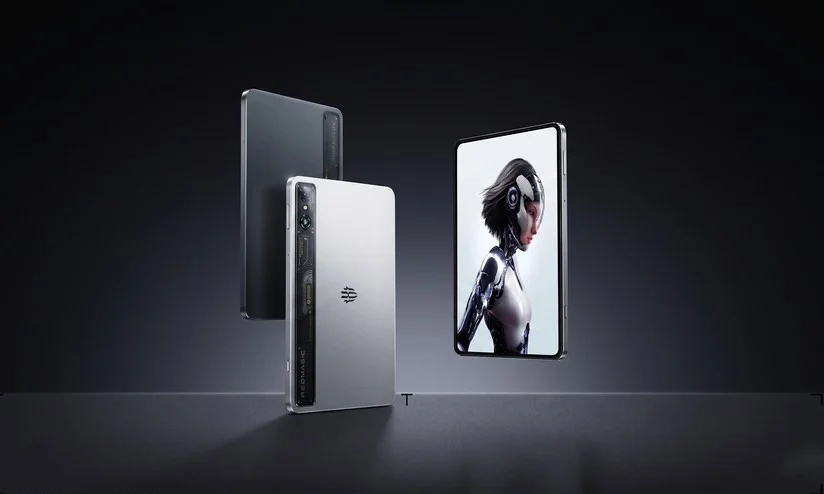
    RedMagic Gaming Tablet 5 Pro

    Each of those devices still comes with trade-offs. The Switch 2 reportedly offers around 3–6 hours of battery life, while the 640g Steam Deck can be cumbersome for extended use. Smartphones, on the other hand, are easier to carry but limited by smaller screens and less comfortable controls. Red Magic appears to be targeting this gap with what it calls a “9-inch golden size.”

    Leaked Specs and Design Details

    Based on leaked engineering unit specifications, the Red Magic Gaming Tablet 5 Pro focuses on pushing performance and usability across several areas.

    The display is a 9-inch OLED panel with a 2400×1504 resolution, paired with a 185Hz refresh rate and a 1200Hz touch sampling rate. That puts it ahead of the Switch 2’s 120Hz and the Steam Deck OLED’s 90Hz, at least on paper—particularly for fast-paced games. The design is fully flat, with the camera module integrated into the body to avoid protrusions that can interfere with gameplay in landscape mode.

    Under the hood, the tablet is said to run on Qualcomm’s Snapdragon 8 Elite Gen5 chip, built on a third-generation Oryon CPU architecture with improved NPU performance. Cooling is handled by what’s described as the first tablet liquid-cooling circulation system, combining a liquid-metal vapor chamber with an 18,000 RPM fan. The company claims this setup can lower temperatures by 5–8°C during heavy gaming, helping reduce thermal throttling.

    Memory and storage configurations are expected to go up to 24GB of RAM and 1TB of storage. The device will also integrate ByteDance’s Doubao large language model, marking its first deep integration into a gaming tablet. While details are still unclear, possible uses include real-time gameplay assistance, voice controls, and post-match analysis.

    redmagic gaming tablet 5 pro 1

    Design, Battery, and Charging

    The tablet is expected in three finishes: Tritium Transparent Silver Wing, Tritium Transparent Dark Night, and Zenith Gold Legend. It also features a customizable RGB light strip on the back.

    Battery capacity is listed at around 8,300mAh, with support for 80W fast charging. It also includes bypass charging, which powers the motherboard directly instead of the battery during gameplay, helping manage heat when plugged in.

    Pricing and Positioning

    The previous Red Magic Esports Tablet 3 Pro launched at 3,999 RMB. Despite rising component costs, industry estimates suggest the 12GB + 256GB version of the Gaming Tablet 5 Pro could start at the same price, with potential subsidies bringing it closer to 3,500 RMB.

    That would place it between the Lenovo Y700 (around 3,000 RMB) and the iPad Pro (around 6,000 RMB), positioning it as a performance-focused option aimed at mobile esports players.

    Three Paths for Portable Gaming

    Portable gaming hardware is increasingly splitting into distinct categories. Nintendo’s Switch line emphasizes exclusive titles and hybrid home use. Valve’s Steam Deck focuses on bringing PC game libraries into a portable format. Red Magic, meanwhile, appears to be targeting maximum performance within the mobile gaming ecosystem.

    Red Magic Gaming Phone Product General Manager Jiang Chao has indicated the tablet could launch in China between April and May 2026. Final details, including pricing and availability, are expected to be confirmed closer to release.

    For players focused on titles like Genshin Impact, Honkai: Star Rail, and Peacekeeper Elite, this device is shaping up as one to watch.

  • TSMC’s 2nm Shortage Hits Hard – Flagship Phones Get Priority as DRAM Crisis Grows

    TSMC’s 2nm Shortage Hits Hard – Flagship Phones Get Priority as DRAM Crisis Grows

    The industry’s most advanced and cutting-edge node is the 2nm process node, and TSMC leads the next generation of powerful chips. The Taiwanese chip giant has succeeded in achieving yields that are advantageous for mass-producing 2nm wafers, but sadly, this is insufficient to fulfill the demand for mobile SoCs and AI processors, forcing smartphone manufacturers to choose silicon downgrades later this year.

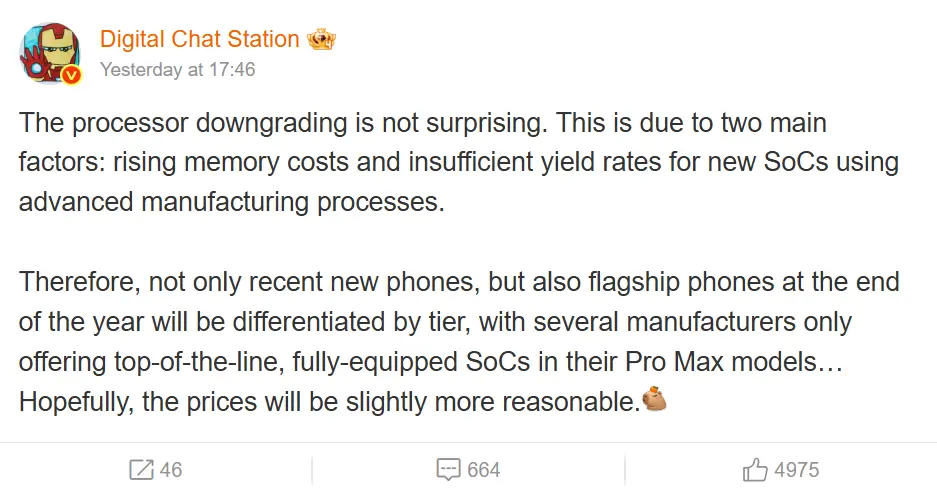
    A trustworthy Chinese tipster, Digital Chat Station, claims that due to the chip crisis and growing memory costs, several smartphone manufacturers would only provide fully equipped SoCs in their premium “Ultra” or “Pro Max” versions. It doesn’t take long to figure out where the fingers are pointing, even though the tipster doesn’t specifically state “TSMC.”

    Digital Chat Station announce TSMC’s 2nm Shortage

    AI and mobile are vying for the same advanced nodes, making the supply shortage even worse, even though the Taiwanese chip maker faces significant challenges in mass-producing advanced wafers on a wider scale. Industry reports state that Apple, Qualcomm, Nvidia, and AMD have locked up significant allocations, effectively selling out most of the N2 capacity through 2026. According to reports, Apple alone has more than half of the original N2 capacity.

    The most well-known substitute for TSMC is Samsung, but it is having even more difficulty increasing its 2nm GAA yields. As a result, smartphone manufacturers have a limited supply, therefore it wouldn’t be shocking if premium processors were only used in high-end devices. This explains why Qualcomm’s dual-chip launch strategy is said to include the Snapdragon 8 Elite Gen 6 and Snapdragon 8 Elite Gen 6 Pro. With the A20 and A20 Pro, Apple is reportedly using a similar strategy.

    According to reports, MediaTek, which offers the Dimensity 9600 and Dimensity 9600 Pro, is also using the same approach. The more expensive silicon will be saved for high-end phones, while the less expensive SoC will be available for less expensive phones. The DRAM problem is one of the primary causes of the anticipated increase in smartphone prices.

  • Snapdragon 8 Elite Gen 6 Pro leak reveals massive 16MB L2 cache

    Snapdragon 8 Elite Gen 6 Pro leak reveals massive 16MB L2 cache

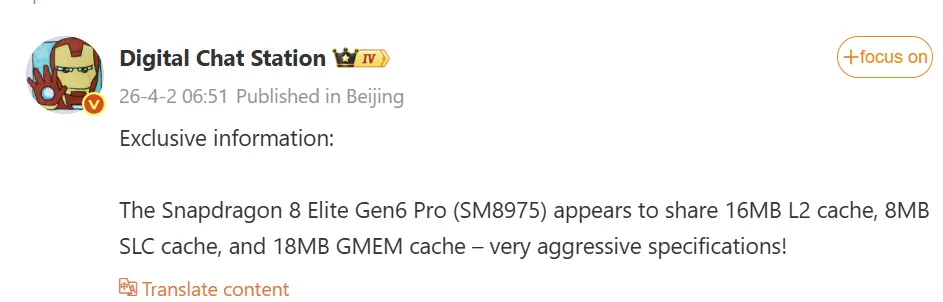
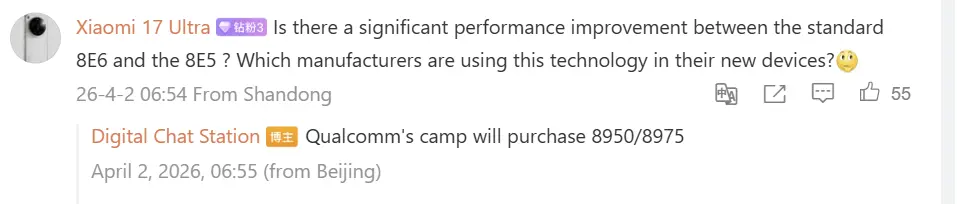
    Before September 2026, the mobile tech scene is getting hotter. The aggressive specs of Qualcomm’s upcoming flagship CPU, the Snapdragon 8 Elite Gen6 Pro (SM8975), have been revealed by reputable source @DigitalChatStation. As expected, Xiaomi is set to unveil this powerhouse with the eagerly awaited Xiaomi 18 series, making it the first company to do so. Additionally, the future REDMI K90 Pro Max in the domestic market will be built around this silicon beast. Please take note that this device will be released worldwide under the POCO brand as the POCO F9 Ultra.

    Inside the architecture redefining modern silicon

    Snapdragon 8 Gen6 Pro 2

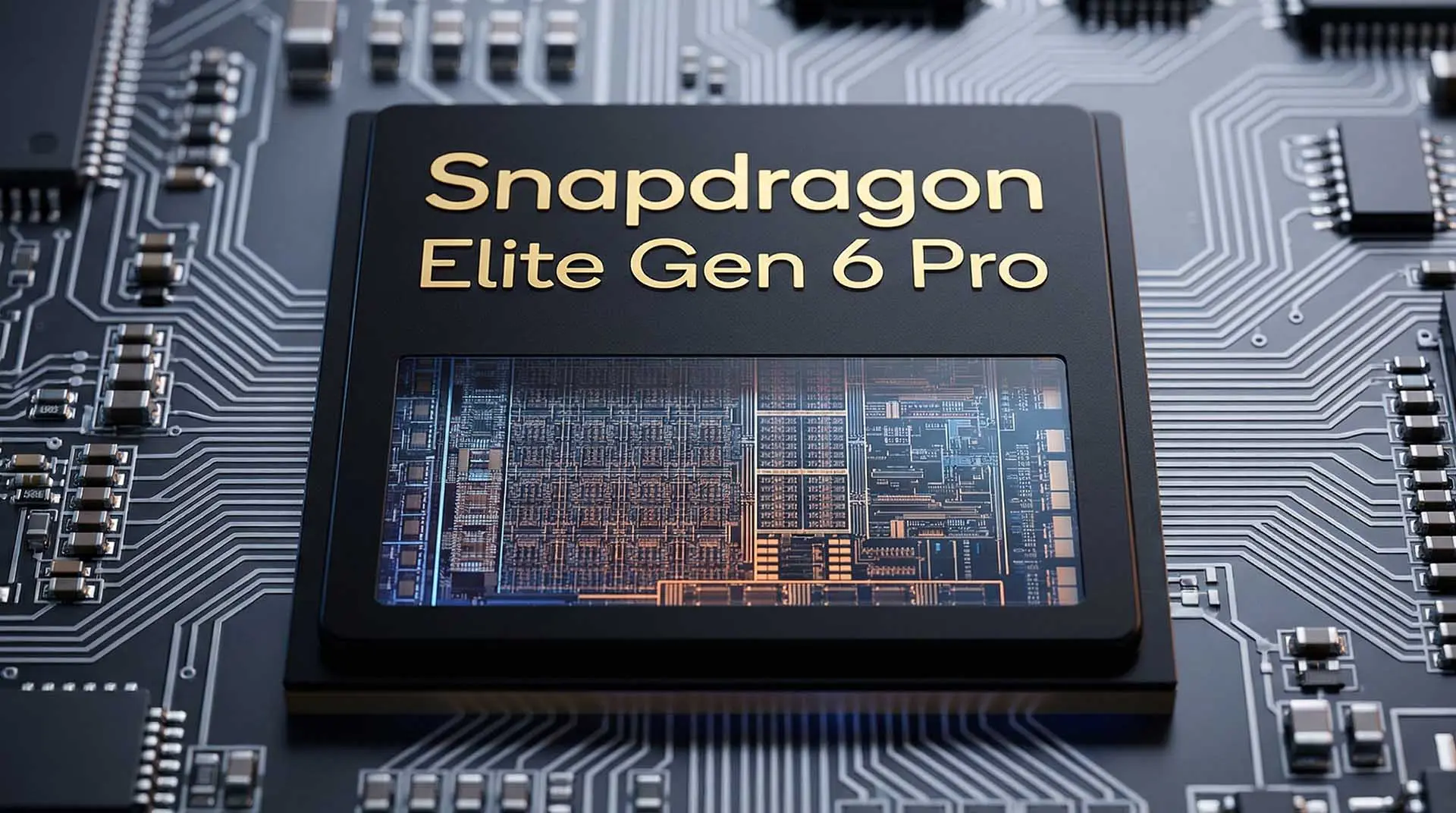
    Now let’s explore the technological specifics. It appears that the Snapdragon 8 Elite Gen6 Pro will be an architectural monster. An enormous shared 16MB L2 cache, 8MB of SLC (System Level Cache), and an amazing 18MB of GMEM (Graphics Memory) are confirmed by leaked customs manifests and insider accounts. This configuration, when paired with an improved Adreno 850 GPU, is built to handle demanding workloads and intense gaming sessions.

    Snapdragon 8 Gen6 Pro 1

    Two super cores, three performance cores, and three efficiency cores make up the CPU’s unusual 2+3+3 cluster architecture. The SM8975 efficiently breaks existing memory bandwidth limitations by supporting next-generation LPDDR6 memory up to 16GB to fuel this demanding processor.

    The system changes that are moving markets right now

    Hardware doesn’t tell the whole story. Xiaomi HyperOS 4 will launch on these new flagship devices. HyperOS 4, which was designed from the ground up to be a very effective Android skin, will make full use of the new Snapdragon chip’s optimized 2+3+3 architecture and enormous L2 cache. Unprecedented battery life and excellent thermal control are anticipated as a result of this combination. HyperOS 4’s background task handlers will be able to maintain your most popular apps in memory without depleting the battery thanks to the aggressive cache architecture, guaranteeing that the user interface will stay instantly responsive even under high loads.

  • Google Pixel Watch 5 rumors: launch, price, and features

    Google Pixel Watch 5 rumors: launch, price, and features

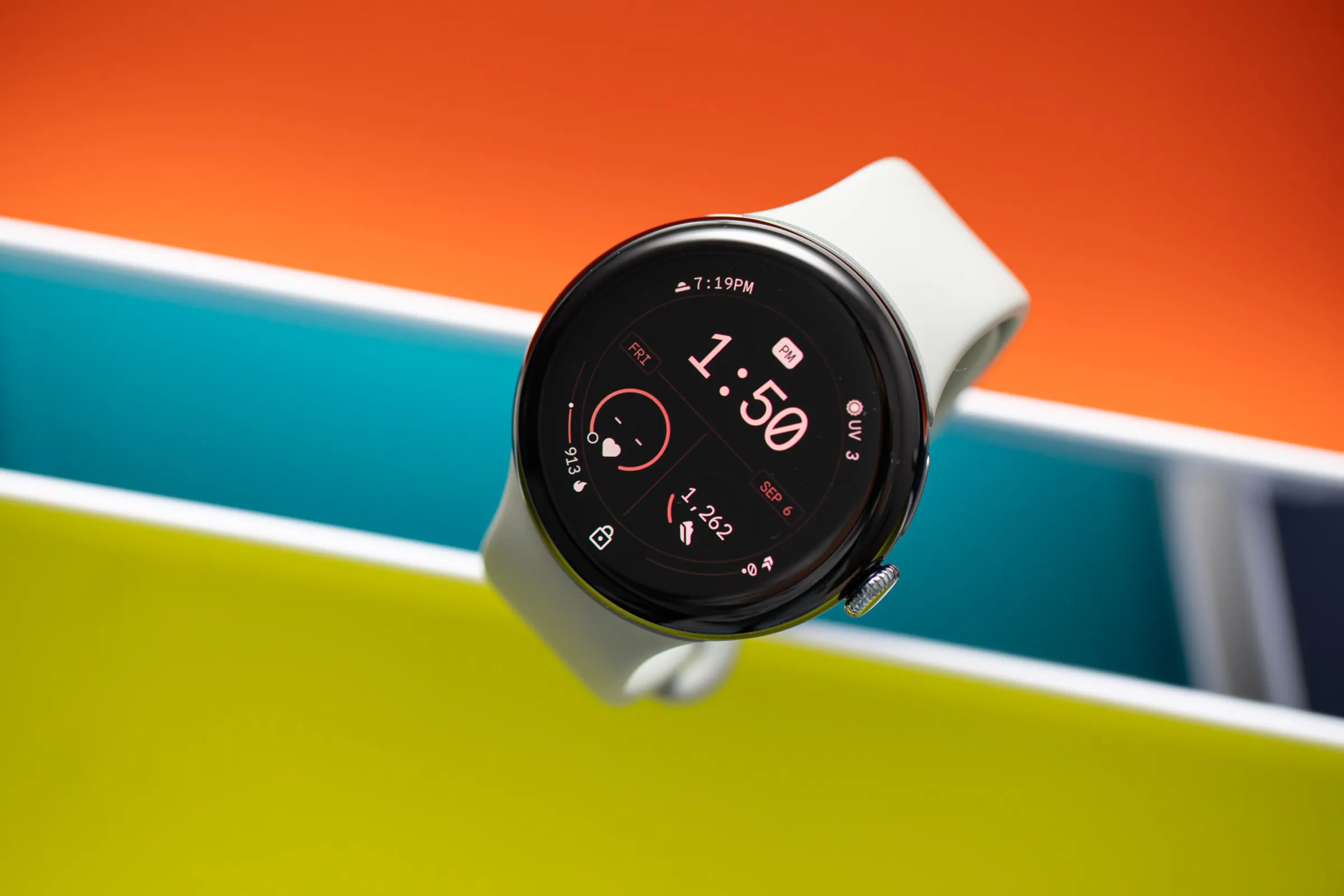
    The Pixel Watch 5 is anticipated to launch in late 2026. The Pixel Watch 4 was released in October of last year, despite Google’s August announcement. As of right now, there are no leaks that indicate when its replacement will be released.

    The pricing of the Pixel Watch 5 is anticipated to stay the same as that of its predecessor, with the Wi-Fi-only variant in the smaller size starting at $349. However, we haven’t yet received any information via leaks, so it’s still possible that Google will increase pricing.

    Google Pixel Watch 5 storage and design

    Google Pixel watch 5 design

    The Pixel Watch 4’s 32 GB of storage is more than plenty for a smartwatch. We anticipate that its replacement will provide the same storage capacity.

    The Pixel Watch 4 did not include a significant change. It did, however, bring about a change that many would value: the Pixel Watch 4 is repairable, so if its glass breaks, it is no longer something to discard.

    The Pixel Watch 5 will probably continue to be repairable. Like its predecessor, we anticipate that it will be rated IP68 or 5 ATM. Once more, we anticipate a distinctive, simple circle shape with two sizes (41 and 45 mm). According to several rumors, sapphire crystal durability may be improved.

    Along with new watch faces, we might also see some new hues.

    Pixel Watch 5 display

    The display of the Pixel Watch 5’s predecessor was improved, reaching a peak brightness of 3,000 nits. It’s safe to presume that this time around, the upgrades will be more modest, even though no leaks have yet revealed what we might anticipate.

    Google Pixel Watch 5 rumors: launch timing, price, and new features

    For a more contemporary appearance, Google might further reduce the bezels (the Pixel Watch 4’s bezels were 16% thinner than last year). The Actua 360 domed display, which gives the entire display a sleek and distinctive appearance, was also included with the Watch 4.

    Battery and features

    According to rumors, the Pixel Watch 5 may concentrate on maximizing battery life because of its potential new processor. Although there haven’t been any updates regarding battery sizes, the Watch 4 has already made some improvements in this area, allowing the 45 mm model to survive up to 40 hours and the 41 mm model to last up to 30.

    Naturally, Google also provides Battery Saver, which further extends the watch’s battery life. Google introduced quick charging with the Watch 4, so it’s likely that this feature will remain as well.

    Anticipate the same features from the previous year, such as fall and crash detection, emergency satellite communication, safety check, and emergency sharing. Along with the Pixel Recorder app and the Pixel Phone Camera Control, Google Maps and Wallet compatibility is probably on the horizon.

    Additionally, you’ll probably be able to benefit from more than 40 different forms of exercise as well as the Fitbit Morning Brief, which provides a daily summary of your health-related activities (sleep, readiness, and goal progress). Naturally, a personal AI Health Coach with Fitbit Premium will also be beneficial to you.

    google pixel watch 5 features

    Google Pixel Watch 5 specs

    The processor is the most intriguing component of the Pixel Watch 5’s hardware expectations. There are rumors that Google might select its own Tensor chip this time. The quick and powerful Qualcomm Snapdragon W5 Gen 2 was included with the Watch 4.

    If the reports are true, Google’s decision to use its own specially designed Tensor chip for the smartwatch could help it outperform earlier models in terms of efficiency and performance. Although we are unsure about the exact chip, it might be a Tensor made just for smartwatches rather than the Tensor G6 that is anticipated for the Pixel 11. However, the chip can be based on the phone processor.

    The next device’s battery life is expected to be improved by the new chip.

    It’s crucial to remember that Google can choose to stick with the Qualcomm chip for an additional year. This might theoretically be a W5 Gen 3 chip.

    Pixel Watch 5 rumored specs:

    • CPU: Potential Tensor chip, or chip from Qualcomm
    • Battery: 45 mm – up to 40 hours, 41 mm – up to 30 hours
    • Charging: 0-50% in 15 min.
    • Storage: 32 GB
  • Nothing Phone 4a may have surfaced — but all we want are meaningful upgrades

    Nothing Phone 4a may have surfaced — but all we want are meaningful upgrades

    There are now reports regarding the successor of Nothing’s Phone 3a series, which debuted in the first few months of 2025.

    According to a post made early this morning (January 26) by X tipster Anvin, the Nothing Phone 4a has appeared in a significant database (via GSMArena). The tipster’s information is light, but if it’s accurate, that’s probably intentional because the Phone 4a has supposedly received international certification. According to their post, the gadget was found in the TDRA database of the United Arab Emirates. The model’s codename, A069, is mentioned in the listing.

    The people at GSMArena draw attention to a prior finding that stated this device’s Pro version was identified as A069P.

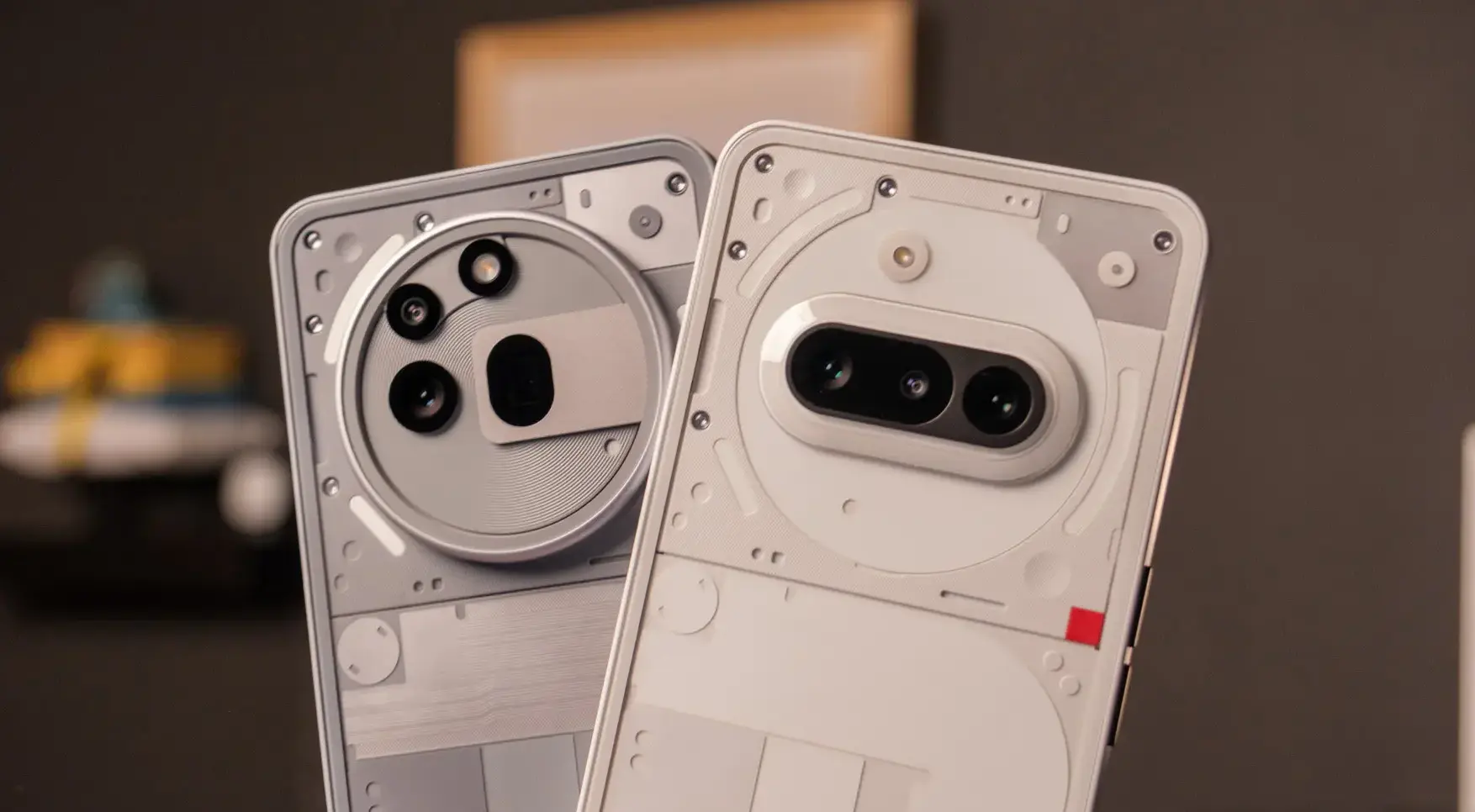
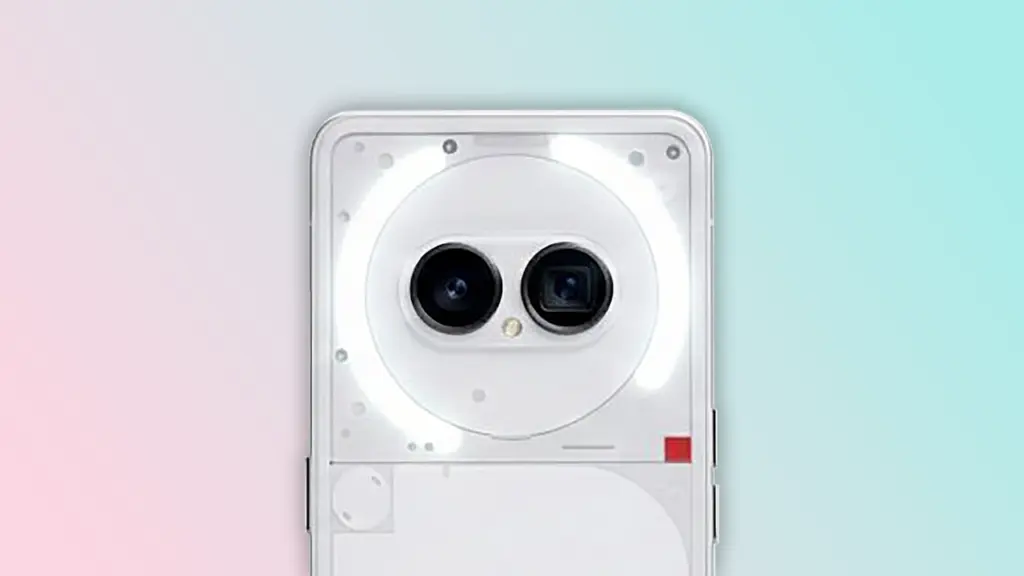
    Nothing Phone 4a white

    9to5Google once highlighted a Telegram tipster, but this database entry didn’t reveal much information (they don’t often). Nothing could compete with Qualcomm’s more mid-range/affordable Snapdragon 7s series CPUs, according to that article, which also claimed that a Phone 4a and 4a Pro were on the horizon. The 4a and 4a Pro could cost between $475 and $540, respectively. According to the rumors, eSIM may only be available on the Pro model.

    Once more, the tipster stated that the two might make their debut in March 2026, coinciding with Nothing’s last serie

    The Nothing Phone 4a series is coming

    Last year, the Nothing Phone 3a transformed that mid-range market for consumers. The business was promoting its move from MediaTek CPUs to Qualcomm chips at the time, giving its smartphones the Snapdragon 7s Gen 3. It was an inexpensive semiconductor that had been enhanced to provide more powerful AI capabilities and improved performance. In gaming and graphical scenarios, the 3a was found to be lower than the 2a in some testing.

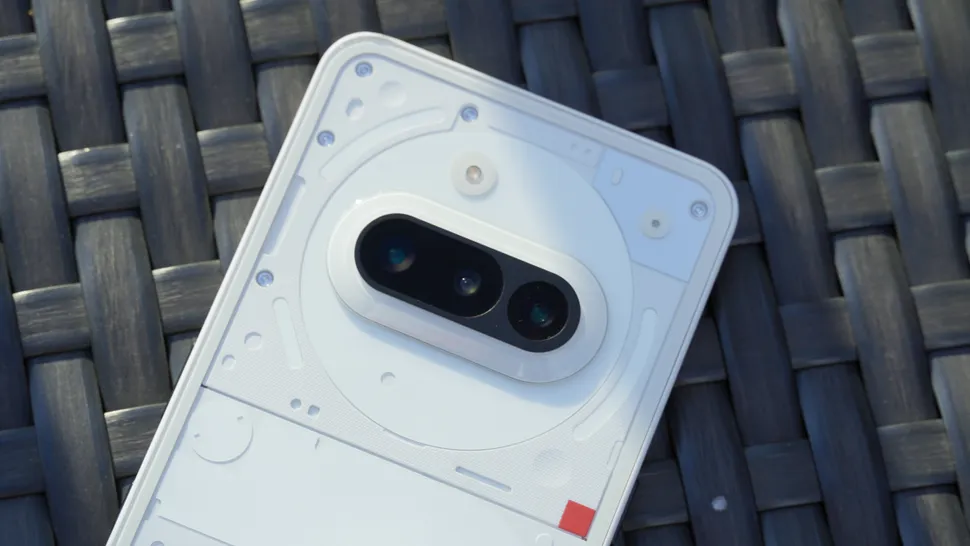
    Nothing Phone 4a white back

    Given that the Phone 4a and 4a Pro may include the more recent Snapdragon 7s Gen 4, it is unclear what these devices will offer. Perhaps the gadget can aim higher this year because that chip put a lot of effort into providing flagship-quality gaming capabilities and support. Nothing has confirmed that phone prices will increase in 2026 as a result of increased DRAM and NAND costs, therefore pricing is a problem.

  • Xiaomi 17 Ultra Leica Leitzphone Edition was listed in GSMA database

    Xiaomi 17 Ultra Leica Leitzphone Edition was listed in GSMA database

    Xiaomi seems to be advancing its long-standing collaboration with German optics behemoth Leica as the battle for flagship smartphones with cameras gets more intense every day. A fresh item found in the IMEI database indicates that the company is working on a far more ambitious project, despite the fact that leaks on the basic version of the Xiaomi 17 Ultra have recently dominated tech news. Known as the “Leica Leitzphone powered by Xiaomi,” this new model distinguishes out as a limited edition designed to combine performance and luxury in mobile photography.

    Xiaomi 17 Ultra comes in 2 variants

    Recently, the first specific details about the Xiaomi 17 Ultra series surfaced. The first variation was identified as having the product number “2512BPNDAG,” and it was found that this device’s internal codename is “P1.” It is anticipated that this model will be made available as the series’ standard “Ultra” model. The really intriguing change, though, was the addition of a second variation with a whole new naming structure to the IMEI database.

    The model number of the recently discovered record is “25128PNA1G,” and the device’s internal codename is “P1S.” Here, the “S” suffix is believed to stand for terms like “Special.” The marketing name for this model is specifically stated as “Leica Leitzphone powered by Xiaomi” in the GSMA records. This suggests that Xiaomi may use the more prestigious “Xiaomi 17 Ultra Leica Leitzphone Edition” or “Xiaomi 17 Ultra Leica Edition” to launch this device.

    This naming has a long history. Ernst Leitz, the man who founded the Leica brand, is the source of the name “Leitz.” Perfectionism in optical engineering is exemplified by the Leitz family, a legend in the field of photography. A global “Leitzphone” initiative with Xiaomi might be Leica’s largest step in the mainstream flagship market, even though the company already produces a “Leitz Phone” series (the most recent being the Leitz Phone 3) carrying its own brand in the Japanese market through a partnership with Sharp. Combining Leica’s optical history with Xiaomi’s manufacturing prowess could produce a gadget that revolutionizes smartphone photography.

    New camera setup

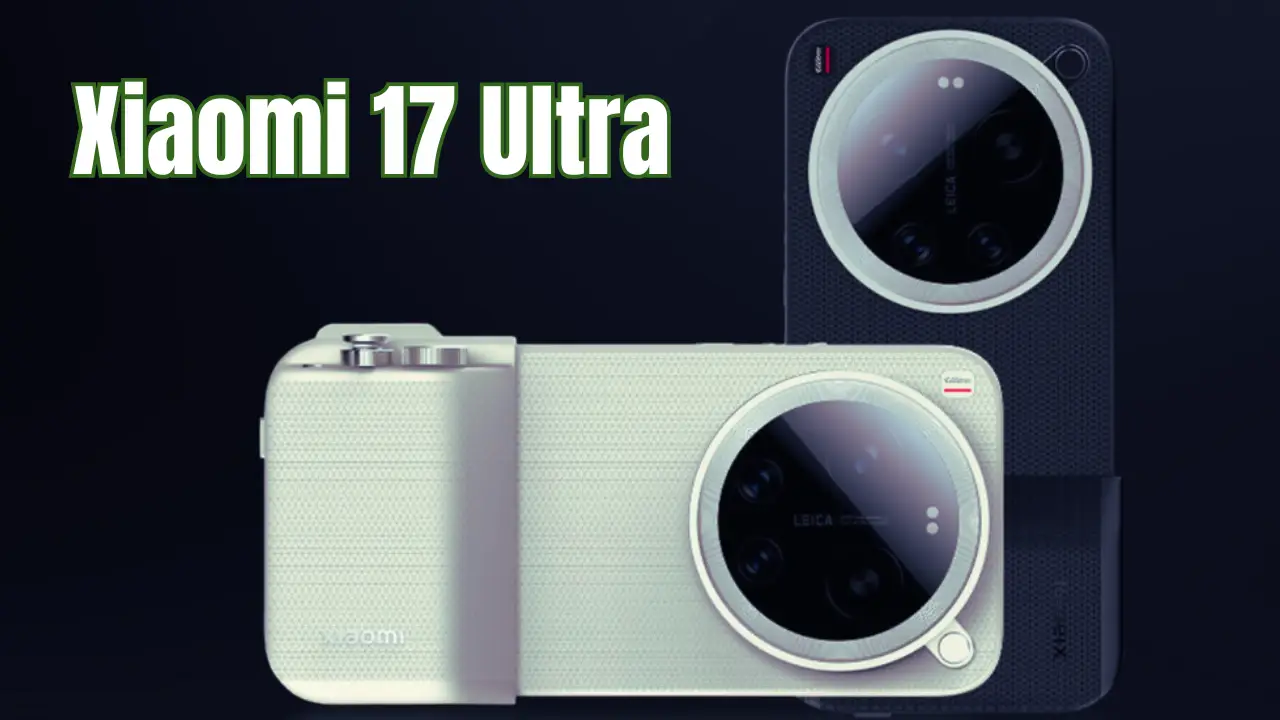
    The back camera arrangement of the device is clearly visible in leaked photos of the “Photography Kit,” dispelling earlier reports of a “quad-camera” configuration. The pictures show that the Xiaomi 17 Ultra will have three cameras rather than four. It is noted that where the fourth lens would normally be, a unique sensor region or space has been left in the module design.

    Xiaomi 17 Ultra Leica Leitzphone Edition was listed in GSMA database

    This suggests that Xiaomi is concentrating on improving the quality and sensor sizes of the current lenses rather than producing more lenses. The following is a list of the sensor setups evaluated under the codename “Nezha”:

    • Main Camera: 50MP OVX10500U (also known as OV50X)  sensor.
    • Telephoto: 200MP S5KHPE
    • Ultra Wide Angle: 50MP OV50M or 50MP S5KJN5.
    • Front Camera: 50MP OV50M

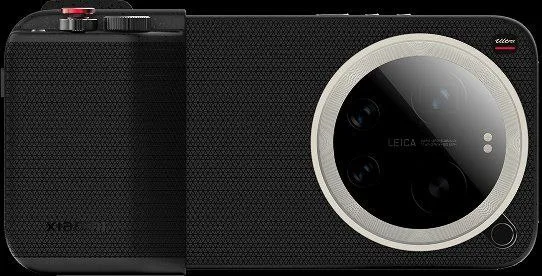
    The switch to a triple camera arrangement is thought to have been an engineering decision made especially to accommodate the larger primary sensor and the enormous 200MP telephoto sensor. A special grip and filter adaptor that converts the device’s ergonomics to that of a DSLR camera also seems to be included in the leaked photography package.

    Xiaomi 17 Ultra Leica Leitzphone Edition black

    Other expected specs

    Hardware-wise, the Snapdragon 8 Elite Gen 5 mobile platform is anticipated to power the Xiaomi 17 Ultra and its exclusive Leitzphone variant. Leica-only image processing techniques and sophisticated AI features will be included in the gadget, which will come pre-installed with the HyperOS 3 operating system. Information also indicates that satellite communication will be supported by the worldwide version.

    The goal of the Xiaomi 17 Ultra series is to be a pocket-sized professional camera in addition to a smartphone. Based on the model number “2512,” these two gadgets, codenamed “P1” and “P1S,” are anticipated to be released in the final quarter of 2025 (December 2025), and they are projected to completely change the landscape of mobile photography.