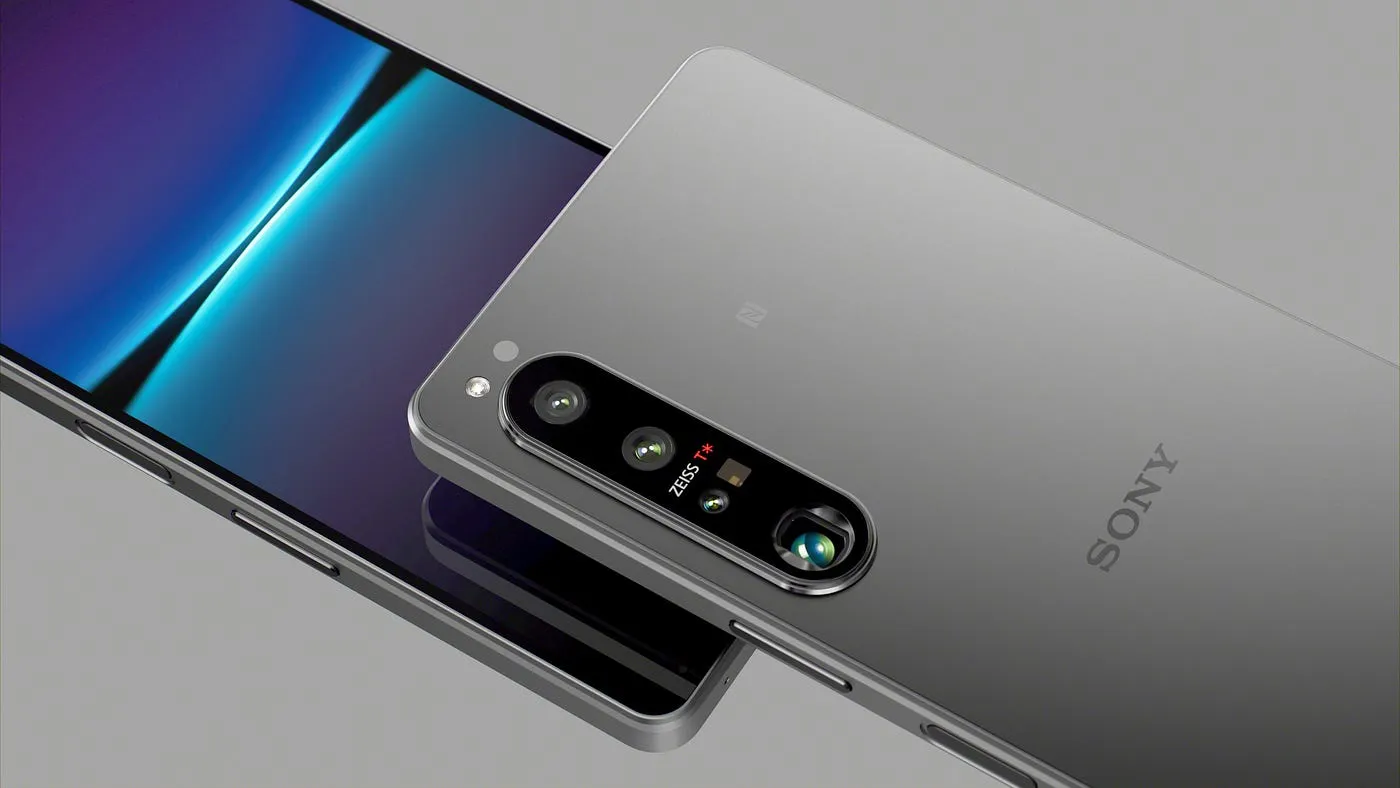
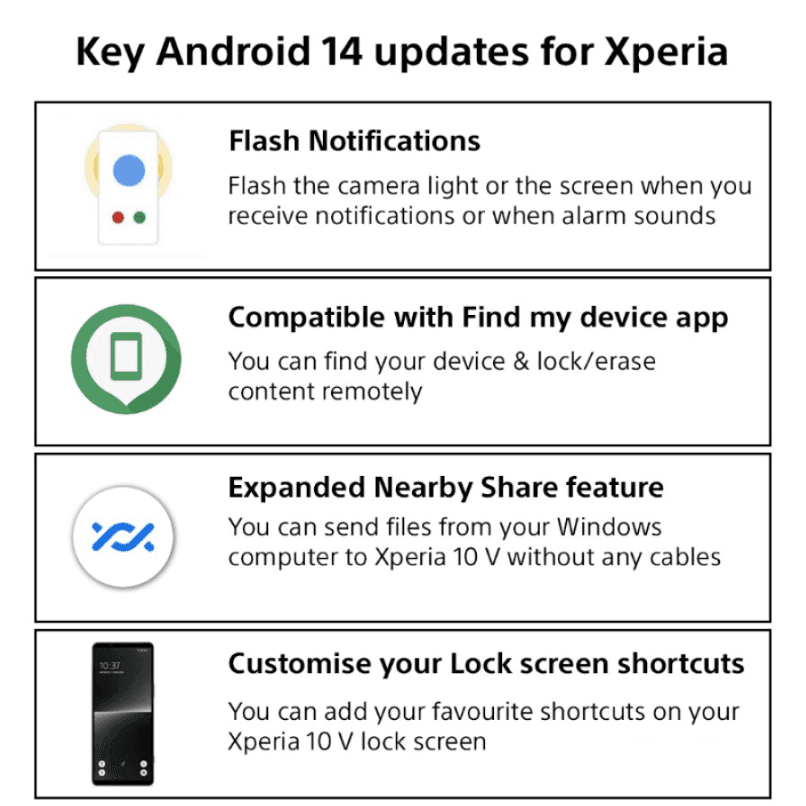
The Xperia 1 IV, Xperia 5 IV, and Xperia 10 IV are among the smartphones in Sony‘s 2022 portfolio that are now receiving the Android 14 update. These devices receive all of Android 14’s customization and security features in addition to some additional, exclusive customizations.
The updates will likely follow a scheduled release meaning some regions will get the update quicker than others.
The majority of serious photographers use DSLR cameras, which are currently the industry standard. You can purchase a variety of cameras and lenses, which can be costly but worthwhile. However, you can enhance your experience even more by using apps. Generally speaking, your camera comes equipped with all the controls you need, but some apps can add features like remote control support or quicker, easier update processes. There are not many excellent options, but the ones that are available are good enough. Here are the top DSLR apps for Android!
Adobe Lightroom
Price: Free / Up to $52.99 per month
A good photo editor app is one of a photographer’s most valuable tools, and Adobe Lightroom is one of the best; the mobile version offers many of the same features as the desktop version, such as support for RAW photos, easy reverting back to the original, and the ability to send the files to your desktop version if necessary.
The majority of the features in the app are free, but if you already have an Adobe Creative Cloud subscription, you can access additional features. Overall, it is a good app for serious photographers.
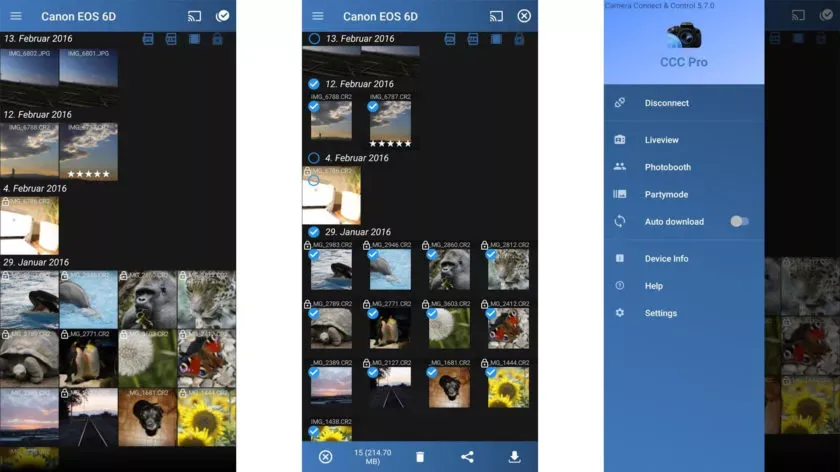
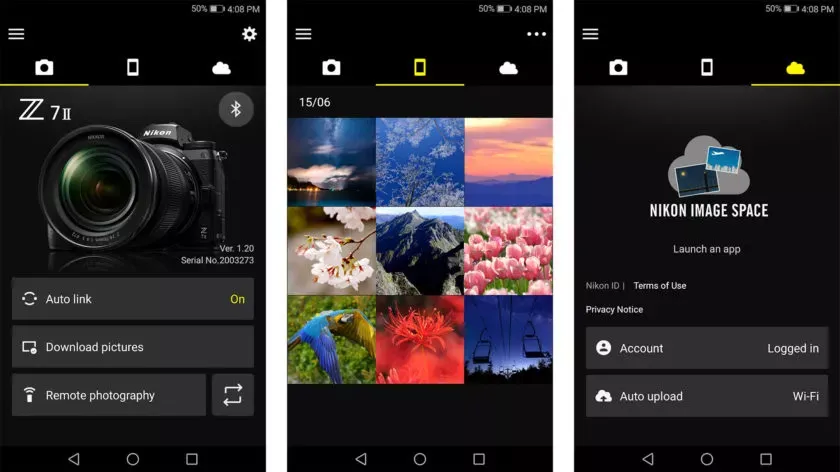
One DSLR app that lets you control your camera is called Camera Connect and Control. It works with a number of cameras, including Nikon, Canon, Sony, and GoPro. Depending on your camera, you can connect via WiFi or USB.
The app allows you to load your images to your phone and supports tethered shooting. Pro versions come with extra features like ad removal and access to EXIF data. The full pro version has even more features, but it has some bugs.
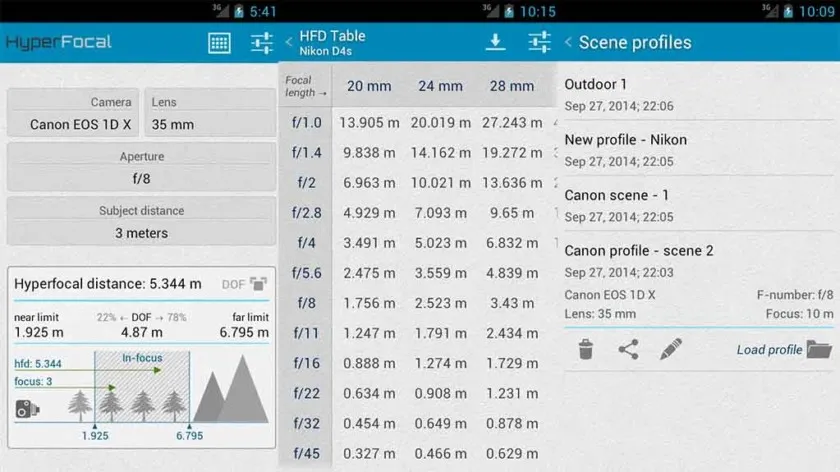
A reference guide for photographers, HyperFocal Pro displays calculations to get the best focus, ideal focus ranges based on subject, distance, camera, and glass; it works with most cameras; it displays statistics for depth of field, angle of view, and field of view; it is easy to read; it is free of cost, has no in-app purchases, and has no advertising.
For most beginning and intermediate photographers, it is a useful little tool.
The Magic Viewfinder app family is a collection of DSLR apps that do not control or connect to cameras; instead, they help you plan shots and see how your camera would perform by simulating your camera and lens setup. This allows you to accomplish tasks like framing without carrying your actual gear.
The apps are available for free download, with cheap in-app purchases to unlock all of the features. While they are not always the most useful, they can be useful in certain situations.
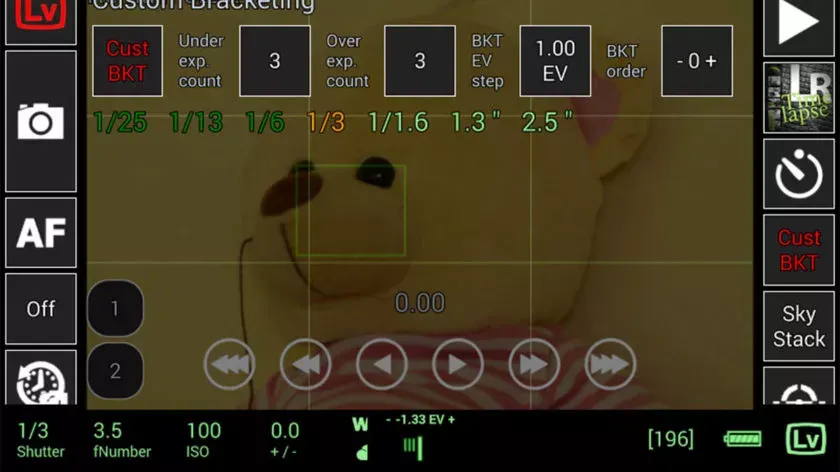
This DSLR app, called qDslrDashboard, works with mirrorless cameras from Canon, Nikon, and Sony. It has a long list of features, such as support for multiple cameras, the ability to view and pull photos from a camera, time-lapse controls, wireless controls, and more. If you prefer to work wired, it can also be used over USB-OTG. However, not all cameras are compatible with this app, and many users have reported connection problems and other various bugs.
Given its price tag, we imagine that’s why the rating is a bit lower than we’d normally see. In any case, if you try this, make sure to give it as thorough a testing as you can inside of the refund period, just in case.
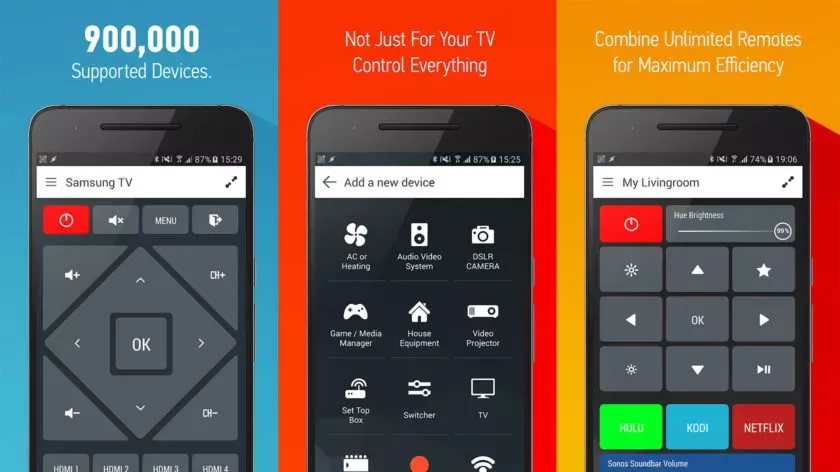
With that said, there is an immediate caveat with this one: your device needs an IR blaster on the phone in order for this remote app to function at all. Other than that, it should work with almost anything that has an IR receiver, which does include some DSLR cameras and camera remotes. However, there is not an easy list to refer to as to what cameras work with this one. Smart IR Remote is primarily for TVs and other home electronics.
The pro edition of the app is a bit pricey, but you definitely get what you pay for—it is arguably the greatest infrared remote software available on Google Play. Our recommendation is to download the free version and see if it functions with your camera.
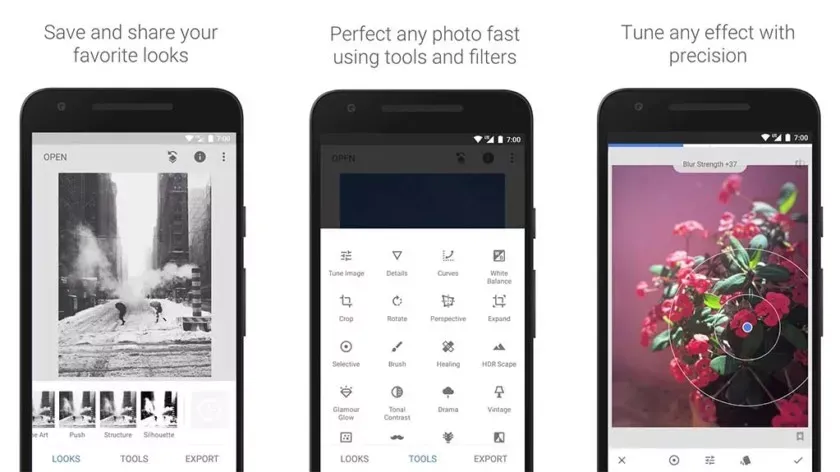
Google’s Snapseed is an extremely feature-rich free photo editor app that supports RAW files in addition to offering 29 additional editing tools with intensity sliders for finer control; it can also perform standard photo editing functions like cropping and white balance.
While it is not quite as powerful as desktop photo editors like Lightroom or Photoshop, Snapseed is probably the best option available for mobile devices.
DSLR apps are available from most camera manufacturers. Canon, Sony, Nikon, Lumix, and other manufacturers have official apps designed to be used with their cameras. These apps are typically not the best—if they were, you would not be here and this list would not be necessary—but they can do basic functions like taking photos and transferring them to your phone.
While most of the apps are free, there are some that are more functional and allow you to do things like download via Bluetooth, take pictures remotely, and perform other advanced tasks. It is advisable to try the official app for your camera first (assuming it has one and is compatible) before downloading any other apps.
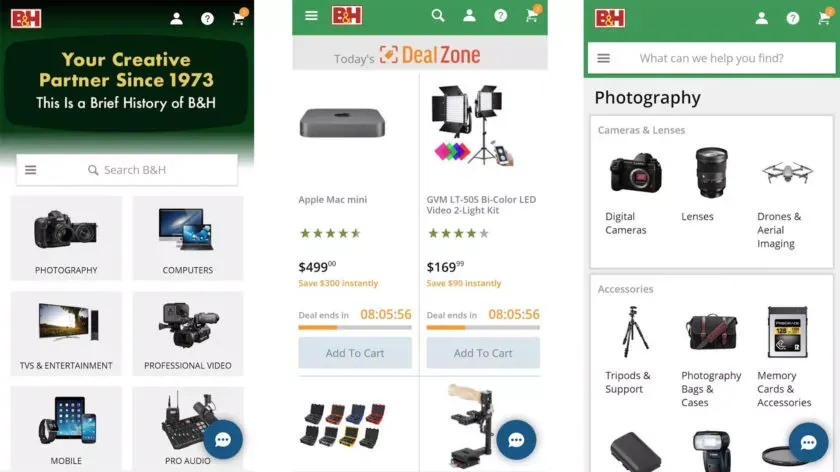
There are a lot of apps that sell various DSLR cameras and accessories. Some examples include B&H Photo Video (linked at the button), Amazon Shopping (Google Play link), and Newegg (Google Play link). However, you can also find some neat stuff on sites like eBay if you want a new piece of glass or some lightly used accessories.
Plus, those are excellent places to find lighting, filters, camera bags, cleaning supplies, and other things to make your photography life better. Hit all the links to check out the various apps.
In the heart of London, amidst the echoes of sophistication, MoonOcean stands as a paragon of timeless elegance in the realm of jewellery. The ethereal allure of vintage engagement rings finds its apotheosis within our curated collection, a testament to a bygone era’s grace and unmatched individuality.
Each ring at MoonOcean is a crafted masterpiece, a silent reverie of the past, beckoning the discerning seeker to embrace the allure of a bygone epoch. Our atelier, nestled in the vibrant tapestry of London, weaves dreams into reality, embodying the essence of sophistication with an unrivalled commitment to uniqueness.
Vintage engagement rings, adorning our showcases, encapsulate a narrative of romance that transcends time. Beyond the glint of precious stones, each ring tells a story etched in the annals of history, reviving the charm of eras marked by chivalry and unspoken declarations of love. MoonOcean is not merely a store; it is a repository of sentiments, a sanctuary for those who seek more than just adornment.
The craftsmanship that permeates our rings is an ode to the artisans who, with meticulous dedication, breathe life into every piece. Each ring is a canvas painted with the strokes of antiquity, bearing witness to the union of artistry and passion. MoonOcean’s commitment to uniqueness is not a mere assertion; it is a silent pledge to bestow upon each engagement ring a distinct character that resonates with the soul of its future wearer.
As patrons traverse the aisles of MoonOcean, they traverse through time itself. The vintage engagement rings serve as conduits, transporting individuals to epochs where love was whispered in the language of delicate filigree and ornate settings. At Moonocean, we are not just purveyors of jewellery; we are custodians of a romantic past, inviting you to partake in the enchanting dance of eras gone by.
In the tapestry of our collection, no two rings mirror each other. Each gem, set meticulously, radiates a unique brilliance, embodying the singular love story it is destined to witness. Our clientele is not just a patron; they are co-authors, their tales of love interwoven with the essence of the vintage engagement rings they choose.
MoonOcean, rooted in London’s cultural richness, stands as a beacon for those who seek a departure from the commonplace. The rings in our repertoire are not just accessories; they are an articulation of personal style, an expression of a love that defies the boundaries of time. As you step into MoonOcean, you step into a sanctuary where the contemporary meets the classical, and where the extraordinary becomes an everyday affair.
In a world inundated with trends, MoonOcean stands as a bastion of singularity. Our vintage engagement rings do not follow the ebb and flow of fashion; they embody an everlasting style that transcends fads. As you embark on the journey to find the perfect ring, Moonocean becomes the compass guiding you through a sea of choices, steering you towards the beacon of enduring elegance.
The resonance of MoonOcean extends beyond the mere acquisition of a piece of jewellery. It is an investment in a legacy, a testament to the enduring power of love and the timeless allure of vintage aesthetics. The rings, adorned with their intricate designs, become heirlooms, passing through generations as silent witnesses to the perpetuity of love.
In the heart of London, MoonOcean remains not just a jeweller but a curator of love stories, a sanctuary where elegance intertwines with uniqueness, and where each vintage engagement ring is a chapter in the grand tale of human connection. Come, traverse through time with us, and let your love story be etched in the exquisite beauty of a Moonocean ring.
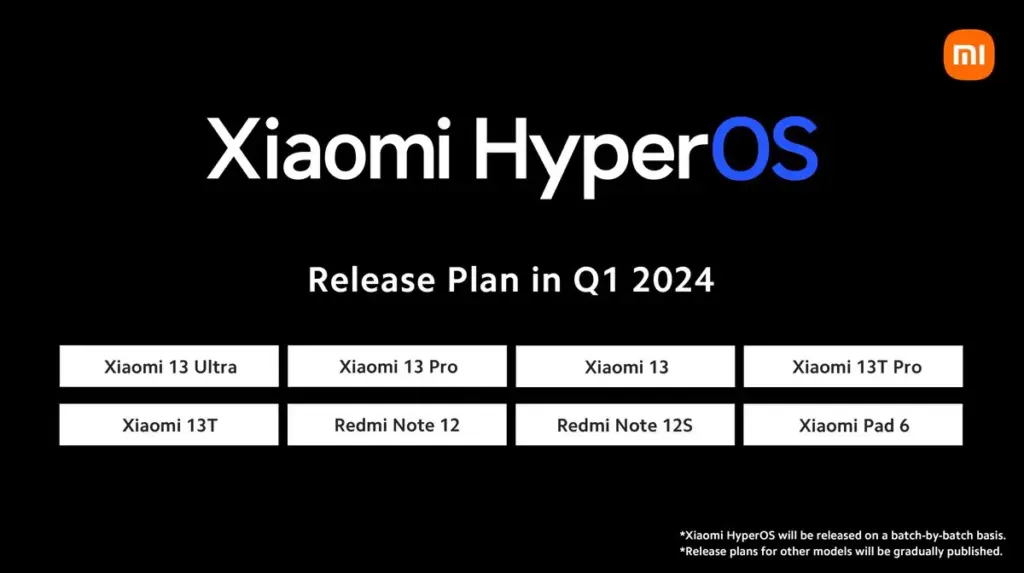
With the official launch of HyperOS, Xiaomi created quite a stir. Many are curious about when the HyperOS update will become available globally. The smartphone maker has been working on the HyperOS Global update for 11 models, which indicates that the update will arrive soon and millions of people will be able to experience HyperOS immediately.
HyperOS Global Coming Soon
What sets Xiaomi apart from the competition is its optimization of HyperOS. With this new interface, which enhances system animations and reworks the interface among other things, HyperOS Global will have all of these features. Xiaomi is currently testing HyperOS Global and is prepared to roll out new updates.
HyperOS Global will be available for 11 smartphones on the Xiaomi server.
Which smartphones will be the first to receive this new update?
POCO X5 Pro 5G: OS1.0.2.0.UMSMIXM, OS1.0.1.0.UMSEUXM (redwood)
Xiaomi Pad 6: OS1.0.3.0.UMZEUXM, OS1.0.4.0.UMZMIXM, OS1.0.2.0.UMZINXM (pipa)
Here are the 11 smartphones that will get HyperOS Global! This information is taken from the Official Xiaomi server, so it is reliable. HyperOS Global update has been confirmed by Xiaomiui. These builds are expected to start rolling out to users very soon. Millions of people are asking when HyperOS Global will be released and are impatiently waiting for the new update to come to their devices.
Based on Android 14, HyperOS is a user interface that will bring a major Android update to smartphones. The HyperOS Global update will be released to users in the HyperOS Pilot Tester Program first, and we have leaked the HyperOS Global Changelog to give you an idea of what to expect when HyperOS Global is released globally.
Official HyperOS Global Changelog
Global aesthetics draw inspiration from life itself and change the way your device looks and feels
New animation language makes interactions with your device wholesome and intuitive
Natural colors bring vibrancy and vitality to every corner of your device
Our all-new system font supports multiple writing systems
Redesigned Weather app not only gives you important information, but also shows you how it feels outside
Notifications are focused on important information, presenting it to you in the most efficient way
Every photo can look like an art poster on your Lock screen, enhanced by multiple effects and dynamic rendering
New Home screen icons refresh familiar items with new shapes and colors
Our in-house multi-rendering technology makes visuals delicate and comfortable across the whole system
Multitasking is now even more straightforward and convenient with an upgraded multi-window interface
Many smartphone models are scheduled to receive an update to the state-of-the-art HyperOS Global. Stay tuned for the most recent information on HyperOS Global developments. The details as of right now are as follows. To view a detailed list of devices that qualify for the HyperOS update—which Xiaomi, Redmi, and POCO models are included—visit our special article titled “HyperOS Update Eligible Devices List: Which Xiaomi, Redmi, and POCO Models Will Receive HyperOS?” We look forward to hearing your thoughts on the upcoming HyperOS Global update; please feel free to leave a comment.
As noted by Mishaal Rahman on Twitter/X, Google appears to be working on updating the Linux kernel on all Tensor-powered Pixels. Specifically, the evidence presented suggests an update to version 6.1, which was released in December 2022 and is the second-to-newest version of the kernel, with 6.6 having been released in October 2023.
Release of new software updates on a regular basis is one of the biggest selling points of a Pixel device, and it appears that Tensor-powered Pixels are about to receive a rare software update that updates the kernel used in the background.
While there’s no word on what a kernel upgrade might change, this is notable for a couple of reasons.
One of the comments mentions that “some Pixel devices” will be released with version 5.15 on “Android V,” which is Android 15. That also suggests that the timeline at play here is not in the immediate future but rather sometime after Android 15’s release. The 5.10 kernel version will see its end-of-life date in December 2026, so it most likely will not be too long after. For starters, this update would put all Tensor-powered Pixels on the same kernel. Pixel 6 and forward all ran on version 5.10 until the launch of Pixel 8, with 8 and 8 Pro running version 5.15.
Updates to the kernel typically do not affect the user experience much, but they can have a significant impact on how your device functions. This includes performance and battery life. Custom kernels were a fairly common feature back when Android modding was more common.
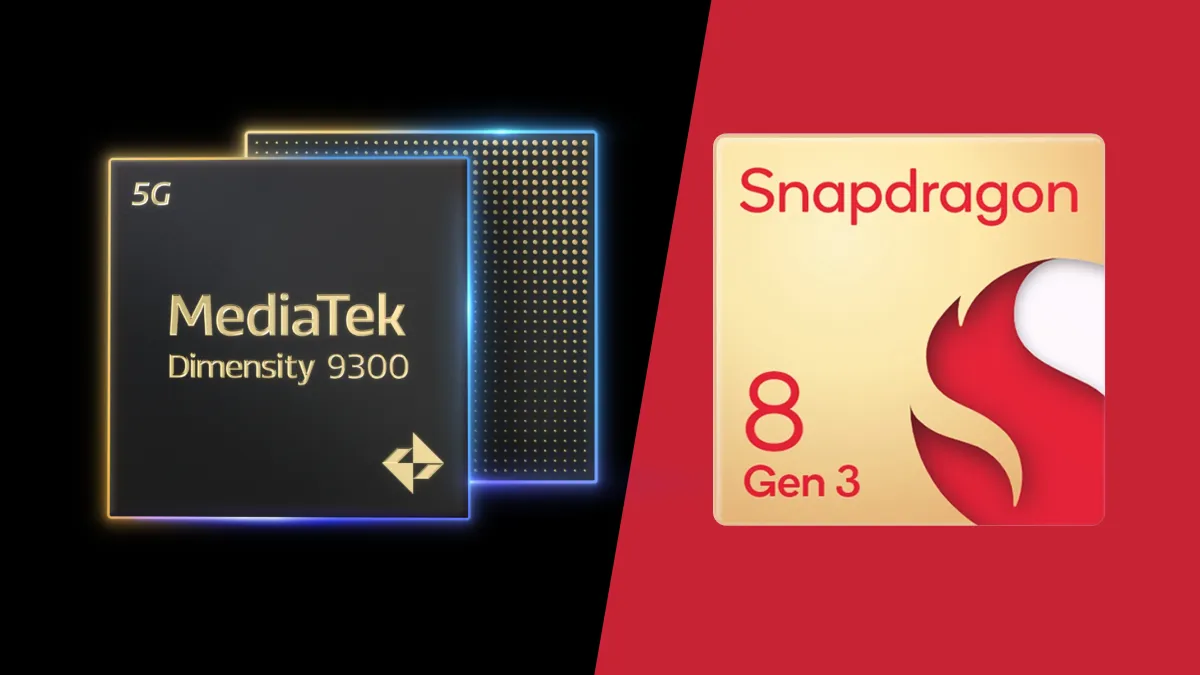
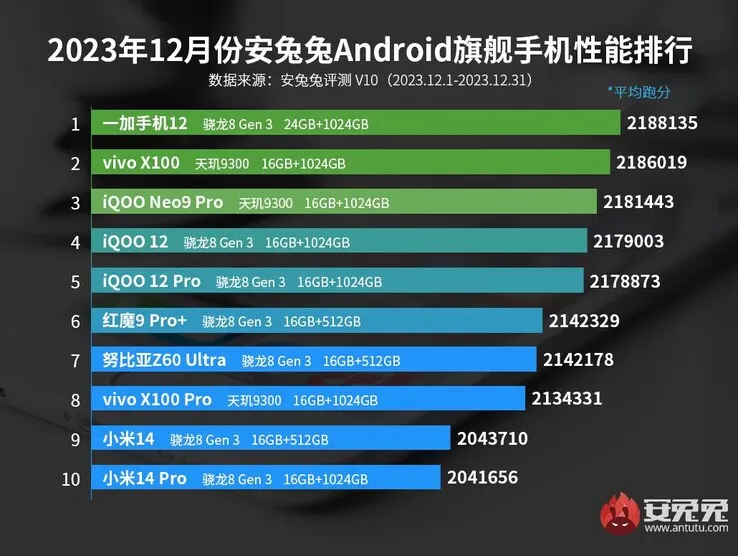
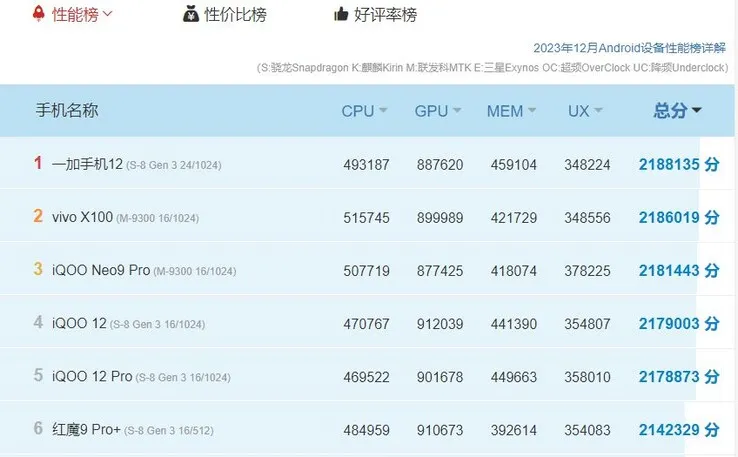
The two main flagship chipsets for Android this year are expected to be MediaTek’s Dimensity 9300 and Qualcomm’s Snapdragon 8 Gen 3. Both chipsets seem to deliver comparable performance, but AnTuTu’s most recent results suggest that the Dimensity 9300 in the new Vivo X100 has a slight advantage over the OnePlus 12 and its Snapdragon 8 Gen 3.
A closer look at the numbers reveals that the Dimensity 9300 outperforms the Snapdragon 8 Gen 3, with the MediaTek chipset scoring higher in the CPU and GPU tests. At first glance, the reverse seems to be true, with the OnePlus 12 ranking first with a total score of 2,188,135. The Vivo X100 comes in second with a score of 2,186,019.
The OnePlus 12 scores 493,187, whereas the Vivo X100 and its Dimensity 9300 register 515,745, indicating a roughly 5% CPU advantage for the MediaTek chipset. The difference is less pronounced in the GPU category, where the Vivo X100 scores 899,989, while the OnePlus 12 scores 887,620. Nevertheless, other Snapdragon 8 Gen 3-powered devices, such as the iQOO 12 duo, marginally outperform the Vivo X100 in this regard.
Evidently, the Dimensity 9300 edges over the Snapdragon 8 Gen 3 in both the CPU and GPU tests. The OnePlus 12 having the higher AnTuTu total score is completely down to it having superior memory, with the reported 24 GB of RAM earning it a higher score in the memory test than the Vivo X100’s 16 GB of RAM.
In contrast to other smartphone brands, Xiaomi is also well-known for its selection of power banks. The company offers a large number of models, particularly in China, where it is the home market.
The company recently unveiled a new power bank that has a slim form factor, prioritizes design over functionality, and is reasonably priced, just like any other Xiaomi product.
The new power bank from Xiaomi is so light and thin that it can not fully charge most phones.
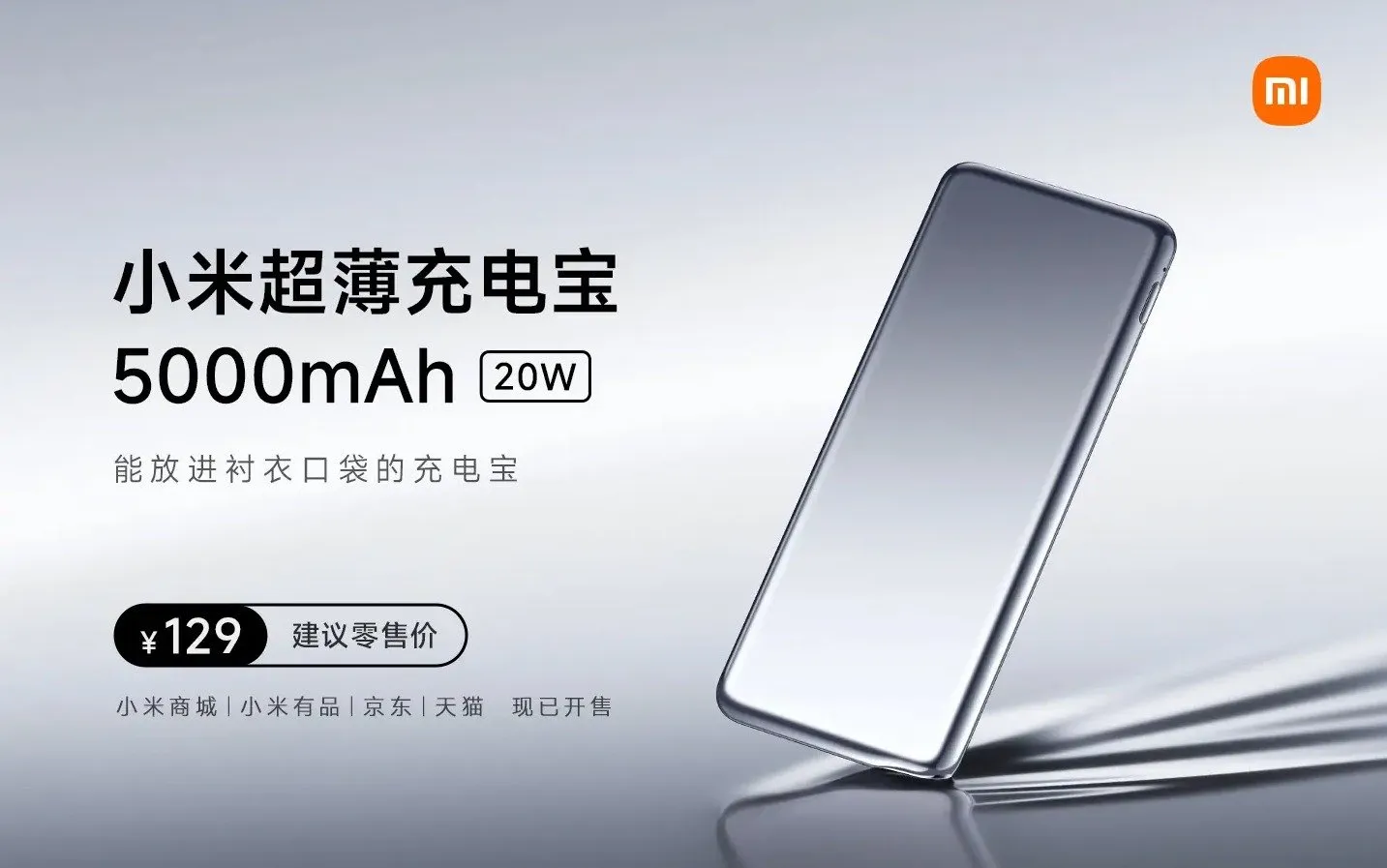
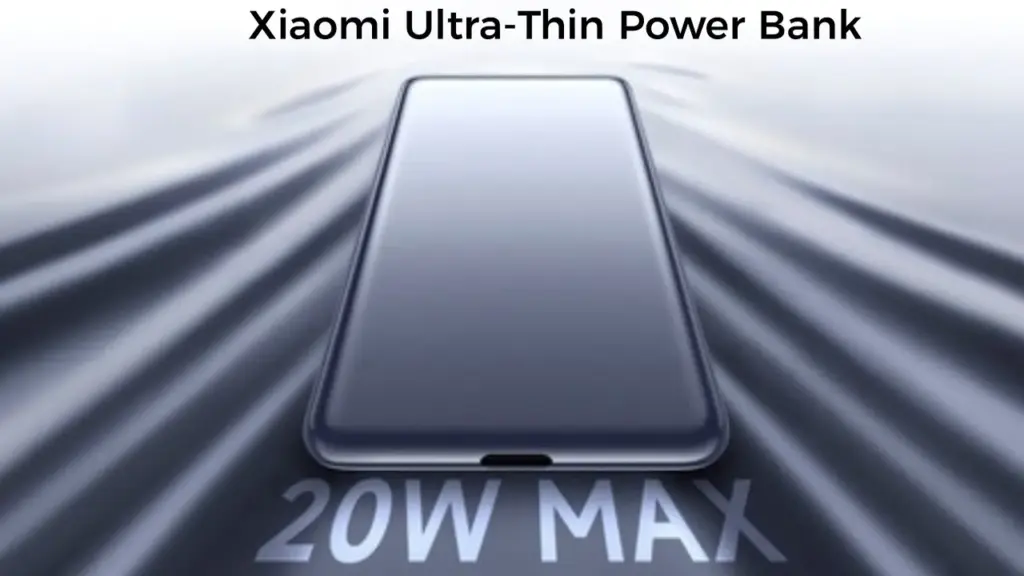
The latest battery pack from the company is called the Xiaomi Ultra-Thin Power Bank 5,000mAh. It costs ¥129 (~$20) and is available for purchase.
Measuring just 10mm and weighing only 93g, it is thin enough to fit in shirt pockets like a credit card. Its body is coated with a material called NCVM (Non-Conductive Vacuum Metallization), which makes it appear and even shine like metal. As the name implies, the accessory has a battery capacity of 5,000mAh, meaning it cannot fully charge most modern smartphones.
A USB Type-C to Type-C cable is included with the power bank, which has a single USB Type-C port and can support up to 20W of output and 18W of input.
In addition, the accessory comes with nine layers of protection: temperature, reset, input overvoltage, input overcurrent, output overcurrent, output overvoltage, battery overcharge and overdischarge, and overcurrent short circuit.
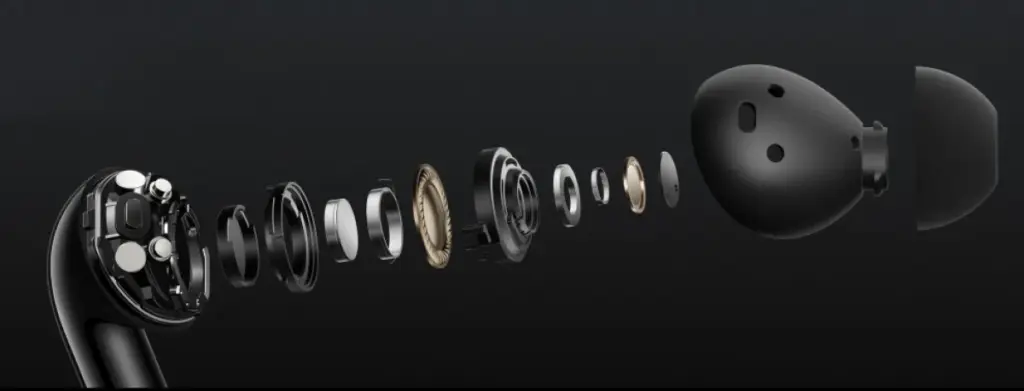
Together with the release of the Ace 3, OnePlus also unveiled the Buds 3, a new TWS wearable that boasts an ultra-light body, two drivers, and active noise suppression that can reach up to 49 dB.
The Buds 3 bear a striking resemblance to the Buds 2 Pro, without the shiny exterior. OnePlus employed the same dual-driver setup found in its Pro earphones, which should result in a richer audio output.
Rubber tips on the earbuds aid in noise isolation. There are multiple modes for noise cancellation, with 10 dB and 20 dB serving as the intermediate settings before the dramatic rise to 49 dB. An intelligent mode is also available, which automatically detects the surroundings and adjusts the ANC levels.
The OnePlus Buds 3 boast an IP55 certified design, three microphones, a touch-sensitive area on the outside of the stem, and OnePlus claims AI is assisting in reducing noise during calls. The buds themselves weigh just 4.8 grams each, and their combined batteries are 520 mAh and 58 mAh.
The Oppo store in China is currently accepting pre-orders for the OnePlus Buds 3, which will go on sale on January 8 and come in black or blue. The price is CNY 500, or $63/€57.
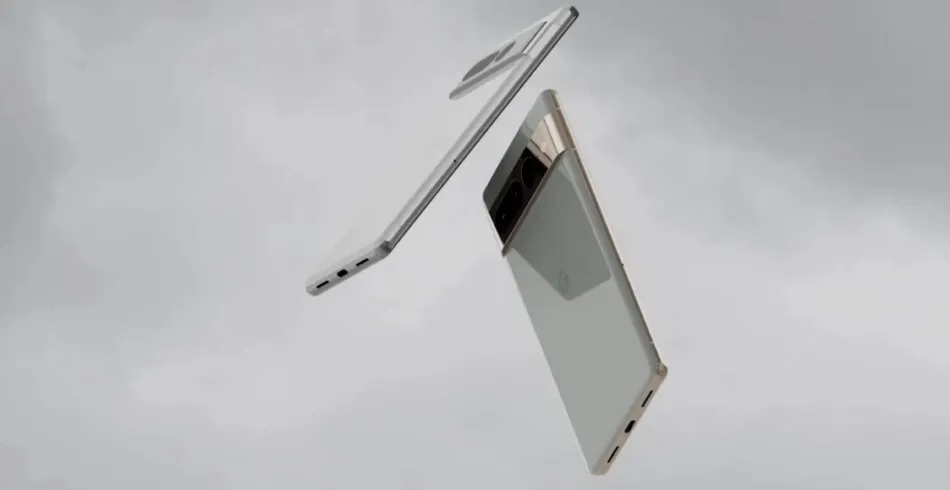
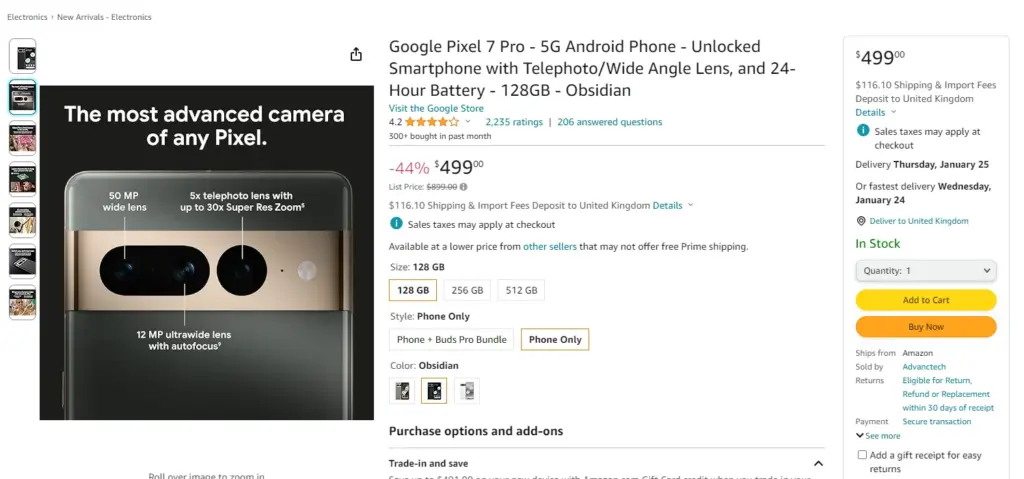
Splurging on expensive gadgets does not seem like a very smart idea, especially considering the beating most of us have taken from the rising cost of living. If you have resolved to be more frugal with your money, the year-over-year differences are not great enough to justify spending on newer releases, so if you are looking for a capable phone, Google’s Pixel 7 Pro is available for a great price.
One of the best phones available right now is the Pixel 7 Pro, which is highly regarded in the tech community for good reason. It boasts a stunning 6.7-inch screen with a refresh rate of 120Hz and is slightly curved, making it more comfortable to hold than most other high-end smartphones.
The device is underpinned by the homemade Google Tensor G2 chip and while it’s not at the top of the performance charts, it’s plenty fast for everyday use.
With its triple camera array—a 50MP primary shooter, a 12MP ultrawide snapper, and a 48MP telephoto module with 5x optical zoom—it produces aesthetically more pleasing, stunning, and color-accurate photos than most other phones.
The 128GB Pixel 7 Pro is currently $380 cheaper than the iPhone 14 Pro and Galaxy S23 Plus, both of which have starting prices of $999.
Go for the phone if you need a high-end smartphone with stellar cameras, smooth performance, and a clutter-free interface but do not want to spend a fortune.
Google’s phones are also at the front of the queue when it comes to operating system updates and they get better with age thanks to quarterly Feature Drops which bring features introduced with newer phones to older phones.
Now that the price has dropped, the Pixel 7 Pro has an advantage over the Pixel 8 Pro, which starts at $999.
Many of us have experienced the frustration of forgetting to charge our phone overnight or discovering that our headphones are dead when we need them. As you can see, the number of devices we need to charge daily is increasing. It is an extra worry with our busy lives filled with work, school, and hanging out with friends. Smartphone, laptop, headphone, smartwatch, tablet, and much more.
The issue still exists despite developments like fast charging technologies and the European Union’s unified charging port. Fortunately, the answer originates in China, the center of technology, where a new battery startup claims to be able to produce electricity for 50 years without the need for maintenance or charging.
The battery from Betavolt changes charging forever
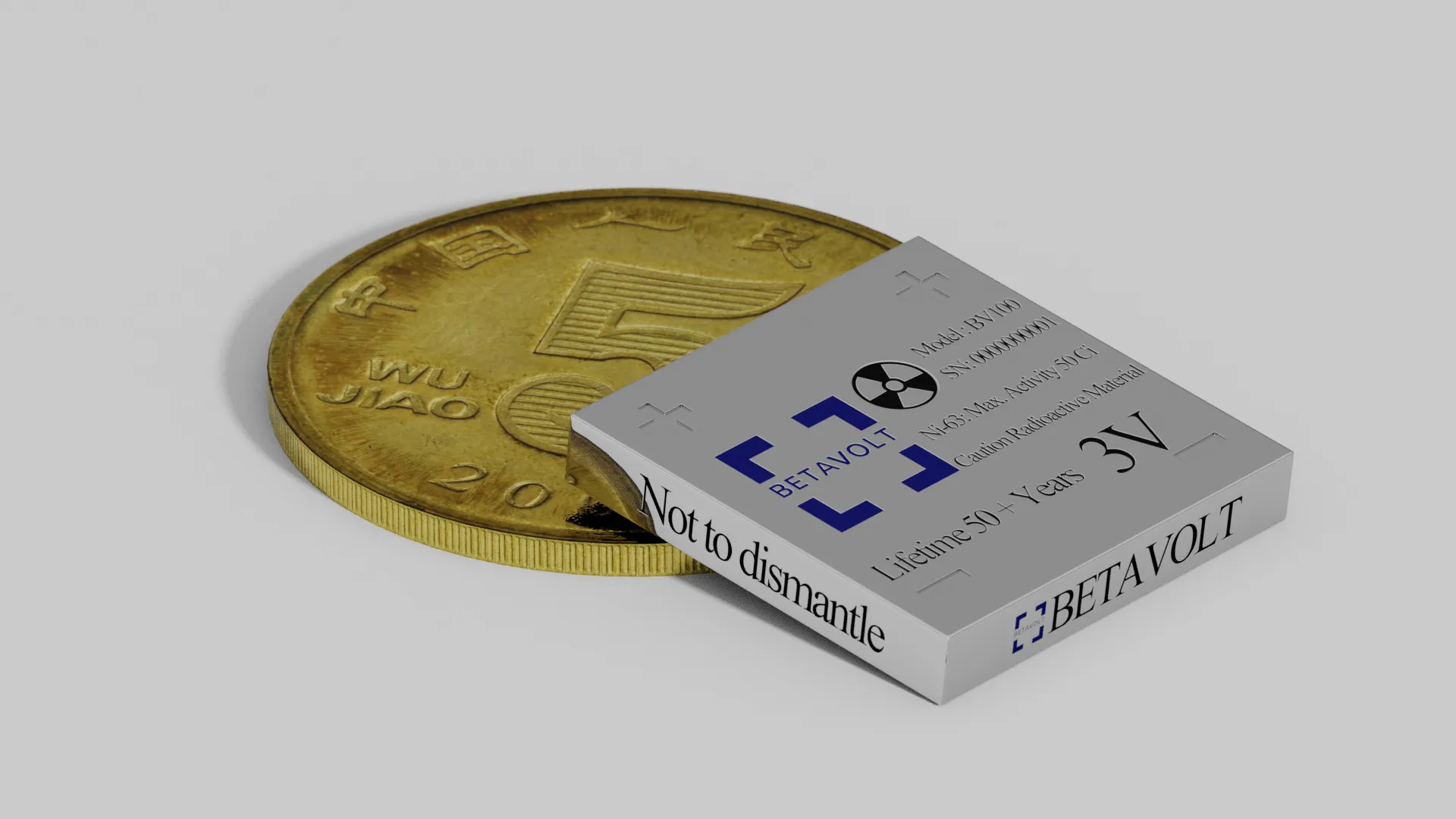
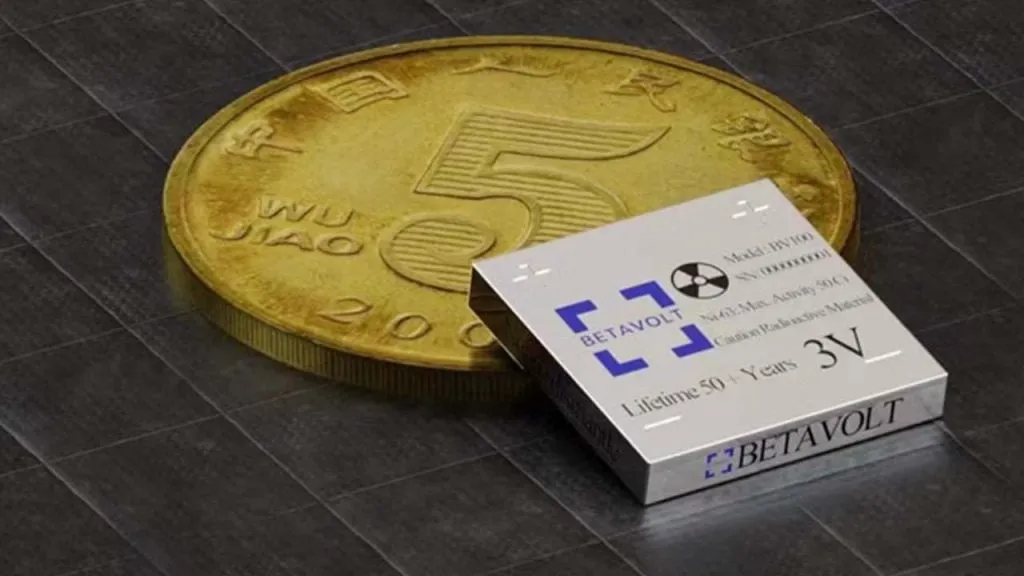
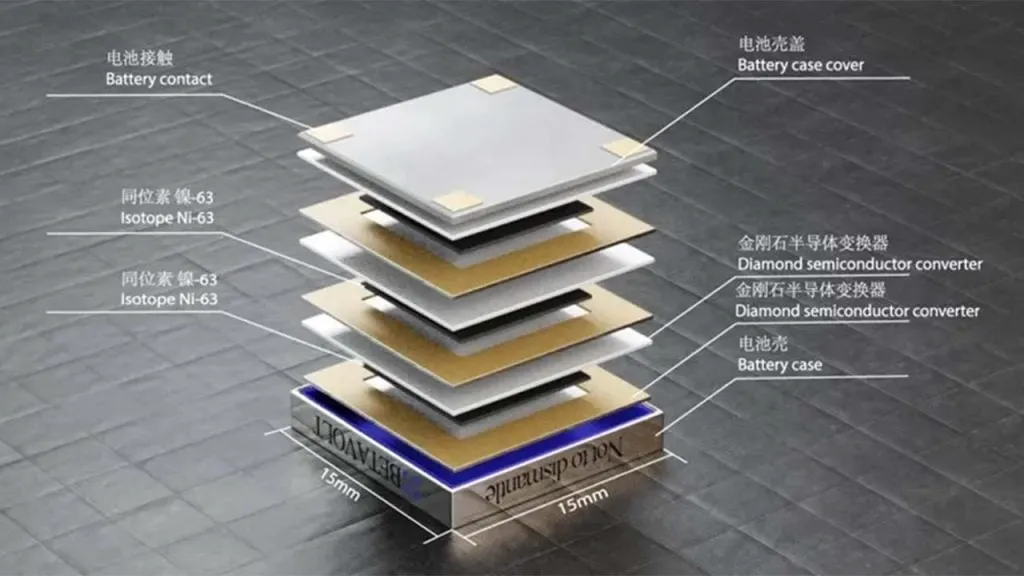
With everything from cars to airplanes starting to rely on electricity in today’s tech-driven world, research on battery technologies has surged. But aside from the speed at which they can be charged, there has not been a consumer-facing result—at least not yet. Beijing-based startup Betavolt has introduced a new battery that promises to produce electricity for 50 years without requiring maintenance or charging—and do not think of nuclear energy as a massive battery—Batalvolt manages to pack 63 nuclear isotopes into a battery the size of a coin.
Utilizing the energy from decaying isotopes, a concept developed in the 20th century, Betavolt’s nuclear battery currently produces 100 microwatts at 3 volts, all packed into a small 15x15x5 cubic millimeters. However, the goal is to reach a 1-watt power output by 2025. Earlier thermonuclear batteries faced challenges related to cost and size.
Although it sounds amazing to have an iPhone that never runs out of charge, it is wise to approach this ground-breaking invention cautiously for now, considering the potential risks of carrying a nuclear battery in your pocket. As a result, mass production might still be a distant dream for the time being. The company states that the nuclear battery is currently in the testing phase, with Betavolt planning to initiate mass production soon.