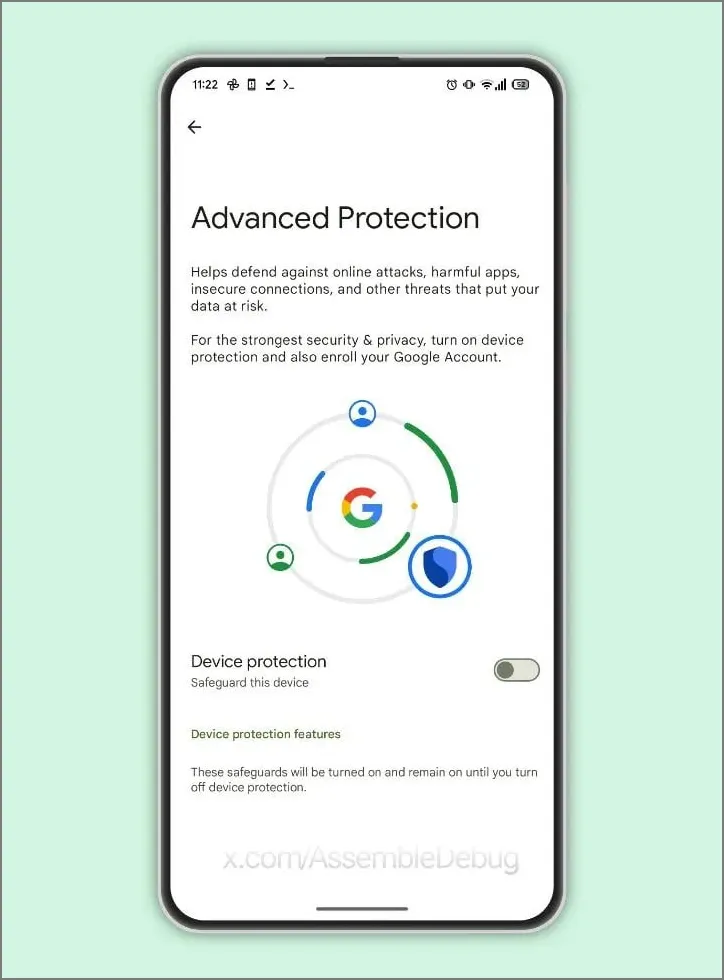
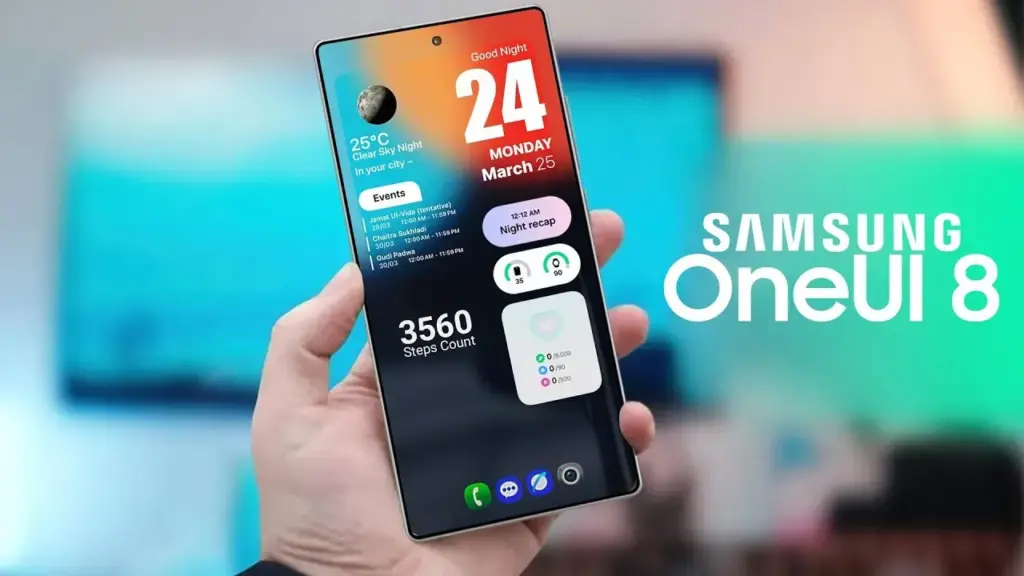
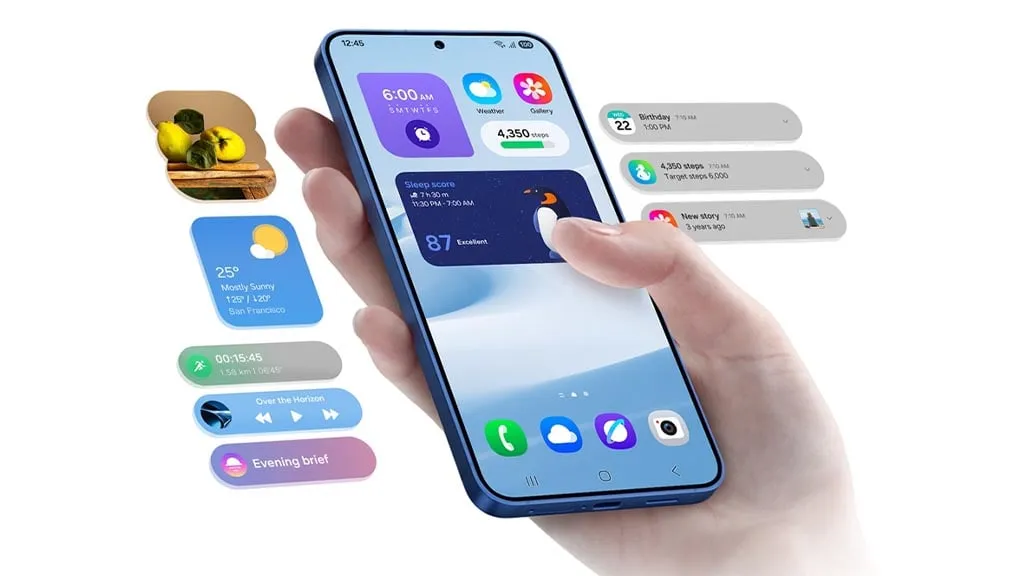
Under Google’s Advanced Protection Program, Samsung’s One UI 8, which is based on Android 16, will offer strong privacy and security protections to protect users of Galaxy phones and tablets from theft, fraud, and scams.
The security improvements of Android 16 will be sent out to Samsung Galaxy devices via One UI 8.0, anticipated in the summer of 2025, as announced on May 14 at Google’s The Android Show. Strong protection against unwanted access is ensured by the Advanced Protection Program (APP), which combines features like Remote Lock and Theft Detection Lock and requires user credentials to disable. These were first created for Google apps, but they will eventually be extended to third-party apps.
Uneditable secure device records that allow users to verify for tampering are among the key characteristics. One UI 8 thwarts fraudster tactics by blocking dangerous actions during talks, such as installing untrusted apps or changing important settings. With UK banks like Monzo and NatWest on board, banking apps are also made more secure by requiring screen-sharing talks to terminate before access.
AI is a major factor in this, in case you haven’t guessed it already. It detects apps that conceal icons, filters fraudulent messages, and does virus checks.
Remote Lock adds a security question and conceals one-time passwords from alerts, while enhanced factory reset safeguards make stolen phones inoperable without the owner’s consent. These are compatible with One UI 6.1.1’s Samsung Auto Blocker.
With a beta in June and a July release alongside the Galaxy Z Fold 7 and Flip 7, One UI 8 may make Galaxy smartphones safer than before. Are flaws like delayed third-party app support a concern, or will these features outsmart scammers? More will be revealed during the summer launch.
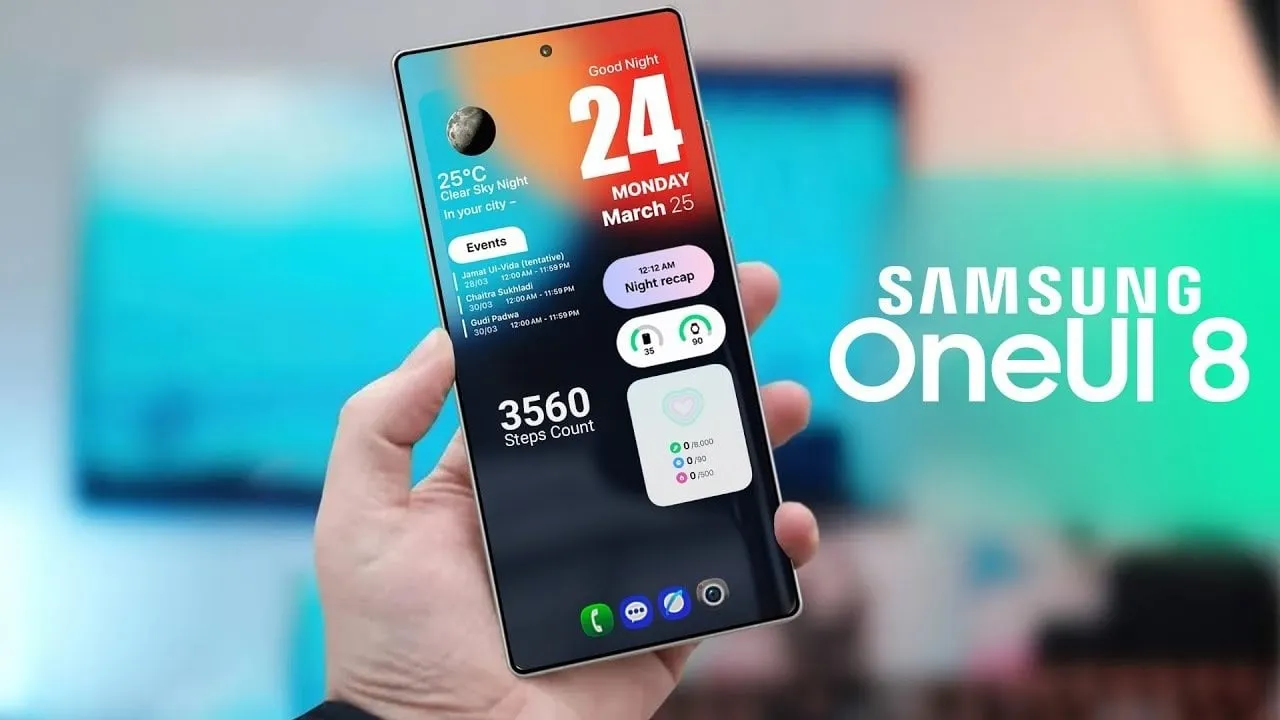
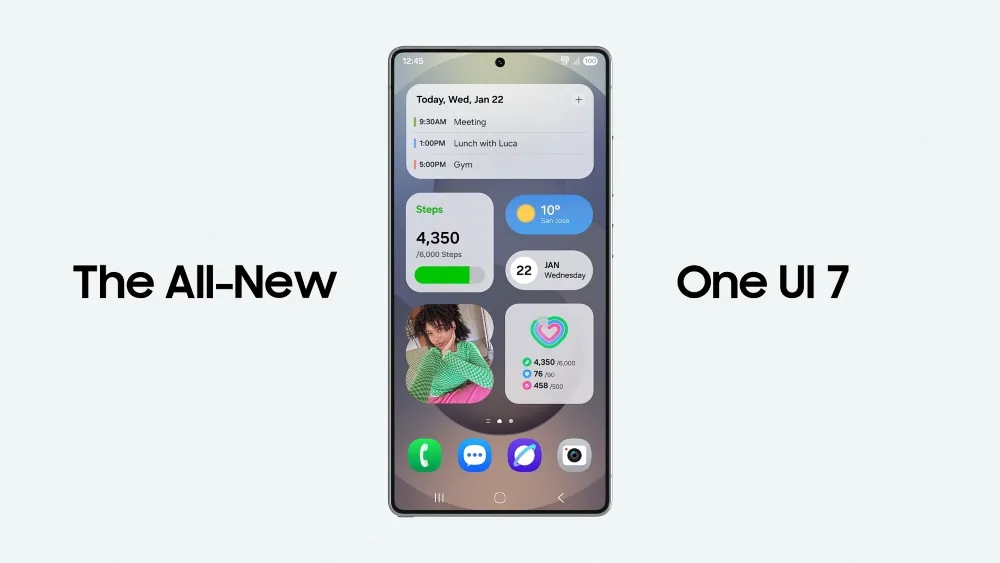
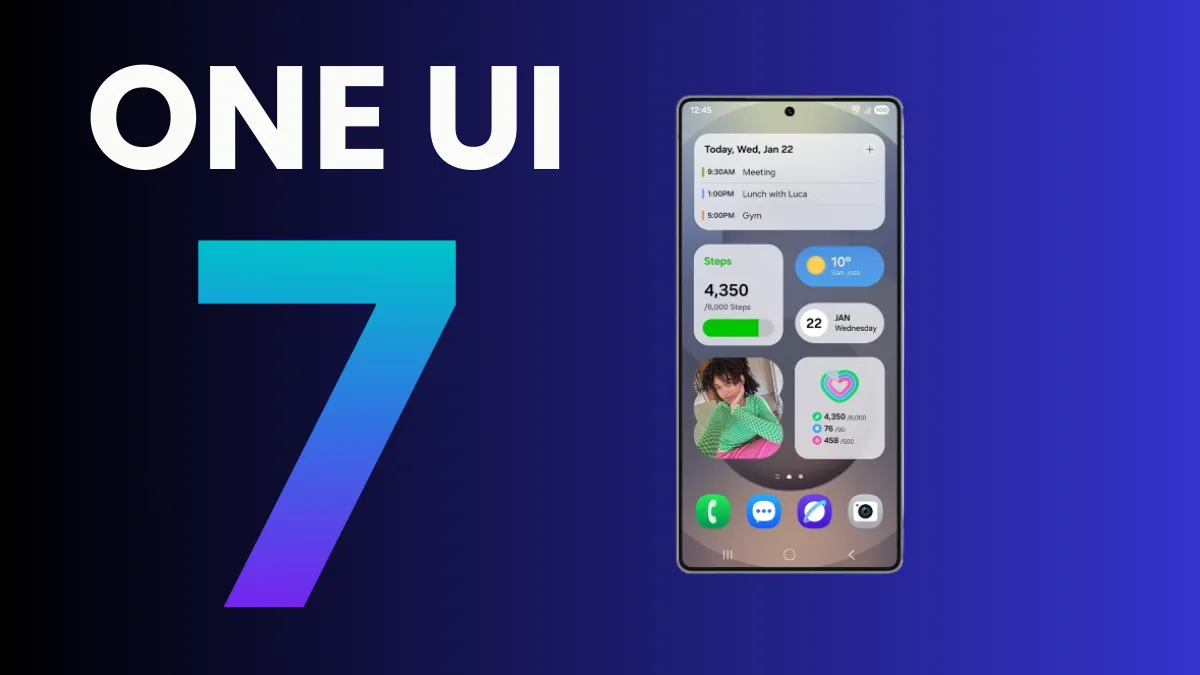
Samsung’s One UI is a significant element of what distinguishes Galaxy phones and tablets. With One UI 7 finally available to consumers on April 7, 2025, attention has shifted to the next chapter: One UI 8. This future software upgrade, which is likely to be based on Android 16, should add some intriguing new features to Samsung devices.
There is speculation that it will be released sooner than usual, altering Samsung’s standard software update release schedule. In this post, we’ll go over the release date, the beta testing program, which devices will receive One UI 8 based on Samsung’s update policy, and what this may mean for Galaxy customers.
One UI 8 release
Historically, Samsung’s big One UI releases have coincided with the annual Android upgrade cycle, arriving in the fourth quarter, around October or November, following Google’s stable Android release. For example, One UI 6 debuted on October 30, 2023, whereas One UI 7, which was severely delayed, launched on April 7, 2025. However, reports in the IT world claim that One UI 8 may break this pattern.
One UI 8, which is based on Android 16, will be released in the summer of 2025. This update, confirmed by Google, represents a considerable increase in Samsung’s update cycle, with the goal of closely aligning with Google’s roadmap.
One UI 8 beta program
Samsung’s One UI beta programs allowed fans to try out new features early on, and One UI 8 should continue to do so. Considering how things generally proceed and the predicted July 2025 release, the One UI 8 beta should begin in late May or early June 2025.
The beta normally begins with Samsung’s top phones, such as the Galaxy S series, and then progresses to foldables and lower-cost devices. One UI 7 testing began on December 5, 2024, with the Galaxy S24, and was expanded to include the S23, Z Fold 6, Z Flip 6, and others by March 2025.
If Samsung follows this step-by-step plan, the One UI 8 beta would most likely debut with the Galaxy S25, followed by foldables such as the Z Fold6 and Z Flip6. You’ll most likely join up through the Samsung Members app in countries such as the United States, United Kingdom, India, Germany, and South Korea, allowing users to test out new features before they become official.
One UI 8 eligible devices
While Samsung has not officially confirmed the One UI 8 device list, we can use its official software update policy to determine which devices are assured to receive the upgrade. Samsung now provides up to seven years of OS upgrades for select flagship handsets (beginning with the Galaxy S24 series), four years for others, and five years of security updates for numerous models. According to this policy and the confirmed One UI 7 rollout, the following devices are sure to be qualified for One UI 8:
Mid-range devices, such as the Galaxy A55 and A35, may also qualify for the four-year program. Older smartphones, like as the Galaxy S21 series, may miss out since their four-year support period may expire before One UI 8 is released.
The Summer 2025 debut of One UI 8 suggests a significant change for Samsung, potentially providing a substantial update much sooner than fans think. If this happens on time, Galaxy owners may receive Android 16 features with the next round of foldable phones, demonstrating how Samsung can change things up and keep improving.
While we wait for Samsung to make an official announcement, the prospect of a quicker One UI 8 release thrills Galaxy fans—could this be Samsung’s biggest software step yet?
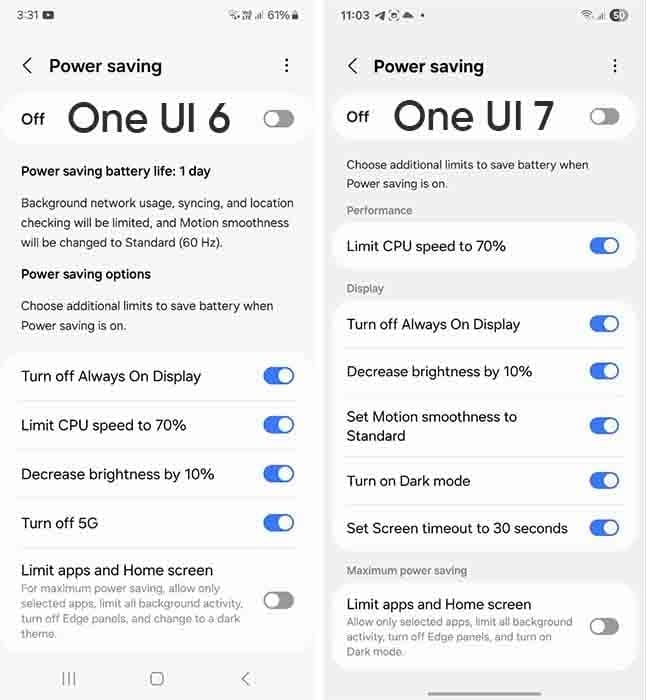
Samsung devices include a power-saving mode; while this feature is similar to all smartphones around the world, One UI 7.0 makes it more customisable.
Android and iOS smartphones have had a power saving mode for some time, but you may only be able to enable or disable it. Smartphones, by default, limit background processes such as network usage, synchronization, and location, as well as reducing the high refresh rate to 60 Hz, and you may not be able to adjust the power saving mode.
However, Samsung devices provide you with more control over this capacity due to extra limitations. This power saver can be enabled from either the fast settings panel or the battery settings. Additional power-saving settings from One UI 6.x are listed below:
Turn off Always on Display
Limit CPU speed to 70%
Decrease brightness by 10%
Turn off 5G
Limit apps and the Home screen
You can control these options with the toggle button in front.
Moving on, One UI 7.0 device users will now see three additional power saving limits, including:
Set motion smoothness to standard
Turn on Dark mode
Set screen timeout to 30 seconds
The refresh rate was previously deactivated automatically during power saving mode, but you can now set its limits. Similarly, Dark mode and screen timeout help to conserve power.
If you wish to maximize power efficiency, enable “Limit apps and Home screen”. It only permits certain apps, restricts background activity, disables Edge panels, and activates Dark Mode.
If you do not want to employ any of these additional power-saving features, you may click the toggle button to return to the system’s normal power usage restrictions. When you disable the high refresh rate option, the 70% CPU limit is reduced automatically. Additional power-saving limits can be found in Settings > Battery > Power saving.
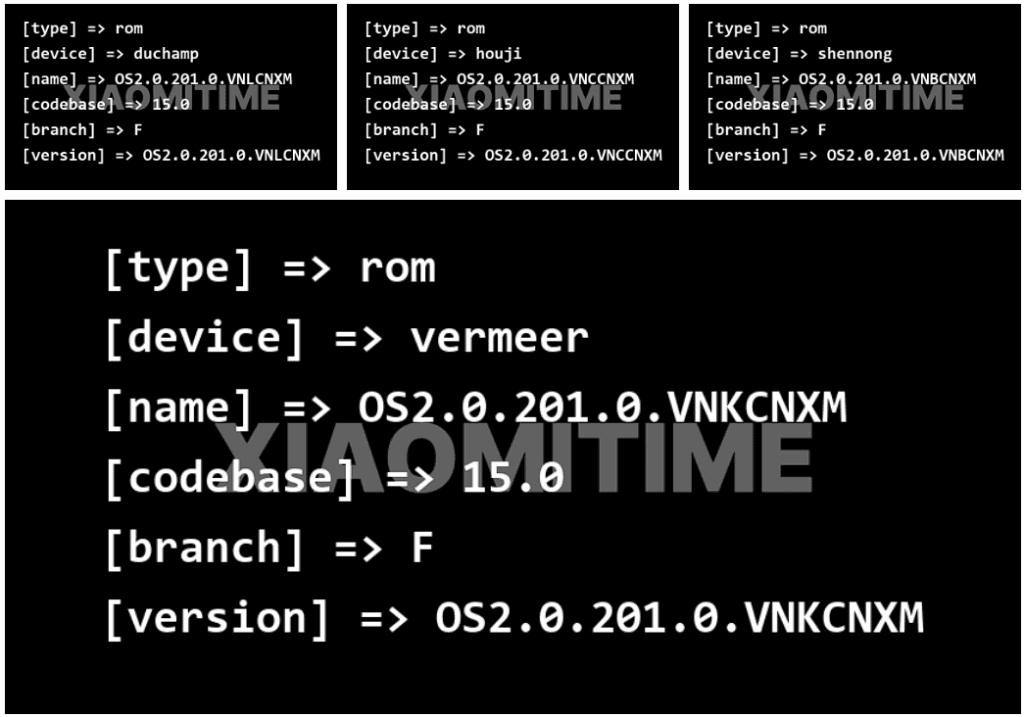
Users of Xiaomi should rejoice since the stable HyperOS 2.2 update is currently planned for four new devices. The software is now available on Xiaomi’s servers and is awaiting final staff testing before going public. As Xiaomi continues to roll out its most recent OS to an increasing number of devices across its wide range of products, this step marks another milestone in the company’s aggressive HyperOS rollout strategy.
Xiaomi‘s emphasis on providing frequent software updates and keeping its ecosystem up to speed with the newest features is further highlighted by the new update, which promises to improve performance, battery life, and user experience for compatible phones.
HyperOS 2.2 family has four new members.
Based on data found on Xiaomi’s update servers, the following devices are now set to upgrade to the stable HyperOS 2.2 update:
Redmi K70E: OS2.0.201.0.VNLCNXM
Redmi K70: OS2.0.201.0.VNKCNXM
Xiaomi 14 Pro: OS2.0.201.0.VNBCNXM
Xiaomi 14: OS2.0.201.0.VNCCNXM
These builds are being tested by Xiaomi employees for the final time ahead of release, providing users everywhere with a smooth and bugless experience when the upgrade is rolled out.
Previously Confirmed Devices
The four new devices add to a number of already confirmed devices for which the HyperOS 2.2 stable update was announced:
Xiaomi 14
Xiaomi 14 Ultra
Xiaomi 15
Xiaomi 15 Pro
Xiaomi 15 Ultra
Xiaomi Pad 6S Pro 12.4
This extended rollout reflects Xiaomi’s commitment to providing its most recent flagship models, as well as last generation models, with the most current software features.
What HyperOS brings?
The HyperOS 2.2 update features a number of significant upgrades for supported devices:
Enhanced system stability for all programs
Optimized battery management for increased usage hours
Smoother animation transitions across the interface
In order to make Xiaomi smartphones competitive in the rapidly evolving smartphone market, these improvements build upon the strong basis of HyperOS 2, improving the user experience and adding new functions. For people who want to view the available updates,
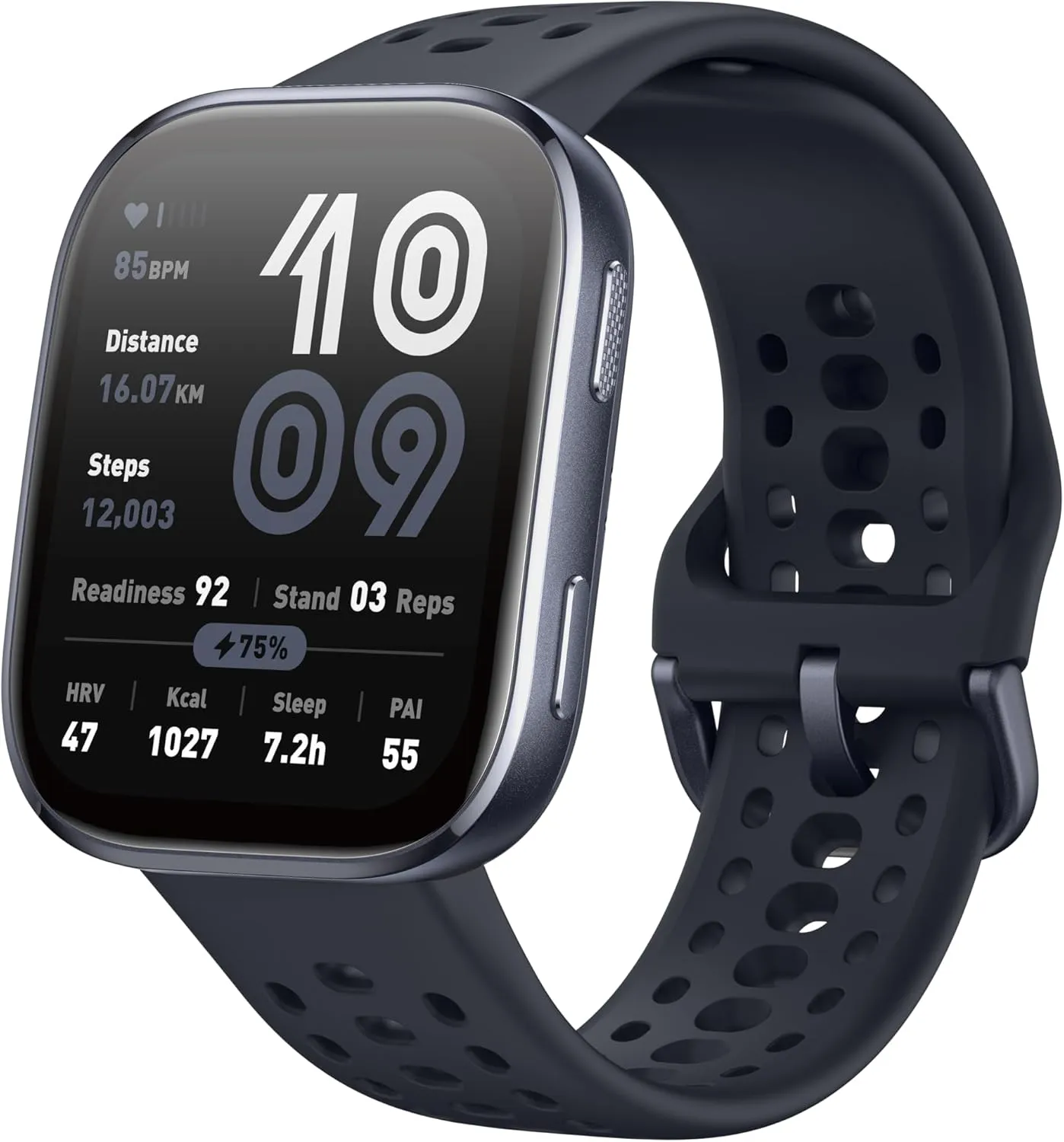
Admittedly, I made a snap judgment about the Amazfit Bip 6 based on its affordable price. I didn’t think it would compete with more expensive smartwatch rivals, much less hold its own at $80. I can tell, however, that it’s more than simply a terrific deal after a couple days of testing.
The Bip 6 is unique in a time when the majority of smartwatches cost hundreds of dollars since it does more than just the basics. During my testing of the Amazfit Bip 6, I discovered that the battery life lasted more than a week on a single charge, the fitness monitoring was reliable, and the advanced health indicators were accurate. One of the few smartwatches under $100 that is truly worth your time is this one, especially when you consider that it is compatible with both Android and iPhone.
It’s hardly the most sophisticated timepiece available. Compared to more expensive models, the Amazfit Bip 6’s design and navigation feel clumsy, but overall, it seems like a minor price to pay for everything else it offers.
The watch isn’t the most sophisticated one available. Comparing the Amazfit Bip 6 to more expensive models, the design and navigation feel clumsy, but this seems like a minor price to pay for all the other features it offers.
For those who prioritize functionality above style, the Amazfit Bip 6 offers a simple and cost-effective way to get started with smartwatches. It’s perfect for first-time smartwatch purchasers who want to experiment with fitness and health tracking without breaking the bank. iPhone users who are interested in smartwatches but aren’t ready to commit to an Apple Watch will find it especially enticing.
Design
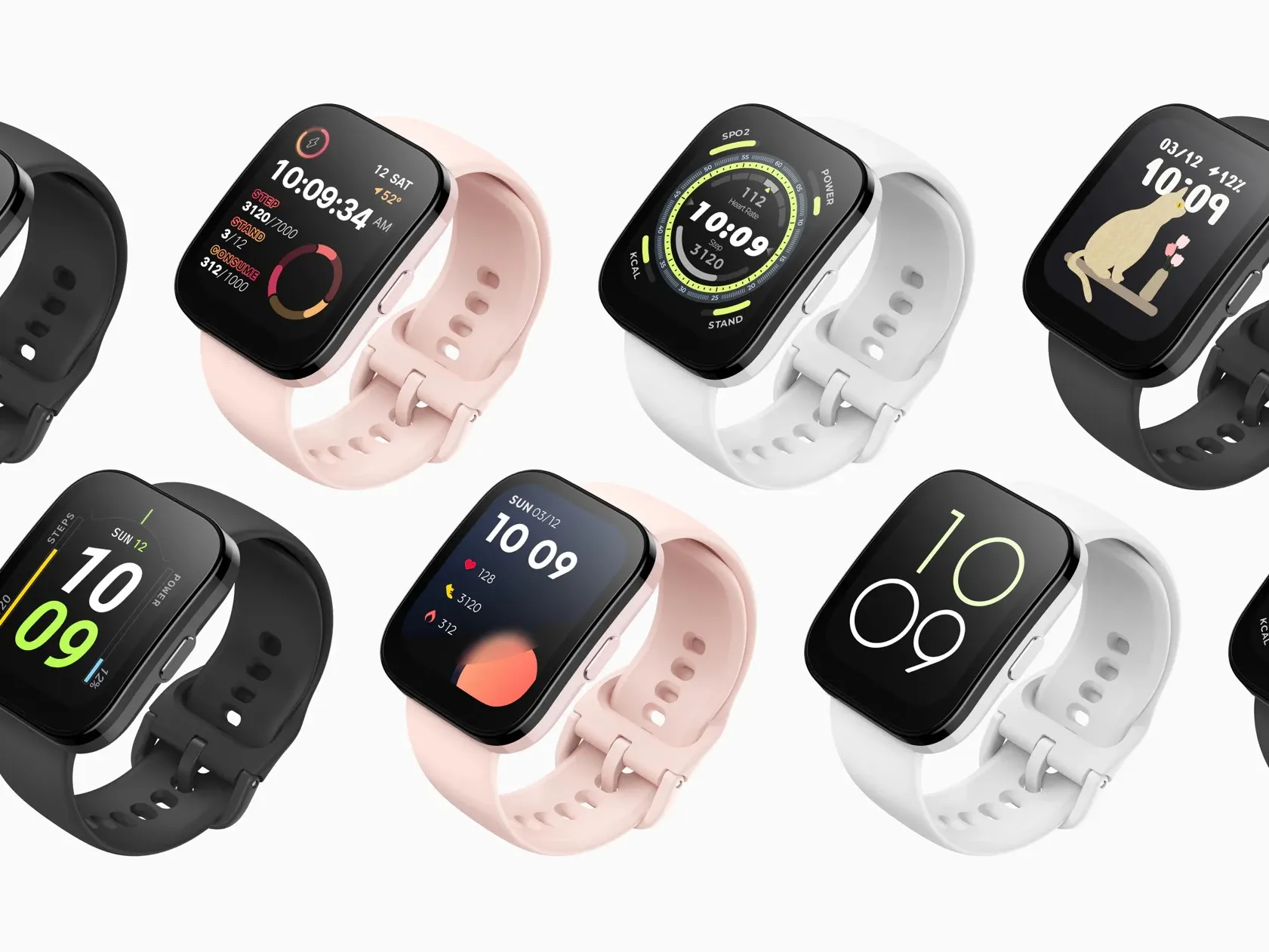
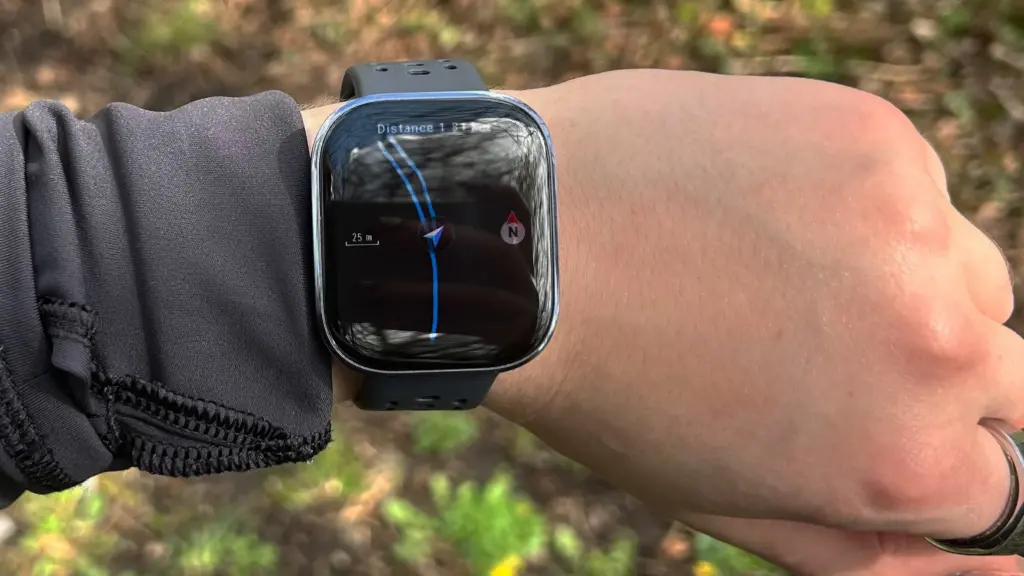
Although it feels light, the 44mm watch looks bulky on my medium-sized wrist (6.5 inches), and it doesn’t come in any other size. The Amazfit Bip 6’s design is straightforward and practical; it has the boxy, flat appearance of an old Pebble Watch, with a slight curve to the screen and a metal trim that gives it a bit of polish. The 1.97-inch AMOLED display (390×450 pixels) looks bright and crisp indoors, but I have trouble seeing what’s on screen in direct sunlight.
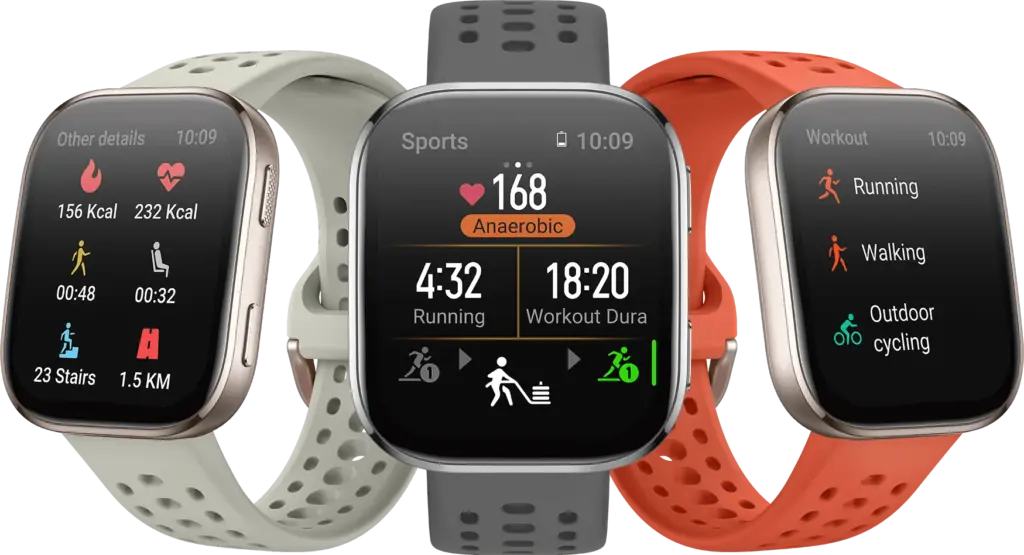
All of the bands tend toward the sporty side of the design spectrum, and unless you choose an alternate band from Amazon, there isn’t really any way to dress it up. The black sport band that came with my review device is also available in charcoal, stone, and red (which I might have preferred).
Software and UI
The Amazfit Bip 6 doesn’t provide the most seamless onboarding experience right out of the box, and I had to do some tweaking to get the watch configured the way I wanted it. There isn’t a real always-on display, so I changed the watch face that came with it, changed the battery settings to keep the screen on when working out, and changed which fitness metrics I wanted to see while running. Determining the true functions of the physical button and other swiping movements also required some trial and error.
Although it’s not as user-friendly as other smartwatches like the Apple Watch or Galaxy, you should be able to figure it out if you delve deeply enough into the settings.
It’s not as user-friendly as other smartwatches like the Apple Watch or Galaxy, but if you dig deep enough into the settings, you should be able to figure it out. The Amazfit Bip 6 doesn’t offer the most seamless onboarding experience right out of the box, and I had to do some tweaking to get the watch configured the way I wanted it. There isn’t a real always-on display, so I changed the watch face that came with it, changed the battery settings to keep the screen on while working out, and changed which fitness metrics I wanted to see while running.
Thankfully, Android phone users can respond to texts using a keypad or voice recognition, but iPhone consumers are stuck without a remedy unless they use a third-party app. The fact that Flow functionality is dependent on the phone and that the Bluetooth range is excruciatingly limited (at least with an iPhone) doesn’t help either. When my phone was only a room away, I frequently lost connectivity. If you rely on Find My Phone as a lifeline to find your phone, this renders the feature essentially worthless.
Amazfit Bip 6
Stylish Design, Vibrant Display: The lightweight aluminum build blends effortless style with workout durability, while the vivid 1.97″ AMOLED display keeps your data easy to read, even under bright sunlight.
One of the best things about the Amazfit Bip 6 is undoubtedly its battery life. I tested it with several GPS workouts, heart rate monitoring, and running with the always-on display, and it still lasted more than a week—eight days, to be precise—between charges.
The manufacturer claims a two-week guarantee, which I probably would have achieved if I had been more cautious with the settings. After a day and a half, more expensive competitors like the Apple Watch, Galaxy Watch, and Pixel Watch require charging. The battery life of even the more costly Apple Watch Ultras with bigger batteries is only three days.
However, there isn’t a fast-charging option that I’m aware of, and it will take roughly two hours to go from zero to full when you eventually need to return for a charge. I’d rather leave it charging overnight once a week than have to find a time throughout the day to recharge it again, even though I’ll pick longer lasting battery life over faster charging any day.
Additionally, as the box only comes with a magnetic charging puck that must be plugged in, you will need to provide your own USB-C charging cable (and brick). The charging brick is no longer included with the majority of modern watches, such as the Apple Watch and Pixel Watch, although the charging cable is still included.
Fitness features
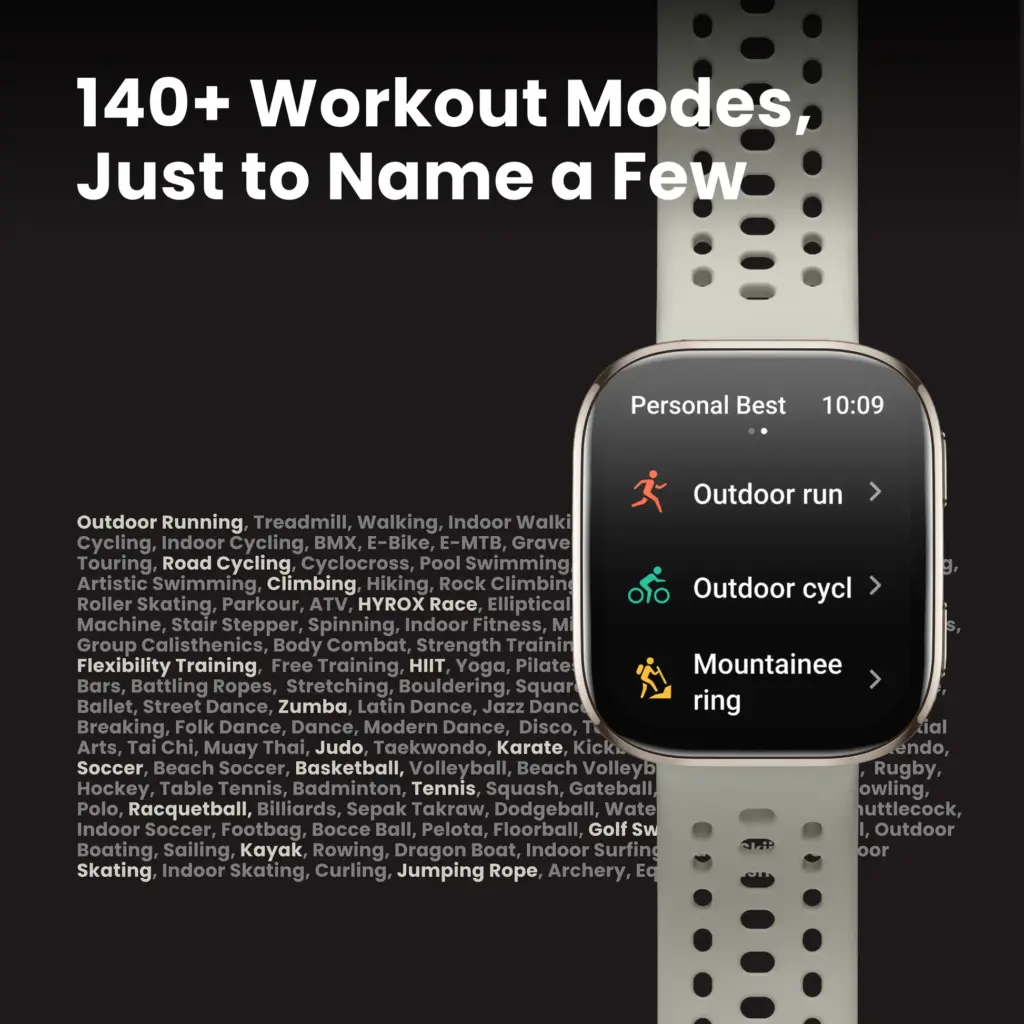
It would be an understatement to claim that the watch covers the fundamentals of fitness tracking. Along with detailed analytics for runners and other popular sports, it offers every workout you could possibly need. Since running is my major method of exercise, I primarily tested the running exercises.
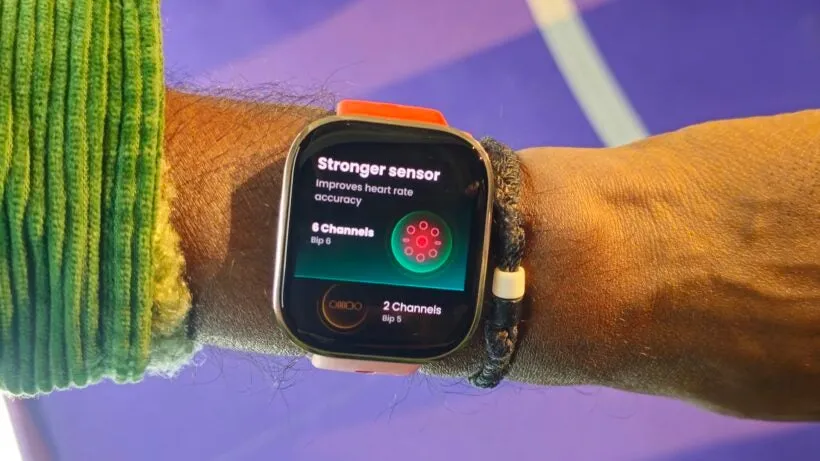
At first, using the Amazfit Bip 6 to track a run feels unsteady because it takes around ten seconds to lock onto a GPS signal, which can be a deal-breaker when you’re ready to go. It’s off to the races after it locks in, though. Even without my phone, the GPS functioned consistently across several runs. Surprisingly, heart rate monitoring, including zone breakdowns, held up well. I utilized the Polar chest strap HR monitor, the industry standard for consumer heart rate tracking, to test smartwatches, and the results was comparable.
Amazfit Bip 6
Stylish Design, Vibrant Display: The lightweight aluminum build blends effortless style with workout durability, while the vivid 1.97″ AMOLED display keeps your data easy to read, even under bright sunlight.
It monitors strength training during indoor exercises and even makes an effort to determine which muscle groups are being used. Accuracy is still unknown because I didn’t perform a conventional strength training session, but during a Pilates practice that I had designated as strength training for testing purposes, it accurately identified arm muscles.
Health and wellness
Amazfit Bip 6 awarded me around an hour’s worth of sleep “bonus credit” on weekend nights when I was fully awake since it had trouble detecting the difference between when I was sleeping and when I was watching White Lotus. Notably, the Apple Watch has previously made the same error, which raises doubts about my level of consciousness at the end of the day while I’m dozing off on the couch.
However, the actual measurements are quite useful because they monitor breathing quality, sleep stages, and changes in temperature and heart rate. Like the vitals check on other wearables like the Apple Watch and Oura ring, this might help indicate the onset of diseases.
Zepp Aura add-on, which includes sophisticated sleep analysis, AI-powered coaching, and tools to help identify issues like sleep apnea and insomnia, is also available if you really want to go into your health and sleep data. It generally costs $150 a year, but right now it’s only $60.
Additionally, I had some issues turning off notifications while I slept, and I had to manually configure the “do not disturb” option because it didn’t match what I had configured on my phone.
Zepp App for Amazfit Bip 6
All of this health data has the flaw of having little to no context. There is no instruction on what the statistics imply, what is deemed normal, or how to act based on them, whether you’re looking at the watch’s instant results or the Zepp app’s long-term health trends. I didn’t test the Aura premium option for this evaluation, but perhaps it helps make sense of everything.
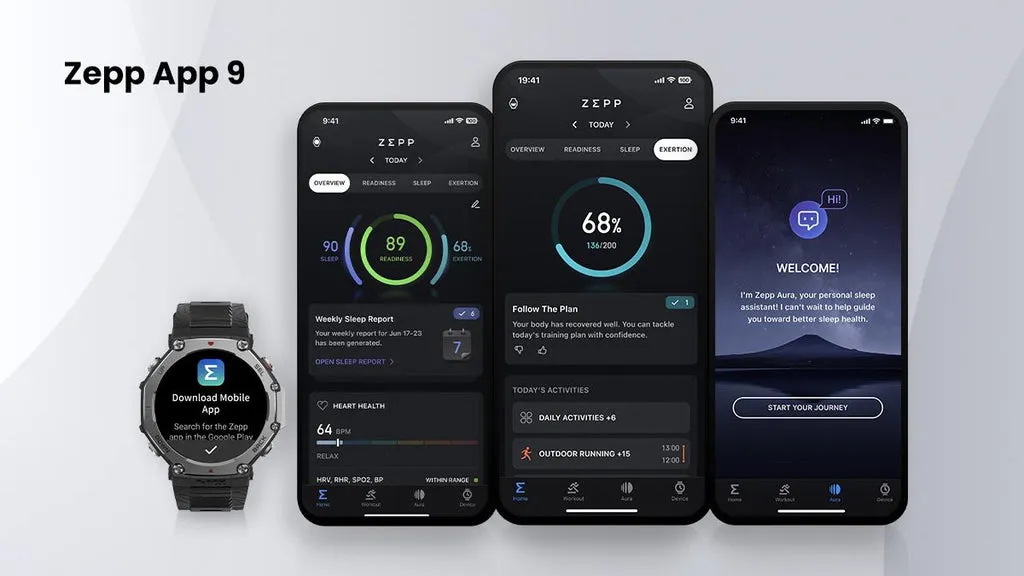
Amazfit’s own Zepp OS powers the watch, and the Zepp app on your phone controls all of your data and settings. It manages the app and watch face stores in addition to system settings and health metrics. The Zepp app’s layout is confusing and has multiple tabs, so good luck locating what you need.
The data itself is frequently difficult to grasp, even if you are able to locate the necessary tab. I consider myself well-versed in fitness jargon, having reviewed smartwatches and fitness trackers for over ten years, yet even I had doubts about the meaning of several of these numbers.
An AI-powered food journal that automatically enters nutritional data and calories from a barcode or photo is an additional bonus function. I used a homemade cheese sandwich to test it, and I was surprised by how accurately it calculated the number of calories. I then compared the results with the real nutritional data for each ingredient. I can see this as a useful tool for those who prefer to monitor their intake in order to manage their weight, but have not kept long-term logs for a thorough examination of this feature.
Amazfit Bip 6
Stylish Design, Vibrant Display: The lightweight aluminum build blends effortless style with workout durability, while the vivid 1.97″ AMOLED display keeps your data easy to read, even under bright sunlight.
Although it won’t impress you right away, the Amazfit Bip 6 is a powerful, discreet tracker that constantly goes above and beyond where it matters most. Easily the greatest option we’ve tested in its price category, it’s the kind of uncommon find you don’t expect to find in the world of smartwatches under $100.
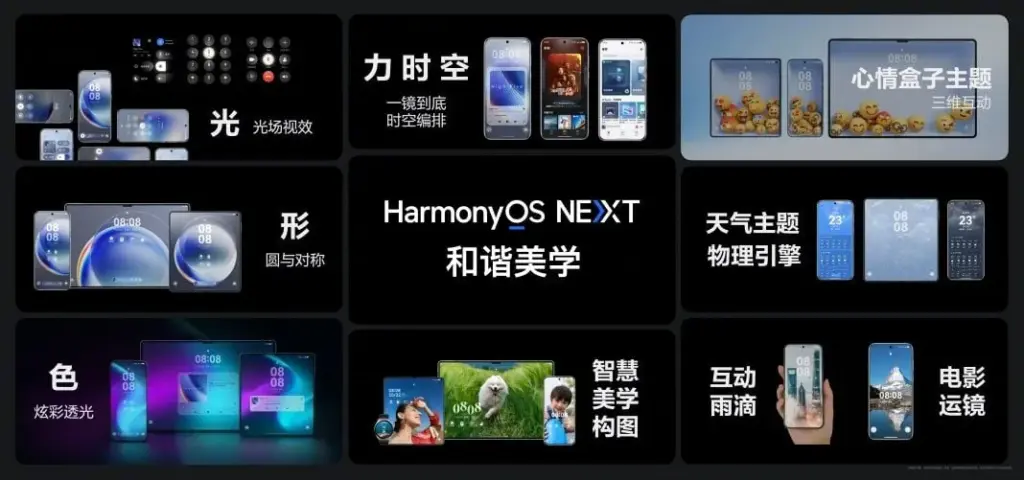
The president is back in the White House after limiting Huawei’s access to American-made technology. This is most likely the reason why other top Chinese businesses have chosen to work together on a new operating system. I believe this is a positive step, even though it might only be a preventative measure and it might be some time before the efforts pay off.
Huawei is prepared to abandon Android entirely, six years after the US government first imposed limitations on the Chinese corporation. Huawei will now help OnePlus, Vivo, OPPO, and Xiaomi develop an Android substitute that doesn’t use Google. The market for smartphones needs this shock.
Smartphones aren’t as thrilling anymore. Each firm used to have a distinct advantage, but these days they all make phones with essentially the same design.
Operating systems for smartphones have been copying one another for so long that they hardly distinguish one another. Apple’s iOS imitated Android features last year, and Samsung debuted a new One UI 7 version this year that draws inspiration from iOS.
That isn’t always a terrible thing. For example, I’m happy to see Android get its own version of Dynamic Island as I use both iOS and Android phones.
Additionally, I miss the days when smartphone makers were free to try new things and different devices didn’t all have the same user experience.
Microsoft makes sporadic attempts to add some spice, but it never succeeds. Although Google’s Fuchsia OS offered some promise, it appears that smart gadgets would never be able to use this operating system.
Xiaomi and OnePlus’s rumored operating system may make smartphones exciting again.
Being self-sufficient is always beneficial.
Every business is on its own as nationalism grows. Chinese businesses must become more independent than ever before because of the ongoing hostility between the US and China. Chinese businesses need to prepare their operating system in case they run afoul of the US government as a precaution.
This has nothing to do with supporting a certain nation or business. Every business, including Samsung, should create its own operating system, in my opinion.
As of right now, though, Android is the only option available to businesses looking to sell phones.
When it comes to purchasing a smartphone, the options are already limited. The majority of consumers will no longer want to purchase phones from Xiaomi and BBK-owned OnePlus, Vivo, and OPPO if they are unable to access Android.
This has already happened with Huawei. However, Huawei has made a resurgence in China as its HarmonyOS matures. The wise course of action is to begin developing a new operating system if Chinese Android manufacturers don’t want to be taken by surprise.
No more Samsung and Apple monopoly
Apple and Samsung stand to gain the most from any possible rift between the US government and Chinese smartphone manufacturers. Google stands to benefit greatly as well because, although producing some of the greatest phones available today, its market share is quite small.
Xiaomi reportedly began developing an in-house microprocessor after learning about potential sanctions. Therefore, even if there hasn’t been any sign that the US wishes to restrict its access to Android, it is still possible.
In the worst case scenario, Apple and Samsung will see exponential growth, potentially leading to a duopolistic market. For this reason, we are in greater need than ever of a third mobile ecosystem.
This will not be a simple undertaking. For example, even after years of development and investment, Huawei’s operating system is still not a full substitute for iOS and Android. There are still not many well-known apps in the company’s app store.
Xiaomi and BBK-owned companies risk alienating customers in international markets if they cease selling Android-powered phones. A redesigned Android skin with cutting-edge functionality and distinctive aesthetic improvements would be a smart place to start.
Samsung is internally getting ready for the One UI 8 Beta for Galaxy devices in addition to the stable One UI 7 release. The beta program may begin in the third week of May 2025, according to rumors. The One UI 8 Public Beta Program for the Galaxy S25 series may begin earlier than anticipated, according to new information.
A fresh One UI 8 Beta build for the Galaxy S25 series was recently found by a trustworthy source, suggesting that Samsung is actively developing the upcoming version. Internal testing for the global version of the Galaxy S25 Ultra is currently in progress, according to the latest build, S938BXXU3ZYEF.
One UI 8 beta testing appeared online
The first One UI 8 beta testing build for the Galaxy S25 series, with a version ending in ZYEA, appeared online last week. Samsung appears to be moving swiftly forward with internal beta testing for the Galaxy S25 series based on the change from that build to the latest one.
Samsung is anticipated to launch the One UI 8 Public Beta Program for the Galaxy S25 series and other qualified smartphones after internal testing is finished. Users of the Galaxy can test out new features through this program prior to their official release.
Additionally, according to some rumors, Samsung may launch the One UI 8 Beta Program during the third week of May 2025. According to reports, it will first be accessible to a certain group of Galaxy customers in particular nations.
We should be cautious about this report, though, as Samsung has not yet confirmed it. In contrast to One UI 7, we may anticipate no delays this time around because Samsung seems to be proceeding swiftly with internal testing.
A number of Samsung handsets are getting UI 7, and as the final significant update, certain Galaxy A phones will get it as well. Along with many new features and design modifications, software updates also reach a support milestone.
Samsung is progressively rolling out the One UI 7 upgrade for Galaxy smartphones. With the most recent OS update, flagship smartphone users have joined the party. Nonetheless, the expansion will last until this year’s July.
One UI 7 was the most recent OS update for the Galaxy S21 series, Z Flip3, and Z Fold3. It’s a significant firmware that adds new features and design modifications. It’s worth the remaining time to use One UI 7.
This also applies to other lineups, such as the Galaxy A series. The availability will vary depending on hardware capabilities and optimization stage, but the majority of the design improvements and essential OS features will be offered.
One UI 7 is the last major upgrade for these Galaxy A phones
Galaxy A14
Galaxy A14 5G
Rollout is expected in June 2025.
Released in 2023 with Android 13, the Galaxy A14 and A14 5G are expected to receive two significant updates (Android 14 and 15), making One UI 7 their last version. For security enhancements, these devices might get additional quarterly or biannual patches.
Therefore, One UI 7 is not a concern if you own a Galaxy A14 or its 5G version. Samsung is dedicated to offering the Android 15 update with as many features and modifications as feasible while still satisfying hardware requirements.
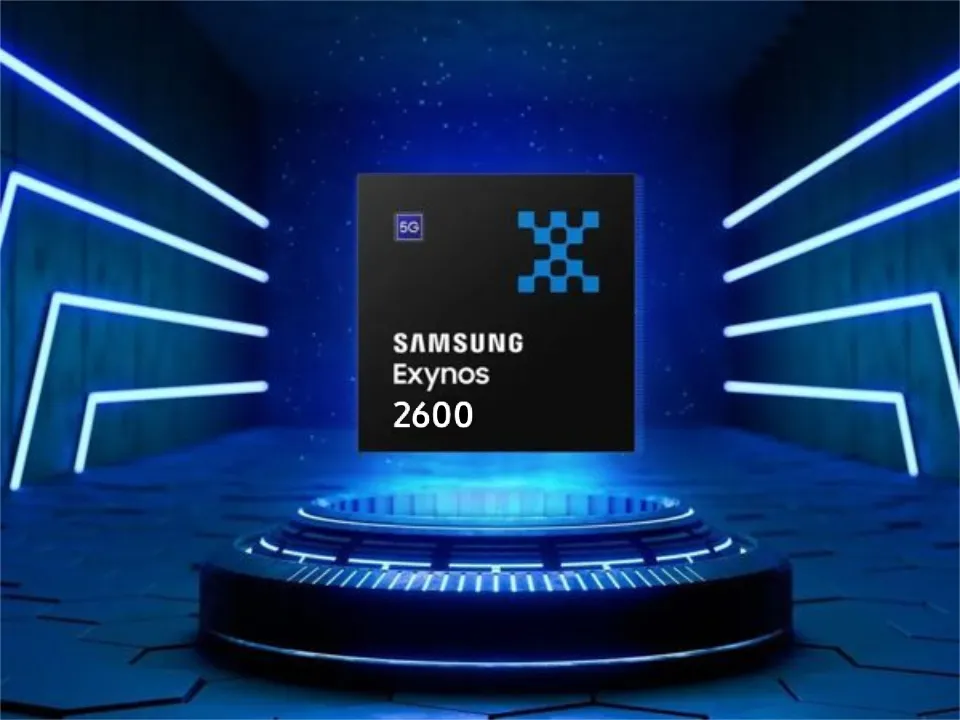
The in-house Exynos 2600 chipset is expected to be manufactured by Samsung, which is apparently nearing mass production readiness, according to a recent Korean article.
In terms of competition, Samsung Foundry has not yet reached the desired milestone, whereas TSMC has already exceeded 60% yield on their 2nm class N2 node. However, a recent report indicates that the nascent chip manufacturer is rather close, with yields currently falling between 4 and 50 percent. It is far higher than the predicted 30% figure that was released in February.
Samsung may be forced to forgo the Snapdragon 8 Elite 2 chip for the upcoming Galaxy S26 series in some areas next year due to the Exynos 2600 chipset’s promising results from the efficient 2nm technology.
The Snapdragon 8 Elite 2 for Galaxy will be developed using the same 2nm technology, the report also reveals. It is expected to appear in the second half of 2026, maybe alongside the Galaxy Z Fold 8 and Galaxy Z Flip 8.
According to a post published by a tipster on X, the Korean tech giant apparently had to sacrifice performance in order to obtain functional chips, meaning that SF2 will once again lag behind TSMC’s N2 node in terms of raw performance. There might be a significant performance difference between the standard Snapdragon 8 Elite 2 and the tipster’s claim if it turns out to be accurate.
Samsung has already provided a specific schedule for the stable rollout, but the company is now having trouble launching One UI 7. Users must be wondering which handsets will be eligible for the update, as Samsung will be concentrating on One UI 8 after this is finished. Here is the complete list of (anticipated) One UI 8 compatible devices.
As the initial glance has already been made public, Samsung has in fact started working behind closed doors on One UI 8, their next major OS version that will run Android 16.
Although Samsung has already given a precise timeline for the stable rollout, the business is currently experiencing issues with One UI 7. After this is done, Samsung will focus on One UI 8, therefore users must be wondering which phones will be eligible for the update. The full list of (expected) One UI 8 supported devices is available here.
Samsung has actually begun working behind closed doors on One UI 8, their next major operating system version that will run Android 16, as the first look has already been made public.
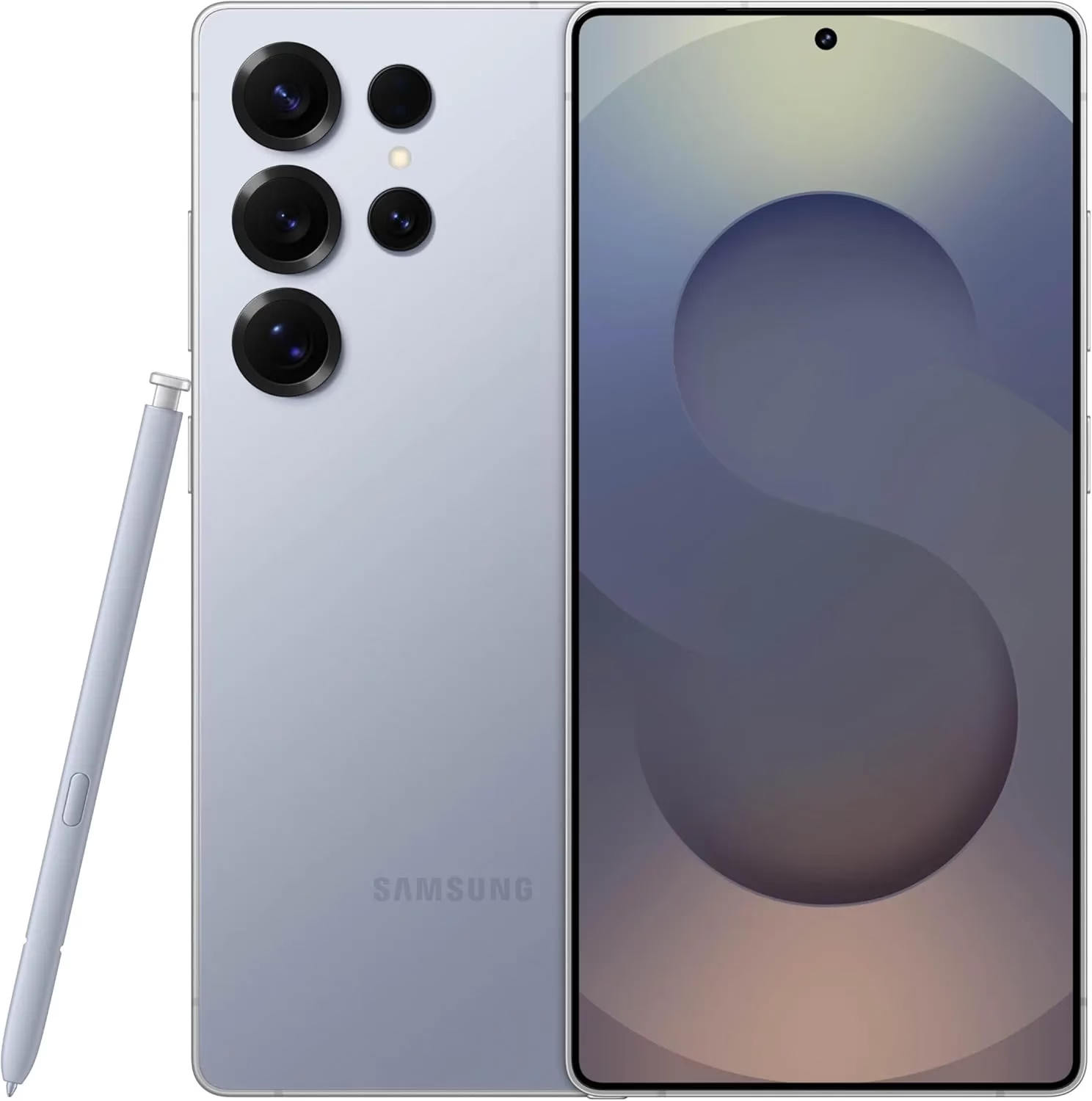
Samsung Galaxy S25 Ultra 512GB
Streamline your day with an assistant that gets you. Ask it to Google search for a pet-friendly vegan restaurant nearby and text it to your friend— your Galaxy S25 Ultra handles multiple tasks with a single ask.
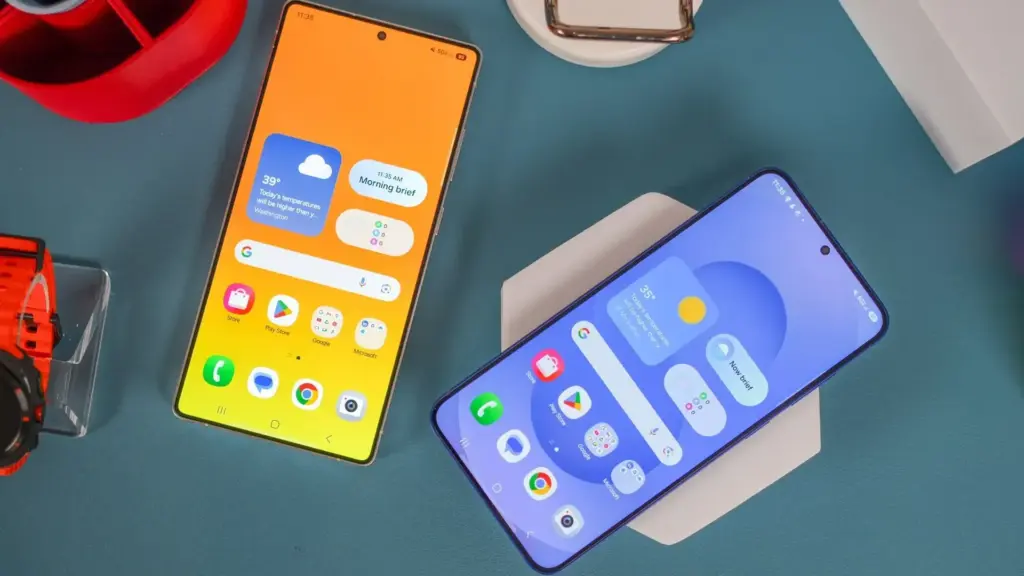
Android 16 with One Ui 8 release date and features
It is anticipated that the most recent One UI 8.0, which is based on Android 16 and is a modest upgrade that improves One UI 7 capabilities, would be released in late July or early August. Because it comes pre-installed on the Galaxy Z Fold 7 and Z Flip 7, an early distribution is expected.