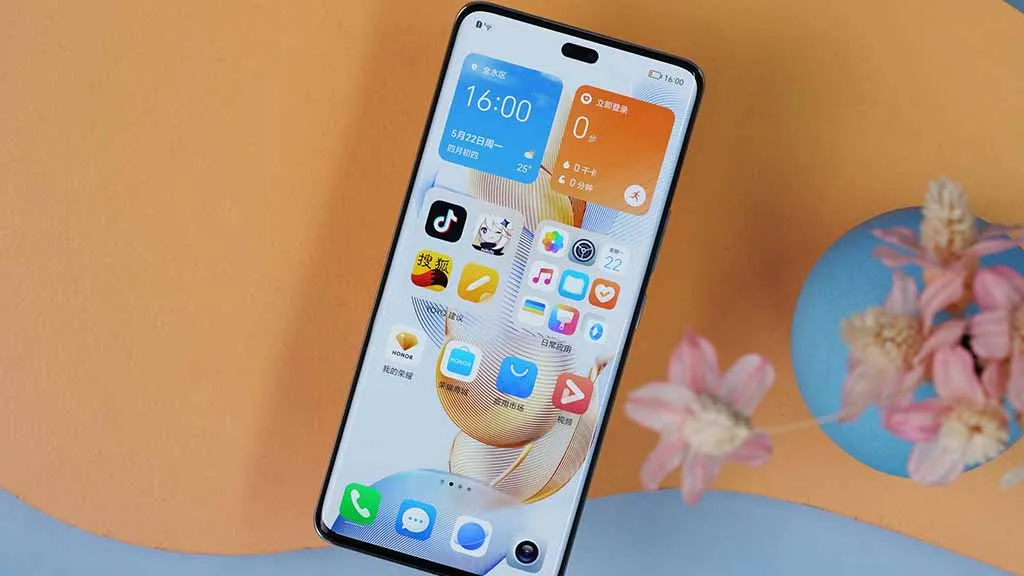
It appears like Honor has begun working on the MagicOS 10 software update for its compatible devices. In order to determine what features and technological capabilities customers actually desire in their Honor phone, it has also started to gather input from its consumers.
Like the previous iteration, MagicOS 10 is probably going to launch alongside the Honor Magic 8 series. Rumors and leaks suggest that the flagship lineup may be officially unveiled in October. At such moment, the corporation might introduce the updated version.
The business plans to make some intriguing adjustments to the user experience. In order to make the device’s user interface (UI) more realistic while maintaining its minimalism and dynamic nature, it might also introduce more AI functions and customization tools.
According to an early leak, Honor is looking into adding new capabilities to the Smart Capsule. The Magic Capsule will get additional services, increasing its usefulness in all areas.
Here is a list of anticipated Honor devices that may receive the upcoming MagicOS 10 update, which is based on Android 16. These compatible models are listed below.
In 2025, a genuinely decent smartphone will no longer cost $1,000. Sure, spending a lot of money doesn’t hurt if you want to get the best, but there is also a lot out there that checks all of the necessary boxes while remaining reasonably priced.
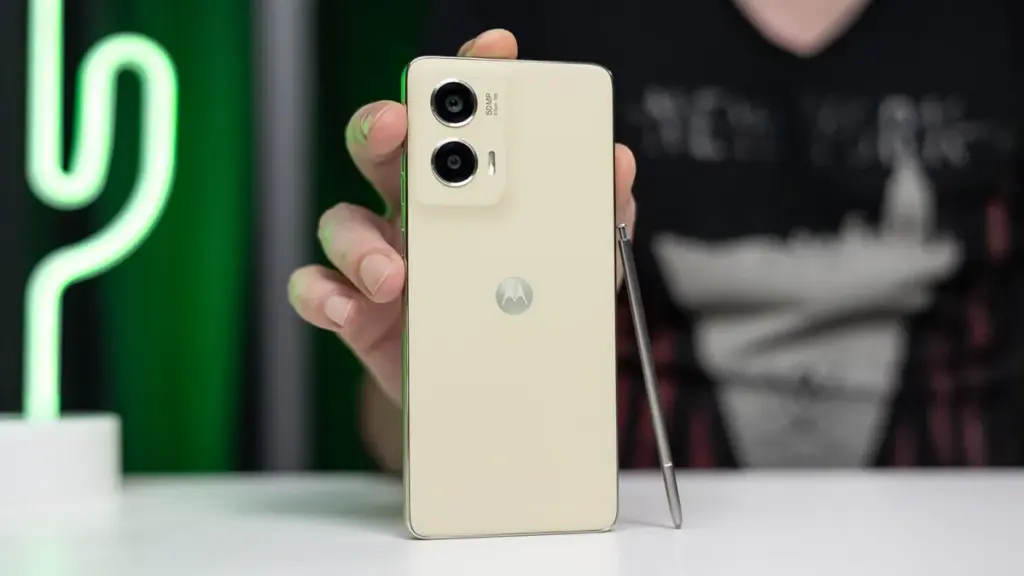
The Moto G Stylus 5G is one such option, with a huge and gorgeous pOLED display, excellent performance and battery life, and an included stylus, which is uncommon on smartphones nowadays. The greatest thing is that this phone is reasonably priced, owing to a generous $150 discount from Amazon, which puts it down to just $250 for a short time.
Why Moto G Stylus 5G should be considered?
Motorola is known for producing some of the best inexpensive phones on the market, and the Moto G Stylus 5G is one of its most appealing options. It has a sleek and attractive design, as well as an amazing 6.7-inch pOLED display with a max refresh rate of 120Hz.
You also receive a built-in stylus, allowing you to effortlessly jot down notes or sketch out ideas as needed. The Qualcomm Snapdragon 6 Gen 1 CPU, combined with 8GB of RAM, provides a speedy overall experience. You also get 256GB of internal storage and a microSD card slot that can be expanded up to 2TB.
This phone has incredible battery life, allowing you to go more than a day without charging. And when you do, you may choose between 30W wired fast charging and 15W wireless charging. There is a 50MP main camera and a 13MP ultrawide camera on the back, as well as a 32MP front-facing camera.
Perhaps most surprising, you receive a 3.5mm audio port, allowing you to listen to music with your favorite wired headphones or earbuds. The phone runs Android 14, and Google provides an amazing workspace. There is also access to some of the top apps available from the Google Play Store.
You get a lot of bang for your buck here, and at its recently reduced $250 pricing, the phone is even better. So, if you’ve been considering purchasing a new phone and want something that can do it all at a reasonable price, the Moto G Stylus 5G will be an excellent choice.
Motorola Moto G Stylus 5G
NEW built-in stylus. Jot notes, edit photos, sketch artwork, and navigate effortlessly with an improved stylus and updated software.
Honor gives major software updates for its handsets first priority, and with MagicOS 10 beta testing, it appears the company may soon advance this strategy. According to a leak, the Chinese OEM may take this action in the days ahead.
According to DigitalChatStation, two well-known companies, Honor MagicOS 10 and OPPO ColorOS 16, will begin beta testing their Android 16 skins this month. The precise timeframe for this operation was not disclosed by the tipster, but it might start before the end of August.
In addition to OPPO/Honor, Xiaomi and Vivo can begin testing their Android 16 software version for qualified devices and search for new features.
Honor MagicOS 10 already seen
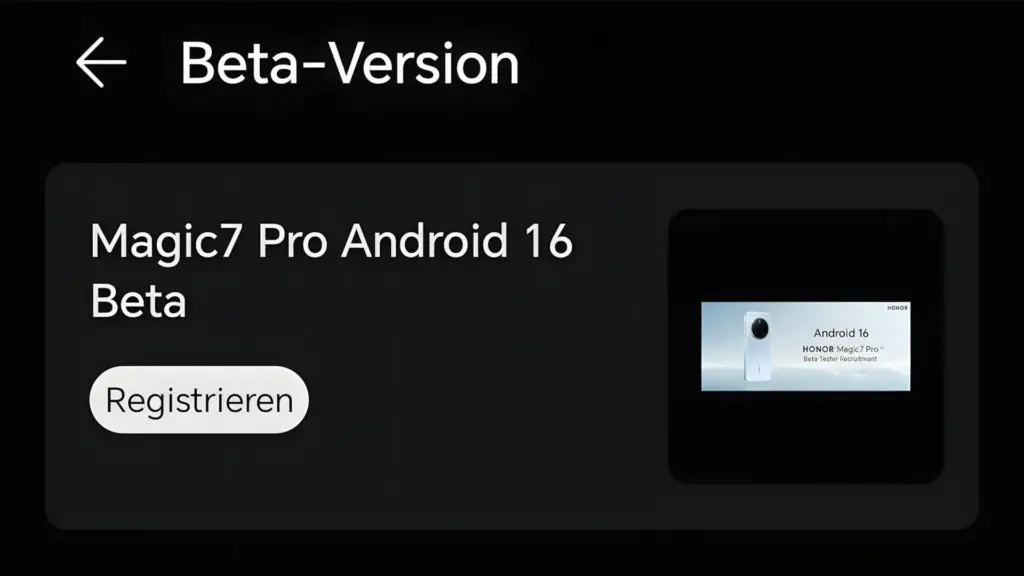
In April, Honor revealed the Magic 7 Pro’s initial Android 16 developer preview. Only developers with certain features and enhancements have access to it.
The MagicOS version test for the Magic 7 Pro phone, which is based on the Android 16 Beta, was introduced by the firm in May. Again, this beta activity was limited to developers.
However, Honor may expand this software exploration pool with additional devices through the MagicOS 10 beta testing. Users may be able to preview the new features and improvements of the next MagicOS version thanks to this procedure.
Additionally, users of Honor smartphones will have the opportunity to comment on the software experience, report bugs and problems, and recommend any additional features or adjustments for the MagicOS 10 operating system, which is based on Android 16.
It’s unknown what gadgets will be included in this process and how the company will begin. However, as the month draws to a close, we might learn more information on this topic. Keep an eye out.
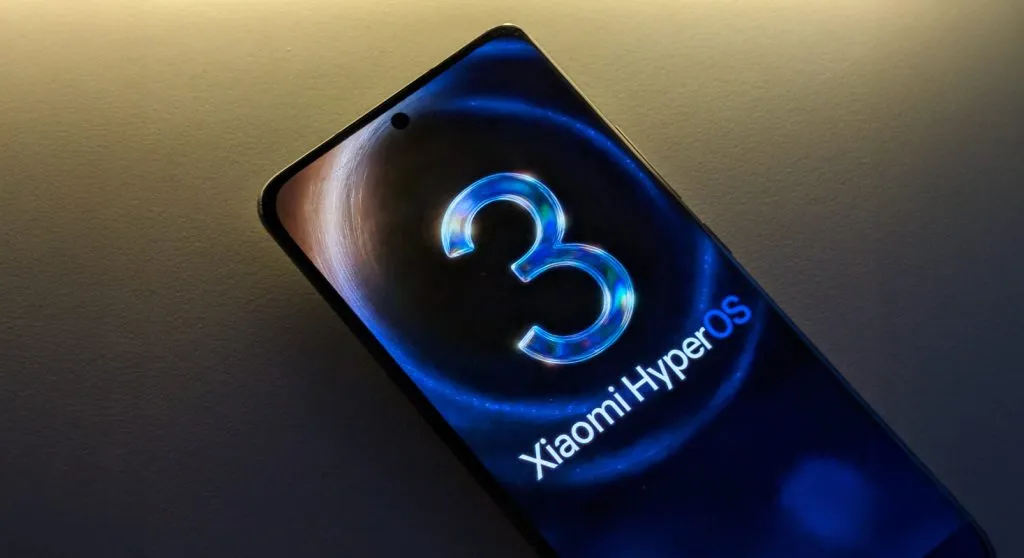
Are users of Xiaomi smartphones getting the August 2025 update? If not, it might be because Xiaomi is still getting ready for HyperOS 3.0. According to a new input, the corporation has purposefully stopped the latest security patch release.
Following the HyperOS 3 preparations, the Chinese phone manufacturer has ceased releasing the August 2025 update to Xiaomi, Redmi, and POCO handsets, as first reported by XiaomiTime.
The company has suspended the distribution of HyperOS 2, 2.1, and 2.2 software versions in addition to the security fixes. However, the explanation is sound.
This halt may have gone unnoticed by you thus far. However, this hint indicates that the business is attempting to concentrate on the significant improvements. Xiaomi released 250 upgrades in the first 10 days last month; this month, that number is 40.
This decrease implies that the OEM is focusing entirely on creating HyperOS 3. It appears to be getting ready to provide updated animations that will make each segment’s transitions more seamless and engaging.
Xiaomi is giving the user interface a dynamic facelift by improving visual feedback and implementing AI-driven adjustments. The company has halted security rollouts because it is focused on developing a more sophisticated and engaging software platform.
However, Xiaomi will soon resume its normal security patch deployment schedule, so don’t panic. You can attempt to manually check your device’s update section to see if there is a new version available for download in the interim.
We advise keeping your device updated and making sure you have enough capacity on your phone so you can install the next big software updates without any problems.
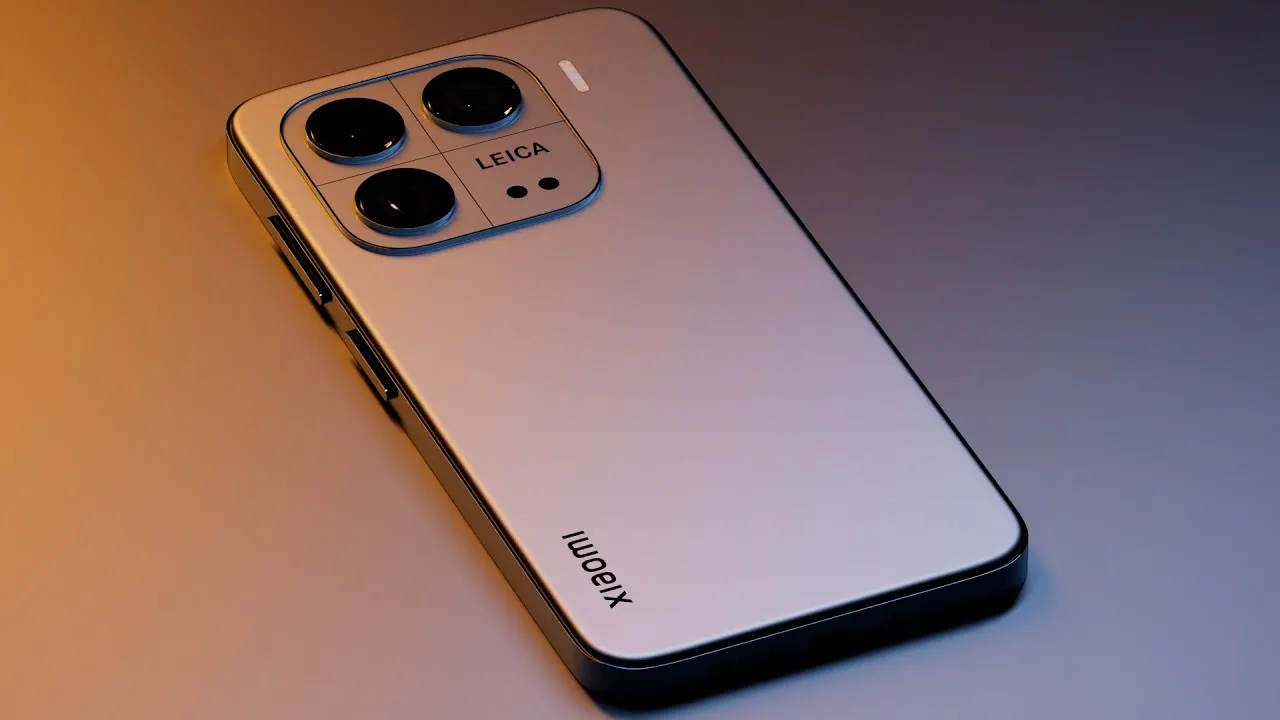
It has been predicted that the Xiaomi 16 and Xiaomi’s flagship 16 Pro smartphones will include a significant camera update, however it might not be the one you were hoping for.
Digital Chat Station, a prolific tipster, posted an intriguing allegation on Weibo regarding one of the first large flagship phones of the upcoming generation.
The post claims that a far better selfie camera with a crisper 50Mp resolution—up from 32Mp in the Xiaomi 15—will be included in the Xiaomi 16 and the Xiaomi 16 Pro.
Both focusing and better low-light performance should be features of this selfie camera. In phones that support it, the latter feature always results in better selfies. In this sense, it will be nice to see Xiaomi‘s entry-level flagship catch up to the Pixel 9, iPhone 16, and Galaxy S25.
The tipster goes on to say that, like the Xiaomi 15, this selfie camera will record 4K/60FPS videos and enable a wide viewing angle.
Xiaomi 16 known specs
The Xiaomi 16’s back cameras also need an upgrade, however the selfie camera appears to be the most notable addition.
It is said to include a new 50Mp 1/1.3 primary sensor, whereas the Pro model will also have a ToF (Time of Flight) sensor, which should enhance bokeh and focusing, among other things, and an extremely high dynamic range function.
According to earlier rumors, the Xiaomi 16 will contain a massive 7000mAh silicon-carbon battery, which is 75% larger than the Galaxy S25’s.
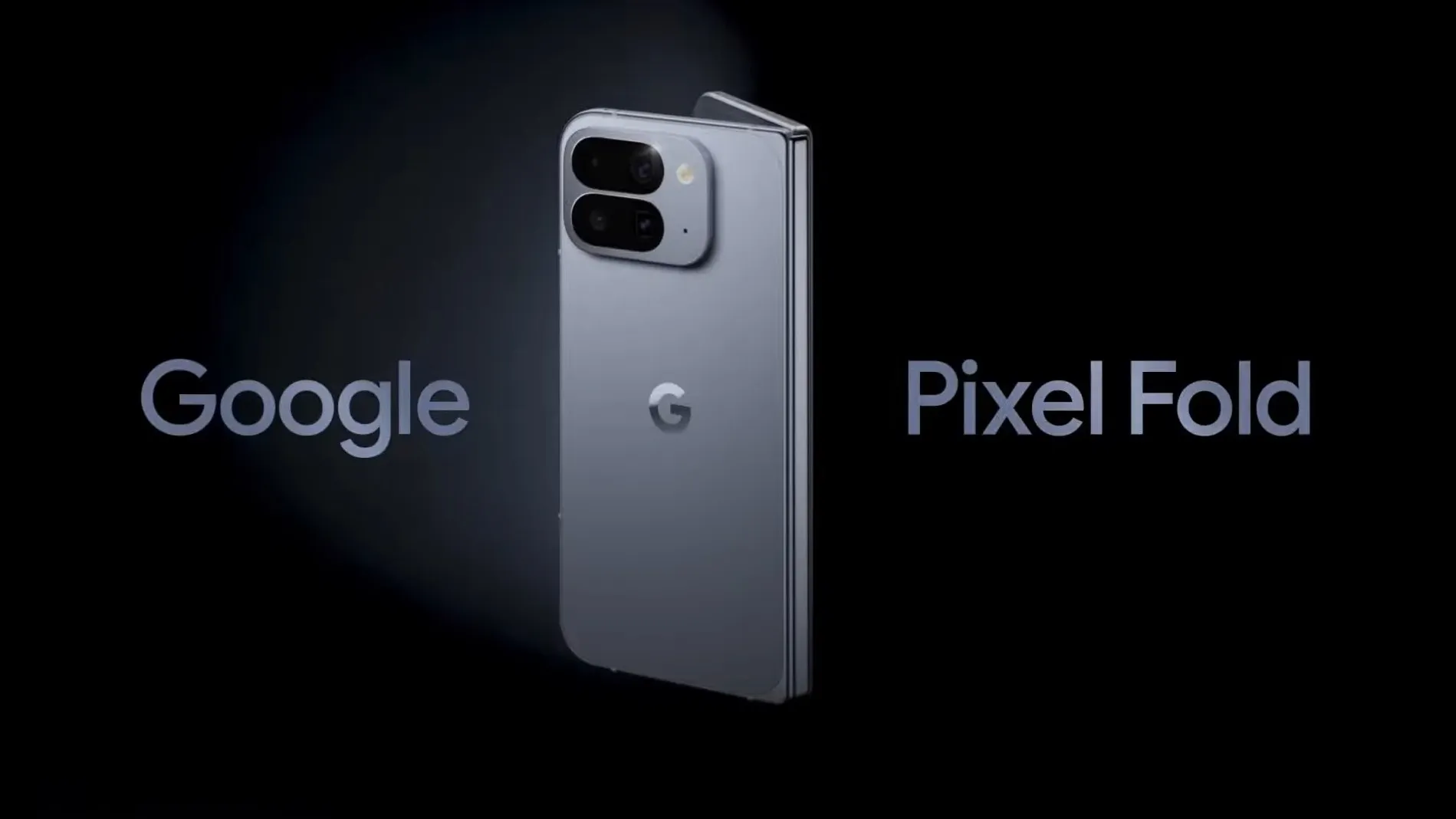
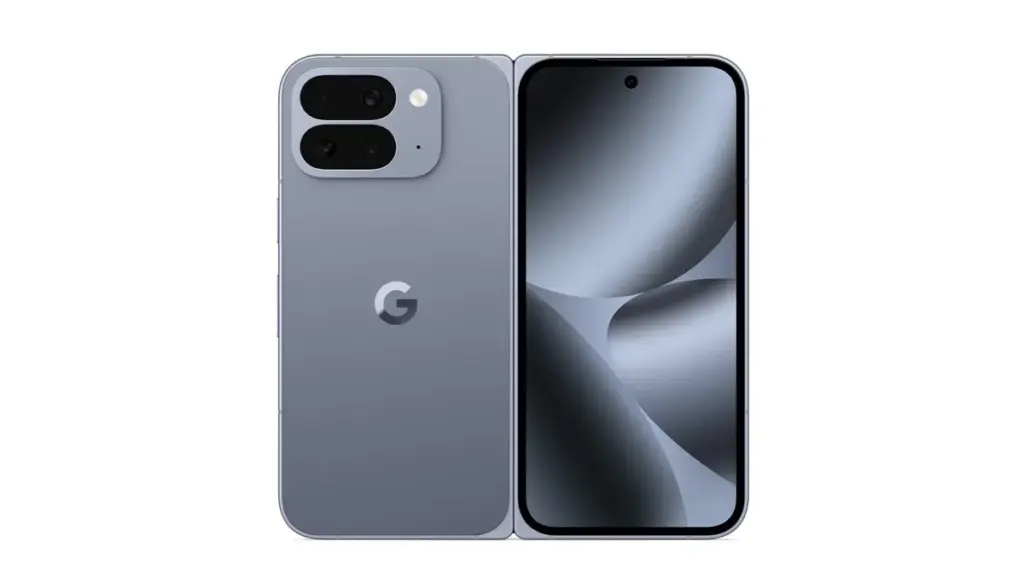
Every single specification for the Google Pixel 10 Fold has been made public online, just when we thought the leaks would stop.
This comes shortly after the tech giant teased the phone in an official trailer, and just days before the major Made by Google event on August 20.
The whole spec sheet for the Pixel 10 Pro Fold, including all of its new features and enhancements, has been obtained by Winfuture.
First of all, the phone’s IP68 dust and water resistant classification seems to imply that it will be the first foldable phone to be sold. For a phone with a tablet-sized display that folds in the middle, that is incredibly astounding.
Additionally, it indicates that the panels would be 3000 nits brighter than they were previously and that the external display will enlarge to 6.4 inches.
It was unclear whether the design of the Pixel 10 Pro Fold would prevent it from receiving MagSafe-style charging via Qi2, even though it is widely rumored (and in fact confirmed) that the Pixel 10 series will. Nonetheless, Qi2 wireless charging at 15W is listed on the specification sheet.
In addition, the telephoto camera appears to have a 10x optical zoom, and the battery is stated at 5015mAh, which is greater than both its predecessor and the Samsung Galaxy Z Fold 7.
Although the website confirms earlier rumors that the Pixel 10 Pro Fold won’t go on sale until October, you can view the complete specs below and check to see if they are accurate.
According to reports, the 256GB model will retail for €1,899 in Germany when it launches. For additional information in the meanwhile, see our coverage of the Pixel 10.
External display: 6.4-inch OLED Actua, 1080 × 2364 px, 408 ppi, 60-120 Hz, HDR up to 2000 nits, maximum brightness 3000 nits
Internal display: 8.0-inch OLED Super Actua Flex, 2076 × 2152 px, 373 ppi, 1-120 Hz, HDR up to 1800 nits, maximum brightness 3000 nits
Processor: Google Tensor G5 + security chip Titan M2
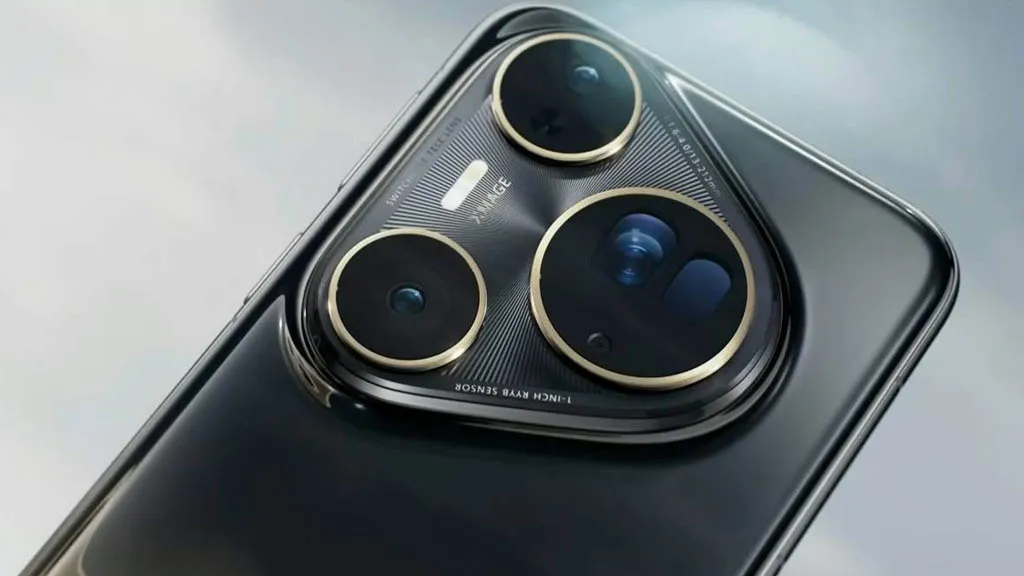
Almost every year, the same story is told. The Huawei Pura 80 Ultra, a Huawei flagship that is technically unique on the smartphone market because to its unusual dual-lens telephoto construction, leads the DxOMark rankings in 2025. Charges of corruption in DxOMark’s purportedly impartial scoring methodology and criticism of Huawei’s continuously dominant position are frequent. This year is no different, with criticism and misunderstanding predominating in the comments section of an official social media post.
In the most recent Huawei Pura 80 Ultra camera test, the Chinese manufacturer set a new record with a total score of 175 points. The Oppo Find X8 Ultra and the Vivo X200 Ultra came in second and third, respectively, a considerable distance behind. In the portrait, low light, indoor, and outdoor photography categories, the Huawei Pura 80 Ultra scores highly. Given the Pura 80 Ultra’s advanced telephoto solution, the Vivo X200 Ultra’s one-point victory in the newly released DxOMark test report was just in the zoom category.
Huawei Pura 80 Ultra camera has now drawbacks
The testers’ criticisms of Huawei’s flagship model are remarkably limited. Only sporadic exposure and color fidelity instability, somewhat odd texturing in challenging lighting conditions, and certain image distortions like ghosting in video mode are listed as drawbacks. The current Pura flagship’s camera performs admirably in every other situation. Its strong dynamic range and, according to the test report, its superb color reproduction in challenging scenes—which is reportedly noticeably better than that of its competitors—are praised.
Additionally, specifically listed as benefits are skin tones, detail, focusing, video stabilization, and the ultra-wide-angle camera. The test result states that there is very minimal noise in the images taken in low light. Many comparison images are included in the whole test report so that interested readers may determine whether the significant ranking difference between Xiaomi, Vivo, Oppo, and other companies is truly warranted.
Why not look through our carefully selected list to find any hidden gems that could be the ideal complement to your library of apps? Keep in mind that these deals are only available for a short time, so act quickly!
We cannot guarantee that these deals will be available on the Google Play Store or the Apple App Store for an extended period of time, so please be aware that they are time-sensitive. Downloading and installing them as soon as you can is advised. Additionally, watch out for potential subscription traps, in-app purchases, and adverts.
Even if you don’t require an app right away, install it if it piques your curiosity. It will be added to your app library and marked as “bought” as a result. After that, you may uninstall the app straight from your phone and get it back for free anytime you need it.
Android Apps and Games
Apps
Warwil Pink Icon Pack ($0.99): Love Barbie and everything pink? This icon pack will get you started.
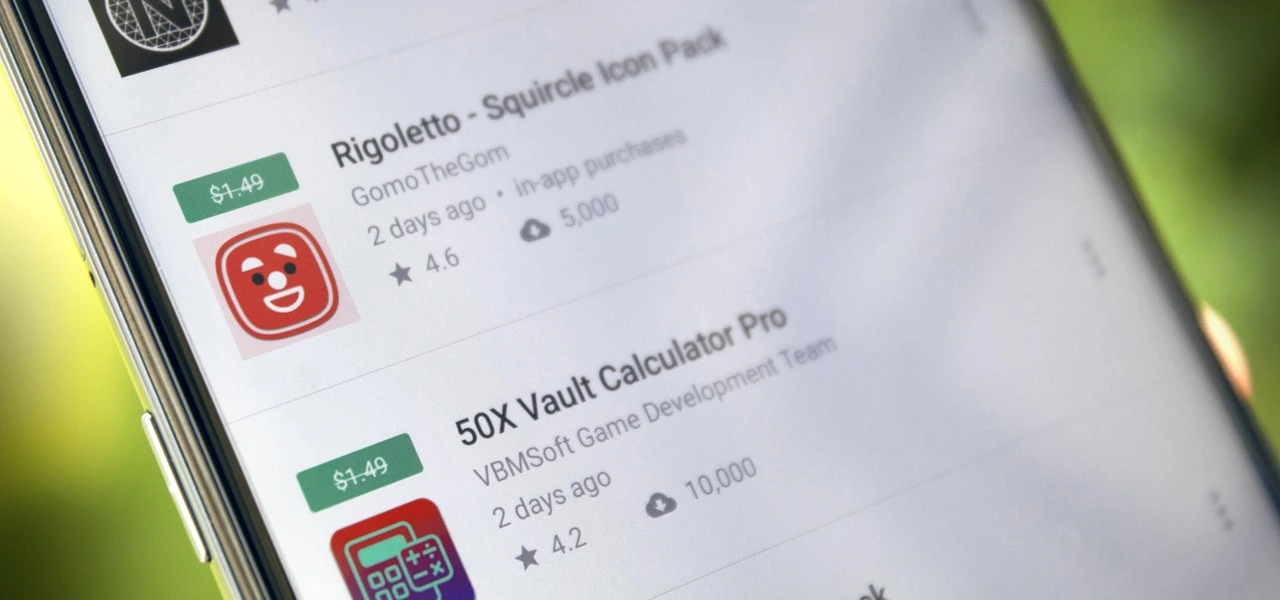
Rigoletto Squircle Icon Pack ($1.49): Want to get your icons looking not much like a circle and neither is it a square? This icon pack has got you covered.
Clear Wave – Water Eject Jet ($2.49): Want to remove water from your phone’s speakers? This app will play your speakers as loudly as possible.
Games
Cooking Quest ($0.99): Running a food business is never easy, and can get quite stressful at times. Do you have what it takes?
Warriors Market Mayhem ($0.99): Send a party of heroes to get rid of horrible monsters that are plaguing the city.
Heroes Legend ($0.99): Assemble a team of heroes to overcome various enemies standing in your way.
Spelling Pro! ($1.49): Train both spelling and language skills, in addition to your memory in an entertaining manner.
Grow Zombie ($1.99): Want to create your own zombies? Merge different types and see what kind of results you get!
iOS Apps and Games
Apps
Pin Points Distance Calculator ($0.99): Want to know the distance between two points? This app will get you up to speed in no time at all.
Instant Noodles: Original ($4.99): Do you tend to create quotes or make notes on the fly? This app adds an artistic flair to it.
Chain Timer ($0.99): Boost your productivity with this app by having focused sessions, making it useful for work, studying, and staying on track.
Compound Interest Calculator ($1.99): If you work at a bank or deal with mortgages and loans, having a compound interest calculator is always handy.
Rasa Music Visualizer ($1.99): Enjoy music while having beautiful visuals to accompany it.
Games
Starry Night Interactive ($0.99): Here’s your chance to interact with this historical artwork without destroying it.
Cut the Buttons ($1.99): This is a classic game that continues to entertain new fans. Get it now for free!
Ace Academy Visual Novel ($9.99): Here’s a visual novel that really tickles your imagination as you progress deeper into the story.
Axion Run ($0.99): It is up to you to assist the brave axion to break gravity and get away from his evil twin, with the hope of achieving the highest score.
The Bug Butcher ($0.99): An intense side-scrolling action shooter that requires lightning-fast reflexes to navigate tricky levels.
As of the date of publication, the deals were active. In the comments section below, please let us know if you find a bargain that has expired.
We advise reviewing the app’s details in the Play Store or App Store before to downloading any of the aforementioned apps. This is crucial as some of these free apps can offer unique features or drawbacks of their own.
For Google, the Pixel 9 series marked a significant turning point. With a fresh design, robust software support, and an extensive array of practical AI functions, it signaled the company’s transition into a reputable flagship smartphone manufacturer.
But the Pixel 9 has been out for about a year now. The Pixel 10 series is now ready to take center stage.
The Pixel 10 series is anticipated to be introduced at Google’s Made by Google event on August 20, 2025, which Google formally confirmed on Wednesday, July 16, 2025.
Here’s how to watch the Pixel 10 launch event live, along with the precise time, date, location, and announcements to anticipate.
When and how to watch the Google Pixel 10 launch event
On August 20, 2025, Google’s Pixel 10 series launch event will begin at 1 PM ET (10 AM PT).
Google used to release Pixel smartphones in September, following Apple’s iPhone event. Nevertheless, the firm shifted its calendar to August with the Pixel 9, and the Pixel 10 is now operating on the same timetable.
For those of us who can’t make it, Google will broadcast the unveiling, even though it will take place in person.
Here is a list of global time zones so you know exactly when to tune in, even though the event starts at 1 PM ET in New York:
Time zone
Start time
Date
New York (ET)
1:00 PM
August 20, 2025
Los Angeles (PT)
10:00 AM
August 20, 2025
London (BST)
6:00 PM
August 20, 2025
Central Europe (CEST)
7:00 PM
August 20, 2025
India (IST)
10:30 PM
August 20, 2025
China (CST)
1:00 AM
August 21, 2025
Japan (JST)
2:00 AM
August 21, 2025
Sydney (AEST)
3:00 AM
August 21, 2025
You may watch the event on any of your devices, including laptops, gaming consoles, cellphones, and smart TVs, since Google will be livestreaming it on YouTube as usual.
You can either tap the Notify me button to receive a reminder or save the keynote to your Watch Later playlist when the YouTube page goes live. A few minutes prior to the commencement of the event, you will receive a notification from the YouTube app.
Your local time for the event will also be displayed in the stream listing. When the official keynote video is live, we’ll embed it above, so be sure to return.
What we can anticipate from the Made by Google this year
The new Pixel 10 series will undoubtedly be the main attraction.
The Pixel 10, Pixel 10 Pro, Pixel 10 Pro XL, and Google’s third-generation foldable smartphone, the Pixel 10 Pro Fold, are all anticipated to be part of the same range as the Pixel 9.
The Pixel 10 lineup isn’t anticipated to receive a significant visual makeover, as Google has already updated the Pixel’s design language with the Pixel 9 series. Instead, the phones’ designs will probably stay similar to those of the previous year.
But some significant improvements are anticipated.
Most importantly, it has been speculated that the base Pixel 10 would (finally) include a telephoto zoom lens, something that Pixel owners have long wanted.
This implies that a triple-camera configuration – possibly comprising a 50MP primary sensor, a 12MP ultra-wide, and a 10.8MP telephoto lens – will probably be included in the base model.
A larger 4,970 mAh battery (up from 4,700 mAh on the Pixel 9) and somewhat quicker cable charging at 29W (a tiny increase from 27W on the previous generation) are other anticipated features of the Pixel 10.
Speaking of batteries, it is anticipated that the Pixel 10 Pro and Pixel 10 Pro XL would come with bigger cells than previous models. It has been reported that the Pixel 10 Pro XL will have the largest battery in a Pixel phone, with a capacity of 5,200 mAh.
The Pro models might start at greater base storage tiers this time around, even if the camera systems are anticipated to mostly stay the same as the previous generation.
The Pixel 10 Pro XL may cost $100 more than its predecessor, according to certain speculations.
It looks like Google is working on some significant improvements for the Pixel 10 Pro Fold.
Although there are rumors that it may have a larger 6.4-inch cover display, the smartphone will feel exactly as small in the hand because of a better hinge.
Additionally, a larger battery and an IP68 rating are anticipated for the foldable. However, the Tensor G5 processor will probably be the most significant improvement throughout the whole Pixel 10 family.
According to reports, Google and TSMC have teamed up to produce the Tensor G5 for the Pixel 10 series.
According to reports, the chipset is based on the 3nm technology, which should increase efficiency over Samsung’s Tensor G4.
This might seem like a small change, but it could have a big impact on sustained performance and power efficiency.
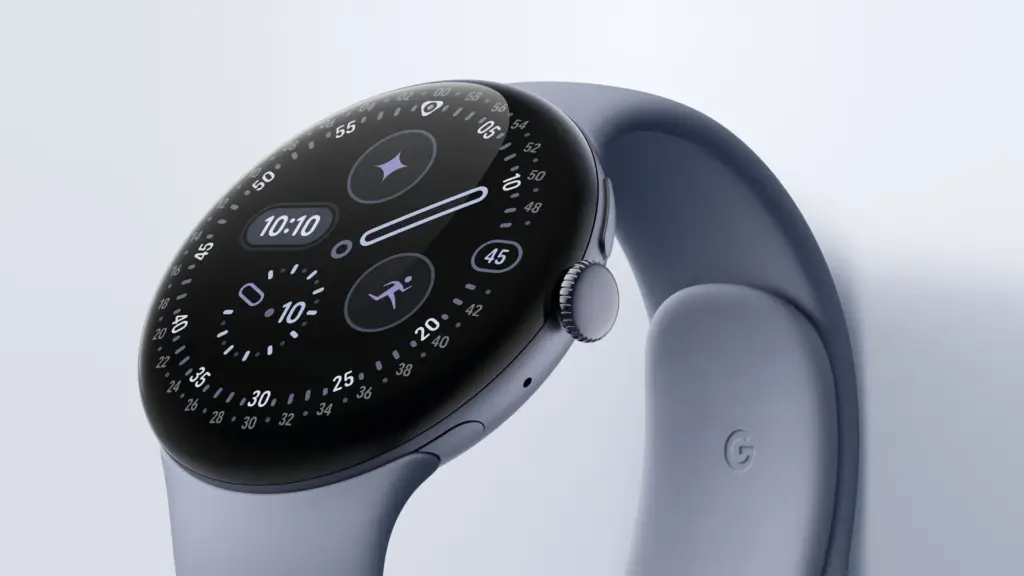
At the Made by Google event, Google is anticipated to reveal the Pixel Watch 4 in addition to the Pixel 10 series.
According to reports, the Pixel Watch 4 will have new buttons and even smaller bezels than the Pixel Watch 3, while yet maintaining the same spherical appearance.
More significantly, the Pixel Watch 4 series is expected to provide a much-needed advance in strength training, complete with Workout Builder and real-time workout coaching.
This would at last establish the Pixel Watch as a viable choice for athletes seeking a specialized health-tracking gadget.
There are reports that Google may release the Pixel Buds 2a to complete the product lineup.
The first Pixel Buds A were released more than four years ago, and it appears that Google is now prepared to update its reasonably priced earbuds.
Better ANC, longer battery life, and four color options are possible features of the Pixel Buds 2a.
Overall, it looks like Google will have a crowded event for the second year in a row.
Expect news on Gemini and Android 16 features, like as the upgrade that makes Material 3 Expressive available on all devices, as is customary with Google keynotes. ,
The silicon-carbon phones that are officially available for purchase in the West are examined in depth here, along with their significance.
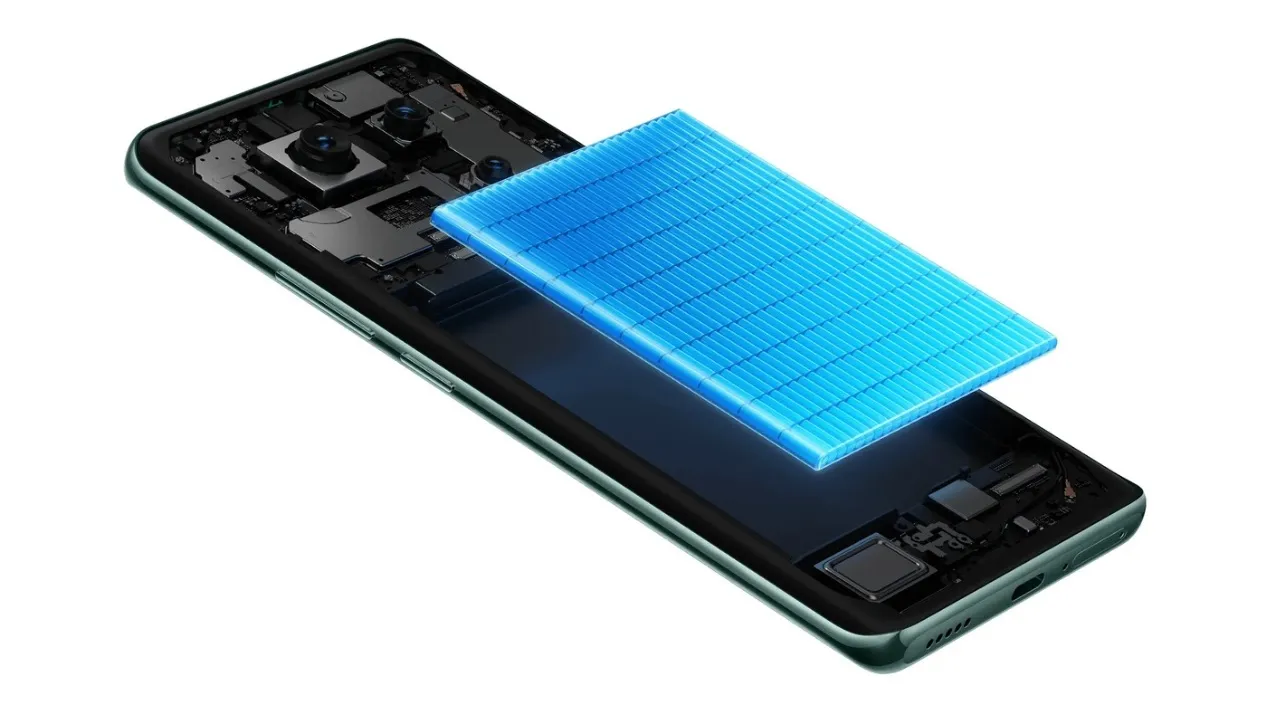
The competition for smartphones in 2025 will involve more than simply megapixels, AI capabilities, and display brightness. It’s also about the battery, especially, which is located beneath the hood. Silently revolutionizing endurance and charging speeds, silicon-carbon battery technology is no longer just available in domestic Chinese markets.
In Western countries, a number of prominent companies have begun to provide silicon-carbon smartphones, giving customers in North America and Europe access to a new level of battery performance.
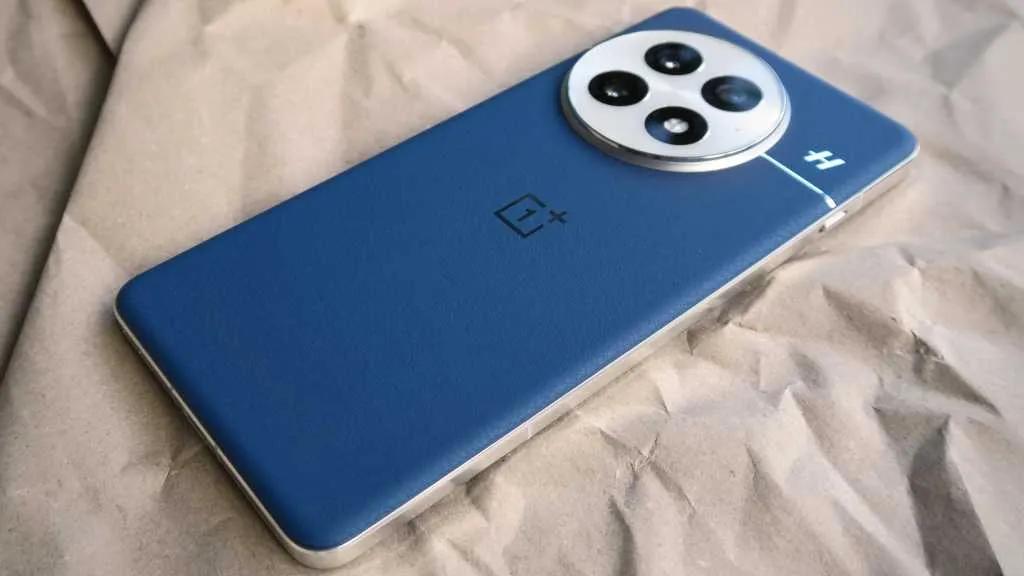
OnePlus 13
The OnePlus 13’s 6000mAh dual-cell silicon-carbon battery, the largest in a OnePlus flagship to yet, further advances the company’s leadership in battery advancements. With one of the highest energy densities for a dual-cell configuration (805Wh/L), it keeps the device relatively small while significantly increasing battery life.
Additionally, charging is not neglected. In addition to 50W wireless charging and 100W SuperVOOC wired charging, the phone now offers magnetic wireless charging—a first for OnePlus. A Snapdragon 8 Elite chipset, a gorgeous 2K BOE X2 LTPO AMOLED screen with a peak brightness of 4500 nits, and a triple 50MP camera configuration with a new tri-prism periscope lens are all included to match this power.
OnePlus 13
Lightning-Fast Snapdragon 8 Elite Processor: Powered by the latest Qualcomm Snapdragon 8 Elite chipset, enjoy exceptional speed, efficiency, and performance for gaming, multitasking, and productivity.
With a 5850mAh cell and 100W wired and 80W wireless charging, the Honor Magic 7 Pro goes all out rather than relying solely on silicon-carbon batteries. The battery easily outlasts the majority of other flagships in its class, and it represents a significant improvement over the standard 5000mAh configurations.
The Magic 7 Pro boasts an impressive array of specifications, including a variable aperture primary sensor, a Snapdragon 8 Elite chip, a 200MP periscope telephoto with 100x magnification, and up to 1TB of UFS 4.0 storage. The top-tier devices also include satellite messaging, which is another feature that looks forward for customers in the West.
Xiaomi 15 and Xiaomi 15 Ultra
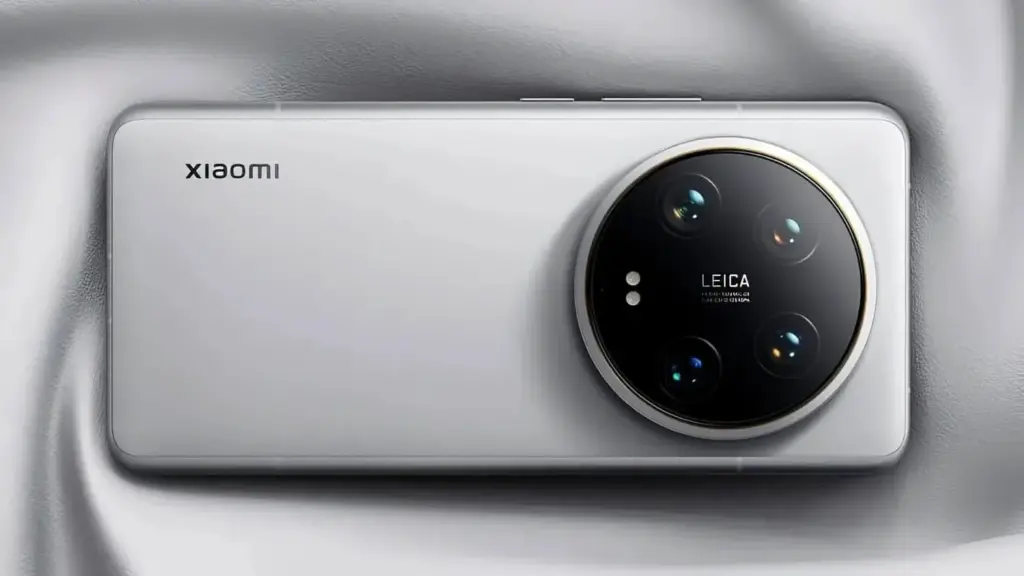
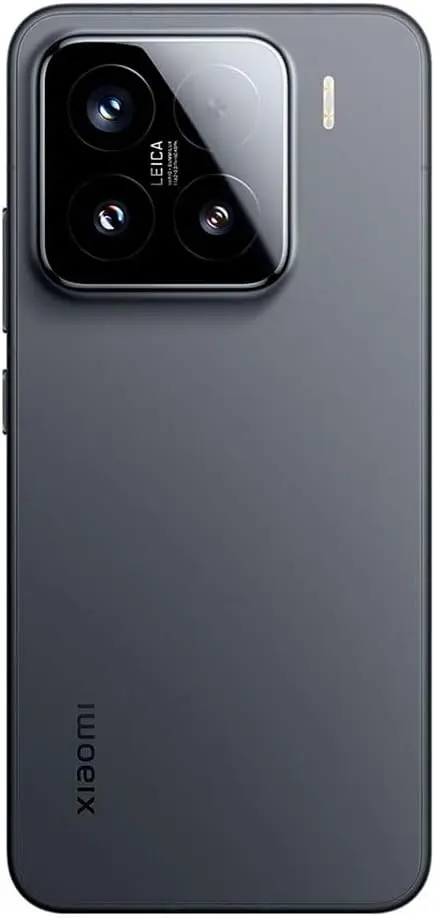
Although more subdued, Xiaomi’s silicon-carbon implementation is just as stunning. The Xiaomi 15‘s body is only 8.08 mm thick, and it houses a 5240mAh battery. With Xiaomi’s Surge P3 and G1 chips controlling heat and power supply, it enables both 50W wireless and 90W cable charging.
But the Xiaomi 15 Ultra is the tipping point. It incorporates a 200MP Leica periscope telephoto, a 1-inch primary sensor, a 5410mAh battery with the same charging configuration, and support for cutting-edge videography features like 10-bit log capture for all four rear cameras.
Xiaomi 15
Dual SIM (nano SIM + nano SIM or nano SIM + eSIM, eSIM + eSIM). 6.36″ 3200 nits ultra-bright displayCrystalRes AMOLEDAlways-active DisplayResolution: 2670 x 1200, 460 ppiRefresh rate: 1-120HzTouch sampling rate: Up to 300Hz*Touch sampling rate may vary according to the content on your display.Color gamut: DCI-P3Color depth: 68 billion colorsPeak brightness: 3200 nits covering 25% display areaDimming: DC dimmingOriginal color ProPro HDRWet touch technologyHDR10, HDR10+, Dolby VisionTÜV Rheinland Low Blue Light (Hardware Solution) CertifiedTÜV Rheinland Flicker Free CertifiedTÜV Rheinland Circadian Friendly Certified
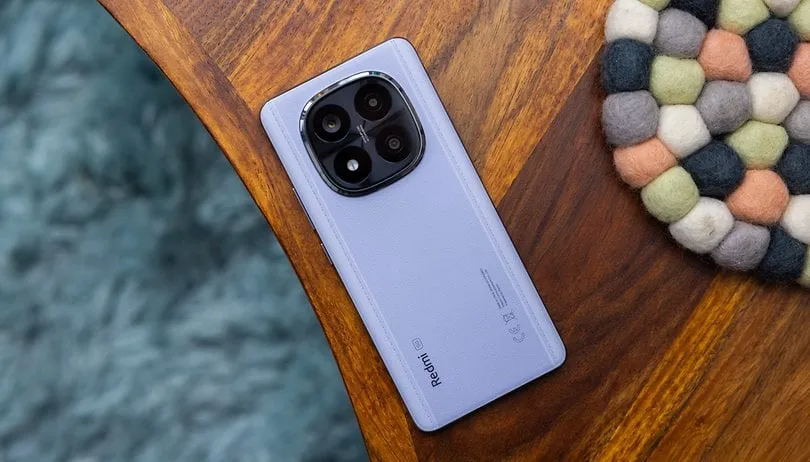
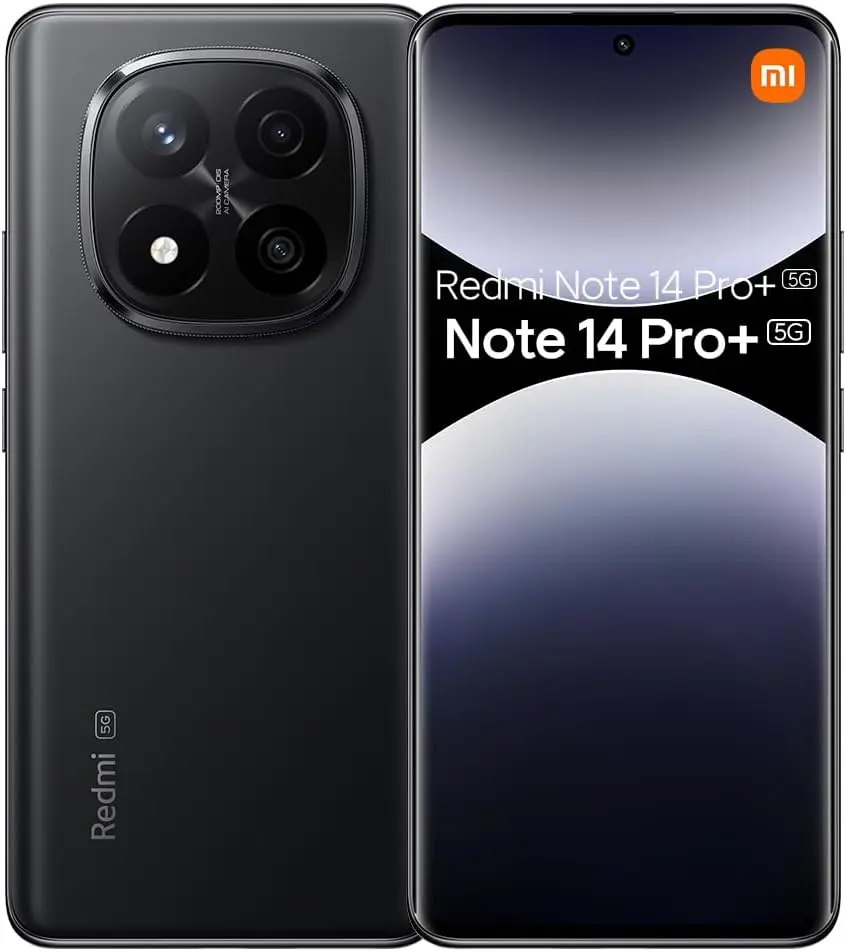
Perhaps the most reasonably priced entry point into the world of silicon-carbon smartphones is the Redmi Note 14 Pro+. Supported by Xiaomi’s Surge P2 and G1 CPUs, it has a 6200mAh battery, one of the biggest in any popular phone this year. Despite its enormous capacity, the phone can be charged in less than 40 minutes using a 90W fast charging method.
It’s not only a matter of endurance. The phone also features a 50MP triple-camera configuration with a 2.5X telephoto lens, a 1.5K OLED display with a maximum brightness of 3000 nits, and a Snapdragon 7s Gen 3 processor. It also has a stylish Victus 2 glass design and complete IP69 protection.
6.67″ CrystalRes AMOLED displayResolution: 2712 x 1220 (1.5K resolution)Refresh rate: Up to 120HzTouch sampling rate: Up to 480HzBrightness: 3000nits peak brightnessColor depth
The Find X8 Pro from Oppo is a prime illustration of how flagship-tier features and silicon-carbon batteries can coexist without sacrificing style. 80W wired, 50W wireless, and 10W reverse wireless charging are all supported by the 5910mAh battery. One of the most durable flagships Oppo has ever produced, the endurance advantage is evident.
Its internal components include a strong quad 50MP camera system with dual periscope lenses that provide up to 6x optical zoom, a powerful Dimensity 9400 processor, and compatibility for up to 1TB of UFS 4.0 storage. In addition, the phone has an industry-leading AMOLED panel with a maximum brightness of 4500 nits and IP69 certification.
Silicon–carbon batteries are quickly becoming the next big leap in smartphone power technology, and the OnePlus 13, Honor Magic 7 Pro, Xiaomi 15, and Redmi 14 Pro Plus are just the beginning. With higher energy density, faster charging, and improved longevity compared to traditional lithium-ion cells, these devices showcase how the industry is evolving to meet our growing performance demands. As more manufacturers adopt silicon–carbon solutions, we can expect even slimmer designs, longer battery life, and fewer compromises — signaling an exciting new era for mobile technology.