Author: Robert Haba

  • Redmi’s new phone packs a massive 8500mAh battery — what it means for users

    Redmi’s new phone packs a massive 8500mAh battery — what it means for users

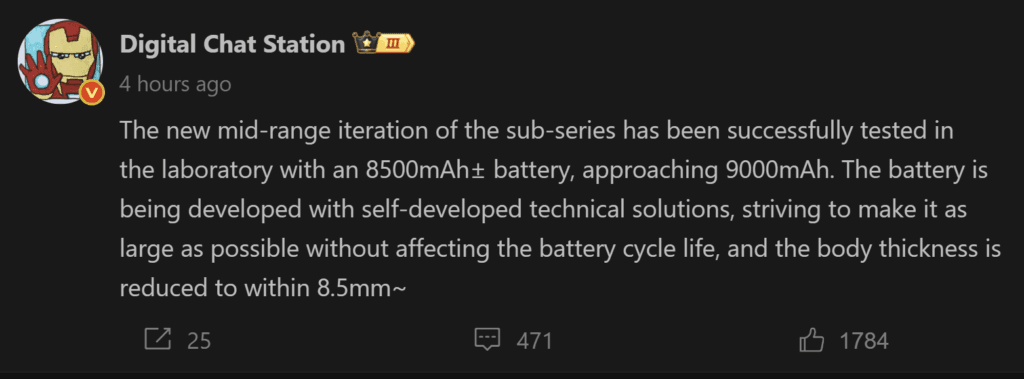
    Industry insiders are paying attention to Redmi’s aggressive strides in the smartphone battery market. The business is secretly testing a new phone with an 8500mAh battery, which is a big improvement that might establish a new benchmark for mid-range phones. According to preliminary lab data, they may even be pushing the boundaries of 9000mAh. In terms of power capacity, this will place Redmi far ahead of the competition if it is successful.

    Redmi’s engineers are accomplishing these figures without sacrificing design, which is astounding. The goal is to create a device that is less than 8.5 mm thick while keeping a thin profile and guaranteeing long-term battery life. For professionals and business users, that means spending more time being productive and less time worrying about charging.

    Ekran goruntusu 2025 08 07 123336
    Ekran goruntusu 2025 08 07 123306

    Bringing first high capacity battery to a smartphone

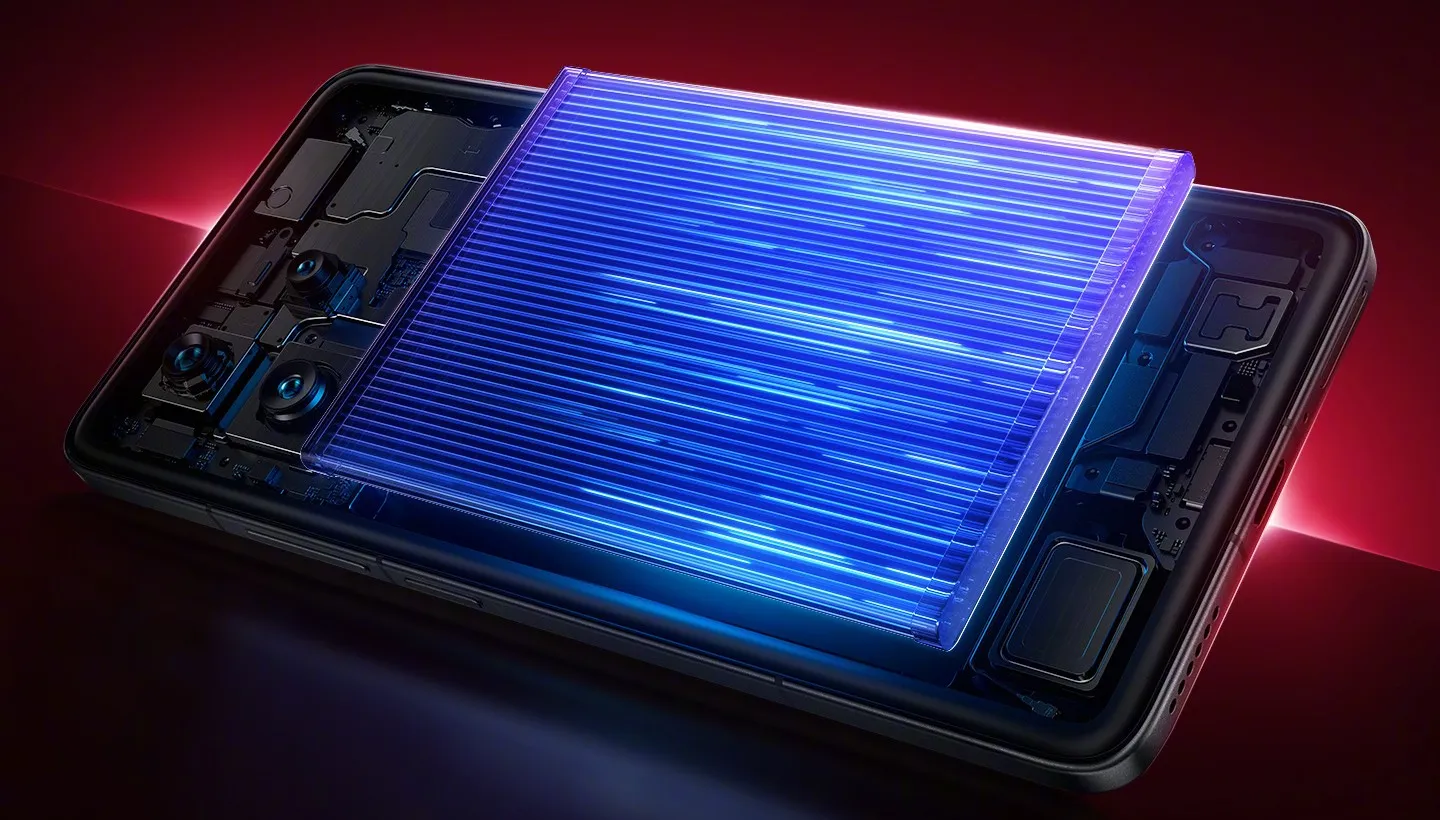
    Technically, Redmi’s R&D team has successfully developed an 8500mAh single-cell battery, and they have 9000mAh in the works. Today’s flagship phones often have 5000–6000mAh, thus this innovation gives them a big competitive edge.

    The emphasis is not solely on higher numbers. To ensure long-term dependability, the patented technology strikes a balance between power density, device form factor, and cycle longevity. In other words, companies can anticipate improved device lifespans, less downtime, and longer operational intervals between charges.

    How this shapes the smartphone market?

    Consider the Redmi Turbo 4 Pro. It is already a powerful device thanks to its 7550mAh battery, quick 90W wired charging, and thin 7.98mm aluminum frame. Nevertheless, the 8500mAh battery of the upcoming generation would revolutionize the market by surpassing existing leaders like the K80 (with its 6550mAh battery) and establishing a new standard.

    According to leaks, the next Redmi Turbo 5 may have an OLED screen, a battery that is more than 7000mAh, and a Dimensity 8500 processor. These anticipations would be exceeded with the release of the 8500mAh model, providing Redmi with a significant competitive advantage over high-end rivals while preserving affordability, which is essential for enterprise adoption.

    Redmi is still dedicated to making cutting-edge technology affordable while maintaining high-end features. This development is worth keeping a careful eye on for anyone in need of dependable, all-day power, including managers of mobile workforces.

  • One UI 8 Watch update coming – eligible devices

    One UI 8 Watch update coming – eligible devices

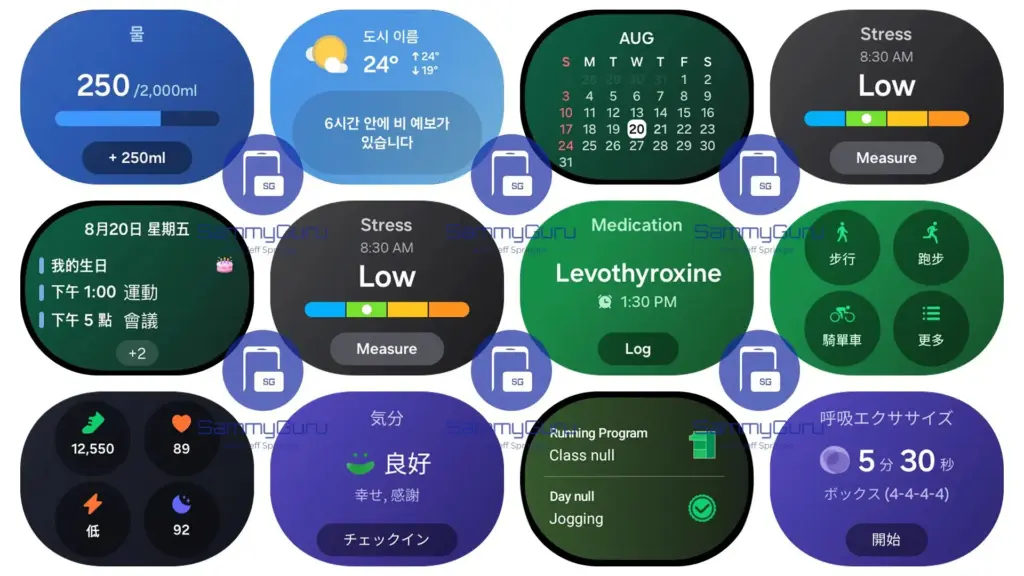
    You’re in luck if you have an older Galaxy Watch and are wondering if Samsung would give it some love with the most recent One UI 8 Watch update. Earlier today, Samsung affirmed that older Galaxy Watch units will receive the eagerly awaited software upgrade before the year is over.

    We can verify which models are eligible for the One UI 8 Watch once it launches, even if the business did not provide a specific timeframe. Check out the list below.

    One UI 8 Watch is pre-installed on the Galaxy Watch 8, Watch 8 Classic, and 2025 Watch Ultra. The update was already available for the 2024 Watch Ultra in late July.

    One UI 8 Watch

    The following smartwatch models will follow:

    • Galaxy Watch 4.
    • Galaxy Watch 4 Classic.
    • Galaxy Watch FE.
    • Galaxy Watch 5.
    • Galaxy Watch 5 Pro.
    • Galaxy Watch 6.
    • Galaxy Watch 6 Classic.
    • Galaxy Watch 7.
    • 2024 Galaxy Watch Ultra (already updated).

    Obviously, One UI 8 Watch will be offered in every region in both Wi-Fi and LTE versions. Additionally, it will be accessible for limited-edition versions of the previously listed models, such as:

    • Galaxy Watch 4 Golf Edition.
    • Galaxy Watch 4 Classic Thom Browne Edition.
    • Galaxy Watch 5 Pro Golf Edition.
    • Galaxy Watch 6 Classic Golf Edition.
    • Galaxy Watch 6 Classic Astro Edition.
    • Galaxy Watch 6 Thom Browne Edition.

    The One UI 8 Watch upgrade will essentially be available for all Galaxy Watches running Wear OS, whether or not they are special edition models. No Tizen OS smartwatches will be updated, as you may have anticipated. They are no longer supported.

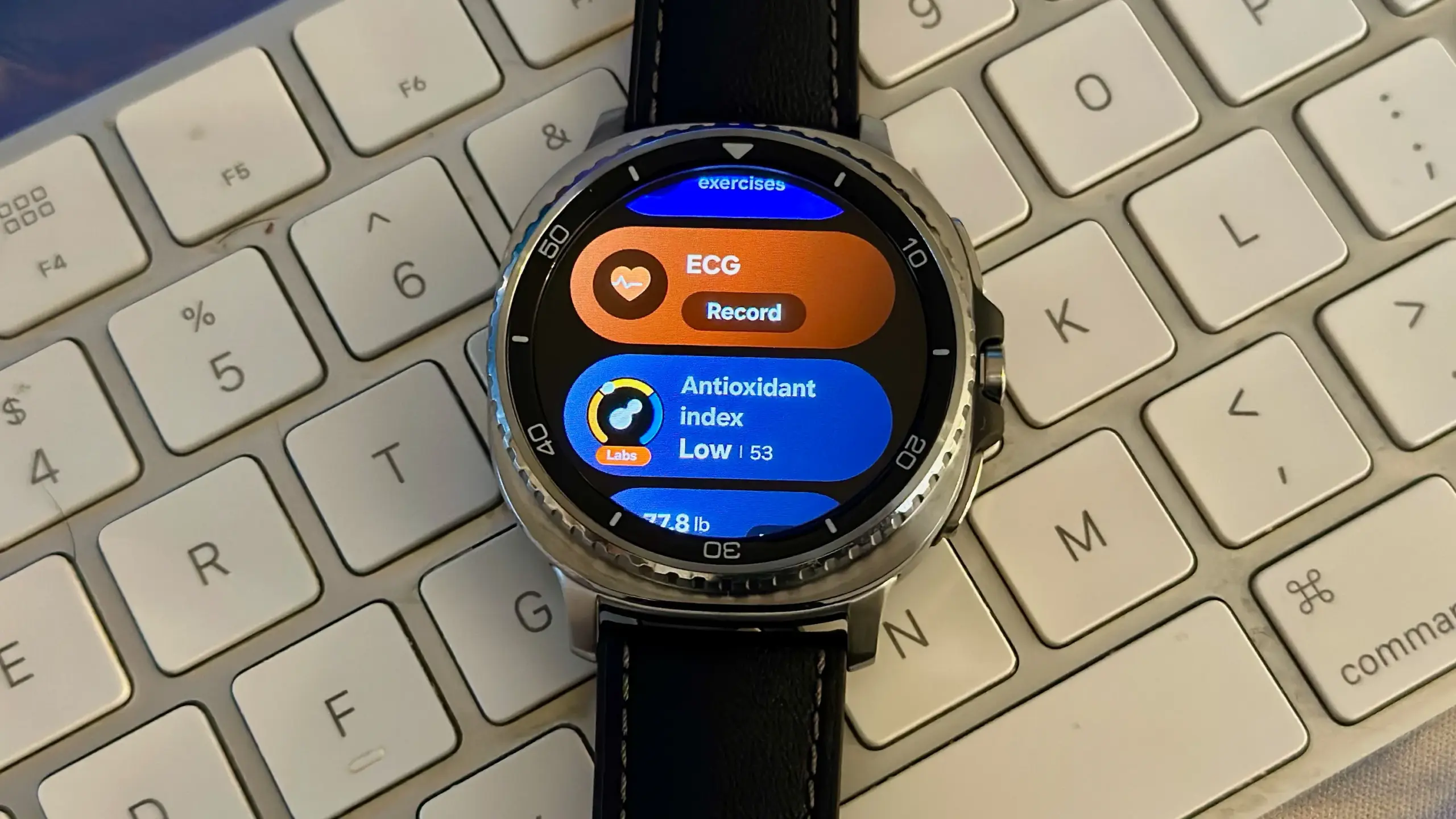
    Lastly, while One UI 8 Watch will be available for all of the previously mentioned Wear OS-based Samsung Galaxy Watches, older devices will not be able to access the newest features, like Antioxidant Index.

  • Honor Phone Clone app now compatible with Android, iOS and HarmonyOS

    Honor Phone Clone app now compatible with Android, iOS and HarmonyOS

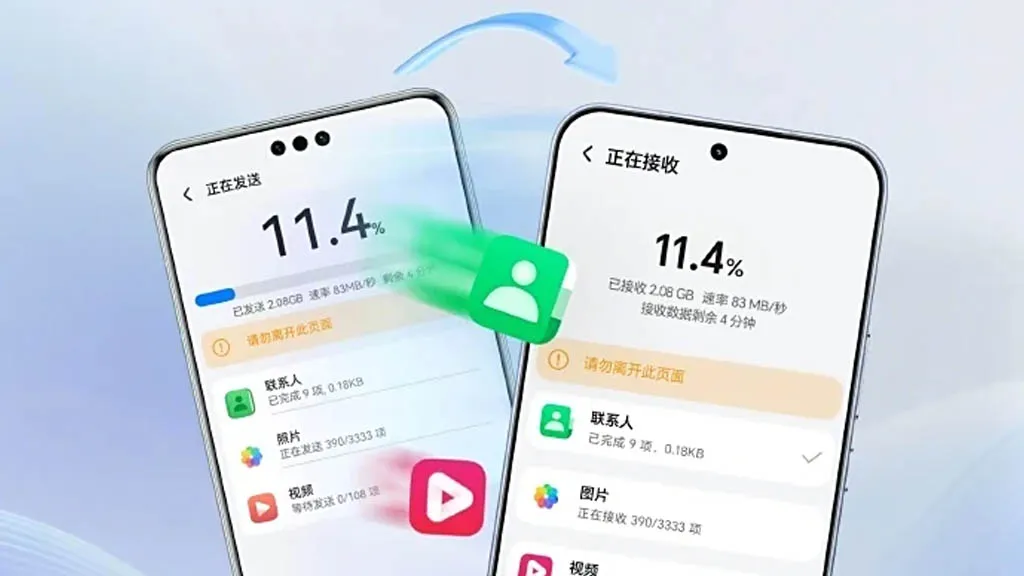
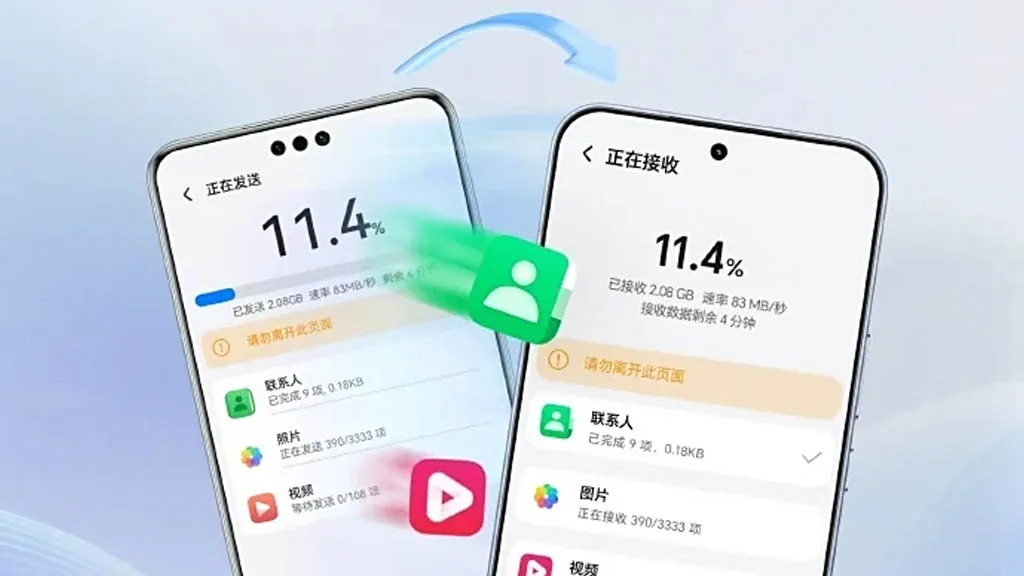
    A few months ago, Honor unveiled AI Connect, a technology that allows wireless file sharing between Honor and iOS devices from Apple. The company has now developed a new device cloning capability that is compatible with Huawei’s HarmonyOS Next, iOS, and Android.

    To enable device cloning with devices running the three smartphone operating systems listed above, Honor has updated its Device Clone software. Through cloning, users will be able to effortlessly move data between devices without the need for extra gear or attachments.

    Device Clone 1

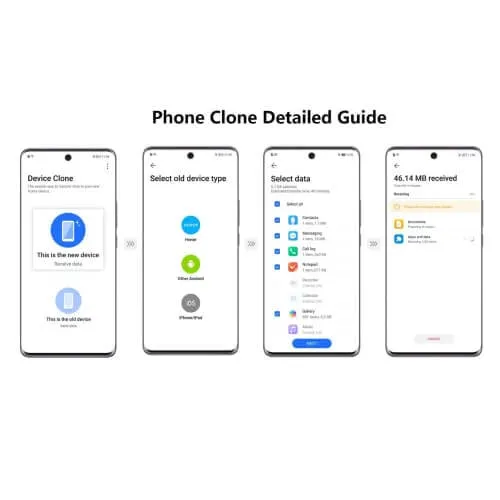
    Honor is the first brand to offer HarmonyOS Next data transmission as a result of this advancement. Users of Honor smartphones can download and install the “Device Clone” app from the official app store on both new and old devices in order to clone an old device.

    Next, open the Settings menu on the new smartphone and select Device Clone. Select Updates & System > Select Device Clone. Select the “This is a new device” option. Choose the “HarmonyOS” device type.

    blog mb

    On the old device, repeat the previous steps, but choose “This is an old device” rather than “This is a new device.” Next, link the two devices by scanning the QR code on the new device with the old one. Next, choose the data that needs to be moved to the new device and click “Next.”

  • Nothing OS 4.0 – release date, features and eligible devices

    Nothing OS 4.0 – release date, features and eligible devices

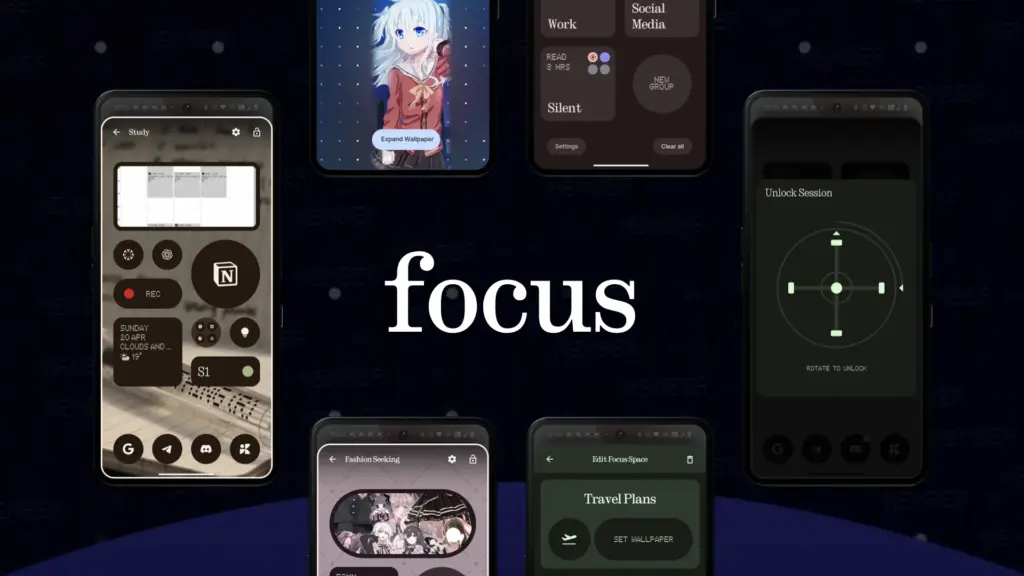
    Nothing is a name that people eagerly anticipate when it comes to an operating system that may provide you with a clean Android experience! It was Carl Pei who founded the Nothing brand. The Nothing OS 4.0 is about to be released. Android 16 serves as its foundation. When the Nothing Phone (3) was released in July 2025, the Nothing 4.0 update was first shown off.

    Like its predecessor, Nothing OS 4.0 will have a basic and clean design. New features and enhanced performance are to be expected. The release date and new features of Nothing 4.0 will be discussed in this post. You’ll also be aware that phones will receive the update.

    Nothing OS 4.0 - release date, features and eligible devices

    Release date and rollout

    The Nothing OS 4.0 update will be available from September 2025 to November 2025. This was disclosed by Carl Pei at the Nothing Phone 3’s debut. The precise date is still unknown. The Nothing OS 4.0 beta version will be released first. Early September 2025 is when this beta deployment will begin. The whole version should be available in a few weeks. The first phone to receive this will be the Nothing Phone 3.

    Android 16 arrived sooner than expected. It appears that nothing is doing much to keep current.

    Nothing 4.0 eligible devices

    Nothing has stated that many of its phones will be able to run Nothing OS 4.0. However, this update will not be available for the Nothing Phone 1. This is due to the fact that three significant Android updates have already been applied to the original phone. Android 12 has been replaced with Android 15.

    The following phones will receive Nothing OS 4.0:

    DeviceUpdate Information
    Nothing Phone (3)First phone to get the beta and full update of Nothing OS 4.0
    Nothing Phone (3a) and (3a) ProWill get the update soon after Phone (3)
    CMF Phone 2 ProWill get the update after the Phone (3a) phones
    Nothing Phone (2a) and (2a) PlusThese will get update based on when they came out
    Nothing Phone (2)Will get Nothing OS 4.0 as the last big update. It will get security updates for a few more years
    CMF Phone 1Will get Nothing OS 4.0 as the last big update. Security updates will continue

    Nothing OS 4.0 features

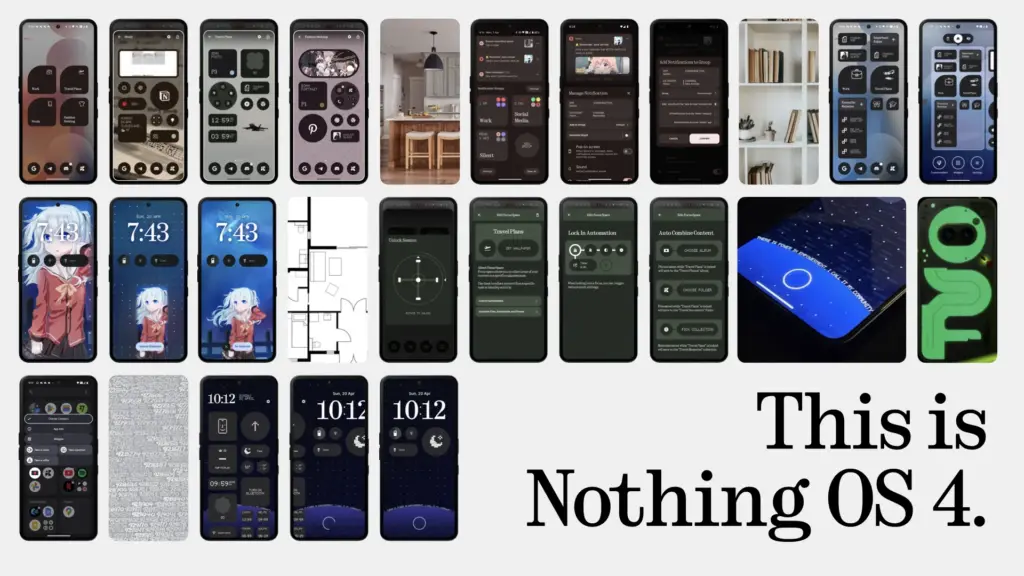
    Not all of Nothing OS 4.0’s features have been shared by Nothing. However, we can get a good indication from various Android 16 leaks and news. The latest upgrade will combine the sleek appearance of Nothing with the new functionality of Android 16.

    People are anticipating the following key features:

    Better Notifications

    Android 16 makes it easier to manage notifications. If you get many messages from the same app, they’ll be grouped. This way, your screen won’t get messy. You won’t get too many alerts all at once. Nothing OS 4.0 will likely use these features with dot-matrix-style animations.

    Improved Built-In Apps

    With Nothing OS 4.0, the main apps that come with the phone are getting upgrades! This includes the Gallery, Weather app, and Camera app.

    The Nothing Gallery already opens 25 per cent faster than Google Photos. In OS 4.0, it might get even smarter with AI.

    The Weather app could also get fun updates. You can see dot-matrix-style animations that show live weather.

    Live Delivery & Ride Updates

    With the Nothing OS 4.0 update, you’ll be able to see live updates. These updates like food delivery or ride status. You will see them right on your lock screen or notification panel. It means you don’t have to open the app every time to check the order status.

    New Look with Material 3

    Android 16 brings a new design called Material 3 Expressive. It has smoother animations and lets you change how things look on your screen. Nothing OS 4.0 is expected to use some of the animations. But it will still keep its simple black-and-white style.

    Better AI Tools

    Nothing has been testing AI features like Essential Space and Essential Search in older versions. In OS 4.0, they might bring in even smarter tools. There will be suggestions based on how you use your phone. We can also expect better app organisation. It may also work with Google’s Gemini AI to help you search easily.

    Better Security With Android Protection

    There will be a new system called Android Protection. It will keep your phone safe from bad apps, scam calls, and suspicious websites. Nothing OS 4.0 will likely include this too. This will be done with its own special privacy settings.

    Glyph Matrix Upgrades

    nothing os 4.0 1

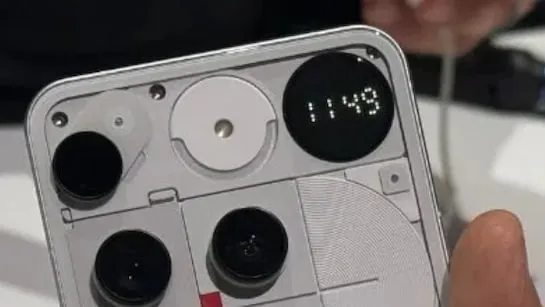
    The Glyph Matrix is a special feature on the Nothing Phone (3). It’s an advanced version of the older Glyph Interface.

    With Nothing OS 4.0, the Glyph Matrix is getting even better! There will be a new tool called the Glyph Matrix API. This will let developers create fun mini-games, useful widgets, and cool notifications.

    The Glyph Matrix might work with Android 16 live alerts. You will see delivery progress or incoming calls with lights. You can see what’s happening without looking at your screen.

    This new feature is only for the Nothing Phone (3). But older phones with Glyph lights might still get some small updates.

    FeatureWhat’s New
    Lock Screen & Home Screen– New widgets
    – cool clock styles
    – more space to add stuff
    – more control over app icons
    Quick Settings Panel– Smaller, better-looking buttons
    – smarter brightness slider
    – nice colour effects when playing music
    Interactive Dot Animation– More apps and widgets will use dot-style animations
    Private Space Integration– Lets you hide, lock, and even clone apps
    Cross-Device Integration– Easier and faster connection to Nothing headphones
    – Better control of Tesla features from your phone
    1745367503 805601 nos004

    Ultimately, I can say that your phone will see some awesome upgrades with Nothing OS 4.0. It will be straightforward and uncomplicated, yet efficient and effective. It will be even more intelligent with AI features. The transparent design, dot matrix animations, and black and white icon pack will all be included in this version. Please share your thoughts about this update in the space provided for comments below.

  • OPPO Find X9 Ultra comes with new visual design changes

    OPPO Find X9 Ultra comes with new visual design changes

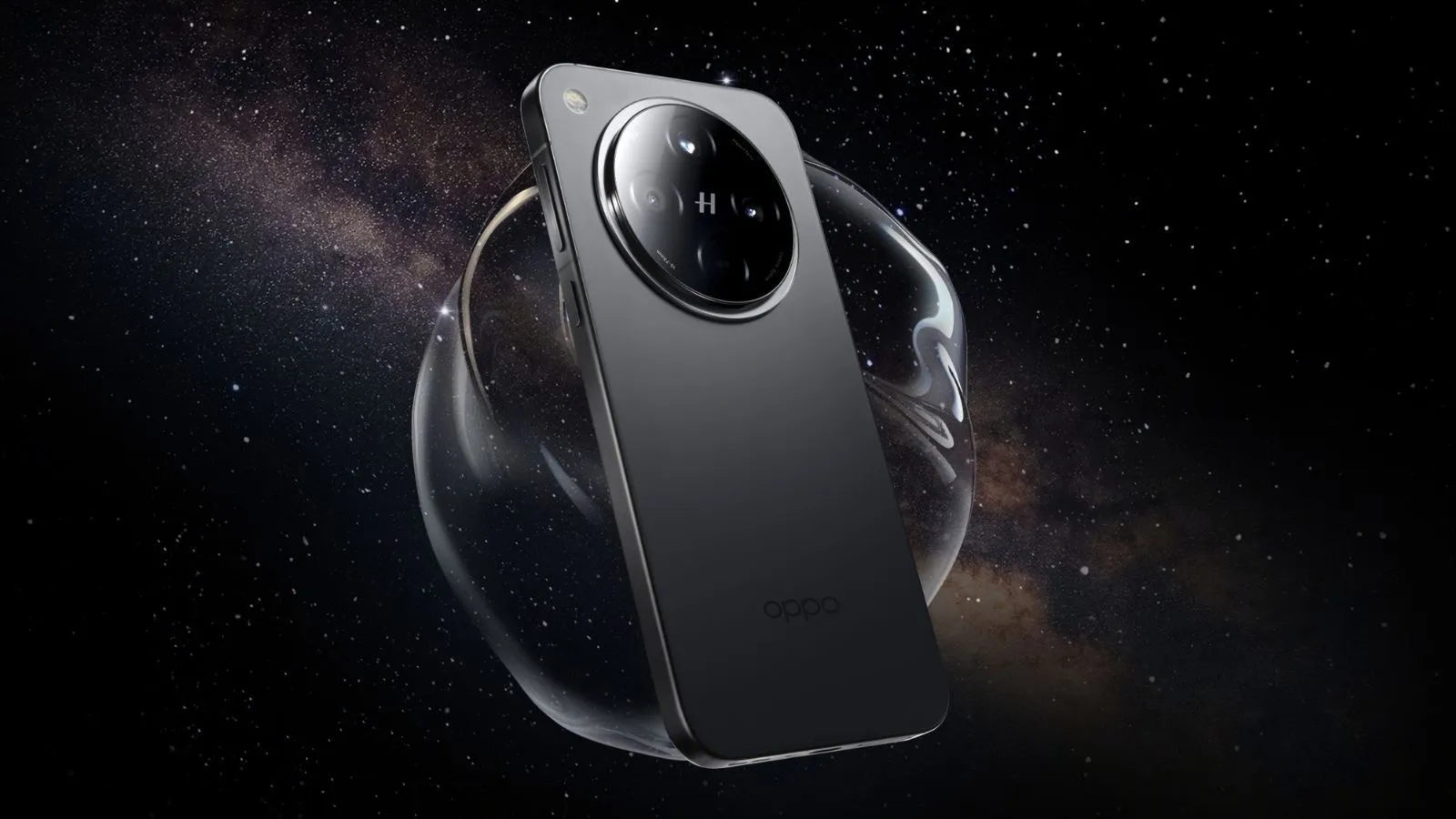
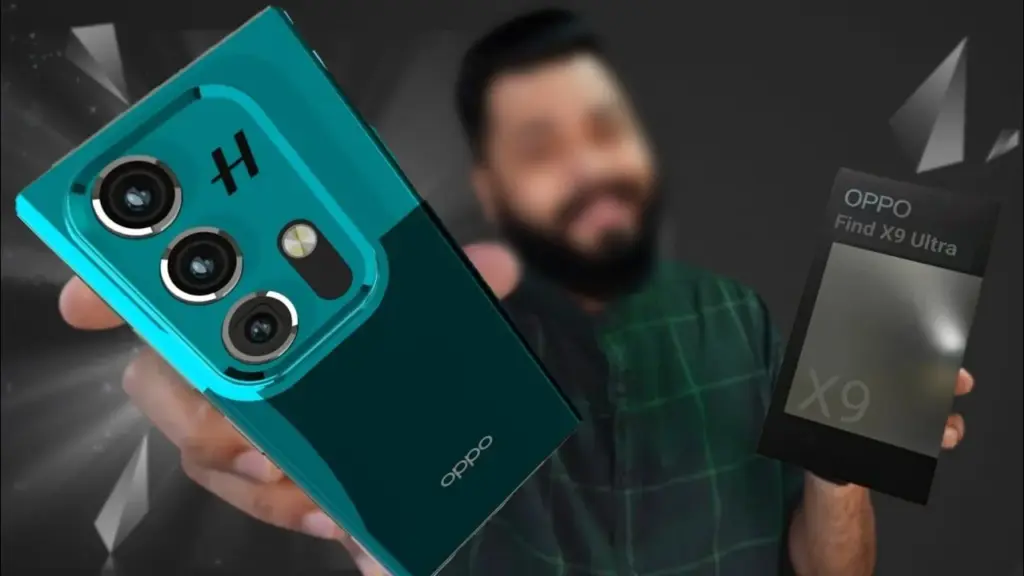
    Excitement is already growing for OPPO’s real imaging flagship, the OPPO Find X9 Ultra, which is scheduled to make its debut in the first half of 2026, as the company prepares to launch the Find X9 series in October. A significant design change for the next gadget has been made public by a recent insider leak, underscoring OPPO’s goal of being a leader in display performance and innovation.

    The Oppo Find X9 Ultra is presently being tested with a new 1.5K LIPO ultra-narrow straight screen, in contrast to the Find X8 Ultra, which had a high-end 2K diamond screen with adaptive refresh rates and OPPO’s in-house P2 display processor. The sophisticated LIPO packaging technology, which involves wrapping the display’s wiring area with polymer liquid materials, is used in this next-generation display. OPPO gets an incredibly thin bezel by doing away with the conventional buffer protection zone, which improves the phone’s aesthetic appeal and immersive experience.

    OPPO Find X9 Ultra

    Although LIPO requires more advanced manufacturing equipment and higher cleanroom standards than conventional COG and COF technologies, it also delivers more durability and consistency, making it a more expensive but superior alternative.

    The Find X9 Ultra promises a breakthrough in AI processing, camera capabilities, and overall performance thanks to its Snapdragon 8 Elite 2 flagship platform. The Find X9 Ultra is expected to be a landmark flagship of 2026 since OPPO is pushing the envelope in terms of both physical design and technology complexity.

  • Huawei HarmonyOS NEXT upgrade plan: Devices and Rollout Time

    Huawei HarmonyOS NEXT upgrade plan: Devices and Rollout Time

    Along with the distribution date, Huawei has revealed the official HarmonyOS NEXT update plan for its devices. Developers and pioneer users with flagship devices can now get the latest beta version. However, it will soon be available on additional devices.

    The HarmonyOS NEXT upgrade information were given by Yu Chengdong. He mentioned that the corporation has started beta testing the top models with developers. In Q4 2024, the tech manufacturer plans to deploy a stable HarmonyOS NEXT update and gradually cover devices.

    Currently, the Chinese OEM is hiring 3000 pioneer users and developers. After this, the business will start a consumer beta program using high-end phones.

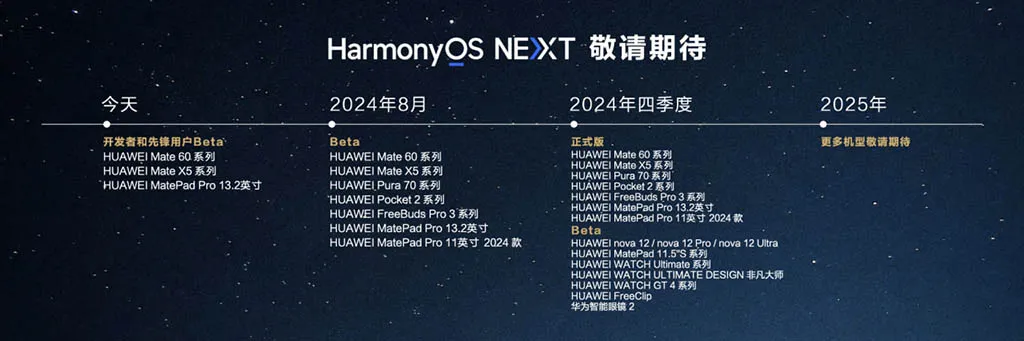
    harmonyos next calendar

    HarmonyOS NEXT Upgrade Plan: Devices

    Developer Beta Testing: June 21

    • Huawei Mate 60 Series
    • Huawei Mate X5 Series
    • Huawei MatePad Pro 13.2 tablet

    August 2024 (Beta)

    • Huawei Mate 60 series
    • Huawei Mate X5 series
    • Huawei Pura 70 series
    • Huawei Pocket 2 series
    • Huawei FreeBuds Pro 3
    • Huawei MatePad Pro 13.2
    • Huawei MatePad Pro 11 2024

    Q4 2024 (Stable)

    • Huawei Mate 60 series
    • Huawei Mate X5 series
    • Huawei Pura 70 series
    • Huawei Pocket 2 series
    • Huawei FreeBuds Pro 3
    • Huawei MatePad Pro 13.2
    • Huawei MatePad Pro 11 2024

    Q4 2024 (Beta)

    • Huawei Nova 12 series
    • Huawei MatePad 11.5-inch S series
    • Huawei Watch Ultimate
    • Huawei Watch Ultimate Design Edition
    • Huawei Watch GT 4 series
    • Huawei FreeClip
    • Huawei Smart Glasses 2

    2025

    • Stay tuned for more models.

    From June 21 to June 28, developers and Pioneer users can register for the ongoing beta activity. Based on the log and nolog builds, the organization will evaluate the applications that were submitted between June 24 and July 09 and modify the users.

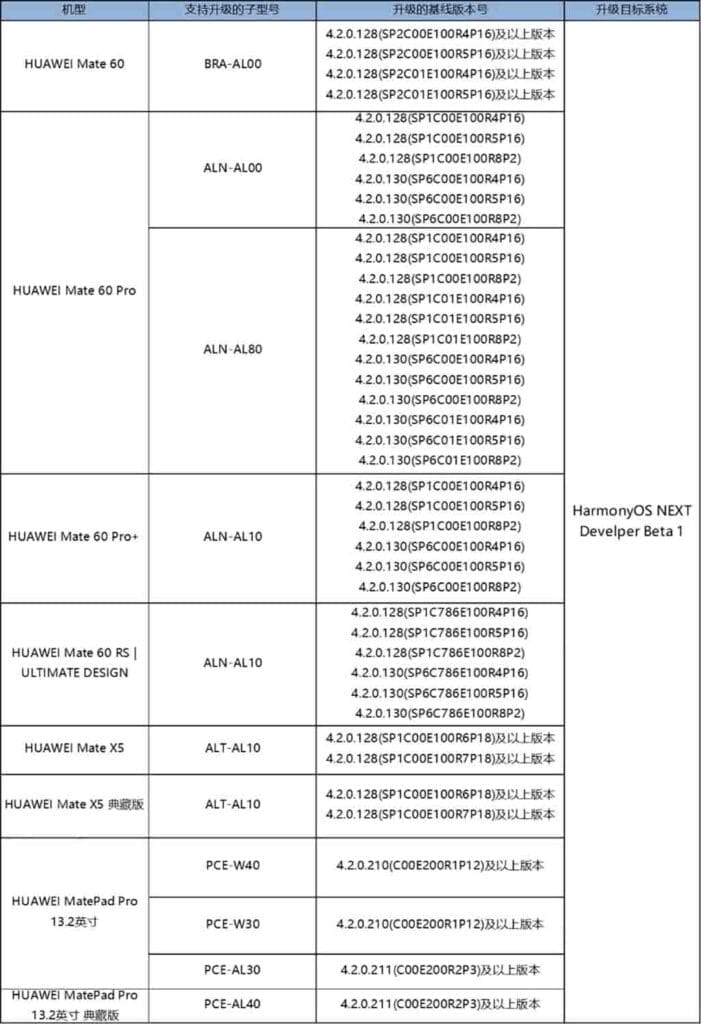
    Huawei HarmonyOS NEXT upgrade plan

    Please take note that this activity will give preference to developers whose apps are currently available in the AppGallery. Following the selection, Huawei will send out an official email or SMS to developers and pioneer users.

    To prevent any loss, those taking part in the developer beta version should make a backup of their data in advance. Additionally, by going to Settings > System > Developer Mode > System Rollback, one can revert to the most recent version.

  • HarmonyOS 6 is coming – dev beta 2 is out for some devices

    HarmonyOS 6 is coming – dev beta 2 is out for some devices

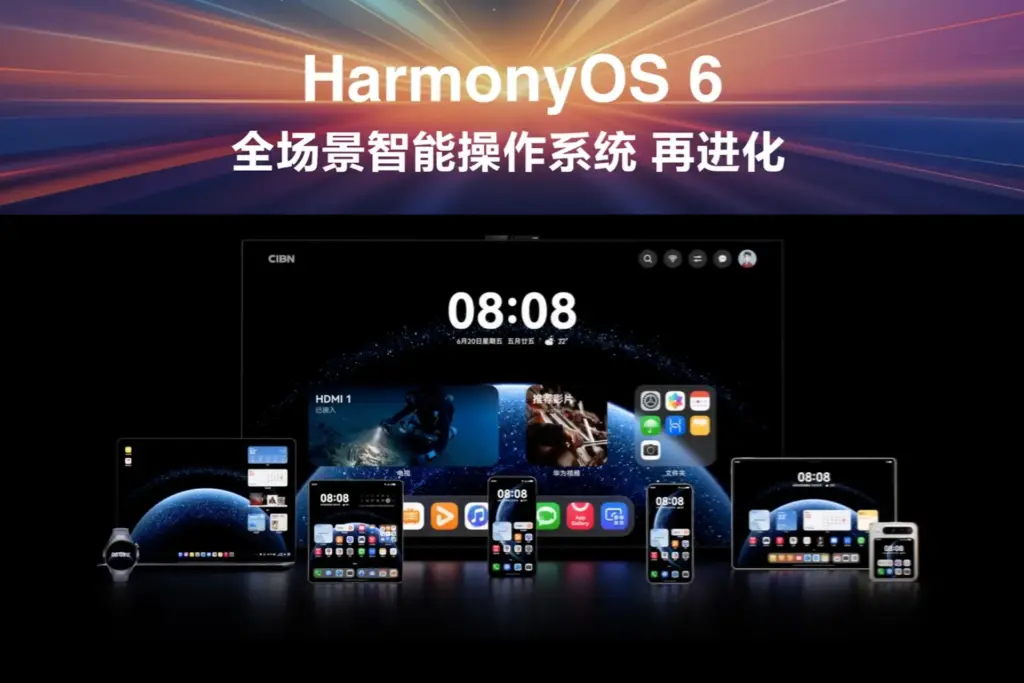
    Phase 2 of Huawei’s HarmonyOS 6 developer beta was launched on July 30. According to official information, the corporation has given developers access to new features and functionalities that will improve app development and increase software utilization efficiency.

    The HarmonyOS 6.0 Developer Preview was revealed by Huawei at the June HDC25 event. Simultaneously, it released the first developer beta only for developers.

    For the first phase, the corporation only opened a certain amount of devices. However, Huawei is now including three more models in the HarmonyOS 6 development beta phase 2 eligibility list.

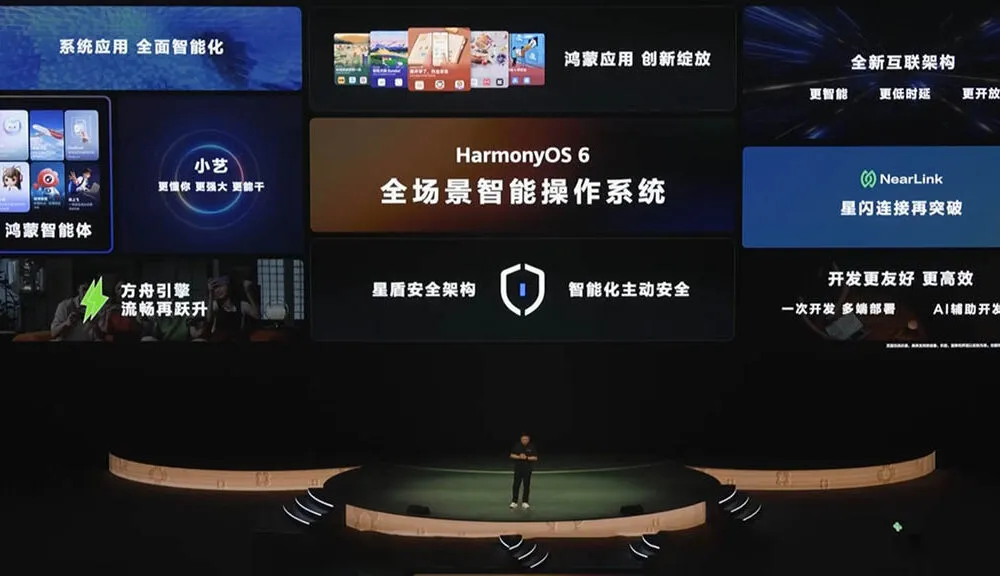
    harmonyos launch event

    According to the information, developers have until today, August 10, to register for the second phase. From August 1 to August 25, the business will begin going over the paperwork that were turned in. When developers sign up for the first time, they must meet these requirements:

    1. Real-name authentication with Huawei Developer Alliance
    2. Have at least one of the eligible models given below
    3. Answer a few questions related to the beta phase

    One can further register by clicking on the Avatar icon in the upper right corner of the page and completing the on-screen procedure. If your form passes the review, you will receive confirmation through email or SMS.

    Eligible devices:

    • Huawei Mate 60
    • Huawei Mate 60 Pro
    • Huawei Mate 70
    • Huawei Mate 70 Pro
    • Huawei Mate X5
    • Huawei Mate XT
    • Huawei Pura X
    • Huawei Pura 70 Pro
    • Huawei MatePad Pro 11 2024
    • Huawei MatePad Pro 13.2 2025

    Keep in mind that developers can only use the application to test their apps. HarmonyOS 6.0 Developer Preview, which may remove old data from your device, will be sent to you after you pass the review. Therefore, make a backup before continuing.

    How to register for HarmonyOS 6 beta?

    Developers can complete the on-screen instructions by logging into their account. To participate in the beta activity, tap the Sign Up button and provide your application details.

    If developers are experiencing problems with app development, they can use the HarmonyOS 6 Application Development Issue Feedback portal to provide feedback.

  • The Huawei Mate 80 RS might come with a proprietary cooling chip.

    The Huawei Mate 80 RS might come with a proprietary cooling chip.

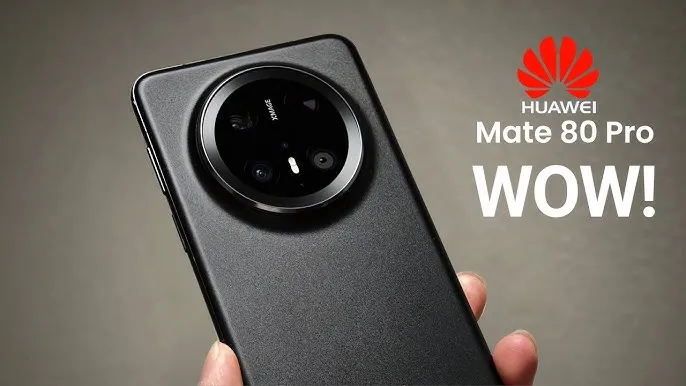
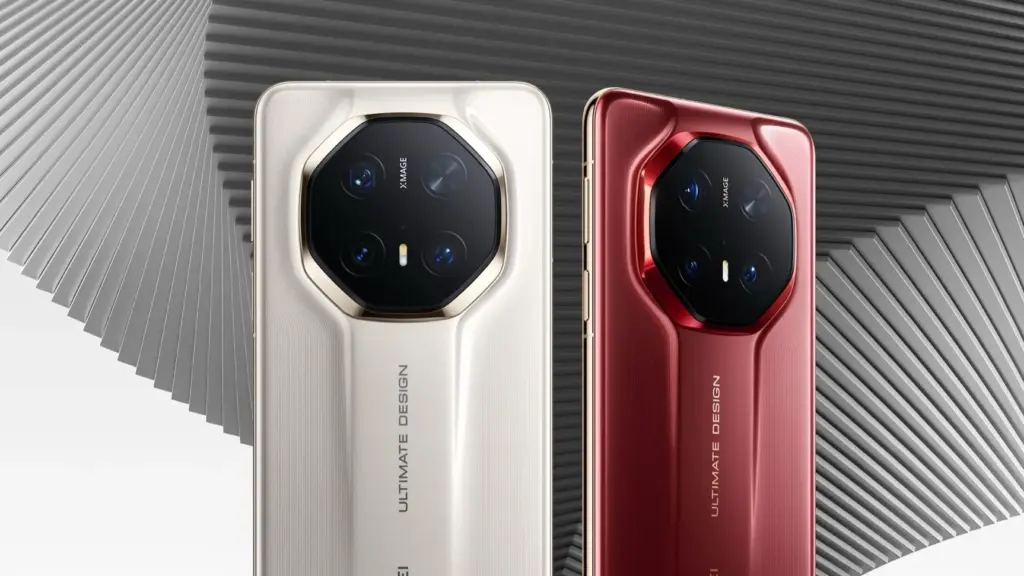
    In the next Mate 80 RS Ultimate Design, Huawei is introducing a new cooling chip in an effort to address overheating issues. To improve the performance of the next-generation Mate, the business is investigating novel heat dissipation methods.

    Huawei may employ a tech-pack cooling chip for its high-end Mate 80 series smartphones (RS Ultimate and Pro+), according to news from a reliable source.

    The Mate 80 RS Ultimate may be the only device with this connection, according to the leak. Nonetheless, some internet users think that the Pro+ version of this chipset might also make its appearance.

    It will be a micro pump driver chip, the informant said. It is claimed that a cooling system based on a micro pump uses one-tenth of the piezo drivers. It has the ability to aggressively disperse heat from the hot spots of the phone, which could cause freezing, latency, or shutdown.

    huawei kirin 9030 teaser

    An integrated circuit is used by these micropump drivers to precisely control signals and facilitate pump operation. It even provides haptic feedback and aids in cooling. The driver assures dependable and effective performance in the interim.

    A tipster previously disclosed the new cooling enhancements that the Mate 80 Pro+ and RS Ultimate models will include. In addition to the novel fan technology, the devices might make use of a micro pump housing and an improved graphene + copper foil sheet.

    However, the business might also use a specialized chip in this market to prevent overheating in every way. Only the RS Ultimate received Huawei’s dual-layer OLED screen last year; other models used a different display technology.

    As a result, it is likely that this chip technology will only be available in the Mate 80 RS Ultimate Design.

    It appears that Huawei is incorporating cutting-edge technology into its expensive Mate 80 phones. However, it hasn’t yet verified these details or disclosed any important information on the next flagship. Therefore, we must wait to verify the accuracy of these inputs.

  • UX lessons from Android that apply to Web Design

    UX lessons from Android that apply to Web Design

    When someone lands on your website, their experience matters – more than most businesses realise. In fact, user experience (UX) can make or break whether a visitor turns into a customer.

    While UX might seem like a tech-heavy concept, it simply means this: how easy and enjoyable your website is to use. And one of the best sources of UX insight comes from a place you might not expect – Android, the world’s most widely used mobile operating system.

    With billions of users worldwide, Android has mastered the art of intuitive, user-friendly design. And many of the principles it follows can – and should – be applied to your business website. A professional web design agency can help translate these UX lessons into a high-performing website that attracts, engages, and converts your visitors.

    Let’s take a look at some of the most valuable UX lessons from Android that your website could benefit from – and why working with the right agency makes all the difference.

    1. Consistency Builds Trust

    Android keeps things familiar. Whether you open a messaging app or a banking app, core elements behave in ways users expect – same buttons, similar layouts, predictable actions.

    How this applies to your website:
    Your customers don’t want to relearn how to use your website on every page. Consistent navigation, button styles, fonts, and branding build trust and reduce frustration.

    A good web design agency ensures every part of your site feels cohesive, guiding users smoothly through your content and towards the actions you want them to take.

    2. Design Should Be Clear, Not Clever

    Android’s Material Design guidelines focus on simplicity, clarity, and depth. Visuals aren’t just attractive – they help users understand what to do next.

    For your business:

    Clever design may win awards, but clear design wins customers. A cluttered or confusing website drives people away.

    3. Your Website Must Work on Every Device

    Android powers phones, tablets, TVs, and more. Its designers had to master responsive layouts – ensuring everything works no matter the screen size.

    The takeaway:

    Your customers are on the go. If your website doesn’t work seamlessly on their phone, they’re not sticking around.

    4. Speed Matters More Than You Think

    On Android, slow apps get uninstalled. People simply don’t have time for delays – and the same is true for websites.

    What this means for your site:
    If your pages take more than a few seconds to load, you’re losing business.

    5. Users Expect Feedback

    On Android, every tap, swipe, and interaction provides some kind of response – a visual cue, animation, or message that says “yes, we’ve received your input.”

    Your website should do the same:
    When someone clicks a button or submits a form, they expect an immediate reaction. Without feedback, they may assume something’s gone wrong.

    6. Accessibility Isn’t Optional

    Android takes accessibility seriously, making sure users with different needs can still navigate, read, and interact with apps and devices.

    How this affects your business:
    Your website needs to work for everyone – including those with visual, hearing, or motor impairments. An experienced web design agency will follow accessibility standards (like WCAG) so your site is inclusive, legally compliant, and open to a wider audience.

    7. Whitespace Is Powerful

    Android’s design avoids clutter. It uses spacing strategically, letting important elements stand out and giving users a sense of calm and focus.

    What this means for your site:
    You don’t need to cram everything above the fold. Clean, spacious layouts are easier to read and more engaging.

    8. Start with the User – Not the Business

    Perhaps the most valuable lesson from Android is this: design everything around the user’s needs. Every screen, every button, every action is designed to make things easier for the person using it.

    That’s how your website should work, too.
    A professional web design agency will begin by understanding your customers – their goals, pain points, behaviours, and expectations. From there, they’ll create a site tailored to your audience, not just your internal preferences.

    Why Work With a Web Design Agency?

    It’s tempting to think that anyone can build a website using a drag-and-drop tool. But while DIY platforms can create something that “looks okay”, they rarely offer the performance, polish, and strategy that a professionally designed site delivers.

    Here’s how a web design agency helps you apply these UX lessons in a way that drives results:

    • Strategic Planning – They’ll start by understanding your business goals, ideal customers, and competitors.
    • Custom Design – No templates here. Your site will reflect your brand, tone, and market position.
    • Responsive & Accessible – Your site will look great and work flawlessly on any device, for any user.
    • Optimised for Speed & SEO – Every detail is considered to maximise performance and search visibility.
    • Ongoing Support – Post-launch updates, security, and advice keep your site evolving with your business.

    UX Isn’t Just for Tech Giants

    Android’s design success wasn’t accidental – it was built on years of refining how people interact with technology. Those same principles can transform your website into a tool that not only looks good but works hard for your business.

    Great UX isn’t just for apps. It’s for your business website, too – and the right agency can help you get there.
  • Official Android 16 support list from Xiaomi

    Official Android 16 support list from Xiaomi

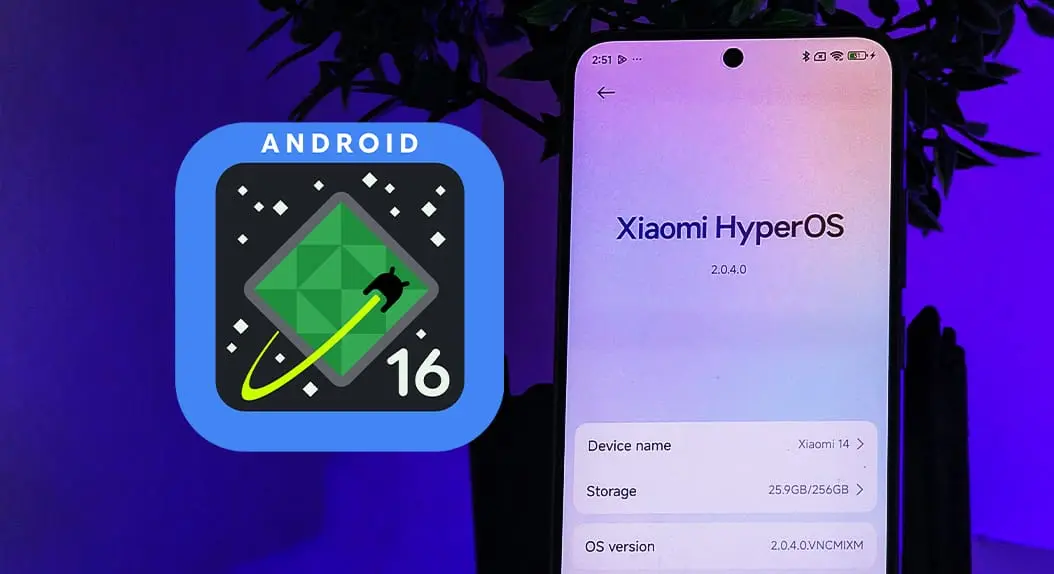
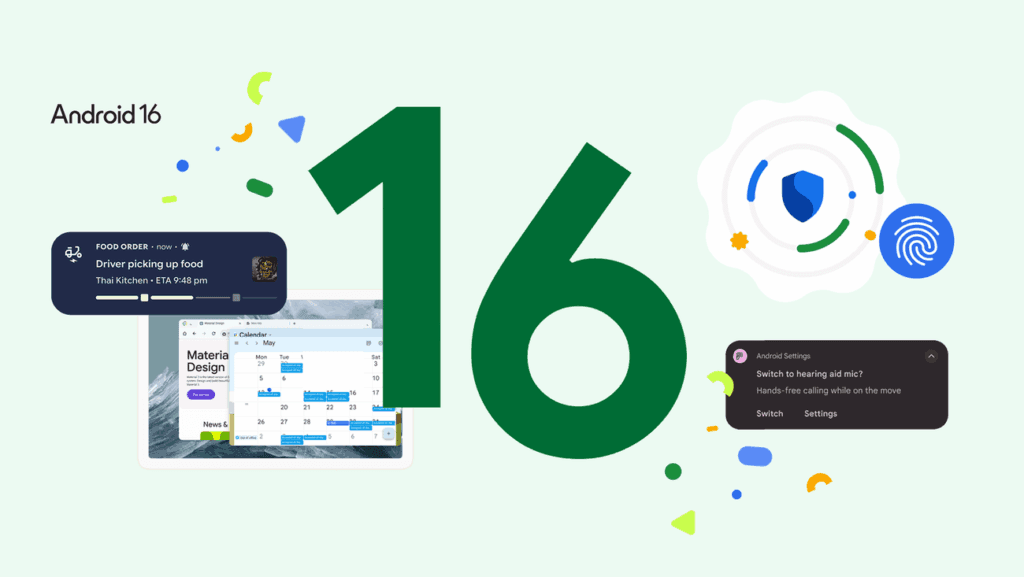
    Many computer fans are surprised by Google’s recent statement that it will release two Android SDK updates per year. Thus, Android 16 can be released much in advance of this cycle, before June 2025. All devices are currently receiving Android 15 upgrades, but Xioami is preparing for the next major step—integrating Android 16 capabilities into their next HyperOS.

    The complete list of Xiaomi, Redmi, and POCO devices that could receive the update to HyperOS, an Android 16-based operating system, is provided below. It is easily grouped for your review.

    Official Android 16 support list from Xiaomi

    Current Android 16 released Devices

    Android 16 is currently released based on HyperOS 2.3.

    • Xiaomi 15
    • Xiaomi 14T Pro
    • REDMI K70 Ultra

    Xiaomi Flagship Devices

    Currently, high-end models with great performance and features are taking center stage in Xiaomi’s update plans:

    • Xiaomi 13 (fuxi)
    • Xiaomi 13 Lite (ziyi)
    • Xiaomi 13 Pro (nuwa)
    • Xiaomi 13 Ultra (ishtar)
    • Xiaomi 13T (aristotle)
    • Xiaomi 13T Pro (corot)
    • Xiaomi 14 (houji)
    • Xiaomi 14 CIVI (chenfeng)
    • Xiaomi 14 Pro (shennong)
    • Xiaomi 14 Ultra (aurora)
    • Xiaomi 14T (degas)
    • Xiaomi 14T Pro (rothko)
    • Xiaomi 15 (dada)
    • Xiaomi 15 Pro (haotian)
    • Xiaomi 15 Ultra (xuanyuan)
    • Xiaomi 15S Pro (dijun)
    • Xiaomi CIVI 5 Pro (luming)
    • Xiaomi Civi 2 (ziyi)
    • Xiaomi Civi 4 Pro (chenfeng)
    • Xiaomi MIX FLIP (ruyi)
    • Xiaomi MIX FLIP 2 (bixi)
    • Xiaomi MIX FOLD 4 (goku)
    • Xiaomi Mix Fold 3 (babylon)
    • Xiaomi Pad 6 Max 14 (yudi)
    • Xiaomi Pad 6 Pro (liuqin)
    • Xiaomi Pad 6S Pro 12.4 (sheng)
    • Xiaomi Pad 7 (uke)
    • Xiaomi Pad 7 Pro (muyu)
    • Xiaomi Pad 7 Ultra (jinghu)
    • Xiaomi Pad 7S Pro 12.5 (violin)

    Redmi Devices

    Known for good-level performance at competitive prices

    • REDMI K Pad (turner)
    • REDMI K80 (zorn)
    • REDMI K80 Pro (miro)
    • REDMI K80 Ultra (dali)
    • REDMI Pad 2 (taiko)
    • REDMI Pad 2 4G (koto)
    • REDMI Turbo 4 (rodin)
    • REDMI Turbo 4 Pro (onyx)
    • Redmi 13 (moon)
    • Redmi 13 5G (breeze)
    • Redmi 13X (moon)
    • Redmi 14C (lake)
    • Redmi A3 Pro (lake)
    • Redmi A4 (warm)
    • Redmi K60 Pro (socrates)
    • Redmi K60 Ultra (corot)
    • Redmi K70 (vermeer)
    • Redmi K70 Pro (manet)
    • Redmi K70 Ultra (rothko)
    • Redmi K70E (duchamp)
    • Redmi Note 13 Pro (garnet)
    • Redmi Note 13 Pro+ (zircon)
    • Redmi Note 13R (breeze)
    • Redmi Note 14 (beryl)
    • Redmi Note 14 4G (tanzanite)
    • Redmi Note 14 Pro (malachite)
    • Redmi Note 14 Pro 4G (obsidian)
    • Redmi Note 14 Pro+ (amethyst)
    • Redmi Note 14S (emerald_r)
    • Redmi Pad Pro (dizi)
    • Redmi Pad Pro 5G (ruan)
    • Redmi Pad SE 8.7 Wi-Fi (flare)
    • Redmi Turbo 3 (peridot)
    • Xiaomi Redmi Pad (yunluo)

    POCO Devices

    • POCO C75 (lake)
    • POCO C75 5G (warm)
    • POCO F6 (peridot)
    • POCO F6 Pro (vermeer)
    • POCO F7 (onyx)
    • POCO F7 Pro (zorn)
    • POCO F7 Ultra (miro)
    • POCO M6 (moon)
    • POCO M6 Plus 5G (breeze)
    • POCO M7 Pro 5G (beryl)
    • POCO Pad (dizi)
    • POCO X6 5G (garnet)
    • POCO X6 Pro (duchamp)
    • POCO X7 (malachite)
    • POCO X7 Pro (rodin)

    What to expect from Android 16:

    With HyperOS’s integration of Android 16, we can expect:

    Xiaomi makes sure that its devices remain competitive and feature-rich with regular Android updates as it keeps innovating. When Android 16 is released before the middle of 2024, the Xiaomi, Redmi, and POCO devices on the list will have access to the most advanced features of the most recent Android SDK. Once Xiaomi begins to push out the HyperOS improvements to these devices, more information will be released.