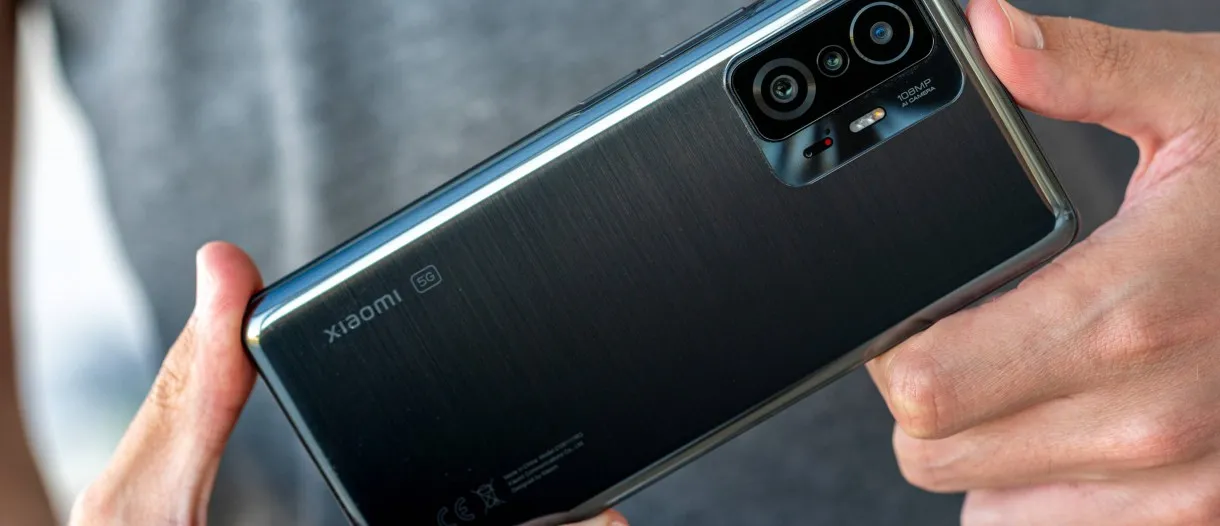
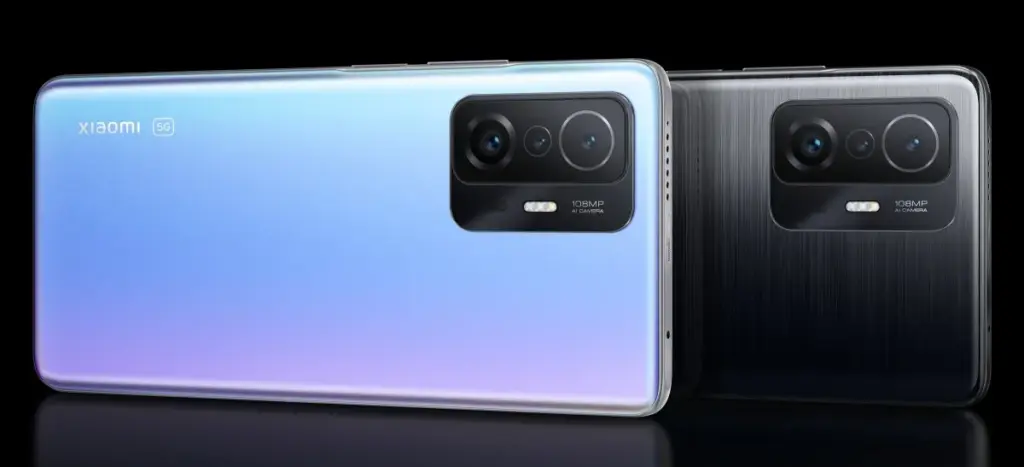
As it prepares to release the HyperOS 3, Xiaomi is officially discontinuing a new generation of devices. The retailer has added a number of additional models to its end-of-life (EOL) list with its most recent internal update, which means that the company will no longer formally support these devices. Let’s have a look.
These Xiaomi Phones That Won’t Get Future Updates
The Chinese IT behemoth is anticipated to be focusing on HyperOS 3, its proprietary Android 16 skin, now that Google has begun releasing Android 16. For the worldwide versions of the Xiaomi 15 and Xiaomi 14T Pro, the company has already made the Android 16 update available with HyperOS 2.3. Xiaomi has updated its list of devices that are nearing their “end-of-line,” while other eligible models will receive the significant software update.
This covers a variety of models, such as Redmi phones, Xiaomi-branded gadgets, and even POCO models. Here are all the phones for which official support is being discontinued:
Xiaomi 11T Pro
Xiaomi 11T
Xiaomi 11 Lite LE
Xiaomi 11 Lite 5G NE
Redmi 11 Prime 4G
Redmi A1+
Redmi A1
POCO M5
POCO C50
It’s important to remember that security updates for these recently added devices will continue until September 2025. For these older phones, Xiaomi does not intend to release any official upgrades. Models that did not even receive the HyperOS 2 update are included in the list that was previously shared. Xiaomi is currently working on Android 16, but they have not yet released an official roadmap for the HyperOS 3 rollout. So stay tuned for more.
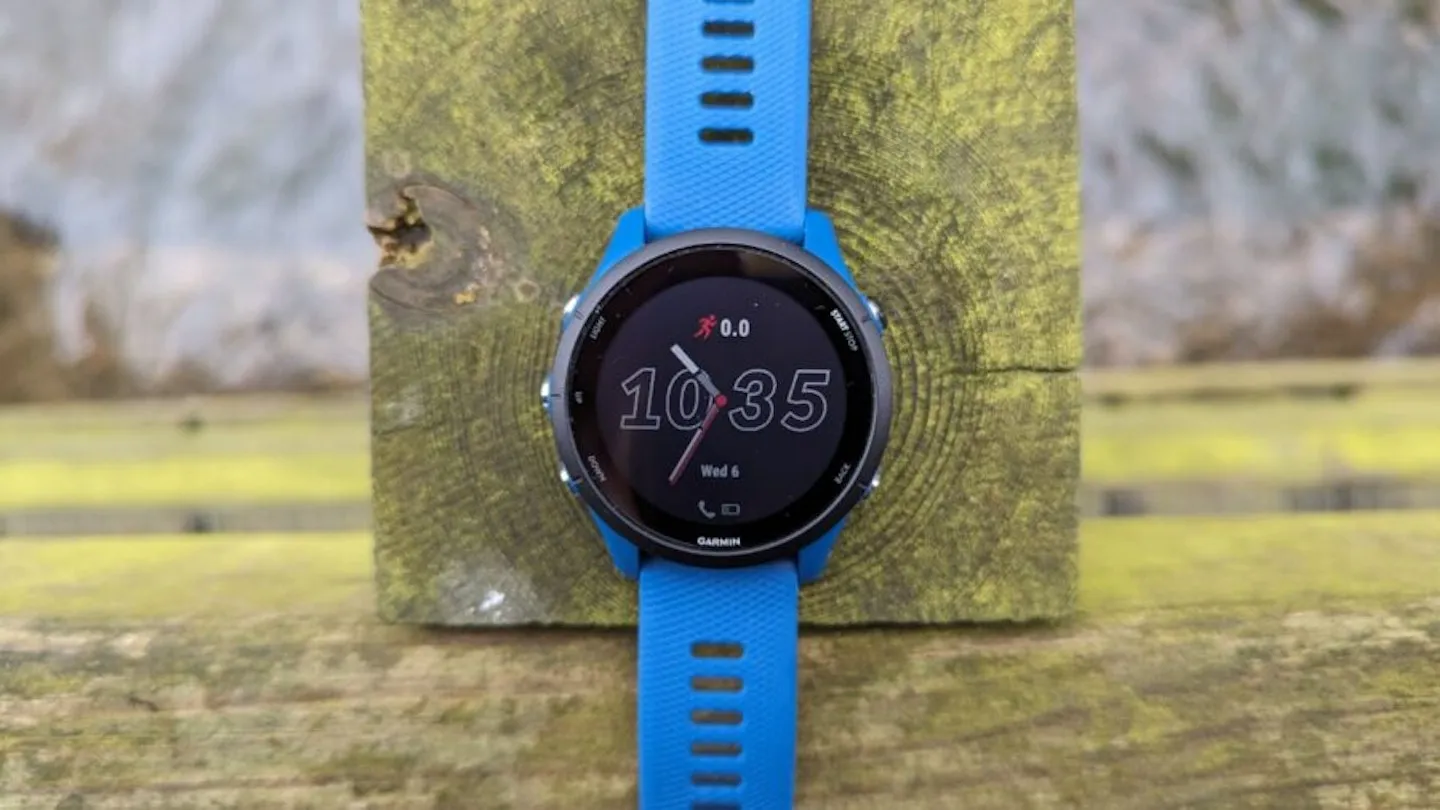
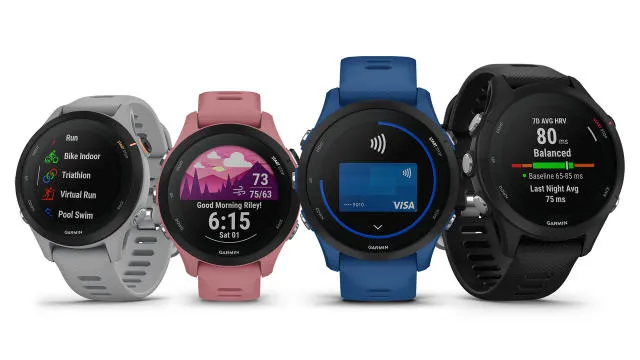
Garmin is still getting ready to update its older Forerunner smartwatches with v24.xx software. The first new update for the five smartwatches running Garmin’s beta or stable software programs in more than a month is Beta Version 24.10, which is compatible with the Forerunner 165, Forerunner 255, Forerunner 955, and Forerunner 965.
Garmin has released numerous updates for both its experimental and stable software programs in recent weeks. The business has prioritized its newest high-end models, such as the Fenix 8 and Tactix 8, over lesser models, as is frequently the case. Similar to this, mid-range or older smartwatches appear to have been pushed farther down the priority scale by the recent release of the Forerunner 570, Forerunner 970, and Venu X1.
For instance, since Garmin released System Software 23.20 more than two months ago, the older Forerunner 165, Forerunner 255, Forerunner 955, and Forerunner 965 (now $599 on Amazon) have not gotten a new stable update. Meanwhile, the same devices have been left running v24.07 on Garmin’s Beta Program for almost a month at this point.
But with the release of Beta Version 24.10, the business has finally updated its Beta Program. The update is available for the Forerunner 165, 255, 265, 955, and 965 starting today. You can also manually download it by going to Settings, System and Software Update, Main menu, and then selecting ‘Check for Updates’ on your smartwatch that is enrolled in the Beta Program. The five smartwatches have comparable changelogs as usual, which include a bug update meant to address possible system crashes on the watch face. For further information, please refer to Garmin’s forum and the listings below.
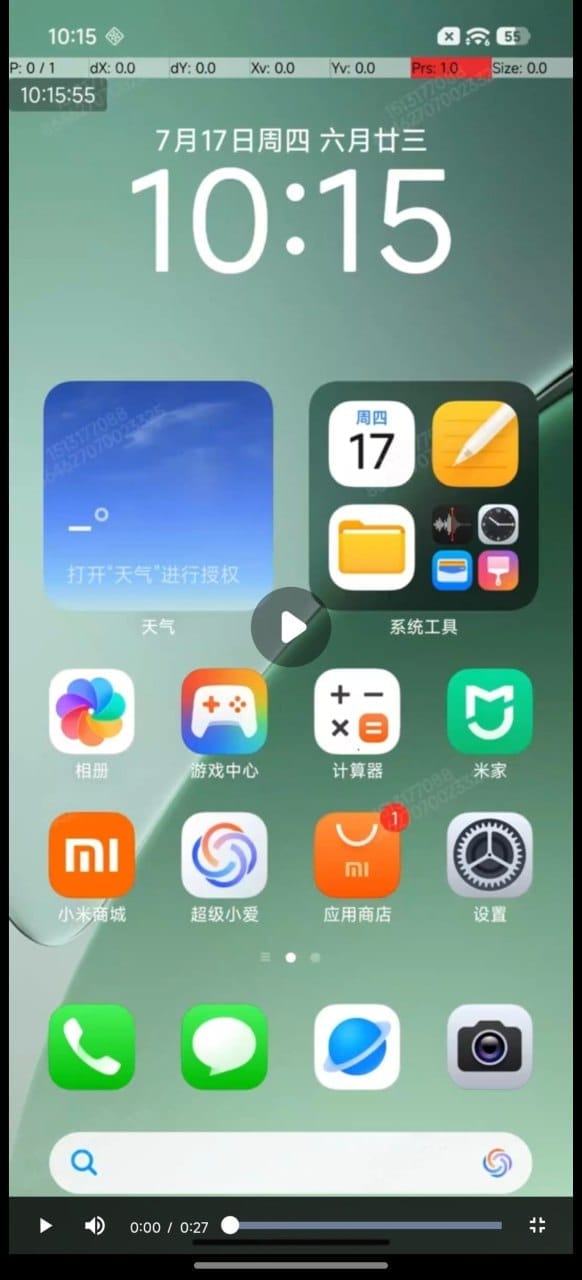
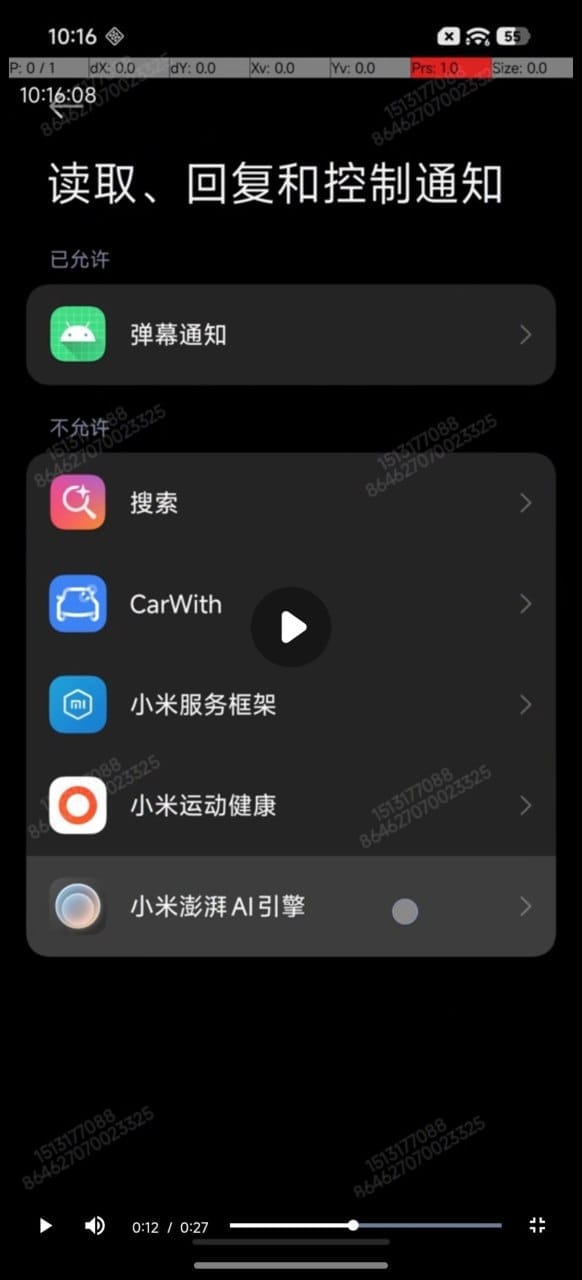
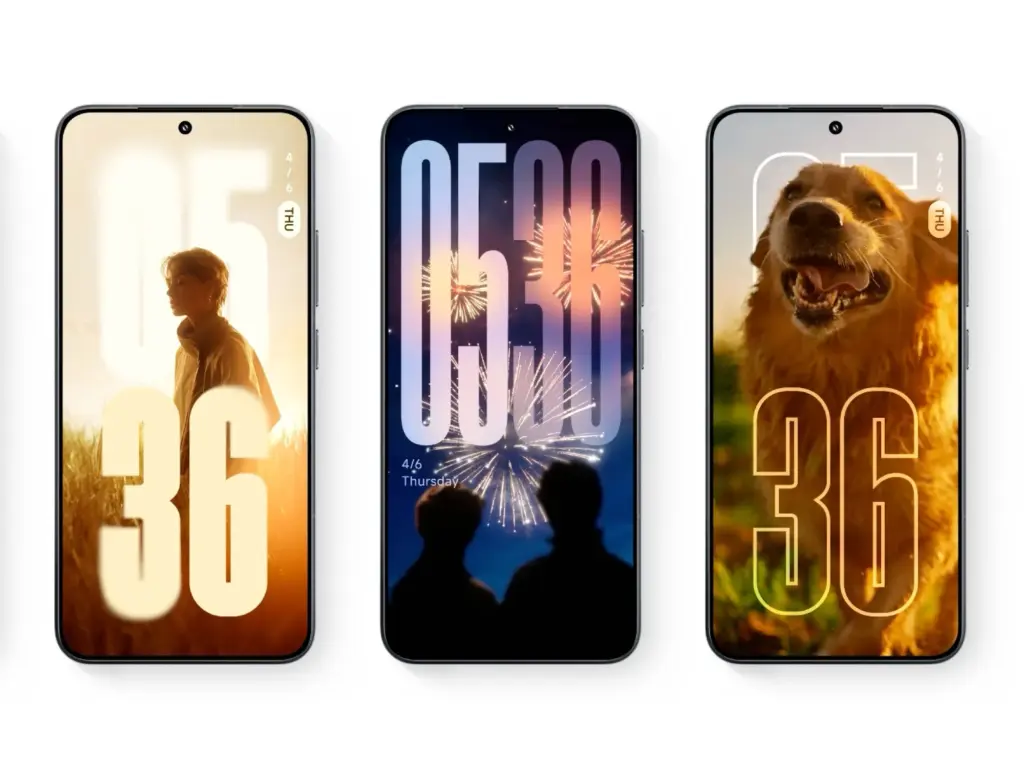
Thanks to X user @satanzhiruo, significant leaks about Xiaomi’s upcoming HyperOS 3 have surfaced. Early photos show a dramatic style devoid of “liquid glass”—think depth, transparency, and a contemporary, high-end edge that fits in with current market trends. The screenshots display an updated settings menu, home screen, and card-based structure that is evocative of Android 16. This indicates a significant improvement in the user experience and is not only cosmetic.
HyperOS 3 will come with both andoid 15 and 16
HyperOS 3 will be released by Xiaomi on Android 15 and 16. Wider compatibility is ensured by this dual strategy, which allows flagship smartphones to fully benefit from Android 16’s performance improvements while older hardware benefits from the update. It’s a sensible strategy that maximizes reach without compromising creativity.
Major software updates from Xiaomi are usually released in the fall. HyperOS 3 should be formally revealed between September and October 2025, if the current leaks are accurate.
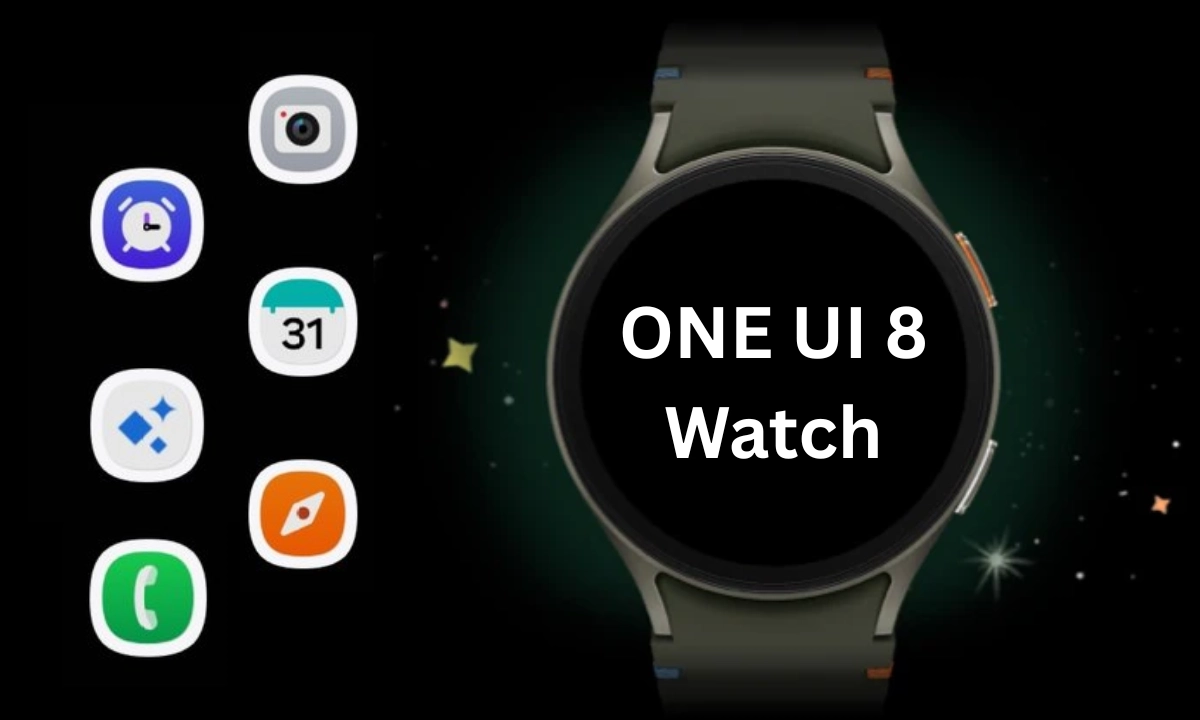
The OneUI 8 Watch upgrade, which was unveiled alongside the Galaxy Watch 8 and Watch Ultra (2025), represents a significant feature advancement for the Galaxy Watch. Samsung surprised us by releasing the major Wear OS 6-based software, with the original Watch Ultra getting first dibs, even though it was anticipated that it would arrive later for earlier Watch models.
It was first believed that the new Galaxy Watch 8 would have a brief exclusivity period with the new operating system, so the release of OneUI 8 Watch is rather unexpected. Samsung has now formally said that the OneUI 8 Watch would be released before the Galaxy Watch Ultra from last year.
Numerous users – including those with carrier-tied and unlocked models – confirmed receiving the update. With a size of roughly 1.9 GB, the OTA update is quite large, however it may differ depending on the watch model. A patch will be sent to beta participants at the same time to move them to the stable version.
Regarding the changes and new features, OneUI 8 Watch seems to be a noteworthy turning point. As part of Samsung Health, it does offer a new generation of wellness and health tracking tools.
New smart features and customizations
The Now Bar from OneUI 8 is one of the many UI improvements and refinements that OneUI 8 Watch offers in addition to the new tracking tools. It functions with the majority of first-party apps and workouts and shows the current tasks as a widget at the bottom of the watch face.
Additionally, the update allows users to receive personalized watch face recommendations and merge numerous app tiles into one. Now, the double pinch gesture can be used to take a picture, dismiss notifications, and control music.
Vital Sleep Tracking Tools
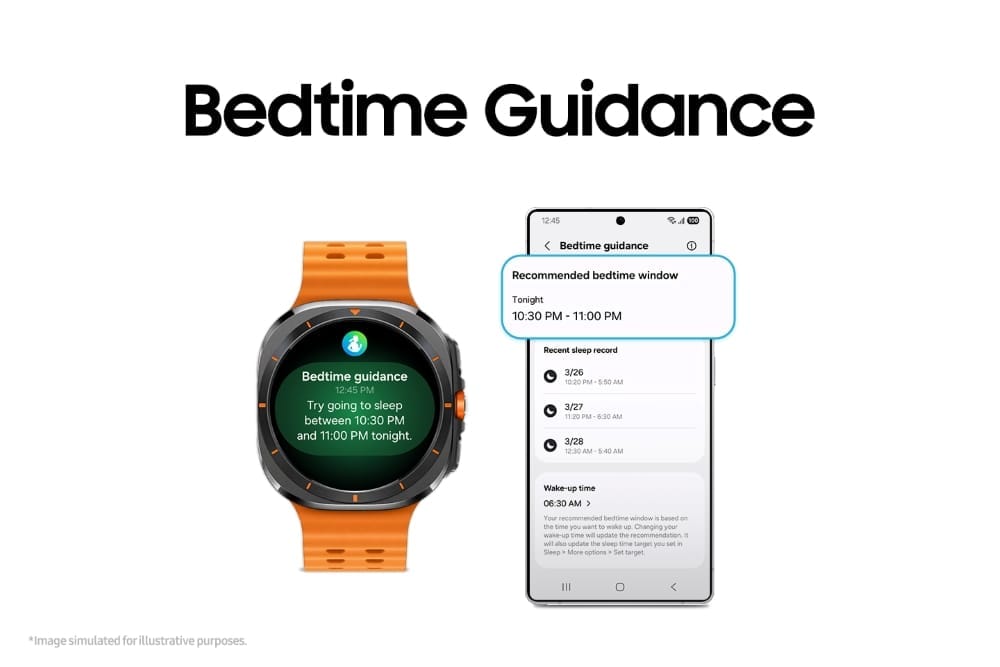
“Bedtime Guidance” is a new feature in the update that, as the name implies, offers tailored bedtime recommendations based on a user’s activities and sleep habits. To assist users in addressing irregular sleep patterns and improving their quality of sleep, it is integrated with sleep coaching.
Another sleep-related tracking tool is Vascular Load. This gauges the vascular system’s circulatory stress as you sleep, which is a crucial sign of your general health.
Running coach and mindfulness
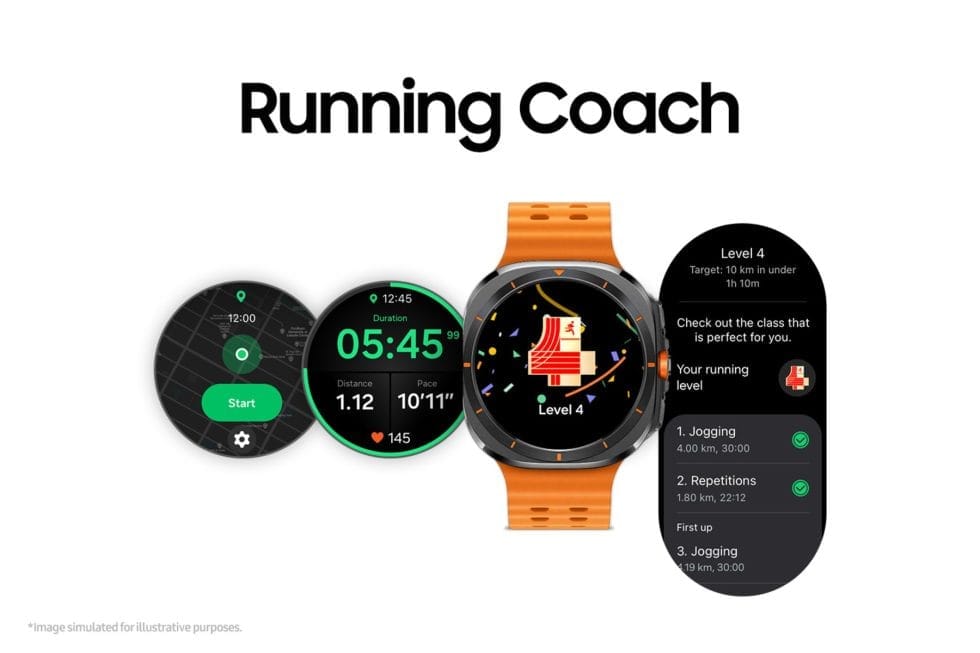
Athletes and runners would also profit from OneUI 8 Watch’s new Running Coach feature. Personalized training programs are offered by this fitness gadget according to users’ fitness levels and objectives. In order to analyze a runner’s level of fitness and generate a performance analysis, they must essentially complete a 12-minute test. During runs, real-time coaching is also available.
Mindfulness, a well-known function that is new to the Galaxy Watch, is a technique for stress and anxiety management. It includes breathing techniques to help lower stress levels.
Antioxidant Index
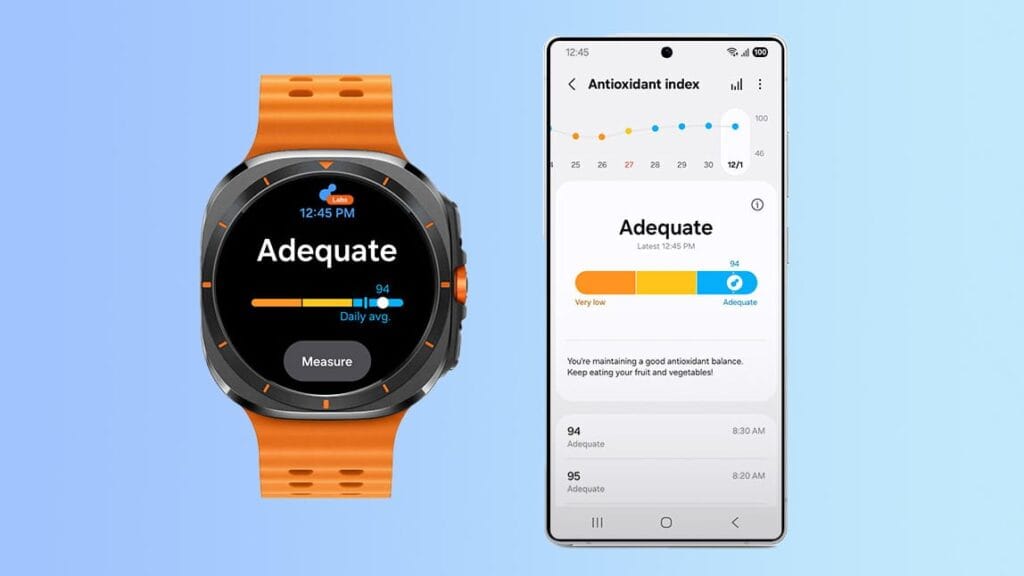
One of these new features is the Antioxidant Index, which measures the antioxidant-producing carotenoids in a user’s skin using a non-invasive technique. To determine the antioxidant level, users must press their finger against the Galaxy Watch’s BioActive sensor for five seconds. A score ranging from 0 to 100 is displayed for the outcome, with 100 being the highest and most suitable.
As usual, a person’s level of antioxidants reflects their overall health. The tool also suggests ways to improve carotenoid levels, such as eating more fruits and vegetables.
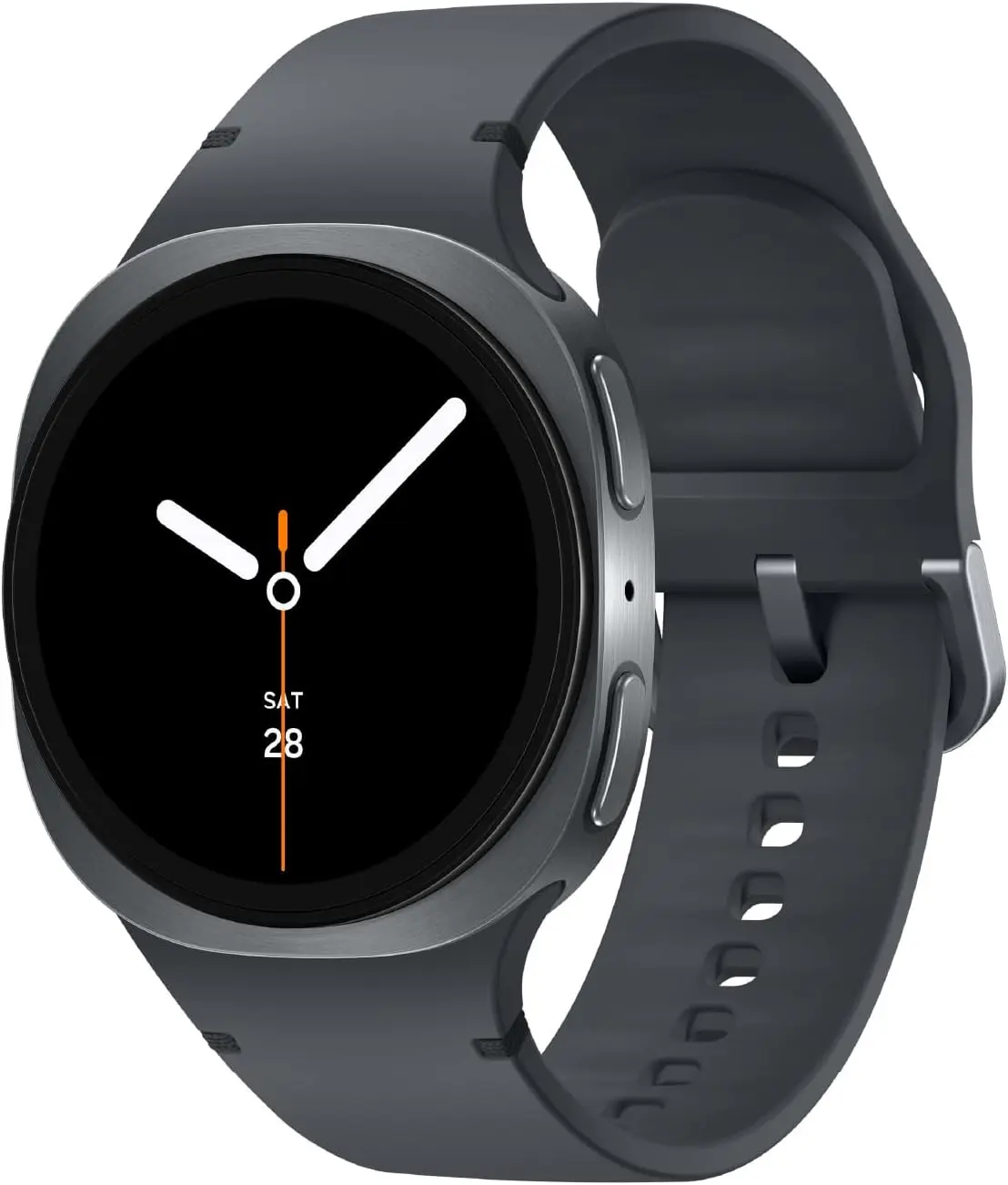
Samsung Galaxy Watch 8
Advanced health and sleep tracking features. A lighter, more snug design for all day comfort. Improved user interface. Personal AI assistant for hands free help
Additionally, the upgrade allows users to receive personalized watch face recommendations and merge numerous app tiles into one. Additionally, the double pinch gesture may now be used to take a picture, dismiss notifications, and control music.
Given that it has the same sensor and processor as the Galaxy Watch Ultra, the majority of these capabilities are also intended for the Galaxy Watch 7, though we are unsure of when the update will be available for that wristwatch. Additionally, there is no timeline for previous Galaxy Watch models.
We are unable to guarantee how long they will be available on the Apple App Store or Google Play Store. As a result, downloading them as soon as possible is advised. Just watch out for any possible subscription traps, in-app purchases, and advertisements.
Even if you don’t need an app right away, install it if it piques your curiosity. It will be added to your app library and marked as “bought” as a result. After that, you may uninstall the app straight from your phone and get it back for free anytime you need it.
Android Apps and Games
Free Android Apps
Sound Meter & Noise Detector: The name says it all. Register sound levels wherever you are, with recordings, graphs, and statistics.
Simple App Locker: Protect apps from prying eyes by hiding them behind a pin code or biometric authentication.
Reminder Pro: Already featured in other editions, set reminders quickly that are easily reachable with a widget, with lots of controls for frequency, alerts, and more!
Smart Navigation Bar: Still using the classic navbar? Customize it with a background theme, animations, and even text messages.
Free Android Games
Avalar: Shadow War: An action RPG with a strong Diablo influence. Fight the monsters and boost your abilities to (guess what) save the world!
Space Survivor: Mars RPG: Collect resources and boost your defenses to survive on Mars after being stranded on the red planet.
Shadow Knight: Ninja Fighting): Hack and slash your way through the darkness, defeating monsters with increasingly powerful attacks filled with special effects.
Summoners Era: If you are still into the idle RPG trend, try this pixel-art alternative
iOS Apps and Games
Free iOS Apps
Touch Notation: Write music on your iPhone or iPad, with this award-winning app for creating and editing musical notations.
Doodle Lens: Bring life to your doodles with the power of augmented reality. Create short videos and share them.
Merge Voice Memos: Just as the title says. Mix and match different sound recordings on your device
Weather: It is Nice Outside: Get a second opinion on the weather forecast, with data on humidity, wind, visibility, pressure, and more.
Free iPhone games
Wheels of Aurelia: A road trip through Italy, what is not to like? However, not everything is “dolce vita” in the 1970’s, and you must uncover the secrets of Lella’s past.
btw- puzzle maze: Pick all the circles on the board by switching the colors in this minimalistic puzzle game.
Chess: The classic board game with ELO-simulated computer players, and without the drama and controversies of today’s grandmasters.
Castle Ramble: A roguelike platformer with charming pixel art graphics in which you battle the pig invaders to recover your castle.
As of the date of publication, the deals were active. Please share any expired deals you come across in the comments section below. We advise you to review the app’s details in the Play Store or App Store before downloading any of the aforementioned apps. This is crucial since some of these free apps can have unique features or drawbacks of their own.
Follow us on X @droid_tools, like our page on Facebook, check out our updates on Instagram, and follow us on Google News for real-time news, device tips, and mobile tech insights.
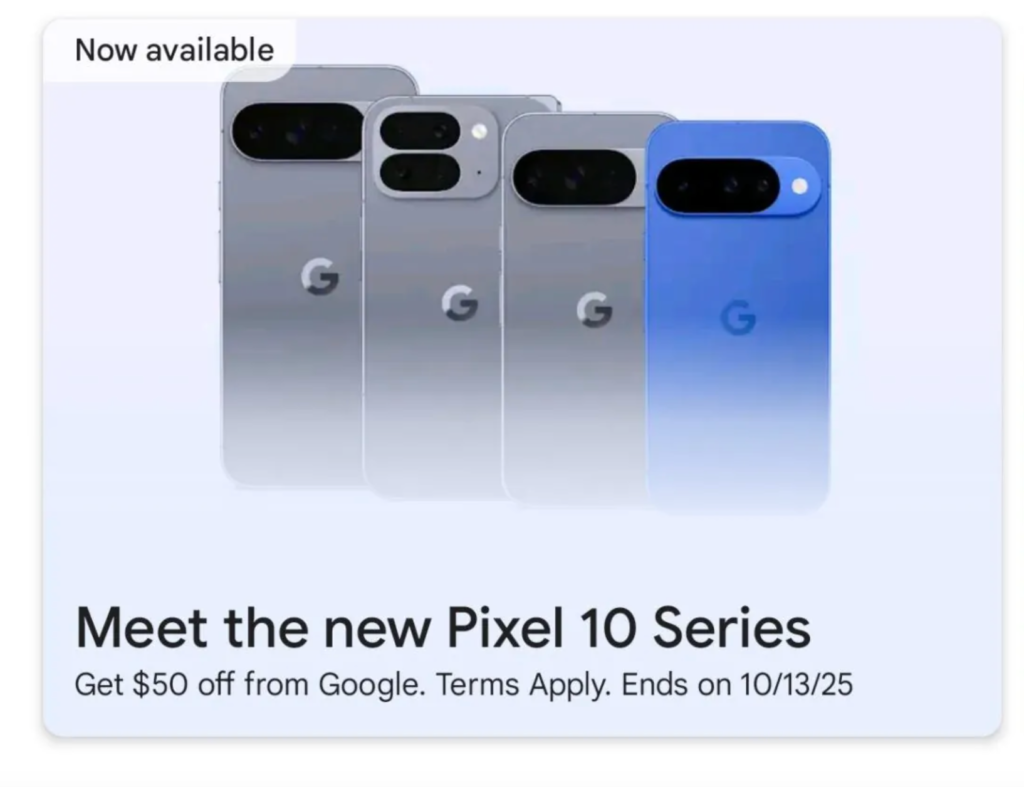
Less than a month before the Pixel 10’s launch, Google appears to have unveiled the full lineup. While “poking around” on the Google Play Store on Android on Wednesday, Android Authority claimed to have discovered a banner showing the Pixel 10, 10 Pro, 10 Pro XL, and 10 Pro Fold. Since the banner isn’t now visible directly on the Play Store, Android Authority probably had to take further measures to make it available.
Nevertheless, the words “Meet the new Pixel 10 Series” are displayed prominently alongside all four devices. The original Pixel 10 is displayed in brilliant blue, whereas the Pixel 10 Pro XL, 10 Pro Fold, and 10 Pro look to be in the silver-blue “Moonstone” hue.
The devices featured in the banner’s shapes and colors complement the flurry of leaks that have surfaced in recent weeks, including the teaser that Google itself released. Additionally, the banner advertises a $50 discount deal on the smartphones that is valid through October 13.
According to rumors, Google plans to improve the Pixel 10 series in a number of ways, like as dustproofing the Pixel 10 Pro Fold, adding a third camera to the regular Pixel 10, and increasing the specifications of the Pixel 10 Pro. On August 20, Google will unveil its Pixel 10 lineup at its Made by Google event.
Stay connected with the latest from Droid Tools—follow us on X @droid_tools, like our page on Facebook, check out our updates on Instagram, and follow us on Google News for real-time news, device tips, and mobile tech insights.
Samsung begins rolling out the One UI 8 Watch update in the United States. The main software, which weighs about 2GB and includes a security patch from earlier, is being made available to owners of the original Watch Ultra.
PDA build version L705USQU1BYFE in the US is the stable One UI 8 Watch upgrade that Samsung enthusiasts with Galaxy Watch Ultra may identify. It’s a significant update that adds health monitoring capabilities and a new user interface.
Samsung released the Galaxy Watch Ultra 2025 on July 9. Compared to the original models, this smartwatch has new colors and more storage. The Watch 8 and Watch Ultra 2025 also marked the official release of the updated Watch OS.
One UI 8 Watch update comes to US
Wear OS is the foundation of Samsung’s One UI 8 Watch. It gives your smartwatch a longer battery life. Reimagined tiles, slicker animations, and reliable functioning are all part of the company’s significant redesign.
Stay connected with the latest from Droid Tools—follow us on X @droid_tools, like our page on Facebook, check out our updates on Instagram, and follow us on Google News for real-time news, device tips, and mobile tech insights.
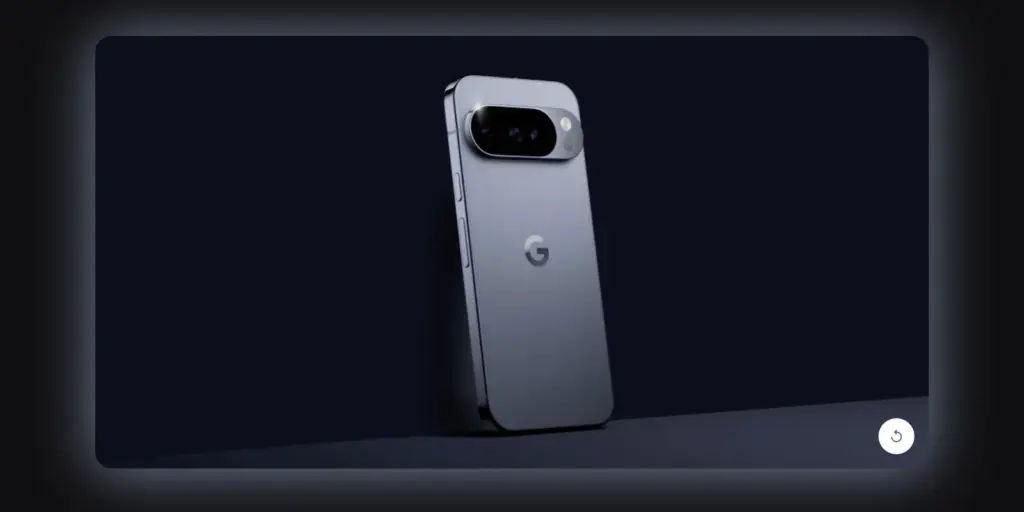
Prior to its major August 20 launch, Google has provided us with our first official look at the new Pixel 10 Pro. On the Google Store website, a brief 13-second animation demonstrates how the number “10” transforms into the phone’s camera bar. With a temperature sensor beneath the flash, it is obvious that this is the Pixel 10 Pro.
The phone’s new color, “Moonstone,” is revealed in the teaser. Compared to last year’s Hazel green, it appears to be a little more vibrant shade of blue-gray. Shiny side rails, which give the phone a high-end, polished appearance, are also seen in the video.
Google Pixel 10 will be available on August 20
Google is giving new email subscribers a bonus offer in addition to the teaser. You will receive a coupon code that you can use on the Google Store beginning August 20 if you register on the Pixel 10 page. Until September 4, 2025, or while supplies remain, the code is in effect.
The promotion may only be used once per customer on a Pixel 10 device that qualifies, and it is only available to new customers. It is not possible to use the discount code on other Google services or products. Given that this deal is available everywhere, the Pixel 10 series may launch globally.
Many people are excited to see if the Pixel 10 Pro can rival Samsung’s newest Galaxy devices as the launch approaches. We won’t know everything until the event on August 20.
Stay connected with the latest from Droid Tools—follow us on X @droid_tools, like our page on Facebook, check out our updates on Instagram, and follow us on Google News for real-time news, device tips, and mobile tech insights.
The advantages of the HyperOS build, which is based on Android 16, will soon be available on Xiaomi handsets, however at least 31 models might not receive them. There are some benefits, but a new piece of information shows how many devices will not get the next big software update.
According to XiaomiTime, the Android 16 (HyperOS) distribution schedule would not include 31 Xiaomi devices. Redmi, POCO, and flagship phones are on the list.
For flagship phones, the Chinese phone manufacturer provides three or four years of major operating system updates and three or four years of security updates. Redmi models receive security fixes for three to six years and two to four significant Android OS upgrades. POCO receives three years of security patches and two years of OS.
These findings indicate that the major OS upgrade cycle for some devices appears to be coming to an end. Here’s some good news, though. These phones will benefit from HyperOS 3, which is based on the Android 15 version, even if they do not receive Android 16.
Indeed, HyperOS 3 will be the last update for smartphones now running Android 15. As a result, you can still use your phone for a year.
Indeed, HyperOS 3 will be the last update for smartphones now running Android 15. As a result, you can still use your phone for a year.
XiaomiTime claims that since HyperOS 3 will still be available, “missing out on Android 16 shouldn’t cause anxiety.” In addition, compared to previous software releases, the next OS has few innovations and just minor UI changes.
Conversely, HyperOS 3.0 will enable your device to have new features and minor adjustments. We don’t yet know the precise features. Check on the models until then:
These 31 Xiaomi devices will not get Android 16 but they will get HyperOS 3:
Xiaomi phones
Xiaomi 12
Xiaomi 12 Pro
Xiaomi 12S
Xiaomi 12S Pro
Xiaomi 12S Ultra
Xiaomi 12T
Xiaomi 12T Pro
Xiaomi Civi 3
Xiaomi MIX Fold 2
Redmi Devices
Redmi 12
Redmi 12 5G
Redmi 13C
Redmi 13C 5G
Redmi 13R
Redmi K50 Ultra
Redmi K60
Redmi Note 12 4G
Redmi 12 NFC 4G
Redmi Note 12R
Redmi Note 12S
Redmi Note 12T Pro
Redmi Note 12 Turbo
Redmi Note 13 4G
Redmi Note 13 4G NFC
Redmi Note 13 5G
Redmi Note 13R Pro
POCO Models
POCO C65
POCO F5 5G
POCO F5 Pro
POCO M6 Pro
POCO X6 Neo
Stay connected with the latest from Droid Tools—follow us on X @droid_tools, like our page on Facebook, check out our updates on Instagram, and follow us on Google News for real-time news, device tips, and mobile tech insights.
We can never have enough battery life. The older generation still longs for the days when a single charge was sufficient to power your feature phone through a hectic week, even if the majority of smartphones from the last few years will easily last you a day or perhaps even two.
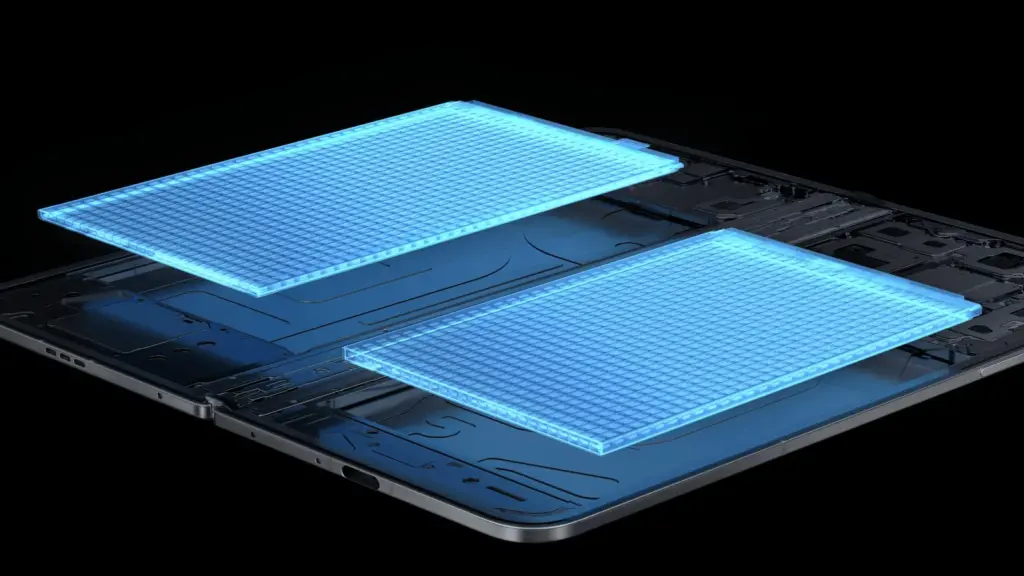
Many of the top flagship smartphones of today come with innovative silicon carbon batteries thanks to the efforts of battery engineers. Because of this, they may promise even greater battery capacities without having a larger or thicker chassis. What a huge victory.
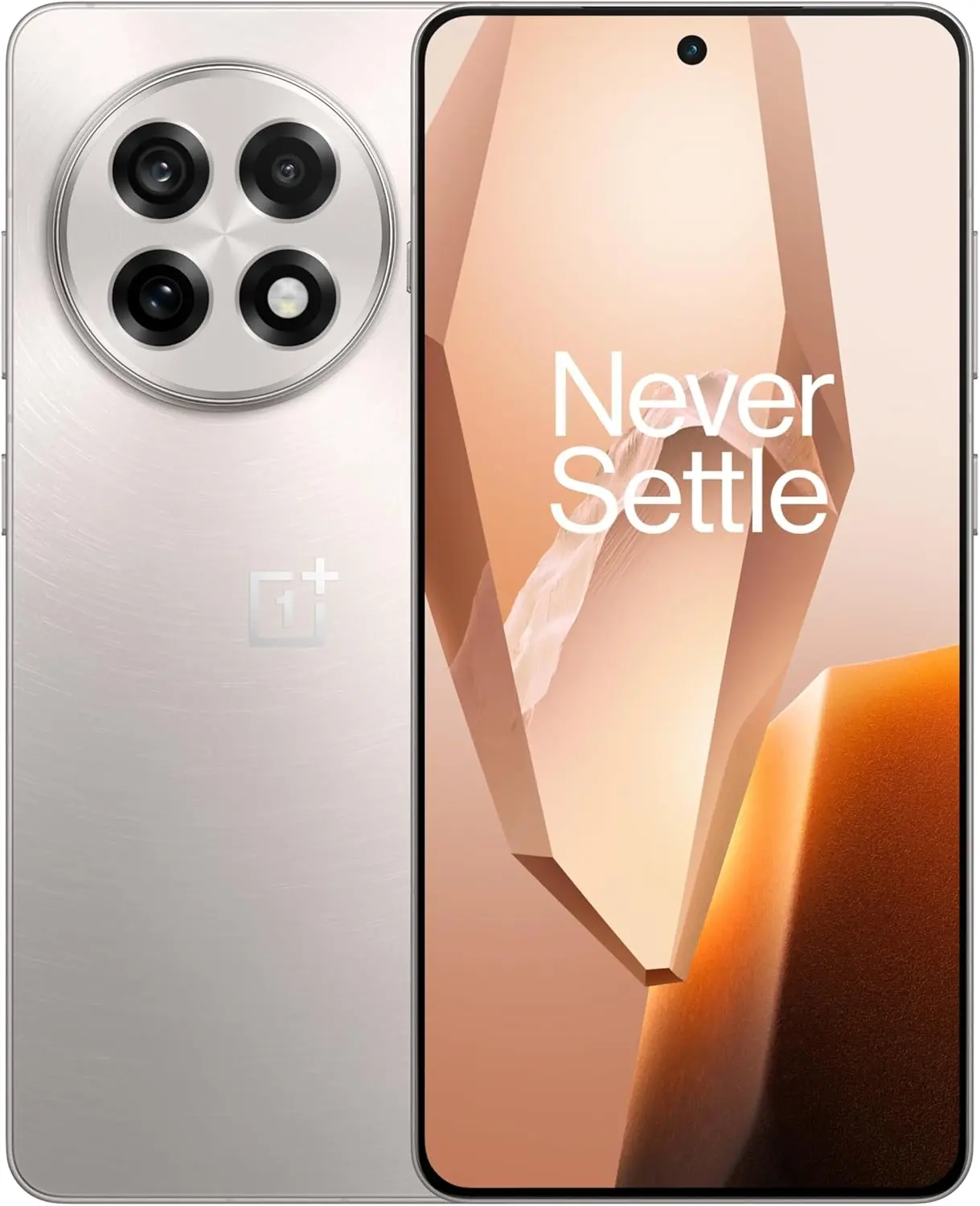
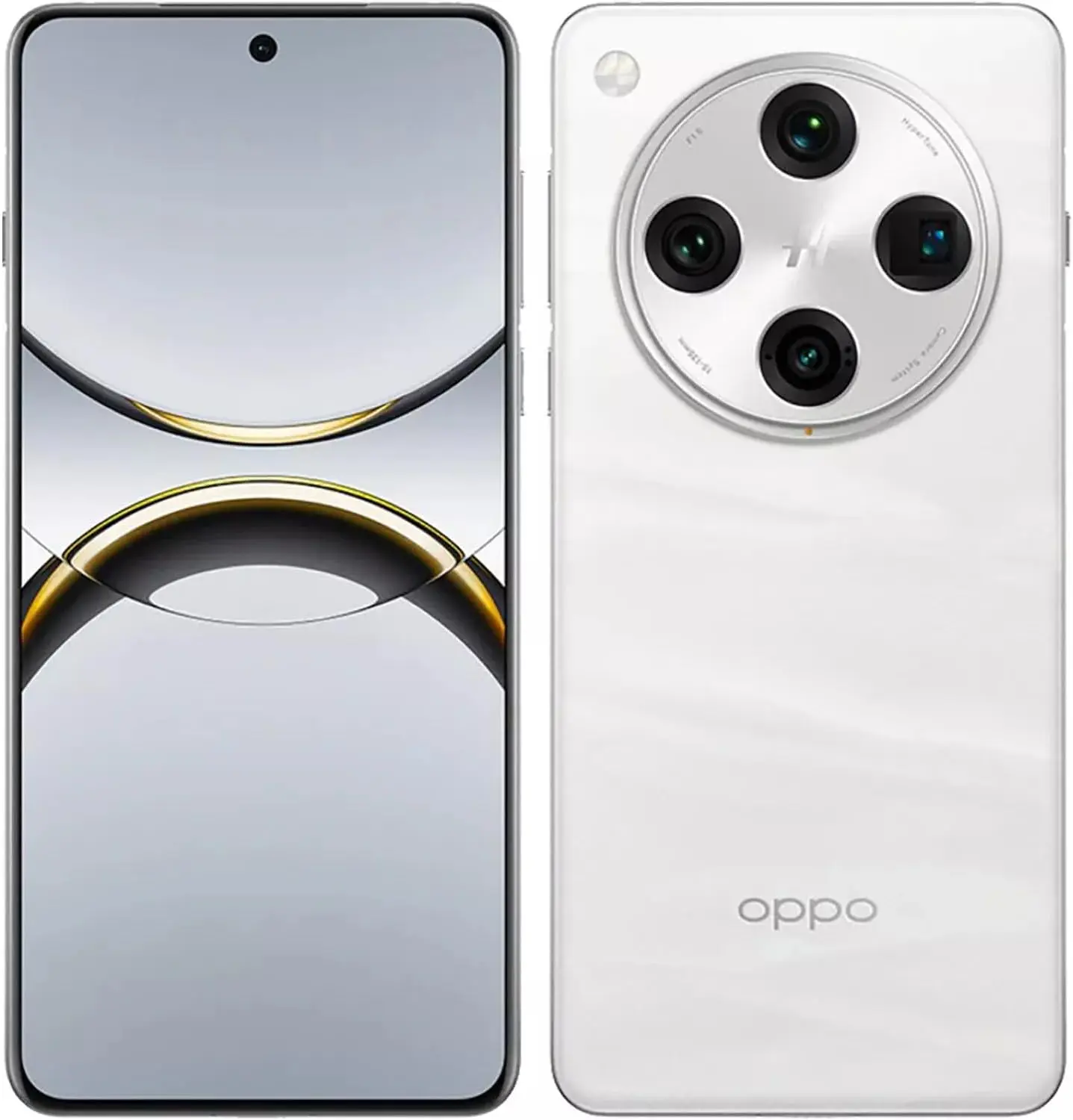
For instance, the OnePlus 13 has a 6,000mAh silicon-carbon battery, which is more than the 5,400mAh cell from the previous year. In China, the Xiaomi 15 Ultra has a massive 6,000mAh battery capacity, up from 5,400mAh the year before (and a still respectable 5,400mAh for worldwide markets, up from 5,000mAh). The smaller variants also enjoy comparable improvements. The vivo X200 series, OPPO Find X8, and Honor Magic 7 Pro are all brand-new flagship devices with silicon power cells. The technology has here in full force already.
Unfortunately, silicon-carbon battery technology hasn’t yet been included into the newest devices from Apple, Google, or Samsung. Maybe by 2026, we’ll see these brands go on board. However, is it better to remain with the more recognizable Lithium-ion models or to jump right in and purchase a phone with a silicon carbon battery?
What differentiates Li-ion batteries from silicon carbon batteries?
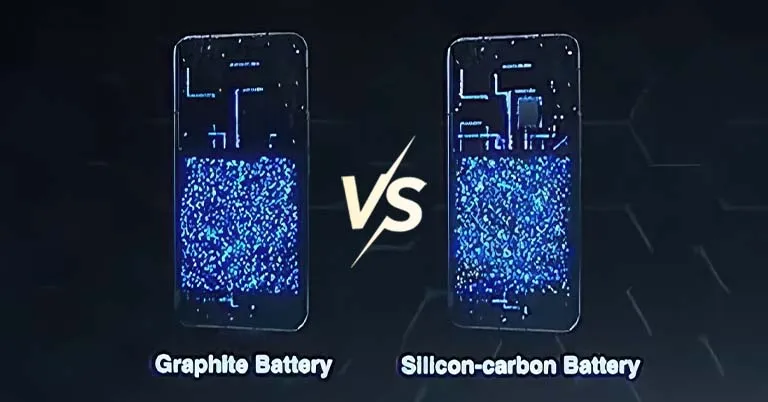
Rather of being a completely novel idea, today’s silicon-carbon (Si/C) Li-Ion batteries are essentially an advancement of conventional lithium-ion technology. By adding silicon, which has a substantially higher energy storage capacity than graphite (372 mAh/g compared to about 4200 mAh/g for pure silicon), they alter the traditional graphite anode. Because of this, silicon has long been a promising material for increasing battery capacity.
Pure silicon anodes, however, face many difficulties. Extreme expansion is the most troublesome; when fully charged, the structure can inflate by up to 300%. The battery experiences extreme mechanical stress as a result, shortening its lifespan and leading to structural breakdown.
Over time, lithium loss and decreased capacity result from silicon’s strong reaction with the electrolyte, which breaks and reforms the Solid Electrolyte Interphase (SEI) layer with each cycle. The aggressive expansion exacerbates this. Another drawback for battery longevity is that silicon has lesser electrical conductivity than graphite, which can reduce charge and discharge rates and increase losses from internal resistance. This can lead to increased heat.
To address these problems, a silicon-carbon (Si/C) composite is utilized rather than pure silicon. The SEI layer is stabilized and its expansion is lessened by the structural support that carbon offers. Depending on its silicon concentration, a well-designed Si/C battery may restrict swelling to just 10–20% during charge cycles, whereas conventional graphite anodes only increase by about 10%. Additionally, carbon increases electrical conductivity, which guarantees better lithium-ion flow and higher efficiency.
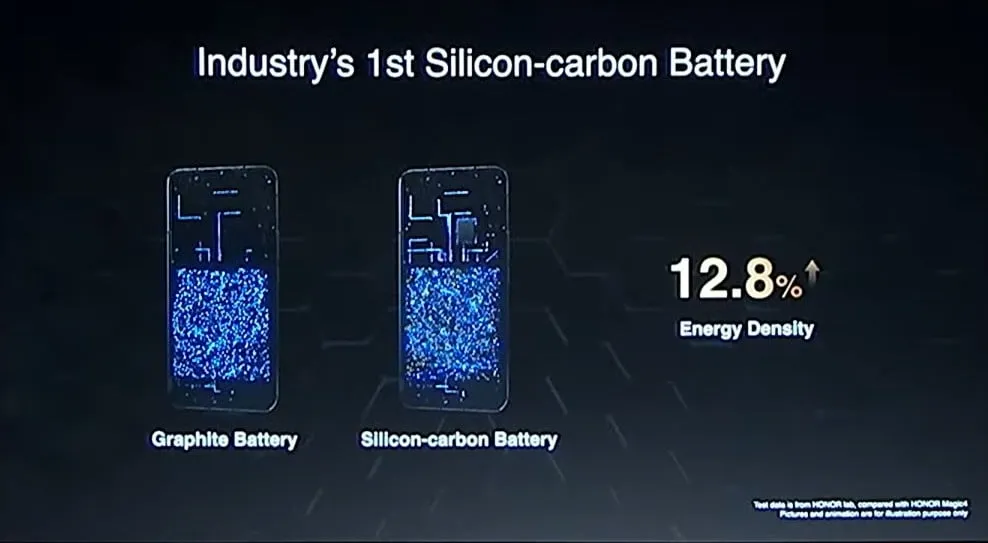
The trade-off is that Si/C anodes are unable to fully realize the 10x capacity improvement of pure silicon. Rather, depending on the silicon percentage, they provide a very modest energy density increase of 10–20%. Si/C batteries are an engineering problem since higher Si content enhances capacity but also causes swelling and complicates manufacture. There are restrictions and trade-offs associated with Si/C batteries, but there is no such thing as a free lunch.
The benefits and cons of batteries made on silicon carbon
Any increase in smartphone battery capacity is obviously beneficial, and Si/C batteries are a godsend for power users who want devices that can endure much longer than a single day of intensive usage. It should come as no surprise that so many of the most potent flagship phones available this year have the technology.
After more than a month of everyday use, I can vouch for the OPPO Find X8 Pro’s 5,910mAh Si/C Li-ion battery’s exceptional longevity. I frequently get two days of moderate use out of a single charge, have plenty of fuel left over after a day of chasing the kids, and in lighter weeks, I’ve occasionally gone far into 48 hours without needing a charger.
On the other hand, Si/C is advantageous for thinner gadgets, such lightweight and foldable phones. Thin or small smartphones could surely benefit from this new battery type to maintain decent capacities in more constrained form factors, even though the Galaxy S25 Edge might not be Samsung’s first Si/C smartphone. The technology has already been used to fit a sizable 5,700mAh battery into a 5.2mm folding design in the Vivo X Fold 3 Pro. Despite being 5.6 mm thick, Samsung’s Z Fold 6 only contains a standard 4,400mA battery. This trend toward higher capacities has also been embraced by the latest Chinese clamshell phones.
Whether silicon-carbon batteries will outlast their more conventional lithium equivalents is the main question that remains. It is evident from the foregoing trade-offs that Si/C will not outlast the most robust graphite-based Li-ion cells now available on the market. Lower silicon concentration can nonetheless provide batteries with a marginally larger capacity that have a comparable lifespan to conventional Li-ion cells. With only a slight but welcome increase in capacity to control the silicon content, this appears to be what we’re seeing in today’s most advanced smartphones.
Because Si/C batteries are pushing the limits of energy density and charge rates, smartphone manufacturers may also be becoming more cautious when it comes to fast-charging temperatures in an effort to prolong battery lifespans. In other words, manufacturers are merely attempting to make sure their phones can withstand the promised updates for the next five or more years.
However, because of its increased capacity, stronger diffusivity of lithium, and decreased chance of plating the anode, Si/C is actually a godsend for faster charging. Additionally, bigger capacities make it easier to follow the 80% charge guideline without worrying about running out of juice in the middle of the day. If you want to keep your phone for many years to come, silicon need not be a negative thing.
Do you want to purchase a phone that uses a silicon-carbon battery?
The newest smartphones will undoubtedly benefit from Si/C Li-ion batteries, which will also likely extend the battery life of your wearables, tablets, laptops, and even electric cars. The most cutting-edge phones of today already heavily rely on silicon cells, which allow for even greater capacities or slimmer form factors without sacrificing battery life.
But at the moment, you’ll need to look around at Chinese companies to find one, like the OnePlus 13, which is really amazing. Apple, Google, and Samsung, three US giants, have not yet embraced this new battery technology. We may have to wait until their 2026 flagships or even later before they join the celebration, as they might not even get around to it this year.
However, if you intend to retain your smartphone for more than five years, it might be wise to wait and see how the longevity issue develops. Any long-term purchase will eventually require battery replacements, but Si/C Li-ion cells may require more frequent replacements, particularly when fast charging is used. This can turn out to be an unwanted extra expense for early adopters because they are more costly to make. We will need to wait and find out.
Similarly, if you’re on a tighter budget, it might not be worth it to buy a phone just because it contains a Si/C Li-ion battery. The technology is mostly limited to premium smartphones and innovative form factors due to its trickier production process, and it may take a few years before it makes its way into the mid-range market. Although silicon carbon batteries provide advantages, a 12% increase in capacity is not always worth the extra $100.
Stay connected with the latest from Droid Tools—follow us on X @droid_tools, like our page on Facebook, check out our updates on Instagram, and follow us on Google News for real-time news, device tips, and mobile tech insights.