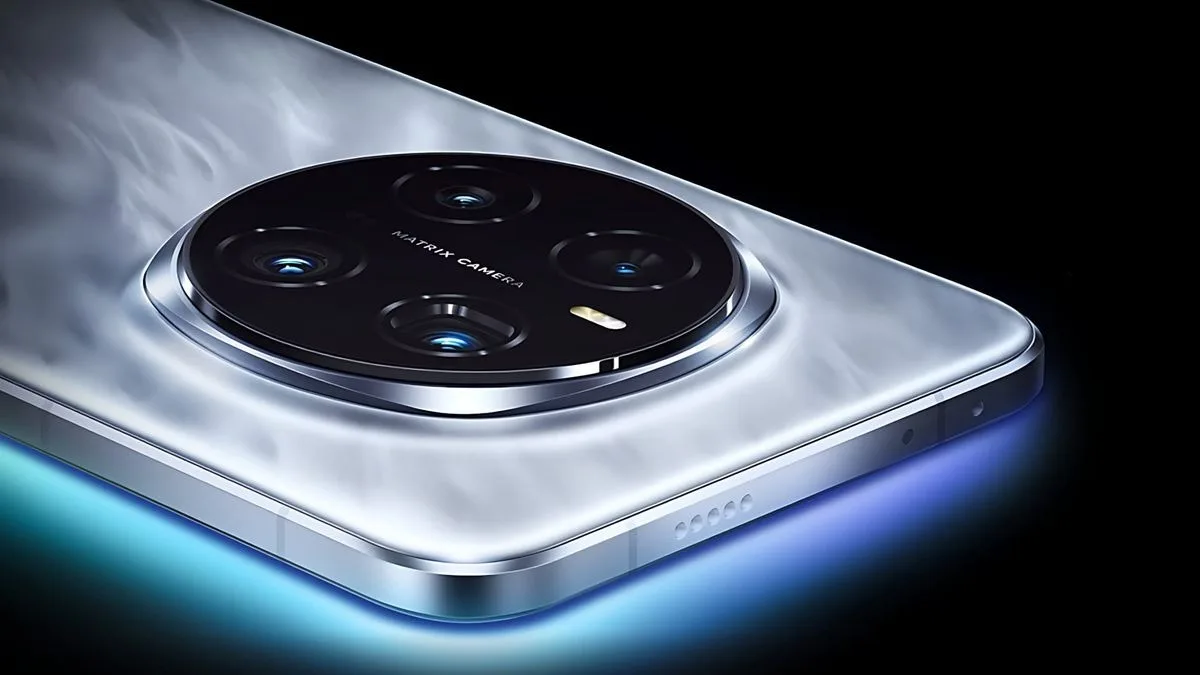
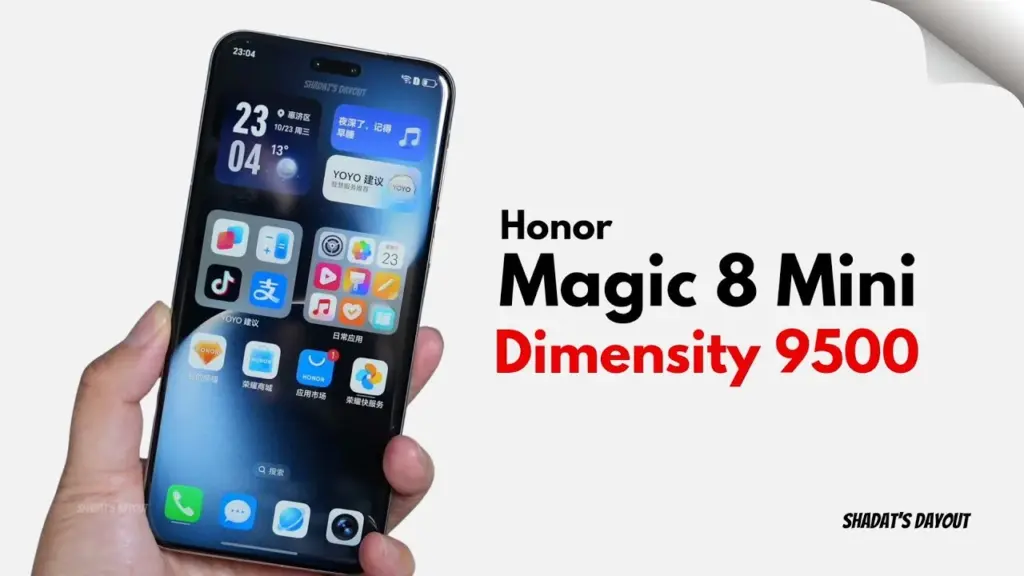
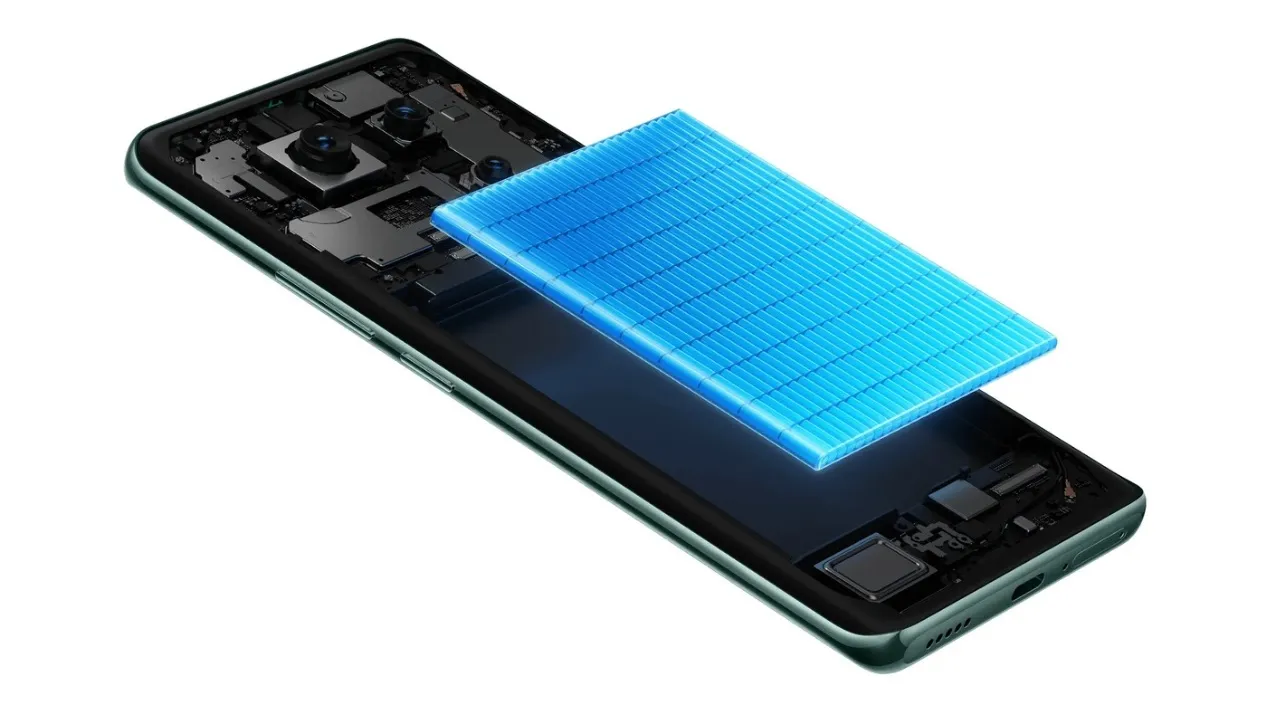
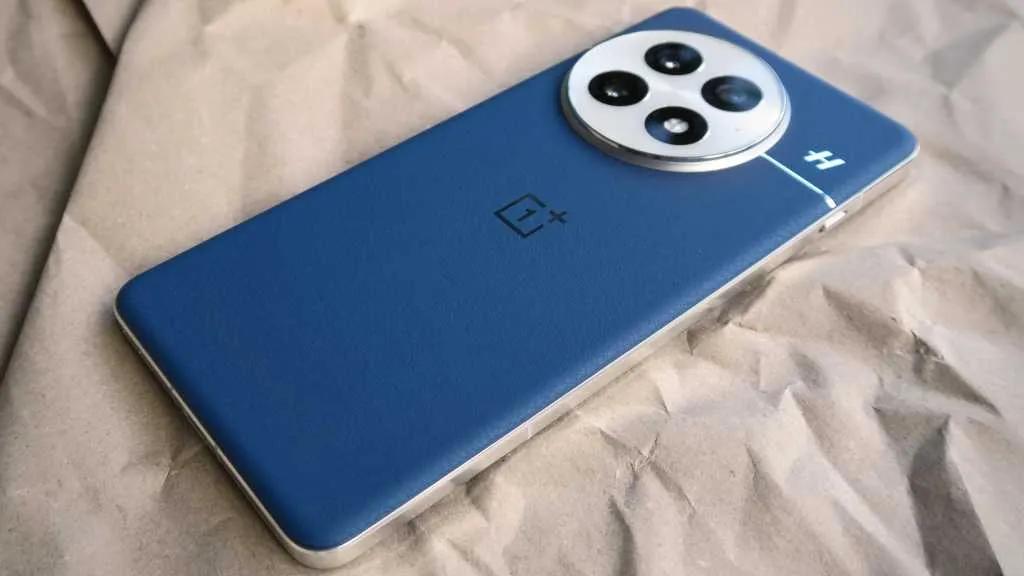
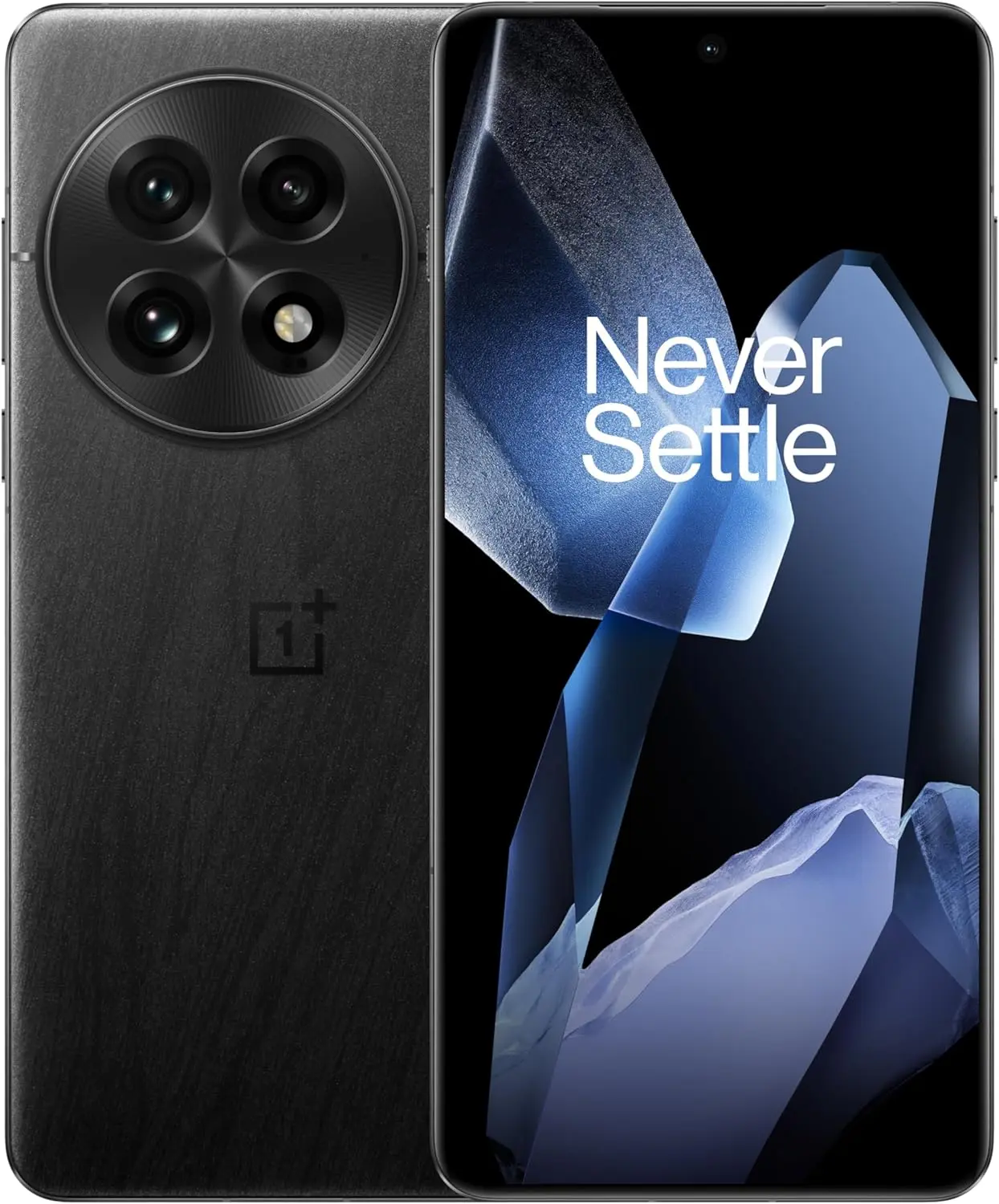
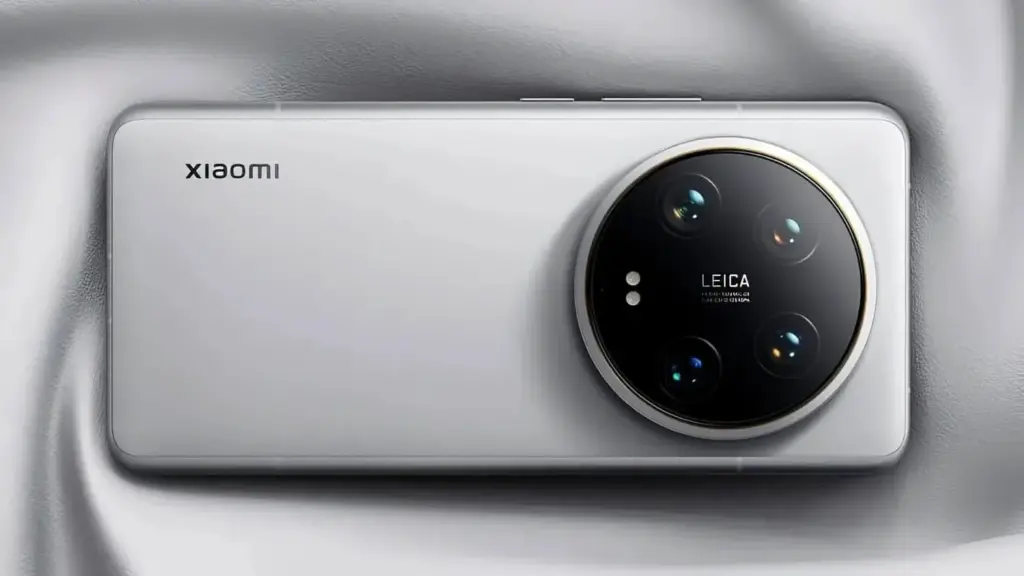
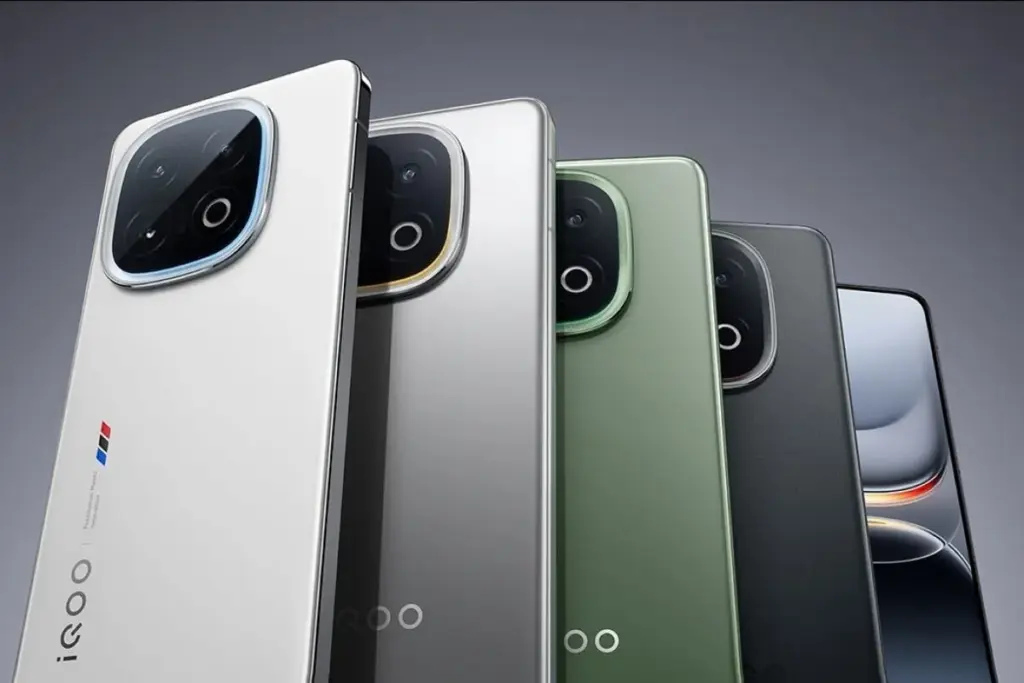
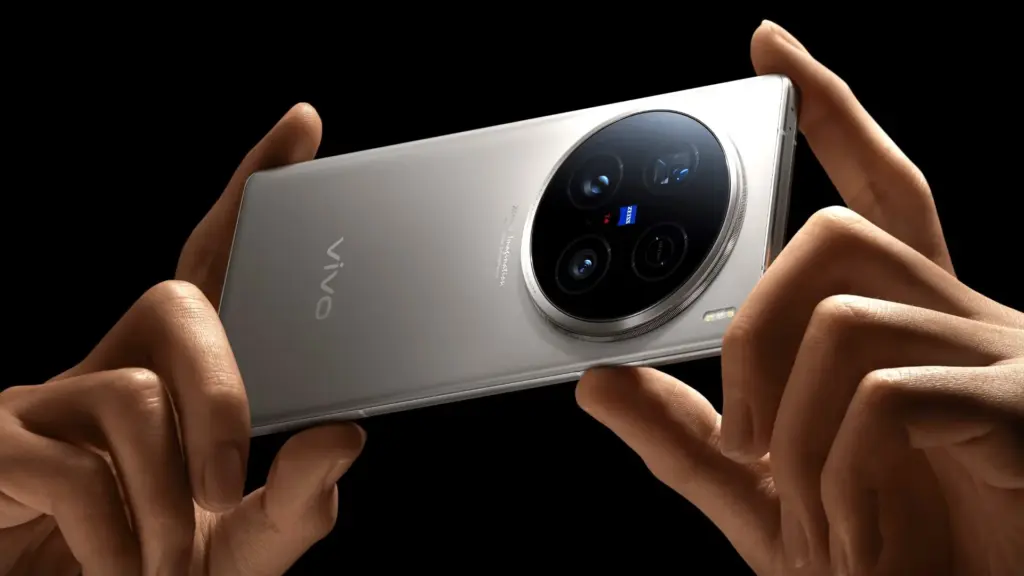
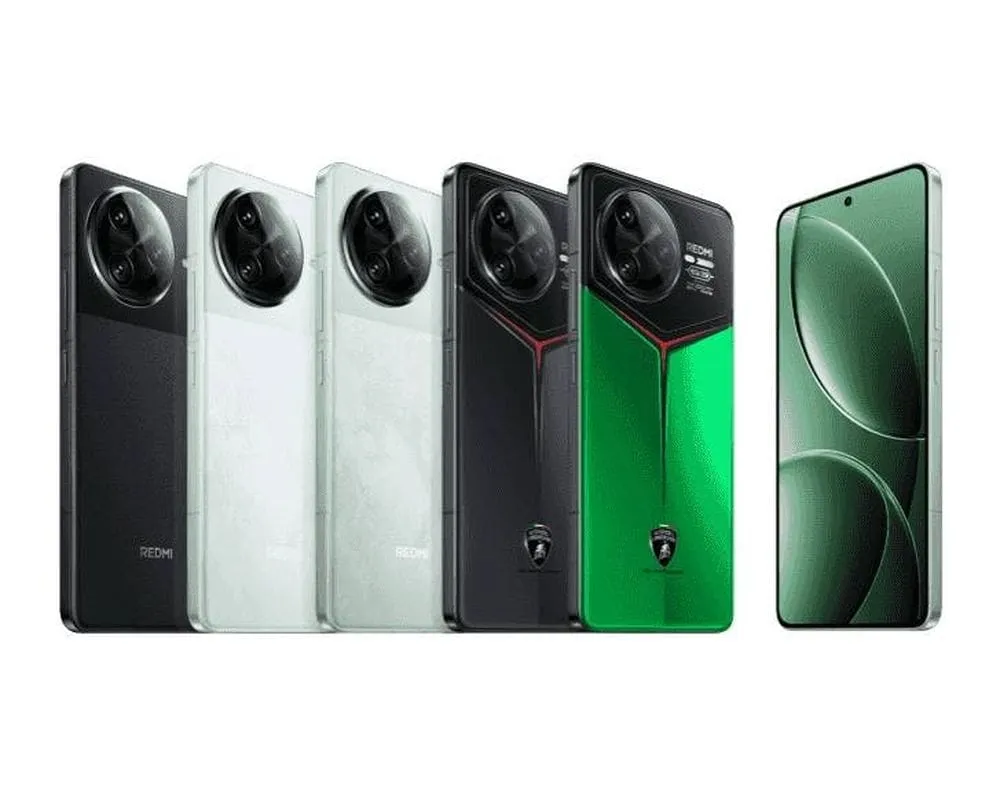
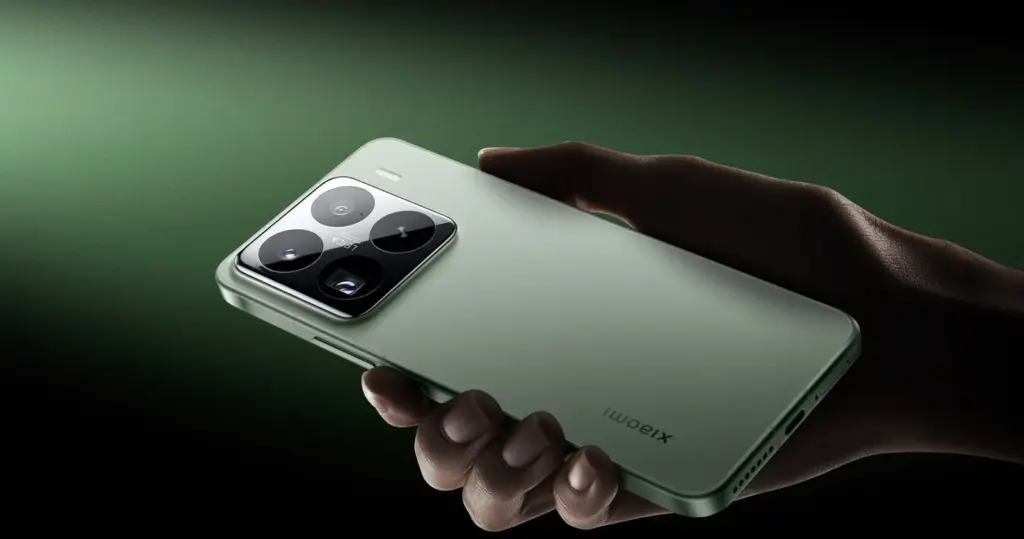
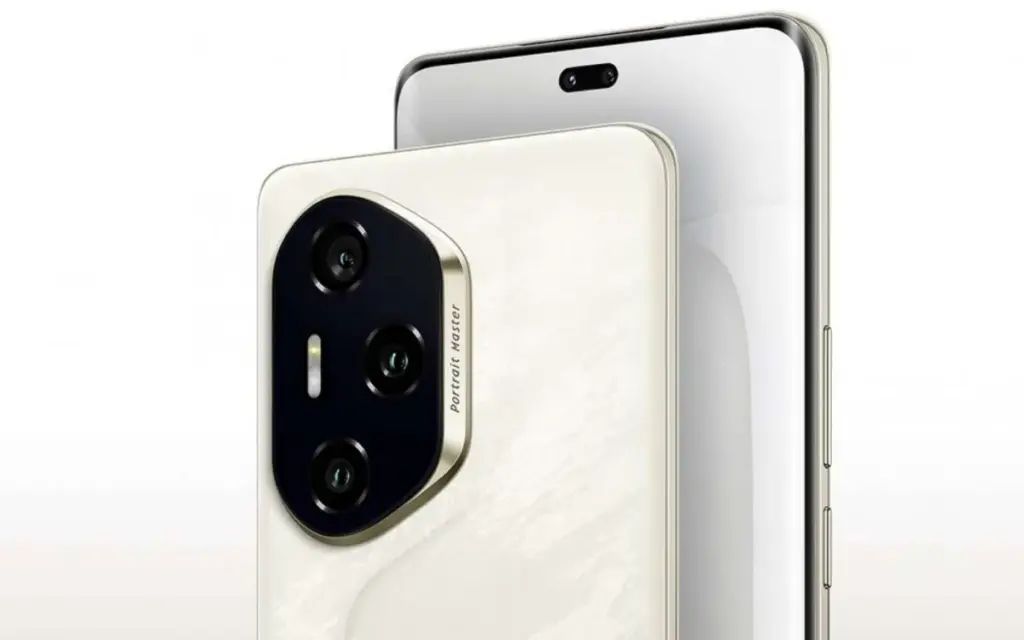
Honor might be gearing up to revive something Android fans haven’t seen in a long time: a genuinely compact flagship, Magic 8 Mini, that isn’t a watered-down version of the “real” model. A fresh leak suggests the company is working on what’s reportedly called the Magic 8 Mini, and if the details hold up, it could end up being one of the thinnest and lightest compact phones of the year.
Only in October did the standard Magic 8 and Magic 8 Pro arrive, extending Honor’s dominance in the high-end market. However, rumors about a smaller “Mini” variant began to circulate almost immediately. A pre-production unit is already making the rounds, according to Weibo tipster Digital Chat Station. It is remarkably tiny, measuring between 5 and 6 mm. That would clearly place it in the “ultra-thin” category among gadgets like Apple’s iPhone Air and Samsung’s Galaxy S25 Edge. However, the combination—not just slim, but truly compact—is what sets this one apart. It is a combination of two trends that hardly ever coincide these days.
Honor Magic 8 Mini specs
The Magic 8 Mini is rumored to have a 6.31-inch display up front, which is essentially the new benchmark for phones labeled as small.
The camera situation is still unclear. Honor is apparently testing a 200MP primary sensor, but a 50MP 1/1.5 sensor is being discussed. The speculated telephoto lens is the more intriguing aspect. Since very few phones smaller than 6.5 inches have significant zoom capabilities (the 6.32-inch OnePlus 13T, for example, only has a modest 1/2.75″, 2x telephoto), if Honor does incorporate one here, it will probably employ a smaller sensor but still give the Mini an advantage in terms of adaptability.
The Dimensity 9500 chip from MediaTek, which powers Vivo’s X300 and X300 Pro, is anticipated to power the phone. Battery life is the only possible issue. There are rumors of a 5,500mAh cell, which is amazing considering the form factor but not nearly as big as the 6,260mAh pack of the 8.2mm-thick OnePlus 13T.
Honor hasn’t made any announcements yet, and it’s unclear if the Magic 8 Mini will share the stage or stay under wraps for a little while longer given that the Honor 500 series will debut in China on November 24. Nevertheless, this might be one of Honor’s more innovative phones if the reports turn out to be true. An “ultra-thin small-screen” gadget could be just what some of us have been waiting for in a market where flagship devices seem to be getting bigger and heavier.
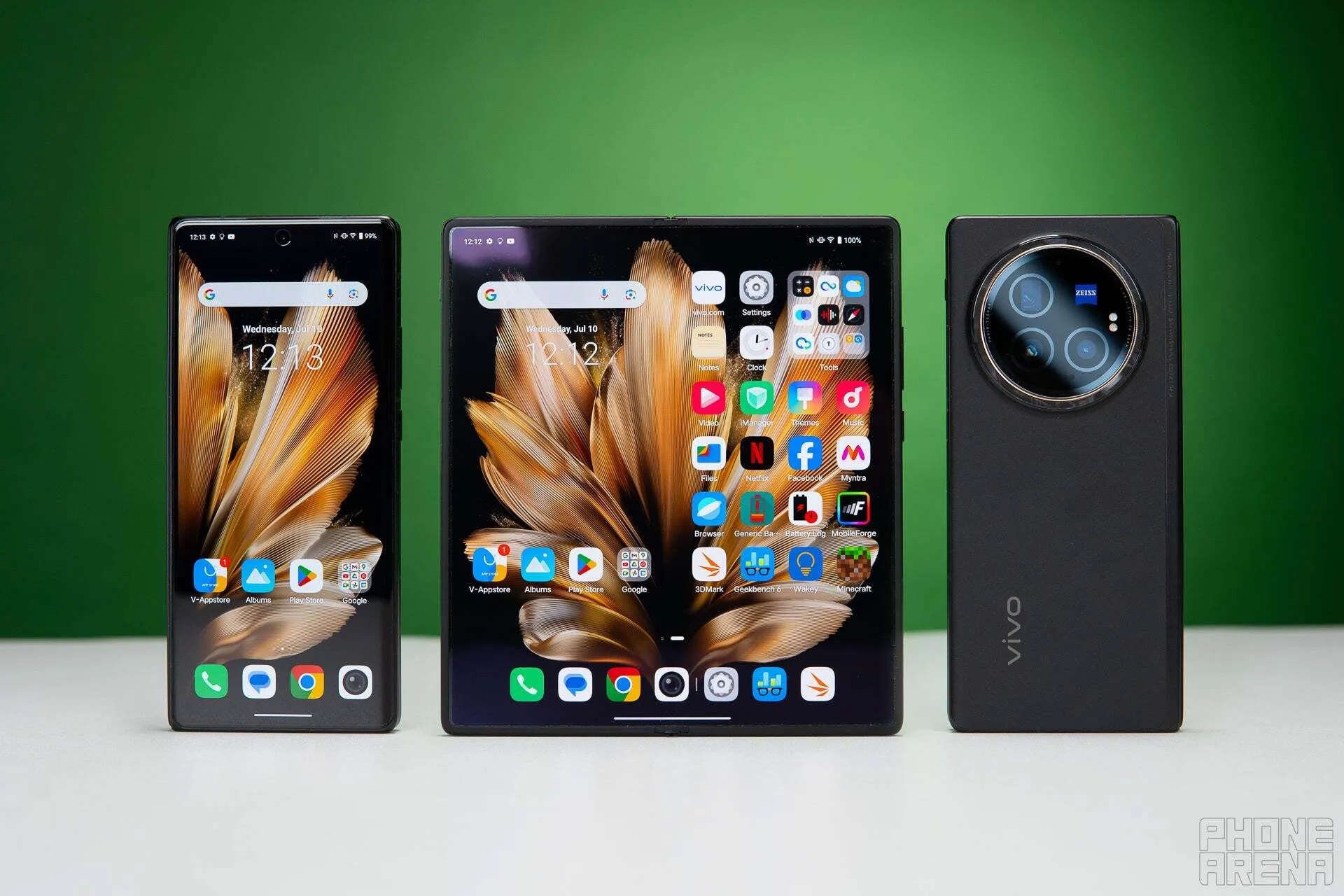
The Vivo X Fold5 sets a new standard for folding smartphones by fusing cutting-edge technology, stylish design, and potent performance. This phone, which combines the greatest features of regular and foldable phones, is perfect for tech-savvy users, professionals, and entertainment aficionados who value both design and productivity.
Exclusive Discount
Get the Vivo X Fold5 at GeekWills for a special $50 discount for a short period of time by using the coupon code XFD5. Don’t pass up this fantastic deal on Vivo’s high-end foldable smartphone; it’s only available till July 30.
The Vivo X Fold5 has a high-end construction and a seamless, stylish, and long-lasting folding mechanism. A huge 8.03-inch OLED LTPO 8T display with a high resolution of 2480 x 2200 pixels is revealed as it opens up, offering a clear and colorful visual experience. Because of this, it’s ideal for multitasking on a wide canvas, reading, and watching videos. The 6.53-inch outside AMOLED display, which has a resolution of 2748 x 1172, guarantees easy access for daily use without opening the device when folded. Both displays have outstanding clarity and vibrant colors, and the fold is made to last through frequent use without breaking.
The Snapdragon 8 Gen 3 chipset, which powers the Vivo X Fold5, provides quick and effective performance. The processor and up to 16GB LPDDR5X RAM guarantee seamless performance whether you’re multitasking between windows, playing demanding apps, or playing intensive games. With 256GB to 1TB of onboard storage, there is more than enough room for apps, pictures, and videos. Additionally, it has a strong dual-cell 6000mAh battery that can be charged at 80W wired and 40W wireless rates. It can be charged to 50% capacity in just 15 minutes, making it ideal for those who are constantly on the go.
Versatile Camera Setup for All Scenarios
The Vivo X Fold5 has three 50MP cameras on the back, making it a strong camera system. It has an ultra-wide-angle lens with a 120° field of view, a primary ultra-sensitive camera, and a professional portrait camera with up to 100x digital and 3x optical zoom. This phone offers amazing clarity and detail whether you’re taking close-ups, landscapes, or portraits. Whether the phone is open or folded, the two 20MP front cameras (one on each side) guarantee excellent results for selfies and video calls.
The Vivo X Fold5 provides a clear and snappy user experience because to its Funtouch OS, which is based on Android 15. Both work and play are improved by features like sophisticated facial recognition, stylus support, and split-screen multitasking. The smartphone is future-ready for worldwide connectivity since it also supports 5G, dual SIM, and eSIM. An additional degree of convenience and security is provided by the side fingerprint unlock feature.
With its high-end hardware and well-considered features, the Vivo X Fold5 offers a premium folding experience. Depending on your demands, this multipurpose gadget can be used as a dependable daily driver, a little tablet, or a strong camera tool.
Vivo X Fold5 specs:
Main Display: 8.03-inch OLED LTPO 8T, 2480 × 2200 resolution
Similar to its predecessors, the MediaTek Dimensity 9500 maintains its competitiveness and occasionally even surpasses Qualcomm’s Snapdragon 8 Elite Gen 5. At least if the Xiaomi 17 Pro Max and Vivo X300 Pro’s recent benchmarks are any indication.
Earlier this week, Vivo introduced the Vivo X300 series, the company’s first phones to use MediaTek‘s top Dimensity 9500 processor. Early benchmarks of the SoC on MediaTek’s test device revealed a modest inferiority to Qualcomm’s, but more recent ones suggest the situation is more nuanced.
Vivo X300 Pro vs Xiaomi 17 Pro Max AnTuTu benchmark
The Vivo X300 Pro and the Snapdragon 8 Elite Gen 5-powered Xiaomi 17 Pro Max have now been tested side by side under nearly comparable settings, and their AnTuTu benchmark results have appeared online. Unexpectedly, the Vivo gadget outperforms the Xiaomi, scoring 3,956,885 overall compared to 3,731,077 for the Xiaomi. In actuality, the latter score is higher than what that phone achieves on the current AnTuTu list.
Though not significantly, the Vivo X300 Pro also performed better on the CPU, GPU, and memory tests. Additionally, even though the Vivo’s battery is much smaller, both phones’ battery life decreased by 5%. But the Xiaomi 17 Pro Max remained colder.
While manufacturers like OnePlus, Oppo, and Vivo are ready to release their next-generation smartphones, the Snapdragon 8 Elite 2 and Dimensity 9500 chipsets are on the horizon. Future gadgets, purportedly the Vivo X300 Pro, Oppo Find X9, and OnePlus 15, have now obtained 3C approval in China.
Two new flagship chipsets, the Qualcomm Snapdragon 8 Elite 2 and the MediaTek Dimensity 9500, are anticipated to be released later this month (September 2025). It is anticipated that Chinese manufacturers such as Xiaomi, Oppo, Vivo, and OnePlus will be among the first to produce smartphones with the new chipsets. In China, three of these flagship gadgets have already been certified 3C.
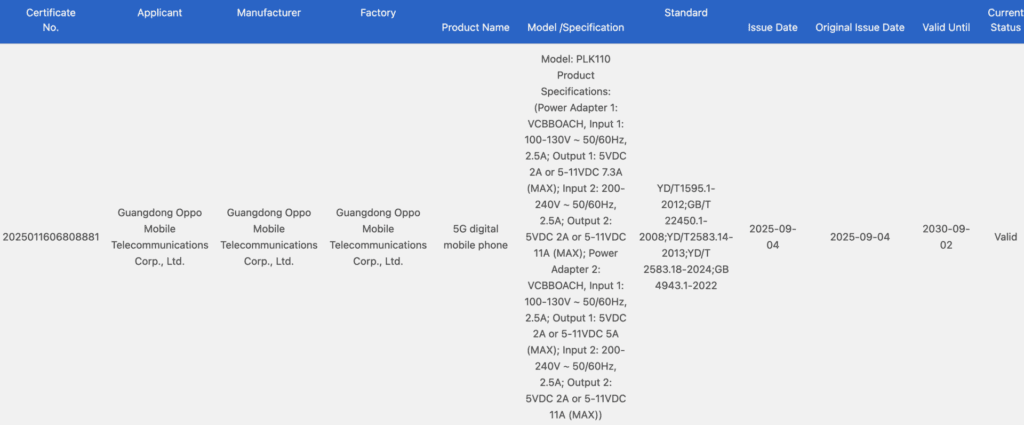
The smartphones that gained 3C certification include apparently the OnePlus 15, Vivo X300 Pro, and Oppo Find X9. It is anticipated that the Snapdragon 8 Elite 2 chipset would power the OnePlus 15. It has surfaced on the 3C certification site with model number PLK110, and shows that it will ship with a 120W charger.
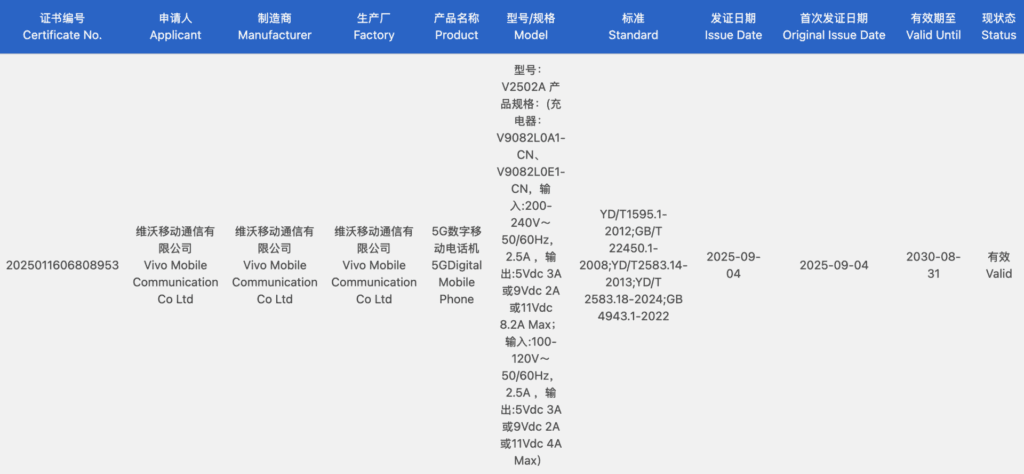
In the meantime, the MediaTek Dimensity 9500 processor is anticipated to power the Vivo X300 Pro and Oppo Find X9. The devices, which have model codes V2502A and PLJ110, respectively, have been certified on the 3C certification portal. A 90W charger might be included with the Vivo X300 Pro, and an 80W charger might be included with the Oppo Find X9.
It is anticipated that Chinese smartphone manufacturers would introduce the new flagship chipsets in October after MediaTek and Qualcomm announced them in late September. Global launches, however, might—and probably will—occur weeks or months later.
Almost every year, the same story is told. The Huawei Pura 80 Ultra, a Huawei flagship that is technically unique on the smartphone market because to its unusual dual-lens telephoto construction, leads the DxOMark rankings in 2025. Charges of corruption in DxOMark’s purportedly impartial scoring methodology and criticism of Huawei’s continuously dominant position are frequent. This year is no different, with criticism and misunderstanding predominating in the comments section of an official social media post.
In the most recent Huawei Pura 80 Ultra camera test, the Chinese manufacturer set a new record with a total score of 175 points. The Oppo Find X8 Ultra and the Vivo X200 Ultra came in second and third, respectively, a considerable distance behind. In the portrait, low light, indoor, and outdoor photography categories, the Huawei Pura 80 Ultra scores highly. Given the Pura 80 Ultra’s advanced telephoto solution, the Vivo X200 Ultra’s one-point victory in the newly released DxOMark test report was just in the zoom category.
Huawei Pura 80 Ultra camera has now drawbacks
The testers’ criticisms of Huawei’s flagship model are remarkably limited. Only sporadic exposure and color fidelity instability, somewhat odd texturing in challenging lighting conditions, and certain image distortions like ghosting in video mode are listed as drawbacks. The current Pura flagship’s camera performs admirably in every other situation. Its strong dynamic range and, according to the test report, its superb color reproduction in challenging scenes—which is reportedly noticeably better than that of its competitors—are praised.
Additionally, specifically listed as benefits are skin tones, detail, focusing, video stabilization, and the ultra-wide-angle camera. The test result states that there is very minimal noise in the images taken in low light. Many comparison images are included in the whole test report so that interested readers may determine whether the significant ranking difference between Xiaomi, Vivo, Oppo, and other companies is truly warranted.
The silicon-carbon phones that are officially available for purchase in the West are examined in depth here, along with their significance.
The competition for smartphones in 2025 will involve more than simply megapixels, AI capabilities, and display brightness. It’s also about the battery, especially, which is located beneath the hood. Silently revolutionizing endurance and charging speeds, silicon-carbon battery technology is no longer just available in domestic Chinese markets.
In Western countries, a number of prominent companies have begun to provide silicon-carbon smartphones, giving customers in North America and Europe access to a new level of battery performance.
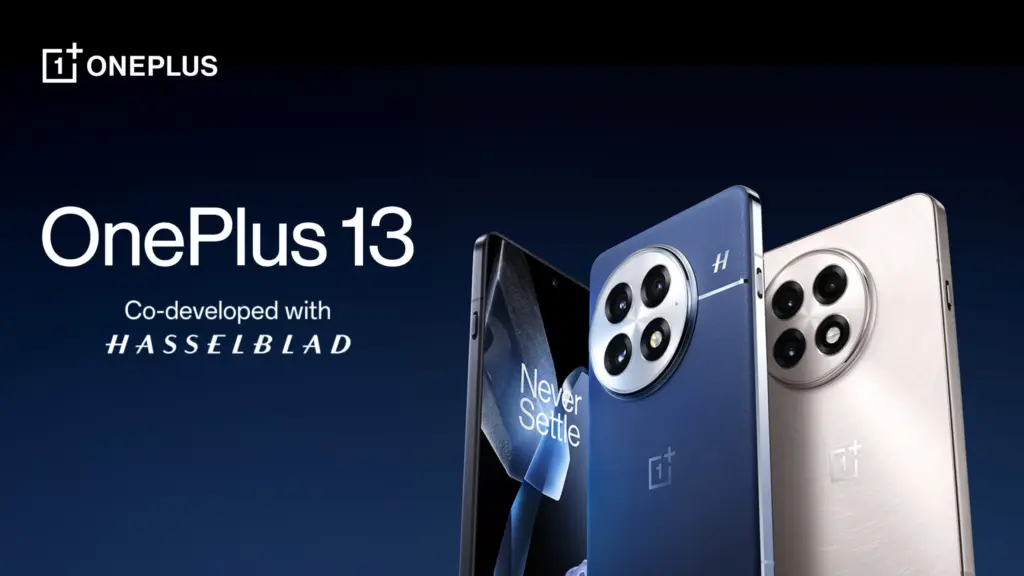
OnePlus 13
The OnePlus 13’s 6000mAh dual-cell silicon-carbon battery, the largest in a OnePlus flagship to yet, further advances the company’s leadership in battery advancements. With one of the highest energy densities for a dual-cell configuration (805Wh/L), it keeps the device relatively small while significantly increasing battery life.
Additionally, charging is not neglected. In addition to 50W wireless charging and 100W SuperVOOC wired charging, the phone now offers magnetic wireless charging—a first for OnePlus. A Snapdragon 8 Elite chipset, a gorgeous 2K BOE X2 LTPO AMOLED screen with a peak brightness of 4500 nits, and a triple 50MP camera configuration with a new tri-prism periscope lens are all included to match this power.
OnePlus 13
Lightning-Fast Snapdragon 8 Elite Processor: Powered by the latest Qualcomm Snapdragon 8 Elite chipset, enjoy exceptional speed, efficiency, and performance for gaming, multitasking, and productivity.
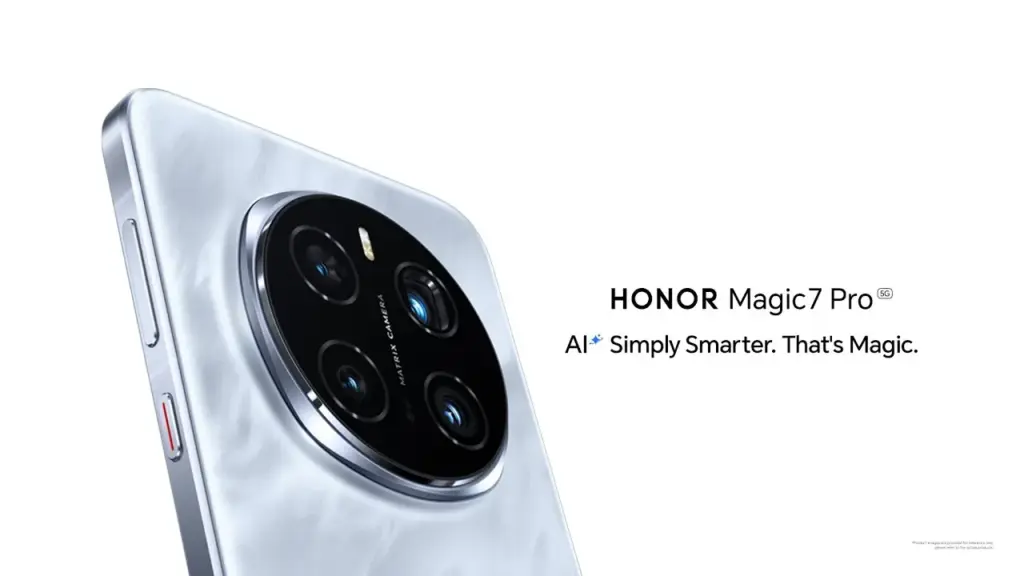
With a 5850mAh cell and 100W wired and 80W wireless charging, the Honor Magic 7 Pro goes all out rather than relying solely on silicon-carbon batteries. The battery easily outlasts the majority of other flagships in its class, and it represents a significant improvement over the standard 5000mAh configurations.
The Magic 7 Pro boasts an impressive array of specifications, including a variable aperture primary sensor, a Snapdragon 8 Elite chip, a 200MP periscope telephoto with 100x magnification, and up to 1TB of UFS 4.0 storage. The top-tier devices also include satellite messaging, which is another feature that looks forward for customers in the West.
Xiaomi 15 and Xiaomi 15 Ultra
Although more subdued, Xiaomi’s silicon-carbon implementation is just as stunning. The Xiaomi 15‘s body is only 8.08 mm thick, and it houses a 5240mAh battery. With Xiaomi’s Surge P3 and G1 chips controlling heat and power supply, it enables both 50W wireless and 90W cable charging.
But the Xiaomi 15 Ultra is the tipping point. It incorporates a 200MP Leica periscope telephoto, a 1-inch primary sensor, a 5410mAh battery with the same charging configuration, and support for cutting-edge videography features like 10-bit log capture for all four rear cameras.
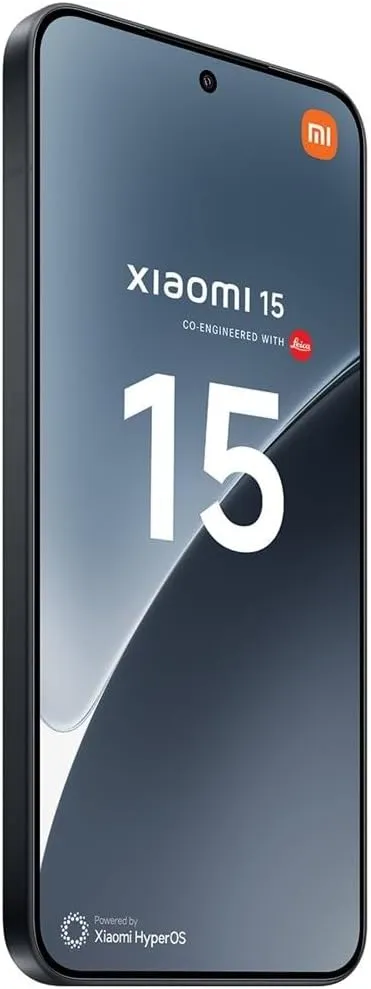
Xiaomi 15
Dual SIM (nano SIM + nano SIM or nano SIM + eSIM, eSIM + eSIM). 6.36″ 3200 nits ultra-bright displayCrystalRes AMOLEDAlways-active DisplayResolution: 2670 x 1200, 460 ppiRefresh rate: 1-120HzTouch sampling rate: Up to 300Hz*Touch sampling rate may vary according to the content on your display.Color gamut: DCI-P3Color depth: 68 billion colorsPeak brightness: 3200 nits covering 25% display areaDimming: DC dimmingOriginal color ProPro HDRWet touch technologyHDR10, HDR10+, Dolby VisionTÜV Rheinland Low Blue Light (Hardware Solution) CertifiedTÜV Rheinland Flicker Free CertifiedTÜV Rheinland Circadian Friendly Certified
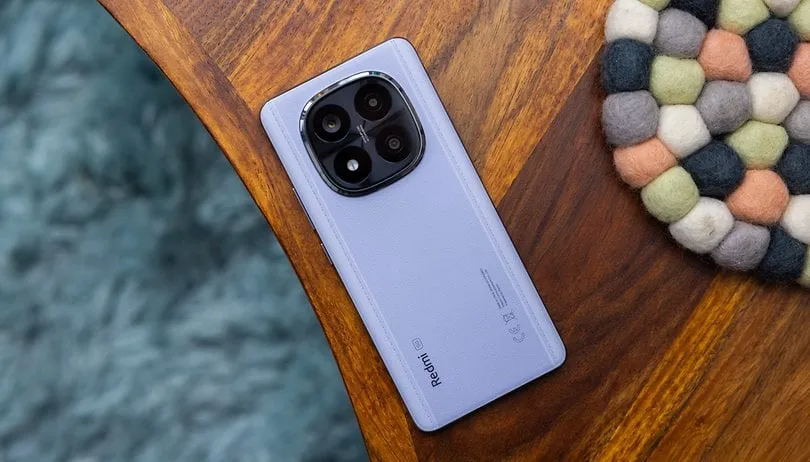
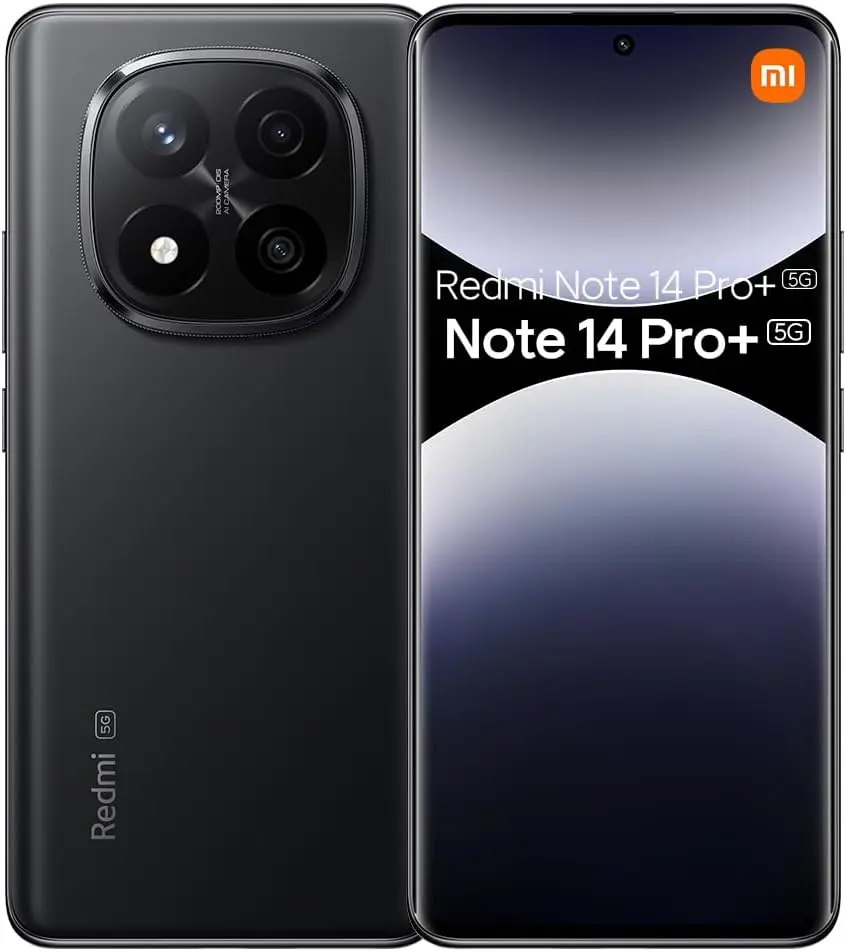
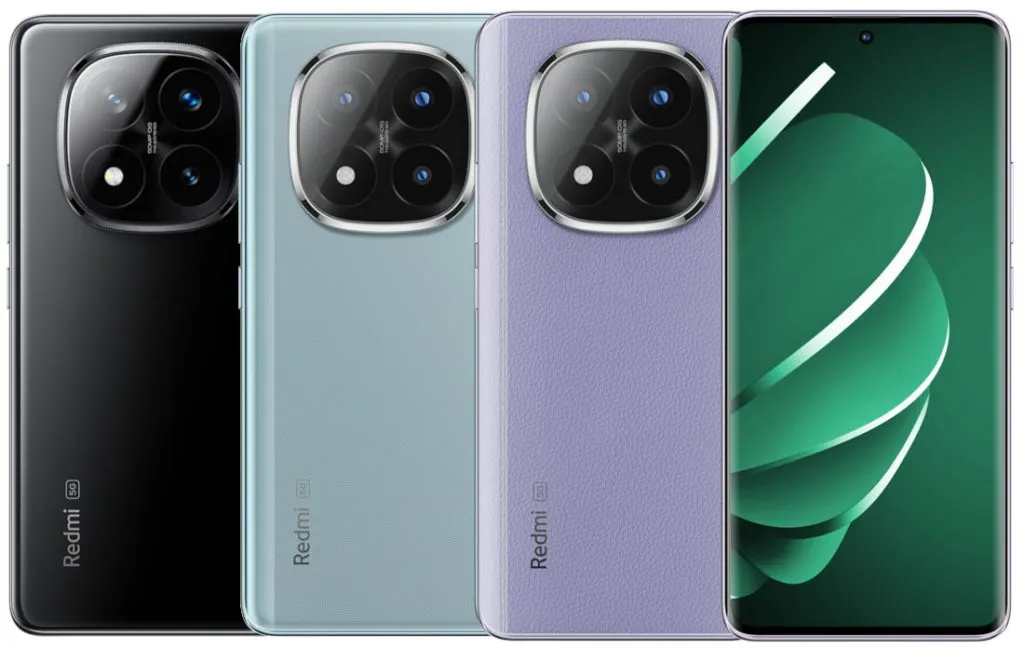
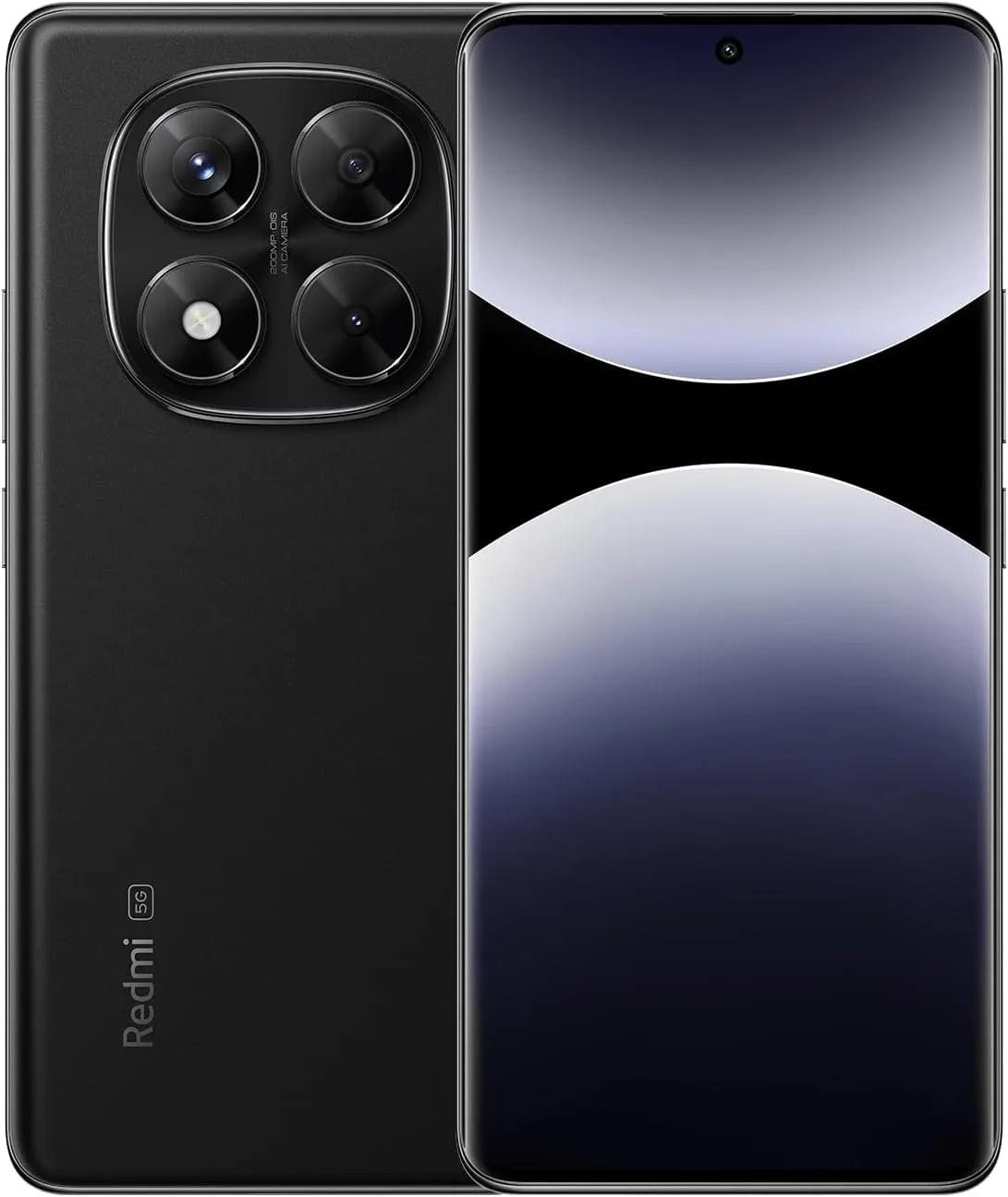
Perhaps the most reasonably priced entry point into the world of silicon-carbon smartphones is the Redmi Note 14 Pro+. Supported by Xiaomi’s Surge P2 and G1 CPUs, it has a 6200mAh battery, one of the biggest in any popular phone this year. Despite its enormous capacity, the phone can be charged in less than 40 minutes using a 90W fast charging method.
It’s not only a matter of endurance. The phone also features a 50MP triple-camera configuration with a 2.5X telephoto lens, a 1.5K OLED display with a maximum brightness of 3000 nits, and a Snapdragon 7s Gen 3 processor. It also has a stylish Victus 2 glass design and complete IP69 protection.
6.67″ CrystalRes AMOLED displayResolution: 2712 x 1220 (1.5K resolution)Refresh rate: Up to 120HzTouch sampling rate: Up to 480HzBrightness: 3000nits peak brightnessColor depth
The Find X8 Pro from Oppo is a prime illustration of how flagship-tier features and silicon-carbon batteries can coexist without sacrificing style. 80W wired, 50W wireless, and 10W reverse wireless charging are all supported by the 5910mAh battery. One of the most durable flagships Oppo has ever produced, the endurance advantage is evident.
Its internal components include a strong quad 50MP camera system with dual periscope lenses that provide up to 6x optical zoom, a powerful Dimensity 9400 processor, and compatibility for up to 1TB of UFS 4.0 storage. In addition, the phone has an industry-leading AMOLED panel with a maximum brightness of 4500 nits and IP69 certification.
Silicon–carbon batteries are quickly becoming the next big leap in smartphone power technology, and the OnePlus 13, Honor Magic 7 Pro, Xiaomi 15, and Redmi 14 Pro Plus are just the beginning. With higher energy density, faster charging, and improved longevity compared to traditional lithium-ion cells, these devices showcase how the industry is evolving to meet our growing performance demands. As more manufacturers adopt silicon–carbon solutions, we can expect even slimmer designs, longer battery life, and fewer compromises — signaling an exciting new era for mobile technology.
The president is back in the White House after limiting Huawei’s access to American-made technology. This is most likely the reason why other top Chinese businesses have chosen to work together on a new operating system. I believe this is a positive step, even though it might only be a preventative measure and it might be some time before the efforts pay off.
Huawei is prepared to abandon Android entirely, six years after the US government first imposed limitations on the Chinese corporation. Huawei will now help OnePlus, Vivo, OPPO, and Xiaomi develop an Android substitute that doesn’t use Google. The market for smartphones needs this shock.
Smartphones aren’t as thrilling anymore. Each firm used to have a distinct advantage, but these days they all make phones with essentially the same design.
Operating systems for smartphones have been copying one another for so long that they hardly distinguish one another. Apple’s iOS imitated Android features last year, and Samsung debuted a new One UI 7 version this year that draws inspiration from iOS.
That isn’t always a terrible thing. For example, I’m happy to see Android get its own version of Dynamic Island as I use both iOS and Android phones.
Additionally, I miss the days when smartphone makers were free to try new things and different devices didn’t all have the same user experience.
Microsoft makes sporadic attempts to add some spice, but it never succeeds. Although Google’s Fuchsia OS offered some promise, it appears that smart gadgets would never be able to use this operating system.
Xiaomi and OnePlus’s rumored operating system may make smartphones exciting again.
Being self-sufficient is always beneficial.
Every business is on its own as nationalism grows. Chinese businesses must become more independent than ever before because of the ongoing hostility between the US and China. Chinese businesses need to prepare their operating system in case they run afoul of the US government as a precaution.
This has nothing to do with supporting a certain nation or business. Every business, including Samsung, should create its own operating system, in my opinion.
As of right now, though, Android is the only option available to businesses looking to sell phones.
When it comes to purchasing a smartphone, the options are already limited. The majority of consumers will no longer want to purchase phones from Xiaomi and BBK-owned OnePlus, Vivo, and OPPO if they are unable to access Android.
This has already happened with Huawei. However, Huawei has made a resurgence in China as its HarmonyOS matures. The wise course of action is to begin developing a new operating system if Chinese Android manufacturers don’t want to be taken by surprise.
No more Samsung and Apple monopoly
Apple and Samsung stand to gain the most from any possible rift between the US government and Chinese smartphone manufacturers. Google stands to benefit greatly as well because, although producing some of the greatest phones available today, its market share is quite small.
Xiaomi reportedly began developing an in-house microprocessor after learning about potential sanctions. Therefore, even if there hasn’t been any sign that the US wishes to restrict its access to Android, it is still possible.
In the worst case scenario, Apple and Samsung will see exponential growth, potentially leading to a duopolistic market. For this reason, we are in greater need than ever of a third mobile ecosystem.
This will not be a simple undertaking. For example, even after years of development and investment, Huawei’s operating system is still not a full substitute for iOS and Android. There are still not many well-known apps in the company’s app store.
Xiaomi and BBK-owned companies risk alienating customers in international markets if they cease selling Android-powered phones. A redesigned Android skin with cutting-edge functionality and distinctive aesthetic improvements would be a smart place to start.
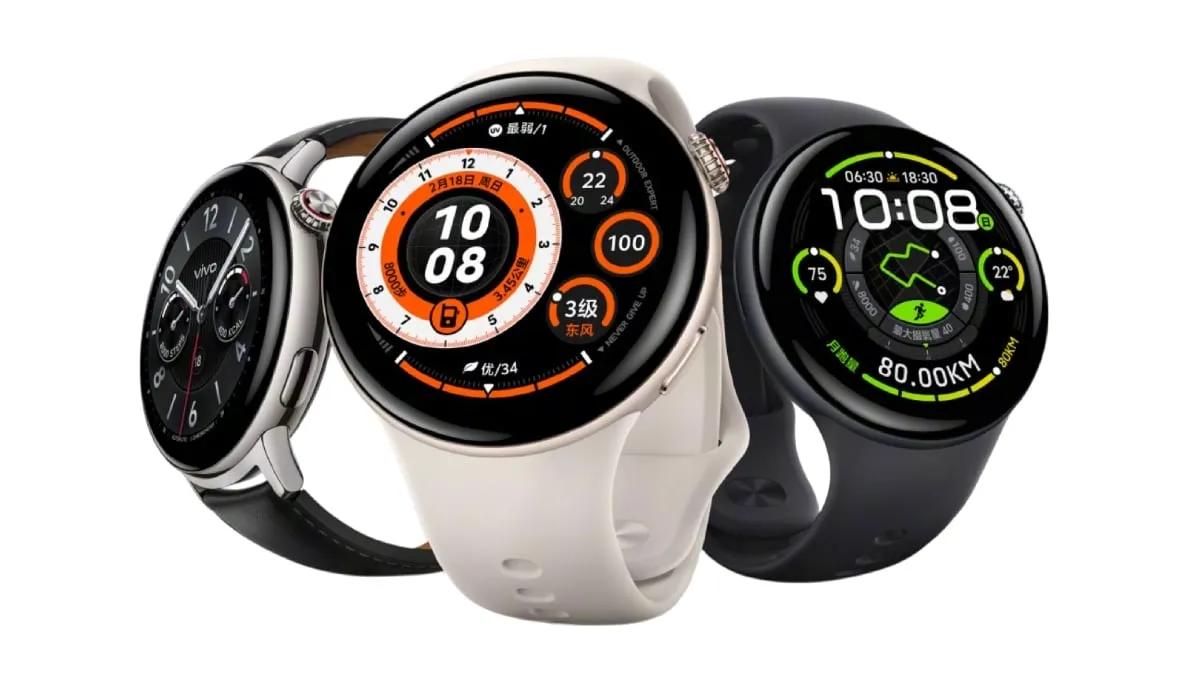
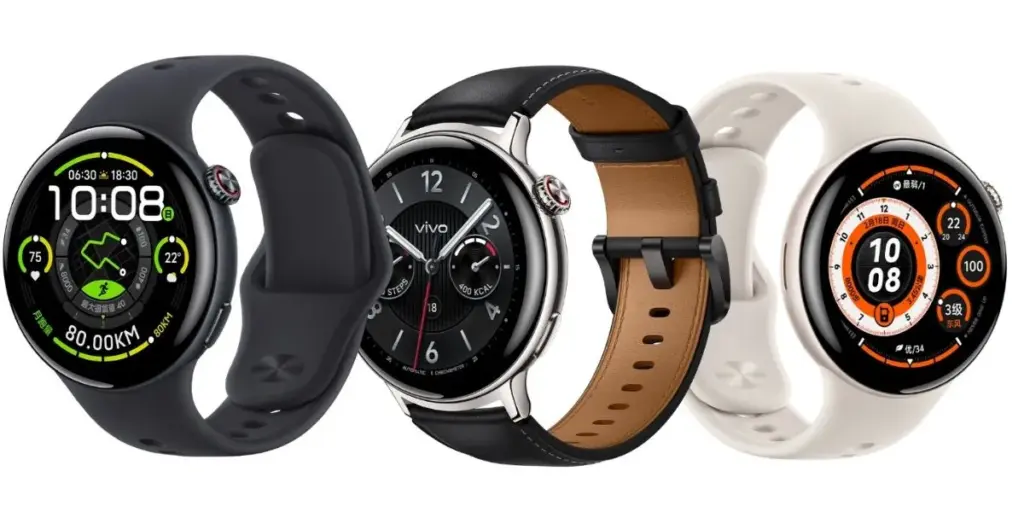
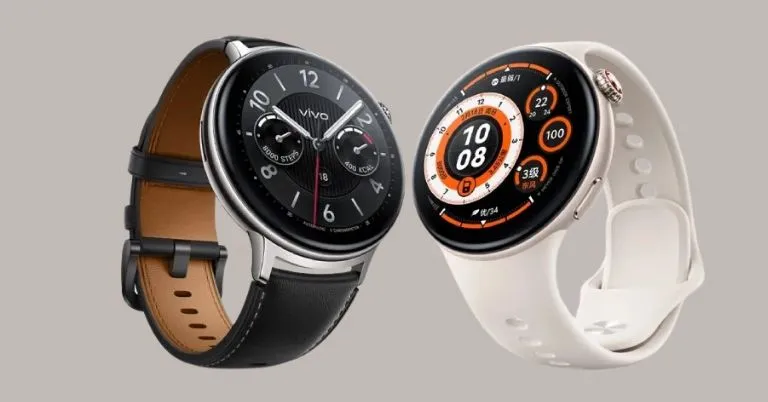
In China, Vivo unveiled the Vivo Watch 5, a new smartwatch, in addition to the new X200 series smartphones and a few tablets. With improvements in style, sports tracking, and health statistics, it is a gradual upgrade over the Watch 3.
Vivo Watch 5 specs
On the surface, not much has changed in terms of design. The Watch 5 features a 1.43-inch curved AMOLED display with a refresh rate of 60 Hz and a brightness of up to 1500 nits, while maintaining the recognizable circular dial.
The watch now weights only 32g without the strap and comes in Night Black and Moonlight White with stainless steel or aluminum alloy bodies. Compared to the 35g frame of its predecessor, that is a slight but notable decrease. Depending on their preferences, users can select leather or silicone straps.
BlueOS 2.0 powers this year’s model, which has a few new software features. The new AI Sports Coach can monitor your running form and efficiency and even provide fat-burning training regimens depending on your heart rate in real time.
With 24-hour tracking of heart rate, blood oxygen, stress, sleep, and even involvement in blood pressure and heart health research, Vivo also boasts a more comprehensive suite of health monitoring functions.
Similar to the Watch 3, this device does not yet have a complete operating system. Although there is a working app store, third-party app support is restricted. It does, however, offer the essentials, such as notifications, music controls, and Bluetooth calling. In addition, it has a 5ATM water resistance rating, GPS for tracking outdoors, and NFC for payments.
Battery life is one of the main selling aspects. Vivo claims that because of improved power management, the Watch 5 can operate in Bluetooth mode for up to 22 days in extended use situations. Additionally, there is a new AI Smart Window feature that uses usage patterns to prioritize the information you are most likely to require.
Not all smartwatches are compatible with both iOS and Android devices, but the Watch 5 is. WeChat is directly supported on the watch for people in China.
Price and availability
The silicone strap version of the Vivo Watch 5 costs CNY 799, or about $109, while the leather strap version costs CNY 999, or about $136. Pre-orders are already being accepted, and official sales will begin on April 29. International availability is still unknown.
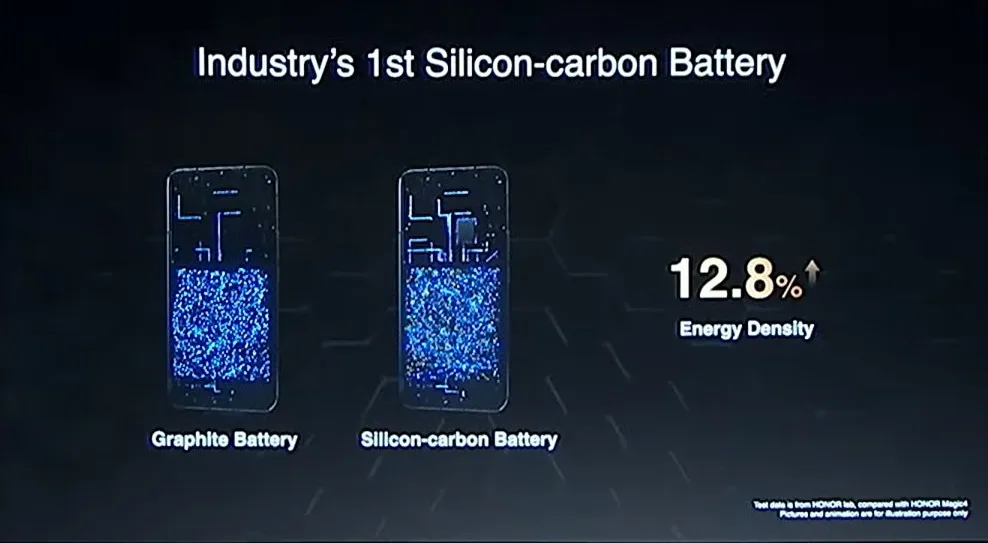
Silicon-carbon battery technology, which offers greater energy density, quicker charging times, and enhanced durability, is being quickly adopted by the smartphone industry. Silicon-carbon batteries, as opposed to conventional lithium-ion batteries, enable bigger capacities in smaller designs, guaranteeing longer battery life without adding bulk or weight to the phone.
This cutting-edge battery technology, which was introduced in a number of premium smartphones in late 2024 and early 2025, significantly improves charge cycles, heat management, and power efficiency. The top ten most recent smartphones using silicon-carbon batteries are examined in detail, along with the features that set them apart.
OnePlus 13
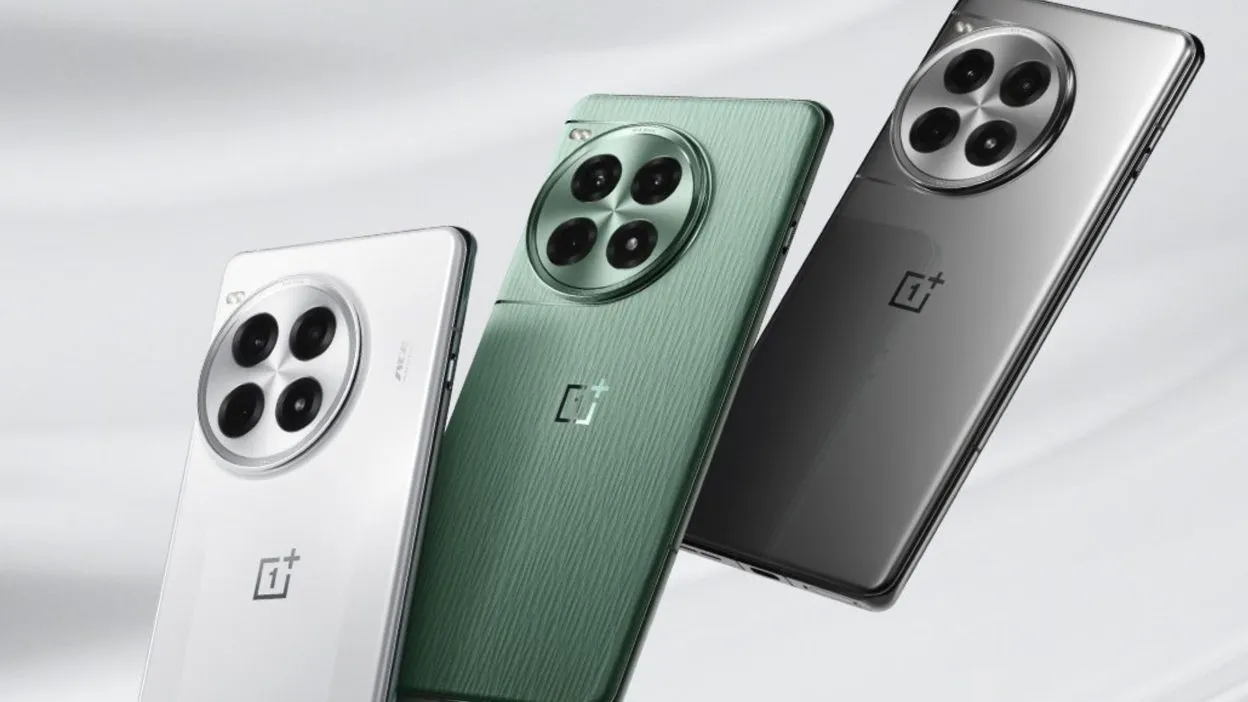
The OnePlus 13 boasts a 6000mAh dual-cell silicon-carbon battery with the highest dual-cell design energy density at 805Wh/L. This gives the phone more endurance while maintaining a small form factor. It supports 50W wireless flash charging, magnetic charging, and 100W SuperVOOC wired charging, which charges the phone from 0% to 100% in just 36 minutes.
In addition to the battery, the OnePlus 13 has a 6.82-inch BOE X2 2K+ AMOLED screen with DisplayMate A++ certification and a maximum brightness of 4500 nits. The Snapdragon 8 Elite SoC, up to 24GB LPDDR5X RAM, and 1TB UFS 4.0 storage power it. The phone still has a 50MP Sony LYT-808 primary camera, a 50MP ultra-wide camera, and a 50MP 3X periscope telephoto lens. Additionally rated IP68 and IP69, it has a high level of water and dust resistance.
OnePlus 13
OnePlus 13 has a 6.82-inch BOE X2 2K+ AMOLED screen with DisplayMate A++ certification
The third-generation silicon-carbon 6150mAh battery that powers the iQOO 13 can be charged with 120W wired fast charging in as little as 30 minutes. Its 44W UFCS and 100W PPS charging ensure a flexible and effective power management system, even though wireless charging is not an option. Additionally, a 360° surround antenna system is integrated within the phone to maximize network performance for mobile gaming.
The gadget has a 6.82-inch BOE Q10 2K+ AMOLED screen with a refresh rate of 144 Hz and a maximum brightness of 4500 nits. It has a Snapdragon 8 Elite SoC, 1TB UFS 4.0 storage, and up to 16GB LPDDR5X RAM. It features a 50MP Sony IMX921 primary sensor, a 50MP ultra-wide camera, and a 50MP 2x telephoto lens on the front of the camera.
Vivo X200 & X200 Pro
The Vivo X200 Pro has a 6000mAh battery that supports both 30W wireless and 90W wired charging, while the Vivo X200 has a 5800mAh silicon-carbon battery with 90W wired fast charging.
MediaTek’s Dimensity 9400 SoC powers both phones, which have up to 1TB of UFS 4.0 storage and up to 16GB LPDDR5X RAM. A 200MP Samsung HP9 periscope telephoto camera with Zeiss APO certification that offers 3.7x optical zoom and OIS is also included with the X200 Pro. The series is extremely durable due to its IP69+IP68 dust and water resistant ratings.
Redmi K80 & K80 Pro
While the basic Redmi K80 has a 6550mAh battery with 90W fast charging but no wireless support, the Redmi K80 Pro has a 6000mAh silicon-carbon battery that supports 120W fast charging and 50W wireless charging. According to Xiaomi, the new silicon-carbon compound lowers heat generation during high-performance jobs and lengthens battery life.
The Snapdragon 8 Elite SoC powers the K80 Pro, while the Snapdragon 8 Gen 3 powers the K80. Both devices come with up to 16GB LPDDR5X RAM and 1TB UFS 4.0 storage. While the ordinary K80 replaces the telephoto lens with an 8MP ultra-wide camera, the Pro edition has a 50MP Light Fusion 800 primary sensor with OIS, a 50MP 2.5x telephoto camera, and a 32MP ultra-wide camera. Both phones are rated for water and dust resistance with IP68 and IP69.
Xiaomi 15 & 15 Pro
In contrast to the Xiaomi 15 Pro, which has a 6100mAh capacity and supports 90W wired and 50W wireless charging, the Xiaomi 15 is powered by a 5400mAh silicon-carbon battery. An ultra-high energy density of 850Wh/L is another feature of the Pro model’s battery that guarantees a longer lifespan and greater efficiency.
The Snapdragon 8 Elite SoC, up to 16GB LPDDR5X RAM, and up to 1TB UFS 4.0 storage are features of both devices. The Xiaomi 15 Pro has a 5X periscope telephoto lens, while the Xiaomi 15 has a 50MP Light Fusion 900 primary sensor, a 50MP ultra-wide lens, and a 50MP 2.6X telephoto camera. Both variants have IP68 water resistance and ultrasonic fingerprint scanners.
With its 6500mAh silicon-carbon battery and 120W rapid charging, the Realme GT 7 Pro can reach 50% charge in just 14 minutes. With the maximum 10% silicon content in the industry, it can prolong battery life for up to four years. It only has a 5800mAh battery in India, though.
The smartphone has a 6.78-inch 1.5K OLED display with a maximum brightness of 6000 nits and is powered by the Snapdragon 8 Elite SoC. It has a 50MP 3x periscope telephoto camera, an 8MP ultra-wide lens, and a 50MP primary camera.
Redmi Note 14 Pro+
With a 6200mAh silicon-carbon battery that has an energy density of 814Wh/L and 6% silicon content, the Redmi Note 14 Pro+ has a small form factor and a long lifespan. It has Surge G1 and Surge P2 battery management chips for increased power efficiency and enables 90W wired rapid charging.
The phone has 512GB of storage, up to 12GB of RAM, and a Snapdragon 7s Gen 3 processor. It has a 50MP primary camera, an 8MP ultra-wide sensor, a 50MP 2.5X telephoto lens, and a 6.67-inch 1.5K OLED screen. For increased durability, the device also has IP66, IP68, and IP69 classifications.
Xiaomi Redmi Note 14 Pro
6.67″ CrystalRes AMOLED displayResolution: 2712 x 1220 (1.5K resolution)Refresh rate: Up to 120HzTouch sampling rate: Up to 480HzBrightness: 3000nits peak brightness
With its 5300mAh silicon-carbon battery, the Honor 300 can facilitate 100W fast charging, reaching 59% in 15 minutes and 100% in 35 minutes. In addition to having 5300mAh silicon-carbon batteries, the Honor 300 Pro and Ultra models also have 80W wireless charging, which guarantees quick and effective power supply. Longer battery life and better power retention are made possible by the high-density silicon-carbon combination.
Snapdragon 7 Gen 3 (Standard) and Snapdragon 8 Gen 3 (Pro and Ultra) power the Honor 300 series. For eye protection, the gadgets include 6.7-inch and 6.78-inch OLED screens with a maximum brightness of 4000 nits and 3840Hz PWM dimming. A 50MP front camera, a 12MP ultra-wide lens, and a 50MP primary sensor make up the camera configuration. The Pro and Ultra variants also come with a 50MP 3x or 3.8X periscope telephoto lens. Additionally, they are IP65 dust and splash resistant.
Oppo Find X8 & X8 Pro
A 5630mAh silicon-carbon battery powers the Oppo Find X8, while a larger 5910mAh silicon-carbon battery powers the Find X8 Pro. Both devices enable 80W SuperVOOC wired charging, 50W wireless charging, and 10W reverse wireless charging. The ultra-high silicon content of the Find X8 Pro’s battery ensures longer endurance and improved heat management during rapid charging.
The MediaTek Dimensity 9400 SoC powers both devices, together with up to 16GB of LPDDR5X RAM and 1TB of UFS 4.0 storage. The Find X8 Pro has a 6.78-inch LTPO AMOLED screen with Dolby Vision support and a peak brightness of 4500 nits, while the Find X8 has a 6.59-inch AMOLED display. The X8 Pro adds a 50MP 6x periscope zoom lens to the camera system, which consists of a 50MP main sensor, a 50MP ultra-wide camera, and a 50MP 3x periscope telephoto lens. Both variants have water and dust resistance ratings of IP68 + IP69.
Honor Magic 7 & Magic 7 Pro
A 5650mAh silicon-carbon battery powers the Honor Magic 7, and a 5850mAh silicon-carbon battery powers the Magic 7 Pro. Both devices support 80W wireless charging and 100W cable fast charging. Longer runtimes are made possible by the improved energy density provided by silicon-carbon technology, which also preserves elegant designs. Advanced cooling technologies, including as graphite sheets and stainless steel VC cooling, complement the increased battery efficiency and guarantee peak performance even under demanding conditions.
The Snapdragon 8 Elite SoC powers both phones, together with up to 16GB of LPDDR5X RAM and 1TB of UFS 4.0 storage. The Magic 7 Pro sets itself apart with a 50MP primary sensor, an ultra-wide lens, and a 200MP periscope telephoto camera with 3x optical and 100x digital zoom. Although it lacks the sophisticated telephoto capabilities, the Magic 7 has a comparable camera arrangement. With its 1-120Hz LTPO OLED screens, IP68 and IP69 ratings, and Magic UI 9.0, the Honor Magic 7 Series combines state-of-the-art technology with exceptional endurance, securing its place as a flagship challenger in 2025.
Surprisingly, Android 15 was not made available on Pixel phones. Chinese company Vivo outperformed the whole Android ecosystem by releasing a solid Android 15 update first, following the stable AOSP release without a Pixel OTA update. Check to see if your phone is set to receive Android 15 if you do not already own the pioneering (and specialized) Vivo X Fold 3 Pro.
The developer versions of Android 15 could be tested on a few phones even before Google declared it had achieved “platform stability.” In order to choose which phones should receive the upgrade first, brands like Honor, Nothing, OnePlus, Oppo, Xiaomi, and others established their own official test programs.
Google
The Pixel phones will be the first to get the upgrade because they are the flagship model for the Android operating system. Additionally, there are more Google phones eligible for the upcoming Android update this time around because the Pixel 9 phones were released prior to the 2024 release of Android 15.
Google Pixel 6
Google Pixel 6 Pro
Google Pixel 6a
Google Pixel 7
Google Pixel 7 Pro
Google Pixel 7a
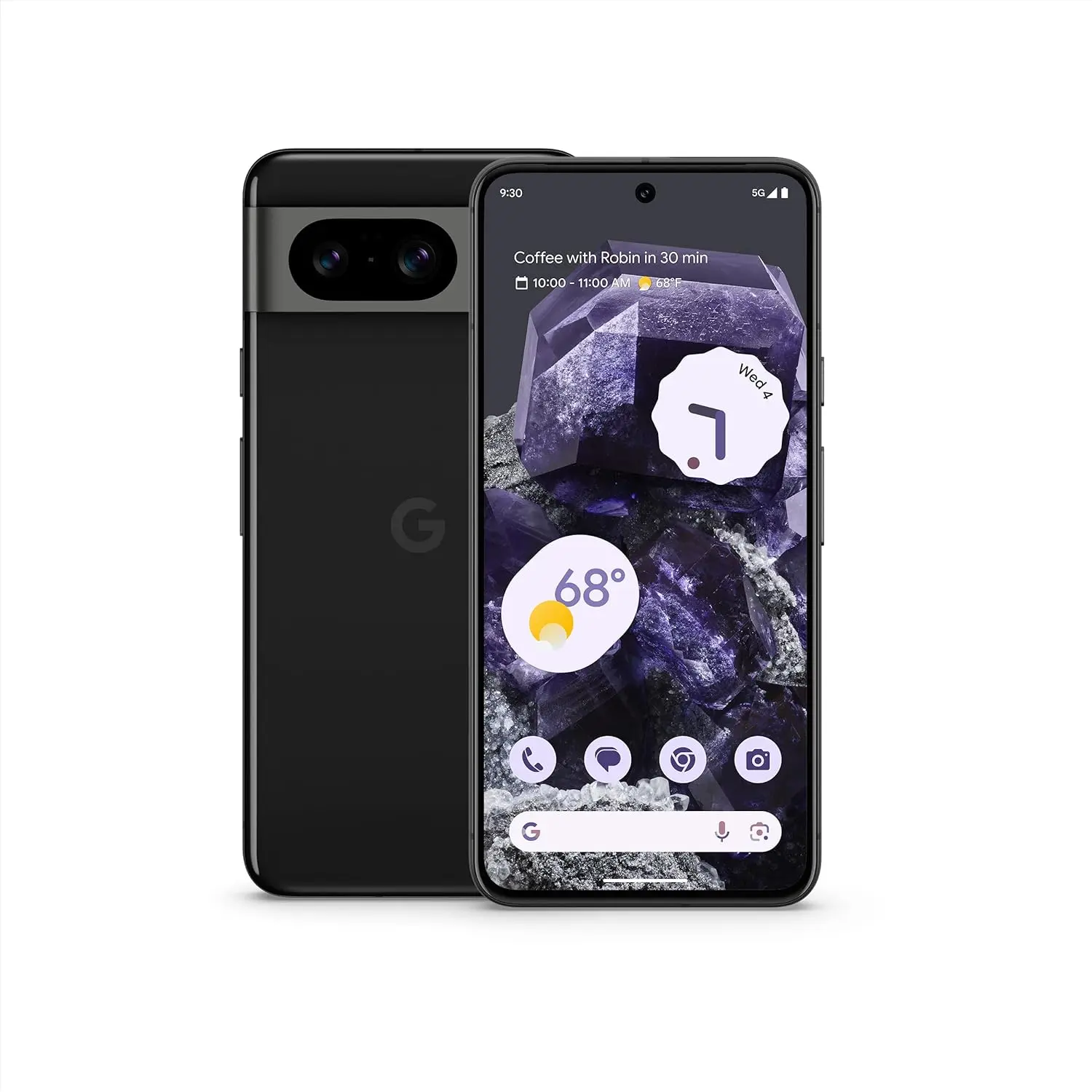
Google Pixel 8
Google Pixel 8 Pro
Google Pixel Fold
Google Pixel 9
Google Pixel 9 Pro
Google Pixel 9 Pro Fold
Google Pixel 9 Pro XL
Google Pixel 8 Pro
Unlocked Android Smartphone with Telephoto Lens and Super Actua Display
After many years of poor updates, Samsung has started fulfilling its pledge to improve phone support. Customers may now know how long their phones will be updated to protect them from security dangers according to the South Korean company’s transparent software strategy.
At SDC 2024, Samsung did, however, declare that the One UI 7, which is based on Android 15, would not be made available to the general public until early 2025. However, the Koreans also mentioned that by the end of 2024, the One UI 7 beta will be accessible for public testing by developers and testers.
Galaxy phones promised to receive Android 15:
Samsung Galaxy A05
Samsung Galaxy A05s
Samsung Galaxy A14
Samsung Galaxy A14 5G
Samsung Galaxy A15
Samsung Galaxy A15 5G
Samsung Galaxy A24
Samsung Galaxy A25
Samsung Galaxy A33
Samsung Galaxy A34
Samsung Galaxy A35
Samsung Galaxy A53
Samsung Galaxy A54
Samsung Galaxy A55
Samsung Galaxy A73
Samsung Galaxy S21
Samsung Galaxy S21+
Samsung Galaxy S21 Ultra
Samsung Galaxy S21 FE
Samsung Galaxy S22
Samsung Galaxy S22+
Samsung Galaxy S22 Ultra
Samsung Galaxy S23
Samsung Galaxy S23+
Samsung Galaxy S23 FE
Samsung Galaxy S23 Ultra
Samsung Galaxy S24
Samsung Galaxy S24+
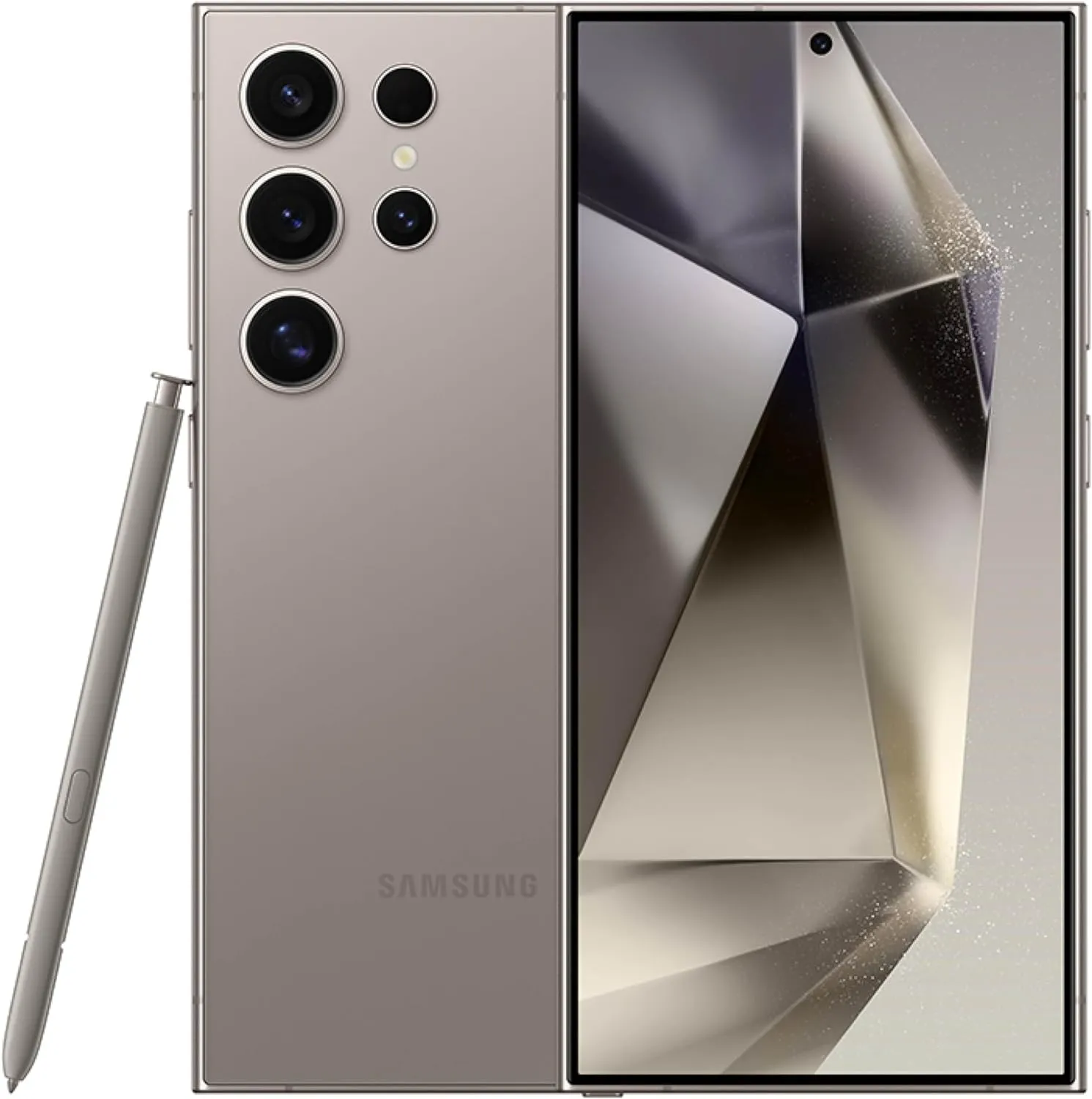
Samsung Galaxy S24 Ultra
Samsung Galaxy S24 FE
Samsung Galaxy XCover 6 Pro
Samsung Galaxy XCover 7
Samsung Galaxy Z Flip 3
Samsung Galaxy Z Flip 4
Samsung Galaxy Z Flip 5
Samsung Galaxy Z Flip 6
Samsung Galaxy Z Fold 3
Samsung Galaxy Z Fold 4
Samsung Galaxy Z Fold 5
Samsung Galaxy Z Fold 6
SAMSUNG Galaxy S24
256GB AI Smartphone, Unlocked Android, 50MP Zoom Camera, Long Battery Life, S Pen
We expect that Xiaomi will further enhance its update program to meet (or surpass) Samsung’s, but only time will tell as the Chinese behemoth is presently switching from MIUI to HyperOS.
To find out which phones are promised the Android 15 upgrade, we may currently rely on the company’s official list of security updates. Furthermore, we highlighted in italics Xiaomi models that are not included in the Android Enterprise program but are promised the Android 15 update.
Xiaomi phones in the Android 15 beta test:
Xiaomi 13T Pro
Xiaomi 14
Xiaomi devices promised to be updated to Android 15:
Poco F5
Poco F5 Pro
Poco F6
Poco F6 Pro
Poco M6 Pro 5G
Poco X6
Poco X6 Pro 5G
Xiaomi 12
Xiaomi 12 Pro
Xiaomi 12 Ultra
Xiaomi 12T
Xiaomi 12T Pro
Xiaomi 13
Xiaomi 13 Lite
Xiaomi 13 Pro
Xiaomi 13 Ultra
Xiaomi 13T
Xiaomi 14 Pro
Xiaomi 14 Ultra
Xiaomi 14T
Xiaomi 14T Pro
Xiaomi Redmi 12
Xiaomi Redmi 12 5G
Xiaomi Redmi 13C
Xiaomi Redmi Note 12
Xiaomi Redmi Note 12 Pro
Xiaomi Redmi Note 12 Pro+
Xiaomi Redmi Note 13
Xiaomi Redmi Note 13 5G
Xiaomi Redmi Note 13 Pro
Xiaomi Redmi Note 13 Pro 5G
Xiaomi Redmi Note 13 Pro+ 5G
Xiaomi Pad 6
OnePlus
By introducing really intriguing phones in 2023, like the OnePlus Open, OnePlus was able to quiet its detractors and equal Samsung’s flagship software update program.
While we are very confident which flagship OnePlus devices will get Android 15, the same cannot be said for the Nord mid-range versions.
OnePlus phones in the Android 15 beta test:
OnePlus 12
OnePlus Open
Android 15 is anticipated for OnePlus phones:
OnePlus 9
OnePlus 9 Pro
OnePlus 9R
OnePlus 9RT
OnePlus 10R
OnePlus 10 Pro
OnePlus 10T
OnePlus 11
OnePlus 11R
OnePlus 12R
OnePlus Nord 3
OnePlus Nord CE 3
OnePlus Nord CE 3 Lite / Nord N30
OnePlus Nord CE4
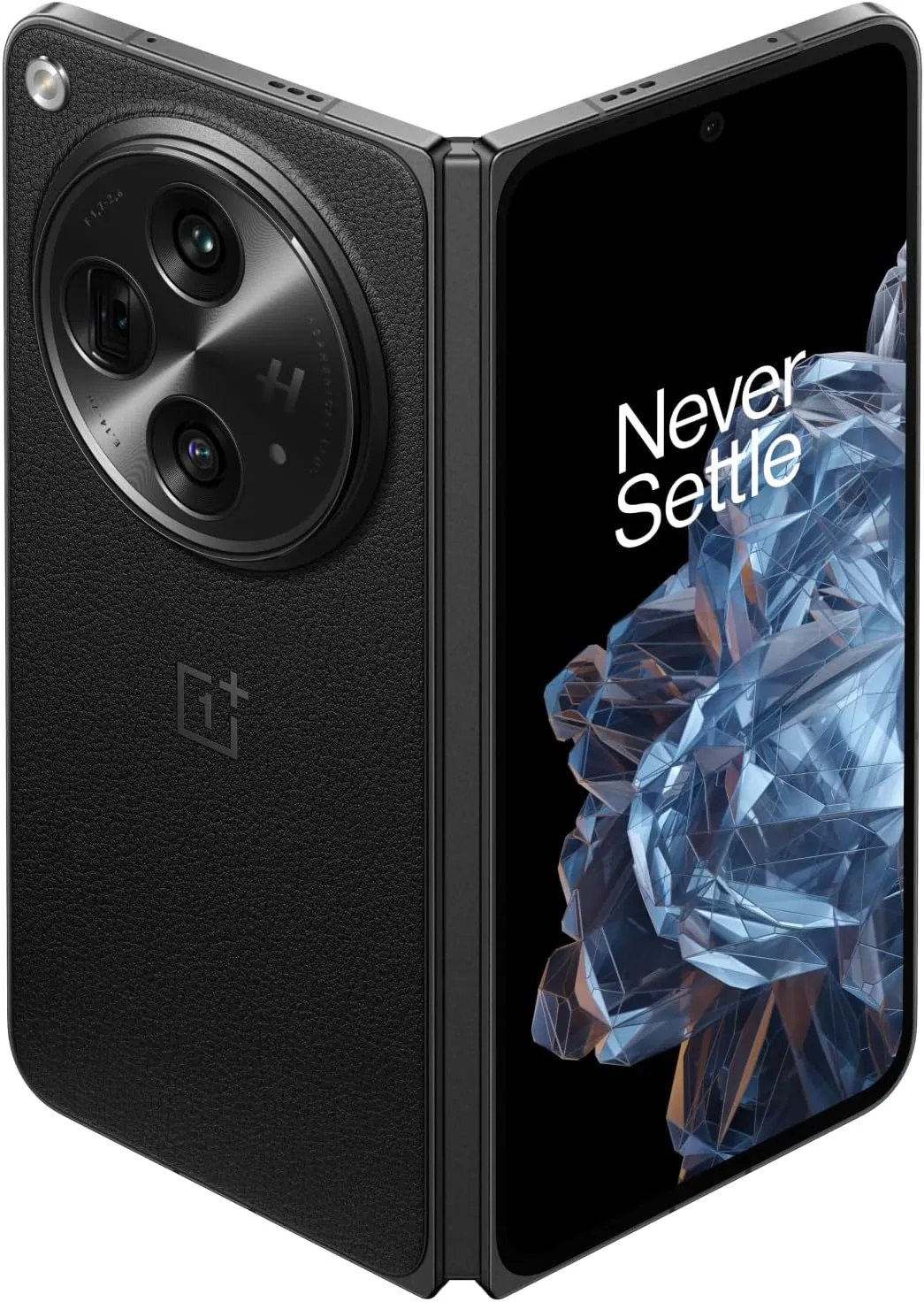
OnePlus Open
6GB RAM+512GB, Dual-SIM, Voyager Black, US Factory Unlocked Android Smartphone, 4805 mAh Battery, 67W Fast Charging, Hasselblad Camera, 120Hz Fluid Display
Even though the Japanese manufacturer has not actually committed to an official update program, Sony has been very reliable when it comes to Android updates despite having a limited phone range. The Xperia phones listed below are anticipated to get the Android 15 update:
Sony Xperia 1 IV
Sony Xperia 1 V
Sony Xperia 1 VI
Sony Xperia 5 IV
Sony Xperia 5 V
Sony Xperia 10 V
Sony Xperia 10 VI
Sony Xperia Pro-I
Asus
In 2023, the Taiwanese company’s dedication to Android was momentarily called into question, and Asus swiftly refuted reports that the Zenfone line may be discontinued. The list of Zenfone and ROG phones that will receive the Android 15 update is extremely limited due to its small flagship lineup and short update strategy, which typically only includes two Android upgrades:
Asus ROG Phone 7
Asus ROG Phone 7 Ultimate
Asus ROG Phone 8
Asus ROG Phone 8 Pro
Asus Zenfone 10
Asus Zenfone 11 Ultra
Motorola
An outlet was able to search through Motorola’s website for the potential candidates after the company revealed the complete list of its handsets that will receive the Android 15 update. This contains the most recent Motorola foldable smartphones as well as a number of Moto G mid-range variants.
Moto G Power 5G (2024)
Moto G 5G (2024)
Moto G Stylus 5G (2024)
Moto G34 (5G)
Moto G35
Moto G45
Moto G55
Moto G75
Moto G85
Motorola Edge (2023)
Motorola Edge+ (2023)
Motorola Edge (2024)
Motorola Edge 40 Pro
Motorola Edge 50
Motorola Edge 50 Fusion
Motorola Edge 50 Neo
Motorola Edge 50 Pro
Motorola Edge 50 Ultra
Motorola Razr (2023) in the US / Razr 40
Motorola Razr+ (2023) in the US / Razr 40 Ultra
Motorola Razr (2024) in the US/ Razr 50
Motorola Razr+ (2024) in the US / Razr 50 Ultra
Nothing
Nothing, a startup brand, has started its Android 15 beta program. Nothing OS 3.0 is the version of the upgrade. It was revealed that Android 15 will be available for all Nothing Phone variants, including the CMF Phone 1.
Nothing Phone (2)
Nothing Phone (2a)
Nothing Phone (2a) Plus
Nothing Phone (1)
Other brands
In addition to the models above, these brands are also taking part in the Android 15 public beta test:
Honor
Honor Magic 6 Pro
Honor Magic V2
Vivo
Vivo managed to beat not only Samsung but also Google at its own game. The Chinese brand released the stable Android 15 update before other brands to its Vivo X Fold 3 Pro smartphone, with its FuntouchOS 15 release. The next phones should be the ones that were in the beta program: