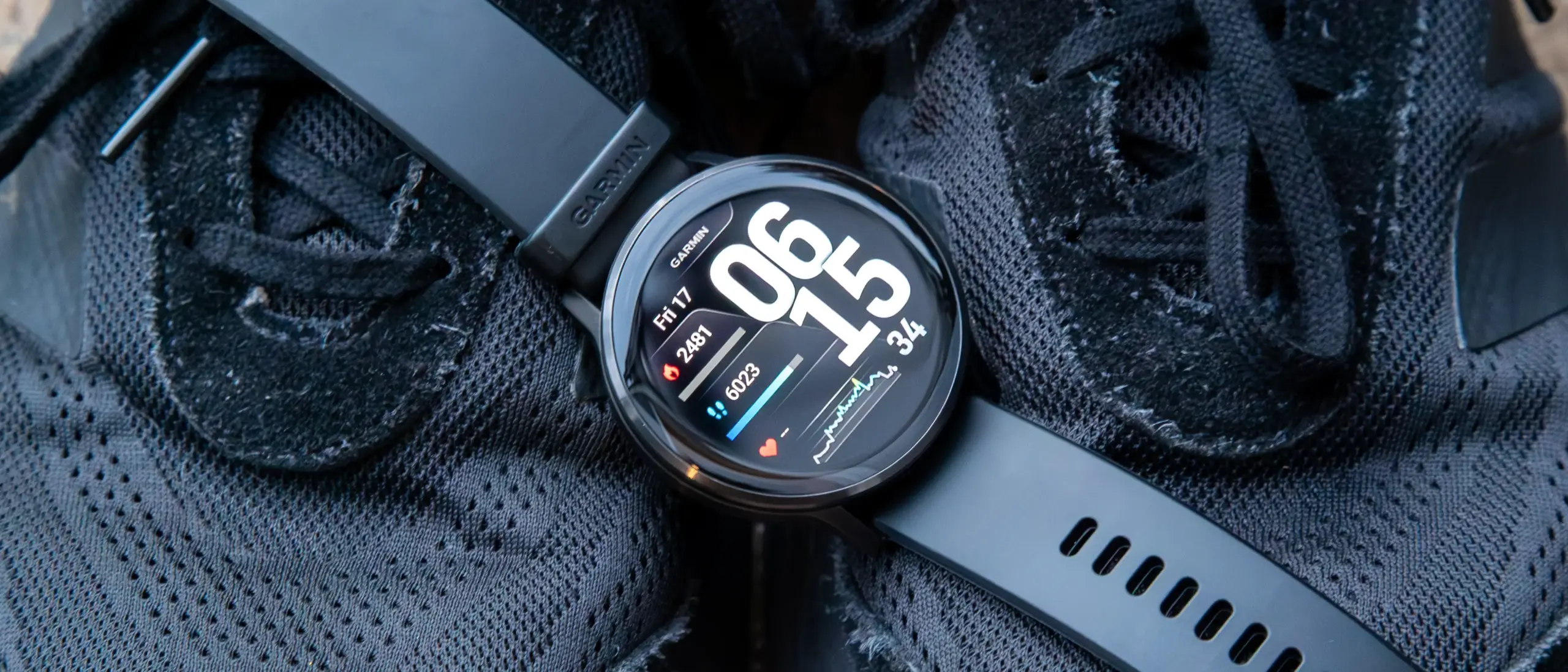
Garmin has rolled out another beta update for the Venu 4, delivering over a dozen fixes and refinements to the mid-range smartwatch. Beta 17.25 is available globally through Garmin’s Beta Program and tackles a notable bug that could cause the watch to enter recovery mode during a software update, among several other improvements.
The update arrives a day after Garmin pushed comparable beta builds to the Venu X1, Vivoactive 6, Forerunner 570, and Forerunner 970. The Venu 4 (currently $499 on Amazon) now gets its own update in the form of Beta 17.25, which Garmin says brings 13 changes to the device, including updated translations. The release also coincides with Garmin Connect Mobile picking up additional translations through its own v3.90 update.
There are no new features in this build – the focus is squarely on stability and accuracy. Beyond the recovery mode fix, Beta 17.25 resolves two separate issues that were causing device resets on earlier builds, and it also addresses a problem with battery estimate accuracy when switching power modes during activities. A few other quality-of-life fixes round out the changelog.
To install Beta 17.25, users enrolled in Garmin’s Beta Program need to trigger the update manually. The path is: Main Menu → Settings → System → Software Update → Check for Updates.
The full changelog from Beta 17.19 to Beta 17.25 is as follows:
Fixes a possible crash when routing back to start.
Fixes an issue that could cause the device to enter recovery mode during a software update.
Fixes an issue that could cause the device to reset when adding apps via Garmin Connect Mobile.
Fixes an issue that could cause the device to reset when viewing the evening report.
Fixes an issue that could result in counting reps incorrectly during strength training activities.
Fixes an issue that could result in the post-activity summary map being centered incorrectly for multisport activities.
Fixes an issue where the duration could be missing from the workout card in the morning report.
Fixes battery estimates when switching power modes for activities.
Fixes other minor bugs.
Fixes various other issues that could cause the device to reset.
Fixes weather app not updating when you enter the app.
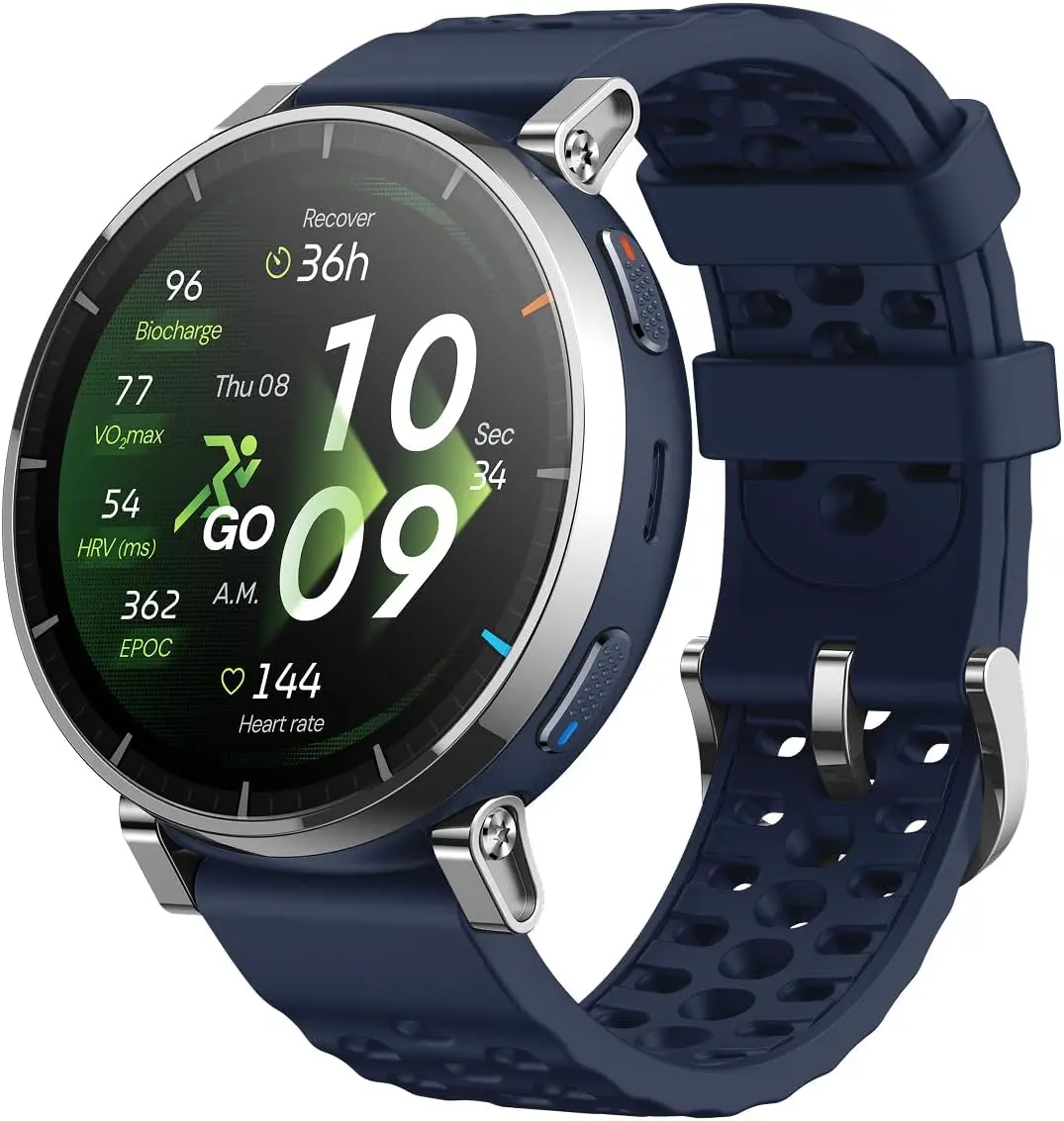
When most people picture a serious running watch, brands like Garmin and Coros tend to come to mind. Amazfit, not so much. That perception may be shifting, though. The Chinese brand’s latest release — the Amazfit Active 3 Premium — is sleek, solidly built, and loaded with tracking features, all for $169.99.
This is a budget fitness tracker, and it doesn’t pretend otherwise. According to Amazfit, the Active 3 Premium was designed primarily for fitness beginners and casual exercisers “working towards their first clear goal.” That means it’s built around simple, actionable insights rather than the dense, data-heavy analysis that defines Garmin’s ecosystem and other high-end platforms. That said, it brings enough to the table — including offline maps and up to 12 days of battery life — to hold its own against wearables that cost two or three times as much. With that in mind, it was put through a thorough review.
Design
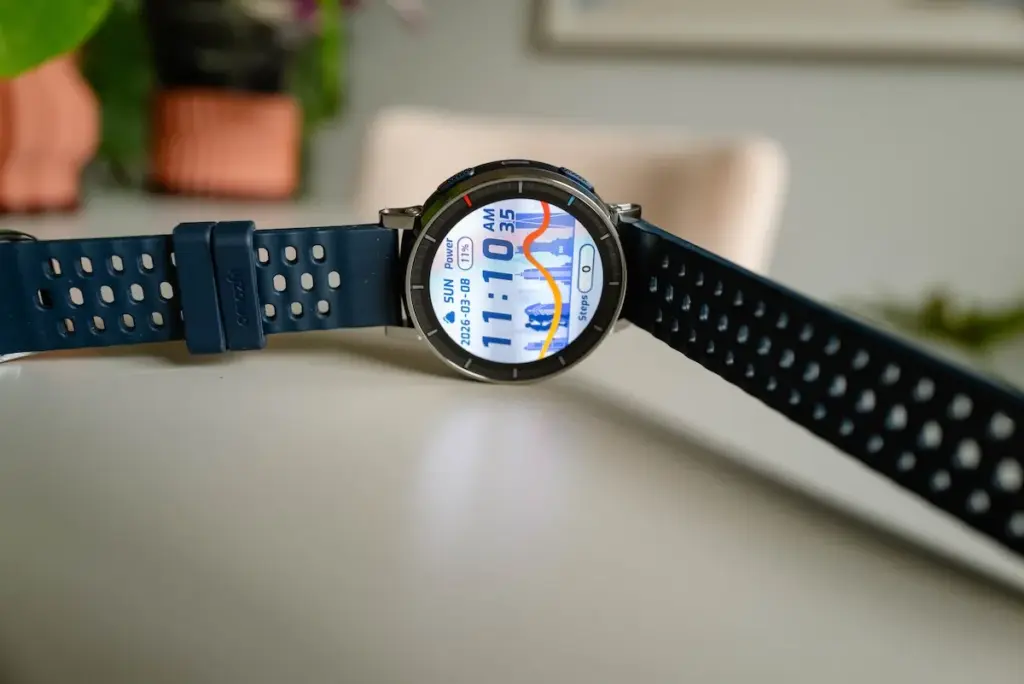
At first glance, the Amazfit Active 3 Premium bears a strong resemblance to the Amazfit Active Max tested a couple of months ago. Both are compact and unobtrusive, look sharp on the wrist, and share detachable silicone straps alongside engraved-style tick markers on a round bezel. Look closer, though, and the differences become clear.
The Active 3 Premium carries a slightly smaller AMOLED display than the Active Max – 1.32 inches versus 1.5 inches – which gives it a sleeker, more everyday-watch appearance. It also has four side buttons compared to the Active Max’s two, a practical design choice that makes mid-workout control far easier when hands are sweaty or gloved.
Durability is another area where the Active 3 Premium pulls ahead. Its bezel is stainless steel rather than aluminium alloy, offering better resistance to shocks, corrosion, and heat. The screen is protected by scratch-resistant Sapphire glass, while the Active Max has no display protection at all. Both share a 5 ATM waterproof rating, meaning they can handle surface-level swimming and shallow-water activities but aren’t rated for deep dives or high-pressure water exposure.
Wearing the Amazfit Active 3 Premium was a genuinely pleasant experience. It’s light, comfortable, and easy to forget about entirely – and it transitions well between activewear and casual clothing without looking out of place. Anyone fatigued by bulky, rugged-looking fitness wearables will find it a refreshing alternative. One caveat: the compact size won’t suit everyone’s taste, and those who prefer a larger watch face may find it a touch too small.
The display held up well throughout testing – bright, vibrant, and readable in direct sunlight, with no lag or freezing during demanding tasks. The one minor gripe is fingerprint smudging, which accumulates more visibly than on other running watches tested at this price point. It’s not a serious issue, particularly since the watch can be fully operated using the physical buttons, but it’s worth mentioning.
Amazfit Active 3 Premium
Built for Runners. Features a durable stainless steel frame, sapphire glass, and a lightweight build. The vibrant 1.32″ AMOLED display ensures your data and maps are easy to read, even under bright sunlight.
The Amazfit Active 3 Premium is built around fitness tracking, and that focus shows. Smartwatch features are present – Bluetooth calls, music control, NFC payments via Zepp Pay, and calendar notifications all make the cut – but the emphasis is firmly on workout measurement and analysis rather than general lifestyle functions. The result is an interface that feels purposeful rather than cluttered with widgets nobody uses.
The watch supports more than 170 activities but is clearly optimized for runners and race walkers. The running metrics on offer are notably advanced for the price bracket, including posture monitoring (detecting overstriding, hunching, or improper head position), lactate threshold assessment, ground contact balance tracking (measuring symmetry between left and right foot contact time), and running rhythm analysis that evaluates whether breathing, foot strikes, and body movements are properly synchronized. These are the kinds of data points typically reserved for premium athletic wearables.
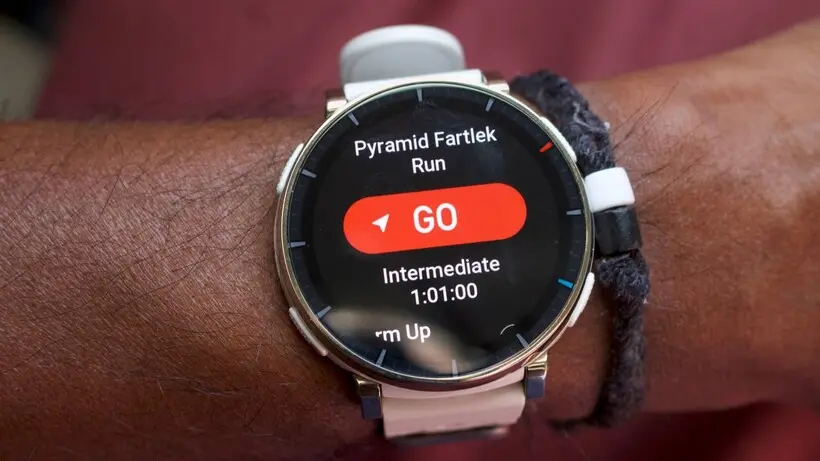
Despite that depth, the Active 3 Premium remains approachable for beginners. It offers a range of structured running workouts and adaptive training plans, presented without overwhelming jargon or an excessive focus on constant progress metrics – a criticism frequently leveled at Garmin’s platforms. The overall effect is something like a compact running coach: providing feedback to improve form, reduce injury risk, and share achievements with others.
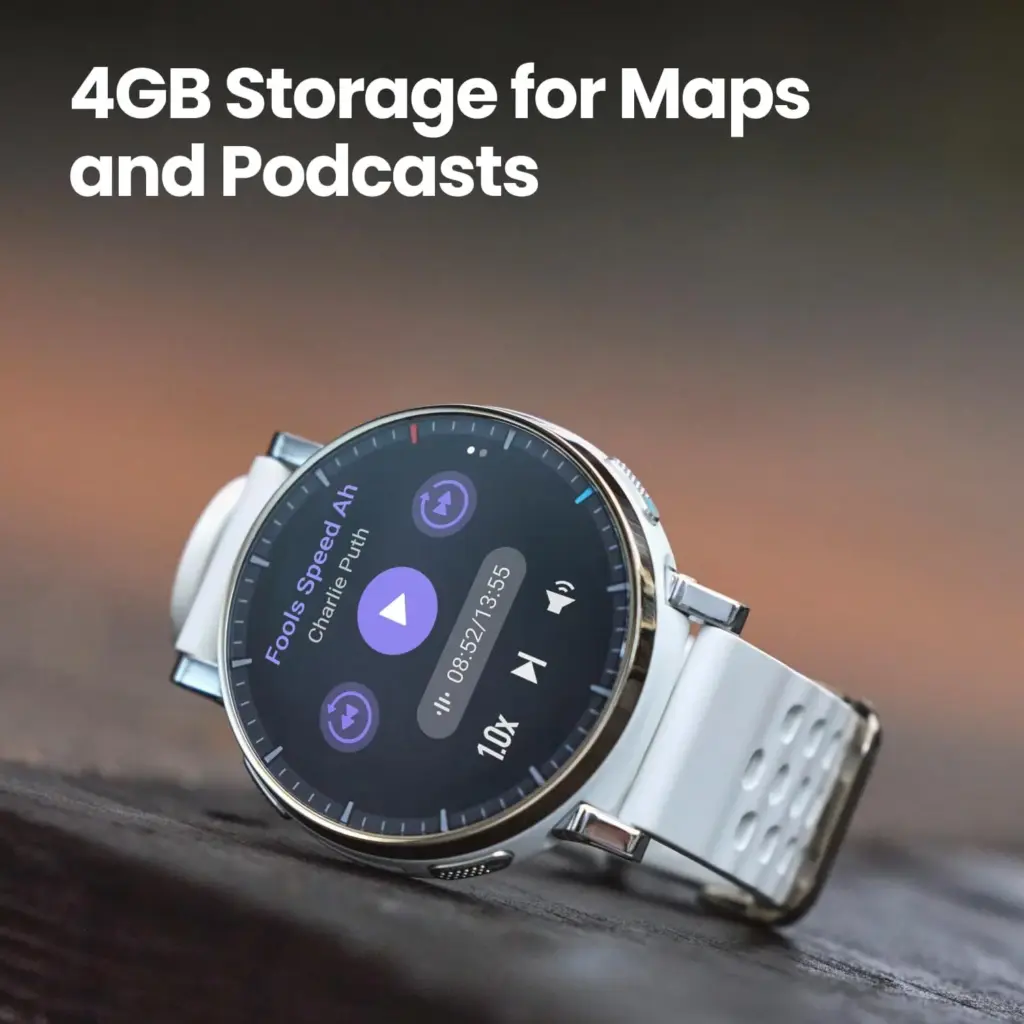
GPS is built in, with offline maps, turn-by-turn navigation, automatic rerouting, and point-to-point route planning. These features don’t match the depth and precision of what Garmin or Suunto deliver, but they’re more than adequate for basic navigation and phone-free outdoor sessions.
Amazfit Active 3 Premium
Built for Runners. Features a durable stainless steel frame, sapphire glass, and a lightweight build. The vibrant 1.32″ AMOLED display ensures your data and maps are easy to read, even under bright sunlight.
Amazfit rates the Active 3 Premium at up to 12 days of battery life under typical use, dropping to around 7 days with heavy use and 24 hours in continuous GPS mode. Real-world testing – wearing the watch day and night, tracking at least four workouts per week, and using GPS during outdoor sessions – landed around 10 days per charge, which aligns closely with those claims.
Outdoor tracking performed reasonably well. Testing across two full-day hikes through dense Welsh woodland and regular park runs produced location estimates accurate enough to serve as a reliable workout companion. That said, the Active 3 Premium uses single-band GPS rather than dual-band, which can limit signal strength in more complex, obstructed environments. Professional trail runners or those venturing into demanding terrain may find the GPS less dependable than they’d like.
Heart rate data was compared against readings from the Whoop MG screenless tracker, the Oura Ring Gen 4 smart ring, and the Polar H9 chest strap heart rate monitor. The results accurately reflected workout intensity and training load across most conditions. Accuracy dropped slightly during high-intensity efforts above 150 bpm, though that’s a common limitation across budget fitness trackers rather than a specific failing of this watch. Sleep and stress tracking both performed well.
Step counting and upper-body movement tracking were less reliable. The watch tended to underestimate steps and consistently struggled with exercises like indoor rowing, where stroke rate detection was noticeably off. Strength training tracking also left something to be desired. These shortcomings didn’t significantly affect the overall experience, and at this price point, they’re largely expected trade-offs rather than dealbreakers.
Should You Buy the Amazfit Active 3 Premium?
The Amazfit Active 3 Premium earns its place as one of the better budget smartwatches available for novice runners and casual exercisers. It’s durable, comfortable, reasonably accurate, and packs a genuinely impressive set of workout-tracking tools alongside beginner-friendly training guidance. The design holds up well across contexts, and the battery life is hard to fault. GPS and mapping fall short of premium standards, and the screen smudges faster than it should – but neither is a realistic expectation at $169.99.
✅ Buy it if: You’re a beginner or casual runner looking for a sleek, reliable smartwatch without spending a fortune.
❌ Don’t buy it if: You’re an experienced runner who needs advanced GPS accuracy and detailed mapping capabilities from a premium wearable.
Amazfit Active 3 Premium
Built for Runners. Features a durable stainless steel frame, sapphire glass, and a lightweight build. The vibrant 1.32″ AMOLED display ensures your data and maps are easy to read, even under bright sunlight.
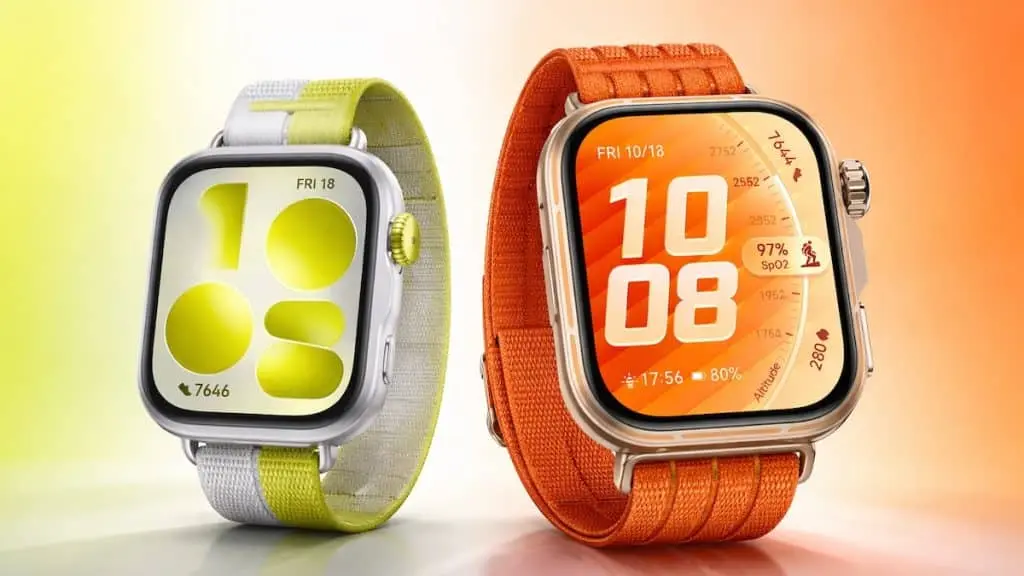
Huawei has officially launched the Watch Fit 5 Pro in its home market, and the sports wearable arrives with a set of upgrades that put it in a different league from most competitors. Four features in particular stand out — all of them still absent from Apple and Samsung’s current smartwatch lineup.
Huawei has been pulling ahead of both brands in wearable battery life and health tracking for some time now. The Watch Fit 5 Pro shows exactly how the company continues to push that gap wider year after year.
1. A Smarter Strap Design
Most smartwatches treat the strap as an afterthought, but the Watch Fit 5 Pro offers a Breathable Braided Strap option built specifically for active use. The AirDry strap material repels water and wicks sweat more effectively, keeping the wrist comfortable during workouts, hot weather, or humid conditions. It’s a practical detail that most rivals still overlook.
2. Micro-Motion Guidance
The Watch Fit 5 Pro introduces a Micro-Motion feature that detects when the wearer has held the same posture for too long and prompts them to move. The guided movements target 10 body areas — including the head, neck, shoulders, and back – across 30 total movement sets. A panda companion character adds a lighthearted touch, offering visual guidance, mood-responsive expressions, and gentle nudges to build better movement habits throughout the day.
3. New TruSense Health System
Huawei has built the latest-generation TruSense system into the Watch Fit 5 Pro, designed to track vital signs like heart rate, blood oxygen, mood, and sleep with greater accuracy and speed. The system reads subtle physical changes to produce more complete and reliable health data. Sleep tracking runs on the TruSleep 5.0 algorithm, which evaluates rest across two dimensions – sleep structure and sleep stability – for a more thorough picture of sleep quality.
4. Battery That Lasts Longer
The Watch Fit 5 Pro uses a high-silicon battery material that bumps energy density up by 14% and total capacity by 18% compared to previous iterations. Full charging takes just 60 minutes. In real-world terms, the watch delivers 10 days of use in normal mode, 7 days under typical use conditions, and 4 days with the Always-On Display active — numbers that Apple Watch and Galaxy Watch still struggle to match.
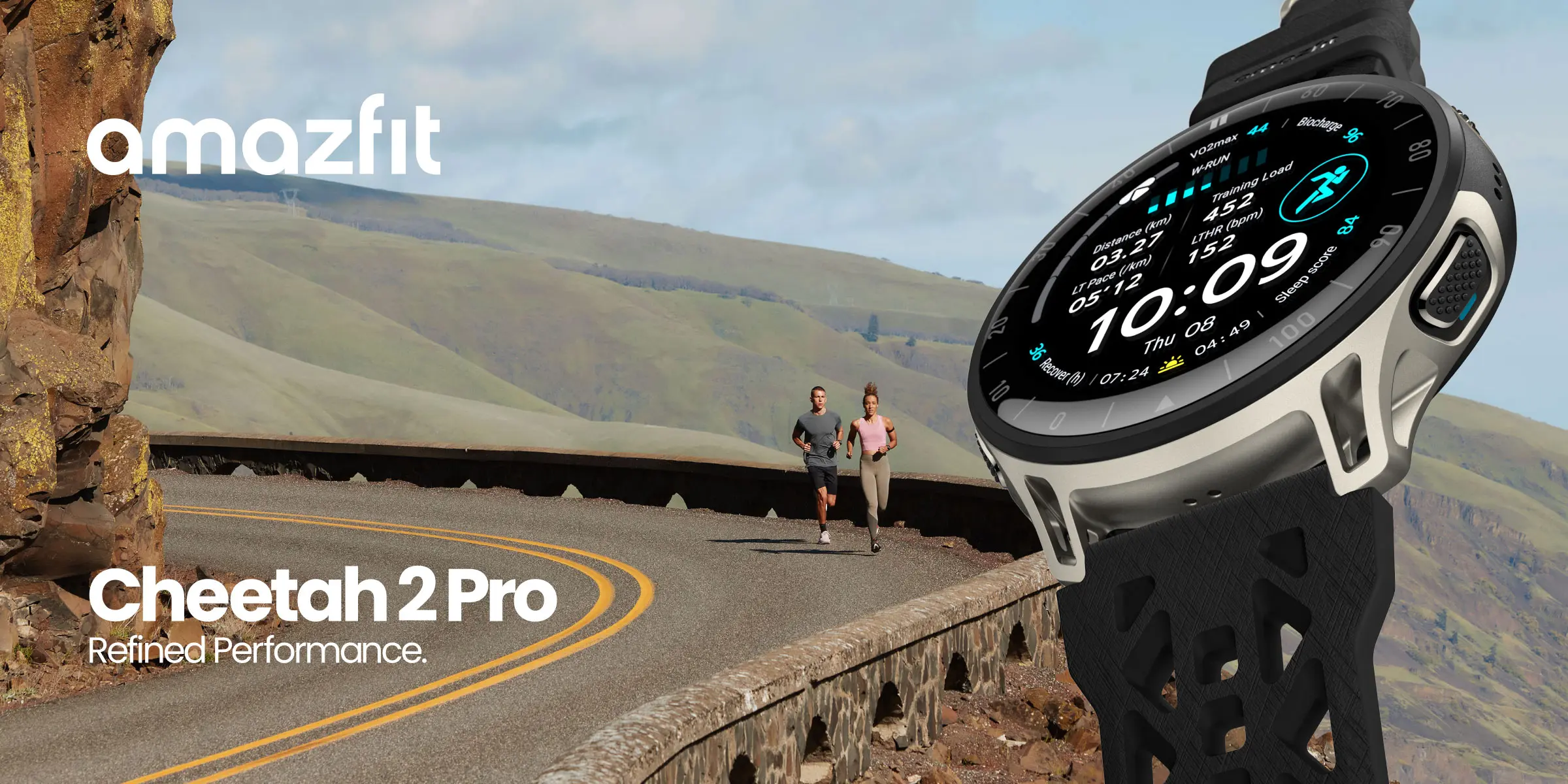
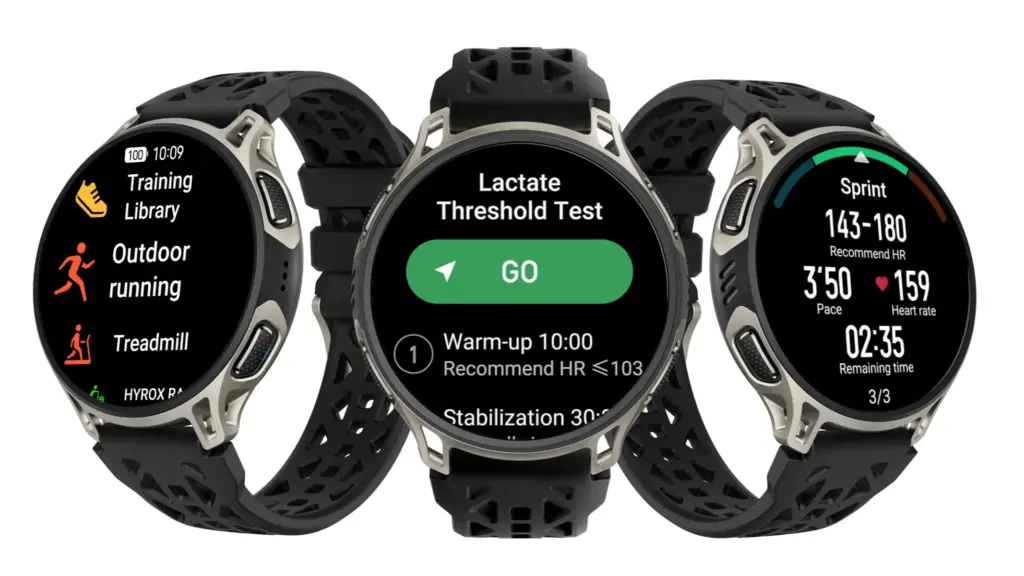
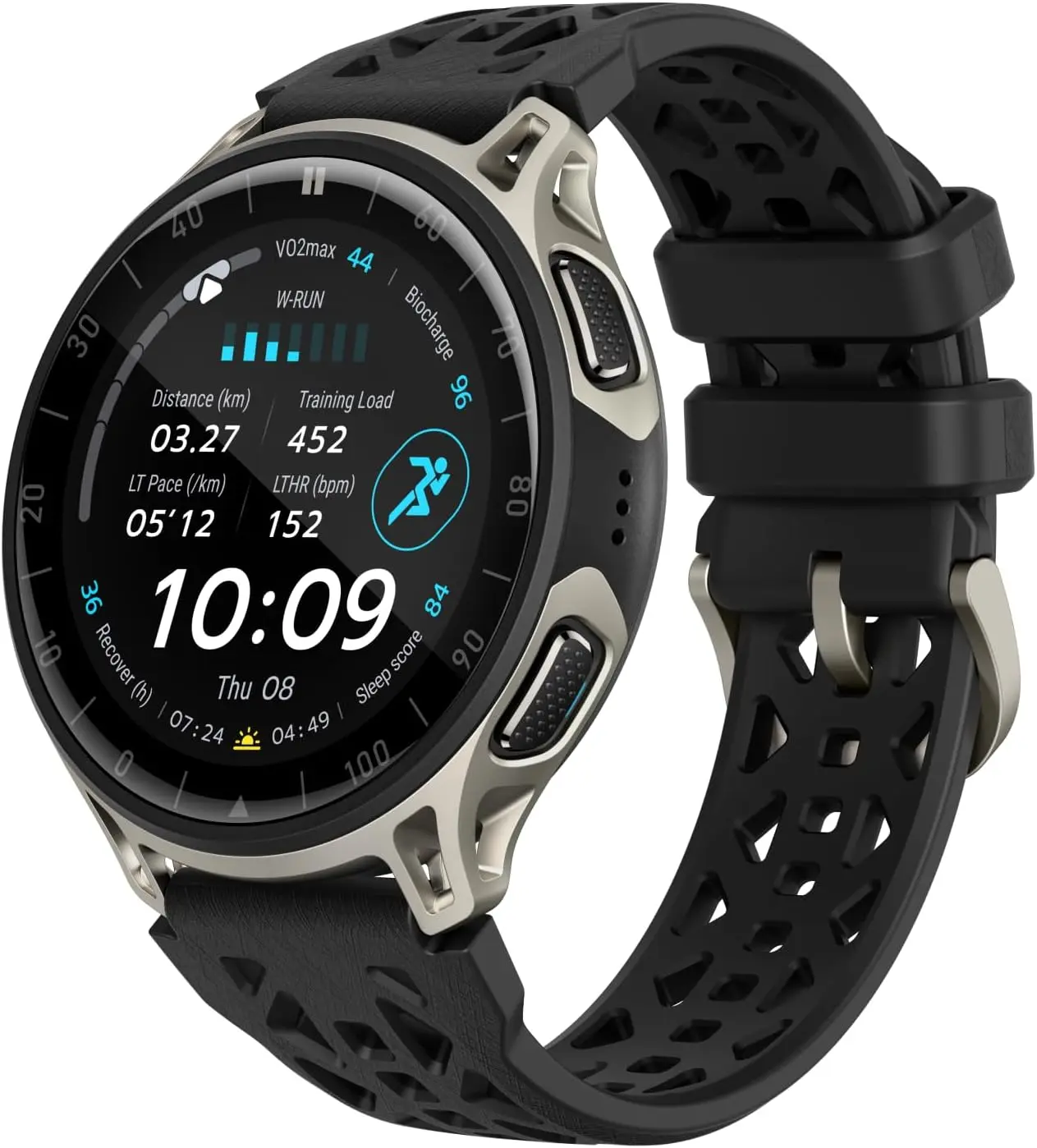
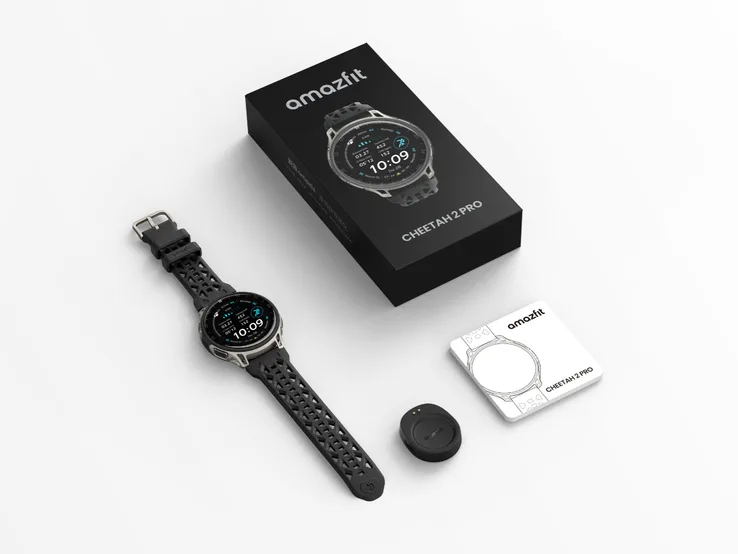
Amazfit has officially introduced the Cheetah 2 Pro to the global market, marking the debut of its new Cheetah 2 series. The launch follows a wave of recent leaks and brings a high-end smartwatch with a focus on endurance and outdoor tracking.
The Cheetah 2 Pro features a 1.32-inch AMOLED display housed in a 48 mm case, while still supporting relatively slim 20 mm straps. The screen reaches up to 3,000 nits of peak brightness and offers a resolution of 466 × 466 pixels, resulting in a pixel density of 353 PPI.
Amazfit Cheetah 2 Pro
Built with extraordinary durability for high-mileage runs, the grade 5 titanium case and scratch-resistant sapphire glass protect a vibrant 1.32″ AMOLED display. Unnecessary material is removed while rigidity and precision are preserved.
Battery life is a key highlight. The smartwatch packs a 540 mAh battery, with Amazfit claiming up to 29 hours of use with GPS enabled, 7 days in standard smartwatch mode, and up to 20 days under “moderate activity” conditions.
On the hardware side, the device includes Amazfit’s in-house 5PD PPG heart rate sensor and an Airoha Technology AG3353 GNSS module for positioning. It also features a built-in speaker, a digital microphone, and a LED flashlight—similar to what’s found on devices like the Garmin Forerunner 970 and Venu 4. The watch weighs 46 grams, supports 5 ATM water resistance, and uses sapphire glass for display protection.
Built with extraordinary durability for high-mileage runs, the grade 5 titanium case and scratch-resistant sapphire glass protect a vibrant 1.32″ AMOLED display. Unnecessary material is removed while rigidity and precision are preserved.
This positions it notably higher than the original Cheetah Pro, which launched in mid-2023 at a significantly lower price and has since dropped to around $179.99 on Amazon. For more details, Amazfit directs users to its official website.
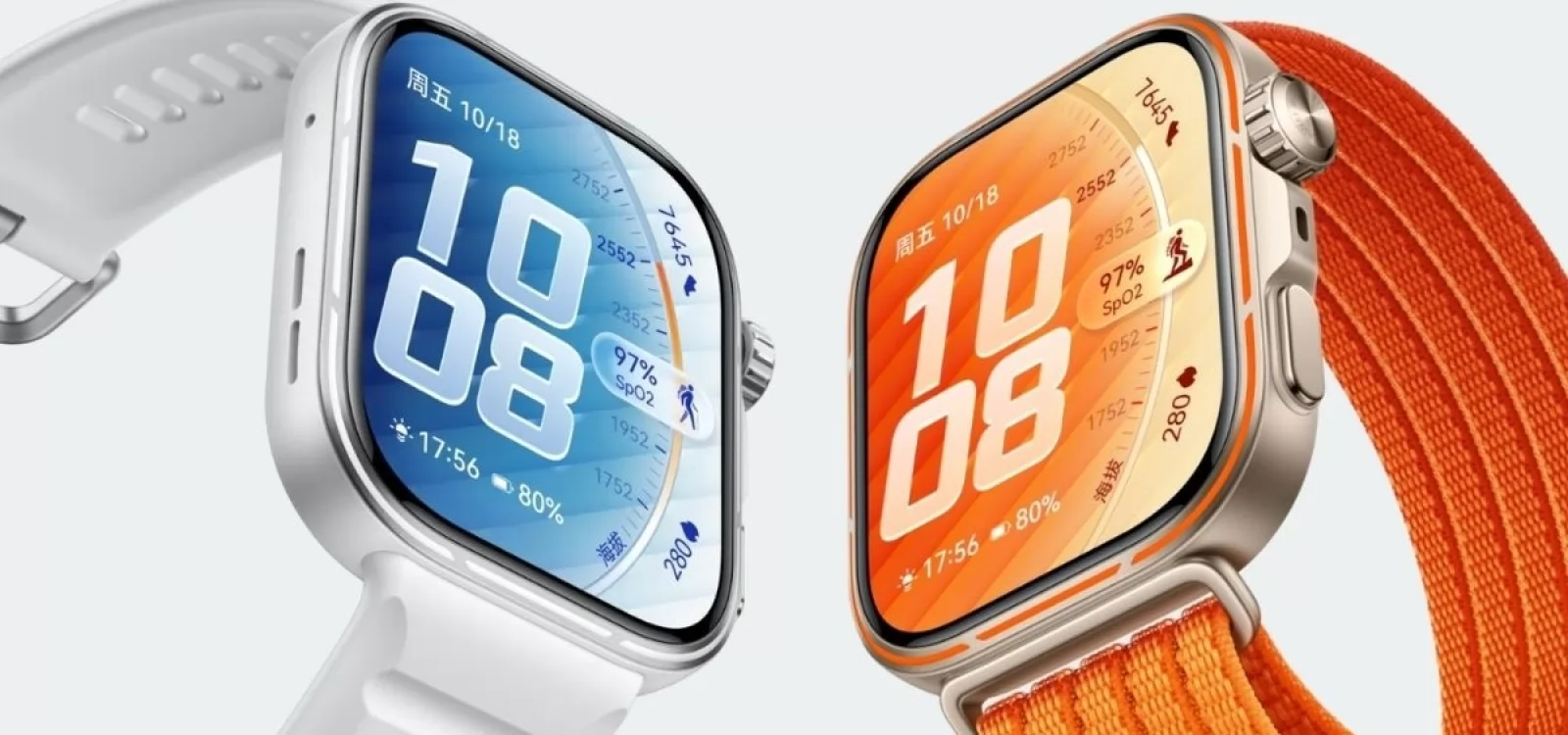
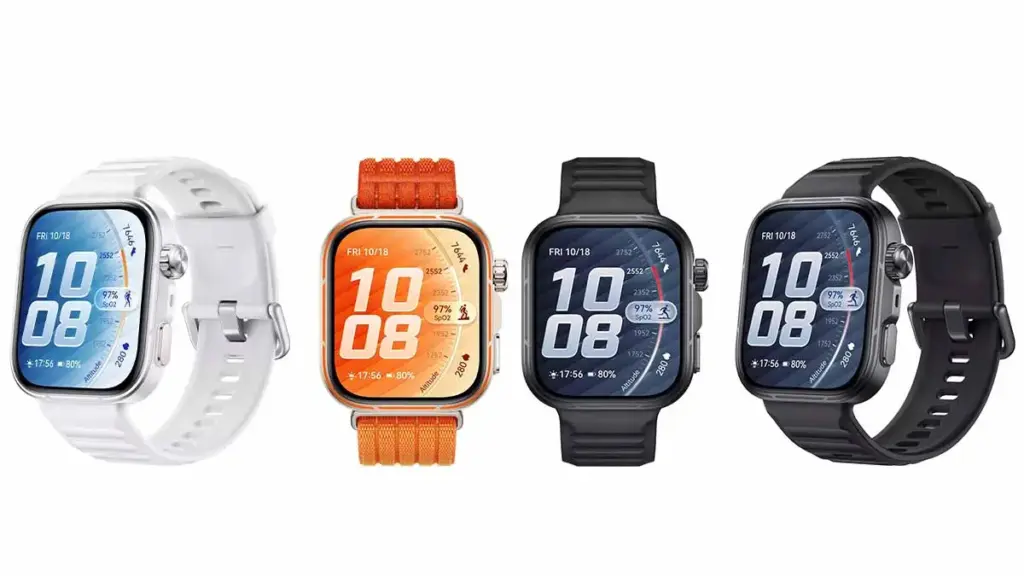
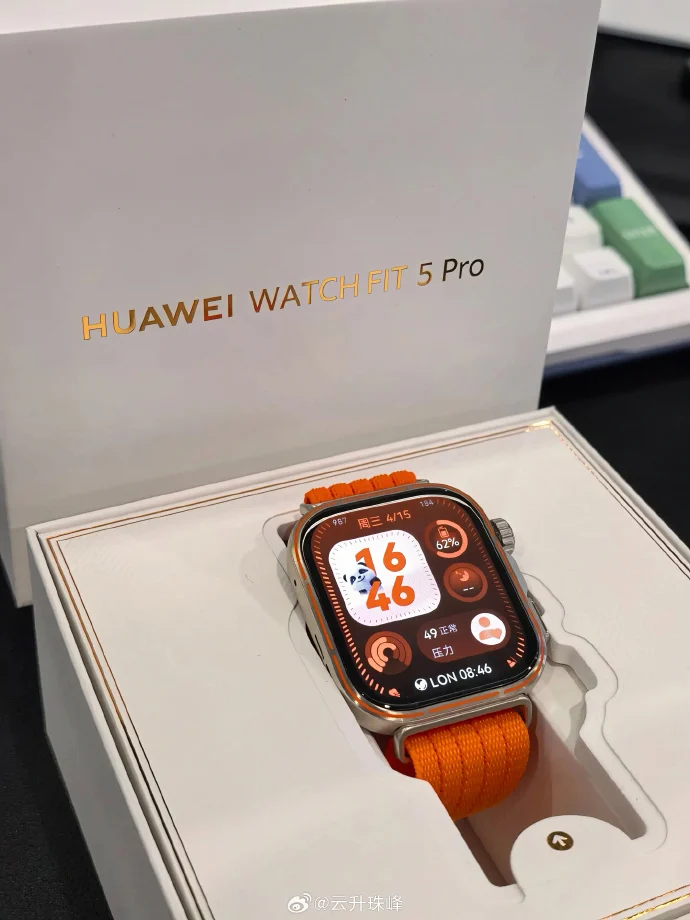
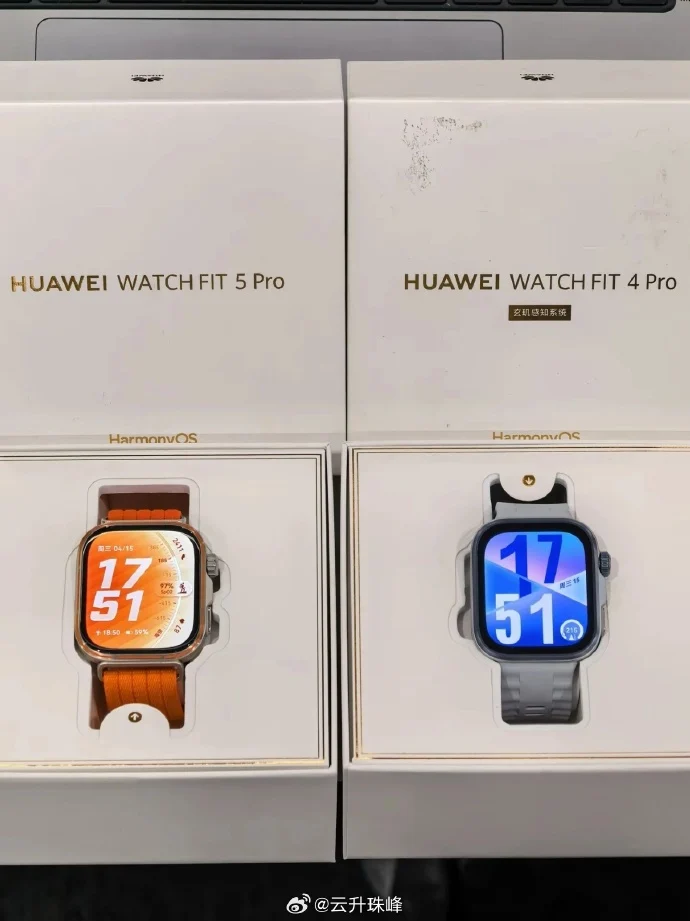
Huawei appears to be planning a revamp of its Watch Fit series shortly, and a new round of leaks has already provided us with an early glimpse at what to expect. The Huawei Watch Fit 5 Pro has appeared in real-world pictures, indicating a design that is familiar yet refined this time around.
The leaked pictures, which were posted on Chinese social media platform Weibo, show the watch within its retail box. At first sight, it appears to follow the same square design language, yet there are a few significant differences. The model pictured has vivid orange highlights around the frame and a matching woven strap, which is consistent with Huawei’s recent stylistic choices. The metal body appears to have been maintained, along with the crown on the right and a secondary button just below it.
Where things become interesting is with the display. Side-by-side photographs with the Watch Fit 4 Pro indicate that Huawei has significantly reduced the bezels. The difference is significant enough to make the newer model appear cleaner and more modern. There’s also a switch to 2.5D curved glass, removing the previous generation’s flat panel, which should make swipes feel smoother and the watch seem more premium in hand.
Some early Weibo discussion suggests a 1.92-inch AMOLED panel, up from the 1.82-inch screen on the Fit 4 Pro. However, there is still much we do not know. The leaks don’t go into detail about internals yet, thus battery life, sensors, and new health features are all still unknown for the time being.
However, the date is consistent with Huawei’s regular pattern. The Watch Fit 4 series debuted in May of last year, so a similar release timeframe for the Watch Fit 5 lineup would not be odd.
The Watch Fit series has generally performed well by remaining lightweight and reasonably priced while also providing reliable fitness tracking. So far, the Fit 5 Pro appears to have a more “premium look” to it.
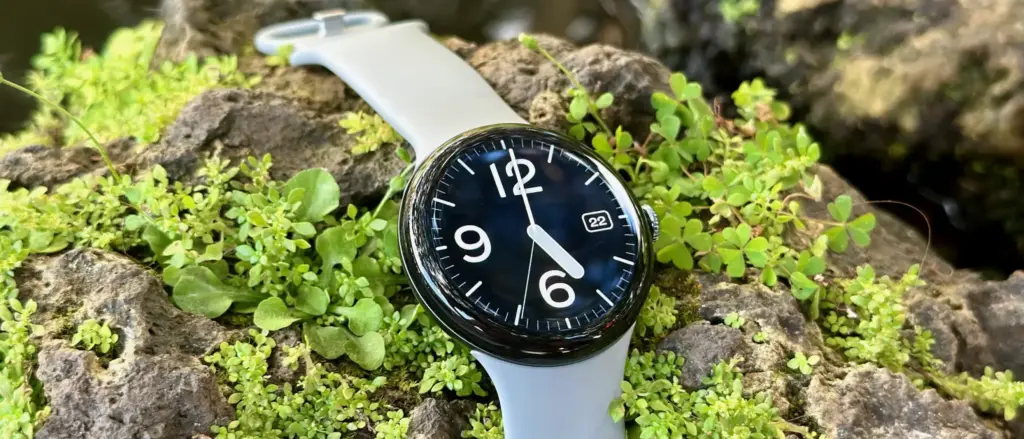
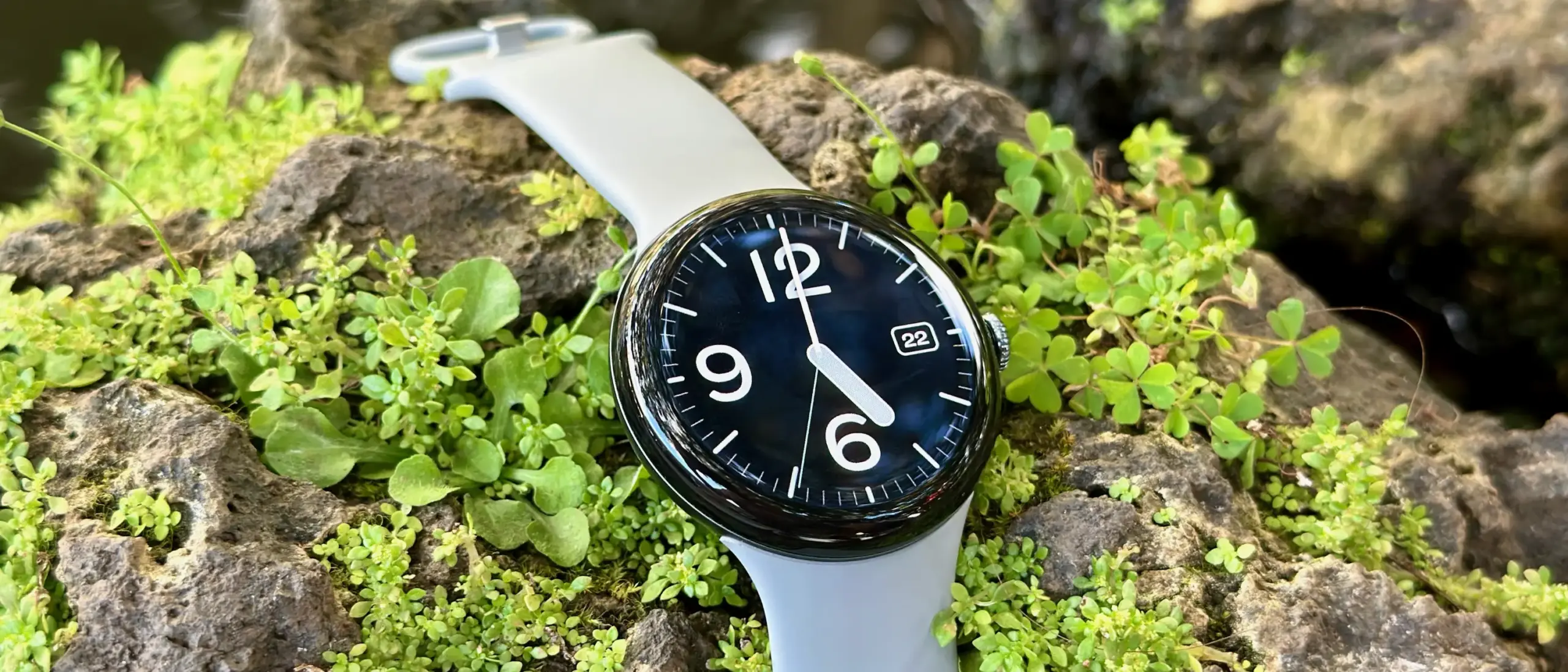
Google already cut the Pixel Watch 3 LTE starting price from $350 to $250 to keep it competitive alongside the newer Pixel Watch 4. That was a solid deal. This is not that.
Right now on Amazon, the 45mm Pixel Watch 3 with LTE — originally $399.99 — is available for $159.99 in Matte Black with an Obsidian band. That’s $240 off, no coupon required. It’s the deepest discount any major US retailer has ever offered on this watch, and stock won’t last.
Google Pixel Watch 3 LTE
The Google Pixel Watch 3 is designed for performance, with advanced fitness from Fitbit; the 45mm screen is twice as bright and 40% larger than before, making it easier to see your stats and info
The Pixel Watch 3 isn’t new. It launched 18 months ago and was superseded by a faster, brighter Pixel Watch 4 last fall. But at this price, the age gap stops mattering.
You still get a capable Wear OS smartwatch with standalone cellular connectivity, solid fitness tracking, and Google’s long-term software support — which, for what it’s worth, is among the best in the Android wearables space. Google tends to fix the things that break, and it keeps supporting its devices well after competitors would have moved on.
One honest caveat
Our full Pixel Watch 3 review flagged occasional software bugs as a genuine frustration at launch. If stability is non-negotiable for you, the Samsung Galaxy Watch 8 is worth a look instead.
But if you can live with the odd hiccup — or trust that Google patches them — this is hard to beat for the price.
The bottom line
The Pixel Watch 4 has better battery life. It’s also significantly more expensive. At $160 for an LTE smartwatch from Google, the Pixel Watch 3 becomes a straightforward decision for anyone who’s been sitting on the fence.
Place the Amazon order now. This kind of discount doesn’t stick around.
Google Pixel Watch 3 LTE
The Google Pixel Watch 3 is designed for performance, with advanced fitness from Fitbit; the 45mm screen is twice as bright and 40% larger than before, making it easier to see your stats and info
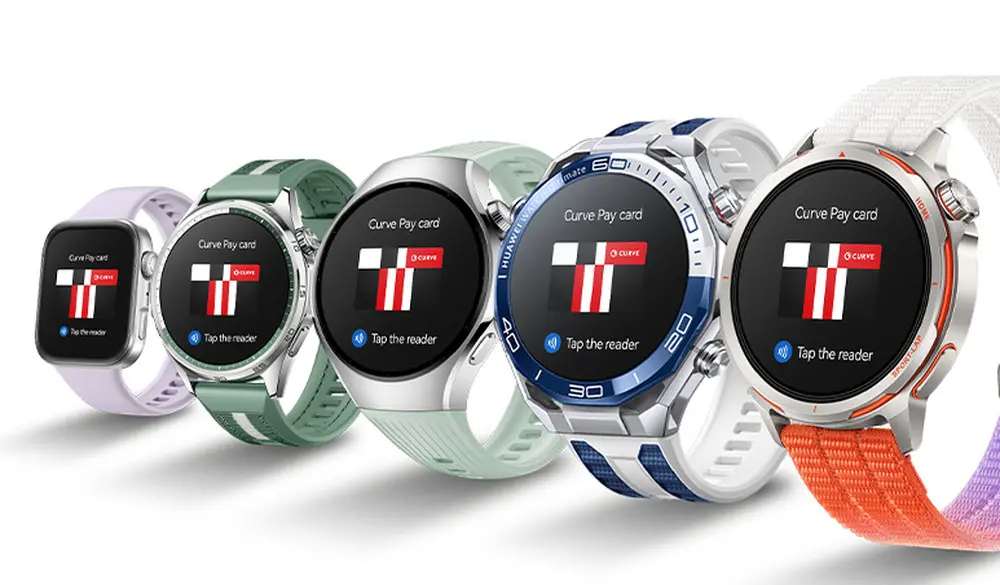
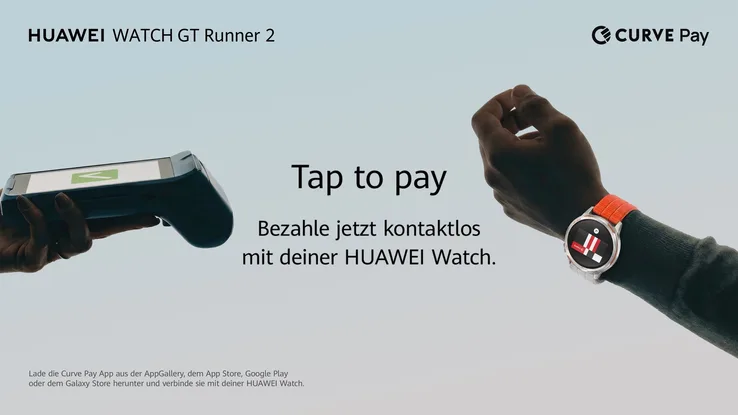
Curve Pay is available in Europe for the Huawei Watch Ultimate 2, the Huawei Watch GT 6, and a number of other Huawei smartwatches, significantly enhancing the contactless payment experience.
In the past, Quicko was the only contactless payment method available in Europe for smartwatches like the Huawei Watch GT 6. But as compared to Google Pay and Apple Pay, this approach has a lot of drawbacks. On the one hand, Quicko is not accepted in many retail chains, and credit needs to be topped up beforehand rather than just using a debit or credit card.
With the introduction of Curve Pay to Huawei smartwatches, Huawei is finally making amends. Like Apple Pay, Curve Pay lets you store numerous cards and use the NFC chip in your timepiece to make contactless purchases with them. Curve Pay is compatible with any bank account and permits cash withdrawals at an ATM, according to the vendor. The following Huawei smartwatches are compatible with Curve Pay:
Huawei Watch GT Runner 2
Huawei Watch Ultimate 2
Huawei Watch GT 6
Huawei Watch GT 5
Huawei Watch 5
Huawei Watch Fit 4
The Curve Pay app must be downloaded from Google Play, the Apple App Store, or the Huawei AppGallery in order to utilize the service. Instead of constantly switching to the smartphone app, stored payment methods can be chosen directly on the smartwatch via an integrated smart wallet once the app has been loaded, configured, and connected to the smartwatch. Curve Pay is free to use, but you may purchase different subscriptions if you want features like more cashback or bigger limits for free payments overseas.
Your Galaxy Watch has a lot in common with a cluttered desk. The longer you use it – jumping between apps, running things in the background, switching modes – the more it accumulates invisible junk that slows everything down. Frozen screens, laggy responses, battery that drains faster than it should. Sound familiar?
The good news: you almost certainly don’t need a new watch. Nine times out of ten, the culprit is a bloated cache, and clearing it is one of the easiest things you can do.
What’s a cache, and why does it matter?
Your watch stores temporary data – bits of information from apps and processes – to help things run faster in the moment. Over time, that pile grows. What was meant to speed things up starts doing the opposite, and your watch starts feeling like it’s running through mud.
Samsung says the Galaxy Watch handles memory optimization automatically in the background, but that doesn’t mean you can’t give it a nudge yourself. Sometimes it needs one.
How to clear your Galaxy Watch cache
Clear your recent apps
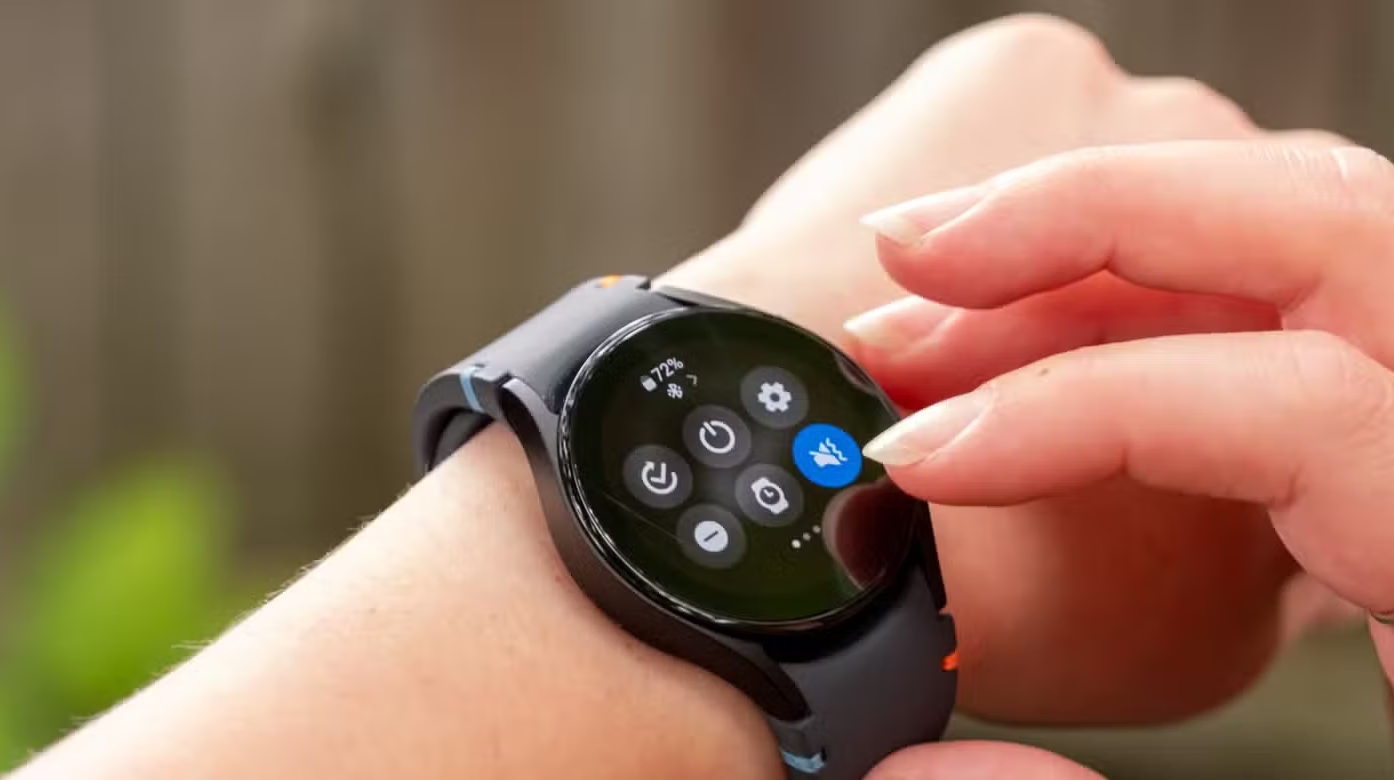
Swipe up from the watch face and tap the Recent apps icon. Hit Close all to shut everything down at once.
If you want to be more selective, open Recent apps again and tap Active in background. You’ll see which apps are running silently and can close whichever ones you don’t need.
Clean up the watch’s memory
Go to Settings > Device Care > Memory, then tap Clean Now. That’s it – your watch will free up whatever space it can.
Do both of these and you’ll likely notice a difference right away. Faster app launches, smoother navigation, better battery life. If your watch has been frustrating you lately, start here before assuming it’s time to upgrade. It usually isn’t.
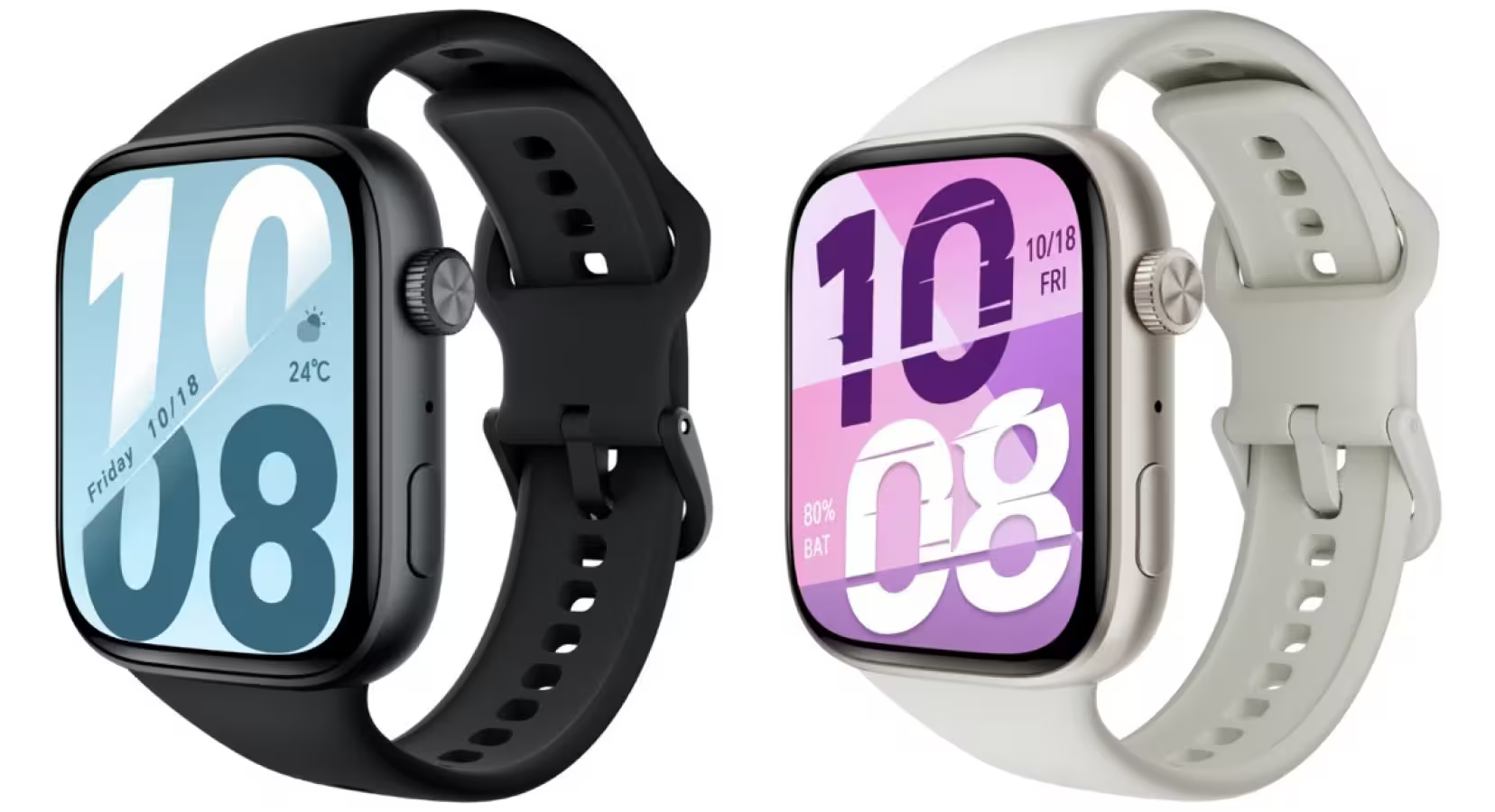
Let’s be real: if you saw the Honor Watch X5i on someone’s wrist, you’d probably assume it was an Apple Watch. Same silhouette, same vibe. But while Apple’s version will set you back $329, Honor’s take costs just 229 yuan — around $33. And somehow, it still brings a lot to the table.
Watch X5i design and display
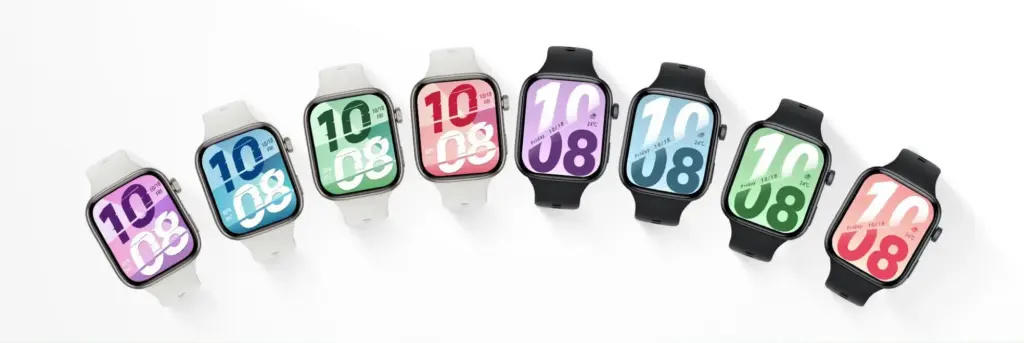
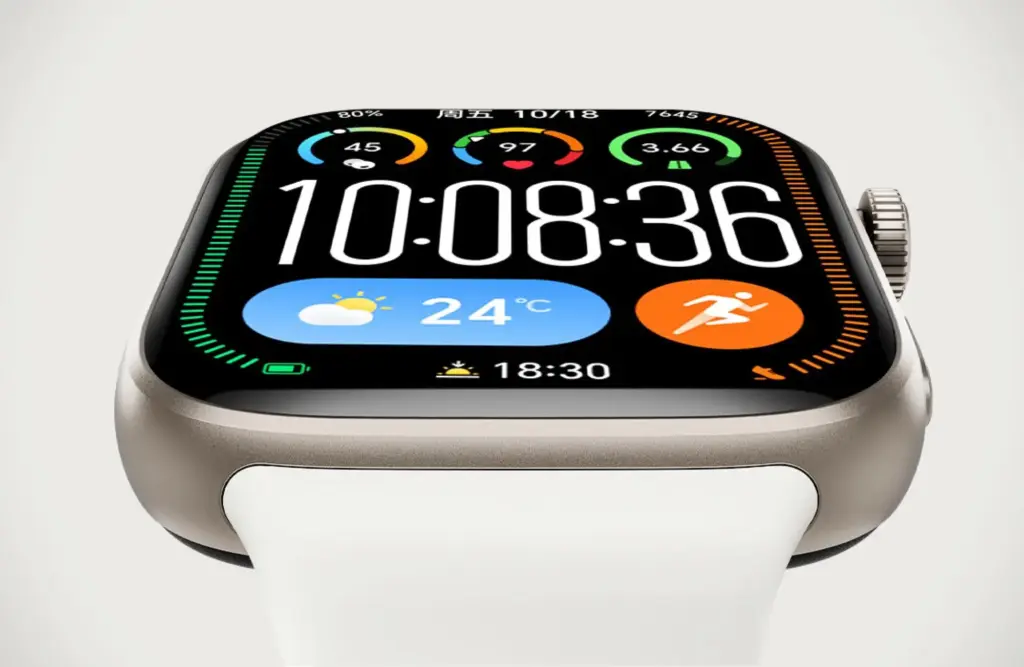
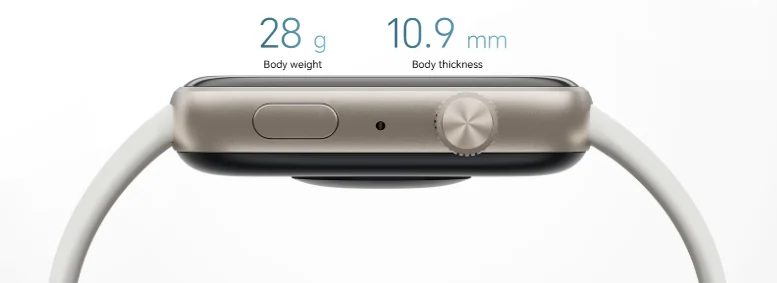
The similarities to Apple’s wearable are obvious, and Honor clearly wasn’t shy about the inspiration. The casing is plastic, which helps keep the weight down to a barely-there 28.1 grams (41.4 with the strap). The AMOLED display is sharp at 450 x 390 pixels, smooth at 60 Hz, and backed by over 180 watch faces if you like switching things up.
Battery life stretches to three weeks under normal use — genuinely impressive at any price. Flip on always-on display and that drops to around six days, which is still perfectly respectable.
Features and health tracking
Don’t expect Apple Watch levels of performance. The X5i runs a modest processor with an RTOS, so the app ecosystem is limited and raw speed isn’t its strong suit. But for everyday use, it covers the basics well — heart rate, SpO2, stress, sleep, and cycle tracking are all here, alongside 109 sport modes ranging from cycling to, yes, darts.
You can also take calls directly from your wrist through your phone, and it works with both Android and iPhone.
Durability
One area where corners were clearly cut: water resistance sits at just 1 ATM. That’s fine for rain and a shower, but don’t think about taking it swimming. IP68 certification covers the dust and splash protection side of things.
Price and availability
Right now the X5i is only confirmed for China at 229 yuan (~$33). No word yet on international release dates or pricing.
Europe is now able to get the Oppo Watch S. The smartwatch is comparatively tiny, has a very brilliant display, and is said to be able to determine lactate levels.
Last fall, Oppo unveiled the Watch S, a wearable that has now made its way to Europe. The watch is available in Phantom Black and Nebula Silver, and Oppo lists it for €259. The watch is already available for purchase on the company’s website in Austria, and it should soon be available in additional European nations. Some third-party retailers are already carrying the Oppo Watch S as well.
In order to improve readability in direct sunlight, Oppo is highlighting the display, which is built on a 464 x 464 AMOLED panel with a maximum brightness of 3,000 nits. As usual, this peak brightness is only available in brief bursts rather than continually. There is also an always-on mode, although the battery life will be reduced from seven to four days.
The smartwatch is partially composed of stainless steel and has a thickness of roughly 0.35 inches. Additionally, the Oppo Watch S is made to offer extra workout information, such the tennis swing speed. Oppo provides a posture assessment for running and jogging, and the smartwatch has the standard GPS module.