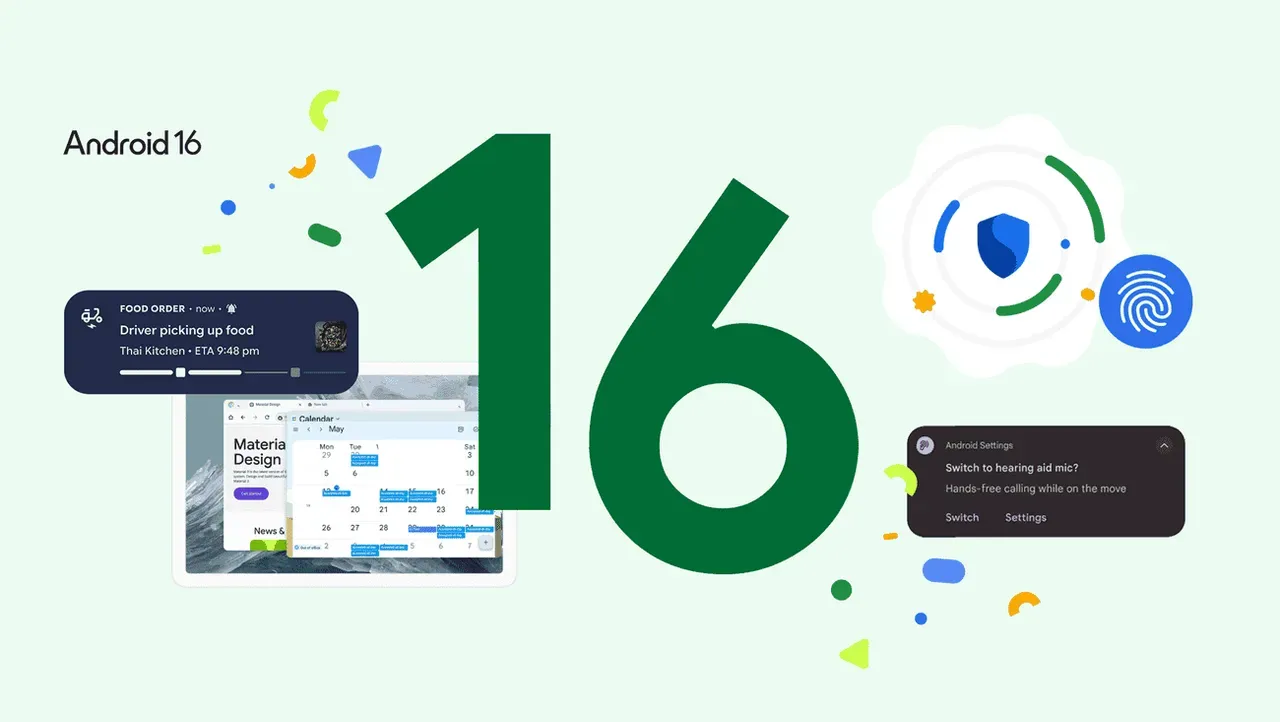
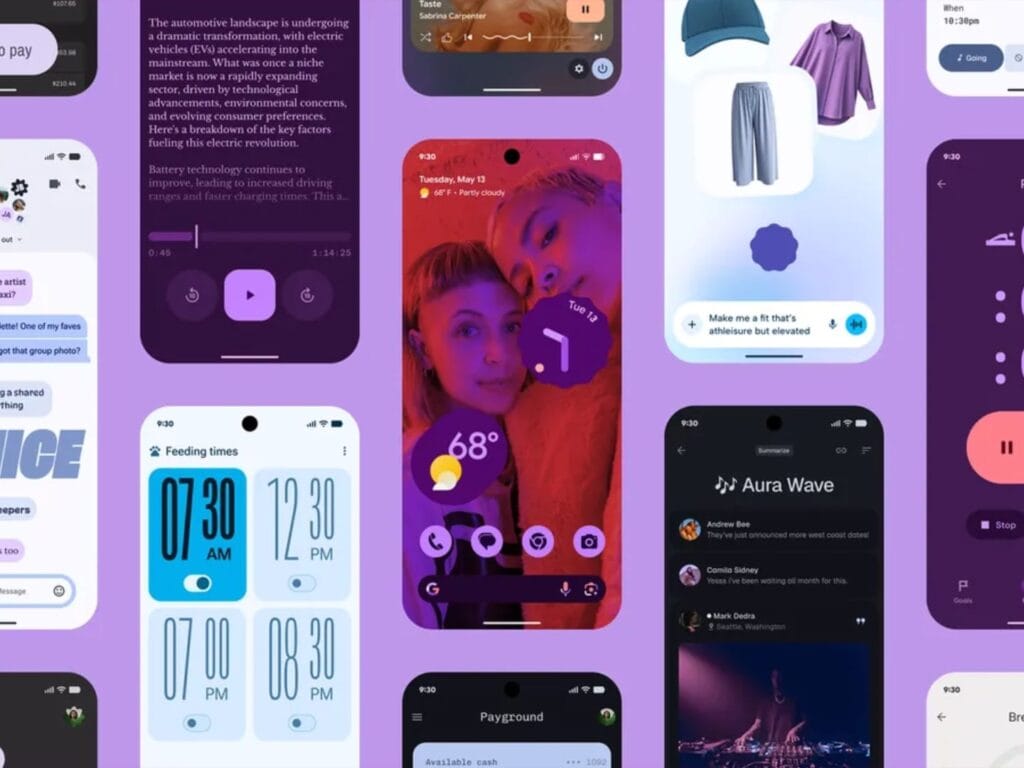
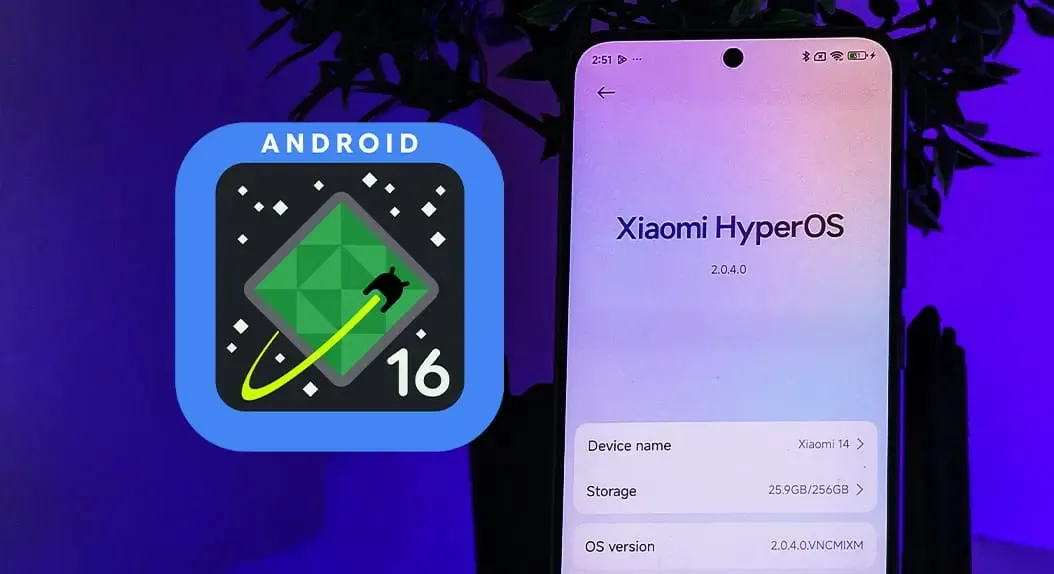
A complete list of devices and a schedule are already available, and Xiaomi’s Android 16 update is official. HyperOS 3 is scheduled to launch in October.
Xiaomi’s Android skin receives a few new improvements from HyperOS 3, including:
Xiaomi claims you won’t have to wait long, so there’s a good deal to look forward to.
In October, HyperOS 3 will begin to roll out on the Xiaomi 15T series, with the Xiaomi 15 following shortly after. After that, the rollout lasts until March 2026. The following is Xiaomi’s schedule, which may change over time.
Xiaomi HyperOS 3 (Android 16) Rollout Schedule
October/November 2025
Phones
Xiaomi 15T Pro
Xiaomi 15T
Xiaomi 15 Ultra
Xiaomi 15
Xiaomi MIX Flip
REDMI Note 14 Pro+ 5G
REDMI Note 14 Pro 5G
REDMI Note 14 Pro
REDMI Note 14
POCO F7 Ultra
POCO F7 Pro
POCO F7
POCO X7 Pro Iron Man Edition
POCO X7 Pro
POCO X7
Tablets
Xiaomi Pad Mini
Xiaomi Pad 7 Pro
Xiaomi Pad 7
Wearables
Xiaomi Watch S4 41mm (Available now)
Xiaomi Smart Band 10 Glimmer Edition (Available now)
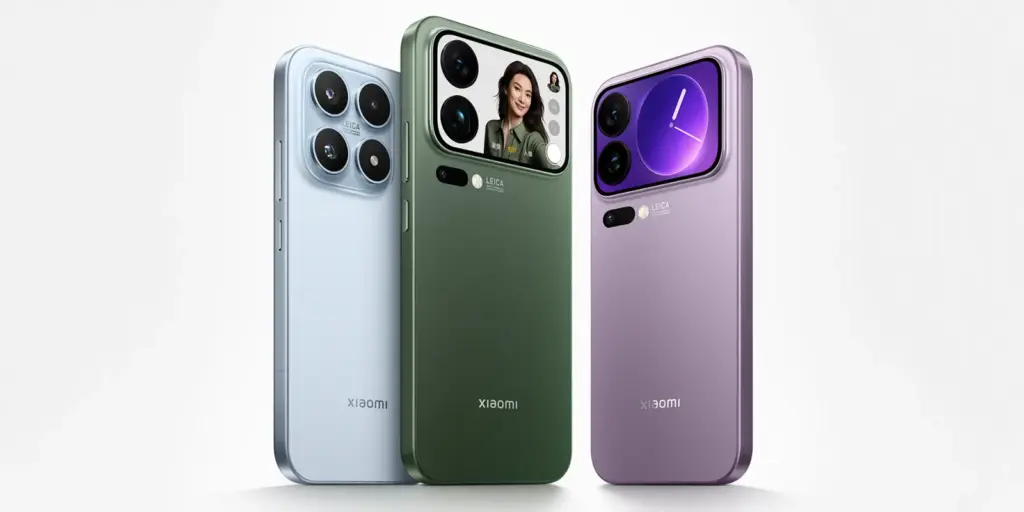
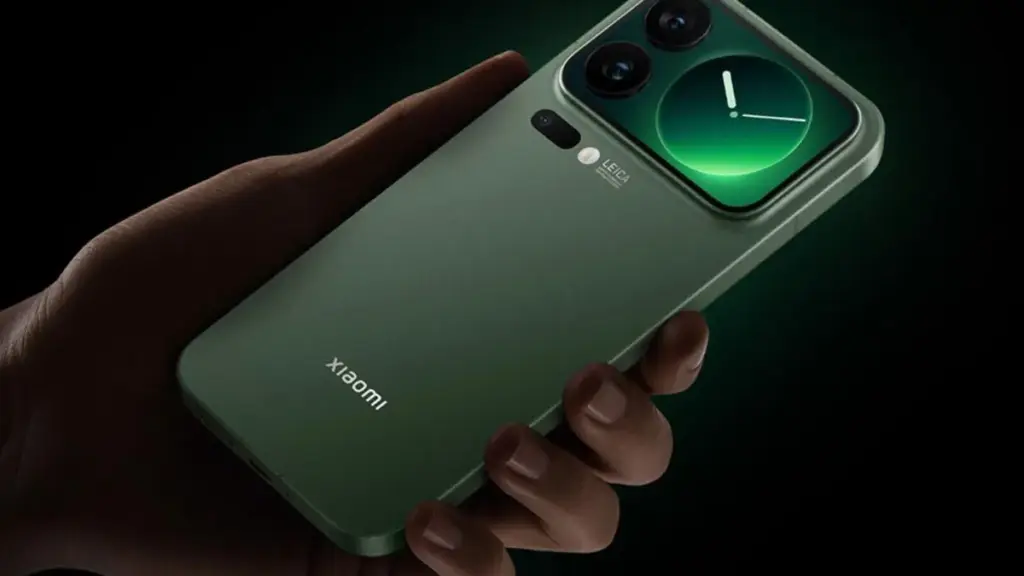
Xiaomi just unveiled its newest three flagship phones in China. The Xiaomi 17 series boasts a new design, rear-facing screens, and batteries that can hold up to 7,500 mAh.
The Xiaomi 17, 17 Pro, and 17 Pro Max are the first Android phones to use Qualcomm’s latest Snapdragon 8 Elite Gen 5 CPU, and they are arriving in China before making their global debut. Each of the three phones has a different pricing range, with the Xiaomi 17 base model being the most economical.
Starting at CNY 4,499, or around $630 USD, the Xiaomi 17 boasts a 6.3-inch LTPO OLED display, 12GB/16GB of RAM, and 256GB/512GB of storage. The phone boasts a large battery and four 50MP cameras—three on the back and one on the front. This phone from Xiaomi has a 7,000 mAh battery that can be charged at 100W and wirelessly at 50W.
Xiaomi 17 first to feature Snapdragon 8 Elite Gen 5
With a fresh look, the Xiaomi 17 Pro and Pro Max, meanwhile, go one step further.
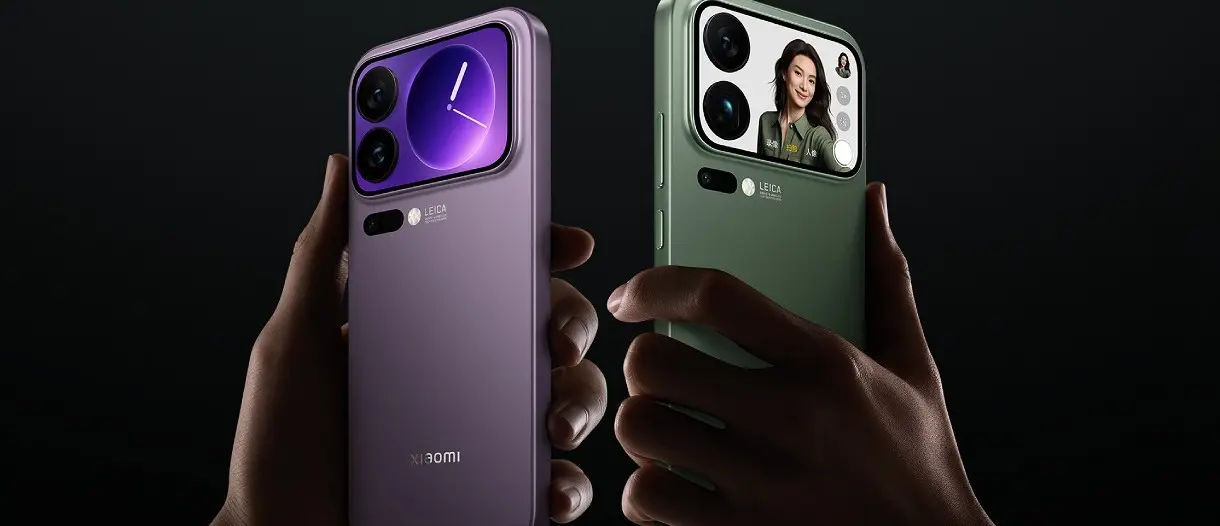
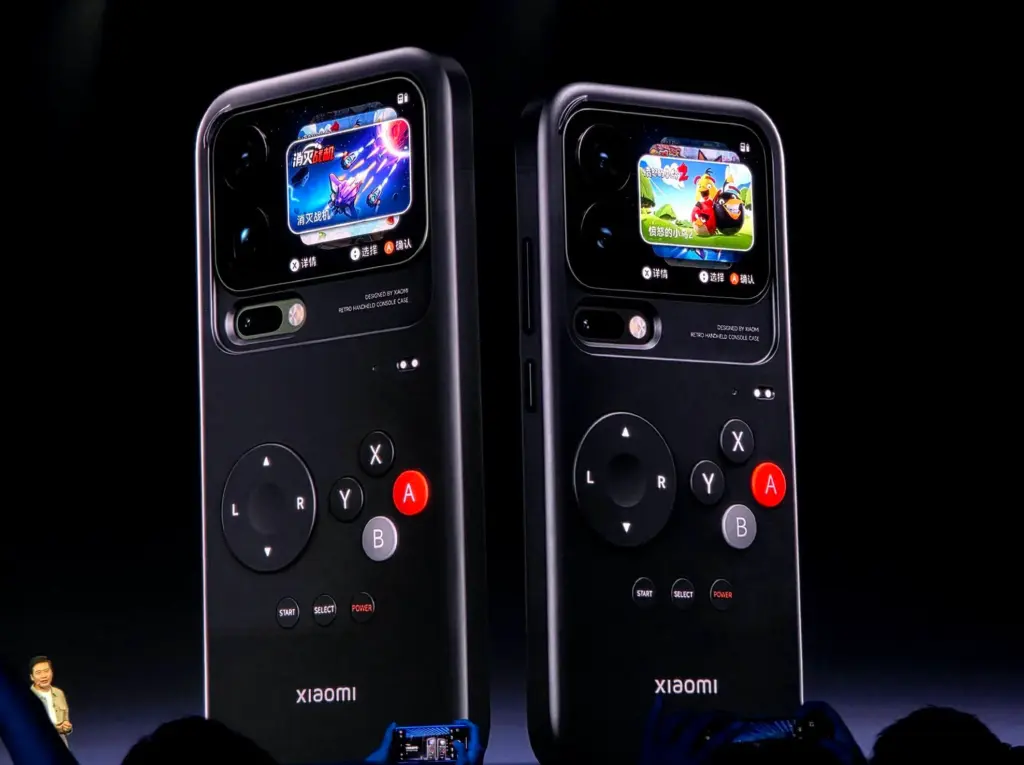
The smaller Xiaomi 17 Pro features a second OLED display on the rear in addition to the same 6.3-inch display as the standard model. Two of the 50MP rear cameras are encircled by the 2.66-inch display, which also has a third 50MP back camera beneath it and a 50MP selfie camera. It can be utilized with personalized themes, “Dynamic Notifications,” and sticky notes. It can also manage media controls and play games with a special case (via GSMArena). The Xiaomi 17 Pro, which starts at CNY 4,999, features a 6,300 mAh battery and up to 1TB of storage.
With its enormous 7.500 mAh battery and 6.9-inch display, the Xiaomi 17 Pro Max goes above and beyond.
The Pro Max’s rear display is identical to the smaller model’s, including the same 2.66-inch LCD and features. The screen and battery capacity are the only things that separate the two sizes. The design is even the same. The starting price of the Xiaomi 17 Pro Max is CNY 5,999.
Since the Xiaomi 15 series debuted globally in March of last year, we can presumably anticipate a global launch in February, give or take, given today’s early Xiaomi 17 launch in China. These phones will go on sale in China on September 27.
For owners of some well-known models, Xiaomi’s upgrade timeline is not good news. Android 16 will not be available for thirty-one Xiaomi, Redmi, and POCO phones. Rather, the last significant update for these smartphones will be HyperOS 3, which is based on Android 15. Support will then be restricted to minor fixes and security patches.
In the universe of Android, this is not uncommon. Major updates are typically offered by brands for two to three years, with newer flagships receiving longer support. The similar pattern applies to Xiaomi’s choice, which focuses on enhancing HyperOS for the devices that are still eligible.
For these phones, HyperOS 3 will be the last major software release.
Redmi phones stopping at HyperOS 3
Numerous models in the Redmi series also stop supporting Android 15. The Redmi K lineup, low-cost gadgets, and even several Note series favorites are included in the list:
This marks the end of updates for several phones that were popular in markets like India and Southeast Asia.
Xiaomi flagships are nearing the limit of updates.
Not even expensive gadgets are exempt. Android 16 will not be available for a number of Xiaomi 12 series phones, such as the 12 Pro, 12S Ultra, and 12T Pro. This is also where the Civi 3 and MIX Fold 2 complete their lifetime.
Full flagship list:
Xiaomi 12, 12 Pro, 12S, 12S Pro, 12S Ultra
Xiaomi 12T, 12T Pro
Xiaomi Civi 3
Xiaomi MIX Fold 2
Android 15 is not the end of the story for these devices. It is anticipated that HyperOS 3 would come with a new interface that is modeled after Apple’s renowned “liquid glass” design. Users should anticipate improved system speed, additional customization choices, and a redesigned control center editor.
Although it’s the final significant update for these phones, the distribution is scheduled to start in September 2025 and provides them a more upscale appearance before updates formally cease.
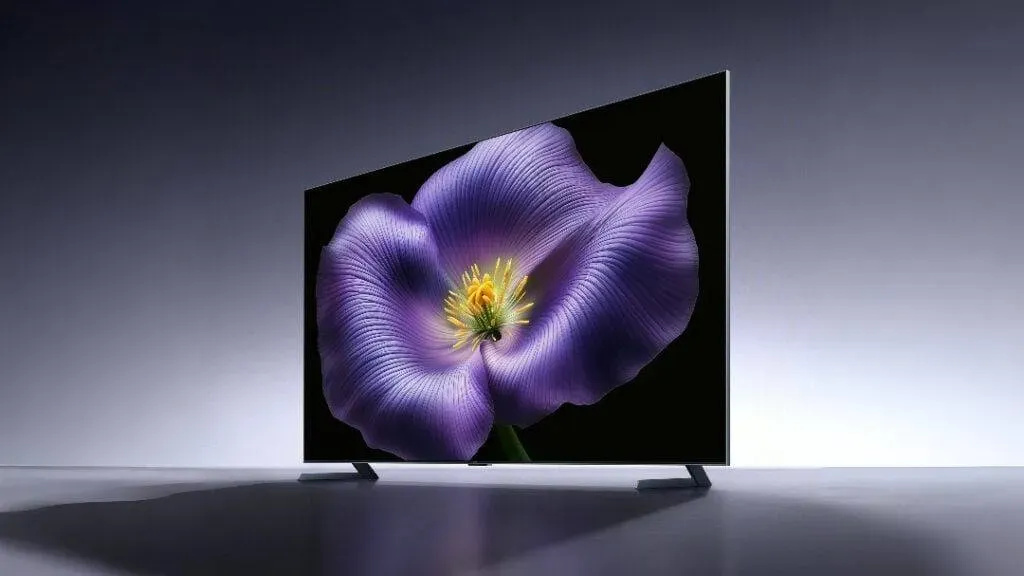
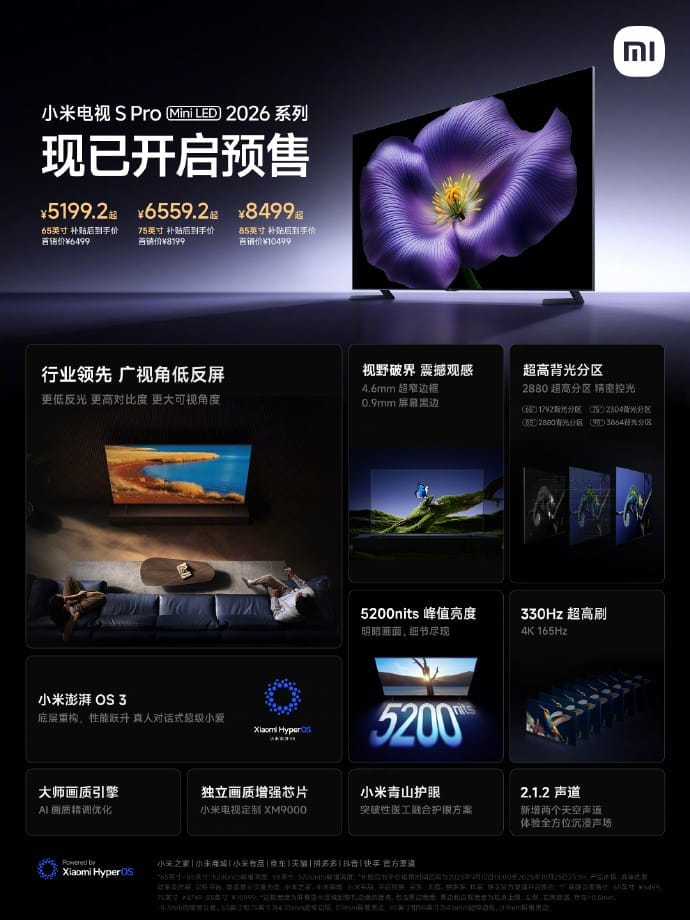
Pre-sales for Xiaomi’s next TV S Pro Mini LED 2026 series have formally begun in China. The versions in the lineup are 65, 75, and 85 inches in size, and their respective launch costs are 6,499 yuan ($909), 8,199 yuan ($1,147), and 10,499 yuan ($1,469). A 98-inch model is also listed on Xiaomi’s official website for 19,999 yuan ($2,799), though it’s unclear if that price is set in stone.
Xiaomi TV S Pro Mini LED 2026 specs
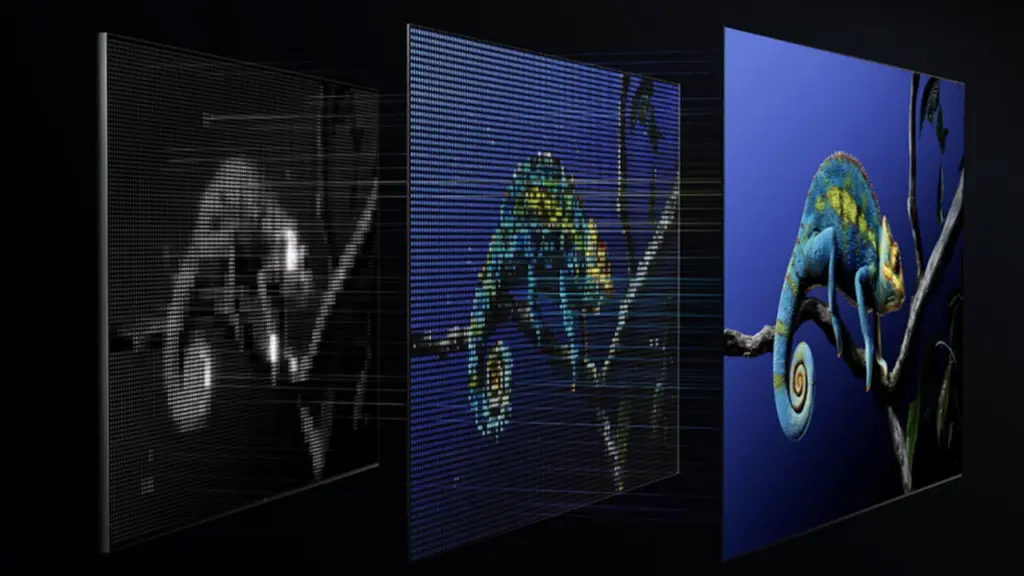
Building on the Mini LED base from the previous year, the 2026 series offers significant improvements in brightness, display performance, and intelligent capabilities. Xiaomi stated that all models have a 330Hz refresh rate mode for gaming and support 4K resolution at 165Hz.
The panels’ maximum brightness is 5,200 nits, while the 98-inch model’s local dimming zones vary from 3,864 to 1,792. Each display boasts a professional-grade ΔE≈1 color accuracy rating, 10.7 billion colors, and a 95% DCI-P3 color gamut.
With a WHVA base and a unique anti-glare coating, the TVs’ low-reflection wide-angle display lowers surface reflectance to just 0.5%. Xiaomi claims that this provides better off-angle contrast than traditional displays and enhances visibility in bright areas. Aiming for an immersive viewing experience, the chassis incorporates a 0.9mm black border and an ultra-slim 4.35mm bezel.
A MediaTek 9655 chipset with a quad-core Cortex-A73 CPU, 4GB RAM, and 64GB storage powers Xiaomi‘s most recent HyperOS 3 operating system, which is compatible with all models. Xiaomi’s Super XiaoAi voice assistant, a 4K user interface, and dynamic scene modifications utilizing ambient light sensors are all supported by the operating system.
Motion compensation, AI-based upscaling, and real-time color tweaking are all handled by Xiaomi’s proprietary XM9000 image processor and Master Image Engine. Dolby Vision, HDR10+, Filmmaker Mode, VRR, MEMC, and FreeSync Premium Pro are also supported by the TVs.
Two upward-firing units for Dolby Atmos surround effects and a 2.1.2-channel speaker system with 61W output, adjusted by Harman, power the audio. Xiaomi has not verified whether the new, incredibly thin silver remote control is made of metal, but it does come with a dual-height metal stand with the TVs.
The TVs have three HDMI 2.1 connections (one with eARC), USB 2.0 and 3.0, optical out, AV in, LAN, and antenna input for connectivity. Bluetooth 5.2 and Wi-Fi 6 are supported by the TVs.
Additionally, Xiaomi included a millimeter-wave radar device that uses proximity to trigger eye-care alerts in Kids Mode. The TVs allow multi-screen sports streaming and are integrated into Xiaomi’s Mi Home platform.
In related news, AKAI has released its PowerView Series TVs in India with prices starting at ₹13,990, while TCL has unveiled the QM9K QD-Mini LED TV with Google Gemini and 6,500 nits of brightness.
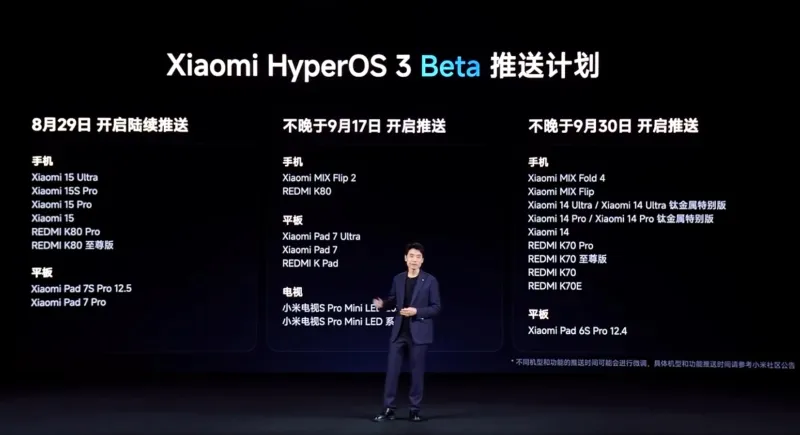
Xiaomi unveiled HyperOS 3.0, the company’s most recent overlay built on the Android 16 operating system, last week. It goes without saying that the skin has a lot of new features and modifications. The business has released a HyperOS 3.0 beta deployment plan after outlining the list of improvements, and you’ll be happy to hear that a large number of phones are qualified to get the much-anticipated software update this month.
The list of Xiaomi smartphones, tablets, and smart TVs that will get the HyperOS 3.0 beta upgrade in September 2025 is available here.
The restricted beta program for a number of Xiaomi devices, including the Xiaomi 15 series, Redmi K80 Pro series, and Xiaomi Pad 7/7s Pro, was launched by Xiaomi on August 29. The HyperOS 3.0 beta, which is focused on Android 16, is currently available for testing on any of these devices.
Let’s move on to the list of gadgets that can get the September HyperOS 3.0 beta. The full list of devices eligible to receive a beta update this month is provided here. Xiaomi is now expanding the beta program to smart TVs.
Xiaomi 14 Ultra / Xiaomi 14 Ultra Titanium Special Edition
Xiaomi 14 Pro / Xiaomi 14 Pro Titanium Special Edition
Xiaomi 14
Redmi K70 Pro
Redmi K70 Extreme Edition
Redmi K70
Redmi K70E
Xiaomi Pad 6S Pro 12.4
It goes without saying that the beta program will launch in mainland China before being extended to other countries.
You can just sign up for the beta program when it launches if your device is compatible with HyperOS 3.0. Installing the Mi Community app, selecting Global as the region, and then enrolling in the beta program will allow you to participate in the Mi Pilot testing program.
Regarding the stable release, it is anticipated to be made available a month or two following the beta program.
HyperOS 3 has generated a lot of interest, particularly because of its revamped Control Center, which is obviously more useful and aesthetically pleasing than HyperOS 2. Users are asking whether it’s possible to extend the new Control Center experience to their existing HyperOS 2 devices, which is understandable given the excitement.
To put it simply, that’s not feasible. You cannot just install the HyperOS 3 Control Center as a stand-alone feature. Because it depends on improved user interface elements, animations, and fundamental optimizations not seen in HyperOS 2, it is closely interwoven with the system. If you try to install it on an outdated system, you run the risk of software instability or, in the worst case, the device being unusable.
Although it is not possible to migrate the actual Control Center from HyperOS 3 to HyperOS 2, there is a useful workaround for those that desire a comparable appearance. A variety of themes that visually update icons, the Control Center interface, and wallpapers to closely mirror the most recent design are available in the Xiaomi Themes shop, some of which are specifically inspired by HyperOS 3.
It is crucial to remember that this is only a cosmetic remedy. You won’t get the new functionality or underlying speed improvements of HyperOS 3, just the redesigned graphics.
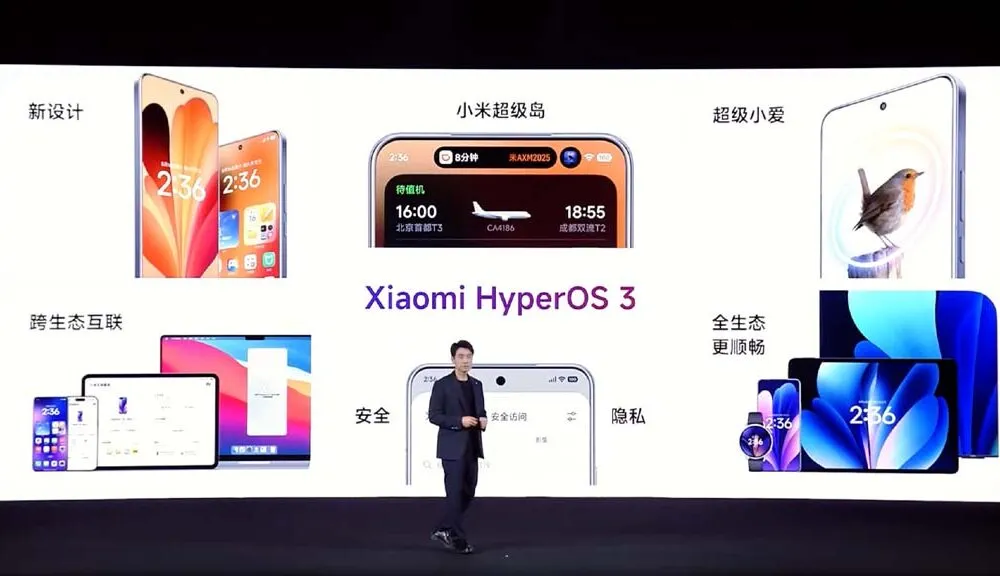
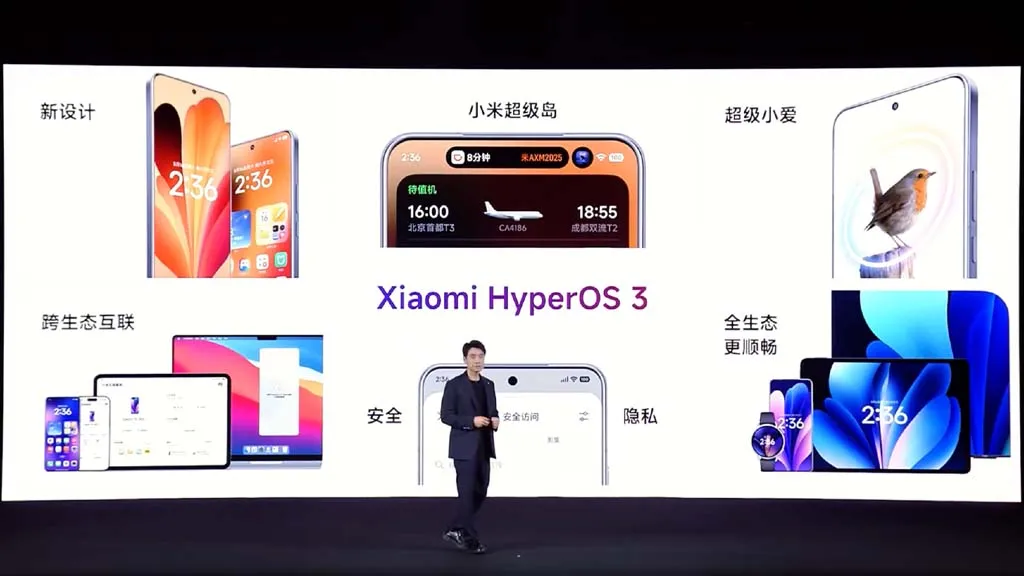
Based on Android 16, Xiaomi has shown HyperOS 3, its upcoming significant software update. Along with a list of compatible devices, the brand has revealed new features and enhancements, and the rollout is soon to start. All of the HyperOS 3 features that will be available for Xiaomi, Redmi, and Poco devices are listed here.
Design update
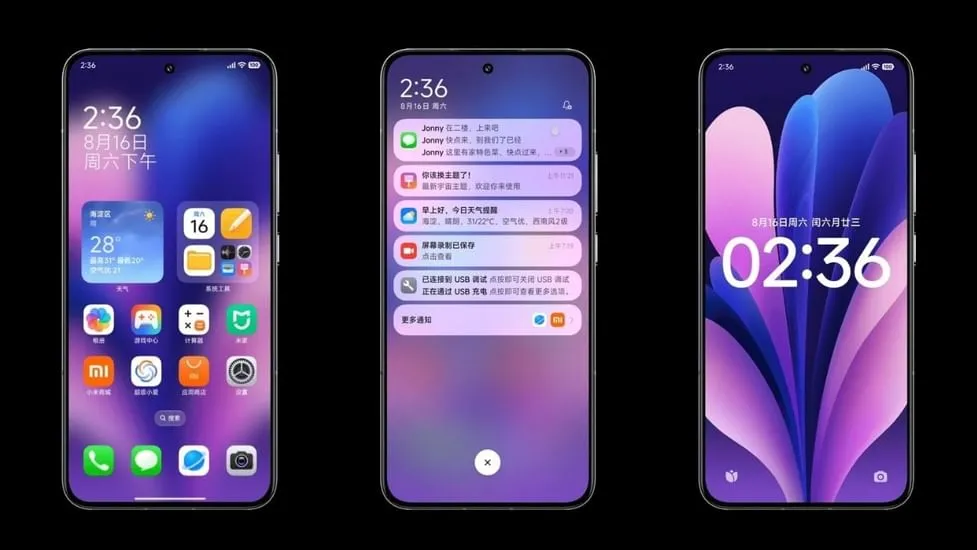
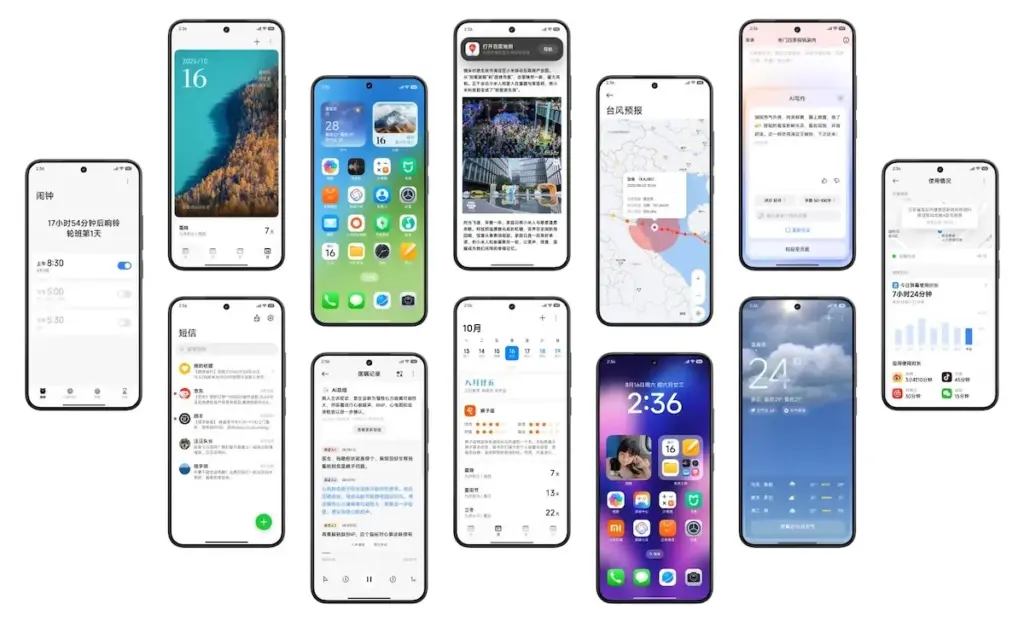
Starting with the home screen, HyperOS 3 icons have a slightly increased contrast and a more 3D appearance. Clearer and more readable icons have also been added to the bottom bar. The improvement won’t be that noticeable to regular users.
Additionally, Xiaomi finally changed the HyperOS 3 status bar icons. With slightly more dispersed pieces and the battery % inside the battery indicator, the company’s strategy is comparable to Material 3 Expressive in stock Android.
In order to provide HyperOS 3 a more unified and professional appearance, the home screen layout has been somewhat altered to be more uniform with tighter gaps between the widgets.
Lockscreen customisations
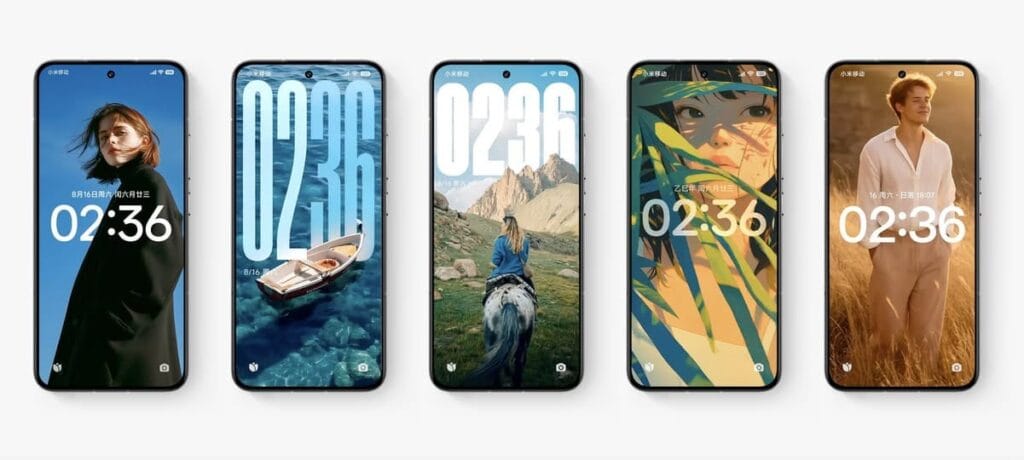
HyperOS 3 introduces new lockscreen customizations and effects, as well as smoother unlock animations, in keeping with the immersive lockscreen user interface trend. Motion can be added to still images, and then the lock screen clock can be given Cinematic Depth. This is comparable to iOS 26’s new Spatial Scene feature, which gives lock screen backgrounds a 3D appearance.
This feature is known by Xiaomi as “Movie lock screen,” according to our translation from Chinese to English. This function will assist in applying AI styles to images, enabling you to Ghibli-fy, dreamscape-fy, or Disney-fy your photos. Additionally, there is a library of community-made and shared custom lock screens available if you don’t want to invest the time in such artistic endeavors.
Finally, users can now relocate the lock screen to the center in HyperOS 3. This is on top of the plethora of clock typefaces that can all be customized to fit the themes of your wallpapers. Users will find these settings in a single menu under the Wallpaper customization section, similar to OxygenOS or iOS.
Super Island
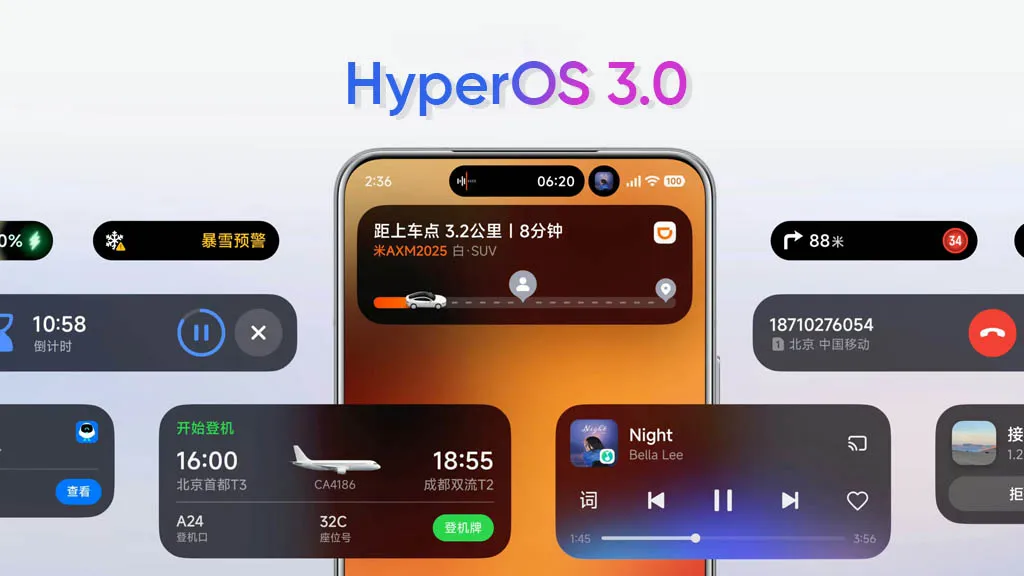
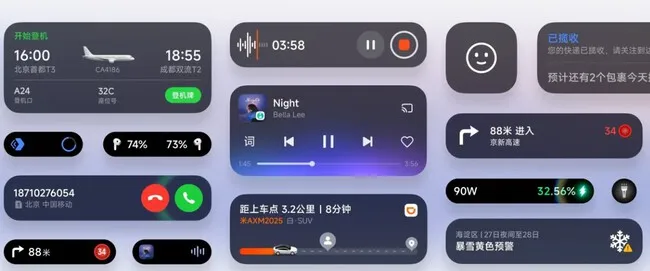
Xiaomi is utilizing Xiaomi Super Island in HyperOS 3 to leverage live upgrades, one of the greatest aspects of Android 16. The functionality can display up to three live events simultaneously, and its implementation is eerily similar to Dynamic Island on iPhones.
Around the selfie camera, you’ll notice a Super Island. After that, you can open a floating window for the current activity by swiping down on the pill to activate the feature. Two additional activities are displayed beside the floating window, one as a pill and the other as a circular icon. You can easily switch between these, and you may open the app by dragging them to the center of the screen.
By dragging and dropping material straight from the Super Island to an app, HyperOS 3 will also make sharing simple. More than 70 apps are presently supported, according to Xiaomi, and support for more well-known apps will be added soon.
NameDrop
Similar to NameDrop, HyperOS 3 allows for the easy exchange of Wi-Fi passwords as well as images and videos. According to the firm, media may be moved quickly and without loss. It bridges the ecosystem divide by supporting both iPhones and Xiaomi devices.
It’s important to note that the feature was briefly shown on stage and using HyperOS 3’s default Gallery app, which receives a number of enhancements of its own (more on that later). Even though Xiaomi didn’t go into detail, we can guess that it connects using NFC.
Updated system apps and features
Xiaomi is enhancing the HyperOS 3 app experience for a number of system programs, but its Gallery app is getting the most love. To begin with, users will now be able to quickly locate photographs according to their search preferences. In order to transition between layouts organized by date and continuous tiling, it offers photo view and photo sorting.
AI advancements are enhancing the image search capabilities. For faster search results, the app’s image search has been optimized for over 30,000 keywords and 10 categories.
Additionally, Xiaomi has included an algorithm that facilitates pet photo searches. The brand aggregates its photographs using pet body traits, just like it does with facial recognition.
In addition, HyperOS 3 offers design enhancements for a number of its China-only apps, including the calendar, Xiaomi Shelf, voice recorder, weather, clock, and others.
More AI features
Xiaomi is also improving its in-house Xiaoai with HyperOS 3 to provide suggestions more quickly and effectively. Google’s Circle to Search is comparable to the new Circle Screen functionality, which is driven by Xiao AI. This function allows you to circle a portion of the screen to obtain information about it.
The agentic AI integration in HyperOS 3, which employs LLMs to carry out a number of activities for users, is by far the most fascinating innovation. For instance, it can initiate navigation to a location you wish to visit or place food orders from restaurants. By the end of September 2025, Xiaomi says its new AI agent-like capability will work with more than 80 apps.
Xiaomi Watches will also get a number of new features with HyperOS 3. Similar to the Smart Boost option that shows your heart rate on a HyperOS-powered automobile, supported watches will allow you to transmit real-time workout data to your phone. Along with syncing music to smart speakers while working out, the watch and automobile will also sync navigation instructions.
HyperOS 3 enhances split-screen multitasking, latency, and other aspects of tablets. Additionally, it has an enhanced PC-like browser and better app layouts for wide screens.
HyperOS 3 supported devices and rollout calendar
Xiaomi has confirmed that a limited number of devices in China will begin receiving the HyperOS 3 Beta on August 29, 2025. Although the distribution is now limited to China, we have compiled a lengthy list of HyperOS 3 devices that are eligible for the upgrade in India and around the world.
When Xiaomi releases a comprehensive list of devices that will receive the HyperOS 3 stable update, we will update the list and timeline of rollouts. By the end of 2025, we anticipate the stable update.
The Xiaomi 15 and Redmi K80 series will be the first to receive the HyperOS 3 Beta. On September 17, 2025, the Mi Mix Flip 2 will take its place. On September 30, 2025, the Redmi K70 series, Xiaomi 14 series, and Mi Mix Fold 4 will be available for beta testing.
All of those are the new HyperOS 3 features that Xiaomi has disclosed. The layout of the home screen and lock screen in particular has been optimized in this release. Xiaomi adds that games should benefit from 1% lower frame rates and lower battery usage, and that latency has been lowered by 21%.
For Indian lovers of Xiaomi, Redmi, and Poco, this is an all-around great update. To find out more about the HyperOS 3 upgrade rollout in India and around the world, keep checking back and bookmarking this site.
On August 28, 2025, Xiaomi formally announced the release of its eagerly awaited HyperOS 3 update. The global Xiaomi community is very interested in the countdown that the business has started on its social media platforms. An August reveal was originally predicted by industry insiders, and Xiaomi’s most recent Weibo posts have confirmed those predictions.
Xiaomi is aggressively interacting with its user base and building anticipation for this significant software milestone as the countdown to the event begins on Weibo and other sites. The formal launch date dispels earlier rumors and gives partners and users who are getting ready for the update unambiguous guidance.
HyperOS 3 visual and UX improvements
HyperOS 3 is positioned as a substantial visual and functional upgrade. Key improvements include:
Enhanced system animations for a smoother user experience
Updated iconography reflecting current design standards
Consistent visual language across the entire interface
Refined feedback and interaction systems to improve usability
These changes are designed to ensure a more cohesive and modern user experience across Xiaomi’s device portfolio.
A thorough rundown of HyperOS 3‘s feature set, compatibility roadmap, and rollout schedule will be given during the next session. Users should anticipate notable improvements in system performance, interface design, and overall device operation because of Xiaomi’s well-established reputation for providing strong software support.
In conclusion, the release of HyperOS 3 represents a turning point in Xiaomi’s software development. Users and stakeholders alike should get ready for what seems to be a historic update to the company’s product plan for 2025.
Based on Android 16, Xiaomi is getting ready to release HyperOS 3, a new firmware update that promises enhanced performance and a revamped look for the company’s whole ecosystem. Although the release date is set for September 2025, the smartphone models that will get this upgrade first are already known.
To guarantee quick and easy device use, the update will integrate Xiaomi’s exclusive innovations with the new capabilities of Android 16. In the fall of 2025, HyperOS 3.0 is anticipated to be released, first for flagship models and then for other devices. Compatibility checks will be possible via the MemeOS Enhancer app in the Play Store or the website HyperOSUpdates.com.
It’s also important to remember that Android 16 has already been formally unveiled, and updates for compatible models will be released shortly. Convenience, security, and user privacy are the areas where the new version is improved. In September, Samsung also intends to release a stable version of One UI 8, which is based on Android 16 and will include significant updates for Galaxy customers.
Are users of Xiaomi smartphones getting the August 2025 update? If not, it might be because Xiaomi is still getting ready for HyperOS 3.0. According to a new input, the corporation has purposefully stopped the latest security patch release.
Following the HyperOS 3 preparations, the Chinese phone manufacturer has ceased releasing the August 2025 update to Xiaomi, Redmi, and POCO handsets, as first reported by XiaomiTime.
The company has suspended the distribution of HyperOS 2, 2.1, and 2.2 software versions in addition to the security fixes. However, the explanation is sound.
This halt may have gone unnoticed by you thus far. However, this hint indicates that the business is attempting to concentrate on the significant improvements. Xiaomi released 250 upgrades in the first 10 days last month; this month, that number is 40.
This decrease implies that the OEM is focusing entirely on creating HyperOS 3. It appears to be getting ready to provide updated animations that will make each segment’s transitions more seamless and engaging.
Xiaomi is giving the user interface a dynamic facelift by improving visual feedback and implementing AI-driven adjustments. The company has halted security rollouts because it is focused on developing a more sophisticated and engaging software platform.
However, Xiaomi will soon resume its normal security patch deployment schedule, so don’t panic. You can attempt to manually check your device’s update section to see if there is a new version available for download in the interim.
We advise keeping your device updated and making sure you have enough capacity on your phone so you can install the next big software updates without any problems.