Tag: hyperos

  • Xiaomi silently discontinues software updates for two models

    Xiaomi silently discontinues software updates for two models

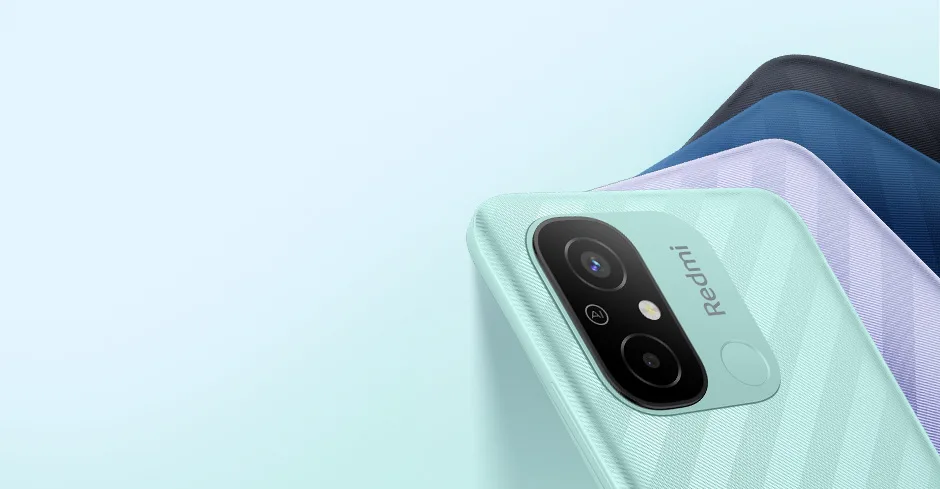
    Xiaomi has quietly stopped supporting software updates for the Redmi 12C and its international counterpart, the POCO C55. No new firmware, including HyperOS 2, has been released in the last two months, and the devices were last updated with the October 2025 security patch. These devices are anticipated to become officially EOL in February 2026, according to Xiaomi’s internal software roadmap.
    Redmi 12C and POCO C55 are being retired organically

    Why these devices eeached EOL

    For its entry-level series, Xiaomi has clear updating policies. The POCO C55 and Redmi 12C were marketed as reasonably priced smartphones designed for everyday use, typically with shorter support cycles.

    Each device finished its usual update window with HyperOS maintenance releases and Android fixes prior to hitting EOL. This change is intended to allow Xiaomi to focus attention on more recent models and maintain system stability throughout the ecosystem.

    Expected End of Life Timeline

    • Last update: October 2025 security patch
    • No updates released: November–December 2025
    • Official EOL: Scheduled for February 2026
    • Affected models:
      • Redmi 12C (China)
      • POCO C55 (Global)

    What you can do if you device reached EOL

    Users can still improve device stability by updating compatible system apps even after system firmware updates have ceased. Xiaomi smartphone owners have two reliable options:

    Recommended Update Channels

    • HyperOSUpdates.com: provides direct links to Xiaomi system app packages.
    • MemeOS Enhancer app on Google Play – allows users to update system apps, enable hidden features of Xiaomi, and manage interface components smoothly.

    EOL does not automatically affect device functionality, and users may still experience adequate performance for daily tasks.

    With smartphones that offer increasingly better performance and longer support cycles, Xiaomi continues to broaden its selection of reasonably priced products. As part of the broader shift to the enhanced environment offered by HyperOS and more efficient update delivery, devices like the Redmi 12C and POCO C55 are being retired organically. A more explicit software policy is anticipated in upcoming budget releases.
  • Xiaomi rolls out major Security V12 update with improved Game Turbo

    Xiaomi rolls out major Security V12 update with improved Game Turbo

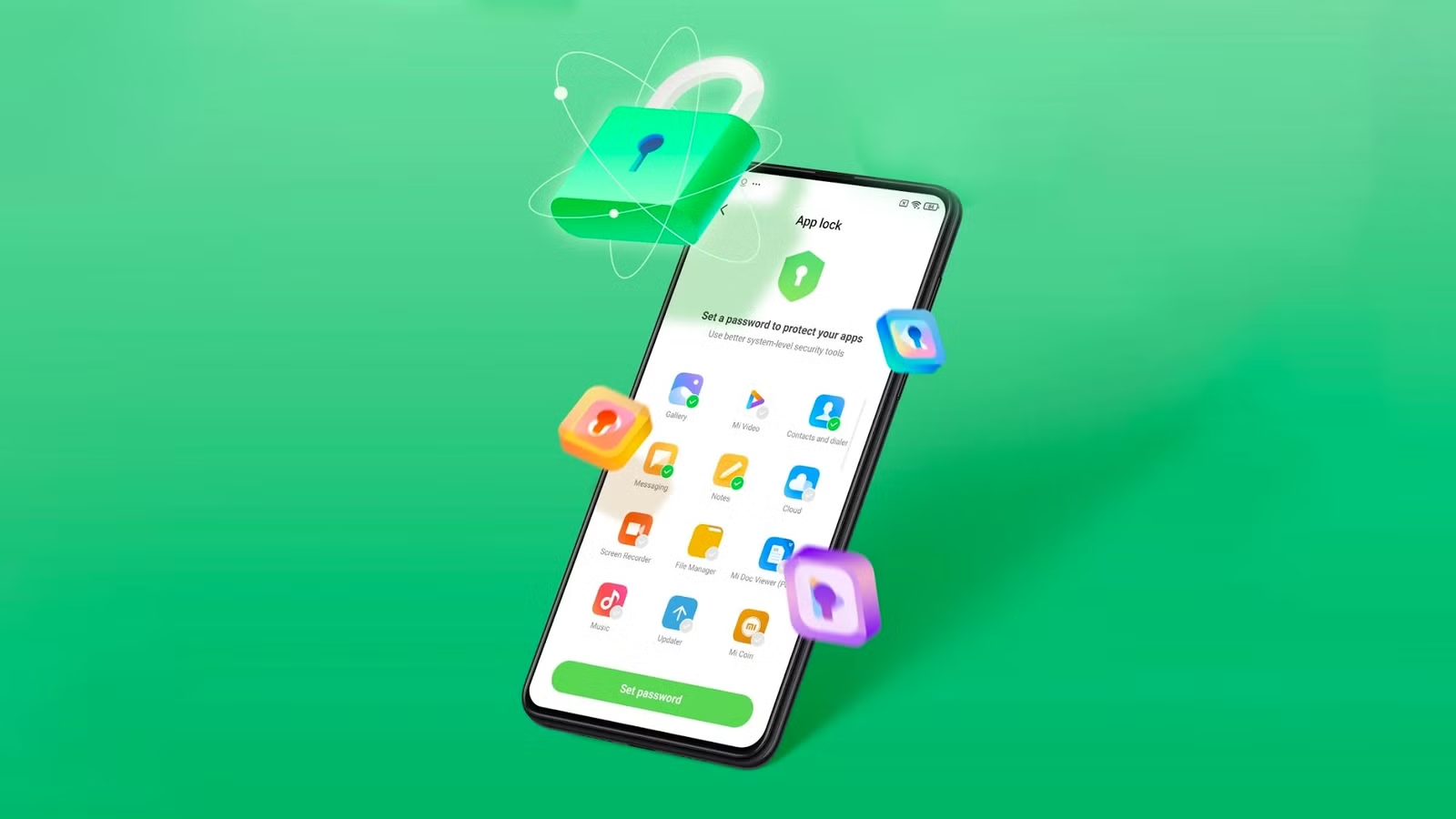
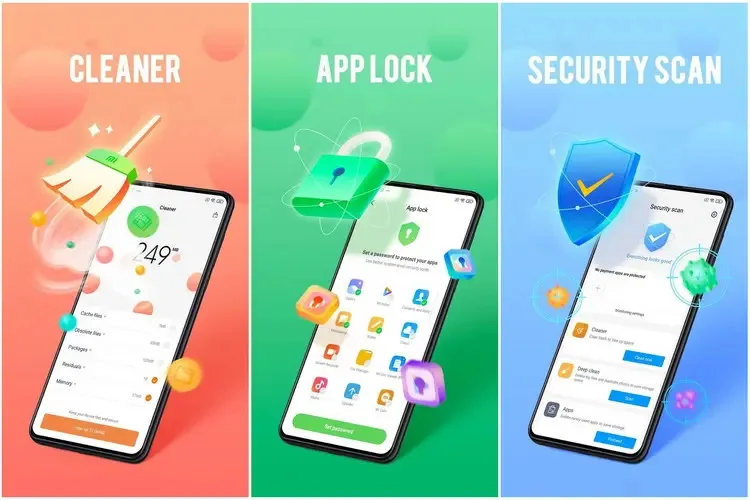
    The Security V12 generation of Xiaomi’s standard Security app has finally been released with a significant update. The most recent build, V12.0.3-251114.1.1, is mostly concerned with modifications to the system infrastructure. However, as the new build offers a whole redesign of the Game Turbo interface and sophisticated system optimization logic, this would be quite intriguing for those waiting for the release of the next HyperOS stage. With this upgrade, Xiaomi is at last getting ready for a significant change in the management of background operations and the optimization of gaming performance on devices throughout the world.

    Xiaomi rolls out major Security V12 update

    Increased optimization in new Security V12

    The Security V12 branch has been made available to the public for the first time with this build. The Security V12 series is a package deal of significant architectural improvements that align with next system versions, in contrast to the incremental updates that preceded it. The improved optimization engine, which promises to clear caches and free up memory without disrupting user activity, is especially noteworthy in the changelog. Thus, the move to version 12.0.3 would suggest that Xiaomi is preparing for more demanding software applications, maintaining devices’ responsiveness and fluidity during more taxing operations.

    Enhanced gaming capabilities

    However, the improved Game Turbo module is the most notable feature of this version. Performance modes and floating windows can now be accessed more quickly thanks to Xiaomi’s UI optimization. In order to prioritize frame rates and network stability during gameplay, new optimization algorithms operate in the background in silent mode. With much lower latency and input lag, enthusiasts who use their devices for competitive gaming will notice how much more seamless the transition from the game to system notific

    How to update

    To update the Security app on Xiaomi devices, open the Security app and scroll to the bottom until you see the Settings or About section. Tap Update (or Check for updates) if available. You can also update it through the GetApps store by searching for Security and installing the latest version. If the update doesn’t appear, make sure your phone is connected to the internet and running the latest MIUI/HyperOS system version, as some Security app updates are bundled with system updates.

    Keeping system applications updated is very crucial for maintaining the security and performance stability of any device. Among such capabilities are unlocking hidden Xiaomi settings, updating other system applications seamlessly, and managing screen refresh rates, among the common updater features.

  • Xiaomi 14 Ultra to receive HyperOS 3 update — main features detailed

    Xiaomi 14 Ultra to receive HyperOS 3 update — main features detailed

    HyperOS 3 is rumored to be under active development for Xiaomi 14 Ultra smartphones. Test servers have now marked the update as ready for release, indicating that it has reached the final stage, according to recent reports.

    The upgrade has already begun to arrive on Chinese Xiaomi 14 Ultra devices, and sources say the worldwide version is also ready for release. This Android 16-based upgrade is scheduled to begin spreading out before November ends.

    On internal servers, Xiaomitime found HyperOS 3 marked as distribution-ready. The worldwide build has the version OS3.0.3.0.WNAMIXM, tied to the Xiaomi 14 Ultra’s codename “Aurora,” with the status expressly described as “ready for stable rollout.” For comparison, the upcoming global build uses OS3.0.3.0.WNAMIXM, while the Chinese version debuted with OS3.0.4.0.WNACNXM.

    hyperos 143 update for xiaomi 14 ultra

    HyperOS 3 update for Xiaomi 14 Ultra: Key Features

    HyperOS 3 is supposed to feature a new UI with smoother animations and visual upgrades. The update focuses on minimizing stuttering and correcting battery-drain problems, while also delivering the latest security fixes and a powerful set of AI-powered capabilities.

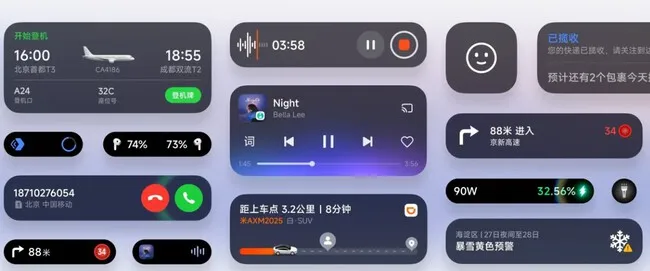
    Instant access to real-time information and alerts is made possible by Xiaomi Super Island’s stronger integration with multimedia apps and system features. Revamped media management and creativity capabilities include a new dedicated pet album that automatically finds and arranges pet photographs and a revised watermark system and advanced editing suite.

    The option to drag music straight to share, facial recognition support for app-lock notifications, improved connectivity with Xiaomi Music and NetEase Cloud, and NFC card swipe notifications within Super Island are some further new features.

  • HyperOS 3: Xiaomi Confirms Poco Phones Eligible for the Android 16 Update

    HyperOS 3: Xiaomi Confirms Poco Phones Eligible for the Android 16 Update

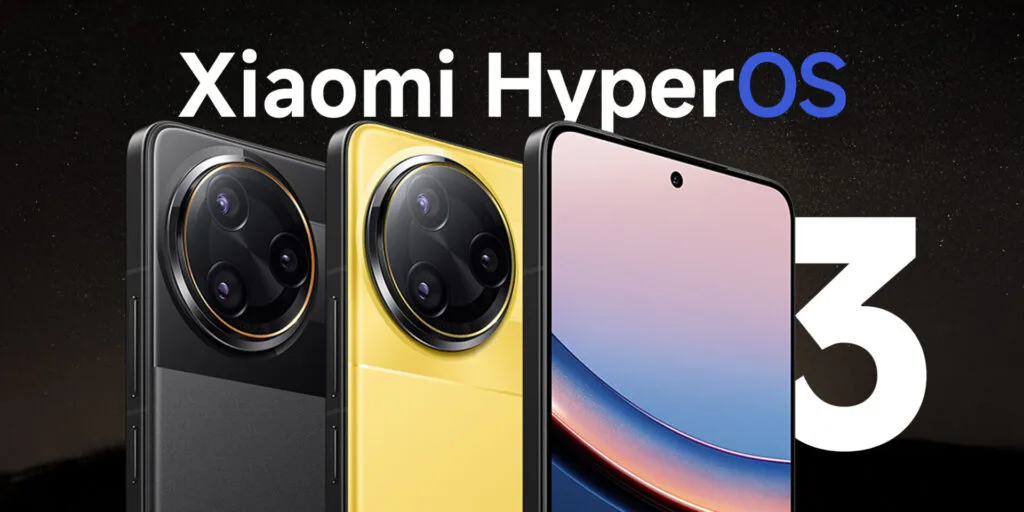
    Xiaomi is closing out the year with fresh Poco flagships and a huge HyperOS 3.0 update based on Android 16. From new phones to a revised UI, here’s what’s rolling out and when you can expect it on your smartphone.

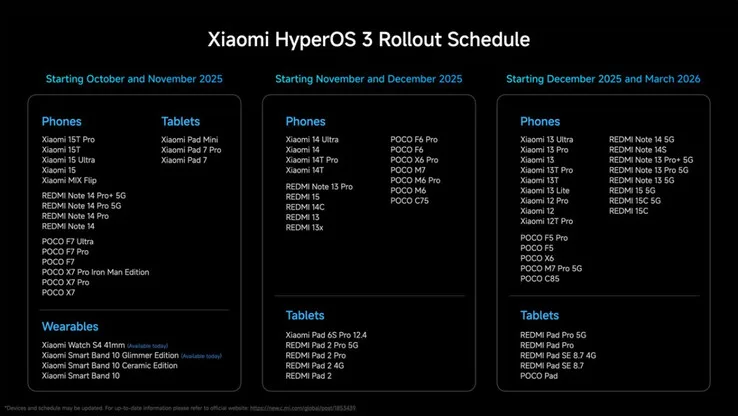
    Xiaomi has more phones to release this year. The worldwide versions of the Poco F8 Pro and F8 Ultra were just released. The company has revised the HyperOS 3.0 deployment schedule, which is now expected to reach over a dozen Poco phones and tablets, in tandem with the surge of new hardware.

    The new Poco F8 Pro and Poco F8 Ultra flagships ship with Android 16 out of the box. Other models will be released on a staggered schedule.

    Xiaomi Confirms Poco Phones Eligible for the Android 16 Update

    Which Poco devices are confirmed to get HyperOS 3.0

    For the initial group of Poco devices, the deployment started in October and will last until the end of November. The Poco F7 and X7 series from the previous year, including its Ultra variants, are at the top of the list. Some users outside China have already reported receiving the software. However, it’s not uncommon for other devices to only receive notifications in the upcoming days, depending on variations.

    The Poco F6 (Pro), Poco X6 Pro, Poco M7, Poco M6 (Pro), and Poco C75 will lead the following batch in December.

    Between December 2025 and March 2026, a broader release that includes the Poco F5 (Pro), Poco X6, Poco M7 Pro, and Poco C85 is scheduled. Poco’s Android tablets, such as the Poco Pad, Poco Pad X1, and Poco Pad M1, will join these. Regretfully, Xiaomi has not disclosed the timing for every device.

    What’s new in HyperOS 3.0?

    HyperOS 3.0 is built on Android 16, which adds its own set of new features and customizations. Xiaomi’s version offers a substantial user interface overhaul, increased security, and superior optimization for longer battery life and smoother performance.

    The most noteworthy graphic modification is Super Island, inspired by iOS’s Dynamic Island. As a native feature of Android 16, it is integrated into the punch-hole camera region and shows live updates and dynamic widgets.

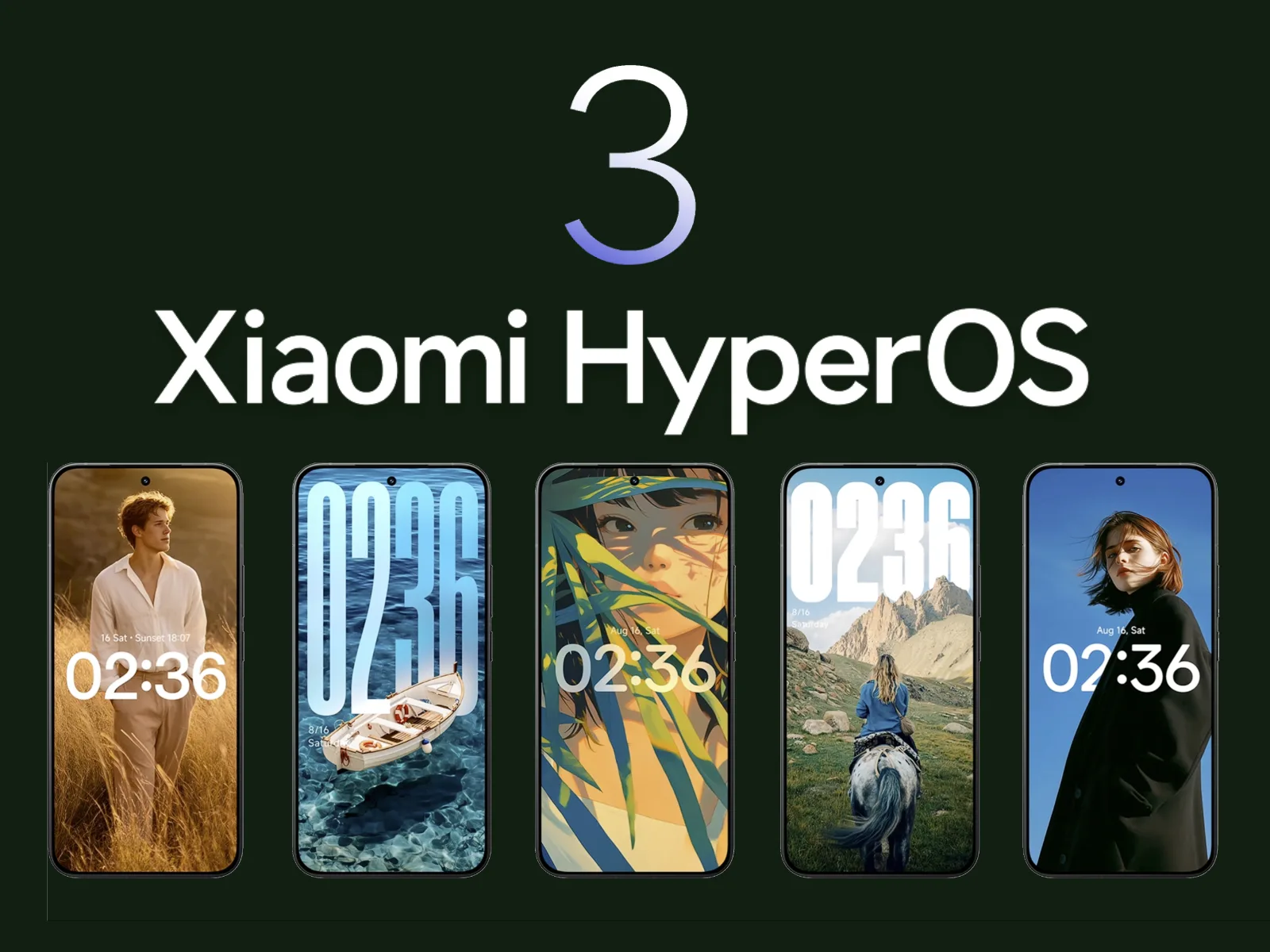
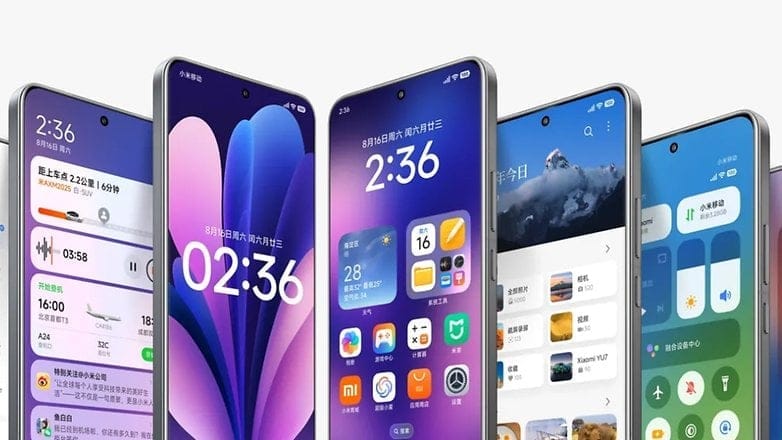
    The main UI has also been overhauled with transparent parts, blurred backgrounds, and redesigned app icons. Users receive new styles on the lock screen, like as live effects and AI-generated wallpapers.

    Additionally, Xiaomi promises enhanced usability and performance. Multitasking and app switching are stated to be snappier, while overall responsiveness is quicker.

    Permission limits and improved data protection have improved security. In other areas, HyperOS 3.0 provides closer connection with Xiaomi’s wider range of products.

  • 12 Xiaomi phones now testing HyperOS 3 based on Android 15

    12 Xiaomi phones now testing HyperOS 3 based on Android 15

    Based on both Android 15 and Android 16, Xiaomi is preparing for the release of HyperOS 3. This will be the final update for many of its older smartphones that receive HyperOS 3, which is based on Android 15. There won’t be any more HyperOS 3.1 updates. In an effort to deploy the newest operating system on a large number of devices, Xiaomi is currently internally testing the HyperOS 3 version based on Android 15 on a few smartphones. This is a significant step in the company’s software development process.

    On certain of their smartphones, Xiaomi has already begun testing Hyper OS 3, which is based on Android 15. For some smartphones, this release will be the final significant update, so users should be prepared for some limitations in subsequent updates. The list of devices that are believed to be in the first wave of updates, according to the testing process, first batch include the REDMI Note 13 5G, the POCO F5 Pro, and the Xiaomi 13 Lite, which may be receiving the update to the HyperOS 3 on the Android 15 platform firstly.

    hyperos 3 based on Android 15

    Initial Worldwide Rollout of Android 15-based HyperOS 3

    The Redmi Note 13 5G is among the first smartphones to get the global upgrade for Android 15-based HyperOS 3, according to data from the Mi community testing logs. The following smartphones will also get the update:

    • Xiaomi 13 Lite / Civi 2 (EEA – OS3.0.0.1.VLLEUXM)
    • POCO F5 Pro / Redmi K60 (China – OS3.0.0.4.VMNCNXM | Global – OS3.0.0.1.VMNMIXM)
    • POCO X6 Neo / Redmi Note 13 5G / Redmi Note 13R Pro (China – OS3.0.0.4.VNQCNXM | Turkey – OS3.0.0.2.VNQTRXM | Global – OS3.0.0.2.VNQMIXM | EEA – OS3.0.0.2.VNQEUXM)
    • Xiaomi MIX FOLD 2 (China – OS3.0.0.1.VLRCNXM)
    • Redmi Note 12T Pro (China – OS3.0.0.1.VLHCNXM)
    • Xiaomi Pad 6 Pro (China – OS3.0.0.2.VMYCNXM)
    • Xiaomi 12T Pro / Redmi K50 Ultra (China – OS3.0.0.1.VLFCNXM)
    • Xiaomi Civi 3 (China – OS3.0.0.2.VMICNXM)
    • Xiaomi 12 Pro (China – OS3.0.0.1.VLBCNXM)
    • Xiaomi 12S Ultra (China – OS3.0.0.1.VLACNXM)
    • Xiaomi 12 (China – OS3.0.0.1.VLCCNXM)
    • Redmi K60 Pro (China – OS3.0.0.2.VMKCNXM)

    Based on preliminary testing schedules, the Redmi Note 13 5G seems to be the front-runner for the Android 15-based HyperOS 3 Global update. Our list indicates that Xiaomi has yet to begin testing HyperOS 3, which is based on Android 15, on these devices:

    • Xiaomi 12S
    • Xiaomi 12S Pro
    • POCO F5 5G
    • POCO M6 Pro
    • Redmi Note 12 Turbo
    • Xiaomi 12T

    HyperOS 3 based on Android 15 is not anticipated to be released on any devices other than those specified above.

    With the release of the HyperOS 3, consumers of the Xiaomi lineup with compatible phones will have access to an even more feature-rich interface thanks to Android 15’s optimization. Customers will be happy to hear that some older versions will also receive updates, but they will stop after that. Users are advised to stay informed about the updates to make sure their phones will be among those receiving the most recent versions due to Xiaomi’s ongoing commitment to deliver the most recent changes.

  • Xiaomi 17 Pro series update adds live wallpapers and games to the back display

    Xiaomi 17 Pro series update adds live wallpapers and games to the back display

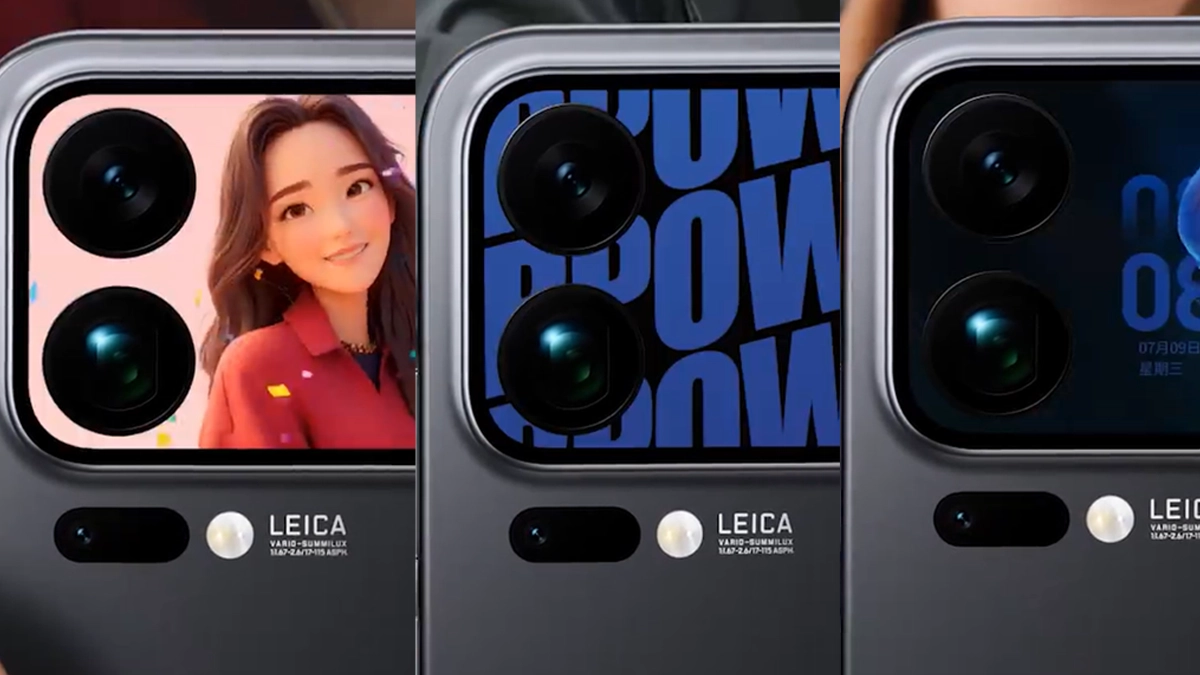
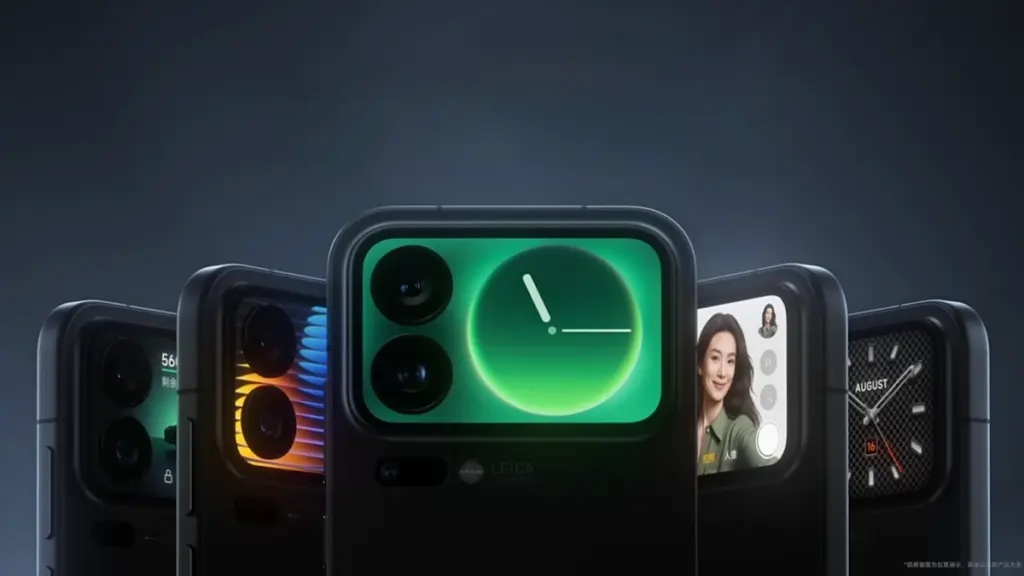
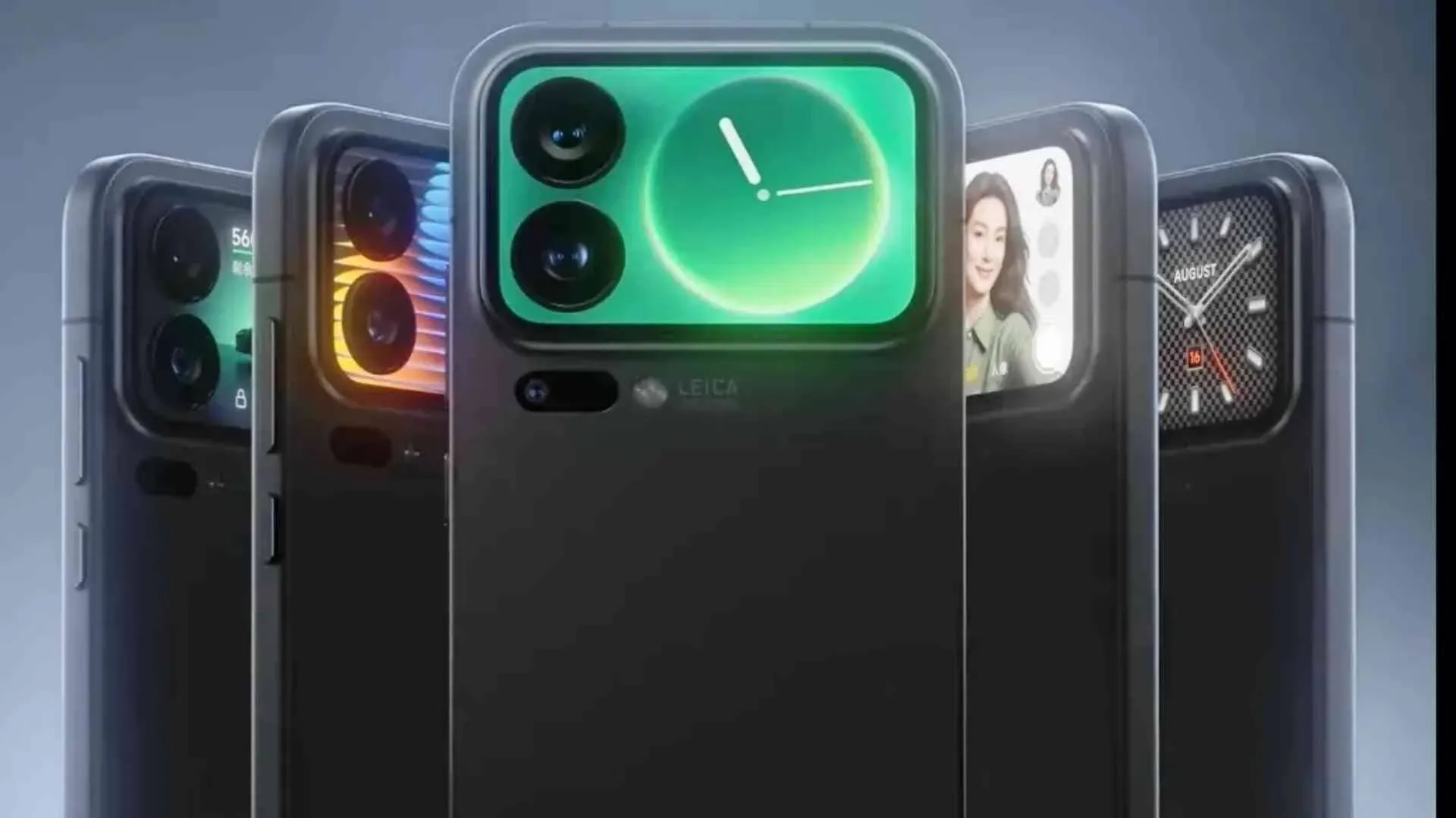
    For the Xiaomi 17 Pro series, Xiaomi has released a new software update that enhances the secondary display with a number of interactive features. The launch includes dynamic avatars, real-time translation, five live wallpapers, and two portable games, according to the company’s HyperOS Weibo post.

    Animated profile photographs can now be set on the back screen, and by mid-November, new bright-style themes will be available. Users can converse in Chinese on the main display and see translated text on the back panel thanks to a conversation translation feature.

    Xiaomi 17 Pro series update

    Xiaomi 17 PRO get new visuals and games

    Along with two games, Plants vs. Zombies and Snowman Sokoban, the update also includes five live wallpapers with themes related to technology, nature, and pets. You can manually update the Entertainment Box from the app store to access these.
    With new features scheduled every month, Xiaomi previously stated that the rear display will continue to be a major design priority for its upcoming smartphones. TCL Huaxing panels, measuring 6.3 and 6.9 inches, respectively, with a maximum brightness of 3500 nits and Xiaomi Dragon Crystal Glass protection, are used in both the 17 Pro and 17 Pro Max.

    The Xiaomi 17 Pro’s innovative rear screen has practical applications in addition to aesthetics. When the phone is inactive or on a desk, it makes the user’s daily phone time more lively and vibrant.
    The company wants to transform the back screen from a mirror or clock into a tool for work and enjoyment. Cute loops, small critters, and light art forms can now be set as live images by users. More improvements will be made next mo

    The new games aid in evaluating the rear panel’s touch and speed. Every one of them utilizes the entire small display and operates smoothly. According to Xiaomi, the objective is to provide customers who want light entertainment in their free time with a “soft joy.” To give it a more authentic sense, the company is also incorporating little sound effects.
    The fix is currently being released in stages, and more devices will receive this update in the days to come. To locate the update, users can look at the HyperOS setup’s update tab. According to Xiaomi, the update will be available on all devices by the middle of November.

  • Xiaomi 17 Ultra to launch in two variants with dual satellite connectivity

    Xiaomi 17 Ultra to launch in two variants with dual satellite connectivity

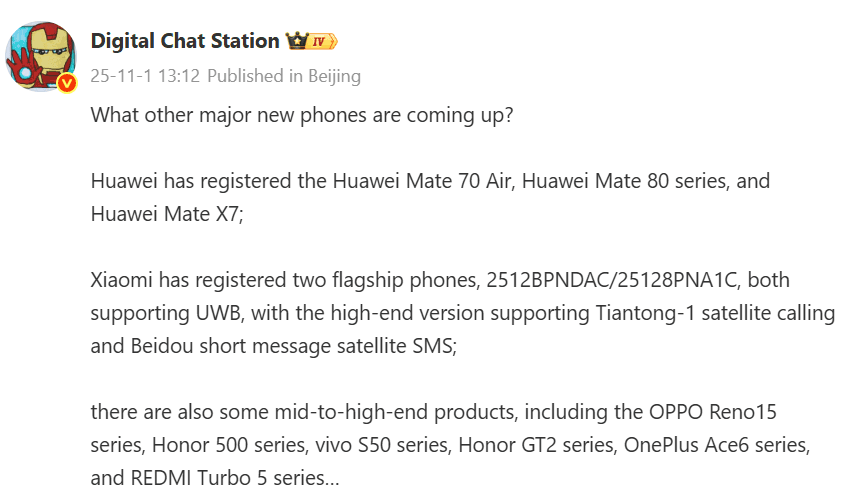
    According to reports, Xiaomi is preparing to release the Xiaomi 17 Ultra. Tipster Digital Chat Station has listed every phone that has just received certification in China and is anticipated to go on sale there in a recent Weibo post. These include the Xiaomi 17 Ultra, the Oppo Reno 15 series, the Honor 500 series, the Vivo S0 range, the OnePlus Ace 6 series (probably under the Turbo name), the Redmi Turbo 5 series, and the Huawei Mate 70 Air, Mate 80 series, and Mate X7, which are anticipated to arrive this month in China. He has specifically stated that there would be two variants of the 17 Ultra.

    DCS reports that Xiaomi has filed two variants of the gadget with model numbers 2512BPNDAC and 25128PNA1C on Chinese certification platforms. While the more expensive model will have Beidou short message communication and Tiantong satellite calling, both Xiaomi 17 Ultra models will support UWB (Ultra-Wideband).

    The latter will provide a dependable lifeline for calls and text transmission in harsh environments like deserts or offshore sites, enabling customers to stay connected even in remote areas without terrestrial networks.

    xiaomi 17 ultra leak satellite connection

    Xiaomi 17 Ultra rumoured specs

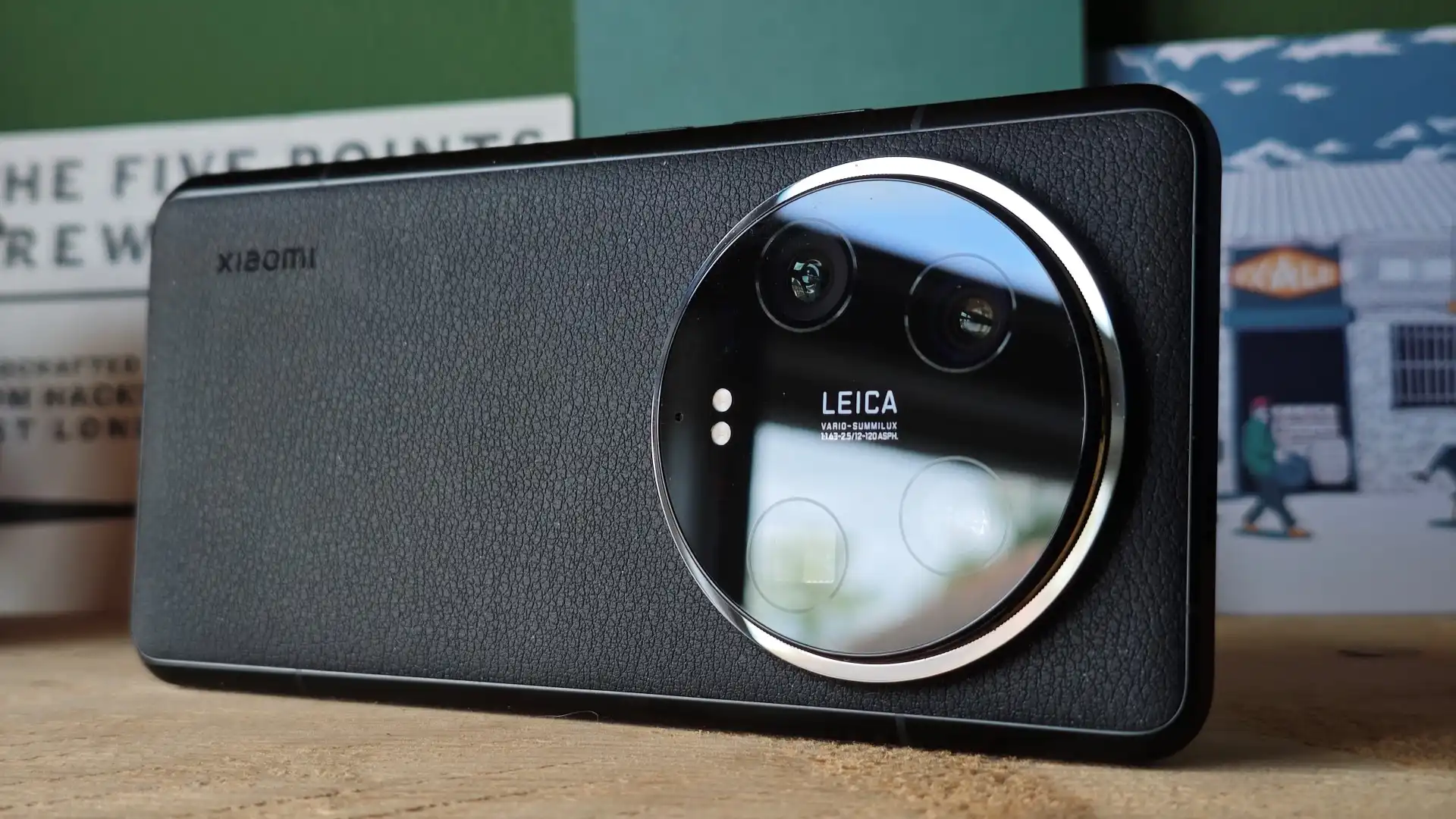
    According to additional sources, the Xiaomi 17 Ultra is anticipated to include a flat 6.8-inch OLED display with 2K resolution and a refresh rate of 120 Hz, along with a sizable circular rear camera module. It will have a high-capacity Xiaomi Jinsha River battery, IP68-grade waterproofing, wireless charging, and Qualcomm’s Snapdragon 8 Elite Gen 5 CPU under the hood.

    DCS also disclosed that the camera configuration of the Xiaomi 17 Ultra will be a key feature. It will have a 200-megapixel periscope telephoto lens with variable focal lengths and macro shooting capabilities in addition to a 50-megapixel primary sensor with an updated big sensor and in-sensor zoom technology. It is claimed that the lenses improve clarity and dynamic range in all types of illumination.

    Before the Chinese Spring Festival, the phone is anticipated to go on sale in black, white, and purple. The base model is projected to cost about 6,000 Yuan (~$845).

  • Stable HyperOS 3 global update now rolling out to Poco devices

    Stable HyperOS 3 global update now rolling out to Poco devices

    Xiaomi has now turned its attention to the Poco devices after releasing the stable HyperOS 3 update for the initial batch of phones sold worldwide. As it happens, the F7 Ultra is the first model in the lineup to get the Android 16 update.

    October 2025 marked the beginning of Xiaomi’s stable HyperOS 3 distribution for devices worldwide. The Android 16 update has so far been applied to the Xiaomi 15 and Xiaomi 15T phones, but it appears that the company is now concentrating on the Poco handsets. More precisely, the global firmware for the F7 Ultra has just been upgraded.

    HyperOS 3 global update

    As an example, the Poco F7 Ultra was one of the first phones worldwide to get the HyperOS 3 update in November 2025. The following are the other smartphones with the Poco brand that were included in the list:

    • Poco F7
    • Poco F7 Pro
    • Poco X7 Pro
    • Poco X7 Pro Iron Man Edition
    • Poco X7

    The Android 16 update may begin to go out to the other Poco phones in the first part of November 2025. Xiaomi has previously stated that HyperOS 3 will soon be accessible on a few tablets as well. Specifically, the upgraded software is scheduled to be released before December 2025 for the Pad Mini, Pad 7, and Pad 7 Pro.

    hyperos 3 update for poco phones

    Returning to the just announced Poco F7 Ultra update, XiaomiTime reports that it is OS3.0.3.0.WOMEUXM. Although it can fluctuate, the file size is more over 7 GB. Before the end of November 2025, a few Redmi smartphones should also get the Android 16 upgrade. To find out more, see the rollout timeline that is included below.

  • HyperOS 3 Beta update lifts restrictions, making Hyper Island available for all users

    HyperOS 3 Beta update lifts restrictions, making Hyper Island available for all users

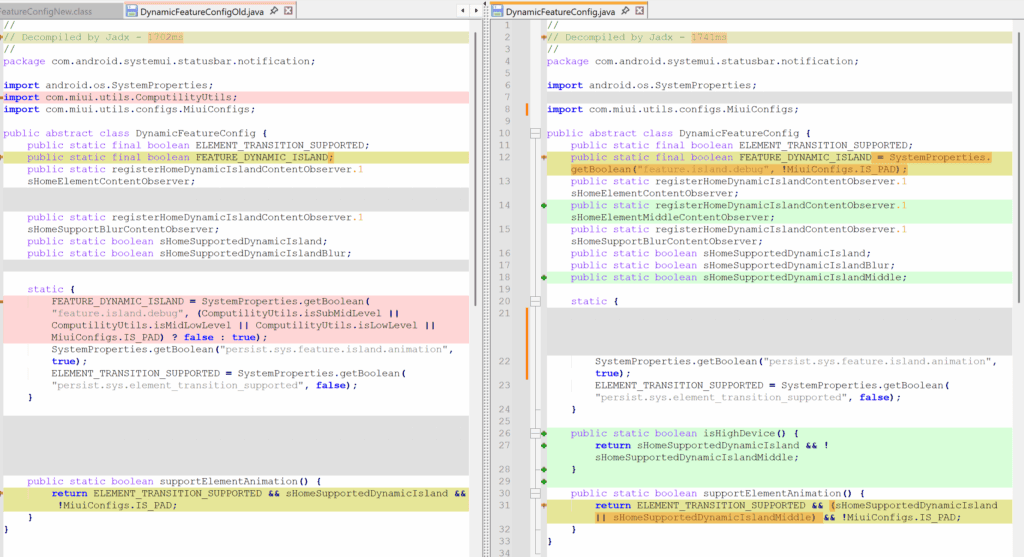
    By removing internal limitations in the most recent HyperOS 3 Beta version, Xiaomi has expanded access to its “Hyper Island” feature, which was previously only available for flagship models. All Xiaomi, Redmi, and POCO devices—including tablets and entry-level smartphones – can now use Hyper Island thanks to this upgrade. In an effort to be more inclusive throughout its product line, the business removed device-specific tags (such IS_PAD and isLowLevel) that had previously restricted interoperability.

    xiaomi Hyper Island is now for Everyone

    What is Xiaomi Hyper Island?

    Xiaomi‘s integrated notification and background activity control interface, Hyper Island, is located at the top of the screen and was inspired by Apple’s Dynamic Island. Although the functionality was initially designed for high-performance devices, recent advancements have made it possible for it to function properly on devices with less powerful hardware.

    This change is in line with Xiaomi’s overarching plan to encourage uniformity and feature parity throughout its network of devices. Xiaomi hopes to improve customer satisfaction and device durability inside the HyperConnect ecosystem by offering flagship-level user interface experiences on more reasonably priced products.

    However, the Island can function without animations on certain devices.

    Hyper Island with the most recent update will be immediately sent to those that take part in the HyperOS 3 Beta program.

    Xiaomi’s continued dedication to providing a consistent and all-encompassing user experience across all device categories is in line with this progress.

  • Xiaomi’s flagship will get Android 20 — and it’s cheaper than rivals

    Xiaomi’s flagship will get Android 20 — and it’s cheaper than rivals

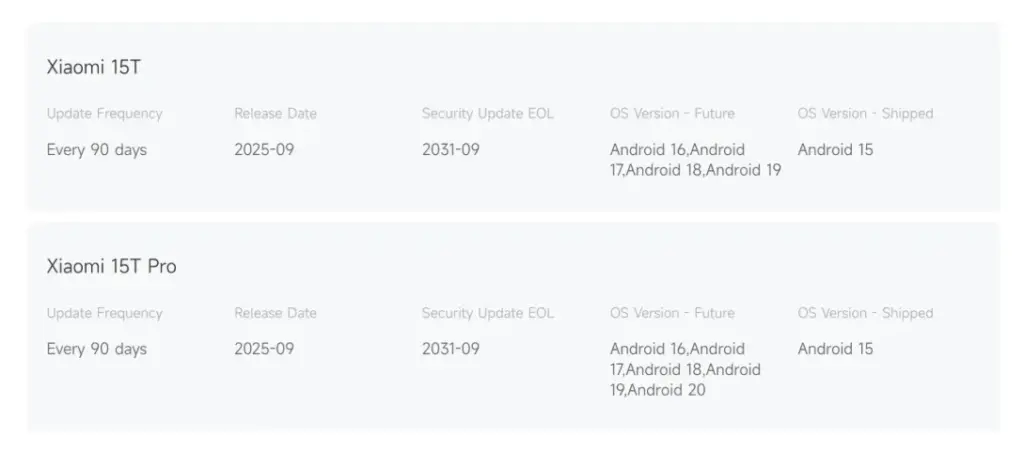
    Xiaomi is acting bravely. According to reports, the Xiaomi 15T Pro will run Android 20, while the basic 15T would only run Android 19. Up to September 2031, system and security updates will be provided for both models. The majority of Android phones can only hope for seven years of support.

    Seven Years of Updates — Really?

    Seven years, indeed. The majority of top Android devices receive three or even four big updates. It’s obvious that Xiaomi is attempting to reinterpret what long-term support means. For consumers, that means their phone will remain quick, safe, and up to date for over ten years. Less travel to upgrade your device, let’s face it? That benefits the environment and your pocketbook.

    screen shot 2025 10 22 at 10 68f8a3b5235a5

    Xiaomi’s ecosystem software, HyperOS 2.2, is installed on both 15T models. For these devices, HyperOS 3, which promises faster multitasking, more AI capabilities, and improved battery economy, is quickly approaching. In actuality, this implies that years later, your phone may still feel responsive. (Isn’t that good for an Android device?)
    It’s a smart move in comparison to other brands. It’s similar to Apple’s iOS strategy, but it’s used on a high-end Android phone. This might be a significant selling advantage for European and other markets where lifespan and resale value are important considerations.

    Why is this important?

    There is more to this than just updates. People’s perceptions of improvements are altered by phones that stay safe, quick, and feature-rich for seven years. In essence, you’re purchasing a gadget that will last. Xiaomi markets the 15T Pro as a high-end phone that fulfills its long-term durability guarantee.