Tag: hyperos

  • Devices in the third batch of HyperOS 2.2 will shortly receive the update.

    Devices in the third batch of HyperOS 2.2 will shortly receive the update.

    With the HyperOS 2.2 update, Xiaomi is advancing rapidly and aims to reach a sizable portion of its user base in this third deployment wave. This is a noteworthy release for enterprises and power users who depend on Xiaomi hardware, especially since it includes important models from the Xiaomi 12 series, the Redmi Note 13 lineup, and a wide range of flagship and mid-tier models. The update is a significant system upgrade that should lead to increased operating stability and productivity.

    xiaomi hyperos update

    A select group of devices will be prioritized for the initial rollout. These include:

    • Xiaomi 12 Pro: OS2.0.202.0.VLBCNXM
    • Xiaomi 12: OS2.0.201.0.VLCCNXM
    • Redmi Note 13 5G: OS2.0.202.0.VNQCNXM
    • Redmi Note 13 Pro 5G: OS2.0.202.0.VNRCNXM
    • Redmi Note 12T Pro: OS2.0.203.0.VLHCNXM
    • Redmi Note 12 Turbo: OS2.0.201.0.VMRCNXM
    • Xiaomi CIVI 3: OS2.0.202.0.VMICNXM

    Xiaomi is working on upgrades for HyperOS 2.2 for a wider range of devices, such as:

    Flagship Segment

    • Xiaomi 12S Ultra
    • Xiaomi 12S Pro
    • Xiaomi 12S
    • Xiaomi MIX FOLD 2

    Mid-Range & Entry Models

    • Xiaomi CIVI 2
    • Redmi K50 Ultra
    • Redmi Note 13R
    • Redmi Note 12R
    • Redmi 12, 13, and 14 series

    Tablet Portfolio

    • Redmi Pad Pro
    • Redmi Pad Pro 5G
    • Redmi Pad SE

    According to Xiaomi, the Redmi Note 13 5G series would be prioritized when the third batch deployments start in late June. The firm places a strong emphasis on providing reliable, well-tested upgrades that promote end-user satisfaction and business continuity.

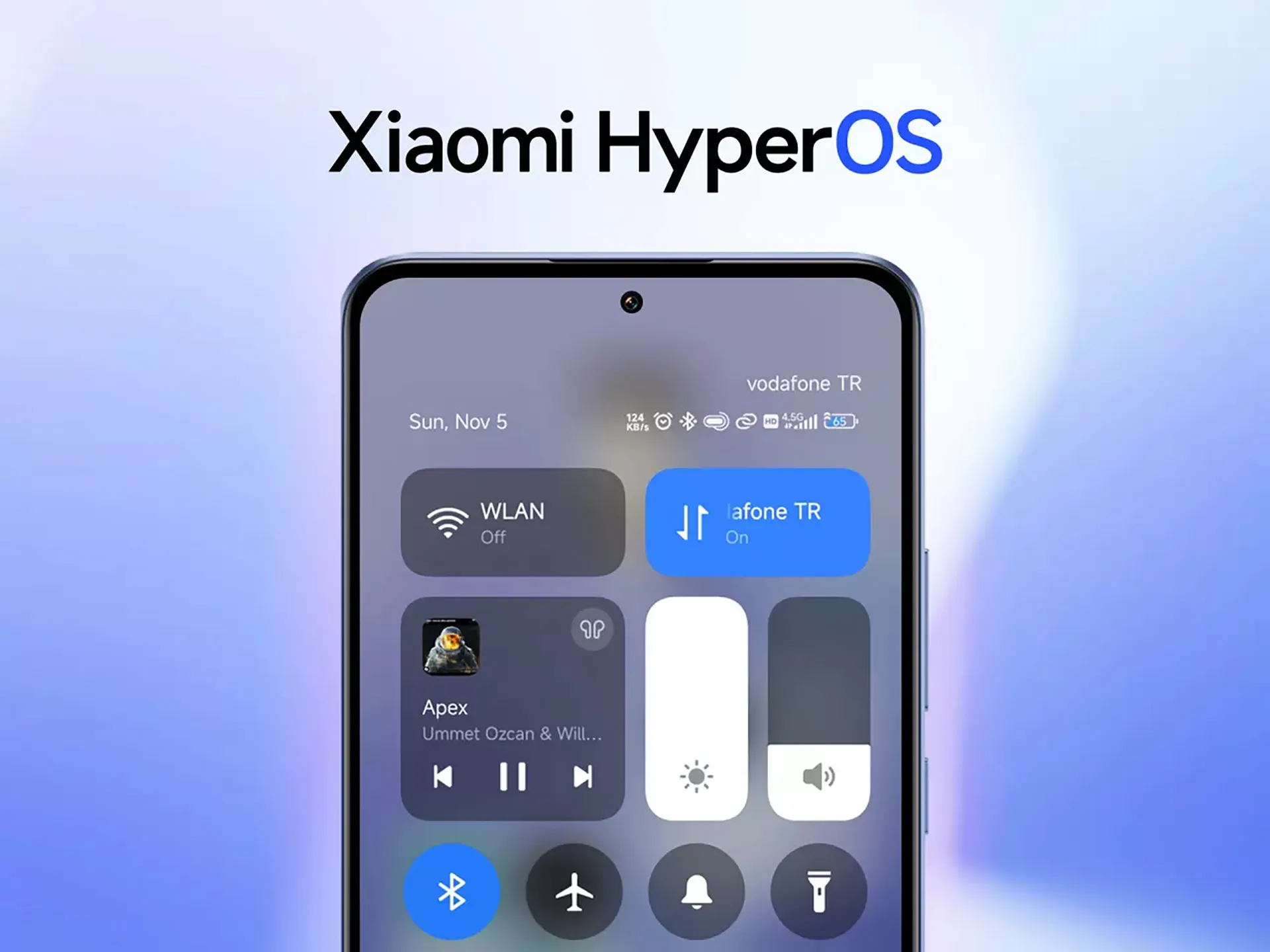
  • HyperOS 3 will come with a new design according to the new leaked screenshots

    HyperOS 3 will come with a new design according to the new leaked screenshots

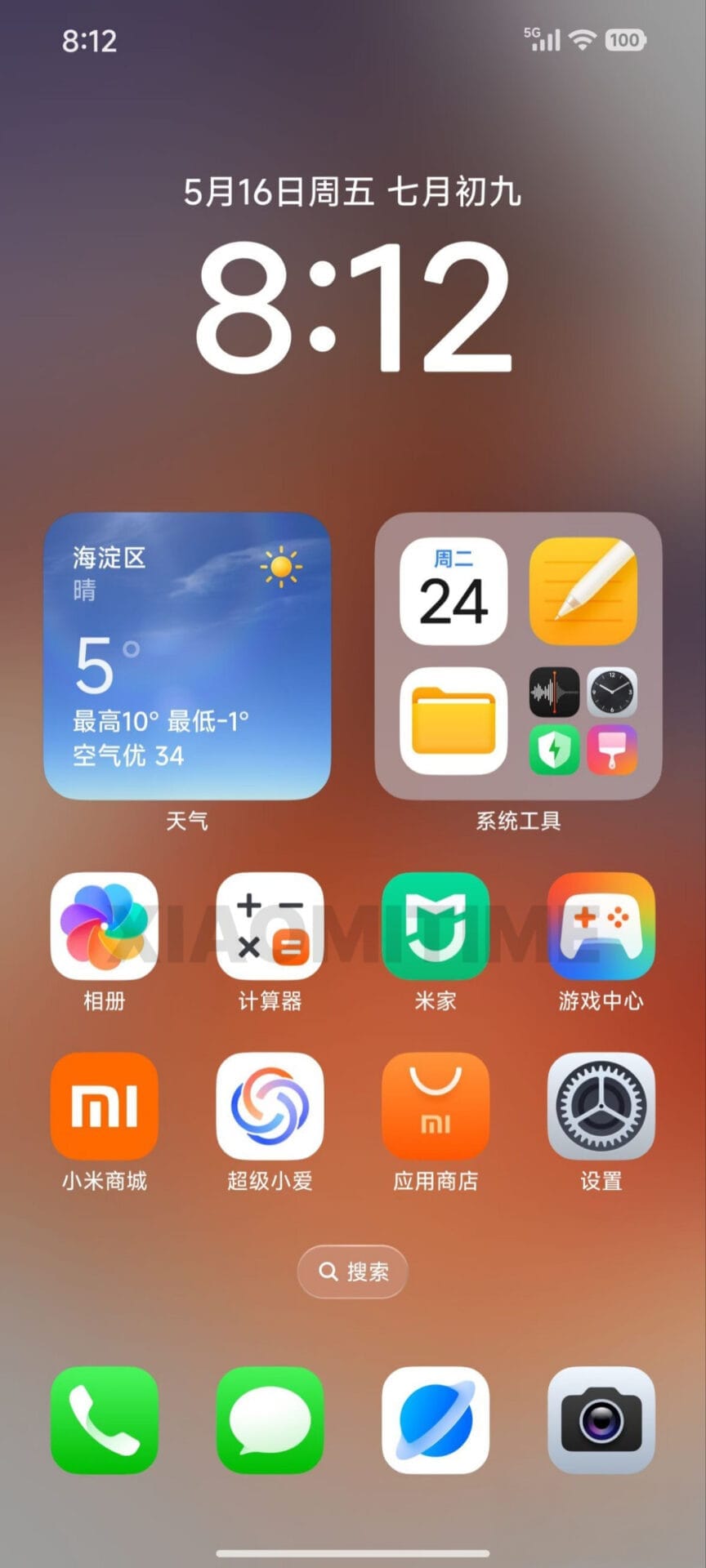
    Through a newly published user survey, Xiaomi has given users an early glimpse at HyperOS 3, and the changes are remarkable. Xiaomi intends to establish HyperOS as a high-end, competitive platform, as evidenced by the recent screenshot’s significant UI redesign. With significant updates to key system components, especially icons and layouts, the design language is obviously influenced by iOS. This version demonstrates Xiaomi’s continued commitment to improving its unique Android skin in order to better cater to a worldwide users.

    The updated icon set is the most noticeable change. The unified, elegant look of these new icons, which closely resemble those in iOS 18, improves the user experience as a whole. This change reflects Xiaomi’s emphasis on improving brand perception among high-end users and conforming to industry-leading design standards.

    The removal of the search bar on the home screen is another significant change. Xiaomi achieves a more simplified and clean home screen by removing this component, giving app icons and widgets more attention. This minimalist style should appeal to people who value clarity and simplicity and is consistent with larger trends in mobile user interface design.

    hyperos 3 leak design

    New battery indicator and glass user interface

    Additionally, a revised battery indication that now closely resembles the iPhone’s approach is included in HyperOS 3. In addition to updating the battery status visual representation, this update advances Xiaomi’s overarching objective of providing a recognizable, intuitive user experience that appeals to iOS customers thinking about switching.

    Furthermore, Glass UI-inspired effects are incorporated into the redesigned interface, giving the system more visual refinement and depth. Together, these improvements give all supported devices a more upscale and sophisticated appearance.

    Wide device compatibility

    Xiaomi is extending HyperOS 3 to an extensive range of devices, reinforcing its commitment to software support:

    • 33 Xiaomi models
    • 44 Redmi devices
    • 19 POCO devices

    This broad compatibility—spanning 96 devices in total—demonstrates Xiaomi’s dedication to serving a diverse customer base, from flagship owners to budget users.

    Analysts predict that Xiaomi will formally unveil HyperOS 3 in October 2025. Depending on rollout timelines and device capabilities, the update will be developed for both Android 15 and Android 16.

    Stay connected with the latest from Droid Tools—follow us on X @droid_tools, like our page on Facebook, check out our updates on Instagram, and follow us on Google News for real-time news, device tips, and mobile tech insights.
  • HyperOS second batch rollout complete, Global release imminent

    HyperOS second batch rollout complete, Global release imminent

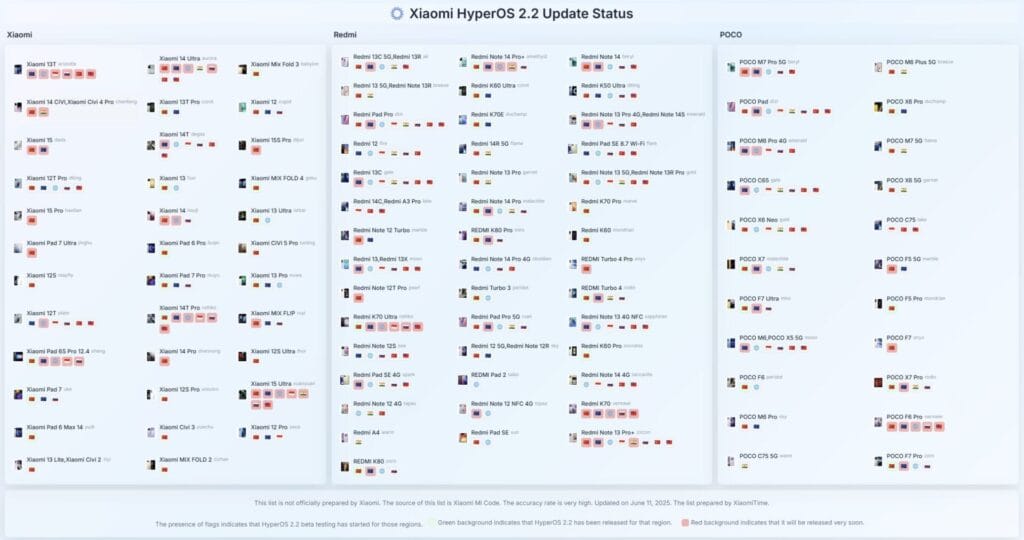
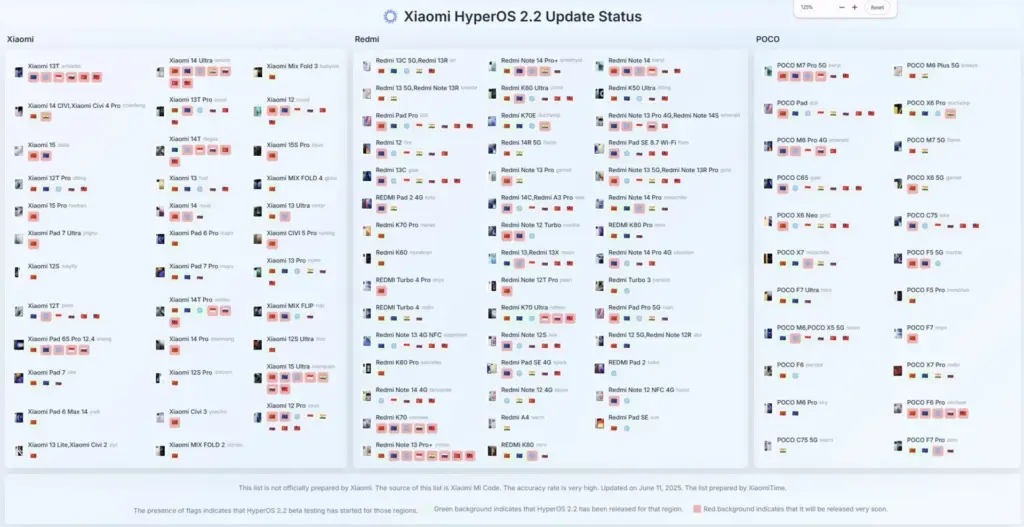
    The second round of internal testing for HyperOS 2.2 has officially ended, and it now covers more than 130 devices from the Xiaomi, Redmi, and POCO portfolios. This upgrade is quite extensive, encompassing both premium smartphones and tablets as well as entry-level products. Many users will get the update at the same time when the worldwide public release starts. It is evident that Xiaomi is giving top priority to a seamless, well-organized updating procedure for all of its products.

    While waiting for the official HyperOS 2.2 release, users can access the MemeOS Enhancer app through the Play Store to unlock more Xiaomi features and system improvements.

    More than 130 items are currently included in Xiaomi’s internal testing program, guaranteeing extensive coverage across all significant price points and markets. Included are gadgets from Taiwan, Indonesia, Russia, China, Europe, India, and more. The update is appropriately customized for every user base thanks to this geographical attention.

    hyperos global release

    Flagship and Premium Device Readiness

    Xiaomi’s Flagship Lineup

    All leading Xiaomi models have completed internal testing, including:

    • Xiaomi 15 series (15, 15 Pro, 15S Pro, 15 Ultra)
    • Xiaomi 14 series (14, 14 Pro, 14 Ultra, 14T, 14T Pro)
    • Xiaomi 13 series (13, 13 Pro, 13 Ultra, 13T, 13T Pro)
    • Xiaomi 12 series (12, 12 Pro, 12S, 12S Pro, 12S Ultra, 12T, 12T Pro)

    Foldables and Innovative Models

    Xiaomi’s MIX Fold series (Fold 2, Fold 3, Fold 4) and MIX Flip have also been fully tested, underscoring HyperOS 2.2’s optimization for foldable devices.

    Redmi and POCO

    From the K series (K50 Ultra through K80 Pro) and Note series (Note 12 through Note 14 and all variations) to the Turbo lineup and more reasonably priced models like the Redmi 12–14R 5G, Redmi’s full spectrum is covered.

    POCO’s gaming and performance-focused models are included as well. The F series (F5, F6, F7, including Pro and Ultra variants), X series (X6, X7, Pro, Neo), and the M and C series for budget users are all part of the rollout.

    The HyperOS 2.2 internal rollout also covers:

    • Xiaomi Pad 6 and 7 series (including Pro, Ultra, Max, and S Pro models)
    • Redmi Pad Pro, Pad 2, and SE variants
    • POCO Pad

    In conclusion, one of the biggest coordinated Android update rollouts in Xiaomi’s history is about to happen. With the launch of every major product line, millions of customers worldwide can anticipate improved performance and new features.

  • Xiaomi fixes 9 critical issues with an update

    Xiaomi fixes 9 critical issues with an update

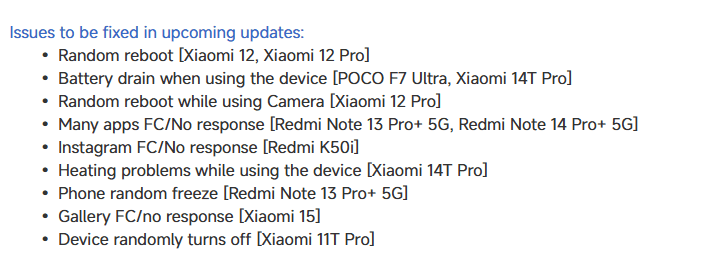
    In its most recent bug report, Xiaomi describes how nine major vulnerabilities affecting flagship and mid-range smartphones have been fixed. This continuous openness strengthens trust in Xiaomi’s technical procedures and quality control by highlighting the company’s dedication to software stability and proactive customer assistance.

    Addressing Critical Device Stability

    Engineering teams are prioritizing random device reboots, especially on the Xiaomi 12 and 12 Pro. In order to guarantee a flawless shooting experience, the Xiaomi 12 Pro’s camera application crashes are also being actively reviewed.

    Xiaomi hyperos bug fix update

    Battery and performance

    Additionally, they are releasing updates to address battery depletion that affects users of the 14T Pro and POCO F7 Ultra. Additionally, enhancements to thermal management and power efficiency measures are being implemented to solve the 14T Pro’s overheating problems.

    Multiple application-specific problems are in the process of being resolved:

    • Redmi Note 13 Pro+ 5G / Redmi Note 14 Pro+ 5G: Intermittent app crashes
    • Redmi K50i: Instagram force close issues
    • Xiaomi 15: Gallery app responsiveness concerns
    • Redmi Note 13 Pro+ 5G: Occasional system freezing
    • Xiaomi 11T Pro: Unexpected shutdown incidents

    These updates cover the whole ecosystem, guaranteeing consistent software optimization for premium and low-cost models alike. The company’s strategy ensures that users in every sector get the same level of assistance and attention.

    Stay connected with the latest from Droid Tools—follow us on X @droid_tools, like our page on Facebook, check out our updates on Instagram, and follow us on Google News for real-time news, device tips, and mobile tech insights.
  • HyperOS 2.3 development is speeding up along with Android 16

    HyperOS 2.3 development is speeding up along with Android 16

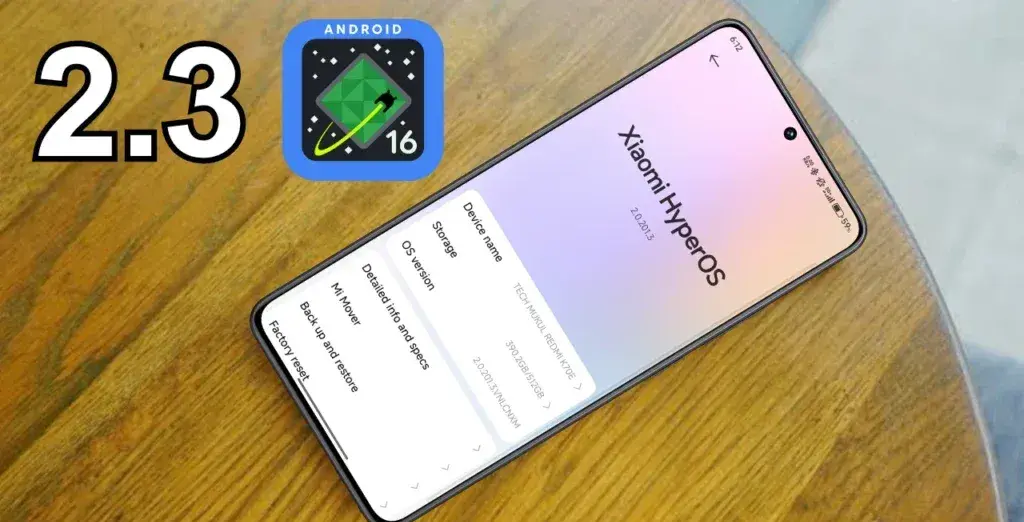
    With the current rapid pace of HyperOS 2.3 development, Xiaomi has taken a major step forward in the development of its software ecosystem. The company’s strategic commitment to integrating its next-generation operating system with the upcoming release of Android 16 was demonstrated on May 27th when internal testing got underway. With Android 16 as its fundamental core, HyperOS 2.3 is positioned as a significant update that improves user experience and performance.

    HyperOS 2.3 is coming fast

    Development teams have initiated a comprehensive internal testing phase, deploying multiple build variants tailored for different regional markets. This strategy ensures broad compatibility across Xiaomi’s international user base.

    The initial test builds include:

    • OS2.0.300.1.WOCCNXM (China variant)
    • OS2.0.300.1.WOCMIXM (Global variant)
    • OS2.0.300.1.WOCEUXM (EEA Global variant)
    hyperos 2.3 development

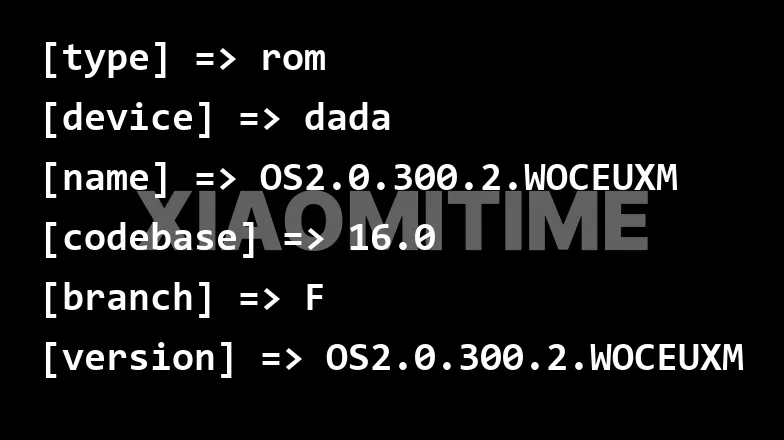
    Updated builds have been produced in recent development cycles; the most recent version for the EEA Global market is OS2.0.300.2.WOCEUXM. These small changes are the result of ongoing optimization and improvement initiatives inside Xiaomi’s development process.

    Currently, the Xiaomi 15 flagship device—internally dubbed “dada”—is given priority in testing methods. The goal of this focused strategy is to guarantee the best possible compatibility between the new hardware and HyperOS 2.3’s sophisticated capabilities.

    HyperOS 2.3 release

    Xiaomi has a shorter development timetable for HyperOS 2.3 because Android 16 is expected to launch in June. Although attaining the late-June objective is still uncertain, the enhanced pace indicates a strong organizational commitment to providing a stable release.

    Stay connected with the latest from Droid Tools—follow us on X @droid_tools, like our page on Facebook, check out our updates on Instagram, and follow us on Google News for real-time news, device tips, and mobile tech insights.
  • 4 more devices are ready to receive Global HyperOS 2.2

    4 more devices are ready to receive Global HyperOS 2.2

    Following last week’s successful launch in China, Xiaomi is continuing its aggressive worldwide rollout strategy for HyperOS 2.2, with four major products now ready for immediate release. The server-side preparations indicate an immediate deployment timeframe for the planned updates, which include builds for the Xiaomi 14T, Xiaomi 14 CIVI, Xiaomi 13T, and Redmi Note 14S.

    Xiaomi’s dedication to providing cutting-edge software experiences in multiple international regions at the same time is demonstrated by their well-coordinated worldwide expansion. An important turning point in Xiaomi’s software development has been reached with the HyperOS 2.2 update, which brings cutting-edge features and improved performance improvements that were previously only available in China. Users across the world can anticipate that these updates will start to trickle out a few days after server verification is finished, in keeping with the custom of China-first releases.

    Prepared Device Updates

    In order to guarantee thorough worldwide coverage for the HyperOS 2.2 experience, Xiaomi has finished developing four essential device variations for several regional markets. The ready-made builds show how Xiaomi deploys software globally in a logical manner.

    Updates that are ready for:

    • Xiaomi 14T: OS2.0.201.0.VNEEUXM (EEA region)
    • Xiaomi 14 CIVI: OS2.0.201.0.VNJINXM (India)
    • Xiaomi 13T: OS2.0.201.0.VMFMIXM (Global)
    • Redmi Note 14S: OS2.0.202.0.VFOMIXM (Global)

    Better camera functionalities

    Building on versions 2.0 and 2.1, HyperOS 2.2 offers enhanced camera functionality, AI, and system performance. One of the most notable features is the Xiaomi Camera 6.0, which revolutionizes photography with its entirely new interface and smooth animations.

    The Camera 6.0 upgrade improves workflows for both novice and professional photographers by introducing contemporary user interface features with simple controls and seamless switching between shooting modes.

    HyperOS 2.2 will deliver more performance

    Better navigation, enhanced customisation, and smoother animations are all features of the upgrade. A more responsive user interface that feels elegant and high-end throughout all device interactions is produced by these improvements.

    In order to ensure optimal performance across various hardware configurations, system-level optimizations concentrate on lowering resource usage while preserving advanced functionality.

    The MemeOS Enhancer software, which offers screen-based update management, system app updates, and access to secret Xiaomi features, may be downloaded from the Play Store to improve users’ HyperOS 2.2 experience.

    Stay connected with the latest from Droid Tools—follow us on X @droid_tools, like our page on Facebook, check out our updates on Instagram, and follow us on Google News for real-time news, device tips, and mobile tech insights.
  • The complete feature list of HyperOS 2.3 update

    The complete feature list of HyperOS 2.3 update

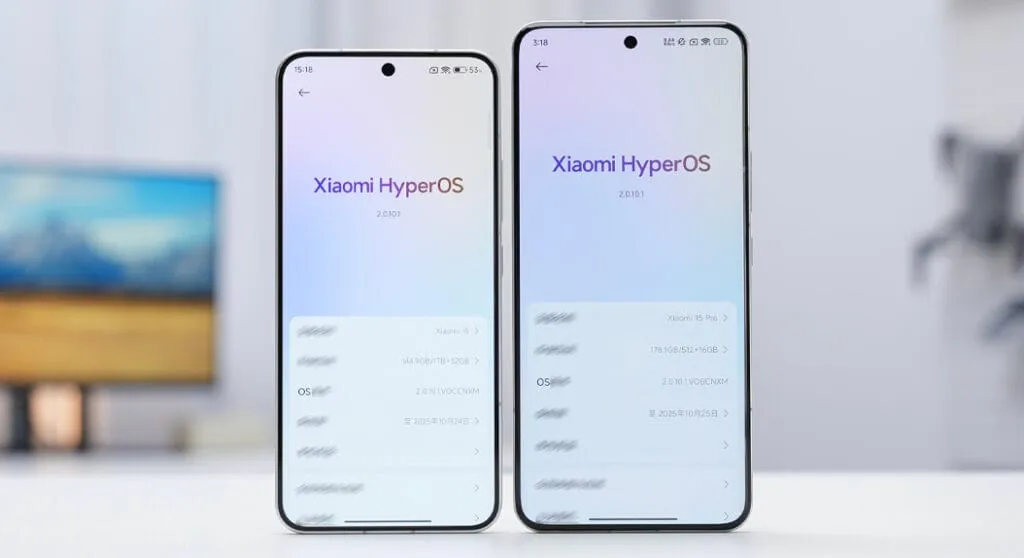
    With Android 16 serving as its foundation, Xiaomi’s next HyperOS 2.3 update is expected to bring about the biggest leap in the company’s own Android experience. This significant system update introduces improved security measures and improved user experience components while expanding on the foundation of the current HyperOS 2.2 framework.

    Although the major emphasis is still on security improvements rather than ground-breaking new features, the update demonstrates Xiaomi’s dedication to offering state-of-the-art software experiences that capitalize on Google’s most recent Android advances. Through official channels and specialized monitoring tools, users can monitor their device compatibility and eligibility for updates.

    hyperos 2.3
    hyperos 2.3 update android 16

    New features in HyperOS 2.3

    The Android 16 foundation, which offers better system stability, more performance optimization, and—above all—advanced security features that safeguard user data and privacy, is the main improvement in HyperOS 2.3.

    Enhanced Security Framework

    HyperOS 2.3’s security improvements include:

    • Advanced encryption protocols for sensitive data protection
    • Improved app permission management system
    • Enhanced biometric authentication security
    • Strengthened system-level protection against malicious applications

    Device compatibility and release

    Only those devices that qualify for the Android 16 upgrade will be able to get the HyperOS 2.3 update. While preserving system stability, this phased deployment guarantees the best possible performance and compatibility throughout Xiaomi’s device ecosystem.

    Eligible Device Categories

    • Flagship smartphones from recent generations
    • Select mid-range devices with adequate hardware specifications
    • Compatible tablets and other smart devices in Xiaomi’s ecosystem

    All of Google’s normal services and security upgrades are available on the Android 16 base, even though Google hasn’t added any new Android features specifically for Xiaomi’s HyperOS version. Preserving system security and guaranteeing compatibility with Google’s ecosystem services are the major goals of the integration.

    Update eligibility

    With the MemeOS Enhancer app on the Play Store, users may find out if their device is compatible with Android 16 and eligible for HyperOS 2.3. In addition to system app updates, access to secret Xiaomi features, and direct update access from the device screen, the app offers instant visibility into update status upon activation.

    Stay connected with the latest from Droid Tools—follow us on X @droid_tools, like our page on Facebook, check out our updates on Instagram, and follow us on Google News for real-time news, device tips, and mobile tech insights.
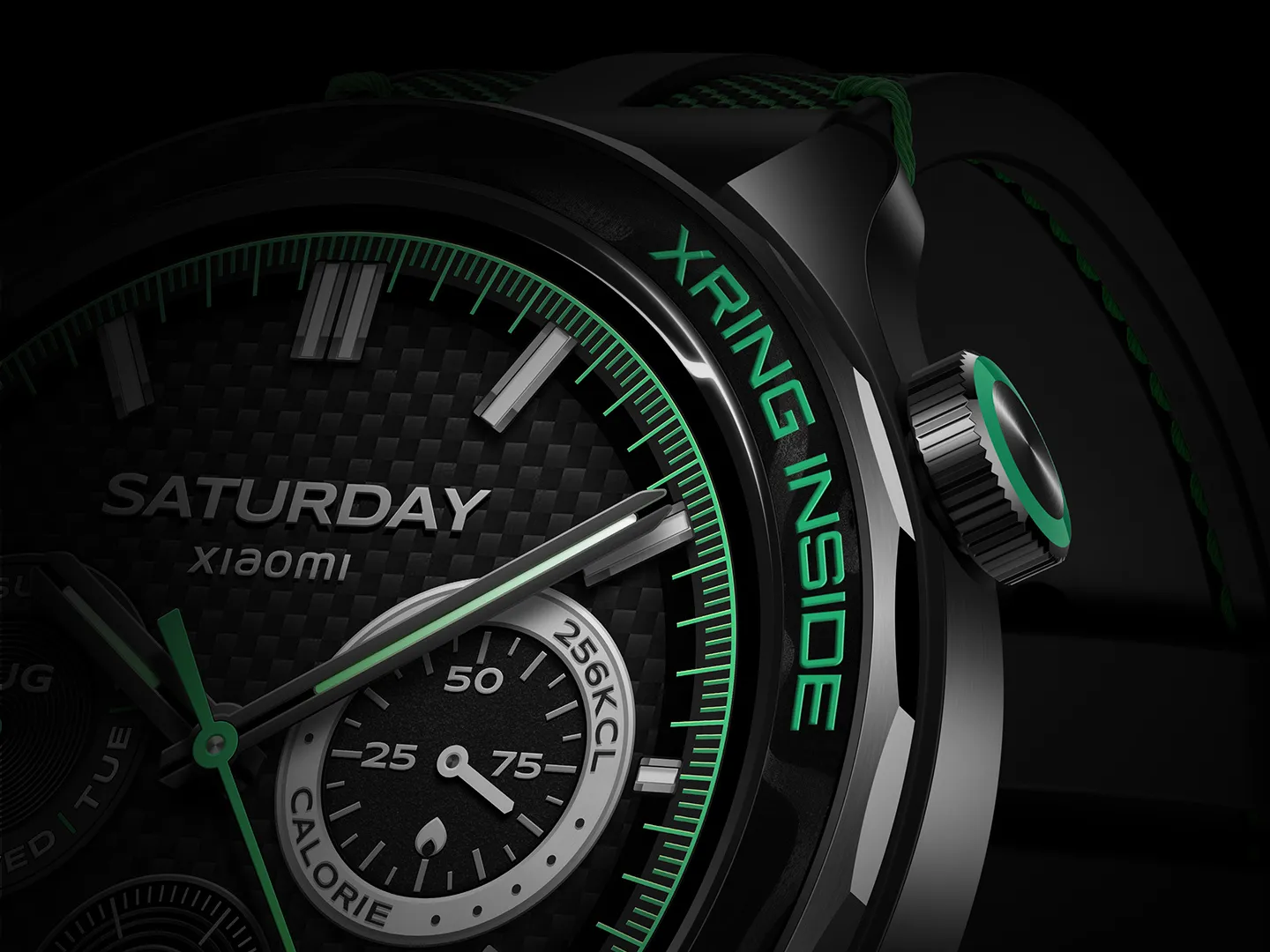
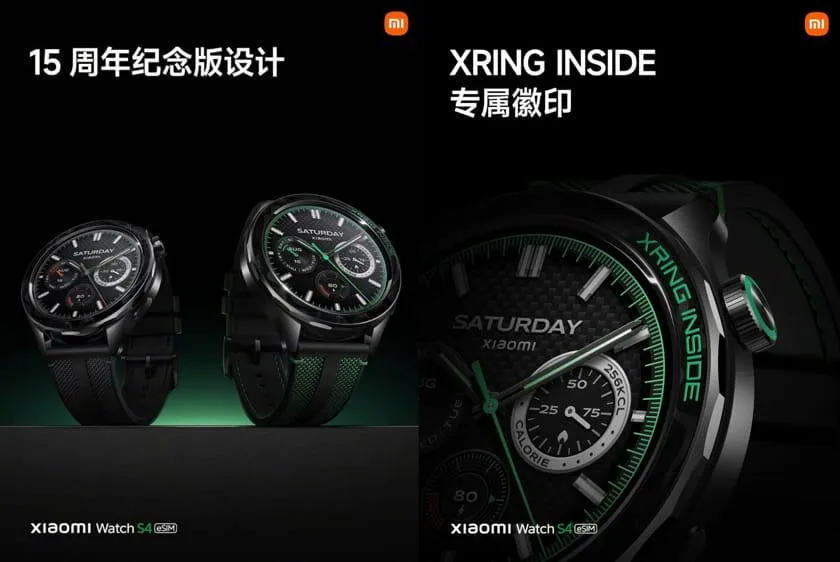
  • Xiaomi Watch S4 15th Anniversary Edition comes with the new XRING T1 chipset

    Xiaomi Watch S4 15th Anniversary Edition comes with the new XRING T1 chipset

    During the company’s anniversary launch event on Thursday, Xiaomi unveiled the Watch S4 15th Anniversary Edition in China. Alongside the Xiaomi 15s Pro and Xiaomi Pad 7 Ultra, the new wearable was launched, sporting Xiaomi’s own XRING T1 processor. The normal Watch S4 was released by Xiaomi some months prior to the arrival of the S4 15th Anniversary Edition. It differs from the standard Watch S4 with its updated design and color selection. The watch’s circular AMOLED screen measures 1.43 inches.

    The Xiaomi Watch S4 15th Anniversary Edition costs CNY 1,299, which is around Rs. 15,000 in value. Shades of green and black are available. In contrast, the regular Xiaomi Watch S4 costs CNY 999, or around Rs. 11,800.

    Xiaomi Watch S4 Xring T1 edition

    Xiaomi Watch S4 15th Anniversary Edition specs

    In comparison to the regular model, the Xiaomi Watch S4 15th Anniversary Edition has a new chip, certain design changes, and an extended battery life. It is compatible with smartphones running iOS 12.0 and Android 8.0 and is powered by Xiaomi HyperOS 2. It features a 1.43-inch AMOLED screen with a resolution of 466 × 466 pixels. The display is claimed to have a maximum brightness of 1,500 nits and a refresh rate of 60 Hz.

    Xiaomi’s in-house-developed XRING T1 chipset powers the wearable. The maximum CPU frequency that the new chipset is supposed to deliver is 500MHz.

    Xiaomi Watch S4 Xring T1 edition 1

    The Watch S4 15th Anniversary Edition allows users to operate their Xiaomi vehicles without a smartphone. The watch face offers a real-time glimpse of the attached smartphone’s camera in addition to supporting three-second video clip.

    When eSIM functionality is activated, the Xiaomi S4 15th Anniversary Edition is said to last nine days between charges. For comparison, the regular model has a seven-day battery life in eSIM mode. The wearable’s battery is 486mAh.

    SpO2 (blood oxygen) and a heart rate monitoring sensor are included with the S4 15th Anniversary Edition. Its water resistance rating is 5 ATM. 4G, Wi-Fi, Bluetooth 5.3, NFC, GPS, Galileo, Glonass, Beidou, and QZSS are among the connectivity choices. It weighs 44.5g and has dimensions of 47.3 x 47.3 x 12.0mm.

  • 7 new devices will receive HyperOS next month

    7 new devices will receive HyperOS next month

    Here are seven devices that might miss out on this opportunity and get their final upgrade next month while Xiaomi is busy testing the new HyperOS 2.2 version for the flagship models. Examine the list and determine whether your phone is included in this group.

    Upgrades to HyperOS include a number of sophisticated, AI-powered capabilities that aren’t compatible with all models. In order to concentrate on the most efficient smartphones, Xiaomi used to remove some devices and mark them as EOL (End Of Life).

    The company has officially revealed the EOL devices for June 2025 and identified seven Xiaomi models that will receive their final HyperOS upgrade, according to XiaomiTime.

    hyperos update

    The majority of the phones on the list are Redmi and POCO models that might soon stop supporting security rollouts, feature patches, and new HyperOS updates.

    These 7 Xiaomi devices may get their last HyperOS update in June:

    • Redmi Note 11T Pro
    • Redmi Note 11T Pro+
    • Redmi K50i
    • POCO X4 GT
    • POCO C40
    • Redmi K40S
    • POCO F4

    According to inputs, the POCO C40’s final HyperOS update is scheduled for June 17. In February 2024, it received the most recent significant update, MIUI 13, which was based on Android 11.

    poco C40 eol

    It should be noted that these models will not receive any system optimizations, new features, or security fixes that address problems or issues that currently exist.

    Therefore, we advise switching to a new device as soon as possible to take advantage of the most recent camera improvements, AI capabilities, and HyperOS 2.2 features.

  • 4 new Xiaomi devices receive stable HyperOS 2.2

    4 new Xiaomi devices receive stable HyperOS 2.2

    Users of Xiaomi should rejoice since the stable HyperOS 2.2 update is currently planned for four new devices. The software is now available on Xiaomi’s servers and is awaiting final staff testing before going public. As Xiaomi continues to roll out its most recent OS to an increasing number of devices across its wide range of products, this step marks another milestone in the company’s aggressive HyperOS rollout strategy.

    Xiaomi‘s emphasis on providing frequent software updates and keeping its ecosystem up to speed with the newest features is further highlighted by the new update, which promises to improve performance, battery life, and user experience for compatible phones.

    HyperOS 2.2 family has four new members.

    HyperOS 2.2 new devices

    Based on data found on Xiaomi’s update servers, the following devices are now set to upgrade to the stable HyperOS 2.2 update:

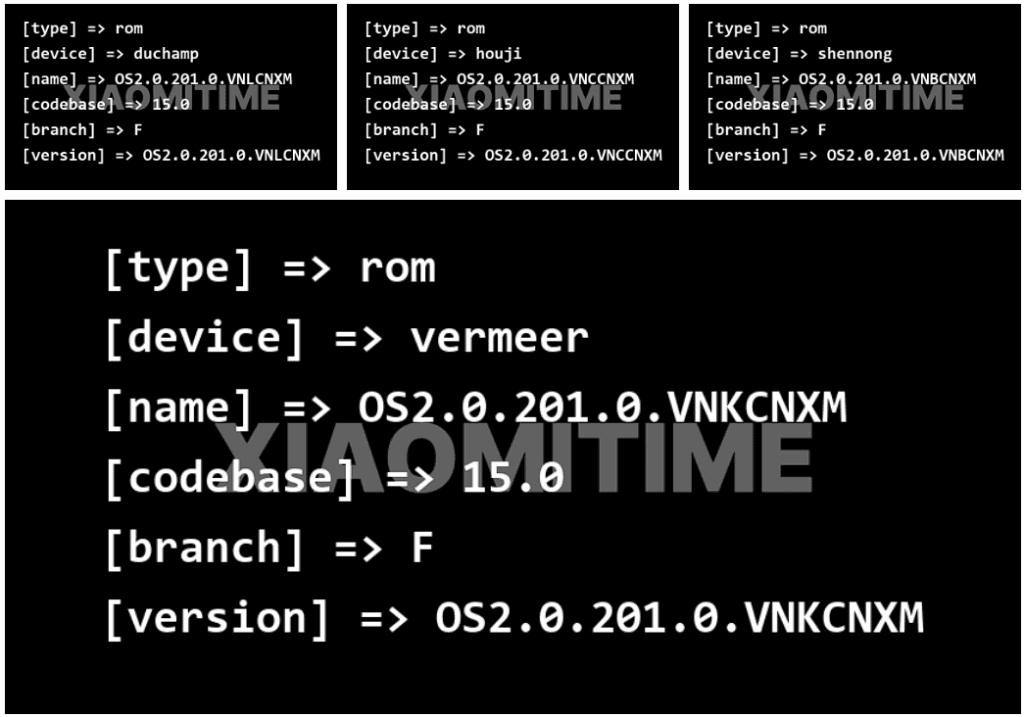
    • Redmi K70E: OS2.0.201.0.VNLCNXM
    • Redmi K70: OS2.0.201.0.VNKCNXM
    • Xiaomi 14 Pro: OS2.0.201.0.VNBCNXM
    • Xiaomi 14: OS2.0.201.0.VNCCNXM

    These builds are being tested by Xiaomi employees for the final time ahead of release, providing users everywhere with a smooth and bugless experience when the upgrade is rolled out.

    Previously Confirmed Devices

    The four new devices add to a number of already confirmed devices for which the HyperOS 2.2 stable update was announced:

    • Xiaomi 14
    • Xiaomi 14 Ultra
    • Xiaomi 15
    • Xiaomi 15 Pro
    • Xiaomi 15 Ultra
    • Xiaomi Pad 6S Pro 12.4

    This extended rollout reflects Xiaomi’s commitment to providing its most recent flagship models, as well as last generation models, with the most current software features.

    What HyperOS brings?

    The HyperOS 2.2 update features a number of significant upgrades for supported devices:

    • Enhanced system stability for all programs
    • Optimized battery management for increased usage hours
    • Smoother animation transitions across the interface
    • New Xiaomi HyperConnect features for effortless device connection

    In order to make Xiaomi smartphones competitive in the rapidly evolving smartphone market, these improvements build upon the strong basis of HyperOS 2, improving the user experience and adding new functions. For people who want to view the available updates,