Tag: hyperos

  • HyperOS 3 to chanllange iOS on the UI

    HyperOS 3 to chanllange iOS on the UI

    Xiaomi’s impending HyperOS 3 could challenge Apple’s decade-long interface dominance, following extraordinary stability improvements in HyperOS 2 and subsequent updates. After addressing stability issues in MIUI and HyperOS 1, Xiaomi improved the user experience with HyperOS 2.1 and 2.2, paving the way for a significant competitive advantage with its next-generation interface.

    Android 16 foundation and release calendar
    Xiaomi devices list to receive t

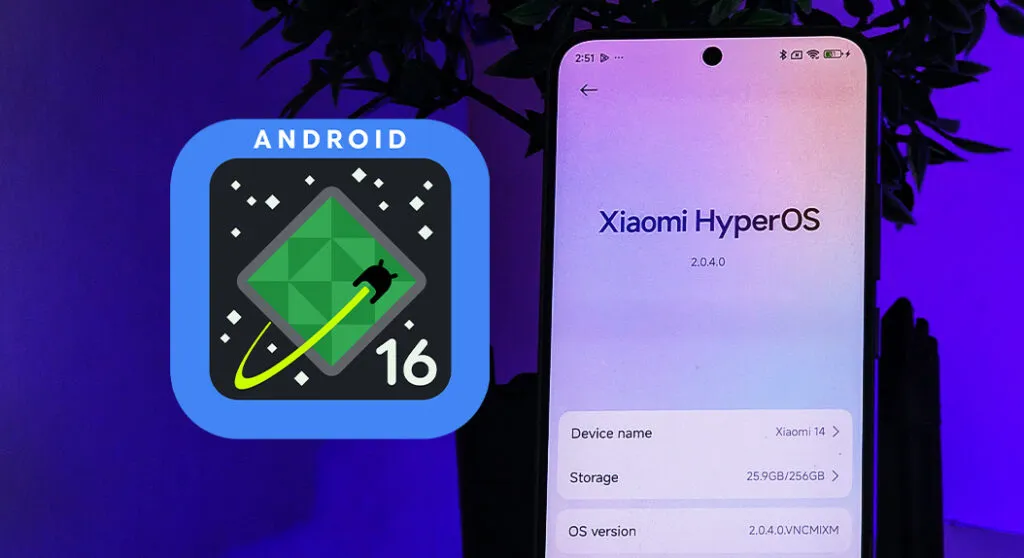
    HyperOS 3 will primarily be based on Android 16, with select devices receiving an Android 15 version. By doing so, Xiaomi hopes to standardize the software experience across its wide portfolio of devices while ensuring that everyone receives the most recent UI innovations.

    According to industry sources, Android 16 is scheduled to be released in the second quarter of 2025, which coincides nicely with Xiaomi’s usual October software release timetable. The schedule would allow Xiaomi’s development team plenty of time to implement Android 16’s core features while also adding their own tweaks and improvements.

    What is particularly noteworthy about HyperOS 3 is how Google’s proposed design philosophy for Android 16 corresponds to visual signals traditionally associated with Apple’s iOS. Google is apparently working on a major interface makeover that will make extensive use of blur effects throughout the system UI – a visual approach that has been a hallmark of Apple’s design language for many generations.

    This convergence offers a unique opportunity for Xiaomi since HyperOS 3 can potentially offer:

    • Greater visual depth with sophisticated blur effects
    • Intuitive layering of interface elements more
    • Improved visual hierarchy that aids usability
    • Smoother animations that are more natural and responsive
    • Greater visual consistency across the entire system
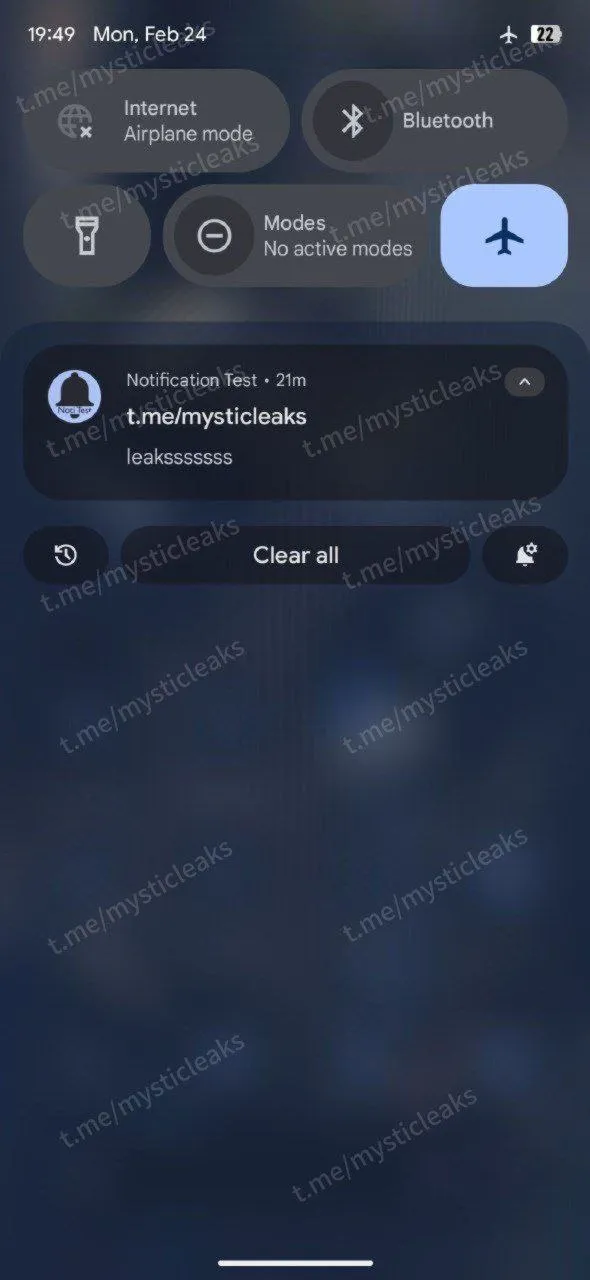
    hyperos 3 leak

    The fact that HyperOS 3 is being released at a time when the iOS interface is quite stable presents a chance for Xiaomi to overcome the perception gap between Android-based devices and Apple’s ecosystem. By combining Google’s core interface enhancements with Xiaomi’s performance optimizations and design sensibilities, HyperOS 3 has the potential to become the new benchmark for Android interfaces.

    To Xiaomi users, this evolution represents the continuation of a favorable trend that began with HyperOS 2’s emphasis on stability and performance. The progressive modifications in successive releases have laid a firm foundation for HyperOS 3, allowing it to give both aesthetic polish and functionality advancements without sacrificing the stability to which customers have grown used.
  • HyperOS 2.2 receives one more update in March

    HyperOS 2.2 receives one more update in March

    The Xiaomi community is ecstatic with the latest HyperOS update, which offers users’ devices an abundance of customization options and AI-powered capabilities. With a number of notable enhancements that demonstrate Xiaomi’s focus on user experience and creative design, tech enthusiasts and fans are busy testing out the March update version RELEASE-5.39.40.10843-03212137. The upgrade demonstrates the company’s continuous attempts to combine the newest technology with functionality.

    Key updated:

    The March update brings with it some noteworthy enhancements that will delight Xiaomi users:

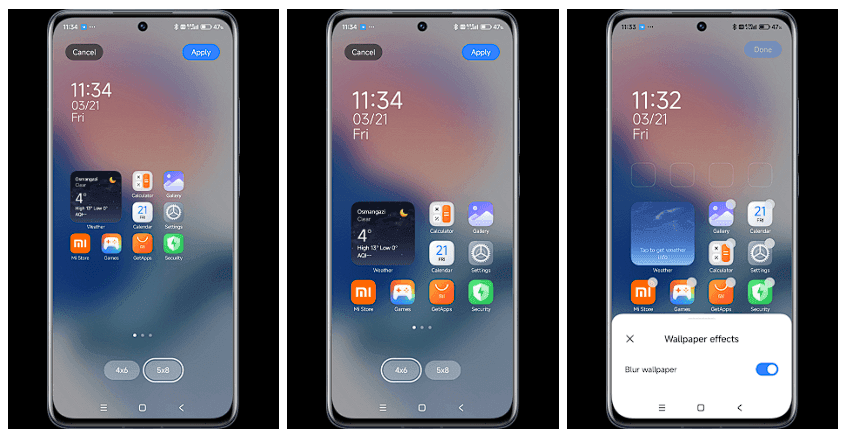
    Desktop Grid Options Resurrection

    Grid layout options have been restored, offering greater personalization to the users:

    • 4×6 grid pattern
    • 4×7 grid layout
    • 5×9 grid pattern

    A groundbreaking feature that elevates the search experience:

    • Smart responses right in search results
    • Interpreting search queries contextually
    • Enhanced app discovery (Note: May not be available globally)

    Wallpaper Customization

    A new level of aesthetics has been added to device personalization:

    • New blur effect for wallpapers has been added
    • Enhanced visual customization options
    image 3

    These updates give users more power and customization, which is consistent with Xiaomi‘s user-centric philosophy. While the AI-powered search is intended to make app discovery more straightforward and intuitive, the reinstated grid layouts allow for greater freedom in app arrangement.

  • Xiaomi devices that could receive HyperOS 2.2 first

    Xiaomi devices that could receive HyperOS 2.2 first

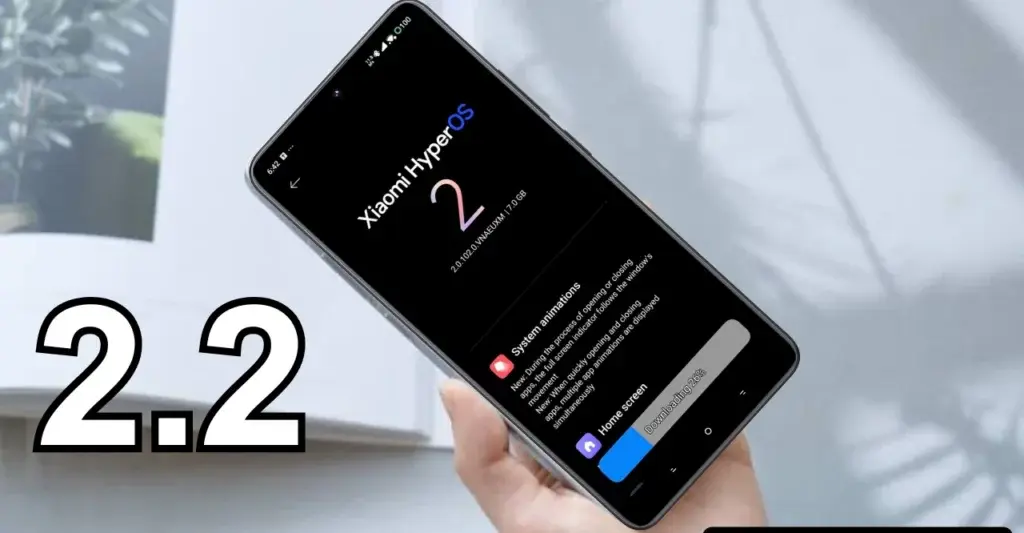
    Internal testing of the HyperOS 2.2 software version for Xiaomi’s smartphones has begun. The company is working on another big update that could provide some more intriguing features to phone holders once the 2.1 build was released.

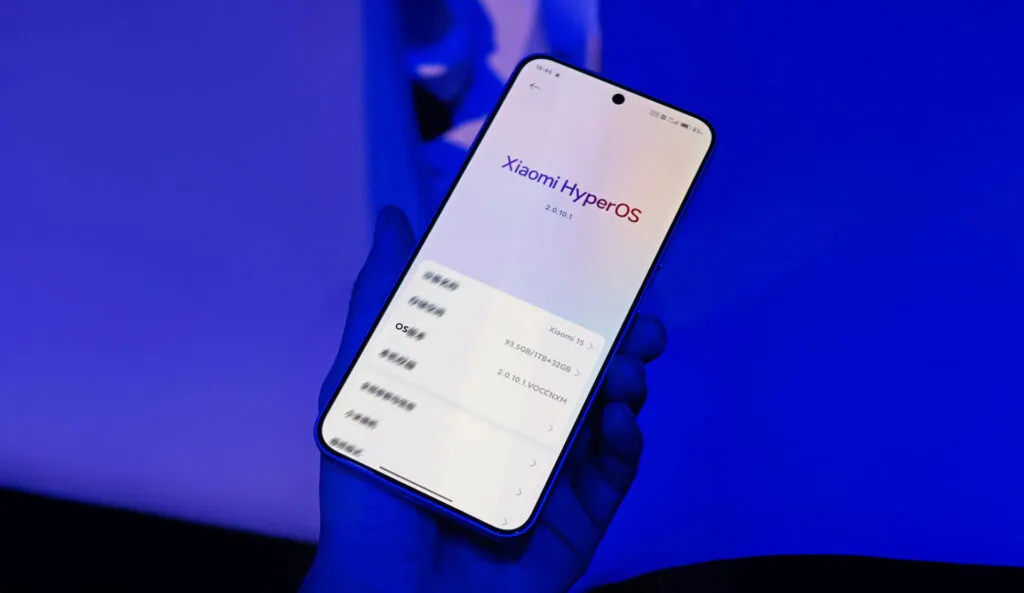
    November 2024 saw the launch of HyperOS 2.0. Numerous UI adjustments, new security features, enhanced privacy, and greater device performance are all provided by the AI-powered software.

    Later, the company released the HyperOS 2.1 os package, which included yet more unexpected capabilities. Its primary focus was on the user experience and camera section. Xiaomi launched to the flagship devices in international market.

    The Xiaomi HyperOS 2.2 software update is currently being developed by the tech giant, and these devices may be the first to receive it. The list includes flagship models that were just introduced in China and are already becoming well-known worldwide.

    HyperOS 2.2 installing

    Devices that will recieve HyperOS 2.2

    Xiaomi

    • Xiaomi 15
    • Xiaomi 15 Pro
    • Xiaomi 15 Ultra
    • Xiaomi 14
    • Xiaomi 14 Pro
    • Xiaomi 14 Ultra

    Redmi

    • Redmi K70 Ultra
    • Redmi K80
    • Redmi K80 Pro
    • Redmi Turbo 4
    • Redmi K70 Pro
    • Redmi K70

    Tablets and Foldable Phones

    • Xiaomi Pad 7
    • Xiaomi Pad 7 Pro
    • Xiaomi MIX Fold 4
    • Xiaomi MIX Fold 3
    • Xiaomi MIX Flip

    HyperOS 2.2 is currently in the testing phase but may roll out in late March or early April. The version will be based on Android 15, but will likely bring only a few enhancements as the company has already released two major builds.

  • Finally, new status bar customizations are available in Xiaomi HyperOS 2.2.

    Finally, new status bar customizations are available in Xiaomi HyperOS 2.2.

    Full status bar customisation is a groundbreaking feature that has been on wish lists for years, and Xiaomi has finally released the eagerly anticipated HyperOS 2.2. As demonstrated by our previous coverage of HyperOS features, customers now have total control over their notification system thanks to this much anticipated upgrade that was released overnight.

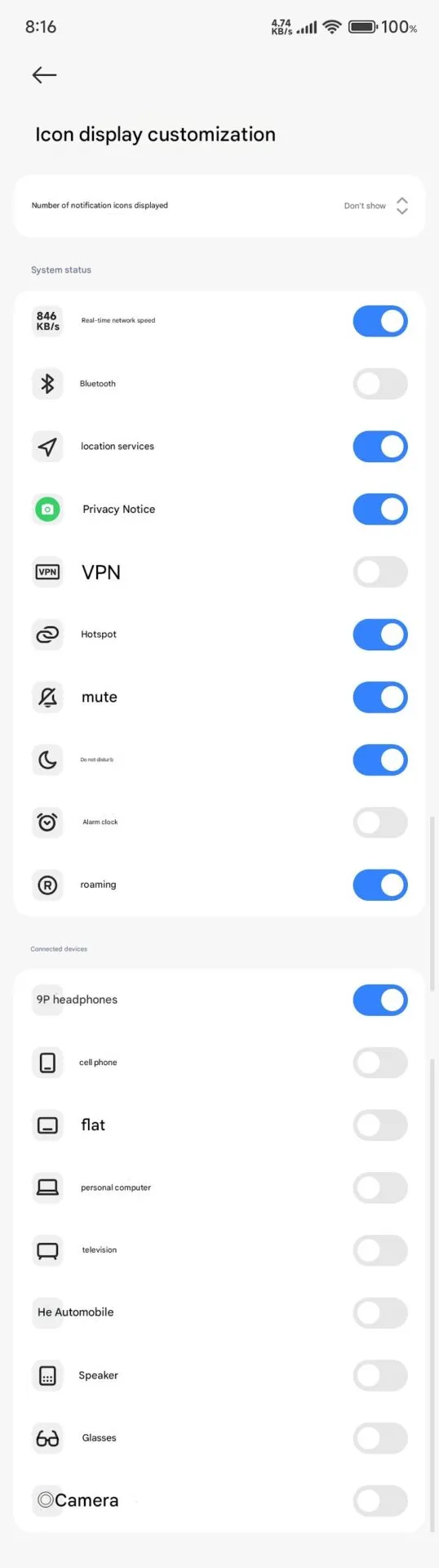
    The new “Status Bar Icon Display Customization” is a tip of the hat to customization options that debuted with AOSP Android 6, but with Xiaomi polish and attention to detail that we’ve come to expect with their software updates and UI improvements.

    Customization of status bar: what is new

    Xiaomi HyperOS 2.2 status bar customization

    The latest update brings unprecedented freedom to personalize your status bar on your device:

    • Control of Notification Icons: Select precisely how many notification icons are displayed
    • System Status Toggles: Toggle system status indicators on and off individually
    • Connected Device Display: Select which connected device icons are to be displayed
    • Cleaner Interface: Keep it clean by hiding unnecessary icons

    The downside is that it can’t be personalized and will be shown each time that you activate NFC.

    Additional improvements

    The customization of the status bar is not isolated in this update. HyperOS 2.2 OS2.0.200 Beta release includes a series of other enhancements:

    1. Enhanced System Animations: Smooth transition through the interface
    2. Blurred Wallpaper Enhancements: Improved visual quality for background objects
    3. Signal HD Icon Fix: HD icon no longer remains in the status bar

    Currently, Xiaomi 15 series phones running HyperOS 2.2 OS2.0.200 Beta support the feature. Although there are no set dates, more phones in their lineup will gain this feature in the upcoming weeks. Xiaomi’s ongoing dedication to enabling customers to customize their devices is reflected in this much-anticipated feature.

  • Xiaomi finally released HyperOS 2.2 update

    Xiaomi finally released HyperOS 2.2 update

    The formal rollout of HyperOS 2.2 has begun, with the Xiaomi 15 and Xiaomi 15 Pro receiving beta releases first. This update improves and adds new capabilities to Xiaomi’s top-of-the-range mobiles, highlighting the company’s commitment to software quality. As China-region variations lead the way with this initial beta release, we have compiled a comprehensive list of what is new, what is modified, and how to securely update your device to this release.

    Official build information

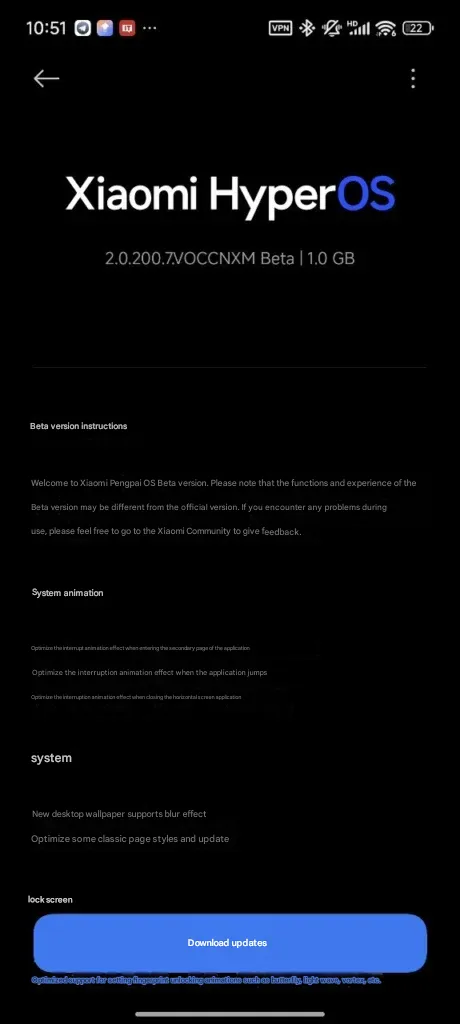
    The beta of HyperOS 2.2 is now available on the Xiaomi 15 series with build numbers as follows:

    • Xiaomi 15: OS2.0.200.7.VOCCNXM
    • Xiaomi 15 Pro: OS2.0.200.1.VOBCNXM

    These early beta releases are Xiaomi’s first move in rolling out the upgraded HyperOS 2.2 to users, building on the enhancements previously present in HyperOS 2.1 on China ROM versions.

    HyperOS 2.2 update

    Improvements in HyperOS 2.2

    The update introduces a number of important enhancements to many areas of the system:

    System Animations

    Xiaomi has taken special care to make the user interface more streamlined through optimized animations:

    • Enhanced interrupt animation while browsing application subpages
    • Improved transition animations while switching between apps
    • Enhanced animations while closing landscape-oriented apps

    System Configuration

    The personalisation options have been expanded with:

    • Desktop wallpaper now supports blur effect
    • Streamlined traditional page layouts throughout the system

    Lock Screen

    The lock screen is updated meaningfully:

    • New oriental lock screen templates, enhanced fingerprint unlock animations like:
      • Butterfly effect
      • Patterns of Light Waves
      • Vortex animations

    Status Bar and Notifications

    Numerous functional enhancements make daily application more convenient:

    • Additional status bar icon support through customized display
    • Expandable custom notifications
    • Enhanced icon behavior of optimized signals (now no longer permanently visible)

    System Navigation

    The update also brings enhancements to navigation settings:

    • Improved shortcut capability in system navigation mode in desktop settings
    • Xiaomi keeps making incremental improvements to HyperOS with every release that reflect the company’s intent to refine user experience through thoughtful software tuning.

    The release of the HyperOS 2.2 beta on Xiaomi’s 15 series is only the beginning, with other devices scheduled to be updated in the following days and weeks.

  • HyperOS 2.1 update rolled out to seven Xiaomi devices

    HyperOS 2.1 update rolled out to seven Xiaomi devices

    Xiaomi keeps updating more of its devices to HyperOS 2.1 in an effort to reach a larger audience with the newest features and enhancements. The Chinese company just released an update for seven Xiaomi devices.

    The latest recipients of HyperOS 2.1 include some high-end Xiaomi phones, a Xiaomi tablet, and affordable Poco phones. Here’s the list:

    • Xiaomi 14 Ultra
    • Xiaomi 14T Pro
    • Xiaomi 13 Pro
    • Xiaomi Pad 6S Pro 12.4
    • POCO X6 Pro 5G
    • Poco F6
    • Xiaomi 13 Ultra

    You may be able to install the HyperOS 2.1 upgrade if you own any of these Xiaomi devices. Open the Settings app, select About Phone, and then hit the HyperOS logo to see whether there is a new update available. To find out if your device has an update available, click Check for updates.

    A number of internal improvements have been made in the latest HyperOS 2.1 software to enhance the user experience and animations. Voice chats without an internet connection are also possible with the new Networkless mode. In places with inadequate connectivity, this function enables users to converse efficiently.

    Xiaomi’s device connect prompts have been improved. Additionally, the file transfer function has been enhanced to provide a smooth experience. Better night vision is one of the camera enhancements brought about by the HyperOS 2.1 software. Additionally, the update enhances imaging performance in a range of lighting settings and snapshot capabilities.

    The update also brings a redesigned album layout and new album display columns. The search functions have also been improved. Xiaomi has also made improvements to the image recognition capabilities for the circle to search feature. The Gaming Toolbox now has a performance dashboard and offers an enhanced gaming experience.

  • More devices may now use live photos thanks to Xiaomi HyperOS 2.

    More devices may now use live photos thanks to Xiaomi HyperOS 2.

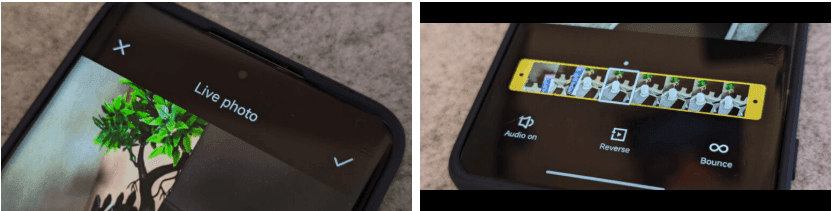
    The cross-ecosystem LivePhoto transmission compatibility of HyperOS 2 was formally revealed by Xiaomi, enabling smooth live photo sharing between Xiaomi phones, Xiaomi Pads, iPhones, and iPads. Grayscale mode is supported, and the feature is progressively being made available in batches.

    The enhancement is one of the actions Xiaomi is taking to create a comprehensive ecosystem that will provide a more seamless experience across devices. For optimal compatibility, users who are interested in the functionality should update their smartphones to the most recent versions of Xiaomi Photo Album and Xiaomi Share.Xiaomi HyperOS is always evolving, providing consumers with fresh and creative features to enhance their convenience.

    LivePhoto Cross-Ecosystem Support Details

    Sharing dynamic pics in the LivePhoto format while maintaining their motion effects is now possible with Xiaomi HyperOS 2. Users can now share and enjoy LivePhotos on both Xiaomi and Apple devices with ease thanks to the latest update, which was revealed in the official Q&A (Episode 8) for Xiaomi HyperOS on March 7.

    How to use live photo transfer

    For successful transmission of LivePhotos, users must meet the following requirements:

    • Both devices must be on the same wireless LAN – The sending and receiving devices need to be on the same wireless local area network.
    • The applications must be upgraded to certain versions – Apple and Xiaomi devices must have the latest software upgrades to be able to support this.
    xiaomi live photos

    App Versions Required

    • Xiaomi Phones and Pads:
      • Xiaomi Share3.6.2 and later
      • Xiaomi Photo Album: Version 4.2.0.8 and above
    • Apple Devices (iPhone and iPad):
      • Xiaomi Internet Service: Version 1.3 and later

    The Xiaomi ecosystem is greatly improved by this function, which allows users to find and share LivePhotos on several platforms without compromising motion effects. It is easier than ever to switch between devices and share memories with pals via an iPhone. In the days ahead, customers may anticipate even more cross-platform interoperability capabilities as Xiaomi develops HyperOS 2. Keep an eye out for additional information regarding Xiaomi HyperOS 2 and its ongoing feature additions.

  • Xiaomi accidentally discloses the release date for HyperOS 2.2.

    Xiaomi accidentally discloses the release date for HyperOS 2.2.

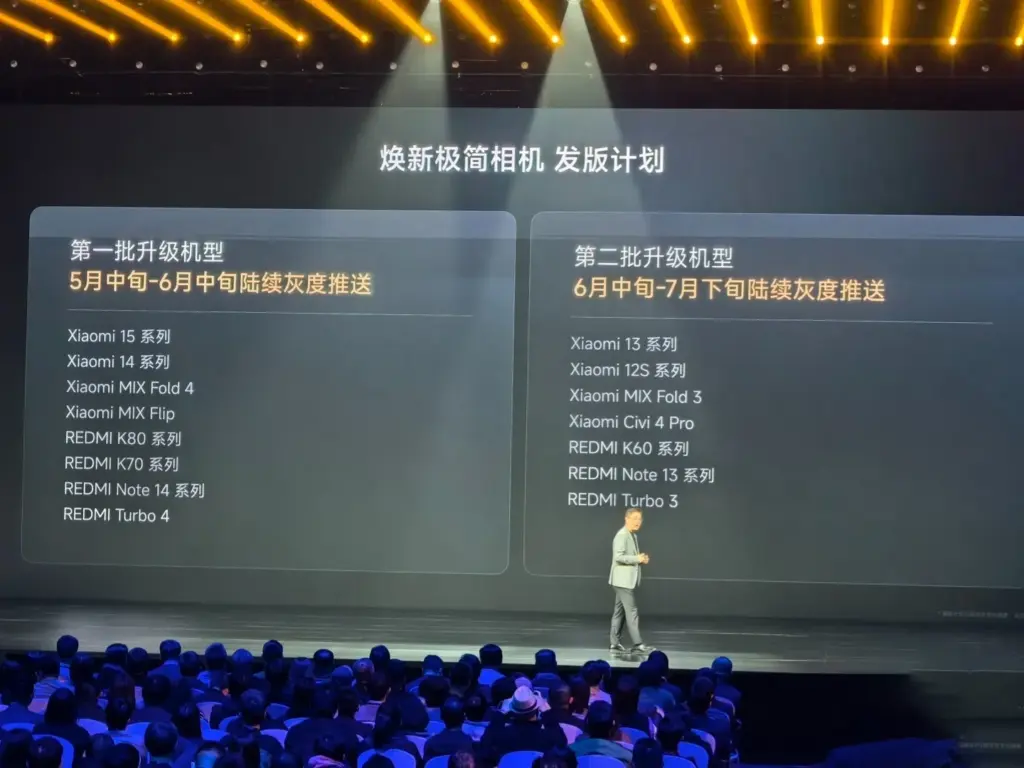
    Although Xiaomi has been working on HyperOS 2.2 in the background, the release date may have been unintentionally disclosed. Xiaomi just released a description of how it plans to roll out its new, minimalist camera app, which debuted alongside the Xiaomi 15 Ultra. However, a closer examination of the camera update’s deployment schedule suggests that HyperOS 2.2 might be released earlier than anticipated.

    HyperOS 2.2 launch date

    HyperOS 2.2 development is underway

    Based on Xiaomi’s standard rollout plan, the following can be expected:

    • Late April 2025: Mi Pilot releases of HyperOS 2.2
    • Early May 2025:  Stable releases of Mi Pilot
    • Mid-May 2025: Flagship devices stable release rollout
    • Jun–Jul 2025: Wider rollout to other models

    This is in line with Xiaomi’s previous actions. For instance, the new Game Turbo capabilities were introduced with the REDMI K80 series and were available on all HyperOS 2.1-compatible devices. The new simple camera app, which will come pre-installed on HyperOS 2.2, will experience the same thing.

    image 1

    Mid-May to Mid-June 2025

    • Xiaomi 15 Series
    • Xiaomi 14 Series
    • Mi Mix Fold 4
    • Mi MIX Flip
    • Redmi K80 Series
    • Redmi K70 Series
    • Redmi Note 14 Series
    • Redmi Turbo 4

    Mid-June through Late July, 2025

    • Xiaomi 13 Series
    • Xiaomi 12S Series
    • Xiaomi MIX Fold 3
    • Xiaomi Civi 4 Pro / Xiaomi 14 CIVI
    • Redmi K60 series
    • Redmi Note 13 series
    • Redmi Turbo 3 / POCO F6 series

    What to Expect in HyperOS 2.2

    Xiaomi has not yet formally confirmed all of the new features, but the following are some anticipated additions:

    • Simplified Camera UI – An overhauled interface with enhanced user experience
    • New AI Features – More sophisticated photo and video processing
    • Optimized Performance – Better efficiency and enhanced handling of memory
    • Enhanced Game Turbo 6.1 – More mobile gaming improvements
    • System-wide UI Adjustments – Slight design improvements and smoother animations

    In the near future, Xiaomi customers may anticipate some amazing new features as version 2.2 is a significant update.

  • Xiaomi HyperAI & HyperOS 2.0 global rollout scheduled

    Xiaomi HyperAI & HyperOS 2.0 global rollout scheduled

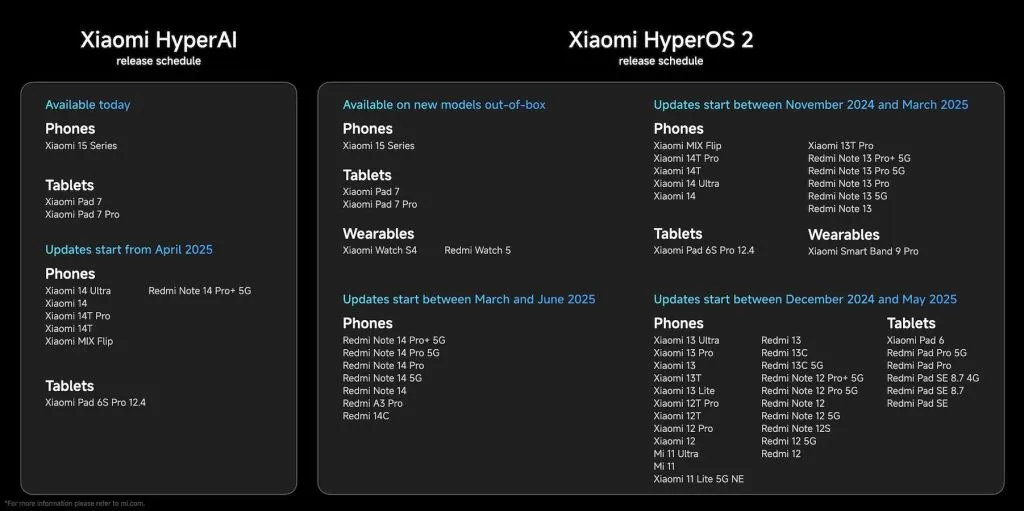
    At the worldwide launch event for the Xiaomi 15 series, Xiaomi revealed the timeline for the release of Xiaomi HyperAI and HyperOS 2.0, which are based on Android 15. These changes offer a more seamless, integrated user experience along with AI-powered improvements. The official upgrade schedule and a list of the new software’s key features are provided below.

    Xiaomi HyperOS 2.0 global update schedule for 2025

    TimeModels
    Available TodayPhones: Xiaomi 15 Series
    Tablets: Xiaomi Pad 7, Xiaomi Pad 7 Pro
    Updates Starting from April 2025Phones: Xiaomi 14 Ultra, Xiaomi 14, Xiaomi 14T Pro, Xiaomi 14T, Xiaomi MIX Flip, Redmi Note 14 Pro+ 5G
    Tablets: Xiaomi Pad 6S Pro 12.4

    Xiaomi HyperAI Update Schedule

    DateModels
    Pre-installed on New ModelsPhones: Xiaomi 15 Series
    Tablets: Xiaomi Pad 7, Xiaomi Pad 7 Pro
    Wearables: Xiaomi Watch S4, Redmi Watch 5
    Updates Starting Between November 2024 – March 2025Phones: Xiaomi MIX Flip, Xiaomi 14T Pro, Xiaomi 14T, Xiaomi 14 Ultra, Xiaomi 14, Xiaomi 13T Pro, Redmi Note 13 Pro+ 5G, Redmi Note 13 Pro 5G, Redmi Note 13 Pro, Redmi Note 13 5G, Redmi Note 13
    Tablets: Xiaomi Pad 6S Pro 12.4
    Wearables: Xiaomi Smart Band 9 Pro
    Updates Starting Between December 2024 – May 2025Phones: Xiaomi 13 Ultra, Xiaomi 13 Pro, Xiaomi 13, Xiaomi 13T, Xiaomi 13 Lite, Xiaomi 12T Pro, Xiaomi 12T, Xiaomi 12 Pro, Xiaomi 12, Xiaomi 12S Ultra, Xiaomi 12S Pro, Xiaomi 12S, Xiaomi 12X, Redmi 13, Redmi 13C, Redmi 13C 5G, Redmi Note 12 Pro+ 5G, Redmi Note 12 Pro 5G, Redmi Note 12 5G, Redmi Note 12S, Redmi Note 12, Mi 11, Mi 11 Lite 5G NE
    Tablets: Xiaomi Pad 6, Redmi Pad Pro 5G, Redmi Pad Pro, Redmi Pad SE 8.7 4G, Redmi Pad SE 8.7, Redmi Pad SE
    Updates Starting Between March – June 2025Phones: Redmi Note 14 Pro+ 5G, Redmi Note 14 Pro 5G, Redmi Note 14 Pro, Redmi Note 14 5G, Redmi Note 14, Redmi A3 Pro, Redmi 14C
    xiaomi hyperos and hyper ai launch scheduel

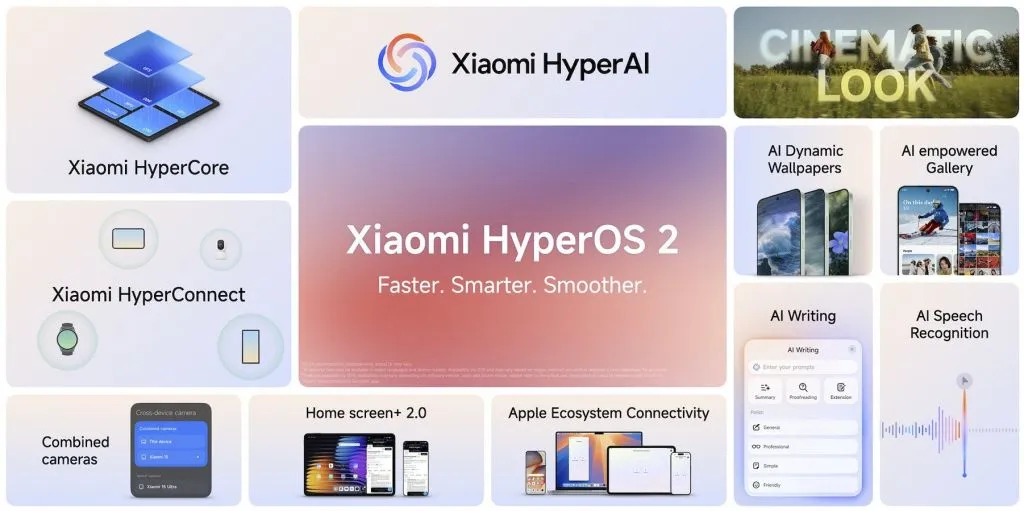
    Key Features

    A potent new system engine called Xiaomi HyperCore was created to improve efficiency and performance. With quicker app launches and longer battery life, it ensures a more seamless user experience by optimizing resource management.

    All Xiaomi devices can connect seamlessly thanks to Xiaomi HyperConnect. It makes it easier for users to switch between smartphones, tablets, wearables, and other smart devices in the Xiaomi ecosystem by improving multi-device synchronization.

    With Cinematic Look’s sophisticated image and video processing features, users may take pictures and films with a professional-caliber touch. This function produces visually spectacular content by improving lighting, sharpness, and color grading.

    AI Dynamic Wallpapers & AI Gallery customizes the user experience by utilizing artificial intelligence. The AI Gallery cleverly classifies and arranges images for convenient access and administration, while AI-powered wallpapers constantly adjust to user preferences.

    xiaomi hyperos launch event

    AI Speech Recognition and AI Writing offer more intelligent input techniques that improve communication. While AI Speech Recognition allows precise voice commands and real-time transcription, AI Writing assists with text summarizing, proofreading, and tone correction.

    Cross-device Camera & Home Screen 2.0 enhances multitasking and ecosystem integration. With improved app categorization and interactive widgets, the new home screen layout improves usability, and users may use cameras from various devices interchangeably.

    Better cross-platform compatibility is ensured by Apple Ecosystem Connectivity, which makes it possible for Xiaomi smartphones to function more effectively with Apple goods. Data exchange, notifications, and device synchronization across several operating systems are made easier by this functionality.

    With a planned deployment strategy that guarantees a smooth transition between devices, Xiaomi HyperAI and HyperOS 2.0 want to provide customers with a quicker, smarter, and more seamless experience.

  • Xiaomi stops providing security updates for some devices.

    Xiaomi stops providing security updates for some devices.

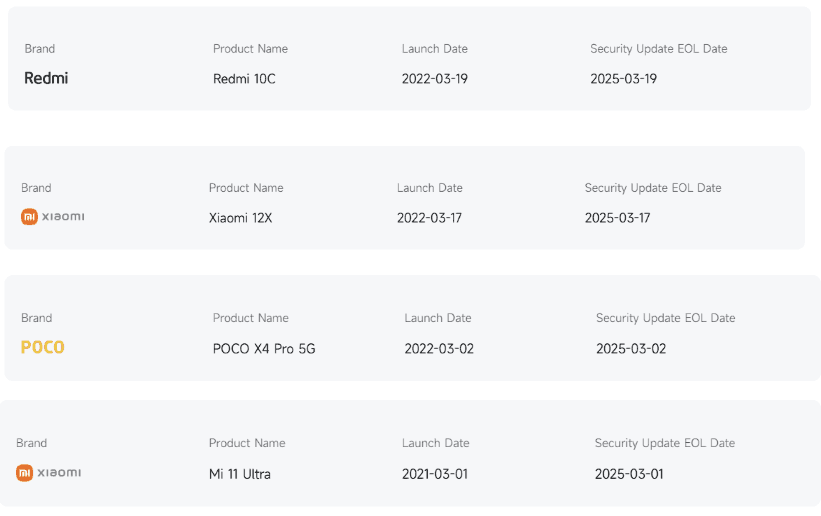
    According to their Product Software Support Information page, Xiaomi has officially announced the end of security updates for some of its most popular products, marking a significant milestone for its fans throughout the world.

    Although there is a strange silver lining for Xiaomi 11 Ultra customers, this move affects thousands of users who have been using these smartphones for their everyday digital demands. The decision represents the latest development in Xiaomi’s ongoing controversy surrounding its software support policy, which is ongoing despite the company’s success in maintaining older devices while giving priority to newer product lines.

    Xiaomi devices reaching EOS

    The Redmi 10C and Redmi 10 that have attained end-of-life (EOL) status running MIUI 14 based on Android 13 are among the devices on the list that would no longer receive security updates. For most users, that means they are no longer protected against recently found vulnerabilities, which may raise questions about long-term device security.

    In a similar vein, HyperOS 1 based on Android 13 has reached the end of life (EOL) of the Redmi Note 11 Pro 5G, Redmi Note 11E Pro, Redmi Note 11 Pro+ 5G, and POCO X4 Pro 5G. Updates in the form of security patches will no longer be available for mid-range phones, which were highly popular when they were first released due to their great specifications at low costs.

    image

    The impact on Xiaomi 12X

    The Xiaomi 12X, which was marketed as a lightweight flagship model, is now among the phones that will not be receiving any more security updates. The 12X ends its update cycle with HyperOS 1, which is based on Android 13, just as the previously mentioned Redmi Note 11 series. Despite being ready for an upgrade, the Xiaomi 12 Lite will not get the HyperOS 2 update.

    Xiaomi 11 Ultra Receives HyperOS 2

    However, Xiaomi has revealed that the Xiaomi 11 Ultra would receive HyperOS 2 even though it has stopped receiving regular security upgrades, which is a welcome surprise for the majority of Mi enthusiasts. With the impending Android 15, this 2021 flagship luxury device—which was praised for its superb camera setup and high-end specs—will receive an update based on Android 14, but not HyperOS 2.

    The terms for Xiaomi’s update strategy are called into doubt by this special treatment of the 11 Ultra. The fact that the 11 Ultra comes with HyperOS 2 indicates that Xiaomi may be offering prolonged software support for its flagship premium phones, maybe to keep its premium user base happy, even though the majority of the devices on the list are mid-range or low-cost phones.

    It is advised that users of the impacted devices take extra security precautions, include exercising more caution when downloading apps from unidentified sources and maintaining strict protection for sensitive data.