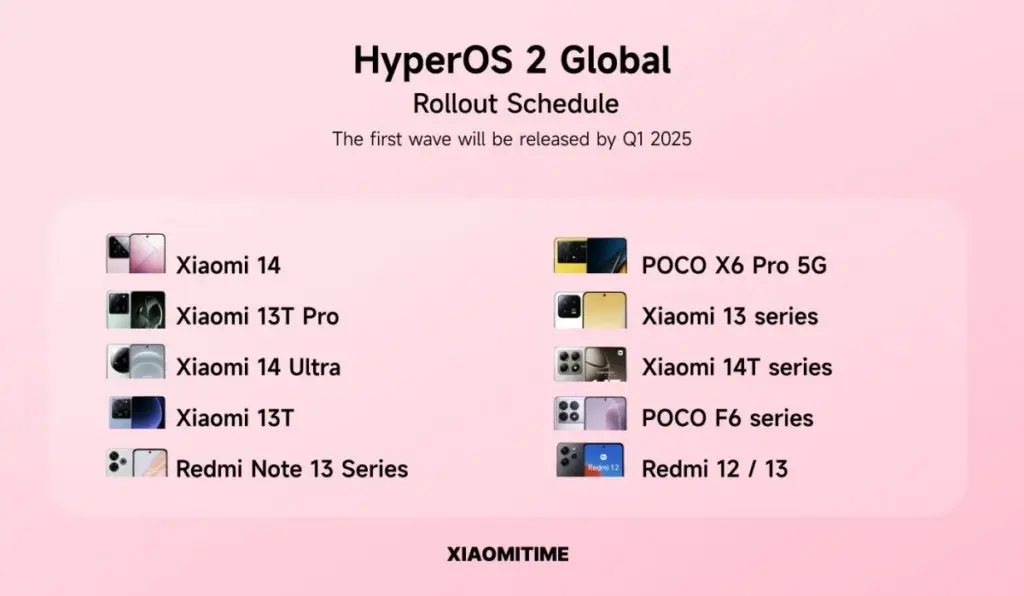
Xiaomi has widely distributed the HyperOS 2.1 worldwide update, which brings the newest features and enhancements to a wide variety of phones, including tablets, high-end flagships, and budget-friendly models. The update release is a significant step toward Xiaomi’s goal of offering consistent software updates across its range of devices worldwide.
Devices receiving HyperOS 2.1 update
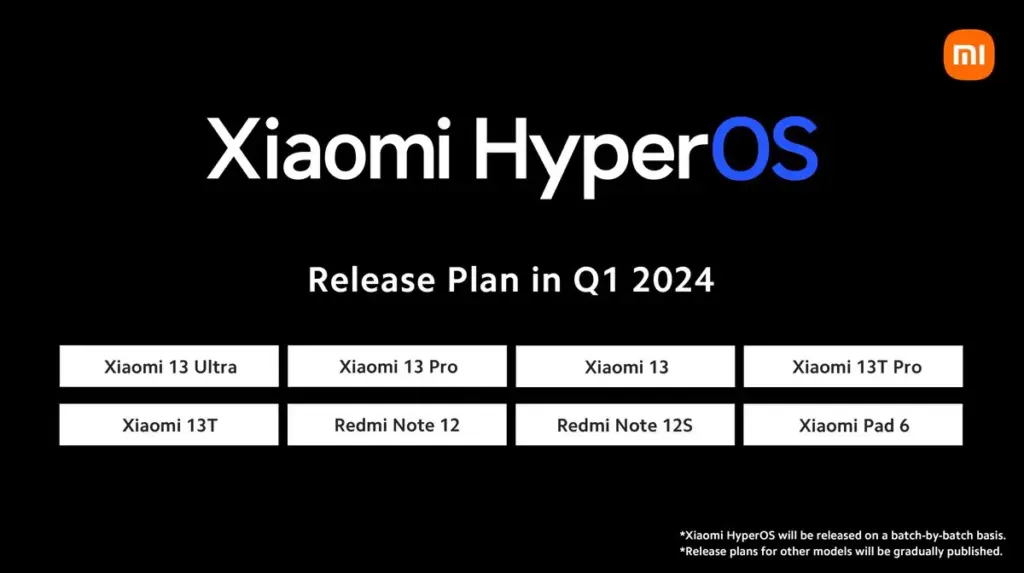
The global update is now available on the following devices:
Xiaomi’s worldwide software strategy has advanced significantly with this deployment, which offers the newest HyperOS capabilities across a range of device categories and pricing points. The inclusion of both high-end and mid-range devices in the rollout demonstrates Xiaomi’s dedication to maintaining software parity throughout its whole product line.
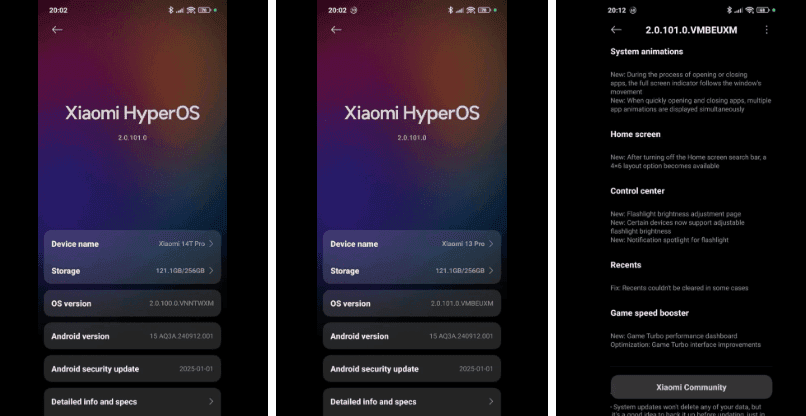
Building on the basis established by the original HyperOS, this update 2.1 offers a number of enhancements on these products. Better UI elements, system animations, and enhanced system performance are in store for the users.
A few Redmi and POCO devices that Xiaomi has listed will no longer receive HyperOS updates. It is a typical change in the lives of Xiaomi smartphones. When some models reach the end of their existence, the corporation formally updates its EOL (end of life) list.
The Chinese OEM is well-known for delivering upgrades for HyperOS to a variety of smartphones. It uses a distinct approach for each model, such as POCO and Redmi.
In addition to four years of security fixes, Redmi and POCO phones are eligible for two or three major OS upgrades. The business then puts them on the EOL list.
The tech giant has currently stopped supporting HyperOS updates for a few Redmi and POCO smartphones. Major software updates, monthly security patch rollouts, and basic enhancement patches will no longer be available for these models. Look at the phones listed below:
Redmi Devices
Redmi Note 11 SE
Redmi Note 11S 5G
Redmi Note 11S
Redmi Note 11
Redmi Note 11 5G
Redmi 10C
Redmi 10 2022
POCO Devices
POCO M4 Pro
POCO X4 Pro 5G
As Xiaomi devices reach the end of their life cycle, software support is frequently discontinued. For customers that are already utilizing the EOL models, this procedure poses a problem. In this scenario, you can keep using the gadget without anticipating security upgrades or new features.
With long-term software support, users can even move to a different model. Searching for unofficial upgrades like LineageOS is the last resort.
Since the first HyperOS version was released, the HyperOS has already garnered media attention. We are already seeing HyperOS 2.1’s incredible features and enhancements. The Hyper OS 2.1 upgrade also includes some new animations and some intriguing AI enhancements.
It is anticipated that HyperOS 2.1 will be released in February. The Chinese New Year is relevant to this.
HyperOS 2.1 releaset timeline
Let’s check out the release date and the rollout timeline for this update:
Version
Release Date
HyperOS 1.0
Late 2023
HyperOS 2.0
Early 2024
HyperOS 2.1
March 2025 (Phase 1)
HyperOS 2.1
Mid-2025 (Phase 2)
HyperOS 2.1
Late 2025 (Phase 3)
HyperOS 3.0
Early 2026
HyperOS 2.1 eligible devices
The list of the first devices to get the HyperOS 2.1 update has been made public by Xiaomi. The majority of these are high-end models, but the update will probably be released for more devices in the future.
You will be among the first to test out HyperOS 2.1 if you own one of these phones. The update will be released later for more Xiaomi devices, such as the Xiaomi 14, Xiaomi 15, and Xiaomi 13 Ultra. After the Chinese New Year, Xiaomi is probably going to release a complete list of devices that qualify.
There are a ton of enhancements and new features in HyperOS 2.1. The highlights are as follows:
Better Photo Editing with AI
There are now more intelligent features in the gallery app to enhance and correct your photos. AI can be used to expand images, improve image quality, and eliminate undesired items.
New Torch Control
Inspired by iOS 18, Xiaomi has included a torch (flashlight) capability. It functions flawlessly and has a sleek appearance, particularly on premium phones.
Smoother Performance
Whether you are playing games or navigating between apps, the update makes your phone operate more smoothly and quickly.
Regular Updates
Xiaomi’s “1+3+8” plan guarantees that your phone receives upgrades on a regular basis. This entails enhancements, bug repairs, and new features all year round.
New Dynamic Wallpapers
The HyperOS 2.1 Update’s New Dynamic Wallpapers are now available for download from the Theme Store. With the aid of this upgrade, they add more customizations to the system. You must manually enable India ROM as a video background from the Gallery or File Manager if you are using it.
FAQ
1. What is HyperOS 2.1?
It’s Xiaomi’s latest software update with new features, AI tools, and performance improvements.
2. Which phones will get HyperOS 2.1 first?
The Xiaomi 14 Ultra, Xiaomi 13, and Xiaomi 13 Pro will get it first. More devices will follow later.
3. What are the new features?
You’ll get better photo editing, a new torch control, smoother performance, and regular updates.
4. When will HyperOS 2.1 launch?
It’s expected to roll out globally after the Chinese New Year, but the exact date isn’t confirmed yet.
For Xiaomi, HyperOS 2.1 is a significant advancement rather than merely a minor upgrade. Better performance, more intelligent AI tools, and features modeled after cutting-edge technology like iOS are all included. Xiaomi intends to provide the update for additional devices soon, albeit it begins with flagship phones.
One of the most important factors for many smartphone users is battery performance, and several recent HyperOS updates have been reported to cause significant battery drain for some Xiaomi handsets. Fortunately, that has been resolved.
During regular use, users saw a rapid loss of the battery. This problem was particularly noticeable in:
POCO M6 with OS2.0.2.0.VNTMIXM
Redmi 13 with OS2.0.2.0.VNTMIXM
Xiaomi swiftly fixed the problem in OS2.0.3.0.VNTMIXM, the next release. This shows the brand’s responsiveness and their high regard for customer pleasure.
Go to Settings → About Phone → System Updates to confirm that the most recent version is installed on your smartphone. Avoid using excessively power-hungry apps until all adjustments have been made. Xiaomi has once again demonstrated through the speedy fix that it values customer feedback and responds quickly to problems.
With the official release of the HyperOS 2 Global Beta upgrade, Xiaomi has treated customers outside of China to the newest system features.
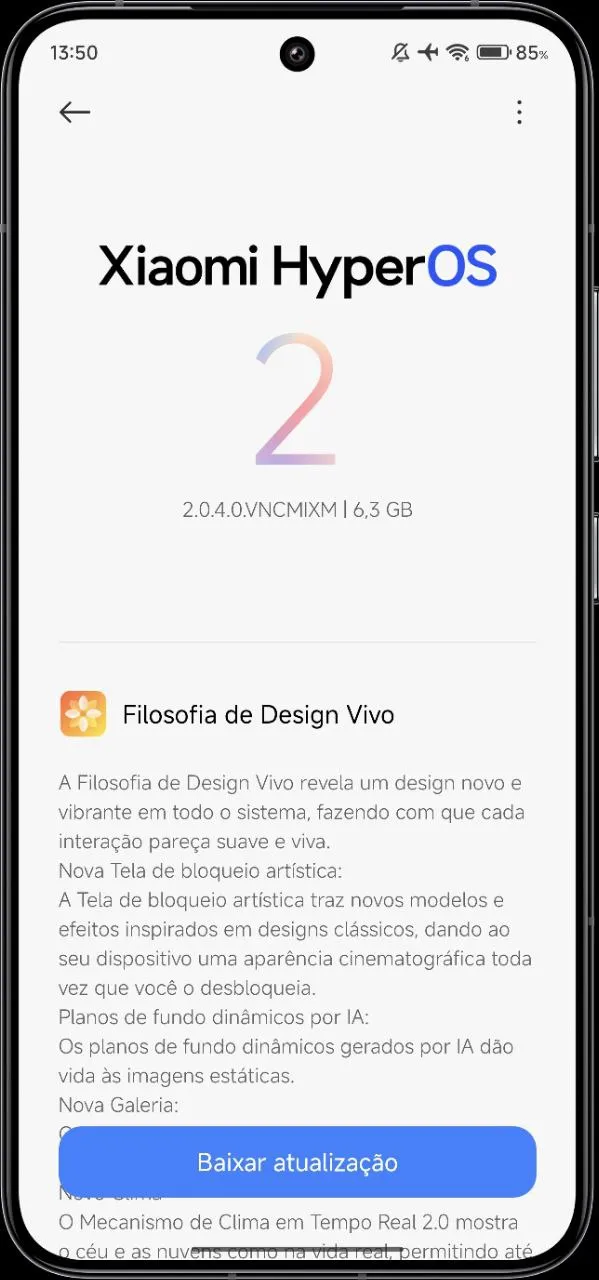
Xiaomi promised a global debut in November, and the global version of HyperOS 2 has come precisely one month after its first release in China. The update, which had the version code OS2.0.4.0.VNCMIXM, was unannounced for Xiaomi 14 Global users on Wednesday evening.
Xiaomi is demonstrating its dedication to providing the newest software to users worldwide with this initial step in the global rollout of HyperOS 2.
New in HyperOS 2
HyperOS 2 represents a major development and-thus-major update of its predecessor, complete with:
Better User Interface: Redesigned multitasking, new layout of desktop, new animations for smoother and easier use.
AI Driven Tools: Advanced AI capabilities with real-time translations, cinematic lock screens, and an improved AI camera for better photography.
Better Performance: Better memory management and optimization of battery for continuity with no hassle on any device.
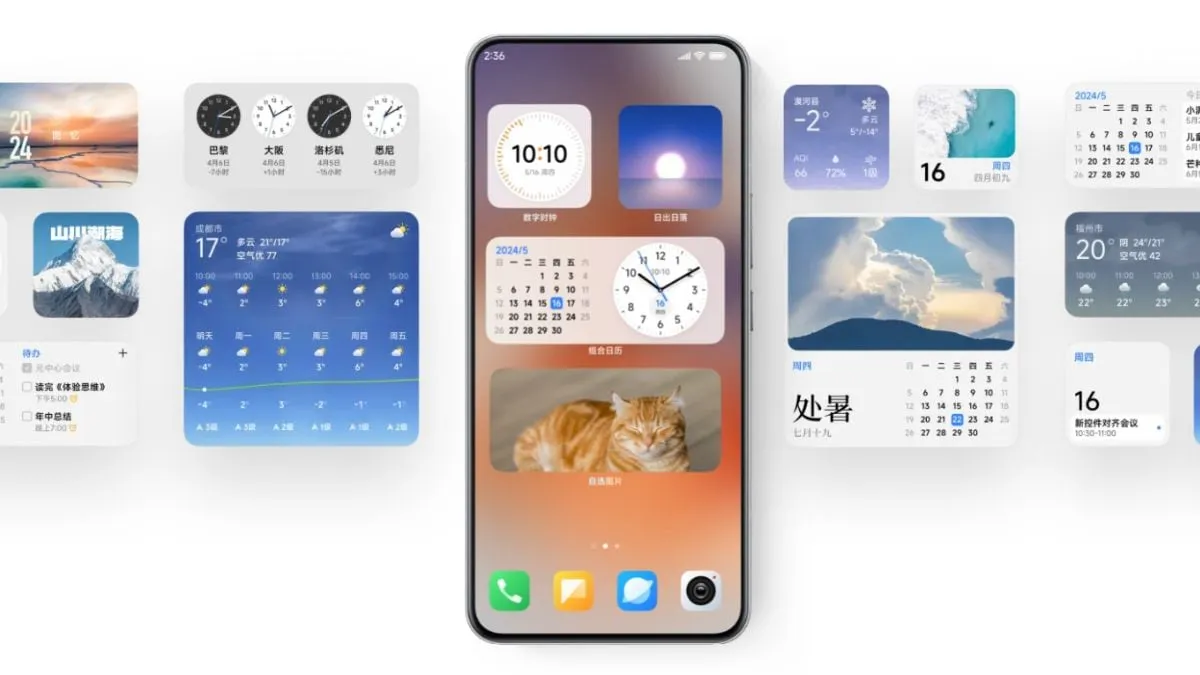
Customization Choices: New layouts of desktop, widgets, and folder designs serving the needs of various personalization.
This is a huge accomplishment for Xiaomi since it is the first time the company has successfully released an OS update globally in tandem with its local release. Xiaomi demonstrates its commitment to closing the gap between regional and global user bases by launching HyperOS 2 globally within a month of its Chinese release. In the meanwhile, this beta release enables Xiaomi, the vendor, to gather more user feedback for future worldwide updates that will result in a more stable and refined system.
Currently, the first model to get the HyperOS 2 Beta upgrade is the Xiaomi 14 Global. In the upcoming weeks, more qualifying models are anticipated, including the Redmi K60 and Xiaomi 13 series. It will be rolled out gradually using Xiaomi’s standard “grayscale to full volume” approach.
How to Update
In case you are using an Xiaomi 14 Global user, if you didn’t get the update from your Updater you can download it via following guide.
Download MemeOS Enhancer app on your phone from the Google Play Store.
Open app and check updates.
Download latest update from there.
However, Xiaomi intends to make the new HyperOS 2 available on a larger variety of devices in the next months, so it is not just about the worldwide beta release. Xiaomi will continuously improve the system based on input from beta users to ensure that it meets the high standards of its worldwide audience.
HyperOS 2 Beta’s worldwide release undoubtedly demonstrates Xiaomi’s increased focus on the global market. With its cutting-edge features and enhanced performance, HyperOS 2 will undoubtedly raise the standard for Xiaomi enthusiasts worldwide in terms of user experiences.
In order to improve the user experience across all smartphones, tablets, TVs, and wearables, Xiaomi’s HyperOS 2.0 completely upgrades the ecosystem. With an emphasis on performance, storage management, energy efficiency, and the integration of high-order AI capabilities, it is based on the foundation created in HyperOS 1.0. This is a thorough examination of HyperOS 2.0’s enhancements and new features.
1. Heterogeneous Computing Technology
Seamless resource sharing: HyperOS 2.0 is based on heterogeneous computing technology; it shares a tremendous amount of tasks across different resources. This system greatly enhances visual experiences by granting smoother animations and faster processing of images.
Better UI Rendering: Natural gradient blur is 12 times smoother, hence enabling faster and more engaging UI transitions.
2. New Storage Management 2.0
Smart Data Processing: The latest storage management system has defragmented memory for seamless app start-ups, which means multitasking can be well handled. The feature assures smoother performance and effective memory usage across the Xiaomi ecosystem.
3. Cascade Bandwidth Technology
Dynamic Network Management: Cascade Bandwidth Technology is unveiled with the release of HyperOS 2.0, dynamically distributing network resources based on real-time application requirements. This greatly increases the speed of data transmission and reduces latency for resource-heavy activities, like gaming or video streaming.
4. Micro-Architecture Scheduler Designed by Self-Taught
Dynamic Resource Allocation between CPU and GPU: Implemented is a new scheduler for the best balance of power and performance, especially when resource-intensive applications like serious gaming are involved. It controls battery life while offering the best possible smooth user experience.
5.United Ecosystem Experience
It has been noted that Xiaomi has managed to create more consistency within the ecosystem, such that now Xiaomi TVs, tablets, and smartwatches communicate better in harmony with their smartphones. This unity yields a more cohesive and integrated user experience across Xiaomi’s product breadth.
6. Improved AI and Personalization
AI-Powered Lock Screen: Dynamic video-based clock settings on the lock screen are unique features of the phone, making it personalized with outlooks.
Generation of Smart Wallpapers: Facility for specifying user preferences to generate a wallpaper that provides an individual look and feel for each device.
Productivity Tools: Smooth out daily tasks with AI boosted writing and translation, recording of memos including:
AI Writing: More coherent, more concise writing with advanced linguistic assistance.
AI Translation: Accurate, multi-target-lingual translation; ideal for international communication.
AI Memo Recording: Transcription and recording capabilities in a short amount of time; great for business meetings or brainstorming.
7. Improve notification management
Return of ‘Unimportant Notifications:’ This feature, which was earlier a part of the MIUI, is back to bless the HyperOS 2.0. It automatically categorizes notifications, prioritizing important alerts and keeping the notification panel tidy.
8. Fingerprint Unlock Customizations
In addition to selecting one of many unlock animations, users can add a little bit of personal flair to the way they unlock their phones.
9. Newly Designed Control Centers
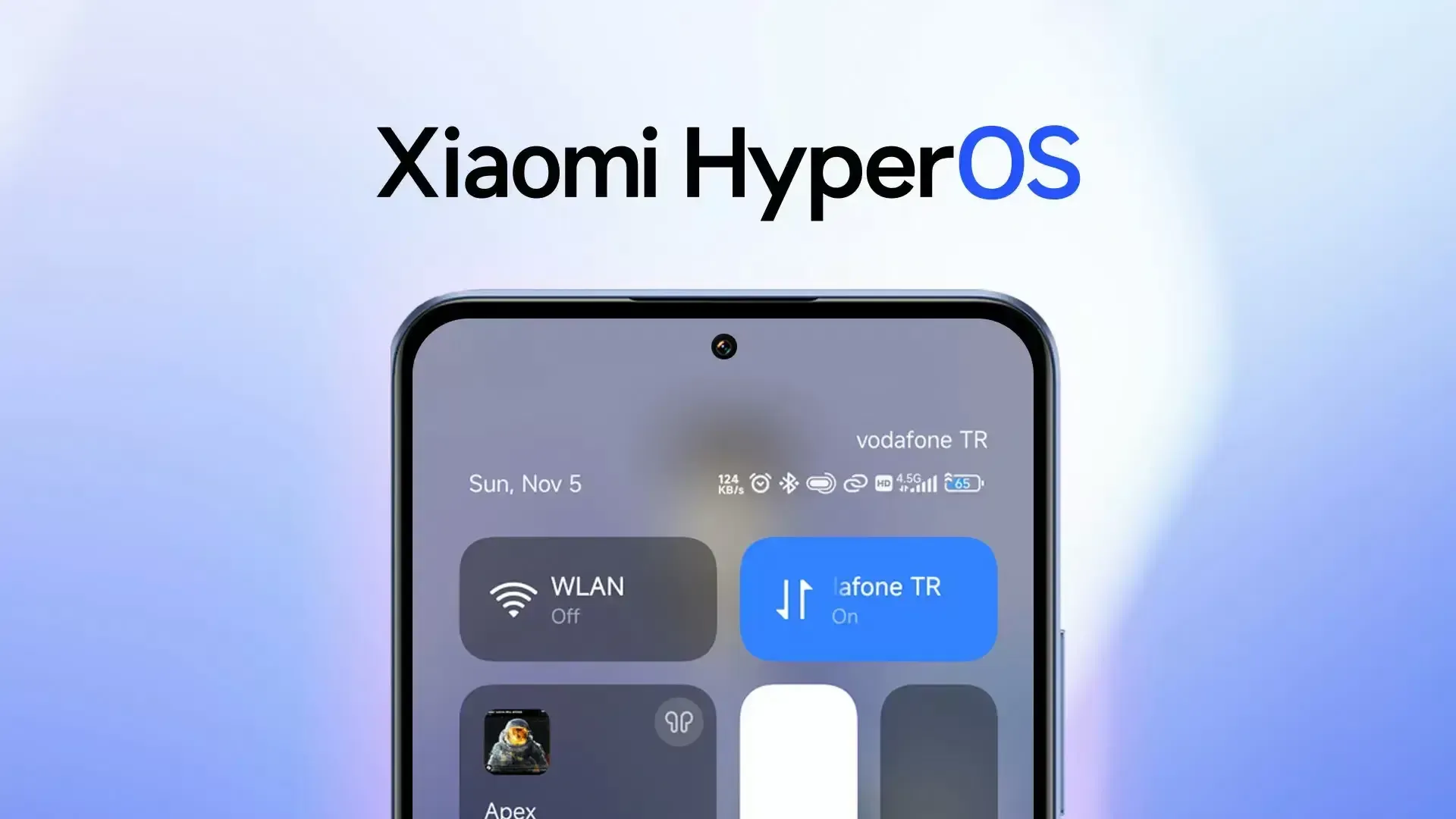
Sound Panel: Redesigned now, it takes inspiration from the minimalist visuals introduced with Android 15 for a seamlessly simplified volume adjustment experience of the different audio channels.
Brightness Adjustment Panel: Borrowed from iOS 18 is a centrally-placed gradient slider in the brightness panel, marrying functionality and aesthetics.
10. Smoother Animations of Application Launch
HyperOS 2.0 polishes the transitions of app launches, making them more interactive and even using blur effects to add depth, while really immersing the user in the process of opening an application.
11. Dynamic Control Center Animation
Control Center has dynamic animations, making the operating system fluid and, therefore, more engaging to interact with.
12. HyperCore Kernel
Performance and Battery Optimization: It is a custom kernel, HyperCore, that effectively optimizes the performance and energy efficiency of the whole system for extended battery life even when put under rigorous usage.
Improved Graphics Pipeline: The redesigned core for visual perfection, HyperCore provides a revolutionary enhancement in graphics over gaming, video playback, or simple usage, offering a sharp visual experience.
Network Communication Improvements: There’s the HyperCore from Xiaomi, improving data connectivity over Wi-Fi, 5G, and Bluetooth for the user.
13. Battery Monitoring and Health Tracking Cycle Count and Health Check
The Charging Animation now has modern looks to make this aspect of the user interface even better.
15. Dynamic Island Interface
Smaller and practical, HyperOS 2.0’s Dynamic Island draws inspiration directly from iOS, thus allowing users to interact with notifications and apps more seamlessly.
It automatically entered “Same Account Devices Only” mode, limiting file sharing with devices under the same account to increase data security.
18. Extra RAM increased to 16 GB, minimum now 6 GB
The Extra RAM feature using memory will now work between 6-16 GB RAM instead of 4-12.
19. Redesigned Settings Menu
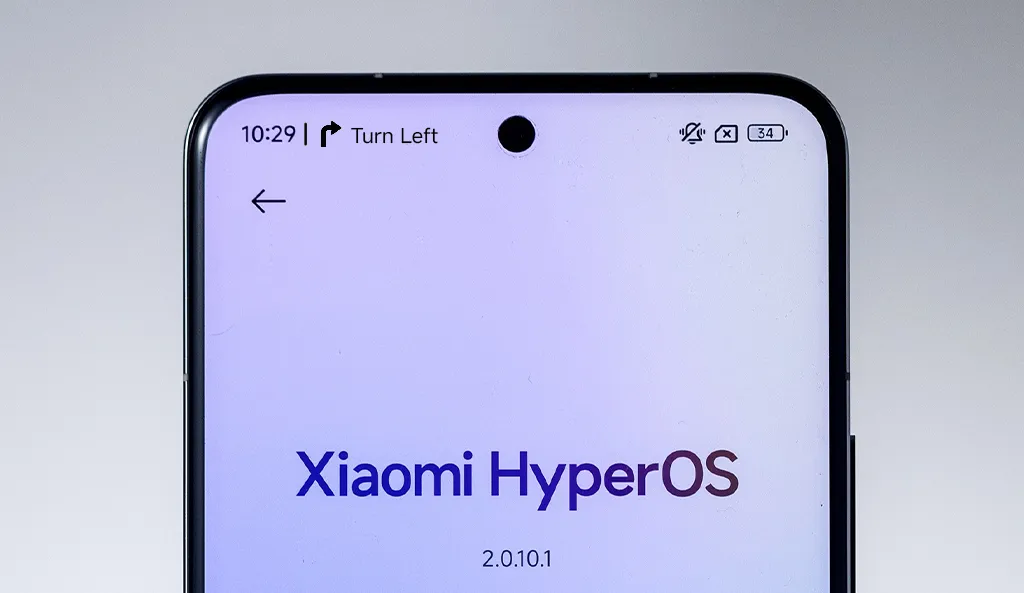
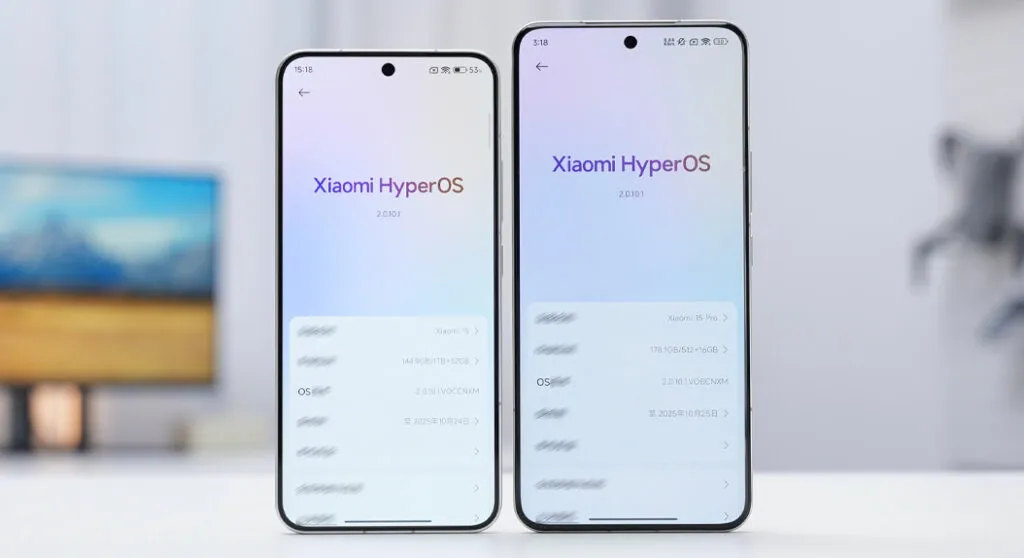
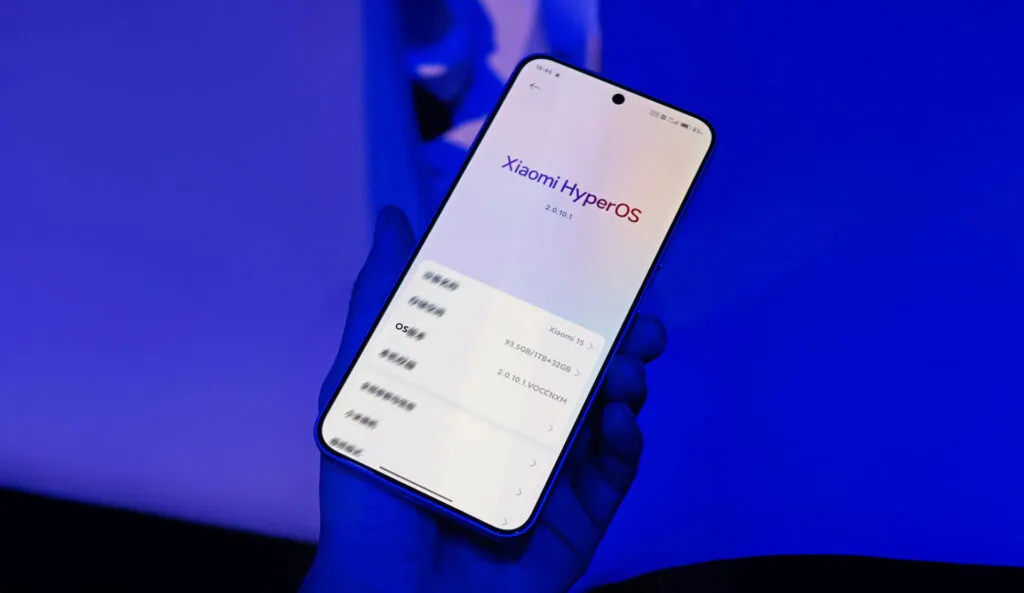
The style of the Settings menu has changed to the tiles style that will come with Android 15 QPR1. A colorful animation has also been added to the about phone section.
As far as improved user interaction and system functionality go hand in hand with intense artificial intelligence, improved performance, and consistency in terms of ecosystem experience, this is not an advancement of Xiaomi’s HyperOS 2.0. With features that derive from Xiaomi’s drive to combine cutting-edge technology with customer feedback, this update closes the gap between hardware and software within the Xiaomi ecosystem.
Without making any prior announcements, Xiaomi has quietly started to roll out HyperOS 2. With a number of new features and optimizations, the update will significantly improve the user experience.
Details about the update
The first to be released was OS2.0.3.0.VNBCNXM, which was made only for Xiaomi 14 Pro customers in China. This upgrade, which is very unexpected from Xiaomi, is an effort to stay up with user experience enhancements and increase relevance in the cutthroat smartphone industry.
Features and Improvements
Numerous new features and enhancements brought about by HyperOS 2 are intended to boost device performance and usability. While comprehensive details regarding all of the new features are still to come, the following can be anticipated:
High Performance: Optimizations that ensure smoothness in the operational feel of application and services. – Enhanced User Interface: An enhanced interface with the potential of further improving navigation and overall user interaction.
Advanced AI Features: Much-improved AI for quality photos and smart suggestions based on user habits.
The Xiaomi community anxiously awaits the enhancements HyperOS 2 will bring to their smartphone experience, as more devices are anticipated to receive updates in the upcoming weeks. As always, current users are urged to update their devices in order to take advantage of the newest features and improvements.
The much awaited HyperOS 2.0 update from Xiaomi is soon to be available on a wide range of its devices, bringing with it a ton of new features, optimizations, and enhancements. It will probably be available on the majority of Xiaomi flagships, mid-range smartphones, tablets, and other devices sold under the Redmi and POCO subbrands.
What is new with HyperOS 2.0?
Prior to diving into the devices that will be receiving the update, let us examine the features that HyperOS 2.0 is expected to offer. Actually, this update will bring with it a number of intriguing features:
AI-Powered Features: More AI features in HyperOS 2.0 integration will take the user experience to the next level. From smart suggestions to more developed AI-assisted modes in the camera, AI integration has been improved across boards in Xiaomi devices.
New Animations: The interface will be much smoother, featuring faster animations, to give users a feel closer to polished and premium.
iOS-Style Recent Apps: Xiaomi wants to introduce a new layout for recent apps, much like the minimalistic and organized structure seen in iOS. This will hopefully make multitasking easier in Xiaomi devices.
LROFS File System: One of the biggest under-the-hood upgrades will be the introduction of the LROFS file system that promises to bring swiftness and efficiency in the way files are managed, thus making devices even quicker.
Performance Enhancements: In the case of addition of LROFS file system, among other optimisations, HyperOS 2.0 is most likely to render devices snappier, with quick app loading and efficient power management.
The official launch of HyperOS 2.0 is scheduled for October of this year, with a likely launch for a number of models shortly after.
Devices that will get HyperOS 2.0:
The list of devices that are most likely to get the HyperOS 2.0 update is provided below; it is based on Xiaomi’s past update trends as well as the significance of these models in their portfolio.
POCO F Series: POCO F4 GT, POCO F5, and POCO F6 Pro
POCO X Series: POCO X5 Pro 5G, POCO X6 5G, POCO X6 Neo
POCO M Series: POCO M6 Pro, POCO M6 Plus 5G, POCO M7 series
It is reported that the HyperOS 2.0 upgrade would be released for more than 60 Xiaomi, Redmi, and POCO devices. Given the size and diversity of Xiaomi’s user base, millions of people will update as a result, making this likely to be one of the largest OS rollouts in Xiaomi history.
Expected Benefits for All User Groups
Flagship Device Owners-Negotiate premium gadgets, for instance, Xiaomi 13 Ultra or Xiaomi MIX Fold 3, with leading performance optimizations, faster processing, along with smoother UI.
Midrange Device Users: Users of popular mid-range models, like the Redmi K60 Pro or POCO F5, will find performance boosts and better multitasking features almost giving their devices a new feel.
Tablet Users: One UI 5.1 will further enhance the productivity functionality of tablet users with new multitasking layouts and split-screen functionality, among certain performance enhancements specific to the tablets like the Xiaomi Pad 6 Max 14.
In the end, Xiaomi is about to release HyperOS 2.0, a significant software update that will provide strong AI, optimal system performance, and the greatest possible user experiences for all of its many products. Customers who own these gadgets—from flagship phones to low-cost models—will undoubtedly take Xiaomi, Redmi, and POCO’s changes into consideration. Whether you choose to wait for a new model like the Xiaomi 14 Ultra or are a frequent user of the Xiaomi Mi 11, HyperOS 2.0 claims to make your device smarter, faster, and more efficient. Await its official debut in October, and be prepared to be astounded by the far more sophisticated software that Xiaomi’s innovation will deliver!
Xiaomi revealed the HyperOS Enhanced Edition beta version of the operating system, which will act as a testing ground for many system-level improvements and core experience optimizations. The new HyperOS Enhanced Edition is a separate subset of Xiaomi’s HyperOS operating system that will now act as a testbed for novel technical solutions at the kernel level, or innovations that are eventually incorporated into Xiaomi’s core operating system following extensive testing and improvement.
The main goal with HyperOS Enhanced is to release a HyperOS based on Android 15.
Primary Features of Xiaomi HyperOS Enhanced Edition Beta
Optimized Core Experience: HyperOS Enhanced puts much effort into refining system performance and optimizing user experience to perfect the bottom level of technical aspects in an operating system.
Android 15 Based: The Enhanced Edition will be sitting on Android 15 and serve as a bridge towards the adaptation of the upgraded version before the full changeover to HyperOS 2.0. Just like how some devices last year received MIUI 14.1, which was based on Android 14, here Xiaomi is doing exactly the same thing with Enhanced Edition.
Hardware Compatibility: The Beta release is targeted at working on a narrow range of devices only:
Xiaomi 14
Redmi K60 Extreme Edition
Xiaomi Pad 6S Pro 12.4
Overview of Beta Recruitment and Registration Process
The Xiaomi HyperOS Enhanced Edition beta recruitment period is set to begin on September 13, 2024, and end on September 17, 2024. To join up in vain, open the Xiaomi Community App, navigate to the “Experience Enhanced Beta” section, and then follow the prompts on the screen. By the end of September 2024, eligible customers will receive a notification with instructions on how to install the beta update.
By working together, developers and tech enthusiasts will be able to contribute to the improvement of the Xiaomi HyperOS by increasing its performance and user experience. The Xiaomi HyperOS Enhanced Edition is not a beta; rather, it is more of a test drive for a future Xiaomi operating system, giving users a firsthand look at what is in store long before HyperOS 2.0 is released. This beta discusses one of the main tenets of Xiaomi’s approach to incorporating community feedback into its main software releases.
With the official launch of HyperOS, Xiaomi created quite a stir. Many are curious about when the HyperOS update will become available globally. The smartphone maker has been working on the HyperOS Global update for 11 models, which indicates that the update will arrive soon and millions of people will be able to experience HyperOS immediately.
HyperOS Global Coming Soon
What sets Xiaomi apart from the competition is its optimization of HyperOS. With this new interface, which enhances system animations and reworks the interface among other things, HyperOS Global will have all of these features. Xiaomi is currently testing HyperOS Global and is prepared to roll out new updates.
HyperOS Global will be available for 11 smartphones on the Xiaomi server.
Which smartphones will be the first to receive this new update?
POCO X5 Pro 5G: OS1.0.2.0.UMSMIXM, OS1.0.1.0.UMSEUXM (redwood)
Xiaomi Pad 6: OS1.0.3.0.UMZEUXM, OS1.0.4.0.UMZMIXM, OS1.0.2.0.UMZINXM (pipa)
Here are the 11 smartphones that will get HyperOS Global! This information is taken from the Official Xiaomi server, so it is reliable. HyperOS Global update has been confirmed by Xiaomiui. These builds are expected to start rolling out to users very soon. Millions of people are asking when HyperOS Global will be released and are impatiently waiting for the new update to come to their devices.
Based on Android 14, HyperOS is a user interface that will bring a major Android update to smartphones. The HyperOS Global update will be released to users in the HyperOS Pilot Tester Program first, and we have leaked the HyperOS Global Changelog to give you an idea of what to expect when HyperOS Global is released globally.
Official HyperOS Global Changelog
Global aesthetics draw inspiration from life itself and change the way your device looks and feels
New animation language makes interactions with your device wholesome and intuitive
Natural colors bring vibrancy and vitality to every corner of your device
Our all-new system font supports multiple writing systems
Redesigned Weather app not only gives you important information, but also shows you how it feels outside
Notifications are focused on important information, presenting it to you in the most efficient way
Every photo can look like an art poster on your Lock screen, enhanced by multiple effects and dynamic rendering
New Home screen icons refresh familiar items with new shapes and colors
Our in-house multi-rendering technology makes visuals delicate and comfortable across the whole system
Multitasking is now even more straightforward and convenient with an upgraded multi-window interface
Many smartphone models are scheduled to receive an update to the state-of-the-art HyperOS Global. Stay tuned for the most recent information on HyperOS Global developments. The details as of right now are as follows. To view a detailed list of devices that qualify for the HyperOS update—which Xiaomi, Redmi, and POCO models are included—visit our special article titled “HyperOS Update Eligible Devices List: Which Xiaomi, Redmi, and POCO Models Will Receive HyperOS?” We look forward to hearing your thoughts on the upcoming HyperOS Global update; please feel free to leave a comment.