Tag: ai

  • The Rise of AI Testing Tools & How They Are Revolutionizing Software Testing

    The Rise of AI Testing Tools & How They Are Revolutionizing Software Testing

    AI-driven testing software tools are now emerging as essential assets in the development process, offering solutions that traditional testing methods simply can’t match. But what exactly makes AI testing tools so powerful, and how are they reshaping the future of software testing? Let’s dive into the key advantages of these cutting-edge technologies and why they are quickly becoming the go-to choice for developers and testers alike.

    ai testing tools

    AI Testing Tools: A New Era of Efficiency

    1. Speed and Automation: Traditional testing can be time-consuming and repetitive. Manual testing, in particular, requires testers to run through a series of steps multiple times, often missing small bugs or inconsistencies. AI testing tools eliminate much of the time-consuming manual effort by automating test processes. AI tools are able to conduct tests at a faster rate, enabling more frequent testing cycles and freeing up time for developers to focus on other critical areas of the project.
    2. Smarter Testing: AI testing software isn’t just about automating tasks—it’s also about improving the intelligence of testing. AI-powered tools can learn from past tests and data patterns, enabling them to identify potential defects that might be missed by traditional testing methods. These tools can predict where bugs are most likely to appear, adapt testing approaches based on historical data, and even detect inconsistencies in user behavior that might lead to issues down the line.
    3. Enhanced Test Coverage: One of the biggest challenges in software testing is ensuring comprehensive test coverage. With the increased complexity of modern software, it’s easy for testers to overlook certain areas of the system. An AI-powered testing software tool can run thousands of tests across multiple scenarios in a fraction of the time it would take for human testers. This comprehensive coverage ensures that even the most intricate bugs are found and fixed before the software reaches users.
    4. Regression Testing Efficiency: One area where AI testing tools truly shine is in regression testing. When developers make updates to software, there’s always the risk of introducing new bugs in existing features. AI tools can continuously test the application after each update to ensure no new issues are introduced. Because AI tools learn over time, they can identify patterns and detect regressions with greater accuracy, preventing costly errors from slipping through the cracks.

    AI vs Traditional Testing Software Tools

    While traditional testing software tools have been the backbone of software development for decades, they face certain limitations when dealing with the increasing complexity of modern applications. Let’s take a look at how AI testing tools compare with traditional testing methods:

    1. Manual vs Automated: Traditional testing often relies on manual labor, where testers run scripts, check functionality, and identify bugs. While manual testing has its place, it’s prone to human error and limited by the tester’s capacity. AI testing tools, on the other hand, are automated and can run continuously without tiring or missing crucial details. These tools offer greater speed, efficiency, and accuracy—especially when dealing with large-scale applications.
    2. Adaptability: Traditional testing methods are often rigid, following predefined scripts and processes. This can be effective for smaller, simpler applications but can become cumbersome for complex or frequently updated software. AI testing tools, however, are highly adaptable. They can modify their testing strategies based on ongoing results and adapt to new features or changes in the software, making them much more agile in fast-moving development environments.
    3. Error Detection: Traditional testing relies heavily on predefined test cases, which means certain types of issues—especially edge cases—can go unnoticed. AI-driven testing tools can predict potential problem areas based on historical data, uncovering hidden issues that might not be caught using traditional methods. AI tools are capable of simulating real-world usage patterns, identifying inconsistencies, and spotting vulnerabilities that could have been overlooked in a static testing process.
    4. Cost-Effectiveness: While AI testing tools may require an initial investment in terms of setup and training, they can lead to significant savings over time. The speed and efficiency of AI testing tools allow development teams to complete more tests in less time, reducing the need for extensive manual work. This can cut down on the cost of software development by finding issues early and preventing bugs from escalating into expensive problems later on.

    The Future of Software Testing: AI and Beyond

    The integration of AI testing tools into the software development lifecycle is not just a passing trend—it’s a significant shift that is reshaping the industry. As machine learning and artificial intelligence continue to evolve, these tools will only become smarter, faster, and more capable of handling complex testing scenarios. In the future, AI-powered testing could even become fully autonomous, with the ability to independently monitor, test, and troubleshoot software without the need for human intervention.

    Moreover, AI is helping bridge the gap between developers and testers. AI-powered tools can provide real-time insights and analytics, enabling teams to make informed decisions faster. By incorporating AI testing into the development pipeline, organizations can ensure higher-quality products, faster releases, and improved user experiences.

    Choosing the Right Testing Tool

    As AI testing tools continue to gain traction, it’s important to choose the right testing tool for your specific needs. Here are a few things to keep in mind when evaluating testing tools for your project:

    1. Tool Integration: Ensure that the testing tool integrates smoothly with your existing development environment. The right tool should seamlessly fit into your workflows and collaborate with your development tools.
    2. Scalability: Choose testing software tools that can scale as your project grows. As software becomes more complex, your testing needs will likely evolve, and a scalable tool will save you time and hassle in the long run.
    3. Ease of Use: The best AI testing tools are intuitive and easy to set up. Choose a tool with clear documentation and strong customer support to ensure smooth implementation.
    4. Cost: While AI tools offer tremendous value, it’s important to balance cost against functionality. Make sure you are investing in tools that deliver a clear return on investment by improving speed, accuracy, and overall test coverage.

    AI testing tools are revolutionizing the software development landscape. By automating tests, improving test coverage, and adapting to changing needs, these tools offer unprecedented efficiency, accuracy, and reliability. While traditional testing methods still play a vital role, AI is quickly becoming an indispensable asset in the development process.

    As AI-driven tools continue to evolve, they’ll only enhance their ability to predict, detect, and resolve issues faster than ever before. For developers and testers looking to stay ahead of the curve, embracing AI testing tools is not just an option—it’s the future of software quality assurance.
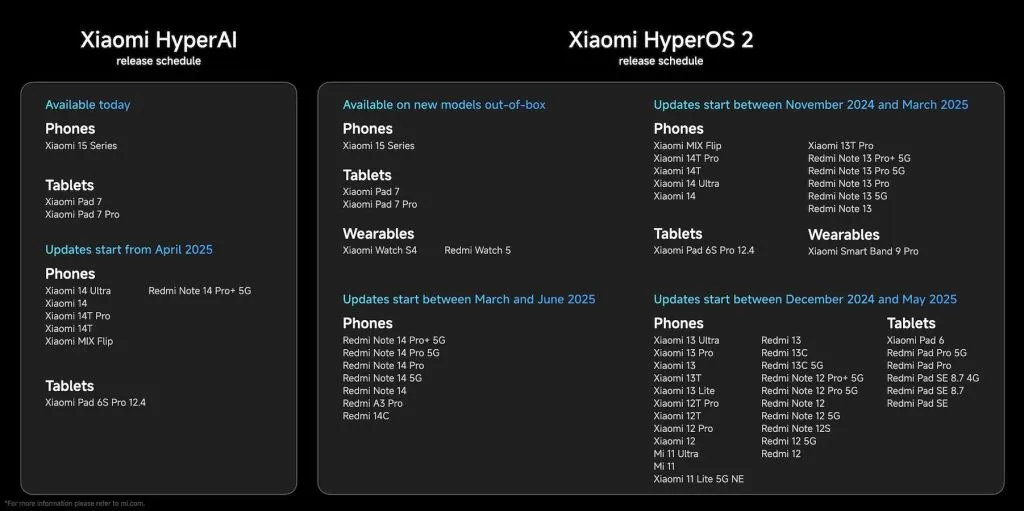
  • Xiaomi HyperAI & HyperOS 2.0 global rollout scheduled

    Xiaomi HyperAI & HyperOS 2.0 global rollout scheduled

    At the worldwide launch event for the Xiaomi 15 series, Xiaomi revealed the timeline for the release of Xiaomi HyperAI and HyperOS 2.0, which are based on Android 15. These changes offer a more seamless, integrated user experience along with AI-powered improvements. The official upgrade schedule and a list of the new software’s key features are provided below.

    Xiaomi HyperOS 2.0 global update schedule for 2025

    TimeModels
    Available TodayPhones: Xiaomi 15 Series
    Tablets: Xiaomi Pad 7, Xiaomi Pad 7 Pro
    Updates Starting from April 2025Phones: Xiaomi 14 Ultra, Xiaomi 14, Xiaomi 14T Pro, Xiaomi 14T, Xiaomi MIX Flip, Redmi Note 14 Pro+ 5G
    Tablets: Xiaomi Pad 6S Pro 12.4

    Xiaomi HyperAI Update Schedule

    DateModels
    Pre-installed on New ModelsPhones: Xiaomi 15 Series
    Tablets: Xiaomi Pad 7, Xiaomi Pad 7 Pro
    Wearables: Xiaomi Watch S4, Redmi Watch 5
    Updates Starting Between November 2024 – March 2025Phones: Xiaomi MIX Flip, Xiaomi 14T Pro, Xiaomi 14T, Xiaomi 14 Ultra, Xiaomi 14, Xiaomi 13T Pro, Redmi Note 13 Pro+ 5G, Redmi Note 13 Pro 5G, Redmi Note 13 Pro, Redmi Note 13 5G, Redmi Note 13
    Tablets: Xiaomi Pad 6S Pro 12.4
    Wearables: Xiaomi Smart Band 9 Pro
    Updates Starting Between December 2024 – May 2025Phones: Xiaomi 13 Ultra, Xiaomi 13 Pro, Xiaomi 13, Xiaomi 13T, Xiaomi 13 Lite, Xiaomi 12T Pro, Xiaomi 12T, Xiaomi 12 Pro, Xiaomi 12, Xiaomi 12S Ultra, Xiaomi 12S Pro, Xiaomi 12S, Xiaomi 12X, Redmi 13, Redmi 13C, Redmi 13C 5G, Redmi Note 12 Pro+ 5G, Redmi Note 12 Pro 5G, Redmi Note 12 5G, Redmi Note 12S, Redmi Note 12, Mi 11, Mi 11 Lite 5G NE
    Tablets: Xiaomi Pad 6, Redmi Pad Pro 5G, Redmi Pad Pro, Redmi Pad SE 8.7 4G, Redmi Pad SE 8.7, Redmi Pad SE
    Updates Starting Between March – June 2025Phones: Redmi Note 14 Pro+ 5G, Redmi Note 14 Pro 5G, Redmi Note 14 Pro, Redmi Note 14 5G, Redmi Note 14, Redmi A3 Pro, Redmi 14C
    xiaomi hyperos and hyper ai launch scheduel

    Key Features

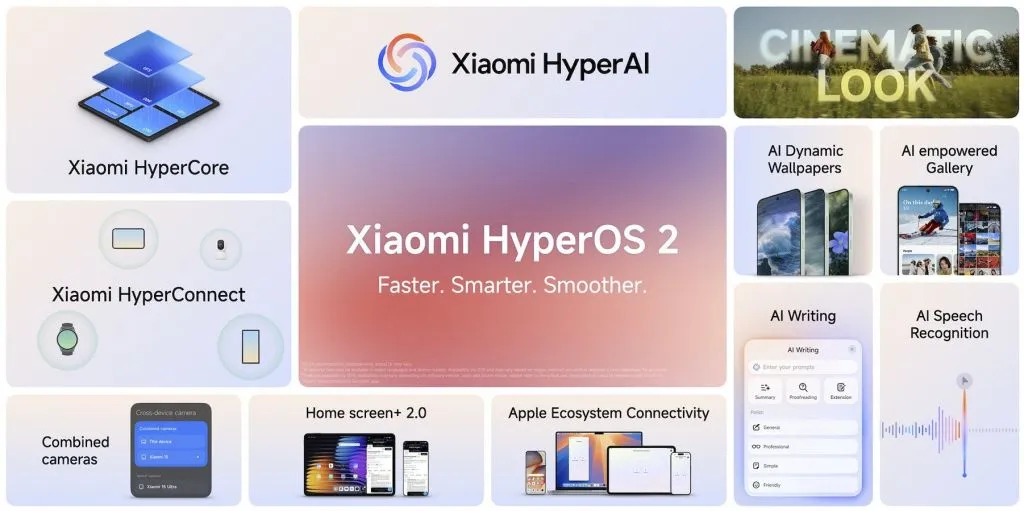
    A potent new system engine called Xiaomi HyperCore was created to improve efficiency and performance. With quicker app launches and longer battery life, it ensures a more seamless user experience by optimizing resource management.

    All Xiaomi devices can connect seamlessly thanks to Xiaomi HyperConnect. It makes it easier for users to switch between smartphones, tablets, wearables, and other smart devices in the Xiaomi ecosystem by improving multi-device synchronization.

    With Cinematic Look’s sophisticated image and video processing features, users may take pictures and films with a professional-caliber touch. This function produces visually spectacular content by improving lighting, sharpness, and color grading.

    AI Dynamic Wallpapers & AI Gallery customizes the user experience by utilizing artificial intelligence. The AI Gallery cleverly classifies and arranges images for convenient access and administration, while AI-powered wallpapers constantly adjust to user preferences.

    xiaomi hyperos launch event

    AI Speech Recognition and AI Writing offer more intelligent input techniques that improve communication. While AI Speech Recognition allows precise voice commands and real-time transcription, AI Writing assists with text summarizing, proofreading, and tone correction.

    Cross-device Camera & Home Screen 2.0 enhances multitasking and ecosystem integration. With improved app categorization and interactive widgets, the new home screen layout improves usability, and users may use cameras from various devices interchangeably.

    Better cross-platform compatibility is ensured by Apple Ecosystem Connectivity, which makes it possible for Xiaomi smartphones to function more effectively with Apple goods. Data exchange, notifications, and device synchronization across several operating systems are made easier by this functionality.

    With a planned deployment strategy that guarantees a smooth transition between devices, Xiaomi HyperAI and HyperOS 2.0 want to provide customers with a quicker, smarter, and more seamless experience.

  • Pre-order and store availability of the Samsung Galaxy S25 Ultra

    Pre-order and store availability of the Samsung Galaxy S25 Ultra

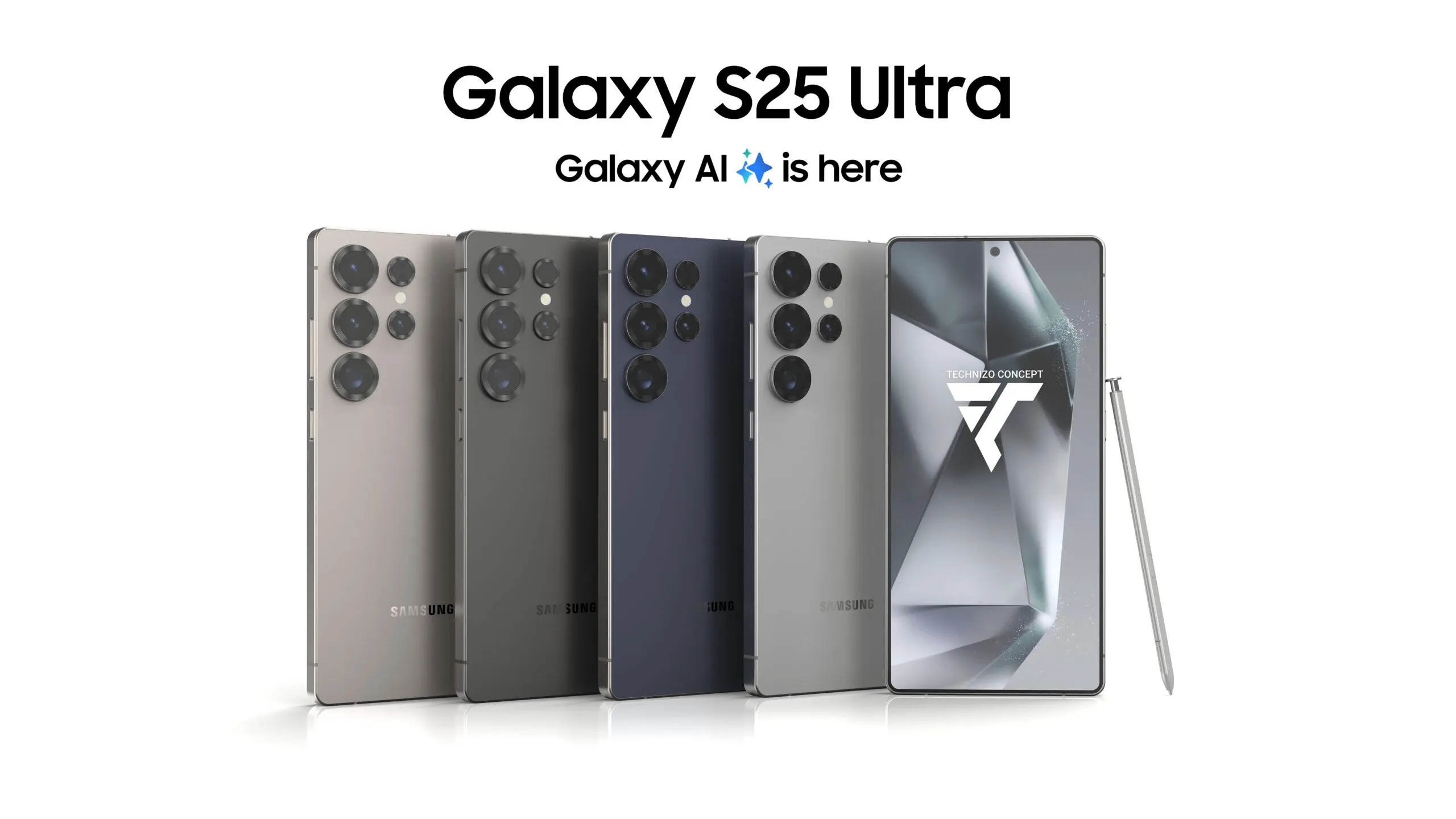
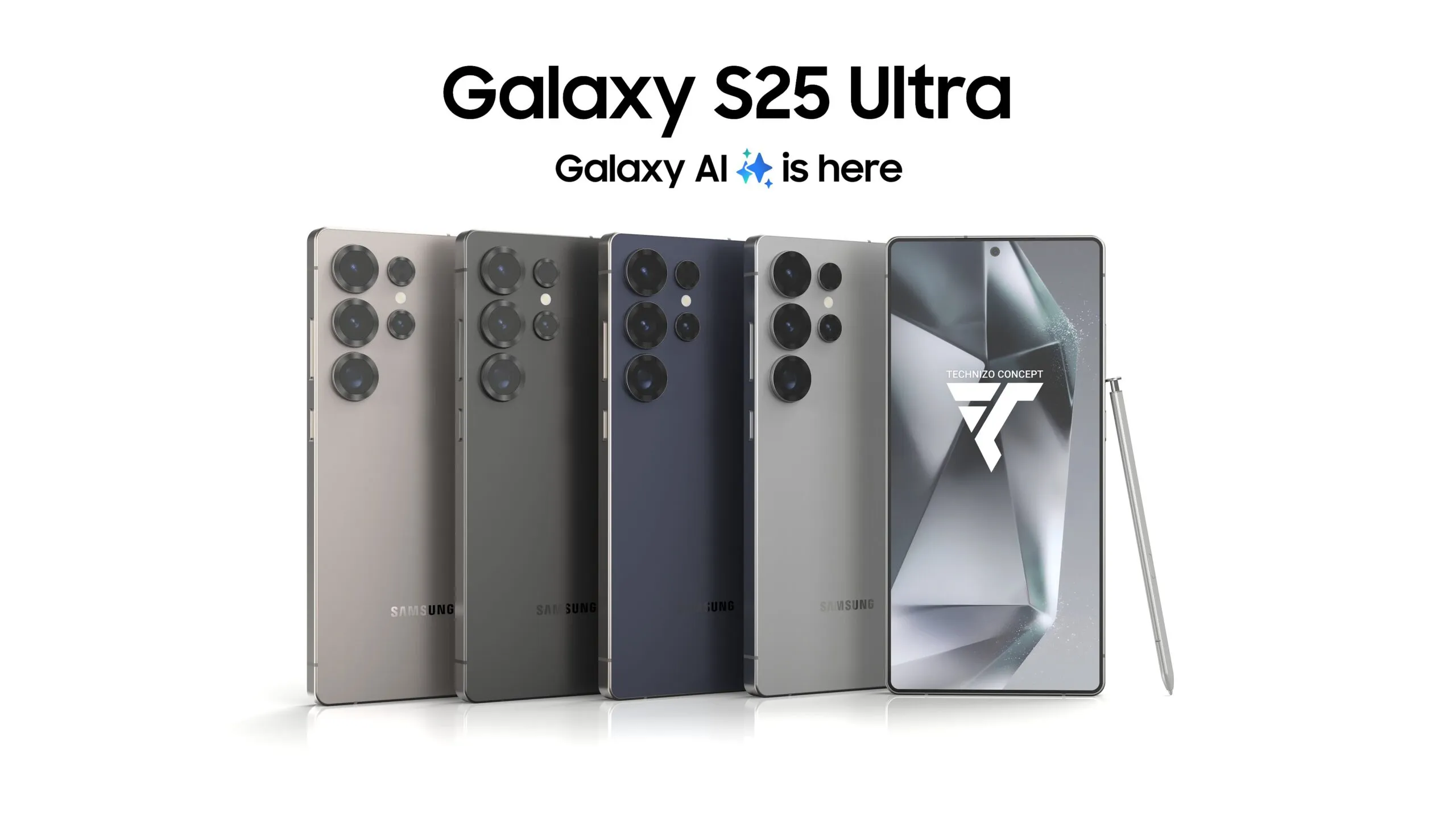
    The next Galaxy Unpacked event is scheduled for later this month, according to Samsung. The second generation of Galaxy AI and a variety of linked peripherals will undoubtedly be the subject of significant attention. However, the new Galaxy S25, Galaxy S25+, and Galaxy S25 Ultra will be the focus of the community’s attention.

    There are a few dates to be mindful of if you want to buy any of the new phones, including the flagship Galaxy S25 Ultra, in order to receive the device as soon as possible and at a reasonable price.

    Galaxy S25 Ultra preorder

    Registering for Galaxy Unpacked

    For those who are interested, Samsung has already begun the procedure. Customers can now express their interest in the Galaxy S25 Ultra and Galaxy AI through a new program that offers a $50 gift card for “additional qualified products.” Additionally, a questionnaire including a $50 offer was sent to Samsung registered users via email.

    However, those who express interest must do so before January 21st, the day before Galaxy Unpacked.

    When will Galaxy S25 Ultra pre-orders open?

    In the past, Samsung opened pre-orders at the conclusion of Galaxy Unpacked events that included phone debuts. Pre-orders are anticipated to open an hour or two after the Galaxy Unpacked event begins on January 22 at 1300 Eastern/1000 Pacific.

    In contrast to other years, there has been talk of Samsung moving the pre-order system’s opening from the Wednesday event to the morning of Friday, January 24. Regardless of the start date, pre-orders are probably going to end on Tuesday, February 4.

    There is another reason why the pre-order period will be significant. Samsung usually gives customers who buy a new Galaxy during the pre-order phase some of its finest discounts. A free upgrade to the next storage tier (so those purchasing the Galaxy S25 Ultra priced for the 512 GB model would receive the 1 TB storage model), a number of exclusive colors that were only available on Samsung.com, and generous trade-ins on a variety of smartphones from Samsung and other manufacturers, such as Google and Apple, were all features of last year.

    Retail availability

    Delivery of the Galaxy S25 Ultra will coincide with its retail availability after you have registered your interest, seen the Galaxy Unpacked premiere, and placed your pre-order. Deliveries to customers who placed preorders are anticipated to begin on Friday, February 7.

  • Samsung Galaxy S25 – launch date was confirmed

    Samsung Galaxy S25 – launch date was confirmed

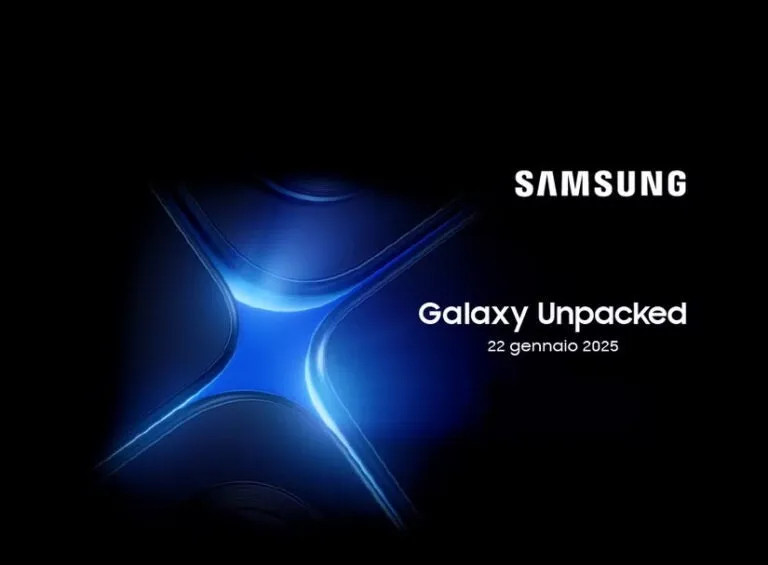
    Seasons source evleaks has just posted what appears to be a genuine Samsung invitation, albeit in Italian, to the company’s forthcoming Unpacked presentation.

    The date on the invitation is “22 gennaio 2025.” In English, that is January 22. This date is not technically new; it was leaked only last week. However, the source and content of this recent leak pretty much seals the deal for us.

    There could be more to this invitation than just a date confirmation. If you look closely, you will notice that the AI symbol that dominates the invite is actually made up of the corners of four gadgets arranged tightly together.

    We were anticipating three smartphones, as is customary with Samsung: the Galaxy S25, Galaxy S25 Plus, and Galaxy S25 Ultra. But what might the fourth phone (or device) be?

    Galaxy S25

    There have been reports of a Samsung Galaxy S25 Slim, with the South Korean manufacturer expected to follow (or rather anticipate) Apple’s trend. However, reports say that it may be released later in the year than the rest of the range, possibly in Q2.

    Even said, it is probable that Samsung will provide a small hint at its largest launch event of the year.Especially because the aforementioned reports suggest that the Slim will be a limited edition smartphone designed to test market interest in such a model.

    The tipster also shared low-resolution renders of the Galaxy S25 Plus, which appear to confirm what we have already heard. The bezel size has been reduced, and the corners may be slightly less curved, but the overall shape remains familiar.

    We also learned that the Galaxy S25 Ultra will feature extremely thin bezels and a less Note-like design.

  • These are all of the Android phones that currently support Gemini Nano.

    These are all of the Android phones that currently support Gemini Nano.

    With training data at their disposal, IT companies including as Google, Anthropic, OpenAI, and Meta are racing to develop the best large language model (LLM) in order to produce valuable services that attract investors, businesses, and consumers. Some businesses offer smaller versions of their LLMs that can run locally on mobile devices, as the most capable of these LLMs require processing power that simply is not accessible on the little smartphones we carry in our pockets.

    Currently accessible on a few Android phones, Gemini Nano is the mobile optimized version of Google’s LLM. Google only offered Gemini Nano on the Pixel 8 Pro smartphone when it first launched it in December. After a month, it was made available for Samsung’s Galaxy S24 series, bringing an end to Pixel’s brief exclusivity for the AI model.

    gemini nano

    Google began to push out the Gemini Nano variant to a few more Pixel and Samsung devices in 2024. However, Google ultimately introduced the AI model on a smartphone made by Xiaomi, a different manufacturer, last week.

    However, it appears that the Xiaomi 14T was only the beginning, as Google has let loose and begun to add support for Gemini Nano to a wide range of new smartphones. This covers both phones from established Nano backers like Samsung and phones from recent Nano entrants like Motorola and Realme.

    What phones support Gemini Nano?

    Devices that support Gemini Nano

    • Google Pixel 8
    • Google Pixel 8 Pro
    • Google Pixel 8a
    • Motorola Edge 50 Ultra
    • Motorola Razr 50 Ultra
    • Samsung Galaxy S24
    • Samsung Galaxy S24+
    • Samsung Galaxy S24 Ultra
    • Samsung Galaxy S24 FE
    • Samsung Galaxy Z Flip 6
    • Samsung Galaxy Z Fold 6
    • Realme GT 6
    • Xiaomi 14T
    • Xiaomi 14T Pro
    • Xiaomi MIX Flip

    Devices that support the latest Gemini Nano with multimodality

    • Google Pixel 9
    • Google Pixel 9 Pro
    • Google Pixel 9 Pro XL
    • Google Pixel 9 Pro Fold

    What differentiates the most recent Gemini Nano versions from one another?

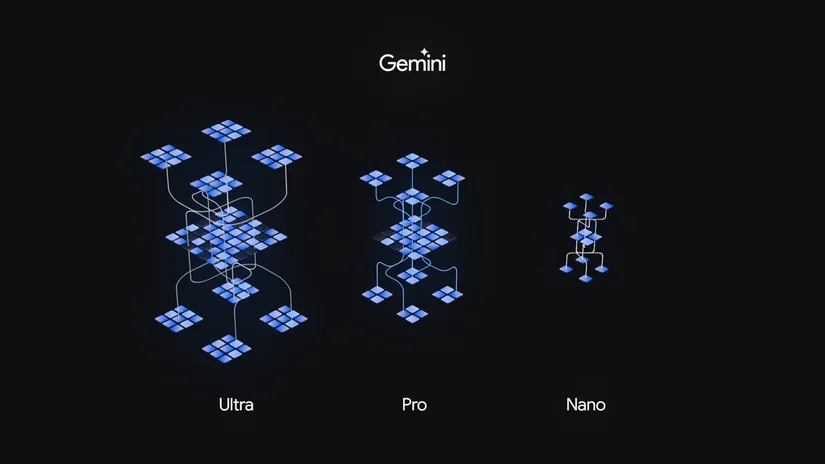
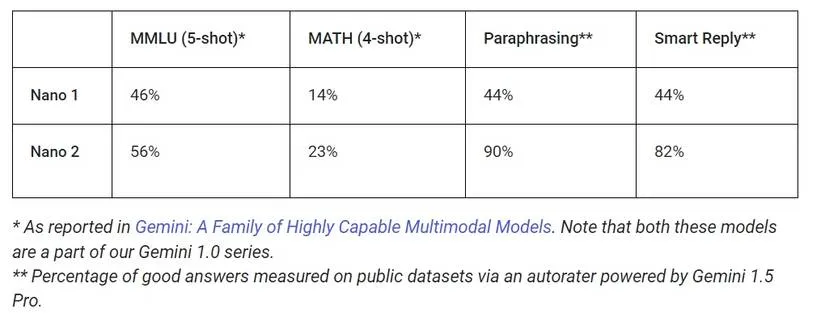
    While Gemini Nano and its multimodal variant are both members of the Gemini 1.0 family of LLMs, the multimodal version supports input formats other than text, such as image, speech, and audio. Google claims that the updated version of Nano performs far better in real-world applications and academic benchmarks, and it is roughly twice as big as the previous version.

    gemini nano 1 vs gemini nano 2

    Gemini Nano’s latest version with multimodality is currently only available on the Google Pixel 9 series, with no word on when or if it’ll come to other devices.

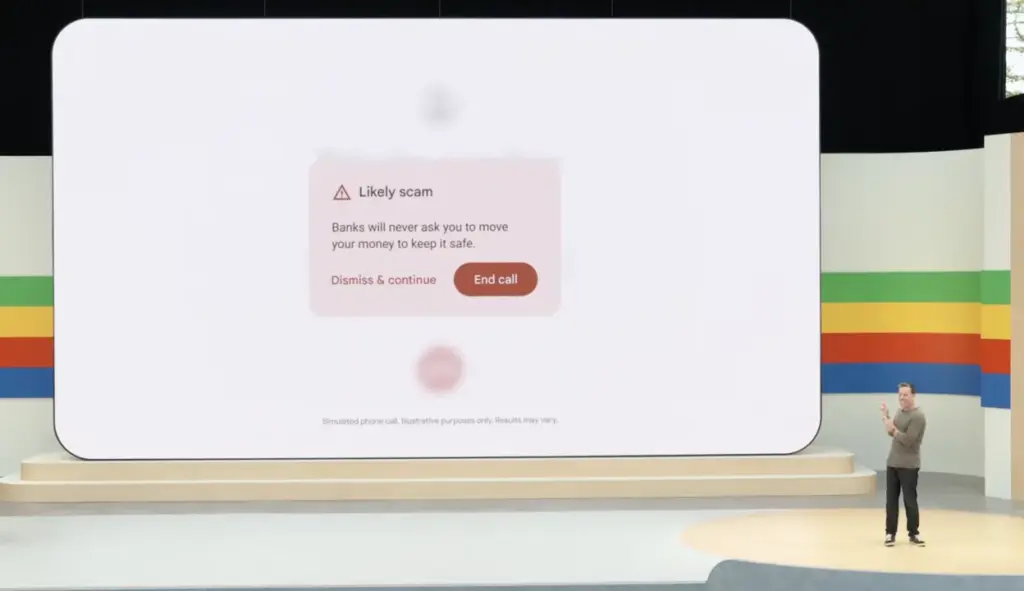
    gemini nano can detect scam call

    Which AI functionalities does Gemini Nano support?

    The AI functions in the Pixel Screenshots, Talkback, Pixel Recorder, Phone by Google, and Pixel Weather applications are powered by the new Gemini Nano, which has multimodality on the Google Pixel 9 series. Pixel Screenshots analyzes your screenshots locally using multifunctional Gemini Nano. TalkBack makes use of it to produce visual descriptions. It is used by Pixel Recorder to condense transcripts of audio recordings. It is used by Google Phone to transcribe phone conversations. Finally, it is used by Pixel Weather to produce a weather summary for the day.

    Because of its smaller size and support for text-only input, the previous Gemini Nano on the Google Pixel 8 series has a few extra limitations. In approved messaging apps, it aids in the Gboard app’s generation of intelligent responses. (Smart answers in Gboard are powered by Gemini on the Google Pixel 9, and there are no discernible differences.) It also facilitates the generation of transcript summaries for the Pixel Recorder app, however it is limited to 15 minutes of audio recording.

    Currently, the older Gemini Nano model powers only one AI feature on non-Pixel devices, which is Magic Compose in Google Messages. This function suggests possible responses for you to send to a contact based on the context of the last 20 messages in a discussion. Your texts never leave your device because this is all done on-device.

    Hopefully, this will not remain the case for long, even if Magic Compose is presently the only Gemini Nano-powered function that is compatible with all devices that utilize the AI model. Indeed, Google has now made the AI Edge SDK, which enables apps to leverage Gemini Nano, available for experimental use.

    However, as this experimental access is merely “for development purposes,” third-party app developers are unable to utilize Gemini Nano for AI capabilities at this time. Furthermore, most devices are not included in this project because developers can only use the newer Gemini Nano with multimodality for text-to-text prompting through this experimental access.

    In any case, it is evident that Google is committed to making Gemini Nano available on more Android smartphones. Currently, Gemini Nano is supported by 15 Android phones, and the latest Gemini Nano with multimodality is supported by an additional 4. Hopefully, as Google rolls out the AI model to more phones, developers will be more inclined to create innovative and engaging applications that leverage it.

  • On October 17, ColorOS 15 will be released, with an emphasis on AI.

    On October 17, ColorOS 15 will be released, with an emphasis on AI.

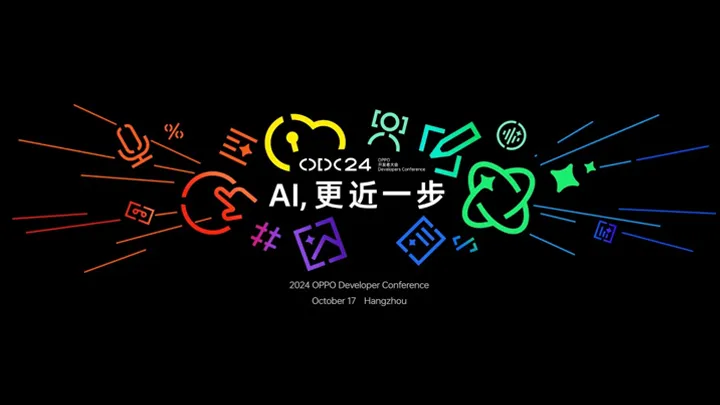
    The date of Oppo’s annual Oppo Developer Conference (ODC) has been announced as October 17, which is around one month away. The unveiling of ColorOS 15 will be the event’s high point.

    You can also infer what the new features will be about from the subject, “AI, One Step Closer.” Oppo will be exhibiting cutting-edge AI applications, technological innovation, novel approaches to enhancing user gaming experiences, insights into the future of transportation, and more during the ODC.

    ColorOS 15 will include a new feature called AI note assistant, which can arrange your notes intelligently and make any necessary edits with only one click.

    coloros 15 release date ai

    The OS and AI will be deeply integrated, and it appears that the main goals will be to enhance usability and performance. Based on Android 15, ColorOS 15 will include new features like enhanced multitasking on wide screens, private spaces, and device syncing of alerts.

    Mid-October is when Android 15 (AOSP) is anticipated to be ready; ColorOS 15’s release schedule will be revealed during ODC.

    While older models will be updated, the Oppo Find X8 series will be the perfect vehicle for ColorOS 15. It will have Oppo’s take on a Camera Control button, a Dynamic Island-type UI and a magnetic charging system, to complete the Apple-inspired trifecta.

  • The Cortex-X4, 4nm, generative AI, 240 frames per second, Snapdragon 8 Gen 3 is now available.

    The Cortex-X4, 4nm, generative AI, 240 frames per second, Snapdragon 8 Gen 3 is now available.

    Recently, Qualcomm unveiled the Snapdragon 8 Gen chipset. The flagship platform, which uses the 4nm process, is primarily focused on advances in AI, gaming, audio, and cameras.

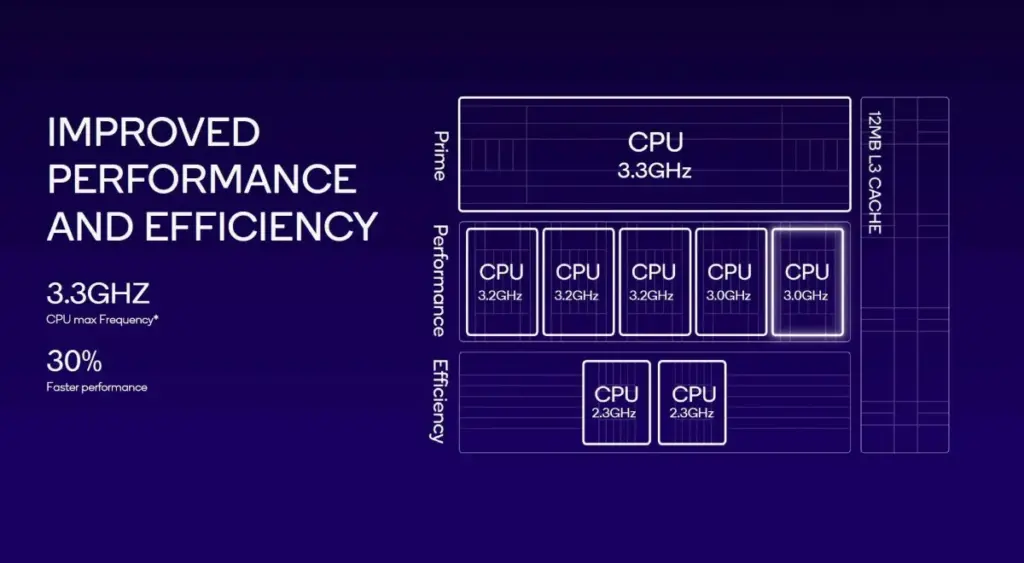
    In terms of crucial percentages, Gen 3 outperforms Gen 2 by 20% and by 30% in terms of speed. One Cortex-X4 prime core with a maximum frequency of 3.3 GHz, five performance cores with a maximum frequency of 3.2 GHz, and two efficiency cores with a maximum frequency of 2.3 GHz highlight the eight-core CPU inside. Up to 24 GB of LPDDR5x memory can be supported at 4800 MHz. Supported Wi-Fi 7 frequencies up to 6 GHz are 802.11be, 802.11ax, 80211ac, and 80211a/bg/n. The chip has an X75 5G modem with mmWave and sub-6 GHz antennae.

    Snapdragon 8 Gen 3 architecture

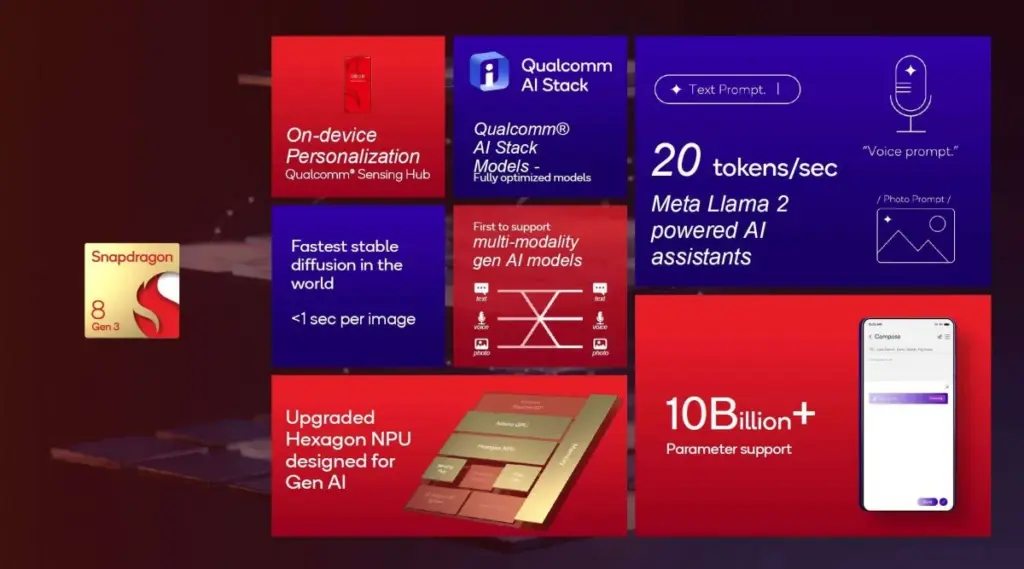
    With the Snapdragon 8 Gen3, AI is the main feature. The AI Engine is the first component in the process; it can process up to 20 tokens per second to provide immediate AI assistant replies. It supports both popular big language models for speech recognition and multi-modal generative AI models. According to Qualcomm, the Snapdragon 8 Gen 3 has the quickest steady diffusion in the world, producing an image in a split second.

    To improve AI assistant replies, Qualcomm’s Sensing Hug securely accesses personal data such as location, fitness state, and preferred activities.

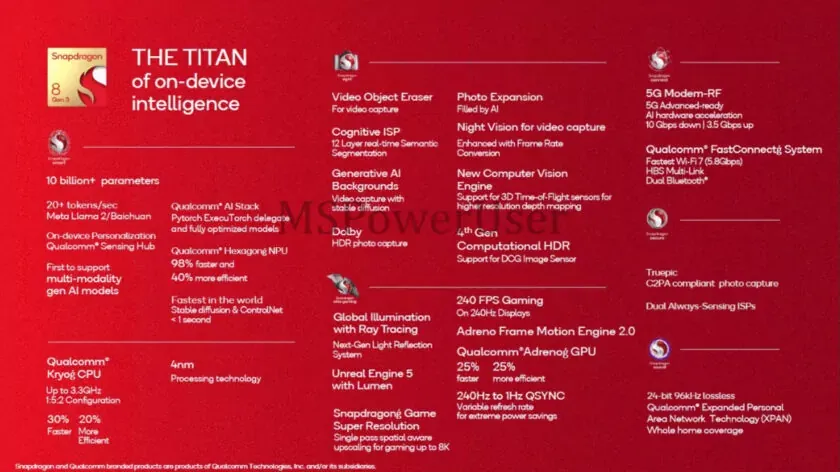
    AI also improves the capabilities of the camera. Real-time Semantic Segmentation can improve an image’s brightness and detail, while Night Vision video can light up a dimly lit area. Vlogger’s View, which records video from both your back and selfie cameras, has an object eraser for films that may be used to remove unpleasant individuals or things. In addition to automatically improving HDR, Picture Expansion can employ generative AI to stretch an image beyond the original acquired data.

    Snapdragon 8 Gen3

    On 240 Hz monitors, the Snapdragon 8 Gen 3 can produce “console-defying” gaming performance at 240 frames per second. Adreno Frame Motion Engine 2.0 supports Unreal Engine 5.2 and may produce frames for better playback.

    The Snapdragon 8 Gen 3’s GPU offers 40% improved Ray Tracing along with 25% faster and 25% higher power efficiency.

    The fact that the new chip can stream 24-bit, 96-kHz lossless music via Bluetooth will please audiophiles.

    snapgradon 8 gen 3 devices

    Qualcomm says devices powered by the new Snapdragon 8 Gen 3 will be available in the coming weeks. The chipmaker has partnered with Asus, Honor, iQOO, Meizu, Nio, Nubia, OnePlus, Oppo, realme, Redmi, RedMagic, Sony, vivo, Xiaomi, and ZTE.

  • Qualcomm’s Snapdragon 8 Gen 3 leans into AI according to new leaks

    Qualcomm’s Snapdragon 8 Gen 3 leans into AI according to new leaks

    Tomorrow is Qualcomm’s annual Snapdragon Summit, during which the company is anticipated to reveal its upcoming Snapdragon 8 Gen 3 chip. Nevertheless, it appears that a recent leak, which discloses the complete specifications of the chip, may have wrecked tomorrow’s surprise. It also appears that the Snapdragon 8 Gen 3 will include a plethora of AI functions.

    Leaked marketing materials for the Snapdragon 8 Gen 3 have been obtained by the MSPoweruser team. The processor will reportedly feature a number of AI tools that will enable actions like expanding images, removing objects from films, creating AI backgrounds, and more, according to the leak.

    qualcomm 8 gen 3 chip

    Significantly, the report also discusses being able to use AI models like Meta’s Llama 2 and Stable Diffusion. In light of the tech industry’s adoption of AI this year, including all of these AI capabilities makes sense.

    Qualcomm equipped the CPU with an updated Hexagon neural processor to enable all of this (NPU). According to the marketing brochures, the new NPU is 40% more effective and 98% faster. The comparison is allegedly between the Gen 3 and the Gen 2, however the paper is vague.

    But it’s not only about AI; there also seem to be some potent gaming-related elements. This features the ability to game at 240 frames per second and upscaling for up to 8K resolution using a next-generation light reflection system that supports global lighting with ray tracing.

    One of the first products that the Snapdragon 8 Gen 3 is likely to be found in is Samsung’s Galaxy S24, which is scheduled to debut in Q1 2024. Since this is Qualcomm’s flagship chip, it should also be found in many of the high-end phones that debut the following year.

  • Best AI Apps for Android Users in 2023

    Best AI Apps for Android Users in 2023

    Every morning when you wake up, you drink your freshly brewed espresso while using the newest mobile applications. Every day that goes by, the market for Android and iOS applications expands. It’s growing quite quickly.

    It’s not surprising that the market for smartphone apps is booming. On the Google Play Store, 2.87 million apps are available for download. 50 or more times per day are used by 21% of Millennials. 49% of consumers use an app 11 or more times per day. Mobile apps account for 70% of all digital media consumption in the US.

    These days, public awareness of AI is widespread. Well, we are quite happy to provide you with all the best examples of Android AI apps. So let’s get started:

    The List of Top AI Apps for Android

    Buildfire’s analysis indicates that there are 6.3 billion smartphone users worldwide. But do you know why we’re here to talk about it? It’s the AI magic in Android applications. These days, public awareness of AI is widespread. Isn’t it intriguing to learn how AI functions in Android apps?

    To see their astonishing features, let’s learn more about these AI Apps for Android in depth.

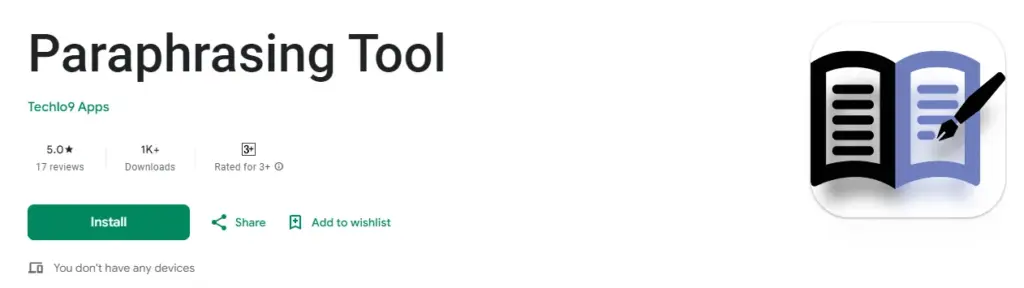
    Paraphrasing.io

    imagedisplay 5

    Artificial intelligence has significantly changed the digital market. We no longer need to spend more time and money creating excellent communication material.

    The main goal of this paraphrasing tool was to facilitate writing. It is possible to rephrase the content at the level of words, phrases, and sentences. The rewriter in this paraphrasing tool is one of the greatest AI tools for paraphrasing any type of text.

    In order to create entirely original, error-free work, it modifies the language and grammatical constructs changing the text while maintaining its readability and aesthetic appeal.

    It enables quick phrase changes for both short-form and long-form content. Create a statement to learn how to change the diction and tone.

    Google Assistant

    google assistant ai

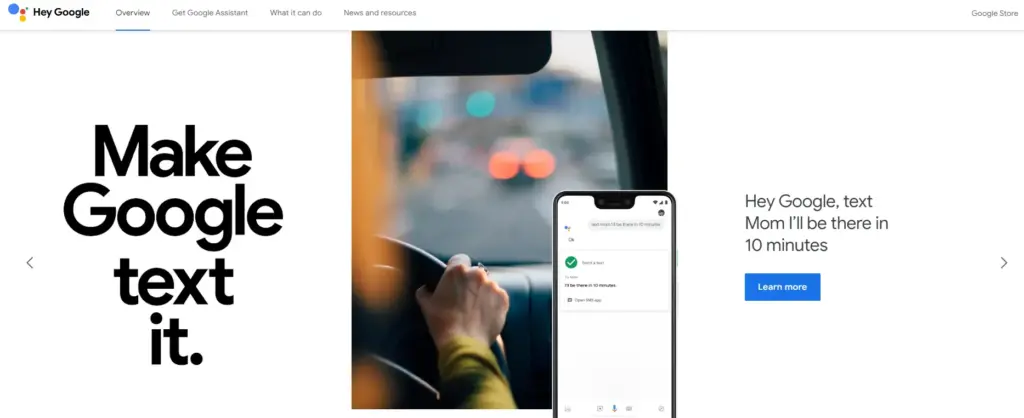
    It is a Google-created virtual assistant software program. It is mostly accessible through mobile and home automation technology. Android apps can be voice-activatedly controlled using Google Assistant.

    Users are able to open apps and do tasks with the aid of Google Assistant. They use search engines to acquire information and can accomplish a lot more things just by speaking commands like, “Hey Google, start a run on Example App.”

    Continued discussion is supported by Google Assistant. It enables users to express numerous requests or ask follow-up inquiries without having to repeat themselves.

    Numerous Google services, like Gmail, Google Calendar, Google Maps, and others, are smoothly integrated with it. Users can utilize this to navigate, view, and share images, as well as access their emails and make appointments.

    Netflix

    netflix ai

    This Android AI app does not require an introduction. Nearly everyone in your immediate vicinity is engrossed in using this app.

    Netflix is one of the most well-known streaming services in the world, and artificial intelligence has significantly contributed to this success. Using Netflix’s sophisticated recommendation technology, users can find content they might have missed.

    Within a single Netflix account, customers have the option to establish multiple profiles. With the help of this feature, each household member can enjoy individualized interactions with their own viewing preferences, watchlist, and suggestions.

    Depending on the subscription level, consumers can stream material to many devices at once. Family members or friends can watch various episodes or movies on their individual devices thanks to this capability.

    Amazon Alexa

    amazon alexa ai

    Amazon.com has created a different virtual assistant app. This app is used to establish a connection with Echo, Echo Dot, Echo Studio, and Tap speakers from Amazon.

    It is a straightforward program to use; all the user needs to do is issue voice instructions, and it will search and react correctly. It carries out numerous activities, such as playing music and giving the most recent news, weather updates, and alarms. With the aid of IoT, it is also beneficial for home automation.

    • Both iOS and Android are supported.
    • Available for use by anybody.
    • With over 100 million downloads, it has a 4.3 Google Play rating.
    • It supports multiple languages, including Hindi, Arabic, English, and more.

    ChatGPT

    chat gpt ai app

    ChatGPT was created by the OpenAI team. It is a free AI chatbot that can be downloaded right now from the Google Play Store. This service can fulfill your demands, make ideas that are tailored to you, spark your creativity, and offer a variety of other conveniences.

    If you purchased ChatGPT’s Plus version, you can log in with the same account to this app and access GPT-4’s mobile power. This ChatGPT mobile app from OpenAI is an official one; thus, it syncs your history across devices and offers the most recent model upgrades.

    Replika

    imagedisplay 6

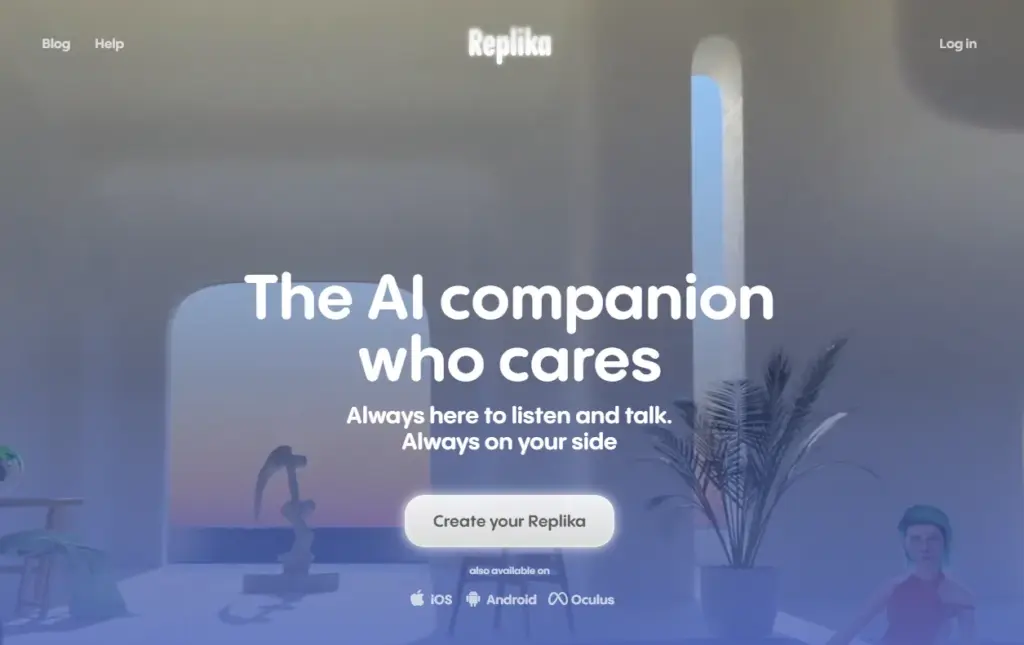
    Replika is a chatbot companion powered by AI that enables you to construct a 3D avatar that it refers to as Replika. Your Replika can be interacted with in the same way as a friend. As you converse more, it grows in personality and memory alongside you.

    On this app, you may build your own Replika (AI companion) and educate it about the outside world and about you. The AI companion’s personality will develop with time, and its communication skills will improve.

    It’s a great app for talking about your thoughts or how you’re feeling.

    Socratic

    Since it is a learning application, students can benefit from using it. It was created by Google and is suitable for college and high school students. Socratic is a well-known educational program that supports students in various topics, including literature, chemistry, and biology.

    Text and speech recognition power the program. Users can quickly access materials or lessons to learn from thanks to it. Simply take a picture of the question and post it, says the pupil. The program will locate all classes and tutorials pertinent to the query.

    Bottom Line

    You may expand your company by using AI business tools to their full potential. The state of artificial intelligence today is too advanced for what is available in the Google Play Store. Other Android AI applications are proliferating and making slow progress. The AI apps for Android are about to undergo a revolution thanks to advancements in the field of AI. If you run an inventive business, your next objective should be developing AI-based apps.

  • Mobile app for ChatGPT is now available for free.

    Mobile app for ChatGPT is now available for free.

    The first mobile application, called “OpenAI ChatGPT” on the Apple App Store, has now been released, as the US company OpenAI stated over the weekend on its own portal. The AI bot is currently free and only has a few features.

    ChatGPT for the Apple devices only for now

    Real enthusiasm has grown around the subject of AI bots during the last several days and weeks. The development of artificial intelligence (AI) is sparked by projects like “TruthGPT,” “Google Bard,” and OpenAI with “ChatGPT.” Others struggle to move growth forward quickly enough, while some are already fueling the flames of the end of the world.

    Sam Altman, the creator of ChatGPT, issues a risk alert and requests government regulation. On the other hand, the American business itself released the initial mobile application with “OpenAI ChatGPT” for free download in the Apple App Store over the weekend.

    chatGPT openai

    While the AI-supported chatbot is already available in the US as a desktop application in version 4.0, the mobile version, which for the time being is only available in the US and only for iOS from version 16.1, represents a premiere in the steady race. However, as the company announced, an implementation for Android is already in the works and a “soon” release is planned. Other countries are also expected to follow shortly.

    A chat can be begun on an Apple iPhone and continued later on a desktop browser thanks to the cross-platform functionality of the iOS mobile application. The inclusion of “Whisper,” an open-source neural speech recognition program based on 680,000 hours of multilingual and multitasking observed data, inside the ChatGPT mobile app provides another benefit.

    Although ChatGPT for iOS is in theory free, the “ChatGPT Plus” version requires a US$19.99 monthly membership. Initial information indicates that the Plus version includes features from ChatGPT 4.0. Those who want to utilize communications more extensively most likely will also need to pay. The “early access to features and faster response times” for Plus subscribers is another benefit.