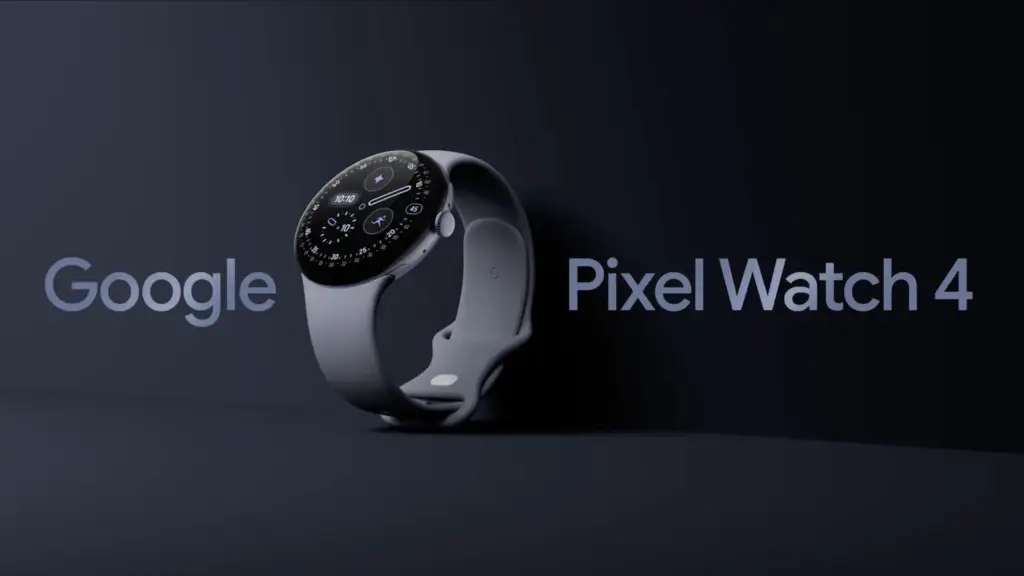
It rarely makes sense to pay full price for Google’s flagship Pixel Watch 4, since the smartwatch goes on sale often. This is one of those moments. It is not at its lowest-ever price, but the Pixel Watch 4 is currently $40 below its MSRP, and buyers can choose from several band color options, including Lemongrass, Iris, Obsidian, and Porcelain.
Google Pixel Watch 4 (41mm, Wi-Fi) is 11% Off
The Google Pixel Watch 4 (41mm, Wi-Fi) is currently discounted to $309.99 at Amazon, which works out to 11% off and a $40 savings. Price tracking on CamelCamelCamel shows that this is still above the all-time low, as the wearable dropped to $289.99 during much of March and early April. It remains to be seen whether it will fall back to that level again.
Even so, this is still a strong offer. The Pixel Watch 4 features a 1.4-inch Actua 360 AMOLED display with a 456×456 resolution and 3,000 nits of brightness, all protected by Gorilla Glass 5. Inside, it runs on a Qualcomm Snapdragaon W5 Gen 2 (4nm) processor, paired with 2GB of RAM and 32GB of built-in storage. Google says the watch can last up to 30 hours with the always-on display enabled, or up to 48 hours when Battery Saver mode is turned on.
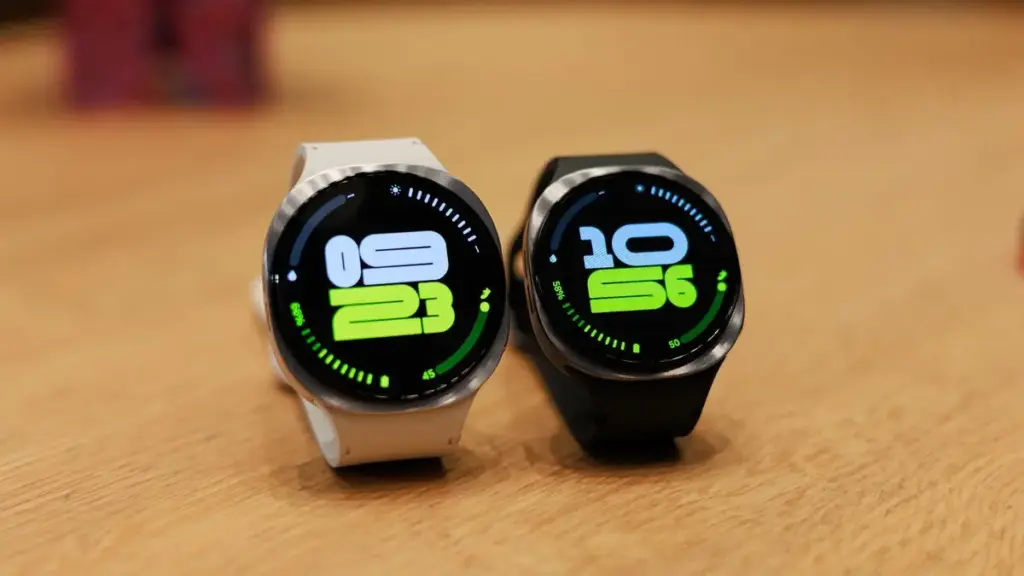
Samsung’s Galaxy Watch 8 (46mm, Wi-Fi) is also discounted, with Amazon listing it at $369.99, or 26% off, for a much larger savings compared with its regular price. This model is also above its all-time low, though only slightly; it briefly reached $349.99 a couple of times since last December.
The Galaxy Watch 8 is thinner, lighter, and brighter than the previous generation. It also introduces a new cushion shape and Dynamic Lug bands, along with a larger battery — 325mAh versus 300mAh — that delivers up to 30 hours of battery life. Google Gemini support is included as well.
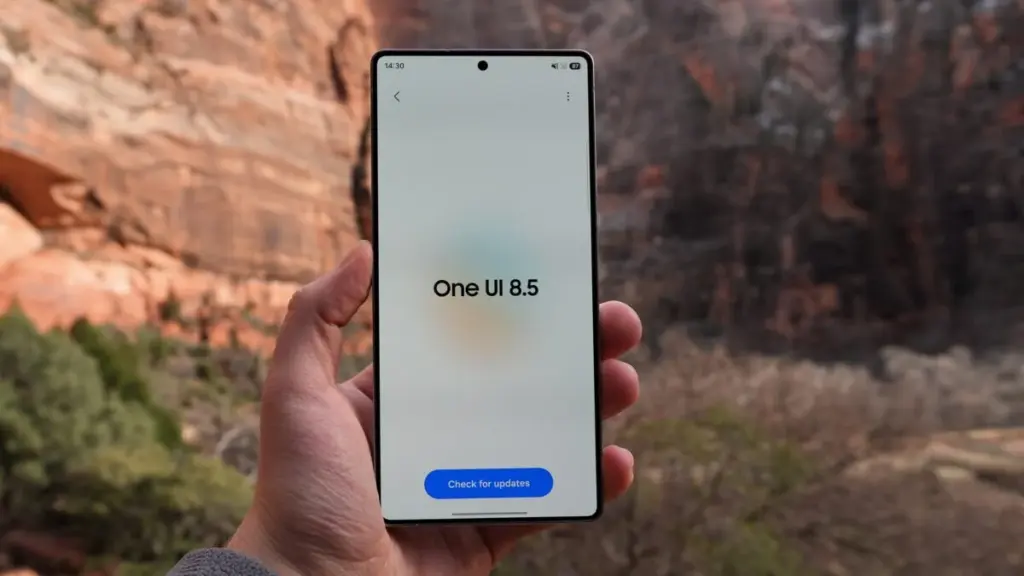
After months of beta testing and a longer wait than many expected, Samsung’s One UI 8.5 stable rollout finally has a confirmed launch date. Samsung hasn’t officially published an eligible devices list, but based on the beta program’s reach and how past major releases have played out, every Galaxy device that received One UI 8.0 is expected to be covered.
Why One UI 8.5 Is a Bigger Deal Than Usual
Samsung’s point-five updates have historically been modest affairs – incremental patches targeting flagship Z and S series handsets. One UI 8.5 breaks from that tradition in a meaningful way. The rollout stretches down to Galaxy A, M, and F budget devices, which signals that Samsung is using this update to push Android 16 across its full portfolio instead of saving it for a major version increment. That strategic shift explains why the eligible device list this time around is notably longer than usual.
The visual changes are the first thing users will notice. Ambient Design brings blur effects to system UI elements and refreshed stock apps, continuing an aesthetic direction Samsung has been developing quietly across the past two generations. On the AI front, Bixby now integrates Perplexity’s search-focused model in place of Samsung’s own LLM back-end — a candid acknowledgment of where Bixby has consistently fallen short.
Features That Actually Matter Day to Day
Audio Eraser deserves more attention than it’s getting. It applies real-time background noise reduction across the entire system – covering YouTube, Instagram, and other third-party apps during playback, not just Samsung’s native software. That addresses a long-standing frustration that most users have simply accepted. Call Screening takes the work out of handling unknown callers by automating the process. Photo Assist picks up text prompt support, extending Samsung’s AI-assisted photo editing toolkit further.
Full List of Eligible Galaxy Devices
Galaxy S Series Galaxy S25, S25+, S25 Ultra, S25 FE, and S25 Edge Galaxy S24, S24+, S24 Ultra, and S24 FE Galaxy S23, S23+, S23 Ultra, and S23 FE Galaxy S22, S22+, and S22 Ultra Galaxy S21 FE
Galaxy Z Series Galaxy Z TriFold Galaxy Z Fold Special Edition Galaxy Z Fold 7, Z Flip 7, and Z Flip 7 FE Galaxy Z Fold 6 and Z Flip 6 Galaxy Z Fold 5 and Z Flip 5 Galaxy Z Fold 4 and Z Flip 4
Galaxy Tab Series Galaxy Tab S11 and S11 Ultra Galaxy Tab S10+, Tab S10 Lite, Tab S10 Ultra, Tab S10 FE, and Tab S10 FE+ Galaxy Tab S9, Tab S9+, Tab S9 Ultra, Tab S9 FE, and Tab S9 FE+ Galaxy Tab S8, Tab S8+, and Tab S8 Ultra Galaxy Tab S6 Lite (2024) Galaxy Tab A11 and Tab A11+ Galaxy Tab A9 and Tab A9+ Galaxy Tab Active 5 and Active 5 Pro
Galaxy A Series Galaxy A73 Galaxy A56, A55, A54, and A53 Galaxy A36, A35, A34, and A33 Galaxy A26, A25, and A24 Galaxy A17 (4G & 5G), A16 (4G & 5G), and A15 (4G & 5G) Galaxy A07 (4G & 5G) and A06 (4G & 5G)
Galaxy M Series Galaxy M56, M55, M55s, and M53 Galaxy M36, M35, M34, and M33 Galaxy M17, M17e, M16, and M15 Galaxy M07 and M06
Galaxy F Series Galaxy F07e Galaxy F56, F55, and F54 Galaxy F36 and F34 Galaxy F17, F16, and F15 Galaxy F07 and F06
Galaxy XCover Series Galaxy XCover 7 Pro and XCover 7 Galaxy XCover 6 Pro
Rollout Schedule
Galaxy S25 series goes first – April 30 in Korea, May 4 for international markets. Galaxy Z Fold 7 and Z Flip 7 follow shortly after, possibly within the same April window. Galaxy S24 series along with Z Fold 6 and Z Flip 6 should arrive in early-to-mid May. Galaxy S23, S22, and mid-range A, M, and F devices can expect their updates through May and June. The full rollout should wrap up before Samsung kicks off One UI 9 beta testing, which is anticipated for the Galaxy S26 series later in 2026.
Fresh clues from the Mi Code database point to Xiaomi’s next foldable flagship making a comeback. After scrapping last year’s prototype, the company seems more committed than ever to foldables, with a device that hits a key hardware milestone: Xiaomi’s first foldable running its own silicon.
The Foldable Comeback and XRING O3
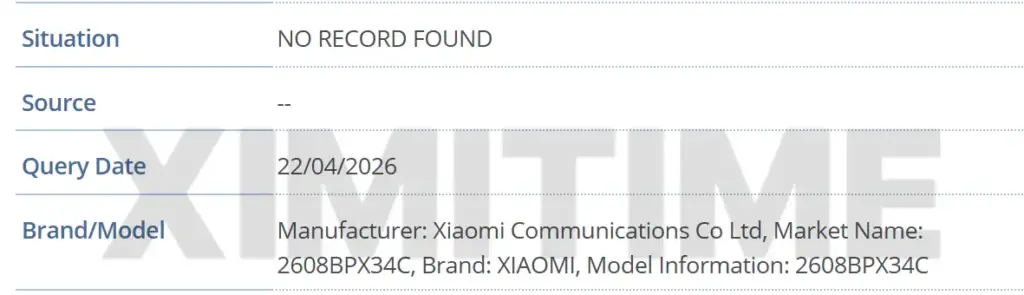
Mi Code data lists a new entry with model number 2608BPX34C and internal designation Q18. Within Xiaomi’s naming system, the “18” series is reserved exclusively for Fold devices, making Q18 a clear match for the upcoming Xiaomi MIX Fold 5 (or possibly Xiaomi 17 Fold, though it’s currently tagged as MIX Fold 5).
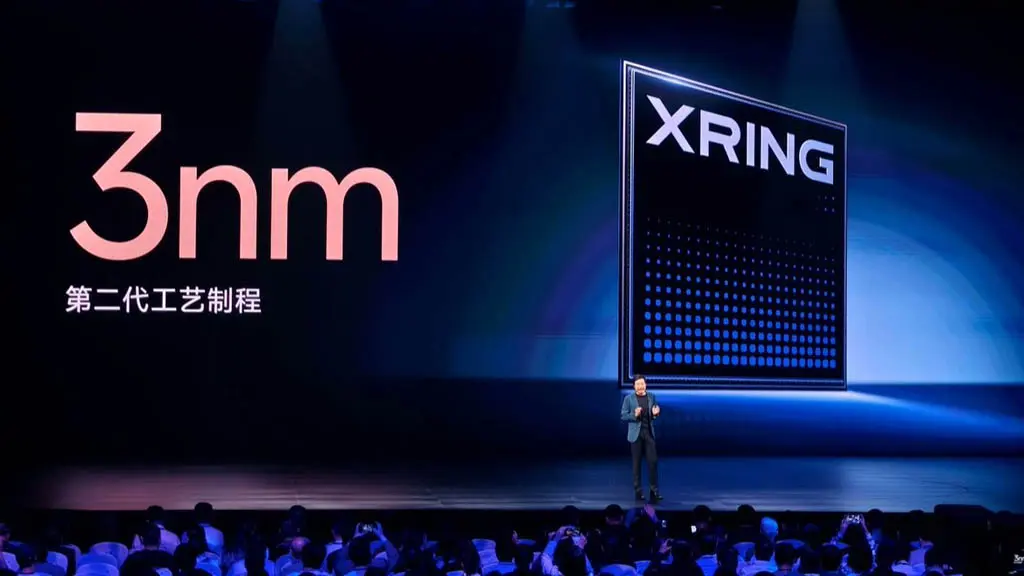
The biggest surprise is the chipset. The listing confirms the device will run on the XRING O3 processor, following the XRING O1 that launched in the 2025 Xiaomi 15S Pro. This marks Xiaomi’s boldest step yet in custom silicon for premium “Special Edition” China models, reducing dependence on third-party suppliers. For reference, the Xiaomi MIX Flip 3 sticks with a Snapdragon chipset.
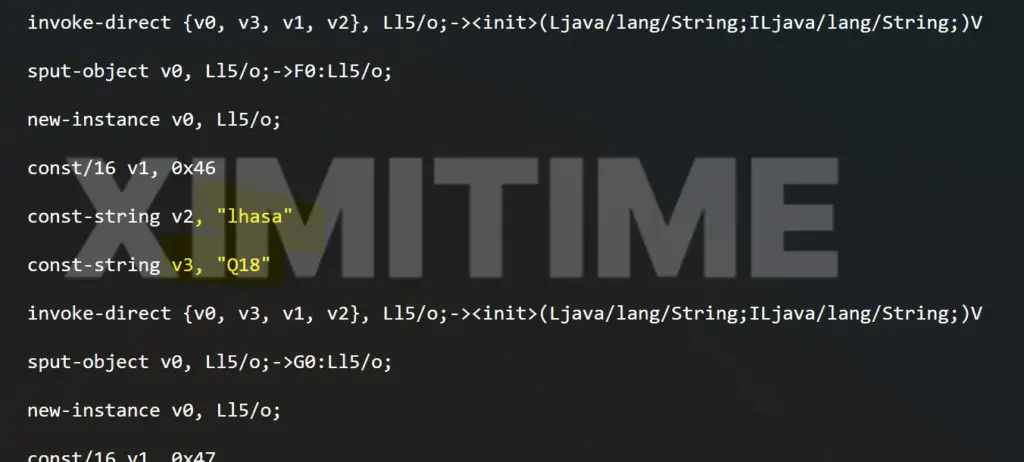
The project carries the codename “lhasa.” Last year’s abandoned foldable worked under codename “nirvana” with model O18. By shelving O18 entirely, Xiaomi redirected efforts to “lhasa,” ensuring smooth XRING O3 integration with Xiaomi HyperOS from day one.
Availability
The Xiaomi MIX Fold 5 will launch exclusively in China initially. While exact pricing remains under wraps, analysts anticipate a high-end starting point around $1,399 to take on premium foldable rivals. The model number hints at an August 2026 debut, potentially timed for Xiaomi Day on 8.16 with a special unveiling event.
Dropping the XRING O3 into a flagship foldable shows Xiaomi’s growing trust in its chip team. These processors currently power only top-tier China models, but Xiaomi’s broader plans point toward global XRING devices once the supporting ecosystem fully matures.
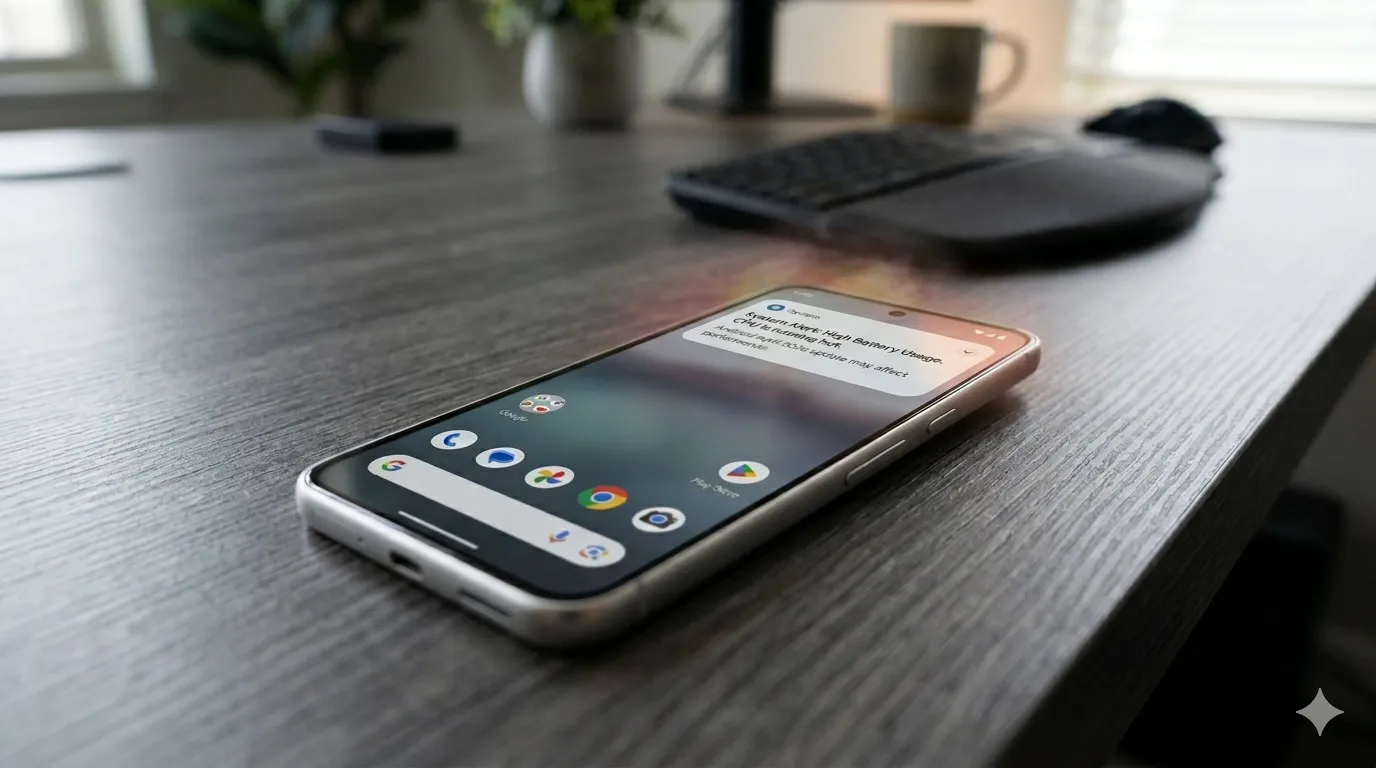
Pixel phones are no strangers to the occasional software hiccup, and the latest issue making the rounds is a slow performance bug that has started affecting a growing number of users. Pixel devices have never been the go-to choice for heavy multitasking or gaming, but day-to-day responsiveness has typically been one of their stronger points. For some owners, that snappiness has noticeably faded following recent software updates.
This isn’t the only problem Pixel users have had to deal with lately, either. Earlier this month, complaints surfaced around a battery drain bug tied to the April update that rolled out recently. Before that, a separate issue was causing boot loops after the March update – arguably the most alarming of the bunch. The performance slowdown adds yet another frustration to a string of post-update problems that Pixel owners have had to navigate.
Pixel 8 and Pixel 9 Most Affected
While the bug could potentially be touching older Pixel generations as well, Android Authority reports that the bulk of complaints are coming from Pixel 8 and Pixel 9 owners specifically. Neither of these phones is particularly old, and that matters. Starting with the Pixel 8, Google committed to providing seven years of software updates, meaning a large portion of users will be holding onto these devices for years to come.
That long-term support promise makes it all the more important for Google to address the issue promptly. So far, though, Google hasn’t publicly acknowledged the bug, which means a fix in the near term seems unlikely. It’s also worth noting that the slowdown may not be noticeable to every user. The bug is far from ideal, but depending on the device and usage pattern, some owners may not feel much impact at all.
Samsung has officially confirmed what many Galaxy users feared: Samsung Messages is going away. The app will be fully discontinued in July 2026. It’s already been pulled from pre-installation on newer Galaxy devices, including the Galaxy S26 series. Once July hits, you won’t be able to download it from the Galaxy Store either. And shortly after that, sending messages through it will stop working — except to emergency numbers.
If you’ve been using Samsung Messages as your daily driver for SMS and RCS conversations, this is the moment to start thinking about your next move. Not next month. Now.
The good news? There are solid alternatives. The complicated news? None of them are perfect one-to-one replacements. Here’s an honest breakdown.
Why Samsung Messages Shutting Down Is a Bigger Deal Than It Sounds
Across Reddit threads, Galaxy owners have expressed real frustration with this decision. Some have said things like “we might as well get Google Pixels” – because part of what made Samsung phones feel distinct was the software layer on top of Android. Losing Samsung Messages removes one more point of differentiation.
That’s a fair observation. Samsung Messages wasn’t just a texting app – it was a familiar interface for millions of users who had customized their notification sounds, set up message categories, and built habits around a specific UI. Switching costs are real, even for something as seemingly simple as a messaging app.
The other dimension here is RCS. Rich Communication Services — think of it as the modern upgrade to traditional SMS — enables typing indicators, read receipts, high-quality media sharing, and improved group chats. No alternative texting app outside of Google Messages currently has access to RCS. That means if you go with a different app, you’re stepping back to a more basic messaging experience — no read receipts, no high-res photo sharing, and frustrating group conversations.
That’s not a minor inconvenience. That’s a real trade-off.
Google Messages: The Natural Heir (With Some Strings Attached)
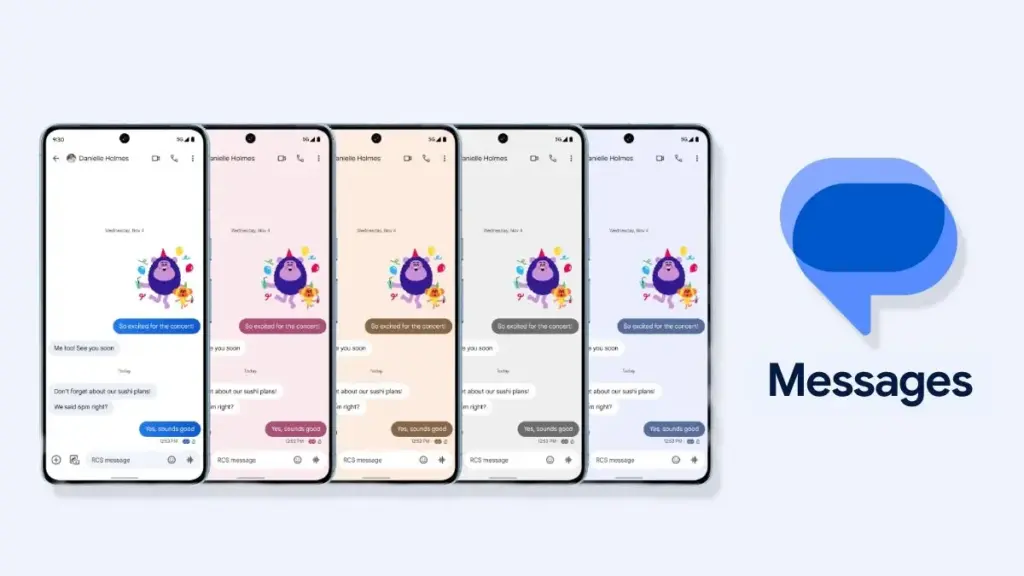
The most natural successor to Samsung Messages, especially if you want to keep RCS, is Google Messages. It’s already the default messaging app on most Android phones, and Google has been adding new features consistently to make it more capable.
Google Messages
Google Messages is the official Google app for messaging. Google Messages is revolutionizing how a billion users connect and is powered by Rich Communication Services (RCS), the industry standard for texting that replaces SMS and MMS.
With RCS enabled on Google Messages, you get typing indicators, message reactions, high-quality media sharing, and built-in spam protection. And since iOS 18, iPhones also support RCS – so cross-platform conversations with iPhone users are now much cleaner than the old SMS-green-bubble situation.
From a practical standpoint, the migration is straightforward. All messages and conversations will automatically transfer between Samsung Messages and Google Messages, though the process can take up to approximately 24 hours depending on how much data you have. That’s not a dealbreaker — just plan ahead.
What you’ll miss? Samsung Messages had better message categorization and a more flexible UI for organizing conversations. Google Messages is improving steadily, but it still feels slightly more rigid. And the Gemini AI integration – while genuinely useful for some – might feel intrusive if you just want a clean, minimal texting interface.
Still. If RCS matters to you, this is your best bet. It’s well-maintained, it’s free, and it works.
WhatsApp and Telegram: The Cross-Platform Heavyweights
If you’re open to moving away from traditional SMS entirely, WhatsApp is probably the easiest transition. Most people already have it installed. It works across Android, iPhone, and even desktop. You get voice and video calls, group chats, message reactions, and end-to-end encryption by default.
There have been recent concerns around privacy with WhatsApp, with reports suggesting Meta employees could potentially access private messages – although the company has denied these claims. It’s something worth knowing, even if you decide it doesn’t change your decision.
Telegram is a different beast. It’s faster, more feature-rich than WhatsApp in some ways (channels, bots, large group support, customizable themes), and has a devoted user base. The catch: default chats on Telegram are not end-to-end encrypted – only “Secret Chats” are. That surprises a lot of people who assume Telegram equals private.
Both WhatsApp and Telegram require your contacts to also use the app. There’s a chance many people you know are already on these platforms — it might be worth a quick conversation with friends and family to see which one already has the most traction in your circle.
Signal: For Users Who Actually Care About Privacy
Signal is the gold standard for private messaging. Everything is end-to-end encrypted by default, the organization behind it is a nonprofit, and the app collects almost no metadata. If you’ve ever looked at WhatsApp’s privacy policy and felt uneasy, Signal is the answer.
Signal Private Messenger
Signal is a messaging app with privacy at its core. It is free and easy to use, with strong end-to-end encryption that keeps your communication completely private.
The downside is that it’s not as widely used, and the feature set is more minimal compared to WhatsApp or Telegram. You’d need to convince your close contacts to switch — which isn’t always easy.
Signal also can’t replace SMS for people outside the app. So it works best as a secure messaging layer for a specific group — close friends, family, work contacts who are already privacy-conscious. Not a universal solution, but for what it does, nothing comes close.
The Niche Options: Textra, Fossify, and Others
Here’s where it gets more interesting.
On Reddit, Galaxy owners have been recommending apps like Textra SMS, Handcent Next SMS, Fossify Messages, Pulse SMS, and ZenSMS as alternatives. These apps are primarily SMS-focused, which means they feel a lot closer to the traditional Samsung Messages experience — customizable themes, cleaner UIs, message scheduling on some of them.
The trade-off is clear: none of them support RCS. You lose typing indicators, read receipts, and high-quality media delivery. If your contact list is split between Android and iPhone users and you’ve been enjoying the improved cross-platform experience that RCS brought, you’ll notice the difference immediately.
Textra, specifically, has been around for years and is genuinely well-designed. It’s a solid choice if you value aesthetic customization and don’t have strong feelings about RCS. Fossify Messages is open-source and lightweight — a good pick for users who want minimal data collection and a clean interface.
How to Switch Without Losing Your Messages
One thing people often overlook: the practical mechanics of switching.
To switch to Google Messages manually: open or download Google Messages from the Play Store, tap “Set default SMS app” when prompted, select Google Messages, and confirm. The switch is fairly painless.
A few things to be aware of:
If you’re on an older Samsung device released before 2022, switching apps may temporarily disrupt ongoing RCS conversations. They’ll resume once both sides are on Google Messages.
Older Tizen OS watches (Galaxy Watch3 and earlier) won’t be able to display full message conversation history after the switch — though they’ll still let you read and send texts.
Back up your messages before switching. Samsung Cloud or Google One can handle this — and WhatsApp has its own built-in backup system if you’re going that route.
The transfer itself is largely automatic. Just give it time.
So, Which App Should You Actually Choose?
Honestly? It depends on who you text.
If most of your contacts are on Android and you care about a seamless, modern texting experience — Google Messages. It’s not as customizable as Samsung Messages, but it’s the only real RCS option.
If you text internationally a lot and your social circle is already on it — WhatsApp. The network effect alone makes it worth considering.
If you want something that looks and feels closer to Samsung Messages, and you’re okay giving up RCS — Textra or Fossify Messages.
If privacy is non-negotiable — Signal, used alongside one of the above for regular SMS.
There’s no perfect answer here. Samsung Messages built a loyal user base over years, and its shutdown is a genuine inconvenience. But the replacement options are functional, and in some cases — particularly Google Messages with RCS — objectively more capable.
Start testing your top choice now, before July. Don’t wait until the last moment when the app goes dark.
Frequently Asked Questions
When exactly is Samsung Messages shutting down? Samsung Messages will be discontinued in July 2026 in the US market. Users on Android 11 or lower are not affected by this end-of-service change.
Will I lose my messages when Samsung Messages shuts down? No — your SMS and MMS history is stored on your device, not in the app itself. Switching to a new app won’t delete your messages. RCS chat history may transfer automatically when you move to Google Messages.
Does any alternative support RCS like Samsung Messages did? Currently, Google Messages is the only third-party SMS app with access to RCS. Apps like Textra and other SMS alternatives do not support RCS.
Can I still use Samsung Messages after July 2026? After Samsung Messages is discontinued, sending messages through the app will no longer be possible, except for emergency service numbers or emergency contacts defined on your device.
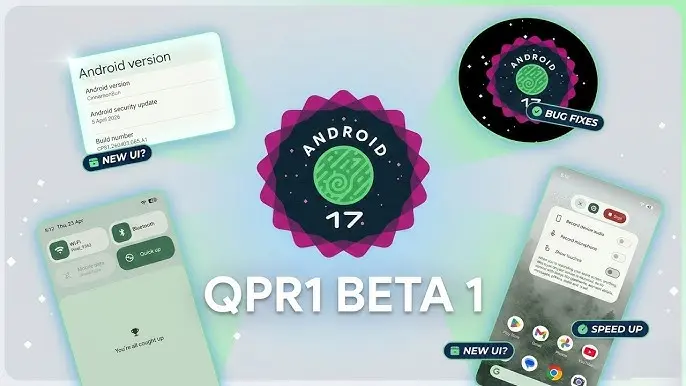
With the final scheduled Android 17 Beta dropping just last week, Google has wasted no time shifting focus — Android 17 QPR1 Beta 1 is already here.
Google describes the release officially as the start of “the next round of Beta updates for our September Feature Drop release,” marking the beginning of the QPR1 cycle ahead of what will become a standalone feature update later in the year.
This build addresses the following issues:
Fixed a crash in the Default Print Service occurring during low ink conditions that prevents users from completing print jobs. (Issue #487545419)
The Terminal app triggers an Application Not Responding (ANR) error that results in the application and device becoming unresponsive. (Issue #497465940)
Resolved an issue where uncontrollable hardware audio processing on the voice communication path caused distortion and phase cancellation in VoIP applications. (Issue #494843726)
Direct audio output may fail to open on devices using the AIDL audio HAL when playing audio streams longer than five seconds. (Issue #372064012)
There are no obvious user-facing changes in this release — it’s primarily a bug-fix drop rather than a feature-forward update.
Pixel users enrolled in the Android Beta program can submit feedback directly through the Android Beta Feedback tool, accessible from the app drawer or Quick Settings, which routes reports straight to the Google issue tracker. The Android Beta community on Reddit is also an active space for discussion and bug reports.
Build number: CP31.260403.005.A1
Android 17 QPR1 Beta 1 system images are now available for the following devices: Pixel 6, Pixel 6 Pro, Pixel 6a, Pixel 7, Pixel 7 Pro, Pixel 7a, Pixel Tablet, Pixel Fold, Pixel 8, Pixel 8 Pro, Pixel 8a, Pixel 9, Pixel 9 Pro, Pixel 9 Pro XL, Pixel 9 Pro Fold, Pixel 9a, Pixel 10, Pixel 10 Pro, Pixel 10 Pro XL, and Pixel 10 Pro Fold, along with the Android Emulator.
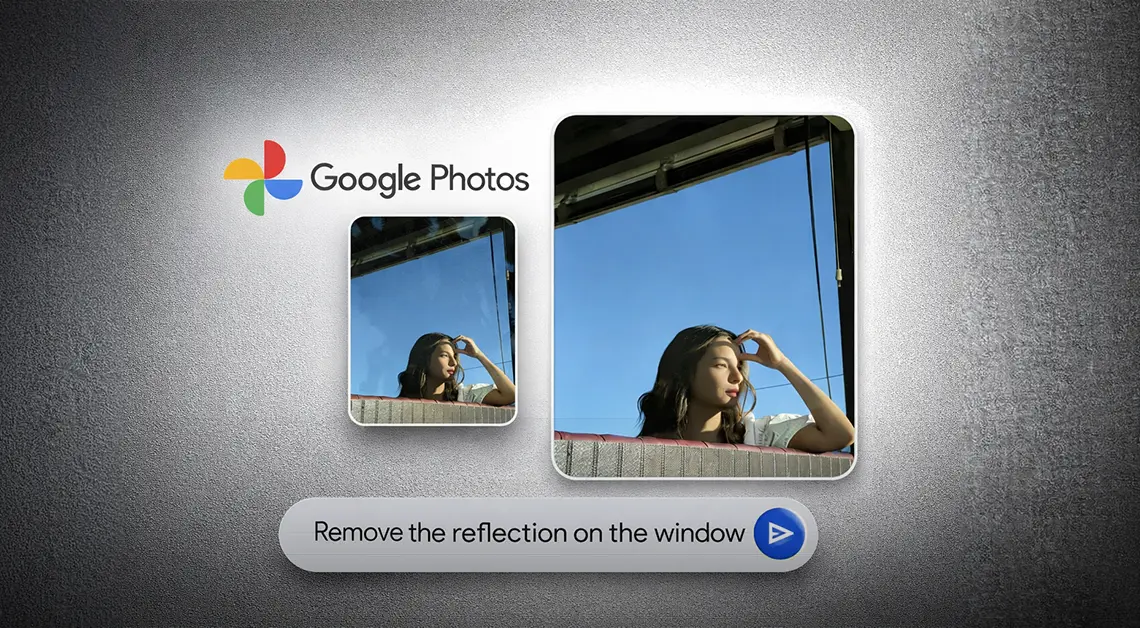
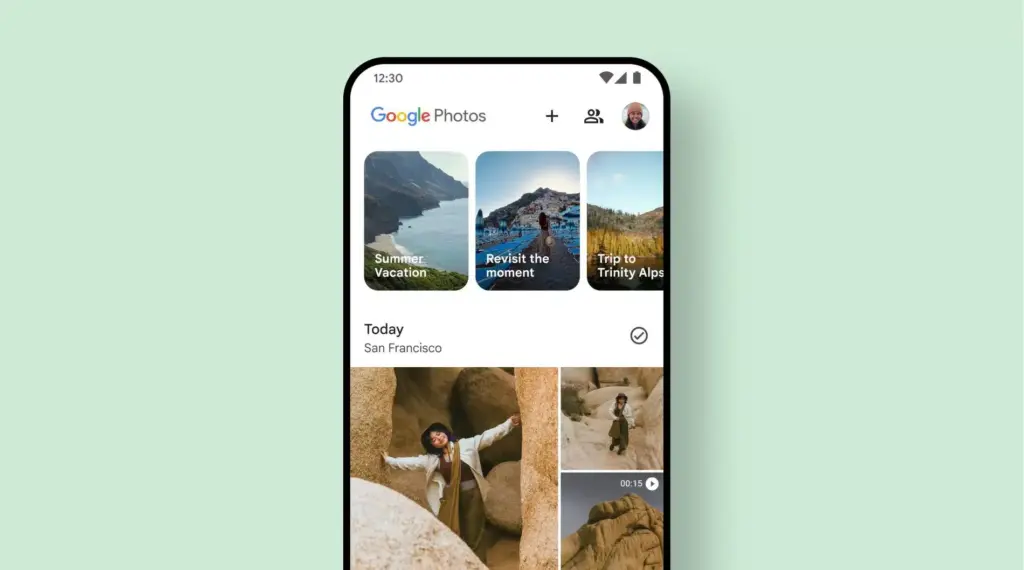
Google Photos has been on a steady update streak lately, picking up long-requested features alongside smaller quality-of-life improvements. The app isn’t slowing down either – Google is now rolling out another update that brings a set of touch-up tools directly into the built-in image editor. The company is framing the addition around the idea that “your photos should capture how you feel in the moment.”
New touch-up tools land in Google Photos’ image editor
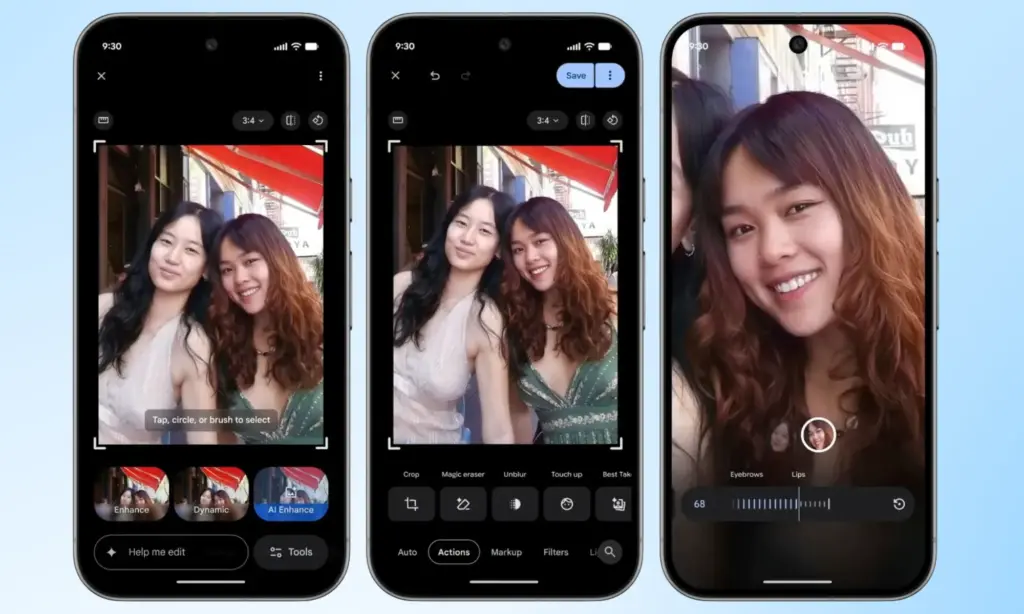
The new tools are designed to apply subtle, targeted enhancements to portrait shots. According to Google, they let users refine skin texture, remove blemishes, brighten eyes, and whiten teeth – all within seconds. The workflow is straightforward: select a face in the photo, then pick from a set of options including heal, smooth, under eyes, irises, teeth, eyebrows, or lips. From there, a slider lets you dial in the intensity of each effect.
Everything renders in real time, so adjustments are visible as they’re made, making it easy to fine-tune before saving. It’s worth noting that many third-party photo editing apps have offered similar tools for years, but Google Photos users now get these capabilities natively, without needing to reach for a separate app.
Rolling out gradually to Android devices with 4GB RAM or more
This feature has had a long road to release. Code strings hinting at its existence were first discovered inside Google Photos back in October last year, but it’s taken until now for Google to push it live. It’s a welcome addition for anyone who likes to put a little polish on their photos before sharing, though those who prefer keeping images untouched can simply skip it entirely.
Google has confirmed the touch-up tools are rolling out gradually on a global basis through the Photos app, targeting Android devices running Android 9.0 or higher with at least 4GB of RAM. Given that the rollout is just getting started, it may take a few days before the update reaches all eligible devices.
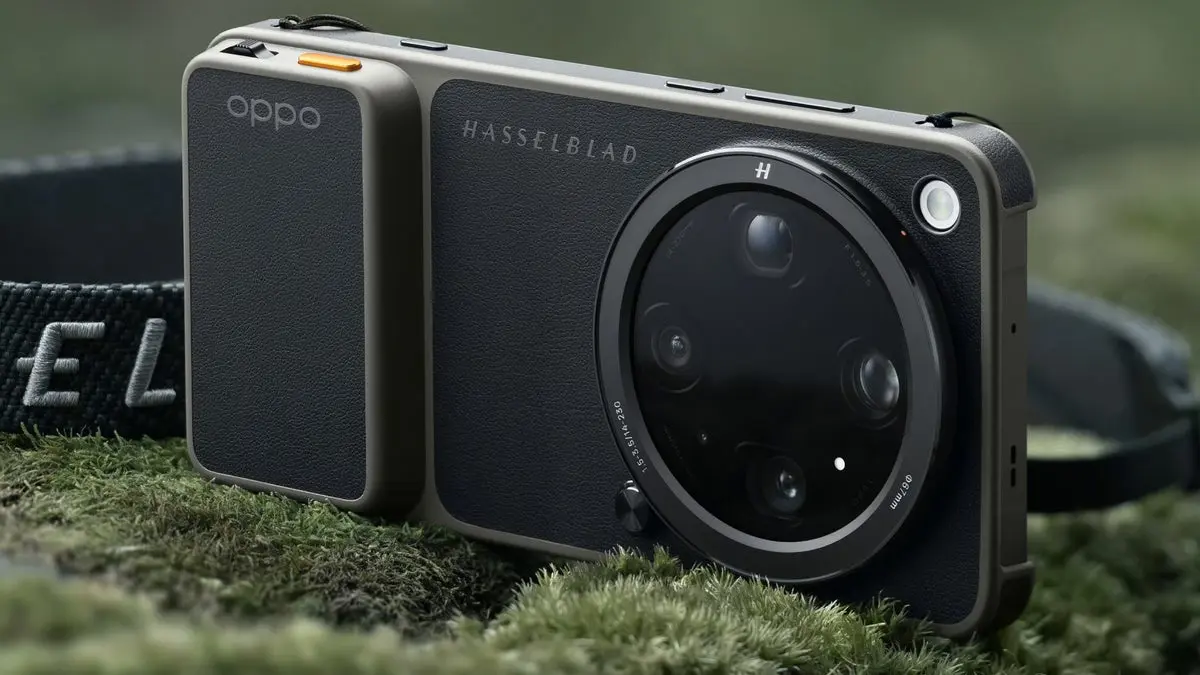
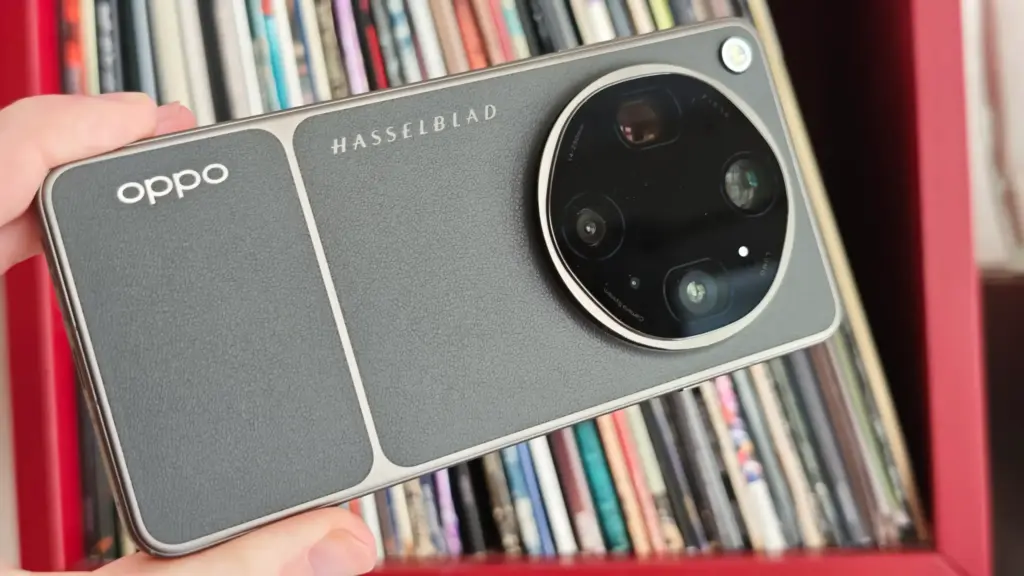
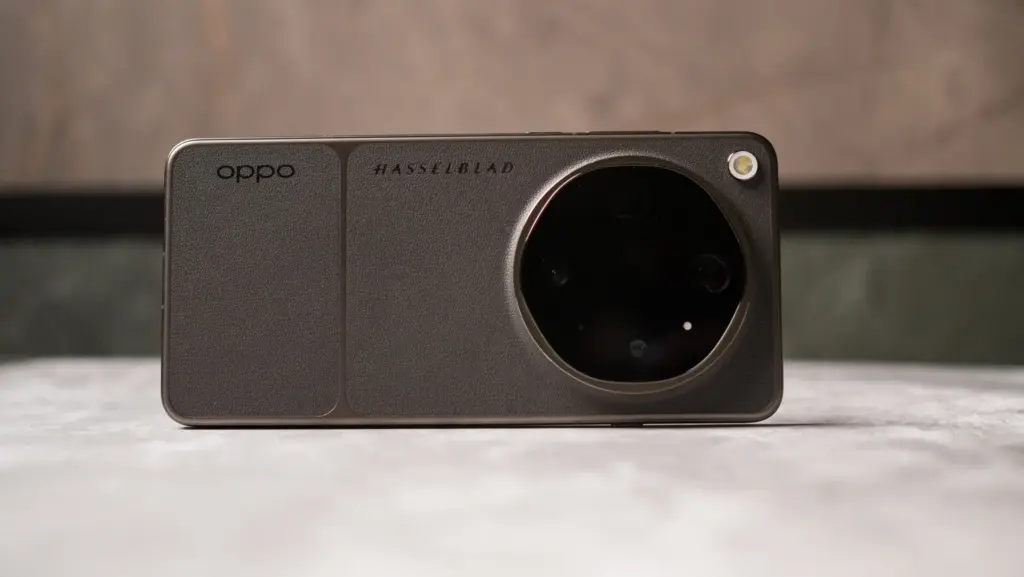
Oppo officially launched the Find X9 Ultra in China on Tuesday, slotting it in as the flagship of the Find X9 family alongside the standard Find X9 and Find X9 Pro. The device runs on Qualcomm’s Snapdragon 8 Elite Gen 5 chipset paired with up to 16GB of RAM, features a 2K display with a 144Hz refresh rate, and houses a 7,050mAh silicon-carbon battery with 100W wired fast charging support.
Oppo Find X9 Ultra Price and Availability
Pricing in China starts at CNY 7,499 (roughly Rs. 1,03,000) for the base 12GB + 256GB configuration. The 12GB + 512GB variant comes in at CNY 7,999 (roughly Rs. 1,10,000), while stepping up to 16GB + 512GB costs CNY 8,499 (roughly Rs. 1,17,000). Those wanting more storage can opt for the 16GB + 1TB model at CNY 9,299 (roughly Rs. 1,27,000), with a special edition variant rounding things out at CNY 9,499 (roughly Rs. 1,30,000).
The phone is available in three colour options – Polar Glaciers, Rongsha Canyon, and Tundra (translated from Chinese) – and goes on sale in China from April 24. Global rollout details haven’t been confirmed yet, though Oppo has already announced an India launch for May. Pricing and full regional details are expected to follow closer to that date.
Oppo Find X9 Ultra Specifications and Features
The dual-SIM device (nano + nano/eSIM) runs ColorOS 16 built on Android 16. Up front, there’s a 6.82-inch QHD+ flexible AMOLED panel with a resolution of 1,440 x 3,168 pixels, a 120Hz refresh rate, up to 1,800 nits peak brightness, and 10-bit colour depth. The Snapdragon 8 Elite Gen 5 handles processing duties, backed by an Adreno 840 GPU, up to 16GB of LPDDR5x RAM, and up to 1TB of UFS 4.1 storage.
Photography is where the Find X9 Ultra really pushes boundaries. The quad rear camera system leads with a 200-megapixel primary sensor featuring OIS, joined by a 50-megapixel ultra-wide shooter, a 200-megapixel periscope telephoto lens, and a 50-megapixel ultra-telephoto camera capable of 10x optical zoom and up to 120x digital zoom. A dedicated colour reproduction lens rounds out the rear setup, while a 50-megapixel camera handles selfies from the front.
Video capabilities are equally impressive, with support for 8K recording at 30fps, 4K at up to 120fps, and Dolby Vision capture. The camera system also integrates Hasselblad imaging, an XPAN shooting mode, and a suite of professional video tools.
On the connectivity side, the phone covers Wi-Fi 7, Bluetooth, NFC, GPS, GLONASS, Beidou, Galileo, QZSS, and USB Type-C. Select variants additionally support Tiantong satellite communication (translated from Chinese) and Beidou satellite messaging. Security is handled by a 3D ultrasonic in-display fingerprint sensor.
The 7,050mAh silicon-carbon battery supports both 100W wired and 50W wireless fast charging. The handset measures approximately 163.16 x 76.97 x 8.65mm depending on the colourway chosen and weighs around 235g.
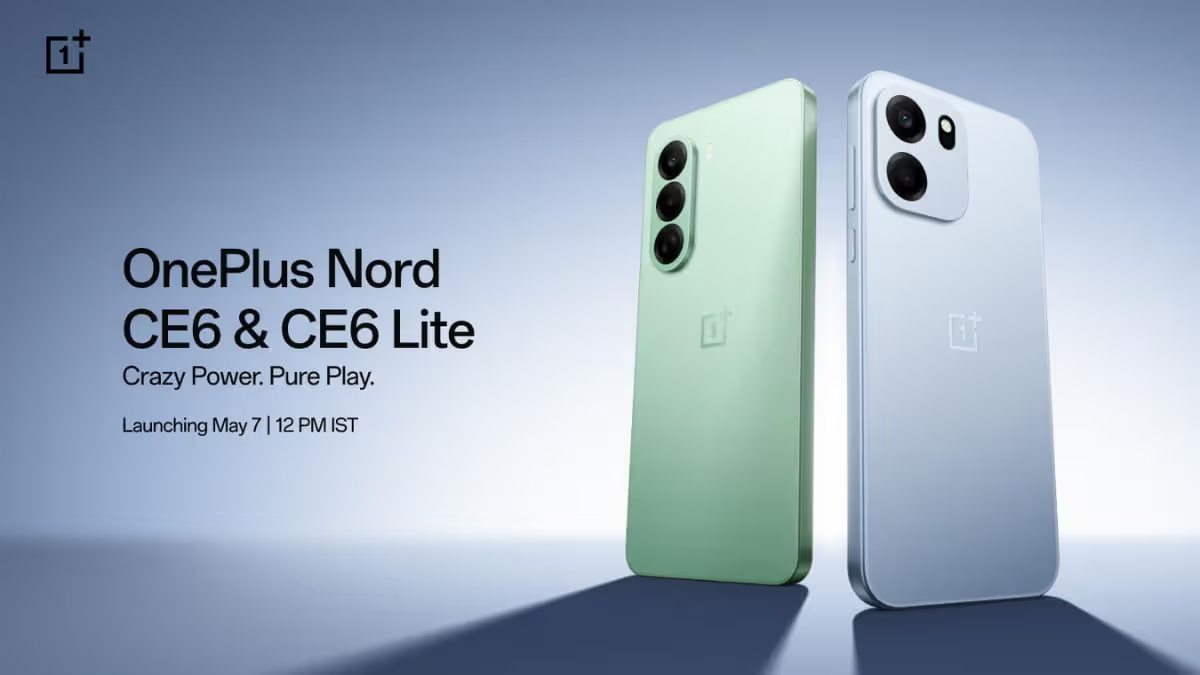
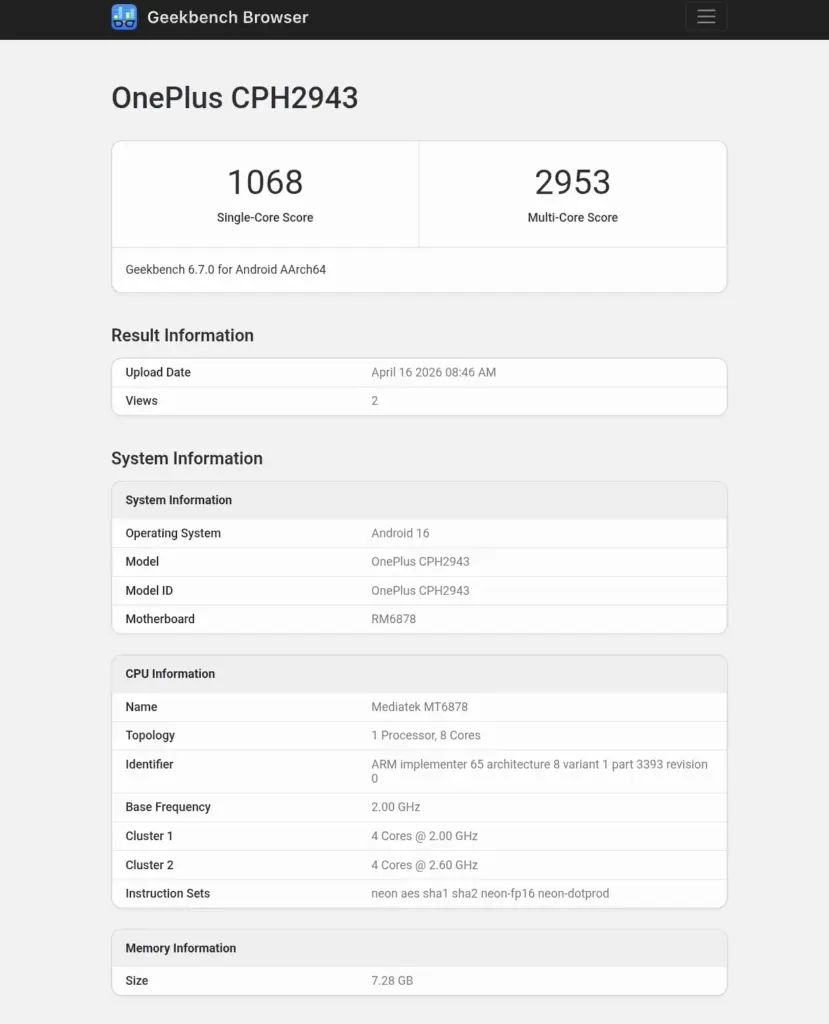
OnePlus has been busy reshaping its Android lineup lately. The company launched the OnePlus Nord 6 earlier this month as a follow-up to the Nord 5, and it’s now reportedly working on two more additions to round out the series at lower price points — the Nord CE6 and Nord CE6 Lite. A new OnePlus device, carrying the model number CPH2943 and widely believed to be the Nord CE 6 Lite, has now surfaced on the Geekbench benchmarking platform.
Mysterious CPH2943 could be the Nord CE 6 Lite
The Geekbench listing doesn’t name the device outright, but tipster Abhishek Yadav has identified it on X as the OnePlus Nord CE 6 Lite. On the performance front, the phone posted a single-core score of 1,068 and a multi-core score of 2,953. The listing also reveals a handful of key specs: the device runs Android 16, which will almost certainly ship with OxygenOS 16 on top, and it comes with 8GB of RAM — though additional memory configurations could be available at launch.
The benchmark points to a MediaTek Dimensity 7400 SoC paired with a Mali-G615 MC2 GPU under the hood. That said, Abhishek Yadav notes that the final chipset branding may differ slightly — possibly Dimensity 7400 Max, Extreme, or Pro — though the underlying silicon will remain the same regardless of what OnePlus ends up calling it. The core configuration listed shows four cores running at 2.0GHz and four performance cores clocked at 2.60GHz.
May launch expected in India
Since the marketing name isn’t confirmed in the listing, there’s a slim possibility this could turn out to be the standard Nord CE 6 rather than the Lite variant. Nothing is set in stone at this point. Either way, current rumors suggest both the Nord CE 6 and Nord CE 6 Lite are headed to India sometime in May.
Separately, OnePlus has a more immediate launch on the calendar. The OnePlus Pad 4 is set to debut in India on April 30th, and it’s shaping up to be a powerhouse tablet. It’s powered by the Snapdragon 8 Elite Gen 5 chip and houses a massive 13,380mAh battery. The display is expected to measure 13.2 inches with a 3.4K resolution and a 144Hz refresh rate, while charging is handled by 80W fast charging. The tablet may also support an external smart keyboard and stylus accessory.
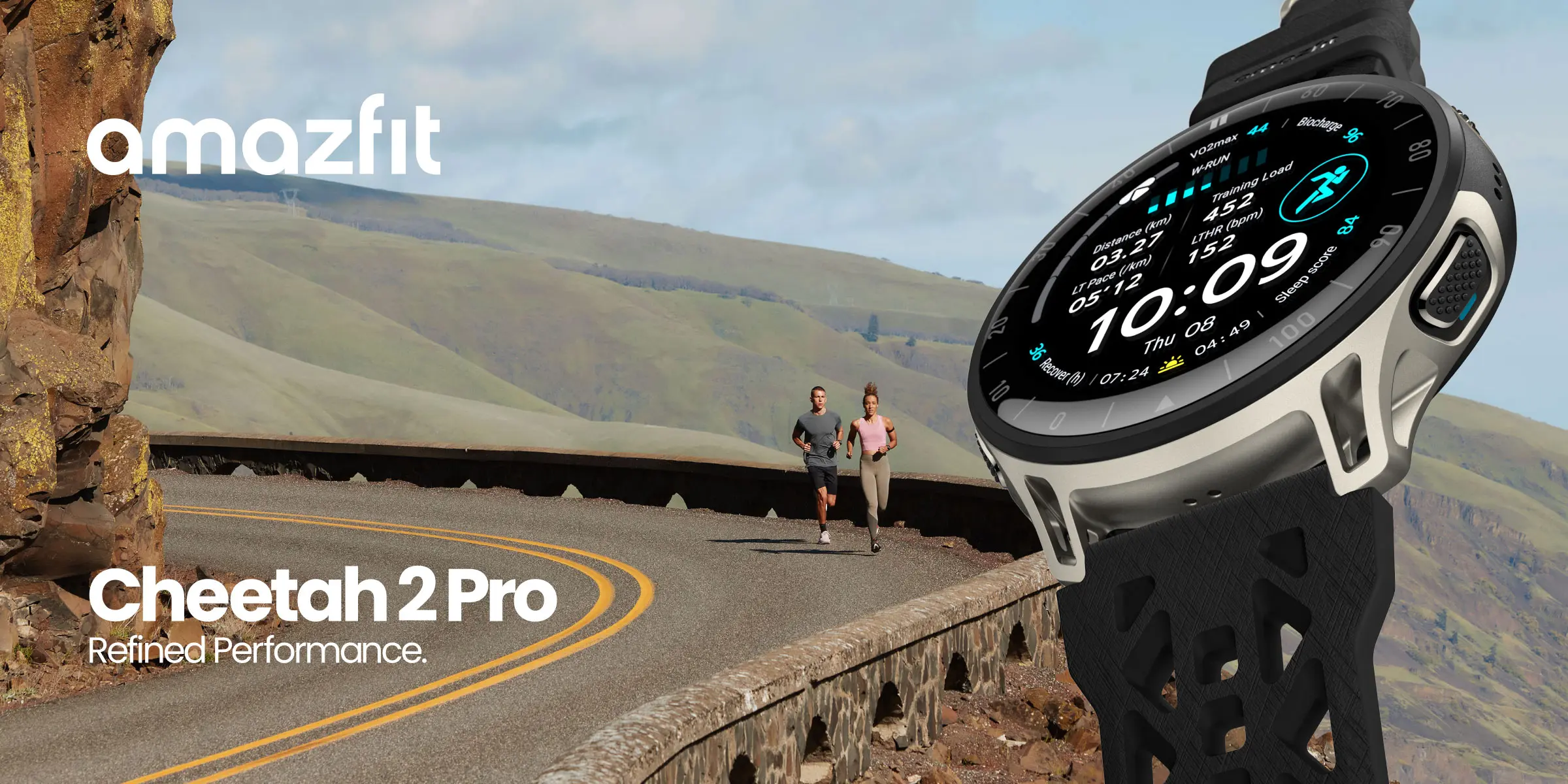
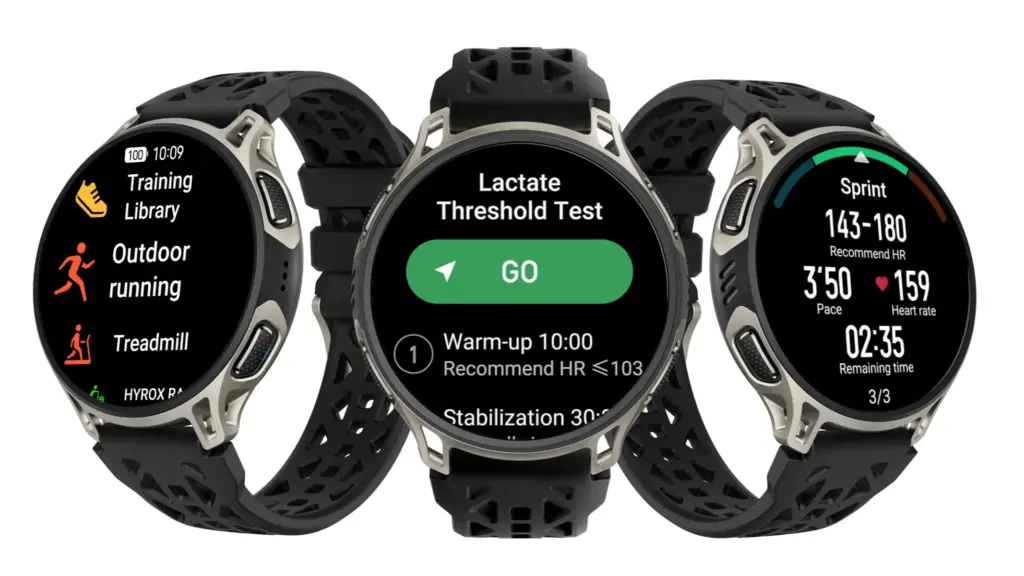
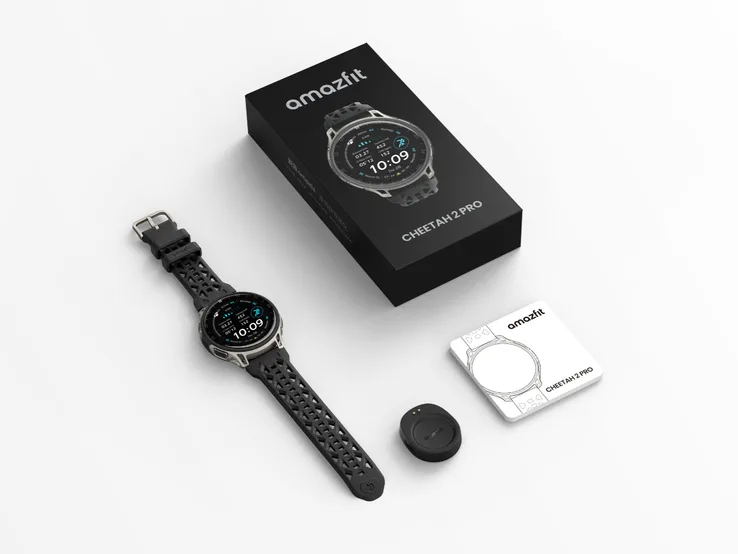
Amazfit has officially introduced the Cheetah 2 Pro to the global market, marking the debut of its new Cheetah 2 series. The launch follows a wave of recent leaks and brings a high-end smartwatch with a focus on endurance and outdoor tracking.
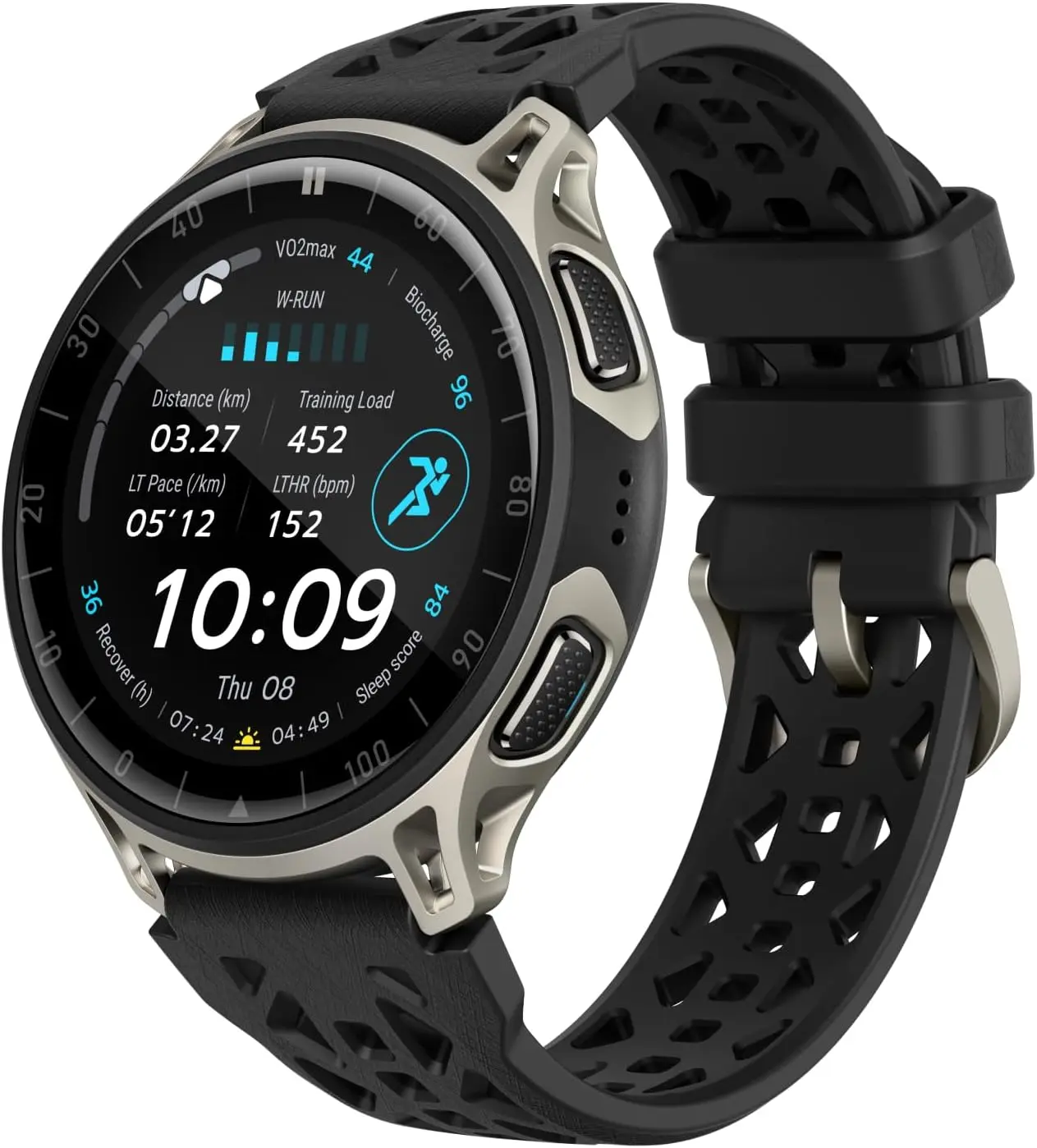
The Cheetah 2 Pro features a 1.32-inch AMOLED display housed in a 48 mm case, while still supporting relatively slim 20 mm straps. The screen reaches up to 3,000 nits of peak brightness and offers a resolution of 466 × 466 pixels, resulting in a pixel density of 353 PPI.
Amazfit Cheetah 2 Pro
Built with extraordinary durability for high-mileage runs, the grade 5 titanium case and scratch-resistant sapphire glass protect a vibrant 1.32″ AMOLED display. Unnecessary material is removed while rigidity and precision are preserved.
Battery life is a key highlight. The smartwatch packs a 540 mAh battery, with Amazfit claiming up to 29 hours of use with GPS enabled, 7 days in standard smartwatch mode, and up to 20 days under “moderate activity” conditions.
On the hardware side, the device includes Amazfit’s in-house 5PD PPG heart rate sensor and an Airoha Technology AG3353 GNSS module for positioning. It also features a built-in speaker, a digital microphone, and a LED flashlight—similar to what’s found on devices like the Garmin Forerunner 970 and Venu 4. The watch weighs 46 grams, supports 5 ATM water resistance, and uses sapphire glass for display protection.
Built with extraordinary durability for high-mileage runs, the grade 5 titanium case and scratch-resistant sapphire glass protect a vibrant 1.32″ AMOLED display. Unnecessary material is removed while rigidity and precision are preserved.
This positions it notably higher than the original Cheetah Pro, which launched in mid-2023 at a significantly lower price and has since dropped to around $179.99 on Amazon. For more details, Amazfit directs users to its official website.