Author: Robert Haba

  • Xiaomi’s HyperOS 3.1 update introduces iOS-like recent apps view

    Xiaomi’s HyperOS 3.1 update introduces iOS-like recent apps view

    Zhang Guoquan, the director of mobile software for Xiaomi, has stated that the business will start testing the layered background interface in HyperOS internally in December. This impending update will improve Xiaomi phones’ multitasking capabilities by providing a more user-friendly and aesthetically pleasing background management experience. Through Zhang’s interactions with Weibo users, the functionality was made public, demonstrating Xiaomi’s ongoing dedication to enhancing the real-world user experience using HyperOS, the company’s unified operating system.

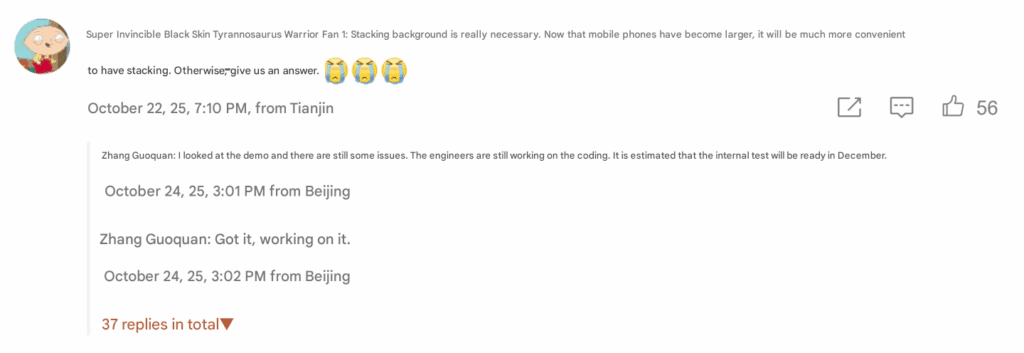
    A Xiaomi devotee responded in a Weibo debate by calling for the inclusion of a stacked background interface, particularly given the larger screens of modern smartphones that necessitate more fluid multitasking capabilities. Zhang Guoquan replied, “Received, working on it,” to the comment. He then added that the functionality is currently in the demonstration stage but still undergoing optimization. The code is now being finished by programmers, and internal testing is expected to start in December.
    translated image en 16

    Stacked Background Interface?

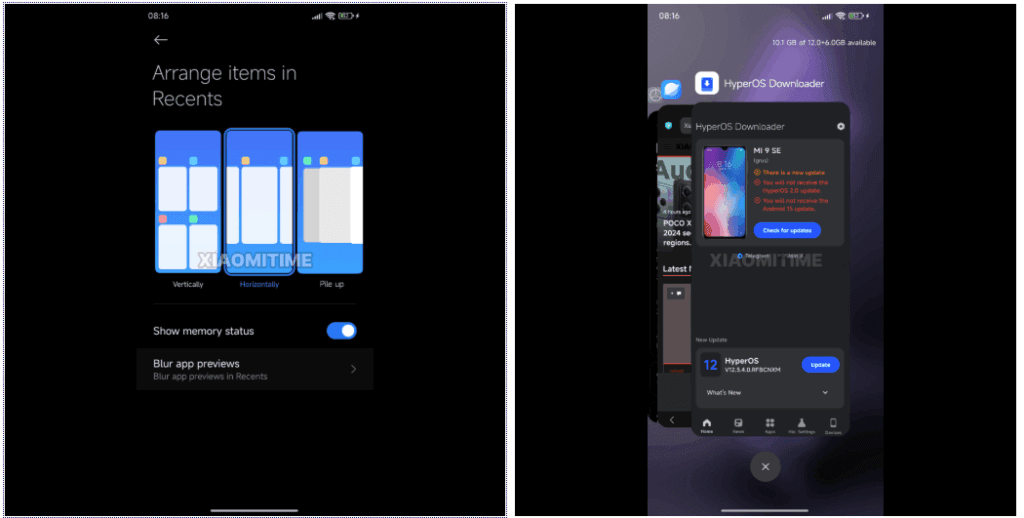
    Users can see running apps as a deck of cards arranged on top of each other, from largest to smallest, depending on which card is accessed first thanks to the stacked background interface. Similar to the multitasking interfaces found in webOS (2009) and later in Apple’s iOS 9, users can swipe up to close apps or left or right to navigate between them.

    In place of conventional grid-patterned task lists, this structure provides an interactive and spatial method of managing applications. It makes it possible to maximize screen real estate, which is particularly helpful on devices with large screens like the Xiaomi 15 Pro and Xiaomi Pad 7.
    xiaomi hyperos 3.1 stacked recent interface

    Originally developed in webOS, stacked multitasking was first used on phones like the Palm Pre, which also popularized features like wireless charging and gesture navigation, which are now commonplace on the majority of contemporary smartphones. This kind of multi-application management became popular once Apple adopted the UI in iOS 9.

    With HyperOS, Xiaomi appears to be bringing back these antiquated ideas while modernizing them with fluid animations, AI enhancements, and improved performance scaling.

    It is anticipated that the stacking interface will be included in HyperOS’s 2025 upgrades, maybe in the feature package that comes after HyperOS 3.1. When public testing starts, Xiaomi customers should anticipate smoother animations, more fluid multitasking, and better use of display real estate. These features are in line with Xiaomi’s overarching goal of using Xiaomi HyperConnect to build an intelligent, connected user ecosystem.
  • Redmi K90 Pro Max confirmed with Xiaomi 17 level camera performance

    Redmi K90 Pro Max confirmed with Xiaomi 17 level camera performance

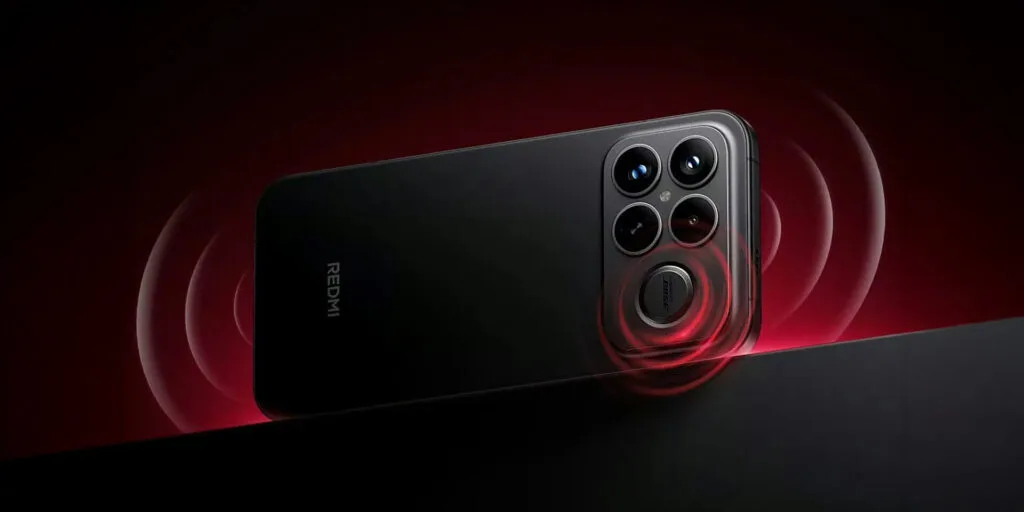
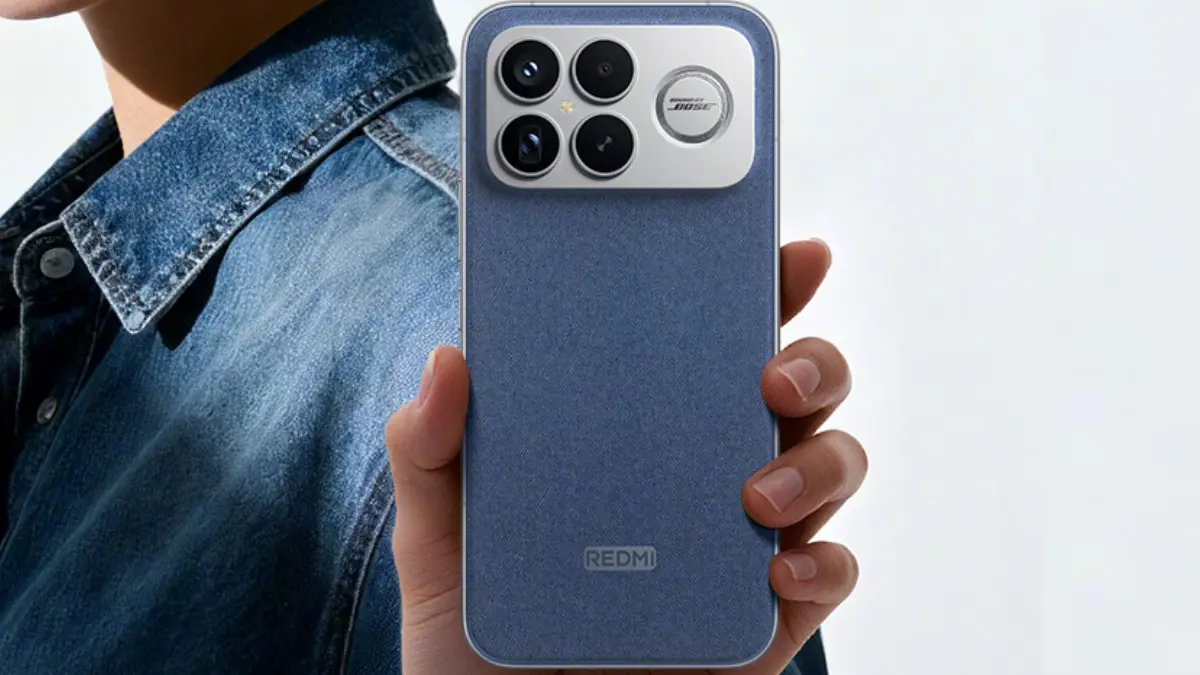
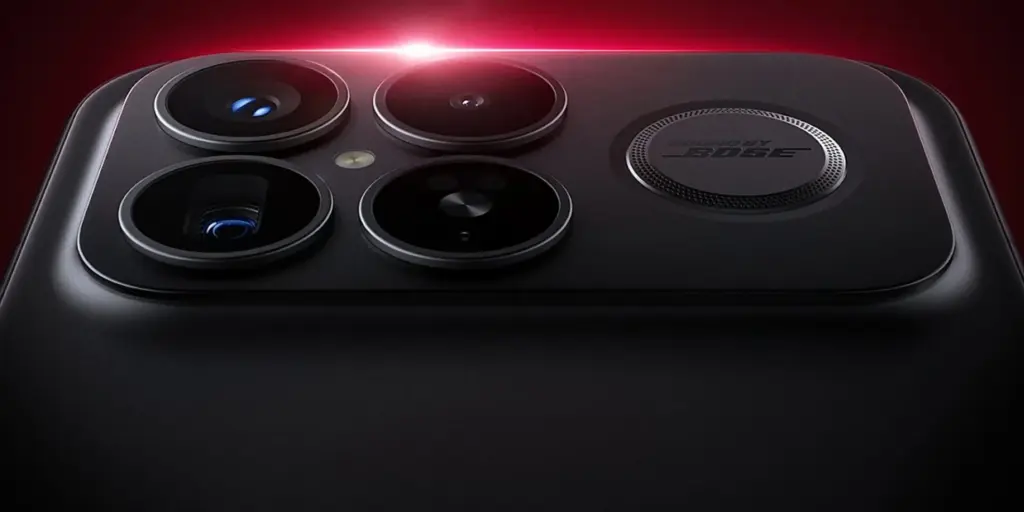
    Redmi is going to cause another upheaval. The Redmi K90 Pro Max, which will come with a significant upgrade, will formally launch on October 23 at 19:00 (China time), according to the company. The Light Hunter 950 sensor, the same flagship-grade camera seen on the Xiaomi 17, will be available on a Redmi handset for the first time. Put another way, high-end photography is on the verge of becoming popular.

    Light Hunter 950 brings flagship-level imaging to Redmi phones

    Redmi K90 Pro Max flagship camera

    A 1/1.31-inch ultra-large sensor, the Light Hunter 950 can capture remarkable light and detail. By utilizing DXG High Dynamic technology and supporting a 13.5EV dynamic range, it guarantees sharp, colorful images even in challenging lighting conditions.

    Additionally, it has a 1G+6P glass-plastic hybrid lens and a precision coating technology from Redmi that reduces glare and improves sharpness. In actuality, this means that the Redmi K90 Pro Max performs extremely well, matching Xiaomi’s flagship phones. This is a daring move for a phone that costs less than $600.

    The Xiaomi Group President, Lu Weibing, claims that the Redmi K90 Pro Max is “the most powerful phone in the 4,000 yuan+ segment,” or around $550. This puts it in direct competition with upper-mid-range rivals like the Samsung Galaxy S24 FE and OnePlus 13R, which frequently provide performance but lack innovative cameras.

    Redmi’s approach is straightforward: provide premium camera performance and power to customers who won’t pay too much. The K90 Pro Max has the potential to completely change our expectations for a mid-range smartphone, if initial impressions are accurate.

    The Xiaomi Group President, Lu Weibing, claims that the Redmi K90 Pro Max is “the most powerful phone in the 4,000 yuan+ segment,” or around $550. This puts it in direct competition with upper-mid-range rivals like the Samsung Galaxy S24 FE and OnePlus 13R, which frequently provide performance but lack innovative cameras.

    Redmi’s approach is straightforward: provide premium camera performance and power to customers who won’t pay too much. The Redmi K90 Pro Max has the potential to completely change our expectations for a mid-range smartphone, if initial impressions are accurate.

    Redmi K90 Pro Max confirmed with Xiaomi 17 camera performance

    Flagship imaging meets affordability: a new era for photography

    Redmi is bridging the gap between mid-range and premium smartphones more quickly than ever before thanks to the Xiaomi 17’s main camera technology. This is about changing perspective, not simply about specs. A phone that costs less than $600 and has a camera that can compete with a flagship? Redmi’s reputation is based on disruptions like that.

    We may stop considering “cheap” phones as compromises in 2025 if this trend keeps up.

    Estimated Global Pricing

    • China price: from ¥4,000 (~$550)
    • Estimated European retail: around €640 (incl. VAT & import)
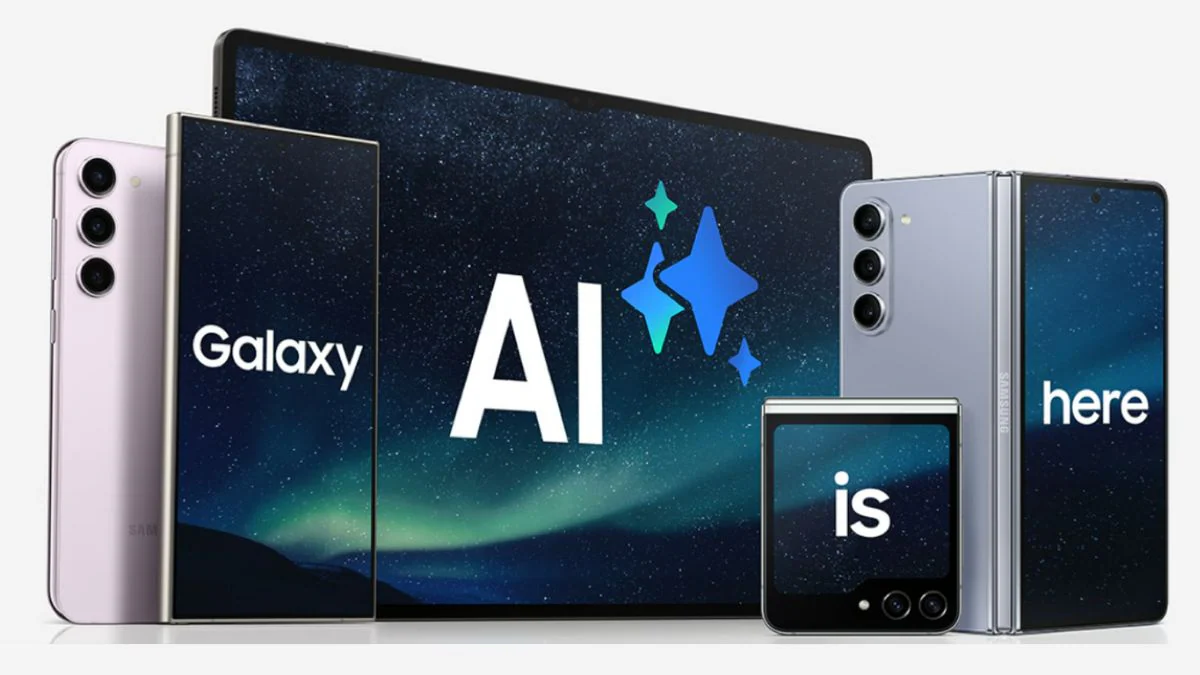
  • Samsung confirms free AI upgrade for all Galaxy phones running OneUI 8

    Samsung confirms free AI upgrade for all Galaxy phones running OneUI 8

    Samsung is already rolling out One UI 8, its version of Android 16, to all Galaxy phones that support it, but the upcoming major update may be much more important.

    At least four new Galaxy AI functions may be included in One UI 8.5, according to a report from the Korean website ETNews.

    But you may have to wait a long time. The Galaxy S26 series phones are expected to get OneUI 8.5 in January or February 2026, with a broader rollout to follow in the coming weeks and months.

    They would be the first new Galaxy AI features in more than a year, if that is the case. Here is what you have to look forward to.

    Samsung confirms free AI

    Meeting assistant

    Has somebody ever met with you using a language you don’t understand? I’m not referring to ROIs and KPIs, though Galaxy AI might be able to assist you with that as well—a real foreign language.

    Meeting Assistant was created with certain situations in mind. Theoretically, it can identify what is being spoken, precisely transcribe it, and then translate it in real time into your target language. If all goes according to plan, this may be quite helpful in some meetings, as well as in situations like interviews and press conferences, if you connect headphones.

    Touch assistant

    Similar real-time translation capabilities are provided by Touch Assistant, but only for text that is displayed on the screen. You can choose to translate a passage of text by simply selecting it as though you were going to copy it.

    Although it’s unclear exactly what this means, ETNews claims that Touch Assistant also “organizes it for easy reading.”

    Smart clipboard

    You can move text without being restricted to the most recent item you copied by using the clipboard feature, which is available through the Samsung Keyboard.

    By employing AI to recommend actions for any material that shows up, Smart Clipboard seeks to improve this. For instance, you could want to add particular words or phrases to your favorites, summarize a lengthy text section, or translate anything that isn’t in your system language.

    Social composer

    Do you like sharing content on Instagram but find it difficult to think of a clever caption? Social Composer can assist you.

    It can analyze your uploaded photos, identify the people or things in them, and then provide a variety of textual descriptions about them. Along with a more thorough description and even links to any products it recognizes, this can also include a caption.

    A big Galaxy AI leap for free?

    Whether all of these capabilities will be available on One UI 8.5 in the format ETNews has outlined is still up in the air.

    It could, however, significantly improve the Galaxy AI experience on your phone. Will it be able to match the Google Pixel phones’ Gemini-powered experience? We’ll find out in time.

    Additionally, Galaxy AI might not always be free, even though Samsung has not indicated that it will charge for certain services.

  • Samsung ends software support for these Galaxy phones

    Samsung ends software support for these Galaxy phones

    Although the One UI 8 update is already available for a large number of Samsung Galaxy phones, some models have a different situation. Samsung has put impacted users at risk by formally discontinuing software support for a number of devices. What that entails for Galaxy owners is as follows.

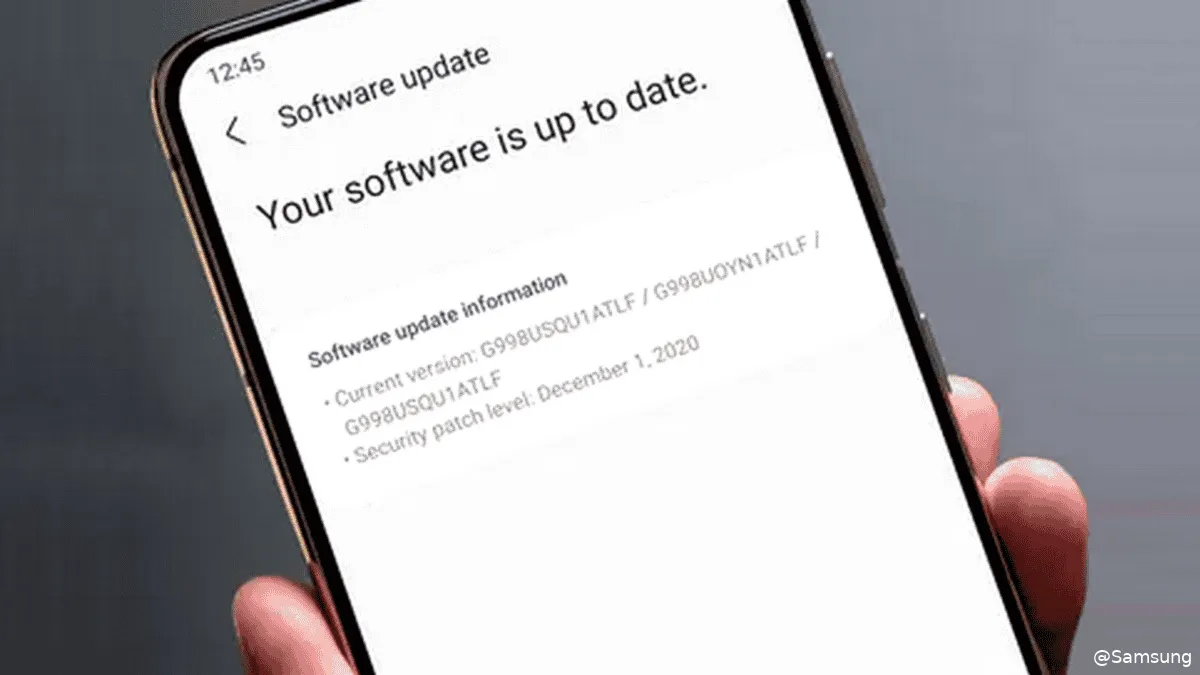
    Samsung recently posted the most latest software schedules for Galaxy devices on its support page. Notably, some models now receive security upgrades every three months instead of every month. This includes the low-cost flagship Galaxy S21 FE, which will no longer receive monthly security fixes but rather three-monthly ones.

    Android 16 via One UI 8 is still scheduled to be released for the Galaxy S21 FE in the upcoming weeks. It won’t receive Android 17 or One UI 9 next year because this will be its last significant update. Samsung might still release One UI 8.5, though, and it will probably be based on Android 16.1.

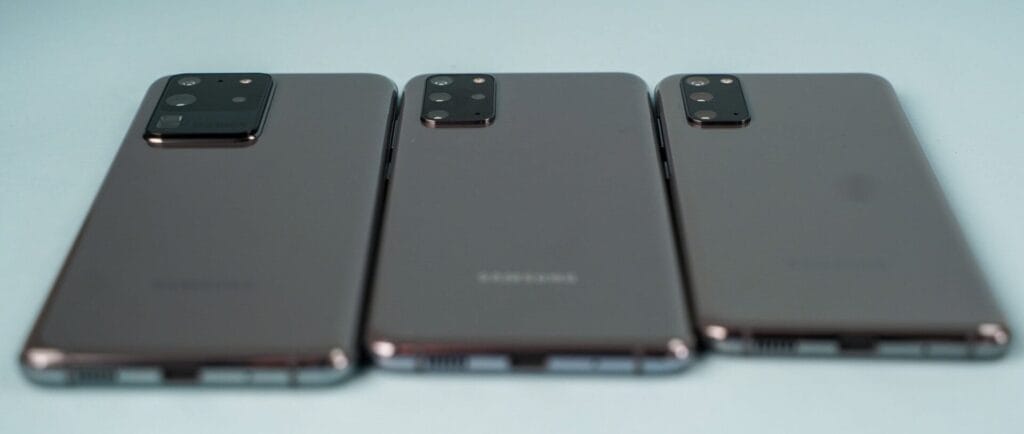
    Samsung Galaxy S20 family profile e1760973033412

    Final update rolls out to these Samsung Galaxy phones

    The mid-range Galaxy A52s and low-cost Galaxy A03s have been taken off the support page as devices that are on the chopping block. June of this year saw the most recent security update for both. They won’t receive the September or October patches, based on their removal. The Galaxy F42 and M32 are also no longer on the list.

    The Galaxy Tab A8, which was released in early 2022, might be the next in line. By the end of this year or January of the following year, it might get its last update.

    These Samsung may be at risk

    These devices will lose out on important security updates that guard against changing cyberthreats, even if they might still get software updates and small patches from the Google Play Store. Outdated devices are more susceptible to assaults that could jeopardize personal data or even result in financial loss if these patches are not installed.

    The September security update, for example, fixed a number of vulnerabilities, including a number of high- and medium-severity problems. There have been reports of some of these being used in the wild.

    Because risks are constantly changing, regular updates are crucial. Up-to-date software is just as important for staying safe as new hardware.

    Upgrading to a newer gadget is the easiest solution for impacted consumers. Although it is feasible to keep using unsupported phones, users should be aware of the hazards. One strategy to lessen risk is to steer clear of banking and financial apps on mobile devices.

  • No Android 16 for these Xiaomi, Redmi, and POCO phones

    No Android 16 for these Xiaomi, Redmi, and POCO phones

    A number of well-known devices will not be included in Xiaomi’s stated plans for the Android 16 update. Rather, the last significant software update for these models will be HyperOS 3, which is based on Android 15. With this choice, a sizable section of Xiaomi’s product lineup—including certain flagship and mid-range models—will no longer receive updates.

    This strategy is in line with common Android industry standards, which call for limited device support. Xiaomi will focus on improving HyperOS for compatible devices in the future, guaranteeing continuous feature additions and system enhancements.

    POCO Series Devices Concluding at Android 15

    The following POCO devices will receive HyperOS 3 as their final major update:

    • POCO C65
    • POCO F5 5G
    • POCO F5 Pro
    • POCO M6 Pro
    • POCO X6 Neo

    Redmi Models Ending with HyperOS 3

    The Redmi series also includes several models that will not advance beyond Android 15:

    Redmi Series:

    • Redmi 12
    • Redmi 12 5G
    • Redmi 13C
    • Redmi 13C 5G
    • Redmi 13R

    Redmi K Series:

    • Redmi K50 Ultra
    • Redmi K60

    Redmi Note 12 Series:

    • Redmi Note 12 4G
    • Redmi Note 12 NFC 4G
    • Redmi Note 12R
    • Redmi Note 12S
    • Redmi Note 12T Pro
    • Redmi Note 12 Turbo

    Redmi Note 13 Series:

    • Redmi Note 13 4G
    • Redmi Note 13 4G NFC
    • Redmi Note 13 5G
    • Redmi Note 13R Pro

    Xiaomi flagship phones reach the end of software updates

    With HyperOS 3, a number of flagship devices are also expected to approach the end of their update cycle:

    Xiaomi 12 Series:

    • Xiaomi 12
    • Xiaomi 12 Pro
    • Xiaomi 12S
    • Xiaomi 12S Pro
    • Xiaomi 12S Ultra

    Xiaomi 12T Series:

    • Xiaomi 12T
    • Xiaomi 12T Pro

    Other Flagship Models:

    • Xiaomi Civi 3
    • Xiaomi MIX FOLD 2

    With inspiration from Apple’s “liquid glass” design language, HyperOS 3 is anticipated to bring new interface elements and provide a more sophisticated user experience. An improved control center editor with more customization possibilities will be included of the upgrade. According to Xiaomi’s timetable, HyperOS 3 will be released in September.

  • Honor MagicOS 10 update roadmap: eligible devices and rollout schedule

    Honor MagicOS 10 update roadmap: eligible devices and rollout schedule

    The MagicOS 10 upgrade plan has been released by Honor, and these are all the models that qualify for the new software rollout. The business has also disclosed the precise release dates for every model, from flagship phones to low-cost phones.

    On October 15, MagicOS 10 made its debut alongside the Magic 8 series. The company discovered new AI capabilities and a number of intriguing features with the updated software version.

    Honor also released the list of devices that qualify for the MagicOS 10 software update. The new version will be available this month for a few flagship devices, including the Magic V5 foldable, the Magic 7 series, and the digital 400 models.

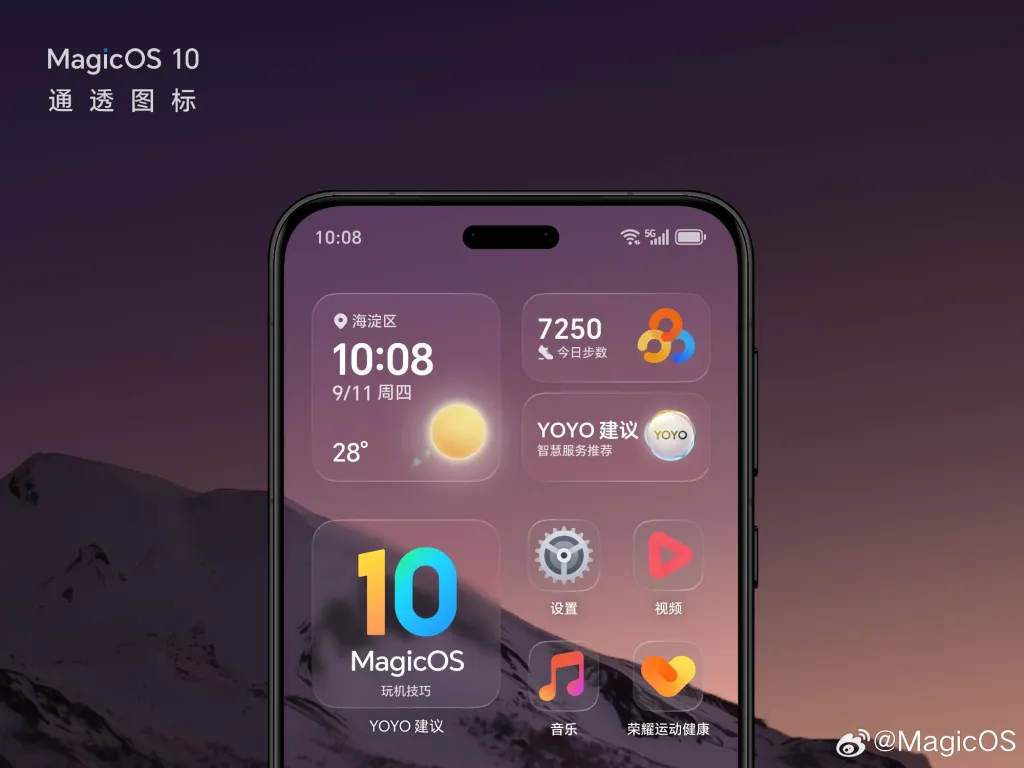
    honor magicos 10 with android 16

    Later, the new software version will be tested on other phones, such as the Magic V3 series, GT phones, and others. It is likely that the MagicOS 10 rollout will be completed by the first quarter of the next year.

    You must participate in both public and closed beta testing in order to upgrade the official MagicOS 10 features. By registering for the Beta Program and downloading the build through Settings > System & Upgrades > Software Updates, you can install the testing versions.

    MagicOS 10 Eligible Devices

    October 2025

    • Honor Magic V5
    • Honor Magic 7 RSR | Porsche Design
    • Honor Magic 7 Pro
    • Honor Magic 7
    • Honor GT Pro
    • Honor Magic 6 RSR | Porsche Design
    • Honor Magic 6 Ultimate Design
    • Honor Magic 6 Pro
    • Honor Magic 6
    • Honor 400 Pro
    • Honor 400
    • Honor MagicPad 3

    November 2025

    • Honor Magic V3
    • Honor Magic Vs3
    • Honor Magic 5 Ultimate Design
    • Honor Magic 5 Pro
    • Honor Magic 5
    • Honor Tablet GT 2 Pro

    December 2025

    • Honor Magic V2 RSR | Porsche Design
    • Honor Magic V2 Ultimate Edition
    • Honor Magic V2
    • Honor Tablet MagicPad 2
    • Honor Tablet GT Pro
    • Honor Tablet GT
    • Honor Tablet V9

    Q1 2026

    • Honor Magic V Flip 2
    • Honor Magic V Flip
    • Honor Magic Vs2
    • Honor Magic Vs Ultimate Edition
    • Honor Magic Vs
    • Honor 300 Ultra
    • Honor 300 Pro
    • Honor 300
    • Honor GT
    • Honor 200 Pro
    • Honor 200
    • Honor 100 Pro
    • Honor 100
    • Honor 90 GT
    • Honor Power
    • Honor X70
    • Honor X70i
    • Honor X60 GT
    • Honor Tablet 10
    • Honor Tablet X9 Pro
    • Honor X9
  • Xiaomi confirms more phones with rear displays after 17 Pro Max shatters sales records

    Xiaomi confirms more phones with rear displays after 17 Pro Max shatters sales records

    It’s difficult to release a genuinely unique smartphone in 2025, but Xiaomi succeeded. The Xiaomi 17 Pro and 17 Pro Max, which have extra screens on the back, were released by the firm, and it seems that this decision was successful.

    Lu Weibing, the president of Xiaomi, stated during a livestream (source in Chinese) on Weibo that the business will keep using Dynamic Back Displays in its upcoming flagship devices. According to him, the business already has plans to boost its R&D expenditures in order to guarantee higher-quality displays for Xiaomi’s upcoming smartphones.

    The choice was made in light of the Xiaomi 17 series’ success, which the company says was enormous and witnessed a 20% rise in sales over the previous year. The Xiaomi 17 Pro Max, which broke the first-day domestic sales record, is the biggest hit.

    xiaomi 17 pro max rear display

    What is the secondary display used for?

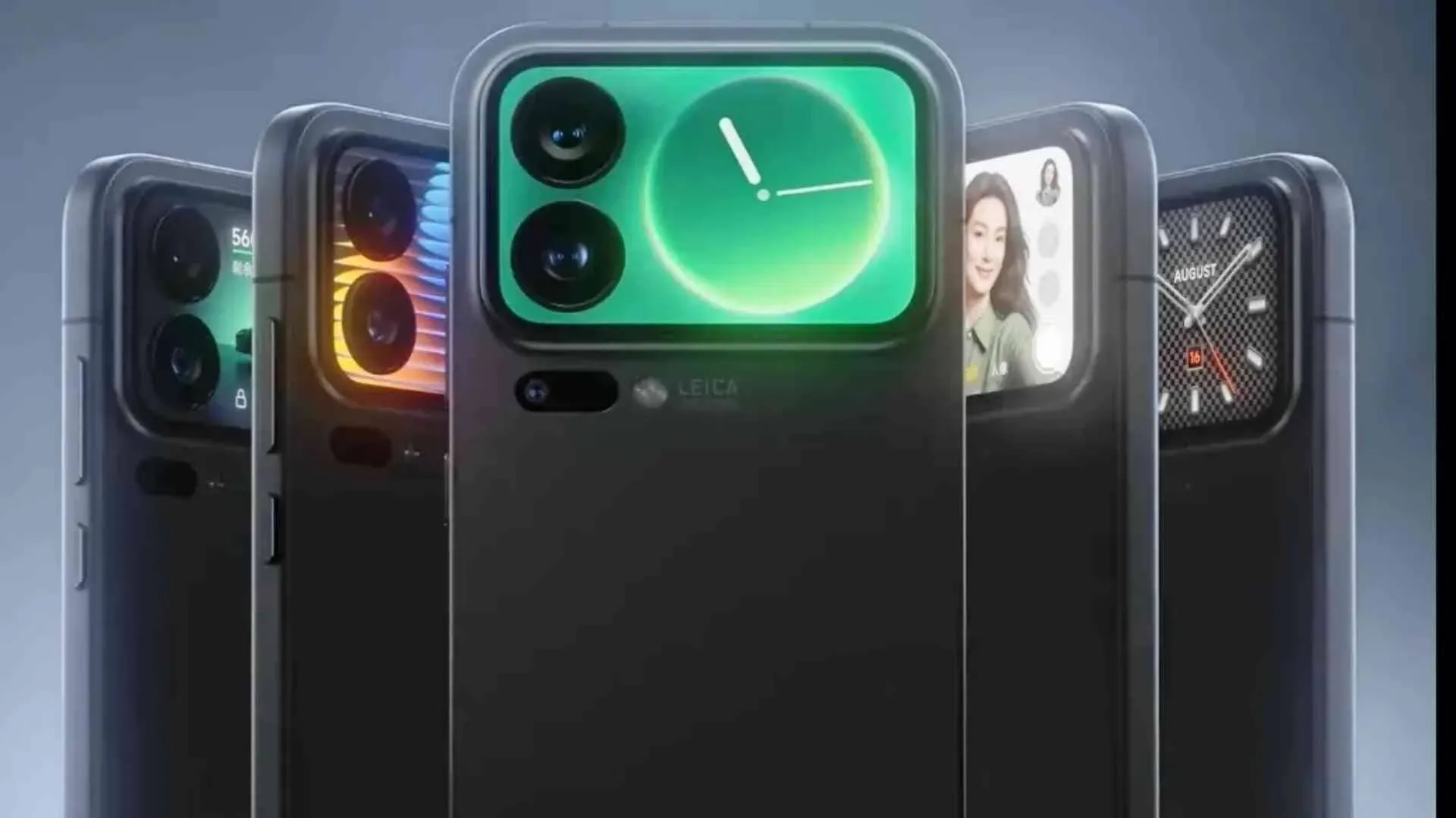
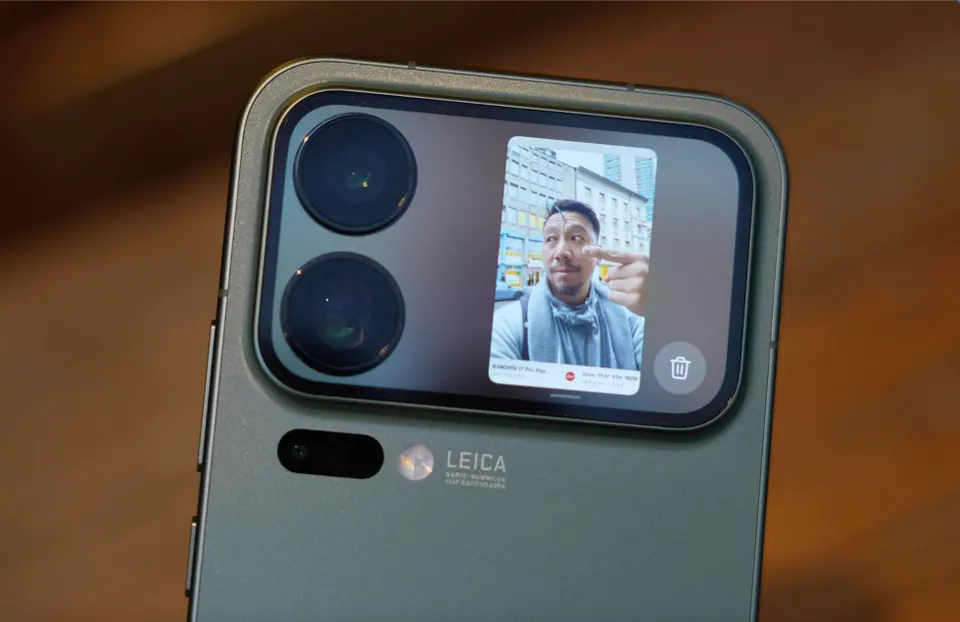
    The Xiaomi 17 Pro and Xiaomi 17 Pro Max, in contrast to Apple’s iPhone 17 and 17 Pro Max, make use of the so-called camera plateau and have secondary displays atop it. It is a 2.66-inch OLED screen with a resolution of 904 x 572 pixels, a refresh rate of up to 120 Hz, and a brightness of up to 3,500 nits. It has a selfie viewfinder, a few widgets, customizable wallpapers, and other features like the cover screen of contemporary flip phones.

    It wouldn’t be shocking to see a larger screen with more features on what might be the Xiaomi 18 series, especially in light of Xiaomi’s most recent announcement. According to Lu Weibing, the business is updating the displays from the current generation. One of them ought to equip the gadget with a real-time translating function.

  • Vivo X300 Pro benchmark leak: Dimensity 9500 outperforms Snapdragon 8 Elite Gen 5

    Vivo X300 Pro benchmark leak: Dimensity 9500 outperforms Snapdragon 8 Elite Gen 5

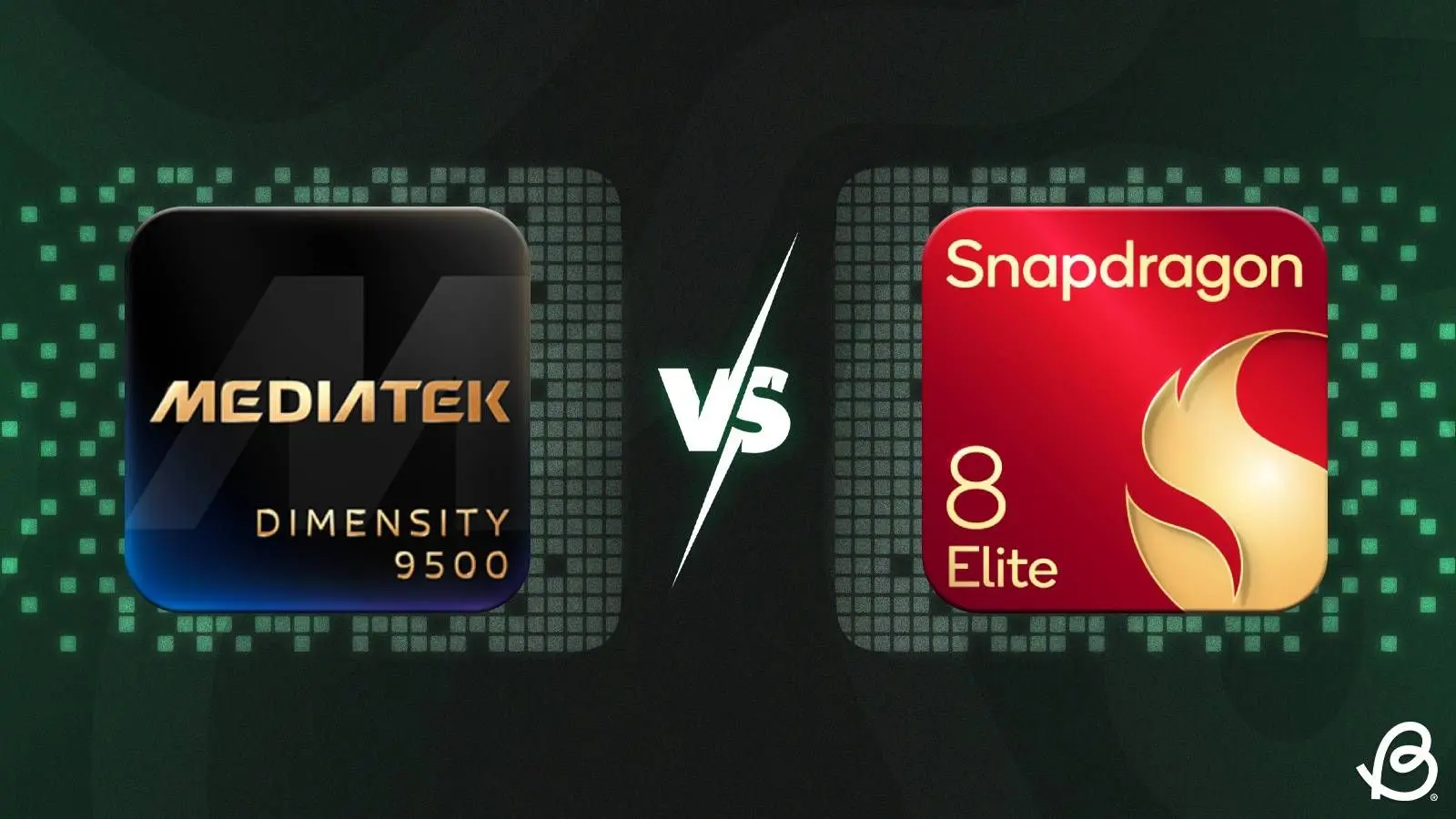
    Similar to its predecessors, the MediaTek Dimensity 9500 maintains its competitiveness and occasionally even surpasses Qualcomm’s Snapdragon 8 Elite Gen 5. At least if the Xiaomi 17 Pro Max and Vivo X300 Pro’s recent benchmarks are any indication.

    Earlier this week, Vivo introduced the Vivo X300 series, the company’s first phones to use MediaTek‘s top Dimensity 9500 processor. Early benchmarks of the SoC on MediaTek’s test device revealed a modest inferiority to Qualcomm’s, but more recent ones suggest the situation is more nuanced.

    Vivo X300 Pro vs Xiaomi 17 Pro Max AnTuTu benchmark

    vivo x300 pro antutu score vs Xiaomi 17 Pro

    The Vivo X300 Pro and the Snapdragon 8 Elite Gen 5-powered Xiaomi 17 Pro Max have now been tested side by side under nearly comparable settings, and their AnTuTu benchmark results have appeared online. Unexpectedly, the Vivo gadget outperforms the Xiaomi, scoring 3,956,885 overall compared to 3,731,077 for the Xiaomi. In actuality, the latter score is higher than what that phone achieves on the current AnTuTu list.

    Though not significantly, the Vivo X300 Pro also performed better on the CPU, GPU, and memory tests. Additionally, even though the Vivo’s battery is much smaller, both phones’ battery life decreased by 5%. But the Xiaomi 17 Pro Max remained colder.

  • OnePlus 15 launch confirmed for October 27 with stunning new Misty Purple color

    OnePlus 15 launch confirmed for October 27 with stunning new Misty Purple color

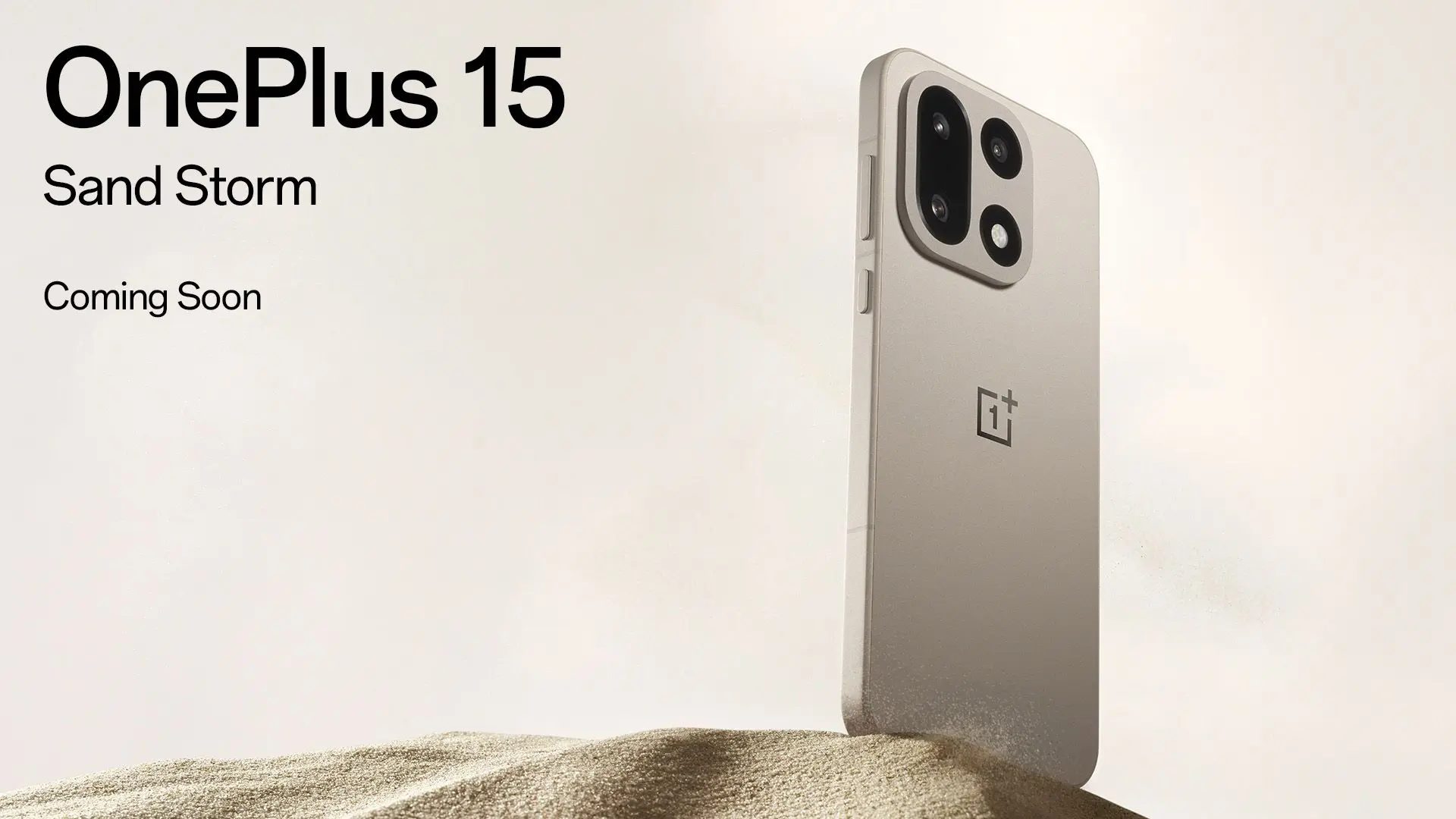
    The OnePlus 15 will be released later this month, according to OnePlus, with a Chinese release date coming before the worldwide launch. In addition, the device’s three new hues are being shown.

    According to OnePlus’ Weibo tweets, the OnePlus 15 will debut in China on October 27. The OnePlus Ace 6, which looks to be a more affordable “flagship” in the same ballpark as the OnePlus 13R, will make its debut with the gadget. In contrast, the OnePlus 15 would be a “Ultra Performance” gadget with a 165 Hz screen.

    The Chinese launch of the OnePlus 15 precedes the anticipated early worldwide release date based on the current plan.

    Additionally, OnePlus has unveiled the three new color options for the OnePlus 15, with “Misty Purple” being the most notable. According to the Chinese post‘s translation, the other two are “Original Sand Dune” and “Absolute Black.”

    oneplus 15 launch
  • October 2025 update now rolling out to 23 Xiaomi and Redmi devices

    October 2025 update now rolling out to 23 Xiaomi and Redmi devices

    The October 2025 security patch was formally released by Xiaomi for 23 models, including well-known gadgets like the Xiaomi 12 series, Redmi Note 14 Pro+, POCO F7, and Xiaomi 14T. The EEA region is currently experiencing the deployment, which began early on Monday. Other global versions will follow shortly. Updates may be viewed via HyperOSUpdates.com, our MemeOS Enhancer app on Google Play, or the Settings → About phone → System updates.

    The update improves overall device stability and fortifies system security throughout Xiaomi’s tablet and smartphone lines. The complete list of devices that are part of this wave is provided below:

    • Redmi Series: Redmi Note 12 4G, Redmi Note 13 4G, Redmi Note 13 4G NFC, Redmi 15 4G, Redmi Note 14 Pro+, Redmi Note 14 Pro 4G, Redmi Note 13 Pro, Redmi 12, Redmi 12 5G
    • POCO Series: POCO M7 4G, POCO F6, POCO F7, POCO Pad, POCO X6 5G, POCO X7 Pro, POCO M6 Pro
    • Xiaomi Series: Xiaomi 12, Xiaomi 12 Pro, Xiaomi 13 Ultra, Xiaomi 14T
    • Tablets: Redmi Pad Pro 5G, Redmi Pad SE, Redmi Pad 2

    The new version is mostly being made available for the EEA region, but it will also be available in the future weeks for the India and global versions.

    What’s New in the October 2025 Update

    The main goals of the October 2025 security patch are to improve HyperOS performance stability, address vulnerabilities found, and strengthen the device’s system-level protection. Customers will notice more seamless speed and memory management improvements, particularly on premium smartphones like the Xiaomi 13 Ultra and POCO F7, even though there aren’t any significant visual or functional upgrades.

    Along with connectivity improvements to Xiaomi HyperConnect devices, the update also provides productivity software compatibility improvements for devices like the Redmi Pad Pro 5G and POCO Pad.