Author: Robert Haba

  • HyperOS 3 Launcher October update now rolling out for Xiaomi devices

    HyperOS 3 Launcher October update now rolling out for Xiaomi devices

    It’s time for your favorite Xiaomi gadgets to receive yet another essential update! This most recent version demonstrates Xiaomi’s dedication to improving the user experience, which is something the team is always working to do. The latest version of the Xiaomi HyperOS 3 Launcher, RELEASE-6.01.02.1236-09241346, may appear minor at first glance, but these important internal enhancements are what keep the system operating without a hitch.

    Getting this version is a no-brainer for consumers who want to keep their performance and stability at their best. You’ll be happy to hear that this updated launcher version is compatible with HyperOS 2 devices as well, guaranteeing that a larger user base may take advantage of the improved stability if you’re using a device running the current HyperOS platform or even somewhat older versions.
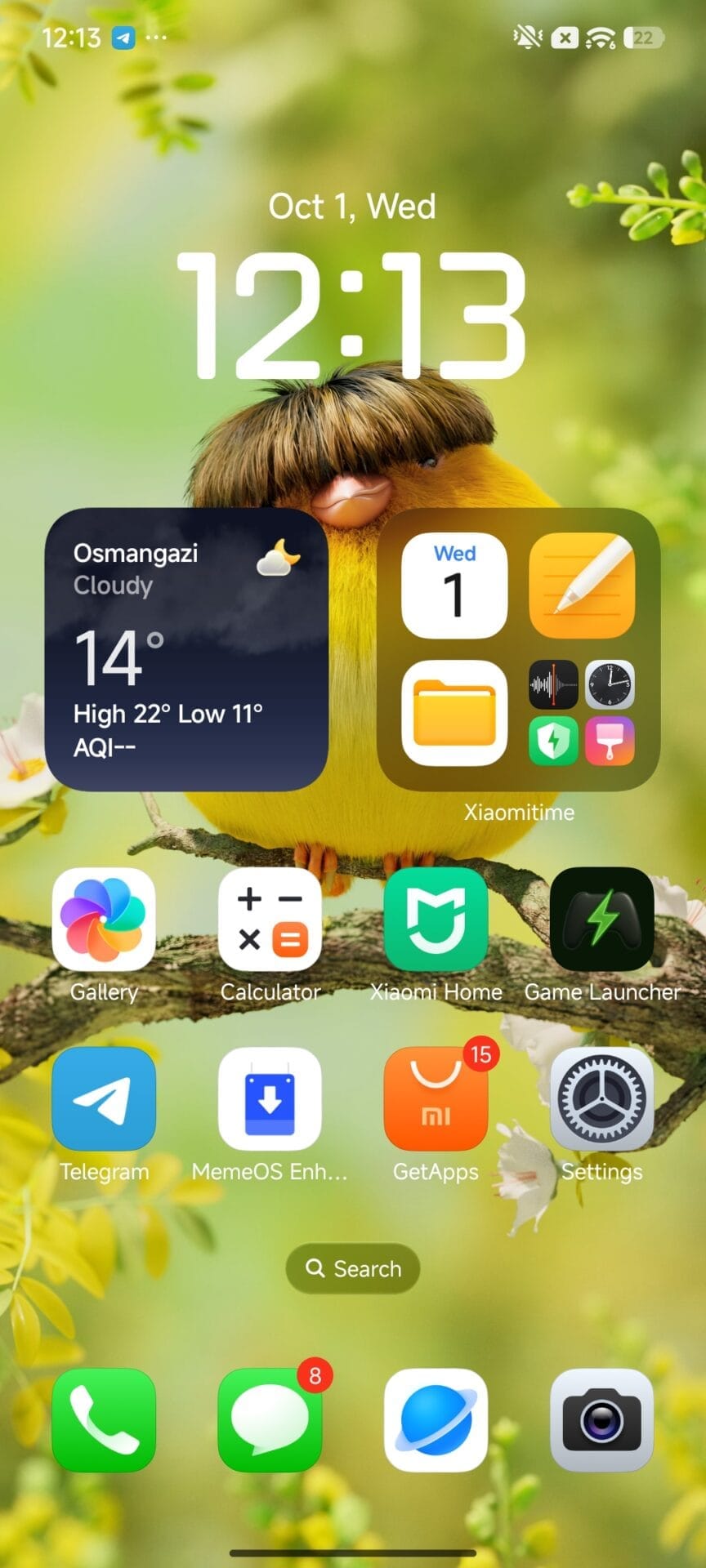
    hyperos 3 launcher update

    HyperOS 3 launcher gains more stability

    With build number RELEASE-6.01.02.1236-09241346, this particular version is solely focused on bug fixes and overall stability improvements. These upgrades are essential for resolving any small performance issues or unexpected crashes that users may have experienced with previous releases, even if Xiaomi hasn’t published a comprehensive changelog of every fix. A more dependable and pleasurable everyday usage experience is guaranteed by this commitment to polish.

    Since it’s the program you use the most, a reliable launcher forms the cornerstone of your whole phone experience. As a result, fixing these little issues will greatly increase user happiness overall.
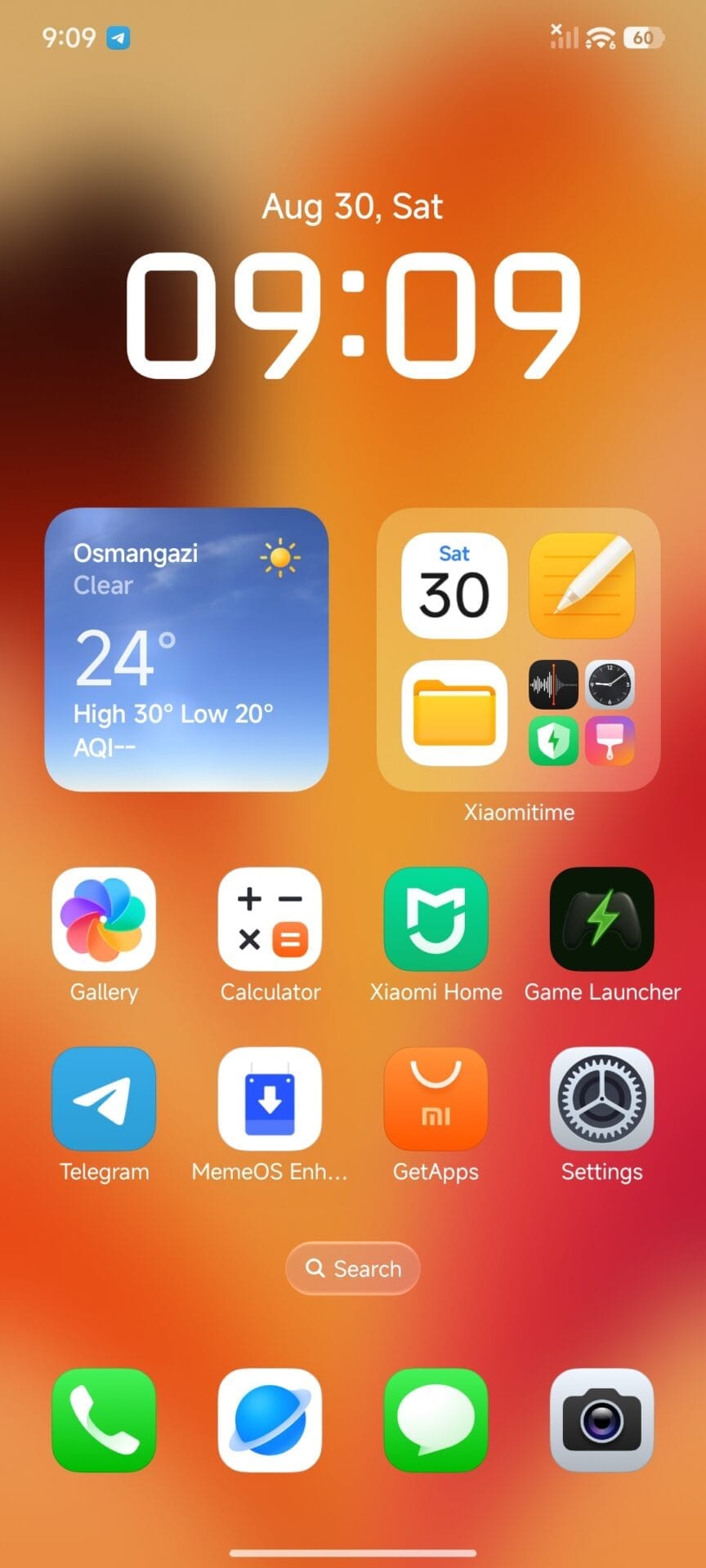
    hyperos 3 launcher update

    Officially, the firmware of the much awaited Xiaomi 17 Pro Max running its internal OS build OS3.0.17.0.WPBCNXM contained this version of the HyperOS 3 Launcher. Given that it is powered by Xiaomi’s state-of-the-art flagship hardware, this is a fantastic indication of the build’s quality and optimization. Xiaomi is effectively providing a stability boost by making this important system program accessible on other smartphones, which was formerly tailored for its newest and most potent hardware.

    How to get the new HyperOS update

    Since this is an application update, there are a few simple ways to obtain the most recent version and take advantage of the increased stability.

    • Official System Update: Keep an eye on your device’s System Updater, as the official rollout should be reaching all eligible devices soon.
    • Manual Installation: For those who prefer to update immediately, you can download the latest launcher APK. The best way to ensure you’re getting official, safe, and up-to-date system applications is by using a dedicated application manager. You can use MemeOS Enhancer to get all system app updates.
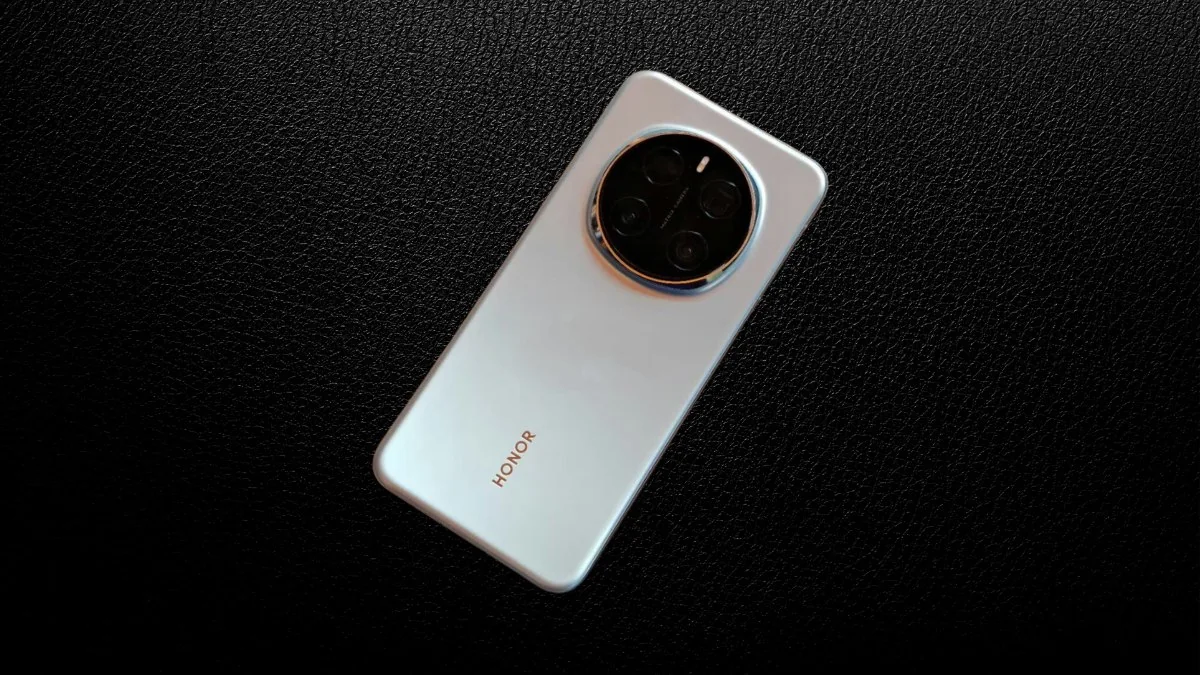
  • Honor Magic 8 Pro confirmed to feature massive 7200mAh battery

    Honor Magic 8 Pro confirmed to feature massive 7200mAh battery

    The Honor Magic 8 Pro has gained a lot of attention lately because of its live photos, one of which showed that it has a 7200mAh battery. Following numerous speculations about 7000 or 8000+ cells for the next flagship, the information has been verified.

    A 7200mAh battery pack was visible in a live shot of the Honor Magic 8 Pro posted by Weibo tipster @JinanDigital. Other features of the high-end phone are also highlighted in the picture.

    Honor Magic 8 Pro confirmed to feature massive 7200mAh battery

    Honor has ambitious plans for battery capacity this year. With its 6100mAh battery, the Honor Magic V5 took center stage in the market. The next phone in line is the X70, which has the biggest battery for a mid-range phone (8300mAh).

    Honor Magic 8 Pro giant 7200mAh battery

    However, the company is getting ready to release a 10,000mAh battery item in 2026. In the midst of these amazing capabilities, Magic 8 Pro is also making an appearance.

    The third-generation Qinghai Lake Battery, which has a 5850mAh capacity, is a lithium-ion polymer cell that is included in the Honor Magic 7 Pro for comparison. It is compatible with both 80W wireless charging and a 100W Honor Super Fast charger.

    The Magic 7 Pro can increase its charging speed from 0% to 100% in 30 to 35 minutes. That’s incredibly fast. For the next iteration, the business has now employed a larger battery. As a result, the charging speed will probably continue to rise.

    Larger batteries, however, primarily help users by extending their usage duration and providing convenience during lengthy trips or crises. Additionally, it lessens the likelihood that your gadget will need to be charged regularly while you watch a movie or perform strenuous chores.

    The Honor C1+ and E2 chips, 16GB of RAM, and the option for up to 1TB of storage are further upgrades that can be seen in the live image. By mid-October, the flagship phone might make its official debut.

  • Xiaomi confirms over 20 devices ineligible for HyperOS 3 upgrade

    Xiaomi confirms over 20 devices ineligible for HyperOS 3 upgrade

    Before the year ends, Xiaomi will stop supporting more than 20 devices. Many devices, ranging from the Xiaomi 12X to the Poco F4, have not yet been included in HyperOS 3 deployment schedules and will shortly reach end-of-life status.

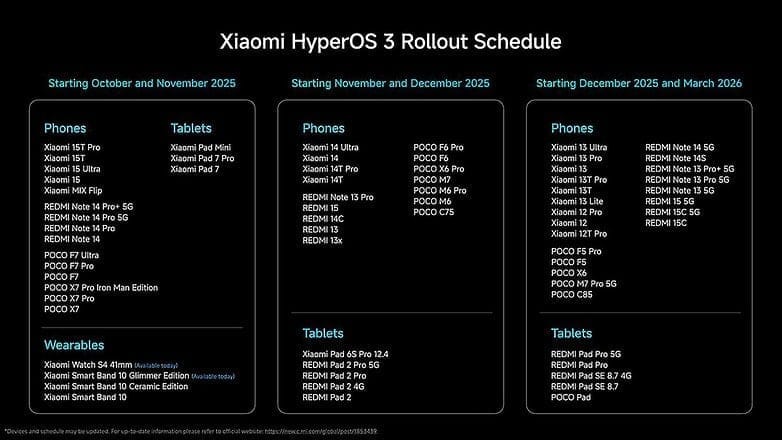
    Xiaomi has now stated that HyperOS 3, its upcoming big OS update, will be released globally initially. In summary, Xiaomi now divides the HyperOS 3 Rollout Schedule into three batches, with the first batch beginning this month and the third batch ending in March 2026. Just before to that, Xiaomi released a comparable update for the Chinese market that featured products tailored to that country, such as the Redmi K series and Mix Fold foldables.

    Xiaomi HyperOS 3

    Some older recent smartphones, such as the Xiaomi 11T series, have now gotten their final upgrades, as we previously noted. As a result, they are not eligible to upgrade to HyperOS 3. Even yet, some HyperOS 3 compatible devices—like the Redmi Note 14 Pro Plus—will not be able to access Hyper Island features.

    It is now evident which Xiaomi devices have been left out of the company’s plans as the HyperOS 3 release timetables have been moved until the spring. For example, by February 2026, when it should get its last security update, the Poco X5 Pro 5G will be in end-of-life status. As a result, Xiaomi has excluded the gadget from its list of devices compatible with HyperOS 3. The following Xiaomi, Redmi, and Poco devices are currently scheduled to reach end-of-life status this year and are not part of the official HyperOS 3 distribution plans:

    • POCO F4
    • POCO F4 Pro
    • POCO F4 GT
    • POCO M5
    • POCO M5s
    • POCO X4 GT Pro
    • POCO X4 GT
    • POCO X5 Pro 5G
    • Redmi A2
    • Redmi A2+
    • Redmi 12C
    • Xiaomi 11 Lite 5G NE
    • Xiaomi 11T
    • Xiaomi 11T Pro
    • Xiaomi Mi 11i
    • Xiaomi Mi 11 Lite
    • Xiaomi Mi 11 Lite 5G
    • Xiaomi Mi 11 Ultra
    • Xiaomi Mi Mix Fold
    • Xiaomi Mix 4
    • Xiaomi 12X
  • First software update for global Huawei Watch GT 6 Pro brings useful improvements

    First software update for global Huawei Watch GT 6 Pro brings useful improvements

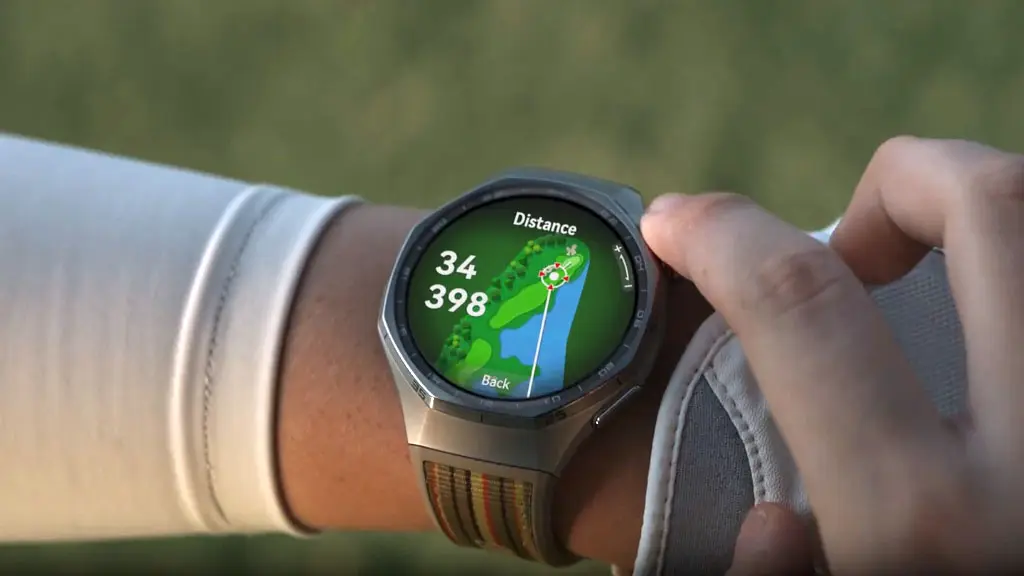
    The first update for the Watch GT 6 Pro worldwide is being released by Huawei. For the recently released wearable, this firmware is particularly noteworthy for two reasons. First of all, it offers a ton of incredible features. Second, the HarmonyOS 6.0 software version is included in this update.

    Indeed, HarmonyOS 6.0 is already appearing with the Watch GT 6 series as an official version, even though it still has time to reach the stable platform. In addition, it gives users access to a lot of fascinating functions, like exchanging files, watching faces, and sports.

    The most recent wearables allow music files to be sent via Wi-Fi to iOS devices. However, the build has watch faces for Video and Module 2025. On their rides, users can also take use of real-time virtual performance notes.

    The business has modified some of its current features in addition to adding new ones. Upgraded the Call List to Phone, for example. To make their accessibility easier, users can even change the frequently used features and functionalities on their watch screen.

    huawei watch gt 6 pro update

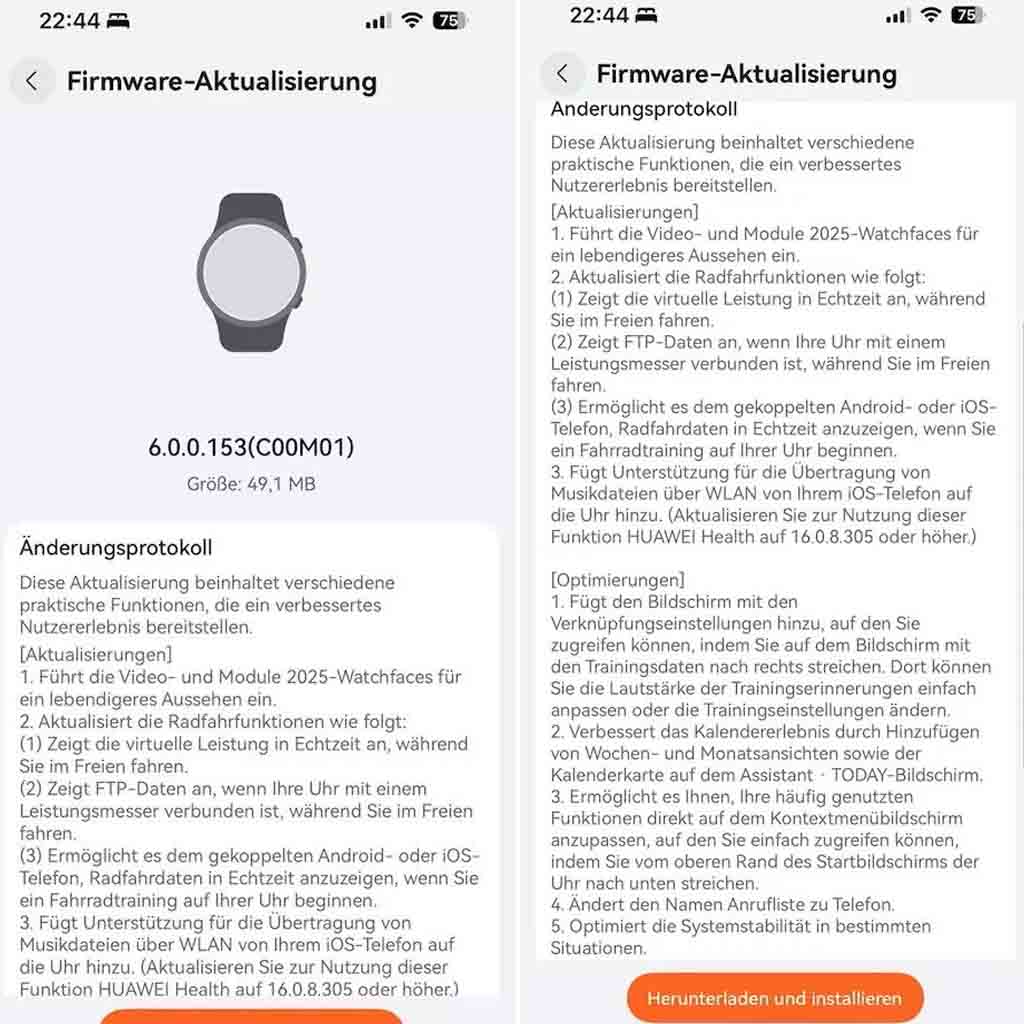
    HarmonyOS 6.0.0.153, the first update for the Huawei Watch GT 6 Pro, has a software package size of 49.1 megabytes. All of the additions are listed here.

    New improvements for Watch GT 6 Pro

    New Features

    • Introduces the Video and Module 2025 watch faces for a more vibrant look.

    Updated cycling features

    • Displays real-time virtual performance while you ride outdoors.
    • Displays FTP data when your watch is connected to a power meter while you ride outdoors.
    • Allows the paired Android or iOS phone to display real-time cycling data when you start a cycling workout on your watch.

    Sharing Function

    • Adds support for transferring music files from your iOS phone to the watch via Wi-Fi. (To use this feature, update HUAWEI Health to 16.0.8.305 or later.)

    Optimizations

    • Adds the Shortcuts settings screen, accessible by swiping right on the workout data screen. There, you can easily adjust the volume of workout reminders or change workout settings.
    • Improves the calendar experience by adding week and month views and the calendar card on the Assistant • TODAY screen.
    • Allows you to customize your frequently used functions directly on the context menu screen, which is easily accessed by swiping down from the top of the watch home screen.
    • Changed the name Call List to Phone.
    • Optimizes system stability in certain situations.
  • Nothing OS 4.0 open beta launched with AI app-building features

    Nothing OS 4.0 open beta launched with AI app-building features

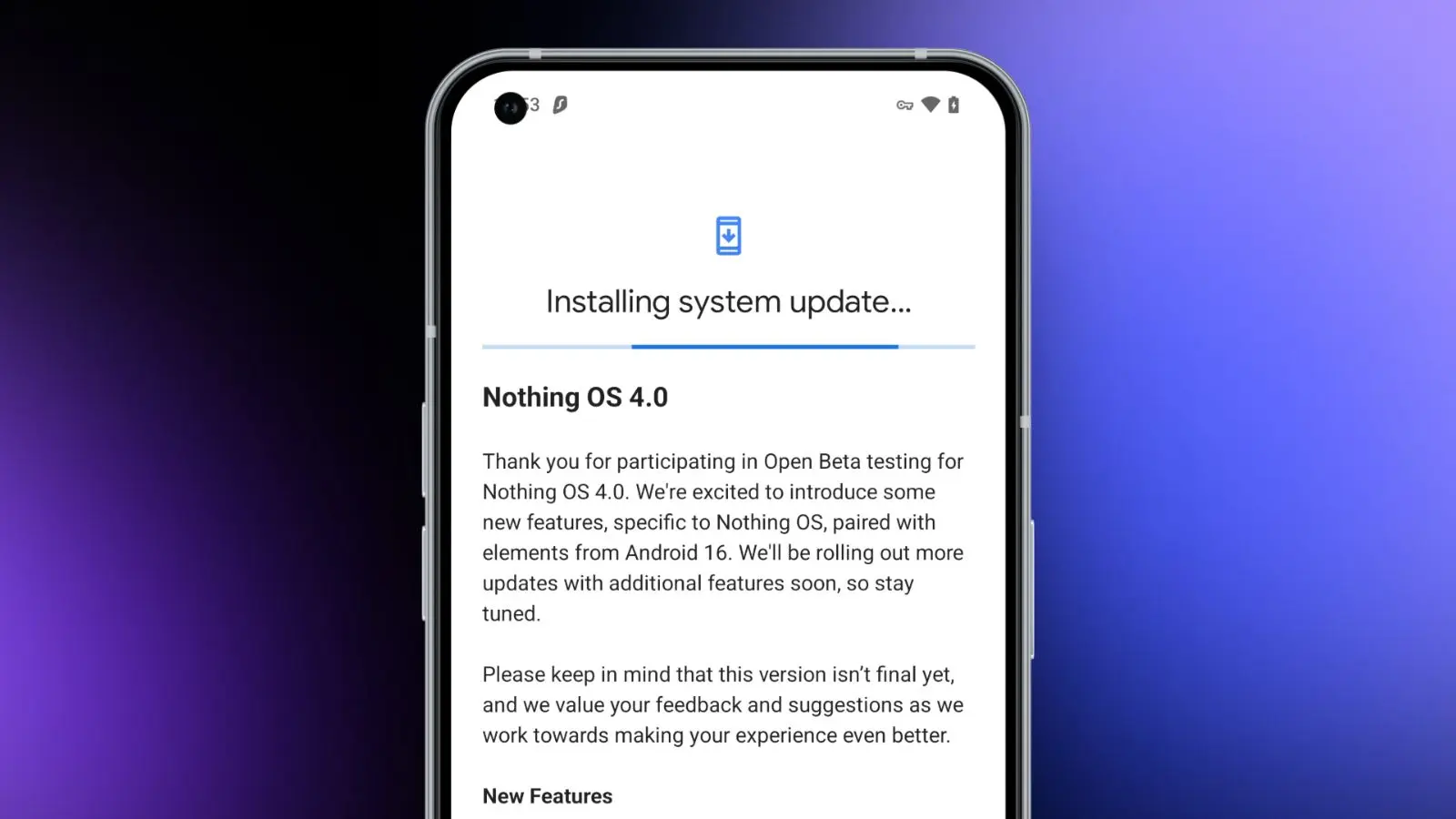
    Today, we need to discuss a few significant news from Nothing. First, for those who own a Nothing phone and would like to try out Android 16 before it becomes stable, Nothing has made the Nothing OS 4.0 Open Beta (Android 16) available. The other news relates to that since it presents the Playground and Essential Apps, both of which require additional explanation. In summary, Nothing came up with a really great idea.

    Download the Nothing OS 4.0 Open Beta:

    Let’s start with Nothing OS 4.0, which is now in beta testing. To obtain this, you must have a Phone 3 or any of the Phone 2 and 2a versions. You might be out of luck right now if you own a Phone 3a device, as they haven’t mentioned them yet.

    There are a number of changes in the Nothing OS 4.0 beta, all of which we’ve detailed in this post. It includes “generic” enhancements like a more sophisticated design, an additional dark mode, enhanced app optimization, and a better photography experience. Nothing also mentioned two new lock screen clock faces, a new Pop-up View, and support for 2×2 Quick Settings tiles in today’s announcement.

    Nothing OS 4.0 open beta launched

    Installing the Nothing Beta Updates app, joining the beta through it, and then installing the beta software are the largely straightforward steps to begin, providing you enjoy testing beta software.

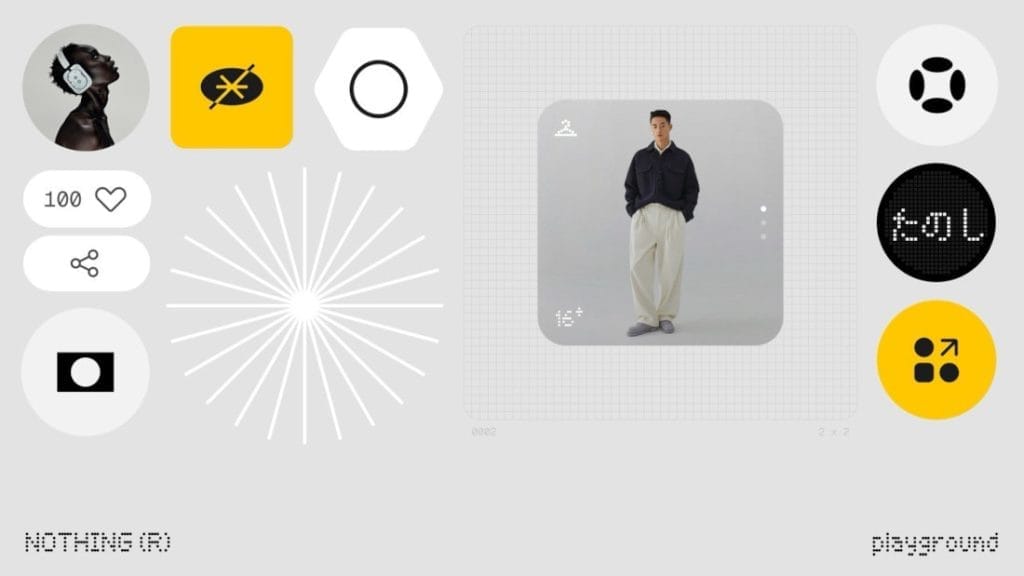
    Nothing Essential Apps and Playground: In other exciting news, Nothing has introduced the Playground and Essential Apps that are housed within it since we enjoy fresh concepts. If your Nothing device is running Nothing OS 4.0, you can install programs, Glyph Toys, camera settings, and EQ profiles from the Playground, which is effectively a community storefront. Even while you might not find that concept particularly novel or intriguing, the apps and their origins may be.

    Nothing has developed a web gateway that lets you make your own programs that your Nothing phone may install as widgets. You go to the Nothing Playground website (here) and try to explain a phone app you want. To put it another way, you would be describing a widget that isn’t currently on your device but may be a helpful program or action. This Playground site’s AI will install it on your device if it is capable of doing so.

    You only need an idea that you can clearly express in a prompt that AI could grasp and then develop from, as this is all happening from AI prompts. You don’t need to know how to code to accomplish this. But in case you were curious, you can see the code it spits out. All of this is a sort of early “alpha” with some obvious restrictions. There has been no indication that it will grow and incorporate agents, APIs, and integrations in the future, which should make this something really amazing.

    A Tic Tac Toe app, an F1 timetable, a water intake tracker, a flight reminder, a solar clock, a small calculator, and a breathing tracker are a some of the apps that are now available on the Playground. You may already have some of those features from other apps, but the idea is that you may think of something useful at the time and instruct the Playground to create it. In only a few minutes, that might be on your home screen and be usable. That is a significant idea.

    You will be able to download other members’ apps and share your own publicly on the Playground to completely increase the number of apps and ideas available.

  • OnePlus 15 design fully revealed ahead of global launch

    OnePlus 15 design fully revealed ahead of global launch

    At Qualcomm’s Snapdragon Summit, the company teased the OnePlus 15, and now it has announced that its next flagship phone will debut globally.

    OnePlus usually releases its phones in the US shortly after introducing them in China, even though the company did not state that the phone would launch in the US.

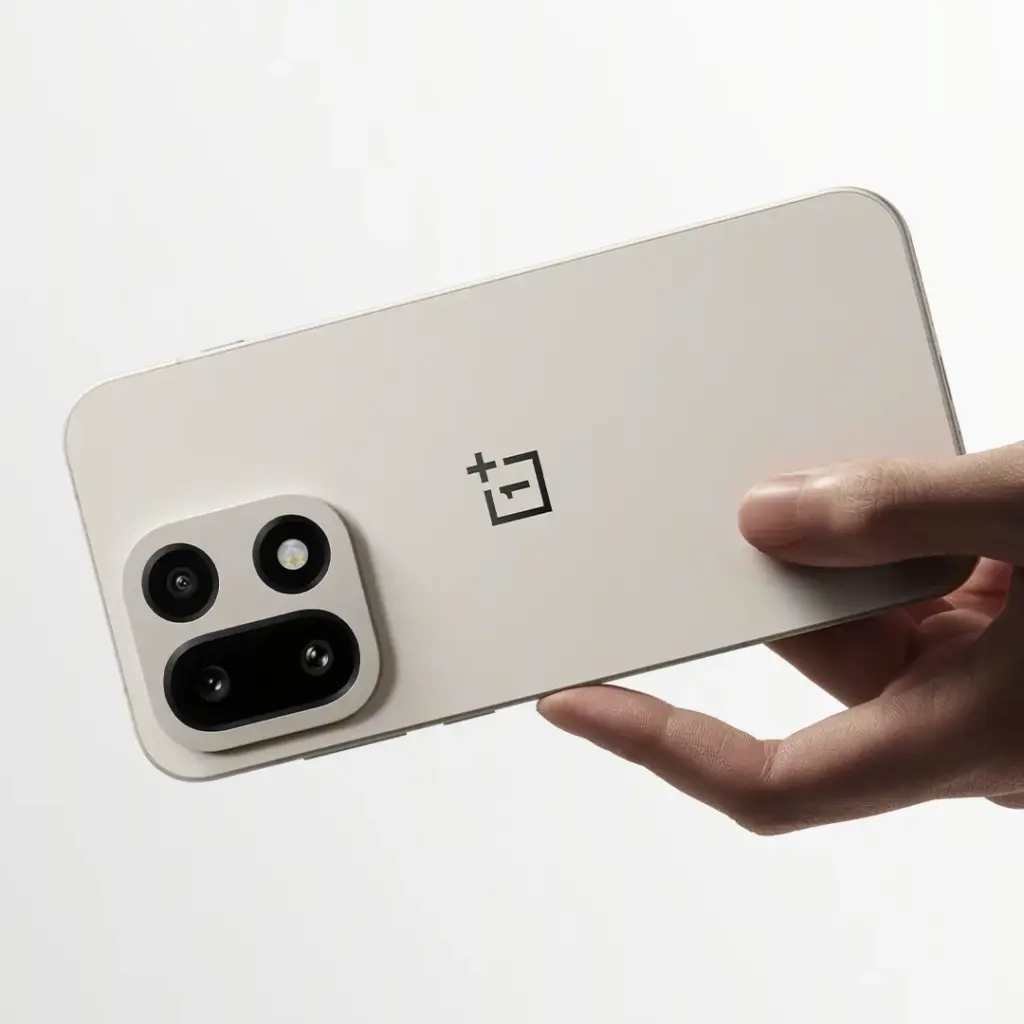
    It will be the first phone to use aerospace-grade Micro-Arc Oxidation on the center frame and the back camera housing, and it will come in a new Sand Storm color in addition to the previously announced black and white versions.

    OnePlus 15 design fully revealed ahead of global launch

    According to OnePlus, “a high-voltage plasma technique that forms a ceramic layer directly on the metal frame” provides aerospace-grade resilience. The durability of the frame should be enhanced because it is reportedly more than three times harder than an aluminum frame.

    The Verge noticed that OnePlus also posted pictures of the phone in three separate Weibo posts. The new Sand Storm version allows you to view the device from various perspectives. The camera cutout in the upper left corner of the rear has been visible in previous OnePlus teases, but these images give us a closer look.

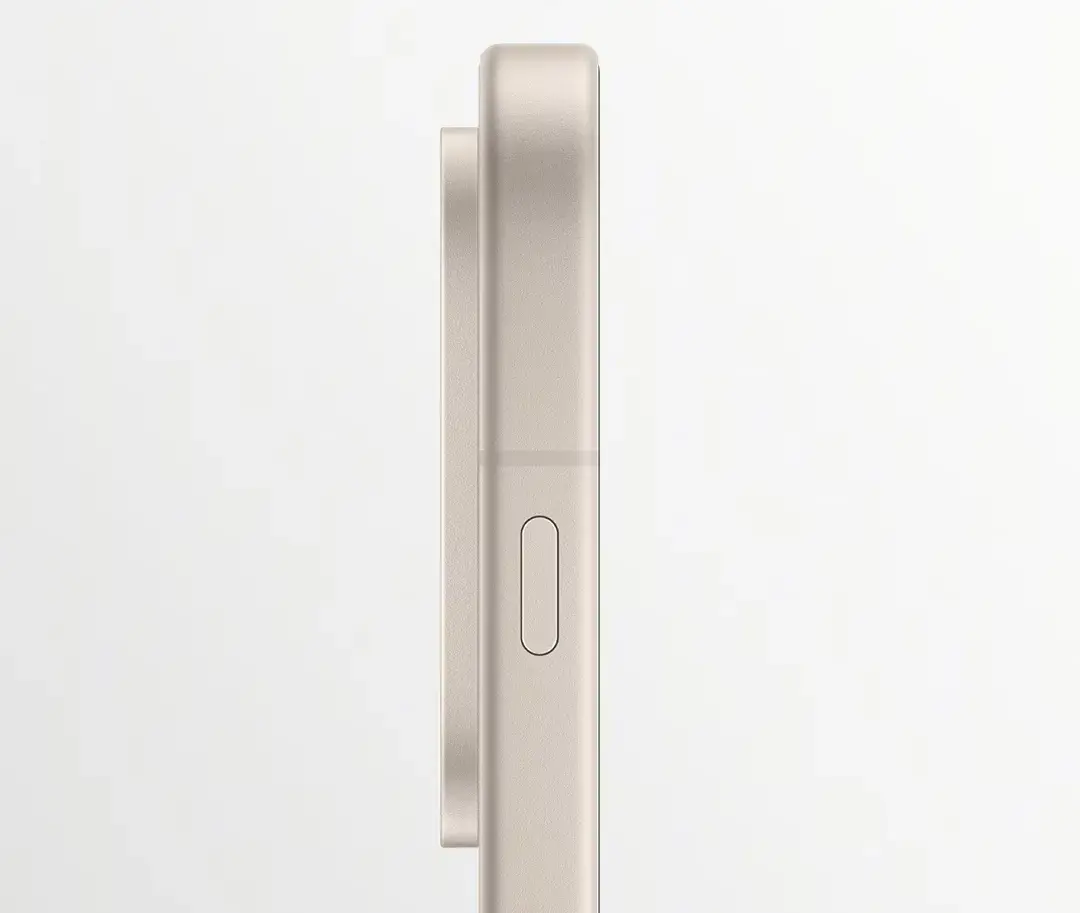
    The images also verify that a customisable “Plus Key” shortcut button has taken the place of the OnePlus Alert Slider.

    OnePlus 15 design front

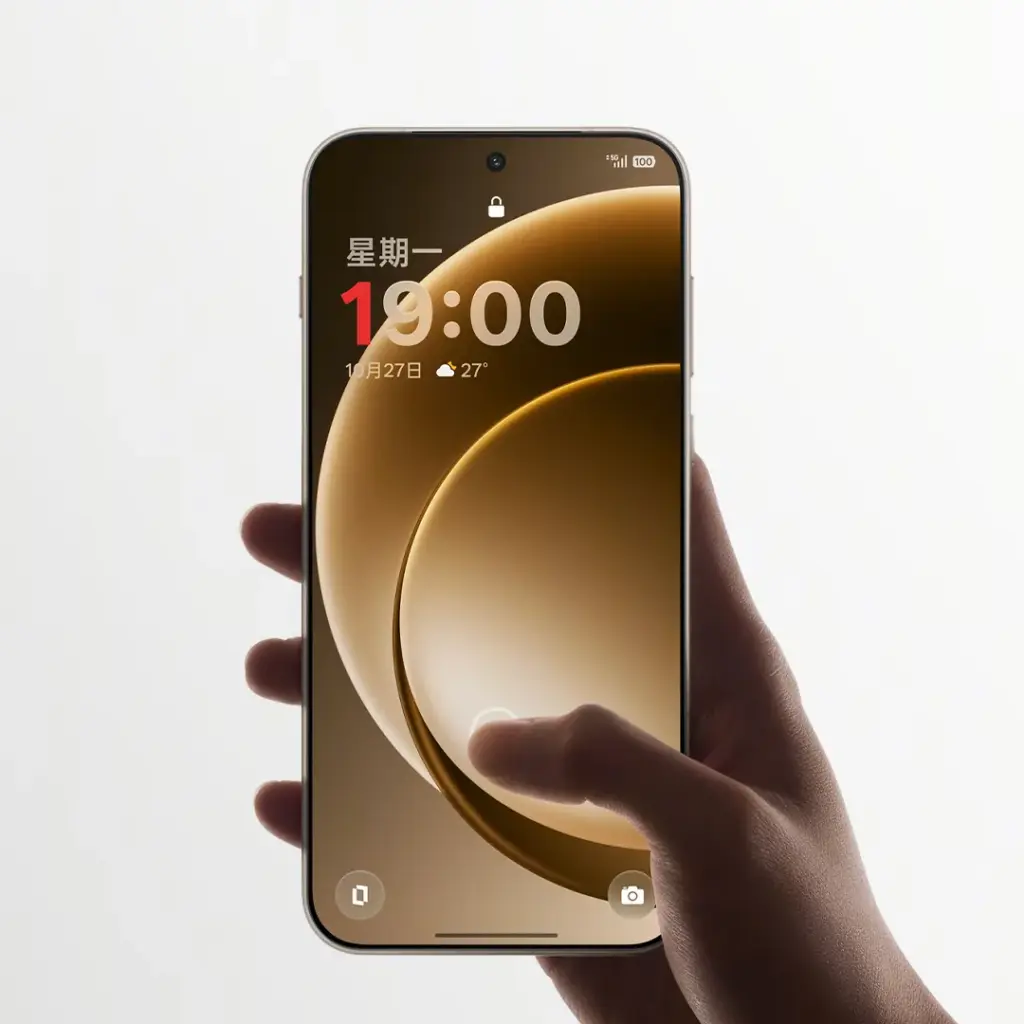
    The phone will run on the most recent Qualcomm Snapdragon 8 Elite Gen 5 chipset, and it will be the first to have a 165Hz refresh rate display and the new DetailMax picture engine, according to last week’s announcements.

    According to OnePlus, it would employ “strong CPUs and innovative algorithms to capture images that feel breathtakingly crisp and totally real.”

    Next month, China will host an official launch celebration.

  • Google Pixel Phone app update brings call recording and Android Auto worldwidephone

    Google Pixel Phone app update brings call recording and Android Auto worldwidephone

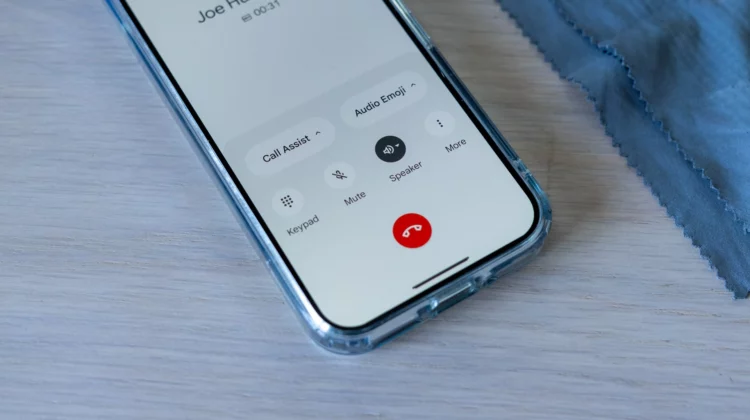
    Google formally announced the Pixel Phone app’s wider worldwide availability today, along with a few new and planned features.

    Google is formally introducing “basic Call Recording to all countries where Pixel is supported,” acknowledging that it is a fundamentally valuable tool even in the absence of AI transcription or summaries. Over the remainder of the year, the “extension to other countries will roll out.”

    In particular: “Call recording will be accessible on Pixel 6 and later smartphones, which are unable to implement more sophisticated Call Notes features.” A disclaimer to “respect the other caller’s privacy” will be included.

    In the meanwhile, Android Auto will allow you to view the Call Screen. You will be able to turn on Call Notes from your vehicle later this year.

    Pixel Phone

    The expansion of Google’s calling features internationally is the main topic of today’s event.

    • Scam Detection is expanding to Australia, Canada, Great Britain, India, and Ireland
    • Call Notes will roll out to additional countries this year to Australia, Canada, India, and Ireland “as a beta preview”
    • Call Screen is coming to Australia, Canada, and Ireland. In India (starting with English and Hindi), Pixel 10 users will soon get a beta version of Manual Call Screen. 

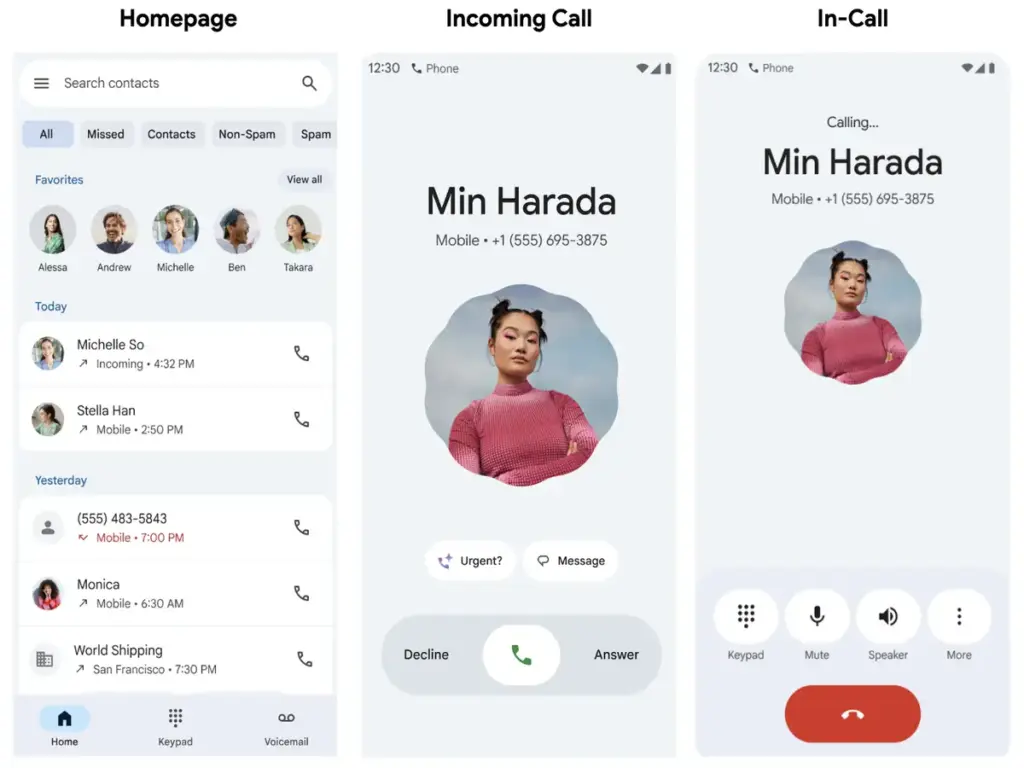
    Lastly, Google’s post today summarized the Pixel 10’s Magic Cue, Voice Translate, and Take a Message features. Material 3 Expressive is advantageous to all Pixel Phone app users; according to Google, it “creates a more intuitive and easier experience, more than a visual upgrade.”

    The Home tab’s Favorites carousel, which also features a “simplified recent calls list,” is meant to eliminate the need for you to switch between screens. Next are the “single-tap and horizontal swipe options for answering and refusing calls.”

  • Xiaomi expands Android 16 rollout with HyperOS 3.0 update

    Xiaomi expands Android 16 rollout with HyperOS 3.0 update

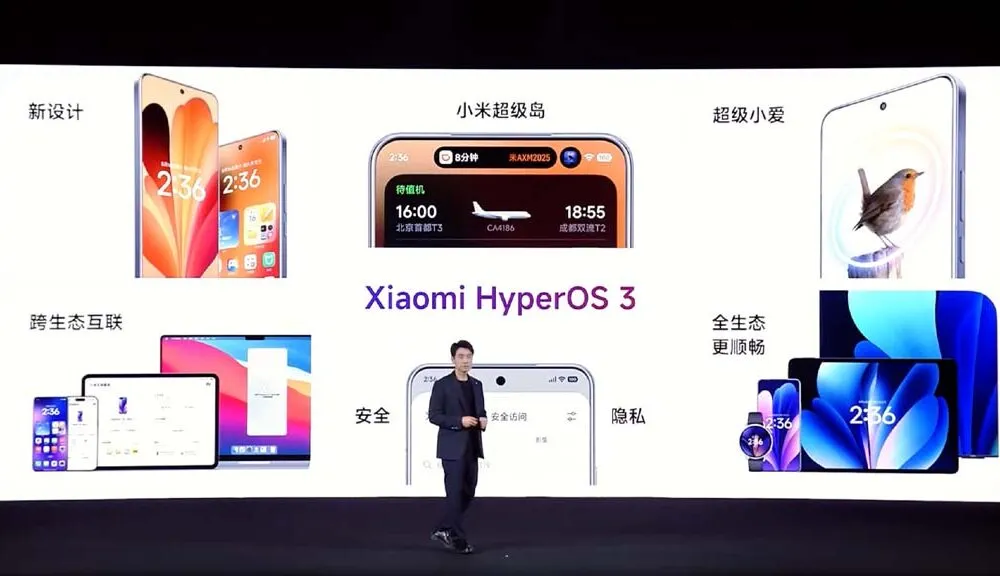
    One of the Android oems speeding up the release of Android 16 is Xiaomi with HyperOS 3.0 skin. The company has now disclosed the whole list of smartphones and tablets that will receive the significant OS update, including Redmi and Poco models, in response to last month’s introduction of HyperOS 3.0, which is based on Android 16.

    The Xiaomi 17 Pro was the company’s flagship smartphone when it introduced a number of others last week. However, we also discovered more fascinating information regarding the HyperOS 3.0 deployment, in addition to the new hardware portfolio.

    First devices to receive HyperOS 3.0

    A limited number of smartphones, including the recently revealed Xiaomi 15T series, the flagship Xiaomi 15 (Pro) and 15 Ultra, and mid-range models like the Redmi Note 14 Pro, Poco X7, and Poco F7 (Ultra review), will start receiving HyperOS 3.0 in October. The Xiaomi Pad 7 and Pad Mini will be the first tablets to be supported.

    Xiaomi expands Android 16 rollout with HyperOS 3.0 update

    The update has already begun to roll out for wearables, including the Xiaomi Watch S4 and the Smart Band 10 Glimmer Edition. Although a precise date has not yet been determined, this will eventually extend to the Smart Band 10 Ceramic and regular variants.

    Another batch for November and December

    In November and December, HyperOS 3.0 will be released for additional devices. These consist of the Redmi Note 13, Redmi 13, Redmi 14C, Redmi 15 4G, Redmi Pad 2, and Xiaomi 14 Ultra. The Poco F6 Pro, Poco X6 Pro, Poco M6 Pro, and Poco M7 are also categorized under the Poco sub-brand.

    The rest of the flagship, mid-range, and low-cost smartphones will be released between December and March. These consist of the Xiaomi 13T series, Xiaomi 12T Pro, Xiaomi 13 Lite, and Xiaomi 12. This release window also includes the Redmi Note 14, Note 13, Redmi 15 5G, and Redmi 15C.

    Not receiving HyperOS 3.0

    The basic Xiaomi 12T was released alongside the 12T Pro, thus it’s still unknown why it’s not included. The Redmi 12 and Redmi 12 Pro, which have reached the end of their main OS update support but will still receive security updates for another year, are a more noteworthy omission.

    What’s new in HyperOS 3.0

    What’s new in HyperOS 3.0

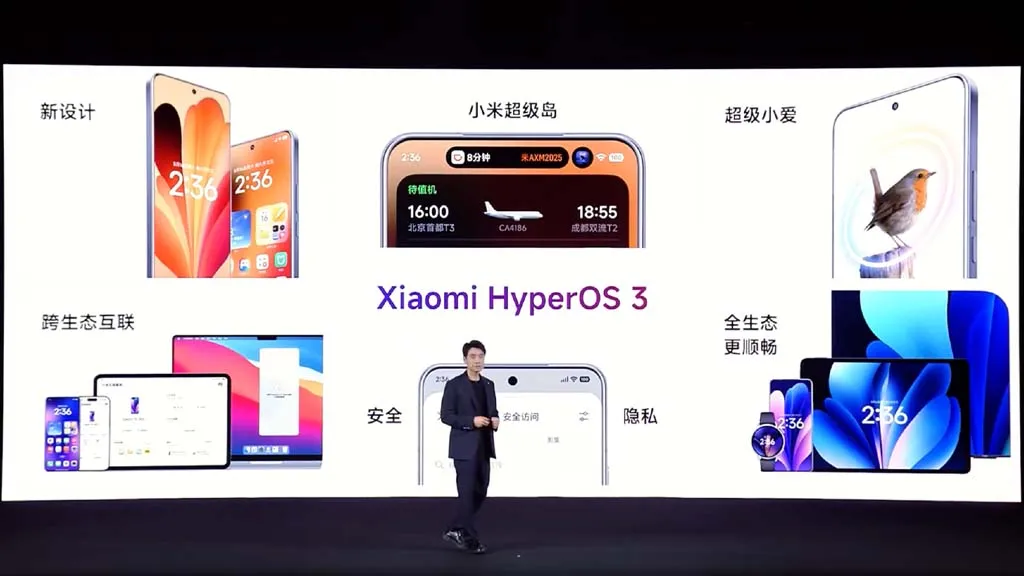
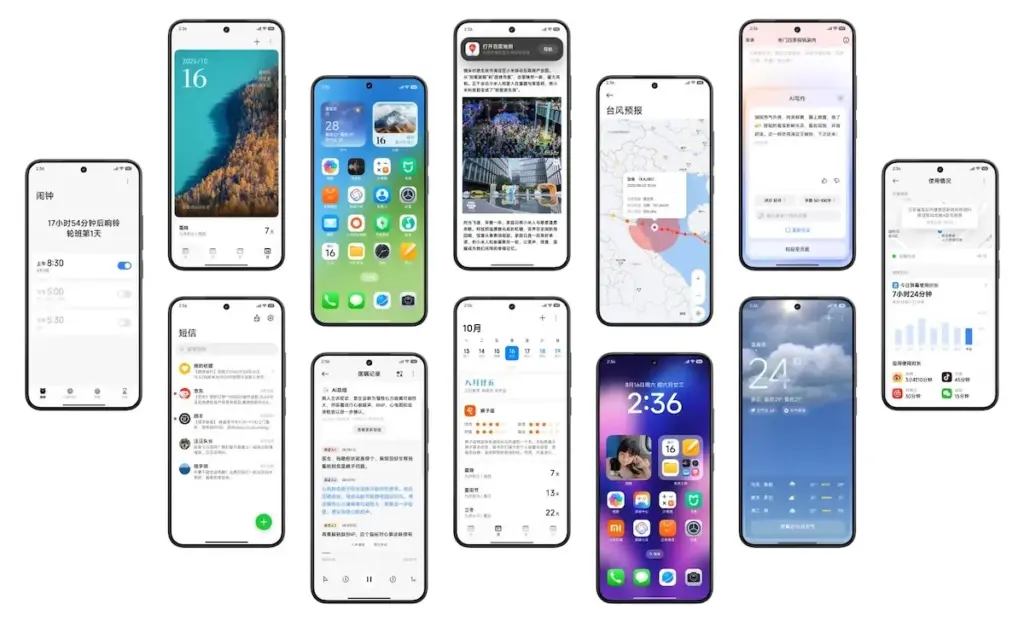
    Performance and visual design have undergone significant upgrades in HyperOS 3.0. Super Island, Xiaomi’s version of Apple’s Dynamic Island, is introduced in the user interface. It allows for dynamic and real-time content overlays surrounding the punch-hole camera. AI-generated options for new background and lock screen styles are also included.

    According to Xiaomi, HyperOS 3.0 offers performance gains of up to 30%. Ultra-low latency and pressure-sensitive pens and styluses are becoming more compatible with large-screen devices, such as tablets.

    With capabilities like HyperAI Writing, real-time transcription, and subtitle production, AI improvements are also a top priority.

  • Lowest price alert: Pixel Watch 3 drops ahead of Pixel Watch 4 release

    Lowest price alert: Pixel Watch 3 drops ahead of Pixel Watch 4 release

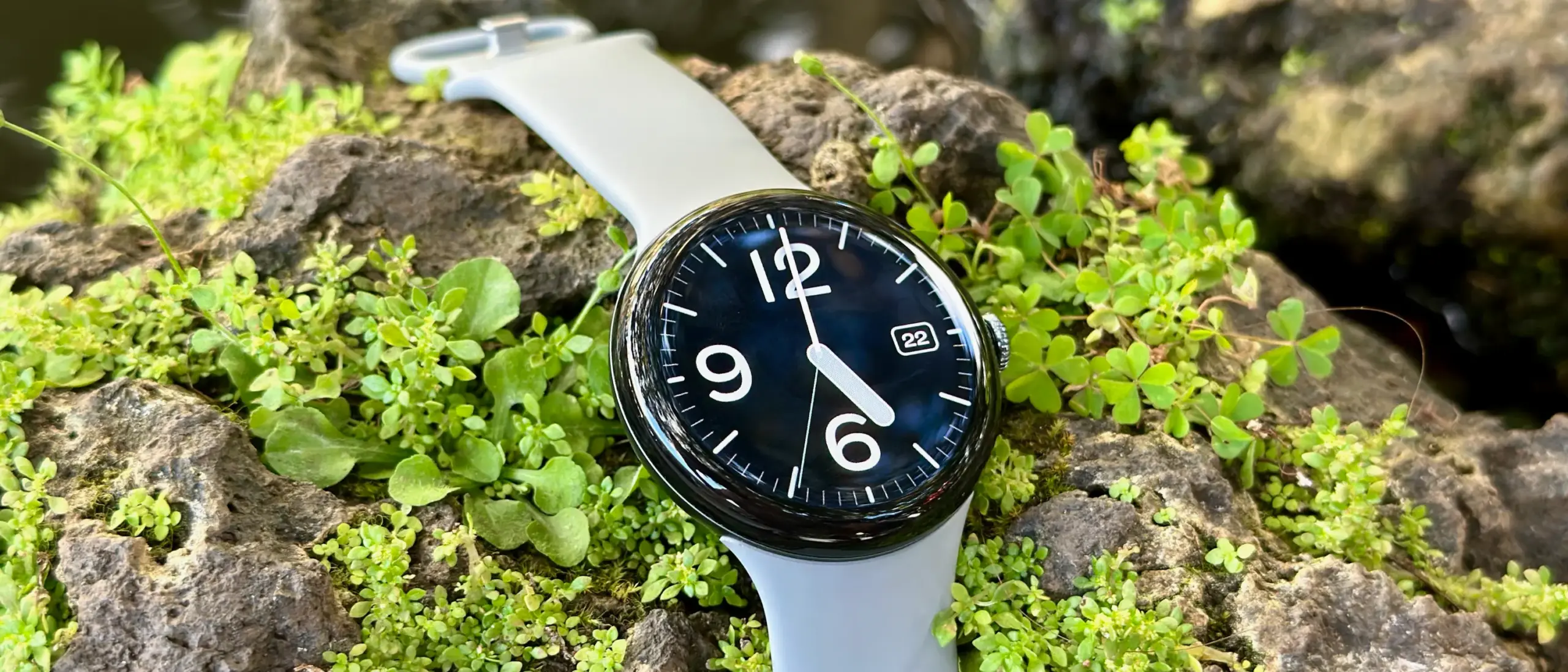
    This could be the ideal moment if you haven’t purchased the Pixel Watch 3 due to its high cost. Prior to the release of the Pixel Watch 4, Google has drastically reduced the smartwatch’s pricing. Amazon is currently offering a significant $50 (20%) discount on the Wi-Fi 41 mm variant, bringing it down from $349 to $299. For the smartwatch, this is a new low.

    The Champagne Gold version with a hazel band is eligible for the offer. Likewise, the 45 mm variant in matte black with a black band is also discounted by $50.

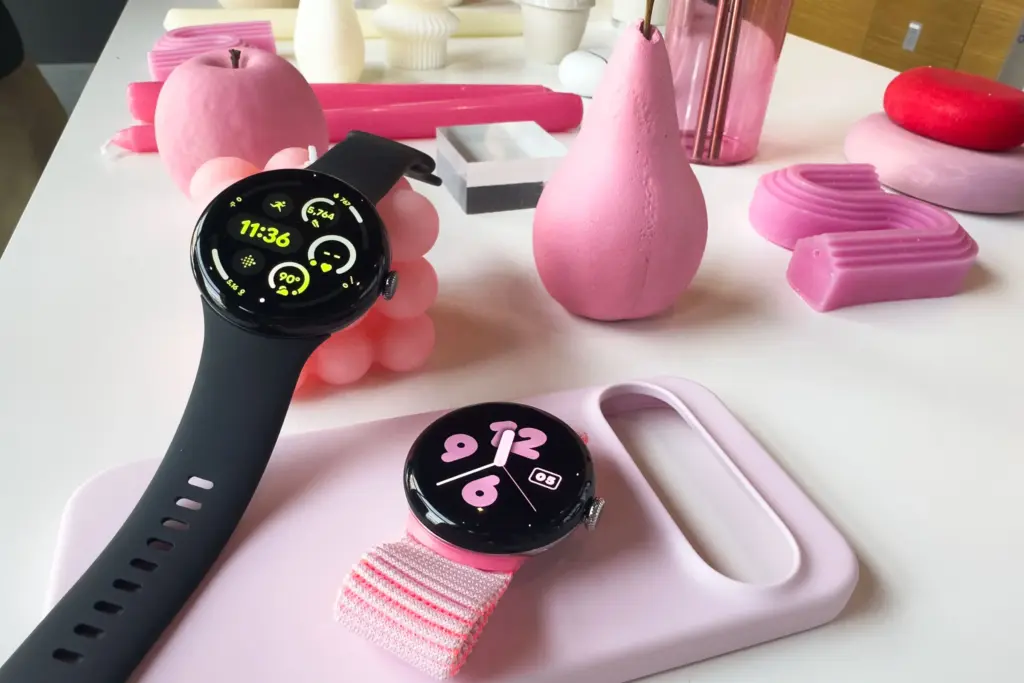
    pixel watch 3 in pink and black

    Top reasons to buy the Google Pixel Watch 3

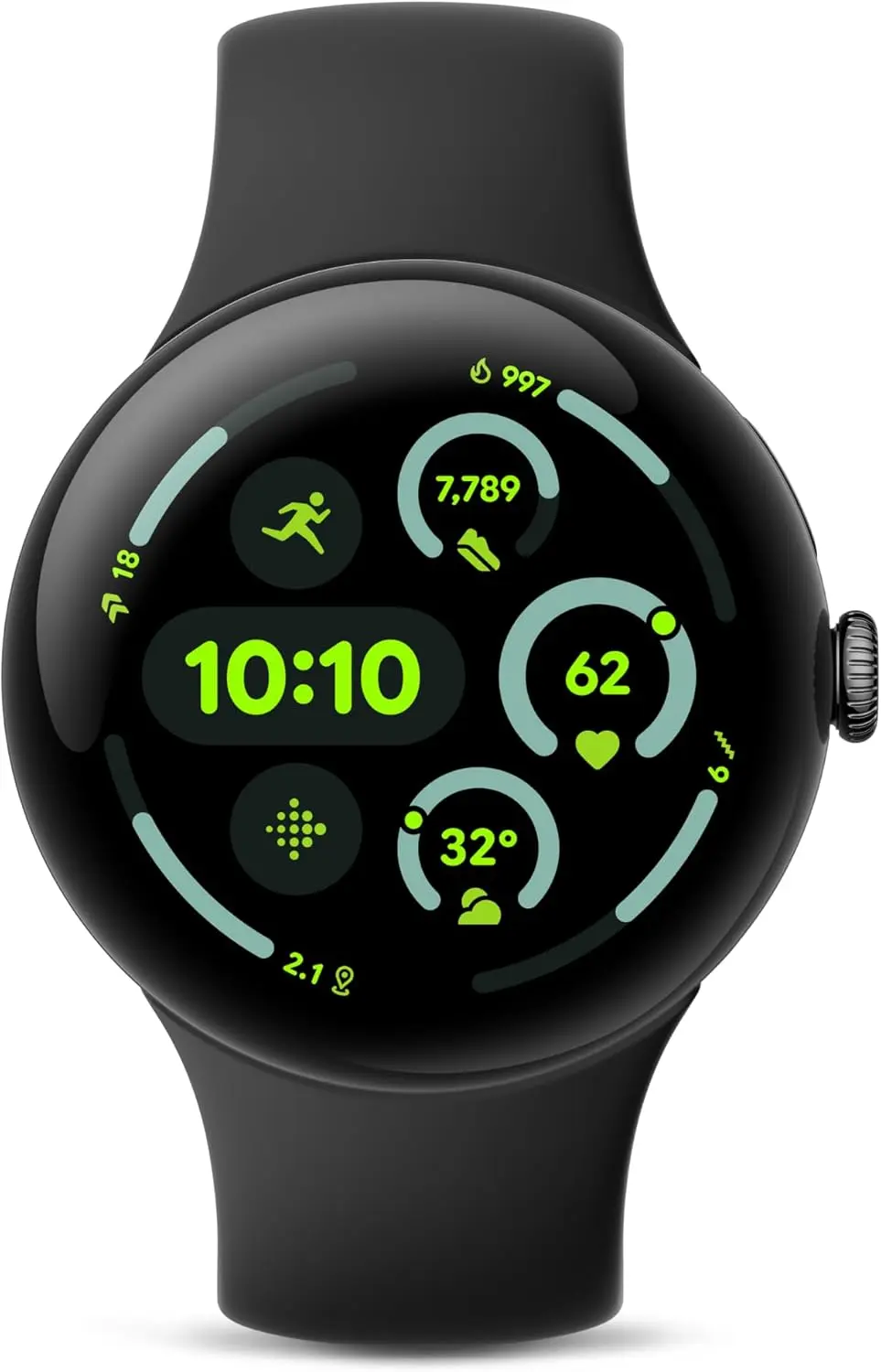
    pixel watch 3 in black

    Google Pixel Watch 3 (45mm) 2024

    The Google Pixel Watch 3 is designed for performance, with advanced fitness from Fitbit; the 45mm screen is twice as bright and 40% larger than before, making it easier to see your stats and info

    $299.99$249.99Amazon

    The Pixel Watch 3 was released last year, and its features are still strong. It’s perfect for people who want sophisticated health tracking and basic smartwatch features without having to shell out full cash for the impending Pixel Watch 4. All things considered, it is still a dependable wearable running Android.

    It has an aluminum shell, a curved display, and a circular, pebble-like shape, just like other Google smartwatches. The form fits the wrist easily, and it weighs only 31 grams. Upgraded to a maximum brightness of 2,000 nits, the 1.2-inch (41 mm) display is shielded by Gorilla Glass 5. The watch’s IP68 dust and water resistance and 5 ATM waterproof rating make it appropriate for aquatic sports.

    The Qualcomm SW5100 processor powers the Pixel Watch 3. It has improved sensors for temperature, blood oxygen, heart rate, and ECG with Afib detection for health monitoring. Because Fitbit’s high-end wearables use a cEDA sensor, it can also measure stress and provide detailed insights. You can use the well-known Readiness Score to evaluate your general physical condition and decide if you need to rest or train.

    pixel watch 3 in black

    Google Pixel Watch 3 (45mm) 2024

    The Google Pixel Watch 3 is designed for performance, with advanced fitness from Fitbit; the 45mm screen is twice as bright and 40% larger than before, making it easier to see your stats and info

    $299.99$249.99Amazon

    In terms of fitness, the Pixel Watch 3 debuted Cardio Load, which calculates the strain from everyday activities and offers customized goals. This feature is particularly helpful for runners and athletes during training and recuperation. Additionally, it has a sophisticated running coach to assist you beat past records and lead your exercises. With the Wear OS 6 update, which has Gemini integration and the new Material 3 Expressive UI, Google is further enhancing its capabilities.

    Despite having the Always-on display turned on, the battery lasts a long time and performs effectively throughout the day. By using power-saving mode, you can extend it to two days. In approximately 25 minutes, charging reaches 50%.

  • Honor Magic 8 revealed: sleek design and Snapdragon 8 Elite Gen 5 confirmed

    Honor Magic 8 revealed: sleek design and Snapdragon 8 Elite Gen 5 confirmed

    With a 200-megapixel back camera, the Honor Magic 8 series is anticipated to make its debut in October, according to a previously rumored launch schedule and camera configuration. One of the main features of the phone has now been revealed by the corporation. Qualcomm’s new Snapdragon 8 Elite Gen 5 CPU, which was revealed on Wednesday, will power it. The Honor Magic 8’s design has also been made public and is consistent with earlier leaks. The business is anticipated to make an announcement shortly on the launch date of its upcoming flagship devices.

    Honor Magic 8 revealed

    Design and Specifications of the Honor Magic 8 Series (Anticipated)

    The Honor Magic 8 series will be powered by Qualcomm’s top Snapdragon 8 Elite Gen 5 chipset, the Chinese smartphone manufacturer said shortly after the unveiling of the flagship chip. However, it won’t be the first phone with the Snapdragon 8 Elite Gen 5 to be released in China. On Thursday, the Xiaomi 17 series of smartphones—which will rival Honor’s next phones—will make their Chinese premiere.

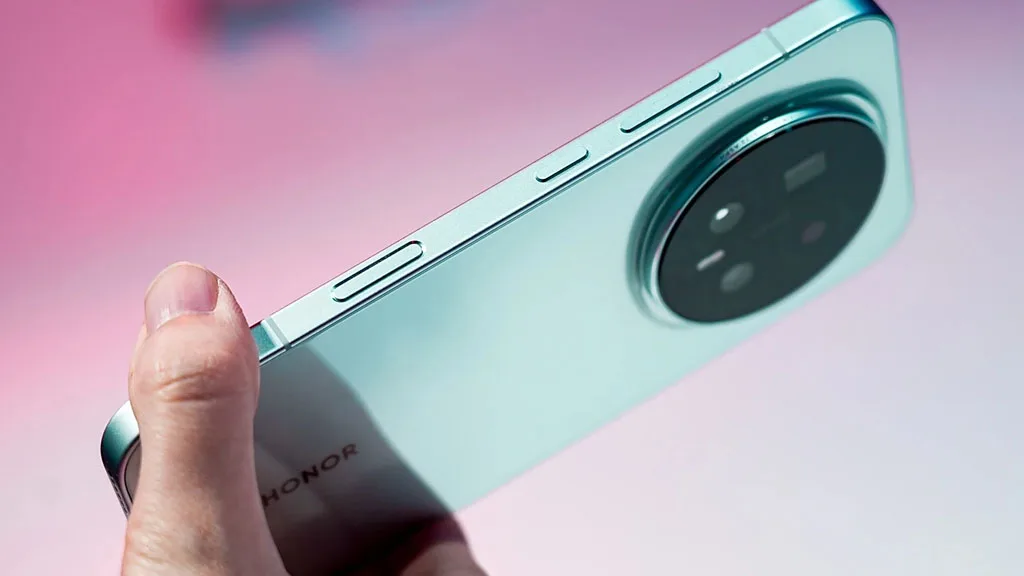
    The pictures imply that the Honor Magic 8 series phone may have a metal frame and narrow bezels. Additionally, there are buttons for volume control and power on the right side. It’s interesting to note that one of the pictures also features a brand-new button that is flushed inside the frame. It looks a lot like the Camera Control button that Apple debuted with the iPhone 16 series. The Verge received confirmation from the business that this will be a dedicated AI button.

    According to a Weibo post by tipster Digital Chat Station, the Honor Magic 8 will have a rear-facing camera lens with an f/1.9 aperture. The focal length of the ultrawide lens is reportedly 12 mm, whilst the focal length of the 3x periscope sensor may be 72 mm. For unlocking the phone, it may have a 3D ultrasonic fingerprint sensor. Like its predecessor, it might also have an IP68 classification for protection to water and dust.

    According to recent sources, the normal Magic 8, Magic 8 Mini, Magic 8 Pro, and Magic 8 Max may all be part of the Honor Magic 8 series. But according to reports, only two of the lineup’s models will go on sale in mid-October. The Magic 8 Pro and Magic 8 Max may have 6.7-inch and 6.9-inch screens, respectively, while the normal Honor Magic 8 model may have a 6.58-inch display.