It’s almost here—the moment we’ve all been waiting for! The first worldwide versions of Xiaomi’s eagerly awaited HyperOS 3 are predicted to be accessible in the next few days. With a number of potent AI improvements, substantial UI redesigns, and extensive performance optimizations, this is not merely a small update but rather a huge advancement.
This is the most thrilling news of the year for those who keep up with the most recent advancements in HyperOS. A larger selection of well-known phones and tablets are expected to get this update during the first week of November. The initial wave of devices has been confirmed. Prepare to enjoy a more intelligent, quicker, and user-friendly version of Xiaomi’s ground-breaking operating system.
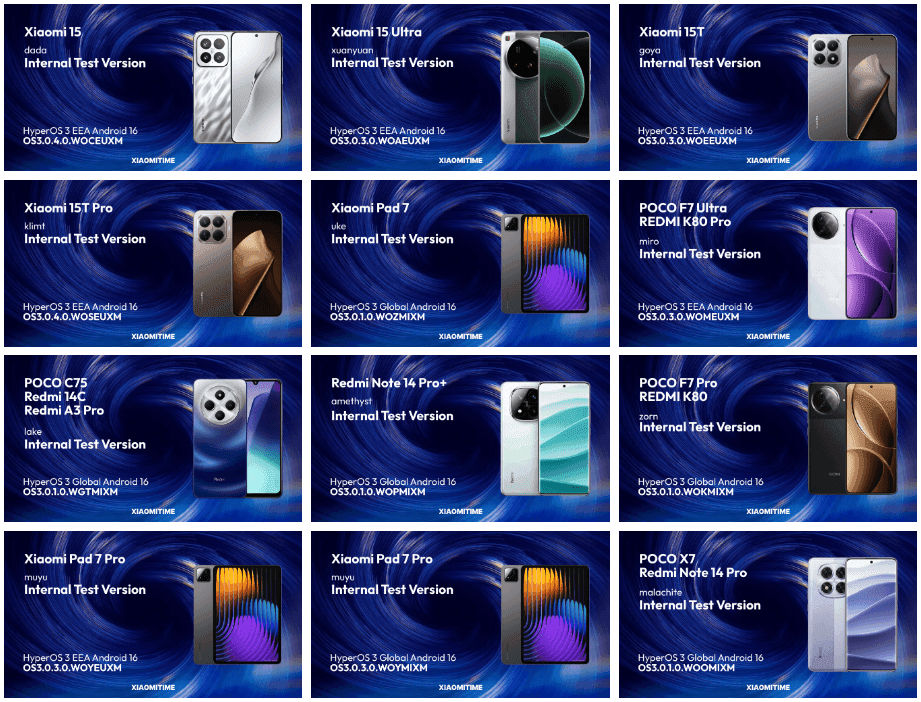
HyperOS 3 update is first released on these devices.
HyperOS 3 Global versions for ten models have been produced by Xiaomi, suggesting that the global debut is near. These gadgets will be the first to demonstrate HyperOS 3’s capabilities to a global audience.
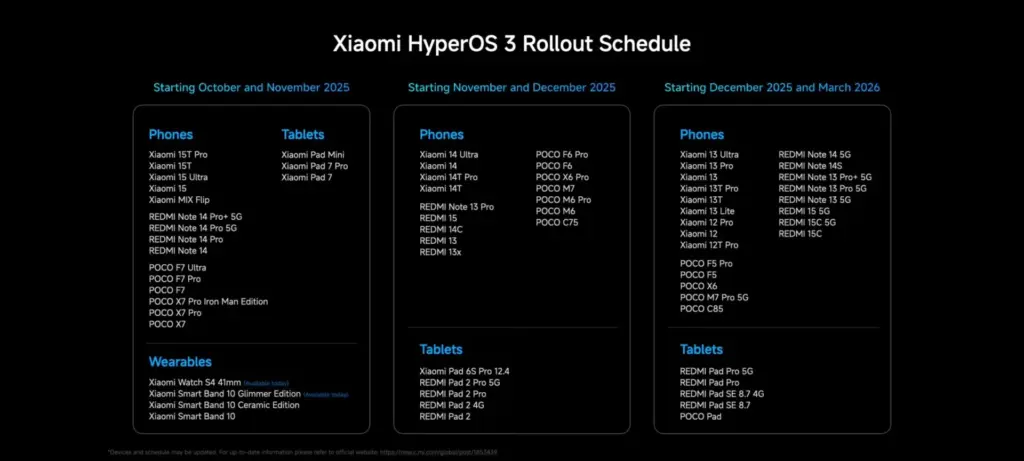
In October and November, Xiaomi intends to extend its HyperOS 3 Global program to a far greater variety of devices. Watch for the update message if you have any of the following!
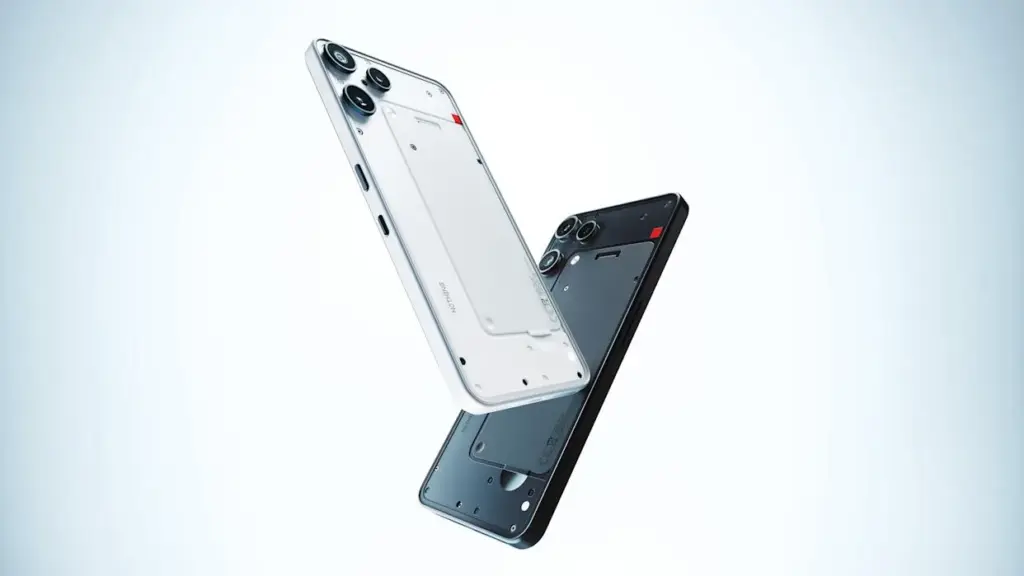
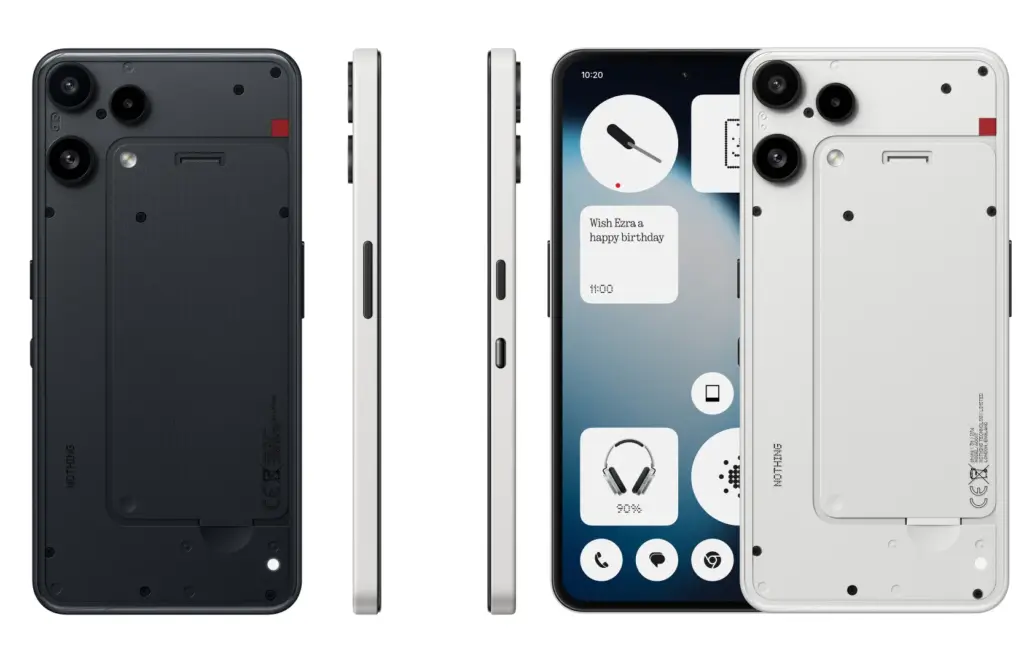
If you were a fan of Nothing, you would know that the release of the Nothing Phone (3a) Lite wasn’t news, yet it was. On the one hand, you are ready for the surprises these gadgets deliver. Conversely, the Nothing Phone (3a) Lite is unique. The brand’s sole entry-level phone will go on sale in October.
You adore phones with translucent designs and glowing glyph lights, and the Nothing Phone series perfectly captures that feel. This phone is unique! Prepare for the Nothing Phone (3a) Lite, the most daring low-cost option to yet. We will discuss the launch, the cost, what to anticipate, and everything in between.
Nothing Phone (3a) Lite announced
Nothing recently revealed that the Phone (3a) Lite would go on sale worldwide on October 29, 2025. That is 1:00 pm GMT, or 6:30 pm IST if you’re in India. YouTube and Nothing’s website both provide live streaming of the event. The launch schedule as a whole aligns perfectly with the Phone 3 lineup. It comes after the March 2025 Nothing Phone (3a).
It’s their first real entry-level phone. It is also intended to be less expensive than their CMF lineup. This launch calls out to you if you prefer daring over basic. With its useful pro features, this phone might be your next reasonably priced upgrade. We now go on to the following part.
Features and design
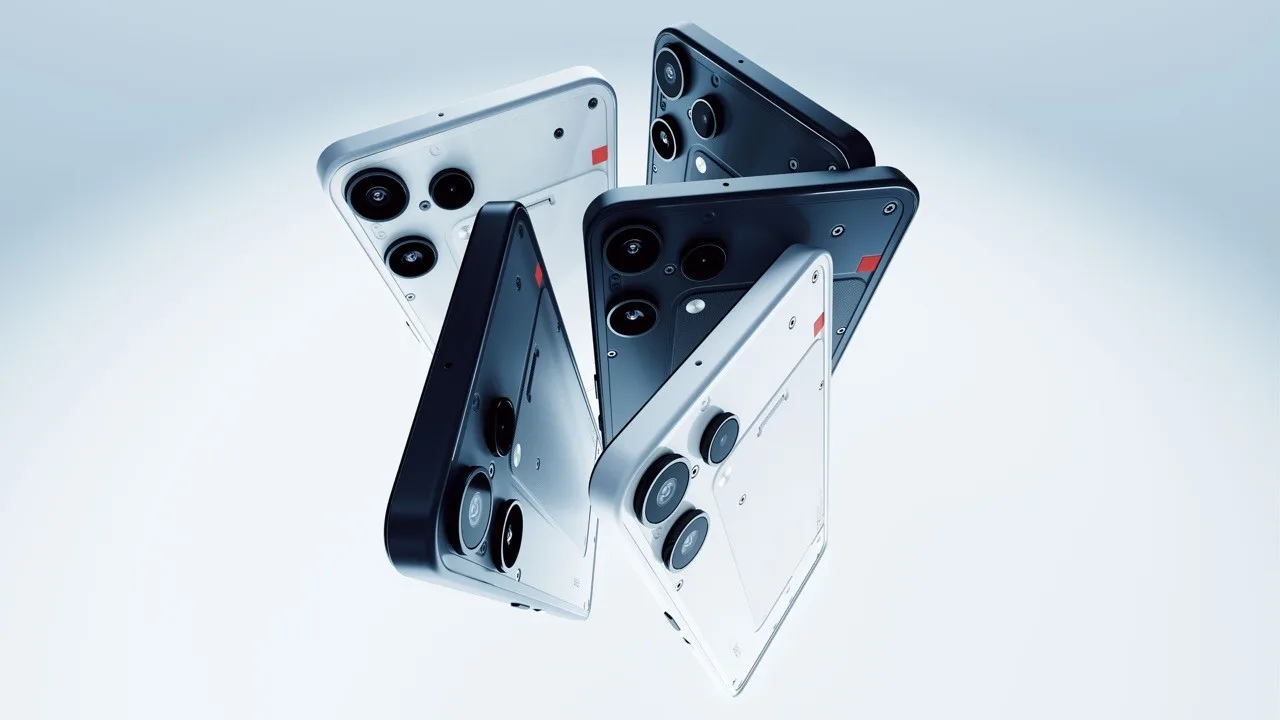
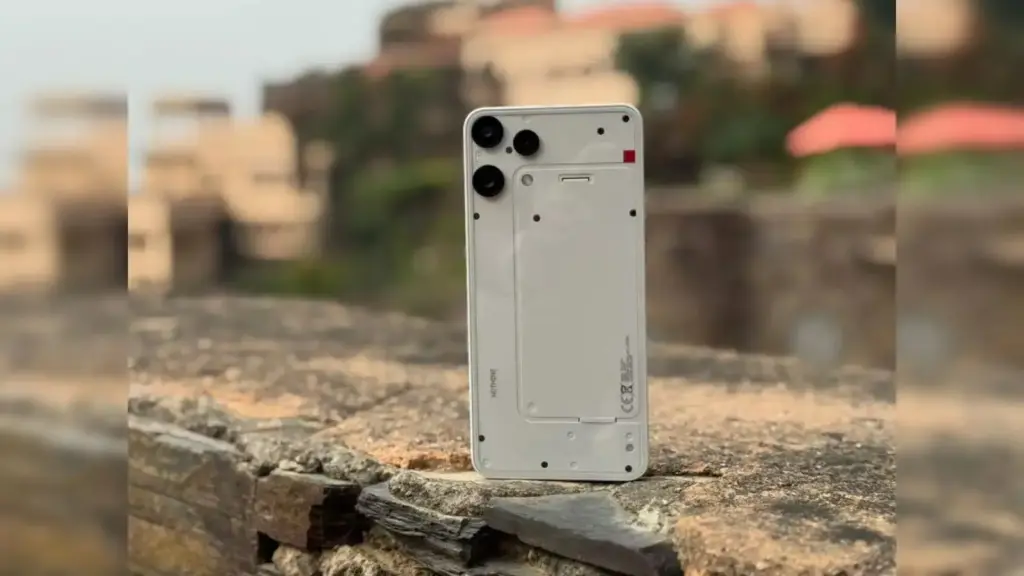
Nothing perfectly captures the eccentric style, yet it doesn’t even appear strange. The Nothing Phone (3a) Lite, which comes in black and white, has a sleek design. A rear LED flashlight is shown in teasers. It also serves as a ping for notifications. However, it now appears lot simpler. This is not a full light show. It lights just enough to draw attention, though.
It comes pre-installed with Android 15. Nothing about OS remains tidy. Widgets look stunning. The gestures are fluid. You get that feeling of transparency without the clutter.
We are aware that the Nothing Phone (3a) Lite will have a 6.77-inch full-HD+ AMOLED screen before it is released. All flagship and respectable 30k-range phones on the market have it at 120 Hz. There are 1.07 billion shades of color. ideal for playing games, watching movies, and other media.
Budget phones typically use the MediaTek Dimensity 7300 processor. Another item on the list is the Nothing Phone 3a Lite. This phone’s apps seamlessly multitask because to its 8GB RAM. 128GB of storage. Extend if necessary.
Regarding the battery, it happily keeps the large 5000mAh cell that lasts all day. At 33W wired, charging is quick. 5W reverse charging. It’s sufficient to sustain earbuds.
One of Nothing Phones’ best features is its cameras, which are not being downsized either. We have an 8-megapixel ultrawide, a 50-megapixel telephoto for zoom, and a 50-megapixel primary camera on the back. An incredible 16-megapixel selfie lens is located on the front. Rear camera daylight photos are particularly striking. The performance in low light is the sole drawback. It’s good, but not at the pro level.
Nothing Phone (3a) Lite price
As far as we are aware, this version was released to compete with more reasonably priced phones. With the lite edition, nothing keeps entry-level real. At the very least, we should anticipate a 5–6k price reduction from the original model. With 8GB RAM and 128GB storage, the Phone (3a) Lite is priced at Rs. 17,990. A great deal for fans of Glyph. Sales begin shortly after introduction, most likely on the website of Nothing or Flipkart.
How does it compare, though? This is a brief table of competitors priced between Rs. 15,000 and Rs. 20,000. The software, features, and performance of these packs are comparable.
Phone Model
Price (Rs.)
Key Highlights
Nothing Phone (3a) Lite
17,990
Dimensity 7300, Glyph LED, 120Hz AMOLED
Moto G85 5G
17,999
Snapdragon 6s Gen3, 50MP OIS cam, 5500mAh
Realme Narzo 70 Pro
18,999
Dimensity 7050, 50MP main, 67W charge
Samsung Galaxy A16 5G
18,499
Exynos 1330, 50MP triple cam, 5000mAh
Poco X6 5G
19,999
Snapdragon 7s Gen2, 64MP OIS, 5100mAh
Nothing Phone (3a) Lite vs Nothing Phone (3a)
We are tempted by the Lite because it is reasonably priced. However, if you can afford to spend a little extra, the complete Phone (3a) entices you more. Since the 3a isn’t too old, the most recent software upgrades are comparable to those of the light. The price is Rs. 22,500. This table may help you make a decision if you are unsure about how the Lite version differs from 3a. Let’s do a table comparison.
Feature
Nothing Phone (3a) Lite
Nothing Phone (3a)
Price (Rs.)
17,990
22,500
Processor
Dimensity 7300
Snapdragon 7s Gen3
Display
6.77″ FHD+ AMOLED, 120Hz, 1.07B colors
6.7″ FHD+ AMOLED, 120Hz, 1B colors
Rear Camera
50MP + 50MP tele + 8MP UW (no OIS)
50MP OIS + 50MP tele + 8MP UW
Front Camera
16MP
32MP
Battery & Charging
5000mAh, 33W wired, 5W reverse
5000mAh, 50W wired, 7.5W reverse
In terms of speed and shots, the 3a prevails. In games, Snapdragon outperforms Dimensity. OIS stabilizes videos. 32-megapixel selfies are crisper. At 50W, charging is incredibly quick. In twenty minutes, that will be half full.
But Lite is resilient. identical battery life. The screen pop is similar. Hold on to Lite if the budget is tight and you can do without a few slightly less expensive features. Eighty percent of the magic is delivered by it. Only if you are using a previous series should you upgrade after the Nothing Phone (3a) Lite launch.
The Nothing Phone (3a) Lite demonstrates a bold look that isn’t appropriate for everyone. However, many people can afford it. This phone is especially suitable for young people who are in college, are students, or are starting their first job. Additionally, the Nothing phone 3a lite can be your calling if you swap phones every two to three years in search of the newest features.
How do you feel about the release of the Nothing Phone (3a) Lite? Would you purchase it? Leave a comment with your ideas!
Over the past few years, Android has been in a very good spot thanks to Google’s delivery of an experience that felt really polished and refined with Android 15 and a few minor tweaks and modifications with Android 16.
Naturally, the company has many chances to make improvements with frequent updates, and with Pixel Feature Drops, it can even implement more significant changes. We won’t have to wait long for Google’s next feature drop if the rumors are accurate.
New features are coming
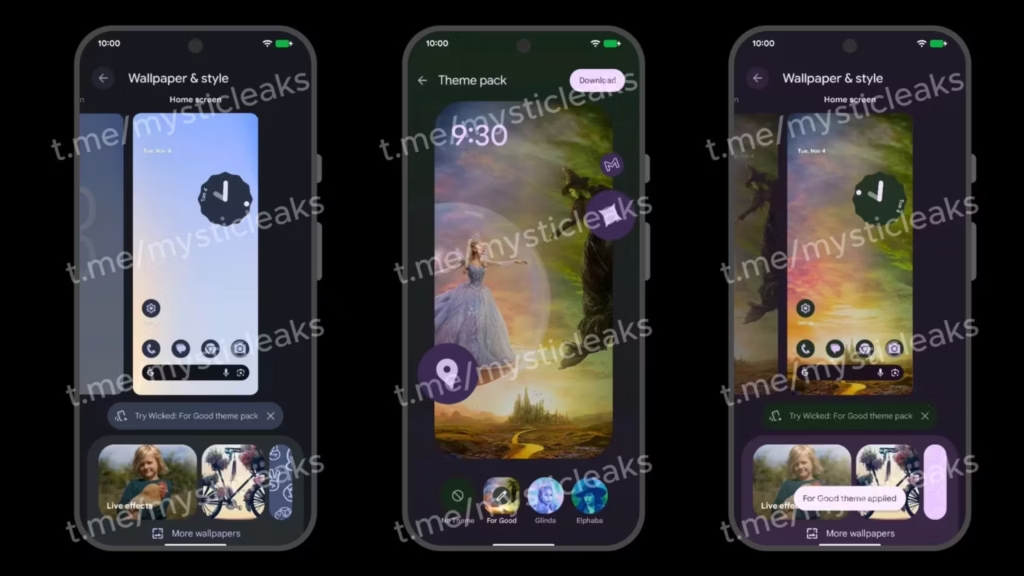
According to leaks posted on Telegram by Mystic Leaks, the next significant Pixel update is scheduled for November 4 (via 9to5Google). Of course, this is only what the screenshots that were leaked show, and it might arrive at a different time. However, for the time being, we must believe that the update will be released soon.
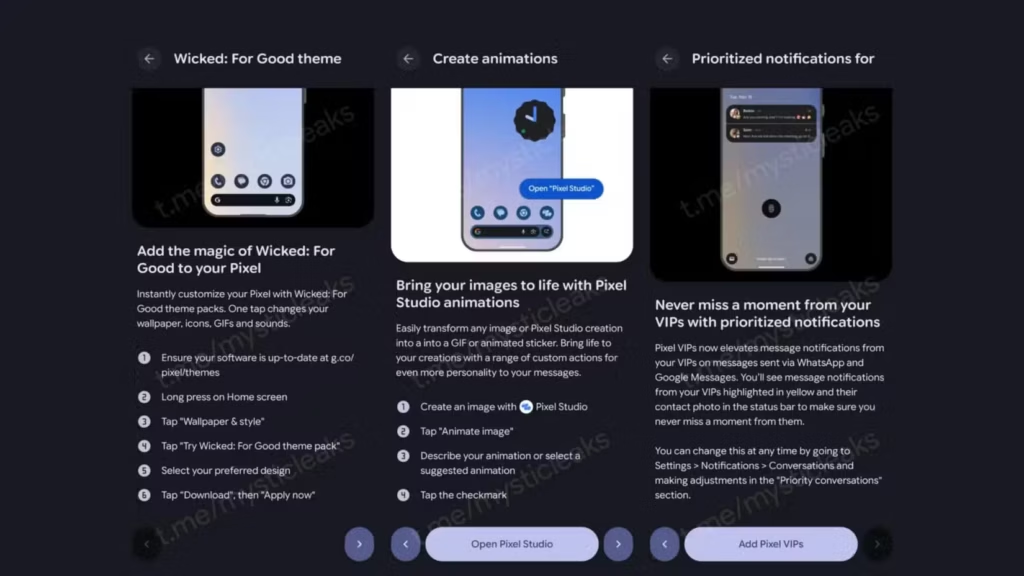
New theme packs, which will let you alter the phone’s entire appearance and feel with a single button tap, will be one of the update’s main features. This feature includes custom noises and GIFs in addition to the obvious background and icon modifications.
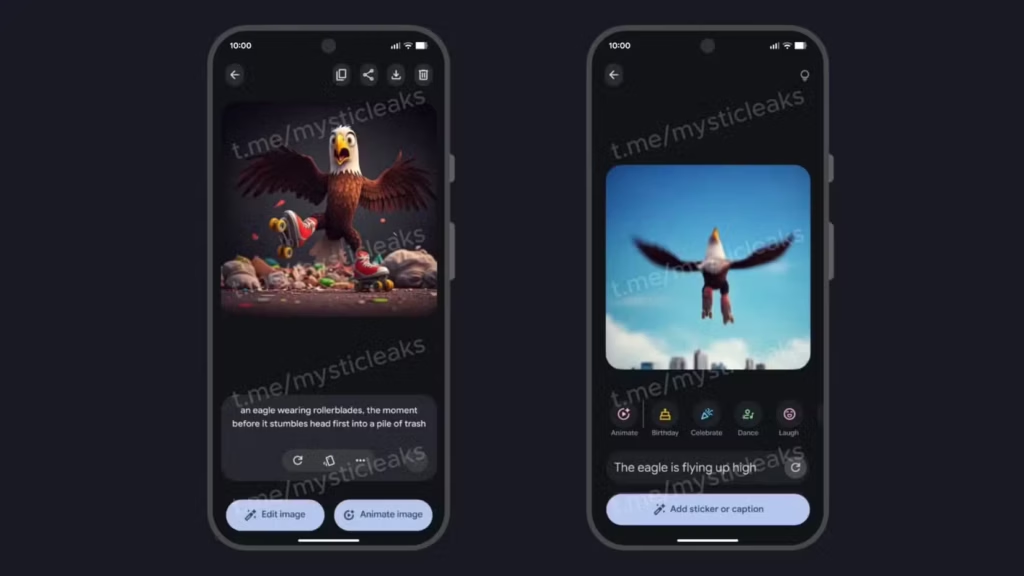
According to the screenshots, there may also be promotional tie-ins with films and other events, which might make theming a little more enjoyable if you like a completely different style based on current trends. In addition to the aforementioned, it appears that the Pixel Studio software will soon be able to create GIFs.
In the past, AI might be used to produce still photographs. You may now enhance these photos even more with the Feature Drop. Additionally, Pixel VIP is receiving a minor update that highlights incoming messages from the people you care about the most.
There aren’t any significant changes here, but in order to keep you better informed, it will highlight your VIPs in yellow and provide a contact image. Overall, it’s a good set of upgrades to anticipate.
Although this sounds fantastic, 9to5Google is still dubious about the update, pointing out that there are mistakes in the pictures and that the timing seems off given that Android 16 QPR2 is almost here. Fortunately, we won’t have to wait long to discover the truth.
Oppo’s ColorOS is the operating system that has produced the most feature-rich Android skins. The user experience is now significantly enhanced by the AI tools. Now, Oppo users are looking forward to the release of ColorOS 16. The most recent version of Android 16 will serve as its foundation. More efficiency, more features. This post will be helpful if you are currently considering an Oppo phone, such as the forthcoming Find X9 series. Additionally, this post will assist you in determining whether your current Oppo phone is eligible for the update. Let’s dissect all the information we require.
ColorOS 16 release date and rollout
On October 15, 2025, the ColorOS 16 was most recently announced worldwide. It will make its debut alongside the upcoming Find X9 series. Regarding the current devices, they will also progressively get the update. For devices like the Find X8 Pro, beta versions have already begun to roll out in a number of countries, including Malaysia, Indonesia, and India. Most likely, the stable update will be released on October 30, 2025. However, it won’t be accessible in India right away. It will be initially applied to China’s flagship gadgets. In India, the first stable ColorOS 16 upgrade is anticipated in Q1 2026.
Therefore, in order to avoid the wait when purchasing a new phone, opt for models that come pre-installed with ColorOS 16.
ColorOS 16 Features
We may claim that the core of Oppo’s ColorOS 16 is “Smart & Smooth” performance. Thus, anticipate speedier daily tasks, simpler multitasking, and assistance for content production. This may indicate that you should get an Oppo cellphone running ColorOS 16 if you want AI integration and smoothness over standard Android.
Performance
Oppo has concentrated on creating a sense of instantaneity in interactions. This one also uses ColorOS 15’s Parallel Animation, albeit with a minor improvement. Seamless Animation is a new feature in ColorOS 16. Here, your touch point is the natural starting point for gestures and app transitions.
It is powered by some important technology, such as:
Luminous Rendering Engine: Renders visuals in parallel for lag-free animations.
Trinity Engine: Optimises resources for gaming and heavy tasks.
Tide Engine: Reduces power use (by 13%) and lowers temperature (by 4.1°C).
Overall, we get faster boot times, smoother app launches and scrolling, and quicker tap responses.
Ai integration
Whether you agree or not, AI has made a significant impact. incorporating time-saving and productivity-boosting tools? Bring it on! If you use your phone for artistic or professional purposes, it will be ideal.
AI One-Tap Flash Note: Captures and organises notes from documents, videos, or bills. Also, summarises videos into chapters and automates expense tracking.
Xiaobu AI Assistant: Offers personalised briefings (weather, tasks, news). Suggestions based on your habits, real-scene dialogues via voice/gestures. Gives portrait lighting for better photos.
Productivity suite: AI Recording for transcriptions, AI Writing for drafts (emails, docs), AI Notes for templates. There’s handwriting conversion, and AI Calendar for task timelines too.
ColorOS 16’s AI improvements are its highlights. Anyone who believes that these AI tools may simplify their life by taking care of routine duties ought to give this operating system a try.
Additionally, there are some similarities to Google’s Gemini integration. The only difference is that this one is customized for the Oppo environment.
UI and Customisation
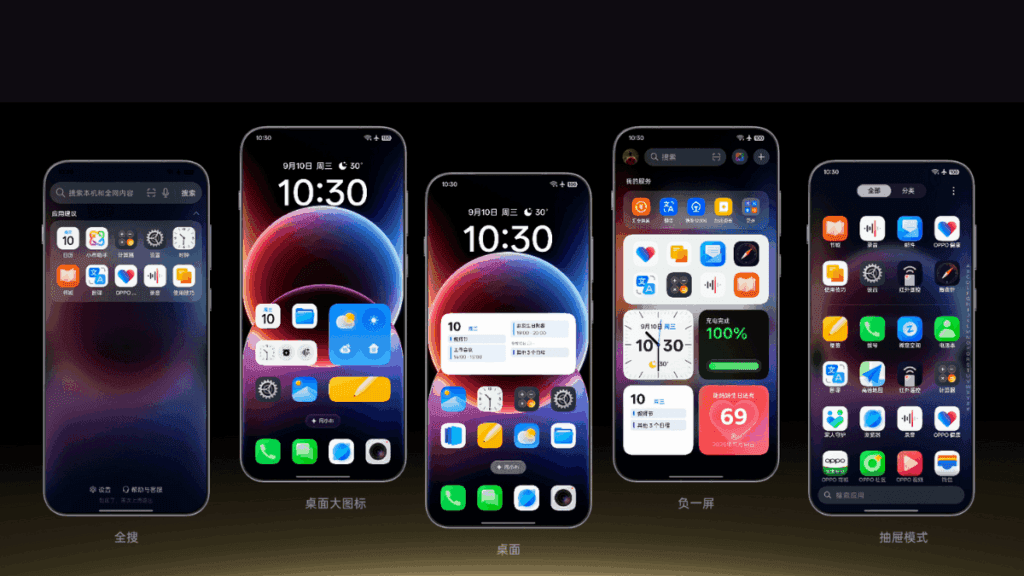
An OS’s user interface and degree of customization reveal a lot about it. Natural light and shadows served as inspiration for the ColorOS 16. Gradients, halos, and glows are used in the design to create a simple, intuitive appearance.
The notable ones are as follows:
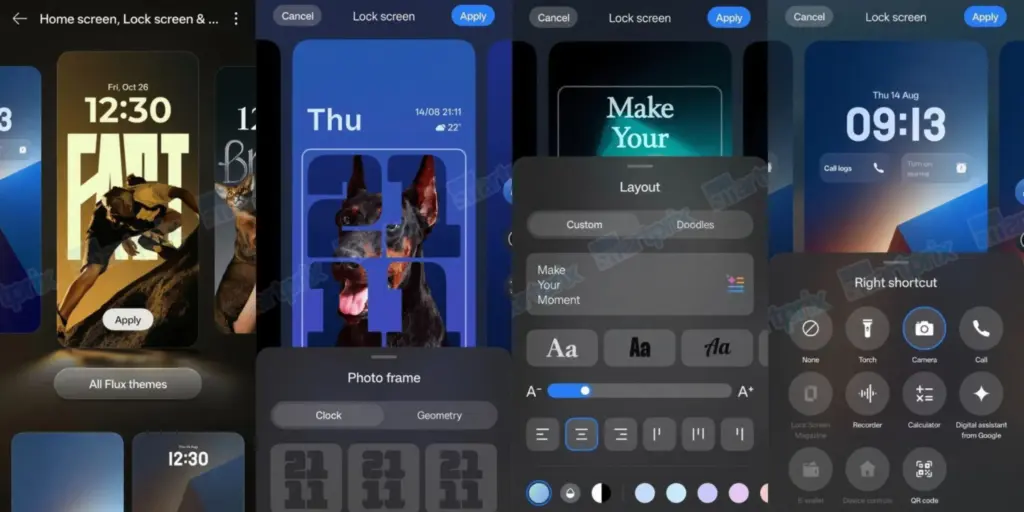
Flux Home Screen: Resize icons, folders, and cards dynamically. The layout adapts with fluid animations.
Full-Screen AOD: View your wallpaper with key info on the always-on display.
Personalisation: AI-generated themes, animated wallpapers from static images, and auto-matching icon colours.
Compared to many other competitors, these alternatives offer greater versatility if you enjoy playing with the look of your phone.
Photo and Video Editing
For people interested in photography, ColorOS 16 upgrades the Photos app with:
AI Portrait Glow: Enhances low-light portraits by optimising skin tones.
Other AI tools: Eraser, Unblur, and Reflection Remover.
Video editing: Master Cut for trimming, music, filters, and adjustments.
For those seeking effortless photography, some enjoyable settings include slow-motion effects, live collages, and collections of human and pet photos.
Cross-Device Connectivity
Seamless integration across ecosystems is a highlight:
O+ Connect: Manage files and remote control between phone, Mac, or Windows PC.
Screen Mirroring: Cast up to five apps and control with a mouse/keyboard.
One-Tap Share: Transfer docs, notes, and more, including health data from Apple Watch.
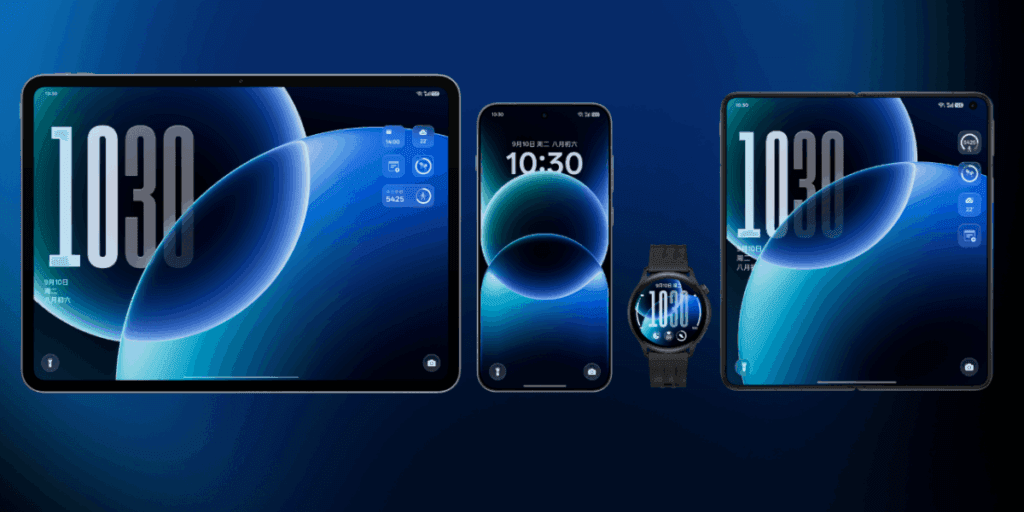
Additional benefits include PC-level WPS Office, vehicle connectivity, customizable control center, and floating windows for multitasking.
There will still be seamless connectivity between your various devices if you have a mixed Apple/Android configuration.
Find N3 series Find X7 series Reno14 series Reno13 series Pad 4 Pro Pad 3 Pro OnePlus 12 Ace 3/5 series Pad Pro
December 2025
Find N2 series Find X6 series K13 Turbo series OnePlus 11 Ace 2 series
Q1 2026
Find X5 series Reno12 / 11 / 10 / 9 series (select models) K13 / K12 series Pad 3 / 2 / SE OnePlus 10 Pro Pad series
Your device might not get ColorOS 16 if it isn’t listed (for example, if it’s older than Find X5 or Reno9). If you truly enjoy them, you might want to upgrade to the newest features.
ColorOS 16 vs ColorOS 15
Since the current OS update isn’t that old, many people wonder if it’s worthwhile to upgrade to the next one. Check out the distinctions between ColorOS 16 and its predecessor ColorOS 15 if you’re experiencing the same confusion:
AI One-Tap Flash Note, Xiaobu (Briefing, Dialogue, Lighting), AI Writing/Notes/Calendar
AI Editor (Clarity, Eraser), AI Toolbox, Gemini Integration
UI Customisation
Flux Home Screen, Full-Screen AOD, AI themes
Aesthetic upgrades, smoother icons/widgets
Performance
Tide Engine (13% less power), Project Breeze for entry-level
Snappy responsiveness, fluid multitasking
Cross-Device
O+ Connect (Mac/Windows), 5-app mirroring
Touch to Share (iOS), basic multitasking
Photo/Video
AI Portrait Glow, Master Cut
AI Eraser/Unblur, basic editing
For deeper AI and efficiency advantages, especially on older hardware, ColorOS 15 is a worthy upgrade.
Every Oppo user has been waiting for ColorOS 16’s level of novelty. It combines customization, AI tools, and performance in more than subtle ways. Because of this, it is an appealing option for upgraders or new purchasers. For the complete experience, think about smartphones like the Find X9 if you’re in the market. Or upgrade your current gadget to make it last longer. Keep checking back here for more information about devices that qualify.
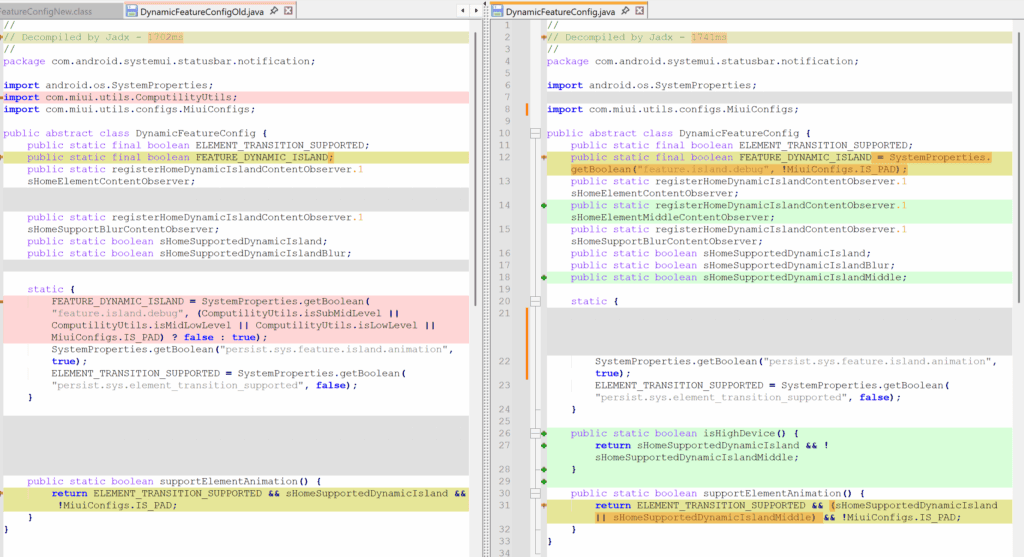
By removing internal limitations in the most recent HyperOS 3 Beta version, Xiaomi has expanded access to its “Hyper Island” feature, which was previously only available for flagship models. All Xiaomi, Redmi, and POCO devices—including tablets and entry-level smartphones – can now use Hyper Island thanks to this upgrade. In an effort to be more inclusive throughout its product line, the business removed device-specific tags (such IS_PAD and isLowLevel) that had previously restricted interoperability.
What is Xiaomi Hyper Island?
Xiaomi‘s integrated notification and background activity control interface, Hyper Island, is located at the top of the screen and was inspired by Apple’s Dynamic Island. Although the functionality was initially designed for high-performance devices, recent advancements have made it possible for it to function properly on devices with less powerful hardware.
This change is in line with Xiaomi’s overarching plan to encourage uniformity and feature parity throughout its network of devices. Xiaomi hopes to improve customer satisfaction and device durability inside the HyperConnect ecosystem by offering flagship-level user interface experiences on more reasonably priced products.
However, the Island can function without animations on certain devices.
Hyper Island with the most recent update will be immediately sent to those that take part in the HyperOS 3 Beta program.
Xiaomi’s continued dedication to providing a consistent and all-encompassing user experience across all device categories is in line with this progress.
iQOO fans have been anticipating this for weeks, and it’s understandable why. Numerous rumors, teasers, and leaks have been made about the company’s next flagship, the iQOO 15. With rumors of a fresh look and the promise of cutting-edge gaming performance, this gadget appears poised to challenge the Android industry’s titans. Now that the Chinese launch date is quickly approaching, it seems like we’re finally getting a glimpse of what iQOO has been working on.
In terms of appearance and power, the iQOO 15 is anticipated to represent a significant improvement over its predecessor, the iQOO 13. Leaked images and teasers suggest a revised rear design, replete with a sleek circular camera module that feels more in keeping with today’s flagship design language, even though the company hasn’t made all the details public.
A huge 6.85-inch 2K 8T LTPO Samsung “Everest” display with a refresh rate of 144 Hz and a maximum brightness of 6,000 nits is rumored to be on the front; if accurate, this would make it one of the brightest smartphone screens available. Its overall flagship appeal is reportedly increased by the addition of wireless charging, an IP69 grade for water and dust protection, and a 3D ultrasonic fingerprint sensor.
The Snapdragon 8 Elite Gen 5 CPU, Qualcomm’s newest and most potent chipset to yet, is anticipated to be the engine behind the hood. This would place the iQOO 15 on par with OnePlus, Xiaomi, and Samsung’s future flagships and make it one of the first phones in the world to arrive with the new chipset.
It’s interesting to note that iQOO is reportedly combining this processor with its own Q3 gaming chip, which may maximize frame rates and regulate heat for extended gaming sessions.
Speaking of heat, the company’s new 8K vapour chamber (VC) Dome cooling system is said to deliver up to 47% greater cooling than the iQOO 13 thanks to a second layer of high-conductivity graphite. That’s significant for gamers and heavy users, particularly when using the phone to its full potential.
Regarding the camera, the rumors still present an intriguing picture. A dual 50-megapixel camera combination, comprising a huge 1/1.5-inch primary sensor and a periscope telephoto lens for sharp zoom images, may be included in the iQOO 15. If verified, this would represent a significant improvement in the brand’s photography, bringing it closer to the level of high-end Android rivals like the Xiaomi 15 Pro and Galaxy S24 Ultra, but perhaps at a more affordable price.
Another area that may use better is battery life. Although the iQOO 13’s 6,000 mAh battery and 120 W fast charging has made an impression, the upcoming model is rumored to surpass 7,000 mAh and allow wireless charging, a long-desired feature. For even greater defense against water and dust, it is anticipated to have IP69 certification, which is uncommon for non-ultra-rugged electronics.
Regarding the exact release date, the iQOO 15 and iQOO Pad 5e are scheduled to debut in China on October 20. After that, it appears that India will make its debut somewhere between November 15 and 25. Although a precise date has not yet been established, Nipun Marya, the CEO of iQOO India, has previously alluded to a November timeline on X.
Introducing the all-new #iQOO15, crafted for those who don’t wait for the future – they race towards it. Experience performance that keeps you in the lead. Save the date for November 26th. What are you most hyped to experience? Tell us below! #iQOO15#BeTheGOATpic.twitter.com/KbNNZECaE0
According to price leaks, the iQOO 15 may launch for ₹59,999 ($683), which is little more than the base iQOO 13’s launch price of ₹54,999 ($626). A minor uptick like that seems to be expected given the significant hardware changes, improved cooling, and new display technology. However, until the official announcement, it is best to use these details with caution as they are yet unconfirmed.
All things considered, the iQOO 15 appears to be one of the most potent Android smartphones of the year—a flagship that prioritizes performance without sacrificing high-end features.
And if these preliminary leaks are any guide, iQOO may be in possession of its most alluring smartphone to date. To find out how much of this excitement is real, all that’s left to do is wait for the formal launch.
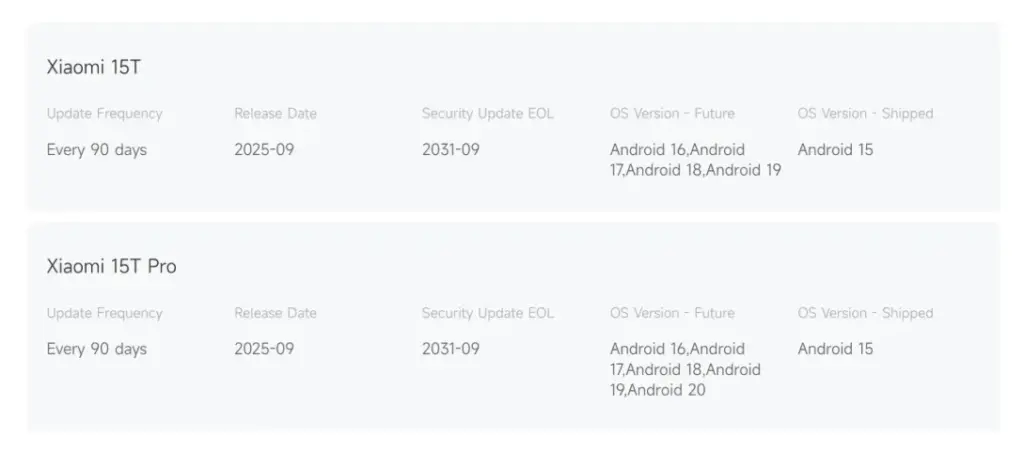
Xiaomi is acting bravely. According to reports, the Xiaomi 15T Pro will run Android 20, while the basic 15T would only run Android 19. Up to September 2031, system and security updates will be provided for both models. The majority of Android phones can only hope for seven years of support.
Seven Years of Updates — Really?
Seven years, indeed. The majority of top Android devices receive three or even four big updates. It’s obvious that Xiaomi is attempting to reinterpret what long-term support means. For consumers, that means their phone will remain quick, safe, and up to date for over ten years. Less travel to upgrade your device, let’s face it? That benefits the environment and your pocketbook.
Xiaomi’s ecosystem software, HyperOS 2.2, is installed on both 15T models. For these devices, HyperOS 3, which promises faster multitasking, more AI capabilities, and improved battery economy, is quickly approaching. In actuality, this implies that years later, your phone may still feel responsive. (Isn’t that good for an Android device?) It’s a smart move in comparison to other brands. It’s similar to Apple’s iOS strategy, but it’s used on a high-end Android phone. This might be a significant selling advantage for European and other markets where lifespan and resale value are important considerations.
Why is this important?
There is more to this than just updates. People’s perceptions of improvements are altered by phones that stay safe, quick, and feature-rich for seven years. In essence, you’re purchasing a gadget that will last. Xiaomi markets the 15T Pro as a high-end phone that fulfills its long-term durability guarantee.
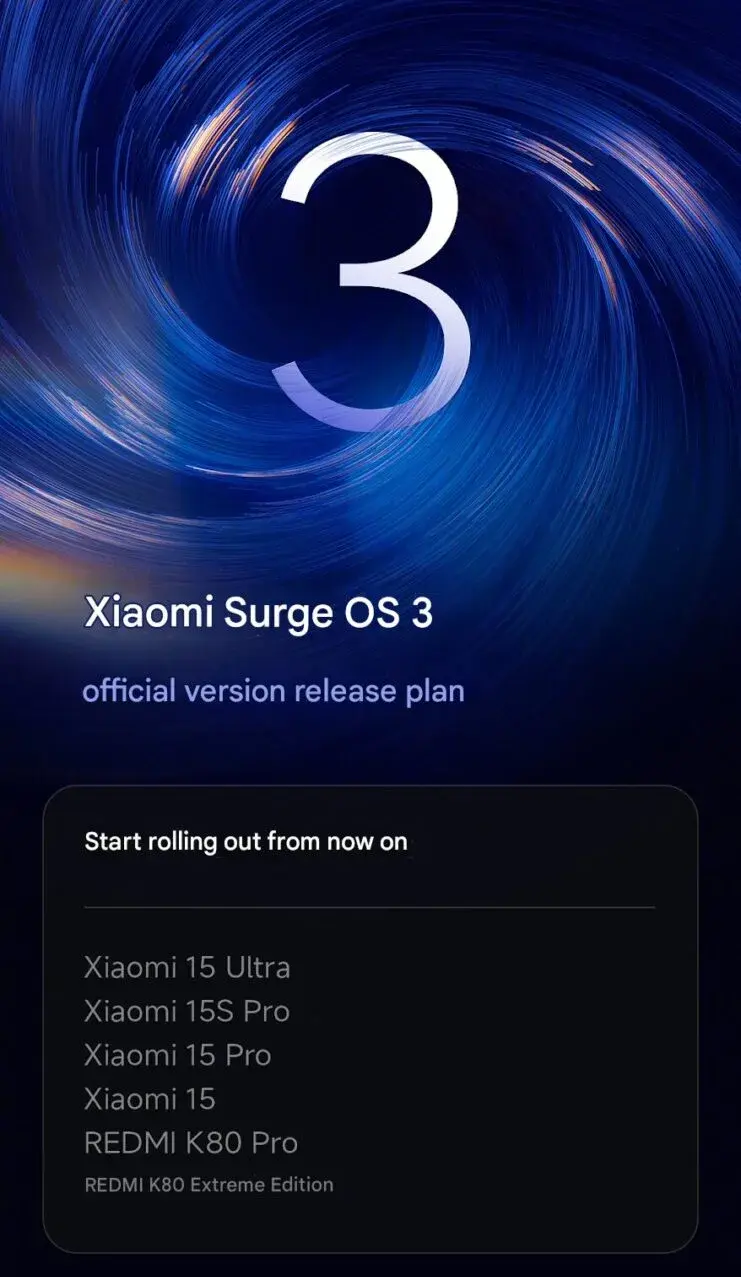
Following the initial beta release on August 25, 2025, Xiaomi has released the stable HyperOS 3 for six of its flagship devices in China. Better AI features, more fluid animation, and greater device unity across the Xiaomi platform are all included in the current upgrade, which represents the most recent advancement in Xiaomi’s system development. new week, the upgrade is anticipated to roll out globally in the models, marking the beginning of Xiaomi’s new generation of user interfaces.
he HyperOS 3 stable rollout’s initial roll out happens with the following devices in China:
Xiaomi 15 — OS3.0.2.0.WOCCNXM
Xiaomi 15 Pro — OS3.0.3.0.WOBCNXM
Xiaomi 15S Pro — OS3.0.4.0.WODCNXM
Xiaomi 15 Ultra — OS3.0.2.0.WOACNXM
REDMI K80 Pro — OS3.0.2.0.WOMCNXM
REDMI K80 Ultra — OS3.0.2.0.WONCNXM
The Xiaomi 15 series will soon be available globally, and these structures are currently housed in Xiaomi’s Chinese OTA server stores.
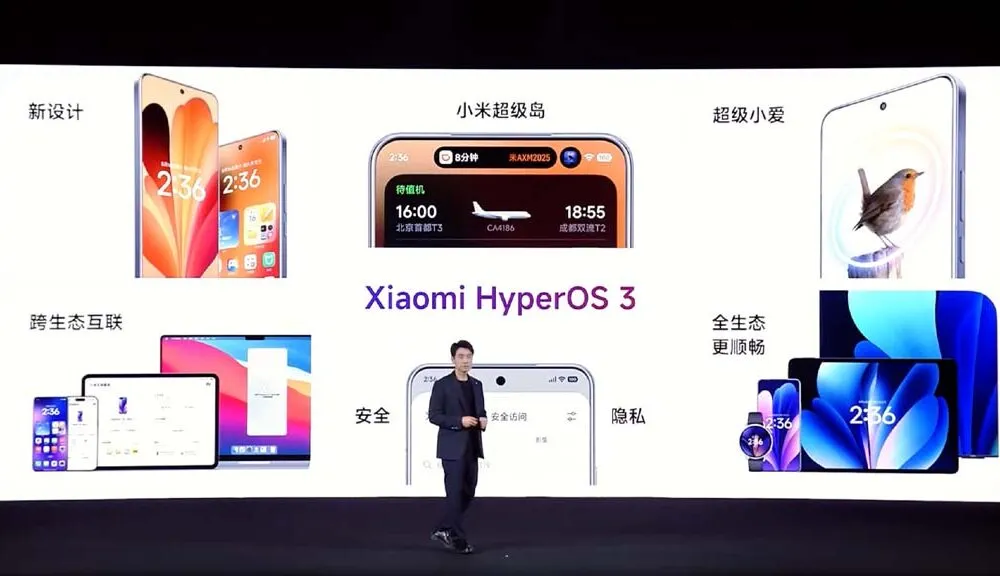
What’s New in HyperOS 3
In order to make the Xiaomi ecosystem more intelligent and connected, HyperOS 3 delivers a sophisticated UI along with a number of clever AI-enabled capabilities.
New look and new feel: new color scheme, fresh look and feel throughout the UI.
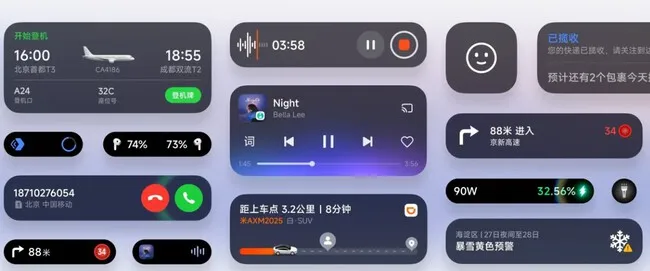
Hyper Island: Xiaomi’s interpretation of the Dynamic Island, providing smoother animation and better multitasking choices.
Cross-device synergy: effortless call, message, and screen-sharing integration between Xiomi smartphones, tablets, and laptops.
AirDrop-like file transfer: seamlessly exchange files just by bringing the Xiaomi devices nearer.
Better performance: 30% faster and more stable system tuning.
Improved AI capability
In the coming week, customers worldwide will begin receiving the upgrade, even though the initial rollout was restricted to Chinese versions. With this extension, Xiaomi has reaffirmed its commitment to offering coordinated worldwide update rollout dates that align with its ambitions for the whole HyperConnect ecosystem.
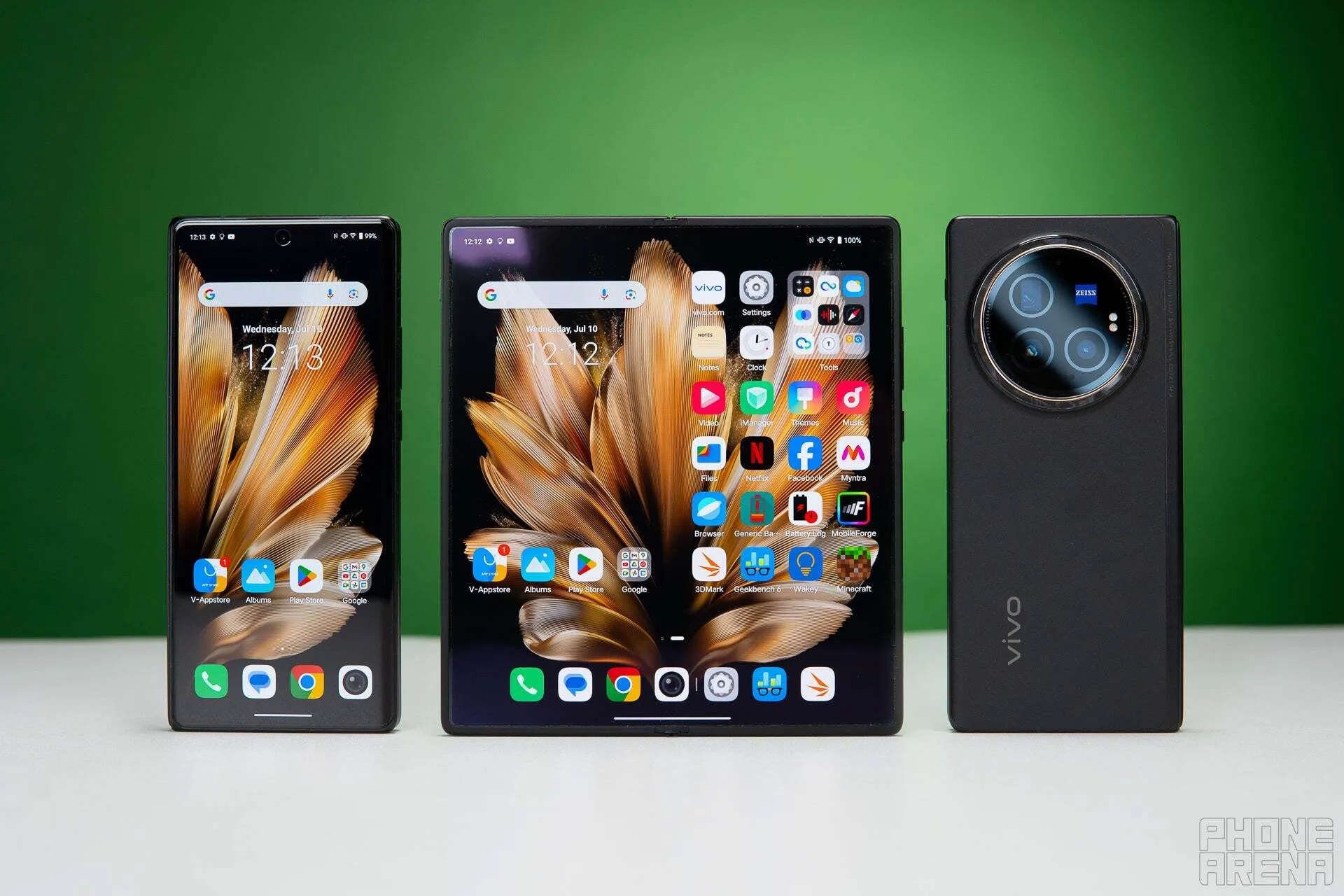
The Vivo X Fold5 sets a new standard for folding smartphones by fusing cutting-edge technology, stylish design, and potent performance. This phone, which combines the greatest features of regular and foldable phones, is perfect for tech-savvy users, professionals, and entertainment aficionados who value both design and productivity.
Exclusive Discount
Get the Vivo X Fold5 at GeekWills for a special $50 discount for a short period of time by using the coupon code XFD5. Don’t pass up this fantastic deal on Vivo’s high-end foldable smartphone; it’s only available till July 30.
The Vivo X Fold5 has a high-end construction and a seamless, stylish, and long-lasting folding mechanism. A huge 8.03-inch OLED LTPO 8T display with a high resolution of 2480 x 2200 pixels is revealed as it opens up, offering a clear and colorful visual experience. Because of this, it’s ideal for multitasking on a wide canvas, reading, and watching videos. The 6.53-inch outside AMOLED display, which has a resolution of 2748 x 1172, guarantees easy access for daily use without opening the device when folded. Both displays have outstanding clarity and vibrant colors, and the fold is made to last through frequent use without breaking.
The Snapdragon 8 Gen 3 chipset, which powers the Vivo X Fold5, provides quick and effective performance. The processor and up to 16GB LPDDR5X RAM guarantee seamless performance whether you’re multitasking between windows, playing demanding apps, or playing intensive games. With 256GB to 1TB of onboard storage, there is more than enough room for apps, pictures, and videos. Additionally, it has a strong dual-cell 6000mAh battery that can be charged at 80W wired and 40W wireless rates. It can be charged to 50% capacity in just 15 minutes, making it ideal for those who are constantly on the go.
Versatile Camera Setup for All Scenarios
The Vivo X Fold5 has three 50MP cameras on the back, making it a strong camera system. It has an ultra-wide-angle lens with a 120° field of view, a primary ultra-sensitive camera, and a professional portrait camera with up to 100x digital and 3x optical zoom. This phone offers amazing clarity and detail whether you’re taking close-ups, landscapes, or portraits. Whether the phone is open or folded, the two 20MP front cameras (one on each side) guarantee excellent results for selfies and video calls.
The Vivo X Fold5 provides a clear and snappy user experience because to its Funtouch OS, which is based on Android 15. Both work and play are improved by features like sophisticated facial recognition, stylus support, and split-screen multitasking. The smartphone is future-ready for worldwide connectivity since it also supports 5G, dual SIM, and eSIM. An additional degree of convenience and security is provided by the side fingerprint unlock feature.
With its high-end hardware and well-considered features, the Vivo X Fold5 offers a premium folding experience. Depending on your demands, this multipurpose gadget can be used as a dependable daily driver, a little tablet, or a strong camera tool.
Vivo X Fold5 specs:
Main Display: 8.03-inch OLED LTPO 8T, 2480 × 2200 resolution
In the fast-paced world of digital transformation, smart contracts have become one of the most impactful innovations in blockchain technology. They automate agreements, reduce operational costs, and eliminate the need for intermediaries. Yet, building a secure and efficient smart contract is not simple. That’s why more organizations are partnering with a smart contract development company – to ensure their blockchain solutions are reliable, scalable, and aligned with business goals.
The Growing Role of Smart Contracts in Modern Business
Smart contracts are self-executing pieces of code that enforce the terms of an agreement automatically when specific conditions are met. They operate on decentralized networks like Ethereum or Polygon, which ensures transparency and immutability.
Today, businesses use smart contracts for a wide range of purposes: automating payments, managing supply chains, verifying identities, and creating decentralized applications. Their adoption is no longer limited to fintech or crypto startups. Industries like logistics, healthcare, and real estate are increasingly exploring blockchain-based automation.
Why Companies Need Expert Development Support
Developing a smart contract requires much more than knowing Solidity or Rust. It demands a deep understanding of blockchain architecture, cybersecurity, and compliance requirements. Even a small coding error can result in vulnerabilities that hackers exploit to drain assets or disrupt operations.
A professional development partner performs detailed audits, applies secure coding standards, and tests the contract across multiple environments. Experienced teams also ensure that the code remains flexible enough for future upgrades — a crucial aspect as blockchain platforms continue to evolve.
Organizations seeking these advantages often collaborate with teams like those at !0Clouds, a global digital product studio known for its blockchain expertise. Working with an established smart contract development company helps reduce project risk while speeding up the deployment process.
Key Benefits of Partnering with Specialists
Working with a professional blockchain development team offers several tangible benefits:
Security and auditability: Experts follow best practices for code review, ensuring each smart contract is free from vulnerabilities before deployment.
Scalability: A skilled team designs the architecture to handle growth without compromising performance.
Compliance: With increasing regulations around crypto assets, developers make sure your project adheres to legal and security standards.
Faster time to market: Experienced engineers use frameworks and templates that streamline development while maintaining quality.
For startups, this support can mean launching faster and attracting investors with greater confidence. For enterprises, it ensures that large-scale systems remain stable and secure.
The Strategic Value of Blockchain Expertise
The demand for blockchain professionals continues to rise, but the talent pool remains limited. Hiring an in-house team can be expensive and time-consuming. Partnering with a smart contract development company gives access to top-tier expertise without the overhead of maintaining a full-time department.