iQOO fans have been anticipating this for weeks, and it’s understandable why. Numerous rumors, teasers, and leaks have been made about the company’s next flagship, the iQOO 15. With rumors of a fresh look and the promise of cutting-edge gaming performance, this gadget appears poised to challenge the Android industry’s titans. Now that the Chinese launch date is quickly approaching, it seems like we’re finally getting a glimpse of what iQOO has been working on.
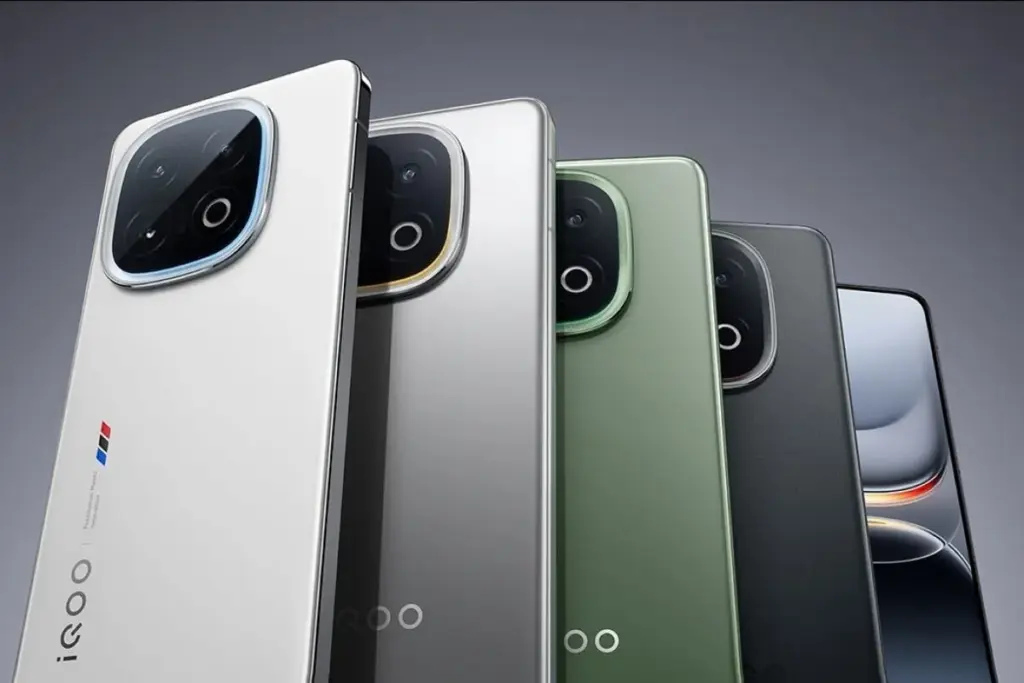
In terms of appearance and power, the iQOO 15 is anticipated to represent a significant improvement over its predecessor, the iQOO 13. Leaked images and teasers suggest a revised rear design, replete with a sleek circular camera module that feels more in keeping with today’s flagship design language, even though the company hasn’t made all the details public.
A huge 6.85-inch 2K 8T LTPO Samsung “Everest” display with a refresh rate of 144 Hz and a maximum brightness of 6,000 nits is rumored to be on the front; if accurate, this would make it one of the brightest smartphone screens available. Its overall flagship appeal is reportedly increased by the addition of wireless charging, an IP69 grade for water and dust protection, and a 3D ultrasonic fingerprint sensor.
The Snapdragon 8 Elite Gen 5 CPU, Qualcomm’s newest and most potent chipset to yet, is anticipated to be the engine behind the hood. This would place the iQOO 15 on par with OnePlus, Xiaomi, and Samsung’s future flagships and make it one of the first phones in the world to arrive with the new chipset.
It’s interesting to note that iQOO is reportedly combining this processor with its own Q3 gaming chip, which may maximize frame rates and regulate heat for extended gaming sessions.
Speaking of heat, the company’s new 8K vapour chamber (VC) Dome cooling system is said to deliver up to 47% greater cooling than the iQOO 13 thanks to a second layer of high-conductivity graphite. That’s significant for gamers and heavy users, particularly when using the phone to its full potential.
Regarding the camera, the rumors still present an intriguing picture. A dual 50-megapixel camera combination, comprising a huge 1/1.5-inch primary sensor and a periscope telephoto lens for sharp zoom images, may be included in the iQOO 15. If verified, this would represent a significant improvement in the brand’s photography, bringing it closer to the level of high-end Android rivals like the Xiaomi 15 Pro and Galaxy S24 Ultra, but perhaps at a more affordable price.
Another area that may use better is battery life. Although the iQOO 13’s 6,000 mAh battery and 120 W fast charging has made an impression, the upcoming model is rumored to surpass 7,000 mAh and allow wireless charging, a long-desired feature. For even greater defense against water and dust, it is anticipated to have IP69 certification, which is uncommon for non-ultra-rugged electronics.
Regarding the exact release date, the iQOO 15 and iQOO Pad 5e are scheduled to debut in China on October 20. After that, it appears that India will make its debut somewhere between November 15 and 25. Although a precise date has not yet been established, Nipun Marya, the CEO of iQOO India, has previously alluded to a November timeline on X.
Introducing the all-new #iQOO15, crafted for those who don’t wait for the future – they race towards it. Experience performance that keeps you in the lead. Save the date for November 26th. What are you most hyped to experience? Tell us below! #iQOO15#BeTheGOATpic.twitter.com/KbNNZECaE0
According to price leaks, the iQOO 15 may launch for ₹59,999 ($683), which is little more than the base iQOO 13’s launch price of ₹54,999 ($626). A minor uptick like that seems to be expected given the significant hardware changes, improved cooling, and new display technology. However, until the official announcement, it is best to use these details with caution as they are yet unconfirmed.
All things considered, the iQOO 15 appears to be one of the most potent Android smartphones of the year—a flagship that prioritizes performance without sacrificing high-end features.
And if these preliminary leaks are any guide, iQOO may be in possession of its most alluring smartphone to date. To find out how much of this excitement is real, all that’s left to do is wait for the formal launch.
Qualcomm recently unveiled the Snapdragon 8s Gen 4, their newest high-end smartphone chipset. Internally referred to as the SM8735, it is built on TSMC’s N4P 4nm production node and uses the older Kryo CPU rather than the Oryon core that is present in the top Snapdragon 8 Elite chip.
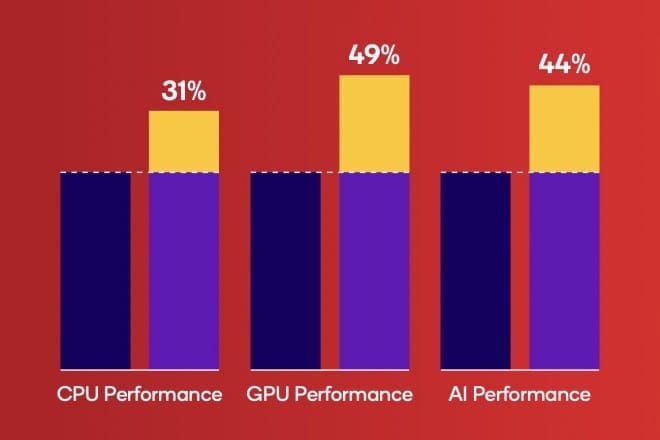
Three Cortex-A720 cores at 3.0GHz, two at 2.8GHz, two at 2.0GHz, and one Cortex-X4 prime core clocked at up to 3.2GHz make up the CPU layer. Qualcomm claims that the new chip uses 39% less power and is 31% faster than the Snapdragon 8s Gen 3 from the previous year.
Additionally, the chip has a new Adreno 825 GPU, which Qualcomm claims will increase graphics by 49% over the Snapdragon 8s Gen 3. Additionally, Snapdragon Elite Gaming capabilities including Snapdragon Game Super Resolution 2.0 and Adreno Image Motion Engine 2.0 are included, along with support for on-device ray tracing.
On-device AI operations are performed 44% better with the upgraded Qualcomm Hexagon NPU. Additionally, Qualcomm included an 18-bit triple image signal processor (ISP) that can record HDR video at 4K60 frames per second and accommodate up to 320MP camera sensors.
The integrated Snapdragon X75 5G modem in the new chip can download files at up to 4.2Gbps, however it only supports sub-6GHz spectrum rather than the speedier mmWave frequency ranges. Additionally, the chip has Bluetooth 6.0 and Wi-Fi 7.
LPDDR5X RAM, USB 3.1 Gen 2 connection, and UFS 4.0 storage are all supported by the 8s Gen 4. Additionally, it has Qualcomm’s Extended Personal Area Network (XPAN) connectivity, which is currently available on certain new wireless earbuds like the Xiaomi Buds 5 Pro and uses Wi-Fi to send music.
Later this month, the iQOO Z10 Turbo is anticipated to be the first gadget to use the Snapdragon 8s Gen 4, with other Xiaomi, Oppo, Meizu, and other products to follow shortly.
Main Snapdragon 8s Gen 4 Features
Our Qualcomm® AI Engine includes:
Qualcomm® Hexagon™ NPU
2x larger shared memory for improved memory bandwidth
Qualcomm® Sensing Hub
Support for INT4 and INT8 precisions
Snapdragon Elite Gaming™ Features
Real-time Hardware Accelerated Ray Tracing with Global Illumination for improved lighting, shadows, and reflections
Qualcomm Adaptive Performance Engine provides ultra-fast and super-smooth performance while providing longer gameplay sessions
Snapdragon Game Super Resolution 2.0 intelligently upscales low-res game scenes in up to 4K
Our Qualcomm Spectra™ AI ISP features:
Real-time Semantic Segmentation for photo/video with up to 250 layers
Real-time skin and sky tone correction intelligently captures natural color tones even in challenging environments
Night Vision 2.0 captures detailed videos in low light at 4K30 FPS
An always-sensing camera enables features like hand gestures, face unlock, and QR code scanning
Featuring our integrated AI-accelerated Snapdragon® 5G Modem-RF System
Qualcomm® FastConnect™ Mobile Connectivity System offers leading Wi-Fi 7 with speeds up to 5.8 Gbps and Bluetooth® 6.0 technology
Supports Snapdragon Sound™ Technology Suite
Qualcomm® Expanded Personal Area Network Technology (XPAN) keeps earbuds and headphones connected via Wi-Fi for untethered, whole-building audio coverage
Snapdragon Seamless experience connects all your compatible devices so you can switch between them intuitively and quickly
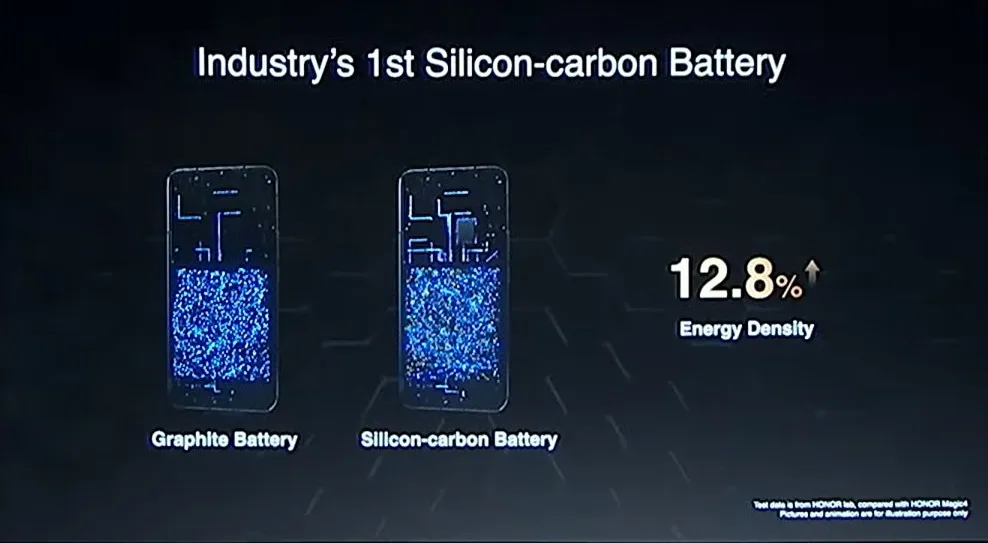
Silicon-carbon battery technology, which offers greater energy density, quicker charging times, and enhanced durability, is being quickly adopted by the smartphone industry. Silicon-carbon batteries, as opposed to conventional lithium-ion batteries, enable bigger capacities in smaller designs, guaranteeing longer battery life without adding bulk or weight to the phone.
This cutting-edge battery technology, which was introduced in a number of premium smartphones in late 2024 and early 2025, significantly improves charge cycles, heat management, and power efficiency. The top ten most recent smartphones using silicon-carbon batteries are examined in detail, along with the features that set them apart.
OnePlus 13
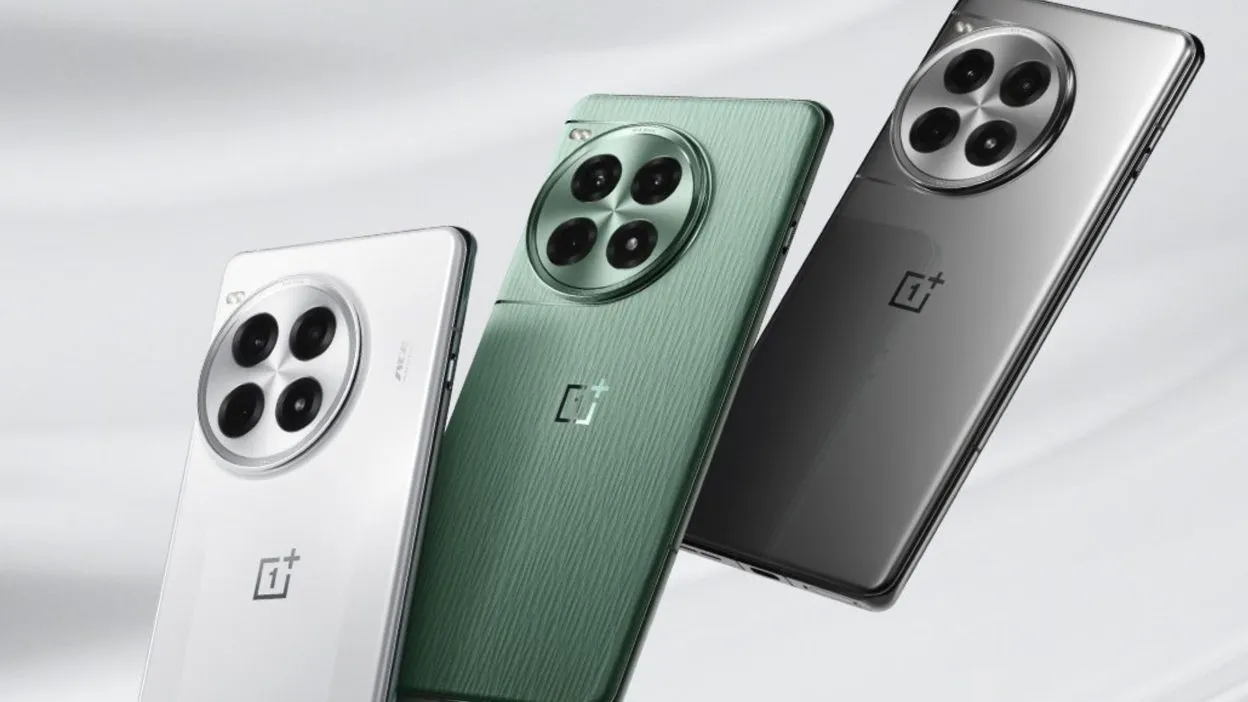
The OnePlus 13 boasts a 6000mAh dual-cell silicon-carbon battery with the highest dual-cell design energy density at 805Wh/L. This gives the phone more endurance while maintaining a small form factor. It supports 50W wireless flash charging, magnetic charging, and 100W SuperVOOC wired charging, which charges the phone from 0% to 100% in just 36 minutes.
In addition to the battery, the OnePlus 13 has a 6.82-inch BOE X2 2K+ AMOLED screen with DisplayMate A++ certification and a maximum brightness of 4500 nits. The Snapdragon 8 Elite SoC, up to 24GB LPDDR5X RAM, and 1TB UFS 4.0 storage power it. The phone still has a 50MP Sony LYT-808 primary camera, a 50MP ultra-wide camera, and a 50MP 3X periscope telephoto lens. Additionally rated IP68 and IP69, it has a high level of water and dust resistance.
OnePlus 13
OnePlus 13 has a 6.82-inch BOE X2 2K+ AMOLED screen with DisplayMate A++ certification
The third-generation silicon-carbon 6150mAh battery that powers the iQOO 13 can be charged with 120W wired fast charging in as little as 30 minutes. Its 44W UFCS and 100W PPS charging ensure a flexible and effective power management system, even though wireless charging is not an option. Additionally, a 360° surround antenna system is integrated within the phone to maximize network performance for mobile gaming.
The gadget has a 6.82-inch BOE Q10 2K+ AMOLED screen with a refresh rate of 144 Hz and a maximum brightness of 4500 nits. It has a Snapdragon 8 Elite SoC, 1TB UFS 4.0 storage, and up to 16GB LPDDR5X RAM. It features a 50MP Sony IMX921 primary sensor, a 50MP ultra-wide camera, and a 50MP 2x telephoto lens on the front of the camera.
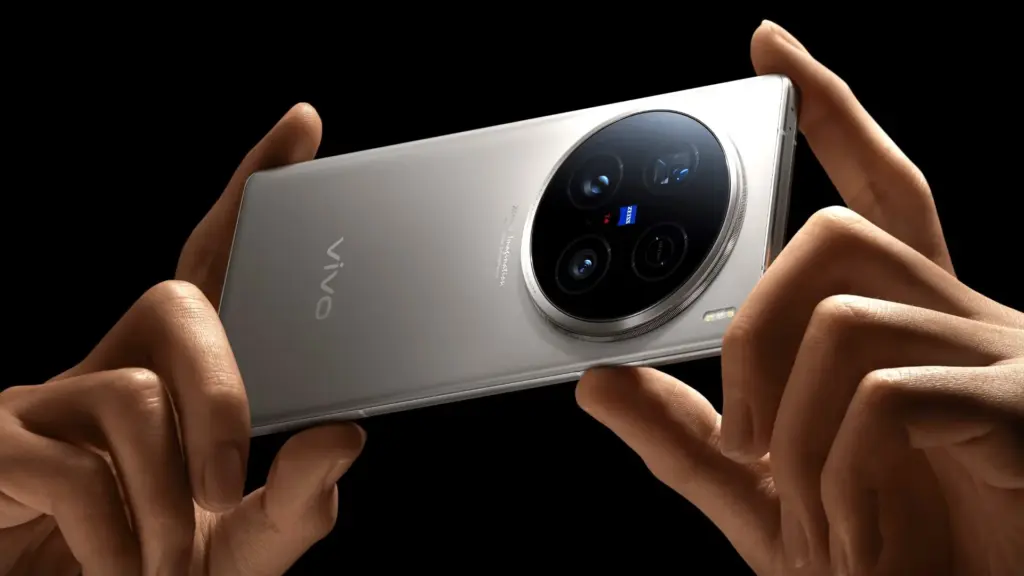
Vivo X200 & X200 Pro
The Vivo X200 Pro has a 6000mAh battery that supports both 30W wireless and 90W wired charging, while the Vivo X200 has a 5800mAh silicon-carbon battery with 90W wired fast charging.
MediaTek’s Dimensity 9400 SoC powers both phones, which have up to 1TB of UFS 4.0 storage and up to 16GB LPDDR5X RAM. A 200MP Samsung HP9 periscope telephoto camera with Zeiss APO certification that offers 3.7x optical zoom and OIS is also included with the X200 Pro. The series is extremely durable due to its IP69+IP68 dust and water resistant ratings.
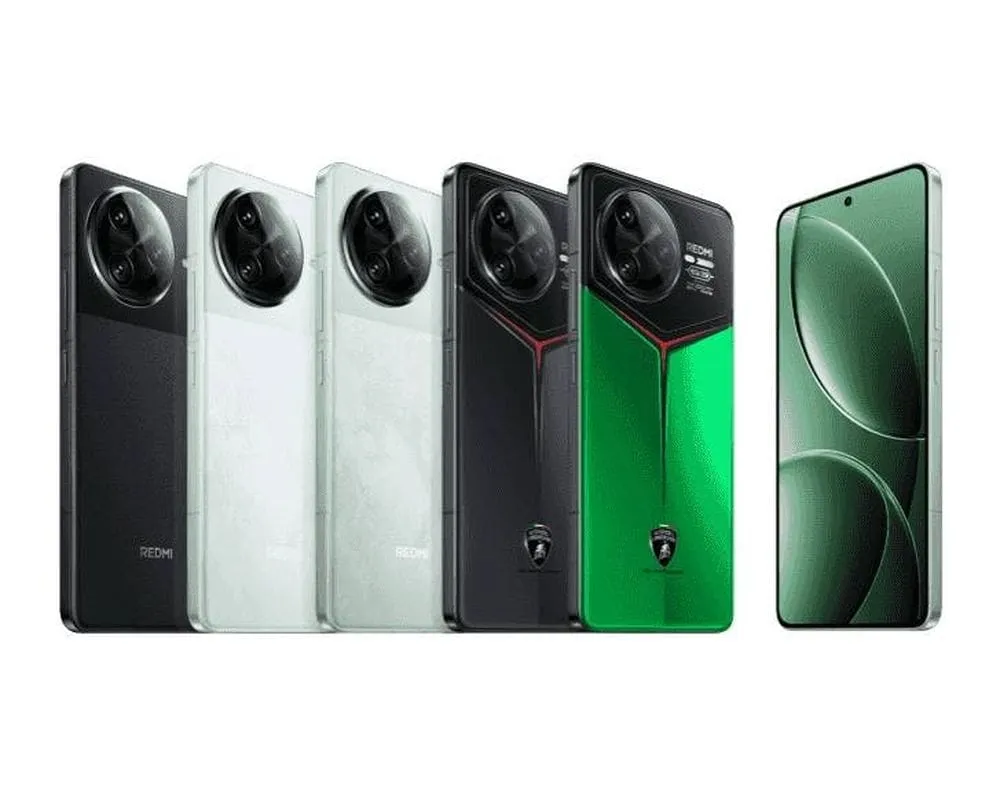
Redmi K80 & K80 Pro
While the basic Redmi K80 has a 6550mAh battery with 90W fast charging but no wireless support, the Redmi K80 Pro has a 6000mAh silicon-carbon battery that supports 120W fast charging and 50W wireless charging. According to Xiaomi, the new silicon-carbon compound lowers heat generation during high-performance jobs and lengthens battery life.
The Snapdragon 8 Elite SoC powers the K80 Pro, while the Snapdragon 8 Gen 3 powers the K80. Both devices come with up to 16GB LPDDR5X RAM and 1TB UFS 4.0 storage. While the ordinary K80 replaces the telephoto lens with an 8MP ultra-wide camera, the Pro edition has a 50MP Light Fusion 800 primary sensor with OIS, a 50MP 2.5x telephoto camera, and a 32MP ultra-wide camera. Both phones are rated for water and dust resistance with IP68 and IP69.
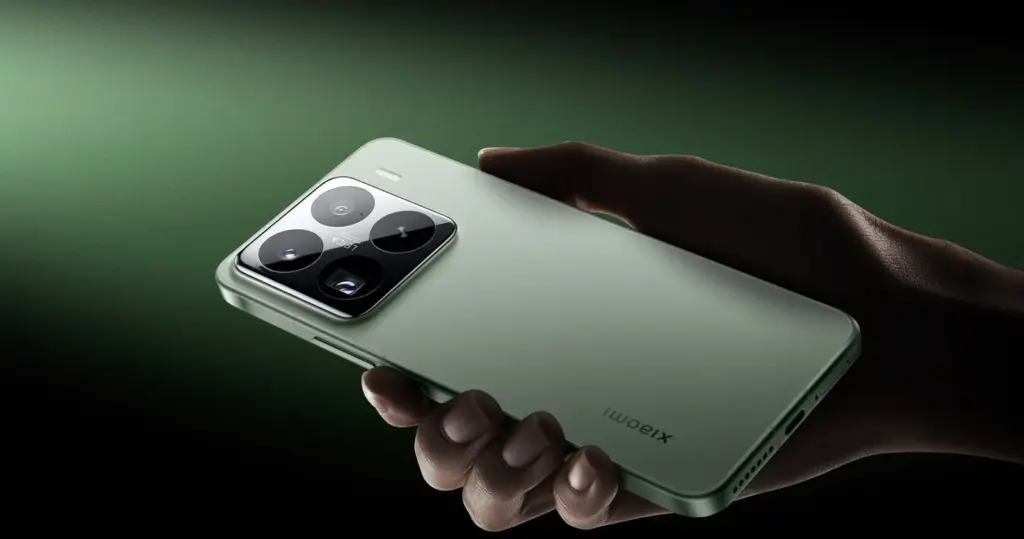
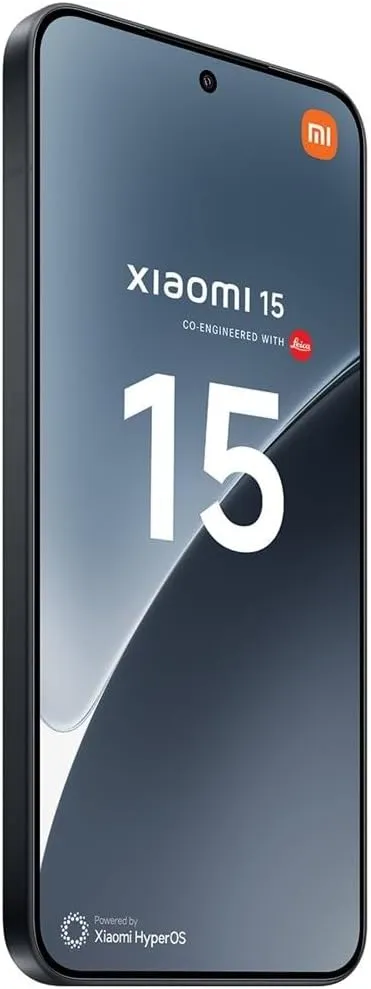
Xiaomi 15 & 15 Pro
In contrast to the Xiaomi 15 Pro, which has a 6100mAh capacity and supports 90W wired and 50W wireless charging, the Xiaomi 15 is powered by a 5400mAh silicon-carbon battery. An ultra-high energy density of 850Wh/L is another feature of the Pro model’s battery that guarantees a longer lifespan and greater efficiency.
The Snapdragon 8 Elite SoC, up to 16GB LPDDR5X RAM, and up to 1TB UFS 4.0 storage are features of both devices. The Xiaomi 15 Pro has a 5X periscope telephoto lens, while the Xiaomi 15 has a 50MP Light Fusion 900 primary sensor, a 50MP ultra-wide lens, and a 50MP 2.6X telephoto camera. Both variants have IP68 water resistance and ultrasonic fingerprint scanners.
With its 6500mAh silicon-carbon battery and 120W rapid charging, the Realme GT 7 Pro can reach 50% charge in just 14 minutes. With the maximum 10% silicon content in the industry, it can prolong battery life for up to four years. It only has a 5800mAh battery in India, though.
The smartphone has a 6.78-inch 1.5K OLED display with a maximum brightness of 6000 nits and is powered by the Snapdragon 8 Elite SoC. It has a 50MP 3x periscope telephoto camera, an 8MP ultra-wide lens, and a 50MP primary camera.
Redmi Note 14 Pro+
With a 6200mAh silicon-carbon battery that has an energy density of 814Wh/L and 6% silicon content, the Redmi Note 14 Pro+ has a small form factor and a long lifespan. It has Surge G1 and Surge P2 battery management chips for increased power efficiency and enables 90W wired rapid charging.
The phone has 512GB of storage, up to 12GB of RAM, and a Snapdragon 7s Gen 3 processor. It has a 50MP primary camera, an 8MP ultra-wide sensor, a 50MP 2.5X telephoto lens, and a 6.67-inch 1.5K OLED screen. For increased durability, the device also has IP66, IP68, and IP69 classifications.
Xiaomi Redmi Note 14 Pro
6.67″ CrystalRes AMOLED displayResolution: 2712 x 1220 (1.5K resolution)Refresh rate: Up to 120HzTouch sampling rate: Up to 480HzBrightness: 3000nits peak brightness
With its 5300mAh silicon-carbon battery, the Honor 300 can facilitate 100W fast charging, reaching 59% in 15 minutes and 100% in 35 minutes. In addition to having 5300mAh silicon-carbon batteries, the Honor 300 Pro and Ultra models also have 80W wireless charging, which guarantees quick and effective power supply. Longer battery life and better power retention are made possible by the high-density silicon-carbon combination.
Snapdragon 7 Gen 3 (Standard) and Snapdragon 8 Gen 3 (Pro and Ultra) power the Honor 300 series. For eye protection, the gadgets include 6.7-inch and 6.78-inch OLED screens with a maximum brightness of 4000 nits and 3840Hz PWM dimming. A 50MP front camera, a 12MP ultra-wide lens, and a 50MP primary sensor make up the camera configuration. The Pro and Ultra variants also come with a 50MP 3x or 3.8X periscope telephoto lens. Additionally, they are IP65 dust and splash resistant.
Oppo Find X8 & X8 Pro
A 5630mAh silicon-carbon battery powers the Oppo Find X8, while a larger 5910mAh silicon-carbon battery powers the Find X8 Pro. Both devices enable 80W SuperVOOC wired charging, 50W wireless charging, and 10W reverse wireless charging. The ultra-high silicon content of the Find X8 Pro’s battery ensures longer endurance and improved heat management during rapid charging.
The MediaTek Dimensity 9400 SoC powers both devices, together with up to 16GB of LPDDR5X RAM and 1TB of UFS 4.0 storage. The Find X8 Pro has a 6.78-inch LTPO AMOLED screen with Dolby Vision support and a peak brightness of 4500 nits, while the Find X8 has a 6.59-inch AMOLED display. The X8 Pro adds a 50MP 6x periscope zoom lens to the camera system, which consists of a 50MP main sensor, a 50MP ultra-wide camera, and a 50MP 3x periscope telephoto lens. Both variants have water and dust resistance ratings of IP68 + IP69.
Honor Magic 7 & Magic 7 Pro
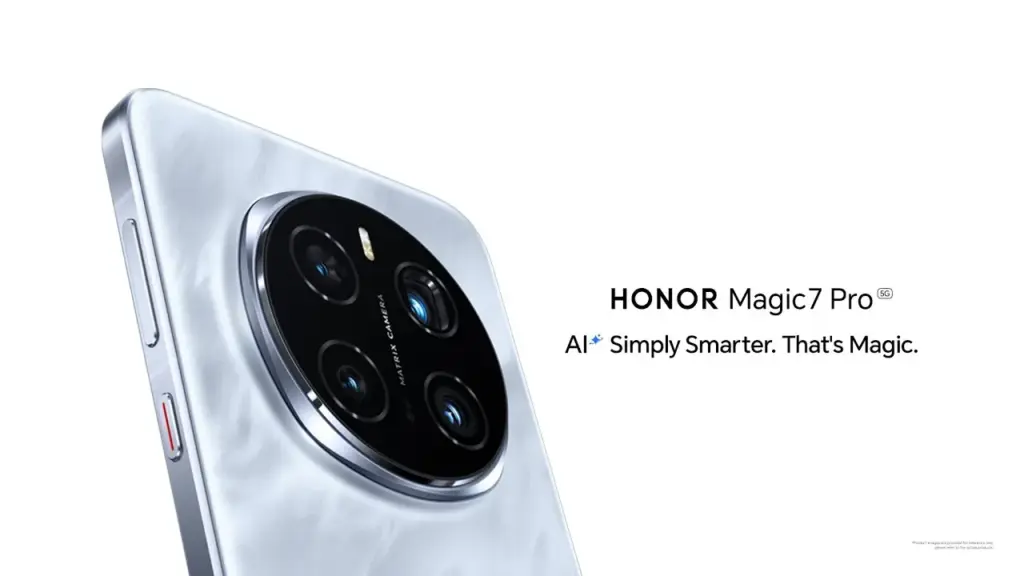
A 5650mAh silicon-carbon battery powers the Honor Magic 7, and a 5850mAh silicon-carbon battery powers the Magic 7 Pro. Both devices support 80W wireless charging and 100W cable fast charging. Longer runtimes are made possible by the improved energy density provided by silicon-carbon technology, which also preserves elegant designs. Advanced cooling technologies, including as graphite sheets and stainless steel VC cooling, complement the increased battery efficiency and guarantee peak performance even under demanding conditions.
The Snapdragon 8 Elite SoC powers both phones, together with up to 16GB of LPDDR5X RAM and 1TB of UFS 4.0 storage. The Magic 7 Pro sets itself apart with a 50MP primary sensor, an ultra-wide lens, and a 200MP periscope telephoto camera with 3x optical and 100x digital zoom. Although it lacks the sophisticated telephoto capabilities, the Magic 7 has a comparable camera arrangement. With its 1-120Hz LTPO OLED screens, IP68 and IP69 ratings, and Magic UI 9.0, the Honor Magic 7 Series combines state-of-the-art technology with exceptional endurance, securing its place as a flagship challenger in 2025.