Tag: xiaomi

  • 5 smartphones leading the way with silicon-carbon battery technology

    5 smartphones leading the way with silicon-carbon battery technology

    The silicon-carbon phones that are officially available for purchase in the West are examined in depth here, along with their significance.

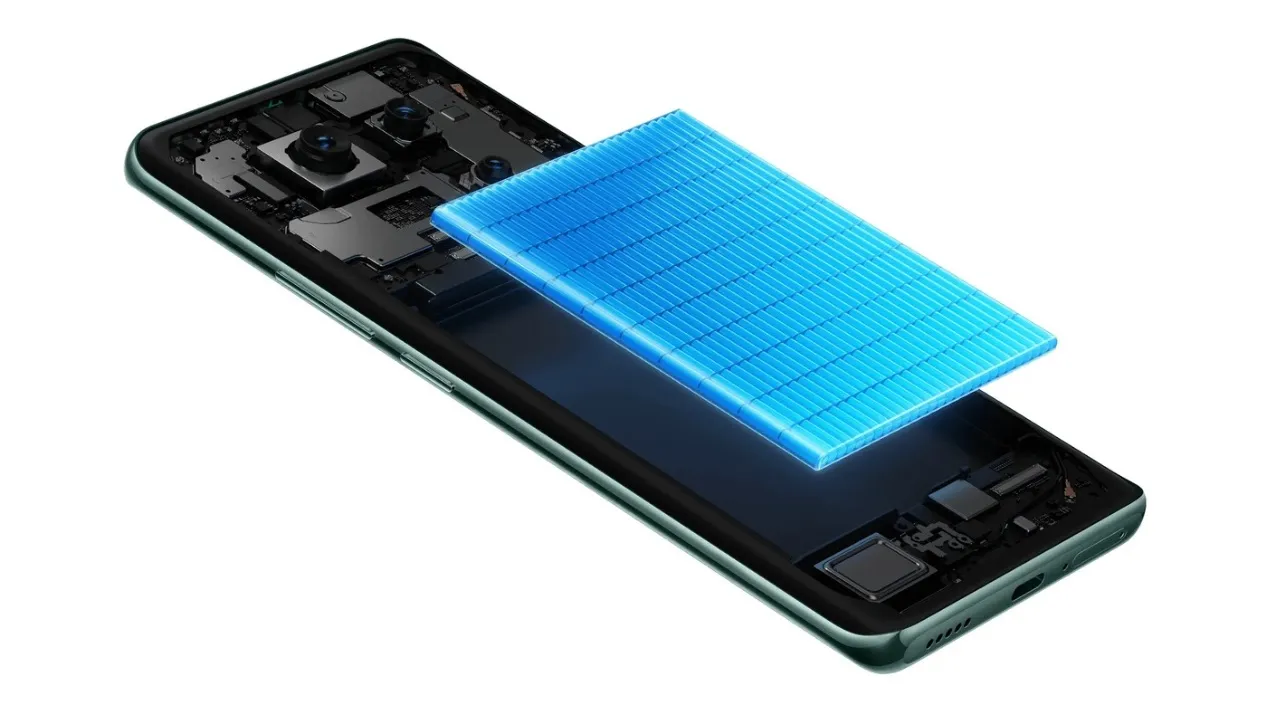
    The competition for smartphones in 2025 will involve more than simply megapixels, AI capabilities, and display brightness. It’s also about the battery, especially, which is located beneath the hood. Silently revolutionizing endurance and charging speeds, silicon-carbon battery technology is no longer just available in domestic Chinese markets.

    In Western countries, a number of prominent companies have begun to provide silicon-carbon smartphones, giving customers in North America and Europe access to a new level of battery performance.

    OnePlus 13
    Oneplus 13 silicon–carbon battery technology

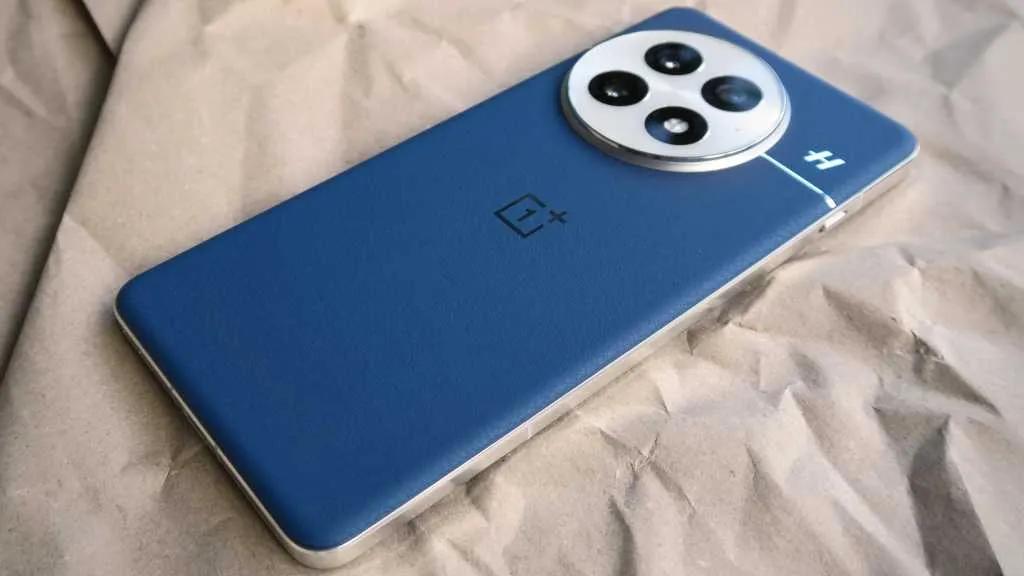
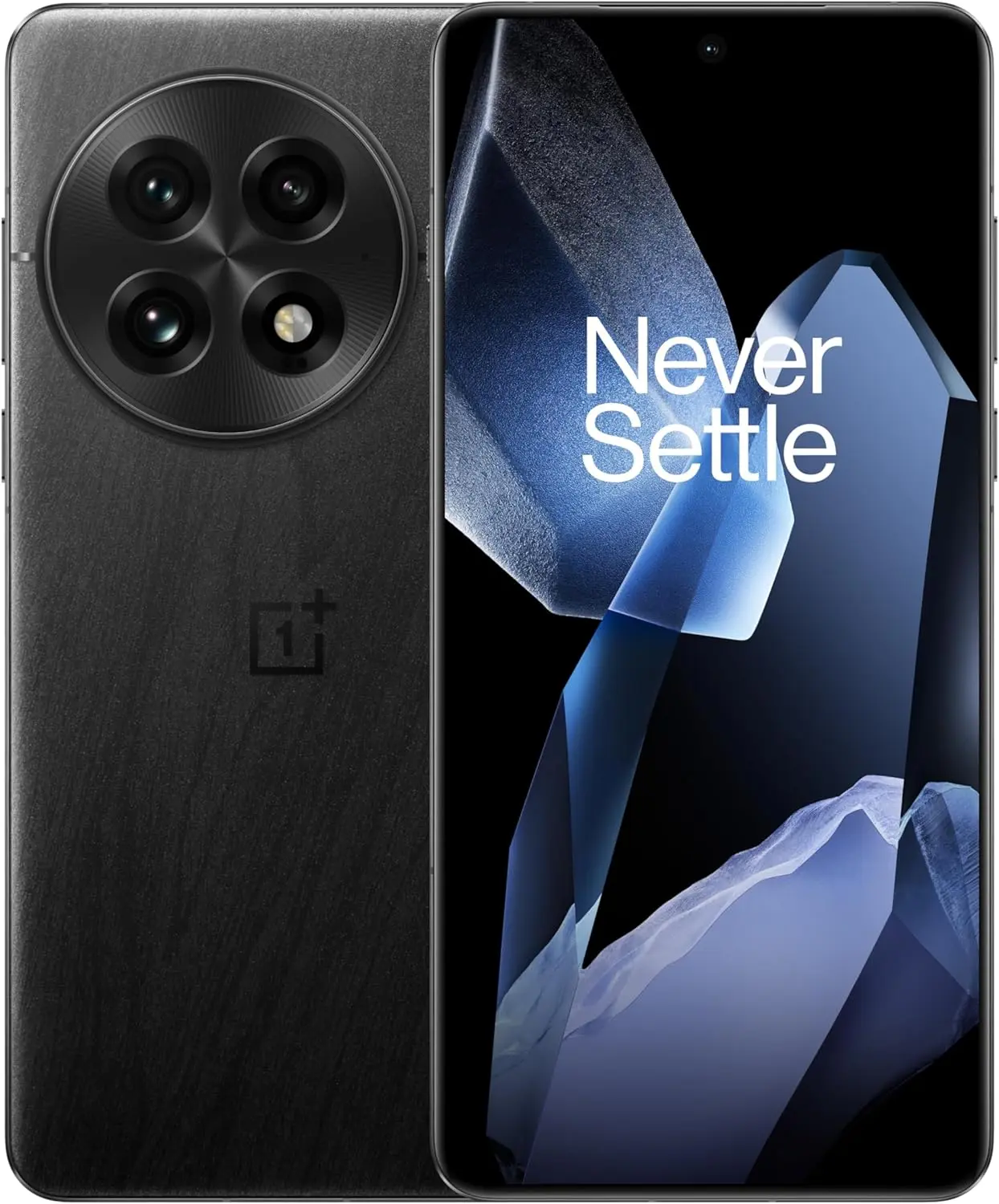
    The OnePlus 13’s 6000mAh dual-cell silicon-carbon battery, the largest in a OnePlus flagship to yet, further advances the company’s leadership in battery advancements. With one of the highest energy densities for a dual-cell configuration (805Wh/L), it keeps the device relatively small while significantly increasing battery life.

    Additionally, charging is not neglected. In addition to 50W wireless charging and 100W SuperVOOC wired charging, the phone now offers magnetic wireless charging—a first for OnePlus. A Snapdragon 8 Elite chipset, a gorgeous 2K BOE X2 LTPO AMOLED screen with a peak brightness of 4500 nits, and a triple 50MP camera configuration with a new tri-prism periscope lens are all included to match this power.
    OnePlus 13 with silicon-carbon battery

    OnePlus 13

    Lightning-Fast Snapdragon 8 Elite Processor: Powered by the latest Qualcomm Snapdragon 8 Elite chipset, enjoy exceptional speed, efficiency, and performance for gaming, multitasking, and productivity.

    $999Amazon

    Honor Magic 7 Pro

    honor magic 7 pro lineup

    With a 5850mAh cell and 100W wired and 80W wireless charging, the Honor Magic 7 Pro goes all out rather than relying solely on silicon-carbon batteries. The battery easily outlasts the majority of other flagships in its class, and it represents a significant improvement over the standard 5000mAh configurations.

    The Magic 7 Pro boasts an impressive array of specifications, including a variable aperture primary sensor, a Snapdragon 8 Elite chip, a 200MP periscope telephoto with 100x magnification, and up to 1TB of UFS 4.0 storage. The top-tier devices also include satellite messaging, which is another feature that looks forward for customers in the West.

    Xiaomi 15 and Xiaomi 15 Ultra
    Xiaomi 15 Ultra

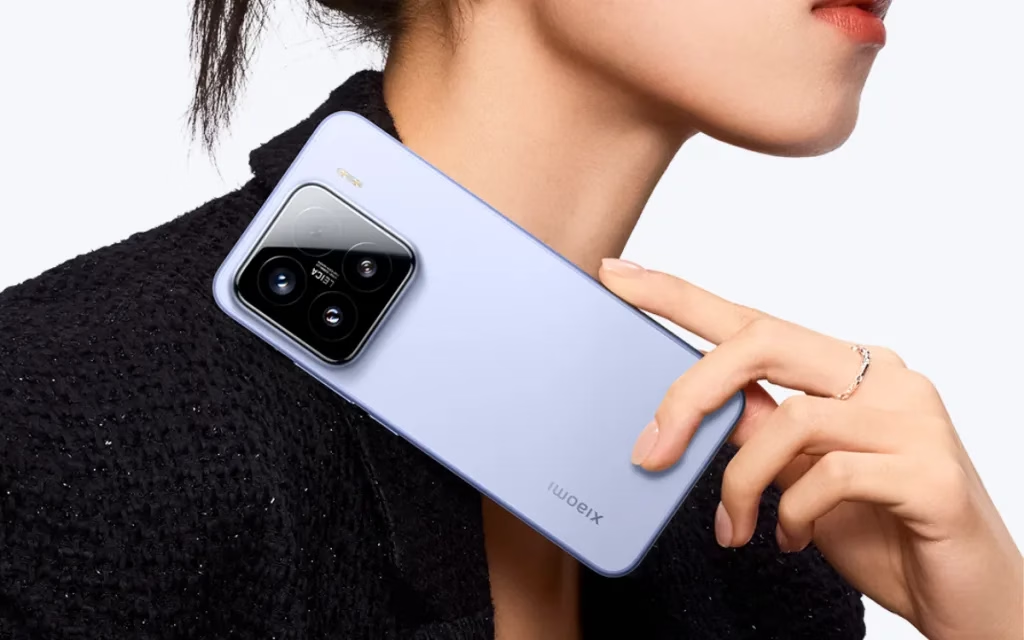
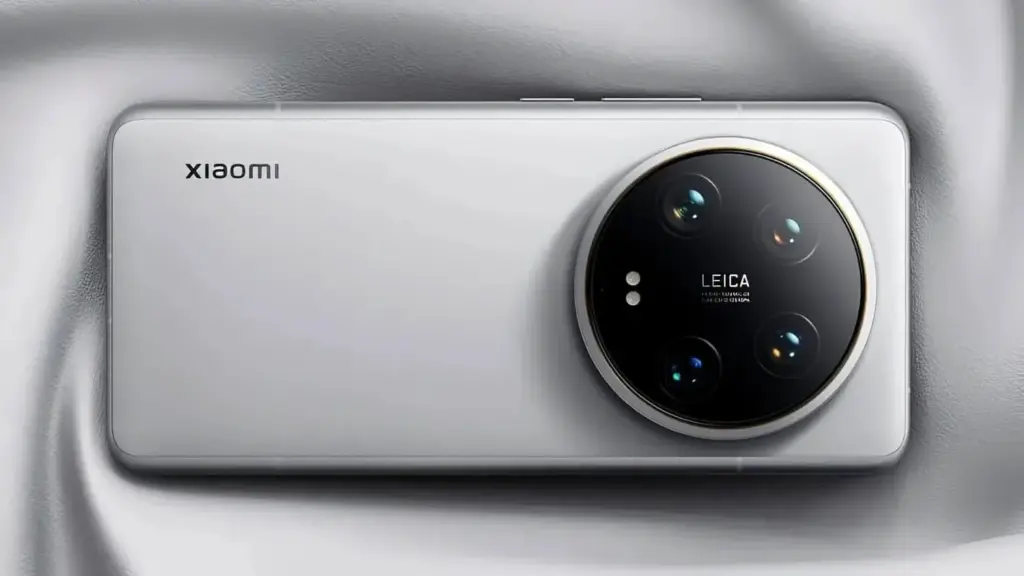
    Although more subdued, Xiaomi’s silicon-carbon implementation is just as stunning. The Xiaomi 15‘s body is only 8.08 mm thick, and it houses a 5240mAh battery. With Xiaomi’s Surge P3 and G1 chips controlling heat and power supply, it enables both 50W wireless and 90W cable charging.

    But the Xiaomi 15 Ultra is the tipping point. It incorporates a 200MP Leica periscope telephoto, a 1-inch primary sensor, a 5410mAh battery with the same charging configuration, and support for cutting-edge videography features like 10-bit log capture for all four rear cameras.
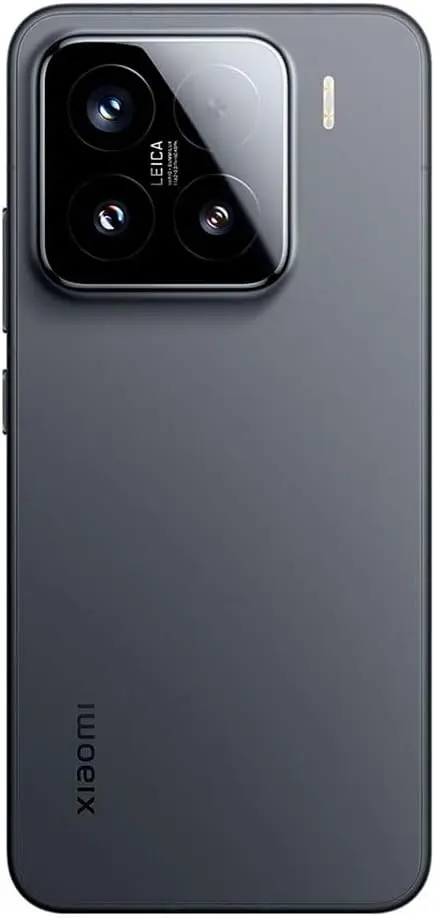
    xiaomi 15 silicon carbon battery

    Xiaomi 15

    Dual SIM (nano SIM + nano SIM or nano SIM + eSIM, eSIM + eSIM). 6.36″ 3200 nits ultra-bright displayCrystalRes AMOLEDAlways-active DisplayResolution: 2670 x 1200, 460 ppiRefresh rate: 1-120HzTouch sampling rate: Up to 300Hz*Touch sampling rate may vary according to the content on your display.Color gamut: DCI-P3Color depth: 68 billion colorsPeak brightness: 3200 nits covering 25% display areaDimming: DC dimmingOriginal color ProPro HDRWet touch technologyHDR10, HDR10+, Dolby VisionTÜV Rheinland Low Blue Light (Hardware Solution) CertifiedTÜV Rheinland Flicker Free CertifiedTÜV Rheinland Circadian Friendly Certified

    $919.50Amazon

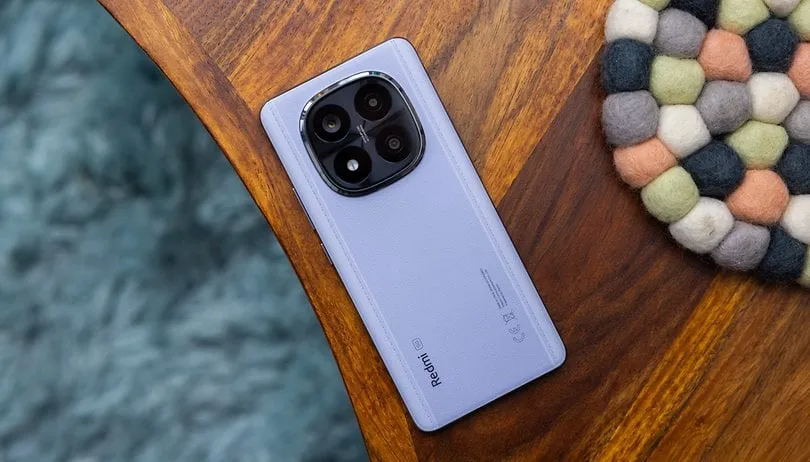
    Redmi Note 14 Pro+

    Xiaomi Redmi Note 14 Pro

    Perhaps the most reasonably priced entry point into the world of silicon-carbon smartphones is the Redmi Note 14 Pro+. Supported by Xiaomi’s Surge P2 and G1 CPUs, it has a 6200mAh battery, one of the biggest in any popular phone this year. Despite its enormous capacity, the phone can be charged in less than 40 minutes using a 90W fast charging method.

    It’s not only a matter of endurance. The phone also features a 50MP triple-camera configuration with a 2.5X telephoto lens, a 1.5K OLED display with a maximum brightness of 3000 nits, and a Snapdragon 7s Gen 3 processor. It also has a stylish Victus 2 glass design and complete IP69 protection.
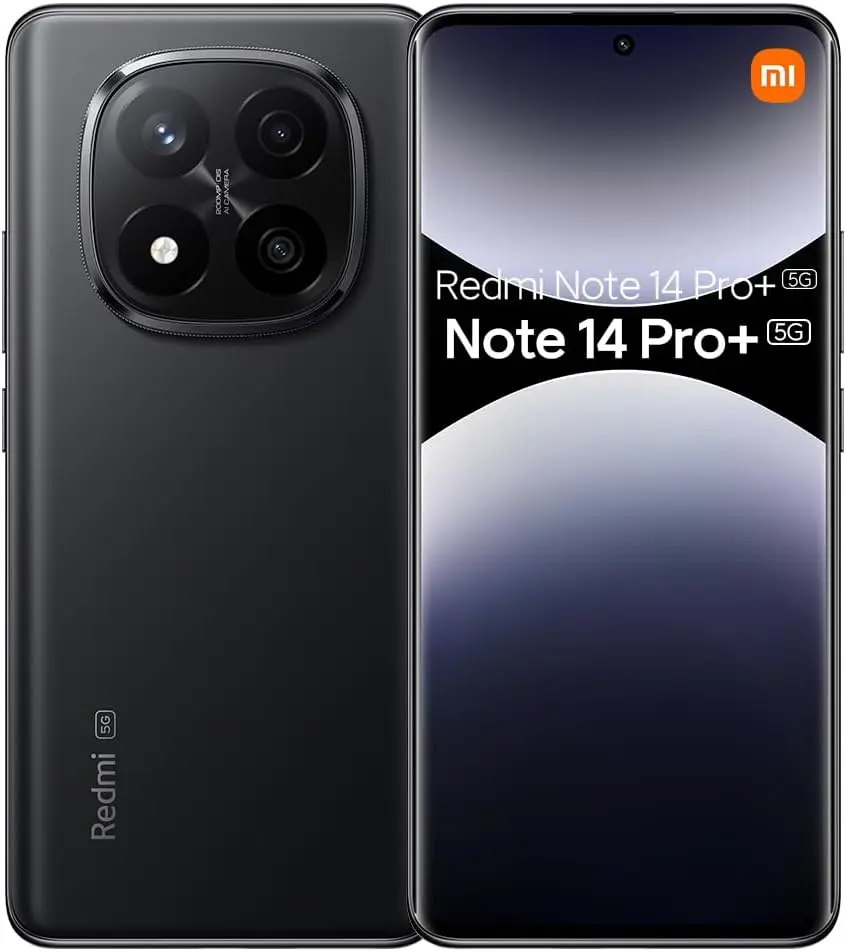
    redmi note 14 pro plus

    6.67″ CrystalRes AMOLED displayResolution: 2712 x 1220 (1.5K resolution)Refresh rate: Up to 120HzTouch sampling rate: Up to 480HzBrightness: 3000nits peak brightnessColor depth

    Oppo Find X8 Pro

    oppo find x8 pro

    The Find X8 Pro from Oppo is a prime illustration of how flagship-tier features and silicon-carbon batteries can coexist without sacrificing style. 80W wired, 50W wireless, and 10W reverse wireless charging are all supported by the 5910mAh battery. One of the most durable flagships Oppo has ever produced, the endurance advantage is evident.

    Its internal components include a strong quad 50MP camera system with dual periscope lenses that provide up to 6x optical zoom, a powerful Dimensity 9400 processor, and compatibility for up to 1TB of UFS 4.0 storage. In addition, the phone has an industry-leading AMOLED panel with a maximum brightness of 4500 nits and IP69 certification.


    Silicon–carbon batteries are quickly becoming the next big leap in smartphone power technology, and the OnePlus 13, Honor Magic 7 Pro, Xiaomi 15, and Redmi 14 Pro Plus are just the beginning. With higher energy density, faster charging, and improved longevity compared to traditional lithium-ion cells, these devices showcase how the industry is evolving to meet our growing performance demands. As more manufacturers adopt silicon–carbon solutions, we can expect even slimmer designs, longer battery life, and fewer compromises — signaling an exciting new era for mobile technology.
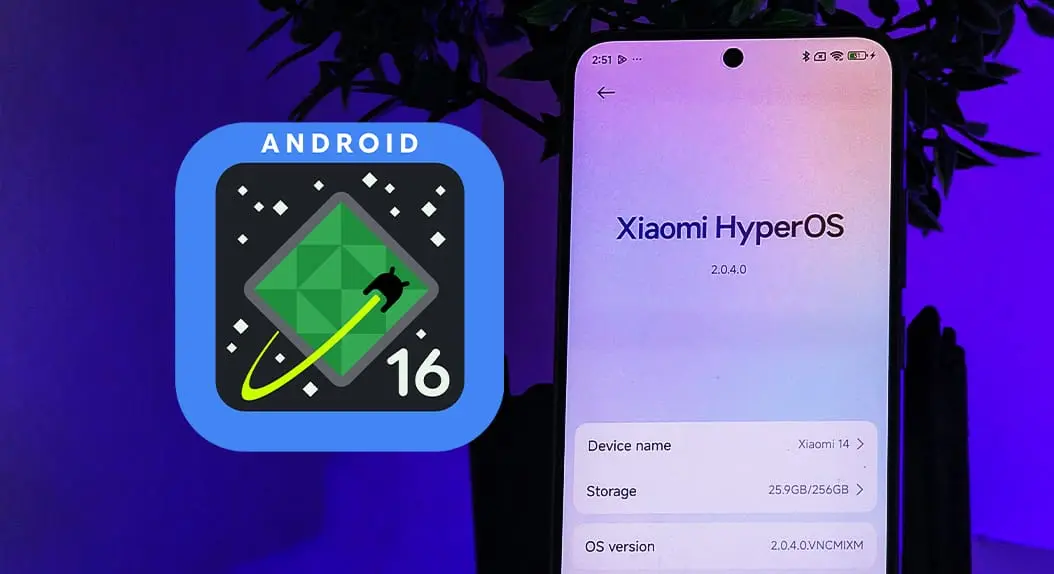

  • Official Android 16 support list from Xiaomi

    Official Android 16 support list from Xiaomi

    Many computer fans are surprised by Google’s recent statement that it will release two Android SDK updates per year. Thus, Android 16 can be released much in advance of this cycle, before June 2025. All devices are currently receiving Android 15 upgrades, but Xioami is preparing for the next major step—integrating Android 16 capabilities into their next HyperOS.

    The complete list of Xiaomi, Redmi, and POCO devices that could receive the update to HyperOS, an Android 16-based operating system, is provided below. It is easily grouped for your review.

    Official Android 16 support list from Xiaomi

    Current Android 16 released Devices

    Android 16 is currently released based on HyperOS 2.3.

    • Xiaomi 15
    • Xiaomi 14T Pro
    • REDMI K70 Ultra

    Xiaomi Flagship Devices

    Currently, high-end models with great performance and features are taking center stage in Xiaomi’s update plans:

    • Xiaomi 13 (fuxi)
    • Xiaomi 13 Lite (ziyi)
    • Xiaomi 13 Pro (nuwa)
    • Xiaomi 13 Ultra (ishtar)
    • Xiaomi 13T (aristotle)
    • Xiaomi 13T Pro (corot)
    • Xiaomi 14 (houji)
    • Xiaomi 14 CIVI (chenfeng)
    • Xiaomi 14 Pro (shennong)
    • Xiaomi 14 Ultra (aurora)
    • Xiaomi 14T (degas)
    • Xiaomi 14T Pro (rothko)
    • Xiaomi 15 (dada)
    • Xiaomi 15 Pro (haotian)
    • Xiaomi 15 Ultra (xuanyuan)
    • Xiaomi 15S Pro (dijun)
    • Xiaomi CIVI 5 Pro (luming)
    • Xiaomi Civi 2 (ziyi)
    • Xiaomi Civi 4 Pro (chenfeng)
    • Xiaomi MIX FLIP (ruyi)
    • Xiaomi MIX FLIP 2 (bixi)
    • Xiaomi MIX FOLD 4 (goku)
    • Xiaomi Mix Fold 3 (babylon)
    • Xiaomi Pad 6 Max 14 (yudi)
    • Xiaomi Pad 6 Pro (liuqin)
    • Xiaomi Pad 6S Pro 12.4 (sheng)
    • Xiaomi Pad 7 (uke)
    • Xiaomi Pad 7 Pro (muyu)
    • Xiaomi Pad 7 Ultra (jinghu)
    • Xiaomi Pad 7S Pro 12.5 (violin)

    Redmi Devices

    Known for good-level performance at competitive prices

    • REDMI K Pad (turner)
    • REDMI K80 (zorn)
    • REDMI K80 Pro (miro)
    • REDMI K80 Ultra (dali)
    • REDMI Pad 2 (taiko)
    • REDMI Pad 2 4G (koto)
    • REDMI Turbo 4 (rodin)
    • REDMI Turbo 4 Pro (onyx)
    • Redmi 13 (moon)
    • Redmi 13 5G (breeze)
    • Redmi 13X (moon)
    • Redmi 14C (lake)
    • Redmi A3 Pro (lake)
    • Redmi A4 (warm)
    • Redmi K60 Pro (socrates)
    • Redmi K60 Ultra (corot)
    • Redmi K70 (vermeer)
    • Redmi K70 Pro (manet)
    • Redmi K70 Ultra (rothko)
    • Redmi K70E (duchamp)
    • Redmi Note 13 Pro (garnet)
    • Redmi Note 13 Pro+ (zircon)
    • Redmi Note 13R (breeze)
    • Redmi Note 14 (beryl)
    • Redmi Note 14 4G (tanzanite)
    • Redmi Note 14 Pro (malachite)
    • Redmi Note 14 Pro 4G (obsidian)
    • Redmi Note 14 Pro+ (amethyst)
    • Redmi Note 14S (emerald_r)
    • Redmi Pad Pro (dizi)
    • Redmi Pad Pro 5G (ruan)
    • Redmi Pad SE 8.7 Wi-Fi (flare)
    • Redmi Turbo 3 (peridot)
    • Xiaomi Redmi Pad (yunluo)

    POCO Devices

    • POCO C75 (lake)
    • POCO C75 5G (warm)
    • POCO F6 (peridot)
    • POCO F6 Pro (vermeer)
    • POCO F7 (onyx)
    • POCO F7 Pro (zorn)
    • POCO F7 Ultra (miro)
    • POCO M6 (moon)
    • POCO M6 Plus 5G (breeze)
    • POCO M7 Pro 5G (beryl)
    • POCO Pad (dizi)
    • POCO X6 5G (garnet)
    • POCO X6 Pro (duchamp)
    • POCO X7 (malachite)
    • POCO X7 Pro (rodin)

    What to expect from Android 16:

    With HyperOS’s integration of Android 16, we can expect:

    Xiaomi makes sure that its devices remain competitive and feature-rich with regular Android updates as it keeps innovating. When Android 16 is released before the middle of 2024, the Xiaomi, Redmi, and POCO devices on the list will have access to the most advanced features of the most recent Android SDK. Once Xiaomi begins to push out the HyperOS improvements to these devices, more information will be released.

  • Just before HyperOS 3 launch, Xiaomi adds  9 devices to EOL list

    Just before HyperOS 3 launch, Xiaomi adds 9 devices to EOL list

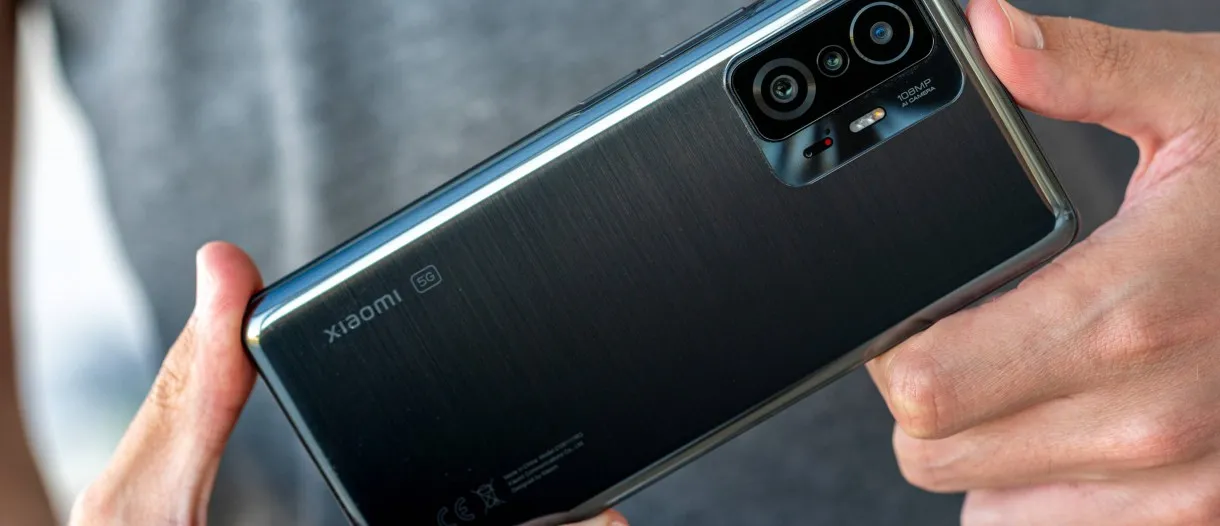
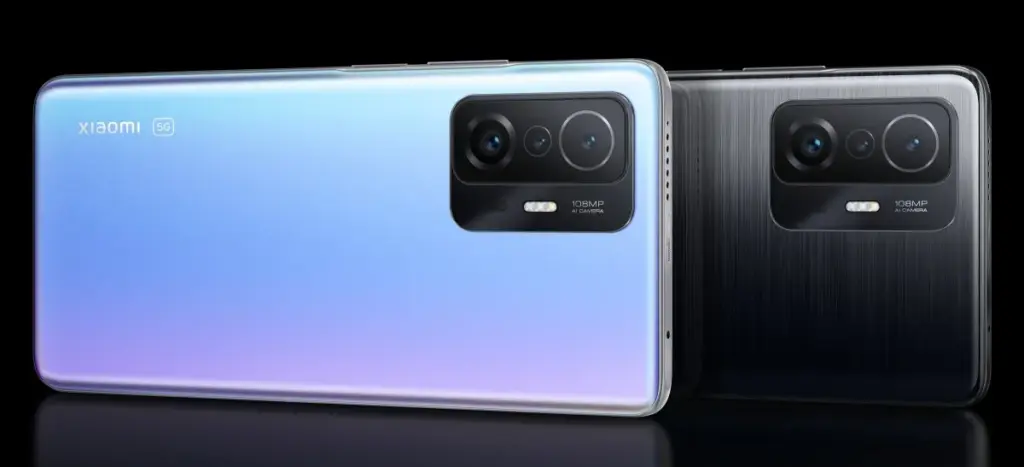
    As it prepares to release the HyperOS 3, Xiaomi is officially discontinuing a new generation of devices. The retailer has added a number of additional models to its end-of-life (EOL) list with its most recent internal update, which means that the company will no longer formally support these devices. Let’s have a look.

    These Xiaomi Phones That Won’t Get Future Updates

    The Chinese IT behemoth is anticipated to be focusing on HyperOS 3, its proprietary Android 16 skin, now that Google has begun releasing Android 16. For the worldwide versions of the Xiaomi 15 and Xiaomi 14T Pro, the company has already made the Android 16 update available with HyperOS 2.3. Xiaomi has updated its list of devices that are nearing their “end-of-line,” while other eligible models will receive the significant software update.

    xiaomi 11t pro launch 2

    This covers a variety of models, such as Redmi phones, Xiaomi-branded gadgets, and even POCO models. Here are all the phones for which official support is being discontinued:

    • Xiaomi 11T Pro
    • Xiaomi 11T
    • Xiaomi 11 Lite LE
    • Xiaomi 11 Lite 5G NE
    • Redmi 11 Prime 4G
    • Redmi A1+
    • Redmi A1
    • POCO M5
    • POCO C50

    It’s important to remember that security updates for these recently added devices will continue until September 2025. For these older phones, Xiaomi does not intend to release any official upgrades. Models that did not even receive the HyperOS 2 update are included in the list that was previously shared. Xiaomi is currently working on Android 16, but they have not yet released an official roadmap for the HyperOS 3 rollout. So stay tuned for more.

  • Xiaomi HyperOS 3 new screenshots leaked

    Xiaomi HyperOS 3 new screenshots leaked

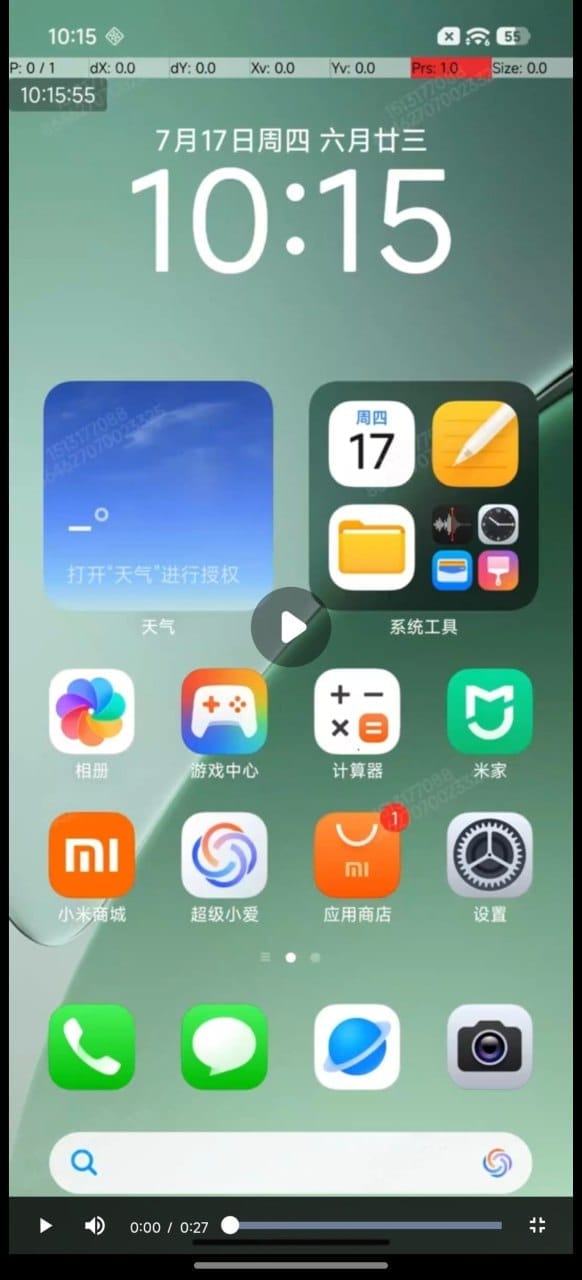
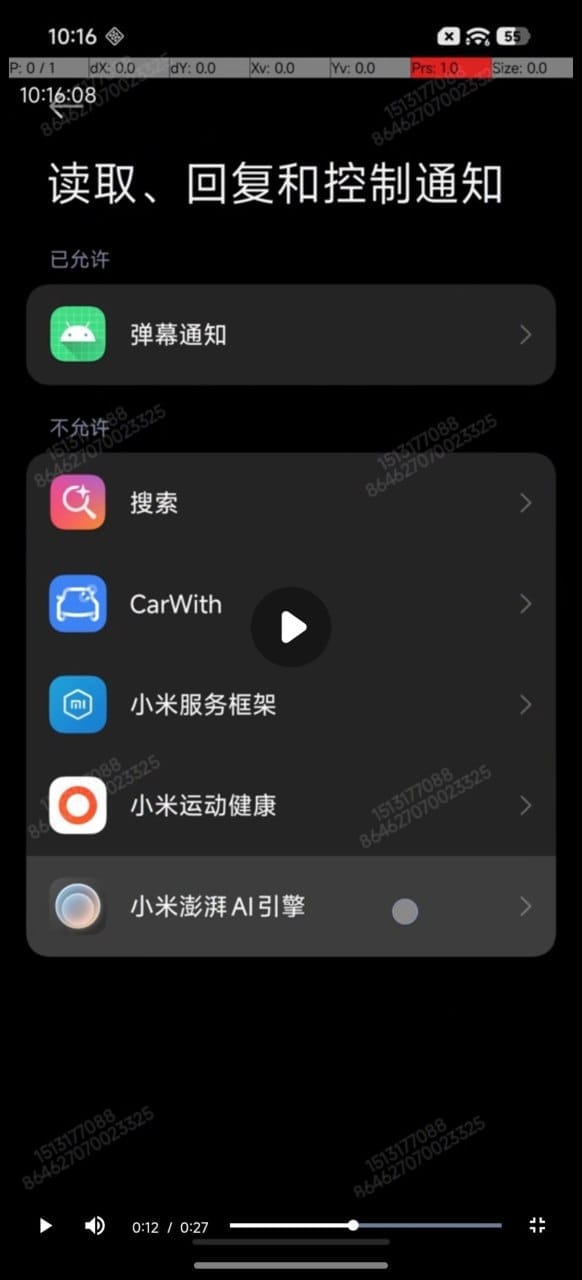
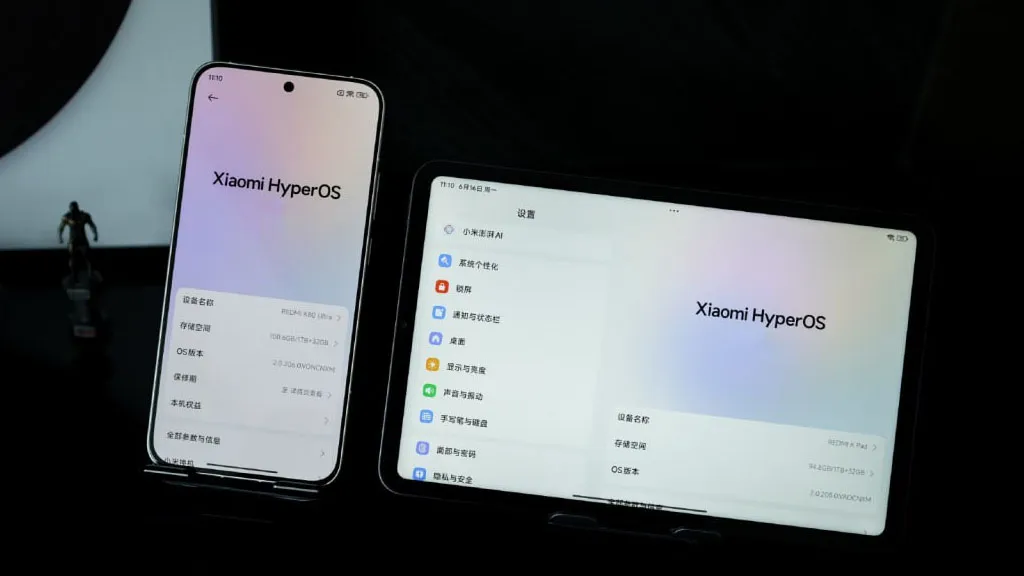
    Thanks to X user @satanzhiruo, significant leaks about Xiaomi’s upcoming HyperOS 3 have surfaced. Early photos show a dramatic style devoid of “liquid glass”—think depth, transparency, and a contemporary, high-end edge that fits in with current market trends. The screenshots display an updated settings menu, home screen, and card-based structure that is evocative of Android 16. This indicates a significant improvement in the user experience and is not only cosmetic.

    hyperos 3 leak screenshot

    HyperOS 3 will come with both andoid 15 and 16

    HyperOS 3 will be released by Xiaomi on Android 15 and 16. Wider compatibility is ensured by this dual strategy, which allows flagship smartphones to fully benefit from Android 16’s performance improvements while older hardware benefits from the update. It’s a sensible strategy that maximizes reach without compromising creativity.

    hyperos3 screenshot

    Major software updates from Xiaomi are usually released in the fall. HyperOS 3 should be formally revealed between September and October 2025, if the current leaks are accurate.

    Stay connected with the latest news – follow us on X @droid_tools, like our page on Facebook anc check out our Instagram.

  • Xiaomi devices that will get HyperOS 3 but without Android16

    Xiaomi devices that will get HyperOS 3 but without Android16

    The advantages of the HyperOS build, which is based on Android 16, will soon be available on Xiaomi handsets, however at least 31 models might not receive them. There are some benefits, but a new piece of information shows how many devices will not get the next big software update.

    According to XiaomiTime, the Android 16 (HyperOS) distribution schedule would not include 31 Xiaomi devices. Redmi, POCO, and flagship phones are on the list.

    For flagship phones, the Chinese phone manufacturer provides three or four years of major operating system updates and three or four years of security updates. Redmi models receive security fixes for three to six years and two to four significant Android OS upgrades. POCO receives three years of security patches and two years of OS.

    These findings indicate that the major OS upgrade cycle for some devices appears to be coming to an end. Here’s some good news, though. These phones will benefit from HyperOS 3, which is based on the Android 15 version, even if they do not receive Android 16.

    Indeed, HyperOS 3 will be the last update for smartphones now running Android 15. As a result, you can still use your phone for a year.

    Indeed, HyperOS 3 will be the last update for smartphones now running Android 15. As a result, you can still use your phone for a year.

    hyperos 3 without Android13 Xiaomi

    XiaomiTime claims that since HyperOS 3 will still be available, “missing out on Android 16 shouldn’t cause anxiety.” In addition, compared to previous software releases, the next OS has few innovations and just minor UI changes.

    Conversely, HyperOS 3.0 will enable your device to have new features and minor adjustments. We don’t yet know the precise features. Check on the models until then:

    These 31 Xiaomi devices will not get Android 16 but they will get HyperOS 3:

    Xiaomi phones

    • Xiaomi 12
    • Xiaomi 12 Pro
    • Xiaomi 12S
    • Xiaomi 12S Pro
    • Xiaomi 12S Ultra
    • Xiaomi 12T
    • Xiaomi 12T Pro
    • Xiaomi Civi 3
    • Xiaomi MIX Fold 2

    Redmi Devices

    • Redmi 12
    • Redmi 12 5G
    • Redmi 13C
    • Redmi 13C 5G
    • Redmi 13R
    • Redmi K50 Ultra
    • Redmi K60
    • Redmi Note 12 4G
    • Redmi 12 NFC 4G
    • Redmi Note 12R
    • Redmi Note 12S
    • Redmi Note 12T Pro
    • Redmi Note 12 Turbo
    • Redmi Note 13 4G
    • Redmi Note 13 4G NFC
    • Redmi Note 13 5G
    • Redmi Note 13R Pro

    POCO Models

    • POCO C65
    • POCO F5 5G
    • POCO F5 Pro
    • POCO M6 Pro
    • POCO X6 Neo

    Stay connected with the latest from Droid Tools—follow us on X @droid_tools, like our page on Facebook, check out our updates on Instagram, and follow us on Google News for real-time news, device tips, and mobile tech insights.

  • How to become a HyperOS Mi Pilot beta tester

    How to become a HyperOS Mi Pilot beta tester

    Becoming a HyperOS Beta Tester will let you to test and install HyperOS Mi Pilot releases before anybody else does. After your application is accepted, you can test and report on HyperOS Beta releases prior to their release. Becoming a HyperOS Beta tester is a fairly easy process. You won’t be able to create apps if there isn’t a beta program in place. We can state, however, that HyperOS 2.0 will reopen the Beta program.

    How to become a HyperOS Mi Pilot beta tester

    Applying for the HyperOS Mi Pilot/Beta Program

    The following steps must be followed if you wish to participate in Xiaomi’s HyperOS beta testing program:

    1. Download the newest version of Mi Community

    Please ensure that you have the latest version of the Mi Community app. This is a mandatory application to enroll in the Beta Program.

    2. Sign up for the Beta Program

    Please carry out the following steps to join the Beta Program:

    • Open the Mi Community application.
    • Change the region of the app to Global: Tap on “ME” > “Set up” > “Change region”.
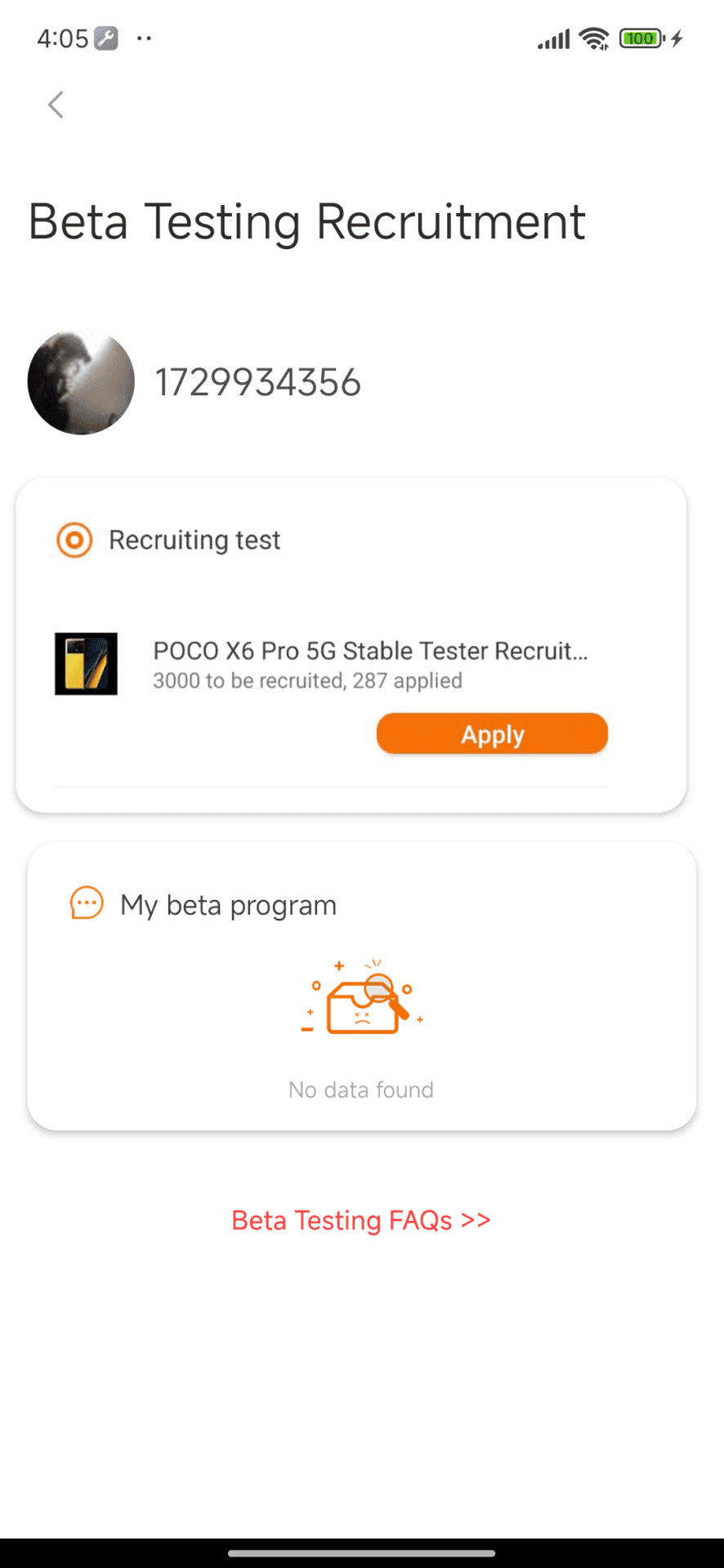
    • Beta Testing: Click on “ME” to get to “Beta testing”.
    • Apply for Recruiting: Clap on “Recruiting test” and afterward “Apply”. The system will automatically check whether your device is eligible for this Beta Program.
    • On-Screen Prompts: Follow the on-screen instructions to complete the form/application and successfully submit it.
    Beta Testing Page

    Typical issues and their gixes

    When you sign up for the beta program, you can run across certain issues. The answer to those issues is right here.

    Page is visible: “No data found”

    • Check Device Status: Please check if your device reached EOL status on this link. Any devices that have reached EOL status ARE NOT eligible to take part in the beta program.
    • Device Availability: More devices are being added to the program, so for those not at EOL yet but still not in the list, have a little patience.
    Beta Testing Page Not Available 1

    Answer Basic Questions

    You will get points when you answer some of the basic questions in Beta/Pilot Program. You will need at least 60 points to get applied.

    You can answer questions following by Xiaomi Community > “ME” > “Beta testing” > “Recruiting Test” > “Respond”.

    Already a Xiaomi ROM Beta Tester

    Reapply Required: If you are a current Xiaomi ROM Beta Tester, note that you must reapply to the HyPerOS Beta program. The permissions that you have previously applied to the user account will continue to function for a few days.

    Supported ROMs

    Beta Program supports all Global ROMs including MI, EEA, etc. If you want to apply in India, you can try this form.

    How to know if you are accepted

    You will know this because, if you are accepted, you can see that there is a button in the test page from Recruiting named “Passed”.

    Approval Status “Approving”

    Means your application is being considered. The decision can be made within 7 working days.

  • How to fix Xiaomi battery drain after HyperOS update

    How to fix Xiaomi battery drain after HyperOS update

    Many users of Xiaomi devices have complained of a notable decline in battery performance after major HyperOS updates. This problem has affected productivity for professionals who depend on their smartphones for work throughout the day. These abrupt variations in power usage can be unpleasant and uncomfortable, especially for corporate activities that rely on reliable devices. Thankfully, there are practical measures you can take to lessen these problems and extend the battery life of your device.

    hyperos screen

    Restart the device to complete optimization

    Xiaomi devices frequently carry out a number of background operations following major updates, like reindexing apps and rebuilding caches, which can momentarily raise battery consumption. Usually, these procedures take between thirty and an hour to do. You should restart your device 15 to 30 minutes after the update is finished to speed up system stabilization. This can aid in your device’s more effective adaptation to the new software environment by renewing the optimization cycle.

    Remove bloatware applications

    debloat remove bloatware hyperos

    New, pre-installed apps that operate in the background and can cause significant battery drain are frequently introduced by updates. It’s crucial for business users to periodically check their device’s app list and disable or delete any apps that aren’t directly necessary. There are a number of monitoring solutions on the Play Store that offer real-time data if you need to determine which apps are using the most resources.

    Roll back to a stable version

    Reverting to an earlier, stable software version might be the best course of action when a particular upgrade is associated with widespread battery drain problems. Depending on your Xiaomi model, the rewind procedure can differ greatly, thus it’s important to review official documentation or knowledgeable community members before moving forward. By taking this precaution, data loss and gadget malfunction can be avoided.

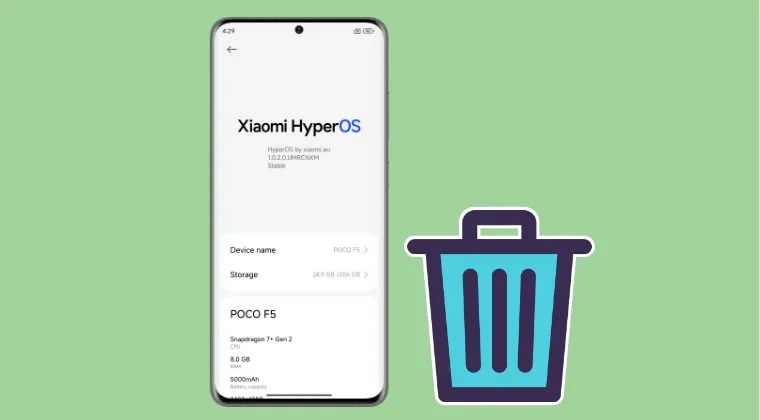
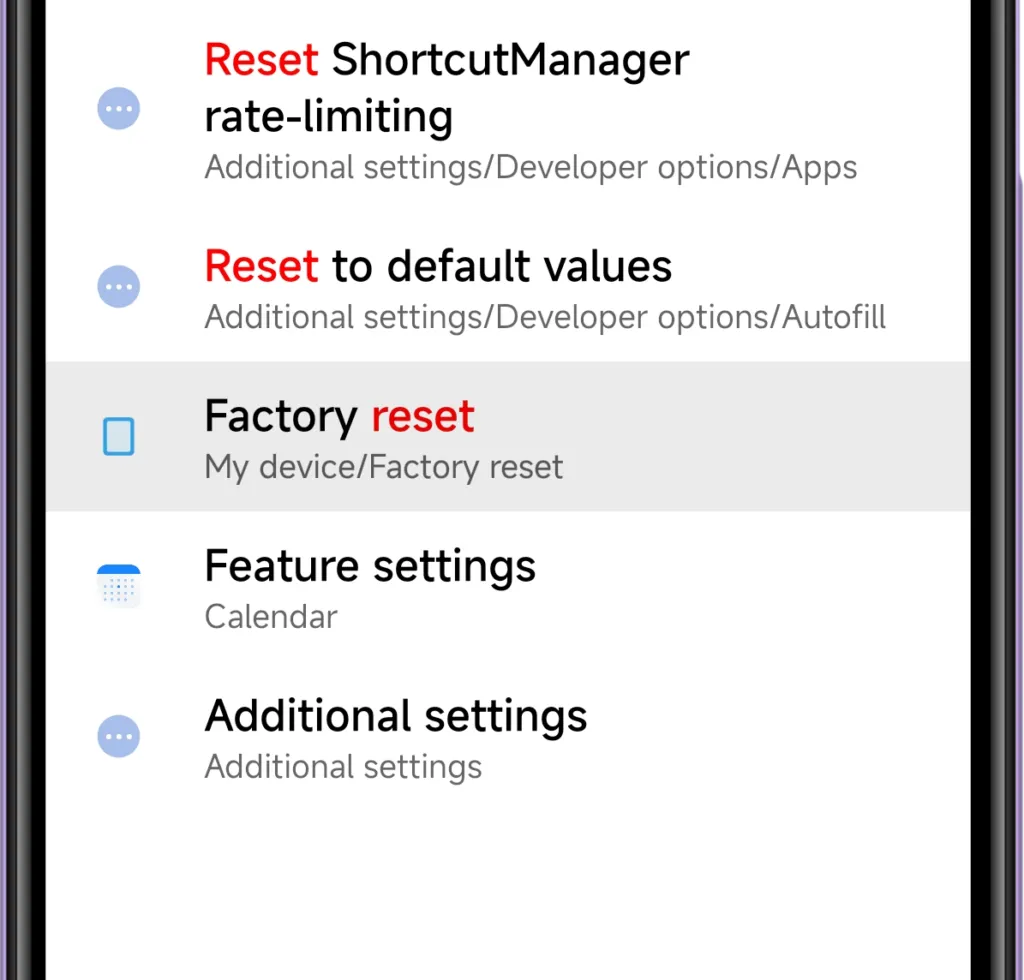
    Device reset

    factory reset hyperos

    A complete system reset might be required if battery problems continue after trying alternative fixes. Conflicts between new features and residual data from previous software versions can occasionally lead to persistent issues with power consumption. Since a reset will remove all personal data and return to factory settings, make sure all crucial business data, including contacts, documents, and messages, are safely backed up before starting the procedure.

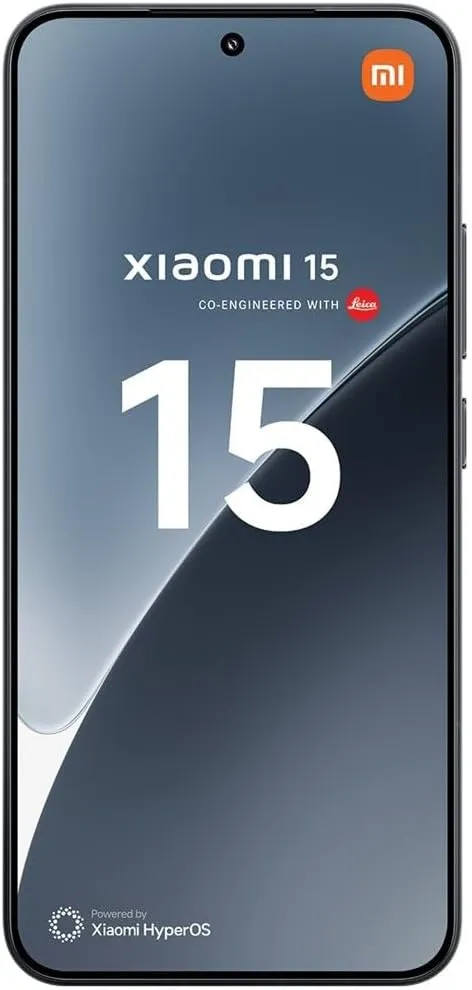
    Xiaomi 15

    Xiaomi 15 5G

    International Model Dual SIM eica Summilux optical lensLEICA VARIO-SUMMILUX 6.36″ 3200 nits ultra-bright displayCrystalRes AMOLED Snapdragon 8 Elite Mobile Platform 3nm Ultrasonic in-screen fingerprint sensor 32MP in-display selfie camera

    999.00$942.50Amazon

    Stay connected with the latest from Droid Tools—follow us on X @droid_tools, like our page on Facebook, check out our updates on Instagram, and follow us on Google News for real-time news, device tips, and mobile tech insights.

  • HyperOS 3 is coming – it will not be rebranded as 26

    HyperOS 3 is coming – it will not be rebranded as 26

    Thanks to its inclusion in Mi Code, Xiaomi’s impending HyperOS 3 update has now been formally announced, offering verifiable proof that the eagerly awaited software update is proceeding according to schedule. Xiaomi has decided to stick with its current number practice, despite previous industry rumors that suggested a switch to year-based naming (e.g., HyperOS 26). This strategic choice is consistent with market recognition and proven brand continuity.

    The first HyperOS 3 rollout in China is scheduled for September 2025, according to Xiaomi. Based on past release trends, markets in Europe, Southeast Asia, and India are anticipated to follow in October or November. Given the early release of Android 16, some devices might get HyperOS 3 as early as September 2025, which would speed up time-to-market for Xiaomi’s user base worldwide.

    The first formal confirmation from Xiaomi that HyperOS 3 is present in Mi Code confirms earlier predictions made by industry observers. With a September–October 2025 timetable that aligns with previous corporate release cycles, this development phase indicates that Xiaomi is on pace.

    hyperos 3 xiaomi code

    HyperOS 3 will have dual Android version compatibility

    Xiaomi’s dual-platform strategy is a noteworthy feature of HyperOS 3. The upgrade will increase compatibility across Xiaomi’s wide range of devices by supporting both Android 15 and Android 16. This approach guarantees that the improved features and performance improvements of HyperOS 3 are available to both flagship and older devices.

    Although Xiaomi has not revealed every feature, it is anticipated that the upgrade would bring about notable enhancements in performance, a revamped user interface, and new features that are intended to elevate the user experience throughout the brand’s ecosystem. Strong internal progress and preparedness for the next launch window are indicated by the Mi Code confirmation.

    Stay connected with the latest from Droid Tools—follow us on X @droid_tools, like our page on Facebook, check out our updates on Instagram, and follow us on Google News for real-time news, device tips, and mobile tech insights.

  • New details and features list for HyperOS 2.3

    New details and features list for HyperOS 2.3

    With the release of HyperOS 2.3, Xiaomi has moved several of its flagship models on an Android 16 basis. This release prioritizes improved security and strong system stability over adding new features or altering the design.

    xiaomi hyperos 2.3 update

    Deep enhancements in HyperOS 2.3

    All of the features of HyperOS 2.2 are retained in HyperOS 2.3, which is now compatible with the Android 16 platform. The main improvements provide a more dependable and secure user experience and are operational in nature.

    System-Level Updates

    • Integration with Android 16
    • Deployment of latest security patches
    • Improved system stability protocols
    • Enhanced performance optimization
    • Upgraded memory management
    • Refined system animations

    Security & Privacy Improvements

    • Comprehensive Android 16 security patches
    • Advanced privacy controls
    • Refined app permission management
    • Expanded malware protection
    • Secure boot verification
    • Enhanced biometric authentication

    Device Compatibility

    The HyperOS 2.3 update is currently available for the following premium Xiaomi devices:

    • Xiaomi 15 series – Full deployment completed
    • REDMI K70 Ultra – Gradual rollout in progress
    • Xiaomi 14T Pro – Mi Pilot release phase

    The next HyperOS 3 version, which is anticipated to deliver wider compatibility and more feature enhancements throughout the Xiaomi device ecosystem, will grant Android 16 access to the majority of Xiaomi consumers.

    HyperOSUpdates.com offers programs for advanced users who want customization. Additional capabilities including enabling system app updates, unlocking hidden Xiaomi functionalities, and offering power users on-screen update management.

    Stay connected with the latest from Droid Tools—follow us on X @droid_tools, like our page on Facebook, check out our updates on Instagram, and follow us on Google News for real-time news, device tips, and mobile tech insights.

  • Xiaomi 15 gets Android 16 update via beta program

    Xiaomi 15 gets Android 16 update via beta program

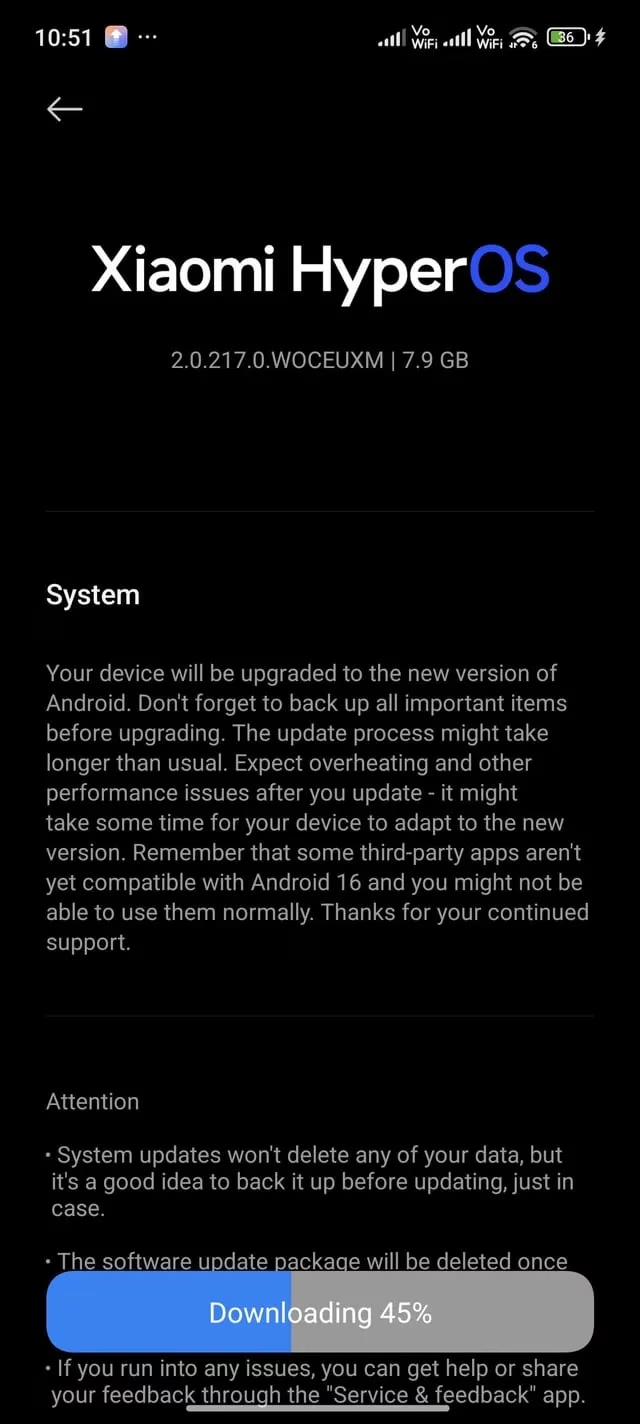
    A pilot version of the Android 16 update is currently available to Xiaomi 15 owners. The Xiaomi 15’s Android 16 upgrade still uses HyperOS 2.0 as its foundation. For a limited number of users, the pilot release functions similarly to the final beta build. The Android 16 pilot update has apparently been made available to Xiaomi 15 customers in the US and other countries.

    Xiaomi 15

    Google formally unveiled Android 16 last month, and as of right now, only Pixel smartphones can run its stable build. Whether the Xiaomi 15 will be the first non-Pixel handset to receive stable Android 16 or if customers will have to wait a little while longer would be interesting to observe. As an alternative, Samsung might lead since the stable Android 16 build is anticipated for the Galaxy S25 later this month.

    Xiaomi 15 to be the first who receive HyperOS 2.3 with Android 16

    The build number for the Xiaomi 15’s Android 16 upgrade is 2.0.217.0.WOCMIXM. The 7.8GB size of the upgrade was anticipated given its importance. So, if you have the update, be sure to download it over WiFi.

    xiaomi 15 android16 update

    We do not currently have access to the changelog or information regarding the features of the Android 16 pilot release. Android 16 may bring some minor modifications, but HyperOS 3’s release is probably when the main features will be available.

    This is a pilot release that is being made available to beta users, as was previously stated. The same version will be made available to users in batches if the build appears to be flawless for the general audience. The stable Android 16 upgrade might not be available to everyone for a few weeks.

    Once stable Android 16 is out, you can check Settings for the update if you have a Xiaomi 15. Before installing the update, take cautious to backup any important data.

    Stay connected with the latest from Droid Tools—follow us on X @droid_tools, like our page on Facebook, check out our updates on Instagram, and follow us on Google News for real-time news, device tips, and mobile tech insights.