Tag: update

  • HyperOS 3.1 rolls out with bold UI improvements, leaving some Xiaomi devices behind

    HyperOS 3.1 rolls out with bold UI improvements, leaving some Xiaomi devices behind

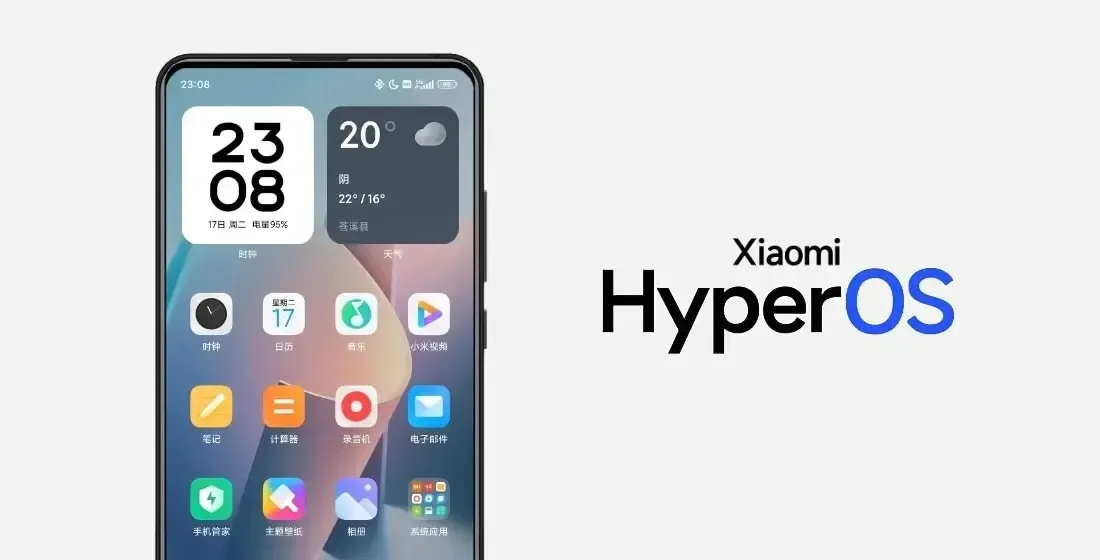
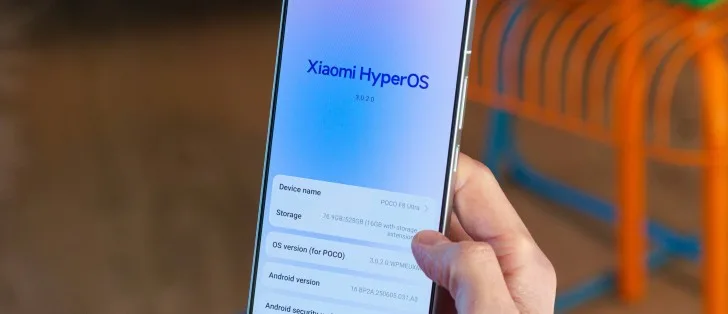
    The latest version of Xiaomi’s HyperOS is almost here, and it looks like there will be a lot of changes. Xiaomi HyperOS 3.1 appears to be attempting to improve the appearance of their software by drawing inspiration from well-known skins. There is a significant hitch, though, that could let some users with outdated specs down. According to the most recent reports, this upgrade will only come on Android 16 devices because it is closely related to the underlying OS design.
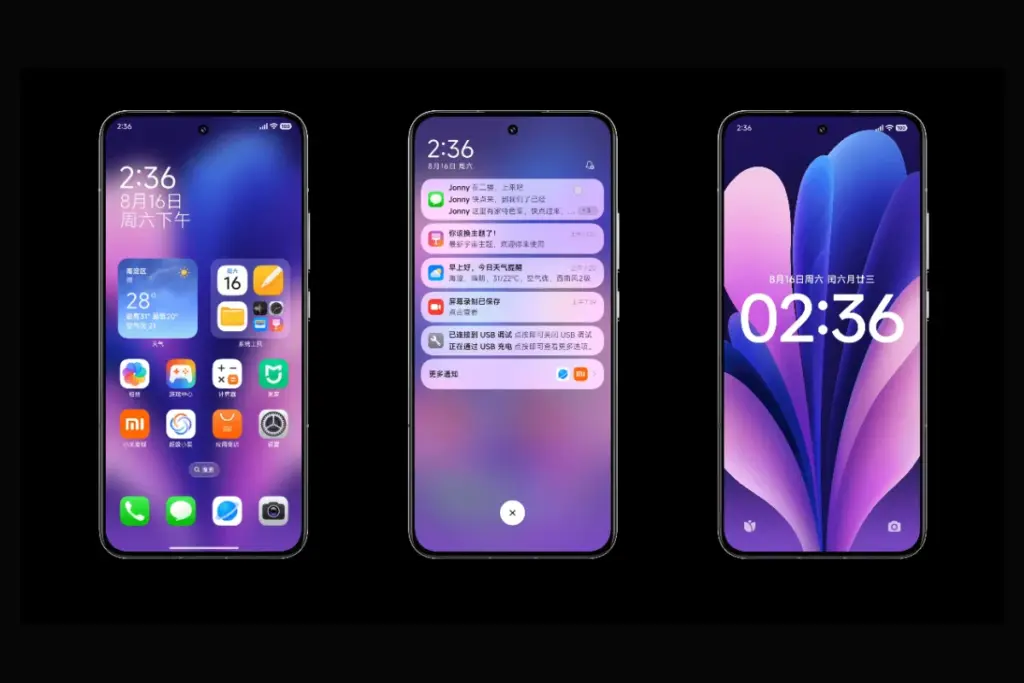
    HyperOS 3.1

    What are the new features that are coming to HyperOS 3.1?

    We have also been monitoring the development of Xiaomi’s latest software update, and version 3.1 has a long list of features. The “Stacked Layout Style” in more modern apps is likely to be the first thing you notice. You will therefore recognize this design if you have used an iPhone within the last year or so. A horizontal scroll where the apps stack seamlessly one after the other has replaced the conventional two-column grid. It’s noteworthy to note that individuals who are prepared to take the risk can already download this launcher upgrade.

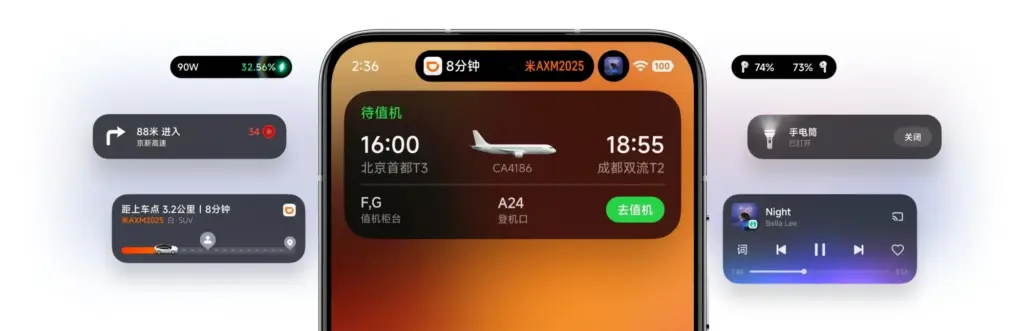
    Improved “Super Island”
    hyperos super island

    Additionally, Xiaomi is creating a Super Island settings page that lets users select which apps are linked to the animation effect and improving the HyperIsland feature. Not only is functionality being enhanced, but visual effects are as well. The media playing progress indicator on the island is now interactive thanks to new light effects. Additionally, the Super Island logic has been improved for smoother transitions. This was a problem that many users had previously brought up because animations were stuttering.

    More customizations

    csm Xiaomi HyperOS 31 rumours bottom 03586d7a96

    In terms of versatility, HyperOS 3.1 is a great choice for home screen organizers. Drag-and-drop folder size changes are now properly regarded. To enable users to conceal numerous apps in a tiny area without sacrificing accessibility, new folder sizes including 2×1 and 1×2 have been included, along with page turning. A complete photo editing suite is added to the Lock Screen to facilitate the placement of widgets and the incorporation of depth effects.

    System-wide improvements

    There are other “under the hood” adjustments in addition to the aesthetic modifications that are intended to make the phone appear smarter.

    1. Multi-Volume Adjustment: Managing media, ringer, or alarm volume all at once gets a new design.
    2. Bluetooth Memory: The system will now remember the connection status of Bluetooth devices more accurately.
    3. HyperAI Suggestions: The active suggestions in the app drawer and negative screen are getting the optimization boost. (China only)

    Roadmap

    The HyperOS 3 Beta Phase 2 recruitment will take place in two waves from January 22 to January 30, according to the official Xiaomi announcement. In its job ad, the business makes it clear that these are engineering builds that are not stable and should not be used as everyday drivers. The first round of updates, which concentrated on the newest flagship devices, started on January 22.

    The following gadgets will be compatible with the first wave of upgrades for China:

    Wave 1 (Starts January 22)

    • Xiaomi 17 Series: Xiaomi 17 Ultra Xiaomi 17 Pro MaxXiaomi 17 ProXiaomi 17
    • REDMI K90 Series: REDMI K90 Pro MaxREDMI K90
    • Tablets: Xiaomi Pad 8 ProXiaomi Pad 8

    Wave 2 (Starts by January 30)

    • Xiaomi 15 Series: Xiaomi 15 UltraXiaomi 15S ProXiaomi 15 ProXiaomi 15
    • Xiaomi 14 Series: Xiaomi 14 UltraXiaomi 14 Pro (incl. Titanium Edition), Xiaomi 14
    • Foldables: Xiaomi MIX Flip 2
    • REDMI K80 Series: REDMI K80 ProREDMI K80 UltraREDMI K80
    • Tablets: Xiaomi Pad 7 Ultra

    While the testing process is underway, Xiaomi claims that beta testers are unable to upgrade to the stable build right away. Users in the first batch will begin receiving OTAs on January 22; users in the second batch will receive the update ten days after the distribution process begins.

    When the update is expected?

    According to our sources, Xiaomi HyperOS 3.1 is anticipated to become available in China in February. However, it is limited to Android 16-capable smartphones. This implies that the Xiaomi 17 series and other flagship devices, like the Xiaomi 15T Pro, will receive the updates first. The aforementioned upgrades might not be accessible to you if you are currently using a device that won’t be receiving the Android 16 update. Xiaomi typically transfers some of the functions to the outdated operating system, though.
  • HyperOS 3 update rolls out to Xiaomi 12, 12S and more devices

    HyperOS 3 update rolls out to Xiaomi 12, 12S and more devices

    The HyperOS 3 upgrade for a new range of devices has started to be released by Xiaomi. This build of HyperOS 3 is unique. Its foundation is Android 15, which just started to be released for the Redmi K60 and Xiaomi Pad 6 Pro series. It is now being extended to further devices, such as the Xiaomi 12 series, Xiaomi 12S series, and others.

    hyperos 3

    Currently, only China has access to the HyperOS 3 build, which is based on Android 15. According to Xiaomi Time, the most recent Xiaomi devices receiving this update are listed below, along with the firmware versions:

    • Xiaomi 12: OS3.0.2.0.VLCCNXM
    • Xiaomi 12 Pro: OS3.0.2.0.VLBCNXM
    • Xiaomi 12S: OS3.0.2.0.VLTCNXM
    • Xiaomi 12S Pro: OS3.0.2.0.VLECNXM
    • Xiaomi 12S Ultra: OS3.0.2.0.VLACNXM
    • Xiaomi Civi 3: OS3.0.1.0.VMICNXM
    • Xiaomi MIX Fold 2: OS3.0.1.0.VLRCNXM

    For these devices, the HyperOS 3 update is now accessible as a Mi Plot release, which is essentially a beta release. You must register to be a beta tester in order to receive this update (click here for all the processes). After Xiaomi confirms that the build is free of serious defects, the update will shortly be made available to non-beta customers.

    The HyperOS 3 update, which is based on Android 15, has not yet been verified to be released worldwide by Xiaomi. Nonetheless, the inclusion of international versions like the Xiaomi 12, Xiaomi 12 Pro, and Xiaomi Civi 3 on the aforementioned list is encouraging. Usually, the company releases the update in China first, and after a few weeks, it spreads to the rest of the world.

    We’ll continue to update our Xiaomi area with the most recent HyperOS updates. For the most recent information, don’t forget to frequently check this section. As an alternative, you may sign up for our Telegram channel to receive real-time notifications about new product releases, software updates, and the greatest tech news.

  • These Xiaomi, Redmi & POCO phones qualify for HyperOS 5-year update support

    These Xiaomi, Redmi & POCO phones qualify for HyperOS 5-year update support

    Xiaomi gives owners fantastic news to start 2026. For several models, the company offers up to five years of HyperOS support. POCO, Redmi, and Xiaomi tablets and phones get longer updates. For years, gadgets remain safe and continue to receive updates.

    Strong software support is currently available from Xiaomi. Updates for flagship phones will be available until 2031. Budget and mid-range gadgets come next. Tablets are also added to the list.

    The most recent HyperOS versions are longer enjoyed by users. AI tools, longer battery life, and security updates are added to phones. This aligns with Google’s and Samsung’s policies. People tend to keep gadgets longer. It benefits the environment and saves money.

    hyperosOS update support

    Launch date determines the duration of support. More years are awarded to newer models. Extra months are given to the elderly.

    HyperOS Eligible Devices – Support End Dates

    • Updates until 2031: Xiaomi 15T / 15T Pro, Xiaomi 15 Ultra, Xiaomi Pad 7, Redmi 15 / 15 5G / 13C, Redmi Note 14, POCO F8 Ultra / F8 Pro, POCO F7 / F7 Pro / F7 Ultra, POCO M7 / C85
    • Updates until 2029: Xiaomi 14T / 14T Pro, Xiaomi 14 Ultra, Xiaomi MIX Flip, Xiaomi Pad 7 Pro, Redmi A5, Redmi Pad 2 / 2 Pro / 2 Pro 5G series, POCO M7 Pro 5G, POCO Pad M1
    • Updates until 2028: Xiaomi 13T / 13T Pro, Xiaomi 13 / 13 Ultra, Redmi 14C, Redmi Note 13 series, POCO C75
    • Shorter support: Xiaomi 13 Lite (until 2027), older Xiaomi 12T / 12 series and some Redmi 12 models (extra months only)

    Updates are released progressively per area. To find the most recent version, check the settings on your phone. This list of devices that are compatible with HyperOS brings significant value. Xiaomi phones are becoming more intelligent purchases.

    The extended assistance is adored by fans. The action strengthens Xiaomi.

  • One UI 8.5 beta lineup revealed — supported Galaxy devices list

    One UI 8.5 beta lineup revealed — supported Galaxy devices list

    A beta program is released prior to the official release of every significant new One UI update for Galaxy devices that comes with an updated version of Android. Although Samsung has primarily restricted them to their foldable phones, we have also seen beta programs for minor One UI improvements where the Android version stays the same.

    For One UI 8.5, Samsung is making some changes this year. It is hosting a conventional beta program in six nations (the US, the UK, Korea, Germany, Poland, and India) that is not limited to Galaxy Z handsets. Which gadgets will be supported? To discover out, you’ve come to the correct spot.

    one ui 8.5 beta leak

    Eligible devices for One UI 8.5 beta

    The beta program supports the following devices:

    Yes, the initial list is rather short. At first, only the initial three models of the Galaxy S25 series are qualified. As usual, neither the Galaxy S25 Edge nor the FE model are receiving the beta.

    We’ll make sure to update this list when Samsung expands the beta program to new devices, so be sure to bookmark this site and return at a later time.

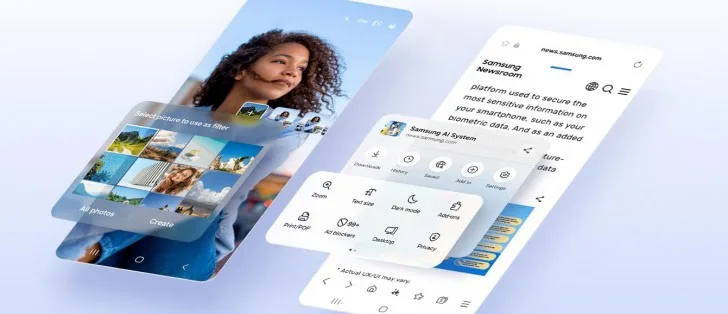
    Watch the video below to learn what One UI 8.5 has to offer. For more One UI 8.5 material, visit our YouTube channel.

  • How to get Xiaomi’s new control center on unsupported Redmi and POCO phones

    How to get Xiaomi’s new control center on unsupported Redmi and POCO phones

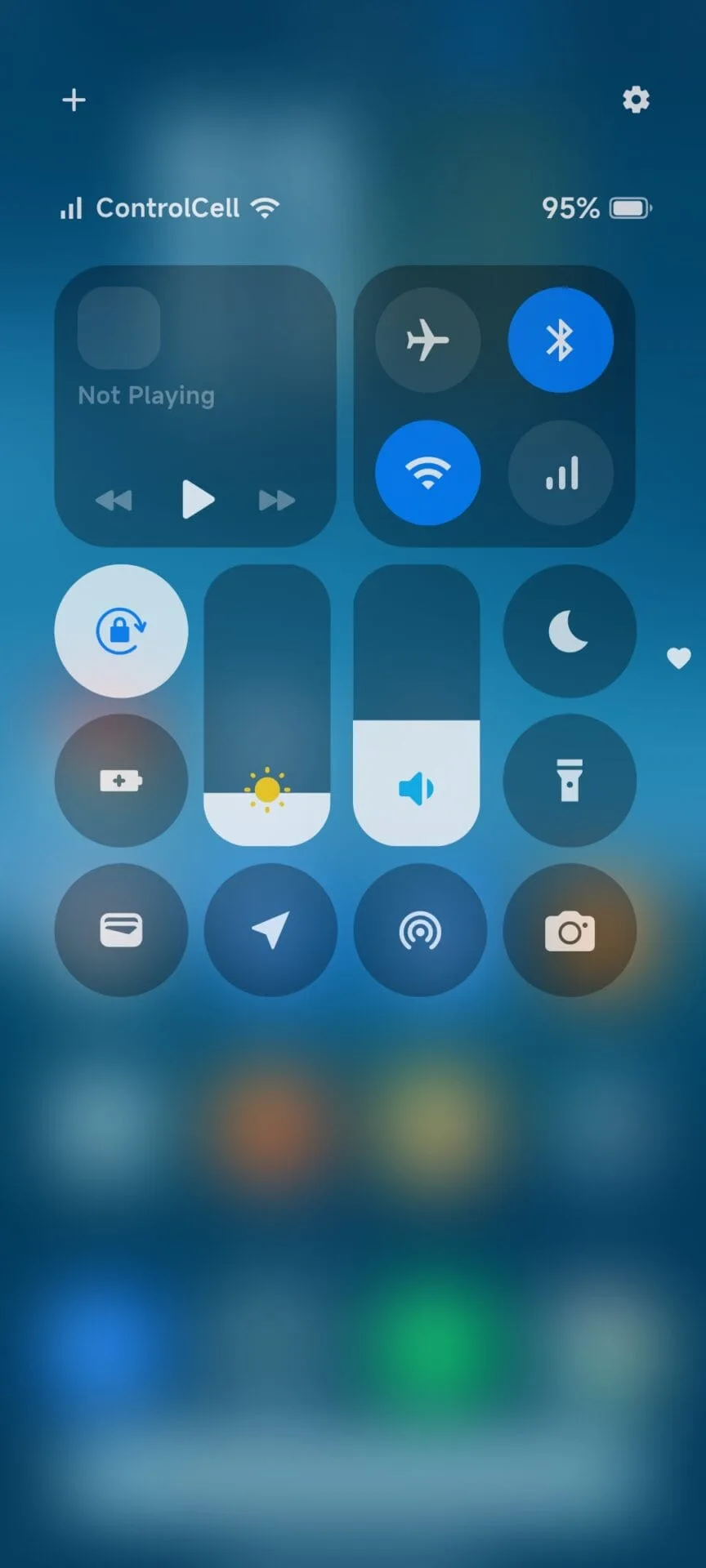
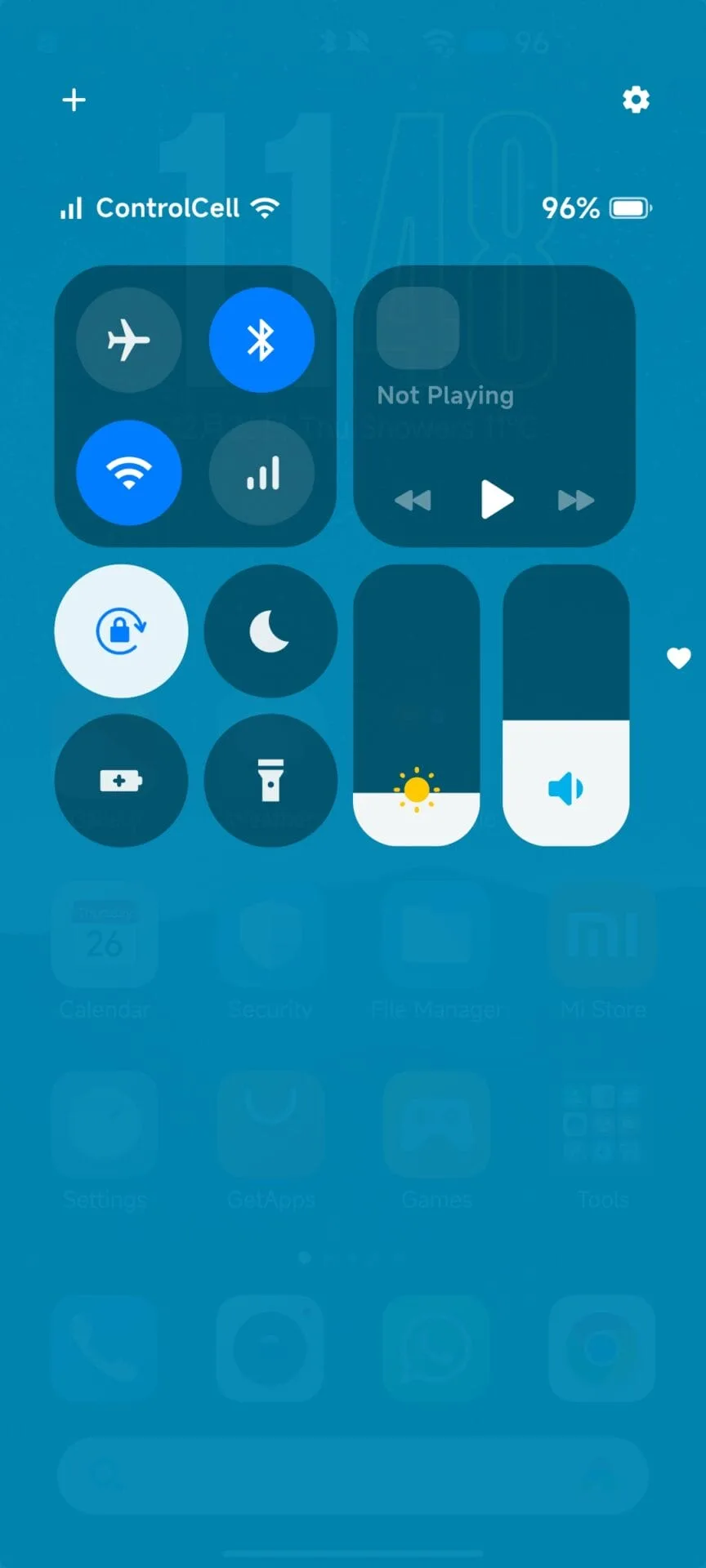
    Many affordable Xiaomi phones, such the Redmi 15, Redmi 14C, and Redmi 13X, continue to use the conventional Android-style control panel rather than the contemporary iOS-inspired Control Center found on high-end phones running HyperOS. The main cause of this limitation is hardware and performance issues, which make it difficult to execute sophisticated animations and transitions smoothly.

    Users of Xiaomi do not have to give up the new features and design in spite of this. It can be set up to mimic the new Control Center appearance on the majority of Redmi and POCO phones with the aid of third-party modification applications like Control Center 18.

    Control Center iOS 18 9

    Announced alongside HyperOS 1.0, Xiaomi’s new Control Center features an iOS 18-like interface, smoother animations, and adjustable brightness adjustments. But not every gadget satisfies the necessary performance requirements. Xiaomi limits the new UI to mid-range and flagship smartphones since entry-level handsets with low GPU and memory capacity can encounter lag or frame drops.

    Xiaomi’s software framework is still adaptable, though. You may still improve the visual experience using third-party solutions like Control Center 18, which essentially replicates the look and functionality of the HyperOS Control Center, even if your phone doesn’t support the most recent control center natively.

    Get the New Control Center with Control Center 18

    You can simply duplicate the new Control Center with Control Center 18 app if your Redmi or Xiaomi phone does not have it natively loaded. With smooth animations, toggleable toggles, and quick access to your most commonly used options, this layout is almost exact.

    Control Center iOS 18 7 2
  • Xiaomi silently discontinues software updates for two models

    Xiaomi silently discontinues software updates for two models

    Xiaomi has quietly stopped supporting software updates for the Redmi 12C and its international counterpart, the POCO C55. No new firmware, including HyperOS 2, has been released in the last two months, and the devices were last updated with the October 2025 security patch. These devices are anticipated to become officially EOL in February 2026, according to Xiaomi’s internal software roadmap.

    Redmi 12C and POCO C55 are being retired organically

    Why these devices eeached EOL

    For its entry-level series, Xiaomi has clear updating policies. The POCO C55 and Redmi 12C were marketed as reasonably priced smartphones designed for everyday use, typically with shorter support cycles.

    Each device finished its usual update window with HyperOS maintenance releases and Android fixes prior to hitting EOL. This change is intended to allow Xiaomi to focus attention on more recent models and maintain system stability throughout the ecosystem.

    Expected End of Life Timeline

    • Last update: October 2025 security patch
    • No updates released: November–December 2025
    • Official EOL: Scheduled for February 2026
    • Affected models:
      • Redmi 12C (China)
      • POCO C55 (Global)

    What you can do if you device reached EOL

    Users can still improve device stability by updating compatible system apps even after system firmware updates have ceased. Xiaomi smartphone owners have two reliable options:

    Recommended Update Channels

    • HyperOSUpdates.com: provides direct links to Xiaomi system app packages.
    • MemeOS Enhancer app on Google Play – allows users to update system apps, enable hidden features of Xiaomi, and manage interface components smoothly.

    EOL does not automatically affect device functionality, and users may still experience adequate performance for daily tasks.

    With smartphones that offer increasingly better performance and longer support cycles, Xiaomi continues to broaden its selection of reasonably priced products. As part of the broader shift to the enhanced environment offered by HyperOS and more efficient update delivery, devices like the Redmi 12C and POCO C55 are being retired organically. A more explicit software policy is anticipated in upcoming budget releases.

  • Xiaomi rolls out major Security V12 update with improved Game Turbo

    Xiaomi rolls out major Security V12 update with improved Game Turbo

    The Security V12 generation of Xiaomi’s standard Security app has finally been released with a significant update. The most recent build, V12.0.3-251114.1.1, is mostly concerned with modifications to the system infrastructure. However, as the new build offers a whole redesign of the Game Turbo interface and sophisticated system optimization logic, this would be quite intriguing for those waiting for the release of the next HyperOS stage. With this upgrade, Xiaomi is at last getting ready for a significant change in the management of background operations and the optimization of gaming performance on devices throughout the world.

    Xiaomi rolls out major Security V12 update

    Increased optimization in new Security V12

    The Security V12 branch has been made available to the public for the first time with this build. The Security V12 series is a package deal of significant architectural improvements that align with next system versions, in contrast to the incremental updates that preceded it. The improved optimization engine, which promises to clear caches and free up memory without disrupting user activity, is especially noteworthy in the changelog. Thus, the move to version 12.0.3 would suggest that Xiaomi is preparing for more demanding software applications, maintaining devices’ responsiveness and fluidity during more taxing operations.

    Enhanced gaming capabilities

    However, the improved Game Turbo module is the most notable feature of this version. Performance modes and floating windows can now be accessed more quickly thanks to Xiaomi’s UI optimization. In order to prioritize frame rates and network stability during gameplay, new optimization algorithms operate in the background in silent mode. With much lower latency and input lag, enthusiasts who use their devices for competitive gaming will notice how much more seamless the transition from the game to system notific

    How to update

    To update the Security app on Xiaomi devices, open the Security app and scroll to the bottom until you see the Settings or About section. Tap Update (or Check for updates) if available. You can also update it through the GetApps store by searching for Security and installing the latest version. If the update doesn’t appear, make sure your phone is connected to the internet and running the latest MIUI/HyperOS system version, as some Security app updates are bundled with system updates.

    Keeping system applications updated is very crucial for maintaining the security and performance stability of any device. Among such capabilities are unlocking hidden Xiaomi settings, updating other system applications seamlessly, and managing screen refresh rates, among the common updater features.

  • Android 16 December update brings major upgrades to Google Pixel devices

    Android 16 December update brings major upgrades to Google Pixel devices

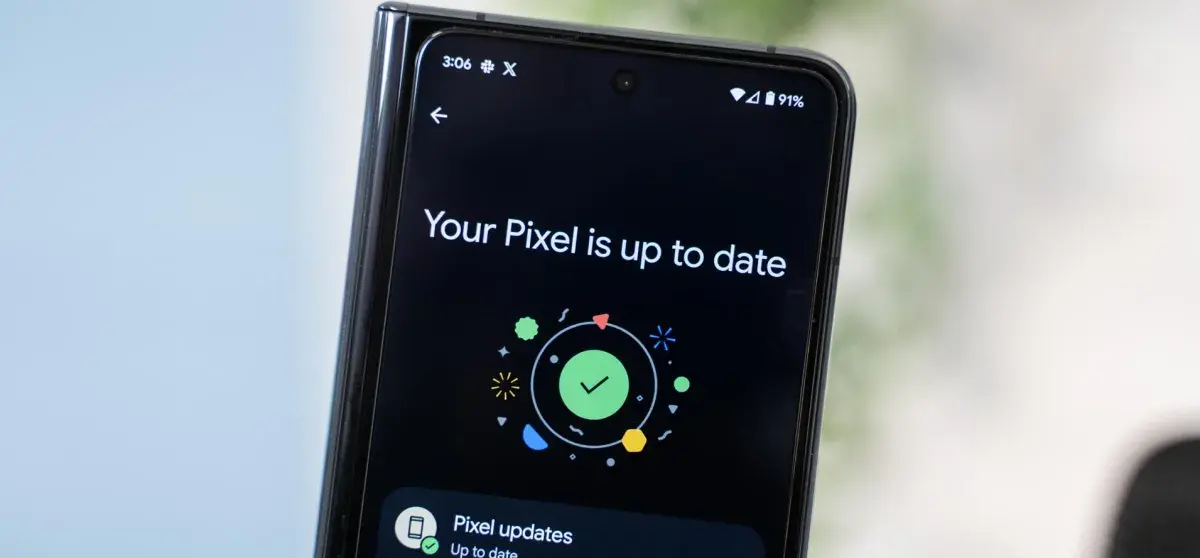
    Android 16 QPR2 has made Google’s Pixel smartphones safer and smarter. Discover why you should get this update immediately, including new lock screen widgets, AI-powered notifications, and an essential security fix.

    Google is finally releasing Android 16 QPR2 to compatible Pixel devices after much testing. Based on the most recent version of Android, this is the second quarterly release. It offers well-considered features and modifications, much like the initial release. More significantly, it contains the security update from December, which fixes a number of worrisome vulnerabilities.

    The Pixel 10, Pixel 9, Pixel 8, Pixel 7, Pixel 6, Pixel Tablet, and Pixel Fold are all compatible with Android 16 QPR2. On my Pixel 9 Pro XL, the update is roughly 800 MB+ in size.

    Improved screen customizations

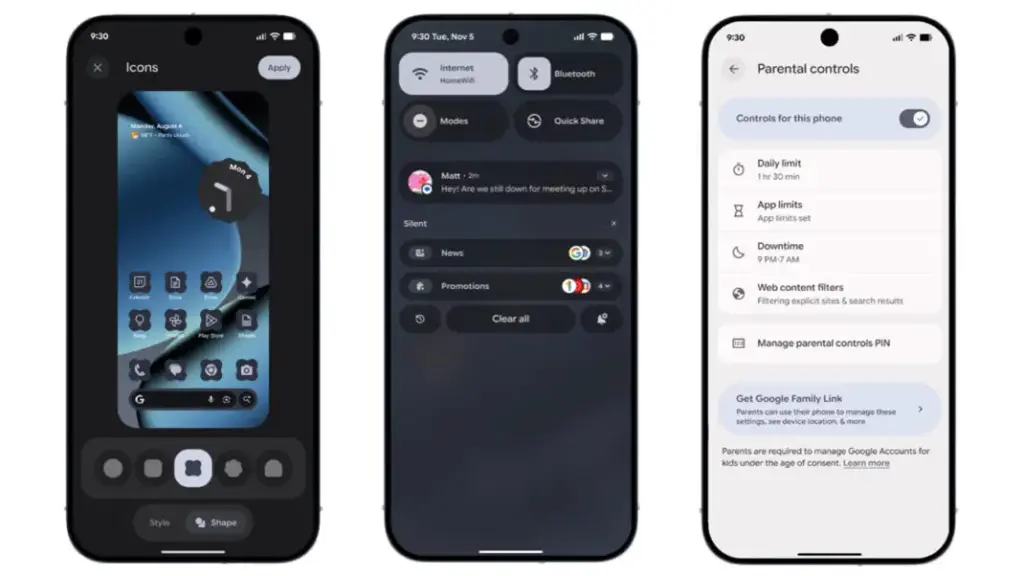
    Google is still improving Android 16 QPR2’s user interface. Users may now add new shape options for app icons on the home screen, such as circle, squircle, four-sided cookie, seven-sided cookie, and arch.

    android screen customization

    Additionally, users of Pixel phones now add widgets to the lock screen—a function that was previously exclusive to tablets. Although there are fewer widgets and layouts than on the home screen, you can still access them by swiping left on the lock screen.

    A new low-light setting for the screen saver, which turns on a dim clock in dull scenes to conserve battery life, is one of the other lock screen modifications. Furthermore, fingerprint scanning can now operate on a switched-off display without requiring the screen to be woken.

    We highlighted in the beta the ability to minimize or eliminate blur effects in background components like the quick settings and alerts panel. All users can now utilize this functionality. For better accessibility, blur can be disabled under the Color and Motion area and replaced with plain color.

    Expanded dark mode, which compels apps that don’t support dark themes to switch to dark mode, is another accessibility improvement. Better yet, you can program expanded dark mode to activate on its own.

    Additionally, Android 16 QPR2 has an upgraded HDR feature that allows you to change the HDR intensity. You can select brightness levels from dimmer to more vibrant using a slider.

    More usability and productivity

    In addition to 50:50, 70:30, and 30:70 ratios, the update offers a more adaptable split-screen arrangement that supports ratios like 90:10.

    Additionally, Google is adding two new features to its AI-powered notifications: a notification organizer and notification summary. While the organizer automatically organizes alerts in the panel, summaries condense lengthy messages from apps. The apps that are included can be customized by users. The Pixel 9 and more recent variants with Gemini Nano support these functionalities.

    Additionally, parental controls have been reinforced. More apps now allow parents to set secure PINs, set screen-time limits, plan downtime, and control timers right from the settings.

    Additional accessibility-related features include Expressive Captions, which are real-time captions in social media apps and video communications that are enhanced with emoticons and ambient sound overlays. Google has improved Circle to Search to allow users to flag and report problematic messages in order to fight spam and scams. Additionally, the new Call Reason function will alert suspected spam calls or classify calls according to urgency.

    New security patch

    The December security patch for Android 16 QPR2 addresses a number of issues. The update fixes vulnerabilities ranging from high to critical severity, some of which have already been exploited by attackers, according to Google’s security alert.

    In addition to the eye-catching new features, Pixel owners should apply this update right now to lower the chance of attacks and keep safe from threats.

    Other companies, including as Samsung, Xiaomi, and OnePlus, will also implement the December security patch, though the exact release date may differ.

  • Xiaomi 14 Ultra to receive HyperOS 3 update — main features detailed

    Xiaomi 14 Ultra to receive HyperOS 3 update — main features detailed

    HyperOS 3 is rumored to be under active development for Xiaomi 14 Ultra smartphones. Test servers have now marked the update as ready for release, indicating that it has reached the final stage, according to recent reports.

    The upgrade has already begun to arrive on Chinese Xiaomi 14 Ultra devices, and sources say the worldwide version is also ready for release. This Android 16-based upgrade is scheduled to begin spreading out before November ends.

    On internal servers, Xiaomitime found HyperOS 3 marked as distribution-ready. The worldwide build has the version OS3.0.3.0.WNAMIXM, tied to the Xiaomi 14 Ultra’s codename “Aurora,” with the status expressly described as “ready for stable rollout.” For comparison, the upcoming global build uses OS3.0.3.0.WNAMIXM, while the Chinese version debuted with OS3.0.4.0.WNACNXM.

    hyperos 143 update for xiaomi 14 ultra

    HyperOS 3 update for Xiaomi 14 Ultra: Key Features

    HyperOS 3 is supposed to feature a new UI with smoother animations and visual upgrades. The update focuses on minimizing stuttering and correcting battery-drain problems, while also delivering the latest security fixes and a powerful set of AI-powered capabilities.

    Instant access to real-time information and alerts is made possible by Xiaomi Super Island’s stronger integration with multimedia apps and system features. Revamped media management and creativity capabilities include a new dedicated pet album that automatically finds and arranges pet photographs and a revised watermark system and advanced editing suite.

    The option to drag music straight to share, facial recognition support for app-lock notifications, improved connectivity with Xiaomi Music and NetEase Cloud, and NFC card swipe notifications within Super Island are some further new features.

  • Stable HarmonyOS 6 now available — here are the supported Huawei devices

    Stable HarmonyOS 6 now available — here are the supported Huawei devices

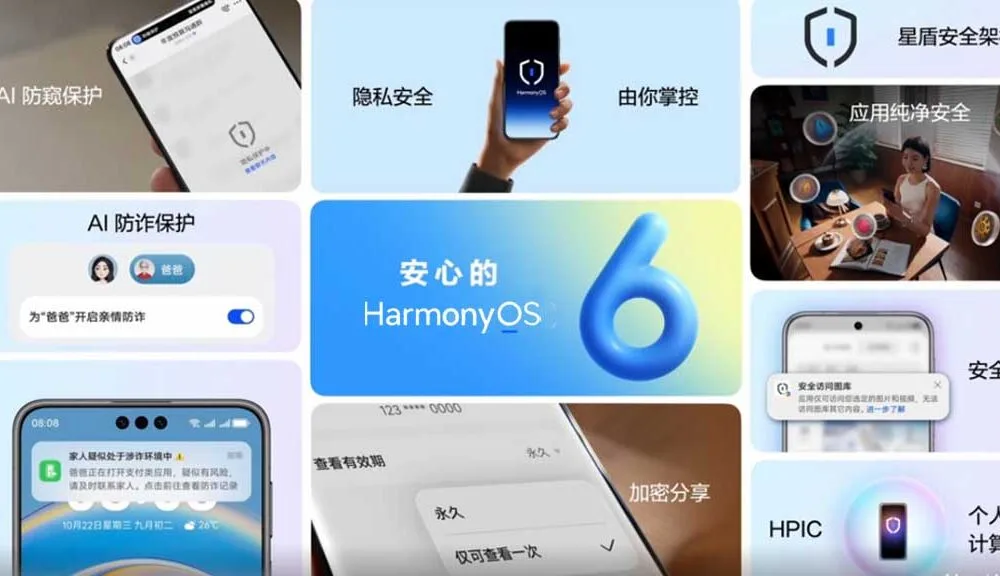
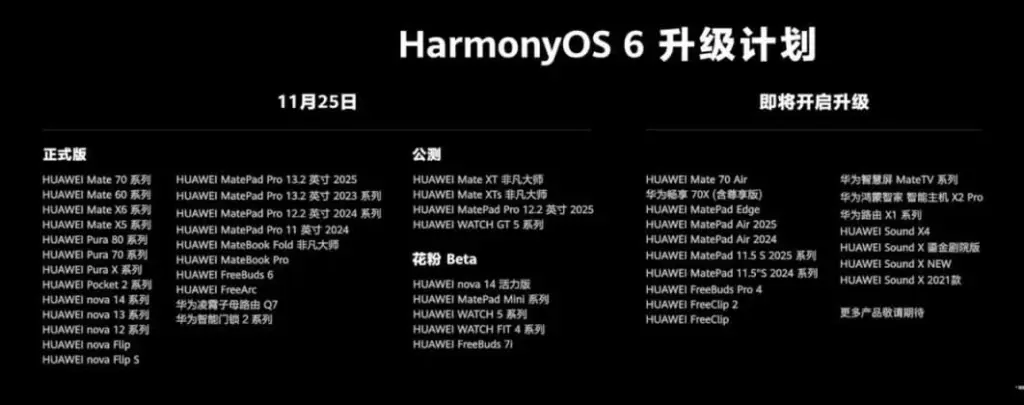
    For many smartphones, tablets, and smartwatches, Huawei has issued a stable HarmonyOS 6 software upgrade that gives consumers who weren’t in the beta program new features.

    With this new release, HarmonyOS has excelled in the quality mode, which means the upgrade focuses on fundamental issues such as performance and a better app experience.

    harmonyos 6 stable update

    HarmonyOS 6-powered Mate 80 Pro Max boasts up to 42% performance leap over the Huawei Mate 70 Pro+ (HarmonyOS 5). This leap is based on the chipset, because to the close coordination between software and hardware

    The software for earlier models, including flagship and mid-range handsets, has also been adjusted by the business. Therefore, we can expect some upgrades over the older version. Below, you can check all Huawei devices in the first batch receiving the stable HarmonyOS 6 software update.

    • Mate 70 series
    • Mate 60 series
    • Mate X6 series
    • Mate X5 series
    • Pura 80 series
    • Pura 70 series
    • Pura X series
    • Pocket 2 series
    • Nova 14 series
    • Nova 13 series
    • Nova 12 series
    • Nova Flip
    • Nova Flip S
    • MatePad Pro 13.2-inch 2025
    • MatePad Pro 13.2-inch 2023 Series
    • MatePad Pro 12.2-inch 2024 Series
    • MatePad Pro 11-inch 2024
    • MateBook Fold Ultimate Design
    • MateBook Pro
    • FreeBuds 6
    • FreeArc
    • Huawei Router Q7
    • Huawei Smart Door Lock 2 Series

    You should know that the software is being served for HarmonyOS 5 and HarmonyOS 6 beta users. Huawei formally declared that the total number of HarmonyOS 5 and 6 installations has surpassed 100,000 devices at the Mate 80 series launch event.

    Furthermore, the HarmonyOS operating system is supported by the app, which has over 300,000 programs and meta-services via the AppGallery platform. The Chinese market and consumers’ excitement for the most recent Huawei software updates have been the main drivers of this expansion.