The Pixel 6, 6 Pro, 6a, 7, 7 Pro, 7a, Tablet, Fold, 8, 8 Pro, 8a, 9, 9 Pro, 9 Pro XL, 9 Pro Fold, 9a, Pixel 10, Pixel 10 Pro, Pixel 10 Pro XL, Pixel 10 Pro Fold, and Pixel 10a are all receiving the April 2026 security patch for Android 16 QPR3.
The Android 16 April patch, dated 2026-04-01, fixes one security problem and four for 2026-04-05. Vulnerabilities might be classified as high or critical.
There are no other security updates listed in the bulletin specifically for Google devices.
Global
Pixel 6: CP1A.260405.005
Pixel 6 Pro: CP1A.260405.005
Pixel 6a: CP1A.260405.005
Pixel 7: CP1A.260405.005
Pixel 7 Pro: CP1A.260405.005
Pixel 7a: CP1A.260405.005
Pixel Tablet: CP1A.260405.005
Pixel Fold: CP1A.260405.005
Pixel 8: CP1A.260405.005
Pixel 8 Pro: CP1A.260405.005
Pixel 8a: CP1A.260405.005
Pixel 9: CP1A.260405.005
Pixel 9 Pro: CP1A.260405.005
Pixel 9 Pro XL: CP1A.260405.005
Pixel 9 Pro Fold: CP1A.260405.005
Pixel 9a: CP1A.260405.005
Pixel 10: CP1A.260405.005
Pixel 10 Pro: CP1A.260405.005
Pixel 10 Pro XL: CP1A.260405.005
Pixel 10 Pro Fold: CP1A.260405.005
Pixel 10a: CP1A.260405.005
Australia
Pixel 6: CP1A.260405.003.A1
Pixel 6 Pro: CP1A.260405.003.A1
Pixel 6a: CP1A.260405.003.A1
Use the following device key to interpret the Pixel’s Android 16 April update changelog:
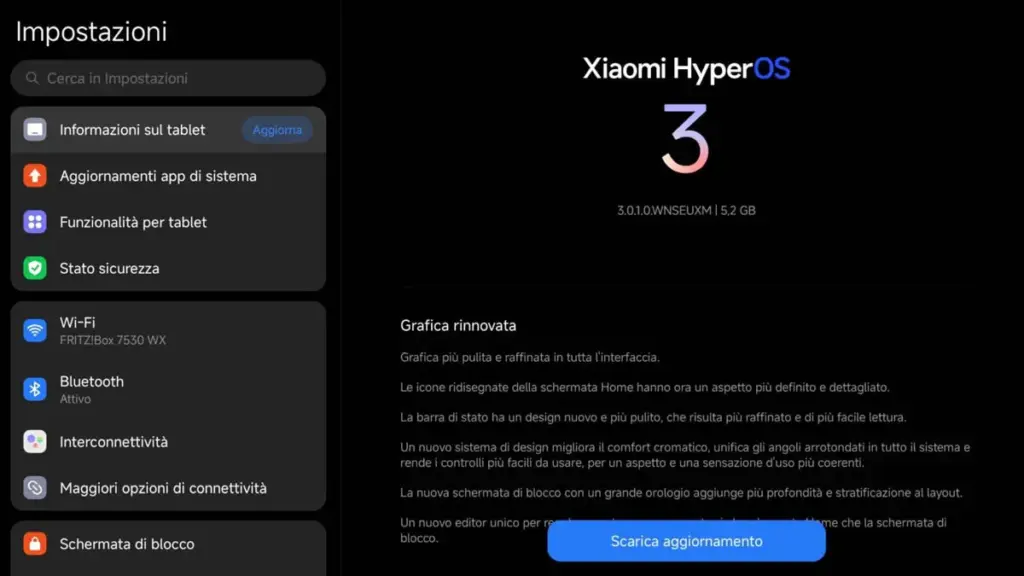
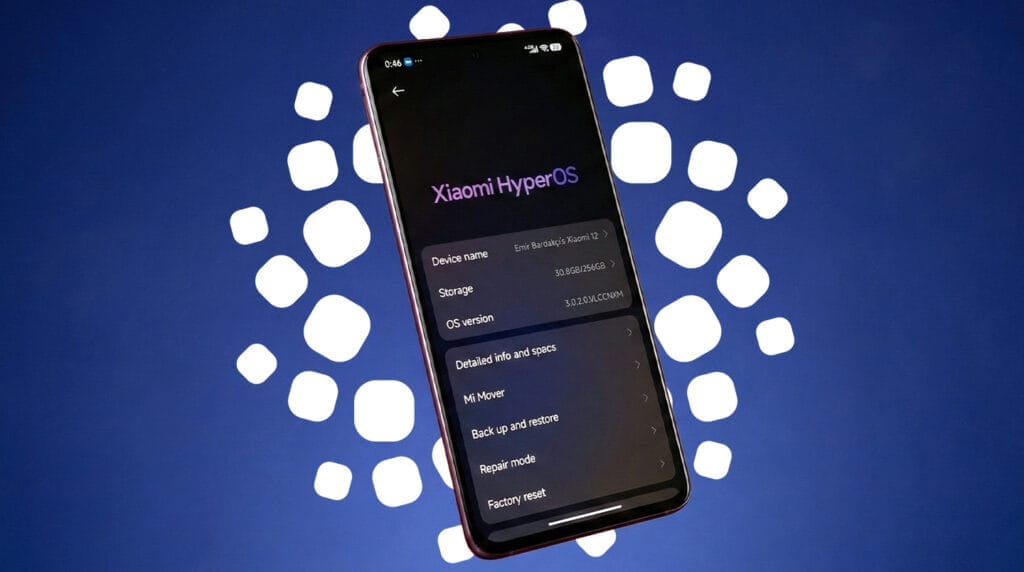
The HyperOS 3.1 stable update has begun to roll out for devices worldwide, which is fantastic news for Xiaomi users. In the first phase, the company pushed the most recent version to the highest-end devices, but it will soon be extended to more compatible phones.
Xiaomi HyperOS 3.1 is a little but important update. The new OS version, which is based on Android 16, offers improvements for multitasking and file sharing.
With the improved HyperConnect, it enhances Apple Ecosystem integration, which is more environmentally friendly. As a result, transferring files between devices is made simpler and more seamless.
Regarding the worldwide devices, the following models are compatible with the Xiaomi HyperOS 3.1 stable update (refer to the software version indicated next to the devices):
Xiaomi 17 – HyperOS 3.0.301.0
Xiaomi 17 Ultra – HyperOS 3.0.301.0
POCO Pad/Redmi Pad Pro – HyperOS 3.0.301.0
The facts suggest that the HyperOS 3.1 stable update is currently available in Europe. The updated version will soon be available in more markets and phones from Xiaomi. Let’s see what new features HyperOS 3.1 offers consumers in the interim.
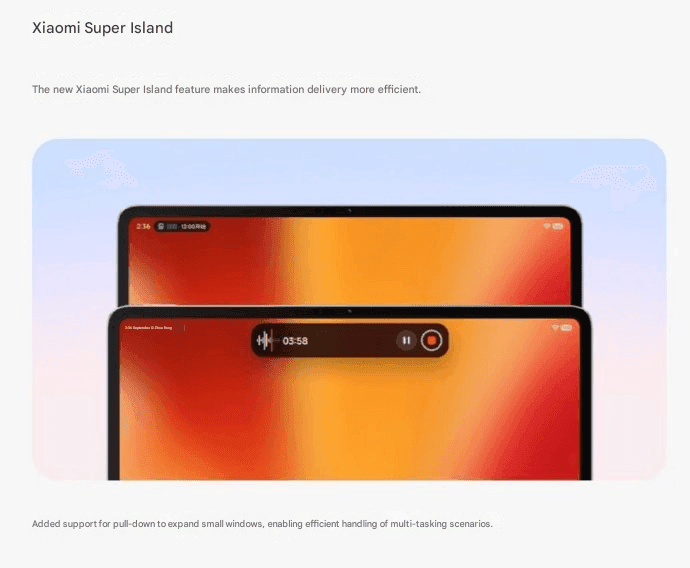
1. Smart Island on tablets: For its tablets running HyperOS 3.1, Xiaomi has finally released Hyper Island. Large-screen users can now enjoy a rich and unfettered experience while monitoring the real-time activities of specific apps at the top of the display.
2. Fluent System Apps: Many system apps were rewritten by Xiaomi using the most recent version of the Rust programming language. This technique makes multitasking loads more fluid and enhances memory security.
3. iOS-inspired Recent Apps Menu: Users will now get an iOS-style Recent Apps Menu with a new card-swiping gesture.
4. Enhanced Apple Ecosystem: Xiaomi HyperConnect enables users to bridge the gap between Xiaomi’s tablet lineup and the Apple Ecosystem. They get seamless cross-device file sharing and improved workflow continuity.
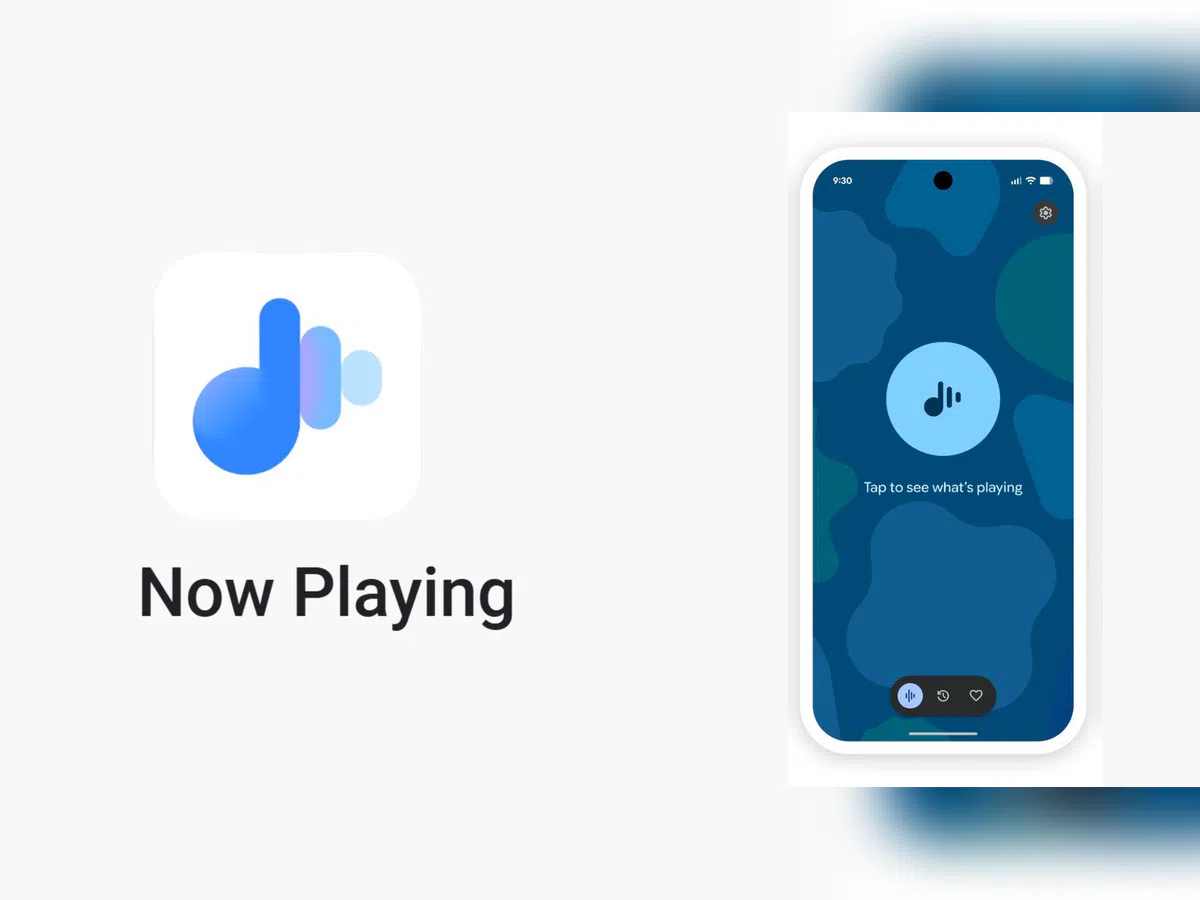
Now Playing has never been the most talked-about Pixel exclusive, but it’s been making headlines lately. Last month, Google gave it a major upgrade by spinning it off into a standalone app — a move that had been telegraphed by leaks well before the official announcement.
The app hasn’t stood still since launch. Shortly after release, it received a visual refresh on the lock screen, and now a fresh update has appeared on the Play Store. While it seems minor on the surface, it may be quietly bringing back something users didn’t realize they’d miss.
A small update with potentially big implications
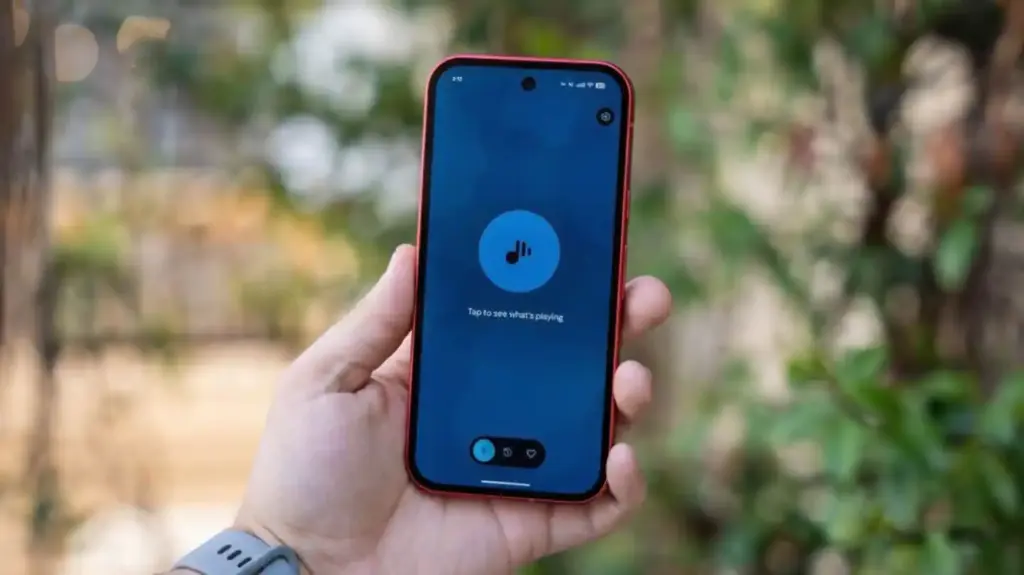
According to 9to5Google, the Now Playing app was updated to version 2026.03.24.x late Friday, bumping out the previous 2026.03.02.x build. The rollout appears to be gradual — the Play Store still shows the older version as the latest for many users, and the update hadn’t reached all devices as of the report. No obvious new features were found in the update, pointing to mostly behind-the-scenes bug fixes. But a Reddit user claims something notable did return: the “Tap to see what’s playing” prompt on the lock screen.
The return of ‘Tap to see what’s playing’
When Now Playing transitioned to a standalone app, most of its functionality came along for the ride — but not everything. One casualty was the “Tap to see what’s playing” prompt, a small but beloved lock screen feature that used to sit just below the fingerprint scanner. For many users, it was a core part of the
Now Playing experience.
According to the Reddit user, after receiving a notification about Now Playing’s new home, the lock screen feature reappeared. Whether this is directly tied to the v2026.03.24.x update isn’t confirmed, though the timing lines up.
It’s also worth noting another change that came with the app transition: Now Playing no longer sends quiet background notifications when it identifies a track. That functionality has been replaced by a Quick Settings tile, which can show the song title and artist — but only when expanded to the larger 2×1 size.
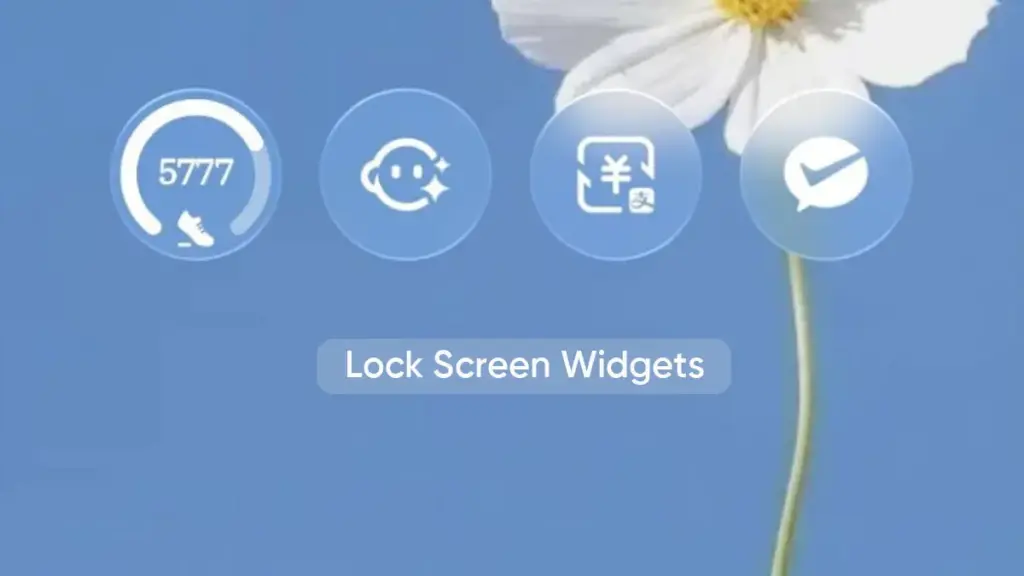
For the initial batch of devices, Honor will start distributing new lock screen widgets today. The company has formally declared that a new version of the MagicOS smartphones would have intriguing additions and modifications in the near future.
The business will release new lock screen widgets for Honor devices running MagicOS 10.0.0.150, according to official information. The MagicOS 10.0.0126 build version will provide customers of Magic V6 foldables with the most recent improvements.
According to the business, the new lock screen widgets will be installed on the initial batch of devices on April 1st. Later on, the new modifications will be applied to the other devices.
“First of all, thank you for your continued attention to the lock screen widgets. This feature will be supported in MagicOS version 10.0.0.150 in April and will be rolled out to everyone gradually. We will answer your questions in advance.”
Additional information indicates that more than 20 lock screen widgets will be supported by the initial batch of smartphones. Real-time weather, air quality, UV index, timetable, alarm clock, YOYO (a fitness app), battery level, WeChat, and Alipay capabilities are all included in the list.
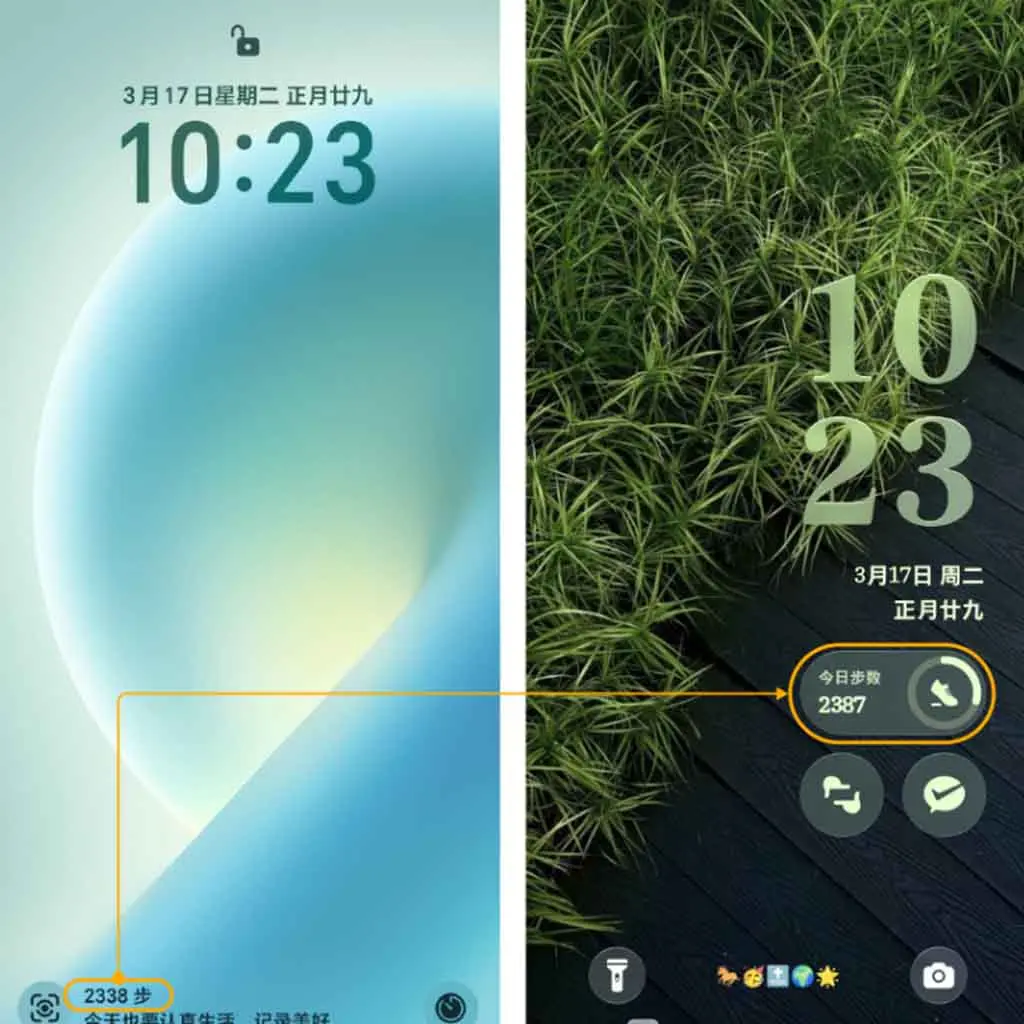
Users can try upgrading the relevant app, such as the clock, weather, and others, if a widget is absent from the settings or widget panel. Additionally, the lower left corner of the screen displays the step count statistics and other health-related information.
According to Honor, the official software team moved the lock screen step count to a unique step count widget and improved the overall visual appeal.
The business also stated that it will keep considering user input and offer more crucial widgets in the future. Currently, Honor Music, Notes, Calculator, Voice Recorder, Timer, and Stopwatch are among the widgets being developed. Third-party widgets might soon be added to the lock screen as well.
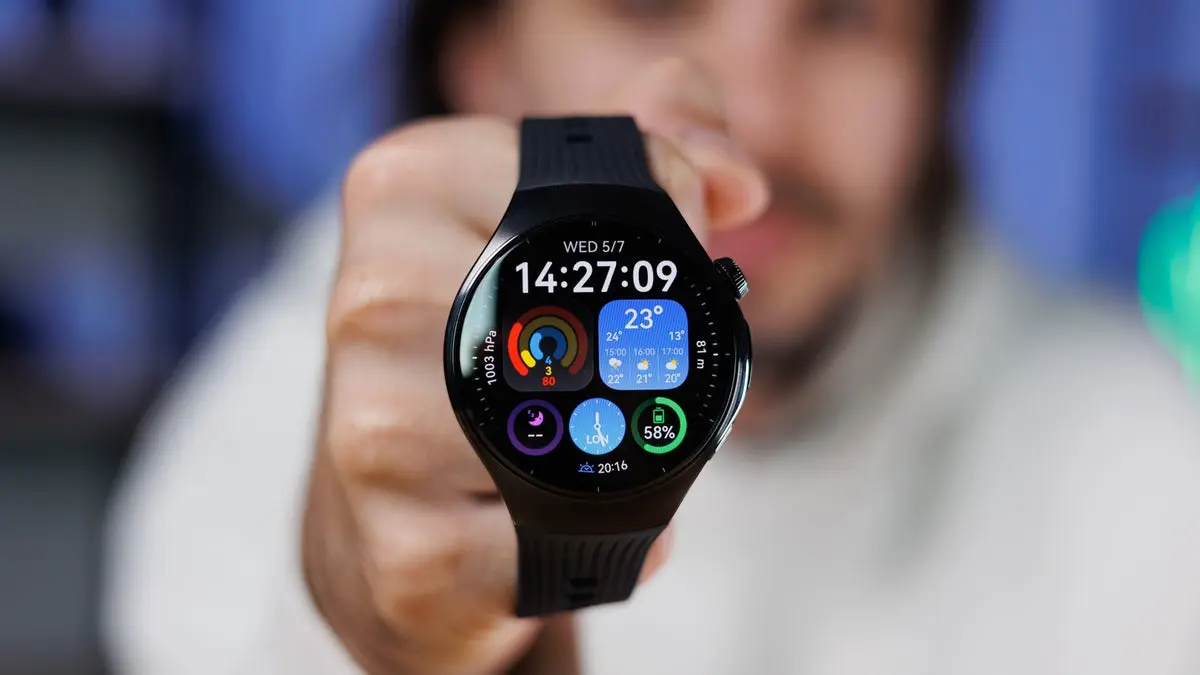
Owners of the Huawei Watch 5 vanilla model are currently quite pleased that the HarmonyOS 6.0 update is finally available on the global market. Your eligible wearable will soon receive the latest software version that the company has begun to push in batches.
Huawei has upgraded numerous smartwatches to HarmonyOS 6 thus far. For example, the global market offers the Watch GT 5 Pro, Watch FIT 4 series, Watch GT 5 models, and more.
Now the company is bringing the HarmonyOS 6.0 upgrade to the Huawei Watch 5 global users with a huge changelog. Yes, the OEM has added 16 new enhancements to the wearable, enhancing the complete experience for its users.
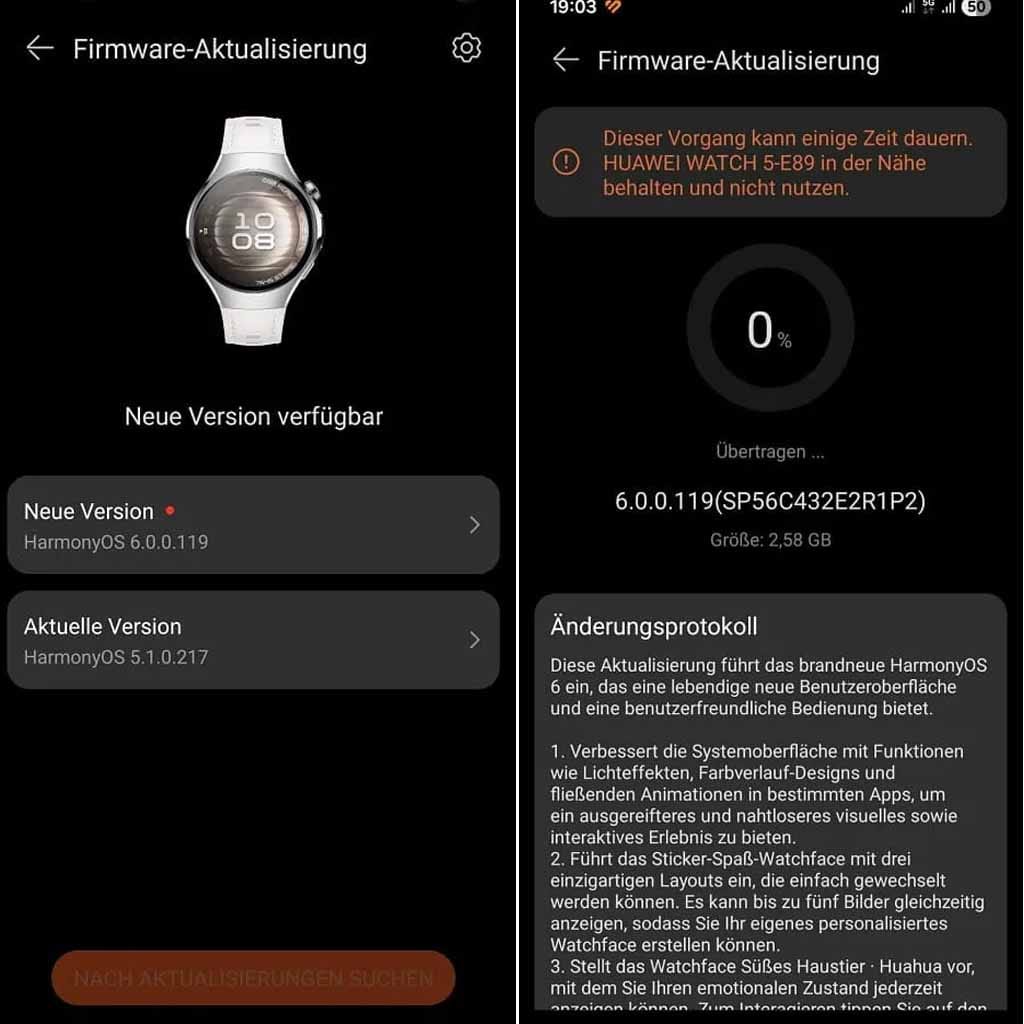
Watch 5 global users can identify the update with the HarmonyOS build version 6.0.0.119. Make sure to have sufficient storage as the package weighs 2.58GB.
To improve the user interface, the business has incorporated additional stickers and watch faces. Huawei has updated the Emotional Wellbeing app with better mood recognition at the same time. The Settings app and even Power Saving Mode will be improved for users. All of these qualities are listed below.
HarmonyOS 6.0 added features
Introduces the Sticker Fun watch face with three unique layouts that are easy to switch between. It can display up to five images at once, allowing you to create your own personalized watch face.
Introduces the Cute Pet Huahua watch face, which lets you view your emotional state at any time. Tap the screen to interact. You can also customize the displayed data, such as calendar, battery level, and health information.
Introduces the Modules 2025 watch face, which lets you mix and match widgets of different sizes and switch between various design colors.
Introduces a redesigned Emotional Wellbeing app, which lets you experience 12 different emotions based on your emotional state and stress level. You can also try breathing exercises guided by a charming pet.
Adds the shortcut settings screen, accessible by swiping right on the workout screen. There, you can easily adjust the volume of workout reminders or change workout settings.
Introduces the following improvements in power saving mode: The Contacts app can now display all contacts on your phone, and the call log is renamed to “Phone.” Tapping the Phone app will display a keypad for making calls when the wearable is paired with your phone. (Update your phone and the Huawei Health app to the latest versions before using this feature.)
Introduces the following improvements in power saving mode: Enhances the calendar experience by adding week and month views, as well as a calendar card, to the Assistant: TODAY screen.
Enhancements
1. Enhances the system interface with features like lighting effects, gradient designs, and fluid animations in select apps for a more sophisticated and seamless visual and interactive experience.
Allows you to adjust the vibration intensity for alarms (under Settings > Sounds & Vibration > Vibrate > Custom) and mute alarm notifications by simply covering the screen with your palm.
Supports connectivity with heart rate monitors, speed sensors, power meters, and cadence sensors to meet professional fitness needs. (In standard mode, you’ll find the settings under Settings > Cross-Device Cooperation > Health Device Management, while in power-saving mode, you’ll find them under Settings > More Connections > Health & Fitness Devices.)
Enhances the Golf Mode experience with stunning panoramic views of the fairways and vivid details of the greens. You can also effortlessly measure distances from any position, helping you pinpoint the location of the green and hazards.
Improves the trail running mode, including an elevation graph that clearly displays elevation changes at your current location. It also offers segment-based navigation that guides you precisely through each segment, helping you manage your training like a Pro.
Features such as warm-up, courses, interval training, lactate threshold, race guidance, and routes are moved to the “More” screen. (Swipe up on the “Training Preparation” screen to access the “More” screen.)
Improves usability by supporting more app icons for notifications, making it easier to identify message sources.
Enhances the user experience with smart hand gestures through increased detection accuracy.
Enables VoLTE by default for certain providers after the eSIM is activated. Manual control of VoLTE is not available.
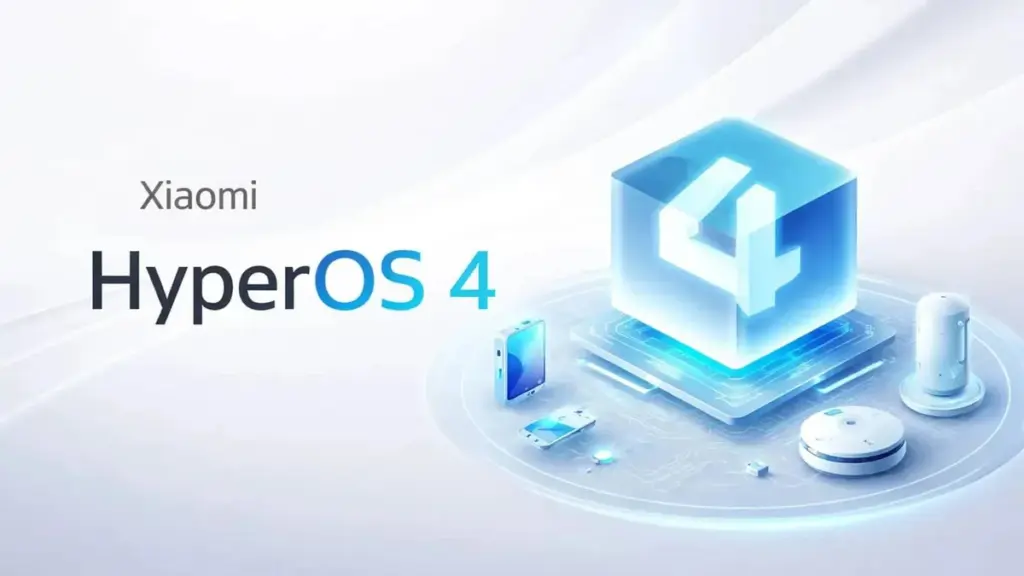
With HyperOS 4, Xiaomi intends to make significant changes. The old MIUI code is entirely removed by the business. The system becomes more stable and quicker as a result. In August 2026, HyperOS 4 will be available. It turns into the initial “Zero-Legacy” version.
In HyperOS 3.1, Xiaomi begins to clear up outdated code. The MIUI SDK is eliminated from the Weather and Gallery applications. All legacy code from MIUI 1 to HyperOS 3 is removed. The system eliminates outdated dependencies and sluggish function calls. A new operating system is produced as a result. It decreases bugs and increases speed.
Key changes:
Removes MIUI backward compatibility layer
Uses only HyperOS SDK in all modules
Deletes over 10 years of old code
Makes updates faster and more stable
HyperOS 4 brings high-performance apps with Flutter and Rust
Xiaomi uses Rust and Flutter to rework key apps. The Weather app on HyperOS 3.1 checks this. These tools are extensively utilized in HyperOS 4. UI is made fluid via Flutter. Rust improves safety and speed. Versions of new apps are not available to older HyperOS users. This eliminates older phones’ backward compatibility.
Key features:
Flutter for standard UI rendering
Rust for secure and fast core code
Modular apps that update independently
Better stability on all devices
Small improvements are made to flagship phones. Large speed increases are seen in low-cost phones. Xiaomi resolves outdated code issues. The most stable experience in Xiaomi history is what it promises.
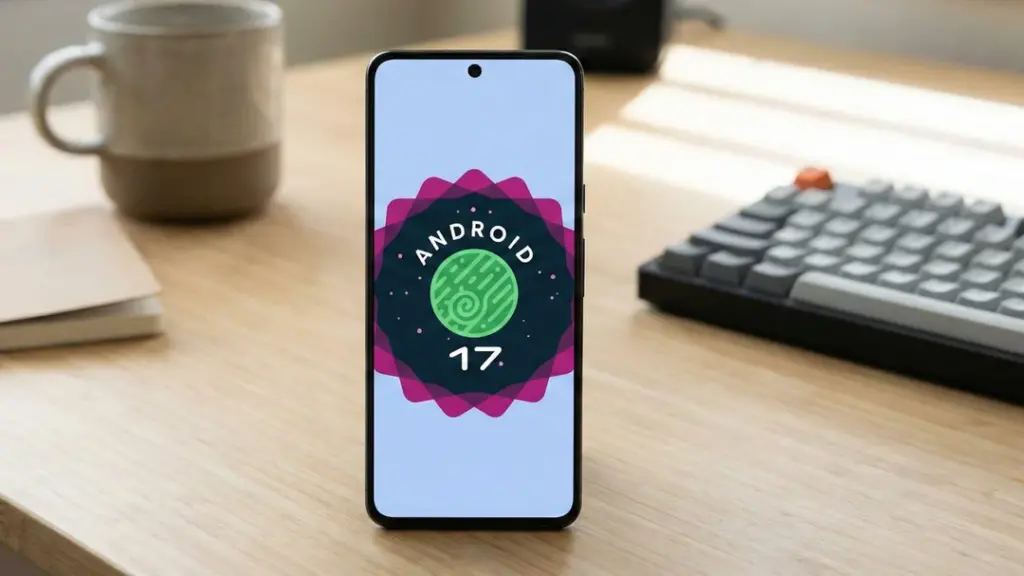
Google has finally released Android 17 for Pixel phones, following a brief tease yesterday afternoon. This morning, Google said that Android 17 Beta 1 will be available to developers without a Pixel as pictures in Android Studio and as an over-the-air upgrade in the Android Beta Program.
You might be wondering why we aren’t receiving a Developer Preview build first or why this seems so early. We no longer receive developer preview builds, therefore it’s different. You may obtain these new beta builds earlier than ever before since Google is using the Android Canary track, which was released last year, as a developer preview moving forward.
Regarding scheduling, Google declared that Android releases would alter toward the end of 2024. Google shifted to a two-release Android strategy for 2025, with the primary and largest Android 16 release stabilizing by the middle of the year and a secondary release occurring before the year’s conclusion. Android 17 will follow the same timetable. A Platform Stability release is scheduled for sometime in March, although the first release has already begun and will stabilize rather fast. Similar to what happened with Android 16 last year, a small SDK update is scheduled for Q4 of this year.
We will explore all of the exciting new features that Android 17 offers on your own device in a separate post that will be published soon. However, as of right now, Google has simply disclosed the modifications that developers should be aware of. There are various performance enhancements (such as new garbage collection and notification constraints), more professional-grade camera capabilities and media experiences, a redesigned print dialog for improved usability, and restrictions on screen resizability so that apps can run on all devices.
You may receive Android 17 on your Pixel device immediately by signing up for the Android Beta Program. System images are also available to developers (here).
Xiaomi has begun releasing the latest testing release for these 12 models after launching a new HyperOS 3.1 Beta Program for the second batch of its smartphones. To improve the user experience, the most recent version includes a few improvements.
The latest beta, which includes features like Live Updates and Stacked Recent Apps Menu, has already been sent to the first batch of smartphones by the Chinese tech giant.
The HyperOS 3.1 beta upgrade is now being extended for 12 additional Xiaomi devices by the company. It will take some time for the version to reach every unit because it is arriving in groups.
As the OEM has begun distributing the latest testing release to more devices, HyperOS 3.1 beta is becoming more stable. This implies that Xiaomi will soon start rolling out the HyperOS 3.1 beta update to phones and tablets from earlier generations.
The 12 devices that are getting the new beta build are mentioned below. With the testing version listed next to it, you can determine the update for your device.
HyperOS 3.1 beta available for the following devices
Xiaomi 15: HyperOS 3.0.300.5 Beta
Xiaomi 15 Pro: HyperOS 3.0.300.4 Beta
Xiaomi 15S Pro: HyperOS 3.0.300.5 Beta
Xiaomi 15 Ultra: HyperOS 3.0.300.4 Beta
Xiaomi 14: HyperOS 3.0.300.3 Beta
Xiaomi 14 Pro: HyperOS 3.0.300.4 Beta
Xiaomi 14 Ultra: HyperOS 3.0.300.3 Beta
Redmi K80: HyperOS 3.0.3003 Beta
Redmi K80 Pro: HyperOS 3.0.300.3 Beta
Redmi K80 Ultra: HyperOS 3.0.300.3 Beta
Xiaomi MIX Flip 2: HyperOS 3.0.300.6 Beta
Xiaomi Pad 7 Ultra: HyperOS 3.0.300.2 Beta
Before starting the installation, make sure your phone or tablet has enough storage space. Since it’s a beta version, the data on your device might be erased. Therefore, make a backup in advance.
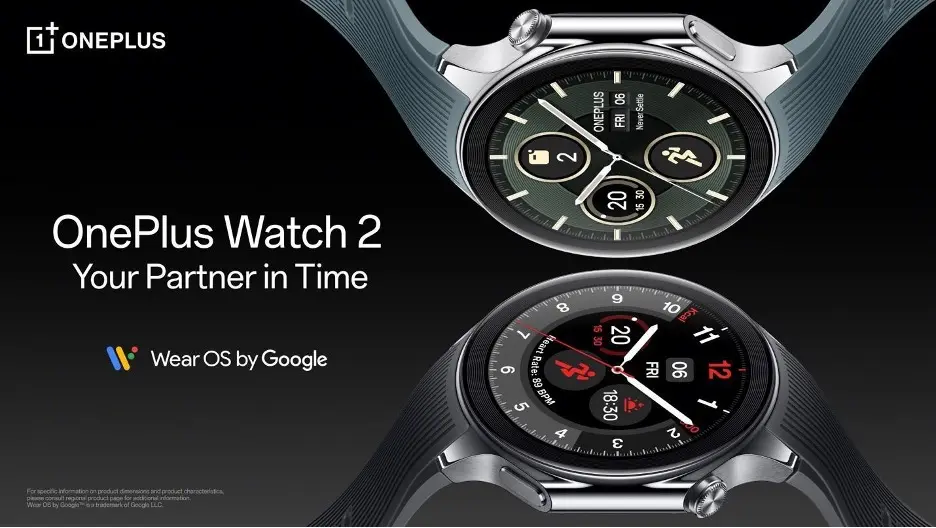
OnePlus released its Wear OS 5 update to certain OnePlus Watch 2 and 2R customers on December 29, slipping past its self-imposed end-of-year deadline, much like a college student faxing their assignment to the professor at 11:59 p.m. This last-minute update has caused issues ever since, as you could anticipate.
Wear OS 5 was originally scheduled to be released between July and September 2025 for the OnePlus Watch 2 and Watch 2R, which were both released in 2024 running Wear OS 4. The company merely stated that the upgrade would arrive “in the near future” after Android Authority inquired about the delay in October.
Some owners of OnePlus Watches have now received the update, but not all of them; my OnePlus Watch 2R, which is located in the United States, still displays the May 2025 security update and Wear OS 4. But considering the impact of the update, this could be a blessing in disguise.
The upgrade is seriously depleting the battery, according to this Reddit thread and other OnePlus forum postings. Before the upgrade, the Watch 2 and 2R often lasted three days in smart mode; however, some customers claim that even after attempting factory resets and other solutions, it won’t last a full day.One user states, “I’m completely heartbroken and frustrated with the severe battery drain issue impacting my OnePlus Watch 2 with the Wear OS 5 update.” “On light usage, my OnePlus Watch 2 now drops from full battery at 1:00 PM to a crucial 10% by 11:00 PM.”
Another customer comments, “I used to get 2.5 days easily with most settings on (at least 2 days)… Now I hardly get 1 day.” In response, someone said that while his drain wasn’t quite as bad, it was now “a strict 2 days” instead of the previous 3–4 days.
Many customers identify particular apps—such as the Weather app, Play Store, or “Wear OS” itself—as the source of the drain, but the diversity indicates that this is a system-wide problem rather than a single app.
The fact that stock Wear OS 5 is (A) a very modest upgrade with few notable changes and (B) meant to make Wear OS work more efficiently, as it did on Pixel and Galaxy Watches, is what makes this update particularly annoying to users. This unoptimized upgrade for last-generation phones is frustrating because the OnePlus Watch 3 has been running this version since April without any problems.
Any company can release a flawed update, but I would have expected OnePlus to either pull it back or provide an update schedule after two weeks. Instead, based from what we’ve seen, OnePlus hasn’t made any formal announcements. A few days ago, my colleague contacted OnePlus on the update, but we haven’t heard anything yet.
This upgrade greatly worries me because I have suggested the OnePlus Watch 2R as my top choice for an inexpensive Android smartwatch, mostly due to its long battery life. OnePlus must demonstrate that it will appropriately support these watches and that its pledge of two Wear OS updates and three years of security updates is more than just platitudes.
As it stands, the new OnePlus Watch Lite used a proprietary RTOS similar to the previous OnePlus Watch, completely eschewing Wear OS.
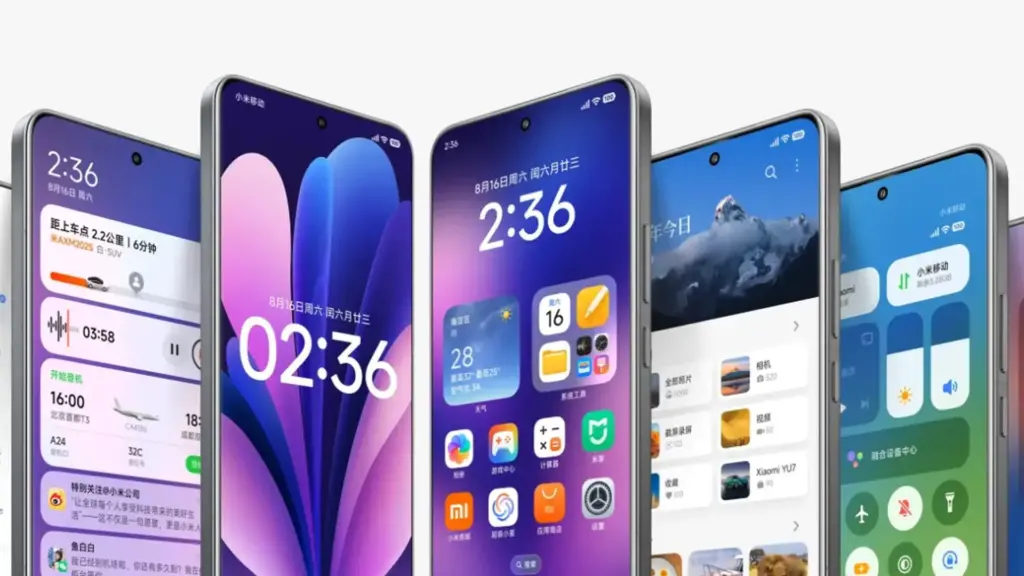
On January 22, 2026, Xiaomi launched the HyperOS 3.1 beta, which included minor but significant UI and privacy improvements. Phones become smoother and speedier as a result. Additionally, the HyperOS 3.1 update uses AI to extend battery life.
With improved app switching and adjustable settings, it improves the user interface. Additionally, it offers improved multitasking, smoother animations, and increased privacy and security.
A more reliable, refined, and connected experience is provided by HyperOS 3.1. It also offers support for iOS calls and security updates for Android 16. Let’s examine the characteristics of HyperOS 3.1 in more detail below:
Quick look at Xiaomi HyperOS 3.1 features coming to your device
Category
Feature
Explanation
iOS Integration
AirPods Native Pop-Up
Let users hide unlock pattern traces
iOS Integration
Spatial Audio Support
Enables 360-degree immersive audio on Xiaomi phones
iOS Integration
ANC & Transparency Control
Manage noise cancellation and sound modes easily
iOS Integration
Find My AirPods
Locate lost AirPods without needing an Apple ID
UI & Animations
New System Animations
Smoother, more fluid transitions across the system
UI & Animations
iOS-Style Recent Apps
Card-like multitasking view inspired by iOS
Apps Overhaul
New Gallery & Weather Apps
Faster apps with rewritten code for better performance
Accessibility
New “Assistance” Menu
Easier access to vision, hearing, and control tools
Accessibility
Active Visual Perception
Helps users better understand on-screen content
Motion & Comfort
Motion Sickness Feature
Reduces visual motion to prevent dizziness
Super Island
Live Update Support
Real-time updates from apps like Uber and Spotify
Super Island
Todo Notes & QR Access
View tasks, QR codes, and maps directly on Island
Lock Screen
Card Swipe Support
Swipe payment and transit cards on lock screen
Media
Music Progress Bar
iOS-style glowing progress bar on media player
Ecosystem
Xiaomi + iPhone Call Support
Answer Xiaomi calls directly on an iPhone
System Core
Biometric Redesign
Improved fingerprint and unlock settings
System Core
Quick Gestures
Faster gesture shortcuts on select premium phones
Security
New Password App
Stores passwords, Wi-Fi logins, and passkeys
Security
Password Breach Alerts
Warns if your passwords are compromised
Privacy
Shake Permission Update
Limits app access to camera, mic, or location
Privacy
Hidden Pattern Trail
Lets users hide unlock pattern traces
Performance
Faster & Smoother System
Improved speed and stability
Battery
AI Battery Optimization
Smarter power saving using AI
Android Core
Android 16 Security Patches
Latest system-level security improvements
iOS integration
You may have overlooked many Apple-only features if you have Apple AirPods and a Xiaomi phone. The AirPods’ battery level was visible before the introduction of Xiaomi HyperOS 3.1. Similar to Apple AirPods, Xiaomi phones have developed as a local brother that will never be alone.
Important improvements like Apple-like native Pop Up support are included in the latest version of HyperOS 3.1. A brief card with details about the battery and connectivity now appears on your screen when you open the AirPod
Spatial Auido, one of Apple’s most exclusive features, is now accessible. Users of Xiaoimi can now enjoy native 360-degree immersive audio. Additionally, the HyperOS club allows you to control the connection time, ANC, and Transparency mode.
Additionally, instead of displaying the standard Bluetooth icon, it only displays the appropriate AirPods model icon. Notably, Xiaomi’s “Find My” Integration allows you to locate your misplaced AirPods using Xiaomi Online Search without even requirin
New UI animations
Xiaomi rewrites Gallery and Weather and changes its animations. To enhance system performance, all outdated code has been eliminated. The new APK files will crash when installed on older HyperOS 3 devices as a result of this modification.
Additionally, the company imitated the latest iOS 26 app animation. Switching between programs feels more contemporary because to the new style, which resembles the iOS cards.
Improvements have been made to the white bar at the bottom of the screen that indicates when you are in full-screen mode. It now responds better to touch and moves more fluidly.
HyperOS 3.1 now has a new Motion Sickness function from Xiaomi. Motion sickness-causing visual motion cues are lessened by this featur
Improved Super Island
Although Super Island now uses the native Android 16 “Live update” API, it was completely inspired by iOS Dynamic Island. Thus, Xiaomi-specific code will no longer be required for international apps such as Uber, Spotify, or other food delivery services to display real-time information on Super Island
Following this upgrade, Xiaomi added a Todo Notes feature. You no longer need to open the app landing page in order to view a variety of notifications, QR codes, and map instructions in Island. Additionally, a function known as Lock Screen Card Swipe is added. This makes it simple to swipe through your cards, including transit and payment cards, directly on the lock screen. You won’t have to visit a different wallet website.
The new Music Progress Bar, which was completely lifted from iOS, is one of my favorites. The media player on the island now has a glowing progress bar thanks to a straightforward yet lovely modification.
System Core enhancements
The “Assistance” Menu functionality was implemented in HyperOS 3.1 (Accessibility Settings Change). This indicates that Xiaomi renamed and relocated the accessibility options to a new main menu called “Assistance.” Those who require simpler phone controls or who have vision or hearing issues can benefit from these options.
Features, for instance, relocated there. Active Visual Perception improves the clarity of what users see or comprehend on the screen. Screen readers, text size control, and tools for hearing and vision assistance.
Additionally, the new biometric area offers a more contemplative experience. Additionally, Xiaomi included Quick Gestures control, which is only available on more recent high-end models like the Poco F8 Ultra and Redmi K90 Pro Max.
As I have stated, deep ecosystems are greatly impacted by Apple AirPod integration. Additionally, the most crucial brick is iPhone Cross-Compatibility (Xiaomi + iPhone). You can now answer and receive calls from your Xiaomi phone directly on your iPhone if you have both an iPhone and a Xiaomi phone. To put it simply:
When your Xiaomi phone calls, you may answer it on your iPhone. Thus, you don’t always need to touch your Xiaomi phone. Since Apple and Xiaomi often don’t collaborate closely, this function is unique in that it links two competing ecosystems.
Many security improvements
The Passwprd App, similar to iOS, is now one of the key features of HyperOS 3.1. Similar to Apple, this new tool helps you manage your Wi-Fi passwords, passkeys, and app logins.
It can detect and alert you if your passwords have been stolen. Additionally, it allows you to manage all of your passwords in one location by combining them from several online browsers. Additionally, it offers a simple method for your passwords to be automatically filled in throughout the system.
The way you can use patterns and fingerprints has changed in the latest release. The pattern trace can now be concealed once more. Additionally, it is now simpler to select your security options because the fingerprint unlock is independent of the private password settings.
Shake Permission Update is a new function that allows you to modify your privacy. This enables you to restrict access to your location and camera, for example, only when your screen is on. Additionally, you have the option to restrict these permissions to eight seconds following the opening of an application. By doing this, you can stop apps from following you when you’re not
Overall, HyperOS 3.1’s improvements prioritize polish over a significant redesign, enhancing ecosystem connectivity, privacy, battery efficiency, and smoothness. This beta seems more polished, reliable, and prepared for the future than earlier HyperOS iterations thanks to Apple-inspired features and Android 16 security improvements.