Tag: update

  • HyperOS 3: Xiaomi Confirms Poco Phones Eligible for the Android 16 Update

    HyperOS 3: Xiaomi Confirms Poco Phones Eligible for the Android 16 Update

    Xiaomi is closing out the year with fresh Poco flagships and a huge HyperOS 3.0 update based on Android 16. From new phones to a revised UI, here’s what’s rolling out and when you can expect it on your smartphone.

    Xiaomi has more phones to release this year. The worldwide versions of the Poco F8 Pro and F8 Ultra were just released. The company has revised the HyperOS 3.0 deployment schedule, which is now expected to reach over a dozen Poco phones and tablets, in tandem with the surge of new hardware.

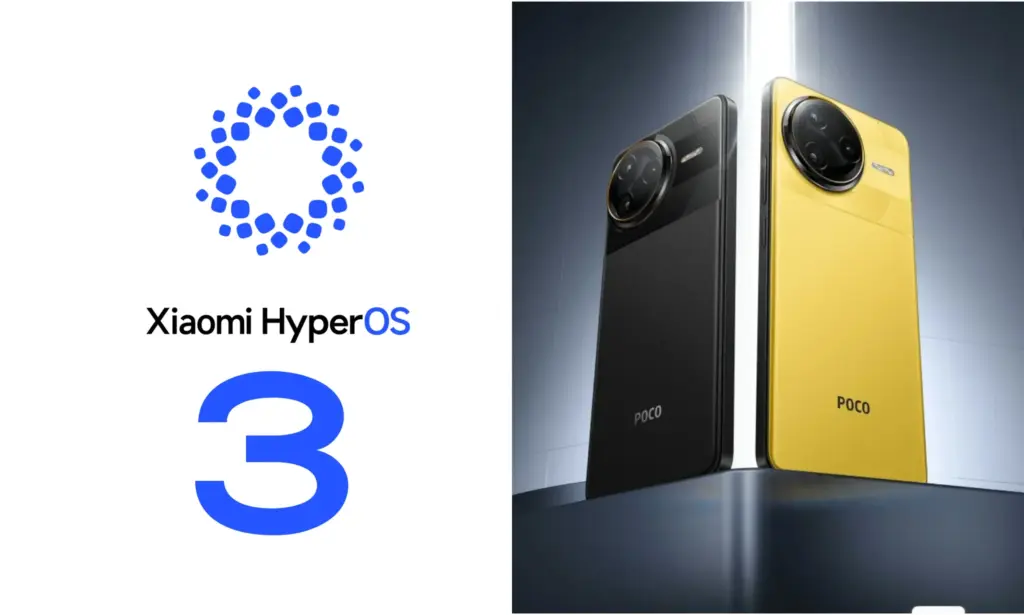
    The new Poco F8 Pro and Poco F8 Ultra flagships ship with Android 16 out of the box. Other models will be released on a staggered schedule.
    Xiaomi Confirms Poco Phones Eligible for the Android 16 Update

    Which Poco devices are confirmed to get HyperOS 3.0

    For the initial group of Poco devices, the deployment started in October and will last until the end of November. The Poco F7 and X7 series from the previous year, including its Ultra variants, are at the top of the list. Some users outside China have already reported receiving the software. However, it’s not uncommon for other devices to only receive notifications in the upcoming days, depending on variations.

    The Poco F6 (Pro), Poco X6 Pro, Poco M7, Poco M6 (Pro), and Poco C75 will lead the following batch in December.

    Between December 2025 and March 2026, a broader release that includes the Poco F5 (Pro), Poco X6, Poco M7 Pro, and Poco C85 is scheduled. Poco’s Android tablets, such as the Poco Pad, Poco Pad X1, and Poco Pad M1, will join these. Regretfully, Xiaomi has not disclosed the timing for every device.

    What’s new in HyperOS 3.0?

    HyperOS 3.0 is built on Android 16, which adds its own set of new features and customizations. Xiaomi’s version offers a substantial user interface overhaul, increased security, and superior optimization for longer battery life and smoother performance.

    The most noteworthy graphic modification is Super Island, inspired by iOS’s Dynamic Island. As a native feature of Android 16, it is integrated into the punch-hole camera region and shows live updates and dynamic widgets.

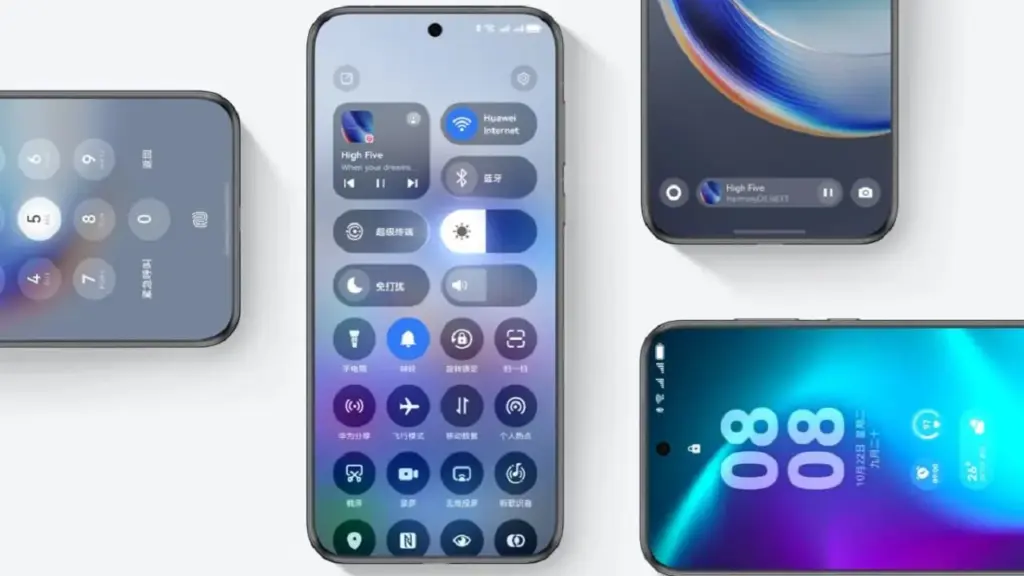
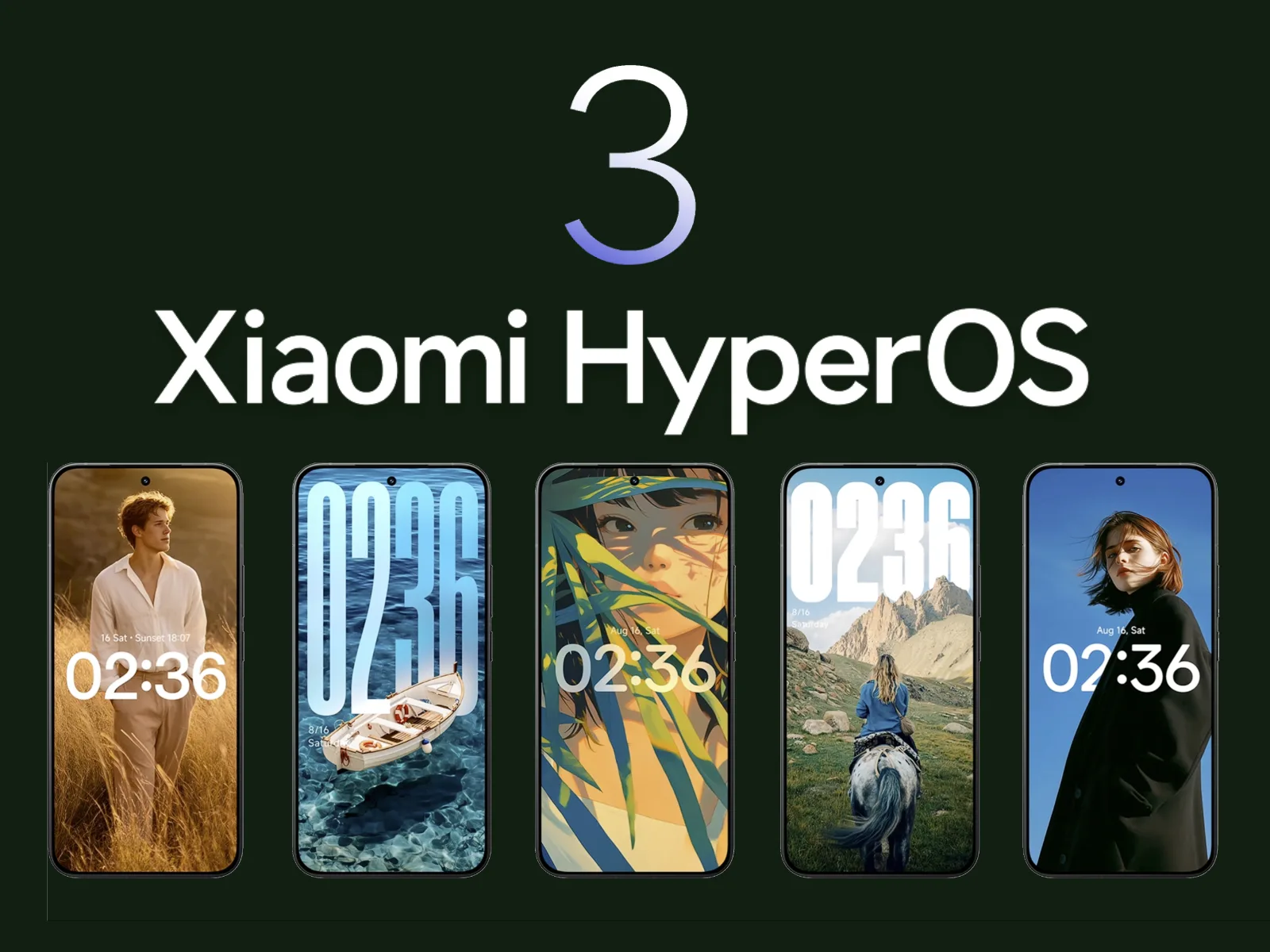
    The main UI has also been overhauled with transparent parts, blurred backgrounds, and redesigned app icons. Users receive new styles on the lock screen, like as live effects and AI-generated wallpapers.

    Additionally, Xiaomi promises enhanced usability and performance. Multitasking and app switching are stated to be snappier, while overall responsiveness is quicker.

    Permission limits and improved data protection have improved security. In other areas, HyperOS 3.0 provides closer connection with Xiaomi’s wider range of products.
  • HarmonyOS 6 delivers 40% faster performance than previous versions

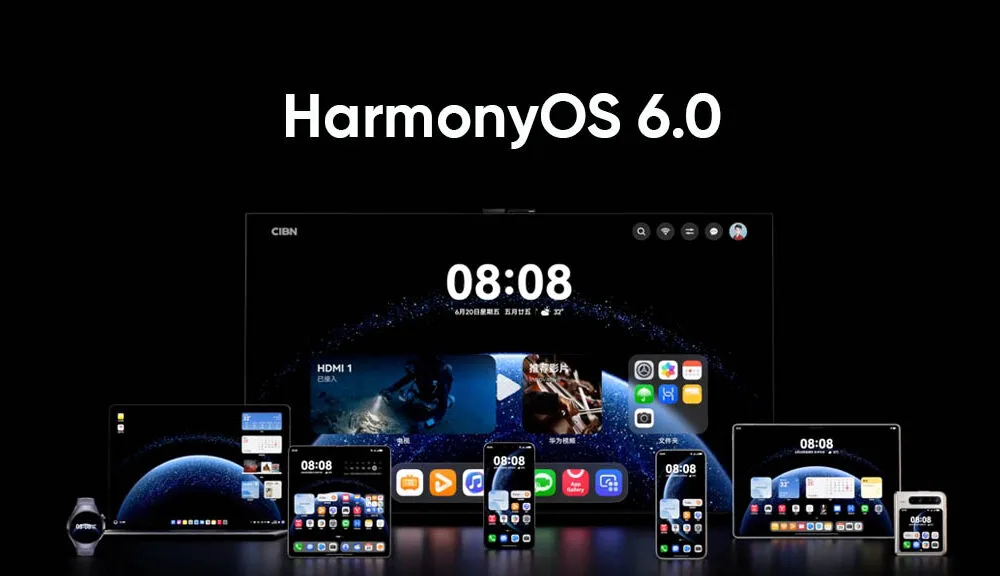
    HarmonyOS 6 delivers 40% faster performance than previous versions

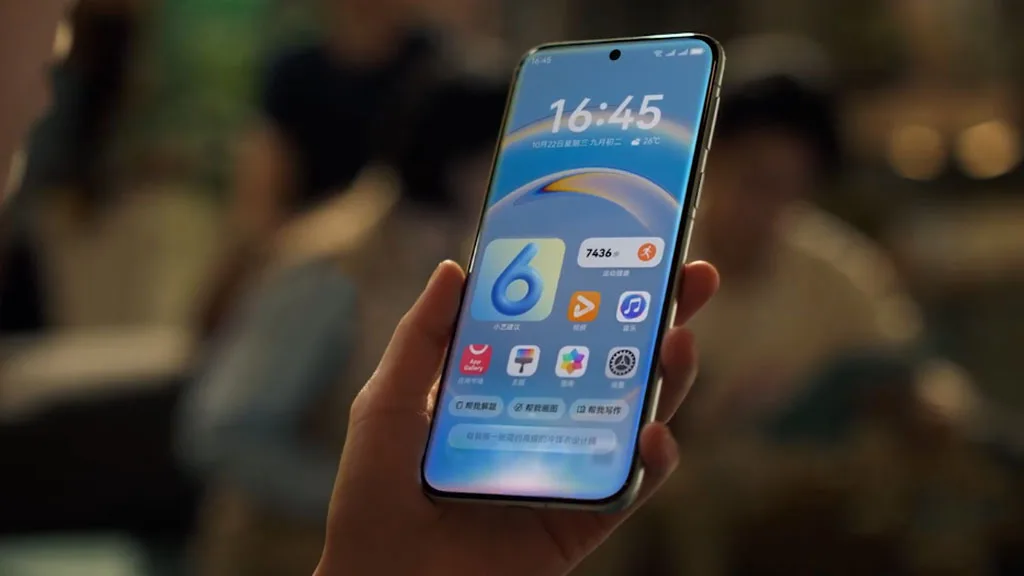
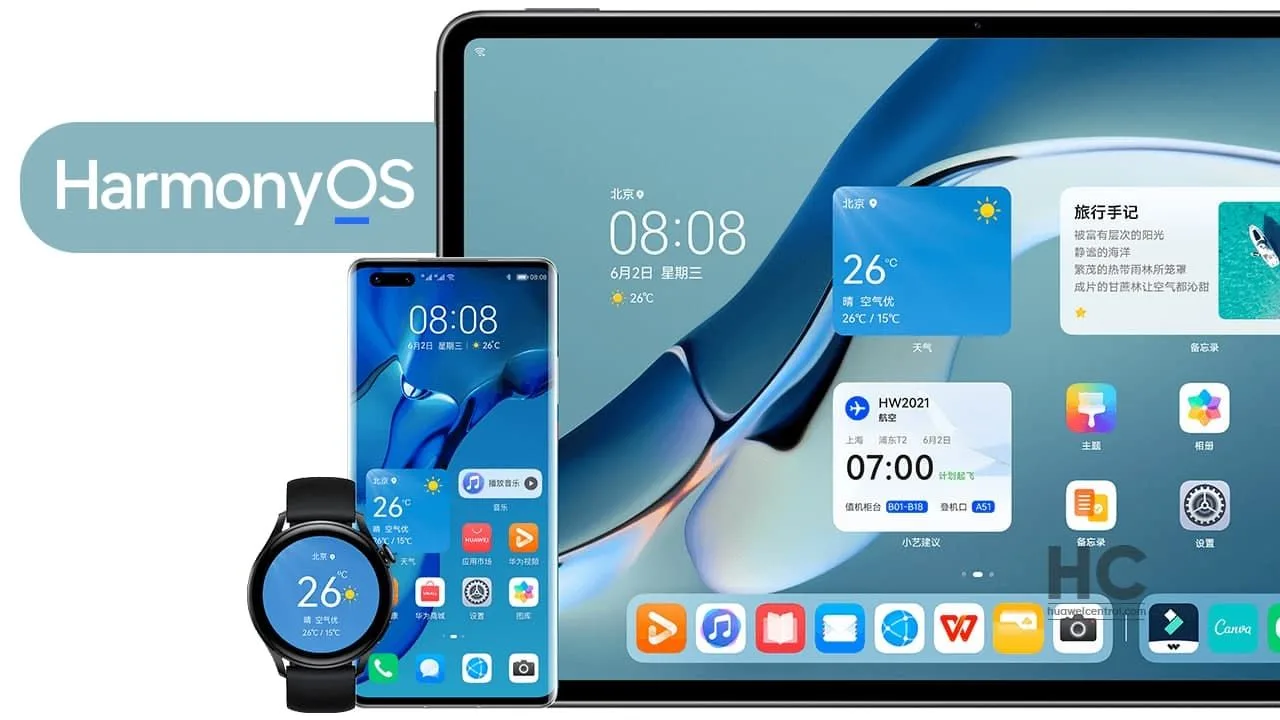
    Although HarmonyOS 6.0 has some unexpected features, its performance—which is 40% faster than the previous build—is perhaps more intriguing. Users will notice a really fluid experience in every way, whether it’s animation or app launches.

    In response to comments and recommendations from two million consumers, the business improved its operating system. It has improved HarmonyOS 6’s performance by 40%, resulting in faster and more fluid device operations.

    Because of the improved Ark Engine, Huawei has reorganized its cloud system-level architecture, hardware core, and software. The company improved the action of app starts, page loads, and renderings by fine-tuning key portions for games and apps.

    To put it simply, the Ark Engine combines cloud, hardware, and software vertically. As a result, it improves multi-device connectivity and increases device performance and battery life by 35 to 51 minutes.

    The new software system’s fluency has significantly changed as a result of this approach. The overall fluency of HarmonyOS 6.0 is 40% higher than that of HarmonyOS 4.0 and 15% higher than that of HarmonyOS 5.

    Increased performance in HarmonyOS 6

    After the HarmonyOS 6.0 software system has been installed on your device, you will observe that:

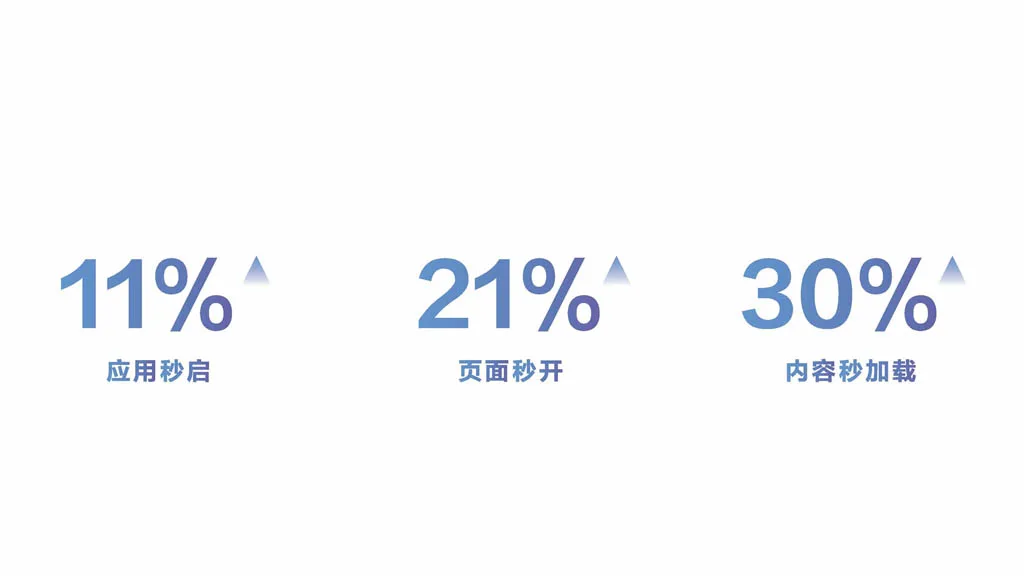
    • App launches 11% faster than the previous version
    • Page loading is 21% faster than the previous version
    • Content loads 30% faster than before
    harmonyos 6 performance metrics

    Additionally, users of PCs, phones, and tablets will find it easier to manage big files and complex tasks. Conversely, End-Cloud and Ark Scheduling Engine raise the Delta Operation minimum frame rate by 24%.

    On a full charge, the flagship Mate 70 Pro can play top-tier games like Genshin Impact and others for four hours straight. You can quickly enter the game world by tapping on the “Instant Start” function.

    The HarmonyOS Galaxy Interconnection architecture lowers power consumption by 20% while increasing connectivity by 160MB/s. The speed of payment features has increased by 30%. You will discover fresh vitality and fluidity in each feature.

  • OpenAtom foundation: open-source HarmonyOS and Euler see rapid growth

    OpenAtom foundation: open-source HarmonyOS and Euler see rapid growth

    The open-source HarmonyOS and Euler operating systems have seen quicker developer growth in China, according to the OpenAtom Foundation.

    The OpenAtom Foundation is China’s first open-source software foundation, having been founded in 2020. From the start, Huawei has been a major supporter to the foundation. The business created OpenHarmony, an open-source HarmonyOS and Euler operating system, and gave the foundation the openEuler source code.

    According to Cheng Xiaoming, Chairman of the OpenAtom Foundation, there are 2.27 million active open source developers and over 3 million active open source projects in China. These programmers are producing a wide variety of open-source programs and software.

    OpenAtom foundation: open-source HarmonyOS and Euler see rapid growth

    OpenAtom foundation

    Additionally, it is disclosed that Chinese developers are at the forefront of open source AI models, such as DeepSeek and Qwen, outperforming their competitors in the worldwide market. By 2025, a 25% global market adoption rate is anticipated for the open source hardware designs embodied by RISC-V.

    The upcoming generation of AI computing power systems will be led by open source RISC-V. The open-source HarmonyOS and Euler have achieved the Graduation milestone, according to the OpenAtom Foundation.

    An open-source project’s graduation represents its overall maturity in terms of technological iteration, community governance, and ecosystem development, and it is an important milestone in its operation.

    Graduating projects will have a significant impact on industry innovation and technological advancement in addition to having strong vitality and sustainable development capabilities. They will also generate more value for developers and consumers worldwide. Graduating projects continue to play a significant role in the Foundation’s environment.

  • HONOR MagicOS 10 rollout plan: features, eligible devices, and release dates

    HONOR MagicOS 10 rollout plan: features, eligible devices, and release dates

    At the company’s first Global Developer Conference in Shenzhen, China, HONOR unveiled its most recent MagicOS 10 version, which is based on Android 16.

    The business is integrating its enhanced HONOR AI Connect platform with its new 1x3xN ecosystem technology with the HONOR MagicOS 10.

    This new framework will make their AI stack available to partners worldwide (the “1”), assist them with three enablement tasks (the “3”), and scale across various industry clusters (the “N”), such as office and education, wearables and audio, smart homes, toys, and pets.

    The new MagicOS represents a “multi-dimensional jump from a conventional OS to a real AI OS,” according to HONOR.

    MagicOS 10.0

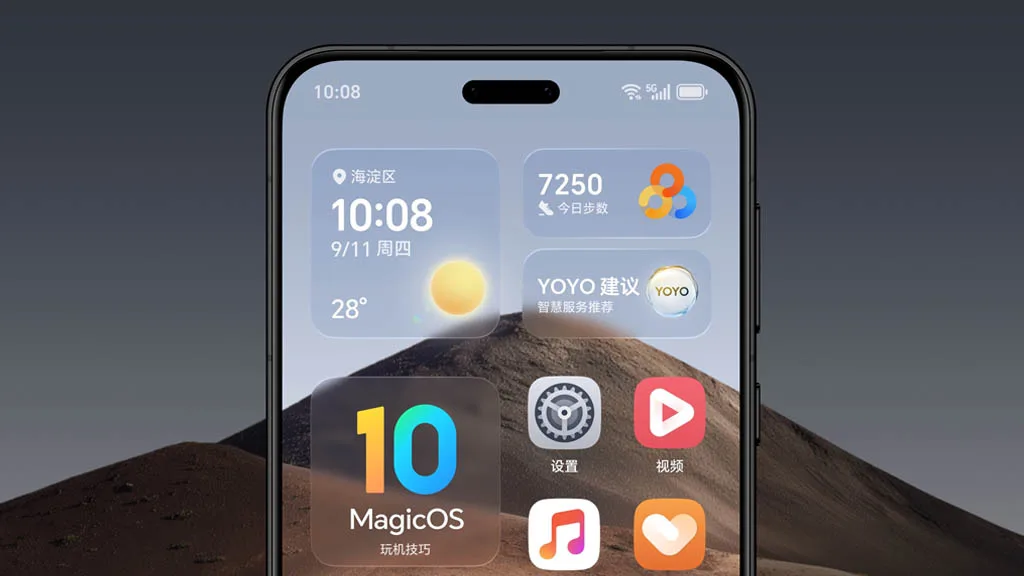
    The enhanced YOYO helper, which is driven by MagicLM 3.0 and can now “see, recall, and execute,” is a significant new feature.

    With only one swipe, users will be able to ask YOYO to manage routine chores and workflows. Food ordering, shopping, ride-hailing, Magic Color color grading, and sophisticated command-based image editing are some of these casks.

    Additionally, it will provide smooth pairing and transfers across HONOR devices, other Android phones, iOS, and Windows.

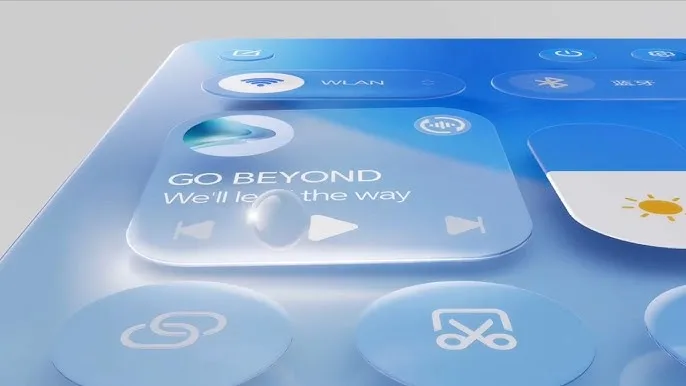
    It will also feature a brand-new Zero Gravity Transparency Design. It will have translucent visual effects that strike a compromise between performance and aesthetics, just like the upcoming iOS 26.

    HONOR MagicOS 10 rollout plan Zero Gravity Transparency Design

    These are the new MagicOS update’s primary features. Will your gadget receive it, though? The complete list of devices that qualify is provided below.

    MagicOS 10 supported devices and update schedule

    October 2025

    • Honor Magic V5
    • Honor Magic 7 RSR | Porsche Design
    • Honor Magic 7 Pro
    • Honor Magic 7
    • Honor GT Pro
    • Honor Magic 6 RSR | Porsche Design
    • Honor Magic 6 Ultimate Design
    • Honor Magic 6 Pro
    • Honor Magic 6
    • Honor 400 Pro
    • Honor 400
    • Honor MagicPad 3

    November 2025

    • Honor Magic V3
    • Honor Magic Vs3
    • Honor Magic 5 Ultimate Design
    • Honor Magic 5 Pro
    • Honor Magic 5
    • Honor Tablet GT 2 Pro

    December 2025

    • Honor Magic V2 RSR | Porsche Design
    • Honor Magic V2 Ultimate Edition
    • Honor Magic V2
    • Honor Tablet MagicPad 2
    • Honor Tablet GT Pro
    • Honor Tablet GT
    • Honor Tablet V9

    Q1 2026

    • Honor Magic V Flip 2
    • Honor Magic V Flip
    • Honor Magic Vs2
    • Honor Magic Vs Ultimate Edition
    • Honor Magic Vs
    • Honor 300 Ultra
    • Honor 300 Pro
    • Honor 300
    • Honor GT
    • Honor 200 Pro
    • Honor 200
    • Honor 100 Pro
    • Honor 100
    • Honor 90 GT
    • Honor Power
    • Honor X70
    • Honor X70i
    • Honor X60 GT
    • Honor Tablet 10
    • Honor Tablet X9 Pro
    • Honor X9
  • HarmonyOS 6.0.1 Beta (API 21) released with major new enhancements

    HarmonyOS 6.0.1 Beta (API 21) released with major new enhancements

    With yet another set of improvements, Huawei has released the HarmonyOS 6.0.1 (API 21) Beta Program for its developers. There aren’t much specifics about the latest software version on the description page. It does, however, include some helpful modifications for ArkUI.

    It’s true that this program is in beta. The updated developer version has not yet been made available by the corporation. However, it illustrates the enhancements the build will provide to the chosen devices.

    The latest Huawei HarmonyOS 6.0.1 (API 21) Beta will improve the ArkUI capabilities, according to the details. It will enhance the SVG parsing for the image section and introduce new attribute styles to C APIs.

    Additionally, the release will improve the ArkWeb and Ability Kit components. It will make it possible for background jobs to facilitate the concurrent development of several long-running operations and greatly enhance map services.

    harmonyos beta update

    A new edition of DevEco Studio with improved AI-assisted programming features is being introduced by Huawei. Developers will soon be able to access the primary 6.0.1 (21) Beta 1.

    HarmonyOS 6.0.1 (API 21) Beta Program

    The Mate 60 series, Mate 70 series, Pura X, Mate X5, Mate XT, MatePad Pro 13.2 2025, and MatePad Pro 11 2024 are among the devices that qualify for the latest edition. The updated beta version’s description is available below.

    • Further enhance the capabilities of ArkUI components by adding a batch of C APIs for attribute styles and improving the SVG parsing capabilities of the Image component.
    • Ability Kit enhances the processing of results when launching an application.
    • ArkWeb enhances WebView-related capabilities
    • Background tasks now support the parallel creation of multiple identical long-running tasks.
    • Map services have further enriched the scenarios in which they can be directly accessed, and so on.
  • Android Auto update 15.4 quietly rolls out: bug fixes, Gemini AI groundwork & more

    Android Auto update 15.4 quietly rolls out: bug fixes, Gemini AI groundwork & more

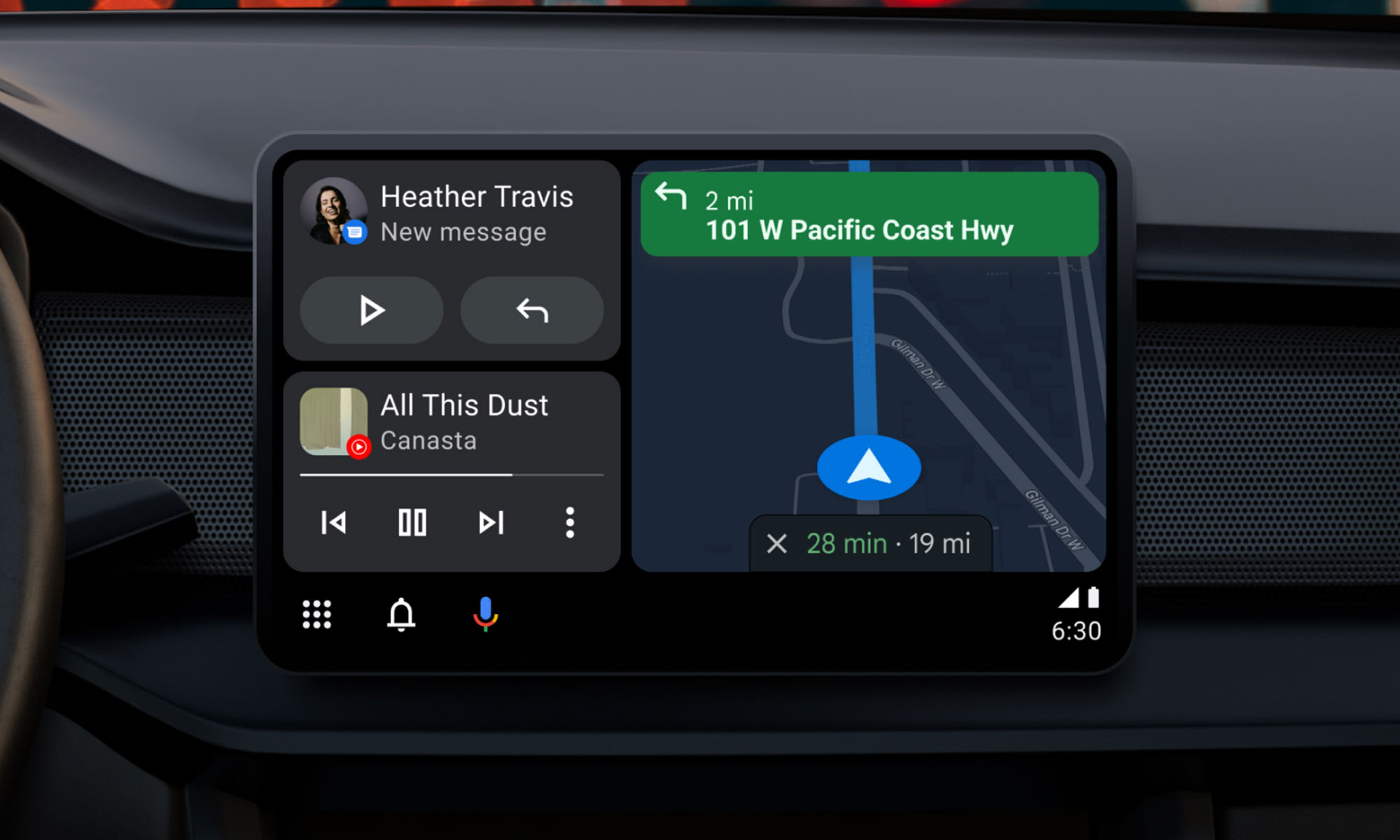
    Google will bring the most recent Android Auto 15.4 update during November, although the company hasn’t spoken anything about it. The most recent version, which was discovered by autoevolution, stands out for remaining in beta for more than a week, which is unusual for Google. The new version is starting to roll out, and sideloading choices are available, but the corporation isn’t offering an explanation.

    The addition of bug fixes that enable Google Pixel 10 devices to connect to Android Auto correctly is one of the most significant changes in 15.4, making this version helpful for people who did not previously have access. Additionally, it seems that this release is aiming toward more significant changes within Android Auto, such as the company’s AI assistant Gemini taking the place of Google Assistant. Following a recent Gemini update that brings some very significant AI features, Google has also been testing new features for Google Maps, including some new color options for users.

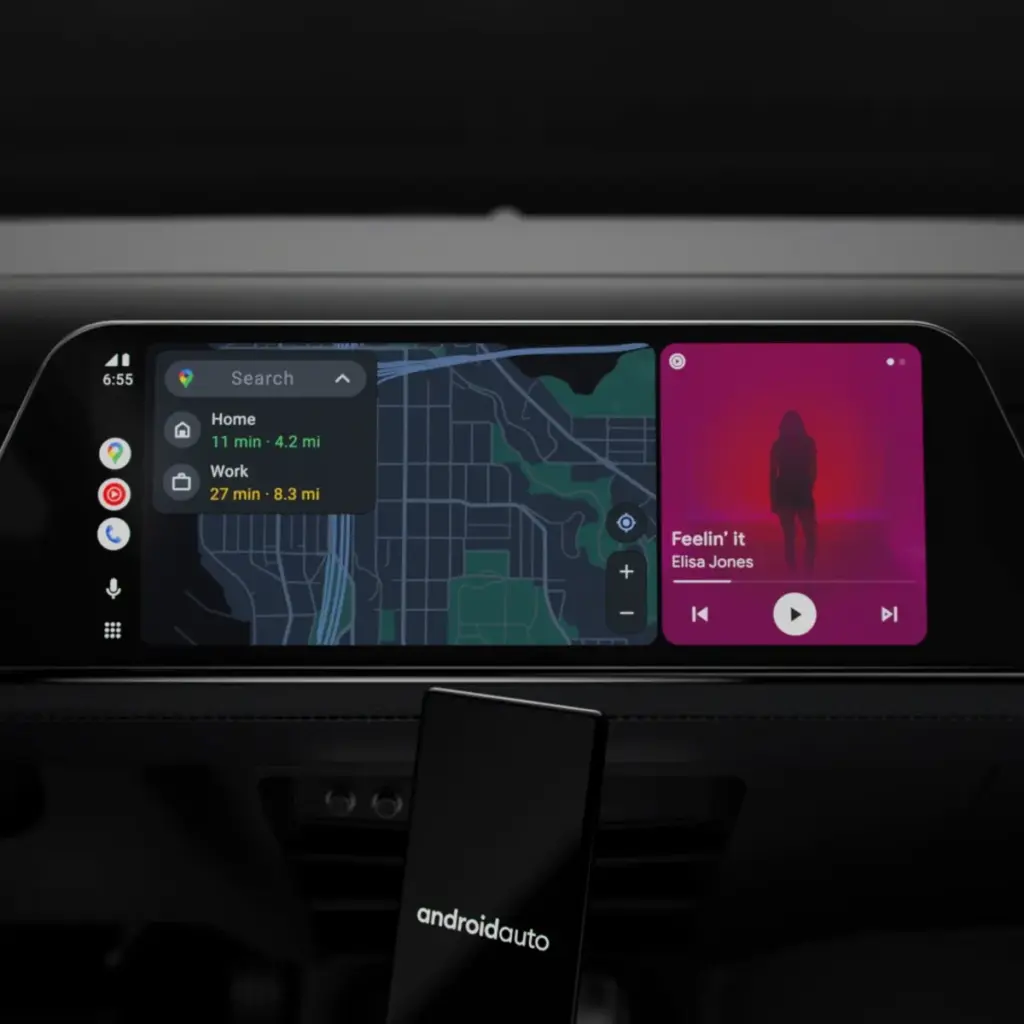
    Users will still be awaiting the new Widgets feature, which borrows from Apple CarPlay by enabling users to install application widgets straight to their infotainment screen, even after the new version arrives. It’s also important to note that this update is released prior to Google preventing some Android phones from getting Android Auto updates.

    Android Auto update

    What to expect in Android Auto 15.4

    Android Auto 15.4 is currently gradually making its way to all Android users after launching in Google’s beta program in October. The APK is available to anyone who is prepared to upgrade manually, but the new update is coming in waves for those who can’t wait. On an Android device, just download the APK from APKMirror, choose the file, and then allow it to install.

    By the end of November, Android Auto 15.4 will be available to individuals who are prepared to wait for the latest version. Unfortunately, Google no longer provides release notes for Android Auto, so we are left in the dark about what’s new. The removal of Google Assistant for the AI assistant Gemini—which is already taking place in some GM cars as the company discontinues CarPlay and Android Auto—as well as the addition of new call notes and a new call screen are among the changes anticipated to occur this year, according to autoevolution.

    There are numerous bug improvements in Android Auto 15.4 for devices that are experiencing trouble connecting to Android Auto, particularly the Google Pixel 10. Additionally, the update enables users to apply the accent colors from their phone’s wallpaper on their infotainment screen. Google Maps allows users with smaller infotainment screens to report on traffic, something that was previously exclusive to users with larger panels. Users can report information about construction, traffic accidents, and speed traps, just like with the well-known Waze app.

  • HarmonyOS 6 update brings tap-to-pay feature to Huawei Watch GT 5 Pro

    HarmonyOS 6 update brings tap-to-pay feature to Huawei Watch GT 5 Pro

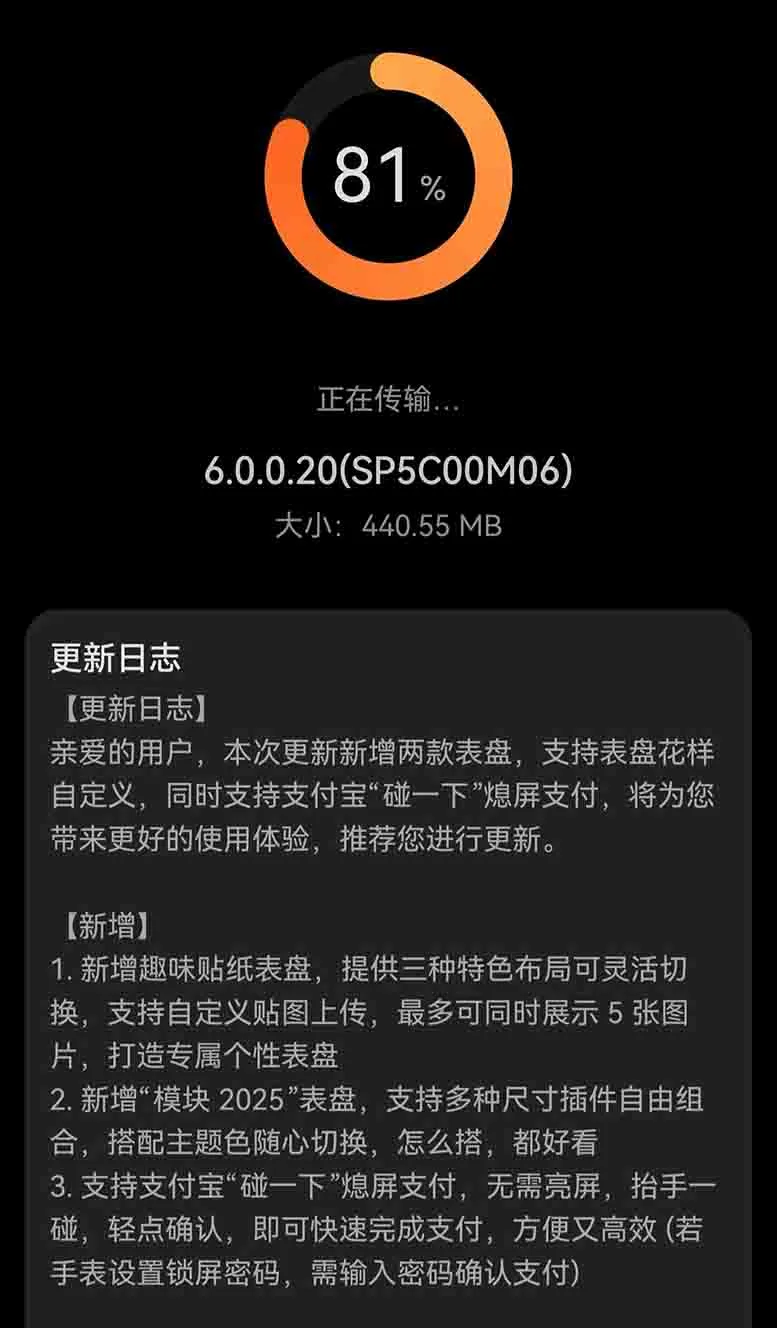
    With build version 6.0.0.20, the Huawei Watch GT 5 Pro wristwatch is now receiving a new HarmonyOS 6 update that enables users to tap to pay. The notice states that users who took part in the early testing program are currently receiving this update.

    The Huawei Watch GT 5 series, which debuted in September 2024, comes in two models: basic and Pro. Titanium Silver, Obsidian Black, Glacier White, and Ceramic White are just a few of its vivid color choices. It provides a long-lasting backup with a battery life of 14 days.

    The most recent HarmonyOS 6 beta update adds a number of new features to the Huawei Watch GT 5 Pro in addition to the tap-to-pay feature. These include the following.

    Three distinct layouts that are interchangeable have been added to the fun sticker watch faces. You may create your own distinctive watch face by uploading custom stickers, which can display up to five photos at once.

    HarmonyOS 6 beta update

    HarmonyOS 6 Huawei Watch GT 5 Pro update

    The new “Module 2025” watch face boasts that “it looks excellent no matter how you customize it” and supports a free combination of different-sized widgets and simple theme color switching.

    Supports Alipay’s “Tap to Pay” feature, which lets you swiftly finish payments without turning it on by just raising your wrist and pressing the screen. In order to verify the payment, you must input the lock screen password if your watch has one.

    You should be aware that this feature upgrade is only available to Chinese users; Huawei has not yet made it available to customers worldwide.

  • 12 Xiaomi phones now testing HyperOS 3 based on Android 15

    12 Xiaomi phones now testing HyperOS 3 based on Android 15

    Based on both Android 15 and Android 16, Xiaomi is preparing for the release of HyperOS 3. This will be the final update for many of its older smartphones that receive HyperOS 3, which is based on Android 15. There won’t be any more HyperOS 3.1 updates. In an effort to deploy the newest operating system on a large number of devices, Xiaomi is currently internally testing the HyperOS 3 version based on Android 15 on a few smartphones. This is a significant step in the company’s software development process.

    On certain of their smartphones, Xiaomi has already begun testing Hyper OS 3, which is based on Android 15. For some smartphones, this release will be the final significant update, so users should be prepared for some limitations in subsequent updates. The list of devices that are believed to be in the first wave of updates, according to the testing process, first batch include the REDMI Note 13 5G, the POCO F5 Pro, and the Xiaomi 13 Lite, which may be receiving the update to the HyperOS 3 on the Android 15 platform firstly.

    hyperos 3 based on Android 15

    Initial Worldwide Rollout of Android 15-based HyperOS 3

    The Redmi Note 13 5G is among the first smartphones to get the global upgrade for Android 15-based HyperOS 3, according to data from the Mi community testing logs. The following smartphones will also get the update:

    • Xiaomi 13 Lite / Civi 2 (EEA – OS3.0.0.1.VLLEUXM)
    • POCO F5 Pro / Redmi K60 (China – OS3.0.0.4.VMNCNXM | Global – OS3.0.0.1.VMNMIXM)
    • POCO X6 Neo / Redmi Note 13 5G / Redmi Note 13R Pro (China – OS3.0.0.4.VNQCNXM | Turkey – OS3.0.0.2.VNQTRXM | Global – OS3.0.0.2.VNQMIXM | EEA – OS3.0.0.2.VNQEUXM)
    • Xiaomi MIX FOLD 2 (China – OS3.0.0.1.VLRCNXM)
    • Redmi Note 12T Pro (China – OS3.0.0.1.VLHCNXM)
    • Xiaomi Pad 6 Pro (China – OS3.0.0.2.VMYCNXM)
    • Xiaomi 12T Pro / Redmi K50 Ultra (China – OS3.0.0.1.VLFCNXM)
    • Xiaomi Civi 3 (China – OS3.0.0.2.VMICNXM)
    • Xiaomi 12 Pro (China – OS3.0.0.1.VLBCNXM)
    • Xiaomi 12S Ultra (China – OS3.0.0.1.VLACNXM)
    • Xiaomi 12 (China – OS3.0.0.1.VLCCNXM)
    • Redmi K60 Pro (China – OS3.0.0.2.VMKCNXM)

    Based on preliminary testing schedules, the Redmi Note 13 5G seems to be the front-runner for the Android 15-based HyperOS 3 Global update. Our list indicates that Xiaomi has yet to begin testing HyperOS 3, which is based on Android 15, on these devices:

    • Xiaomi 12S
    • Xiaomi 12S Pro
    • POCO F5 5G
    • POCO M6 Pro
    • Redmi Note 12 Turbo
    • Xiaomi 12T

    HyperOS 3 based on Android 15 is not anticipated to be released on any devices other than those specified above.

    With the release of the HyperOS 3, consumers of the Xiaomi lineup with compatible phones will have access to an even more feature-rich interface thanks to Android 15’s optimization. Customers will be happy to hear that some older versions will also receive updates, but they will stop after that. Users are advised to stay informed about the updates to make sure their phones will be among those receiving the most recent versions due to Xiaomi’s ongoing commitment to deliver the most recent changes.

  • Xiaomi 17 Pro series update adds live wallpapers and games to the back display

    Xiaomi 17 Pro series update adds live wallpapers and games to the back display

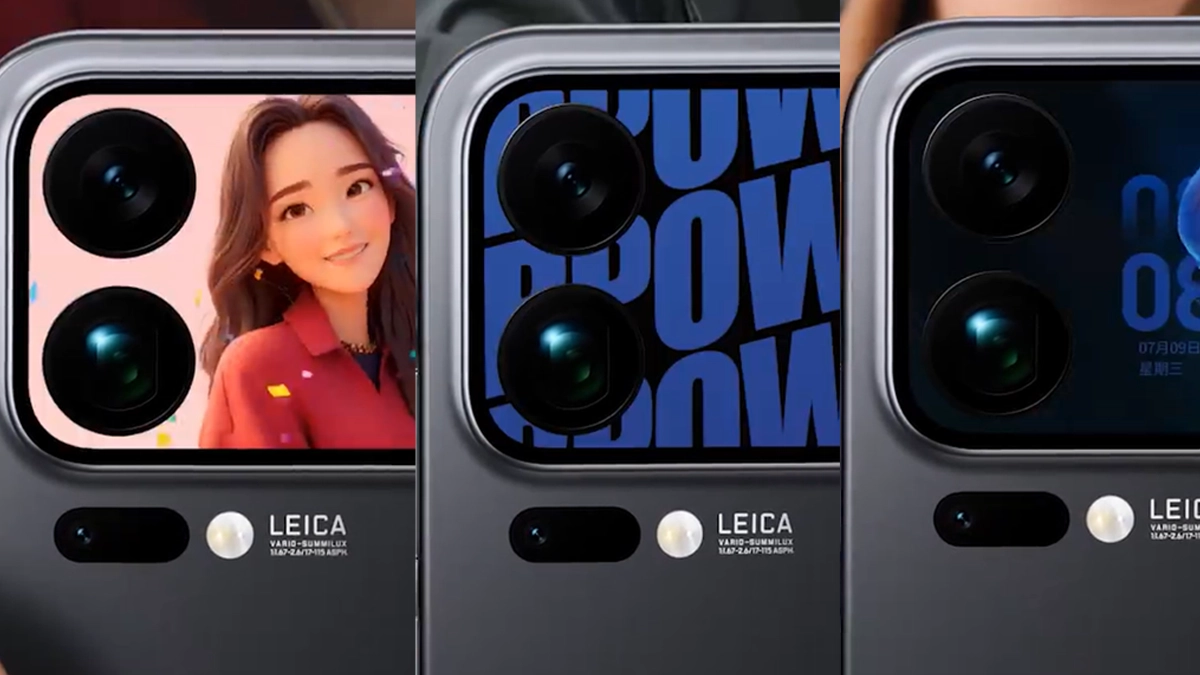
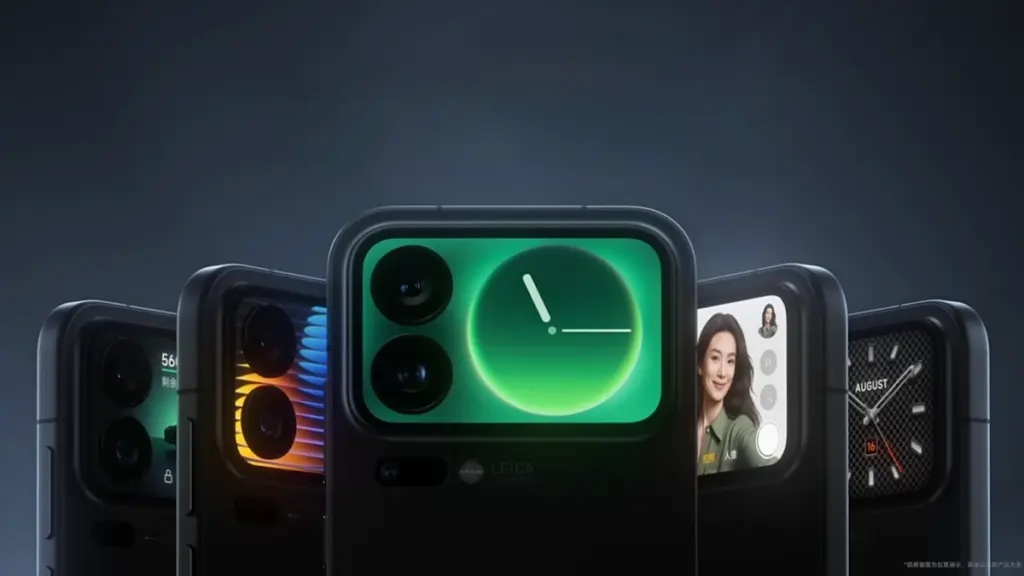
    For the Xiaomi 17 Pro series, Xiaomi has released a new software update that enhances the secondary display with a number of interactive features. The launch includes dynamic avatars, real-time translation, five live wallpapers, and two portable games, according to the company’s HyperOS Weibo post.

    Animated profile photographs can now be set on the back screen, and by mid-November, new bright-style themes will be available. Users can converse in Chinese on the main display and see translated text on the back panel thanks to a conversation translation feature.

    Xiaomi 17 Pro series update

    Xiaomi 17 PRO get new visuals and games

    Along with two games, Plants vs. Zombies and Snowman Sokoban, the update also includes five live wallpapers with themes related to technology, nature, and pets. You can manually update the Entertainment Box from the app store to access these.
    With new features scheduled every month, Xiaomi previously stated that the rear display will continue to be a major design priority for its upcoming smartphones. TCL Huaxing panels, measuring 6.3 and 6.9 inches, respectively, with a maximum brightness of 3500 nits and Xiaomi Dragon Crystal Glass protection, are used in both the 17 Pro and 17 Pro Max.

    The Xiaomi 17 Pro’s innovative rear screen has practical applications in addition to aesthetics. When the phone is inactive or on a desk, it makes the user’s daily phone time more lively and vibrant.
    The company wants to transform the back screen from a mirror or clock into a tool for work and enjoyment. Cute loops, small critters, and light art forms can now be set as live images by users. More improvements will be made next mo

    The new games aid in evaluating the rear panel’s touch and speed. Every one of them utilizes the entire small display and operates smoothly. According to Xiaomi, the objective is to provide customers who want light entertainment in their free time with a “soft joy.” To give it a more authentic sense, the company is also incorporating little sound effects.
    The fix is currently being released in stages, and more devices will receive this update in the days to come. To locate the update, users can look at the HyperOS setup’s update tab. According to Xiaomi, the update will be available on all devices by the middle of November.

  • HarmonyOS 6 beta sets new installation record within 24 hours of release

    HarmonyOS 6 beta sets new installation record within 24 hours of release

    The HarmonyOS 6.0 Beta has been installed over 3 million times in a single day, according to Richard Yu, Chairman of the Huawei Consumer Business Unit. Before its formal release, the new software version has already broken all previous records.

    Today, Richard Yu sent a letter via the Xinsheng Community to his staff. It highlighted some significant developments in Huawei’s software and hardware over the last several months.

    HarmonyOS 6 Next coming

    This year, Yu emphasized its software development in particular. As of October 22, 2025, the rollout, which began with HarmonyOS NEXT, has more over 23 million installs.

    HarmonyOS 6 beta

    In spite of dire conditions, the company has emerged victorious, as seen by this hit situation. In order to match consumer expectations, he described the process of developing the company’s first operating system.

    According to the chief, HarmonyOS 6 is even more significant because it set a new record in the software industry by completing 3 million installations in just one day.

    HarmonyOS is not just something made, it’s something used! HarmonyOS 6 received 3 million upgrades within 24 hours of its release, setting a new record for upgrade speed!

    AI-powered one-tap video production, family-based fraud detection, dynamic and entertaining themes, and tap-to-share are just a few of the new version’s many noteworthy features.

    In order to secure a third of the smartphone OS market, Richard stated that the next stage is to swiftly reach 40 million, 60 million, and even 100 million user coverage in the next months. The executive went on to say:

    We must remain true to our original aspirations, focus on user experience, and truly practice our ecosystem culture. […] Each of us can contribute a brick, and together we will build the Great Wall of the HarmonyOS ecosystem! When the mountain flowers bloom, we will raise a glass to celebrate our victory!