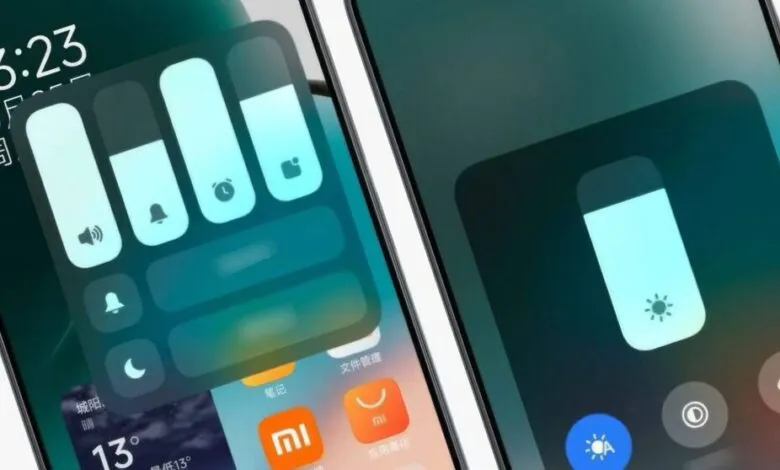
Xiaomi has started the release of the HyperOS 2.2 stable upgrade for its second batch of devices sooner than originally planned. Some devices have already received the update, rather than the previously announced June 20th start date. Camera 6.0 improvements, improved system animations, sophisticated lock screen customization choices, and system-level efficiency optimizations that take user feedback and changing usage patterns into account are all included in this update. The update strengthens the brand’s user experience across product lines and marks a significant leap in Xiaomi’s software architecture.
Devices that already received HyperOS 2.2
The following devices have successfully received the HyperOS 2.2 stable update:
REDMI Turbo 4 Pro
REDMI Turbo 4
REDMI Note 14 5G
REDMI Note 14 Pro 5G
REDMI Note 14 Pro+ 5G
These models now operate with the full HyperOS 2.2 feature set, including all integrated improvements and interface updates.
In the upcoming weeks, the update is planned for further high-end models:
Flagship Smartphones:
Xiaomi 13 Ultra
Xiaomi 13 Pro
Xiaomi 13
Xiaomi MIX FOLD 3
Xiaomi CIVI 4 Pro
Tablet Devices:
Xiaomi Pad 6 Max 14
Xiaomi Pad 6 Pro
Performance Series:
REDMI K60 Ultra
REDMI K60 Pro
REDMI K60
REDMI Turbo 3
Key features we found in HyperOS 2.2
Camera 6.0, which offers better computational photography and increased image capabilities, is introduced in HyperOS 2.2. Updated lock screen customization options offer a more adaptable user interface, and system animations have been further improved for greater fluidity. Additional system-wide improvements help to boost battery efficiency and overall performance.
Stay connected with the latest from Droid Tools—follow us on X @droid_tools, like our page on Facebook, check out our updates on Instagram, and follow us on Google News for real-time news, device tips, and mobile tech insights.
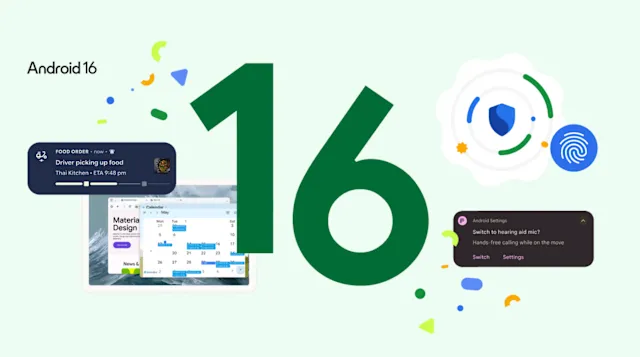
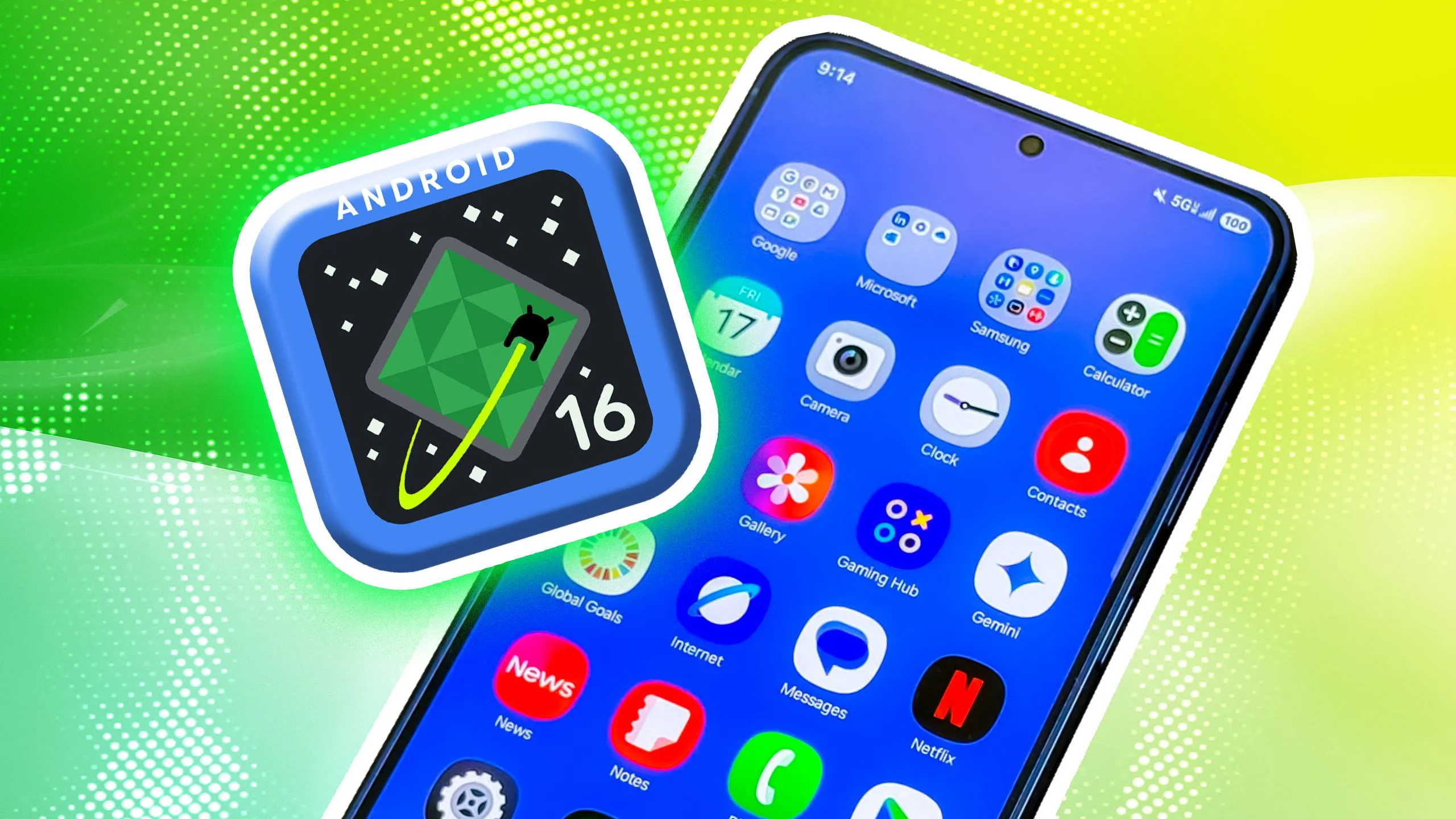
Since Android 16 is now accessible on compatible phones, Google has made it widely available. According to the business, the OS will be preinstalled on new devices in “the next months.”
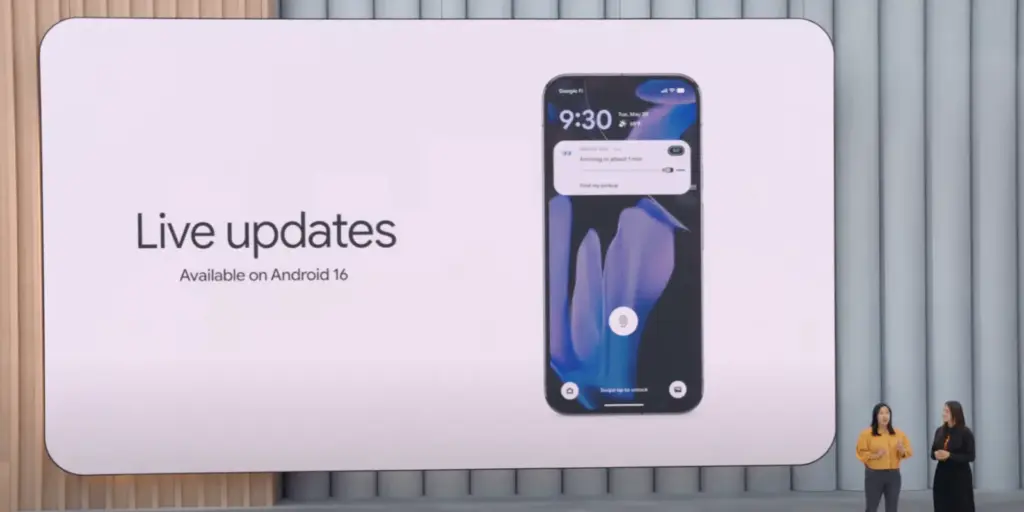
The update has a number of noteworthy features. Live updates in alerts may be the most significant. People won’t have to keep opening and closing the app to figure out why a burrito seems to be stuck four streets away thanks to this change, which will put a progress indicator in the notification for things like ride-sharing and food delivery.
Also, to cut down on clutter and pings, alerts from the same app will now be automatically grouped together. With a native control option, LE audio hearing aids are now supported. When utilizing one of these hearing aids in noisy environments, users can easily switch to the microphone on their phone for crisper audio.
Android 16 offers more protection for users
Users may now be protected from “online attacks, malicious apps, risky websites, fraudulent calls and more in just a tap” thanks to Google’s integration of all its security capabilities. New scam detection tools that were teased back in May are part of this.
A significant amount of new features are being added to shutterbugs, such as hybrid auto exposure, automatic night mode scene identification, and more accurate color temperature adjustments. Android 16 has integration with the premium Advanced Professional Video (APV) codec, and UltraHDR photos have been enhanced with support for HEIC encoding.
Although it isn’t yet ready, Google is finally introducing desktop windowing to Android. Android 16 QPR 3 Beta 2 is now previewing that feature, which will be made accessible to the general public later this year.
A nice upgrade to the Android environment with some useful improvements is also available. Improved RCS group conversations with personalized icons and thread muting capabilities are part of this. The AI-enhanced image editor in Google Photos now suggests possible adjustments. Wear OS devices can now pay for transit fares without opening a separate app, while Emoji Kitchen is getting additional sticker combinations.
Lastly, Google has provided information about the June Pixel Drop. Among the new features are more expressive video captioning and a Pixel VIPs widget that shows details about favored contacts.
Stay connected with the latest from Droid Tools—follow us on X @droid_tools, like our page on Facebook, check out our updates on Instagram, and follow us on Google News for real-time news, device tips, and mobile tech insights.
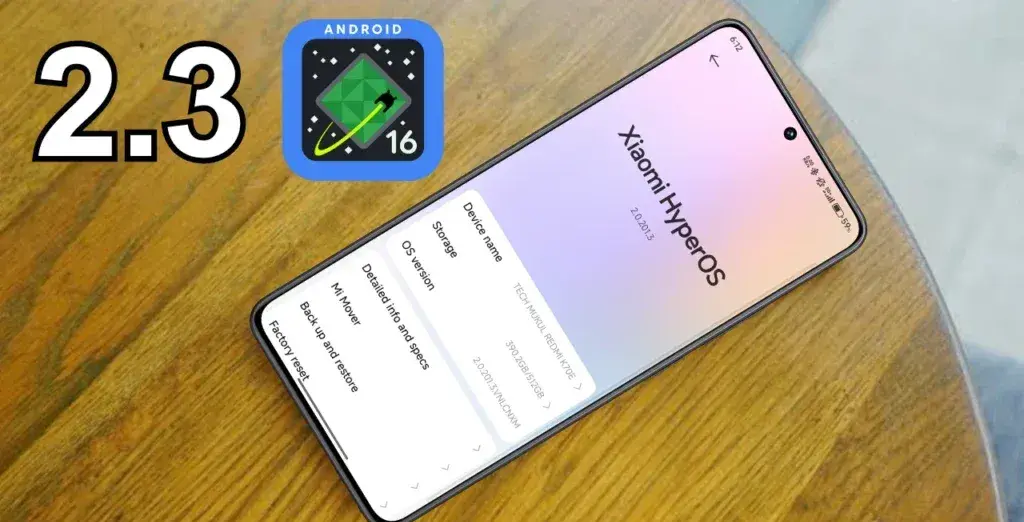
With the current rapid pace of HyperOS 2.3 development, Xiaomi has taken a major step forward in the development of its software ecosystem. The company’s strategic commitment to integrating its next-generation operating system with the upcoming release of Android 16 was demonstrated on May 27th when internal testing got underway. With Android 16 as its fundamental core, HyperOS 2.3 is positioned as a significant update that improves user experience and performance.
HyperOS 2.3 is coming fast
Development teams have initiated a comprehensive internal testing phase, deploying multiple build variants tailored for different regional markets. This strategy ensures broad compatibility across Xiaomi’s international user base.
The initial test builds include:
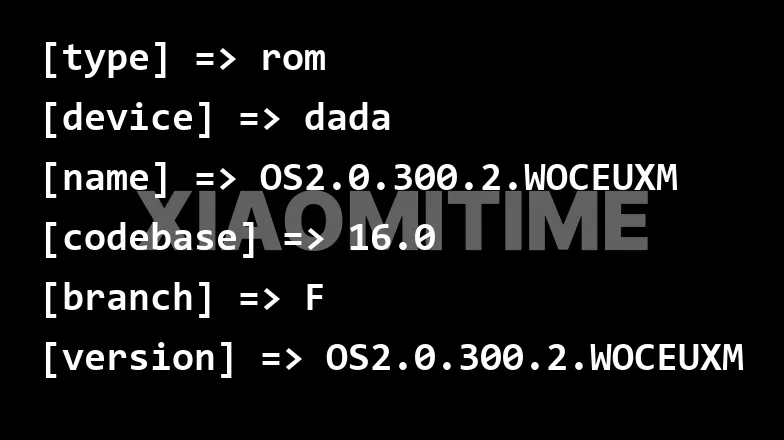
OS2.0.300.1.WOCCNXM (China variant)
OS2.0.300.1.WOCMIXM (Global variant)
OS2.0.300.1.WOCEUXM (EEA Global variant)
Updated builds have been produced in recent development cycles; the most recent version for the EEA Global market is OS2.0.300.2.WOCEUXM. These small changes are the result of ongoing optimization and improvement initiatives inside Xiaomi’s development process.
Currently, the Xiaomi 15 flagship device—internally dubbed “dada”—is given priority in testing methods. The goal of this focused strategy is to guarantee the best possible compatibility between the new hardware and HyperOS 2.3’s sophisticated capabilities.
HyperOS 2.3 release
Xiaomi has a shorter development timetable for HyperOS 2.3 because Android 16 is expected to launch in June. Although attaining the late-June objective is still uncertain, the enhanced pace indicates a strong organizational commitment to providing a stable release.
Stay connected with the latest from Droid Tools—follow us on X @droid_tools, like our page on Facebook, check out our updates on Instagram, and follow us on Google News for real-time news, device tips, and mobile tech insights.
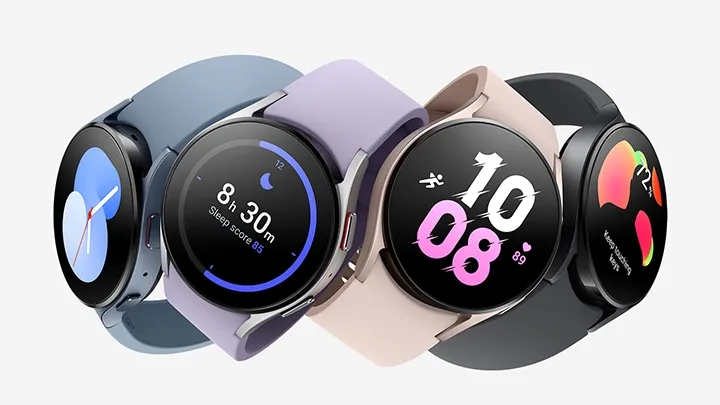
A new software update is coming out for some Galaxy Watch models, so you might want to check your settings if you use one.
Samsung usually only releases a few upgrades for the Galaxy Watch annually, but at least one significant one. One of the company’s less significant updates is currently being released for a few Galaxy Watch models.
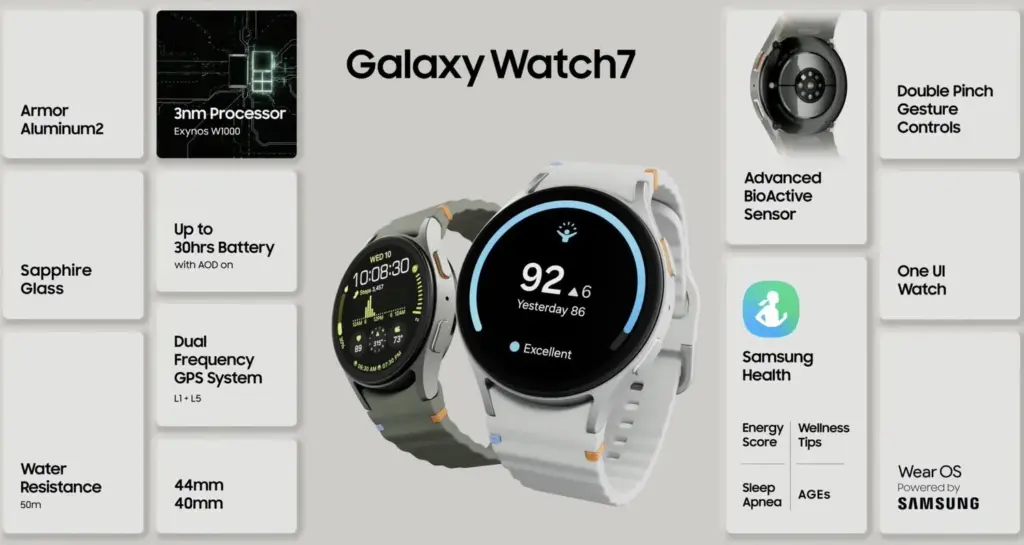
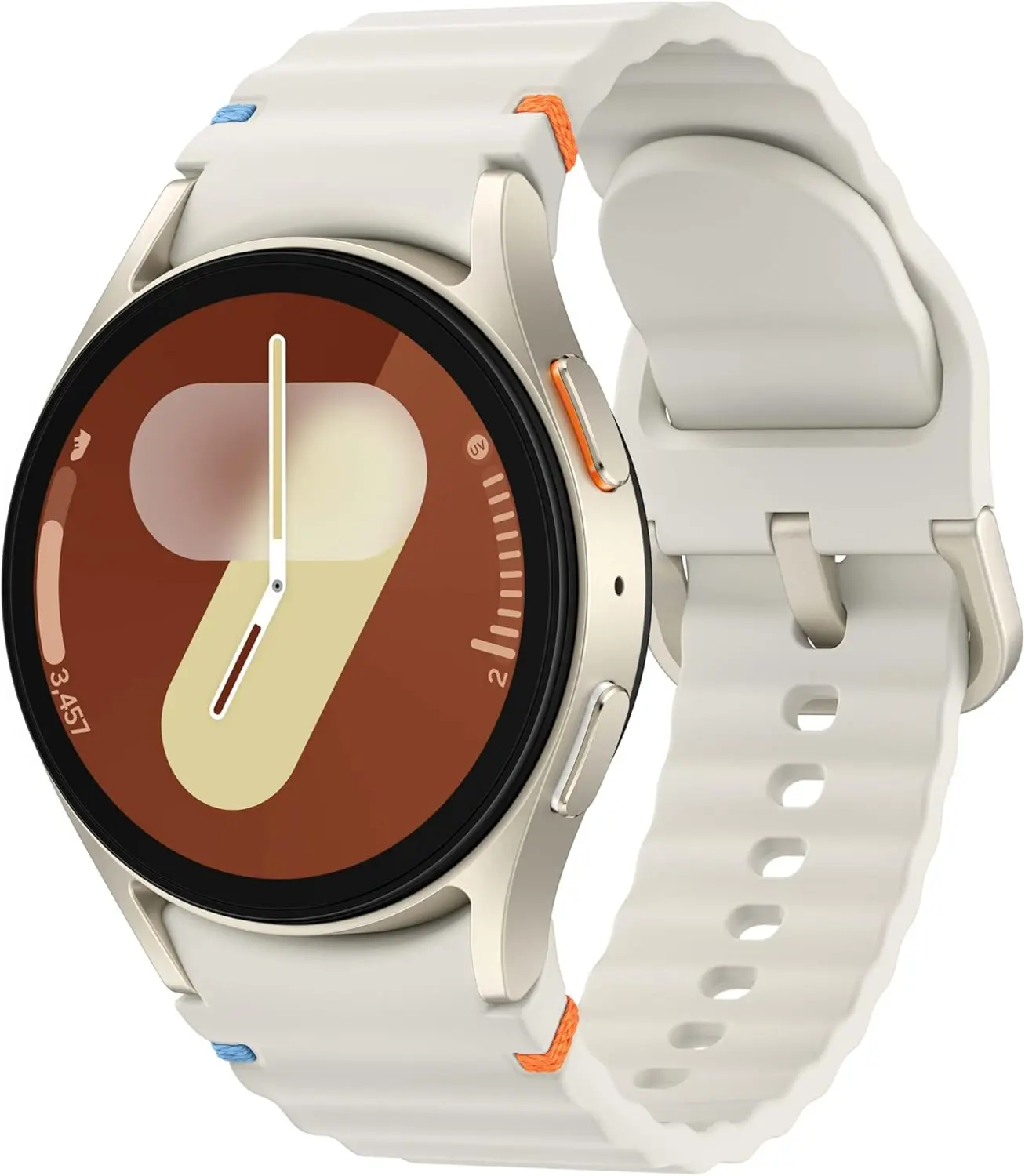
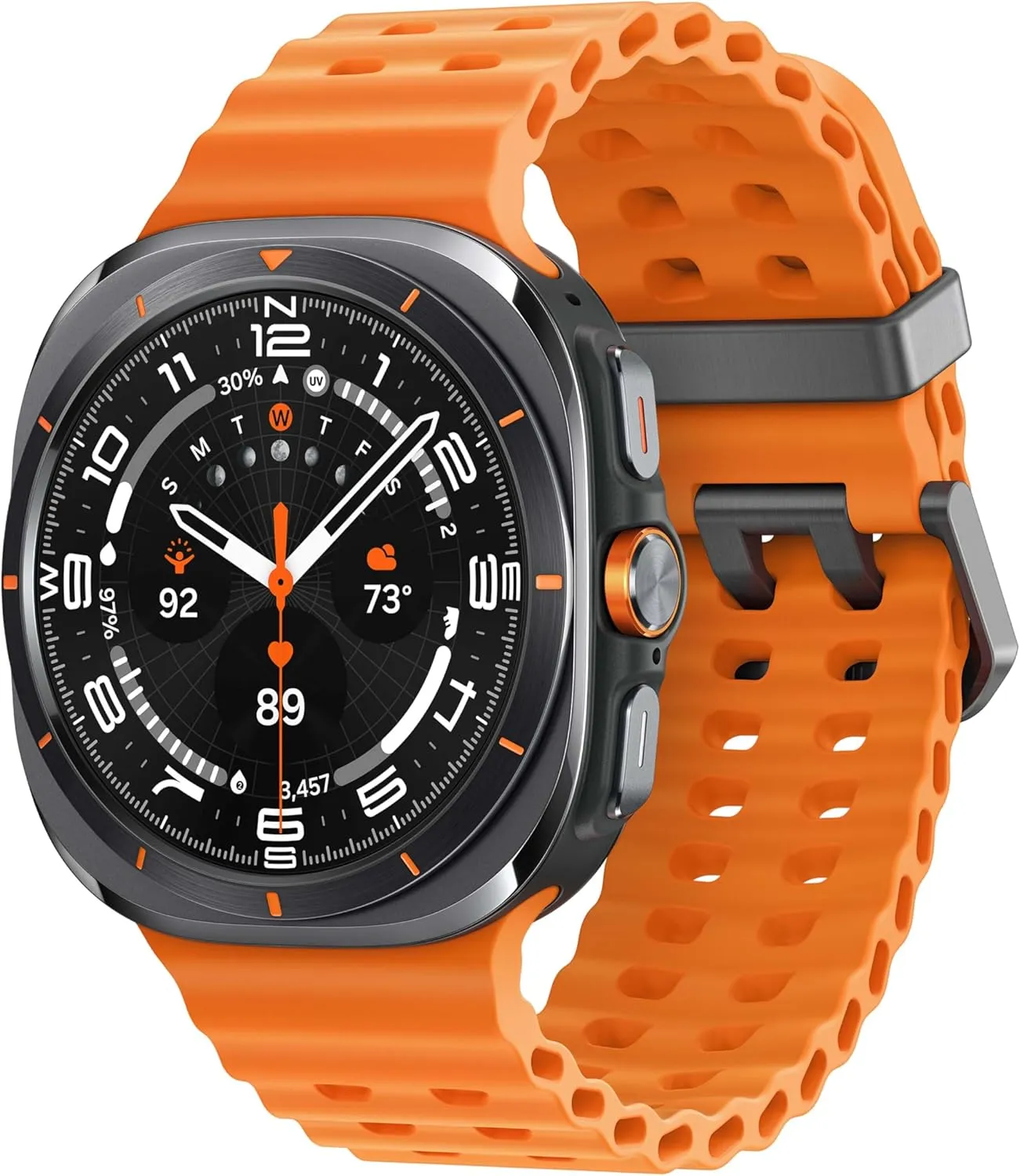
The May 2025 security update is being released by the firm for the most recent models of the Galaxy Watch 7 and Galaxy Watch Ultra. This covers Verizon variants as well, although we’re seeing a very short changelog for basic phones that displays the March 2025 security patch:
The usability of device operations has been improved.
In the meantime, the March 2025 security patch is being applied to the Galaxy Watch 5 and Galaxy Watch 5 Pro. However, this most recent upgrade is the first one for these devices to be made generally available in 2025. A few weeks ago, some customers received an April update, but it omitted many regions and variants.
Stay connected with the latest from Droid Tools—follow us on X @droid_tools, like our page on Facebook, check out our updates on Instagram, and follow us on Google News for real-time news, device tips, and mobile tech insights.
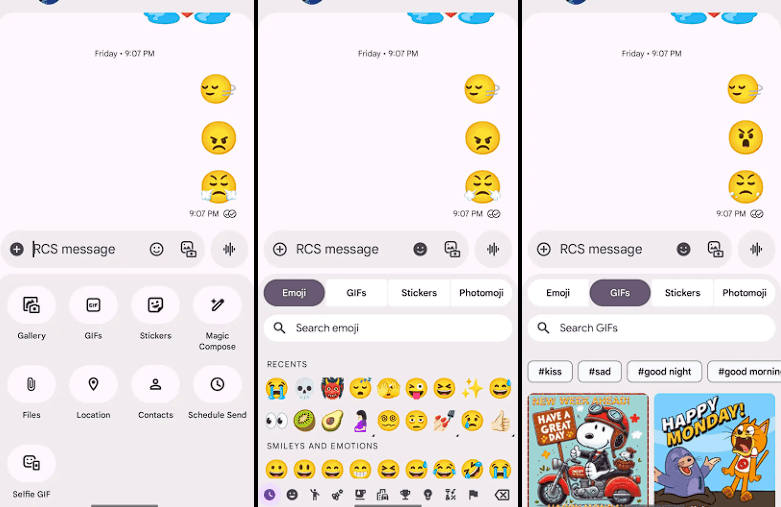
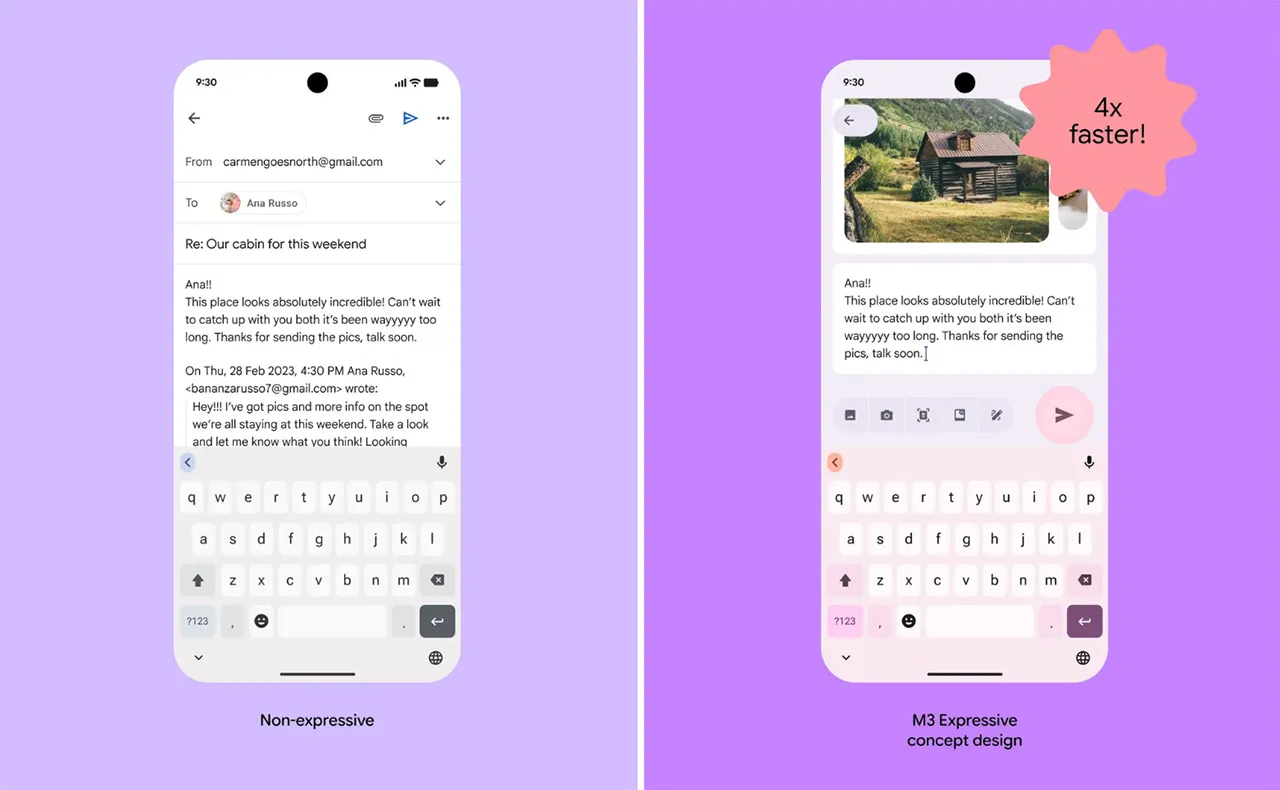
Google Messages is starting to implement a Material 3 Expressive overhaul of just the conversation interface, following Gmail for certain users and Photos.
Placing the message thread in a container with rounded corners at the top makes the app bar its own (darker) layer, which is the primary alteration to the conversation screen.
The Gallery, GIFs, Stickers, and other items are arranged in pill-shaped containers rather than circles in the “plus” menu, which is a distinct container. The wallpaper it uses is identical to that of the app bar. Additionally, Google eliminated the vibrant symbols and reduced the grid’s density.
The linked button group used to transition between Emoji, GIFs, Stickers, and Photomoji (which was the first item in the current design) is visible when you access the emoji menu. The current tab you are reading is a pill, and the entire thing is a circular container. Moving the search bar down one line eliminates back-to-back text fields, which is a welcome modification.
As of right now, we have one report of this going live with Google Messages beta version 20250528_00_RC00, namely the Samsung version. We examined other devices today, and we don’t notice it.
The home page, search, settings, and other areas of the app have not been changed today. It appears like Material 3 Expressive in Google Messages will be implemented gradually. In the meantime, the software usually takes a long time to go from beta or initial release to general release.
Stay connected with the latest from Droid Tools—follow us on X @droid_tools, like our page on Facebook, check out our updates on Instagram, and follow us on Google News for real-time news, device tips, and mobile tech insights.
One of the main topics of discussion with Android 16 is the release of Material 3 Expressive, which not only improves the user experience of the system but also guarantees that Google apps use the same design language, improving consistency. Later in the year, those system-level design modifications are anticipated, but it appears Google is eager to begin implementing Android 16’s app designs.
Over the past few weeks, the Mountain View tech behemoth has been seen previewing Material 3 Expressive in the Phone app and, more lately, in Calendar, Photos, Files, and Meet. If Gmail is your main email app on your Android phone, it’s time to see if you have the Material 3 Expressive design upgrade installed. However, there is no information regarding when Android 16’s design will be available for these apps.
How Material 3 Expressive design is changing Gmail?
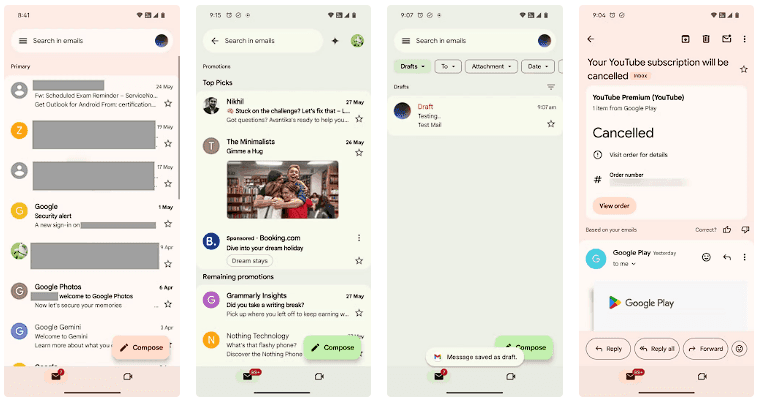
The Gmail app version 2025.05.11 is implementing Android 16’s design language, which was initially noticed by SparkRadar on Telegram. This brings significant modifications to the program’s general look (via Android Authority). The new card-based user interface for the email list is the first significant change you’ll notice when you launch the app.
Emails and the landing page’s search box were previously shown in a single-sheet format. With the Material 3 Expressive redesign, the email screens also had the same card-based user interface as the landing page.
On the landing page, the “Compose” FAB is still located on the right, but now has a thicker typeface and a solid-filled pencil image. The search bar has seen a minor alteration as well. The profile symbol in the search bar is no longer present in the updated user interface. As an alternative, the search bar’s size has been lowered to create space for the profile symbol next to it.
Additionally, we can see that the Meet and Email symbols have grown in size, and the bottom bar has slightly expanded. Additionally, Gmail now has a pill-shaped button animation for its swipe motions, which gives the interface a lively personality.
Although the Material 3 Expressive design update is visually appealing, not all Gmail users can currently access it. The reason for this is that a server-side update is being used to roll it out. Additionally, it may take a few more days to make this adjustment available to everyone, as Gmail is one of the Google apps with over 10 billion installations on the Google Play Store.
Due to limits in its actual “always-on” functioning, the always-on display (AOD) mode on Android smartwatches hasn’t always been the smoothest feature. This seems to be fixed in Wear OS 6, which would allow for more usage even when the watch’s display is off.
Wear OS’s always-on display mode hasn’t changed much. At the moment, the majority of apps only show the clock; only Spotify and Maps completely adjust to the mode. This is a major reduction in productivity, particularly when you want to control or modify something on your watch without waking the screen completely.
Control more from directly from AOD in Wear OS 6
In Wear OS 5.1, Google is already developing a feature dubbed “Force Global AOD” that, as the name implies, attempts to compel active app displays to switch to an always-on display state. Although it is presently undergoing developer testing, the firm has started to share updates regarding the feature, so we can now anticipate its arrival with Wear OS 6.
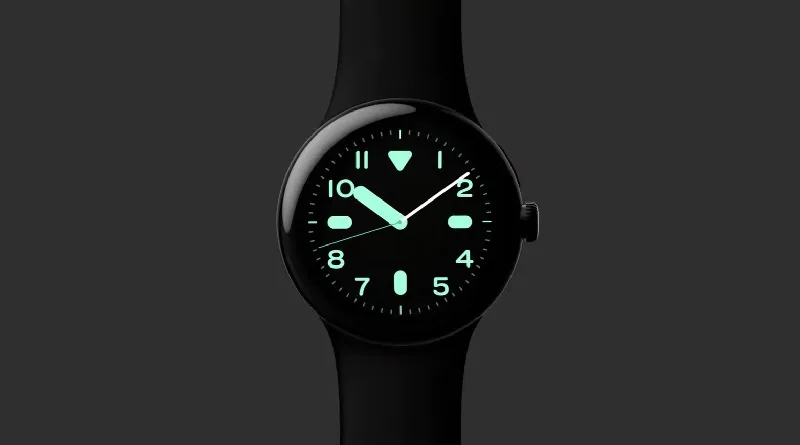
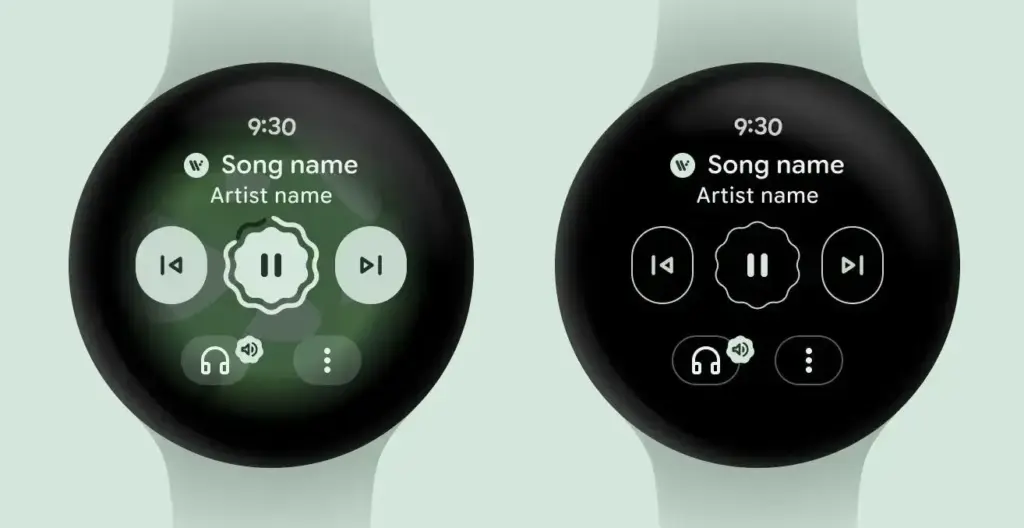
Google claims to be offering a complete solution with seamless cross-device integration of this capability as part of Wear OS 6. Google gave an example of the existing music control interface, which will change to a black-and-white user interface in AOD mode when utilizing the Material 3 Expressive design. Importantly, the rich and whimsical shapes of many elements, including text and navigational buttons, will be preserved in this AOD version.
How this will seem in other apps that eventually make use of Google’s Material 3 Expressive’s “glanceable UI” is yet unknown. For apps that don’t support always-on display natively, there might be a default screen.
Google Pixel Watches and Samsung Galaxy Watches stand to gain the most from this improved always-on display, which will significantly improve Wear OS user experience. With this enhancement, Wear OS smartwatches may even surpass Apple’s watchOS, which does not yet have a real always-on display mode.
Later this year, Wear OS 6 is anticipated to be made available to compatible Android smartwatches. Improved battery life and performance are two of the improvements in the upcoming main Android wristwatch OS, in addition to the actual AOD. In keeping with Google’s long-term strategy, Gemini will also become more deeply integrated into the system.
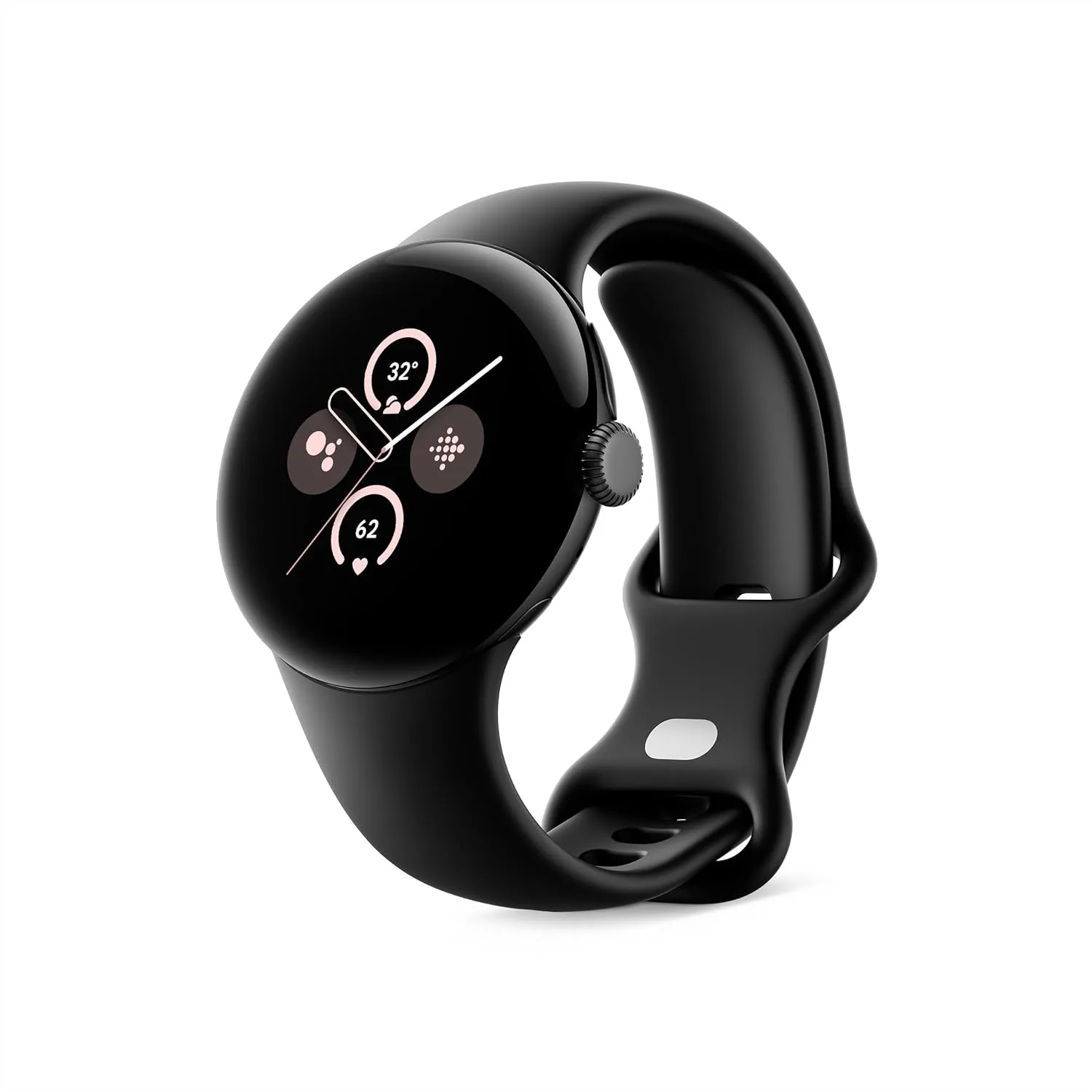
Google Pixel Watch 3
The Google Pixel Watch 3 is designed for performance, with advanced fitness from Fitbit[1,2]; the 41mm screen is twice as bright and 10% larger than before, making it easier to see your stats and info
Stay connected with the latest from Droid Tools—follow us on X @droid_tools, like our page on Facebook, check out our updates on Instagram, and follow us on Google News for real-time news, device tips, and mobile tech insights.
With Android 16 serving as its foundation, Xiaomi’s next HyperOS 2.3 update is expected to bring about the biggest leap in the company’s own Android experience. This significant system update introduces improved security measures and improved user experience components while expanding on the foundation of the current HyperOS 2.2 framework.
Although the major emphasis is still on security improvements rather than ground-breaking new features, the update demonstrates Xiaomi’s dedication to offering state-of-the-art software experiences that capitalize on Google’s most recent Android advances. Through official channels and specialized monitoring tools, users can monitor their device compatibility and eligibility for updates.
New features in HyperOS 2.3
The Android 16 foundation, which offers better system stability, more performance optimization, and—above all—advanced security features that safeguard user data and privacy, is the main improvement in HyperOS 2.3.
Enhanced Security Framework
HyperOS 2.3’s security improvements include:
Advanced encryption protocols for sensitive data protection
Improved app permission management system
Enhanced biometric authentication security
Strengthened system-level protection against malicious applications
Device compatibility and release
Only those devices that qualify for the Android 16 upgrade will be able to get the HyperOS 2.3 update. While preserving system stability, this phased deployment guarantees the best possible performance and compatibility throughout Xiaomi’s device ecosystem.
Eligible Device Categories
Flagship smartphones from recent generations
Select mid-range devices with adequate hardware specifications
Compatible tablets and other smart devices in Xiaomi’s ecosystem
All of Google’s normal services and security upgrades are available on the Android 16 base, even though Google hasn’t added any new Android features specifically for Xiaomi’s HyperOS version. Preserving system security and guaranteeing compatibility with Google’s ecosystem services are the major goals of the integration.
Update eligibility
With the MemeOS Enhancer app on the Play Store, users may find out if their device is compatible with Android 16 and eligible for HyperOS 2.3. In addition to system app updates, access to secret Xiaomi features, and direct update access from the device screen, the app offers instant visibility into update status upon activation.
Stay connected with the latest from Droid Tools—follow us on X @droid_tools, like our page on Facebook, check out our updates on Instagram, and follow us on Google News for real-time news, device tips, and mobile tech insights.
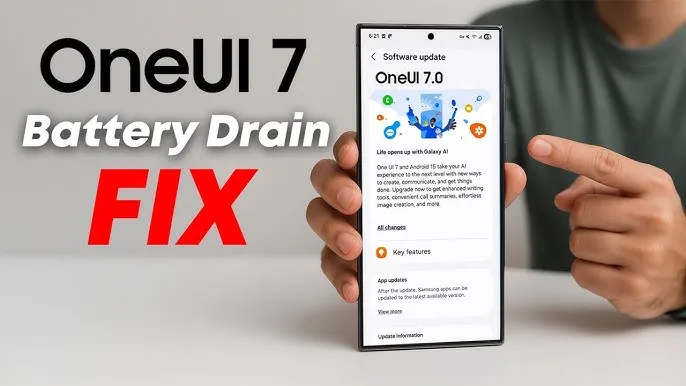
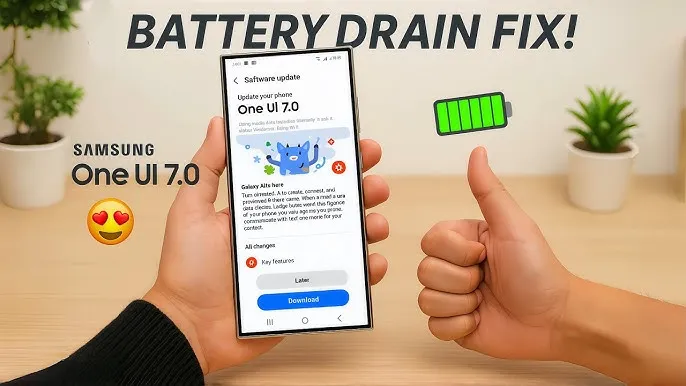
Running on Android 15, Samsung’s One UI 7 version boasts a new interface along with several new capabilities. One of the unanticipated issues that many customers have seen with the One UI 7 is shorter battery life.
Even with minimal use, Samsung customers report that their Galaxy phones are having trouble lasting a full day. This article examines the sources of the battery life issues that were noticed following the One UI 7 update, as well as solutions.
One UI 7 battery drain isssues from the rollout
Owners of Samsung devices have frequently complained about severe battery drain on websites such as Reddit, X/Twitter, and Samsung Community Forums.
One user of a Galaxy S24 Ultra, for example, reported that the screen-on time of their phone decreased to roughly 5 hours from 6–7 hours before to the update.
Another owner of a Galaxy Z Fold 6 claimed that by the end of the day, their battery had dropped from 45 to 50 percent to 20 to 25 percent.
Some users of the Galaxy S23 series have claimed similar issues, requiring two or even three daily charges for simple tasks like browsing or viewing movies. Rephrase
As the device becomes used to the new software, the post-update optimization period typically lasts a few days to a week, but the problem seems to last longer.
Users have also reported related issues, like slower app loading times or phones that run warmer than normal, which could be a factor in the higher power usage.
Why is the drain occurring?
While Samsung has not officially confirmed the cause, several factors could explain the battery drain. Since One UI 7 is a major software update, its new features, animations, and background processes may have been demanding more power.
User-installed third-party apps may not have been fully optimized with the new OS, causing battery drain. Another possibility is that background processes, such as system optimizations or data syncing, are running more frequently than needed.
The solution
If you’re experiencing battery drain after updating to One UI 7, here are some practical steps to try:
Clear the cache:
Go to Settings > Device Care > Storage and clear the cache for apps.
Enable Light Performance Profile:
Found in Settings > Battery and Device Care, this mode reduces performance to save power.
Turn off AOD:
Disable Always On Display, reduce screen brightness indoors, or switch to Dark Mode to conserve battery.
Update Apps:
Ensure all apps are updated, as outdated versions may not work well with One UI 7.
Factory Reset (last resort):
Some users report improved battery life after a factory reset, though this requires backing up data and reinstalling apps.
You’re not alone if the One UI 7 upgrade has caused your Galaxy device’s battery life to suffer. You can handle the problem while you wait for a possible solution by attempting the aforementioned procedures and keeping an eye on Samsung’s reaction.
Stay connected with the latest from Droid Tools—follow us on X @droid_tools, like our page on Facebook, check out our updates on Instagram, and follow us on Google News for real-time news, device tips, and mobile tech insights.
Android 16 offers a lot of innovations that I’m eager to test out on my Android phone, including Material 3 Expressive, a redesigned Quick Settings menu, and Live Updates. It seems like one of the biggest Android updates in a long time.
There weren’t many obvious adjustments that would have excited me. Prior to Google revealing new features at The Android Show: I/O Edition on May 13, Android 16 was looking like a really dull update.
New Quick Settings panel
With each significant Android update, Google alters the Quick Settings panel almost like a ritual. That tendency will continue with Android 16, and I’m looking forward to the modifications Google has planned. Resizable toggles are being added. Additionally, one-click Bluetooth and Wi-Fi toggles are returning.
The tiles have a new appearance and take considerably less room than they did previously, which is another obvious alteration. Extending the Quick Settings panel will provide a depth effect by blurring the background, similar to what is seen on some Chinese Android skins.
Google appears to have drawn inspiration from the updated Control Center for Android 16 Quick Settings panel in iOS 18. It seems to be a significant improvement in usability.
The June release of Android 16 will not have the updated Quick Settings panel. It will come later in the year instead.
Material 3 Expressive
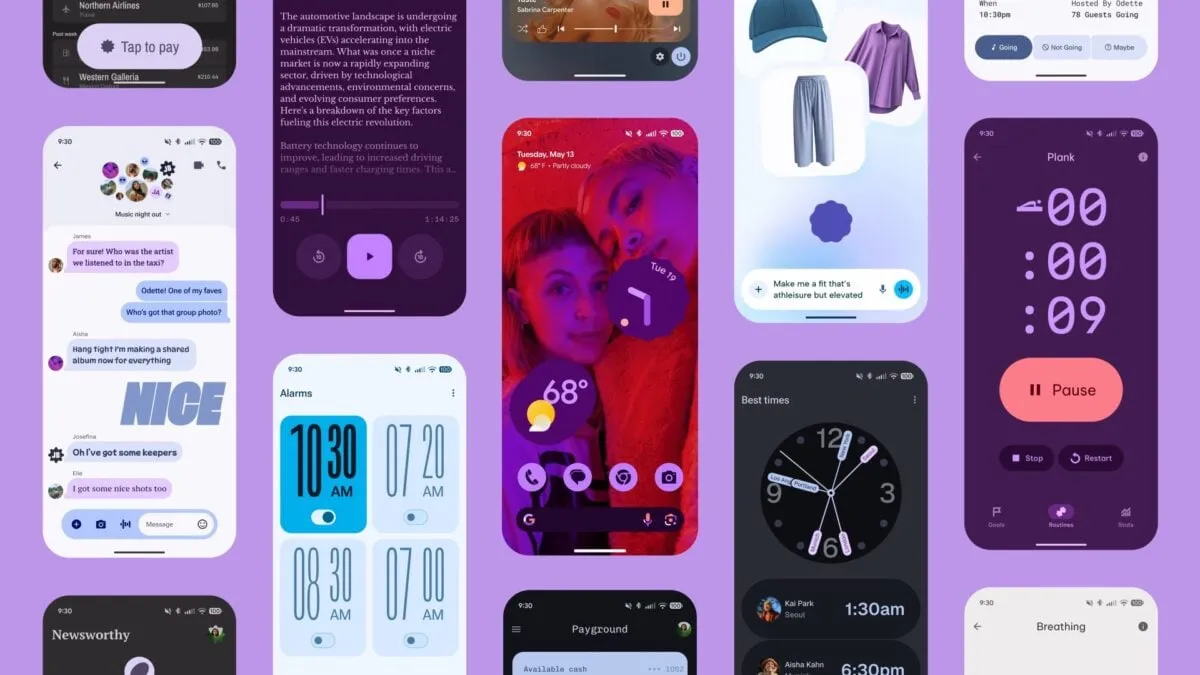
Google’s latest phone and tablet design language, Material 3 Expressive, makes its debut with Android 16. It is also among the OS’s most significant user-facing modifications. It doesn’t significantly alter the appearance. Rather, it expands upon Material Design 3 by including bolder fonts, larger buttons, slick and lively animations, and more.
The timing of Material 3 Expressive is perfect. The current look felt outdated because Google introduced Material look 3 with Android 13 four years ago. Additionally, it maintains familiarity while bringing about the appropriate enhancements. Rather than droning on about Material 3 Expressive, I’ll let this Google GIF speak by itself:
This polish is present throughout Android 16, particularly when switching the system volume or closing apps from the recent apps menu. It also features smooth animations and haptic feedback. Android 16 will upgrade the dynamic color themes in addition to Material 3 Expressive, allowing apps to use additional colors from your wallpaper.
One of the main Android 16 improvements that I am most looking forward to is Material 3 Expressive, which looks good based on what Google has demonstrated. The one sour note? When Android 16 is first made available to the public in June, Material 3 Expressive will not be included. It will come later in the year instead.
Live Updates
Apps for food delivery have permeated our daily lives. Uber, Grubhub, and other food delivery apps provide real-time, urgent notifications, unlike other apps. The same is true of sports apps. Instead of launching the app, you would prefer to get real-time information in the notification shade on your phone.
Even while Android’s notification panel is more capable than iOS’s, it has trouble efficiently delivering real-time updates. With Live Activities, Apple nailed this, making it simple to monitor real-time food delivery status and sports scores.
Google’s Android 16 will have a feature called Live Updates, which is modeled after iOS. It will show the status of your meal delivery in real time on the notification shade or the lock screen of your phone. When you use Always-On Display, the status is displayed. Additionally, Google’s approach enhances the Live Update notification with helpful Call, Message, and Tip buttons.
It’s time-consuming and annoying because I have to open the meal delivery app all the time to see how it’s doing. A feature akin to the iPhone’s Live Activities was added to the skins of Android manufacturers such as OnePlus and Oppo, although the execution is unreliable and glitchy. Google should address these problems with an official solution.
Ultra HDR support for HEIC images
I use my phone to shoot a lot of photos. I have my phone’s camera app set to save JPEGs in the space-efficient HEIC format because they take up a lot of storage. The catch is that images saved in the HEIC format are not compatible with Ultra HDR on Android. I therefore use JPEG for my photos, which uses up all of my 2TB of Google One storage.
This will be altered with Android 16’s addition of Ultra HDR capability for HEIC photos. Additionally, Google is developing UltraHDR support for AVIF files, which should be available soon.
With Android 14, Google debuted Ultra HDR. It enables images to have improved color and a wider dynamic range. These enhancements are provided without any compatibility problems. On devices with SDR screens, Ultra HDR JPEG images immediately revert to the SDR gain map. Google mandated Ultra HDR support for phones with performance class 15 starting with Android 15.
Let’s hope Google upgrades the Pixel Camera app to enable saving shots in HEIC by default rather than JPEG, because Android 16 now supports Ultra HDR for HEIC files.
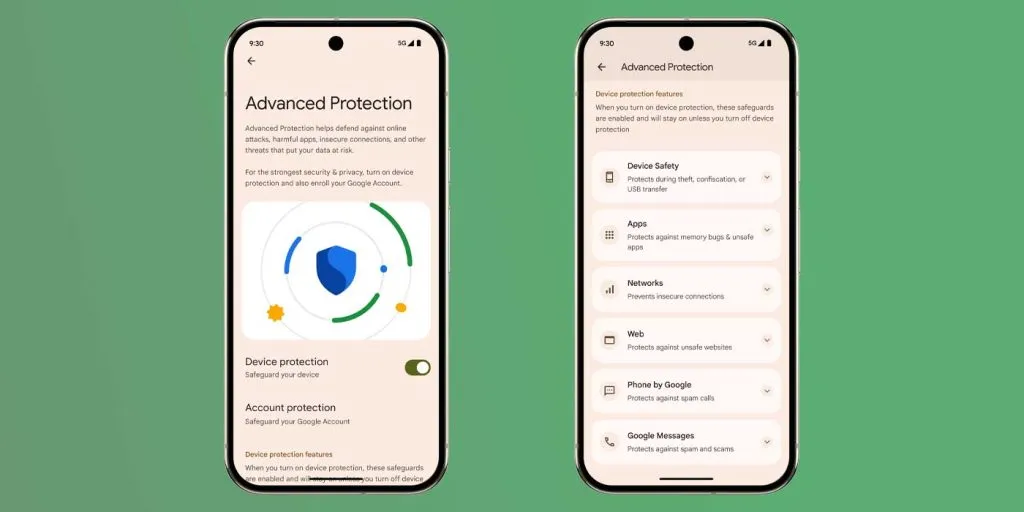
Advanced Protection mode
Google has strengthened Android’s security over the past few years by adding a number of features. However, there is still opportunity for improvement. In addition, I believe that Android’s security features fall short of those of the iPhone.
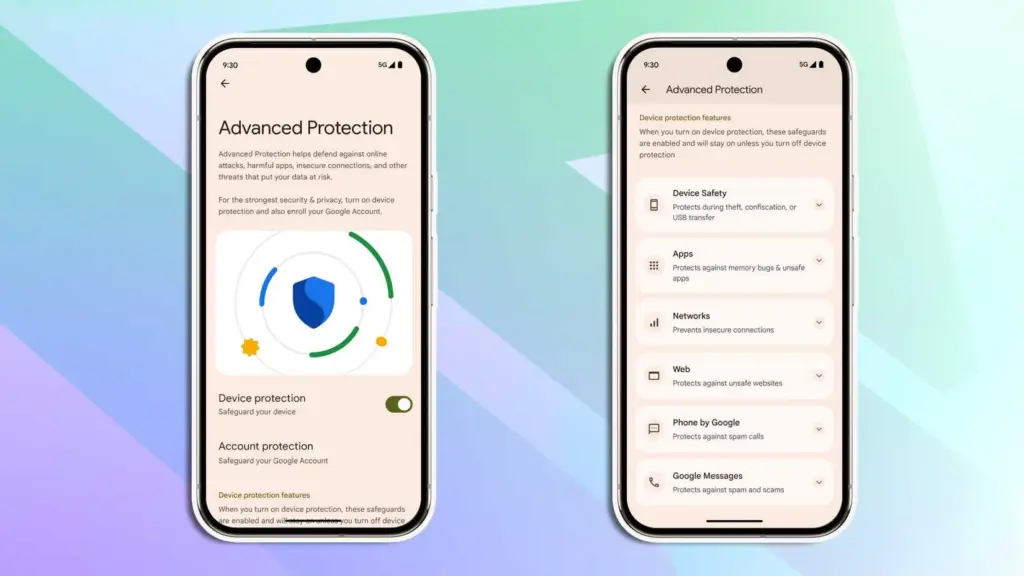
Google is making a significant effort to address issue with Android 16. Major security-related settings will be consolidated under a new Advanced Protection mode. To activate offline device locating or Theft Detection, you won’t need to go far into your phone’s settings menu.
With a single Advanced Protection toggle, you can enable all available security measures in Android across several categories. The list is as follows:
Intrusion Logging
Theft Detection Lock
Offline Device Lock
Inactivity Reboot
USB Protection
Google Play Protect
Unknown App Protection
Memory Tagging Extension
Android Safe Browsing
Chrome Safe Browsing
Javascript Protection
Unsafe Link Protection
Spam and Scam Protection (Google Messages)
Spam and Scam Protection (Phone by Google)
Called ID & Spam
Automatic Call Screening
2G Network Protection
Disable Auto-Reconnect to Insecure Networks
Numerous security mechanisms are dispersed across the operating system. For instance, the Google Play Protection option is located under Security & Privacy, whereas the Caller ID & Spam protection settings are located in the Phone app settings.
With Android 16, a new security feature called Intrusion Logging generates and preserves a device activity record for study after a compromise. It is safe but easily accessible because it is kept in the cloud and is end-to-end encrypted.
Another new security feature in Android 16 is Inactivity Reboot, which will restart your phone automatically after 72 hours of inactivity and lock-up. This will guarantee that no user data may be viewed until the device is opened by entering the password or PIN.
I won’t gain much from Android 16’s Advanced Protection Mode. I only activate these functions when I’m on the road. Nevertheless, it’s a useful innovation that will make Android more secure.
Despite being a feature-rich version, Android 16 will not ship with all the new goodies in June and still lacks several long-awaited additions. Rather, Google will make more significant improvements later in the year, most likely in conjunction with a quarterly platform release and the Pixel 10 family. Additionally, some improvements may not be available for non-Pixel phones because the manufacturer may choose not to incorporate them into their skin.If you want the latest Droid Tools news, follow us on X @droid_tools and like our page on Facebook to stay updated.