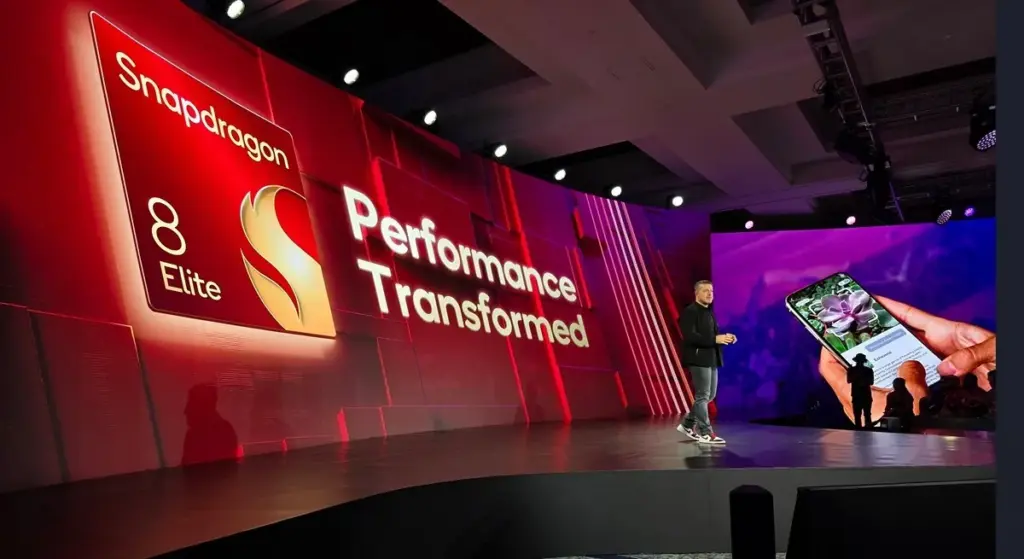
Previous rumors claimed that Qualcomm and Samsung were working together to produce a 2nm Snapdragon 8 Elite 2 chip that would power next-generation flagships. But it looks like the project has been canceled. Rather, a new chip is being developed.
The competition for the fastest and most efficient processor is constantly getting more intense in the very competitive smartphone market. And for a split second, it appeared as though Samsung might be ready to take the lead. According to rumors, Qualcomm and Samsung were making headway in producing a 2nm version of the Snapdragon 8 Elite 2, the company’s next-generation powerhouse. It was anticipated that this generation will be even more sophisticated than the 3nm CPUs seen in the majority of Android flagships. certain even thought it will power certain of the Galaxy S26 lineup’s models. However, those preparations seem to have ended abruptly.
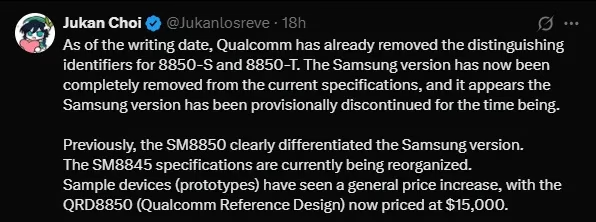
Qualcomm has now canceled the 2nm version of the Snapdragon 8 Elite 2 chip that was made by Samsung, according to a leaker on X, now known as Twitter (@Jukanlosreve). The chip, known internally as SM8850-S, is no longer listed on Qualcomm’s website. Two distinct versions were previously included in Qualcomm’s documentation: the now-missing 2nm Samsung version and the SM8850-T, a 3nm chip manufactured by TSMC.
The fact that just the base model SM8850 is left suggests that the 3nm chip manufactured by TSMC is the only one that has survived. The leak makes it abundantly evident that Qualcomm has quietly removed Samsung from the manufacturing equation, at least for this flagship chip, even if the firm has not provided an explanation for the move.
According to the move, the TSMC version of the Snapdragon 8 Elite 2 will be included in all major Android phones that arrive in late 2025 and after. It’s a setback for Samsung, which was hoping to show off its 2nm prowess and catch up in the semiconductor industry. For now, we can only surmise as to whether the decision was made due to basic strategy realignment, performance issues, or production constraints.
The Snapdragon 8 Elite 2 prototype, which developers and OEMs utilize for early testing, has witnessed a significant price increase, according to related news from the same source. Its current price of $15,000 indicates both great demand and limited supply. That’s a big jump, and it might be Qualcomm’s strategy to limit the chip to exclusive partners in the early stages.
It’s also important to note that Qualcomm is currently changing the specifications for its SM8845 chip, which is probably going to be marketed as the Snapdragon 8s Gen 5. Although specifics are still unknown, this chip is anticipated to function as a more affordable flagship choice, potentially aiming for upper-mid-range phones with performance that falls just short of the Elite series.
A 2nm Snapdragon manufactured by Samsung would have made headlines, but it appears that the story has changed. For Qualcomm’s flagship goals, TSMC’s 3nm technology is currently the preferred platform. Although this leak implies it won’t be with the Snapdragon 8 Elite 2, Samsung may still have a 2nm moment in the future.
Stay connected with the latest from Droid Tools—follow us on X @droid_tools, like our page on Facebook, check out our updates on Instagram, and follow us on Google News for real-time news, device tips, and mobile tech insights.
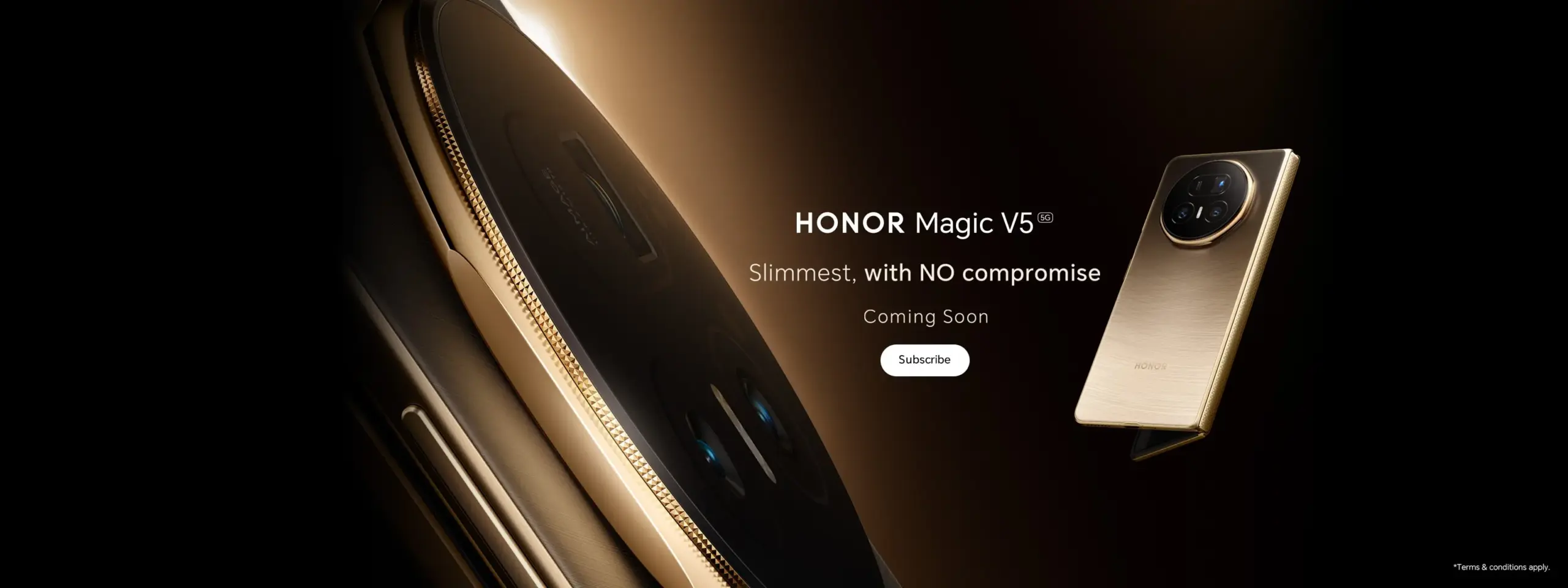
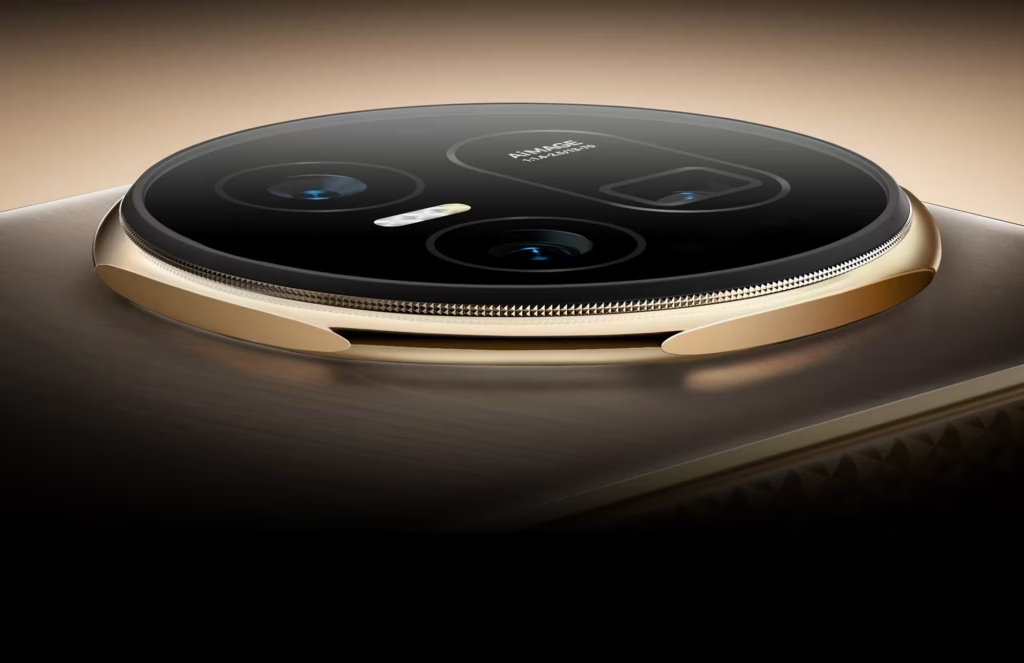
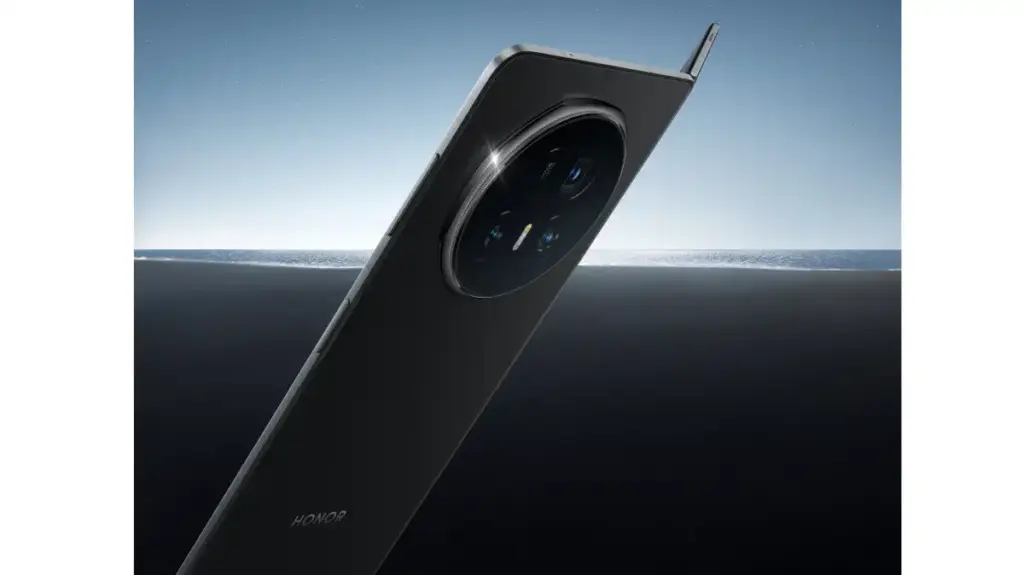
Honor has now officially unveiled the Honor Magic V5, a foldable phone that, at least on paper, makes headlines as the thinnest of its kind. When the increased camera hump and material variations among its color options are taken into account, the company’s claim that it is the thinnest foldable in the world is a touch stretching the truth.
Honor Magic V5 specs:
When folded, the Honor Magic V5 measures 8.8mm (as opposed to 8.9 on the Oppo Find N5), giving it a 0.1mm edge over its competitor. However, due to its unique fiber finish, the white version alone meets this criterion. Measuring roughly 9mm, the other color is made of substitute materials like vegan leather. Still elegant, but by no means a record-breaking all-rounder.
In terms of features, the Magic V5 is excellent. This boasts a huge 5,820mAh battery, up to 16GB of RAM, and the Qualcomm Snapdragon 8 Elite CPU. Both displays have IP58 and IP59 resistance and are 120Hz LTPO OLED screens. It is a good all-around package because it also supports wireless charging.
Camera
But thickness is more than just a numerical value. Despite having a thin overall design, the V5 feels chunkier due to the back camera module protruding significantly more than the Oppo one. Honor responds to it with a well-designed camera that has higher megapixels and a slower shutter speed, which is a compromise that many consumers will find acceptable.
With an opening thickness of only 4.1 mm, the Magic V5 narrowly outperforms its rival’s 4.2 mm frame. The Huawei trifold Mate XT, on the other hand, continues to hold the record for the thinnest open design, measuring only 3.6mm, but it does so by giving up the USB-C connection in one of the hinge locations.
Even though Magic V5 may be nearing the end of its design possibilities, it shows that Honor is still pushing the envelope, although slightly.
Stay connected with the latest from Droid Tools—follow us on X @droid_tools, like our page on Facebook, check out our updates on Instagram, and follow us on Google News for real-time news, device tips, and mobile tech insights.
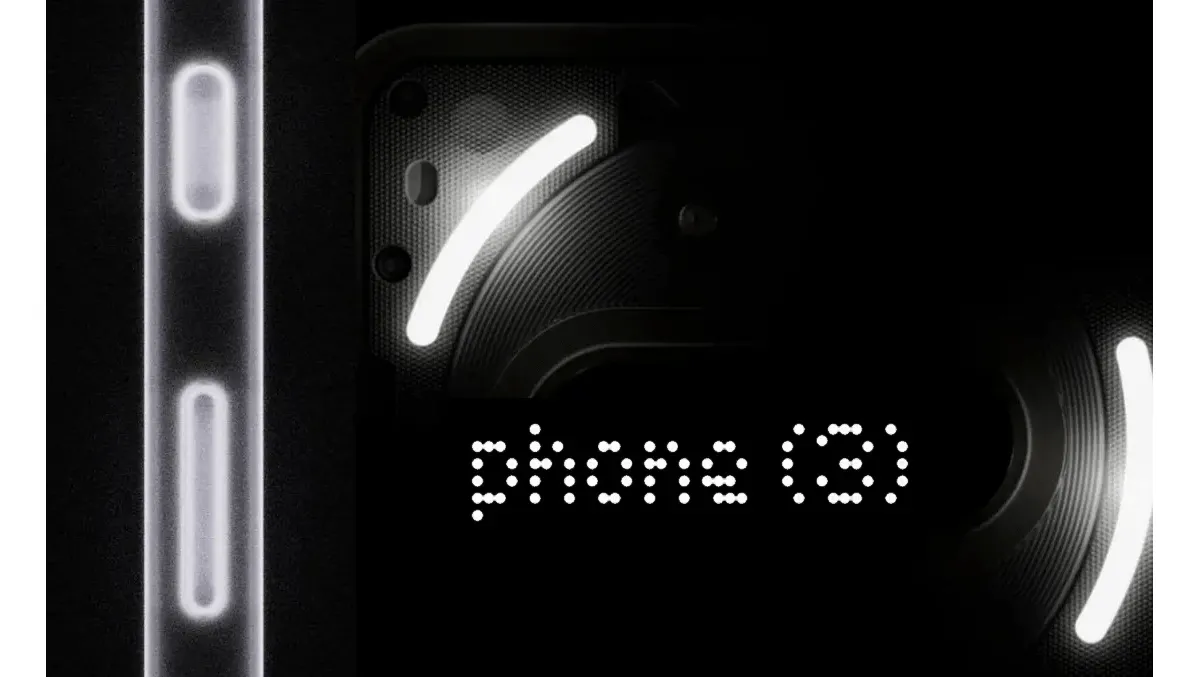
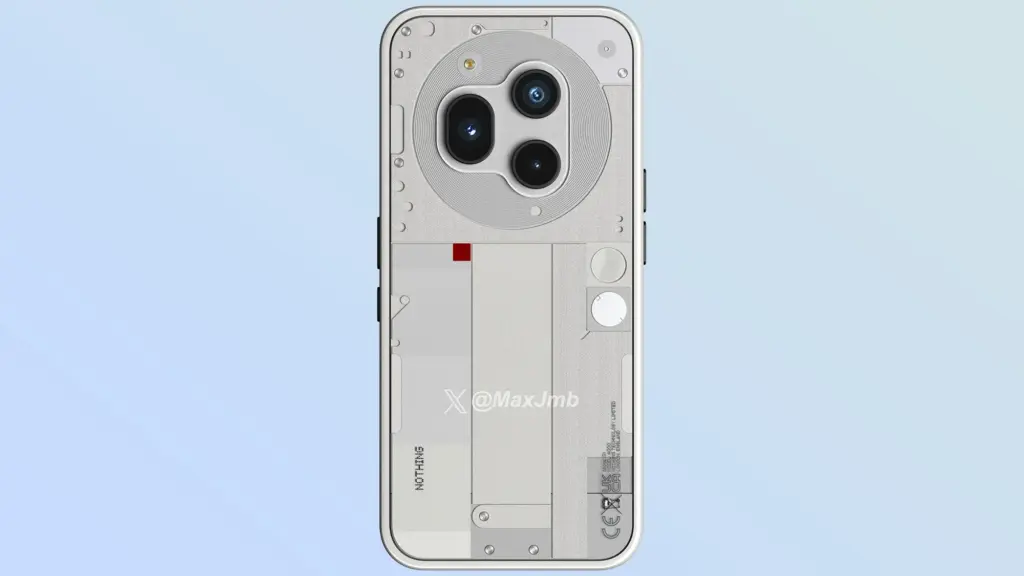
Nothing has formally announced that their next phone, the Phone 3, will be available on July 1st, 2025. Numerous details about the Nothing Phone 3 have already surfaced online, including its features and characteristics. According to an official teaser released by Nothing, the device would use an LED effect in place of Glyph. The Snapdragon8S Generation 4 is the only one of several upcoming improvements on the Nothing Phone 3, according to Gadget Bits’ X handle.
Nothing Phone 3 launch
On July 1st, 2025, Nothing Phone 3 will launch, following the success of Nothing Phone 2. The sale will begin on July 1st, however no official teasers have been released. The offer will be available on the official Nothing website, as well as on Amazon, Flipkart, and other online retailers.
Features and Specs
The Nothing Phone 3’s display features a 6.7″ screen and a 1.5K LTPO OLED panel. Nothing’s Phone 3 will have a display that supports 10802392 pixels. The display has a refresh rate of up to 120 Hz and a brightness of up to 3000 nits. The phone is 163.577.5*8.4 mm in size. Given that the present phone weighs 201g, consumers should have no trouble carrying it. Glass has been included onto the front and rear of the gadget to provide protection. Nothing Phone 3’s IP64 certification offers dust and water resistance.
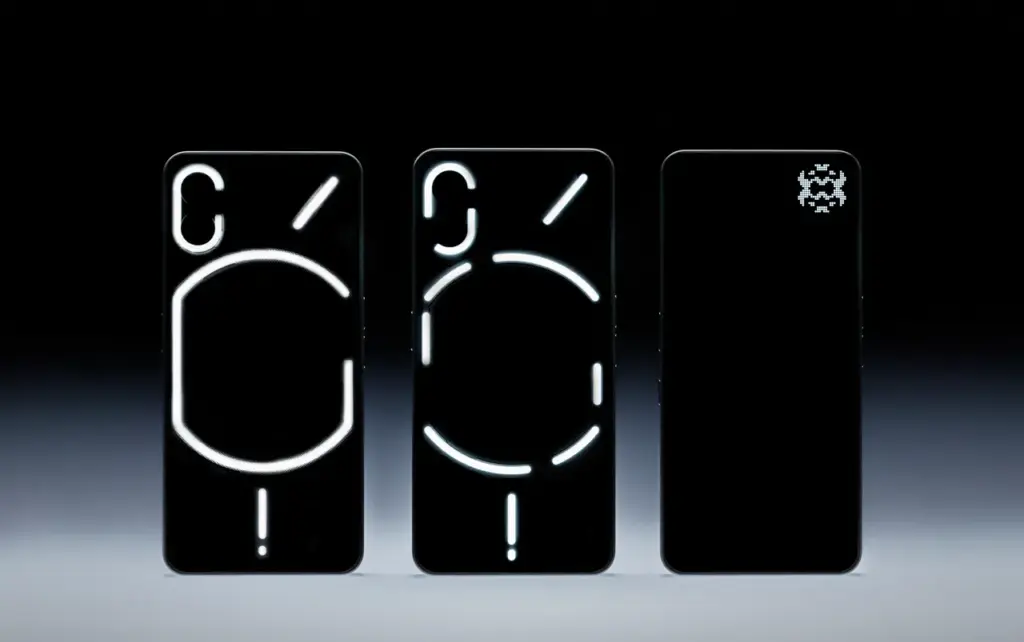
The Phone 3’s triple-lens back camera has 50MP primary, 50MP telephoto, and 50MP ultra-wide lenses. A 3x optical zoom is included into the telephoto lens. One of its unique features is the Glyph matrix, which will be positioned in the top right corner of the device to provide a clear view. Users may shoot selfies and make high-quality video calls thanks to the 50MP front camera. The front camera can capture 1080p video at 30 frames per second. We may anticipate that focusing may be an option on the front camera.
The current phone is equipped with a Qualcomm Snapdragon8S Generation 4 chipset. Nothing OS 3.5 and Android-15 support the base.
The largest improvement is the larger battery capacity of the Phone3, which is approximately 5150mAh. There is a significant charge rate associated with this upgrade. Additionally, it enables cable charging with fast charging up to 100W. This phone also has the option of wireless charging. Additionally, it will offer wireless charging in reverse, which is ideal for gamers.
For some potential users, it offers a significant improvement in eSIM capability, something that the previous Nothing phones did not offer. Additionally, it is said that Nothing’s Phone 3 will feature NFC.
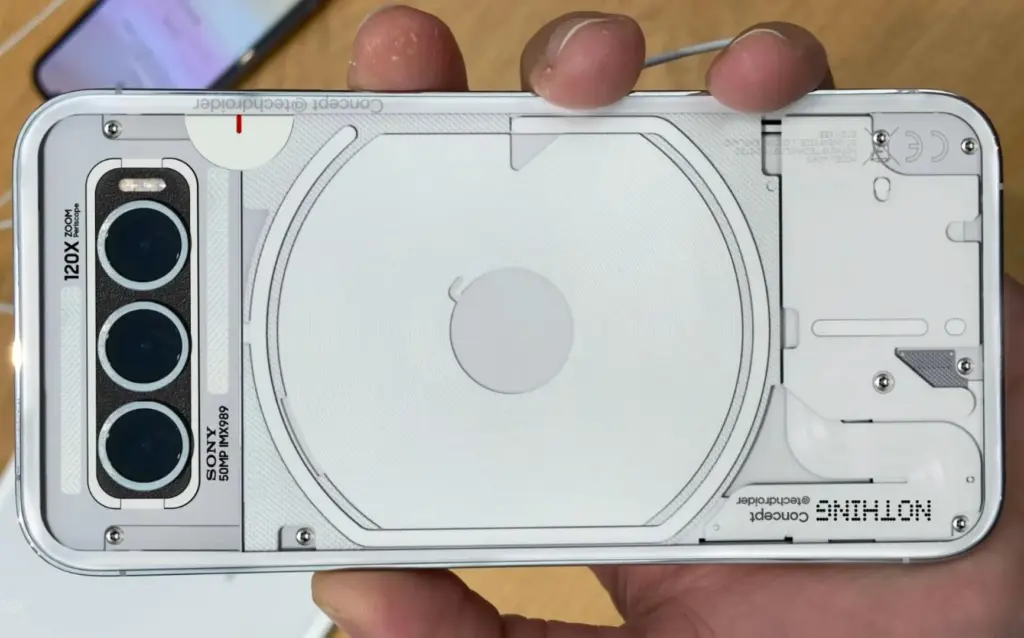
Although the camera design is not shown, the blurry image of the Phone 3 that was released in the X grip gives a glimpse of the back-camera look. Continue to visit our websites for additional updates on Nothing Phone 3 modifications and enhancements.
Stay connected with the latest from Droid Tools—follow us on X @droid_tools, like our page on Facebook, check out our updates on Instagram, and follow us on Google News for real-time news, device tips, and mobile tech insights.
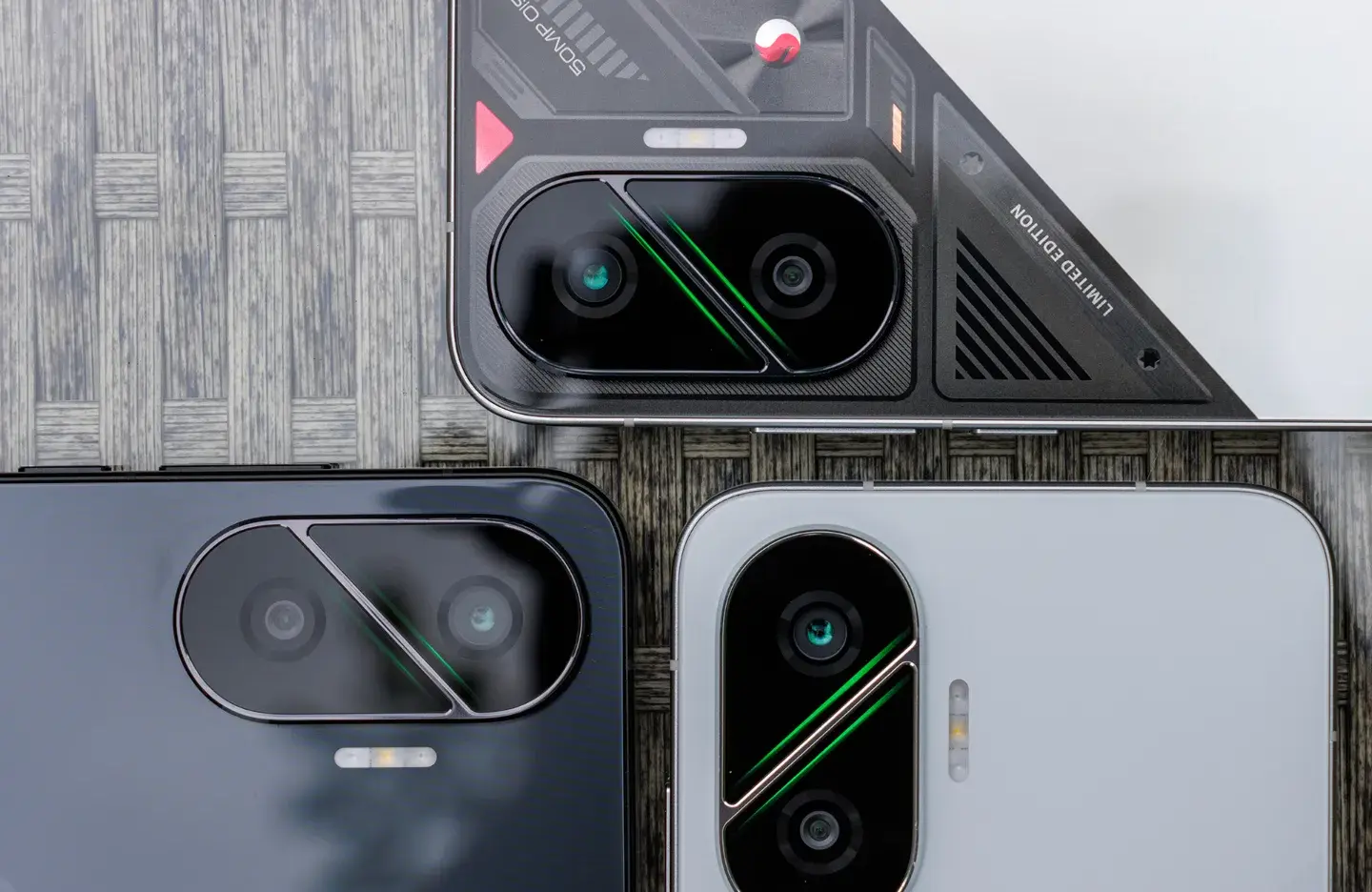
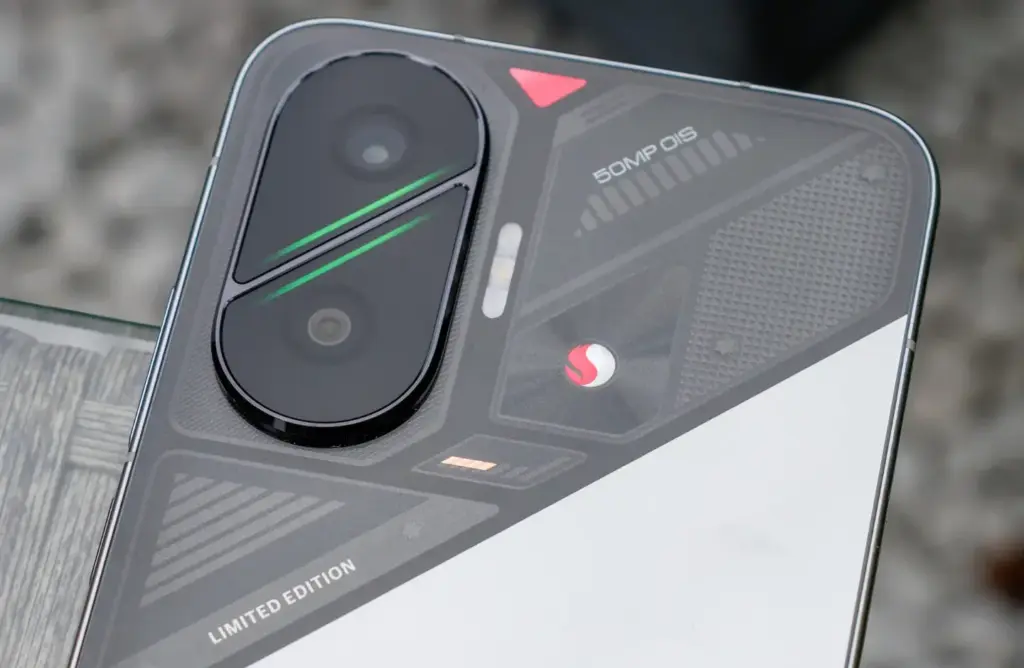
Three launch color options for the Poco F7 have now been announced by Xiaomi. The Poco F7 Limited Edition has provided a preview of what to expect from the third and probably least expensive edition in the Poco F7 series, even if the firm has not yet disclosed any specifications.
The Poco F7 has been revealed by Xiaomi in advance of its June 24 full release. The corporation has pledged to sell the device both in India and internationally, as we have discussed separately. By the way, Geekbench has now shown proof of the former.
Xiaomi has given us permission to release images of the Poco F7 in all three launch colors before next week. These allow us to verify that the gadget has a visually appealing camera housing and a metal frame with matching buttons. The green flashes on each lens are just cosmetic and not active LEDs, despite appearances.
Even the Limited Edition edition appears to be scheduled for a worldwide distribution in the interim. With a quasi-translucent finish, the Limited Edition model also shows that, like the Poco F7 Pro before it, the Poco F7 will come with a Qualcomm Snapdragon processor and a 50 MP primary camera with OIS. Unfortunately, at this time, we are unable to disclose any additional specifications. For additional information prior to the launch event on Tuesday, please watch the TechTablets video below.
A mid-range gaming PC used to boast about having sixteen gigabytes, but a common sale slip now attributes that amount to a rectangular glass slab that fits in your pocket. A pre-Independence Day fireworks show for spec hunters, Walmart’s business section quickly revealed details about Nothing’s next Phone 3, including 16 GB of LPDDR5X, 512 GB of UFS 4.0, and a July first street date. This is also the first time Nothing is formally bringing its phone to the US borders.
Nothing Phone 3 price and specs
The price of that top-tier configuration is anticipated to be $899, whereas a 12 GB/256 GB device costs about $799. Finally, AT&T and T-Mobile 5G capability is available to North American customers, removing the import-phone issues that plagued previous versions. This high pricing betrays Nothing’s confidence that, if the focus switches from camera count to brain horsepower, hardware alone may overtake established titans.
According to reports, Qualcomm’s next Snapdragon 8 Elite has 60 TOPS of on-chip AI grunt, but if Android continues to remove tensor weights, the hungry silicon will still lag. While you doom-scroll, translate, and sketch-to-image simultaneously, a seven-billion-parameter language model is residing in sixteen terabytes. When the Gemini Nano failed to load on 8 GB Pixels, Google realized the limit; it would be better to go overboard than to subsequently apologize.
AI is coming to Nothing
AI-generated wallpapers, offline transcription, and a ChatGPT-lite that never spills a byte outside of your SIM are all features you can expect to see at the keynote. The true magic will be subtle: frame buffers, tensor cues, and next-step suggestions finally coexisting in memory, resulting in perceptual haptics that feel instantaneous and predictive caching. RAM will be the new battery in 2025; consumers won’t feel any pain until it runs out.
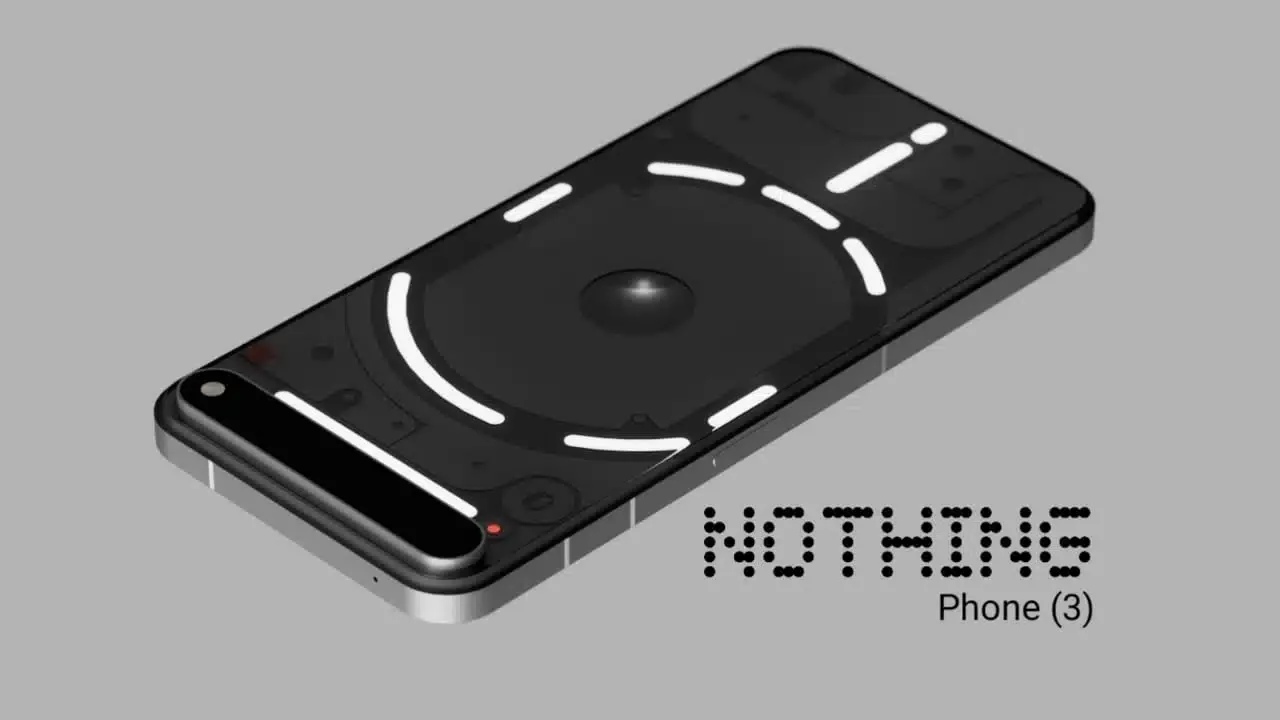
However, realistic theater and performance theater must share the focus. Its recognizable Glyph light bars have not been given a death certificate. In dim subway trains, two generations of Morse-code strips became cult favorites, but improvement necessitates development. The Glyph Matrix is a transparent rear plate with a dotted halo of individually programmable LEDs that can scroll text and trace icons and emoticons.
We don’t know for sure, but it appears that the wireless charging coil has also been removed in the ultimate bear hug due to the Glyph Interface’s demise. Rumor has it that the new Glyph Matrix occupies the space that was previously occupied by the wireless charging coil, which essentially became a crucial component of the flagship phone’s iconic design. The matrix seems to be the ideal location for the circular light grid, but there is no reliable way to tell if it actually replaces the Qi2 coil.
Mischief ensues when that canvas is combined with on-device AI inference. The LEDs may turn into a silent progress bar as diffusion models create an illustration, pulse in harmonic waves that reflect the mood of your playlist, or remain inactive until a predictive engine determines the alert is actually worth looking at. At last, hardware transforms from a ringtone to ambient UX.
Ambition rarely moves by itself. Whatever watt-hour benefits come with the anticipated 5,000 mAh battery could be erased by more than two hundred LEDs using power in addition to a more demanding NPU. Moving the coil could result in reduced wireless charging speed or the complete elimination of reverse charging. While you wait for an AI recipe recommendation, your pocket might serve as a hand warmer if the temperature calculations are incorrect.
The arc is still pointing ahead. Smartphones used to compete on the basis of megapixels, then refresh rates; in 2025, neural FLOPS and programmable lumens will choose the winners. Phone 3 outlines a future in which the interface and hardware literally light up one another by fusing 16 GB of breathing room with a light-spewing, AI-aware rear panel. The concept pushes the industry toward gadgets that think more deeply, glow more intelligently, and feel distinctly alive, even if the first Matrix flickers.
Stay connected with the latest from Droid Tools—follow us on X @droid_tools, like our page on Facebook, check out our updates on Instagram, and follow us on Google News for real-time news, device tips, and mobile tech insights.
The 2025 Snapdragon Summit is scheduled by Qualcomm for September 23–26, 2025. The US-based chipmaker is probably going to reveal the Snapdragon 8 Elite 2, which will power the premium phones of the future. According to a recent Weibo post by trustworthy tipster Digital Chat Station, this next SoC will have significant improvements in processing and graphics capabilities.
According to the leak, Qualcomm’s second-generation Oryon CPU architecture would be available in the Snapdragon 8 Elite 2. According to reports, the chipset is aiming for single-core test scores of over 4,000 points and multi-core scores of up to 11,000 points on Geekbench 6. The new chip promises a considerable performance boost over the first-generation Snapdragon 8 Elite, which scored about 3,100 and 9,800, respectively.
Snapdragon 8 Elite 2: big upgrade in CPU and GPU performance
A 16MB GMEM cache and an updated Adreno 840 GPU are also anticipated to be included in the platform, which will enable it to easily handle demanding visuals and graphics-intensive applications. These improvements imply that future flagship smartphones will prioritize improved thermal management and performance efficiency.
Snapdragon 8 Elite 2 known specs
According to rumors, the Snapdragon 8 Elite 2 will offer notable upgrades over its predecessor with a 2+6 CPU structure and a potential clock speed of up to 5GHz. With a base frequency of 4.4GHz, which is marginally higher than the 4.32GHz of the previous iteration, the CPU is anticipated to be constructed using TSMC’s third-generation 3nm process.
Xiaomi is probably going to be the first company to release phones with this chipset, specifically the Xiaomi 16 and Xiaomi 16 Pro, based on past trends. The OnePlus 15, iQOO 15, 15 Pro, Honor Magic 8 series, Realme GT 8 Pro, Nubia Red Magic 11 series, and Redmi K90 series are possible more early adopters.
The new processor is anticipated to be included in the Vivo X300 Ultra and Oppo Find X9 Ultra, which are scheduled to launch next year. It’s unclear, meanwhile, if the Xiaomi 16 Ultra will use the company’s proprietary Xring SoC or the Snapdragon processor.
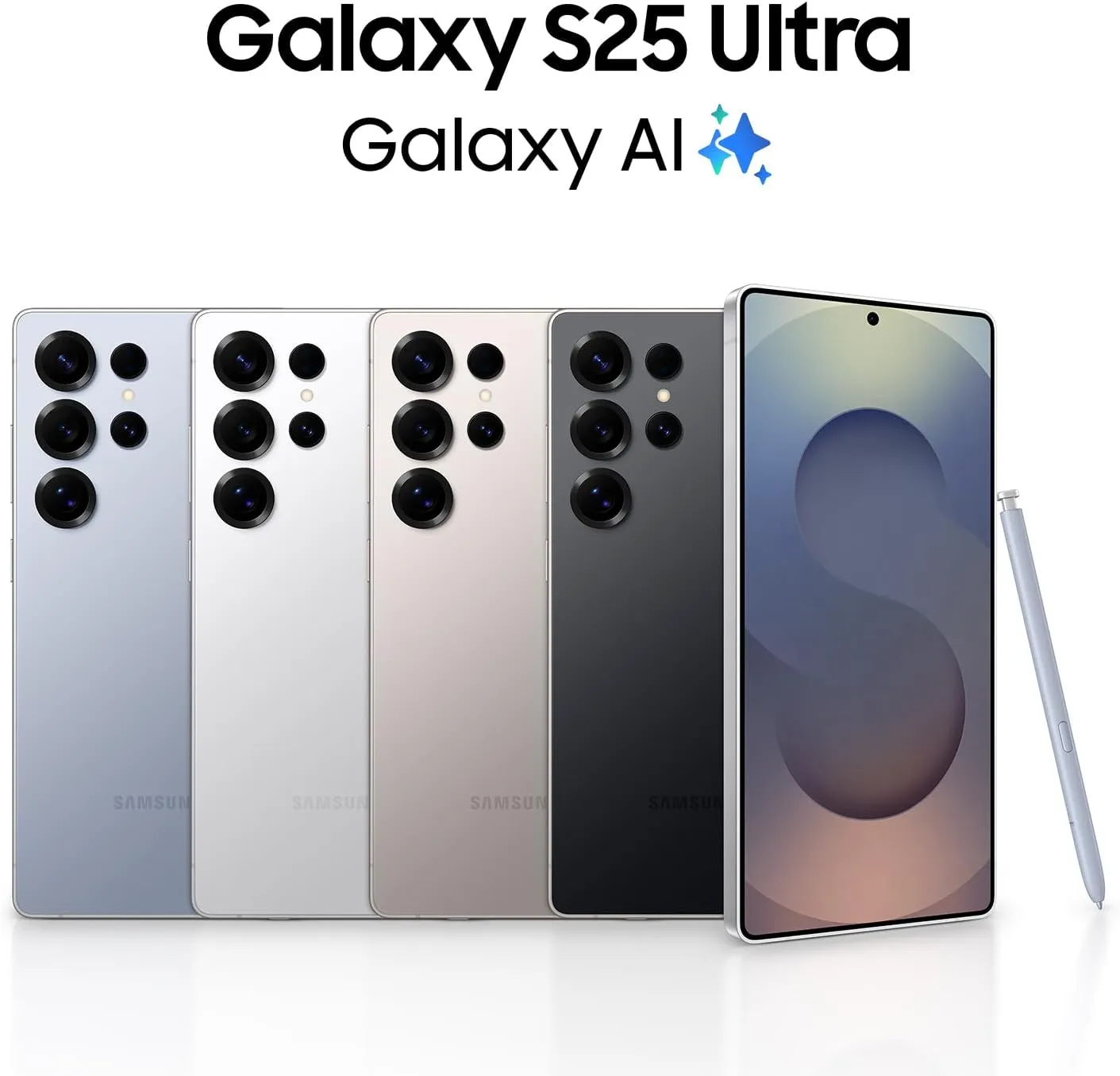
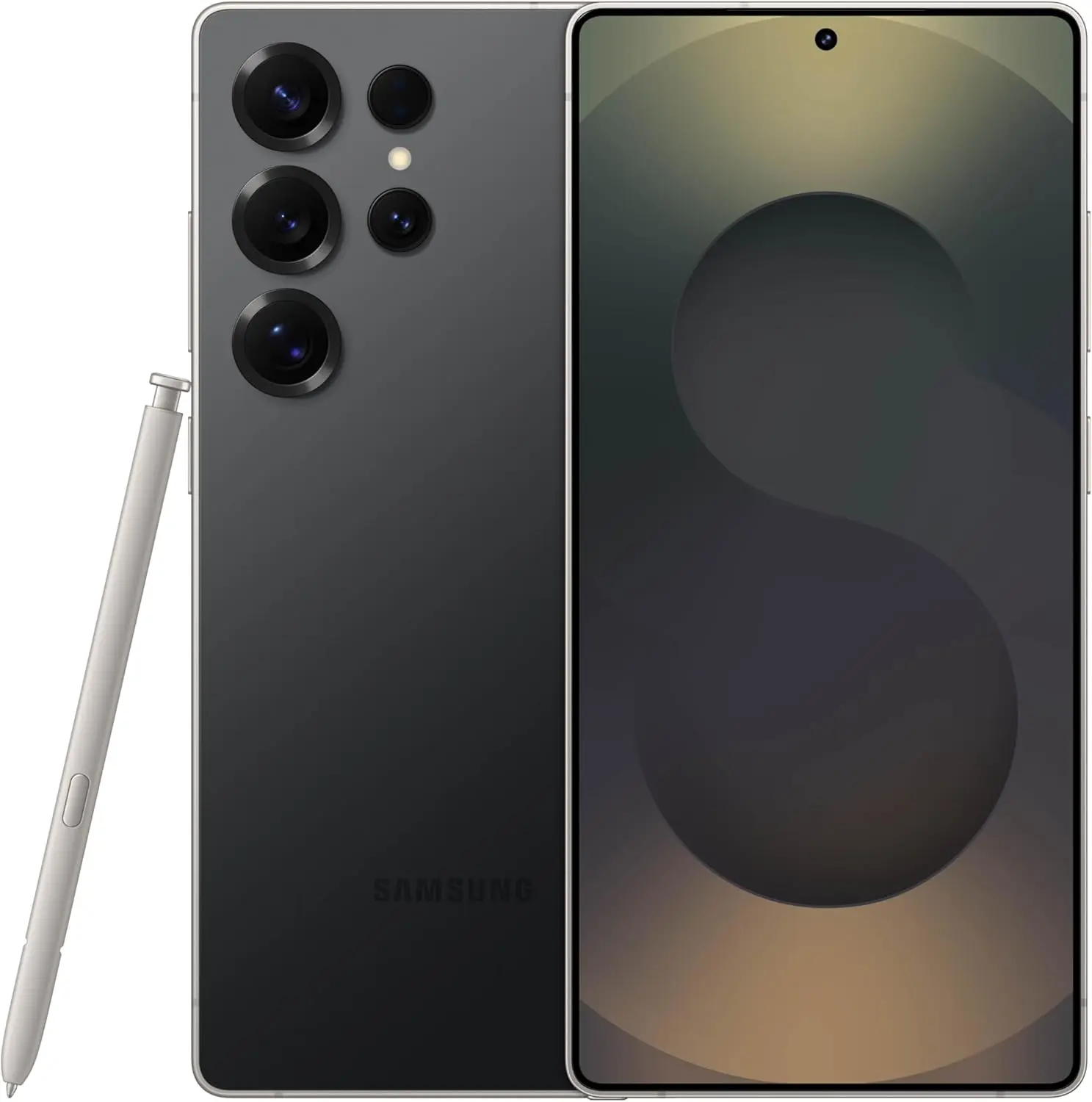
The Galaxy S25 Ultra is currently the best-selling phone on Amazon. Since its release in January 2025, it has been regarded by many as the greatest Android phone, surpassing even the iPhone 16 Pro. Amazon is selling it for $1,049, a record low price and $250 less than its original $1,299 price. Although it can sell out quickly, it’s also significantly less expensive here than at the official Samsung store.
Samsung Galaxy S25 Ultra
Streamline your day with an assistant that gets you. Ask it to Google search for a pet-friendly vegan restaurant nearby and text it to your friend— your Galaxy S25 Ultra handles multiple tasks with a single ask.
Experts believe that the Galaxy S25 Ultra is the greatest phone on the market right now since Samsung has advanced both software and hardware by incorporating artificial intelligence at every stage to provide a flawless user experience. The newest Snapdragon 8 Gen 4 processor, which powers the phone, provides blazing-fast performance for lag-free media playback and multitasking. Everything is a joy thanks to the enormous 6.8-inch Dynamic AMOLED 2X display’s brilliant colors and crisp graphics, whether you’re working or playing games.
It is perfect for businesspeople, influencers, and other individuals who use their phones constantly because of its long battery life, which allows you to use them heavily for an entire day (and possibly even longer) without worrying about running out of power.
Also, you will love its AI-powered camera system: With a 200MP primary sensor, a 50MP periscope telephoto lens with 5x optical zoom, a 12MP ultra-wide lens, and an additional telephoto lens for versatile shooting, the Galaxy S25 Ultra has a top-tier quad-camera configuration. The Audio Eraser camera removes background noise and produces beautiful footage in difficult low-light conditions. in order to revisit your most treasured memories with increased clarity and reduced distraction. Each picture appears polished and fashionable thanks to the portrait features, which are designed to enhance skin tones while maintaining natural texture.
The GalaxyS25 Ultra‘s extensive use of AI makes it an expert at simplifying your day in addition to photography: You may simplify your day by using features like “Multiple chores With One Ask,” which allows you to give your phone instructions to complete multiple chores simultaneously with a single request. For instance, you can instruct it to look for a vegan restaurant that accepts pets in your area and SMS a buddy the findings all at once. The Galaxy S25 Ultra is an appealing option for individuals looking for the highest level of performance and innovation since it combines smart AI capabilities with high-end technology, such as the Snapdragon 8 Gen 4 chipset and multipurpose camera array.
The Galaxy S25 Ultra is a fantastic choice at its lowest price ever if you’re searching for a high-end AI smartphone that simplifies your life.
Samsung Galaxy S25 Ultra
Streamline your day with an assistant that gets you. Ask it to Google search for a pet-friendly vegan restaurant nearby and text it to your friend— your Galaxy S25 Ultra handles multiple tasks with a single ask.
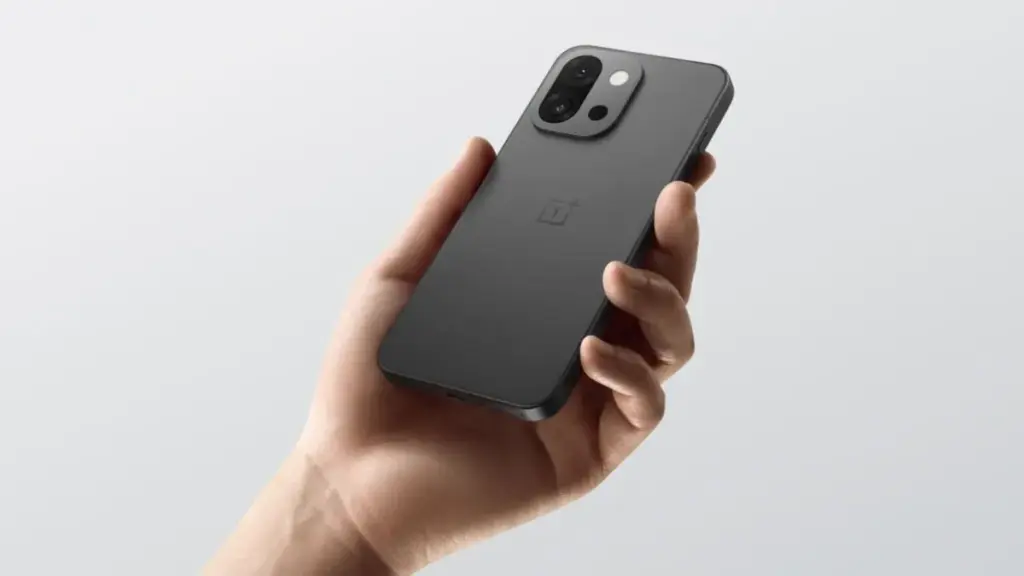
Ever since they upended the industry by releasing flagship phones that reduced the market share of the iPhone, I have been evaluating OnePlus smartphones. Somewhere, that crispness was lost as OnePlus grew over the years.
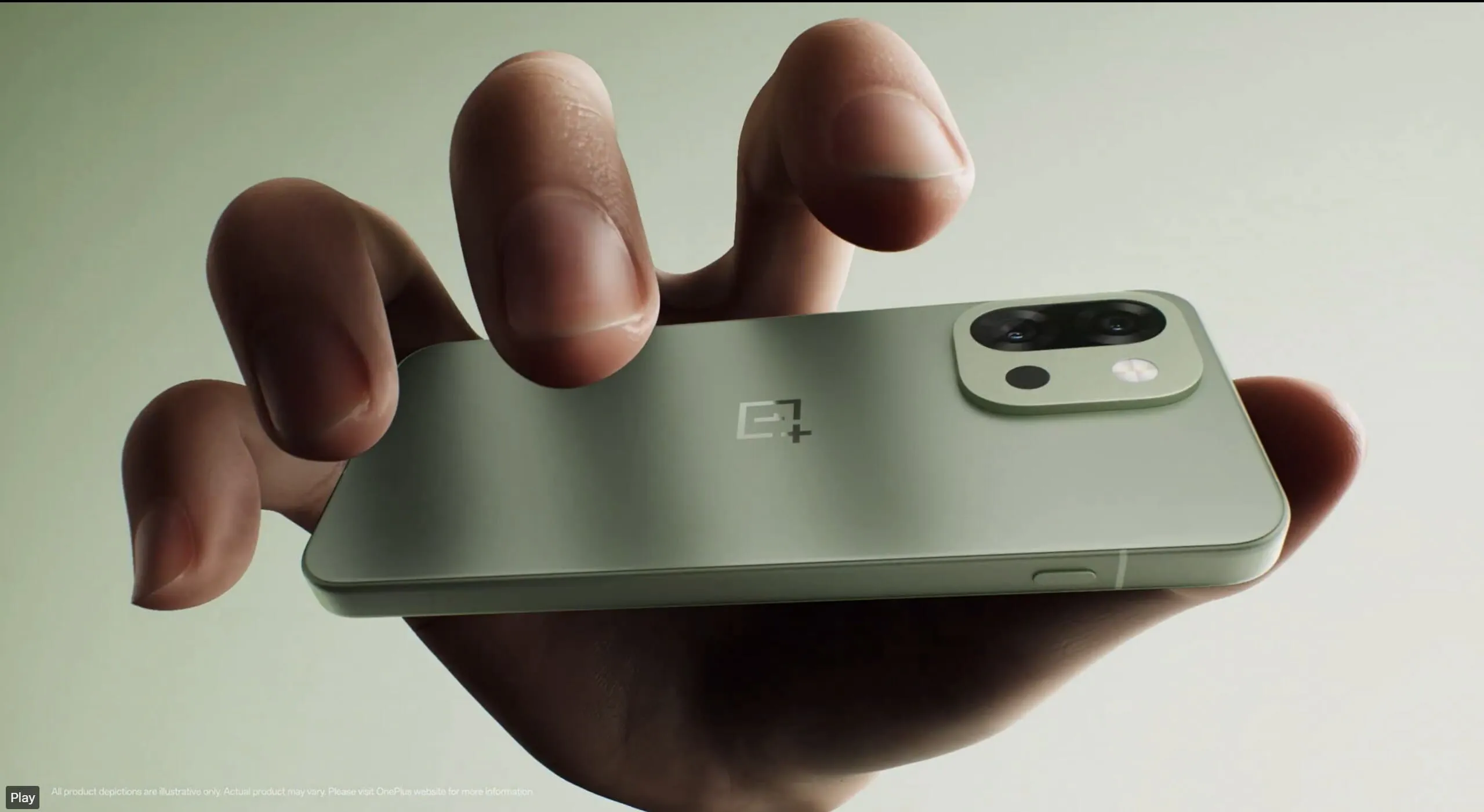
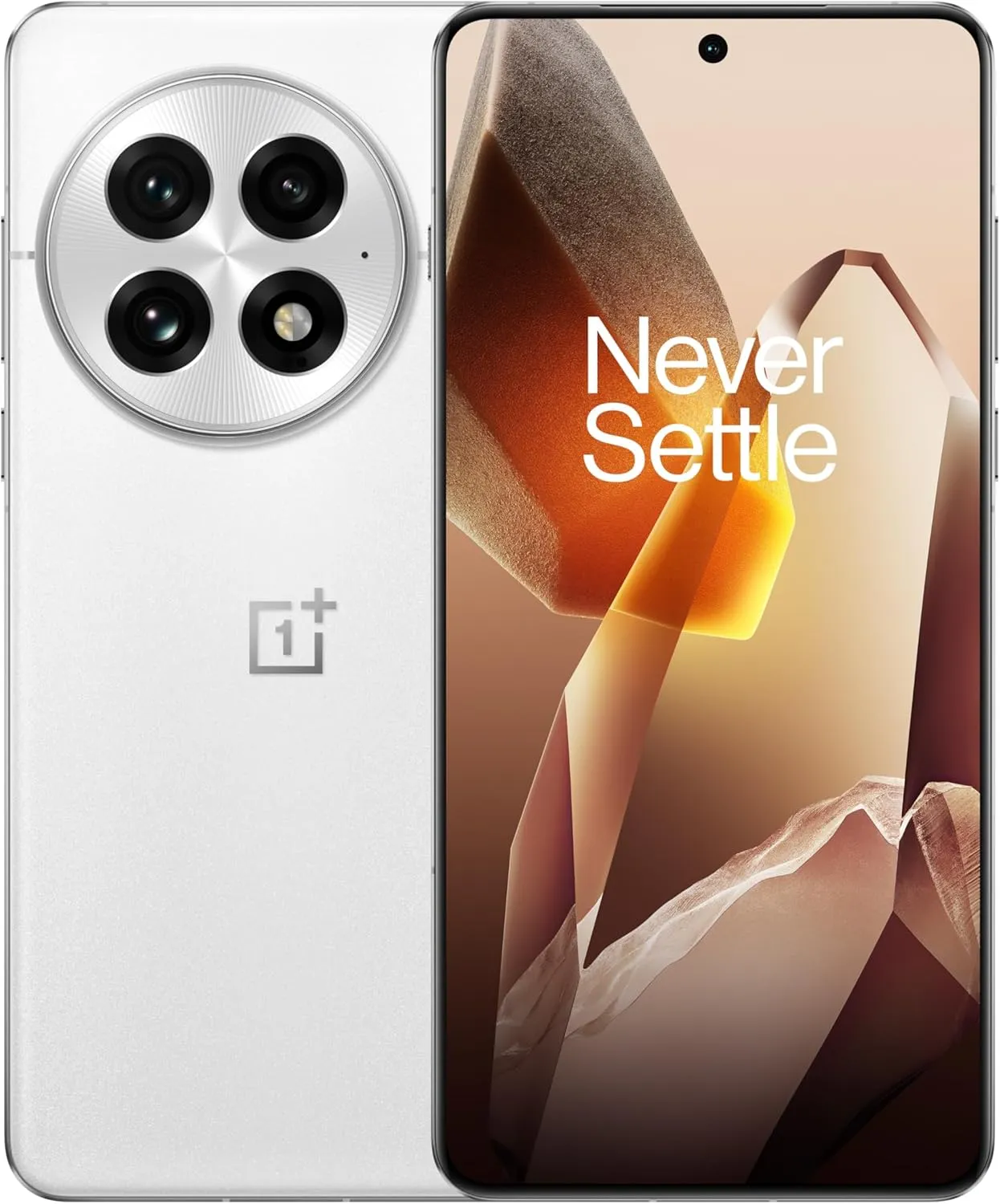
However, the OnePlus 13s seems like a relaunch, a return to the original OnePlus: community-driven, focused, and straightforward. With its sleek, small design, the 13s makes a far bigger statement than the OnePlus 13 and 13R, which suggested a return.
Design
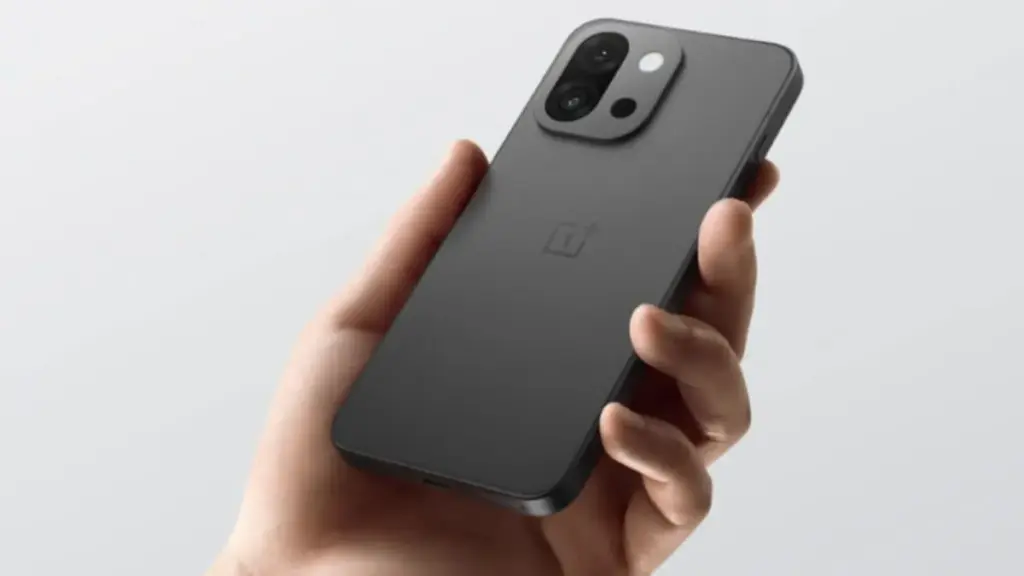
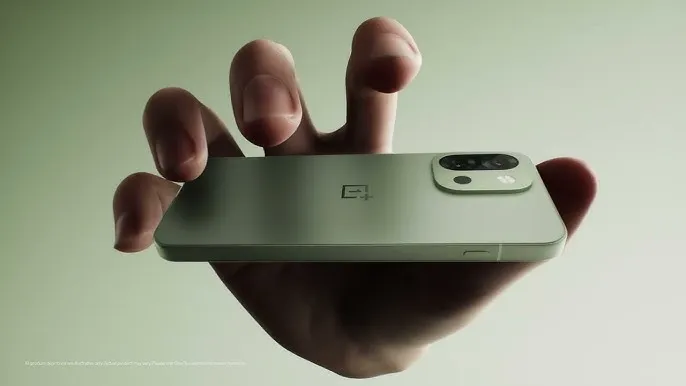
The OnePlus 13s is elegant, solid and small, and it hits the mark right away when you hold it. Yes, the clean symmetry and flat frame make it resemble an iPhone, but it never comes across as a cheesy knockoff. In fact, it feels just as good in the hand as phones like the Galaxy S25 and iPhone 16 Pro.
In a time when smartphones weigh 220g, the 13s is surprisingly light at 8.15mm thin and 185g. A textured glass finish that feels smooth without being flashy or slick is used on the back. On flat surfaces, the flush camera module makes sure there is no wobbling. The Green Silk version, which feels as high-end as it looks, is a lovely addition that is exclusive to India.
Also, OnePlus’s well-known Alert Slider has been transformed into the Plus Key, a configurable button that can be mapped to start apps and even initiate AI activities. It can be long-pressed to switch between quiet, vibrating, and ringing modes. Sensible and realistic without being overly dramatic.
An added plus is the phone’s IP65 designation, which allows it to withstand dust, rain, and unintentional splashes but falls short of complete waterproofing like the flagship models. That’s a victory for a little Android flagship.
Display
On paper, the 6.32-inch LTPO AMOLED may appear small, yet it excels in key areas. It is bright, sharp, and able to withstand the intense sunlight of Delhi thanks to its FHD+ or 1.5K resolution, 120Hz adaptive refresh rate, and maximum brightness of 1600 nits.
The color calibration by OnePlus is also flawless; it’s rich without being overpowering. The viewing experience is visually pleasing whether you’re watching Instagram Reels or IPL highlights, and I didn’t miss the 4K that was missing from my Netflix series. To be honest, I don’t see why anyone would be upset about losing out on the extra nuances of 4K on a screen this small.
Even wet hands—or sweaty ones during hot summers—won’t impair touch response thanks to Aqua Touch 2.0.
For individuals who find the large 6.7-inch slabs of today awkward, the Oneplus 13s provide a wonderfully portable option without feeling claustrophobic.
Performance
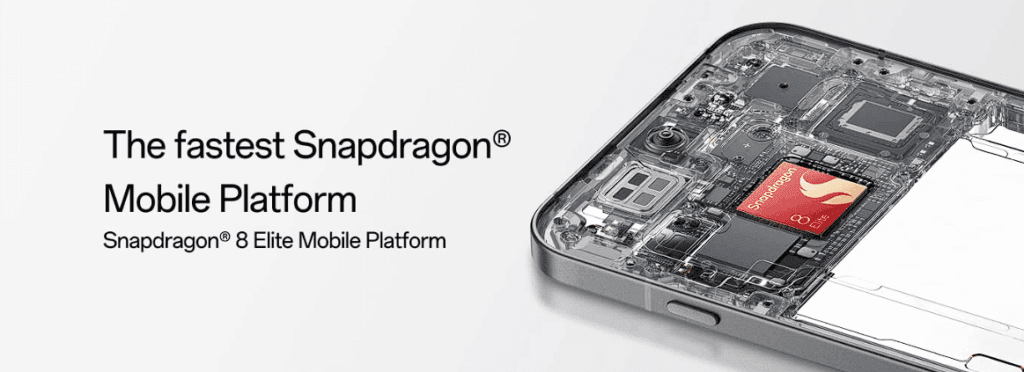
The Snapdragon 8 Elite processor, 12GB LPDDR5X RAM, and UFS 4.0 storage are installed under the hood. In summary, its performance is on par with flagship models.
The Oneplus 13s doesn’t blink whether you’re balancing multiple tabs on Chrome, Instagram, WhatsApp, and BGMI. Because of the vapor chamber cooling mechanism, it maintains frame rates steadily even throughout extended gaming sessions. Even in hot 40°C summers, OnePlus has managed to keep thermals under control thanks to some serious engineering.
You can easily reach a steady 120 frames per second on BGMI, and even after an hour of gaming, the phone remains warm – not hot. The 13s provides consistently regardless of whether you’re a casual user, gamer, or multitasker. Importantly, there are no sporadic lags or harsh throttling, even while multitasking for extended periods of time—something that even larger phones can have trouble with.
Camera
Here’s where things get interesting. The OnePlus 13s skips the trendy ultrawide lens and instead goes for a more focused setup: 50MP Sony LYT-700 primary sensor (f/1.8, OIS) 50MP 2x telephoto lens 32MP front camera with autofocus
50MP Sony LYT-700 primary sensor (f/1.8, OIS)
50MP 2x telephoto lens
32MP front camera with autofocus
Photos appear natural in daylight because of the great dynamic range and well-balanced colors. The 13s captures realistic images without the highly saturated processing we frequently see in typical Indian settings, such as bustling marketplaces, bright outdoor spaces, or verdant landscapes.
It also performs well in low light. Though not nearly as good as Google’s Pixel Night Sight or Xiaomi’s Leica-tuned cameras, nighttime street images are detailed with controlled noise. The 2x telephoto is excellent for portraits and tighter framing, but the absence of an ultrawide will be a pain if you enjoy taking landscapes or group shots.
The 32MP selfie camera is a delight – crisp, sharp, and excellent for video calls even under average indoor lighting.
With minimal tweaking, Oneplus 13s will produce Instagram-worthy photos for the majority of users. You might want to look elsewhere if you’re a purist photographer who longs for zoom versatility or ultrawide enchantment. However, the 13s is equally good for everyday recollections and social networking.
Battery
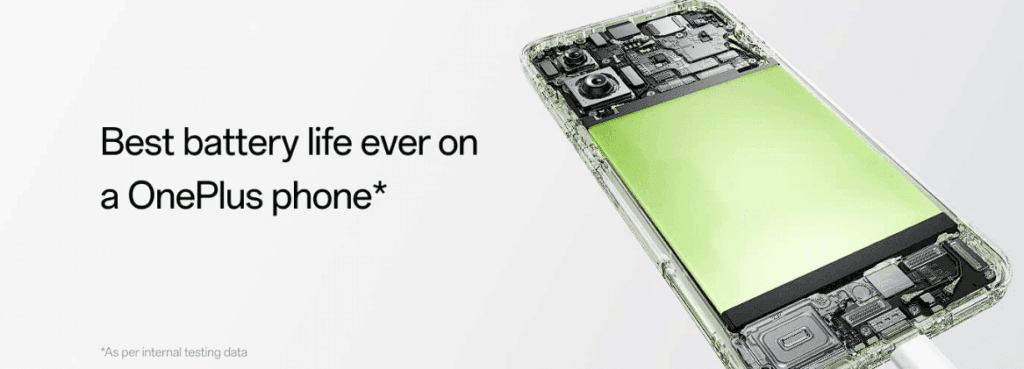
OnePlus somehow managed to fit a 5,850mAh battery into this slim body – and it pays off massively. In daily use – think 5G on, social media, camera, gaming, video calls – the 13s comfortably lasts a full day and often stretches into the next morning. In fact, it’s easily one of the longest-lasting compact flagships around right now.
Heavy BGMI gamers can pull around 7 hours of continuous play. Normal users will easily see 6-7 screen-on hours on a typical day, which is remarkable for a phone this size.
Additionally, charging is quick—80W SuperVOOC will charge you from 0% to 100% in about 50 to 60 minutes. Although wireless charging isn’t included, it’s hardly a deal breaker at this price point in India, where conventional charging is still common.
Another noteworthy feature is bypass charging, which minimizes battery wear and lowers heat by powering the phone directly during games rather than using the battery. Excellent for extended battery life and for gamers.
Conectivity
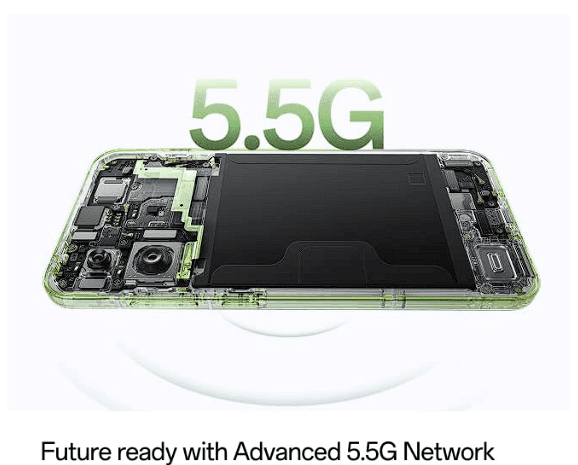
All of the well-known bands are supported by the OnePlus 13s’ extensive 5G band coverage. Even in challenging locations like metro stations and basements, it maintained robust 5G connectivity in real-world usage.
Even in spotty locations, there are very few dropouts during voice and video calls, indicating great call quality. During commutes, the stereo speakers are ideal for streaming YouTube or Netflix because they are clear and loud.
There’s dual SIM 5G standby, Wi-Fi 7 readiness for future-proofing, and even an IR blaster – a small but underrated feature for controlling your ACs, TVs and more. My personal favorite.
OnePlus 13s OS
On the Oneplus 13s, OxygenOS seems quick, clean, and bloat-free. Just like OnePlus enthusiasts would have hoped. With four years of Android OS upgrades and six years of security fixes, this phone is long-lasting and free of spam and advertisements.
Additionally, OxygenOS 15 has been polished with small features that improve everyday usability, such as Open Canvas for multitasking and smooth Mac/Windows file transfers.
Additionally, OnePlus guarantees Private Computing Cloud security for its AI capabilities, which means that your private information won’t be taken to the cloud without your permission.
All specs
Category
OnePlus 13s
Display
6.32 -inch 120Hz LTPO AMOLED, 2640×1216, 1600 nits max
OS
OxygenOS 15 based on Android 15
Chipset
Qualcomm Snapdragon 8 Elite, Adreno 830, 3nm
RAM
12GB LPDDR5X
Storage
256GB/512GB UFS 4.0
Rear camera 1
50MP Sony Lytia LYT-700, PDAF, OIS
Rear camera 2
50MP Samsung JN5 tele, 2x optical zoom
Front camera
32MP GalaxyCore GC32, autofocus, 4K video
Ingress protection
IP65 dust and water resistance
Connectivity
Wi-Fi 7, Bluetooth 6.0, limited 5G bands, NFC, dual-band GPS
Security
Optical in-screen sensor
Audio
USB-C, stereo sound, AptX HD, LDAC, LHDC 5.0
Battery
5,850mAh battery, 80W charging
Dimensions
150.8 x 71.7 x 8.2mm, 185g
Colors
Green, Pink, Black
Overall
The OnePlus 13s distinguishes itself in a crowded market for large slab phones by subtly delivering the necessities. It’s smart without being overbearing, strong without draining your battery, and high-end without breaking the bank.
The OnePlus 13s is difficult to overlook for anyone desiring a small flagship experience without sacrificing quality, be it professionals seeking power in a portable device, ardent Android users, or previous iPhone enthusiasts wishing to transfer. It’s not the most affordable flagship available.
It isn’t the most dazzling. However, for mosts’s tech-savvy users that prioritizes functionality over flash, it might be the best option.
Stay connected with the latest from Droid Tools—follow us on X @droid_tools, like our page on Facebook, check out our updates on Instagram, and follow us on Google News for real-time news, device tips, and mobile tech insights.
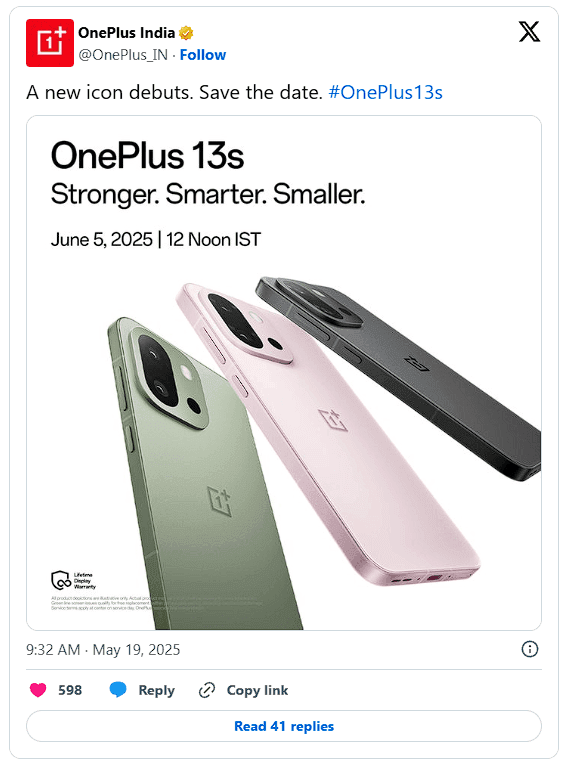
OnePlus has officially set a launch date for its next little phone after weeks of speculation. Officially, the OnePlus 13s will launch on June 5 in India and perhaps other international regions as well.
The specifications of this new handset should be fairly similar to those of the OnePlus 13T, which was released in China under a different name. However, certain changes are anticipated for buyers worldwide.
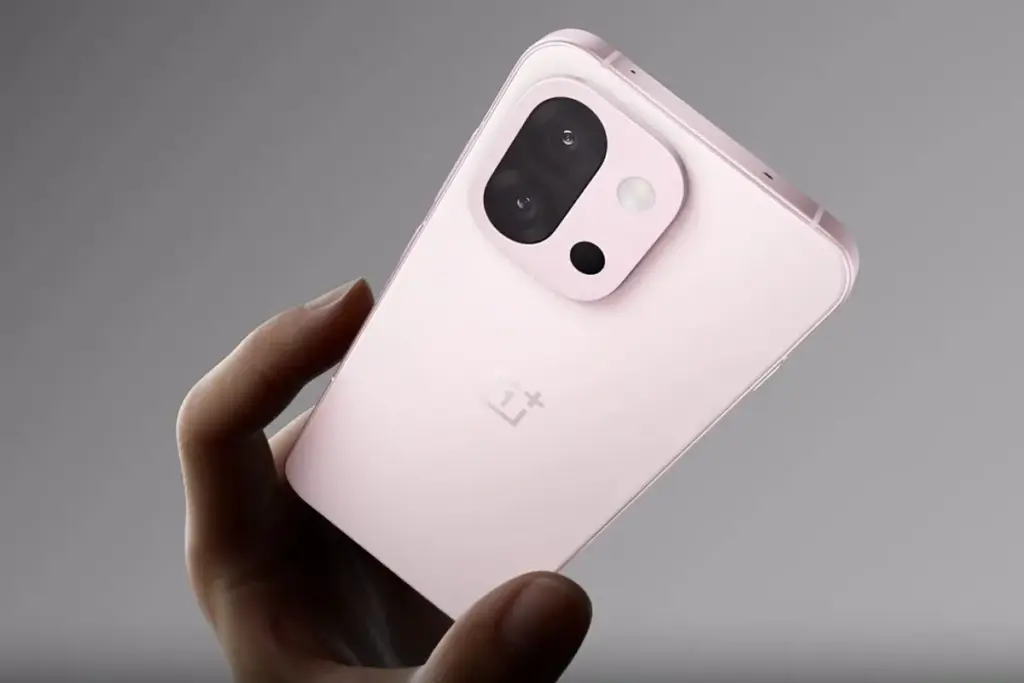
The color choices, for instance, will differ slightly. The 13s may be available in Black, Pink, and Green for global markets, whereas the 13T was only available in China in Black, Pink, and Grey.
OnePlus 13s specs
But below, you’re looking at the Snapdragon 8 Elite, the same potent chip as was used in the OnePlus 13 and, in fact, in Samsung’s Galaxy S25 series. For a small phone at this price range, OnePlus may offer configurations with up to 16 GB of RAM and a whopping 1 TB of storage.
Speaking of little, it has a 6.32-inch LTPO AMOLED screen with a resolution of 2640 x 1216 and a refresh rate of 120 Hz. With a massive 6,260mAh battery and support for 80W fast charging, the battery life should be outstanding despite its compact size. Regarding cameras, you will receive the following:
50 MP main with OIS
50 MP telephoto
16 MP selfie
However, it’s also important to note that a new button known as the Plus Key will be replacing the outdated Alert Slider. This new button, which resembles the Action Button on the iPhone, first appeared on the 13T. It’s much more customizable than just a mute switch these days; you can program it to open the camera, turn on the flashlight, activate silent mode, and more.
Although the price is yet unknown, the OnePlus 13s should be priced aggressively, particularly in India, given that the 13T was released in China for about $466. This one is looking like a strong candidate for the title of best little Android phone of the year thanks to its premium hardware, stylish design, and reasonable price.
OnePlus 13
Lightning-Fast Snapdragon 8 Elite Processor: Powered by the latest Qualcomm Snapdragon 8 Elite chipset, enjoy exceptional speed, efficiency, and performance for gaming, multitasking, and productivity.
The in-house Exynos 2600 chipset is expected to be manufactured by Samsung, which is apparently nearing mass production readiness, according to a recent Korean article.
In terms of competition, Samsung Foundry has not yet reached the desired milestone, whereas TSMC has already exceeded 60% yield on their 2nm class N2 node. However, a recent report indicates that the nascent chip manufacturer is rather close, with yields currently falling between 4 and 50 percent. It is far higher than the predicted 30% figure that was released in February.
Samsung may be forced to forgo the Snapdragon 8 Elite 2 chip for the upcoming Galaxy S26 series in some areas next year due to the Exynos 2600 chipset’s promising results from the efficient 2nm technology.
The Snapdragon 8 Elite 2 for Galaxy will be developed using the same 2nm technology, the report also reveals. It is expected to appear in the second half of 2026, maybe alongside the Galaxy Z Fold 8 and Galaxy Z Flip 8.
According to a post published by a tipster on X, the Korean tech giant apparently had to sacrifice performance in order to obtain functional chips, meaning that SF2 will once again lag behind TSMC’s N2 node in terms of raw performance. There might be a significant performance difference between the standard Snapdragon 8 Elite 2 and the tipster’s claim if it turns out to be accurate.