Tag: snapdragon

  • Snapdragon 8 Elite vs Snapdragon 8s Gen 4

    Snapdragon 8 Elite vs Snapdragon 8s Gen 4

    The Snapdragon 8 Elite and Snapdragon 8s Gen 4 share a name but target completely distinct segments of the mobile industry. On paper, the 8 Elite is a standout. It is Qualcomm’s most sophisticated SoC, delivering maximum raw performance, AI intelligence, and multimedia capability.

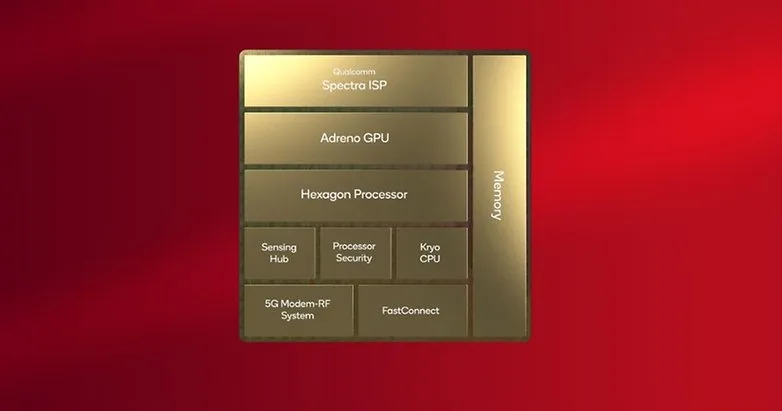
    The 8s Gen 4 is a leaner, more economical processor that inherits features from its more powerful sister while making a few smart compromises.

    Whether you are attempting to decide whether the 8s Gen 4 will be “good enough” or whether you should stick with the full-fat 8 Elite, it is useful to consider how these two chipsets compare beyond the marketing headlines.

    Performance

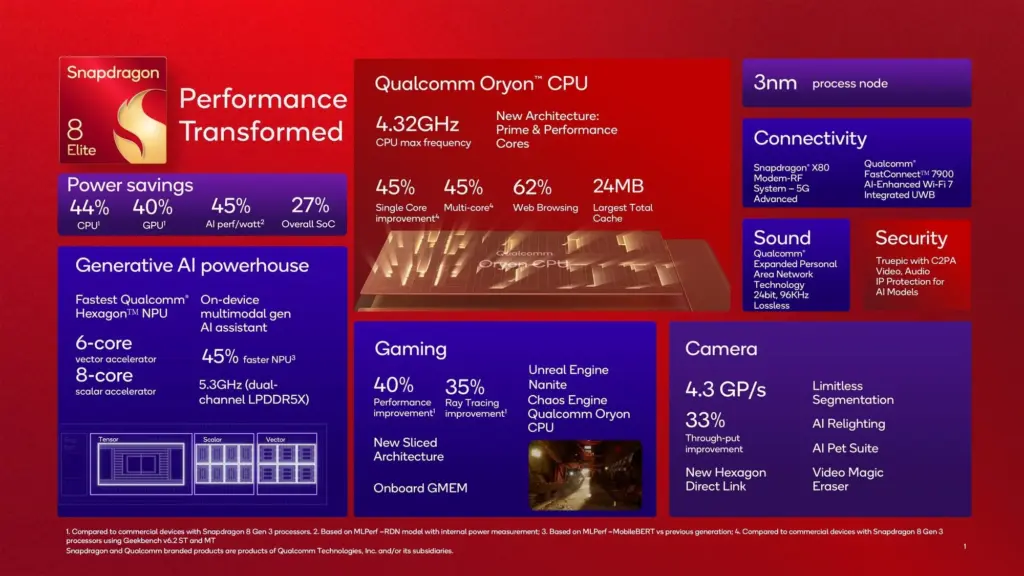
    Custom silicon is at the center of this comparison, and the 8 Elite outperforms the competition. Qualcomm’s decision to use its own Oryon CPU cores in the 8 Elite is a significant move. These are not merely modifications to off-the-shelf ARM architectures; they are purpose-built, high-frequency (up to 4.47 GHz) powerhouses that provide up to 45% higher CPU performance and 44% better efficiency than the previous generation.

    The 8s Gen 4, on the other hand, employs the well-known Kryo cores, which are effectively optimized ARM cores. It has a Cortex-X4 prime core clocked at 3.2GHz and seven Cortex-A720 cores—three at 3.0GHz, two at 2.80GHz, and two at 2.02GHz.

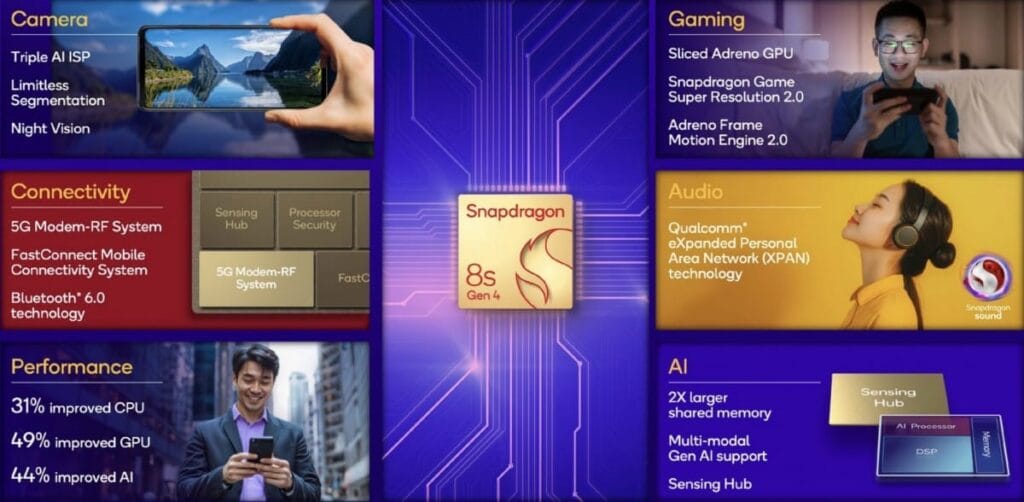
    Qualcomm claims that this arrangement performs 31% better than its predecessor while consuming 39% less power. However, it should come as no surprise that it is not in the same category as the 8 Elite.
    Snapdragon 8 series

    AI and on chip capatibilities

    Both systems are designed with AI in mind, but there is a difference in scale. The Snapdragon 8 Elite employs a Hexagon NPU that provides higher performance per watt and supports a broader range of functions (INT4 to FP16). It also offers on-device personalization, multimodal AI processing, and the Sensing Hub, which provides improved context-aware features.

    The 8s Gen 4 also features a Hexagon NPU, which is no slouch. It gets a 2x memory boost, which improves memory bandwidth and efficiency. However, it lacks some of the Elite’s more advanced AI processing functions, such as higher-precision data support and Gen AI connectors for on-device assistants and real-time personalization.

    Graphics and gaming performance

    The 8 Elite is designed for high-performance mobile gaming. Its Adreno GPU boasts up to 40% faster performance and 40% greater power efficiency, according to a new “sliced architecture” that balances heat and battery depletion.

    It includes real-time hardware-accelerated ray tracing, Snapdragon Game Super Resolution 2.0, and Adreno Frame Motion Engine 2.0, which doubles frame speeds with little power consumption. Nanite also supports Unreal Engine 5.3, allowing developers to provide console-quality images to portable devices.

    Many of these capabilities, including as ray tracing, Game Super Resolution, and the Adaptive Performance Engine, are also supported by the 8s Gen 4. However, it does not include complete support for Unreal 5.3 or the Frame Motion Engine.

    The GPU in the 8s Gen 4 shares the same sliced architecture as the 8 Elite. It is merely that the former has two slices whereas the Elite chip has three, which creates a difference in performance.

    Connectivity
    ge Snapdragon X80 5G Modem RF S

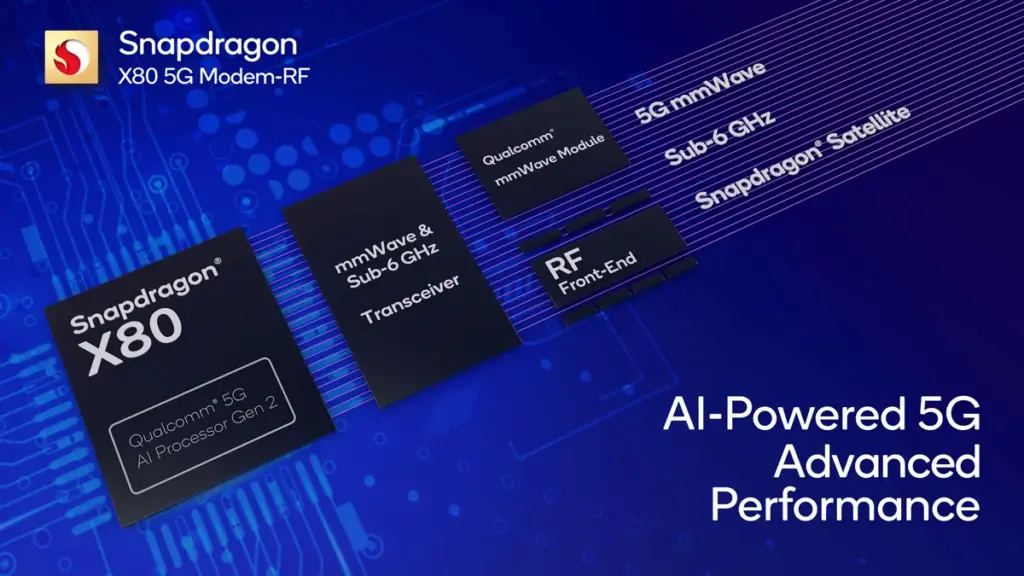
    The 8 Elite includes Qualcomm’s top-tier Snapdragon X80 modem, which has peak download rates of 10Gbps and supports 6x carrier aggregation, dual SIM, and even UWB and Wi-Fi 7 with FastConnect 7900. It is also powered by Qualcomm’s 5G AI Suite Gen 3, which dynamically modifies connection parameters to save power and reduce latency.

    The 8s Gen 4 makes do with a lower-end Snapdragon 5G Modem-RF System. The top download speed is 4.2 Gbps, with a restricted 4×4 MIMO arrangement. Nonetheless, it offers Wi-Fi 7 and Bluetooth 6.0 via Qualcomm FastConnect, as well as support for Snapdragon Seamless for cross-device networking.

    Media and power

    The 8 Elite supports QHD+ screens at 240Hz, 8K external monitors, and the HDR10+, Dolby Vision, and HDR Vivid formats. It also has Snapdragon Sound, aptX Lossless, and Quick Charge 5 for faster charging.

    The 8s Gen 4 supports the majority of these features, including Snapdragon Sound, HDR video formats, Wi-Fi audio (XPAN), and Quick Charge 5, but does not support external 8K screens.

    Specs comparison

    SpecSnapdragon 8 EliteSnapdragon 8s Gen 4
    Architecture3nm4nm
    CPU Core Configuration– Custom Oryon CPU @ up to 4.47GHz
    – 64-bit architecture
    – Kryo CPU
    – 64-bit architecture– Clock speed up to 3.2GHz
    GPUAdreno 830Adreno 825
    NPU (AI Engine)– Hexagon NPU
    – Supports INT4, INT8, INT16, FP16
    – On-device personalization, fused AI, Micro Tile Inferencing
    – Hexagon NPU
    – Supports INT4, INT8
    – 2x larger shared memory for bandwidth boosts
    Memory TypeLPDDR5X @ 5.3GHzLPDDR5X @ 4800 MHz
    ModemSnapdragon X80 5G Modem-RF System
    – Up to 10 Gbps download
    – 3.5 Gbps upload
    – 8-carrier mmWave, 4×6 MIMO Sub-6
    Snapdragon 5G Modem-RF System
    – Up to 4.2 Gbps download
    – Likely 3.5 Gbps upload
    – 4×4 MIMO Sub-6
    Connectivity– Wi-Fi 7 (FastConnect 7900)
    – Bluetooth 6.0
    – UWB
    – AI-optimized Wi-Fi, XPAN, HBS Multi-Link
    – Wi-Fi 7 (FastConnect platform)
    – Bluetooth 6.0
    – UWB
    – XPAN, HBS Multi-Link
    ISPSpectra 18-bit Triple AI ISP
    – Real-time AI Relighting
    – Ultra Low-Light video
    – Truepic capture with C2PA
    – Video Object Eraser
    Spectra 18-bit Triple AI ISP
    – Night Vision 2.0 (4K@30fps)
    – Real-time skin/sky tone correction
    – Always-sensing camera
    Display SupportUp to QHD+ @ 240Hz (on-device)
    8K @ 30Hz (external)
    HDR10+, Dolby Vision, 10-bit Rec. 2020
    Up to WQHD+ @ 144Hz (on-device)
    4K @ 60Hz (external)
    HDR10+, Dolby Vision, 10-bit Rec. 2020
    Video Playback8K @ 60fps
    Supports Dolby Vision, HDR10+, AV1, H.265
    8K @ 60fps
    Supports Dolby Vision, HDR10+, AV1, H.265
    Camera Support– Up to 320MP single camera
    – 48+48+48 MP triple (ZSL)
    – 8K video capture @ 30fps
    – Video Super Resolution
    – Up to 320MP single camera
    – 36 MP triple (ZSL)
    – 4K video capture @ 60fps
    – Motion Compensated Temporal Filtering
    ChargingQuick Charge 5Quick Charge 5
    Security– Qualcomm SPU
    – 3D Sonic Sensor Max
    – Face, Fingerprint, Iris, Voice
    – Type-1 Hypervisor
    – Qualcomm TEE
    – 3D Sonic Sensor Max
    – Face & Fingerprint
    – Type-1 Hypervisor
    StorageUFS 4.0UFS 4.0
    USBUSB 3.1 Gen2 (USB-C)USB 3.1 Gen2 (USB-C)

    At the end of the day, the Snapdragon 8 Elite is a no-compromise SoC designed for devices that want to be the best in everything. Whether it is gaming, camera, connection, or AI functionality.

    In contrast, the 8s Gen 4 streamlines many of those premium experiences. It will power more cheap high-end devices (such as $500-$800 phones) while maintaining competitive gaming, AI, and photography capabilities for the majority of customers.

    In short, the 8 Elite is the chip for those who want it all. The 8s Gen 4 is the model to choose if you want just enough.
  • The Qualcomm Snapdragon 8s Gen 4 with Kryo CPU and Adreno 825 GPU was announced.

    The Qualcomm Snapdragon 8s Gen 4 with Kryo CPU and Adreno 825 GPU was announced.

    Qualcomm recently unveiled the Snapdragon 8s Gen 4, their newest high-end smartphone chipset. Internally referred to as the SM8735, it is built on TSMC’s N4P 4nm production node and uses the older Kryo CPU rather than the Oryon core that is present in the top Snapdragon 8 Elite chip.

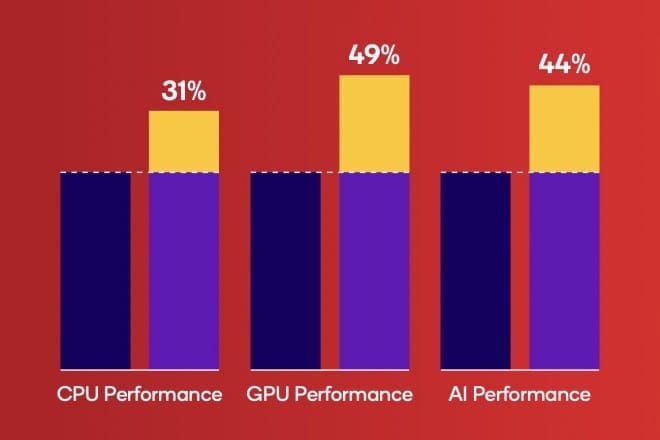
    Three Cortex-A720 cores at 3.0GHz, two at 2.8GHz, two at 2.0GHz, and one Cortex-X4 prime core clocked at up to 3.2GHz make up the CPU layer. Qualcomm claims that the new chip uses 39% less power and is 31% faster than the Snapdragon 8s Gen 3 from the previous year.

    Additionally, the chip has a new Adreno 825 GPU, which Qualcomm claims will increase graphics by 49% over the Snapdragon 8s Gen 3. Additionally, Snapdragon Elite Gaming capabilities including Snapdragon Game Super Resolution 2.0 and Adreno Image Motion Engine 2.0 are included, along with support for on-device ray tracing.

    On-device AI operations are performed 44% better with the upgraded Qualcomm Hexagon NPU. Additionally, Qualcomm included an 18-bit triple image signal processor (ISP) that can record HDR video at 4K60 frames per second and accommodate up to 320MP camera sensors.

    8s Gen 4 performance

    The integrated Snapdragon X75 5G modem in the new chip can download files at up to 4.2Gbps, however it only supports sub-6GHz spectrum rather than the speedier mmWave frequency ranges. Additionally, the chip has Bluetooth 6.0 and Wi-Fi 7.

    LPDDR5X RAM, USB 3.1 Gen 2 connection, and UFS 4.0 storage are all supported by the 8s Gen 4. Additionally, it has Qualcomm’s Extended Personal Area Network (XPAN) connectivity, which is currently available on certain new wireless earbuds like the Xiaomi Buds 5 Pro and uses Wi-Fi to send music.

    Later this month, the iQOO Z10 Turbo is anticipated to be the first gadget to use the Snapdragon 8s Gen 4, with other Xiaomi, Oppo, Meizu, and other products to follow shortly.

    snapdragon 8s Gen 4 features

    Main Snapdragon 8s Gen 4 Features

    • Our Qualcomm® AI Engine includes:
      • Qualcomm® Hexagon™ NPU
        • 2x larger shared memory for improved memory bandwidth
      • Qualcomm® Sensing Hub
      • Support for INT4 and INT8 precisions 
    • Snapdragon Elite Gaming™ Features
      • Real-time Hardware Accelerated Ray Tracing with Global Illumination for improved lighting, shadows, and reflections
      • Qualcomm Adaptive Performance Engine provides ultra-fast and super-smooth performance while providing longer gameplay sessions
      • Snapdragon Game Super Resolution 2.0 intelligently upscales low-res game scenes in up to 4K
    • Our Qualcomm Spectra™ AI ISP features:
      • Real-time Semantic Segmentation for photo/video with up to 250 layers
      • Real-time skin and sky tone correction intelligently captures natural color tones even in challenging environments
      • Night Vision 2.0 captures detailed videos in low light at 4K30 FPS
      • An always-sensing camera enables features like hand gestures, face unlock, and QR code scanning
    • Featuring our integrated AI-accelerated Snapdragon® 5G Modem-RF System
    • Qualcomm® FastConnect™ Mobile Connectivity System offers leading Wi-Fi 7 with speeds up to 5.8 Gbps and Bluetooth® 6.0 technology 
    • Supports Snapdragon Sound™ Technology Suite
      • Qualcomm® Expanded Personal Area Network Technology (XPAN) keeps earbuds and headphones connected via Wi-Fi for untethered, whole-building audio coverage
    • Snapdragon Seamless experience connects all your compatible devices so you can switch between them intuitively and quickly
  • Redmi K80 Ultra will come with a huge battery, packing over 7000mAh

    Redmi K80 Ultra will come with a huge battery, packing over 7000mAh

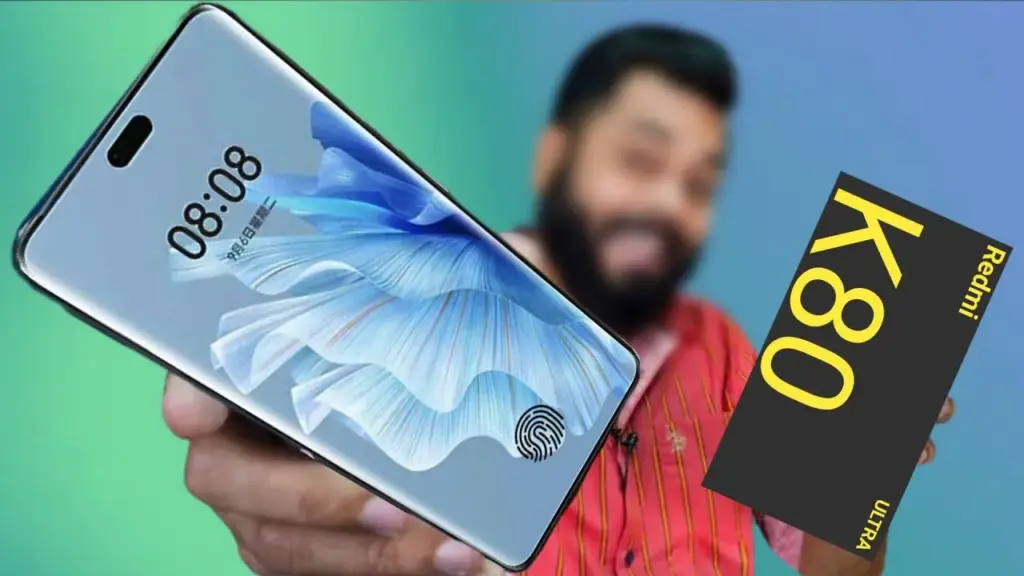
    When we last heard about it, the Redmi K80 Ultra was expected to have a battery with a minimum capacity of 6,500 milliliters. However, it was back in January. We have a new rumor from China today that makes it much more specific. Without a doubt, the usage of Si/C technology will enable the K80 Ultra to have a 7,400 mAh or 7,500 mAh battery.

    redmi k80 ultra battery

    According to reports, the phone will be powered by MediaTek’s as-yet-unannounced Dimensity 9400+ SoC and have a 6.8-inch “1.5K” LTPS OLED flat screen with symmetrical bezels on all sides.

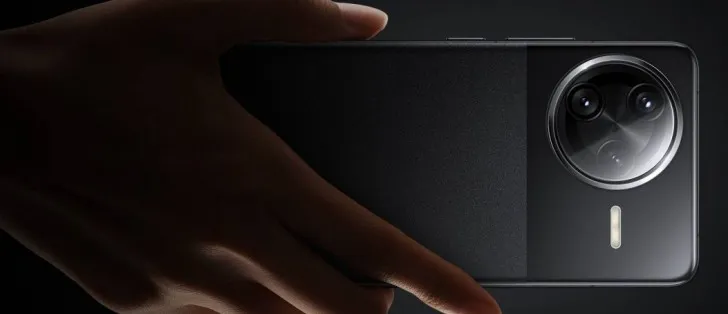
    The round camera island will be positioned in the upper left corner of the back, and the frame will be made of metal. The Redmi K80 Ultra will enable 100W wired charging. An IP68 grade for water and dust resistance and an ultrasonic in-display fingerprint reader were also suggested in earlier speculations.

    The formal introduction of the K80 Ultra may still be a long way off, considering it arrived in July of last year. Stay tuned since there will definitely be fresh rumors regarding it in the interim.

  • The OnePlus 13’s personalized Snapdragon chip appears to be more efficient than the Apple A18 Pro.

    The OnePlus 13’s personalized Snapdragon chip appears to be more efficient than the Apple A18 Pro.

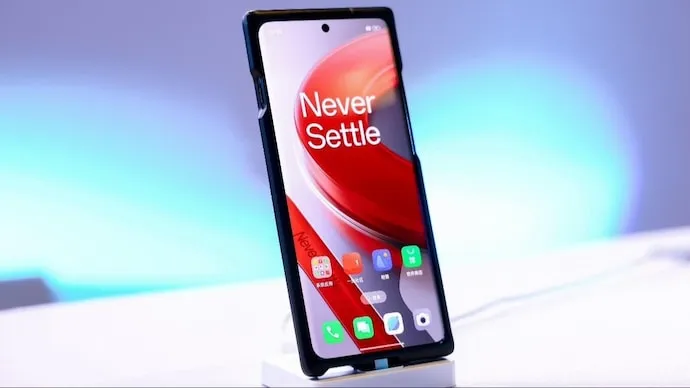
    With the next-generation Snapdragon flagship CPU around the corner, the OnePlus 13 is anticipated to come soon. According to a OnePlus employee, the modified version of the SoC can outperform the Apple A18 Pro in terms of efficiency, even though the chipset’s name is still unknown.

    At the Snapdragon Summit, Qualcomm will formally unveil its next-generation flagship smartphone SoC. The OnePlus 13 is anticipated to be one of the first smartphones to use the technology, though it is still unknown if it will be called Snapdragon 8 Gen 4, Snapdragon 8 Extreme Edition, or something else.

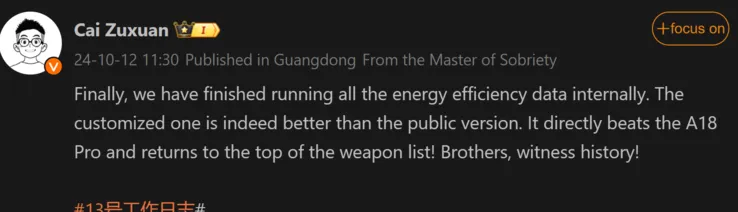
    Although OnePlus has not given away many details regarding its next flagship phone, Cai Zuxuan, an employee, hinted on Weibo that it will use a modified Snapdragon chip. The employee’s assertion that the customized SoC will provide better energy efficiency is more intriguing.

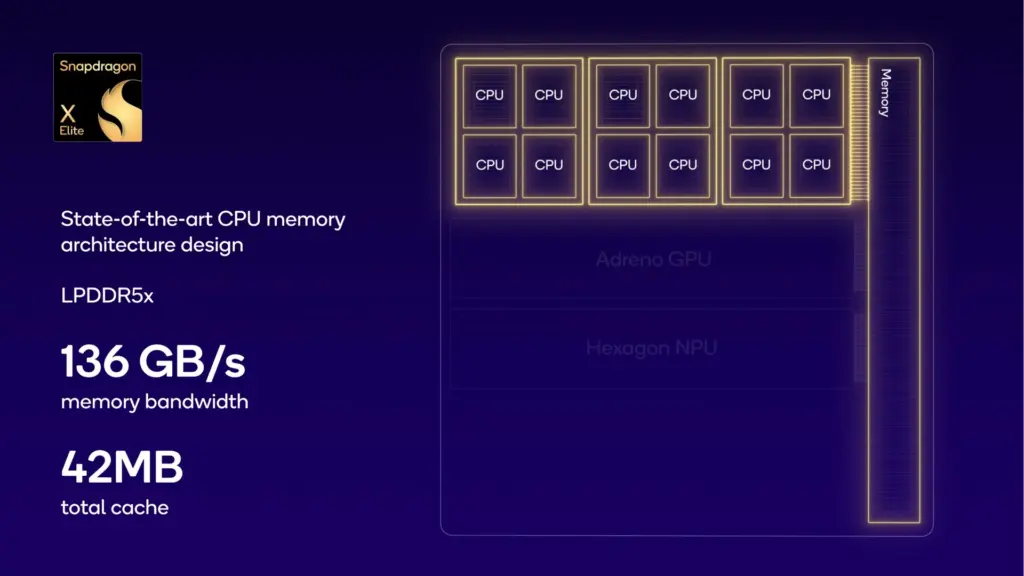
    Snapdragon x elite oneplus 13

    More precisely, the employee asserts that the custom Snapdragon SoC can outperform the Apple A18 Pro in terms of power efficiency, citing internal statistics from OnePlus. According to Cai Zuxuan, this would force Qualcomm to take the top slot once again.

    Additionally, a “public version,” which is allegedly inferior than the custom SoC, is mentioned in Cai Zuxuan’s Weibo post. There have been previous mentions of two distinct iterations of what is allegedly the Snapdragon 8 Extreme Edition. In August, a SoC datasheet that appeared legitimate was released, mentioning the SM8750 and SM8750P versions.

    The SM8750P was thought to be a more expensive model among them; the letter “P” was presumably an acronym for “Performance.” Qualcomm has been using its previous flagship SoCs in a similar manner. Consider the Snapdragon 8 Gen 3 for the Galaxy. The normal SoC is significantly overclocked in this version. Later, Nubia smartphones came with the same overclocked processor, which now leads the AnTuTu benchmark.

    csm Cai Zuxuans post on the cust

    Cai Zuxuan, however, indicates that this time, efficiency will be given a lot of weight in addition to performance. The good news is that October 21, which is not too far away, is when Qualcomm’s Snapdragon Summit will begin. In order to find out how Qualcomm’s 3 nm smartphone chip stacks up against the competition, you do not have to wait.

  • OnePlus 12 launch is coming: Mark your calendar

    OnePlus 12 launch is coming: Mark your calendar

    Set your calendars, OnePlus fans! The much awaited OnePlus 12 is scheduled to launch in China on December 4th, and the tech world is in a frenzy of anticipation. The official Weibo announcement has piqued the interest of smartphone enthusiasts who are eager to get their hands on the company’s newest flagship device. Let us take a look at what the OnePlus 12 has to offer.

    OnePlus 12 Date

    Unleashed performance

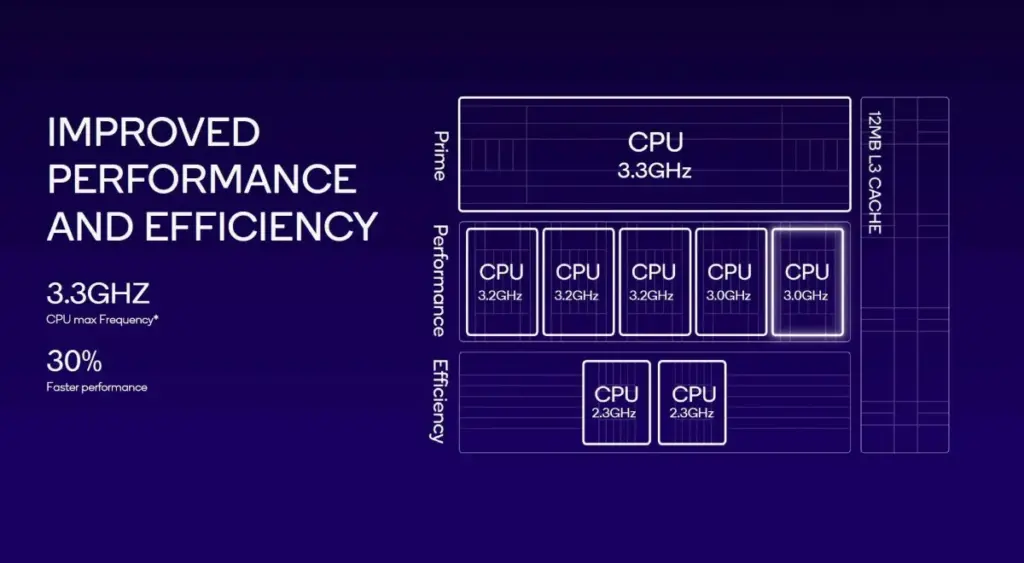
    An Octa-core processor with impressive clock speeds (3.3 GHz Single Core, 3.2 GHz Penta Core, and 2.3 GHz Dual Core) powers the OnePlus 12, which is designed to handle demanding applications, gaming, and multitasking with unparalleled efficiency. With 8 GB of RAM and a Snapdragon 8 Gen 3 chipset, the OnePlus 12 is a powerhouse of performance.

    Visual delight

    With a 6.82-inch AMOLED display with a pixel density of 510 PPI, users can expect vibrant colors, deep contrasts, and an immersive visual experience. The 120 Hz refresh rate ensures silky-smooth transitions and responsiveness, making every swipe and tap feel natural and effortless. OnePlus has always been associated with stunning displays, and the OnePlus 12 is no exception.

    Keeping memories detailed with Oneplus 12

    With its impressive triple primary camera configuration—a 50 MP main sensor, a 48 MP ultra-wide lens, and a 64 MP telephoto lens—the OnePlus 12 promises to delight photography enthusiasts with the ability to capture every moment with breathtaking clarity and detail. Enhanced by an LED flash, low-light photography is expected to reach new heights, and the 32 MP front camera makes sure that your selfies are just as stunning as your main shots.

    OnePlus 12 Zoom Camera 2

    Endurance

    The OnePlus 12 is powered by a powerful 5400 mAh battery, which means that users will not have to worry about running out of power during the day. Fast charging via the USB Type-C port adds convenience and makes it possible for users to quickly top off their battery so they can resume using their OnePlus 12 to the fullest.

    The OnePlus 12 is ready to redefine what users can expect from a flagship device—a perfect blend of power, style, and innovation—and is getting ready to hit the shelves in China on December 4. With a focus on performance, a captivating display, advanced camera capabilities, and a battery to keep up with your lifestyle, the OnePlus 12 is poised to make waves in the competitive smartphone market. Stay tuned for the official launch, where OnePlus is expected to reveal more details about the global release and availability.

    Source: gsmchina.com

  • The Cortex-X4, 4nm, generative AI, 240 frames per second, Snapdragon 8 Gen 3 is now available.

    The Cortex-X4, 4nm, generative AI, 240 frames per second, Snapdragon 8 Gen 3 is now available.

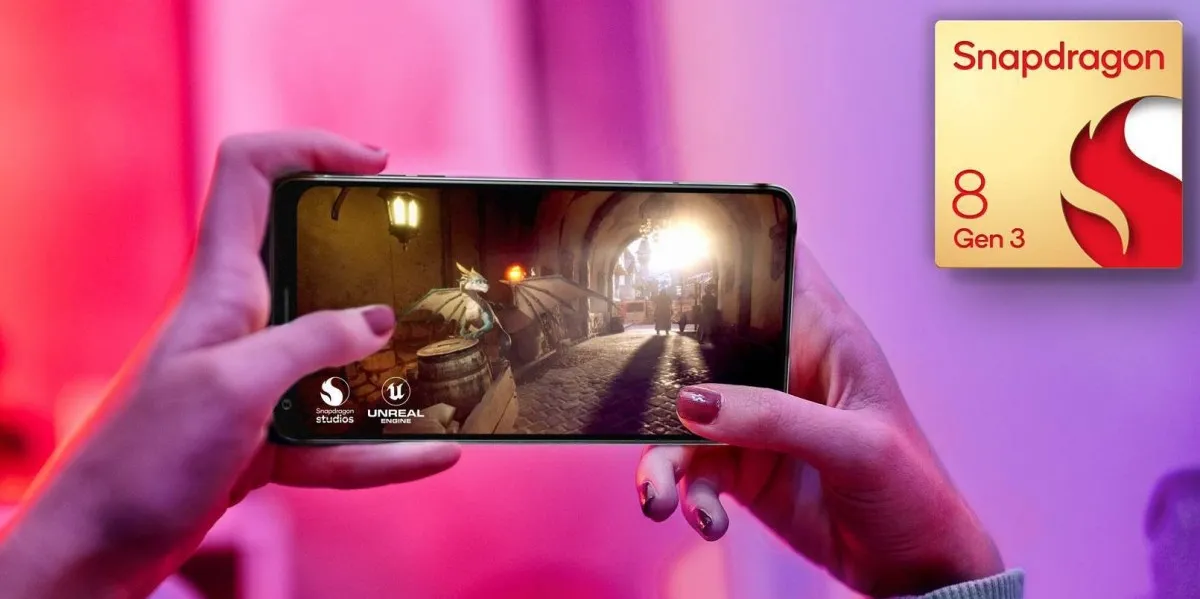
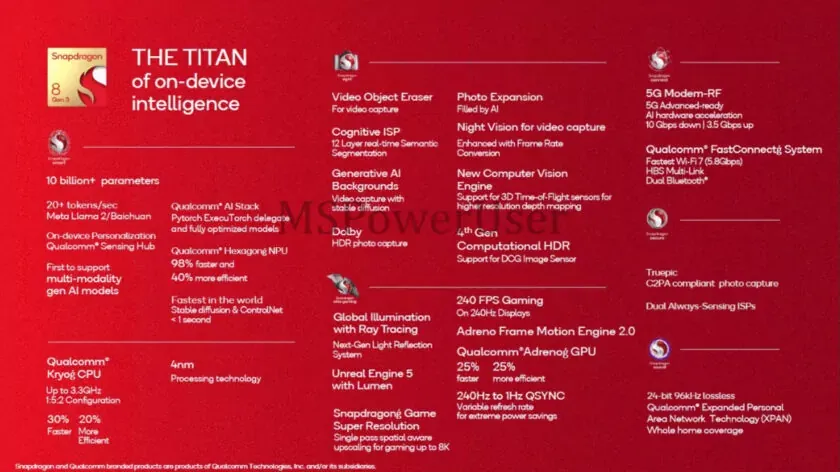
    Recently, Qualcomm unveiled the Snapdragon 8 Gen chipset. The flagship platform, which uses the 4nm process, is primarily focused on advances in AI, gaming, audio, and cameras.

    In terms of crucial percentages, Gen 3 outperforms Gen 2 by 20% and by 30% in terms of speed. One Cortex-X4 prime core with a maximum frequency of 3.3 GHz, five performance cores with a maximum frequency of 3.2 GHz, and two efficiency cores with a maximum frequency of 2.3 GHz highlight the eight-core CPU inside. Up to 24 GB of LPDDR5x memory can be supported at 4800 MHz. Supported Wi-Fi 7 frequencies up to 6 GHz are 802.11be, 802.11ax, 80211ac, and 80211a/bg/n. The chip has an X75 5G modem with mmWave and sub-6 GHz antennae.

    Snapdragon 8 Gen 3 architecture

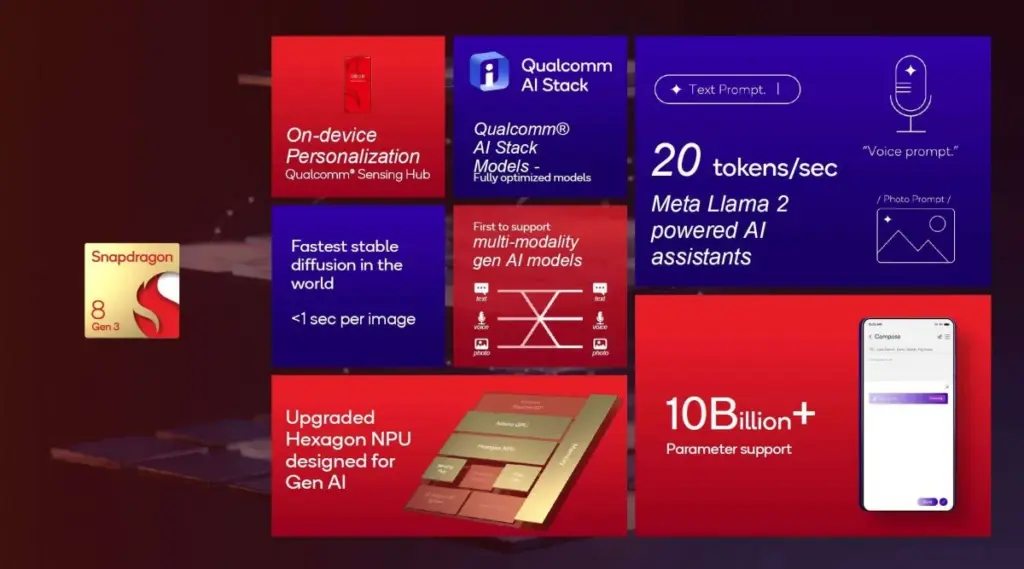
    With the Snapdragon 8 Gen3, AI is the main feature. The AI Engine is the first component in the process; it can process up to 20 tokens per second to provide immediate AI assistant replies. It supports both popular big language models for speech recognition and multi-modal generative AI models. According to Qualcomm, the Snapdragon 8 Gen 3 has the quickest steady diffusion in the world, producing an image in a split second.

    To improve AI assistant replies, Qualcomm’s Sensing Hug securely accesses personal data such as location, fitness state, and preferred activities.

    AI also improves the capabilities of the camera. Real-time Semantic Segmentation can improve an image’s brightness and detail, while Night Vision video can light up a dimly lit area. Vlogger’s View, which records video from both your back and selfie cameras, has an object eraser for films that may be used to remove unpleasant individuals or things. In addition to automatically improving HDR, Picture Expansion can employ generative AI to stretch an image beyond the original acquired data.

    Snapdragon 8 Gen3

    On 240 Hz monitors, the Snapdragon 8 Gen 3 can produce “console-defying” gaming performance at 240 frames per second. Adreno Frame Motion Engine 2.0 supports Unreal Engine 5.2 and may produce frames for better playback.

    The Snapdragon 8 Gen 3’s GPU offers 40% improved Ray Tracing along with 25% faster and 25% higher power efficiency.

    The fact that the new chip can stream 24-bit, 96-kHz lossless music via Bluetooth will please audiophiles.

    snapgradon 8 gen 3 devices

    Qualcomm says devices powered by the new Snapdragon 8 Gen 3 will be available in the coming weeks. The chipmaker has partnered with Asus, Honor, iQOO, Meizu, Nio, Nubia, OnePlus, Oppo, realme, Redmi, RedMagic, Sony, vivo, Xiaomi, and ZTE.

  • Qualcomm’s Snapdragon 8 Gen 3 leans into AI according to new leaks

    Qualcomm’s Snapdragon 8 Gen 3 leans into AI according to new leaks

    Tomorrow is Qualcomm’s annual Snapdragon Summit, during which the company is anticipated to reveal its upcoming Snapdragon 8 Gen 3 chip. Nevertheless, it appears that a recent leak, which discloses the complete specifications of the chip, may have wrecked tomorrow’s surprise. It also appears that the Snapdragon 8 Gen 3 will include a plethora of AI functions.

    Leaked marketing materials for the Snapdragon 8 Gen 3 have been obtained by the MSPoweruser team. The processor will reportedly feature a number of AI tools that will enable actions like expanding images, removing objects from films, creating AI backgrounds, and more, according to the leak.

    qualcomm 8 gen 3 chip

    Significantly, the report also discusses being able to use AI models like Meta’s Llama 2 and Stable Diffusion. In light of the tech industry’s adoption of AI this year, including all of these AI capabilities makes sense.

    Qualcomm equipped the CPU with an updated Hexagon neural processor to enable all of this (NPU). According to the marketing brochures, the new NPU is 40% more effective and 98% faster. The comparison is allegedly between the Gen 3 and the Gen 2, however the paper is vague.

    But it’s not only about AI; there also seem to be some potent gaming-related elements. This features the ability to game at 240 frames per second and upscaling for up to 8K resolution using a next-generation light reflection system that supports global lighting with ray tracing.

    One of the first products that the Snapdragon 8 Gen 3 is likely to be found in is Samsung’s Galaxy S24, which is scheduled to debut in Q1 2024. Since this is Qualcomm’s flagship chip, it should also be found in many of the high-end phones that debut the following year.

  • Google Pixel Watch 2 will get the right upgrades over its predecessor

    Google Pixel Watch 2 will get the right upgrades over its predecessor

    The Google Pixel Watch from a year ago was a favorite of ours despite its mediocre battery life, large bezels, and outdated internals. Additionally, Google has significantly enhanced the wearable since its debut with frequent upgrades. As the wristwatch approaches its first anniversary of release, more and more information regarding its successor, the Pixel Watch 2, is appearing online. The internals, display, and battery of the watch, as well as other important details, have just leaked.

    The Snapdragon W5 Gen 1 processor is said to be used in the Pixel Watch 2, according to an Android Authority article. This is Qualcomm’s most advanced wearable SoC, built on Samsung’s 4nm node, and it has four Cortex-A53 cores with a 1.7GHz clock speed. Compared to the 10nm Exynos 9110 chip in the Pixel Watch, which has twin Cortex-A53 cores operating at 1.15GHz, it should result in a significant improvement in speed and economy.

    pixel1691308888 0

    Moreover, Qualcomm provides a W5+ Gen 1 SoC with a specialized QCC5100 coprocessor. However, it appears like Google chose the non-Plus model because it intends to use the same bespoke NXP coprocessor that was used in the first generation Pixel Watch.

    The Pixel Watch 2 might have a bigger 306mAh battery in addition to a faster and more effective processor. That represents a modest 4% increase over the 294mAh cell in the first watch. Despite being small, the Snapdragon processor and 306mAh battery together might provide the Pixel Watch 2 a battery life of more than 24 hours.

    Another significant improvement that Google promises to make to the Pixel Watch 2 is an ultra-wideband processor. It appears that the wearable will have an NXP SR100T module, but it’s not obvious how the business plans to use the technology. With the addition of UWB, the Pixel Watch 2 might be able to function as a digital car key, allow for seamless media playback between your devices, and more. The Apple Watch already comes with Apple’s U1 ultra-wideband processor, which is utilized for precision locating and other functionality.

    However, it doesn’t appear that the Pixel Watch 2 will come with a larger display or more minimal bezels. According to rumors, Google will move to a Samsung Display panel, which might have increased brightness and battery efficiency. Nonetheless, it will still be 1.2 inches and 384 by 384 pixels in size. Moreover, there is no anticipated size reduction for the bezels that encircle the screen.

    The Pixel Watch 2 should ship with Wear OS 4, which is based on Android 13, as its operating system. One of the earliest Android smartwatches that offer seamless updates is this one. This will enable the watch to update the system files silently and reboot to access them.

    Last but not least, the Pixel Watch 2 may debut in India because BIS certification has been seen on the watch’s regulatory e-labels. There are no specifics yet, but the watch may be introduced to many more markets.

  • For the first time, Asus’ Zenfone series will support wireless charging with Zenfone 10.

    For the first time, Asus’ Zenfone series will support wireless charging with Zenfone 10.

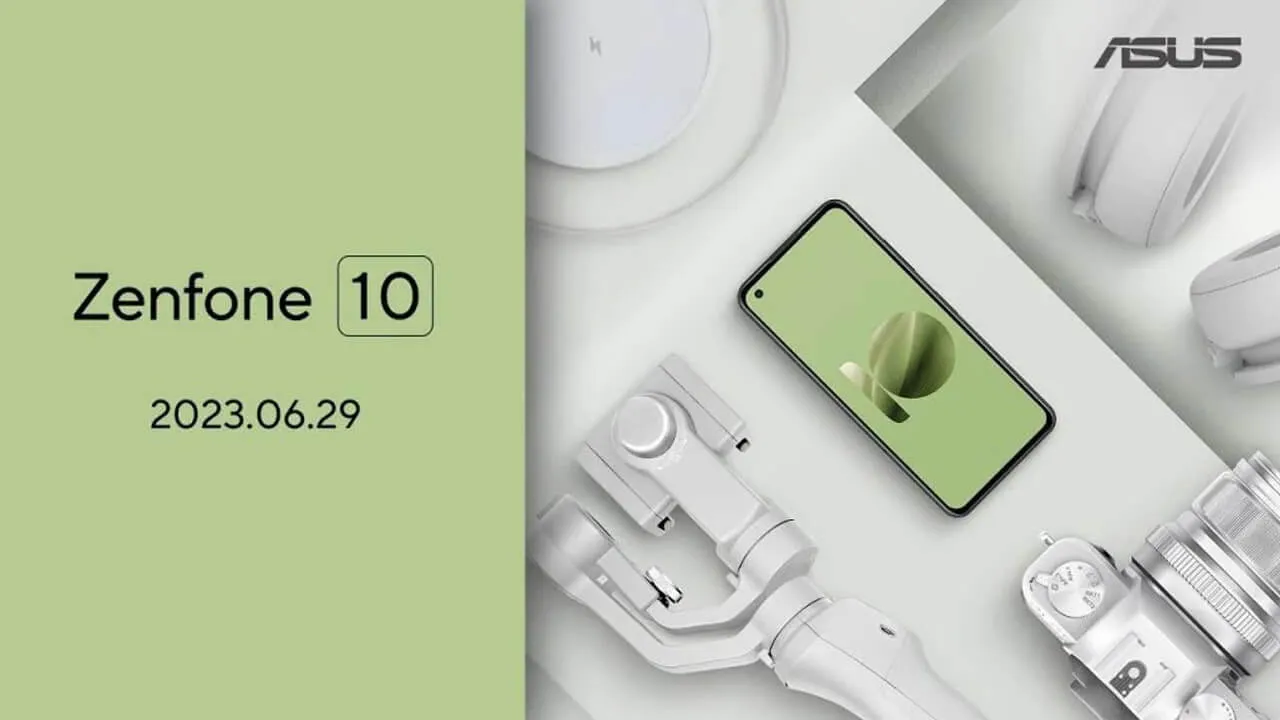
    The Zenfone 10’s official launch date was recently disclosed by Asus. Together with the release date, the Taiwanese company also confirmed a few important details about the little device, including as a 5.9-inch display, a new generation of hybrid stabilization for its camera, and the introduction of wireless charging.

    After the Zenfone 9 broke cover at the end of July in 2022, this year’s flagship Android phone from Asus will be unveiled sooner than anticipated. On the current event page, Asus announced that the Zenfone 10 would launch on June 29 at precisely 10:00 PM in Taiwan (3:00 PM in Berlin) and 9:00 AM in New York. Users can sign up to receive updates and watch the event live online.

    zenfone 98393

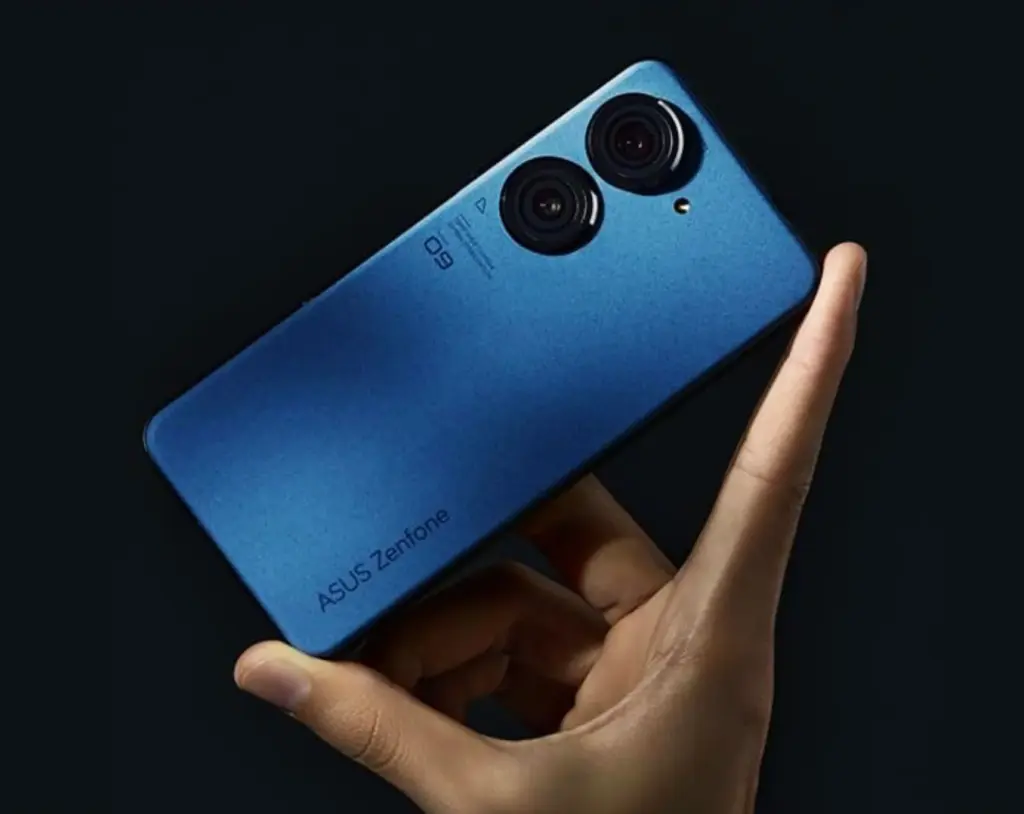
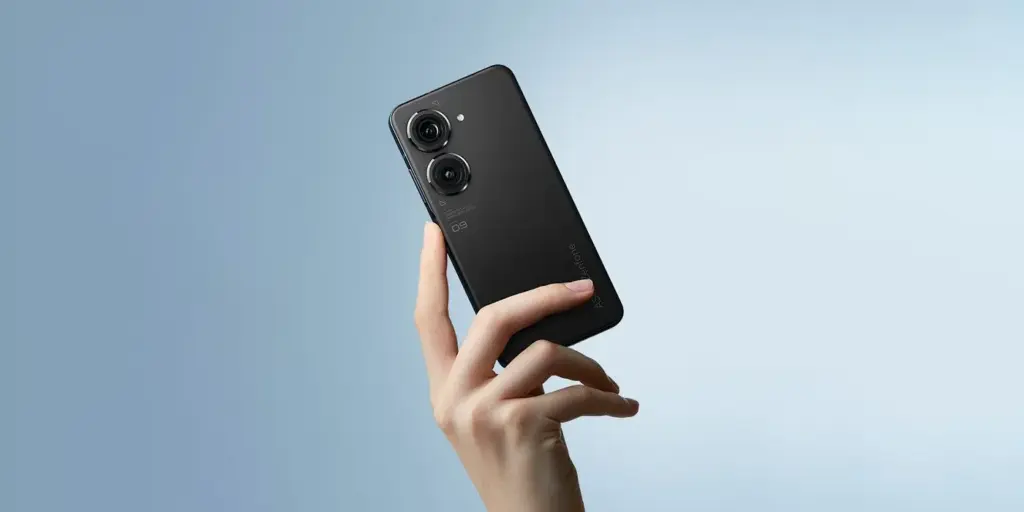
    The business has begun to advertise a few of the Zenfone 10’s features as well. According to reports, the little phone would have a 5.9-inch screen with a punch hole in the upper left corner for the selfie camera, similar to the Zenfone 9 that we’ve reviewed. A second-generation 6-axis hybrid stabilization is also connected to the purportedly updated 200 MP primary camera.

    In addition, Asus will debut new hues with the product, such as the pale olive green shown in the illustration below. Shots of the red moon and the night sky were used to obliquely show the other colors, so possibly we are viewing a space-related subject or something similar.

    asus zenfone 10

    Wireless charging with Zenfone 10

    The way the Zenfone 10 will accept wireless charging is intriguing. In contrast, its predecessor glaringly lacked this functionality. What the speed rating is and whether reverse wireless charging will be available are still unknown.

    The Snapdragon 8 Gen 2 SoC, which is a noticeable improvement over the Snapdragon 8 Gen 1 in terms of efficiency and performance, will be in charge of the device’s chipset selection. With this, it is expected that the Zenfone 10 will experience an increase in battery life.

  • Snapdragon 8 Gen 3 may be the SoC to beat for benchmark records.

    Snapdragon 8 Gen 3 may be the SoC to beat for benchmark records.

    As the October launch date draws nearer, more information about Qualcomm’s next-generation system-on-chip for smartphones and tablets is starting to emerge. A purported benchmark for the Snapdragon 8 Gen 3 has just surfaced, suggesting significant upgrades over the previous flagship chipset.

    The alleged GeekBench 5 scores of the forthcoming Snapdragon 8 Gen 3 have reportedly been uploaded by a Chinese leaker and trustworthy source, Digital Talk Station. The silicon reached 1700 in the single-core category, and roughly 6600 in the multicore category, according the listing. With an average of 1500 and 5000, respectively, the new chip outperforms the Snapdragon 8 Gen 2 by 12 and 20%.

    Qualcomm Snapdragon 8 Gen 3 vs. Apple A16 Bionic

    If these results are replicated in the chipset’s production unit, the Snapdragon 8 Gen 3 will perform worse on single-core tests than Apple’s A16 Bionic (1800/5300), but far better on multi-core tests. The iPhone 14 Pro (review) and iPhone 14 Pro Max are now powered by the Apple A16 Bionic, whereas the iPhone 15 will be the first device to use the more effective A17 Bionic.

    These scores are based on the upgraded configuration of the chipset, which has a 1+5+2 core cluster, according to another leak that Twitter user @tech reve reported. Although the five performance cores are now operating at two distinct frequencies, the main Cortex-X4 appears to have been turned down from 3.4 GHz to 3.2 GHz, increasing the multicore value.

     Snapdragon 8 Gen 3

    It was previously believed that the Snapdragon 8 Gen 3 had a top clock speed of 3.7 GHz and a 50% boost in GPU performance. But, there hasn’t been any further information regarding this since. Perhaps Samsung will reserve and only use this version of the proprietary Processor, just like they did with the Snapdragon 8 Gen 2 for Galaxy.

    The Snapdragon 8 Gen 3 may be unveiled during the upcoming Snapdragon Summit, which Qualcomm said will take place in October. In November, the first smartphones that utilize the platform are anticipated. At the aforementioned later date, Xiaomi is supposedly unveiling the Xiaomi 14 series.

    Tip was sent by Managed Marketing AI