Tag: cpu

  • Snapdragon 8 Elite Gen 6 Pro leak reveals massive 16MB L2 cache

    Snapdragon 8 Elite Gen 6 Pro leak reveals massive 16MB L2 cache

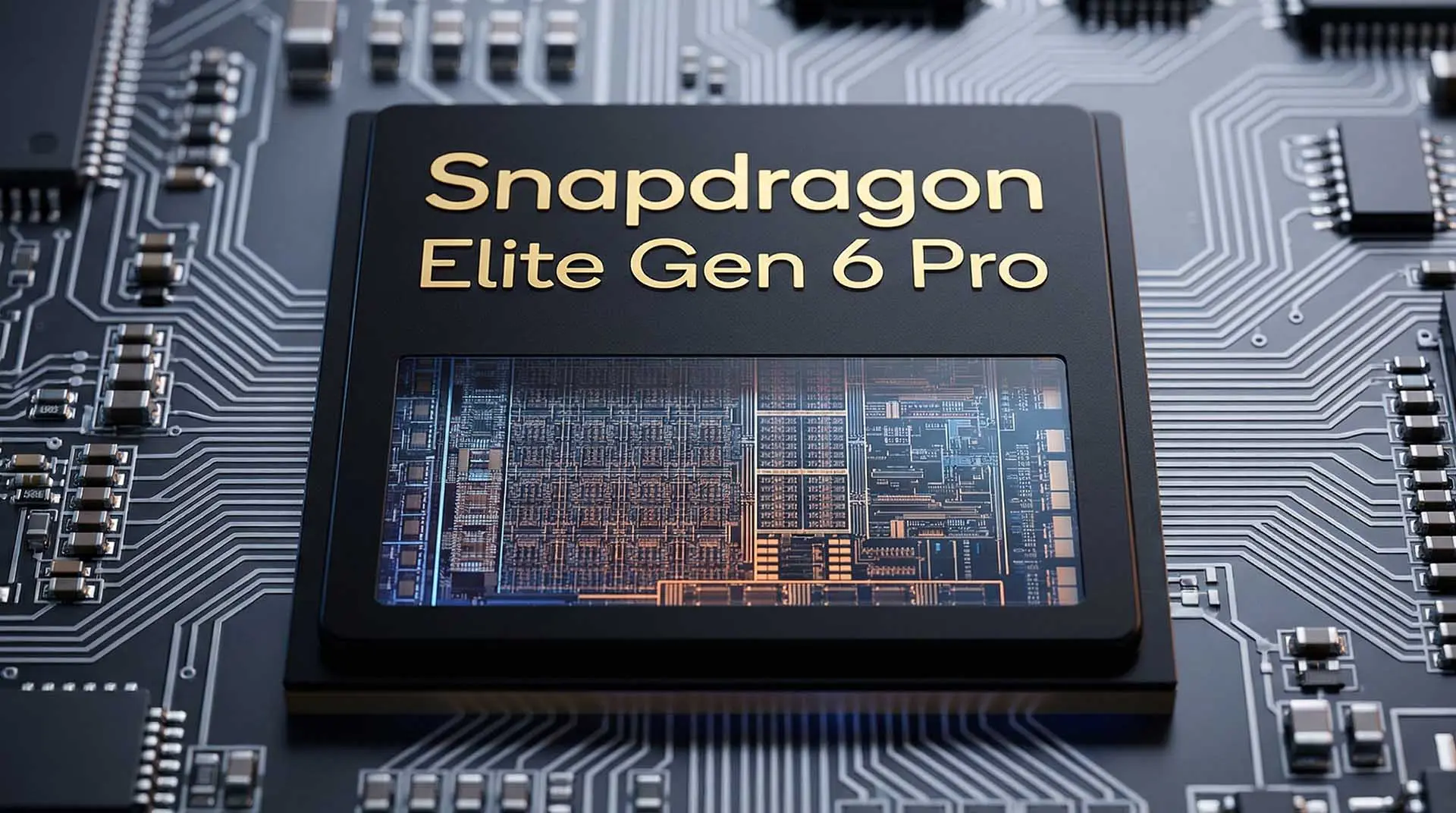
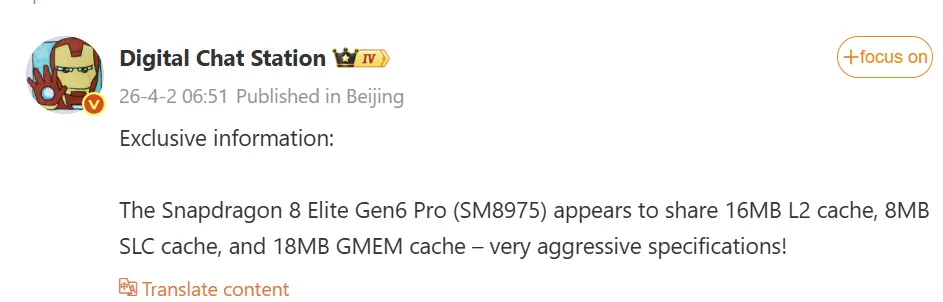
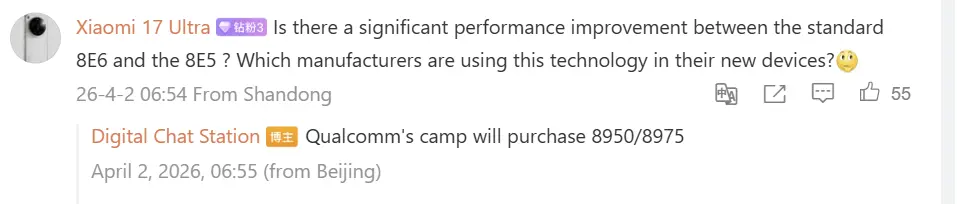
    Before September 2026, the mobile tech scene is getting hotter. The aggressive specs of Qualcomm’s upcoming flagship CPU, the Snapdragon 8 Elite Gen6 Pro (SM8975), have been revealed by reputable source @DigitalChatStation. As expected, Xiaomi is set to unveil this powerhouse with the eagerly awaited Xiaomi 18 series, making it the first company to do so. Additionally, the future REDMI K90 Pro Max in the domestic market will be built around this silicon beast. Please take note that this device will be released worldwide under the POCO brand as the POCO F9 Ultra.

    Inside the architecture redefining modern silicon
    Snapdragon 8 Gen6 Pro 2

    Now let’s explore the technological specifics. It appears that the Snapdragon 8 Elite Gen6 Pro will be an architectural monster. An enormous shared 16MB L2 cache, 8MB of SLC (System Level Cache), and an amazing 18MB of GMEM (Graphics Memory) are confirmed by leaked customs manifests and insider accounts. This configuration, when paired with an improved Adreno 850 GPU, is built to handle demanding workloads and intense gaming sessions.
    Snapdragon 8 Gen6 Pro 1

    Two super cores, three performance cores, and three efficiency cores make up the CPU’s unusual 2+3+3 cluster architecture. The SM8975 efficiently breaks existing memory bandwidth limitations by supporting next-generation LPDDR6 memory up to 16GB to fuel this demanding processor.

    The system changes that are moving markets right now

    Hardware doesn’t tell the whole story. Xiaomi HyperOS 4 will launch on these new flagship devices. HyperOS 4, which was designed from the ground up to be a very effective Android skin, will make full use of the new Snapdragon chip’s optimized 2+3+3 architecture and enormous L2 cache. Unprecedented battery life and excellent thermal control are anticipated as a result of this combination. HyperOS 4’s background task handlers will be able to maintain your most popular apps in memory without depleting the battery thanks to the aggressive cache architecture, guaranteeing that the user interface will stay instantly responsive even under high loads.
  • Has the Snapdragon 8 Elite 2 chip been discontinued? Qualcomm is rumored to be developing a new chipset.

    Has the Snapdragon 8 Elite 2 chip been discontinued? Qualcomm is rumored to be developing a new chipset.

    Previous rumors claimed that Qualcomm and Samsung were working together to produce a 2nm Snapdragon 8 Elite 2 chip that would power next-generation flagships. But it looks like the project has been canceled. Rather, a new chip is being developed.

    The competition for the fastest and most efficient processor is constantly getting more intense in the very competitive smartphone market. And for a split second, it appeared as though Samsung might be ready to take the lead. According to rumors, Qualcomm and Samsung were making headway in producing a 2nm version of the Snapdragon 8 Elite 2, the company’s next-generation powerhouse. It was anticipated that this generation will be even more sophisticated than the 3nm CPUs seen in the majority of Android flagships. certain even thought it will power certain of the Galaxy S26 lineup’s models. However, those preparations seem to have ended abruptly.

    Snapdragon 8 Elite 2 could be so

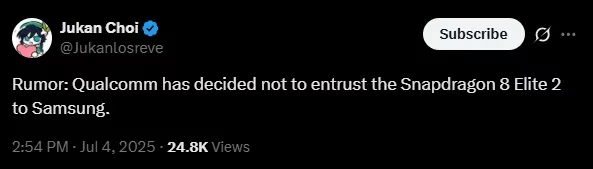
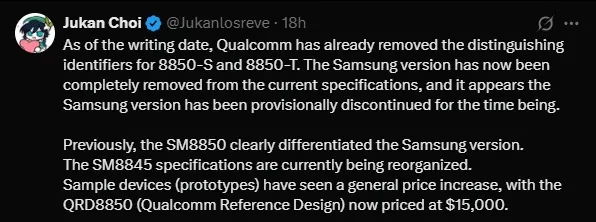
    Qualcomm has now canceled the 2nm version of the Snapdragon 8 Elite 2 chip that was made by Samsung, according to a leaker on X, now known as Twitter (@Jukanlosreve). The chip, known internally as SM8850-S, is no longer listed on Qualcomm’s website. Two distinct versions were previously included in Qualcomm’s documentation: the now-missing 2nm Samsung version and the SM8850-T, a 3nm chip manufactured by TSMC.

    new snapdragon chip

    The fact that just the base model SM8850 is left suggests that the 3nm chip manufactured by TSMC is the only one that has survived. The leak makes it abundantly evident that Qualcomm has quietly removed Samsung from the manufacturing equation, at least for this flagship chip, even if the firm has not provided an explanation for the move.

    According to the move, the TSMC version of the Snapdragon 8 Elite 2 will be included in all major Android phones that arrive in late 2025 and after. It’s a setback for Samsung, which was hoping to show off its 2nm prowess and catch up in the semiconductor industry. For now, we can only surmise as to whether the decision was made due to basic strategy realignment, performance issues, or production constraints.

    The Snapdragon 8 Elite 2 prototype, which developers and OEMs utilize for early testing, has witnessed a significant price increase, according to related news from the same source. Its current price of $15,000 indicates both great demand and limited supply. That’s a big jump, and it might be Qualcomm’s strategy to limit the chip to exclusive partners in the early stages.

    Untitled

    It’s also important to note that Qualcomm is currently changing the specifications for its SM8845 chip, which is probably going to be marketed as the Snapdragon 8s Gen 5. Although specifics are still unknown, this chip is anticipated to function as a more affordable flagship choice, potentially aiming for upper-mid-range phones with performance that falls just short of the Elite series.

    A 2nm Snapdragon manufactured by Samsung would have made headlines, but it appears that the story has changed. For Qualcomm’s flagship goals, TSMC’s 3nm technology is currently the preferred platform. Although this leak implies it won’t be with the Snapdragon 8 Elite 2, Samsung may still have a 2nm moment in the future.

    Stay connected with the latest from Droid Tools—follow us on X @droid_tools, like our page on Facebook, check out our updates on Instagram, and follow us on Google News for real-time news, device tips, and mobile tech insights.

  • One UI 7 ads new power saving limits on Galaxy devices

    One UI 7 ads new power saving limits on Galaxy devices

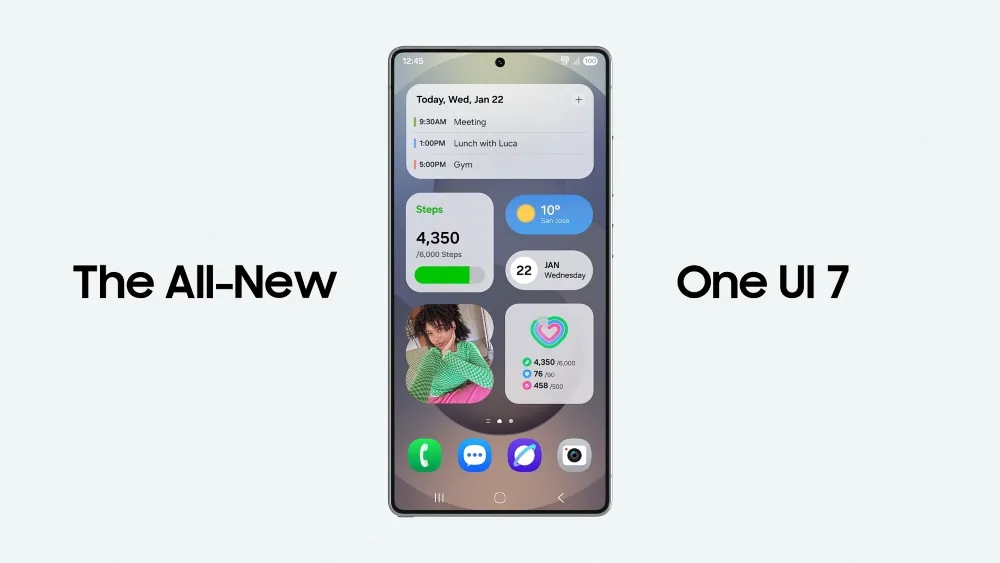
    Samsung devices include a power-saving mode; while this feature is similar to all smartphones around the world, One UI 7.0 makes it more customisable.

    Android and iOS smartphones have had a power saving mode for some time, but you may only be able to enable or disable it. Smartphones, by default, limit background processes such as network usage, synchronization, and location, as well as reducing the high refresh rate to 60 Hz, and you may not be able to adjust the power saving mode.

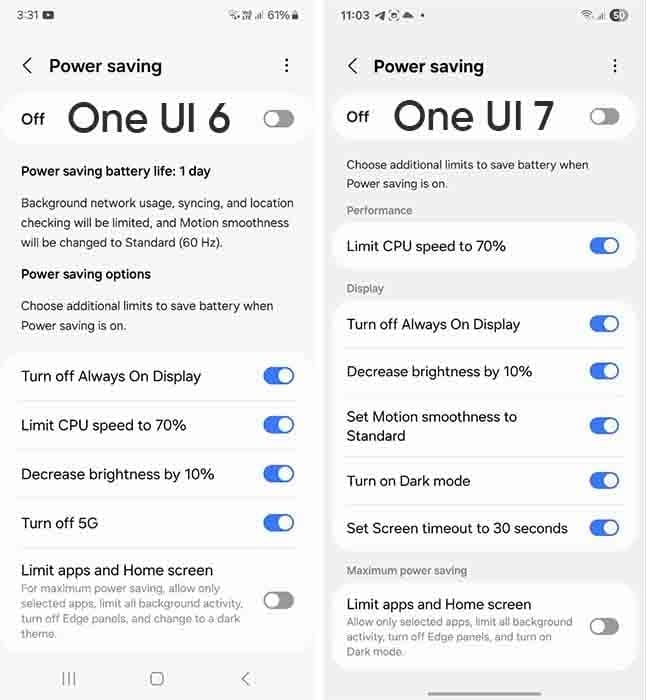
    However, Samsung devices provide you with more control over this capacity due to extra limitations. This power saver can be enabled from either the fast settings panel or the battery settings. Additional power-saving settings from One UI 6.x are listed below:

    • Turn off Always on Display
    • Limit CPU speed to 70%
    • Decrease brightness by 10%
    • Turn off 5G
    • Limit apps and the Home screen

    You can control these options with the toggle button in front.

    Moving on, One UI 7.0 device users will now see three additional power saving limits, including:

    • Set motion smoothness to standard
    • Turn on Dark mode
    • Set screen timeout to 30 seconds
    one ui 7 power saving

    The refresh rate was previously deactivated automatically during power saving mode, but you can now set its limits. Similarly, Dark mode and screen timeout help to conserve power.

    If you wish to maximize power efficiency, enable “Limit apps and Home screen”. It only permits certain apps, restricts background activity, disables Edge panels, and activates Dark Mode.

    If you do not want to employ any of these additional power-saving features, you may click the toggle button to return to the system’s normal power usage restrictions. When you disable the high refresh rate option, the 70% CPU limit is reduced automatically. Additional power-saving limits can be found in Settings > Battery > Power saving.

  • Samsung started manufacturing 2nm Exynos 2600 CPUs

    Samsung started manufacturing 2nm Exynos 2600 CPUs

    The in-house Exynos 2600 chipset is expected to be manufactured by Samsung, which is apparently nearing mass production readiness, according to a recent Korean article.

    In terms of competition, Samsung Foundry has not yet reached the desired milestone, whereas TSMC has already exceeded 60% yield on their 2nm class N2 node. However, a recent report indicates that the nascent chip manufacturer is rather close, with yields currently falling between 4 and 50 percent. It is far higher than the predicted 30% figure that was released in February.

    exynos 2600

    Samsung may be forced to forgo the Snapdragon 8 Elite 2 chip for the upcoming Galaxy S26 series in some areas next year due to the Exynos 2600 chipset’s promising results from the efficient 2nm technology.

    The Snapdragon 8 Elite 2 for Galaxy will be developed using the same 2nm technology, the report also reveals. It is expected to appear in the second half of 2026, maybe alongside the Galaxy Z Fold 8 and Galaxy Z Flip 8.

    According to a post published by a tipster on X, the Korean tech giant apparently had to sacrifice performance in order to obtain functional chips, meaning that SF2 will once again lag behind TSMC’s N2 node in terms of raw performance. There might be a significant performance difference between the standard Snapdragon 8 Elite 2 and the tipster’s claim if it turns out to be accurate.

  • The Qualcomm Snapdragon 8s Gen 4 with Kryo CPU and Adreno 825 GPU was announced.

    The Qualcomm Snapdragon 8s Gen 4 with Kryo CPU and Adreno 825 GPU was announced.

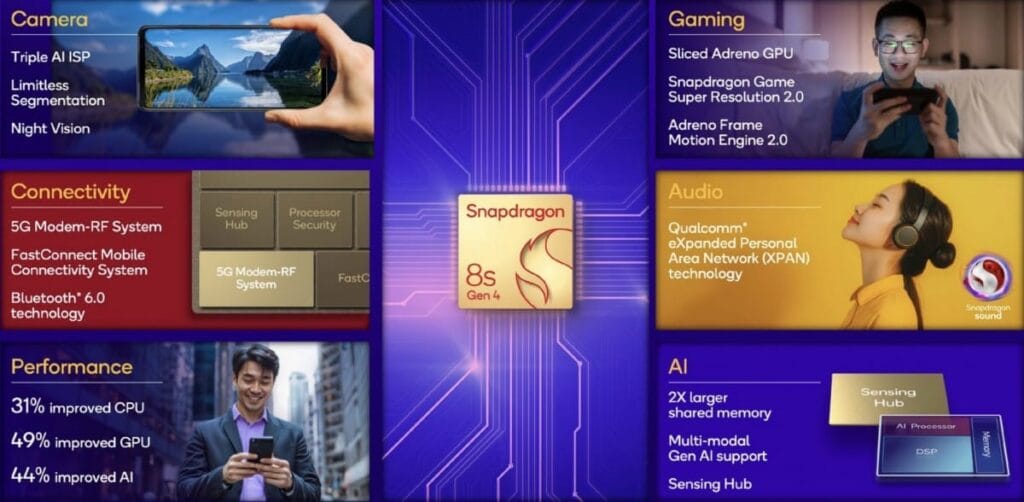
    Qualcomm recently unveiled the Snapdragon 8s Gen 4, their newest high-end smartphone chipset. Internally referred to as the SM8735, it is built on TSMC’s N4P 4nm production node and uses the older Kryo CPU rather than the Oryon core that is present in the top Snapdragon 8 Elite chip.

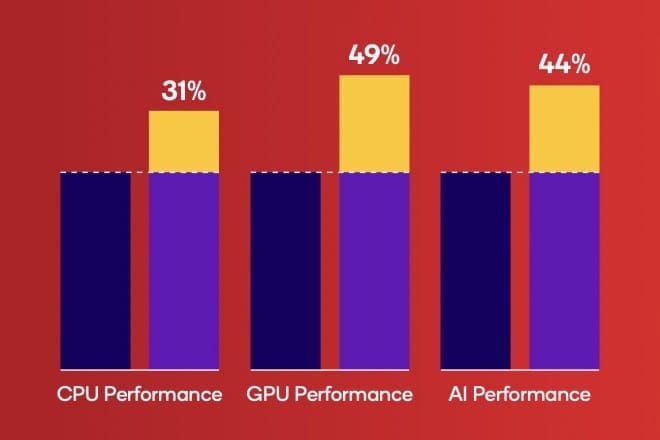
    Three Cortex-A720 cores at 3.0GHz, two at 2.8GHz, two at 2.0GHz, and one Cortex-X4 prime core clocked at up to 3.2GHz make up the CPU layer. Qualcomm claims that the new chip uses 39% less power and is 31% faster than the Snapdragon 8s Gen 3 from the previous year.

    Additionally, the chip has a new Adreno 825 GPU, which Qualcomm claims will increase graphics by 49% over the Snapdragon 8s Gen 3. Additionally, Snapdragon Elite Gaming capabilities including Snapdragon Game Super Resolution 2.0 and Adreno Image Motion Engine 2.0 are included, along with support for on-device ray tracing.

    On-device AI operations are performed 44% better with the upgraded Qualcomm Hexagon NPU. Additionally, Qualcomm included an 18-bit triple image signal processor (ISP) that can record HDR video at 4K60 frames per second and accommodate up to 320MP camera sensors.

    8s Gen 4 performance

    The integrated Snapdragon X75 5G modem in the new chip can download files at up to 4.2Gbps, however it only supports sub-6GHz spectrum rather than the speedier mmWave frequency ranges. Additionally, the chip has Bluetooth 6.0 and Wi-Fi 7.

    LPDDR5X RAM, USB 3.1 Gen 2 connection, and UFS 4.0 storage are all supported by the 8s Gen 4. Additionally, it has Qualcomm’s Extended Personal Area Network (XPAN) connectivity, which is currently available on certain new wireless earbuds like the Xiaomi Buds 5 Pro and uses Wi-Fi to send music.

    Later this month, the iQOO Z10 Turbo is anticipated to be the first gadget to use the Snapdragon 8s Gen 4, with other Xiaomi, Oppo, Meizu, and other products to follow shortly.

    snapdragon 8s Gen 4 features

    Main Snapdragon 8s Gen 4 Features

    • Our Qualcomm® AI Engine includes:
      • Qualcomm® Hexagon™ NPU
        • 2x larger shared memory for improved memory bandwidth
      • Qualcomm® Sensing Hub
      • Support for INT4 and INT8 precisions 
    • Snapdragon Elite Gaming™ Features
      • Real-time Hardware Accelerated Ray Tracing with Global Illumination for improved lighting, shadows, and reflections
      • Qualcomm Adaptive Performance Engine provides ultra-fast and super-smooth performance while providing longer gameplay sessions
      • Snapdragon Game Super Resolution 2.0 intelligently upscales low-res game scenes in up to 4K
    • Our Qualcomm Spectra™ AI ISP features:
      • Real-time Semantic Segmentation for photo/video with up to 250 layers
      • Real-time skin and sky tone correction intelligently captures natural color tones even in challenging environments
      • Night Vision 2.0 captures detailed videos in low light at 4K30 FPS
      • An always-sensing camera enables features like hand gestures, face unlock, and QR code scanning
    • Featuring our integrated AI-accelerated Snapdragon® 5G Modem-RF System
    • Qualcomm® FastConnect™ Mobile Connectivity System offers leading Wi-Fi 7 with speeds up to 5.8 Gbps and Bluetooth® 6.0 technology 
    • Supports Snapdragon Sound™ Technology Suite
      • Qualcomm® Expanded Personal Area Network Technology (XPAN) keeps earbuds and headphones connected via Wi-Fi for untethered, whole-building audio coverage
    • Snapdragon Seamless experience connects all your compatible devices so you can switch between them intuitively and quickly
  • The OnePlus 13’s personalized Snapdragon chip appears to be more efficient than the Apple A18 Pro.

    The OnePlus 13’s personalized Snapdragon chip appears to be more efficient than the Apple A18 Pro.

    With the next-generation Snapdragon flagship CPU around the corner, the OnePlus 13 is anticipated to come soon. According to a OnePlus employee, the modified version of the SoC can outperform the Apple A18 Pro in terms of efficiency, even though the chipset’s name is still unknown.

    At the Snapdragon Summit, Qualcomm will formally unveil its next-generation flagship smartphone SoC. The OnePlus 13 is anticipated to be one of the first smartphones to use the technology, though it is still unknown if it will be called Snapdragon 8 Gen 4, Snapdragon 8 Extreme Edition, or something else.

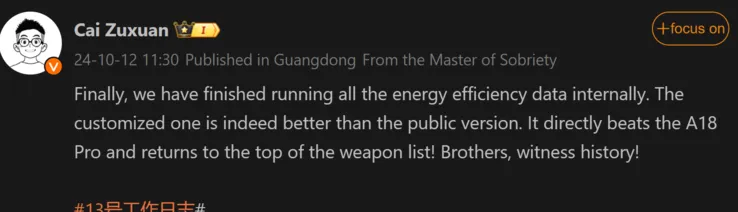
    Although OnePlus has not given away many details regarding its next flagship phone, Cai Zuxuan, an employee, hinted on Weibo that it will use a modified Snapdragon chip. The employee’s assertion that the customized SoC will provide better energy efficiency is more intriguing.

    Snapdragon x elite oneplus 13

    More precisely, the employee asserts that the custom Snapdragon SoC can outperform the Apple A18 Pro in terms of power efficiency, citing internal statistics from OnePlus. According to Cai Zuxuan, this would force Qualcomm to take the top slot once again.

    Additionally, a “public version,” which is allegedly inferior than the custom SoC, is mentioned in Cai Zuxuan’s Weibo post. There have been previous mentions of two distinct iterations of what is allegedly the Snapdragon 8 Extreme Edition. In August, a SoC datasheet that appeared legitimate was released, mentioning the SM8750 and SM8750P versions.

    The SM8750P was thought to be a more expensive model among them; the letter “P” was presumably an acronym for “Performance.” Qualcomm has been using its previous flagship SoCs in a similar manner. Consider the Snapdragon 8 Gen 3 for the Galaxy. The normal SoC is significantly overclocked in this version. Later, Nubia smartphones came with the same overclocked processor, which now leads the AnTuTu benchmark.

    csm Cai Zuxuans post on the cust

    Cai Zuxuan, however, indicates that this time, efficiency will be given a lot of weight in addition to performance. The good news is that October 21, which is not too far away, is when Qualcomm’s Snapdragon Summit will begin. In order to find out how Qualcomm’s 3 nm smartphone chip stacks up against the competition, you do not have to wait.

  • Dimensity 9200+ breaks record! Geekbench V6 multi-core score reaches 5655 points

    Dimensity 9200+ breaks record! Geekbench V6 multi-core score reaches 5655 points

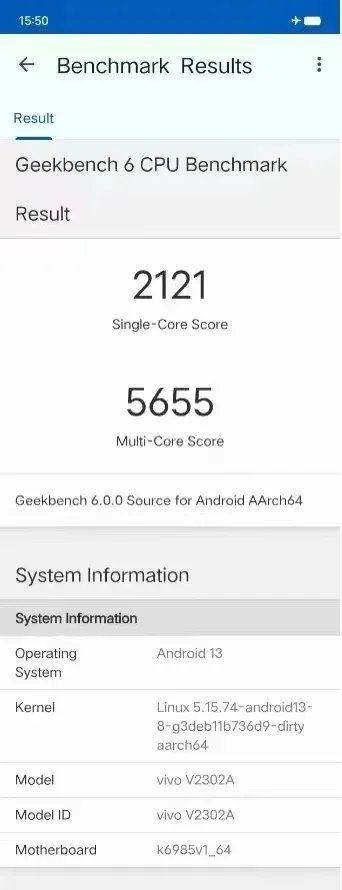
    Recently, the much awaited Dimensity 9200+ processor has been in the news for its ground-breaking performance on Geekbench V6. The Dimensity 9200+ reportedly broke all existing Android CPU performance records with a single-core score of 2121 points and a multi-core score of 5655 points.

    Rumored specifications

    The Dimensity 9200+ has cemented its reputation as a potent chipset thanks to this amazing result and the Dimensity 9200+’s superb AnTuTu performance. The Dimensity 9200+ has an octa-core architecture with four A510 small cores, three 3.0GHz A175 big cores, and a 3.35GHz Cortex-X3 super large core. Additionally, it has a GPU with an immortalis-G715MC11 core. One of the factors contributing to the processor’s potent performance is the big core’s 3.0GHz clock speed.

    Dimensity 9200+ geekbench

    The official release from MediaTek states that the Dimensity 9200+ will go on sale on May 10. The “strength depends on flagship+” poster indicates that the Dimensity 9200+ has performed admirably. Furthermore, the flagship smartphone market is about to heat up again given MediaTek’s trend of releasing “Plus” versions of its flagship processors every six months. The iQOO Neo 8 Pro is anticipated to be the first smartphone to use the Dimensity 9200+ chipset, according to benchmark listings.

    New CPUs are being developed by Qualcomm and other significant industry players. The next Snapdragon Gen 3 from Qualcomm is anticipated to have a new architecture and a potent 3.7GHz prime core, which could potentially perform better than the Dimensity 9200+.

    How these two processors compare and which one wins out will be interesting to observe. Nevertheless, the Dimensity 9200+ is positioned to compete fiercely in the high-end smartphone market thanks to its impressive benchmark results and promised performance capabilities.

  • Snapdragon 8 Gen 3 more performance from higher clockspeed

    Snapdragon 8 Gen 3 more performance from higher clockspeed

    In the process of creating the undisclosed Snapdragon 8 Gen 3 chipset, Qualcomm could have taken no short cuts. Recent record-breaking benchmarks may also be explained by a new leak that shows the flagship processor is using an entirely new eight-core arrangement with a Cortex-X4 primary core with an unheard-of peak mobile clock speed.

    According to a claim on a Chinese website, which cites user Digital Chat Station as the source, Qualcomm is adopting a different cluster design for the Snapdragon 8 Gen 3 in place of the 1+4+3 layout used by its predecessor. Instead, Qualcomm is employing a 1+5+2 structure. According to reports, the configuration consists of a primary Cortex-X4 core, five big cores, and two efficiency cores.

    snapdragon 8 gen 3

    The Snapdragon 8 Gen 3’s maximum clockspeed

    Aside from the fact that there are now more potent cores, Qualcomm has also raised the main core’s maximum speed to 3.7 GHz. For comparison, the normal Snapdragon 8 Gen 2 is rated at 3.2 GHz while the Cortex-X3 on a bespoke Snapdragon 8 Gen 2 can reach up to 3.36 GHz.

    Currently, only Samsung’s Galaxy S23 line of handsets have the overclocked Snapdragon 8 Gen 2. The majority of other Android manufacturers rely on the processor’s default rating. What the base speed of the forthcoming Qualcomm silicon will be is also unknown.

    Will the GPU on the Snapdragon 8 Gen 3 also be improved?

    The Snapdragon 8 Gen 3 will be constructed on the latest TSMC N4P node, excluding from the CPU. Although it continues to use a 4 nm process, it is claimed to be more efficient than the SoC from the previous year. Regarding graphics, it is said that the Adreno 750 GPU performs 50% better than the Adreno 740.

    The chipmaker is expected to make its next-generation chipset announcement earlier than it did last year. This might be because Qualcomm abandoned its plans to release a Snapdragon 8 Gen 3 “plus” model.

    Meanwhile, let us know your thoughts on the Snapdragon 8 Gen 3. Are you willing to wait for it before upgrading your next smartphone? 

    Via: GizChina Source: MyDrivers

  • No CPU throttling for Galaxy S23 – improved cooling system

    No CPU throttling for Galaxy S23 – improved cooling system

    You may or may not remember Samsung tipster Ice Universe pointing out that the low Geekbench results for the Galaxy S23 line suggested that the overclocked Snapdragon 8 Gen 2 chip powering the Galaxy S23 devices was not functioning properly. A benchmark test called Geekbench is used to evaluate and compare the central processing unit CPU of chipsets used in smartphones (it works with processors on other types of devices, but we are focused on handsets for this story).

    The Galaxy S23‘s single-core Geekbench score was comparable to other smartphones powered by the same SoC, as we noted approximately a week and a half ago. However, the multi-core scores fell short of expectations, which is strange given that the overclocked Snapdragon 8 Gen 2’s X-3 high-performance core should result in higher Geekbench scores than other models using the chip’s stock configuration.

    galaxy s23 snapdragon

    Previous Geekbench tests hinted that Samsung was throttling the CPU of the Snapdragon 8 Gen 2 for the S23 line

    And since none of the multi-core Geekbench tests for the Galaxy S23 line topped a score of 5,000 (something that other phones running the latest Snapdragon application processor (AP) did, it led to concerns that Samsung must be throttling the processor on the Galaxy S23 series which is something that would be done if the chipset was overheating.

    galaxy s23 geekbench

    Let’s explore the Snapdragon 8 Gen 2 chipset that powers the Galaxy S23 range in more detail. There are two variations; the Motorola X40 and OnePlus 11 will use the 4nm process node and the X-3 high-performance core, which has a 3.2 GHz clock speed. Samsung Foundry will produce the version for the Galaxy S23 range utilizing its 4nm production node and an X-3 high-performance processor clocked at 3.32GHz.

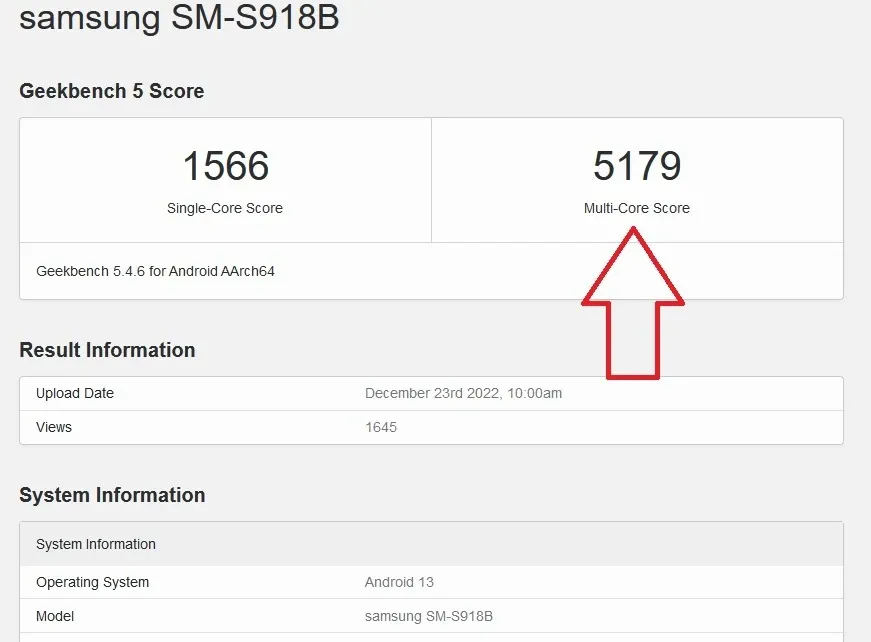
    However, a recent Geekbench test on the Galaxy S23 Ultra resulted in a multi-core score of 5,179, finally crossing the 5,000 threshold, according to Android Headlines. This suggests that any thermal issues that would have compelled Samsung to reduce the processor’s speed may have been resolved.

    The cooling system on the Galaxy S23 model will reportedly be enhanced and 1.6 times more effective than the cooling system on the Galaxy S22, according to a Twitter tipper by the name of Ahmed Qwaider (@AhmedQwaider888). The cooling system on the Galaxy S23+ will be 2.8 times more effective than the one on the Galaxy S22+, while the cooling system on the Galaxy S23 Ultra will be 2.3 times more effective than the one on the Galaxy S22 Ultra.

    The new chipset and cooling systems should keep the Galaxy S23 line from overheating

    The upgraded cooling systems will be able to prevent the Galaxy S23 series from overheating during periods of high usage without the need to throttle the processor, which is the bottom line. Furthermore, if your flagship phones’ overclocked Snapdragon 8 Gen 2 chipsets are going to be throttled in any case, what would be the point?

    The tipper notes that the Galaxy S23 models’ battery life would increase and less heat will be produced as a result of the upgraded Snapdragon 8 Gen 2 SoC and better cooling system. Additionally, he claims that the performance of the Neural Processing Unity (NPU) would increase by 60% due to the enhanced usage of artificial intelligence (AI) features, and that the performance of the CPU will increase by 36% compared to the Snapdragon 8 Gen 1 chip used in the Galaxy S22 series.

    The Samsung Galaxy S23 series is rumored to be pre-installed with the One UI 5.1 interface which includes newer Android 13 features that were released by Google with the Android 13 Quarterly Platform Release 1 that was dropped early last month. The One UI interface is designed to make it easier for users to reach on-screen elements that are usually placed out of reach of users sporting a large-screened phone. This is done by keeping most of the elements near the bottom of the display.

  • Snapdragon 8 gen 2 – to be released soon

    Snapdragon 8 gen 2 – to be released soon

    The debut of a new generation of the flagship chip – Snapdragon 8 Gen 1 – took place a little more than two weeks ago. The new platform is based on the new Armv9 architecture and was developed utilizing a 4 nm manufacturing technology. Samsung is in charge of its manufacture, which will continue until May or June of next year.

    Will be released in May 2022

    From May 2022, it is predicted that TSMC will be in charge of the Snapdragon 8 Gen 1 release. So that no one is confused about which chipmaker made which chip, the naming will be changed as well. According to network insiders, the CPU could be dubbed Snapdragon 8 Gen 2; nevertheless, the possibility of it being dubbed Snapdragon 8 Gen 1+ cannot be ruled out.

    snapdragos 8 gen 2

    It’s also been reported that the number of chips produced by TSMC will outnumber those produced by Samsung. This could be due to the fact that TSMC’s 4nm technology is more developed and provides better energy efficiency.

    As a reminder, the Snapdragon 8 Gen 1 includes a more powerful Adreno graphics chip, 4x the processing power of the neural engine, the first 18-bit ISP with three modules, and support for fifth-generation networks, including the ability to download data at speeds of up to 10 Gbps over a cellular network.

    Snapdragon 8 gen 1 benchmarks: graphics performance on par with apple a15 bionic

    Apple introduced the A15 Bionic CPU in September, along with the iPhone 13 series of devices. Later, to compete with Apple’s platform, MediaTek and Qualcomm released their own flagship chipsets, the Dimensity 9000 and Snapdragon 8 Gen 1, respectively. The Adreno GPU in the Snapdragon 8 Gen 1 is on par with Apple’s A15 Bionic graphics, according to the latest benchmarks.

    IceUniverse, an insider, has released test results for the iPhone 13 Pro and the Snapdragon 8 Gen 1 smartphone, revealing nearly full parity between the two smartphones. In the T Rex test, the iPhone 13 Pro received 451 points, while the Snapdragon 8 Gen 1-based device received 450 points. This discrepancy can be traced back to a human error.

    On the contrary, in the 3DMark Wild Life Unlimited test, Snapdragon 8 Gen 1 played the role of catch-up, which showed a 12% lower result.

    For the first time in years, a Qualcomm chip can match the performance of an Apple product. However, you should wait until the actual Snapdragon 8 Gen 1 devices are released to see if the performance improvements are really noticeable.