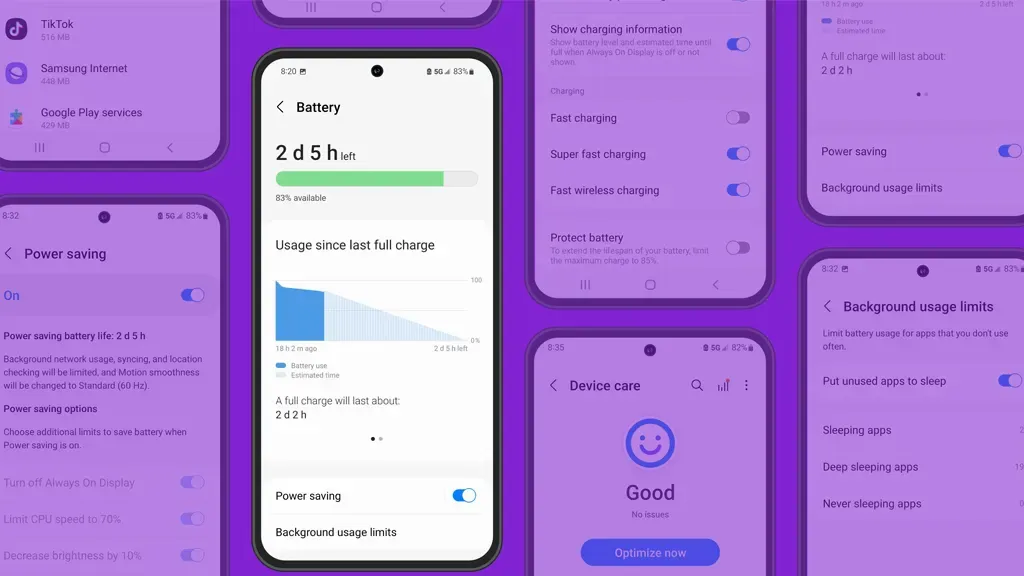
Many Samsung Galaxy users reported that their phones’ batteries began to drain more quickly than normal after updating to One UI 7. This problem primarily impacted premium phones such as the Galaxy Z Fold 5 and S24 series. According to recent data, the most recent security patch has resolved the One UI 7 devices’ battery depletion problem.
Despite One UI 7’s improved appearance and additional functions, some phones’ batteries died significantly more quickly than they used to. It appears that Samsung may have quietly resolved this issue with the June 2025 security patch.
Users of the Z Fold 5 and Galaxy S24 have reported that installing the June 2025 security update significantly improved their battery life. One user even claimed that the battery life of his Galaxy Z Fold 5 had increased by “400%.” Users of the Galaxy S24 and S24+ also reported gains, albeit they weren’t that significant.
Earlier this month, the June update for the Galaxy Z Fold 5 and S24 series models began to trickle out. With this update, consumers are now seeing longer battery life.
Security updates are typically created to address vulnerabilities and issues. However, occasionally they also aid in enhancing the phone’s functionality, such as battery life. In order to include new features, bug repairs, and upgrades, it also updates a number of apps to the most recent version.
Although Samsung has not formally addressed the battery problem, several customers think the update was helpful. You might wish to see if the June update is available for your phone if the battery has been rapidly depleting after the One UI 7 update. Better battery life is already being noticed by certain users.
Has your phone improved with the upgrade, or are you still having battery problems? Share your experience with us by leaving a comment on our social media platforms.
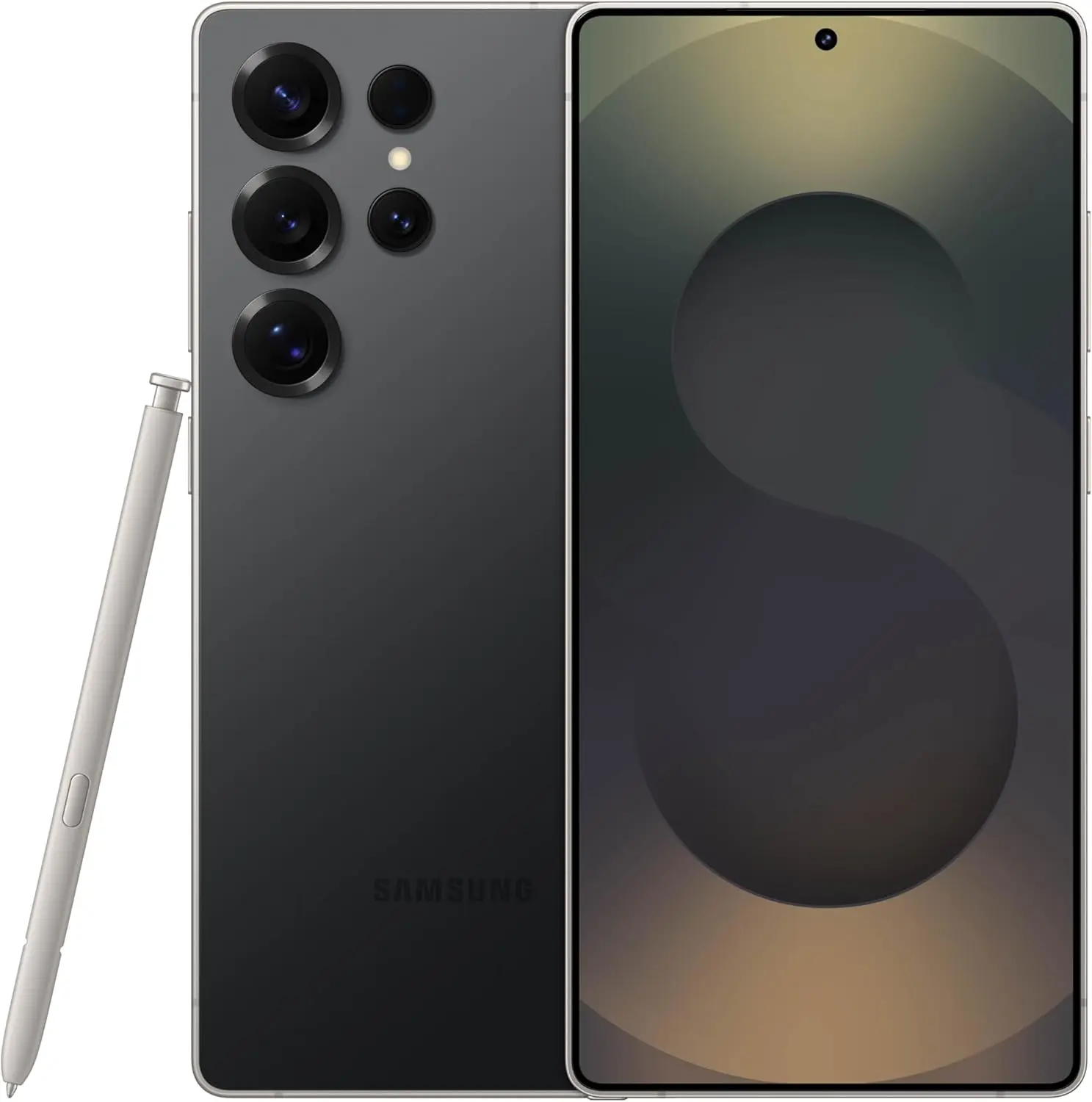
Samsung Galaxy S25 Ultra
This phone is Unlocked for GSM Carriers in USA like T-Mobile (Excluding Verizon, Sprint, and US Cellular) and not compatible with any CDMA Network Carriers. Dual-SIM (2x Nano-SIM + or Nano-SIM + eSIM or Dual eSIM)
Stay connected with the latest from Droid Tools—follow us on X @droid_tools, like our page on Facebook, check out our updates on Instagram, and follow us on Google News for real-time news, device tips, and mobile tech insights.
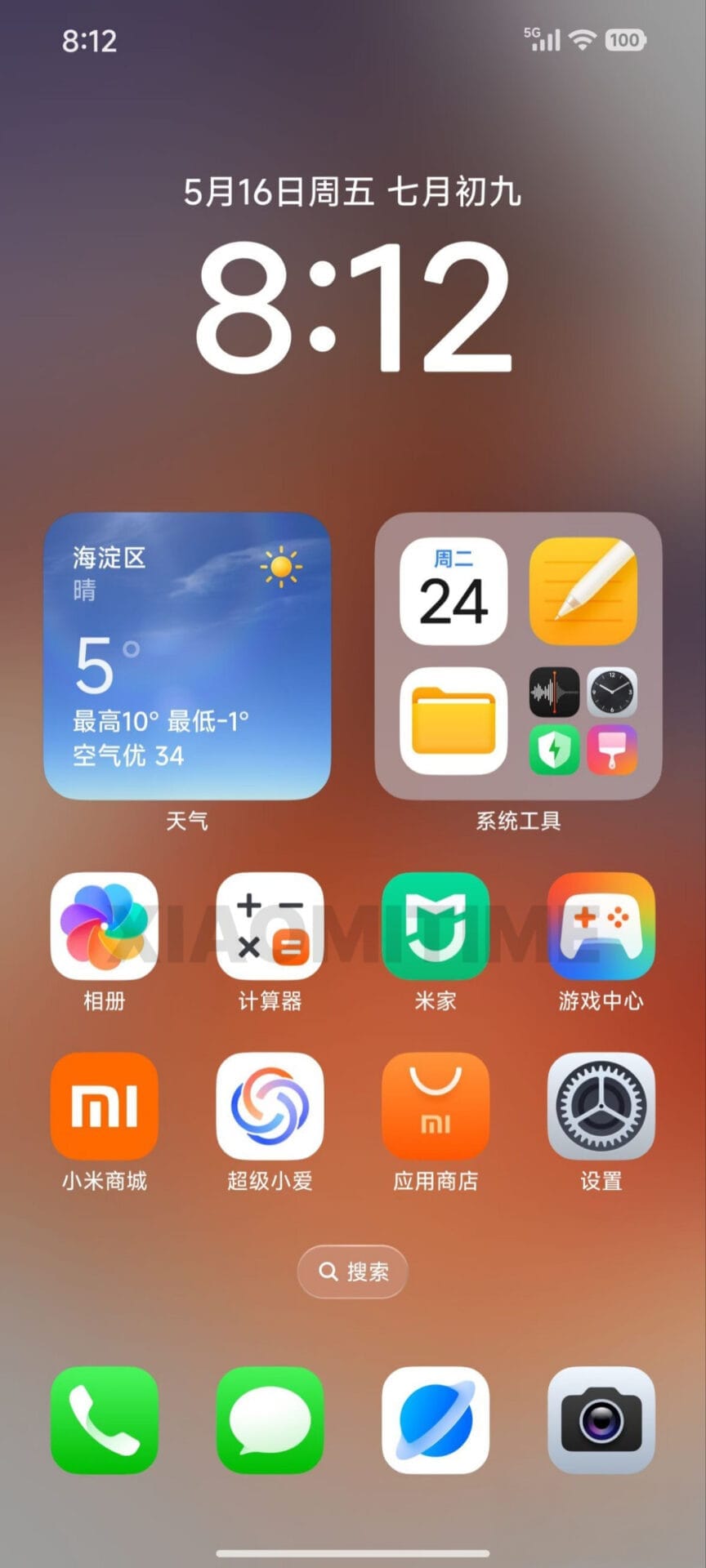
Through a newly published user survey, Xiaomi has given users an early glimpse at HyperOS 3, and the changes are remarkable. Xiaomi intends to establish HyperOS as a high-end, competitive platform, as evidenced by the recent screenshot’s significant UI redesign. With significant updates to key system components, especially icons and layouts, the design language is obviously influenced by iOS. This version demonstrates Xiaomi’s continued commitment to improving its unique Android skin in order to better cater to a worldwide users.
The updated icon set is the most noticeable change. The unified, elegant look of these new icons, which closely resemble those in iOS 18, improves the user experience as a whole. This change reflects Xiaomi’s emphasis on improving brand perception among high-end users and conforming to industry-leading design standards.
The removal of the search bar on the home screen is another significant change. Xiaomi achieves a more simplified and clean home screen by removing this component, giving app icons and widgets more attention. This minimalist style should appeal to people who value clarity and simplicity and is consistent with larger trends in mobile user interface design.
New battery indicator and glass user interface
Additionally, a revised battery indication that now closely resembles the iPhone’s approach is included in HyperOS 3. In addition to updating the battery status visual representation, this update advances Xiaomi’s overarching objective of providing a recognizable, intuitive user experience that appeals to iOS customers thinking about switching.
Furthermore, Glass UI-inspired effects are incorporated into the redesigned interface, giving the system more visual refinement and depth. Together, these improvements give all supported devices a more upscale and sophisticated appearance.
Wide device compatibility
Xiaomi is extending HyperOS 3 to an extensive range of devices, reinforcing its commitment to software support:
33 Xiaomi models
44 Redmi devices
19 POCO devices
This broad compatibility—spanning 96 devices in total—demonstrates Xiaomi’s dedication to serving a diverse customer base, from flagship owners to budget users.
Analysts predict that Xiaomi will formally unveil HyperOS 3 in October 2025. Depending on rollout timelines and device capabilities, the update will be developed for both Android 15 and Android 16.
Stay connected with the latest from Droid Tools—follow us on X @droid_tools, like our page on Facebook, check out our updates on Instagram, and follow us on Google News for real-time news, device tips, and mobile tech insights.
The formal rollout of Android 16’s stable version has started, with Google’s Pixel smartphones leading the way. Other significant Android manufacturers are getting ready to release their own unique skins and upgrade schedules in tandem with the latest OS version. The most important question for users anxiously anticipating the update is: will my device get the update? This is the list of devices that are compatible with Android 16.
We have put up a thorough list of smartphones and tablets from well-known manufacturers, like Samsung, Xiaomi, Motorola, and Oppo, that should be compatible with the Android 16 update in order to assist in answering this question.
Google Pixel Android 16 Eligible devices
As always, Pixel devices are first in line and the rollout is already underway for these models.
Other manufacturers may need a few weeks to incorporate Android 16 with their own user interfaces, such as One UI, HyperOS, and ColorOS, while Google Pixel phones are currently getting the upgrade. The majority of brands are anticipated to start releasing stable versions in July 2025, with widespread beta testing set to commence shortly.
Stay connected with the latest from Droid Tools—follow us on X @droid_tools, like our page on Facebook, check out our updates on Instagram, and follow us on Google News for real-time news, device tips, and mobile tech insights.
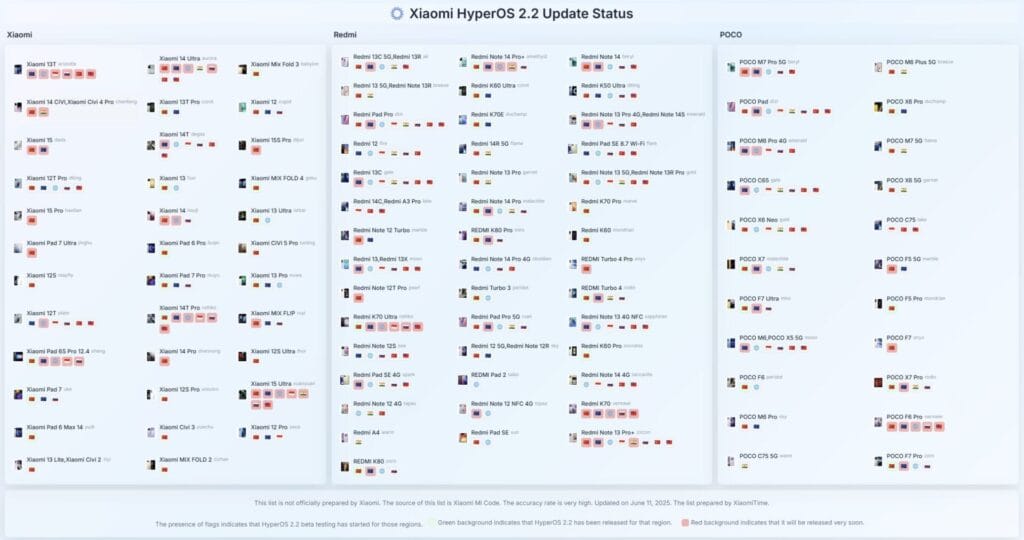
The second round of internal testing for HyperOS 2.2 has officially ended, and it now covers more than 130 devices from the Xiaomi, Redmi, and POCO portfolios. This upgrade is quite extensive, encompassing both premium smartphones and tablets as well as entry-level products. Many users will get the update at the same time when the worldwide public release starts. It is evident that Xiaomi is giving top priority to a seamless, well-organized updating procedure for all of its products.
While waiting for the official HyperOS 2.2 release, users can access the MemeOS Enhancer app through the Play Store to unlock more Xiaomi features and system improvements.
More than 130 items are currently included in Xiaomi’s internal testing program, guaranteeing extensive coverage across all significant price points and markets. Included are gadgets from Taiwan, Indonesia, Russia, China, Europe, India, and more. The update is appropriately customized for every user base thanks to this geographical attention.
Flagship and Premium Device Readiness
Xiaomi’s Flagship Lineup
All leading Xiaomi models have completed internal testing, including:
From the K series (K50 Ultra through K80 Pro) and Note series (Note 12 through Note 14 and all variations) to the Turbo lineup and more reasonably priced models like the Redmi 12–14R 5G, Redmi’s full spectrum is covered.
POCO’s gaming and performance-focused models are included as well. The F series (F5, F6, F7, including Pro and Ultra variants), X series (X6, X7, Pro, Neo), and the M and C series for budget users are all part of the rollout.
The HyperOS 2.2 internal rollout also covers:
Xiaomi Pad 6 and 7 series (including Pro, Ultra, Max, and S Pro models)
Redmi Pad Pro, Pad 2, and SE variants
POCO Pad
In conclusion, one of the biggest coordinated Android update rollouts in Xiaomi’s history is about to happen. With the launch of every major product line, millions of customers worldwide can anticipate improved performance and new features.
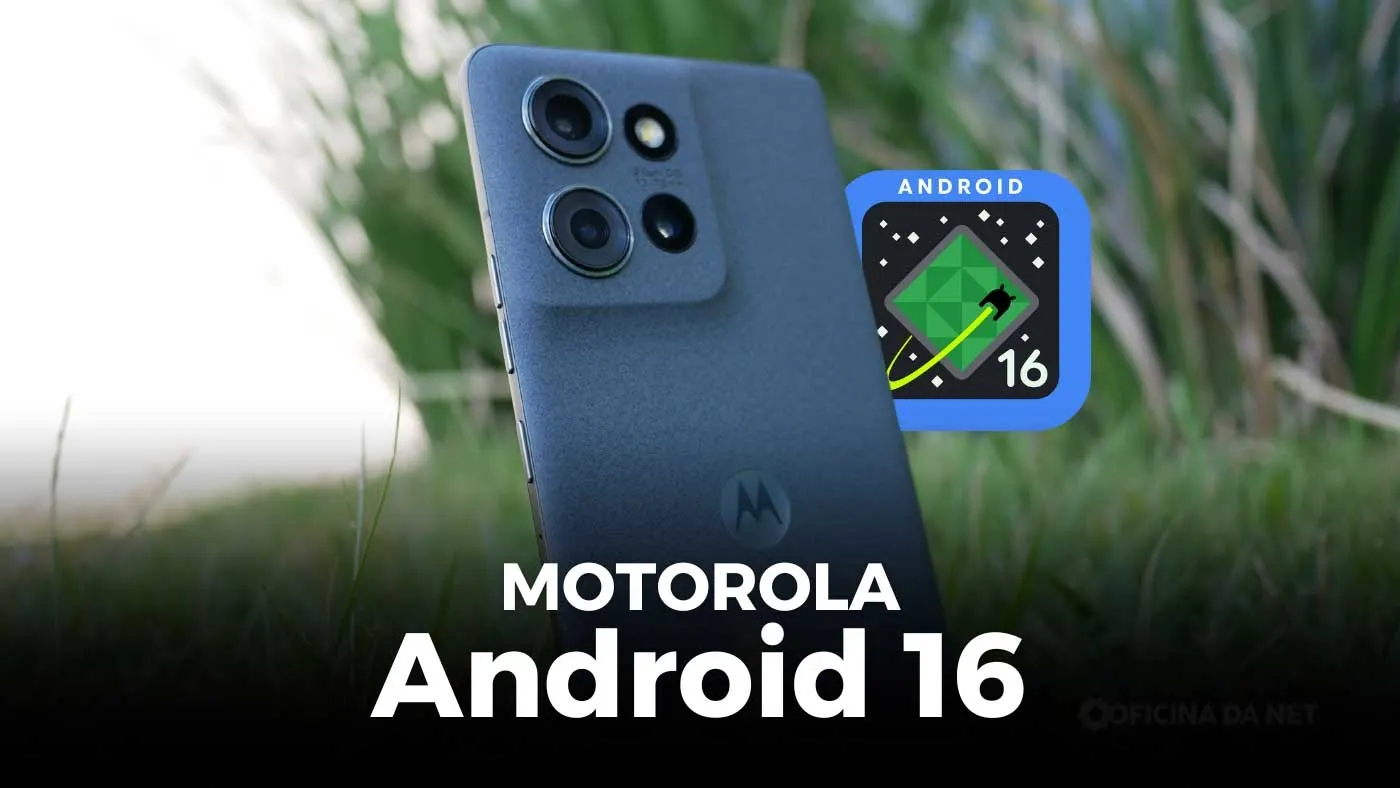
Owners of Motorola phones, take note! For you, this monsoon has a unique timeline of occurrences. In addition to the recent Motorola phone releases and the strong market demand for these phones, current patterns indicate that you should expect an Android update soon. Indeed, it is correct. Numerous Moto phones will soon be running Android 16, so you should update to the newest OS version as soon as you can. To learn which devices will get the Android 16 upgrade, let’s read this article.
Android 16 Update: Key Insights That You Should Know
With the latest updates and improvements that your Android devices undoubtedly require Android 16.
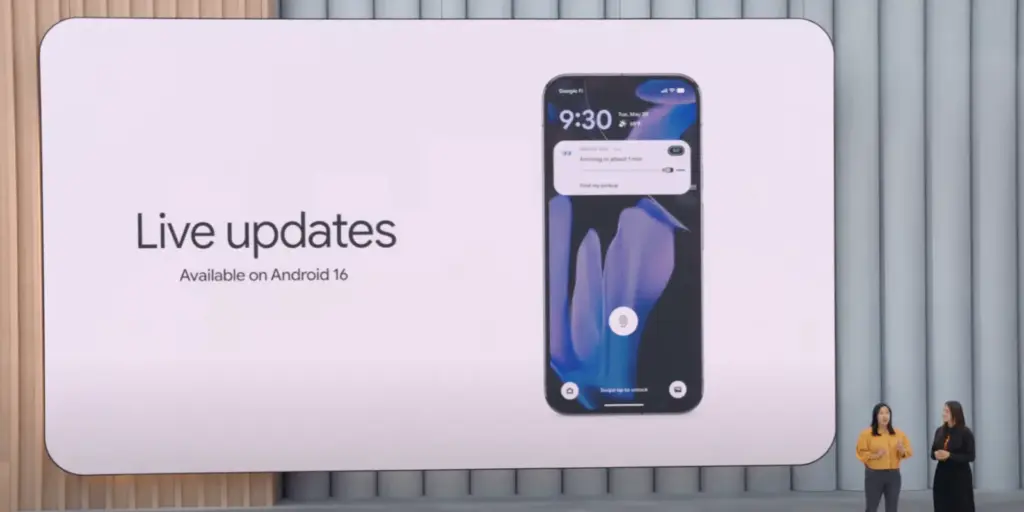
For example, Android 16 mimics iOS Live updates by introducing dynamic features like real-time status bar apps updates.
Additionally, by removing forced screen points on large devices, it improves tablet usage. Additionally, it offers adjustable refresh rate, which helps to improve battery smoothness and efficiency.
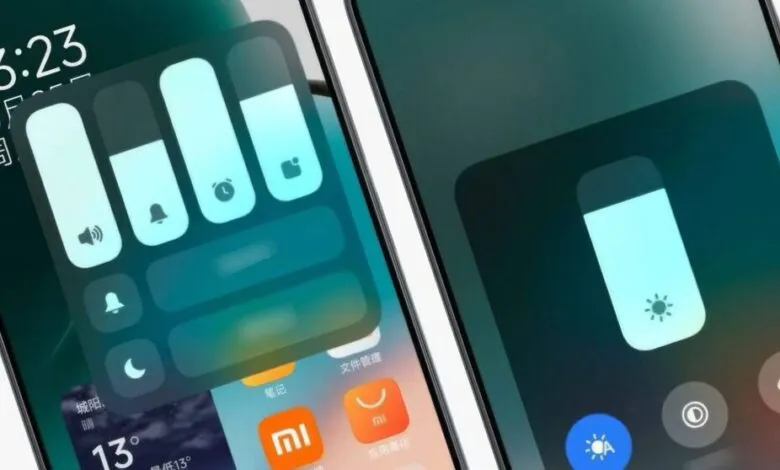
The most recent version of Android 16 has it all: bundled notifications, cooldown choices, streamlined alerts, a new volume slider, divided quick settings, and small heads-up displays. The floating bubbles, which previously only supported notifications, now support entire apps, giving you some unique UI elements.
Speaking of widgets, Android 16 brings back the lock screen widgets along with Gemini access and clearer notification icons. iOS Dynamic Island is mirrored in Rich Ongoing Notifications.
Last but not least, this OS update offers amazing camera support. HDR10+ and 8K are supported by its Advanced Professional Video (APV) Codec. Gemini extensions, vertical text support, Privacy Sandbox, cloud compilation, and improved tablet desktop mode are some of the other standout improvements of the most recent Android 16 version.
Motorola devices that will get Android 16 in 2025
In June 2025, the Android 16 version will be released, and all of the most recent updates will be available on popular Motorola devices. The Android 16 Update may be available for phones that were just released, those that are now available, and those that will be released between July 2025 and September 2025. Let’s view the entire list right here.
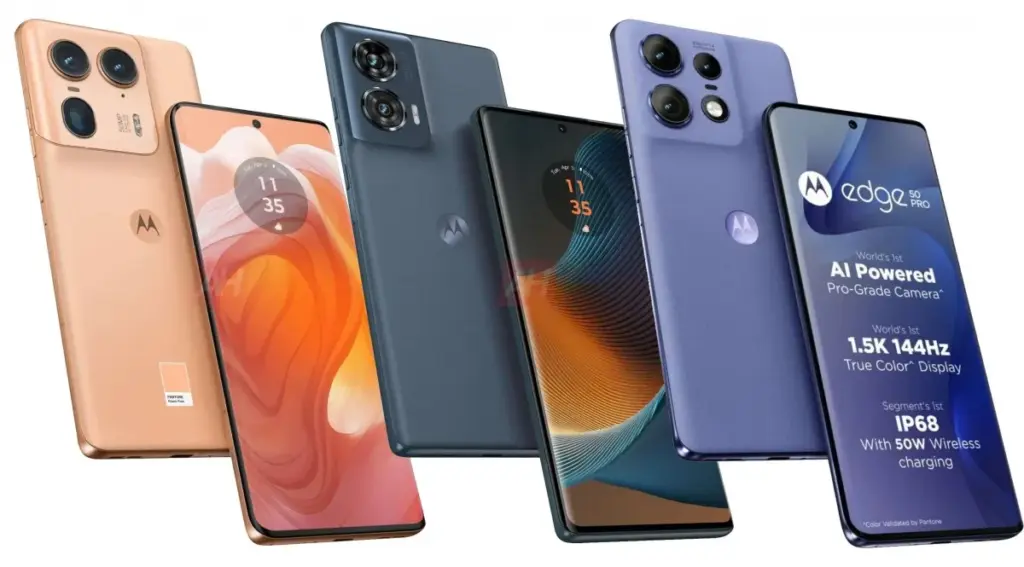
The Edge series phones are an amazing flagship line in the phone industry, with curved edges, a bright display, a sleek design, and never-before-seen capabilities with every new version. The Edge series phones’ price range and “value for money” label have been their main selling points.
Motorola Edge Series
Here is the list of all the Motorola Edge series phones which will receive the Android 16 update:
Edge 50
Edge 50 Fusion
Edge 50 Neo
Edge 50 Ultra
Edge 50 Pro
Edge 60
Edge 60 Stylus
Edge 60 Fusion
Edge 60 Pro
Edge 40 Pro
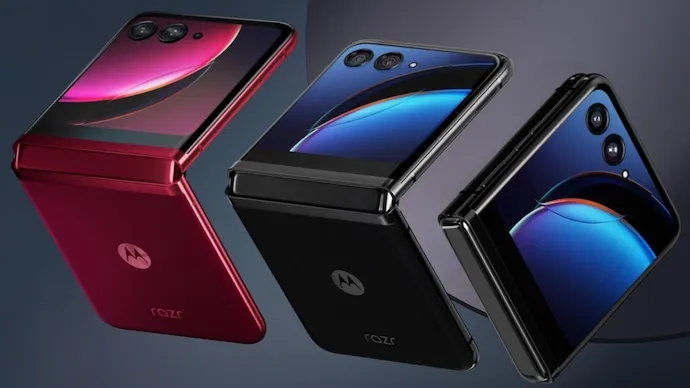
Motorola Razr Series
Motorola produced the most inventive foldable phones. In the market, Motorola’s Razr series phones have enjoyed an incredible run of popularity. For instance, the Motorola Moto Razr 40 boasts a sizable 6.9-inch full-HD+ pOLED display with an inventive foldable design. It also boasts a high refresh rate of 144 Hz, which makes for a fluid and engaging viewing experience. The robust Snapdragon 7 Gen 1 SoC and 12GB of RAM enhance the performance features for smooth and quick operation.
Motorola produced the most inventive foldable phones. In the market, Motorola’s Razr series phones have enjoyed an incredible run of popularity. For instance, the Motorola Moto Razr 40 boasts a sizable 6.9-inch full-HD+ pOLED display with an inventive foldable design. It also boasts a high refresh rate of 144 Hz, which makes for a fluid and engaging viewing experience. The robust Snapdragon 7 Gen 1 SoC and 12GB of RAM enhance the performance features for smooth and quick operation.
Here is the list of all the Motorola Razr series phones which will receive the Android 16 Update.
Moto Razr 50
Moto Razr 50 Ultra
Moto Razr 60
Moto Razr 60 Ultra
Moto Razr 40
Moto Razr 40 Ultra
Moto G Series
The Motorola G series phones are the market’s favorite among consumers on a tight budget. The Motorola G series phones are very impressive, catering to lower budget categories while offering some of the newest features.
Here are the Motorola G series phones which will get the Android 16 Update:
G85
G56
G75
G64
G54
In conclusion, the Android 16 update will be available for all of the most recent Motorola phones from the Edge, Razr, and G series. These Moto phones will get cutting-edge features with the QPR beta version, the most recent release of Android 16.
As a result, all Moto users can anticipate improved performance, more intelligent features, and a more streamlined user interface. The capabilities of your phone will be enhanced by this upgrade, regardless of whether you’re using a stylish Edge, a folding Razr, or an affordable G series!
Stay connected with the latest from Droid Tools—follow us on X @droid_tools, like our page on Facebook, check out our updates on Instagram, and follow us on Google News for real-time news, device tips, and mobile tech insights.
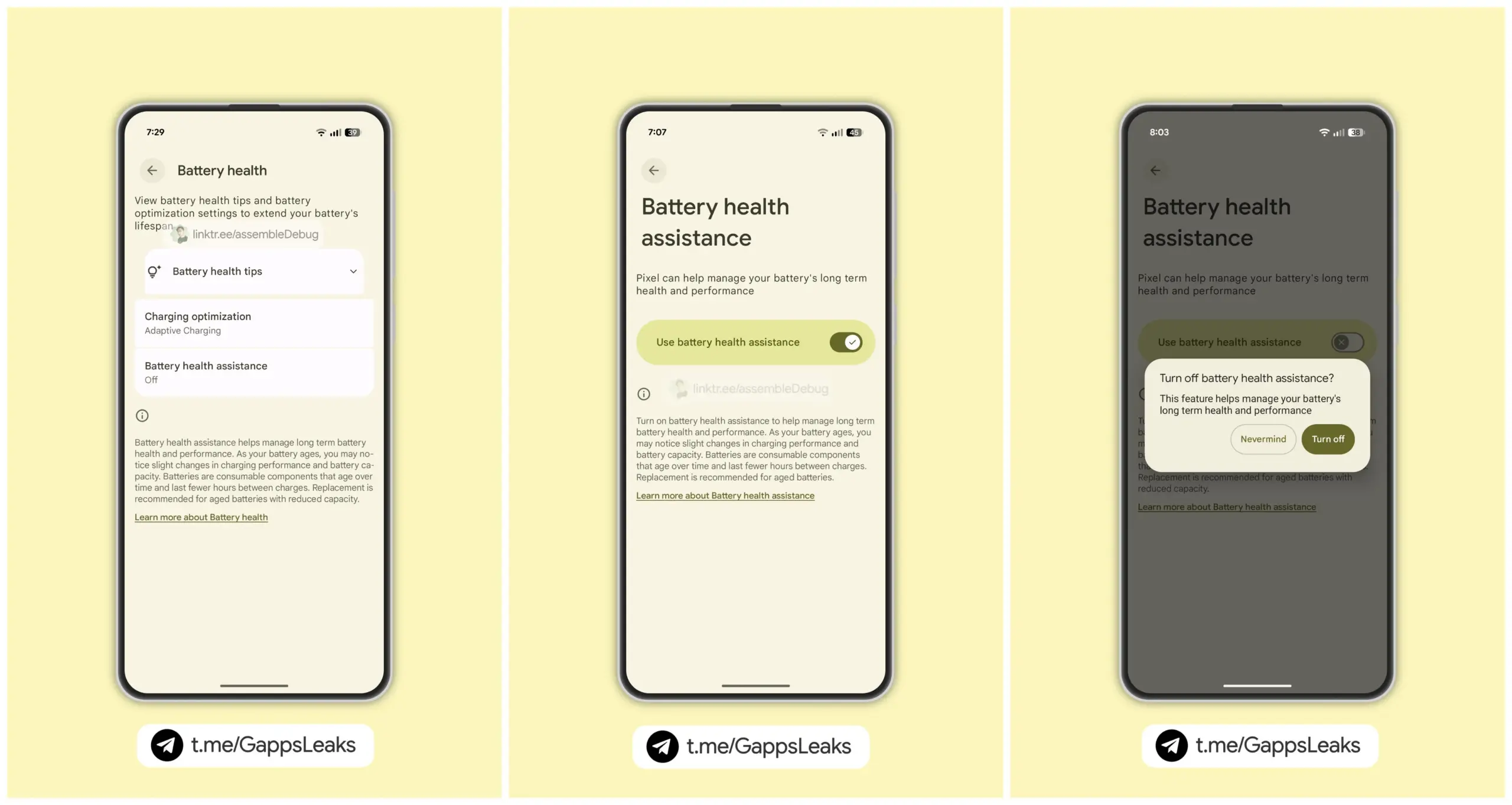
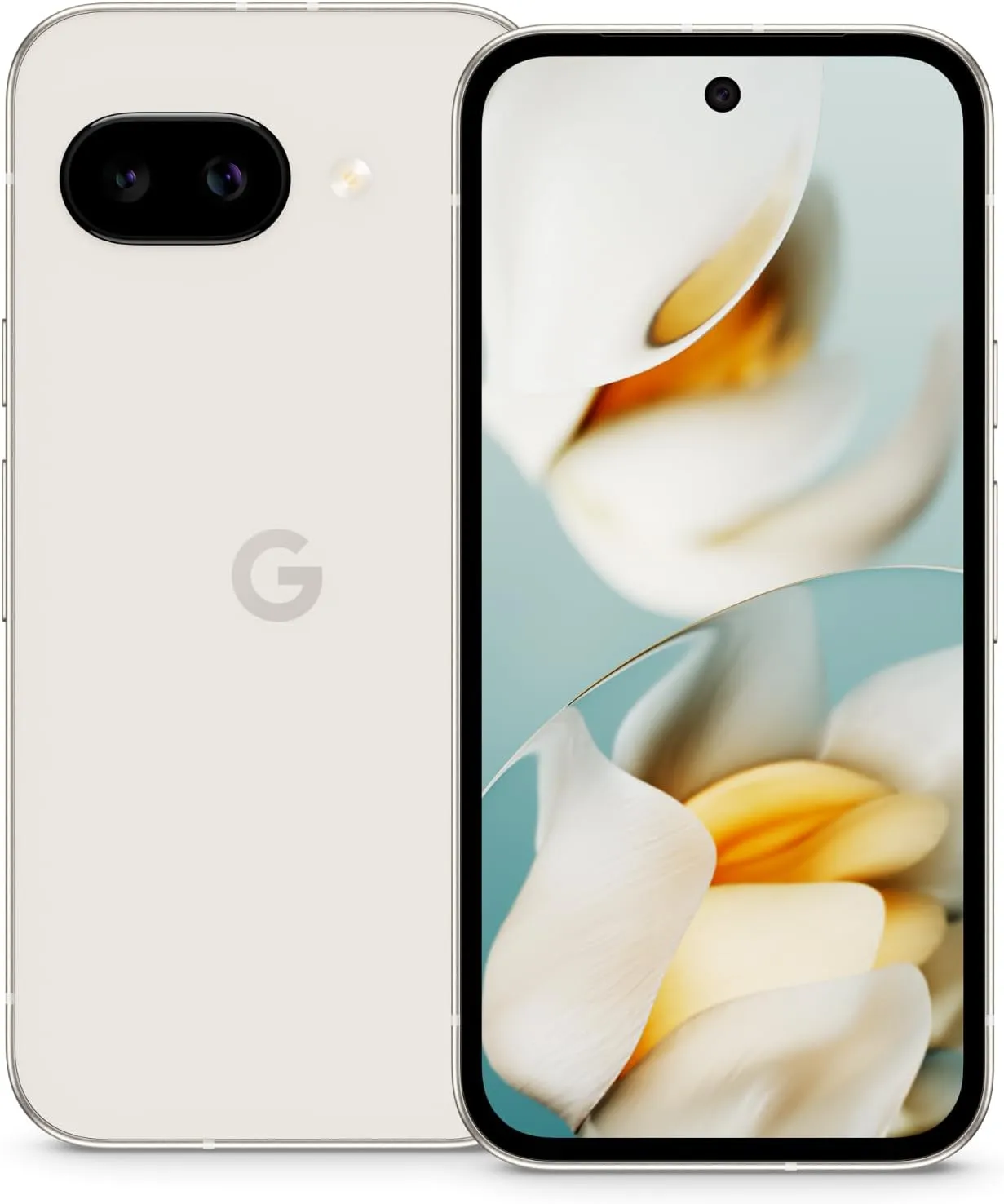
As seen by the Android 16 QPR1 Beta 2 update, the company is getting ready to expand the Battery Health Assistance function, which made its debut with the Pixel 9a, to additional Pixel devices. Serious problems including battery overheating and even melting during charging have recently been reported with certain Pixel phones. The tech giant is working hard to stop this, though.
Android 16 beta update brings ‘Battery Health Assistance’ feature
For those who are unaware, early this year, Google released the Pixel 9a with Battery Health Assistance, a charge management tool. This feature cannot be manually disabled because it is enabled by default.
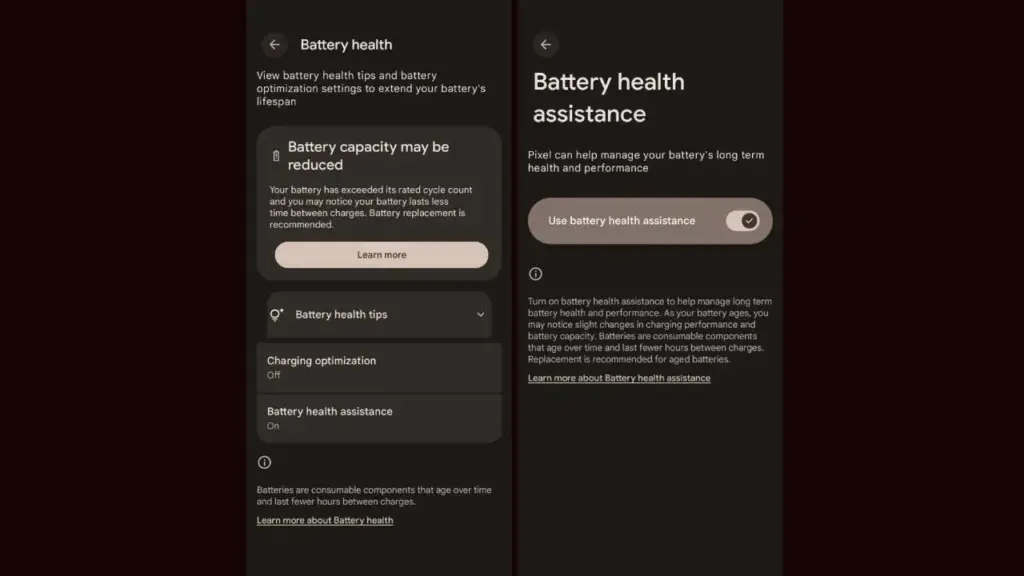
Google’s support page states that Battery Health Assistance aids in controlling the long-term performance and health of a phone’s battery. Serious problems like battery deterioration, overheating, and even melting when charging can be avoided with its assistance.
After applying the Android 16 QPR1 Beta 2 update on their phones, a few users became aware of the new feature. To put it briefly, Google intends to eventually extend this feature to older Pixel models.
Google defines the feature as follows; ”Lithium-ion batteries are consumable components that eventually require replacement. As your battery ages, Battery health assistance helps manage its long-term health and performance. This software adjusts the battery’s maximum voltage in stages. It starts at 200 charge cycles and continues gradually until 1000 charge cycles. This helps stabilize battery performance and aging.”
Images posted by customers who have tested Battery Health Assistance indicate that, unlike the Pixel 9a, the feature won’t be required. In other words, if you want to, you can turn it off. Google advises, however, that you keep it enabled at all times to preserve the functionality and health of your battery.
It’s crucial to have this feature to keep your battery from dying too soon.
On Pixel phones, the Battery Health Assistance feature may somewhat shorten battery life and charging speed. In the long run, nevertheless, it is really useful and protects the battery. This might stop the recent battery problems that some Pixel variants have been having.
Many stories of earlier Pixel models burning and even melting their batteries after charging have surfaced in recent months. Arielle, a user, even complained last week that her Google Pixel 6a melted and caught fire while charging. It is noteworthy that she was utilizing a third-party, non-OEM charger.
Google Pixel 9a with Gemini
Google Pixel 9a is engineered by Google with more than you expect, for less than you think; like Gemini, your built-in AI assistant, the incredible Pixel Camera, and an all-day battery and durable design
Stay connected with the latest from Droid Tools—follow us on X @droid_tools, like our page on Facebook, check out our updates on Instagram, and follow us on Google News for real-time news, device tips, and mobile tech insights.
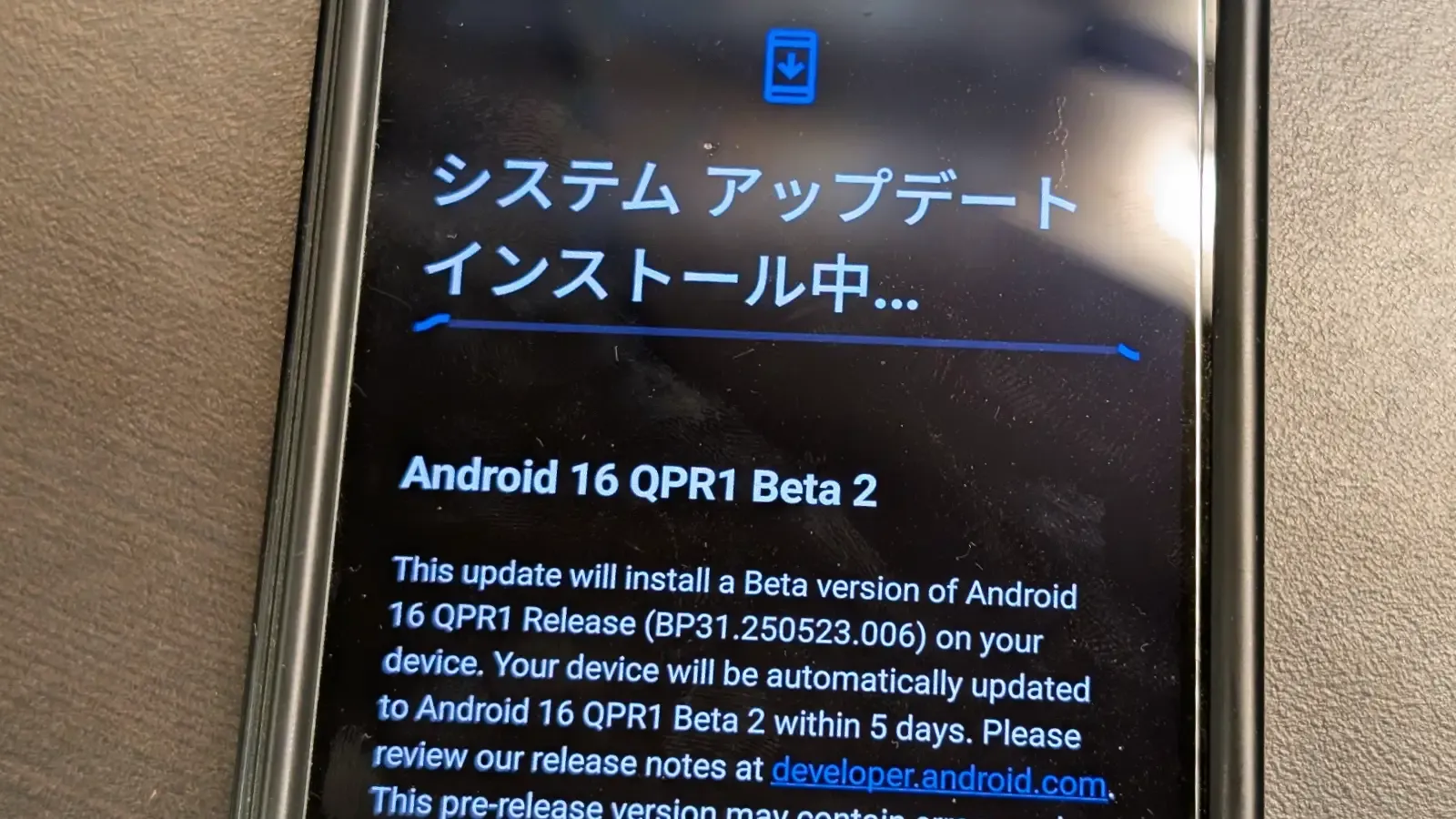
Android 16 has finally been made available to the general public by Google. The June Pixel Drop and Android 16 QPR1 Beta 2 are also available today, so this isn’t the only update. Here, we’ll concentrate on Android 16 QPR1’s second beta, which will be made available to the general public as Pixel Drop the next quarter.
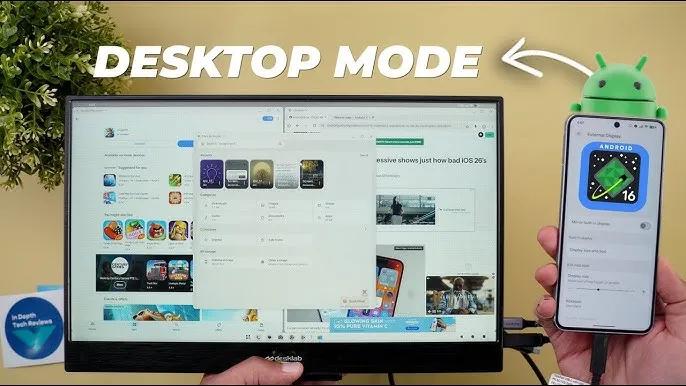
In late May, Google started testing the Android 16 QPR1. Some of the Material 3 Expressive changes were first made available in the first beta. In addition to bug improvements, the second beta offers developers a sneak peek into Dex-like desktop mode.
Desktop mode is inevitable in Android 16
Pixel devices using build number BP31.250523.006 can access the Android 16 QPR1 Beta 2, which is still based on the May security patch. The second beta, as previously said, is more akin to a bug-fix update that fixes a number of known problems. The known bug fixes are listed here.
Auto dark theme is not working
Now playing is crashing when selecting a track
Camera frequently fails to launch
Shortcuts for newly-downloaded apps aren’t automatically added
Home button not working on app list UI
“More wallpapers” button misaligned in wallpaper settings
Gemini fails to work on the lockscreen
The second beta of Android 16 QPR1 will be accessible via an over-the-air update if you have already installed the first beta on your Pixel phone. To test the new QPR beta and the next beta builds, you can simply sign up for the beta program if you’re on a public build.
Make care to backup crucial data and charge your smartphone to at least 50% before applying the update.
Stay connected with the latest from Droid Tools—follow us on X @droid_tools, like our page on Facebook, check out our updates on Instagram, and follow us on Google News for real-time news, device tips, and mobile tech insights.
Xiaomi has started the release of the HyperOS 2.2 stable upgrade for its second batch of devices sooner than originally planned. Some devices have already received the update, rather than the previously announced June 20th start date. Camera 6.0 improvements, improved system animations, sophisticated lock screen customization choices, and system-level efficiency optimizations that take user feedback and changing usage patterns into account are all included in this update. The update strengthens the brand’s user experience across product lines and marks a significant leap in Xiaomi’s software architecture.
Devices that already received HyperOS 2.2
The following devices have successfully received the HyperOS 2.2 stable update:
REDMI Turbo 4 Pro
REDMI Turbo 4
REDMI Note 14 5G
REDMI Note 14 Pro 5G
REDMI Note 14 Pro+ 5G
These models now operate with the full HyperOS 2.2 feature set, including all integrated improvements and interface updates.
In the upcoming weeks, the update is planned for further high-end models:
Flagship Smartphones:
Xiaomi 13 Ultra
Xiaomi 13 Pro
Xiaomi 13
Xiaomi MIX FOLD 3
Xiaomi CIVI 4 Pro
Tablet Devices:
Xiaomi Pad 6 Max 14
Xiaomi Pad 6 Pro
Performance Series:
REDMI K60 Ultra
REDMI K60 Pro
REDMI K60
REDMI Turbo 3
Key features we found in HyperOS 2.2
Camera 6.0, which offers better computational photography and increased image capabilities, is introduced in HyperOS 2.2. Updated lock screen customization options offer a more adaptable user interface, and system animations have been further improved for greater fluidity. Additional system-wide improvements help to boost battery efficiency and overall performance.
Stay connected with the latest from Droid Tools—follow us on X @droid_tools, like our page on Facebook, check out our updates on Instagram, and follow us on Google News for real-time news, device tips, and mobile tech insights.
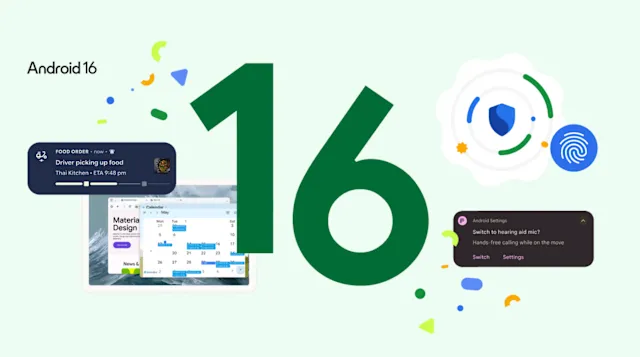
Since Android 16 is now accessible on compatible phones, Google has made it widely available. According to the business, the OS will be preinstalled on new devices in “the next months.”
The update has a number of noteworthy features. Live updates in alerts may be the most significant. People won’t have to keep opening and closing the app to figure out why a burrito seems to be stuck four streets away thanks to this change, which will put a progress indicator in the notification for things like ride-sharing and food delivery.
Also, to cut down on clutter and pings, alerts from the same app will now be automatically grouped together. With a native control option, LE audio hearing aids are now supported. When utilizing one of these hearing aids in noisy environments, users can easily switch to the microphone on their phone for crisper audio.
Android 16 offers more protection for users
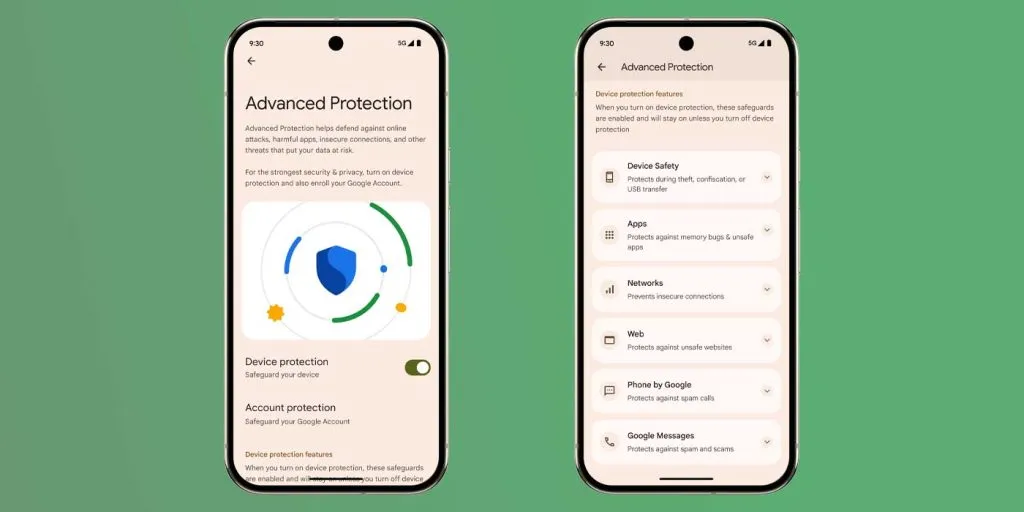
Users may now be protected from “online attacks, malicious apps, risky websites, fraudulent calls and more in just a tap” thanks to Google’s integration of all its security capabilities. New scam detection tools that were teased back in May are part of this.
A significant amount of new features are being added to shutterbugs, such as hybrid auto exposure, automatic night mode scene identification, and more accurate color temperature adjustments. Android 16 has integration with the premium Advanced Professional Video (APV) codec, and UltraHDR photos have been enhanced with support for HEIC encoding.
Although it isn’t yet ready, Google is finally introducing desktop windowing to Android. Android 16 QPR 3 Beta 2 is now previewing that feature, which will be made accessible to the general public later this year.
A nice upgrade to the Android environment with some useful improvements is also available. Improved RCS group conversations with personalized icons and thread muting capabilities are part of this. The AI-enhanced image editor in Google Photos now suggests possible adjustments. Wear OS devices can now pay for transit fares without opening a separate app, while Emoji Kitchen is getting additional sticker combinations.
Lastly, Google has provided information about the June Pixel Drop. Among the new features are more expressive video captioning and a Pixel VIPs widget that shows details about favored contacts.
Stay connected with the latest from Droid Tools—follow us on X @droid_tools, like our page on Facebook, check out our updates on Instagram, and follow us on Google News for real-time news, device tips, and mobile tech insights.
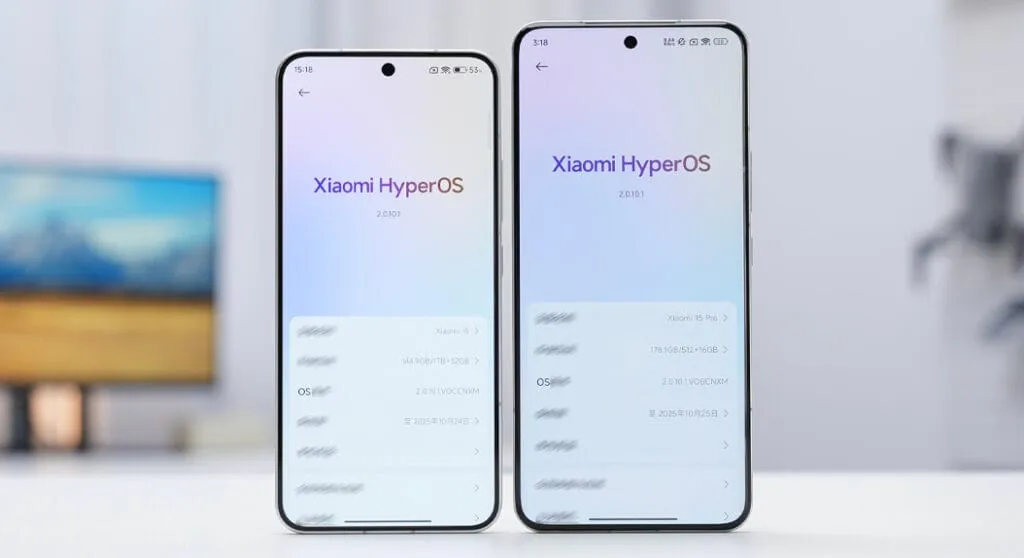
With the current rapid pace of HyperOS 2.3 development, Xiaomi has taken a major step forward in the development of its software ecosystem. The company’s strategic commitment to integrating its next-generation operating system with the upcoming release of Android 16 was demonstrated on May 27th when internal testing got underway. With Android 16 as its fundamental core, HyperOS 2.3 is positioned as a significant update that improves user experience and performance.
HyperOS 2.3 is coming fast
Development teams have initiated a comprehensive internal testing phase, deploying multiple build variants tailored for different regional markets. This strategy ensures broad compatibility across Xiaomi’s international user base.
The initial test builds include:
OS2.0.300.1.WOCCNXM (China variant)
OS2.0.300.1.WOCMIXM (Global variant)
OS2.0.300.1.WOCEUXM (EEA Global variant)
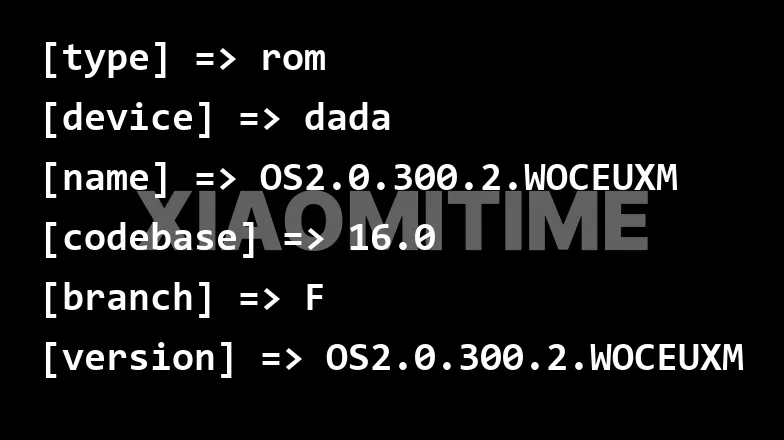
Updated builds have been produced in recent development cycles; the most recent version for the EEA Global market is OS2.0.300.2.WOCEUXM. These small changes are the result of ongoing optimization and improvement initiatives inside Xiaomi’s development process.
Currently, the Xiaomi 15 flagship device—internally dubbed “dada”—is given priority in testing methods. The goal of this focused strategy is to guarantee the best possible compatibility between the new hardware and HyperOS 2.3’s sophisticated capabilities.
HyperOS 2.3 release
Xiaomi has a shorter development timetable for HyperOS 2.3 because Android 16 is expected to launch in June. Although attaining the late-June objective is still uncertain, the enhanced pace indicates a strong organizational commitment to providing a stable release.
Stay connected with the latest from Droid Tools—follow us on X @droid_tools, like our page on Facebook, check out our updates on Instagram, and follow us on Google News for real-time news, device tips, and mobile tech insights.