Tag: android16

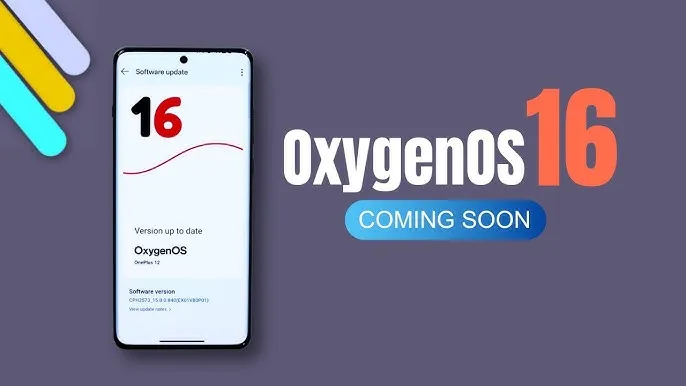
  • OxygenOS 16 expected soon with many new changes

    OxygenOS 16 expected soon with many new changes

    You may soon notice some significant changes if you’re using an Oppo or OnePlus phone. In the upcoming Android 16-based updates from OnePlus and Oppo, OxygenOS 16 and ColorOS 16, tipster Yogesh Brar has leaked to some of the most significant changes.
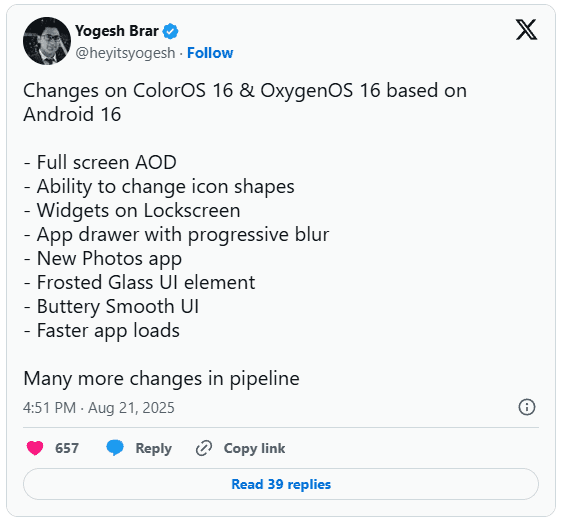
    android 16 oxygenOS 16 changes

    New AOD (always on display)

    A full-screen always-on display is one of the notable features predicted for OxygenOS 16 and ColorOS 16. This version might display the complete screen instead of the condensed AOD we’re accustomed to, providing you with more quick access to information without waking the phone.

    There is more to the outward makeover. A new “Liquid Glass” type UI has been noticed, and yes, it looks a little like Apple’s design language. Anticipate a more fluid interface, gentler transitions, and features that resemble frosted glass. Brar also pointed out a revamped Photos app, new customization choices including changing the shape of the icons, and a more seamless user interface overall.

    oxygenos16 panel 1

    Lockscreen widgets are back

    Lockscreen widgets are an additional useful element. We’ve seen variants of this on Android before, which explains why it sounds familiar. Both Oppo and OnePlus are reintroducing it this time in a more streamlined manner. You could use lockscreen widgets to read reminders, manage music, and check the weather without unlocking your phone.

    Huge performance improvements

    Only when a new user interface functions properly does it matter, and OnePlus and Oppo appear to be working on that. The anticipated speedier app launches and smoother animations in OxygenOS 16 and ColorOS 16 should improve responsiveness for everyday use. Until you go back to an older build and see how clumsy it feels, small improvements like this are sometimes overlooked.

    Still in beta testing

    oxygenos 16 new look 1

    For the OnePlus 13 and 13s, OxygenOS 16 is presently undergoing closed beta testing. After the opportunity to apply for the beta emerged in its update area with the August 2025 patch, another tipster, Abhishek Yadav, recently noticed that the Nord 4 would shortly join the program. These closed betas are, as usual, restricted to a select few users and typically contain flaws.

    The Find X8 series marks the beginning of ColorOS 16 testing for Oppo users. Oppo released Android 16 betas for a few models earlier this year, and this latest listing indicates a wider release is imminent.

    When can we expect the OxygenOS release?

    Although neither business has formally disclosed a release date, past performance provides us with a ballpark estimate. OnePlus typically releases a stable version in November after launching an open beta in October. Oppo typically takes a similar approach, launching premium devices first and then moving on to mid-range versions.
  • Android 16 will be the final major upgrade for these Realme devices

    Android 16 will be the final major upgrade for these Realme devices

    Google launched Android 16 more than two months ago, yet no Realme phone has received the upgrade as of yet. However, the company claims to be one of the first to roll out Android 16 on premium phones. The deployment of mid-range and low-cost phones should also happen sooner than normal as a result.

    Realme plans to update a number of phones in various pricing ranges to Android 16. However, it will mark the end of significant upgrades for several of them. In other words, no significant updates beyond Android 16 will be available for those devices, which will continue to run the same OS for the remainder of their lifetimes. We’ve put together a list of these gadgets. Check it out below to see if you’ll soon need to upgrade your smartphone.

    Android 16 – the final major upgrade

    • Realme GT 5
    • Realme GT 5 240W
    • Realme GT 3
    • Realme 14x
    • Realme 14 Pro Lite
    • Realme 13 (LTE/5G)
    • Realme 13+
    • Realme 13 Pro
    • Realme 13 Pro+
    • Realme 12 (LTE/5G)
    • Realme 12+
    • Realme 12 Pro
    • Realme 12 Pro+
    • Realme 12x
    • Realme 12 Lite
    • Realme Narzo 70
    • Realme Narzo 70 Pro
    • Realme Narzo 70x
    • Realme Narzo 70 Turbo
    • Realme Narzo N65
    • Realme C75 4G
    • Realme C67 4G
    • Realme C65
    • Realme C65 4G
    • Realme C63 5G
    • Realme C63
    • Realme C61
    • Realme P2 Pro
    • Realme P1
    • Realme P1 Pro
    • Realme P1 Speed
    • Realme Note 60
    • Realme Note 60x

    The list was created using the update policy and previous rollouts as a guide. Even while it ought to be largely correct, I still advise verifying with the official announcement for the last word.

    realme devices

    When will the Android 16 update be released by Realme?

    A release date for Android 16 has not yet been disclosed by Realme. But the company has previously stated that the Realme GT 7 Pro will be the phone running Android 16’s Realme UI 7.0 update. Soon after, the GT 7 and GT 7T will join the celebration.

    Starting with the GT 6 and GT 6T, the company will introduce the stable Realme UI 7.0 to the GT 6 series after the Realme GT 7 series. Other Realme devices that qualify will thereafter progressively receive the update.

    The company has not commented on the Android 16 release, but given that competitors like Oppo, OnePlus, and Samsung are also doing so for their own Android skins, it must be getting ready for a Realme UI 7.0 beta release shortly. Realme is anticipated to begin hiring beta testers for Realme UI 7.0 in a few days, with the stable rollout probably starting in September.

  • Motorola starts Android 16 beta testing for two more devices

    Motorola starts Android 16 beta testing for two more devices

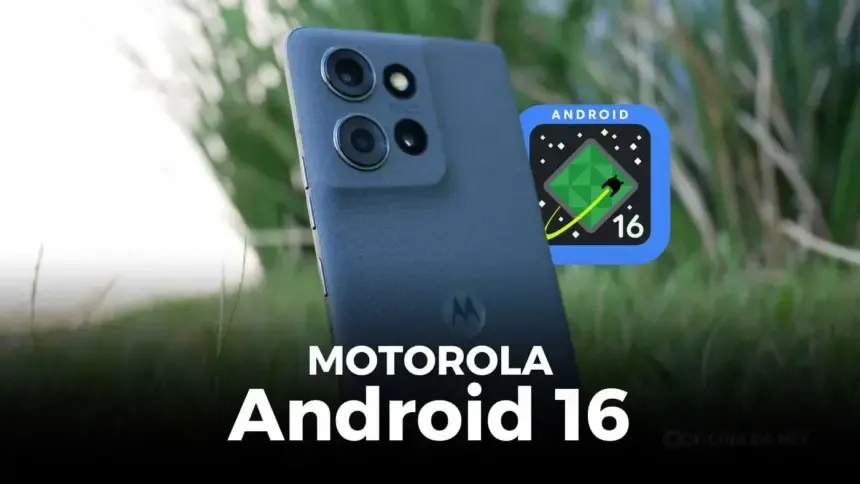
    Motorola is adding more and more phones to the Android 16 beta testing program over time. The Moto G Stylus 5G (2025) and the Moto Edge 50 Ultra are the latest additions to the company’s beta program, after the addition of five additional phones to its MFN program.

    To test out the new software update before anybody else does, you may sign up for the Motorola Feedback Network if you possess one of these two phones. In case you are not aware, Motorola Feedback Network, or MFN, is the name of the beta program for Motorola handsets. Speaking of availability, the Moto G Stylus 2025 beta is currently available in the USA, while the Edge 50 Ultra beta program is presently active in Brazil and India.

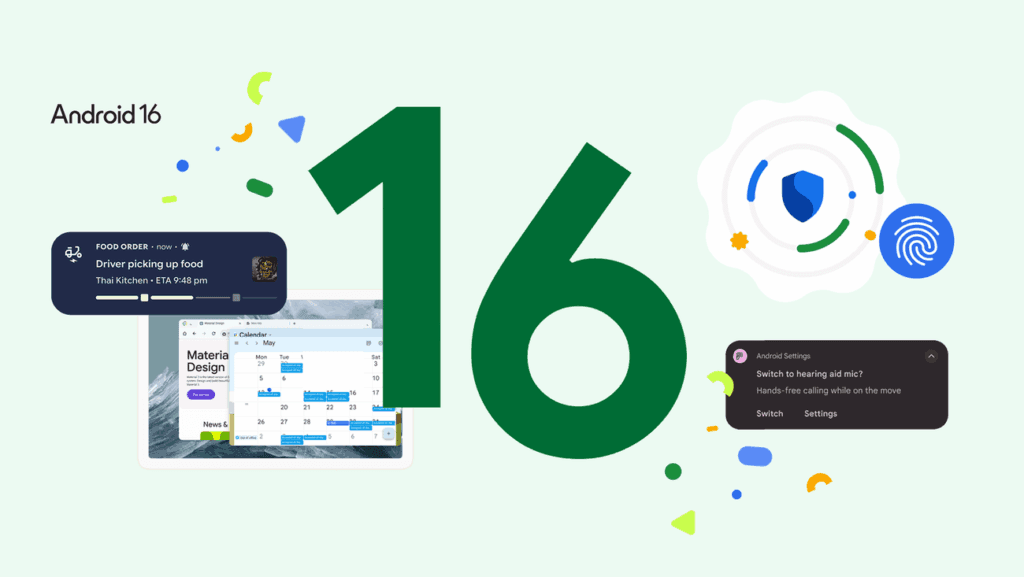
    Speaking of the features that the Android 16 update will include, these include: HDR screenshots, Advanced Protection Mode, APV codec support, Material 3 Expressive redesign, New Emojis, Embedded Photo Picker, Live updates, Desktop Window, Group notifications, and more.

    Join Motorola MFN beta testing

    1. At first, you need to register on the Motorola community website.
    2. Make sure your profile page is updated with your current IMEI or SN of your device.
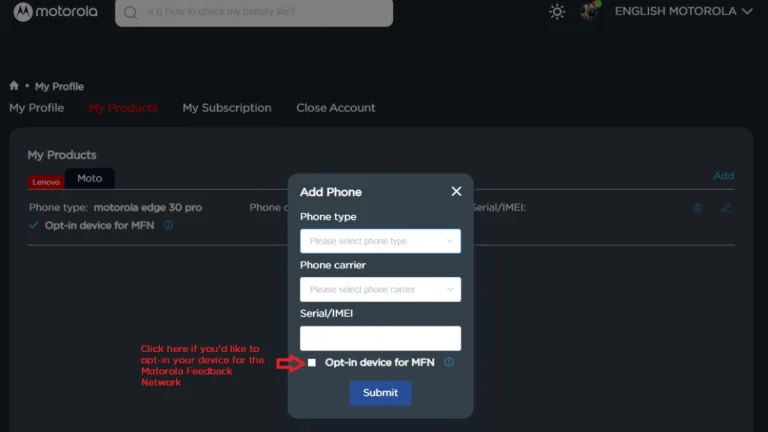
    3. Opt-in your device for the MFN on your Motorola community profile.
    4. Keep your phone updated to the latest version.
    5. Now, visit the registration link that you will find on the current testing opportunity page. Make sure to visit the page for your device and region.
    6. Fill required details and submit the form.
    motorola join mfn beta testing android 16

    Participants will receive additional information from Motorola via email, so be sure to check your inbox, including the spam folder. You can also frequently check settings for new software upgrades.

  • Xiaomi releases HyperOS 3 in September 2025 – first devices to receive it

    Xiaomi releases HyperOS 3 in September 2025 – first devices to receive it

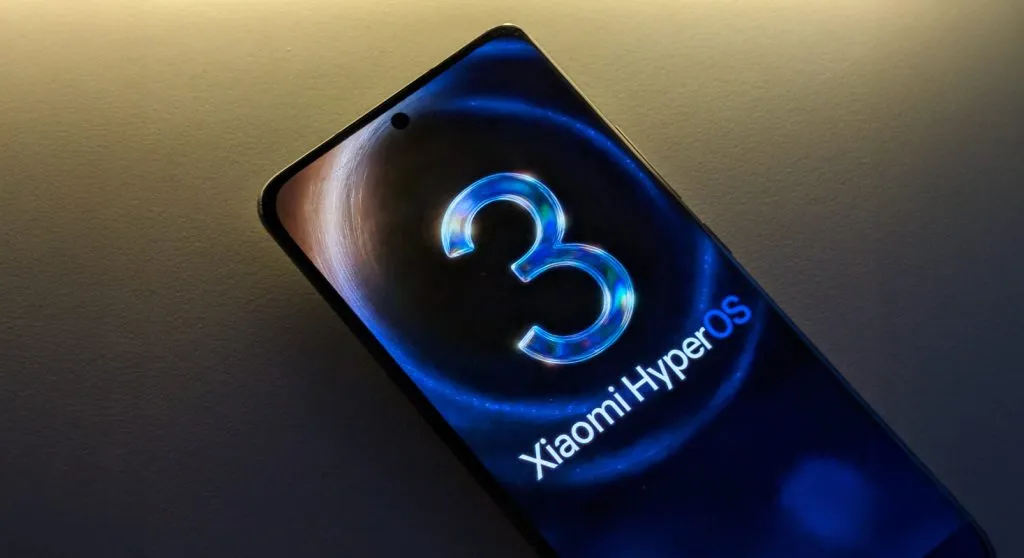
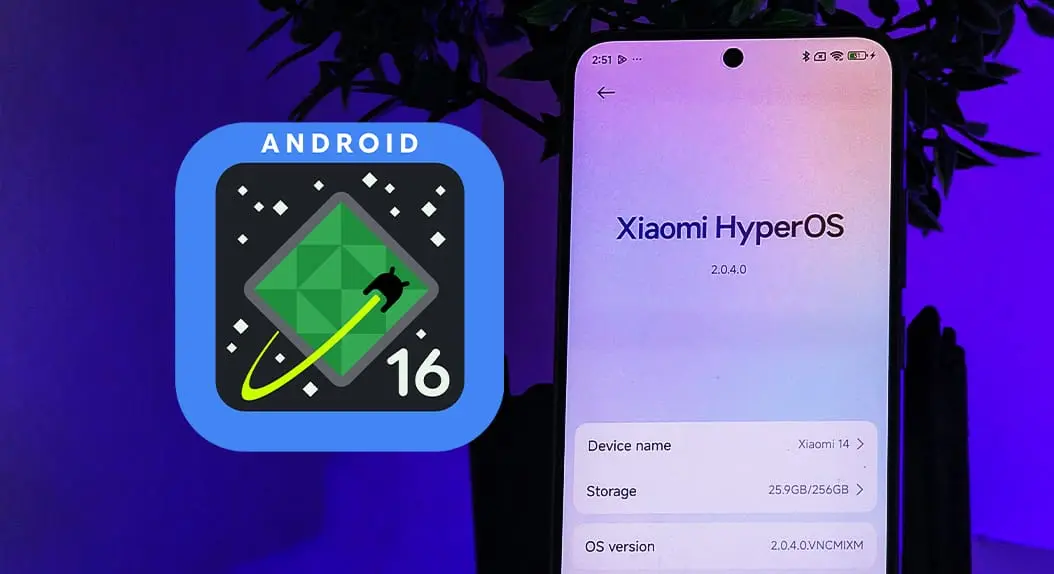
    Based on Android 16, Xiaomi is getting ready to release HyperOS 3, a new firmware update that promises enhanced performance and a revamped look for the company’s whole ecosystem. Although the release date is set for September 2025, the smartphone models that will get this upgrade first are already known.

    • Xiaomi 15;
    • Xiaomi 15 Pro;
    • Xiaomi 15 Ultra;
    • Xiaomi 15T Pro;
    • Xiaomi 14T Pro;
    • Redmi K70 Ultra;
    • Redmi K80 Ultra;
    • Xiaomi 16;
    • Xiaomi 16 Pro.
    hyperos 3.0 update from Xiaomi with Android 16

    HyperOS 3 brings Android 16

    To guarantee quick and easy device use, the update will integrate Xiaomi’s exclusive innovations with the new capabilities of Android 16. In the fall of 2025, HyperOS 3.0 is anticipated to be released, first for flagship models and then for other devices. Compatibility checks will be possible via the MemeOS Enhancer app in the Play Store or the website HyperOSUpdates.com.

    It’s also important to remember that Android 16 has already been formally unveiled, and updates for compatible models will be released shortly. Convenience, security, and user privacy are the areas where the new version is improved. In September, Samsung also intends to release a stable version of One UI 8, which is based on Android 16 and will include significant updates for Galaxy customers.

  • Honor MagicOS 10 eligible devices

    Honor MagicOS 10 eligible devices

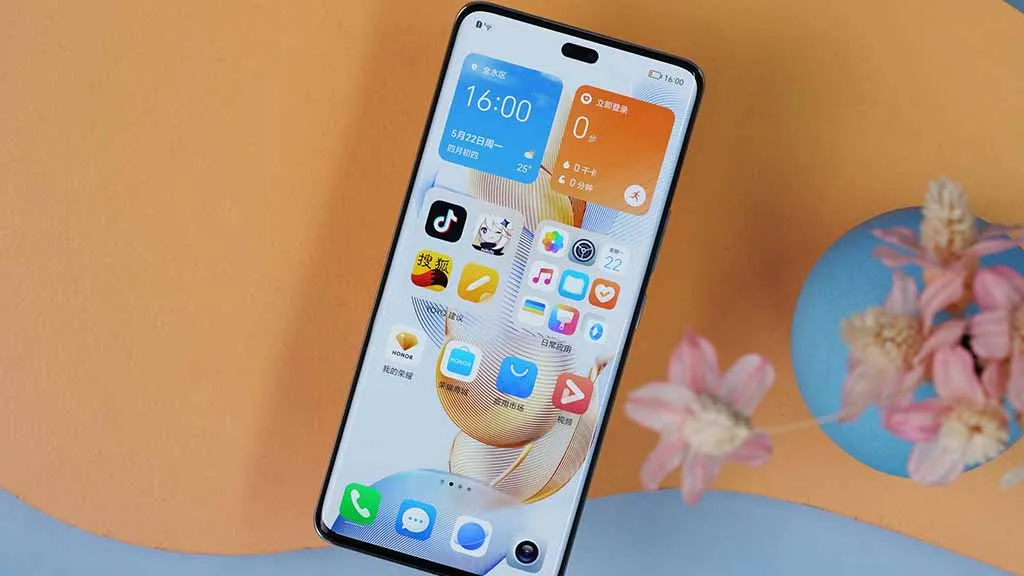
    It appears like Honor has begun working on the MagicOS 10 software update for its compatible devices. In order to determine what features and technological capabilities customers actually desire in their Honor phone, it has also started to gather input from its consumers.

    Like the previous iteration, MagicOS 10 is probably going to launch alongside the Honor Magic 8 series. Rumors and leaks suggest that the flagship lineup may be officially unveiled in October. At such moment, the corporation might introduce the updated version.

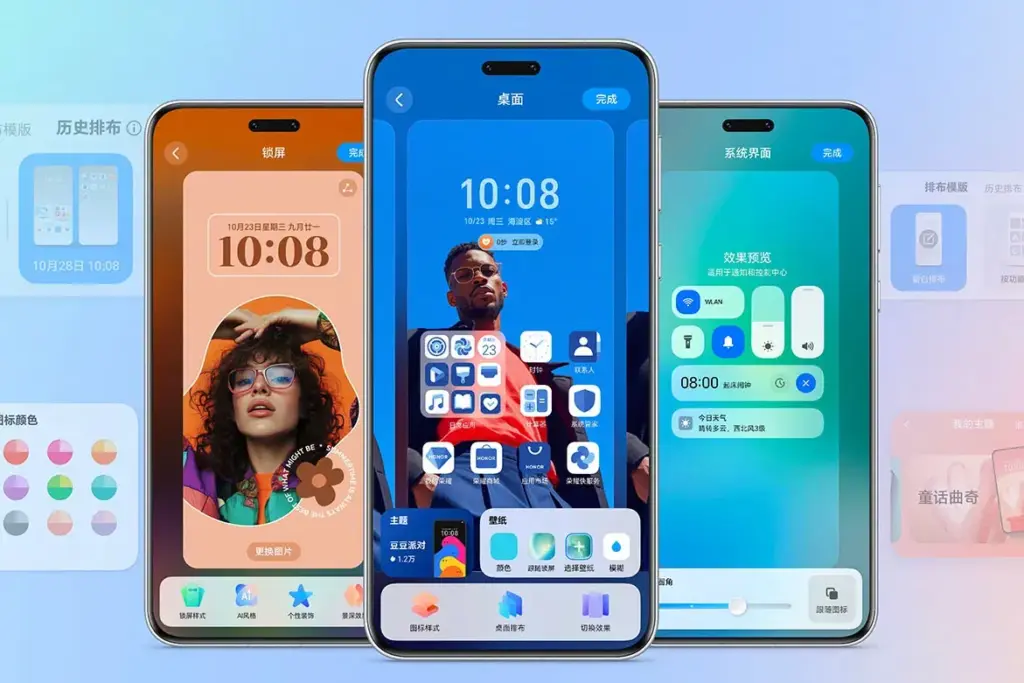
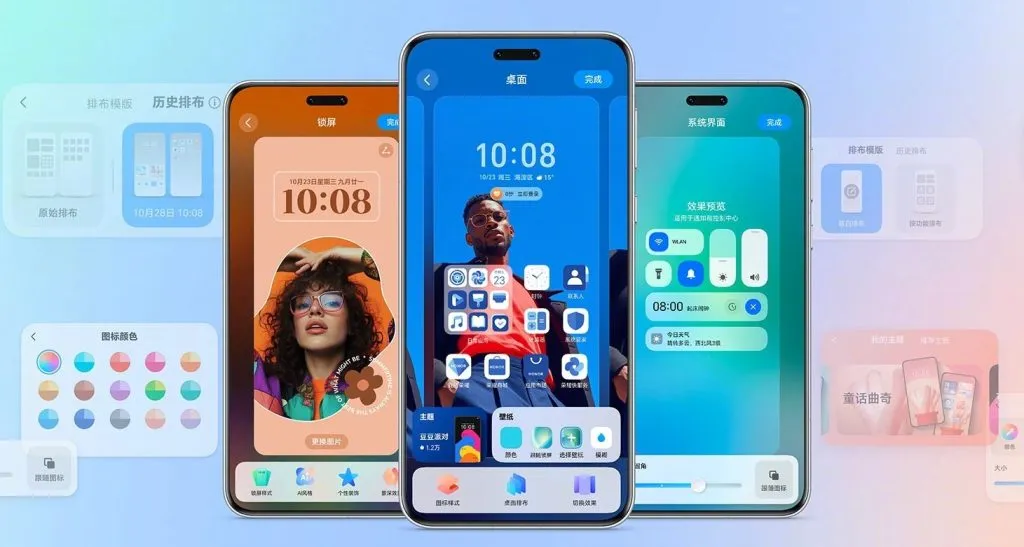
    The business plans to make some intriguing adjustments to the user experience. In order to make the device’s user interface (UI) more realistic while maintaining its minimalism and dynamic nature, it might also introduce more AI functions and customization tools.

    honor magicos 10 preview

    According to an early leak, Honor is looking into adding new capabilities to the Smart Capsule. The Magic Capsule will get additional services, increasing its usefulness in all areas.

    Here is a list of anticipated Honor devices that may receive the upcoming MagicOS 10 update, which is based on Android 16. These compatible models are listed below.

    Flagship Magic Series

    • Honor Magic 7
    • Honor Magic 7 Pro
    • Honor Magic 7 Lite
    • Honor Magic 7 RSR Porsche Edition
    • Honor Magic 6
    • Honor Magic 6 Pro
    • Honor Magic 6 Lite
    • Honor Magic 6 Ultimate
    • Honor Magic 6 RSR Porsche Edition
    • Honor Magic 5 Pro
    • Honor Magic 5
    • Honor Magic V5
    • Honor Magic V3
    • Honor Magic Vs3
    • Honor Magic V2 RSR Porsche Edition
    • Honor Magic V2
    • Honor Magic Vs2
    • Honor Magic V Flip

    Digital Series

    • Honor 400
    • Honor 400 Pro
    • Honor 400 Lite
    • Honor 300
    • Honor 300 Pro
    • Honor 300 Ultra
    • Honor 200
    • Honor 200 Pro
    • Honor 200 Smart
    • Honor 200 Lite
    • Honor 100
    • Honor 100 Pro

    X and GT Series

    • Honor GT
    • Honor GT Pro
    • Honor X70
    • Honor X70i
    • Honor X60GT
    • Honor X60 Pro
    • Honor X60
    • Honor X50 Pro
    • Honor Power
    • Honor X8c
    • Honor X9c Smart
    • Honor X9c

    Tablets

    • Honor Pad GT 2 Pro
    • Honor Pad GT
    • Honor MagicPad 3
    • Honor Pad 10
    • Honor Pad V9
  • Honor rumored to start MagicOS 10 beta testing with Android 16

    Honor rumored to start MagicOS 10 beta testing with Android 16

    Honor gives major software updates for its handsets first priority, and with MagicOS 10 beta testing, it appears the company may soon advance this strategy. According to a leak, the Chinese OEM may take this action in the days ahead.

    According to DigitalChatStation, two well-known companies, Honor MagicOS 10 and OPPO ColorOS 16, will begin beta testing their Android 16 skins this month. The precise timeframe for this operation was not disclosed by the tipster, but it might start before the end of August.

    In addition to OPPO/Honor, Xiaomi and Vivo can begin testing their Android 16 software version for qualified devices and search for new features.

    honor magic 7 pro magic os 10

    Honor MagicOS 10 already seen

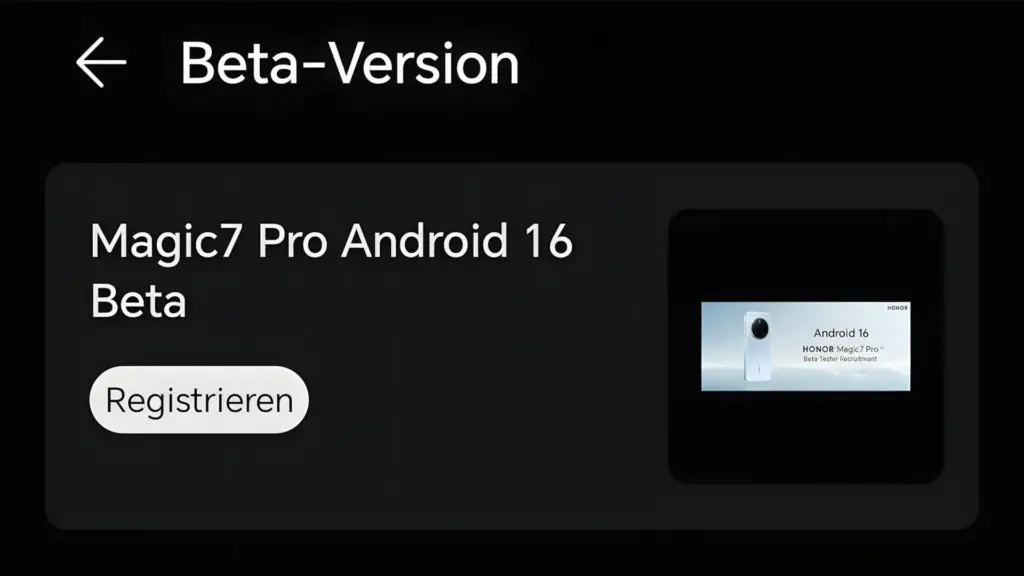
    In April, Honor revealed the Magic 7 Pro’s initial Android 16 developer preview. Only developers with certain features and enhancements have access to it.

    The MagicOS version test for the Magic 7 Pro phone, which is based on the Android 16 Beta, was introduced by the firm in May. Again, this beta activity was limited to developers.

    However, Honor may expand this software exploration pool with additional devices through the MagicOS 10 beta testing. Users may be able to preview the new features and improvements of the next MagicOS version thanks to this procedure.

    Additionally, users of Honor smartphones will have the opportunity to comment on the software experience, report bugs and problems, and recommend any additional features or adjustments for the MagicOS 10 operating system, which is based on Android 16.

    It’s unknown what gadgets will be included in this process and how the company will begin. However, as the month draws to a close, we might learn more information on this topic. Keep an eye out.

  • Xiaomi halts HyperOS 2 updates to speed up next-gen development

    Xiaomi halts HyperOS 2 updates to speed up next-gen development

    Are users of Xiaomi smartphones getting the August 2025 update? If not, it might be because Xiaomi is still getting ready for HyperOS 3.0. According to a new input, the corporation has purposefully stopped the latest security patch release.

    Following the HyperOS 3 preparations, the Chinese phone manufacturer has ceased releasing the August 2025 update to Xiaomi, Redmi, and POCO handsets, as first reported by XiaomiTime.

    The company has suspended the distribution of HyperOS 2, 2.1, and 2.2 software versions in addition to the security fixes. However, the explanation is sound.

    This halt may have gone unnoticed by you thus far. However, this hint indicates that the business is attempting to concentrate on the significant improvements. Xiaomi released 250 upgrades in the first 10 days last month; this month, that number is 40.

    This decrease implies that the OEM is focusing entirely on creating HyperOS 3. It appears to be getting ready to provide updated animations that will make each segment’s transitions more seamless and engaging.

    Xiaomi is giving the user interface a dynamic facelift by improving visual feedback and implementing AI-driven adjustments. The company has halted security rollouts because it is focused on developing a more sophisticated and engaging software platform.

    However, Xiaomi will soon resume its normal security patch deployment schedule, so don’t panic. You can attempt to manually check your device’s update section to see if there is a new version available for download in the interim.

    We advise keeping your device updated and making sure you have enough capacity on your phone so you can install the next big software updates without any problems.

  • Nothing OS 4.0 – release date, features and eligible devices

    Nothing OS 4.0 – release date, features and eligible devices

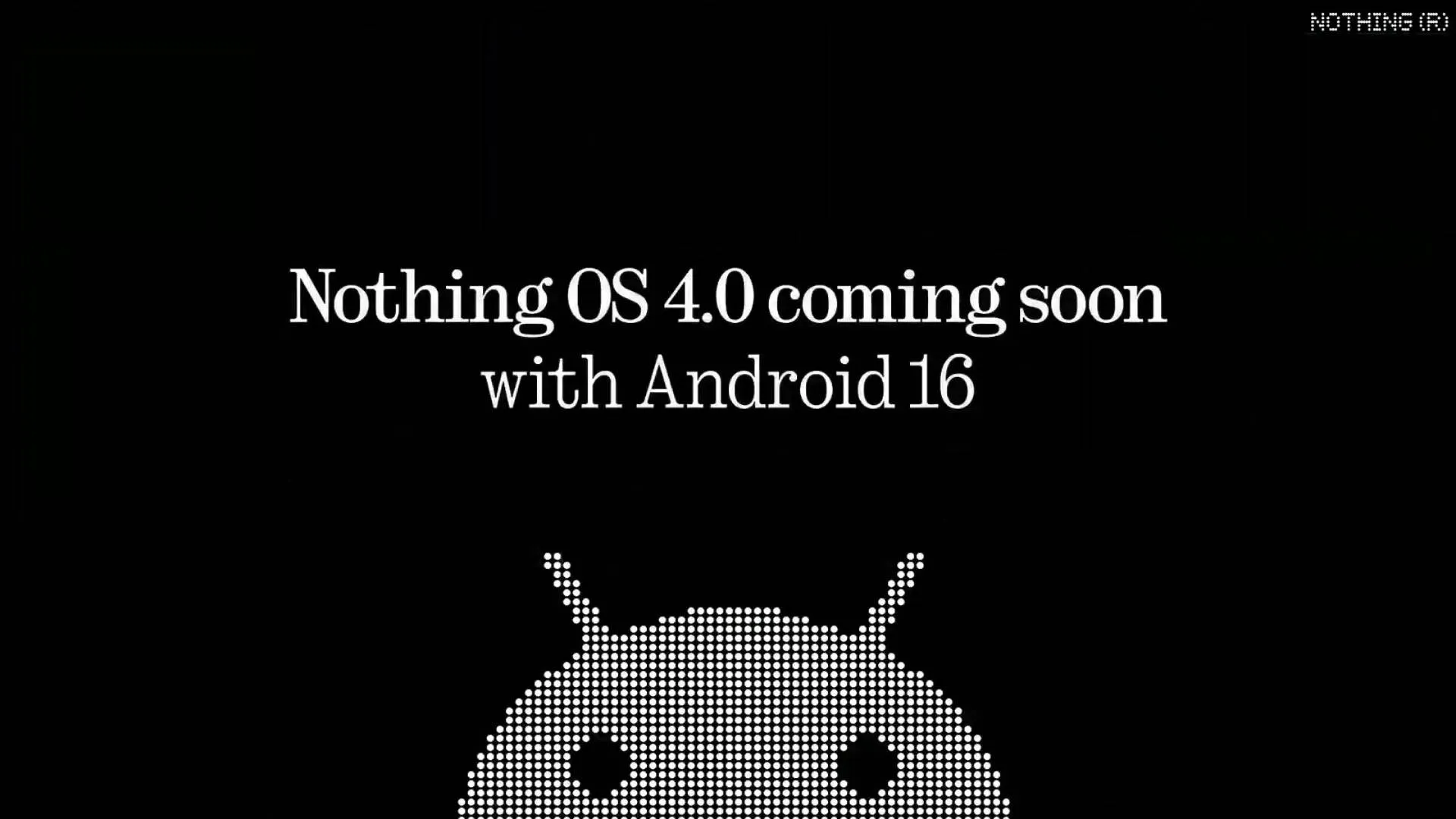
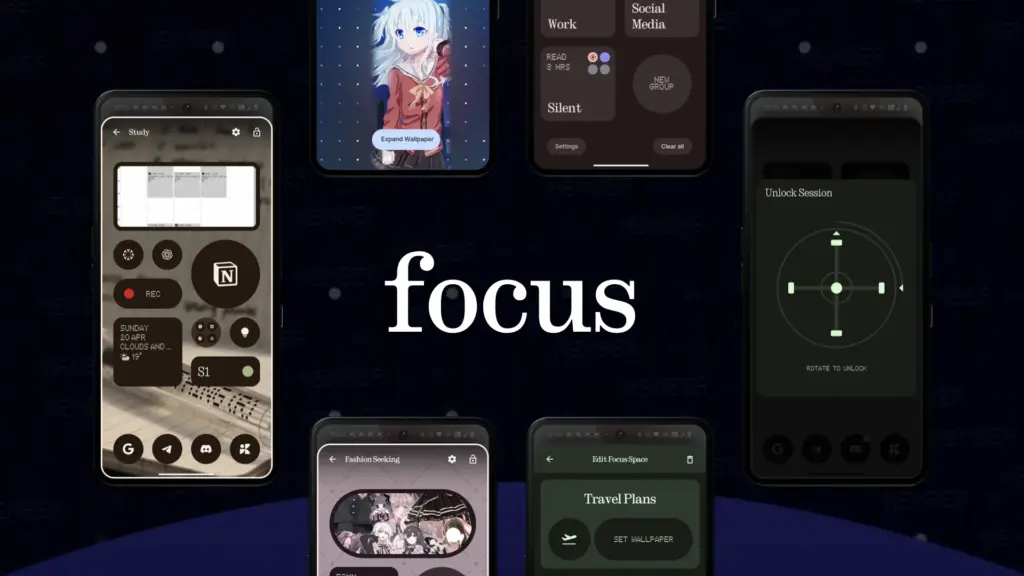
    Nothing is a name that people eagerly anticipate when it comes to an operating system that may provide you with a clean Android experience! It was Carl Pei who founded the Nothing brand. The Nothing OS 4.0 is about to be released. Android 16 serves as its foundation. When the Nothing Phone (3) was released in July 2025, the Nothing 4.0 update was first shown off.

    Like its predecessor, Nothing OS 4.0 will have a basic and clean design. New features and enhanced performance are to be expected. The release date and new features of Nothing 4.0 will be discussed in this post. You’ll also be aware that phones will receive the update.

    Nothing OS 4.0 - release date, features and eligible devices

    Release date and rollout

    The Nothing OS 4.0 update will be available from September 2025 to November 2025. This was disclosed by Carl Pei at the Nothing Phone 3’s debut. The precise date is still unknown. The Nothing OS 4.0 beta version will be released first. Early September 2025 is when this beta deployment will begin. The whole version should be available in a few weeks. The first phone to receive this will be the Nothing Phone 3.

    Android 16 arrived sooner than expected. It appears that nothing is doing much to keep current.

    Nothing 4.0 eligible devices

    Nothing has stated that many of its phones will be able to run Nothing OS 4.0. However, this update will not be available for the Nothing Phone 1. This is due to the fact that three significant Android updates have already been applied to the original phone. Android 12 has been replaced with Android 15.

    The following phones will receive Nothing OS 4.0:

    DeviceUpdate Information
    Nothing Phone (3)First phone to get the beta and full update of Nothing OS 4.0
    Nothing Phone (3a) and (3a) ProWill get the update soon after Phone (3)
    CMF Phone 2 ProWill get the update after the Phone (3a) phones
    Nothing Phone (2a) and (2a) PlusThese will get update based on when they came out
    Nothing Phone (2)Will get Nothing OS 4.0 as the last big update. It will get security updates for a few more years
    CMF Phone 1Will get Nothing OS 4.0 as the last big update. Security updates will continue

    Nothing OS 4.0 features

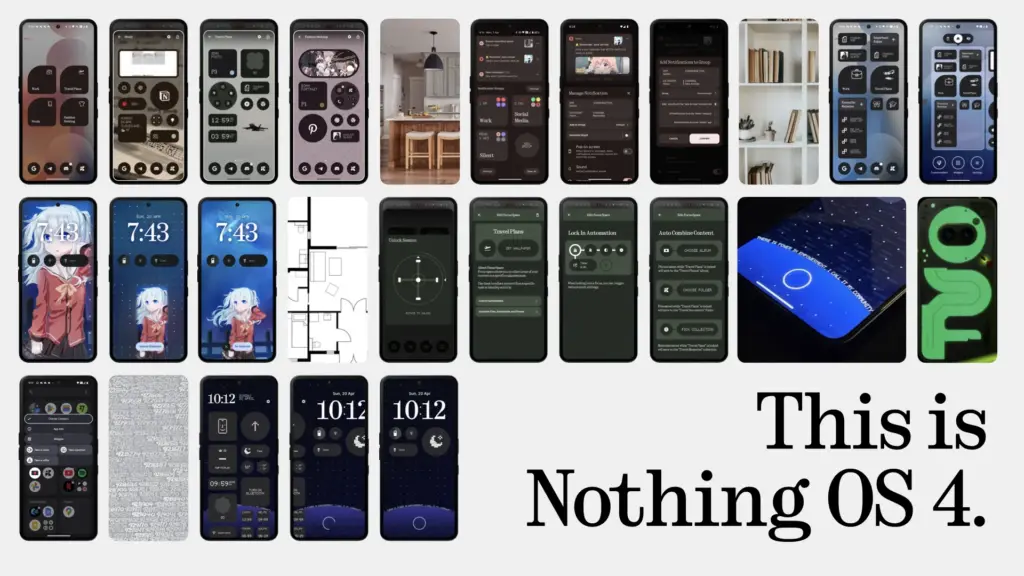
    Not all of Nothing OS 4.0’s features have been shared by Nothing. However, we can get a good indication from various Android 16 leaks and news. The latest upgrade will combine the sleek appearance of Nothing with the new functionality of Android 16.

    People are anticipating the following key features:

    Better Notifications

    Android 16 makes it easier to manage notifications. If you get many messages from the same app, they’ll be grouped. This way, your screen won’t get messy. You won’t get too many alerts all at once. Nothing OS 4.0 will likely use these features with dot-matrix-style animations.

    Improved Built-In Apps

    With Nothing OS 4.0, the main apps that come with the phone are getting upgrades! This includes the Gallery, Weather app, and Camera app.

    The Nothing Gallery already opens 25 per cent faster than Google Photos. In OS 4.0, it might get even smarter with AI.

    The Weather app could also get fun updates. You can see dot-matrix-style animations that show live weather.

    Live Delivery & Ride Updates

    With the Nothing OS 4.0 update, you’ll be able to see live updates. These updates like food delivery or ride status. You will see them right on your lock screen or notification panel. It means you don’t have to open the app every time to check the order status.

    New Look with Material 3

    Android 16 brings a new design called Material 3 Expressive. It has smoother animations and lets you change how things look on your screen. Nothing OS 4.0 is expected to use some of the animations. But it will still keep its simple black-and-white style.

    Better AI Tools

    Nothing has been testing AI features like Essential Space and Essential Search in older versions. In OS 4.0, they might bring in even smarter tools. There will be suggestions based on how you use your phone. We can also expect better app organisation. It may also work with Google’s Gemini AI to help you search easily.

    Better Security With Android Protection

    There will be a new system called Android Protection. It will keep your phone safe from bad apps, scam calls, and suspicious websites. Nothing OS 4.0 will likely include this too. This will be done with its own special privacy settings.

    Glyph Matrix Upgrades

    nothing os 4.0 1

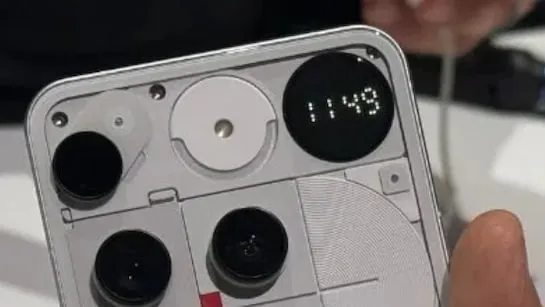
    The Glyph Matrix is a special feature on the Nothing Phone (3). It’s an advanced version of the older Glyph Interface.

    With Nothing OS 4.0, the Glyph Matrix is getting even better! There will be a new tool called the Glyph Matrix API. This will let developers create fun mini-games, useful widgets, and cool notifications.

    The Glyph Matrix might work with Android 16 live alerts. You will see delivery progress or incoming calls with lights. You can see what’s happening without looking at your screen.

    This new feature is only for the Nothing Phone (3). But older phones with Glyph lights might still get some small updates.

    FeatureWhat’s New
    Lock Screen & Home Screen– New widgets
    – cool clock styles
    – more space to add stuff
    – more control over app icons
    Quick Settings Panel– Smaller, better-looking buttons
    – smarter brightness slider
    – nice colour effects when playing music
    Interactive Dot Animation– More apps and widgets will use dot-style animations
    Private Space Integration– Lets you hide, lock, and even clone apps
    Cross-Device Integration– Easier and faster connection to Nothing headphones
    – Better control of Tesla features from your phone
    1745367503 805601 nos004

    Ultimately, I can say that your phone will see some awesome upgrades with Nothing OS 4.0. It will be straightforward and uncomplicated, yet efficient and effective. It will be even more intelligent with AI features. The transparent design, dot matrix animations, and black and white icon pack will all be included in this version. Please share your thoughts about this update in the space provided for comments below.

  • Official Android 16 support list from Xiaomi

    Official Android 16 support list from Xiaomi

    Many computer fans are surprised by Google’s recent statement that it will release two Android SDK updates per year. Thus, Android 16 can be released much in advance of this cycle, before June 2025. All devices are currently receiving Android 15 upgrades, but Xioami is preparing for the next major step—integrating Android 16 capabilities into their next HyperOS.

    The complete list of Xiaomi, Redmi, and POCO devices that could receive the update to HyperOS, an Android 16-based operating system, is provided below. It is easily grouped for your review.

    Official Android 16 support list from Xiaomi

    Current Android 16 released Devices

    Android 16 is currently released based on HyperOS 2.3.

    • Xiaomi 15
    • Xiaomi 14T Pro
    • REDMI K70 Ultra

    Xiaomi Flagship Devices

    Currently, high-end models with great performance and features are taking center stage in Xiaomi’s update plans:

    • Xiaomi 13 (fuxi)
    • Xiaomi 13 Lite (ziyi)
    • Xiaomi 13 Pro (nuwa)
    • Xiaomi 13 Ultra (ishtar)
    • Xiaomi 13T (aristotle)
    • Xiaomi 13T Pro (corot)
    • Xiaomi 14 (houji)
    • Xiaomi 14 CIVI (chenfeng)
    • Xiaomi 14 Pro (shennong)
    • Xiaomi 14 Ultra (aurora)
    • Xiaomi 14T (degas)
    • Xiaomi 14T Pro (rothko)
    • Xiaomi 15 (dada)
    • Xiaomi 15 Pro (haotian)
    • Xiaomi 15 Ultra (xuanyuan)
    • Xiaomi 15S Pro (dijun)
    • Xiaomi CIVI 5 Pro (luming)
    • Xiaomi Civi 2 (ziyi)
    • Xiaomi Civi 4 Pro (chenfeng)
    • Xiaomi MIX FLIP (ruyi)
    • Xiaomi MIX FLIP 2 (bixi)
    • Xiaomi MIX FOLD 4 (goku)
    • Xiaomi Mix Fold 3 (babylon)
    • Xiaomi Pad 6 Max 14 (yudi)
    • Xiaomi Pad 6 Pro (liuqin)
    • Xiaomi Pad 6S Pro 12.4 (sheng)
    • Xiaomi Pad 7 (uke)
    • Xiaomi Pad 7 Pro (muyu)
    • Xiaomi Pad 7 Ultra (jinghu)
    • Xiaomi Pad 7S Pro 12.5 (violin)

    Redmi Devices

    Known for good-level performance at competitive prices

    • REDMI K Pad (turner)
    • REDMI K80 (zorn)
    • REDMI K80 Pro (miro)
    • REDMI K80 Ultra (dali)
    • REDMI Pad 2 (taiko)
    • REDMI Pad 2 4G (koto)
    • REDMI Turbo 4 (rodin)
    • REDMI Turbo 4 Pro (onyx)
    • Redmi 13 (moon)
    • Redmi 13 5G (breeze)
    • Redmi 13X (moon)
    • Redmi 14C (lake)
    • Redmi A3 Pro (lake)
    • Redmi A4 (warm)
    • Redmi K60 Pro (socrates)
    • Redmi K60 Ultra (corot)
    • Redmi K70 (vermeer)
    • Redmi K70 Pro (manet)
    • Redmi K70 Ultra (rothko)
    • Redmi K70E (duchamp)
    • Redmi Note 13 Pro (garnet)
    • Redmi Note 13 Pro+ (zircon)
    • Redmi Note 13R (breeze)
    • Redmi Note 14 (beryl)
    • Redmi Note 14 4G (tanzanite)
    • Redmi Note 14 Pro (malachite)
    • Redmi Note 14 Pro 4G (obsidian)
    • Redmi Note 14 Pro+ (amethyst)
    • Redmi Note 14S (emerald_r)
    • Redmi Pad Pro (dizi)
    • Redmi Pad Pro 5G (ruan)
    • Redmi Pad SE 8.7 Wi-Fi (flare)
    • Redmi Turbo 3 (peridot)
    • Xiaomi Redmi Pad (yunluo)

    POCO Devices

    • POCO C75 (lake)
    • POCO C75 5G (warm)
    • POCO F6 (peridot)
    • POCO F6 Pro (vermeer)
    • POCO F7 (onyx)
    • POCO F7 Pro (zorn)
    • POCO F7 Ultra (miro)
    • POCO M6 (moon)
    • POCO M6 Plus 5G (breeze)
    • POCO M7 Pro 5G (beryl)
    • POCO Pad (dizi)
    • POCO X6 5G (garnet)
    • POCO X6 Pro (duchamp)
    • POCO X7 (malachite)
    • POCO X7 Pro (rodin)

    What to expect from Android 16:

    With HyperOS’s integration of Android 16, we can expect:

    Xiaomi makes sure that its devices remain competitive and feature-rich with regular Android updates as it keeps innovating. When Android 16 is released before the middle of 2024, the Xiaomi, Redmi, and POCO devices on the list will have access to the most advanced features of the most recent Android SDK. Once Xiaomi begins to push out the HyperOS improvements to these devices, more information will be released.

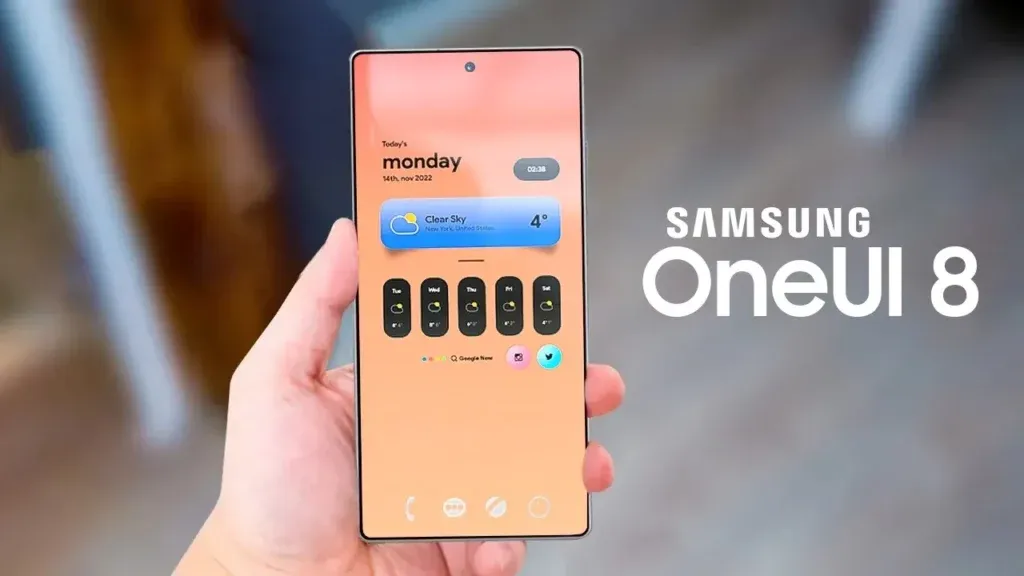
  • Samsung OneUI 8 to be released – we could see major Android 16 software update soon

    Samsung OneUI 8 to be released – we could see major Android 16 software update soon

    One of the main features that sets Samsung’s Galaxy phones and tablets apart is its One UI. Now that One UI 7 is available to customers, focus is turning to OneUI 8, the upcoming chapter. Exciting new features will be available for Samsung handsets with the next software update, which is based on Android 16.

    The release date, the beta testing program, which devices will receive OneUI 8 in accordance with Samsung’s update policy, and the implications for Galaxy users will all be covered in this article.

    oneui 8 1

    OneUI 8 Release Date

    Samsung’s major One UI releases have historically coincided with the yearly cycle of Android updates, usually occurring in the fourth quarter, around October or November, after Google’s stable Android release. One UI 6, for example, made its debut on October 30, 2023, and One UI 7, which was much later, appeared on April 7, 2025. But OneUI 8 is totally deviating from this trend.

    At Samsung’s Galaxy Unpacked event on July 9, 2025, the Android 16-based One UI 8 was formally unveiled. Arriving in July, months ahead of Samsung’s customary fall upgrade timetable, the company successfully met its ambitious summer 2025 stable release timeline.

    According to Samsung, the update will be progressively made available to additional Galaxy devices that are compatible, guaranteeing a wider distribution within its ecosystem.

    In mid-August 2025, the Galaxy S25 series has the best probability of receiving the stable One UI 8 update for current devices. With a staggered deployment to guarantee stability, the update for additional devices, like as the Galaxy S24, S23, and previous foldables, is probably going to begin in late August 2025.

    Samsung OneUI 8 Beta Program

    Beginning with the Galaxy S25, S25+, and S25 Ultra in Germany, Korea, the UK, and the US, Samsung formally began the OneUI 8 beta program on May 28, 2025. India and Poland are now part of the Beta program.

    Through the Samsung Members app, users of the Galaxy S25, S25+, and S25 Ultra can apply to install the One UI 8 beta by following the revised sign-up procedure that Samsung has announced. With Beta 1 launching on May 28, Beta 2 on June 12, and Beta 3 on June 30, 2025, Samsung launched the beta program without making any significant formal announcements.

    As is customary for Samsung, the beta program began with flagship devices. Samsung has expanded the One UI 8 Beta 3 program to include the Galaxy Watch 7 and Ultra after successfully launching it for the Galaxy S25 series. According to the Samsung Korea Moderator, the fourth beta build has been confirmed and will be available next week.

    almost everything new in one ui 1

    OneUI 8 Eligible Devices

    We can use Samsung’s official software update policy to determine which devices are assured of receiving the upgrade, even though the company hasn’t formally confirmed the OneUI 8 device list. Along with five years of security updates for certain models, Samsung now provides up to seven years of operating system upgrades for some flagship handsets (beginning with the Galaxy S24 series) and four years for others. The following devices are unquestionably qualified for OneUI 8 based on this guideline and the verified OneUI 7 rollout:

    • Galaxy S Series:
      • Galaxy S25 Edge, S25, S25+, S25 Ultra, Galaxy S24, S24+, S24 Ultra, S24 FE, Galaxy S23, S23+, S23 Ultra, S23 FE, Galaxy S22, S22+, S22 Ultra.
    • Galaxy Z Series:
      • Galaxy Z Fold7, Z Flip7, Flip7 FE (Launched with OneUI 8), Galaxy Z Fold6, Z Flip6, Galaxy Z Fold5, Z Flip5, Galaxy Z Fold4, Z Flip4.
    • Galaxy Tab Series:
      • Galaxy Tab S10+, Tab S10 Ultra, Galaxy Tab S9, S9+, S9 Ultra, Galaxy Tab S8, S8+, S8 Ultra.

    The four-year policy may also apply to mid-range devices such as the Galaxy A55 and A35. The Galaxy S21 series and other older devices might not be able to use OneUI 8 since their four-year support might expire before it does.

    OneUI 8’s release coincided perfectly with the July 9, 2025, release of Samsung’s new foldables, the Galaxy Z Fold7, Z Flip7, and Z Flip7 FE. OneUI 8, based on Android 16, comes preinstalled on these devices. Samsung made a big shift with this, releasing a big update far earlier than many had anticipated.