Category: News

Up‑to‑date Android news, smartphone launches, software updates and industry trends, written in a clean, editorial style for informed readers.

  • Wild Rift Tier List (July 2025)

    Wild Rift Tier List (July 2025)

    League of Legends: Wild Rift continues to evolve with each patch, and knowing which champions are currently dominating each role is vital for climbing the ranks. 

    While every champion can be viable in the right hands, certain picks consistently outperform others due to their power, versatility, or synergy with the current meta.

    Here’s a comprehensive breakdown of the top-tier champions for each role in Wild Rift as of July 2025, brought to you by top Wild Rift coaches and analysts. 

    Baron Lane (Top Lane)

    unnamed
    Gnar

    Baron lane champions are typically tanks, bruisers, or fighters who can withstand pressure and lead teamfights. The current meta favors champions with strong dueling and initiation potential.

    TierChampions
    S+Gnar, Rumble, Ryze, Wukong
    SAatrox, Camille, Fiora, Gwen, Jax, Malphite, Mordekaiser, Nasus, Ornn, Poppy, Singed, Volibear, Warwick
    ADarius, Dr. Mundo, Irelia, Kayle, Kennen, Maokai, Olaf, Renekton, Riven, Sett, Shen, Teemo, Tryndamere, Yasuo, Yone

    These champions excel in both laning and teamfights, with picks like Gnar and Rumble offering strong crowd control and team utility, while Camille and Fiora remain split-push threats.

    Jungle

    amumu league of legends

    The jungle meta rewards champions who can clear camps efficiently, gank effectively, and scale into late-game threats.

    TierChampions
    S+Amumu, Lillia
    SAatrox, Ekko, Jarvan IV, Lee Sin, Morgana, Nocturne, Rammus, Riven, Warwick, Wukong, Zed
    ADiana, Fiddlesticks, Fizz, Gnar, Gragas, Graves, Hecarim, Kayn, Kha’Zix, Kindred, Master Yi, Nilah, Nunu & Willump, Olaf, Pantheon, Rengar, Shyvana, Talon, Tryndamere, Vi, Viego, Xin Zhao, Yone

    Amumu and Lillia top the list for their reliable engage and teamfight presence, while Lee Sin and Jarvan IV are favored for their early-game pressure and playmaking.

    Mid Lane
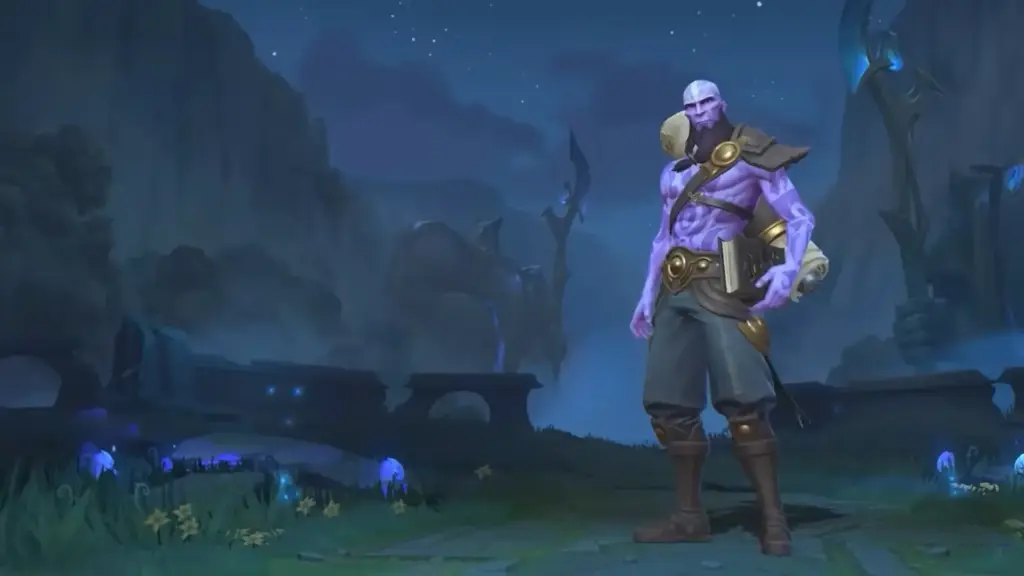
    ryze

    Mid lane is dominated by high-damage mages and assassins who can roam and influence the map.

    TierChampions
    S+Ryze, Syndra
    SAhri, Annie, Aurelion Sol, Heimerdinger, Morgana, Orianna, Swain, Viktor, Zoe
    AAkali, Akshan, Brand, Corki, Ekko, Fizz, Galio, Kassadin, Kayle, Kennen, Lissandra, Lux, Twisted Fate, Veigar, Vex, Zed, Ziggs, Zyra

    Ryze and Syndra stand out for their game-changing crowd control and burst, while Ahri and Viktor remain consistent picks for both lane dominance and team utility.

    Dragon Lane (ADC)

    Caitlyn

    ADCs are the main source of sustained damage, and the meta currently favors hyper-carries and versatile marksmen.

    TierChampions
    S+Caitlyn, Xayah, Jinx
    STristana, Ezreal, Kai’Sa
    ALucian, Miss Fortune, Vayne

    Caitlyn’s range and lane control, Xayah’s self-peel, and Jinx’s late-game scaling put them at the top, with Tristana and Ezreal offering strong mobility and flexibility.

    Support

    Nautilus

    Supports set up plays, protect carries, and control vision. The best supports offer a mix of crowd control, peel, and utility.

    TierChampions
    S+Nautilus, Lulu, Blitzcrank, Nami
    SLeona, Poppy, Rakan, Rammus, Senna, Seraphine, Sona, Soraka, Swain, Thresh, Yuumi, Zyra

    Nautilus and Lulu are highly valued for their engage and protection, while Blitzcrank and Nami can turn fights with game-changing abilities.

    Key Takeaways
    unnamed 2
    • Meta-defining champions: Gnar, Rumble, Ryze, Amumu, Lillia, Syndra, Caitlyn, and Nautilus are among the best in their respective roles.
    • Role flexibility: Many champions, such as Aatrox, Wukong, and Riven, perform well in multiple roles, offering draft flexibility.
    • Patch changes matter: The tier list can shift rapidly with each update, so staying current with patch notes is crucial.

    Wild Rift’s champion balance ensures that no pick is truly unplayable, but selecting from the top tiers increases your odds of success, especially in ranked play. Adapt your picks to the meta, master a handful of strong champions, and you’ll be well-equipped to climb the ladder!
  • Real-world photos of the Galaxy Watch 8 Classic were leaked once more.

    Real-world photos of the Galaxy Watch 8 Classic were leaked once more.

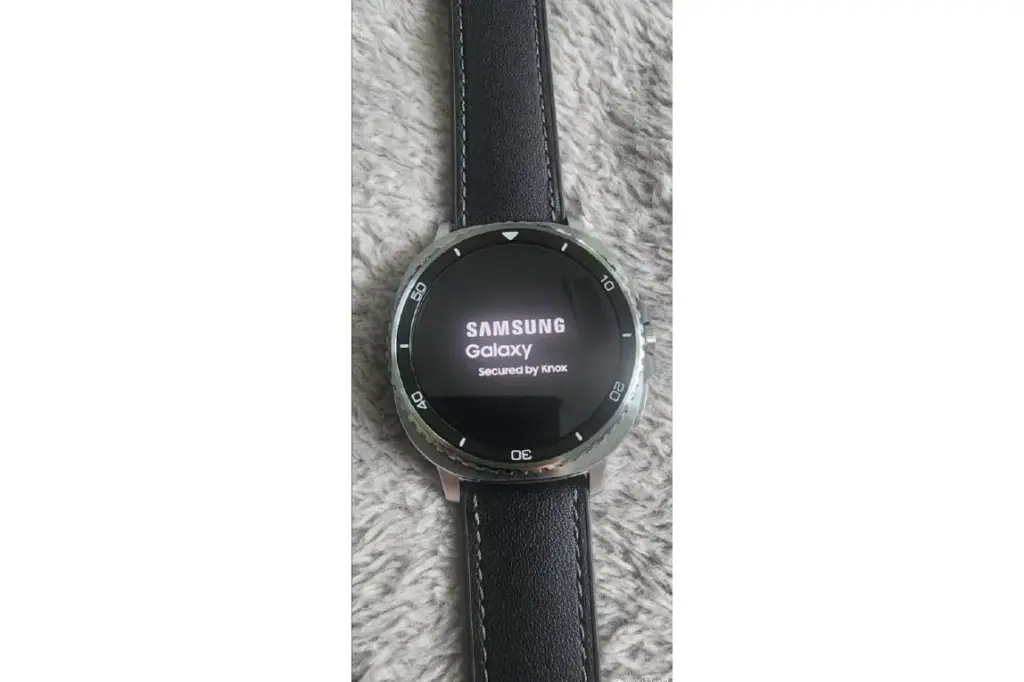
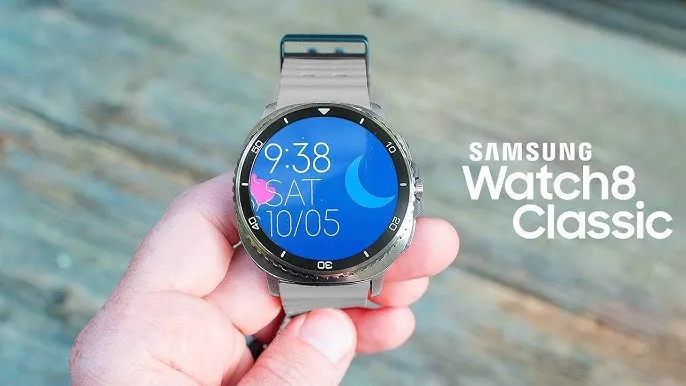
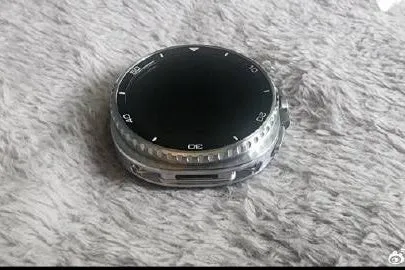
    We are looking at a real-life photograph of the Galaxy Watch 8 Classic, which has leaked once more. Days before its anticipated release, leaker Setsuna Digital, also known as Instant Digital, posted the image on Weibo, giving us a better glimpse of what might be Samsung’s upcoming wristwatch.

    The Galaxy Watch 8 series has been the subject of more leaks lately. The Classic model recently surfaced in an eBay sale, suggesting that testing or retail units may already be in circulation, in addition to CAD-based renders for the full Watch 8 series. The mounting body of evidence is further strengthened by this new image.

    Galaxy Watch 8 Classic squircled design

    Galaxy Watch 8 Classic

    The picture displays a black leather band on a metal watch body. Along with what appears to be a real spinning bezel, the watch has two side buttons. The “squircle” form that debuted with the Galaxy Watch Ultra and has unquestionably come to be associated with it is one obvious departure from Samsung’s earlier Classic watch offerings. With all of its watches, Samsung seems to be moving in the direction of this new design.

    Also, the screen might be larger and the bezel seems a little smaller than in previous versions, however Samsung has not verified any of these claims. There have also been rumors that the Galaxy Watch 8 Classic would have a more durable design and a brighter display.

    Galaxy Watch 8 Classic leak

    Although Samsung has not yet made the Galaxy Watch 8 series official, it is anticipated that the firm will do so during its Unpacked event on July 9th, along with its upcoming line of foldable gadgets. The Galaxy Z Fold 7, Galaxy Z Flip 7, and other new wearables are anticipated to be the main attractions of the event.

    The likelihood that the Galaxy Watch 8 Classic will soon have this upgraded appearance is growing as more leaks support the same design. The return of the spinning bezel and its new brand identity may help it stand out in Samsung’s growing watch selection, though it is unclear if it will be able to draw attention over the well-liked Ultra model.Real-world photos of the Galaxy Watch 8 Classic were leaked once more.

    Stay connected with the latest from Droid Tools—follow us on X @droid_tools, like our page on Facebook, check out our updates on Instagram, and follow us on Google News for real-time news, device tips, and mobile tech insights.

    galaxy watch 7

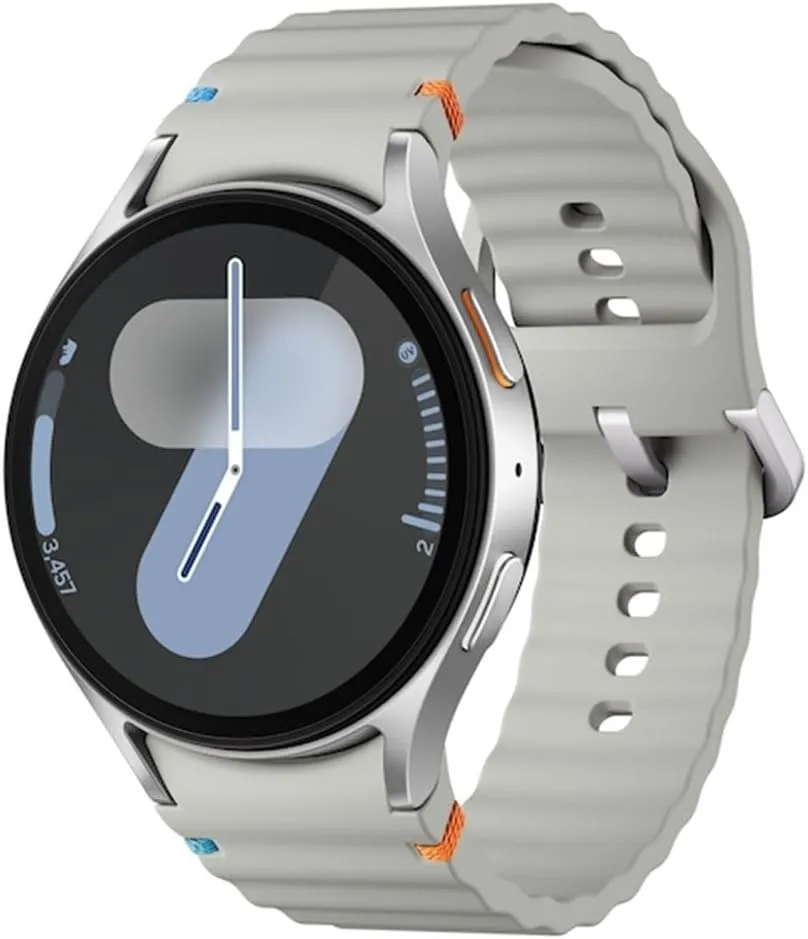
    Samsung Galaxy Watch 7 (44mm)

    1.5″ Super AMOLED, 480x480px ~327ppi, 425mAh Battery, Bluetooth 5.3, Wi-Fi, MIL-STD-810H compliant, 50m/5ATM water resistant (IP68), ECG certified, Sleep Coach, Heart Monitor

    $269.99$186.99Get It Now
  • REDMI K80 Ultra brings a huge battery with new tech

    REDMI K80 Ultra brings a huge battery with new tech

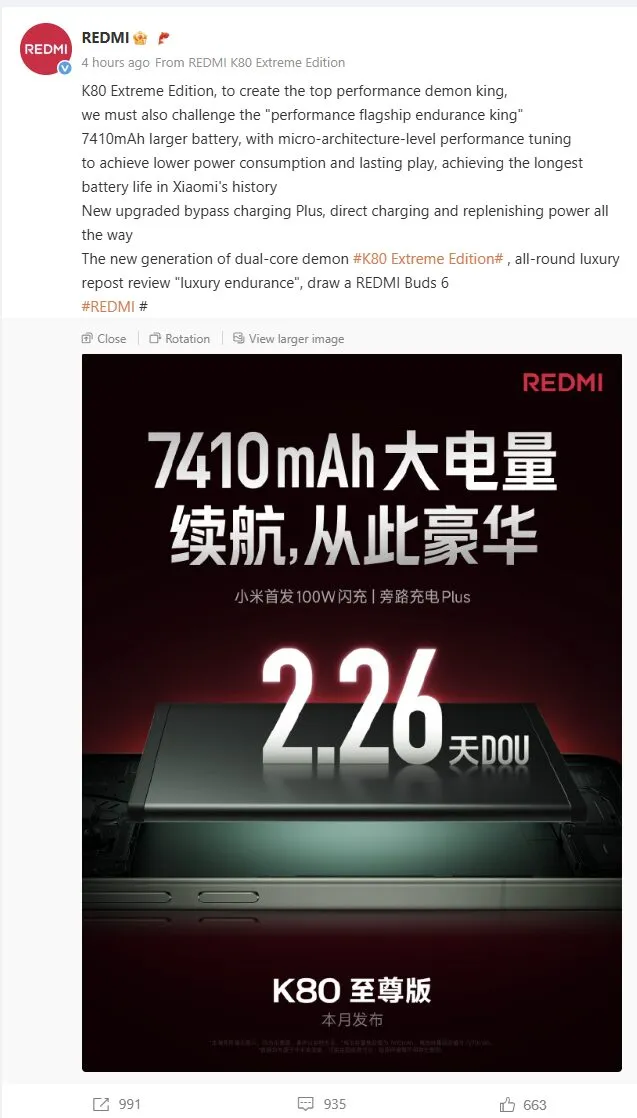
    The REDMI K80 Ultra has been formally revealed by Xiaomi, and its record-breaking 7410mAh battery—currently the largest in a Xiaomi flagship—is generating headlines. According to the business, this new capacity allows for up to 2.26 days of normal use, which is a major improvement in the battery life of high-end smartphones. In addition to the raw size, the most recent Dimensity 9400+ processor and sophisticated system-level power optimization enable this longer battery life, guaranteeing excellent performance without sacrificing endurance.

    New breakthrough tech for the battery

    The Redmi K80 Ultra raises the bar for flagship smartphones with its 7410mAh battery. Users may anticipate reduced energy usage across all components thanks to Xiaomi’s integration of sophisticated micro-architecture tuning and power management. Direct charging and continued operation during battery replenishment are made possible by the new Bypass Charging Plus technology, which reduces device downtime and supports a wider range of usage scenarios for mobile business professionals.

    redmi k80 ultra battery tech

    With Xiaomi’s first 100W flash charging mechanism, the Redmi K80 Ultra offers quick charging in a flagship device. This potent combination of ultra-fast charging and a large capacity battery balances productivity and ease of use.

    Key charging features include:

    • 100W flash charging for rapid power top-ups
    • Bypass Charging Plus for uninterrupted productivity
    • Direct charging support for extended work or gaming sessions
    • Optimized power management for all-day performance
    • Industry-leading 2.26 days of typical usage
    redmi k80 ultra announcement

    Redmi K80 Ultra – performance, design and advanced features

    The K80 Ultra offers a high-end multimedia experience in addition to battery performance. It has aviation-grade lightweight domes, two symmetrical speakers with cutting-edge coaxial high and low frequency units, and freshly created diaphragm materials. With almost 100 programmable effects, an enhanced ultra-wideband cyber motor on the haptic side offers quicker and more reliable vibration feedback, making it perfect for immersive applications and warnings.

    The Dimensity 9400+ flagship chipset, which is backed by the first independent D2 display chip in a Redmi device, offers performance at the forefront. Redmi’s largest 3D ice-sealed cooling system is incorporated into the K80 Ultra to ensure consistent high performance.

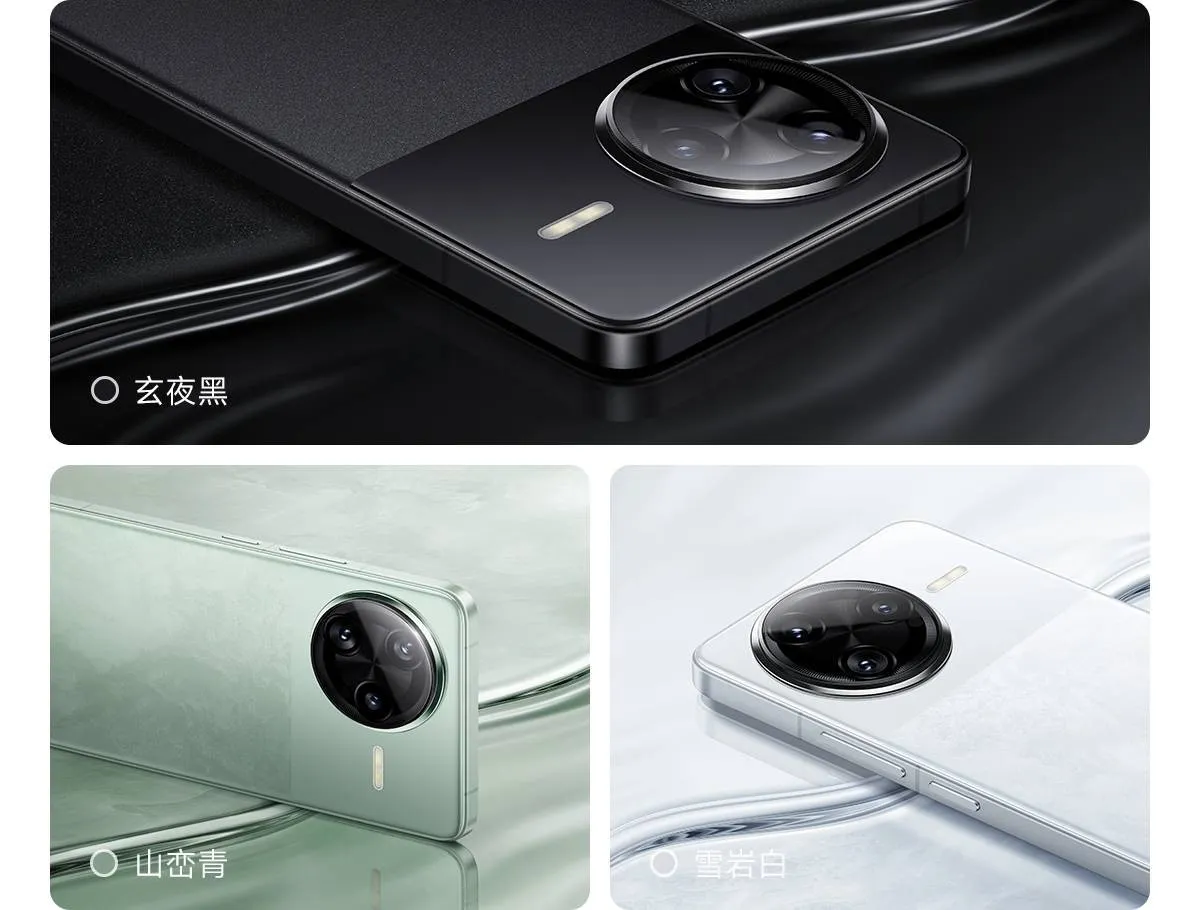
    The device’s premium positioning is highlighted by design features such a metallic camera module, flagship-grade fiberglass back, a 6.83-inch flat display, and a four-curved metal middle frame. The end product is a premium smartphone that leads the way in battery innovation while also providing business users looking for sophistication and dependability with performance and design.

    Stay connected with the latest from Droid Tools—follow us on X @droid_tools, like our page on Facebook, check out our updates on Instagram, and follow us on Google News for real-time news, device tips, and mobile tech insights.

  • Despite having a sub-flagship chip, the Nothing Phone 3 leak reveals significant improvements.

    Despite having a sub-flagship chip, the Nothing Phone 3 leak reveals significant improvements.

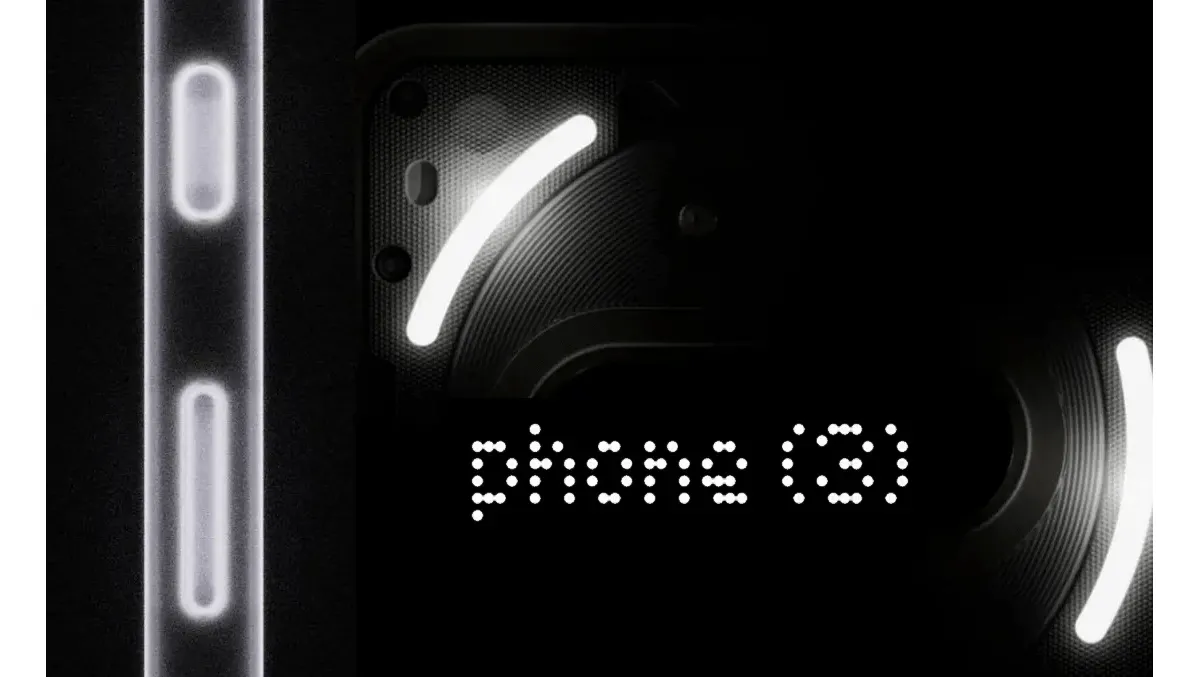
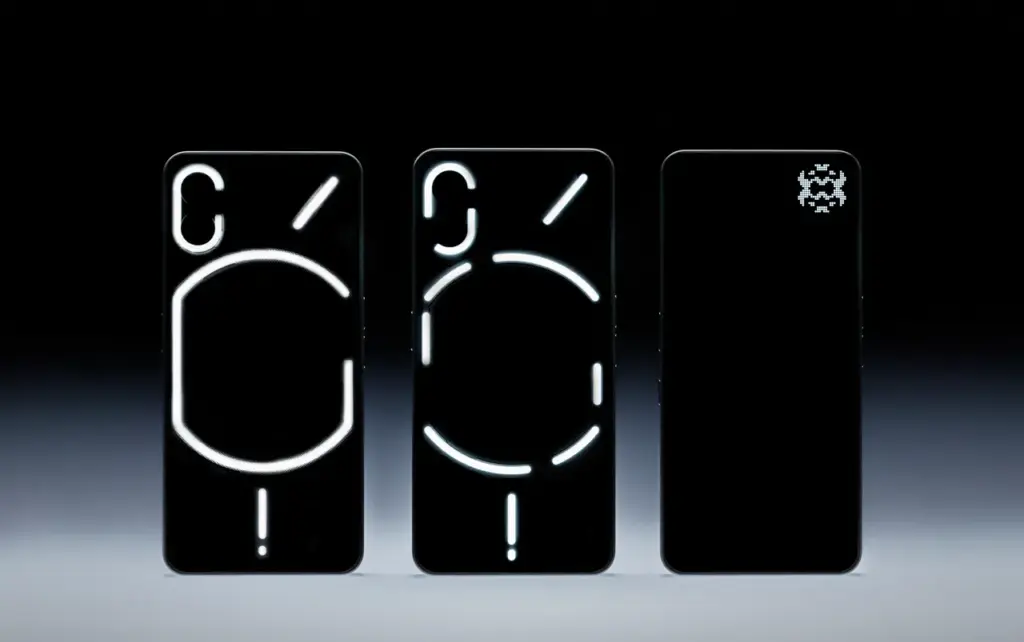
    Nothing has formally announced that their next phone, the Phone 3, will be available on July 1st, 2025. Numerous details about the Nothing Phone 3 have already surfaced online, including its features and characteristics. According to an official teaser released by Nothing, the device would use an LED effect in place of Glyph. The Snapdragon8S Generation 4 is the only one of several upcoming improvements on the Nothing Phone 3, according to Gadget Bits’ X handle.

    Nothing Phone 3 launch

    On July 1st, 2025, Nothing Phone 3 will launch, following the success of Nothing Phone 2. The sale will begin on July 1st, however no official teasers have been released. The offer will be available on the official Nothing website, as well as on Amazon, Flipkart, and other online retailers.

    Nothing Phone 3

    Features and Specs

    The Nothing Phone 3’s display features a 6.7″ screen and a 1.5K LTPO OLED panel. Nothing’s Phone 3 will have a display that supports 10802392 pixels. The display has a refresh rate of up to 120 Hz and a brightness of up to 3000 nits. The phone is 163.577.5*8.4 mm in size. Given that the present phone weighs 201g, consumers should have no trouble carrying it. Glass has been included onto the front and rear of the gadget to provide protection. Nothing Phone 3’s IP64 certification offers dust and water resistance.

    The Phone 3’s triple-lens back camera has 50MP primary, 50MP telephoto, and 50MP ultra-wide lenses. A 3x optical zoom is included into the telephoto lens. One of its unique features is the Glyph matrix, which will be positioned in the top right corner of the device to provide a clear view. Users may shoot selfies and make high-quality video calls thanks to the 50MP front camera. The front camera can capture 1080p video at 30 frames per second. We may anticipate that focusing may be an option on the front camera.

    The current phone is equipped with a Qualcomm Snapdragon8S Generation 4 chipset. Nothing OS 3.5 and Android-15 support the base.

    The largest improvement is the larger battery capacity of the Phone3, which is approximately 5150mAh. There is a significant charge rate associated with this upgrade. Additionally, it enables cable charging with fast charging up to 100W. This phone also has the option of wireless charging. Additionally, it will offer wireless charging in reverse, which is ideal for gamers.

    For some potential users, it offers a significant improvement in eSIM capability, something that the previous Nothing phones did not offer. Additionally, it is said that Nothing’s Phone 3 will feature NFC.

    Although the camera design is not shown, the blurry image of the Phone 3 that was released in the X grip gives a glimpse of the back-camera look. Continue to visit our websites for additional updates on Nothing Phone 3 modifications and enhancements.

    Stay connected with the latest from Droid Tools—follow us on X @droid_tools, like our page on Facebook, check out our updates on Instagram, and follow us on Google News for real-time news, device tips, and mobile tech insights.

  • HyperOS 3 will come with a new design according to the new leaked screenshots

    HyperOS 3 will come with a new design according to the new leaked screenshots

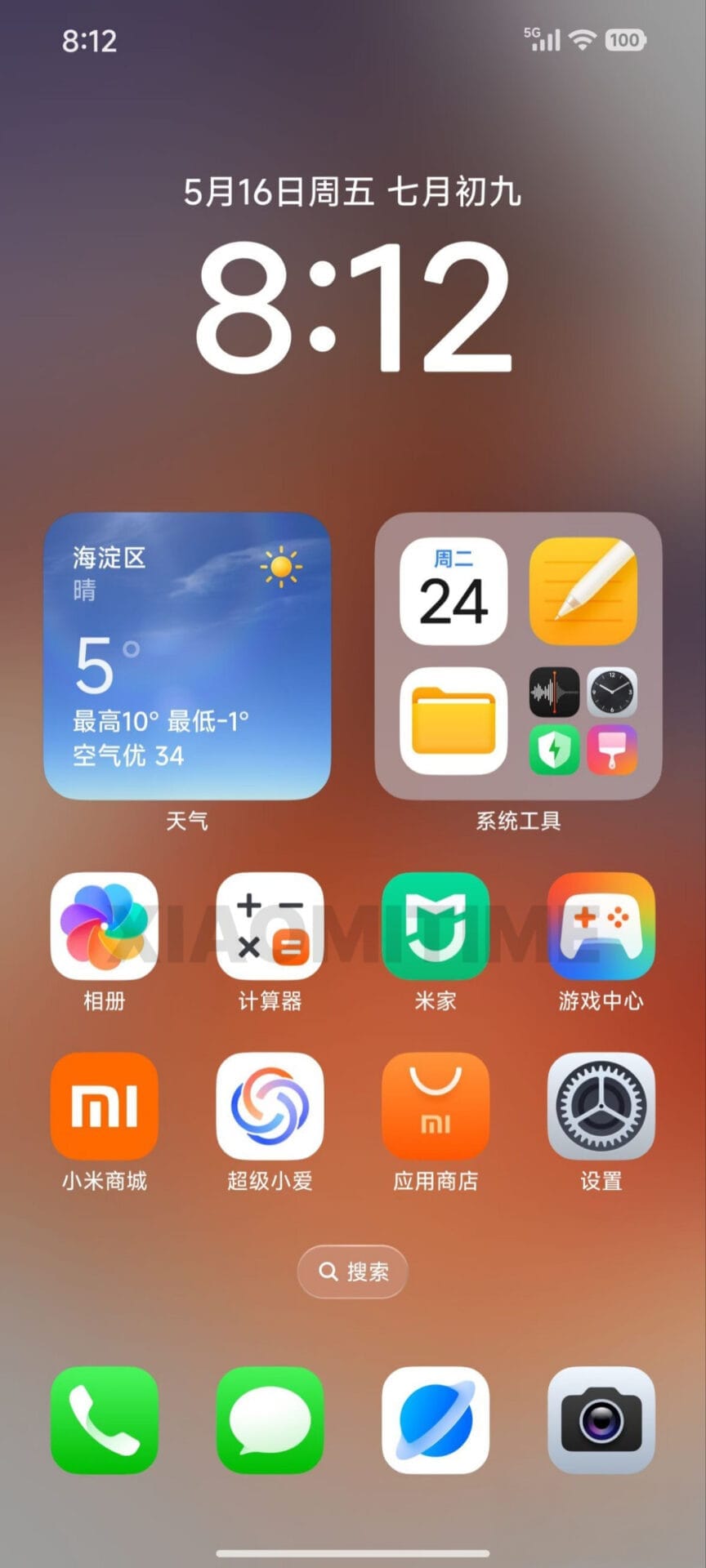
    Through a newly published user survey, Xiaomi has given users an early glimpse at HyperOS 3, and the changes are remarkable. Xiaomi intends to establish HyperOS as a high-end, competitive platform, as evidenced by the recent screenshot’s significant UI redesign. With significant updates to key system components, especially icons and layouts, the design language is obviously influenced by iOS. This version demonstrates Xiaomi’s continued commitment to improving its unique Android skin in order to better cater to a worldwide users.

    The updated icon set is the most noticeable change. The unified, elegant look of these new icons, which closely resemble those in iOS 18, improves the user experience as a whole. This change reflects Xiaomi’s emphasis on improving brand perception among high-end users and conforming to industry-leading design standards.

    The removal of the search bar on the home screen is another significant change. Xiaomi achieves a more simplified and clean home screen by removing this component, giving app icons and widgets more attention. This minimalist style should appeal to people who value clarity and simplicity and is consistent with larger trends in mobile user interface design.

    hyperos 3 leak design

    New battery indicator and glass user interface

    Additionally, a revised battery indication that now closely resembles the iPhone’s approach is included in HyperOS 3. In addition to updating the battery status visual representation, this update advances Xiaomi’s overarching objective of providing a recognizable, intuitive user experience that appeals to iOS customers thinking about switching.

    Furthermore, Glass UI-inspired effects are incorporated into the redesigned interface, giving the system more visual refinement and depth. Together, these improvements give all supported devices a more upscale and sophisticated appearance.

    Wide device compatibility

    Xiaomi is extending HyperOS 3 to an extensive range of devices, reinforcing its commitment to software support:

    • 33 Xiaomi models
    • 44 Redmi devices
    • 19 POCO devices

    This broad compatibility—spanning 96 devices in total—demonstrates Xiaomi’s dedication to serving a diverse customer base, from flagship owners to budget users.

    Analysts predict that Xiaomi will formally unveil HyperOS 3 in October 2025. Depending on rollout timelines and device capabilities, the update will be developed for both Android 15 and Android 16.

    Stay connected with the latest from Droid Tools—follow us on X @droid_tools, like our page on Facebook, check out our updates on Instagram, and follow us on Google News for real-time news, device tips, and mobile tech insights.

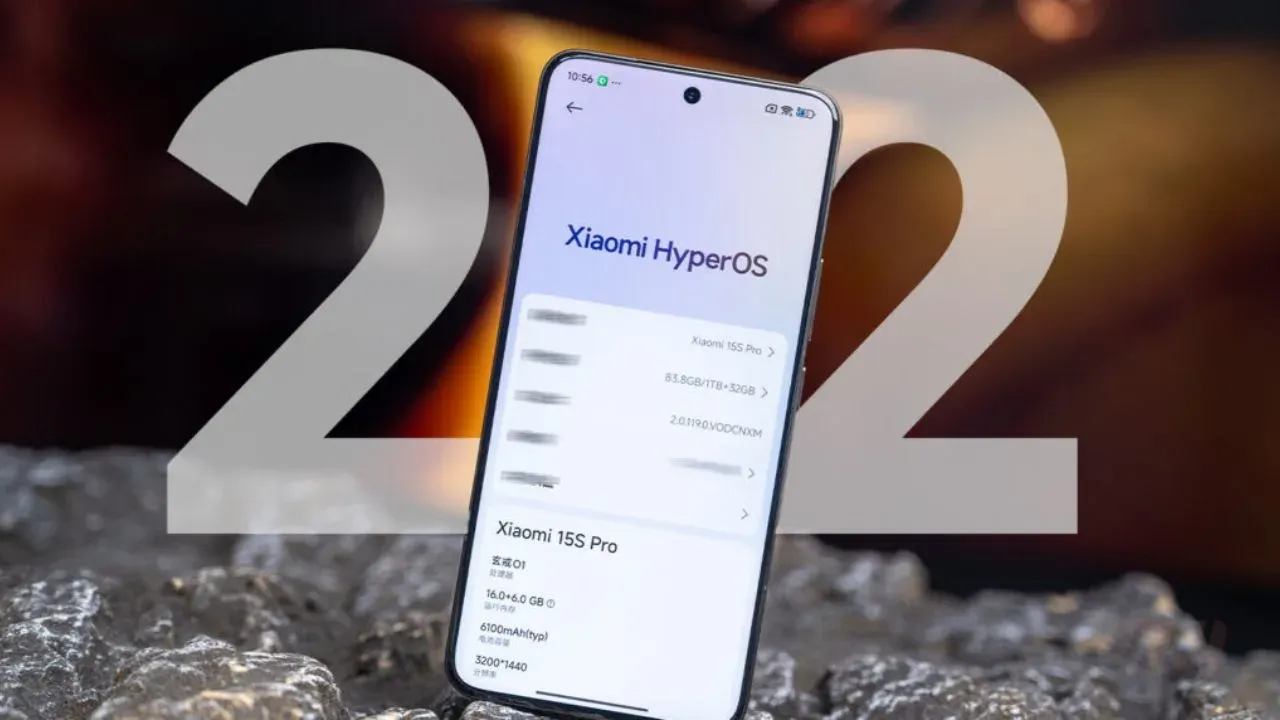
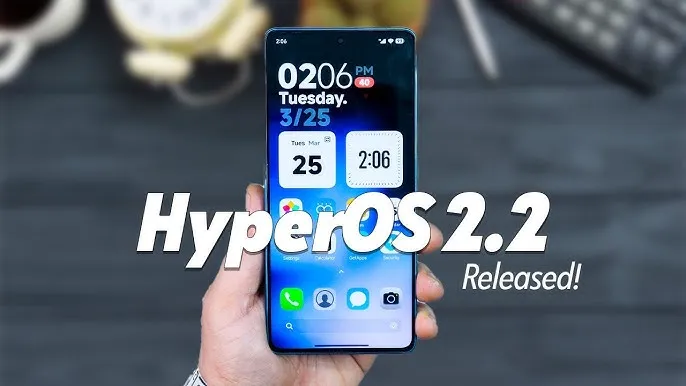
  • Imminent update to HyperOS 2.2 for these devices

    Imminent update to HyperOS 2.2 for these devices

    Xiaomi is getting ready for a significant HyperOS 2.2 release that will affect over 40 devices worldwide. With regional coverage including Europe, India, Indonesia, Russia, Taiwan, and other markets, this update will feature Xiaomi Pad tablets, POCO smartphones, and Redmi series phones. The completion of stable beta testing indicates an impending general release.

    With the most devices slated for the update, the European Economic Area (EEA) is in first place. In order to provide thorough worldwide coverage, global versions as well as specially designed releases for Taiwan, Indonesia, Russia, and India will come soon after.

    hyperos 2.2 release

    The new software will be released initially for key POCO products including the X7 Pro (Redmi Turbo 4) and F7 Pro (Redmi K80). Updates for the POCO M6 series, including Pro 4G models, are also planned for the EEA and Russia regions. There will be broad support for Redmi’s wide range of products, from flagship models like the K70 Ultra to more affordable variants like the Redmi 13C. Taiwan, Russia, and other markets will witness the release of the Redmi Note 14 and K70 series. To ensure a consistent experience across smartphones and tablets, tablet users should anticipate updates for the Xiaomi Pad 6S Pro 12.4, Redmi Pad Pro 5G, and Redmi Pad SE series.

    • POCO F7 Pro OS2.0.202.0.VOKEUXM EEA
    • POCO M6 Pro 4G/Redmi Note 13 Pro 4G OS2.0.203.0.VNFRUXM Russia
    • POCO M6/Redmi 13/Redmi 13X OS2.0.201.0.VNTEUXM EEA
    • POCO X6 Pro OS2.0.201.0.VNLEUXM EEA
    • POCO X6 Pro OS2.0.201.0.VNLINXM India
    • Redmi 12 OS2.0.201.0.VMXEUXM EEA
    • Redmi 13C/POCO C65 OS2.0.201.0.VGPEUXM EEA
    • Redmi 13R/Redmi 13C 5G OS2.0.201.0.VGQEUXM EEA
    • Redmi 14C/POCO C75/Redmi A3 Pro OS2.0.202.0.VGTEUXM EEA
    • Xiaomi 13T Pro OS2.0.202.0.VMLEUXM EEA
    • Xiaomi 14T Pro OS2.0.202.0.VNNMIXM Global
    • Xiaomi 14T Pro OS2.0.202.0.VNNRUXM Russia
    • POCO F6 Pro OS2.0.201.0.VNKEUXM EEA
    • POCO F6 Pro OS2.0.201.0.VNKMIXM Global
    • POCO F6 Pro OS2.0.202.0.VNKRUXM Russia
    • POCO F6 Pro OS2.0.202.0.VNKTWXM Taiwan
    • POCO F7 Ultra OS2.0.202.0.VOMEUXM EEA
    • Redmi Note 12 NFC 4G OS2.0.202.0.VMGEUXM EEA
    • Redmi Note 12S OS2.0.201.0.VHZEUXM EEA
    • Redmi Note 13 4G NFC OS2.0.201.0.VNHEUXM EEA
    • Redmi Note 13 Pro 4G/POCO M6 Pro 4G OS2.0.202.0.VNFEUXM EEA
    • Redmi Note 13 Pro 4G/POCO M6 Pro 4G OS2.0.202.0.VNFMIXM Global
    • Redmi Note 13 Pro+ OS2.0.201.0.VNOEUXM EEA
    • Redmi Note 13 Pro+ OS2.0.201.0.VNOINXM India
    • Redmi Note 14 Pro 4G OS2.0.202.0.VOFEUXM EEA
    • Redmi Note 14 Pro+ OS2.0.201.0.VOPINXM India
    • Redmi Note 14 Pro+ OS2.0.201.0.VOPMIXM Global
    • Redmi Note 14 Pro+ OS2.0.202.0.VOPEUXM EEA
    • Redmi Note 14 Pro/POCO X7 OS2.0.202.0.VOOEUXM EEA
    • Redmi Note 14/POCO M7 Pro 5G OS2.0.202.0.VOQEUXM EEA
    • REDMI Pad 2 4G OS2.0.201.0.VOWEUXM EEA
    • Redmi Pad Pro 5G OS2.0.201.0.VFSEUXM EEA
    • Redmi Pad Pro/POCO Pad OS2.0.202.0.VNSEUXM EEA
    • Redmi Pad SE 4G OS2.0.201.0.VHYEUXM EEA
    • Redmi Pad SE 8.7 Wi-Fi OS2.0.201.0.VHXEUXM EEA
    • REDMI Turbo 4/POCO X7 Pro OS2.0.201.0.VOJEUXM EEA
    • Xiaomi 15 Ultra OS2.0.202.0.VOARUXM Russia
    • Xiaomi MIX FLIP OS2.0.201.0.VNIEUXM EEA
    • Xiaomi Pad 6S Pro 12.4 OS2.0.201.0.VNXIDXM Indonesia
    • Xiaomi Pad 6S Pro 12.4 OS2.0.201.0.VNXMIXM Global
    • Xiaomi Pad 6S Pro 12.4 OS2.0.201.0.VNXRUXM Russia
    • Xiaomi Pad 6S Pro 12.4 OS2.0.202.0.VNXEUXM EEA

    New features and enhancements

    System Animations

    Significant enhancements to system animations are included in the update, providing more stable and seamless transitions, particularly while multitasking and shutting down apps.

    Desktop Experience

    Improved visual effects like font shadowing for easier reading and desktop background blur are new in HyperOS 2.2. The new HyperConnect feature increases the number of communication possibilities by enabling voice chat without an internet connection.

    Camera Application

    A simpler interface and more professional appearance are provided with a revamped camera app. Merged presets, more customizable watermarks, and improved pro mode capability are among the upgrades.

    Lock Screen and Accessibility

    Custom shortcuts and lens effects are now supported by lock screen features. Included are major accessibility improvements like enhanced TalkBack support and better volume controls, as well as new fingerprint animations.

    HyperOS 2.2 is currently available to Mi Pilot testers, and a wider public release is anticipated shortly. Xiaomi is working on updates for about 100 devices, demonstrating a comprehensive approach centered on compatibility with HyperOS 2 and Android 15.

    Stay connected with the latest from Droid Tools—follow us on X @droid_tools, like our page on Facebook, check out our updates on Instagram, and follow us on Google News for real-time news, device tips, and mobile tech insights.

  • You can move the address bar to the bottom in Chrome on Android.

    You can move the address bar to the bottom in Chrome on Android.

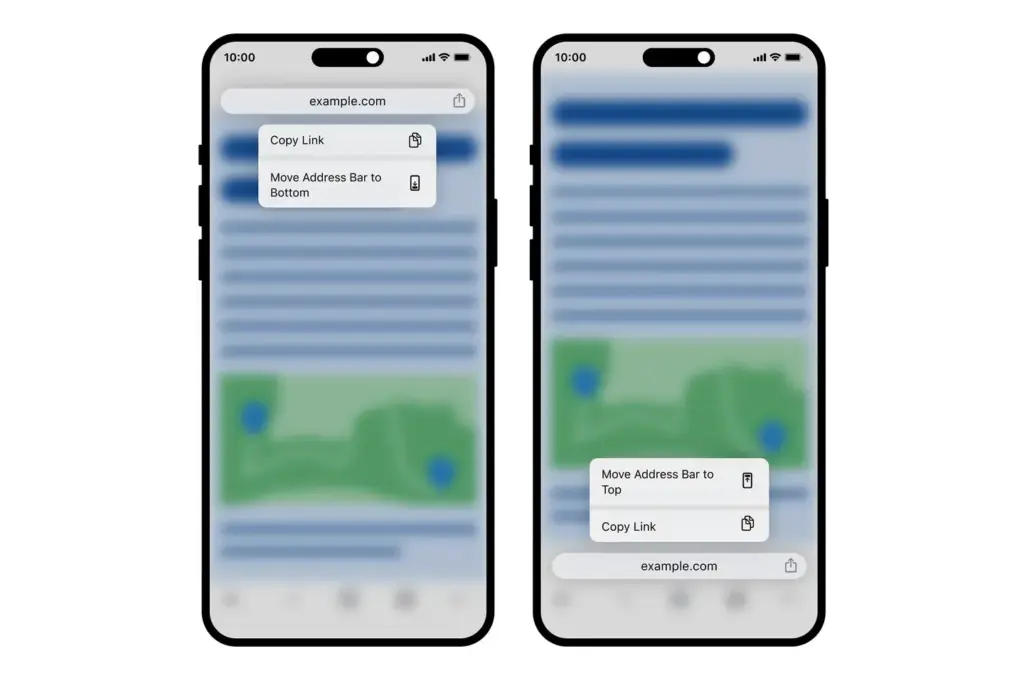
    One feature that users of iOS have enjoyed for a while—a moveable address bar—has been absent from an Android user’s customized Chrome experience. With Google’s statement that you would be able to move the Chrome address bar from top to bottom and back up again, that will alter as of right now.

    Android’s Chrome address bar can be moved to the bottom. This may seem like a dumb little feature, but I can’t wait for it to arrive on my device. It can be challenging to reach the top of our phones without a second hand or having to do a risky shimmy because they are huge. An address bar at the bottom is always accessible.

    Move Chrome address bar to botto

    Google is allowing you to manually relocate the Chrome address bar by long-pressing on it (such as the actual URL space) and then selecting “relocate address bar to bottom” for those who enjoy the concept (which you can see above). You can see how it appears on iOS below.

    According to Google, the update may take “weeks” to reach everyone, but it will “begin to emerge” on devices as early as today.

    Stay connected with the latest from Droid Tools—follow us on X @droid_tools, like our page on Facebook, check out our updates on Instagram, and follow us on Google News for real-time news, device tips, and mobile tech insights.

  • New #leak with Galaxy Watch 8 and Galaxy Watch Ultra design and colors

    New #leak with Galaxy Watch 8 and Galaxy Watch Ultra design and colors

    Next month, Samsung will be launching new smartwatches at its Unpacked presentation. We already know that the business will release a new version of the Galaxy Watch Ultra, the Galaxy Watch 8, and the Galaxy Watch 8 Classic.

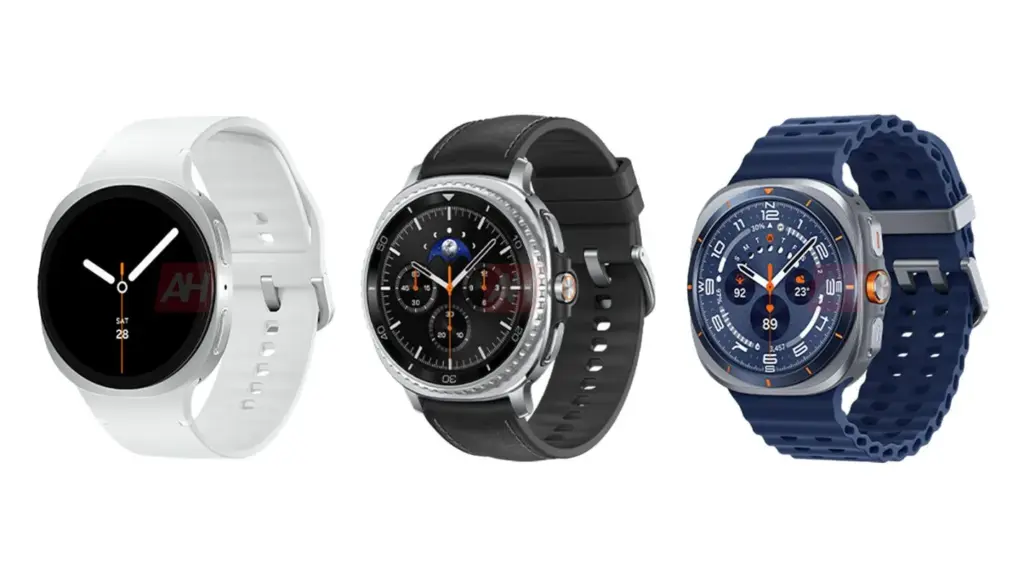
    The design of these smartwatches and the new color options that the firm will provide are revealed in new renders that were posted online today by Android Headlines. In 2025, Samsung has decided to use a squircle design for their complete portfolio.

    Samsung’s new high-end goods feature blue as their hero color.

    galaxy watch 8 2025 leak design

    The next Samsung Galaxy Watch models won’t be completely square or round like earlier models, as we’ve seen in other leaks as well. The term “squircle” refers to the design’s intermediate position between a circle and a square.

    Additionally, it is believed that this year will see the reintroduction of the Classic model, which features a distinctive physical bezel. Neither the new Galaxy Watch Ultra nor the standard Galaxy Watch 8 will have a physical bezel. The Quick button will also be available on the Galaxy Watch 8 Classic, according to these renders.

    The new blue color option for the 2025 Galaxy Watch Ultra is an intriguing development. Previously available exclusively in orange and dark gray, the Galaxy Watch Ultra is a colorful new addition. Given that the next Galaxy Z Fold 7 will also be offered in a striking shade of blue, blue is probably Samsung’s hero color for new devices.

    Although Samsung has not officially confirmed any information regarding the upcoming devices, we should anticipate more leaks in the days ahead. With the new products arriving on store shelves before the end of the month, the event itself is probably scheduled for mid-July.

    galaxy watch 7

    Samsung Galaxy Watch 7

    Looking for a great way to bring out your personal best every day? Challenge yourself to excel on your next run or bike ride using tracking with Galaxy AI that lets you compare your current performance to your last one

    $299.99$199.99Amazon
  • Snapdragon 8 Elite 2 has a significant jump benchmarks score

    Snapdragon 8 Elite 2 has a significant jump benchmarks score

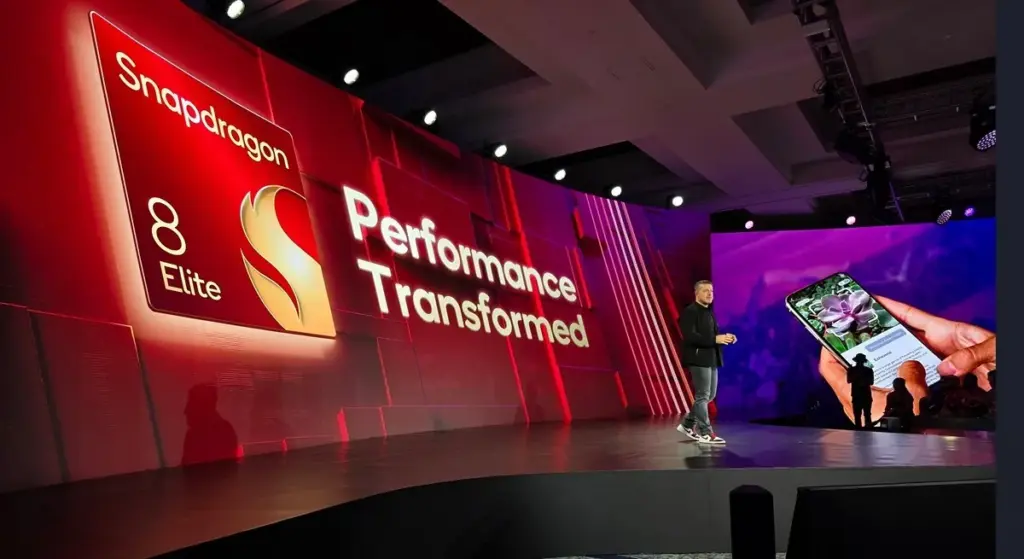
    The 2025 Snapdragon Summit is scheduled by Qualcomm for September 23–26, 2025. The US-based chipmaker is probably going to reveal the Snapdragon 8 Elite 2, which will power the premium phones of the future. According to a recent Weibo post by trustworthy tipster Digital Chat Station, this next SoC will have significant improvements in processing and graphics capabilities.

    According to the leak, Qualcomm’s second-generation Oryon CPU architecture would be available in the Snapdragon 8 Elite 2. According to reports, the chipset is aiming for single-core test scores of over 4,000 points and multi-core scores of up to 11,000 points on Geekbench 6. The new chip promises a considerable performance boost over the first-generation Snapdragon 8 Elite, which scored about 3,100 and 9,800, respectively.

    Snapdragon 8 Elite 2: big upgrade in CPU and GPU performance

    Snapdragon 8 Elite Gen 2

    A 16MB GMEM cache and an updated Adreno 840 GPU are also anticipated to be included in the platform, which will enable it to easily handle demanding visuals and graphics-intensive applications. These improvements imply that future flagship smartphones will prioritize improved thermal management and performance efficiency.

    Snapdragon 8 Elite 2 known specs

    According to rumors, the Snapdragon 8 Elite 2 will offer notable upgrades over its predecessor with a 2+6 CPU structure and a potential clock speed of up to 5GHz. With a base frequency of 4.4GHz, which is marginally higher than the 4.32GHz of the previous iteration, the CPU is anticipated to be constructed using TSMC’s third-generation 3nm process.

    Xiaomi is probably going to be the first company to release phones with this chipset, specifically the Xiaomi 16 and Xiaomi 16 Pro, based on past trends. The OnePlus 15, iQOO 15, 15 Pro, Honor Magic 8 series, Realme GT 8 Pro, Nubia Red Magic 11 series, and Redmi K90 series are possible more early adopters.

    The new processor is anticipated to be included in the Vivo X300 Ultra and Oppo Find X9 Ultra, which are scheduled to launch next year. It’s unclear, meanwhile, if the Xiaomi 16 Ultra will use the company’s proprietary Xring SoC or the Snapdragon processor.

  • Google says AOSP not being ‘discontinued’ even if Pixel change impacting custom ROMs

    Google says AOSP not being ‘discontinued’ even if Pixel change impacting custom ROMs

    Google withheld the release of the Pixel device trees and hardware repositories, which are crucial for makers of custom ROMs, when Android 16 was released earlier this week. Some began to speculate that “AOSP is being discontinued” as a result of this. Despite Google’s denials, the Pixel modification appears to be deliberate.

    Google made the source code for Android 16 available to the Android Open Source Project on Tuesday. In a significant departure from previous releases, the Pixel device trees and other code that were utilized to modify the AOSP release to fit particular (made by) Google hardware were not made available.

    Custom Android ROMs will struggle to produce their OS updates without the Pixel hardware repos, which contain the device trees, driver binaries, and other components. Security (vulnerability) researchers may also be affected by this.

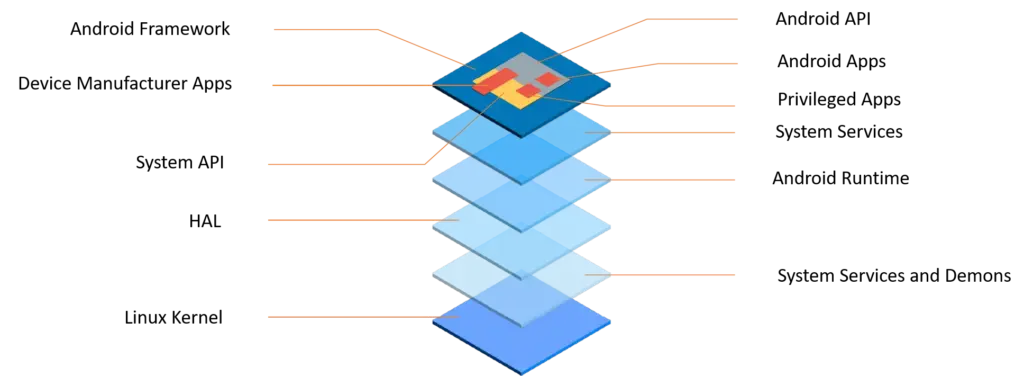
    aosp arhitecture

    As a result, some community members conjectured that AOSP was being phased out. Seang Chau, the vice president and general manager of Android, said on Wednesday night that “AOSP is NOT going away” in general. Google has stated that it will continue to be “dedicated to AOSP updates,” speaking directly to developers.

    The Android team’s statement does appear to indicate that Pixel device trees will no longer be available. A “reference target” that is “independent of any particular hardware, even those from Google” is what AOSP hopes to provide in the future.

    AOSP needs a reference target that is flexible, configurable, and affordable – independent of any particular hardware, including those from Google. For years, developers have been building Cuttlefish (available on GitHub as the reference device for the project) and GSI targets from source. We continue to make those available for testing and development purposes.

    Once more, Google is “dedicated to AOSP,” but the future will be more difficult for people who run custom ROMs.

    Stay connected with the latest from Droid Tools—follow us on X @droid_tools, like our page on Facebook, check out our updates on Instagram, and follow us on Google News for real-time news, device tips, and mobile tech insights.